Author: Trang Nguyen

  • Building better vaccines: Dr Thitinan Kitisin explores tonsil organoids models in Thailand 

    Building better vaccines: Dr Thitinan Kitisin explores tonsil organoids models in Thailand 

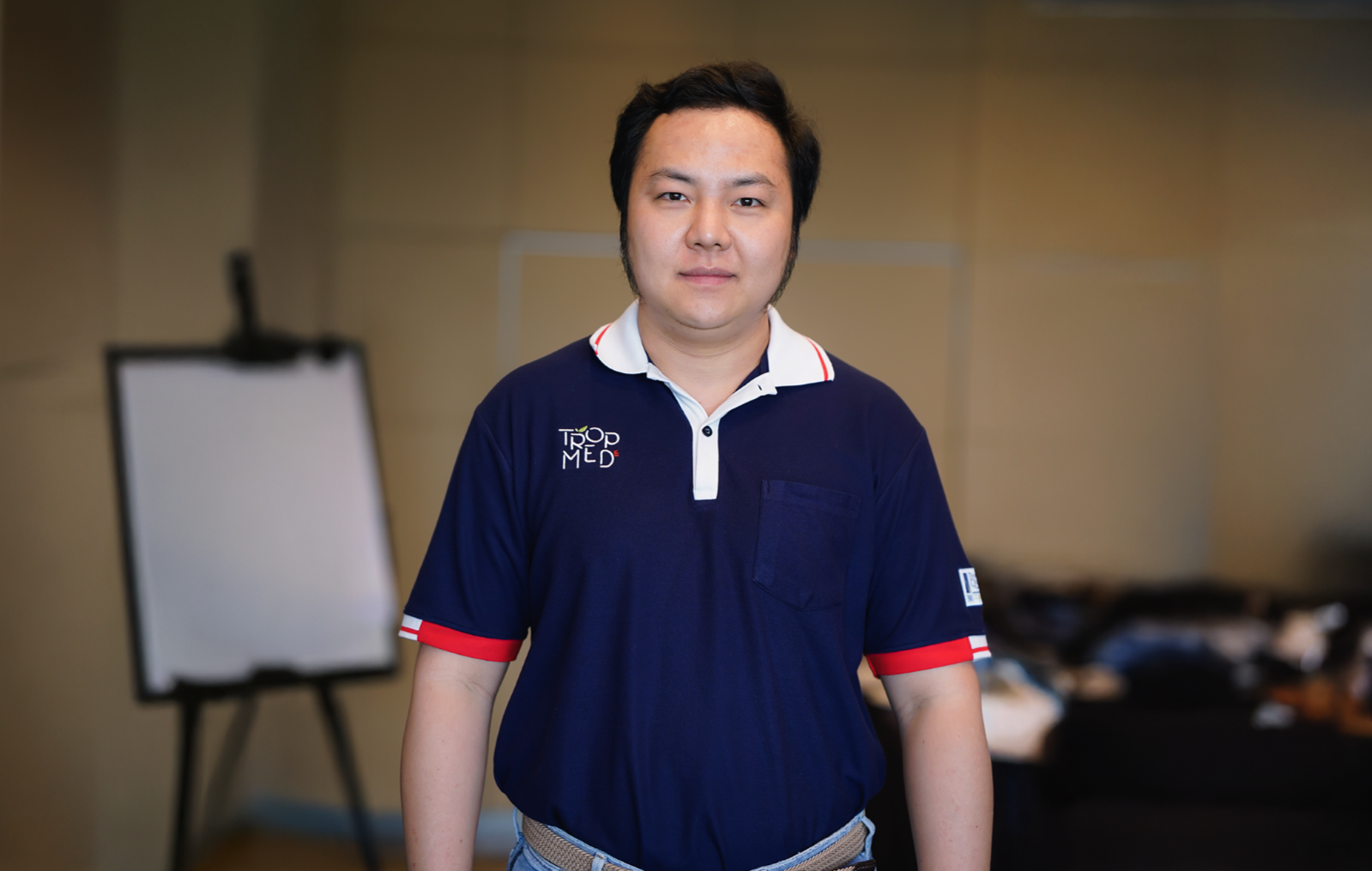
    Assistant Professor Thitinan Kitisin at Mahidol University and member of the first MODRA cohort. (Photo: OUCRU, 2024)

    At Mahidol University’s Faculty of Tropical Medicine, Assistant Professor Dr Thitinan Kitisin had already built a solid academic track record, focusing on how the human immune system responds to Plasmodium vivax, the most common malaria parasite in Thailand. He had the technical expertise, a growing list of publications, and the teaching responsibilities. But when it came to leading large-scale research or securing international funding, he admits, “I didn’t even know where to begin.”

    “As a scientist trained entirely in Thailand, I was comfortable in the lab, but hesitant to step into the global research arena,” he says. “International grants felt out of reach. I wasn’t sure I had the right experience, the right network, or even the right language.”

    That mindset began to shift when Dr Thitinan joined the MORU-OUCRU Discovery Research Academy (MODRA) in 2024, a programme designed to support early-career researchers across Asia with mentorship, training, and seed funding.

    Building a New Research Platform

    With support from MODRA’s seed award, Dr Thitinan is working to establish an in vitro tonsil organoid model, a lab-grown system that mimics human immune responses using real tonsil tissue.

    “Most vaccine development still relies on animal models,” he explains. “But those don’t always translate to humans. The organoid platform allows us to model human adaptive immunity directly, which is a game-changer.”

    MODRA’s seed funding gave him both the confidence and the early data needed to pursue something much bigger. He reached out to Dr Lisa Wagar at the University of California, Irvine, a pioneer in the field. Together, they applied for and secured a major U.S.–Japan Collaborative Medical Sciences Award (2024–2026), with Dr Thitinan serving as the principal investigator from Thailand.

    “This is not just about one disease,” he notes. “The platform can be adapted to study other infections, immune-modulating drugs, and even therapeutic antibodies. We’re opening a new door for translational immunology.”

    With this model, Dr Thitinan hopes to improve the success rate of vaccine development, reduce dependence on animal models, and accelerate the design of effective immunisations for diseases impacting communities across Asia and beyond.

    Passing on the Skills Science Degrees Don’t Teach
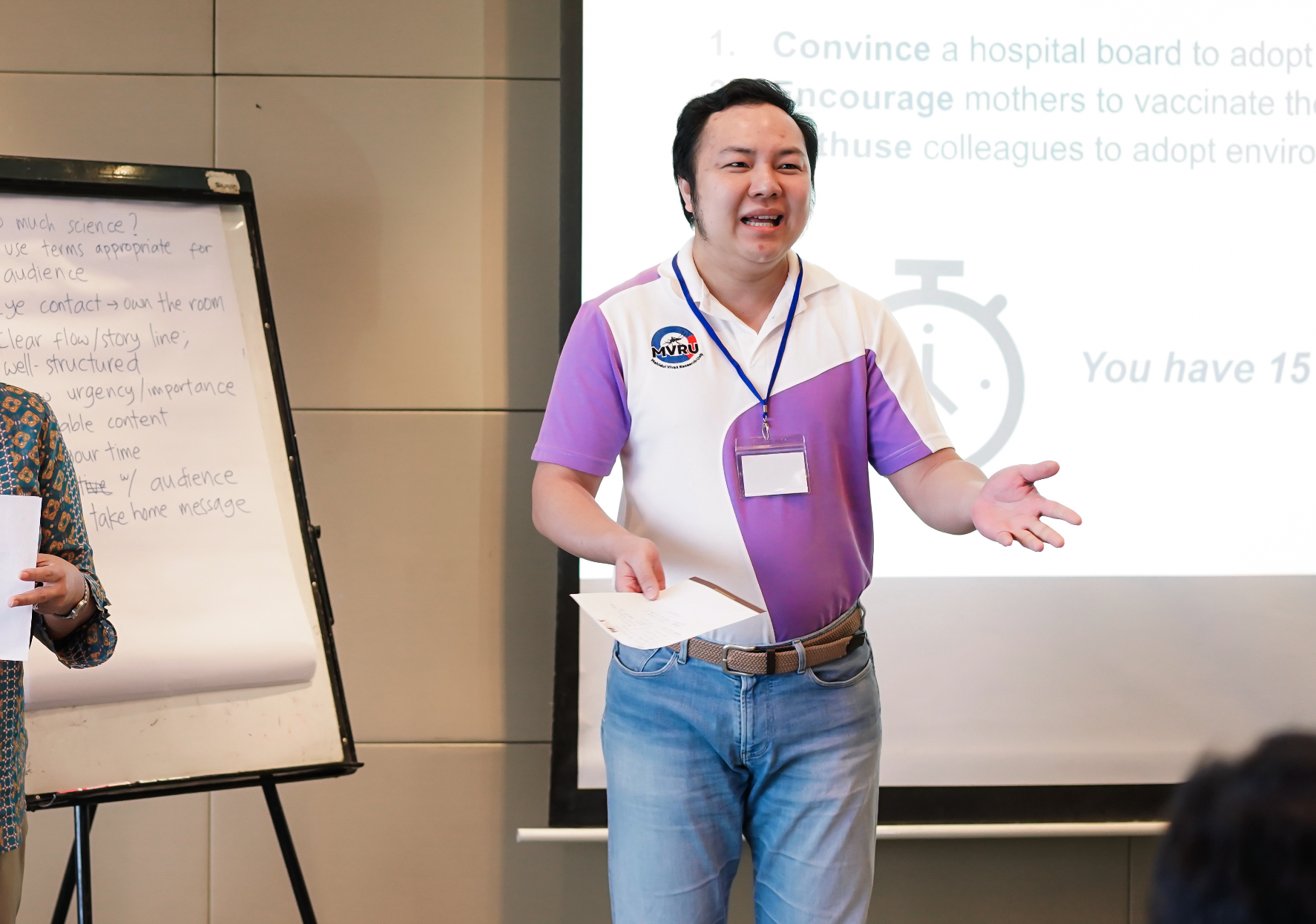
    Dr Thitinan presenting his research pitch for the MODRA seed award during Workshop 2 in Vietnam. (Photo: OUCRU, 2024) 

    But Dr Thitinan’s transformation doesn’t end with research outputs. MODRA helped him see that leadership in science also means teaching others to lead. “I want my students to learn earlier than I did, how to write proposals, manage a budget, and pitch their ideas clearly.”

    He now incorporates leadership and research management into his teaching at the Department of Microbiology and Immunology, Mahidol University, Thailand. His students practise elevator pitches, design one-page proposals, and run capstone-projects with real deadlines and deliverables. “These are skills I had to learn the hard way,” he reflects. “But my students don’t have to.”

    He believes this kind of training should be standard. “Science education often ends at the method section. But real research needs strategy, communication, and collaboration. MODRA gave me that, and now I want to pass it on.”

    When asked what advice he would give early-career scientists, Dr Thitinan doesn’t hesitate: “Don’t be afraid. Dream big and go for it.”

    He encourages others to apply to MODRA, not just for the funding, but for the mindset shift. “MODRA teaches you how to think differently, not just as a researcher, but as a leader. It connects you with mentors and collaborators who will challenge you to grow.”

    He smiles, reflecting on how far he’s come. “A few years ago, I wasn’t sure I could lead a project like this. Now, I’m training others to lead their own. That’s the power of mindset, and of a programme like MODRA.”

    About MODRA

    The MORU–OUCRU Discovery Research Academy (MODRA) is a fully funded 18-month programme designed to empower early-career postdocs scientists in Asia with the skills, mentorship, and funding needed to become independent researchers.

    Participants receive:

    ‣ Hands-on workshops on grant writing, budgeting, research design and project management.
    ‣ Ongoing mentorship from regional and global research leaders.
    ‣ Seed funding of up to $30,000 to launch preliminary research.

    This programme is a joint initiative by the Oxford University Clinical Research Unit (OUCRU) and the Mahidol Oxford Tropical Medicine Research Unit (MORU), both leading centres in global health research. MODRA is funded by Wellcome Trust and affiliated with the Centre for Tropical Medicine and Global Health at the University of Oxford, ensuring world-class standards in training and mentorship.

    If you’re ready to step into leadership and drive meaningful impact in global health, apply today.
  • Dr Sulochana Manandhar: Tackling newborn infection risks in Nepal 

    Dr Sulochana Manandhar: Tackling newborn infection risks in Nepal 

    Navigating Barriers as a Young Researcher in Nepal

    “As an early-career researcher from the Global South, securing research funding has been a significant challenge,” says Dr Sulochana Manandhar of OUCRU Nepal. “A limited scientific network and lack of mentorship made it harder to refine my ideas and design studies that could move from concept to reality.”

    Trained in microbiology, Dr Manandhar’s early research centred on bacterial neonatal infections, including that of Group B Streptococcus (GBS) and associated antimicrobial resistance (AMR). While technically proficient, she struggled to translate her ideas into fundable, feasible research. “I often focused heavily on the scientific details, without fully understanding how to connect my work to broader health systems or real-world priorities,” she reflects.

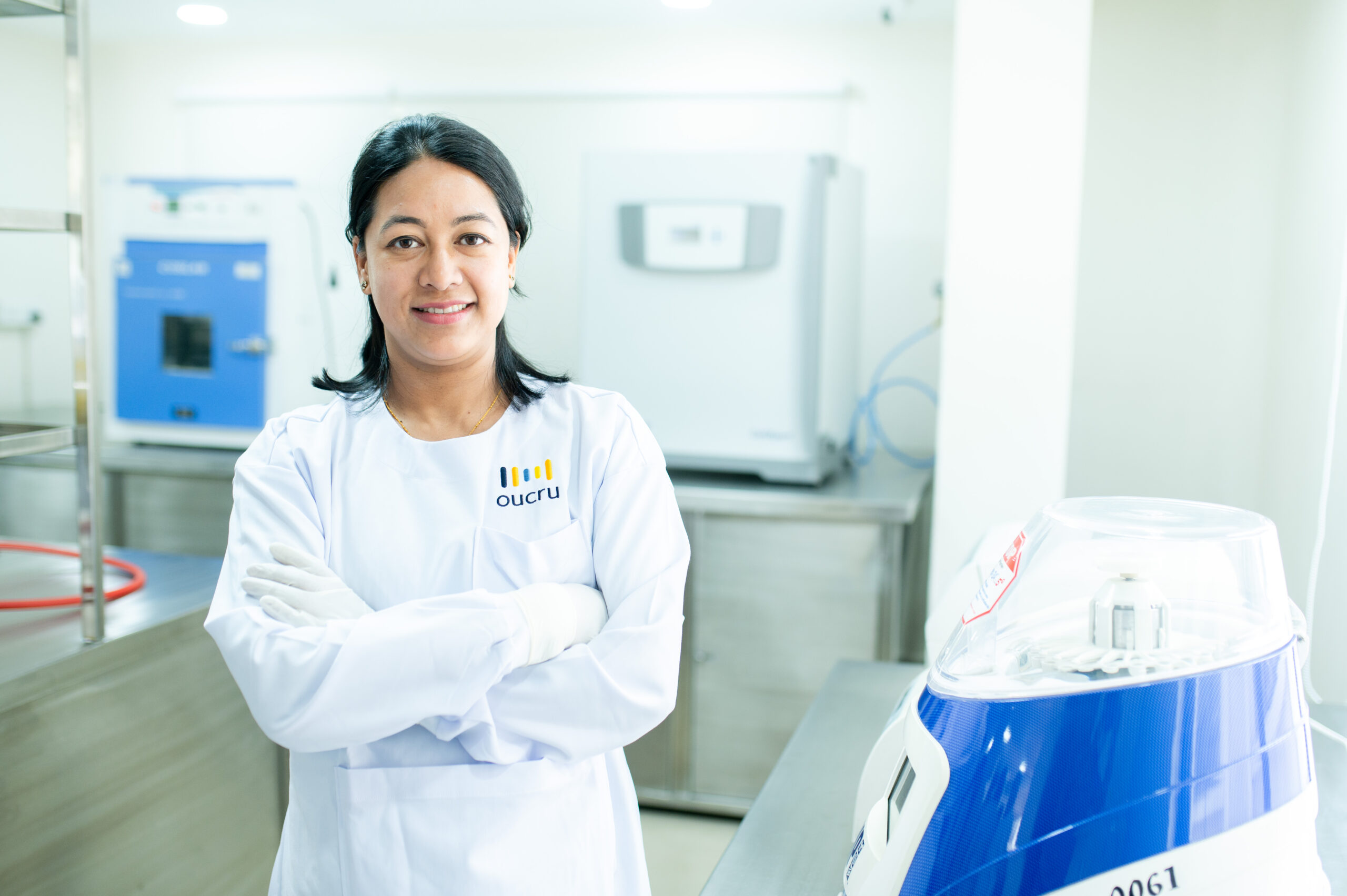
    Dr Sulochana Manandhar, microbiologist at OUCRU Nepal and member of the first MODRA cohort. (Photo: OUCRU, 2024) 

    That began to change in 2024, when Dr Manandhar joined the MORU–OUCRU Discovery Research Academy (MODRA), a transformative step that helped her move beyond the lab bench and into clinical research leadership. “MODRA introduced me to the logical framework tool for proposal writing,” Dr Manandhar explains. “It helped me define clear research outputs and outcomes, and to align my proposal with real-world needs and funder expectations.”

    Through structured training and tailored mentorship, she developed a system-aware approach to research. “My mentors taught me how to think beyond the science. They gave me crucial insights into how funding bodies assess proposals, especially how they value real-world impact and social relevance alongside scientific findings.”

    Leading Her First Hospital-Based Study

    With support from MODRA’s seed award, Dr Manandhar is now leading her first clinical study, investigating the prevalence of GBS among pregnant women and newborns in Nepal. Although GBS is known to cause neonatal infections globally, it remains underreported in Nepal.

    “Conducting a hospital-based study has been a steep learning curve,” she says. “From navigating ethics approval to coordinating with hospital staff and managing sample logistics, MODRA gave me the leadership and project management skills I needed.”

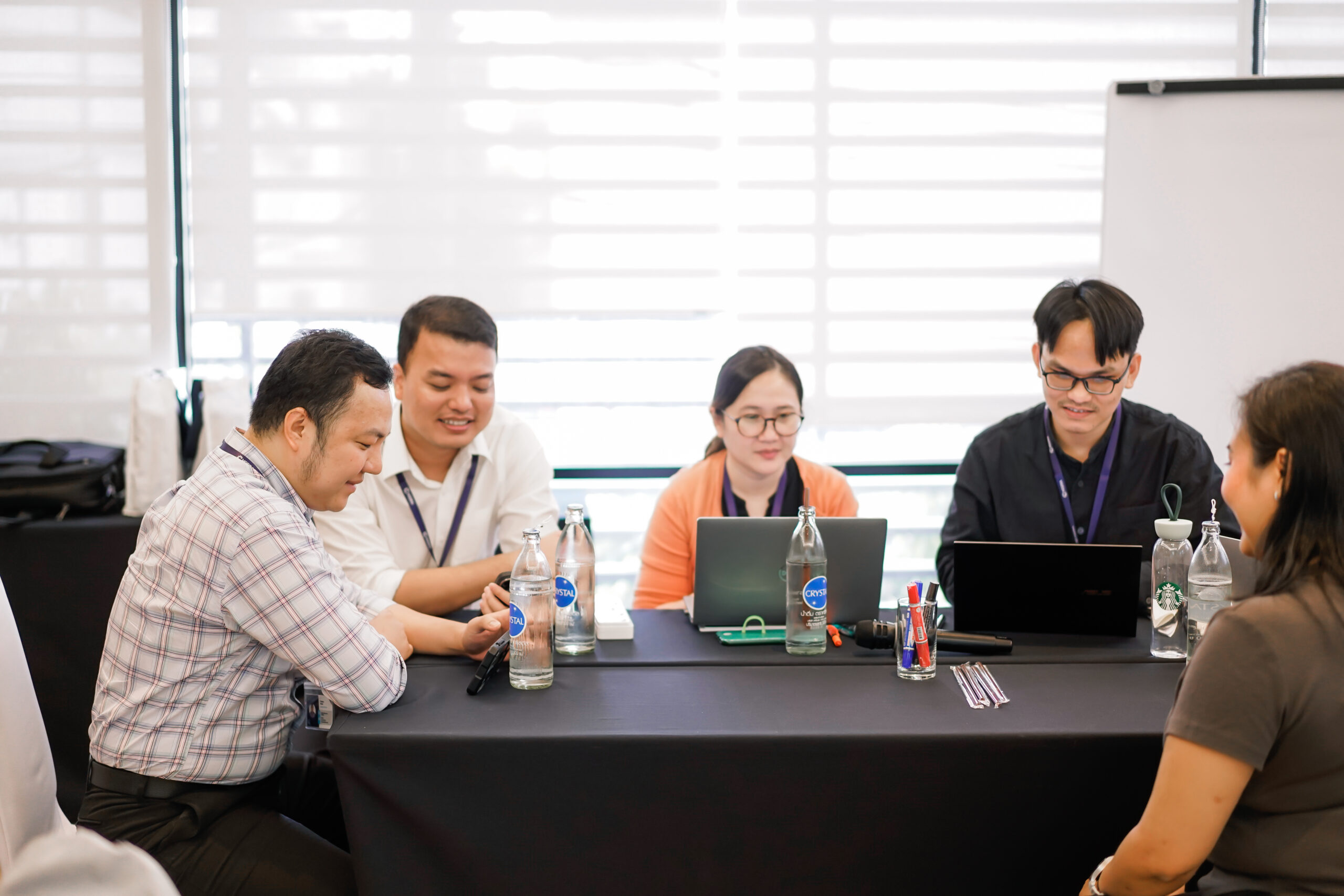
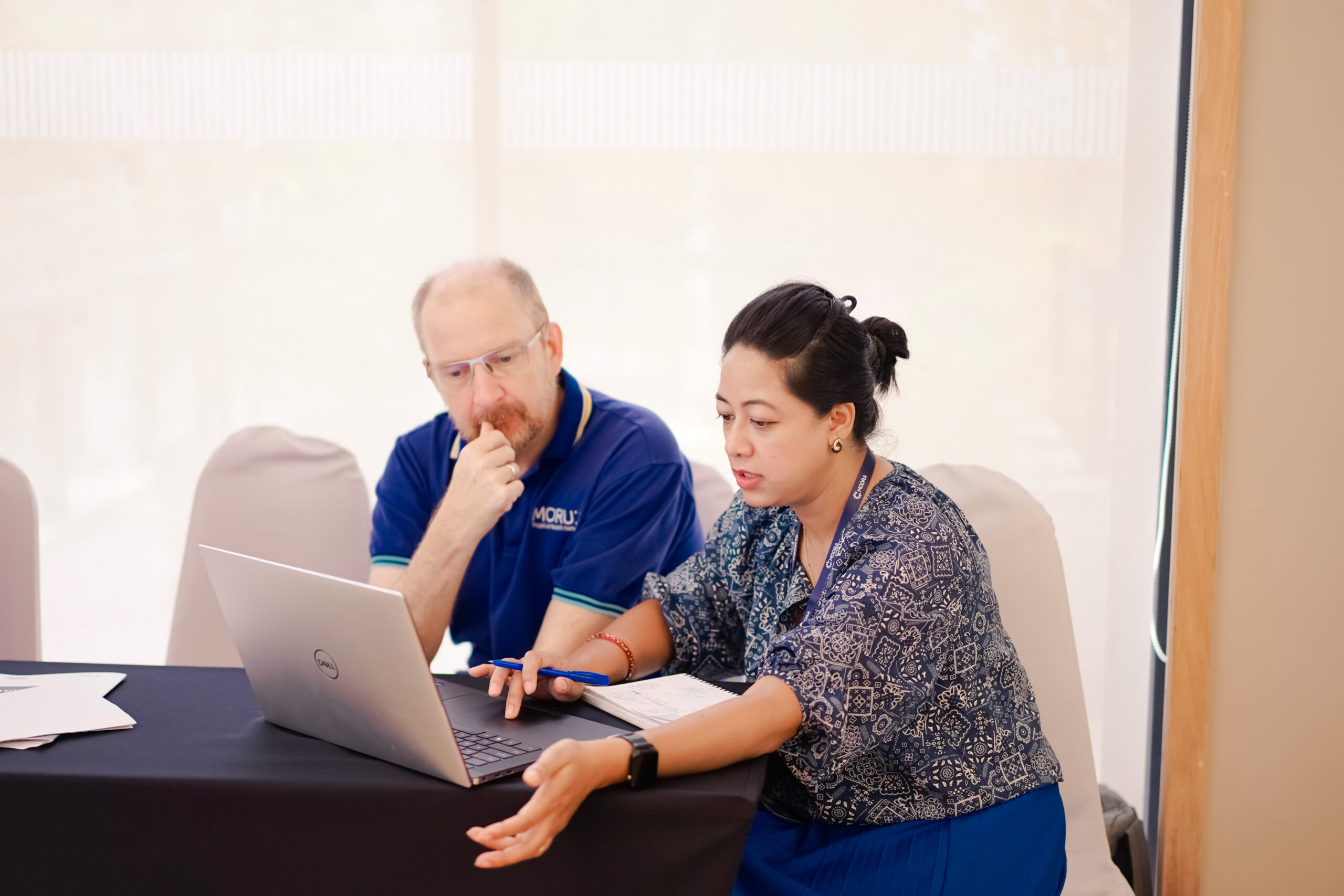
    1-on-1 consultation with Mr Dave Gandy (Grants & Contracts Manager, MORU) on grant writing and budgeting during a MODRA training in Bangkok. (Photo: OUCRU, 2024)

    Her study is based at Siddhi Memorial Women and Children Hospital in Bhaktapur, Nepal, a site selected for its maternity services and positive research culture. “Collaborating with a hospital that values research made all the difference. They saw how the findings could inform their own clinical guidelines.”

    Alongside her local research, Dr Manandhar also built new international collaborations. With support from her MODRA mentor, Dr Claire Chewapreecha of MORU, she initiated a partnership with the the JUNO Project at the Wellcome Sanger Institute. Recognising the scientific value of her study, JUNO provided high-quality reagents essential for isolating GBS and supported whole-genome sequencing of the samples.

    These data, not previously available in Nepal, will help researchers understand how local GBS strains relate to those circulating globally, which will inform the development of more effective vaccines.

    From Pilot Data to Health System Impact

    Dr Manandhar’s study is designed as a proof-of-concept, to generate the first set of local data that could shape maternal-neonatal health policy in Nepal.

    “We’ve engaged the hospital leadership from the start,” she explains. “If our findings confirm that GBS is an under-diagnosed risk, it could support the case for routine antenatal screening, something already standard in many high-income countries.”

    Looking ahead, she plans to scale the research to multiple hospitals across Nepal, and potentially other countries in the region. “There’s so much more to explore, host factors, pathogen genomic differences, host-pathogen interactions resulting into observed stark regional disparities. MODRA has laid the foundation for all of it.”

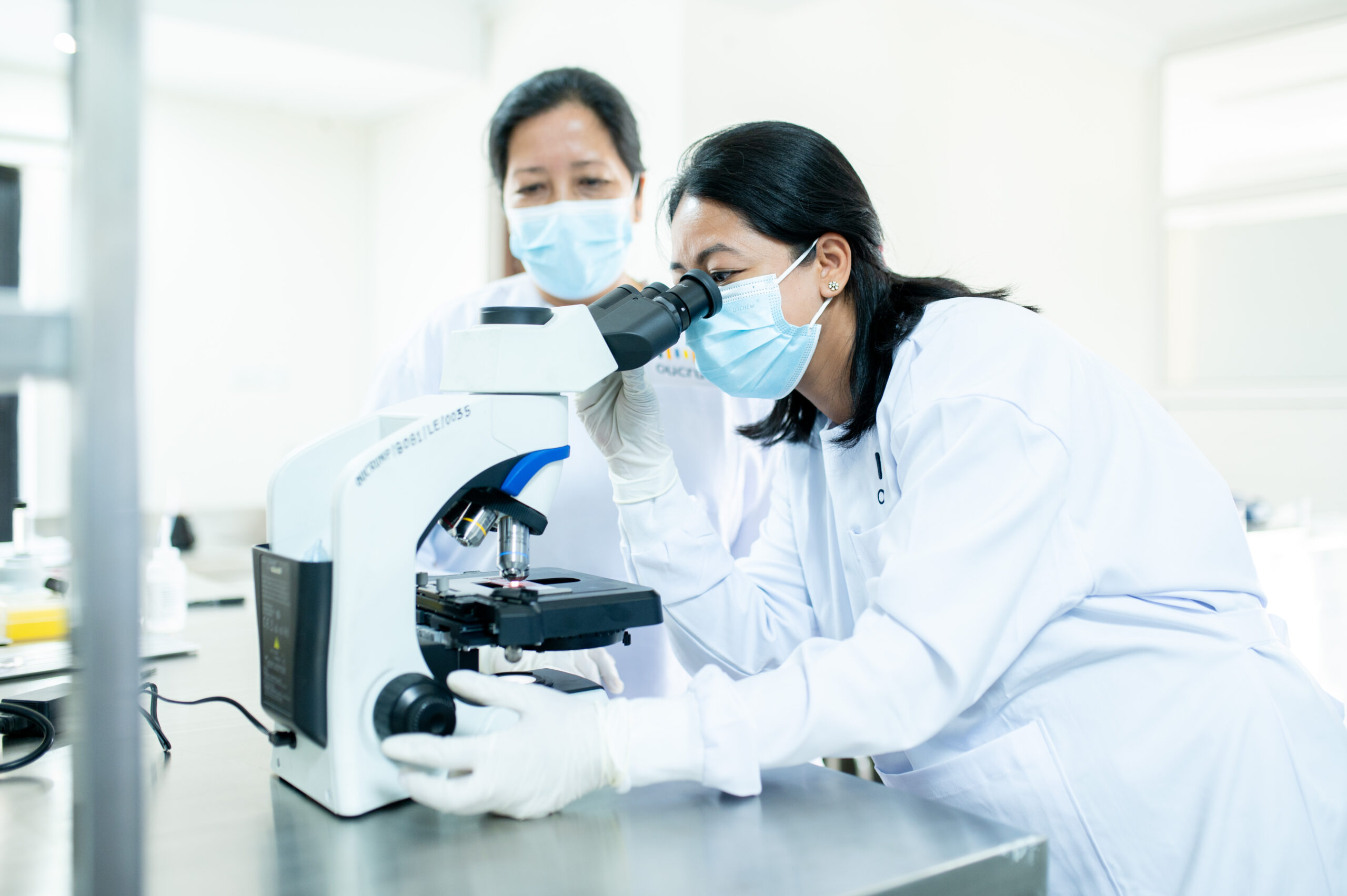
    At the OUCRU Nepal’s latest microbiology laboratory, inaugurated in 2024. (Photo: OUCRU, 2024) 

    Now mentoring junior colleagues at OUCRU Nepal, Dr Manandhar encourages early-career researchers to invest in collaborative networks from the start. “Strong partnerships shape stronger science. They bring in fresh perspectives, sharpen ideas, and offer practical support you simply can’t get alone.”

    Her advice to future applicants? “Don’t wait for the ‘perfect’ project. Be open to growth and surround yourself with people who push your thinking. MODRA helped me shift from working in isolation to leading with clarity and purpose.”

    About MODRA

    The MORU–OUCRU Discovery Research Academy (MODRA) is a fully funded 18-month programme designed to empower early-career postdocs scientists in Asia with the skills, mentorship, and funding needed to become independent researchers.

    Participants receive:

    ‣ Hands-on workshops on grant writing, budgeting, research design and project management.
    ‣ Ongoing mentorship from regional and global research leaders.
    ‣ Seed funding of up to $30,000 to launch preliminary research.

    This programme is a joint initiative by the Oxford University Clinical Research Unit (OUCRU) and the Mahidol Oxford Tropical Medicine Research Unit (MORU), both leading centres in global health research. MODRA is funded by Wellcome Trust and affiliated with the Centre for Tropical Medicine and Global Health at the University of Oxford, ensuring world-class standards in training and mentorship.

    If you’re ready to step into leadership and drive meaningful impact in global health, apply today.
  • Dr Sulochana Manandhar: Tackling newborn infection risks in Nepal 

    Dr Sulochana Manandhar: Tackling newborn infection risks in Nepal 

    Navigating Barriers as a Young Researcher in Nepal

    “As an early-career researcher from the Global South, securing research funding has been a significant challenge,” says Dr Sulochana Manandhar of OUCRU Nepal. “A limited scientific network and lack of mentorship made it harder to refine my ideas and design studies that could move from concept to reality.”

    Trained in microbiology, Dr Manandhar’s early research centred on bacterial neonatal infections, including that of Group B Streptococcus (GBS) and associated antimicrobial resistance (AMR). While technically proficient, she struggled to translate her ideas into fundable, feasible research. “I often focused heavily on the scientific details, without fully understanding how to connect my work to broader health systems or real-world priorities,” she reflects.

    Dr Sulochana Manandhar, microbiologist at OUCRU Nepal and member of the first MODRA cohort. (Photo: OUCRU, 2024) 

    That began to change in 2024, when Dr Manandhar joined the MORU–OUCRU Discovery Research Academy (MODRA), a transformative step that helped her move beyond the lab bench and into clinical research leadership. “MODRA introduced me to the logical framework tool for proposal writing,” Dr Manandhar explains. “It helped me define clear research outputs and outcomes, and to align my proposal with real-world needs and funder expectations.”

    Through structured training and tailored mentorship, she developed a system-aware approach to research. “My mentors taught me how to think beyond the science. They gave me crucial insights into how funding bodies assess proposals, especially how they value real-world impact and social relevance alongside scientific findings.”

    Leading Her First Hospital-Based Study

    With support from MODRA’s seed award, Dr Manandhar is now leading her first clinical study, investigating the prevalence of GBS among pregnant women and newborns in Nepal. Although GBS is known to cause neonatal infections globally, it remains underreported in Nepal.

    “Conducting a hospital-based study has been a steep learning curve,” she says. “From navigating ethics approval to coordinating with hospital staff and managing sample logistics, MODRA gave me the leadership and project management skills I needed.”

    1-on-1 consultation with Mr Dave Gandy (Grants & Contracts Manager, MORU) on grant writing and budgeting during a MODRA training in Bangkok. (Photo: OUCRU, 2024)

    Her study is based at Siddhi Memorial Women and Children Hospital in Bhaktapur, Nepal, a site selected for its maternity services and positive research culture. “Collaborating with a hospital that values research made all the difference. They saw how the findings could inform their own clinical guidelines.”

    Alongside her local research, Dr Manandhar also built new international collaborations. With support from her MODRA mentor, Dr Claire Chewapreecha of MORU, she initiated a partnership with the the JUNO Project at the Wellcome Sanger Institute. Recognising the scientific value of her study, JUNO provided high-quality reagents essential for isolating GBS and supported whole-genome sequencing of the samples.

    These data, not previously available in Nepal, will help researchers understand how local GBS strains relate to those circulating globally, which will inform the development of more effective vaccines.

    From Pilot Data to Health System Impact

    Dr Manandhar’s study is designed as a proof-of-concept, to generate the first set of local data that could shape maternal-neonatal health policy in Nepal.

    “We’ve engaged the hospital leadership from the start,” she explains. “If our findings confirm that GBS is an under-diagnosed risk, it could support the case for routine antenatal screening, something already standard in many high-income countries.”

    Looking ahead, she plans to scale the research to multiple hospitals across Nepal, and potentially other countries in the region. “There’s so much more to explore, host factors, pathogen genomic differences, host-pathogen interactions resulting into observed stark regional disparities. MODRA has laid the foundation for all of it.”

    At the OUCRU Nepal’s latest microbiology laboratory, inaugurated in 2024. (Photo: OUCRU, 2024) 

    Now mentoring junior colleagues at OUCRU Nepal, Dr Manandhar encourages early-career researchers to invest in collaborative networks from the start. “Strong partnerships shape stronger science. They bring in fresh perspectives, sharpen ideas, and offer practical support you simply can’t get alone.”

    Her advice to future applicants? “Don’t wait for the ‘perfect’ project. Be open to growth and surround yourself with people who push your thinking. MODRA helped me shift from working in isolation to leading with clarity and purpose.”

    About MODRA

    The MORU–OUCRU Discovery Research Academy (MODRA) is a fully funded 18-month programme designed to empower early-career postdocs scientists in Asia with the skills, mentorship, and funding needed to become independent researchers.

    Participants receive:

    ‣ Hands-on workshops on grant writing, budgeting, research design and project management.
    ‣ Ongoing mentorship from regional and global research leaders.
    ‣ Seed funding of up to $30,000 to launch preliminary research.

    This programme is a joint initiative by the Oxford University Clinical Research Unit (OUCRU) and the Mahidol Oxford Tropical Medicine Research Unit (MORU), both leading centres in global health research. MODRA is funded by Wellcome Trust and affiliated with the Centre for Tropical Medicine and Global Health at the University of Oxford, ensuring world-class standards in training and mentorship.

    If you’re ready to step into leadership and drive meaningful impact in global health, apply today.
  • Dr Duong Thi Hue Kien: From post-PhD uncertainty to leading international research 

    Dr Duong Thi Hue Kien: From post-PhD uncertainty to leading international research 

    Finding My Path After PhD

    “After finishing my PhD, I felt isolated and uncertain about the future,” recalls Dr Kien. For four years, her research was focused entirely on understanding how the Dengue virus evolves inside mosquitoes. “When that chapter ended, stepping into the broader scientific community felt overwhelming.” 

    Adding to the challenges, Dr Kien made a bold decision to shift her research trajectory. “Changing my research focus made everything feel even more uncertain,” she explains. In 2024, she joined the MORU – OUCRU Discovery Research Academy (MODRA), which connected her with experienced mentors, including Dr Tineke Cantaert from Pasteur Institute, Cambodia and Prof Ooi Eng Eong from Duke-NUS Medical School, Singapore. 

    “The mentorship I received through MODRA was genuinely supportive and inspiring. It helped me reconnect with the scientific community and gave me clarity and confidence to move forward in my new research direction.” 

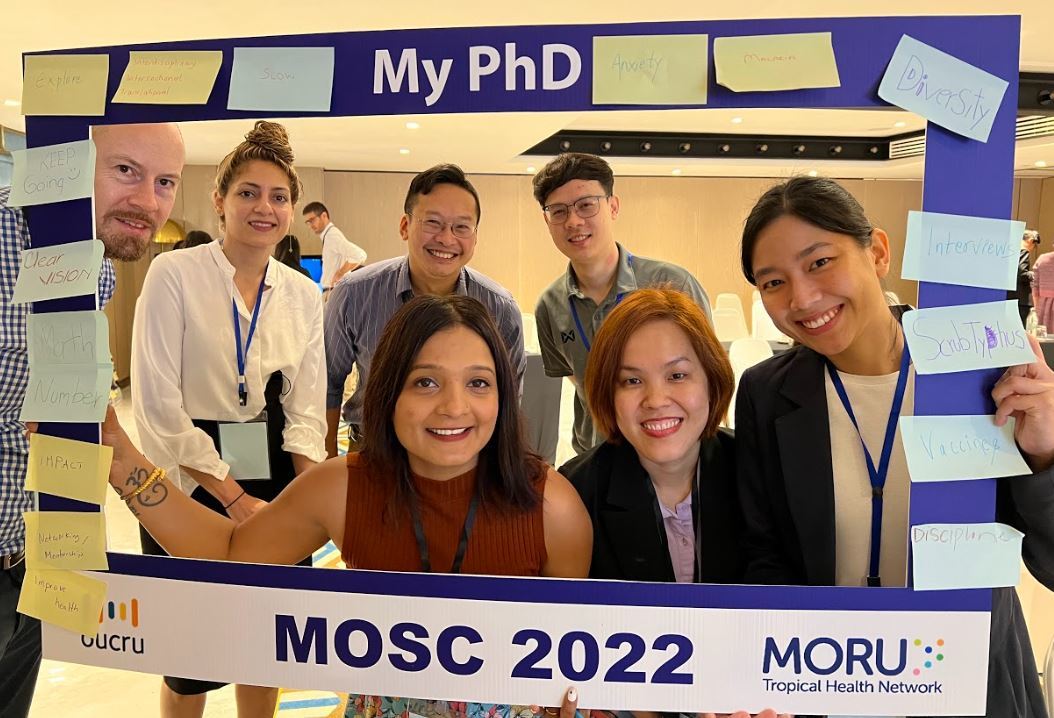
    Dr Kien at the MORU-OUCRU Student Conference (MOSC) in 2022. The annual MOSC connects PhD students from MORU and OUCRU and provides training to support their PhD journey including preparing for their thesis defence. Photo Credit: OUCRU 

    Like many young scientists, Dr Kien faced the frustrating “catch-22” challenge: to secure research funding, she needed data; but to gather data, she needed funding. MODRA’s seed award helped her break this cycle, enabling her to conduct preliminary research. 

    “MODRA’s seed award was incredibly valuable,” Dr Kien explains. “It gave new researchers a rare yet essential opportunity to test their initial ideas and refine research plans. The experience significantly improved my grant-writing skills, directly contributing to my successful Wellcome Trust application.” 

    “To get research funding, you need data. But to collect data, you need funding. It felt like an impossible cycle.

    Dr Duong Thi Hue Kien

    Leading a Major Research Project 

    With MODRA’s support, Dr Kien recently secured a multi-million-pound Wellcome Trust Infectious Disease Award. She now leads the Vietnam component of an ambitious international project, spanning nine countries in Africa and Asia. The project investigates how dengue and Zika viruses spread, how the body responds to infections, and the risks at a population level. 

    “MODRA fundamentally changed how I communicate my research,” Dr Kien says. “I learned to clearly explain the real-world impact of my work beyond laboratory findings. Managing a large international project is challenging, but MODRA gave me the vision, leadership and management skills to succeed.” 

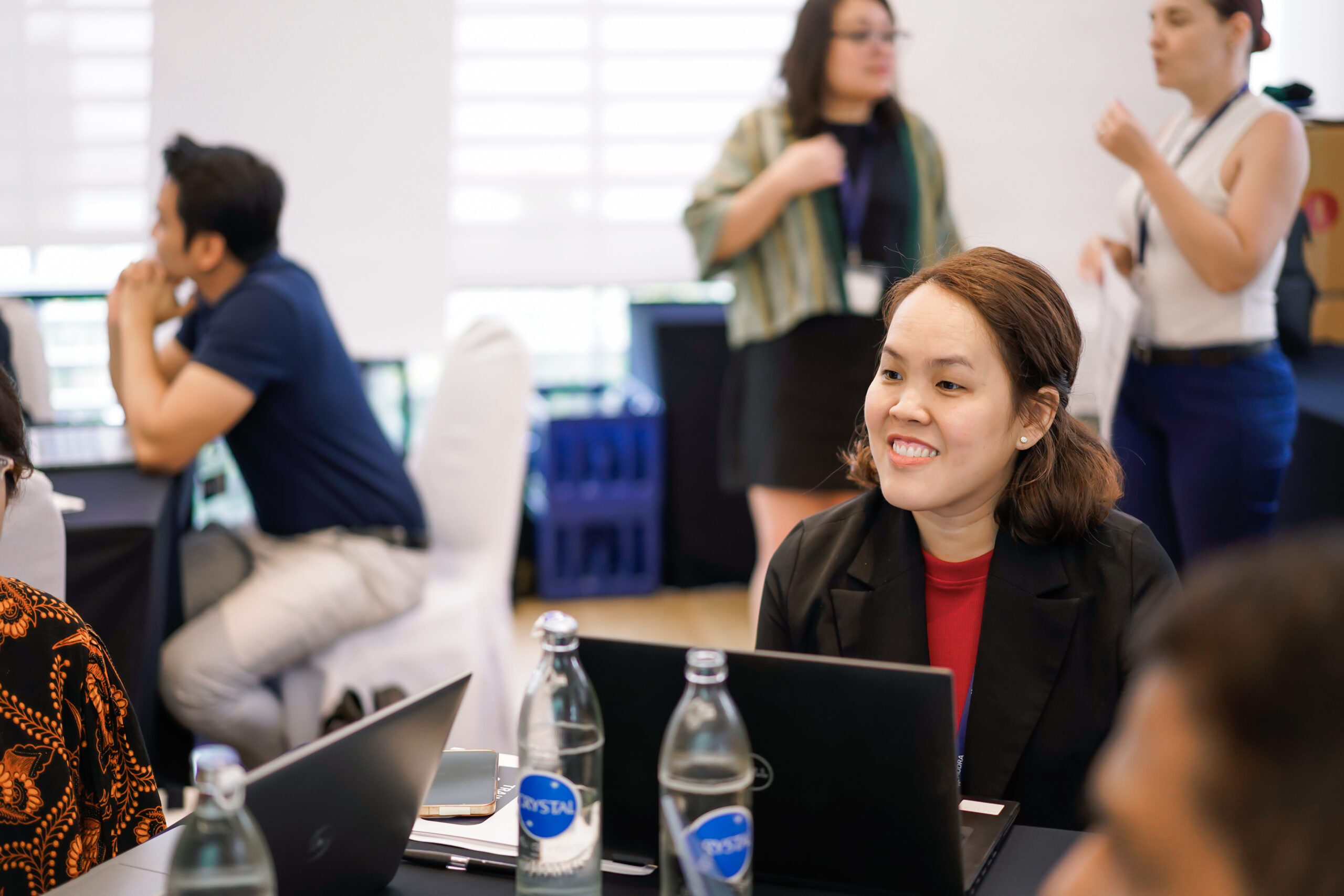
    Dr Kien at MODRA training in Thailand. Photo Credit: OUCRU

    Dr Kien’s story highlights how MODRA provides young researchers the mentorship, funding, and training needed to transition into independent research careers. 

    “MODRA goes beyond financial support, it gives you the practical skills needed to succeed,” Dr Kien emphasises. “You learn how to present your work, write strong funding proposals, manage budgets, and run research projects. MODRA also connects you with a valuable network of collaborators and professional contacts essential for future success.” 

    “During my PhD, my supervisors handled everything,” reflects Dr Kien. “Now, leading my own research feels like running a startup, I have to manage everything, from budgeting to coordinating logistics and supplies. MODRA filled those skill gaps and prepared me for independent leadership.” 

    About MODRA

    The MORU–OUCRU Discovery Research Academy (MODRA) is a fully funded 18-month programme designed to empower early-career postdoctoral scientists in Asia with the skills, mentorship, and funding needed to become independent researchers.  

    Participants receive:  

    ‣ Hands-on workshops on grant writing, budgeting, research design and project management. 
    ‣ Ongoing mentorship from regional and global research leaders. 
    ‣ Seed funding of up to $30,000 to launch preliminary research. 

    This programme is a joint initiative by the Oxford University Clinical Research Unit (OUCRU) and the Mahidol Oxford Tropical Medicine Research Unit (MORU), both leading centres in global health research. MODRA is funded by Wellcome Trust and affiliated with the Centre for Tropical Medicine and Global Health at the University of Oxford, ensuring world-class standards in training and mentorship. 

    If you’re ready to step into leadership and drive meaningful impact in global health, apply today

  • Phá vỡ rào cản: Ká»· niệm Ngày quốc tế Phụ nữ và Trẻ em gái trong Khoa học

    Phá vỡ rào cản: Kỷ niệm Ngày quốc tế Phụ nữ và Trẻ em gái trong Khoa học

    Theo báo cáo mới nhất của Liên Hợp Quốc, chỉ 35% lực lượng lao động trong các lĩnh vực STEM trên toàn cầu là phụ nữ. Đáng chú ý, tỷ lệ nữ giới tham gia vào các Học viện Khoa học Quốc gia chỉ đạt 12%. Tình trạng mất cân bằng này đặc biệt nghiêm trọng ở khu vực Nam Á và Đông Nam Á, nơi tỷ lệ phụ nữ trong lực lượng lao động STEM lần lượt là 23% và 27%.

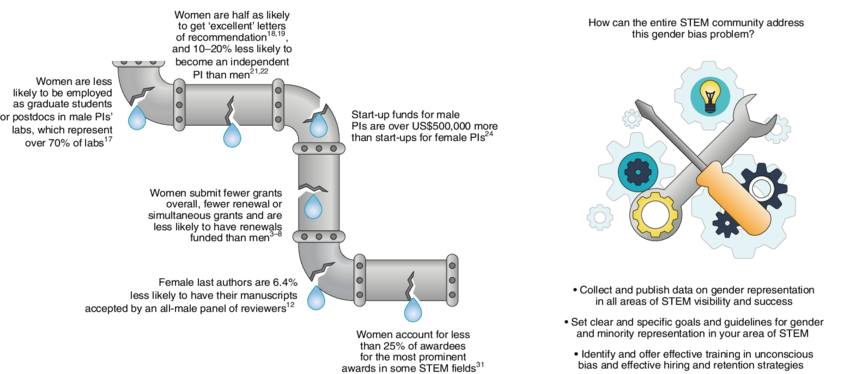
    Sá»± chênh lệch này phản ánh các thách thức cố hữu mang tính hệ thống. Tình trạng “rò rỉ nhân tài” (leaky pipeline) và “trần kính” (glass ceiling) kéo dài, cùng vá»›i sá»± thiếu vắng cá»§a các hình mẫu phụ nữ thành công trong lÄ©nh vá»±c STEM, Ä‘ang cản trở nhiều phụ nữ thăng tiến trong lÄ©nh vá»±c này.

    Hình 1. “Rò rỉ nhân tài” cá»§a phụ nữ trong STEM. Nguồn: Kathleen Grogan

    Để giải quyết vấn đề bất bình đẳng giới trong STEM, chúng ta cần một cách tiếp cận toàn cầu, có sự hợp tác giữa các tổ chức và khu vực, đồng thời chú trọng đến việc điều chỉnh các giải pháp cho phù hợp với bối cảnh địa phương. Thay vì áp dụng một mô hình chung, chúng ta cần tích cực chia sẻ kiến thức và kinh nghiệm, làm phong phú về góc nhìn và xây dựng các chiến lược phù hợp với từng điều kiện cụ thể.

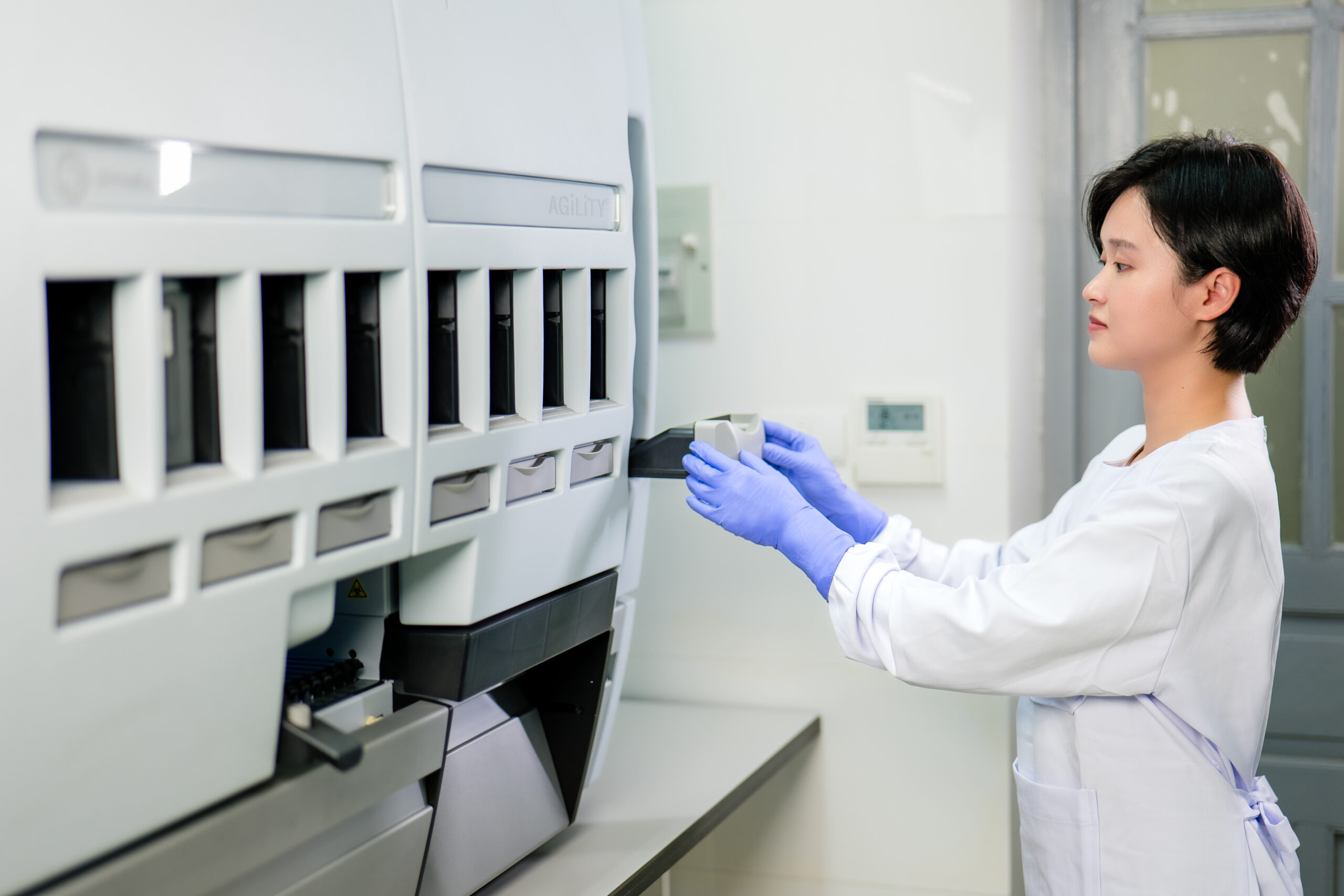
    Kỹ thuật viên Hồng Thương làm việc tại phòng xét nghiệm của OUCRU tại Viện Vệ sinh Dịch tễ Trung ương (NIHE) tại Hà Nội.

    Tại Đơn vị Nghiên cứu Lâm sàng của Đại học Oxford (OUCRU), chúng tôi tự hào có một đội ngũ nhân viên với hơn 50% là nữ giới. Cam kết của chúng tôi về bình đẳng giới không chỉ dừng lại ở phạm vị nội bộ. Năm 2018, chúng tôi đã thành lập Mạng lưới các Nhà lãnh đạo Khoa học Nữ OUCRU (OWLS), quy tụ các nhà khoa học và nhân viên hỗ trợ nghiên cứu nữ trên khắp các đơn vị của chúng tôi tại Việt Nam, Indonesia và Nepal

    OWLS được thành lập với mục tiêu nâng cao nhận thức về bình đẳng giới thông qua các hoạt động cố vấn, đào tạo về lãnh đạo và sự đa dạng, cũng như tạo ra các cơ hội nghiên cứu. Từ một nhóm làm việc tình nguyện, OWLS đã nhận được tài trợ để phát triển thành một chương trình bài bản từ năm 2024.

    Thông qua OWLS, chúng tôi đã đạt được một số cột mốc quan trọng:

    • Tiến hành khảo sát về rào cản giá»›i đối vá»›i phụ nữ trong lÄ©nh vá»±c STEM tại Thành phố Hồ Chí Minh năm 2018. Kết quả được công bố trên Tạp chí The Lancet.
    • Đồng chá»§ trì nhóm nghiên cứu Oxford Equity in Academia đầu tiên vào năm 2019 và đóng góp vào các xuất bản về cải thiện bình đẳng giá»›i trong học thuật.
    • Tổ chức má»™t há»™i thảo tư vấn nghề nghiệp tại Viện Wellcome Sanger, Vương quốc Anh vào năm 2020.
    • Tổ chức nhiều sá»± kiện nâng cao nhận thức, bao gồm trình chiếu các bài thuyết trình từ các hình mẫu phụ nữ thành công trong lÄ©nh vá»±c STEM, nhằm truyền cảm hứng cho các nữ thanh niên theo Ä‘uổi sá»± nghiệp trong lÄ©nh vá»±c này.

    Tiến sĩ Evelyne Kestelyn, Trưởng Đơn vị Thử nghiệm Lâm sàng tại OUCRU, chia sẻ: “Là một thành viên sáng lập của OWLS, tôi đã chứng kiến những tác động tích cực khi một tổ chức thực sự cam kết xây dựng văn hóa nghiên cứu đa dạng và công bằng.”

    “Tại OUCRU, tỷ lệ các Chủ nhiệm Nghiên cứu là nữ giới đã tăng đáng kể từ 33% vào năm 2016 lên 60% vào năm 2024. Phụ nữ hiện nắm giữ gần 60% vị trí sau tiến sĩ, nhưng vẫn chưa hiện diện nhiều ở các vị trí học thuật cấp cao như Giáo sư và Phó Giáo sư.”

    “Mặc dù vẫn còn nhiều việc phải làm, tôi cảm thấy có động lá»±c và được tiếp thêm sức mạnh khi làm việc trong má»™t môi trường mà ở đó, những bất bình đẳng giá»›i được nhìn nhận và các nhà khoa học được tạo Ä‘iều kiện để vượt qua những khó khăn mang tính hệ thống, đồng thời được khuyến khích phát huy hết khả năng cá»§a mình.”

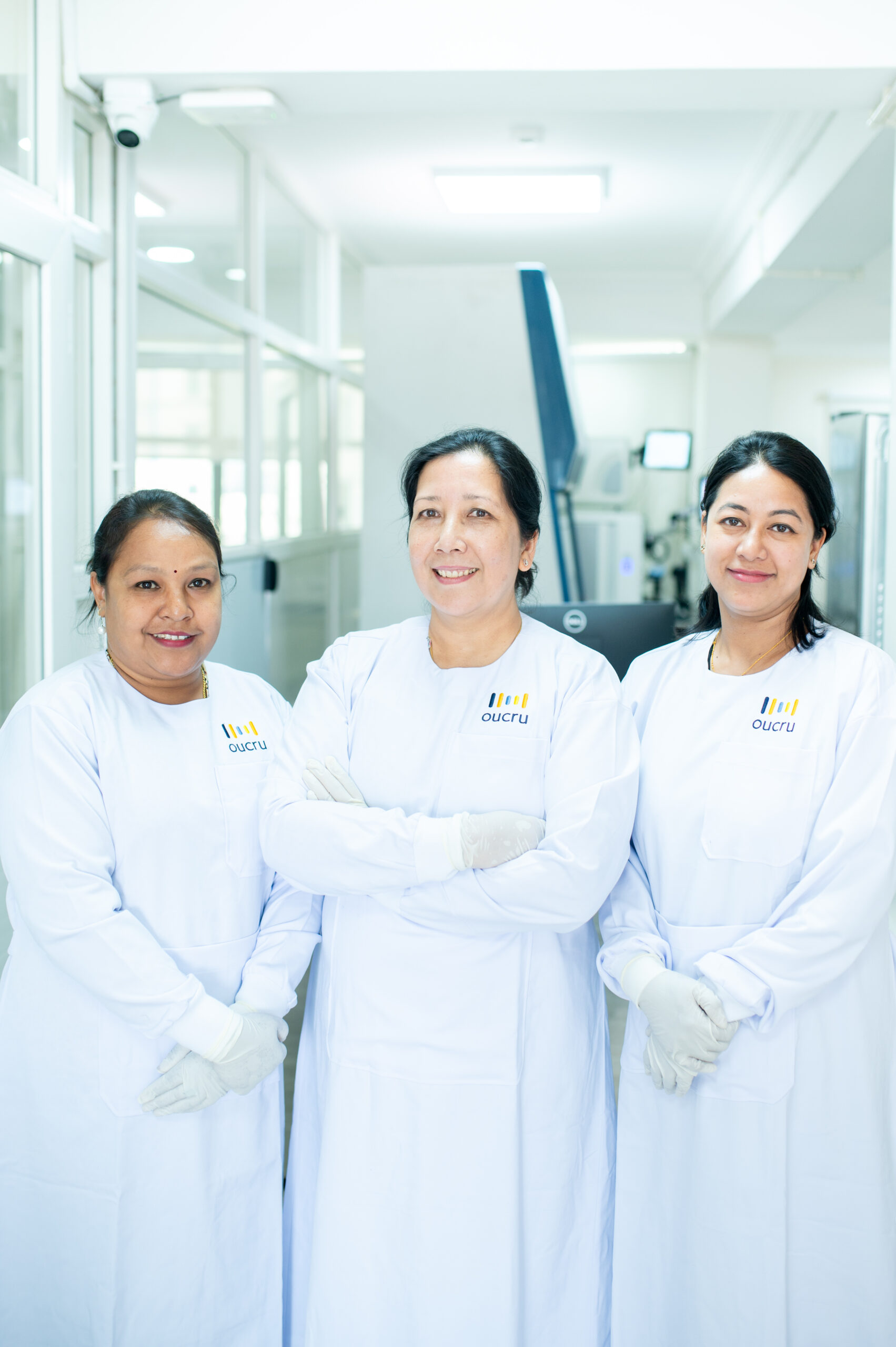
    Bijaya Laxmi Karanjit , Tiến sĩ Sabina Dongol (Trưởng Phòng thí nghiệm) và Tiến sĩ Sulochana Manandhar tại Phòng xét nghiệm Vi sinh của OUCRU mới được khánh thành ở Kathmandu, Nepal.

    Trong tương lai gần, OWLS dự định mở rộng phạm vi khảo sát năm 2018 đến tất cả các đơn vị của OUCRU tại Việt Nam, Indonesia và Nepal. Mục tiêu của chúng tôi không chỉ là kiểm nghiệm lại những kết quả hiện hữu, mà còn hiệu chỉnh khảo sát cho phù hợp với bối cảnh riêng của từng địa điểm. Bằng cách mở rộng hợp tác với nhiều đối tác hơn, chúng tôi hy vọng sẽ thu thập được nhiều dữ liệu phong phú, và hiểu sâu hơn về biểu hiệu của bất bình đẳng giới ở các khu vực khác nhau.

    Sau khi khảo sát, chúng tôi sẽ tiến hành phỏng vấn và thảo luận nhóm tập trung để tìm hiểu sâu hơn về những thách thức và rào cản cụ thể mà phụ nữ phải đối mặt trong STEM. Những cuộc thảo luận này sẽ giúp chúng tôi khám phá các yếu tố góp phần vào việc duy trì tình trạng bất bình đẳng giới, và quan trọng hơn, sẽ đảm bảo rằng các chiến lược của chúng tôi được xây dựng dựa trên thông tin thực tế và phù hợp với từng địa phương.

    Khi chúng ta kỷ niệm Ngày Quốc tế Phụ nữ và Trẻ em gái trong Khoa học, chúng ta hãy tái khẳng định cam kết phá bỏ rào cản và trao quyền cho phụ nữ trong STEM. Sự thay đổi bắt đầu bằng nhận thức, sự hợp tác và hành động! Cùng nhau, chúng ta có thể xây dựng một cộng đồng khoa học toàn diện và công bằng hơn cho các thế hệ tương lai.

  • Breaking Barriers: Celebrating the International Day of Women and Girls in Science  

    Breaking Barriers: Celebrating the International Day of Women and Girls in Science  

    According to a recent report by the United Nations, women represent just 35% of the global STEM workforce, with a strikingly low 12% of female members in national science academies. This imbalance is particularly stark in South Asia and Southeast Asia, where women make up just 23% and 27% of the STEM workforce, respectively.

    These disparities are not just numbers, they reflect a broader structural issue. The persistent “leaky pipeline” and the “glass ceiling”, coupled with the absence of visible role models, prevent many women from advancing in their careers in STEM.  

    Fig 1. The leaky pipeline of women in STEM. Credit: Kathleen Grogan

    Addressing gender inequity in STEM requires a global approach, one that encourages collaboration across institutions and regions, while recognising the importance of tailoring solutions to local contexts. Instead of applying a one-size-fits-all model, the focus should be on sharing knowledge and best practices, enriching each other’s perspectives, and developing informed, locally relevant strategies. 

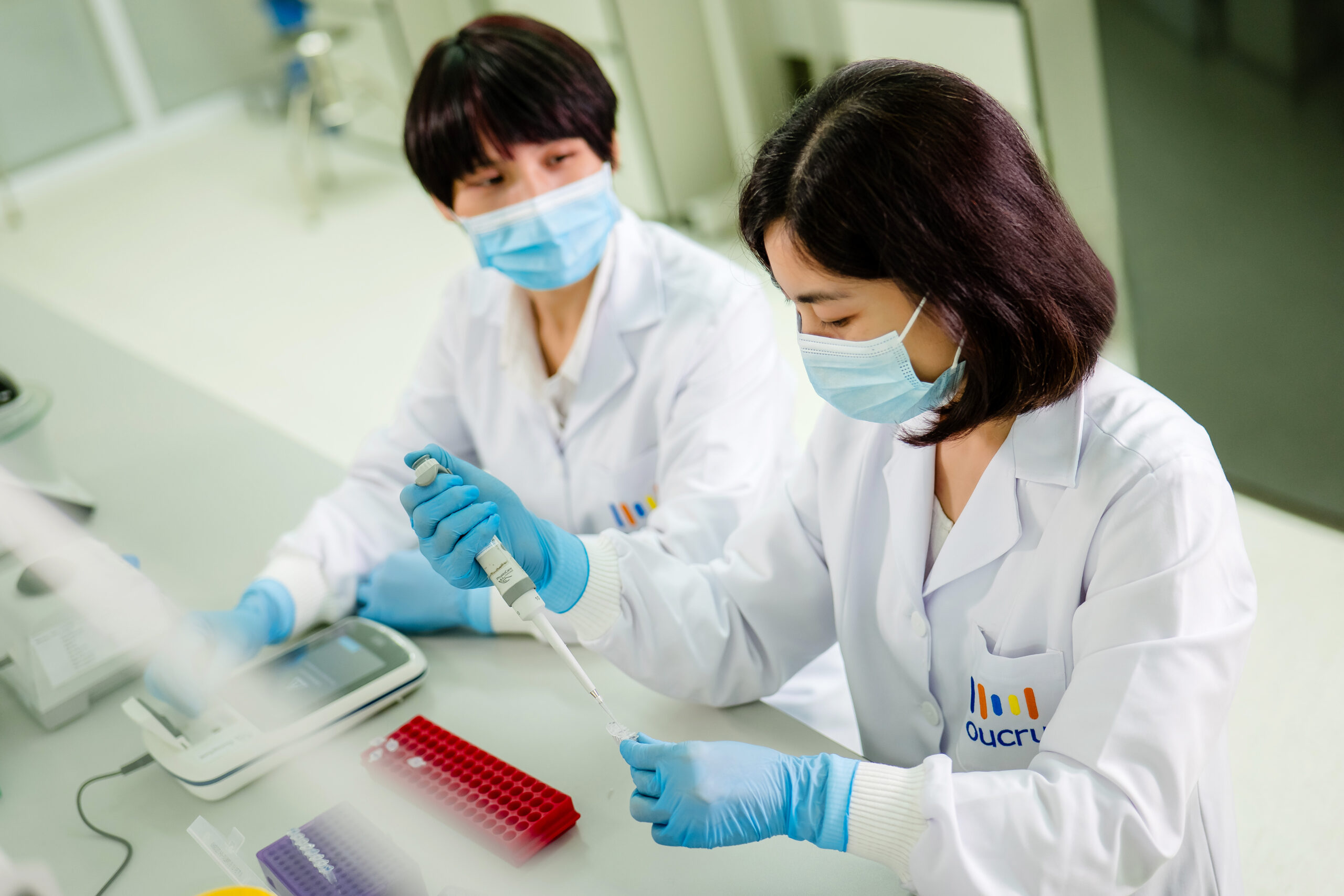
    Lab Technician Hong Thuong working in an OUCRU lab at the National Institute of Hygiene and Epidemiology (NIHE) in Hanoi.

    At the Oxford University Clinical Research Unit (OUCRU), we are proud to have a workforce where over 50% of the staff are women. Our commitment to gender equity extends beyond our internal policies and networks. In 2018, we initiated the OUCRU Women Leaders in Science (OWLS), a network of leading female scientists and research-support staff across our Vietnam, Indonesia and Nepal units. 

    It aims to raise awareness of gender equity through mentorship, training in leadership and diversity, and research opportunities. What began as a volunteer working group has developed into a structured, funded programme since 2024.

    Through OWLS, we have achieved several important milestones:  

    • Conducted a survey on gender barriers to women in STEM in the Ho Chi Minh City context in 2018. The results were published in The Lancet
    • Co-led the first Oxford Equity in Academia consortium in 2019 and contributed to publications on improving gender equity within academia.  
    • Organised a mentorship seminar at Wellcome Sanger Institute, UK in 2020. 
    • Organising various awareness-raising events, including screening of presentations from gender role models, inspiring young women to pursue careers in STEM.   

    Dr Evelyne Kestelyn, PhD, Head of Clinical Trial Unit at OUCRU, shared: “Being a founding member of the OWLS, I have seen the meaningful impact that occurs when an organisation is committed to a diverse and equitable research culture.

    At OUCRU, the proportion of female Principal Investigators, the lead researcher overseeing a project, rose significantly from 33% in 2016 to 60% in 2024. Women now hold nearly 60% of postdoctoral roles but remain underrepresented in senior academic positions like Professors and Associate Professors.

    So, whilst there is still some way to go, I feel motivated and empowered to work in an institution where disparities are acknowledged, and scientists receive institutional support to overcome broader structural challenges and are being encouraged to achieve their full potential.” 

    Bijaya Laxmi Karanjit, Dr Sabina Dongol (Head of Lab), and Dr Sulochana Manandhar at the newly established Microbiological Laboratory in Kathmandu, Nepal.

    In the upcoming months, OWLS plans to expand its 2018 survey, broadening the scope to all units in Vietnam, Indonesia and Nepal. We aim to not only validate the existing findings but also adapt the survey to the unique contexts of each location. By collaborating with more partners, we hope to enrich the data collection and gain a deeper understanding of how gender inequality manifests in different regions.  

    Following the survey, we will conduct interviews and focus groups with participants to delve deeper into the specific challenges and barriers that women face in STEM. These discussions will help us explore the factors contributing to the perpetuation of gender inequity, and importantly, will ensure that our strategies are locally informed and appropriate.  

    As we celebrate the International Day of Women and Girls in Science, let us reaffirm our commitment to breaking down barriers and empowering women in STEM. Change begins with awareness, collaboration and action! Together, we can build a more inclusive and equitable scientific community for future generations.  

  • Kết nối nghiên cứu và thá»±c tiá»…n lâm sàng: Há»™i thảo tổng kết nghiên cứu hợp tác về phế cầu

    Kết nối nghiên cứu và thực tiễn lâm sàng: Hội thảo tổng kết nghiên cứu hợp tác về phế cầu

    Nhiễm trùng phế cầu là một mối đe dọa sức khỏe tại Việt Nam, gây ra nhiều trường hợp viêm phổi cộng đồng và tử vong, đặc biệt ở trẻ em. Sự gia tăng kháng kháng sinh khiến việc điều trị trở nên khó khăn hơn.

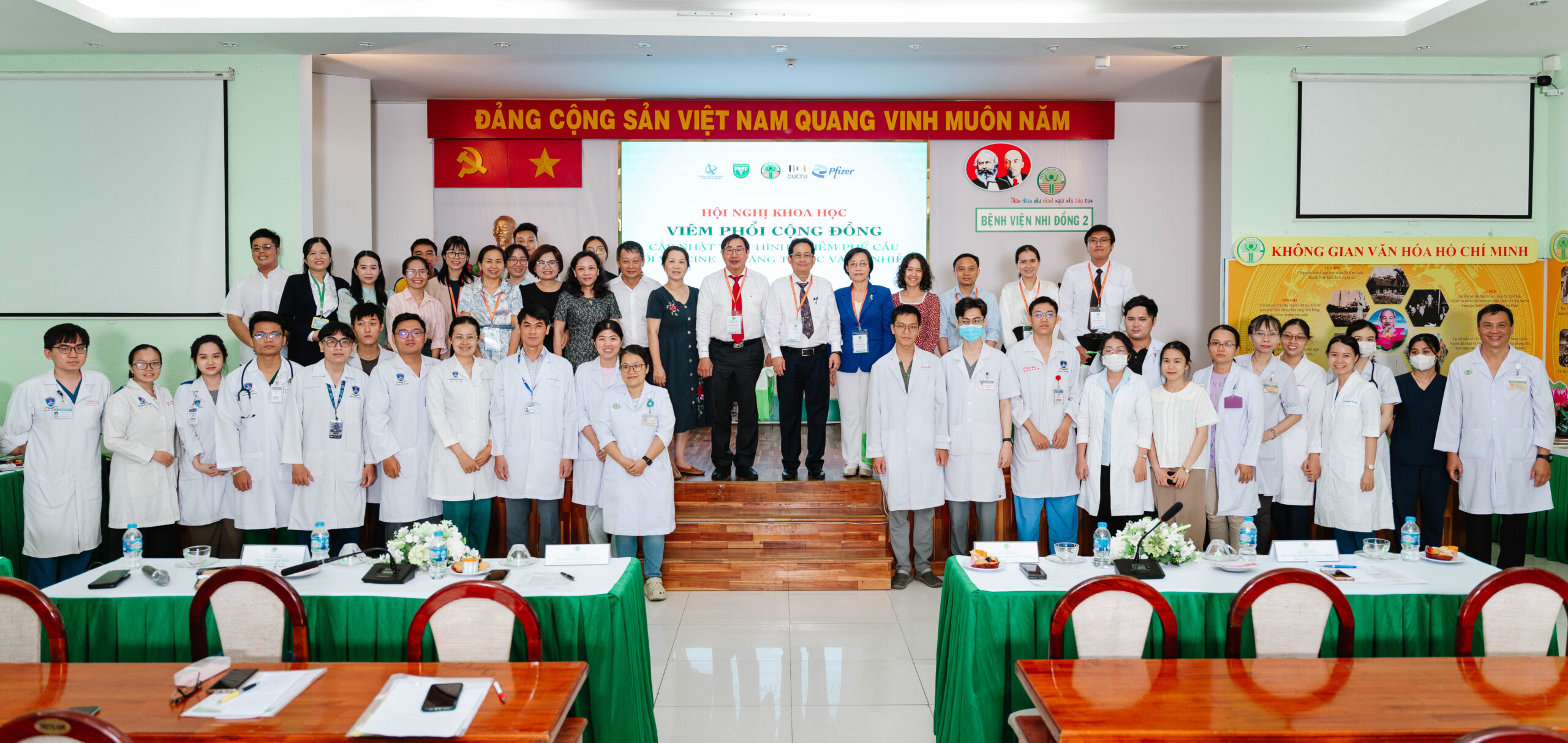
    Nhóm nghiên cứu Bệnh lây truyền từ Động vật (Zoonoses) tại OUCRU, hợp tác với Bệnh viện Nhi Đồng 2 và Đại học Y khoa Phạm Ngọc Thạch, đã tổ chức thành công hội thảo khoa học chủ đề Viêm phổi Cộng đồng, nhằm chia sẻ những cập nhật mới nhất và các giải pháp thực tiễn để ứng phó với tình trạng nhiễm trùng phế cầu.

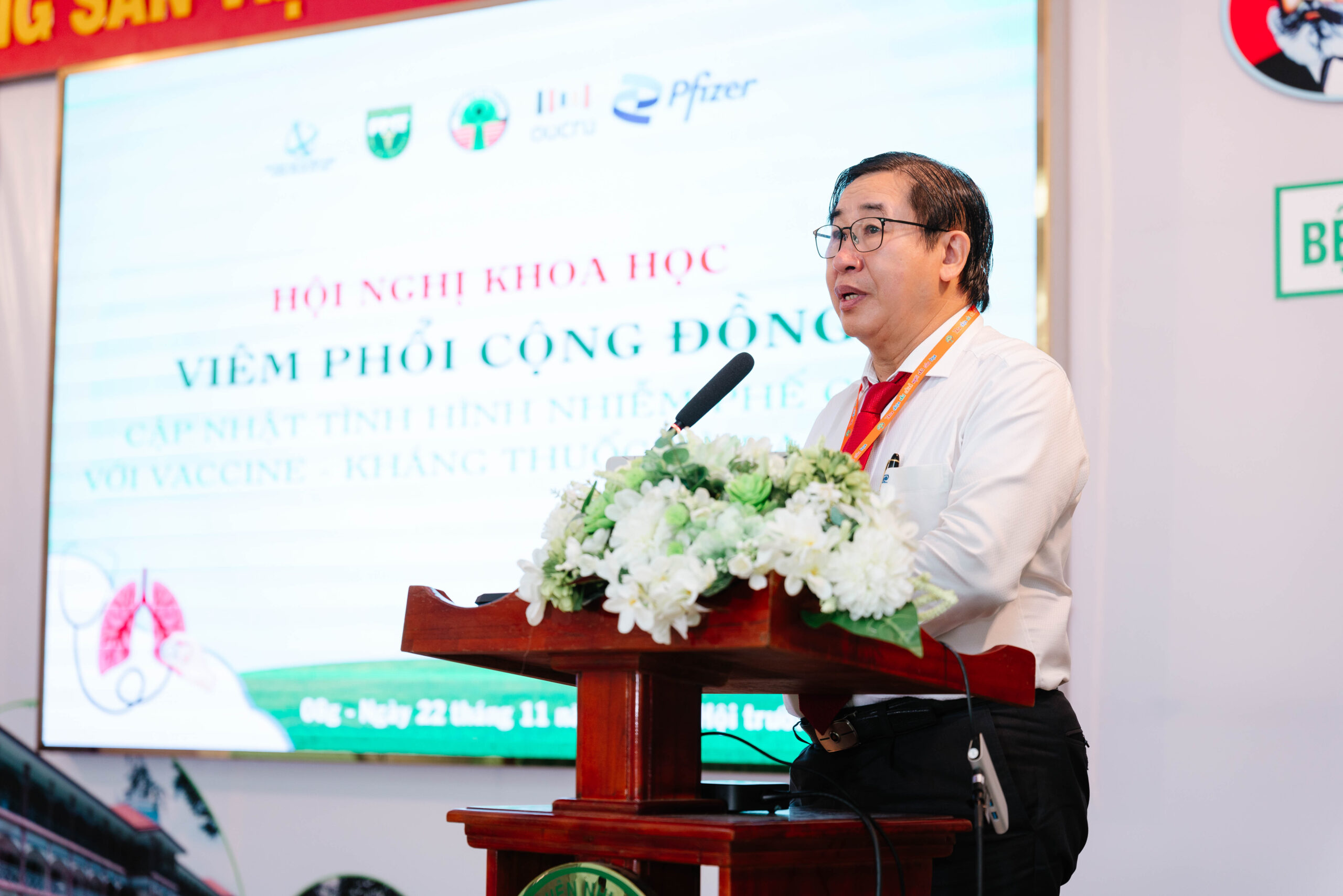
    TTND, GS TS Ngô Minh Xuân, Chủ tịch Hội đồng Khoa học và Giáo dục, nguyên Chủ tịch Hội đồng trường, nguyên Hiệu trưởng Trường Đại học Y Dược Phạm Ngọc Thạch, phát biểu khai mạc.
    TTƯT, BS CKII Trịnh Hữu Tùng, Giám đốc Bệnh viện Nhi Đồng 2, phát biểu tại há»™i thảo. 

    Há»™i thảo bao gồm các bài trình bày cá»§a nhóm nghiên cứu tại OUCRU và các bác sÄ© từ Trường Đại học Y Dược Phạm Ngọc Thạch đã hoàn thành chương trình Thạc sÄ© tại OUCRU, nhấn mạnh bốn khía cạnh chính cá»§a bệnh phế cầu: 

    • “Phân bố tuýp huyết thanh phế cầu tại cá»™ng đồng” do DS Huỳnh Xuân Yến, OUCRU trình bày.
    • “Mối tương quan và kháng thuốc cá»§a phế cầu phân lập từ các loại mẫu” do Ths BS Đặng Nguyá»…n Hương Trinh, Bệnh viện Phạm Ngọc Thạch trình bày.
    • “Thá»±c trạng kháng kháng sinh trong Ä‘iều trị viêm phổi” do TS Nguyá»…n Trung Thành , OUCRU trình bày.
    • “Hiệu quả và khả năng ứng dụng cá»§a vaccine trong dá»± phòng viêm phổi cá»™ng đồng” do BS Trần SÄ© Nguyên, Bệnh viện Phạm Ngọc Thạch và Ths BS Phùng Lê Kim Yến, OUCRU trình bày.

    Các bài trình bày đã cung cấp thông tin cập nhật, từ dữ liệu nghiên cứu lâm sàng đến phân tích thá»±c tiá»…n, giúp kết nối giữa nghiên cứu và ứng dụng y học. 

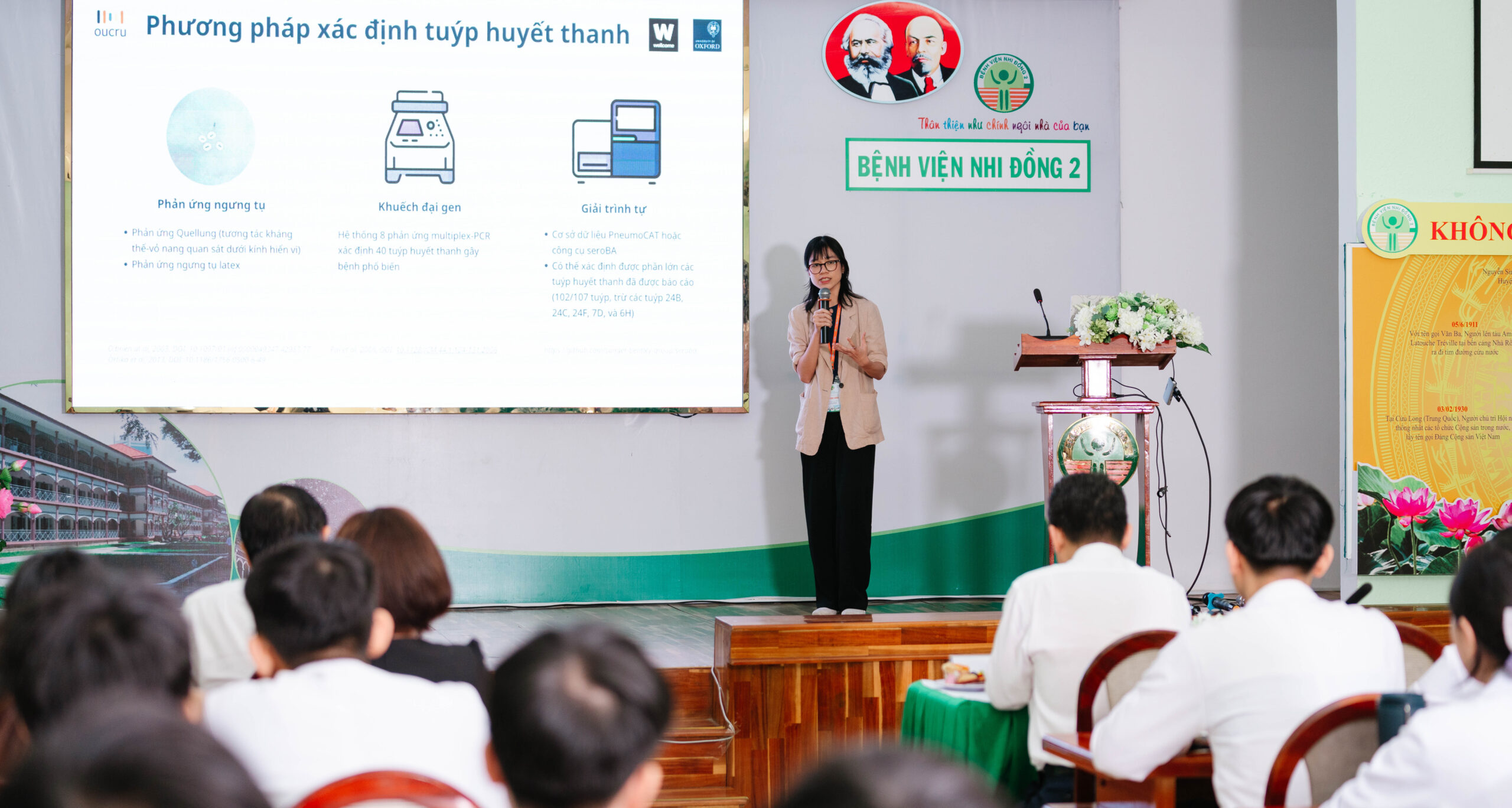
    Dược sĩ Huỳnh Xuân Yến , Điều phối viên dự án, Trợ lý nghiên cứu tại OUCRU, trình bày các phương pháp hiện tại để xác định các tuýp huyết thanh phế cầu khuẩn.

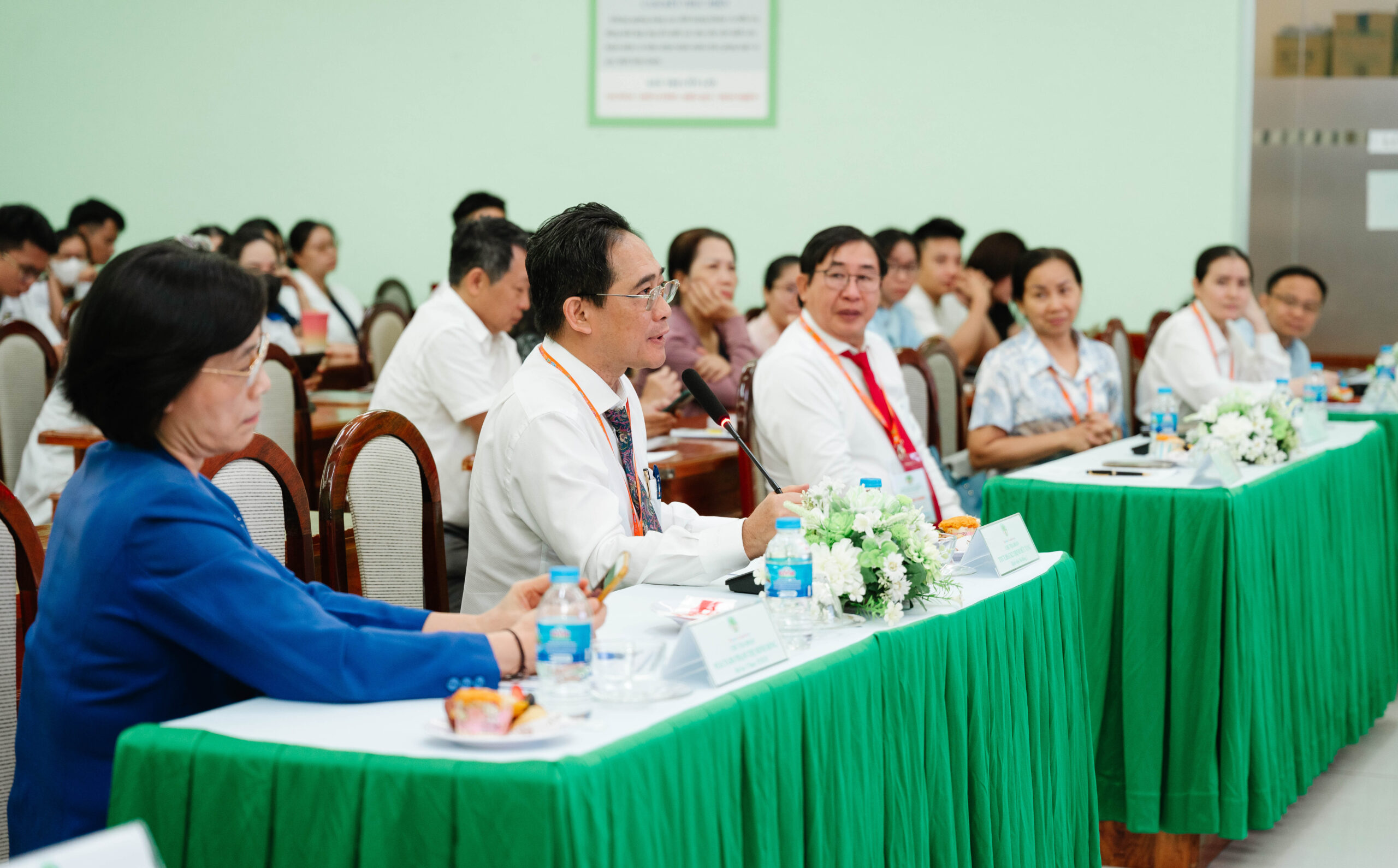
    Má»™t trong những Ä‘iểm nhấn cá»§a há»™i thảo là phần thảo luận sôi nổi về phân bố tuýp huyết thanh, vấn đề kháng kháng sinh, và tình trạng Ä‘a nhiá»…m. Các chuyên gia tham dá»± không chỉ chia sẻ kinh nghiệm mà còn đề xuất hướng Ä‘i má»›i trong nghiên cứu và Ä‘iều trị. 

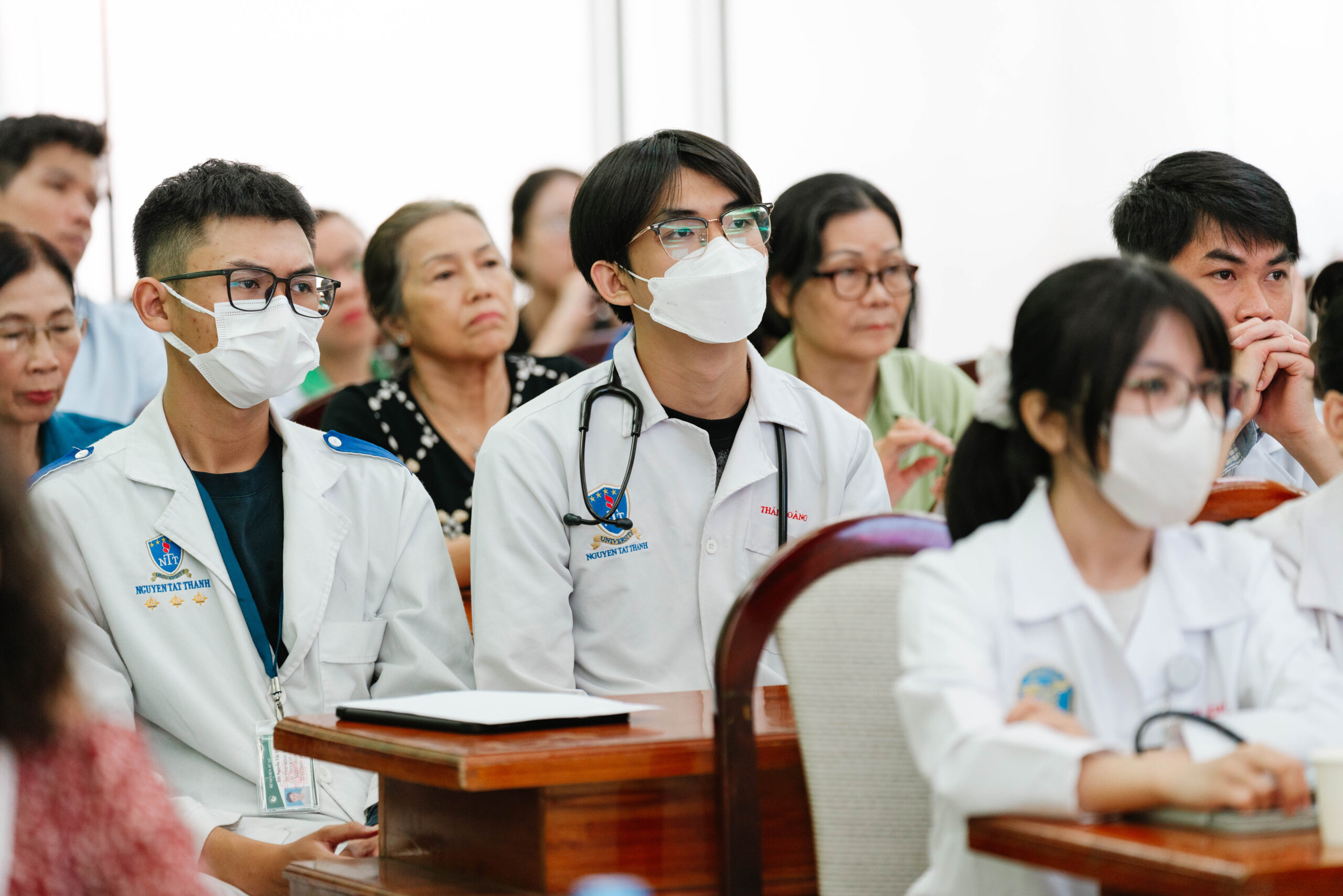
    Há»™i thảo đã nhận được sá»± tham gia tích cá»±c cá»§a các đại biểu. Vá»›i mức độ hài lòng cao 9/10, há»™i thảo không chỉ chứng tỏ sá»± hợp tác nghiên cứu hiệu quả mà còn tạo ra má»™t diá»…n đàn lý tưởng để chia sẻ và phổ biến kết quả nghiên cứu. 

    Thông qua dá»± án này, OUCRU đã đóng góp tích cá»±c vào việc đào tạo và nâng cao năng lá»±c chuyên môn cho đội ngÅ© y tế Việt Nam. Cụ thể, dá»± án đã đào tạo má»™t bác sÄ© ná»™i trú và má»™t bác sÄ© chuyên khoa II tại Bệnh viện Nhi Đồng 2, ba thạc sÄ© giảng dạy tại Khoa Vi sinh, Trường Đại học Y Dược Phạm Ngọc Thạch, và má»™t Thạc sÄ© khoa học cho nhóm nghiên cứu Zoonosis, OUCRU. Dá»± án Ä‘ang tìm kiếm má»™t ứng viên tiến sÄ© để tham gia thúc đẩy các nghiên cứu quan trọng này.

    Thành công của các chương trình đào tạo này là kết quả của sự hợp tác chặt chẽ giữa các nhà khoa học OUCRU với đội ngũ giảng viên giàu kinh nghiệm, gồm có GS Ngô Minh Xuân, PGS Phạm Thị Minh Hồng, cùng các chuyên gia đầu ngành như Ths BS Trịnh Hữu Tùng, Ths BS Nguyễn Minh Ngọc, TS Huỳnh Minh Tuấn và TS Trần Thị Huệ Vân.

    Há»™i thảo nhằm mục đích cập nhật cho các nhân viên y tế và sinh viên ngành y về những phát triển má»›i nhất trong nhiá»…m trùng phế cầu. 

    Há»™i thảo không chỉ cung cấp thông tin chuyên môn mà còn nghiên cứu về thá»±c hành lâm sàng nhằm nâng cao chăm sóc bệnh nhân và sức khỏe cá»™ng đồng. Được tổ chức trong khuôn khổ dá»± án CHANCES , há»™i thảo này là má»™t phần cá»§a má»™t nghiên cứu lá»›n hÆ¡n Ä‘ang Ä‘iều tra tình trạng mang vi khuẩn Streptococcus pneumoniae ở trẻ em Việt Nam. Dá»± kiến, kết quả cá»§a dá»± án sẽ được công bố vào năm 2025. 

    ****

    Về Dự án: Dự án CHANCES, có tên chính thức là “Khảo sát sự lưu hành của chủng Streptococcus pneumoniae trên trẻ em khoẻ mạnh trong cộng đồng và trẻ viêm phổi cộng đồng: tỉ lệ hiện diện và phổ kháng sinh nhạy cảm tại Việt Nam”, được thực hiện từ tháng 8 năm 2020 đến tháng 12 năm 2024.

    Dự án được tài trợ bởi Pfizer và do PGS Ngô Thị Hoa làm Chủ nhiệm Dự án.

    OUCRU đang tìm kiếm một ứng viên tiến sĩ để làm việc với PGS Ngô Thị Hoa và nhóm Zoonoses trong dự án này. Tìm thêm thông tin.

  • OUCRU workshop bridges research and clinical practice on Pneumococcal infections 

    OUCRU workshop bridges research and clinical practice on Pneumococcal infections 

    Pneumococcal infections are a major public health issue in Vietnam, causing a high number of community-acquired pneumonia cases and deaths, especially among young children. The rise in antibiotic resistance has made treatment even more challenging. 

    The Zoonoses research group at OUCRU, in collaboration with Children’s Hospital 2 and Pham Ngoc Thach University of Medicine, hosted a workshop on the latest research and practical solutions for pneumococcal infections. 

    Prof Ngo Minh Xuan, MD, PhD, Chair of the Scientific and Education Council, Former Chairman of the University Council, and Former Rector of Pham Ngoc Thach University of Medicine, delivered the opening speech.
    Dr Trinh Huu Tung, MD, Specialist level II, Director of Children’s Hospital 2, spoke at the workshop.

    The workshop featured presentations by the study team at OUCRU and doctors from Pham Ngoc Thach University of Medicine, who have completed their Master training at OUCRU, highlighting four key aspects of pneumococcal disease :  

    • “The distribution of serotypes in healthy children” presented by Ms Huynh Xuan Yen, Pharm, OUCRU.
    • “The association between antibiotic resistance and pneumococcal serotypes with invasive pneumococcal infections including meningitis and blood-stream infections in children” presented by Ms Dang Nguyen Huong Trinh, MD, MSc, PNTU.
    • “The distribution of pneumococcal serotypes and their antibiotic resistance in children with community-acquired pneumonia” presented by Dr Nguyen Trung Thanh, PhD, OUCRU.
    • “The prevalence of co-infection with multiple pathogens in children with community-acquired pneumonia” presented by Mr Tran Si Nguyen, MD, MSc, PNTU and Ms Phung Le Kim Yen, MSc, OUCRU.

    These presentations provided valuable insights, combining clinical data with practical applications. 

    Ms Huynh Xuan Yen, Project Coordinator, Research Assistant at OUCRU, presents current methods for the identification of pneumococcal serotypes 

    A highlight of the event was the lively debate and discussion on serotype distribution, antibiotic resistance, co-infection and pneumococcal vaccine coverage, where experts shared experiences, shared the need for more information which suggested further investigation. 

    The participants took part in the pre- and post-seminar information collection. With a high satisfaction score of 9/10, the workshop also demonstrated strong and productive research collaborations and provided an excellent platform for the dissemination of project findings.

    Via project implementation, OUCRU provided the opportunities for training of medical professionals, including one medical resident, one specialist level II for Children Hospital No. 2 and three Master’s graduates, who are lecturers at the Microbiology Department of Pham Ngoc Thach University of Medicine; and one MSc student for Zoonoses group at OUCRU. The project is seeking a PhD candidate to join the research team and help advance these critical studies. 

    These trainings were successful thanks to the collaborative efforts between OUCRU scientists and professional educators, Prof Ngo Minh Xuan, Assoc Prof Pham Thi Minh Hong, Specialist level II Dr Trinh Huu Tung, Specialist level II Dr Nguyen Minh Ngoc, Dr Huynh Minh Tuan, and Dr Tran Thi Hue Van.

    The workshop aims to update healthcare workers and students on the latest developments in pneumococcal infections 

    The workshop not only provided professional information but also research into clinical practice, ultimately advancing patient care and public health. Organised under the CHANCES project, this workshop is part of a larger study investigating Streptococcus pneumoniae carriage in Vietnamese children. The project’s findings are anticipated to be published in 2025. 

    ****

    About the Project: The CHANCES project, officially titled “Streptococcus Pneumoniae Carriage in Healthy and Community-Acquired Pneumonia Children in the Community: The Prevalence and Antimicrobial Susceptibility Profiles in Vietnam”, was conducted from August 2020 to December 2024.  

    The project was funded by Pfizer and led by Principal Investigator Assoc Prof Ngo Thi Hoa 

    We are looking for a PhD candidate to work with Assoc Prof Ngo Thi Hoa and the Zoonoses group on this project. Find more information. 

  • Cải thiện quản lý kháng sinh ở những khu vá»±c hạn chế về nguồn lá»±c: Má»™t câu chuyện thành công từ Phú Thọ, Việt Nam

    Giải quyết cuộc khủng hoảng sức khỏe toàn cầu

    Kháng kháng sinh (AMR) là một cuộc khủng hoảng sức khỏe toàn cầu đang gia tăng và đe dọa đảo ngược những tiến bộ y tế trong nhiều thập kỷ qua. Tại Việt Nam, vấn đề này đặc biệt nghiêm trọng ở các khu vực khó khăn, nơi nguồn lực y tế và cơ sở vật chất xét nghiệm còn hạn chế.

    Tại Phú Thọ, một tỉnh miền Bắc Việt Nam, các huyện như Hạ Hòa, Yên Lập và Tân Sơn nhận được sự quan tâm đặc biệt do còn thiếu các cơ sở xét nghiệm vi sinh. Bệnh nhân nếu muốn làm các xét nghiệm này buộc phải tìm đến các bệnh viện tuyến huyện, kéo dài thời gian chẩn đoán và điều trị bệnh.

    Không có cơ sở vật chất xét nghiệm, các bác sĩ tại đây thường kê đơn kháng sinh dựa trên triệu chứng và phán đoán lâm sàng. Thực hành này vô hình chung góp phần vào sự gia tăng kháng thuốc kháng sinh tại cấp huyện.

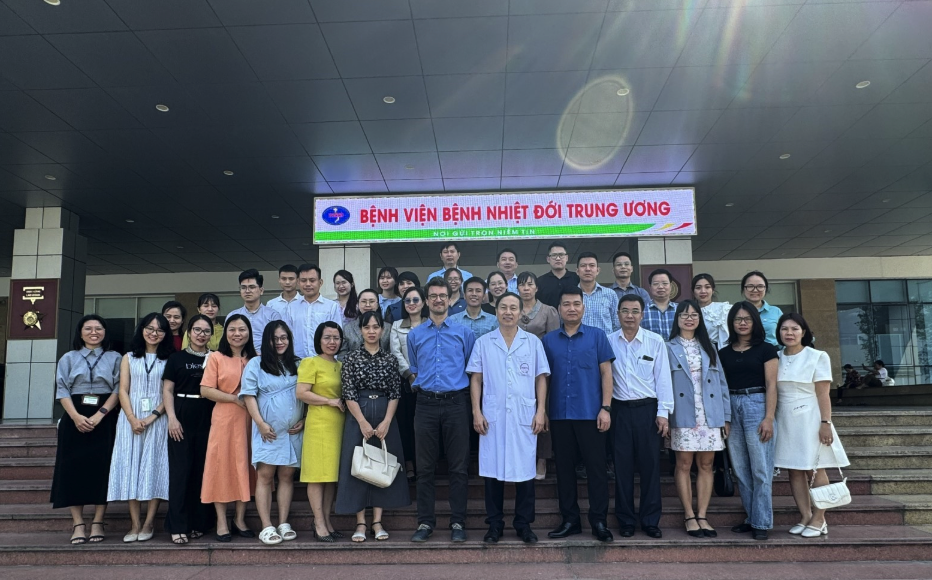
    Đại diện chính quyền địa phương, bệnh viện, và các đại biểu tại cuộc họp sơ kết dự án.

    Để giải quyết vấn đề này, OUCRU và Sở Y tế Phú Thọ đã hợp tác nhằm tăng cường quản lý kháng sinh ở các khu vực khó khăn trên địa bàn tỉnh. Cụ thể, sáng kiến này tập trung vào việc nâng cao năng lực chẩn đoán và cung cấp các giải pháp phòng thí nghiệm vi sinh tại các bệnh viện cấp huyện.

    Vào ngày 19 tháng 11 năm 2024, buổi họp sơ kết đã được tổ chức để báo cáo các tác động tích cực của dự án đối với việc chăm sóc bệnh nhân, kiểm soát kháng sinh, và cải thiện các thực hành y tế. Tham dự cuộc họp có Bác sĩ Nguyễn Thanh Hà, Phó Giám đốc Bệnh viện Bệnh Nhiệt đới Trung ương, và các đại diện từ Sở Y tế Phú Thọ và các bệnh viện tỉnh.

    Cải thiện việc chăm sóc bệnh nhân thông qua các quyết định dựa trên dữ liệu

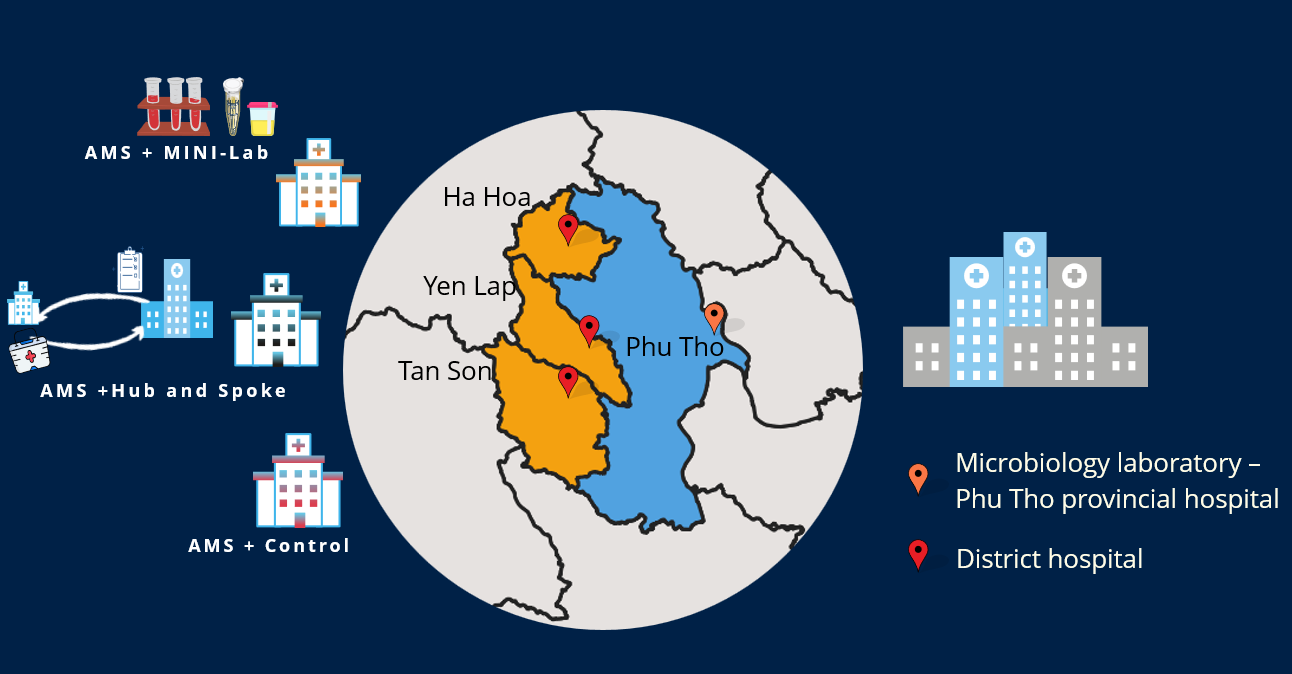
    Kể từ năm 2022, dá»± án đã triển khai hai giải pháp xét nghiệm vi sinh phù hợp vá»›i nhu cầu đặc thù cá»§a từng Ä‘iểm nghiên cứu. Tại huyện Hạ Hòa, má»™t “Phòng thí nghiệm độc lập quy mô nhỏ” đã được thành lập, sẵn sàng thá»±c hiện xét nghiệm các mẫu vô trùng (ví dụ: máu, nước tiểu, dịch vô trùng) ngay tại địa phương.

    Tại các huyện Yên Lập và Tân Sơn, mô hình Hub-and-Spoke đã được áp dụng, cho phép mẫu bệnh phẩm được gửi đến một phòng thí nghiệm trung tâm, cấp tỉnh để xét nghiệm.

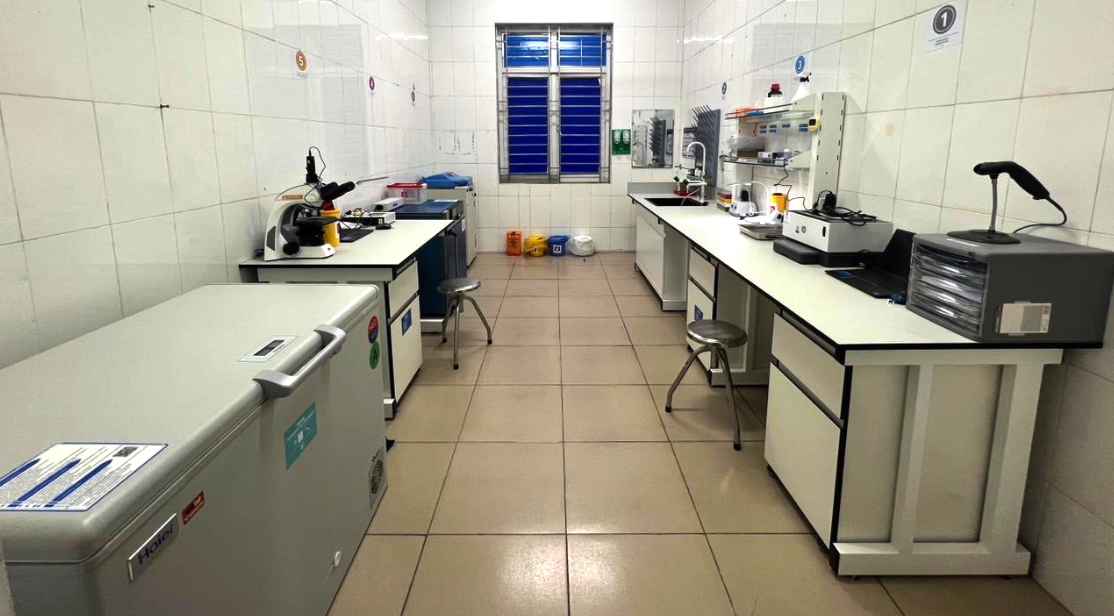
    Mini-lab at Ha Hoa District Health Centre allows microbiology tests to be done at the district level. 

    Những giải pháp này giúp nhân viên y tế xác định chính xác vi khuẩn và độ nhạy kháng sinh, giúp họ đưa ra các quyết định điều trị tập trung hơn. Nhờ đó, bác sĩ có thể chọn kháng sinh đặc hiệu với loại vi khuẩn gây nhiễm trùng, từ đó cải thiện chăm sóc bệnh nhân.

    Cách tiếp cận dựa trên dữ liệu này giúp giảm sự phụ thuộc vào kháng sinh phổ rộng, giảm nguy cơ phát sinh vi khuẩn kháng thuốc. Nhờ đó, giúp giảm liều điều trị khi có thể và hạn chế sử dụng kháng sinh không cần thiết.

    “Từ khi có cÆ¡ sở xét nghiệm vi sinh ngay tại bệnh viện, cách tiếp cận cá»§a tôi trong việc Ä‘iều trị đã thay đổi. Việc yêu cầu xét nghiệm vi sinh ngay khi tiếp nhận bệnh nhân hiện đã trở thành thói quen lâm sàng.”

    BS Trần Thu Hoài, bác sĩ địa phương, cho biết.

    Xây dựng năng lực thông qua đào tạo

    Ngoài việc cung cấp cơ sở vật chất, dự án còn trang bị cho đội ngũ y bác sĩ những khóa đào tạo thiết yếu về các lĩnh vực quan trọng như quản lý kháng sinh, vi sinh lâm sàng, nghiên cứu đạo đức và kiểm soát nhiễm trùng.

    Việc tập trung vào xây dựng năng lực tại địa phương đảm bảo rằng các cán bộ y tế không chỉ được trang bị công cụ cần thiết mà còn có kiến thức để cải thiện việc sử dụng kháng sinh và kiểm soát nhiễm trùng trong công việc hàng ngày.

    Thông qua đào tạo nâng cao năng lực, dự án đã giúp các nhân viên y tế đưa ra quyết định dựa trên dữ liệu, từ đó cải thiện kết quả điều trị cho bệnh nhân và giúp làm chậm sự lan rộng của AMR.

    Dược sÄ© lâm sàng Nguyá»…n Thị Quỳnh Hương cho biết: “Nhờ chương trình đào tạo cá»§a nghiên cứu UMAMIS, các bác sÄ© đã thay đổi quan Ä‘iểm và sẵn sàng hợp tác thá»±c hiện các hướng dẫn về dá»± phòng kháng sinh trong các ca phẫu thuật sạch tại các trung tâm y tế cấp huyện.”

    Một mô hình bền vững cho tương lai

    Sau khi kết thúc dự án, các trung tâm y tế huyện tại Hạ Hòa, Yên Lập và Tân Sơn cam kết duy trì những tiến bộ đã đạt được thông qua nghiên cứu này.

    Các nghiên cứu mới sẽ được triển khai để đảm bảo việc duy trì các phòng xét nghiệm quy mô nhỏ, tích hợp xét nghiệm vi sinh vào các quy trình lâm sàng thương quy, và mở rộng phạm vi các xét nghiệm vi sinh có sẵn tại cấp huyện.

    “Dá»± án này đã chứng minh rằng, ngay cả trong Ä‘iều kiện hạn chế, chúng ta vẫn có thể triển khai các cÆ¡ sở xét nghiệm vi sinh và thúc đẩy chương trình quản lý kháng sinh”

    Tiến sĩ Thomas Kesteman , Chủ nhiệm Dự án.
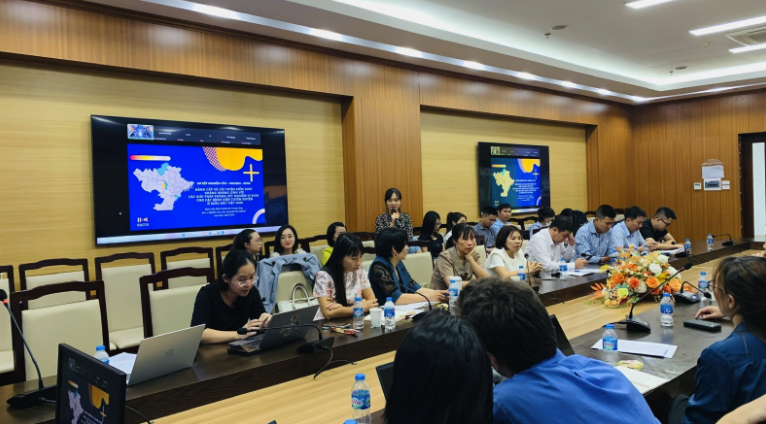
    Đại biểu tham gia thảo luận và chia sẻ về dự án.

    “Kết quả sơ bộ cho thấy việc sử dụng kháng sinh giảm, cả trên toàn bệnh viện và tại khoa phẫu thuật”, Tiến sĩ Vũ Thị Lan Hương, Chủ nhiệm Dự án cho biết thêm. “Những kết quả này có tiềm năng giúp các nhà hoạch định chính sách và nhà tài trợ hiểu rõ hơn về mô hình triển khai kết hợp AMS với các can thiệpvi sinh. Các phân tích sâu hơn đang được tiến hành để đánh giá tác động của dự án”.

    “Trong tương lai,” Bác sĩ Lương Duy Đống, Phó Giám đốc Trung tâm Y tế huyện Hạ Hòa, bình luận, “chúng tôi hy vọng sẽ duy trì phòng xét nghiệm vi sinh tại trung tâm và hợp tác nghiên cứu với OUCRU.”

    Cam kết tiếp tục đào tạo và hợp tác là yếu tố quan trọng để duy trì những cải tiến này và tạo ra một chu trình bền vững chuyển giao kiến thức và cải thiện kết quả chăm sóc sức khỏe.

    ***

    Về dự án

    Dự án “Nâng cấp và mở rộng kiểm soát kháng thuốc kháng sinh bằng các giải pháp xét nghiệm vi sinh cho các bệnh viện tuyến huyện tại Phú Thọ, Việt Nam” là một phần của sáng kiến lớn hơn, “Mở rộng các chương trình quản lý kháng thuốc kháng sinh cho các hoạt động lâm sàng chưa được phục vụ đầy đủ: Các khoa ngoại trú và bệnh viện không có năng lực vi khuẩn học tại Việt Nam”.

    Sáng kiến này nhằm mở rộng phạm vi của các chương trình quản lý thuốc kháng sinh và tăng cường kiểm soát AMR ở những khu vực chưa được phục vụ đầy đủ của Việt Nam, đặc biệt là tại các phòng khám ngoại trú và bệnh viện huyện thiếu cơ sở hạ tầng để xét nghiệm vi sinh.

    Địa điểm nghiên cứu dự án và thiết kế nghiên cứu

    Tiến sĩ Thomas Kesteman là Trưởng Dự án kiêm Chủ Nhiệm Dự án và Tiến sĩ Vũ Thị Lan Hương là Đồng Chủ Nhiệm Dự án

    Dá»± án được tài trợ bởi Pfizer Global Medical Grants và Global Bridges tại Mayo Clinic, triển khai từ tháng 1 năm 2022 đến tháng 9 năm 2024, vá»›i sá»± hợp tác cá»§a Bệnh viện Bệnh nhiệt đới Trung ương, hai bệnh viện tuyến tỉnh (Bệnh viện Việt Nam – Thụy Điển – Uông Bí và Bệnh viện tuyến tỉnh Đồng Tháp) và ba bệnh viện tuyến huyện tại Phú Thọ (Hạ Hòa, Tân SÆ¡n và Yên Lập).

  • Improving antibiotic stewardship in resource-limited areas: A success story from Phu Tho, Vietnam

    Addressing the global health crisis 

    Antimicrobial resistance (AMR) is a growing global health emergency that threatens to reverse decades of medical progress. In Vietnam, the issue is particularly acute in underserved regions, where healthcare resources are often limited and diagnostic tools are scarce.  

    In Phu Tho, a province in northern Vietnam, districts like Ha Hoa, Yen Lap, and Tan Son are particularly vulnerable due to the lack of microbiological facilities. This absence of essential laboratories forces patients to travel to provincial hospitals for testing, a barrier that delays diagnosis and treatment.  

    Without proper diagnostic tools, doctors frequently prescribe antibiotics based solely on symptoms and clinical judgment. This practice inadvertently contributes to the rise of antibiotic resistance at the district level. 

    Representatives from local government, partner hospitals, and participants at the semi-final meeting of the project. 

    To address this issue, OUCRU and the Phu Tho Department of Health have partnered to strengthen antibiotic stewardship in these resource-limited areas. Specifically, the initiative focuses on upgrading diagnostic capabilities and microbiology laboratory solutions in district-level hospitals. 

    On November 19, 2024, a semi-final meeting was held to celebrate the project’s positive impact on patient care, antibiotic resistance control, and healthcare practices. Attendees included Dr Nguyen Thanh Ha, Deputy Director of the National Hospital of Tropical Diseases, and representatives from Phu Tho’s Department of Health and provincial hospitals. 

    Improved patient care through data-driven decisions 

    Since 2022, the project introduced two microbiology solutions tailored to the specific needs of each study site. In Ha Hoa district, a Mini-lab was set up, offering ready-to-use diagnostic testing for sterile samples (e.g., blood, urine, sterile fluids) directly at the district level.  

    In Yen Lap and Tan Son districts, a Hub-and-Spoke model was implemented, allowing samples to be sent to a centralised, higher-level laboratory at the provincial hospital for testing. 

    Mini-lab at Ha Hoa District Health Centre allows microbiology tests to be done at the district level. 

    These solutions offer healthcare providers precise data on bacterial identification and antibiotic susceptibility, enabling more targeted treatment decisions. As a result, doctors can select antibiotics that are specifically effective against the bacteria causing the infection, leading to improved patient care. 

    This data-driven approach reduces reliance on broad-spectrum antibiotics, minimising the risk of fostering antibiotic-resistant bacteria. Ultimately, it favours the de-escalation of therapy when appropriate and reduces unnecessary antibiotic overuse.  

    “The availability of microbiology testing at my hospital has changed my approach to treatment. Ordering microbiology tests immediately upon admission has now become a routine practice.” 

    Dr Tran Thu Hoai, local physician.

    Building capacity through training 

    Beyond technological upgrades, the project equipped healthcare professionals with essential training in critical areas such as antimicrobial stewardship, clinical microbiology, ethical research conduct, and infection prevention and control. 

    The focus on building local capacity ensures that healthcare providers are not only supported with the necessary tools but also equipped with the knowledge to improve antibiotic use and infection control in their daily practices. 

    By offering hands-on training, the project has empowered healthcare professionals to make informed, evidence-based decisions that improve patient outcomes and help slow the spread of AMR. 

    “Thanks to the training programmes of the UMAMIS study, surgeons have changed their perspectives and are now cooperating to implement guidelines for antibiotic prophylaxis in clean surgeries at district health centres,” said clinical pharmacist Nguyen Thi Quynh Huong. 

    A sustainable model for the future 

    Following the conclusion of the project, the district health centres in Ha Hoa, Yen Lap, and Tan Son are committed to maintaining the improvements achieved through this initiative.  

    Studies are in place to ensure the ongoing operation of the Mini-lab, integrate microbiology testing into routine clinical pathways, and expand the range of microbiological tests available at the district level. 

    “This project has proven that, in resource-limited settings, it is not only possible to implement microbiology testing, but that it supports the antimicrobial stewardship programme and vice-versa.”

    Dr Thomas Kesteman, Principal Investigator.
    Participants engage in discussions and share insights on key outcomes. 

    “Preliminary results showed a reduction in antibiotic use, both hospital-wide and in the surgical department,” added Dr Vu Thi Lan Huong, Principal Investigator. “These results have the potential to inform policymakers and funders about the implementation model combining AMS with microbiological interventions. Further analyses are being conducted to assess the impact in more detail.”  

    “Looking ahead,” commented Dr Luong Duy Dong, Vice Director of Ha Hoa District Health Center, “we hope to maintain the microbiology laboratory at the centre and research collaborations with OUCRU.”  

    The ongoing commitment to training and collaboration is crucial for sustaining these improvements and creating a self-sustaining cycle of knowledge transfer and improved healthcare outcomes. 

    ***

    About the project 

    The project “Upgrading and Amplifying Antimicrobial Resistance Control with Microbiology Laboratory Solutions for District Hospitals in Phu Tho, Vietnam” is part of a larger initiative, “Extending Antimicrobial Stewardship Programmes to Underserved Clinical Activities: Outpatient Departments and Hospitals Without Bacteriology Capacity in Vietnam.” 

    This ambitious initiative seeks to expand the reach of antimicrobial stewardship programs and enhance AMR control in underserved areas of Vietnam, particularly in outpatient clinics and district hospitals that lack the infrastructure for microbiological testing. 

    Project study sites and study design 

    Dr Thomas Kesteman is the Project Lead cum Principal Investigator and Dr Vu Thi Lan Huong is the Co-investigator.  

    Funded by Pfizer Global Medical Grants and Global Bridges at Mayo Clinic, and running from January 2022 to September 2024, the project is being implemented in collaboration with the National Hospital of Tropical Diseases, two provincial hospitals (Vietnam – Sweden – Uong Bi Hospital and Dong Thap Provincial Hospital), and three district hospitals in Phu Tho (Ha Hoa, Tan Son, and Yen Lap).