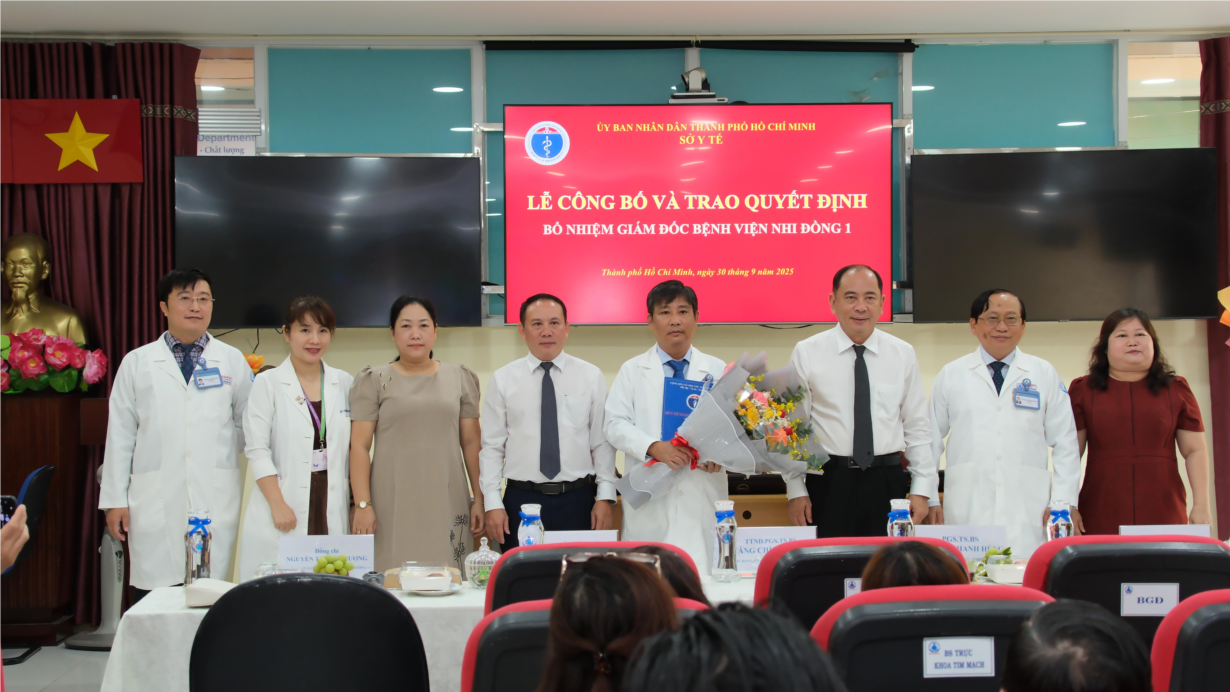
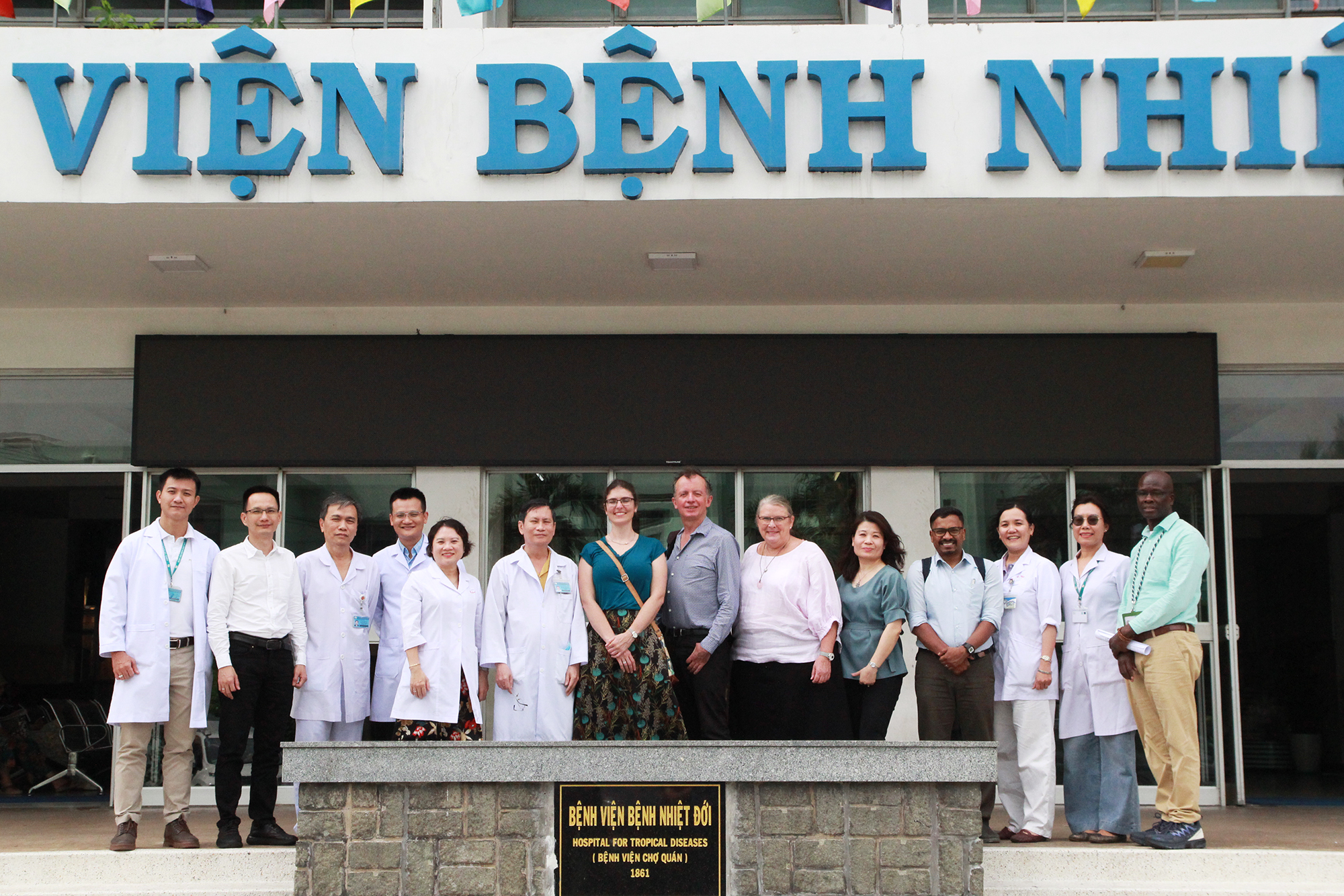
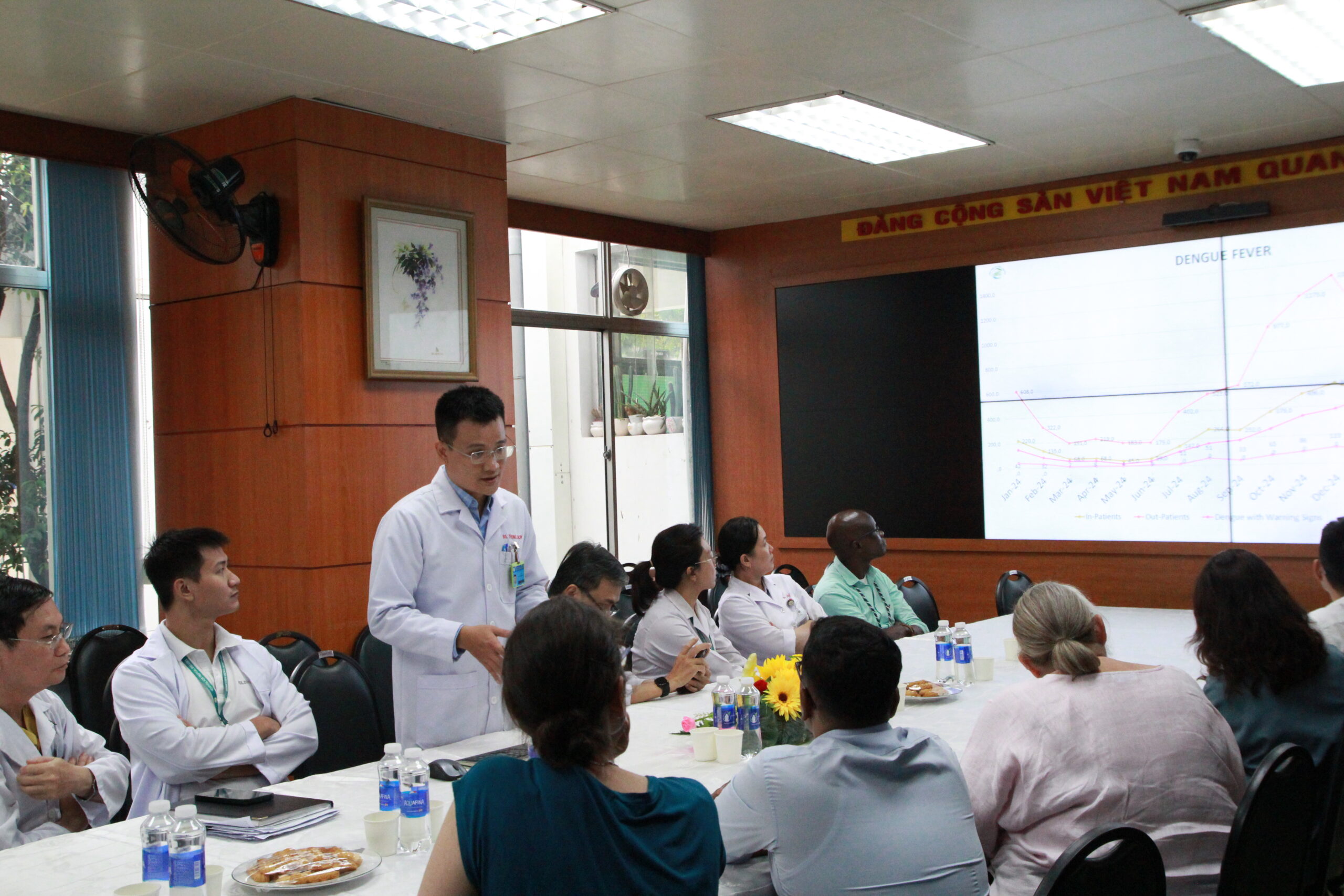
Dr Minh conducted his PhD research at the Oxford University Clinical Research Unit (OUCRU) and was awarded his degree in 2014 by the Open University, United Kingdom. He has worked at Children’s Hospital 1 since 1998 and, over nearly three decades, has taken on a series of leadership roles.
At the announcement ceremony, Dr Minh outlined his vision to develop the hospital into a leading paediatric centre in Southeast Asia. His priorities include strengthening clinical expertise, enhancing patient care and services, and driving innovation through modern technology.
This appointment underlines OUCRU Vietnam’s continued commitment to strengthening research capacity and supporting the development of future scientists and health professionals in Vietnam.
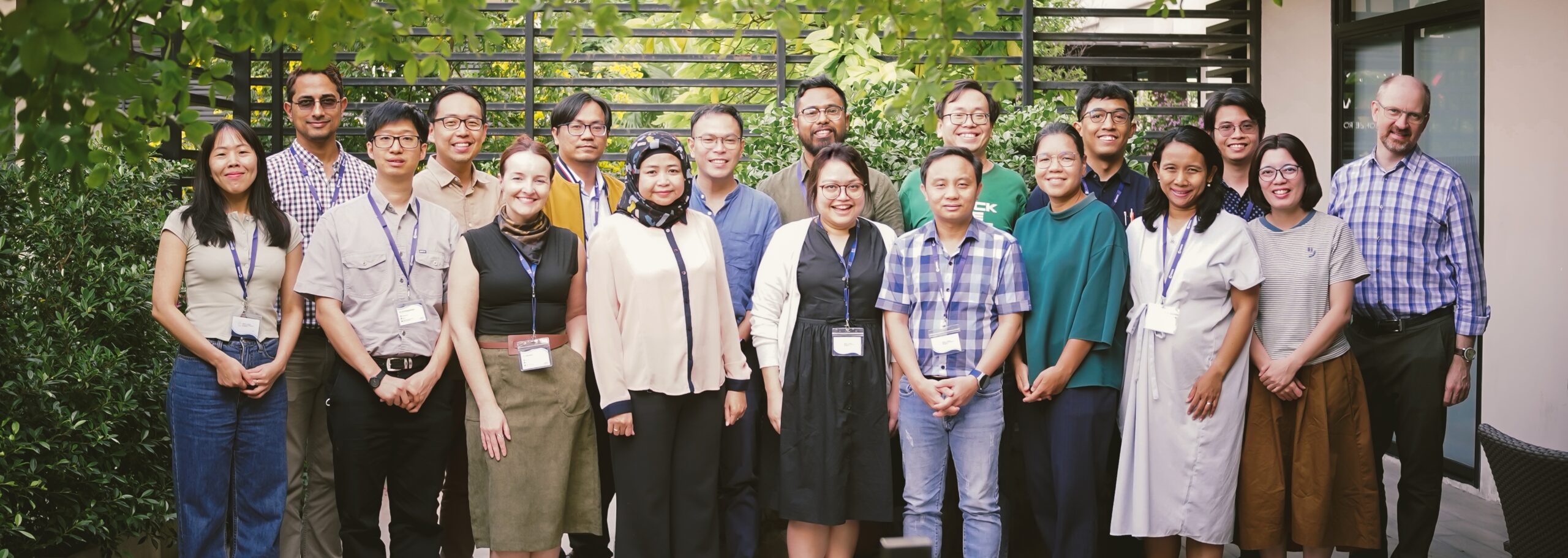
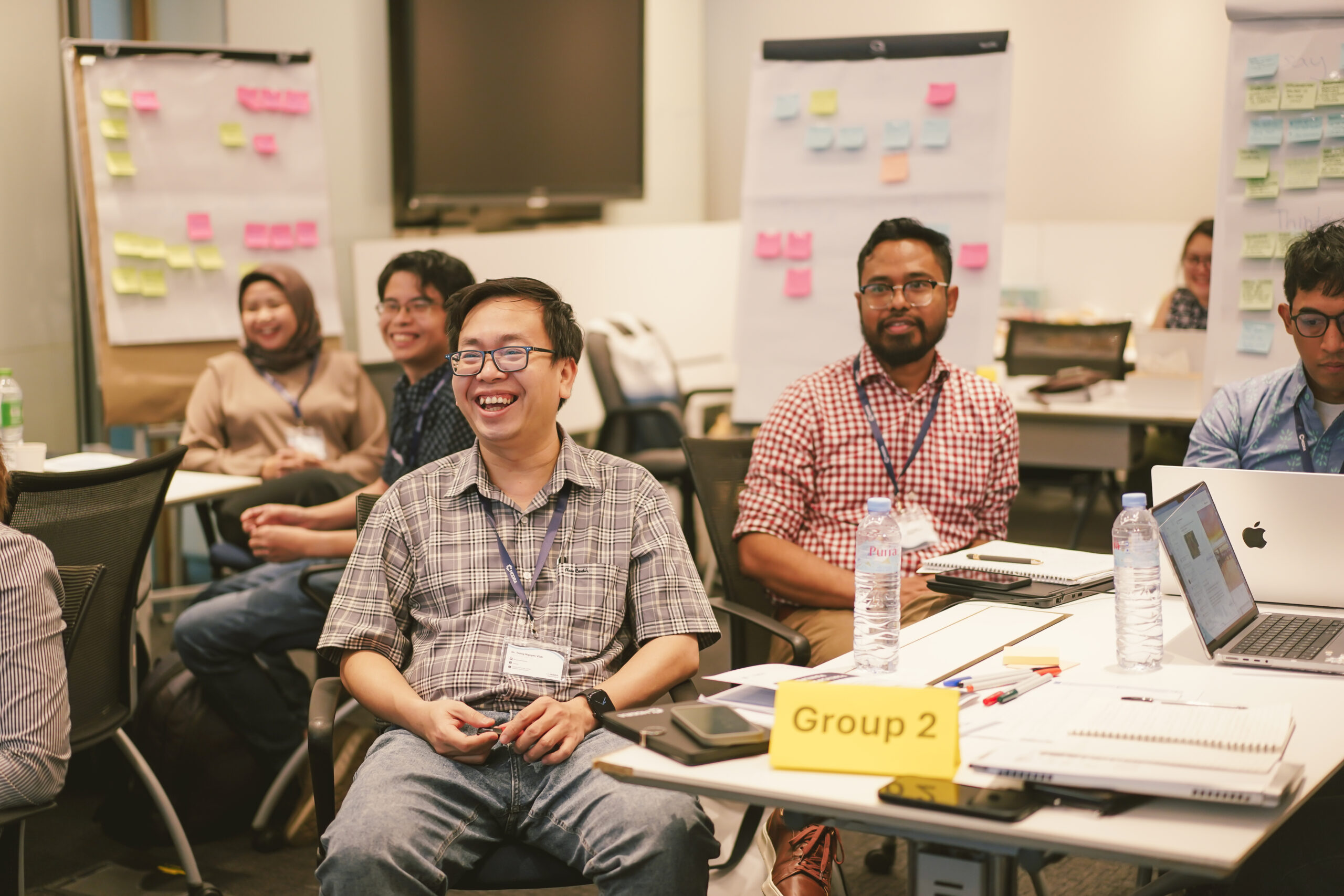
In September 2025, MORU–OUCRU Discovery Research Academy (MODRA) held the first workshop for its newly selected Cohort 2 in Bangkok, Thailand. This intensive training week launched their 18-month journey with MODRA – a programme that equips early-career postdoctoral researchers with the skills, networks, and confidence to transform research ideas into real-world impact.
For many early-career scientists, completing a PhD is only the beginning. A doctorate equips them with deep knowledge in a specific field, but often leaves gaps in areas such as leadership, financial planning, collaboration, and the ability to connect science with real-world needs. Yet these are the skills required to secure funding, lead teams, and translate research ideas into benefits for society.
MODRA bridges that gap. It offers tailored training and mentorship to help early-career researchers not just do science, but to lead it. By building these skills now, they are better prepared to become future leaders in global health and infectious diseases research across the region.
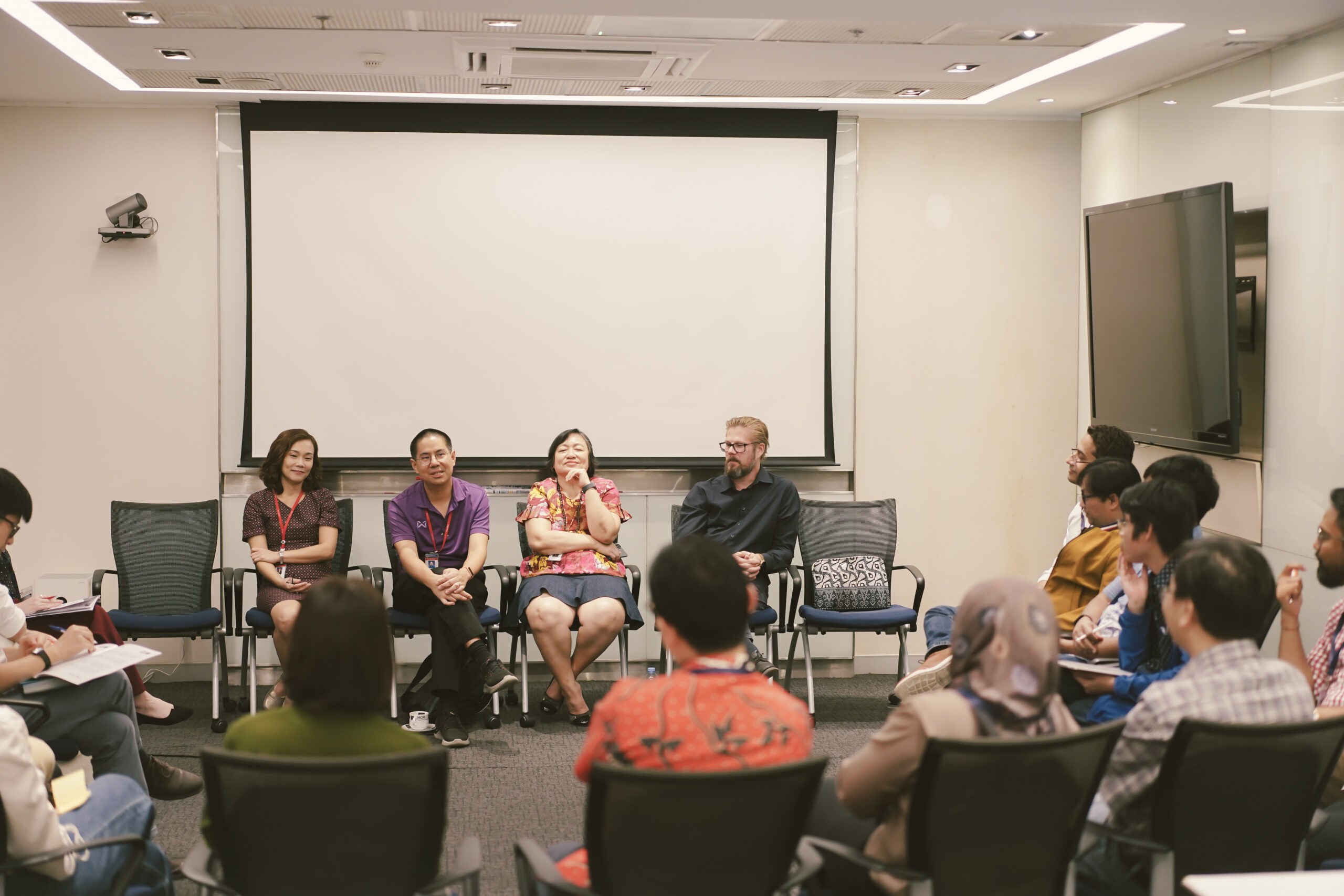
The first workshop of the programme began with self-reflection. Participants used SWOT analysis to understand their own strengths and challenges, and design thinking to imagine new ways of approaching problems. This helped them step beyond the boundaries of their PhD projects and start shaping bold, creative ideas that address pressing health needs in their communities.
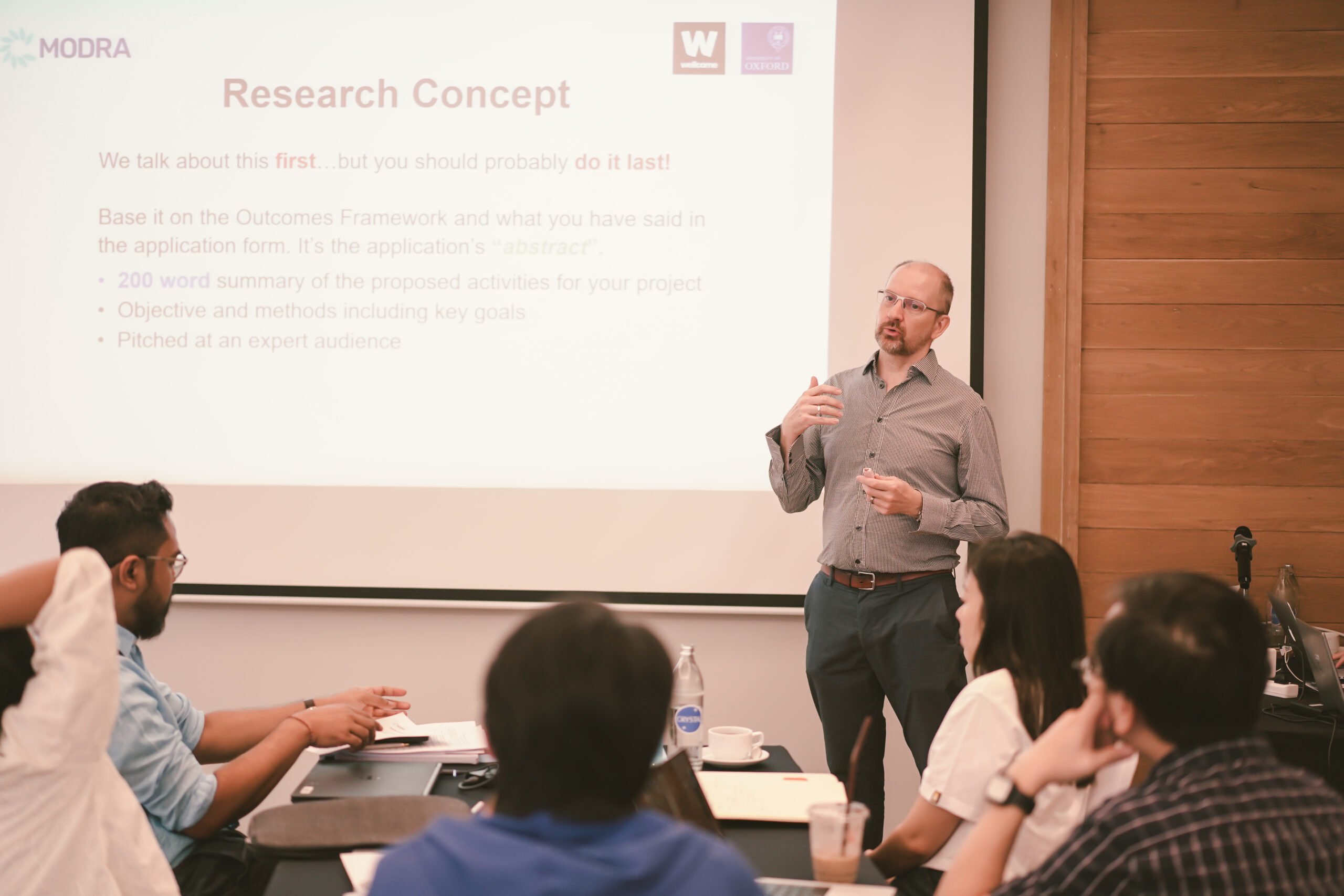
The second half of the week focused on the practical skills every research leader needs. Through interactive sessions, scientists learned how to:
Define a clear research vision and achievable outcomes
Build realistic budgets and financial plans
Write strong, competitive proposals for funding
By the end of the week, each of the 15 researchers had drafted a seed award proposal, ready to refine and pitch in the next stage. They will have the chance to gain up to USD 30,000 in funding to kick-start their preliminary research. Building on the seed awards, Cohort 1 researchers have taken their projects further, with many going on to secure competitive international grants.
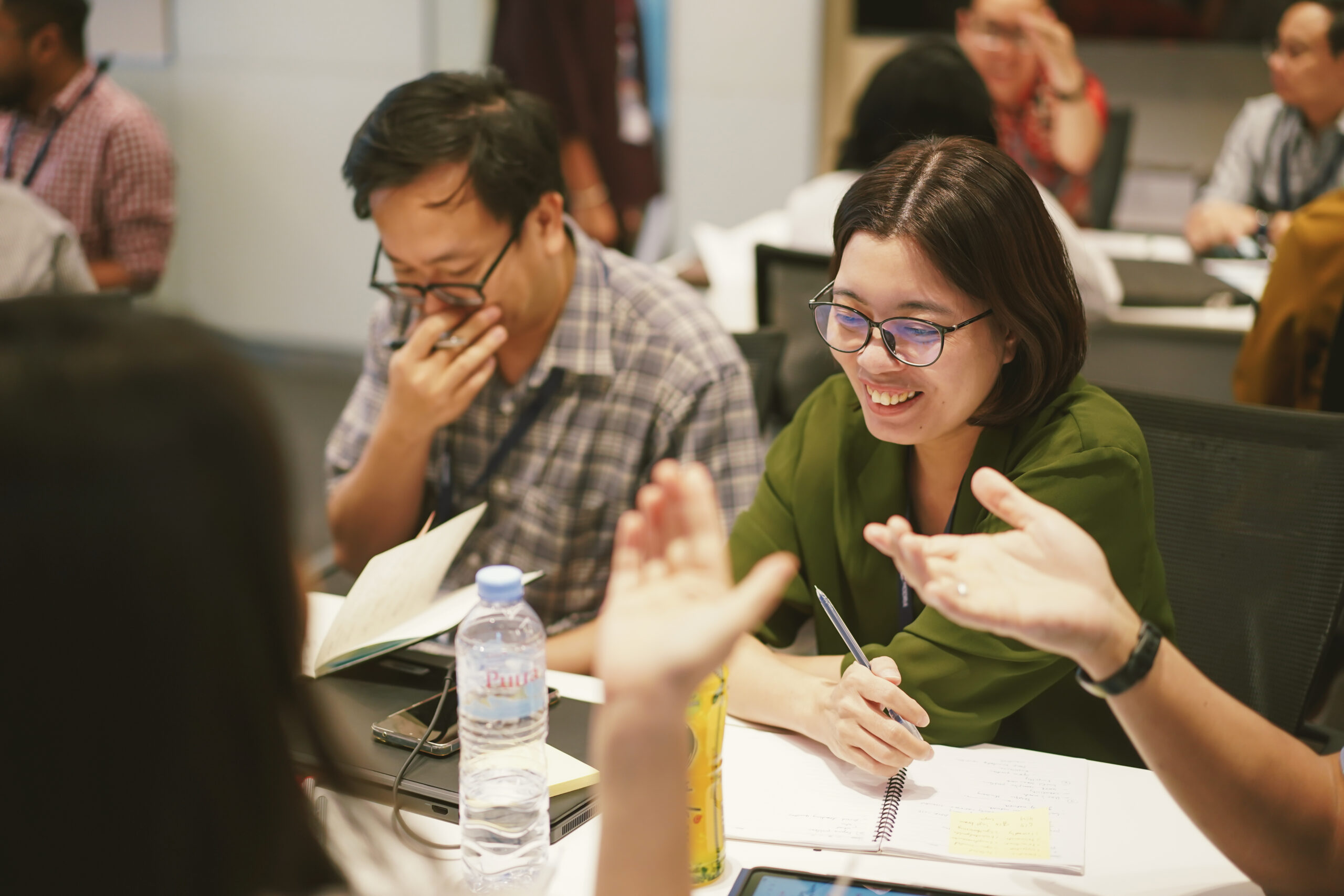
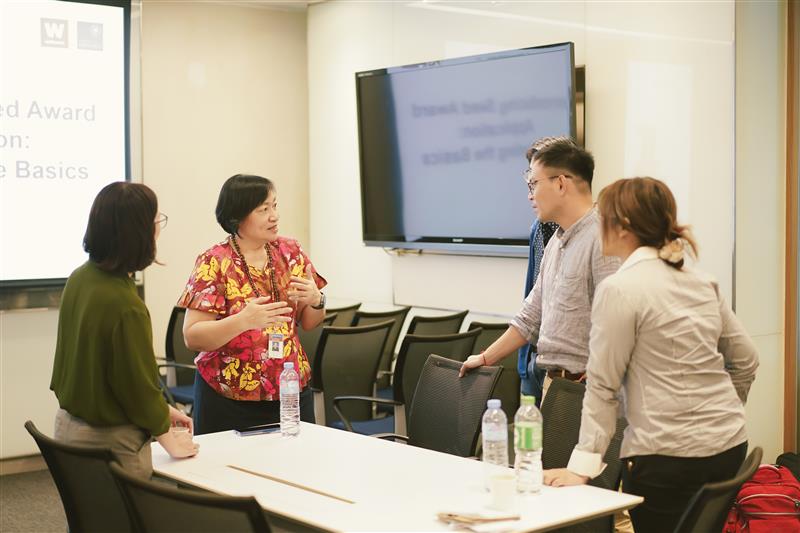
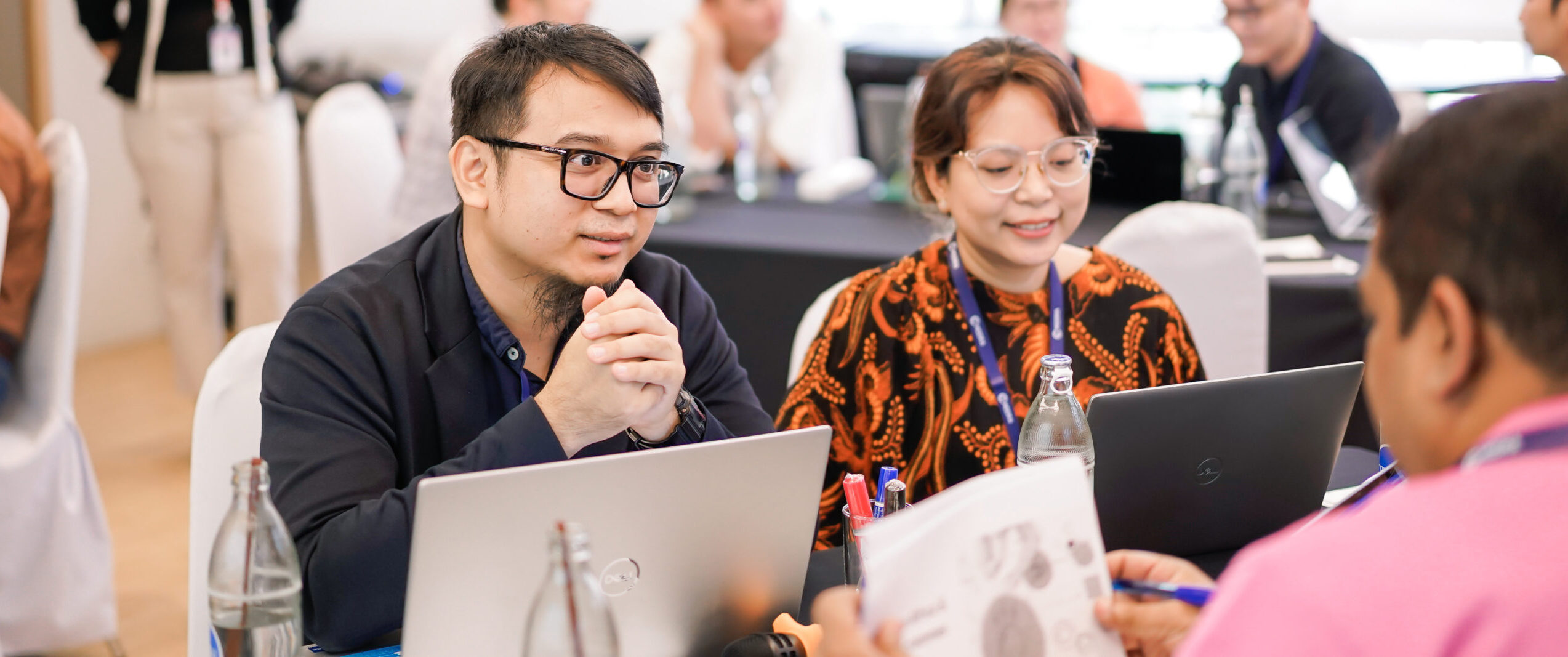
Dr Natcha Dankittipong (left) and Dr I Nyoman Sutarsa (right) during the training session, engaging in hands-on learning.
I think the SWOT analysis was very helpful as it helped me explore more possibilities of what I can do with my career. I also realized that one of my strengths is that I have a good network of people that can help facilitate better research ideas for me and with me. – Dr Natcha Dankittipong, NUS
These skills are very beneficial. I especially appreciated learning about budgeting as every donor might have different requirements. The design thinking and outcomes framework were also very helpful as putting them together in a structured and consolidated way helps us frame our research in a bigger context. – Dr I Nyoman Sutarsa, Udayana University
For these junior scientists, the workshop was a launchpad. They left Bangkok with more than just knowledge: they gained the confidence to think big, the tools to make their ideas real, and a network of peers and mentors to support them over the next 18 months, and well into their careers.
Tuberculous meningitis (TBM) is the most severe and life-threatening form of tuberculosis. Even with treatment, it carries a high fatality rate of 20% to 50%, and half of the survivors live with permanent neurological complications.
Most TBM research to date has focused on blood samples for sequencing and cell functions, while studies using cerebrospinal fluid (CSF) – the fluid surrounding the brain and spinal cord – remain rare. This is largely due to technical challenges, including the invasive nature of CSF collection, low cell yields, and the risk of blood contamination. However, to develop better treatments, researchers need a clearer picture of what happens at the actual site of infection – the brain.
At OUCRU, a team of scientists applied single-cell RNA sequencing (scRNA-seq), an advanced technology, to study how immune cells behave in CSF. To our knowledge, this is the first time scRNA-seq has been applied to examine CSF in adult TBM patients in the world.
ScRNA-seq has transformed biomedical research globally. It allows researchers to analyse thousands of single immune cells at once, revealing a far more detailed picture of the immune response. Importantly, it can work with only a few thousands of cells, helping to overcome one of the key challenges in TBM research: low cell yields from CSF samples. This makes it possible to identify specific immune cells in the brain that drive inflammation, potentially improving TBM diagnosis and guiding targeted treatments to reduce immune-mediated brain injury.
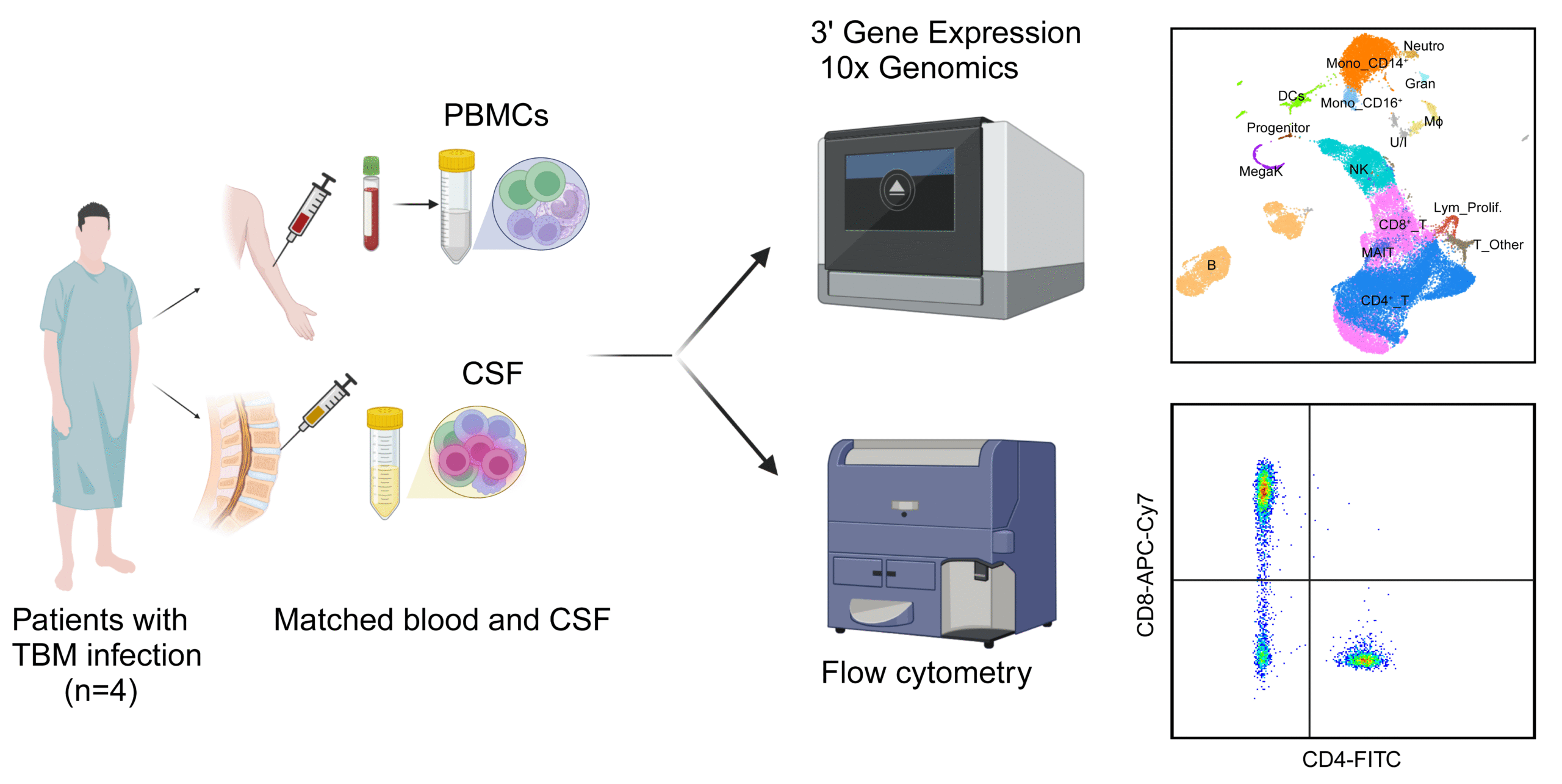
In this pilot study recently published in The Journal of Immunology, OUCRU researchers analysed paired pre-treatment CSF and blood samples from four adults with TBM, and blood samples from three healthy controls. They successfully identified 15 major cell types and 29 subtypes present across both compartments, but significantly different in abundance and function.
Research overview
The CSF was enriched with immune cells that showed signs of inflammation, including microglia-like macrophages, GZMK+ CD8+ effector-memory T cells, and CD56bright NK (natural killer) cells. In contrast, the blood contained more cytotoxic GNLY+ CD8+ effector-memory T cells and CD56dim NK. Inflammatory signalling pathways, including interferon response, were more active in CSF cells, while oxidative phosphorylation, a key oxygen-based energy pathway, was reduced.
This metabolic shift reflects earlier evidence that, in TBM, immune cells switch from oxygen-based energy production to a faster oxygen-independent, lactate-producing glycolysis, similar to the ‘Warburg effect’ in cancer. The researchers hypothesise, though not yet confirmed, that this rapid-energy strategy may help fuel the immune response but also drive damaging inflammation in the brain.
By creating a detailed reference map of immune cell states in CSF and blood of adults with TBM, this pilot study offers an early and important resource for the TBM research community. It also confirms that scRNA-seq is feasible and highly informative for studying TBM immunopathogenesis, even with technically challenging sample types like CSF.
In establishing a clear workflow and analysis pipeline for paired CSF and blood, the team also laid a foundation for larger studies to explore disease mechanisms and develop new treatment strategies for TBM and other brain infections.
Dr Trịnh Thị BÃch Trâm, first author, said: ‘Although scRNA-seq has been used internationally for nearly a decade, we only established it at OUCRU Vietnam two years ago, with strong support from the University of Oxford. This pilot was technically demanding, from the difficulty of obtaining fresh, high-quality CSF samples with enough viable immune cells to the complexity of new analytical approaches. Completing it is a major step forward for TB research in Vietnam, and I’m incredibly proud of OUCRU Tuberculosis Research Group and what we’ve achieved together.’
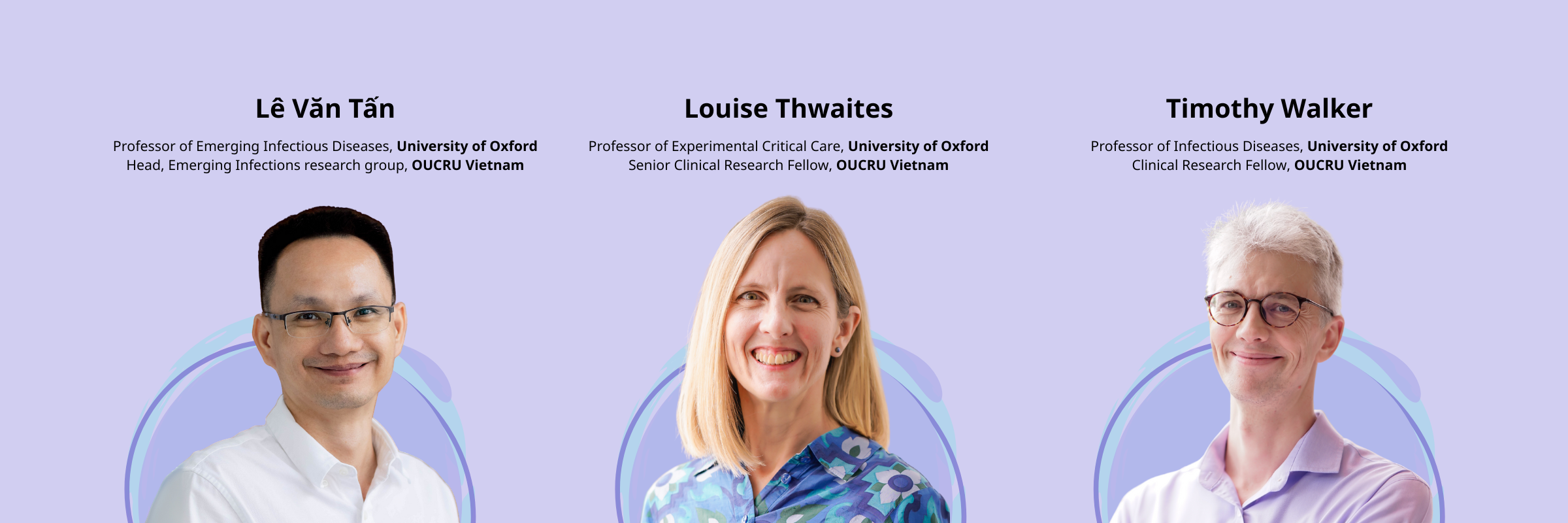
Professor Lê Văn Tấn, Professor of Emerging Infectious Diseases, leads the Emerging Infections research group at OUCRU Vietnam. He has worked at the frontline of many emerging infectious diseases, including COVID-19, mpox, H5N1, and Hand Foot and Mouth Disease. Having benefited from Wellcome’s and Oxford’s long-term investments in Asia, He is committed to promoting the local science, capacity building and global heath. His long-term vision is to build sustainable expertise in Vietnam, Indonesia, Nepal and the wider region so that on-going and future emerging infectious disease challenges can be addressed from within the affected regions and communities.
In response to his new title, Professor Tấn stated, ‘Science requires teamwork. Therefore, I am very grateful to the contributions and support from my amazing Emerging Infections group, OUCRU, Oxford, the Hospital for Tropical Diseases, collaborators and the funders.’
***
Professor Louise Thwaites, Professor of Experimental Critical Care, is a Senior Clinical Research Fellow at OUCRU Vietnam. Her research centres on improving the care of critically ill patients in resource-limited settings, with a particular focus on tetanus, sepsis, and hospital-acquired infections. This includes practice defining clinical trials and, more recently, the Vietnam ICU Translational Applications Laboratory (VITAL) project, which developed innovative and low-cost technologies to improve the diagnosis and treatment of these infectious diseases. Building on this work, she currently leads a team awarded a multi-million-dollar Discovery Award from the Wellcome Trust to develop artificial intelligence tools to advance pneumonia research and care.
Commenting on her new title, Professor Louise said, ‘This is a great honour for me and I am very grateful to all those in Oxford and OUCRU who have supported me throughout my career. I am very fortunate to be part of a dynamic and dedicated team and surrounded by so many inspirational people.’
***
Professor Timothy Walker, Professor of Infectious Diseases, is a Clinical Research Fellow in the Tuberculosis research group, OUCRU Vietnam. He has been conducting observational studies on tuberculosis (TB) in Ho Chi Minh City, Vietnam, to understand how we could best preserve the efficacy of first-line TB treatment regimens. His research integrates pathogen whole-genome sequencing and pharmacogenomic analysis to better understand the transmission dynamics and emergence of multi-drug resistant TB (MDR-TB). His work informs the development of more accurate diagnostic tools, optimised drug dosing strategies, and targeted public health interventions to help sustain the global effectiveness of TB control efforts.
Professor Timothy said, ‘I am very grateful for the huge support of the team, the unit and the department through my time at OUCRU and my work in Oxford before that. It’s a privilege to work with such bright, committed and interesting colleagues.’
In the UK, final-year medical students have the opportunity to complete one of their placements anywhere in the world – I was lucky enough to get accepted into the clinical internship programme in Infectious Diseases at OUCRU and had the best time!Â
Why OUCRU?Â
Spending my medical elective at OUCRU was the right decision for me. Throughout university, I’ve always had an interest in infectious diseases, but I found the scope of practice within the UK to be limited, and opportunities to take a placement in infectious diseases are also rare.
So, when it came time to plan my elective, it was a no-brainer. I was set on travelling to Southeast Asia, as I had never been before and was drawn to the region’s rich culture and vibrant sights.
It was almost by chance that I came across the clinical internship at OUCRU, and I jumped at the opportunity to apply. The idea of spending six weeks in Ho Chi Minh City kept me motivated throughout my final exams, and I can confidently say it lived up to all my expectations and more.
Inside the wards: complex infections and the global realities of vaccine accessÂ
Upon arriving at OUCRU, I had an induction where I met Dr Leigh Jones, Regional Academic Training Leader at OUCRU & MORU, and Dr Joseph Donovan for the first time. They introduced us to the many friendly faces in the research teams, and we immediately felt welcomed into the team.
Three times a week, we could attend ward rounds on Central Nervous System (CNS) infections at the Viet Anh ward, the Hospital for Tropical Diseases (HTD, the host institute of OUCRU), with Dr Joseph. On the other days, we were free to organise meetings and ward rounds with other teams, and we received all the contact information we needed. Â
The types of infections that I came across on the Viet Anh ward rounds were unlike anything I had seen in my UK placements. When clinicians discussed the intricacies of these cases, I initially felt like a fish out of water. However, Dr Joseph and the doctors at HTD always took the time to explain to us the science and reasoning behind what we were seeing, and they answered all of our questions, no matter how simple. Â
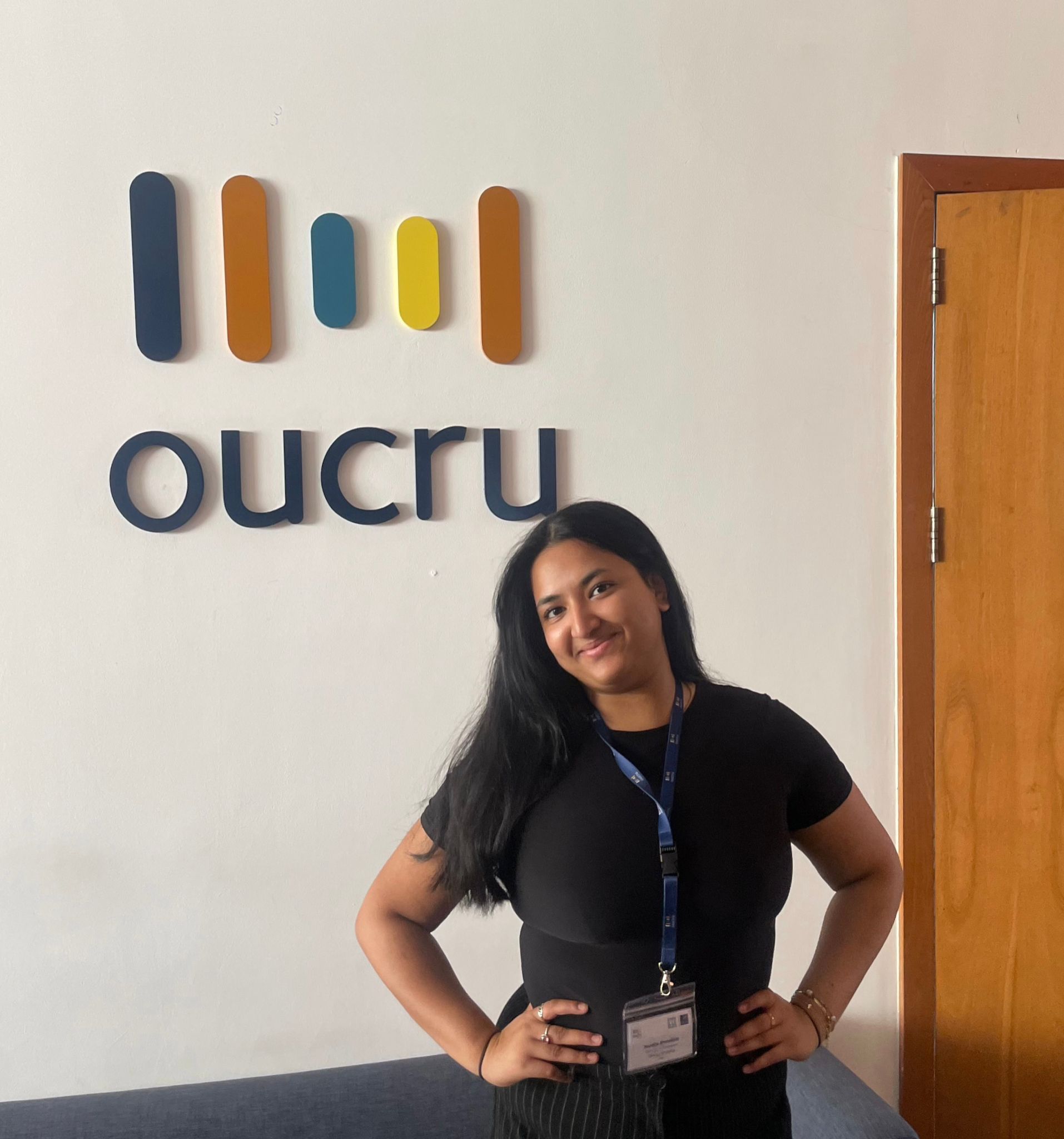
Nandita and fellow intern Shrujal at OUCRU Ho Chi Minh
Once a week, we visited the Paediatric Intensive Care Unit (PICU) or Intensive Care Unit (ICU), where one of the ward doctors kindly guided us through the patients and explained their cases. It was deeply upsetting to see patients, from as young as a week old to those in their eighties, struggling with conditions such as tetanus or measles. Â
The doctors at OUCRU explained the challenges of vaccine accessibility in rural provinces, and how many people who are eager to be vaccinated simply don’t have access.Â
In the UK, I have never come across a patient with tetanus on the wards, as the national vaccine programme is highly accessible. Seeing patients fighting for their lives with tetanus left me feeling frustrated by the rising anti-vaccine movement in the West.Â
Of all the clinical experiences I gained during my time at OUCRU, witnessing the devastating impact of vaccine-preventable diseases on patients is what will stay with me the most, and will likely have the greatest influence on my future practice.
Nandita Shenolikar, Clinical Intern
Dr Leigh Jones also invited us to join her workshop for PhD students on the basics of scientific writing. It helped me build confidence in writing a good manuscript and gave me a better understanding of the research publication landscape. It was an incredible opportunity to meet the PhD students at OUCRU and hear about the interesting and varied projects they were working on.Â
At lunchtime, the PhD students would also give us a crash course on traditional Vietnamese food and snacks, which was very useful knowledge to have when going out to eat!Â
Exploring Vietnam: friendships, food, and weekend adventuresÂ
Outside of placement, I spent time exploring the city and met amazing people from all over the world, many of whom I’m still in contact with to this day! Even though I came to my elective alone, I left having made friends from OUCRU and my accommodation, so I never felt alone.
I also had the chance to take weekend trips to other parts in the south, such as the Mekong Delta and Vung Tau, and during my final weeks in Vietnam, I travelled to Hanoi and Hoi An.Â
Ho Chi Minh City has a piece of my heart, and I’m already counting down the days until I can visit again. From the amazing variety of food from banh mi to bun bo hue, and the rich culture I managed to experience through events such as King’s Day and the 50th Anniversary of Reunification Day, my elective has truly been one of the best periods of my life so far.  Â
I am incredibly grateful to OUCRU for giving me the opportunity to undertake my elective placement at their facility. For any medical students interested in working abroad in infectious diseases or visiting this prestigious institution, I couldn’t recommend it more. Â
Nandita Shenolikar is a final-year medical student from the University of Birmingham, United Kingdom (UK). She completed her clinical internship at OUCRU Ho Chi Minh City in April 2025.
OUCRU provides Vietnamese and international students with the opportunity to experience our unique research environment first-hand, through Clinical and Research internships. Learn more.
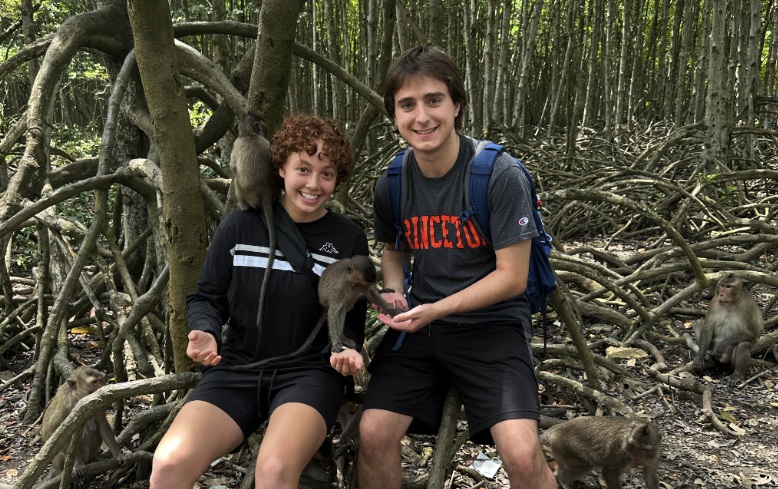
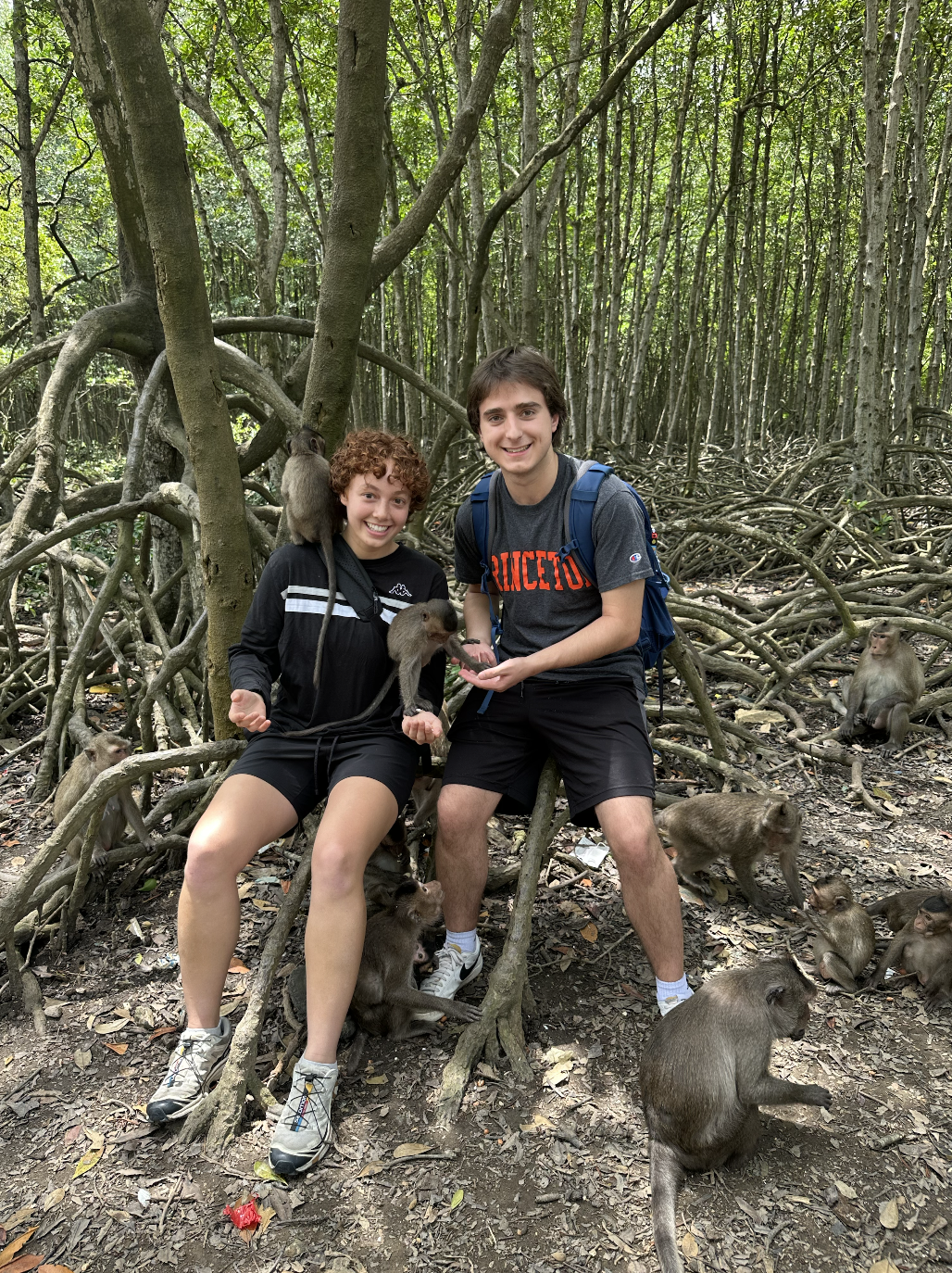
Alayshja and fellow Princeton intern Alexander Steele at the Can Gio Mangrove Forest
Exploring policy engagement in global health Â
At OUCRU, I worked on an internal review, interviewing researchers to evaluate how the organization engages with policy stakeholders. The objective was to better understand the current efforts, identify key challenges and facilitators, and propose relevant recommendations to strengthen policy engagement in Vietnam and beyond.Â
Using NVIVO to analyze these interviews, the findings will help guide the team’s future direction and enhance OUCRU’s policy engagement strategies across the programme.
Through this study, I gained valuable insight into the policy-making process in Vietnam and broadened my knowledge of the infectious diseases that OUCRU addresses. I also learned about Vietnam’s policy environment and the importance of strategic communication in advancing the right to health.   Â
Why OUCRU?Â
My academic background doesn’t lie in medicine or science, but rather in policy and human rights. Still, I’ve always believed that the right to health is one of the most fundamental human rights. That belief led me to OUCRU, a place where I could see how health research and policy intersect in real time. Â
OUCRU Vietnam was the ideal internship host. With strong institutional ties to government and public health agencies, OUCRU has many major impacts on public health policy in Vietnam.
Additionally, at such a high-caliber clinical research unit, I was able to learn daily from leading researchers conducting impactful studies to combat infectious diseases in Southeast Asia.Â
Living and learning in Vietnam Â
Outside of my professional experience, I have also experienced immense personal growth during my time in Vietnam. During my stay, I immersed myself in Saigonese culture and explored southern and central Vietnam on weekends. Â
One of the biggest surprises for me was the exceptional hospitality of the people. My coworkers were always eager to give me a local recommendation, have lunch with me, and even ask about my most recent trips. I encountered this welcoming environment during all my weekend explorations throughout the country as well. Every place I traveled to was full of kind locals who greeted me with a smile, offered me a place to sit to avoid the intense rain or heat, and even let me sample some of their food before I bought it.  Â
During my time here, OUCRU provided invaluable experiences—both through formal interviews and informal cross-cultural conversations in the coffee room. My time here has also impacted my professional trajectory and confirmed my desire to enter into an international human right focused career. Â
Riding a water buffalo in the Há»™i An countryside with a local farmer
Acknowledgments Â
I am thankful to the Policy Engagement Team – Katrina Lawson, Ngô Phan Bảo Trân, and Nguyá»…n Thị Hồng for supervising my project and supporting me the whole way through. I also want to say thank you to the Grants and Communications Team for being my home base here at OUCRU and constantly providing support for various personal and professional matters during my internship. Finally, I would like to thank everyone whom I interviewed for the internal survey, as they made the project come to fruition.Â
Alayshja Bable is currently pursuing a Bachelor’s degree in Public Policy and International Affairs, as well as a minor in Values and Public Life at Princeton University, United States. She joined OUCRU as a Policy Engagement Intern in 2025 through the Internship in Global Health, sponsored by Princeton’s Center for Health and Wellbeing.Â
OUCRU provides Vietnamese and international students with the opportunity to experience our unique research environment first-hand, through Clinical and Research internships. Learn more.
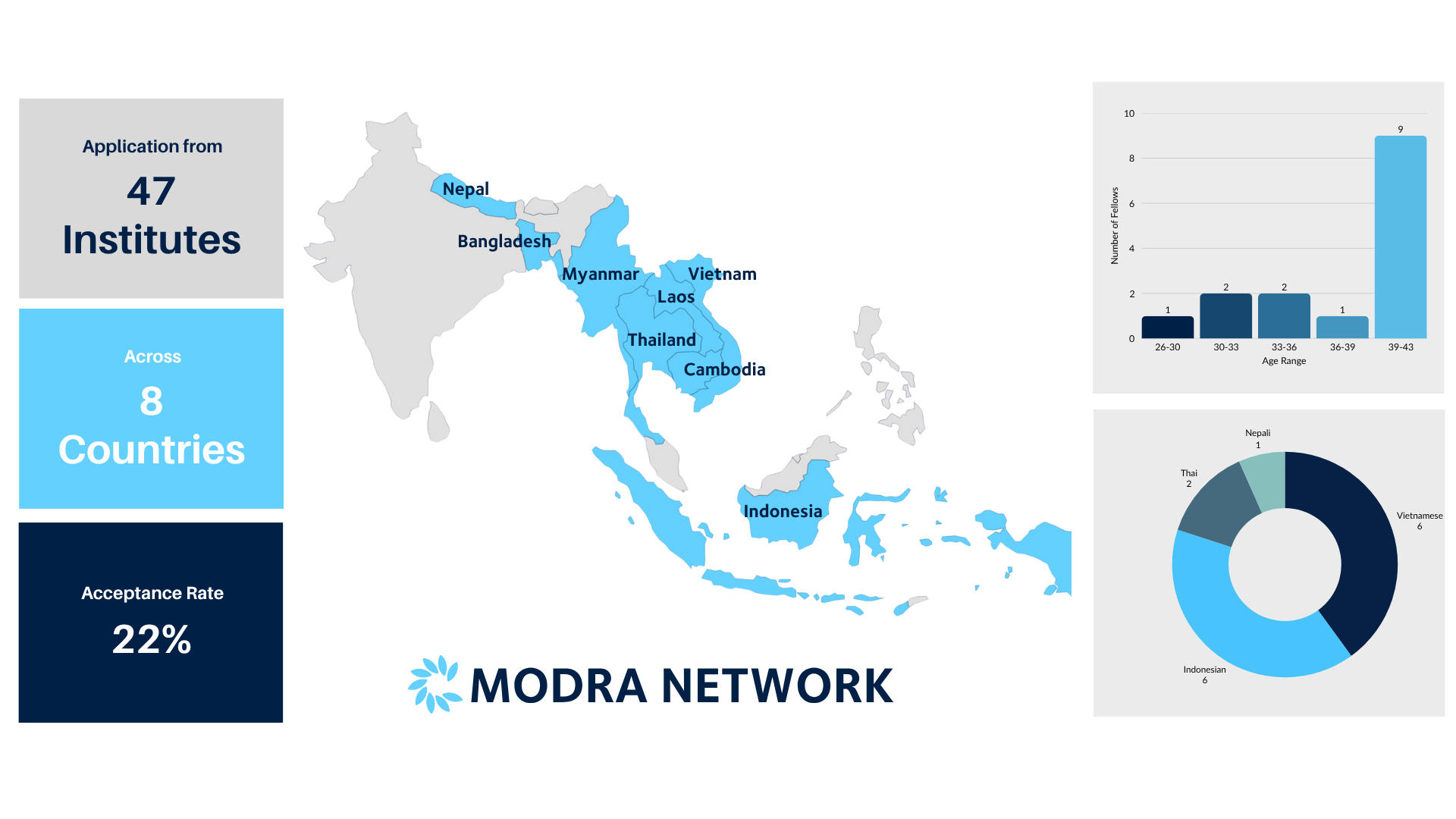
Now in its second year, MODRA attracted interest from a diverse pool of candidates, reflecting growing demand for structured career support and regional collaboration opportunities in global health research. Following a rigorous selection process, 15 outstanding researchers have been selected to join the 18-month fellowship. Â
They will take part in a comprehensively designed programme that includes in-person training in grant writing and research management, mentorship from senior scientists, and seed funding to support preliminary research projects.Â
Meet our FellowsÂ
MODRA Cohort 2 Statistics
The 2025 MODRA cohort brings together researchers from Vietnam, Indonesia, Thailand and Nepal. With an average age of 38, and some as young as 27, they represent a dynamic group of early to mid-career postdoctoral scientists across the region.Â
The researchers are at a pivotal stage, moving from PhD training to leading independent research – a transition that requires not only scientific expertise but also a range of professional skills often not taught in science degrees. This is a critical period when targeted support can help them build collaborations, secure funding, and establish a lasting impact in their scientific careers.Â
Their research addresses some of the region’s most pressing health concerns, including antimicrobial resistance, zoonoses, tuberculosis, vector-borne infectious diseases, etc., using innovative approaches such as AI-driven monitoring, genomic surveillance, inhaled drug delivery, and multi-omic modelling.Â
Despite their diverse expertise, all fellows are deeply rooted in their local settings. Based at national universities, hospitals and research institutes, they are well positioned to lead locally driven research and advance health solutions that directly respond to the needs of their communities. Â
These sessions are designed to equip emerging scientists with the skills, confidence, and networks needed to secure international research funding and lead impactful, locally grounded health research.
MODRA’s vision is long-term. By building research capacity in LMICs and fostering stronger regional collaboration, the programme aims to shape a more equitable and connected scientific landscape.
As the new cohort begins their journey, they represent not only the present of health research in Asia, but also its future.
To learn more about MODRA and future opportunities, visit: www.modracademy.org