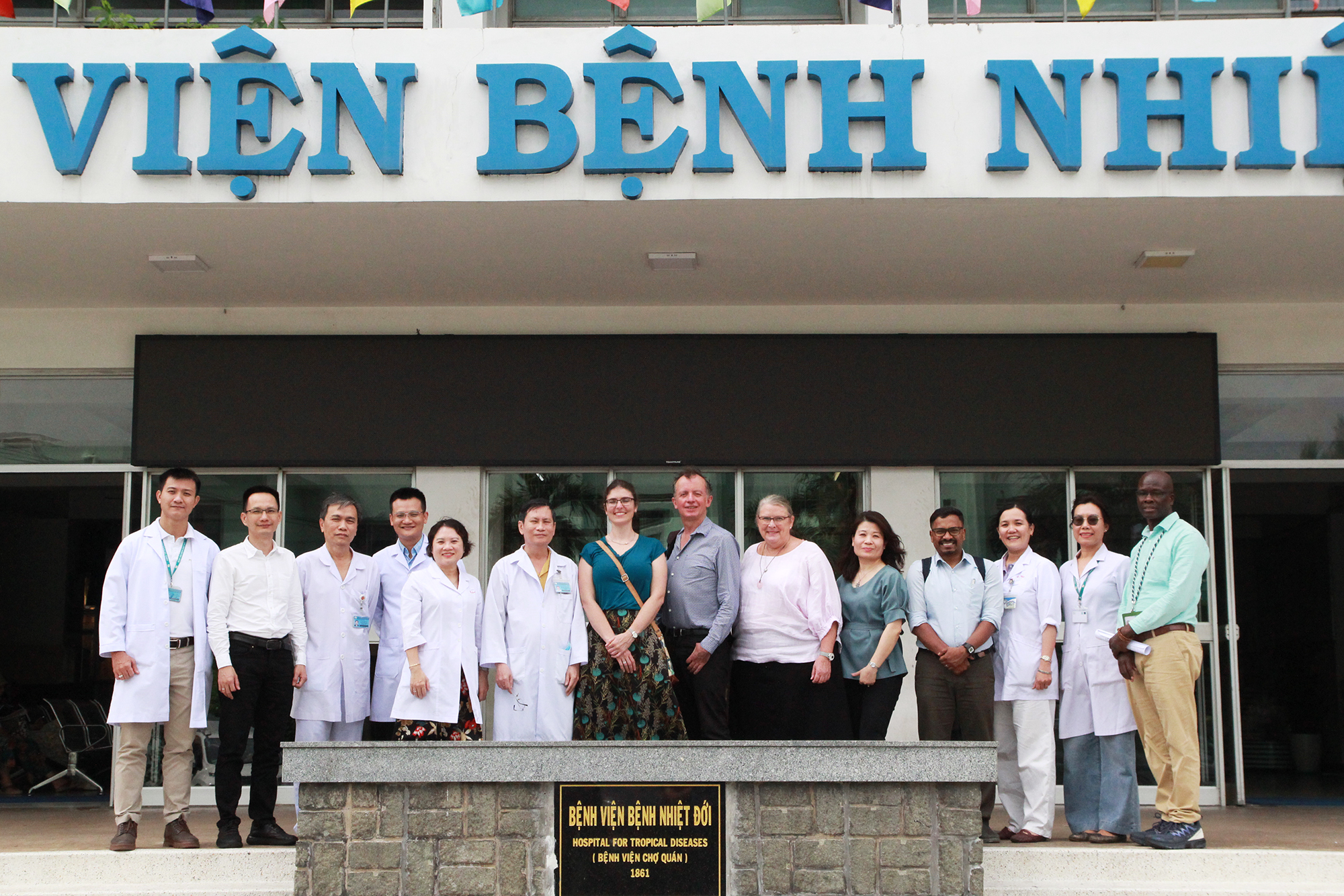
The five-member delegation included Dr Patrick Clarke Reading, Director, and Dr Michelle Wille, Outreach Coordinator, WHO Collaborating Centre for Reference and Research on Influenza in Melbourne, Australia; Dr Belinda Louise Herring, Technical Officer for Influenza, WHO Regional Office for the Western Pacific; and Mr Francis Yesurajan Inbanathan, Technical Office, and Dr Do Thi Hong Hien, Epidemiologist, WHO Vietnam.Â
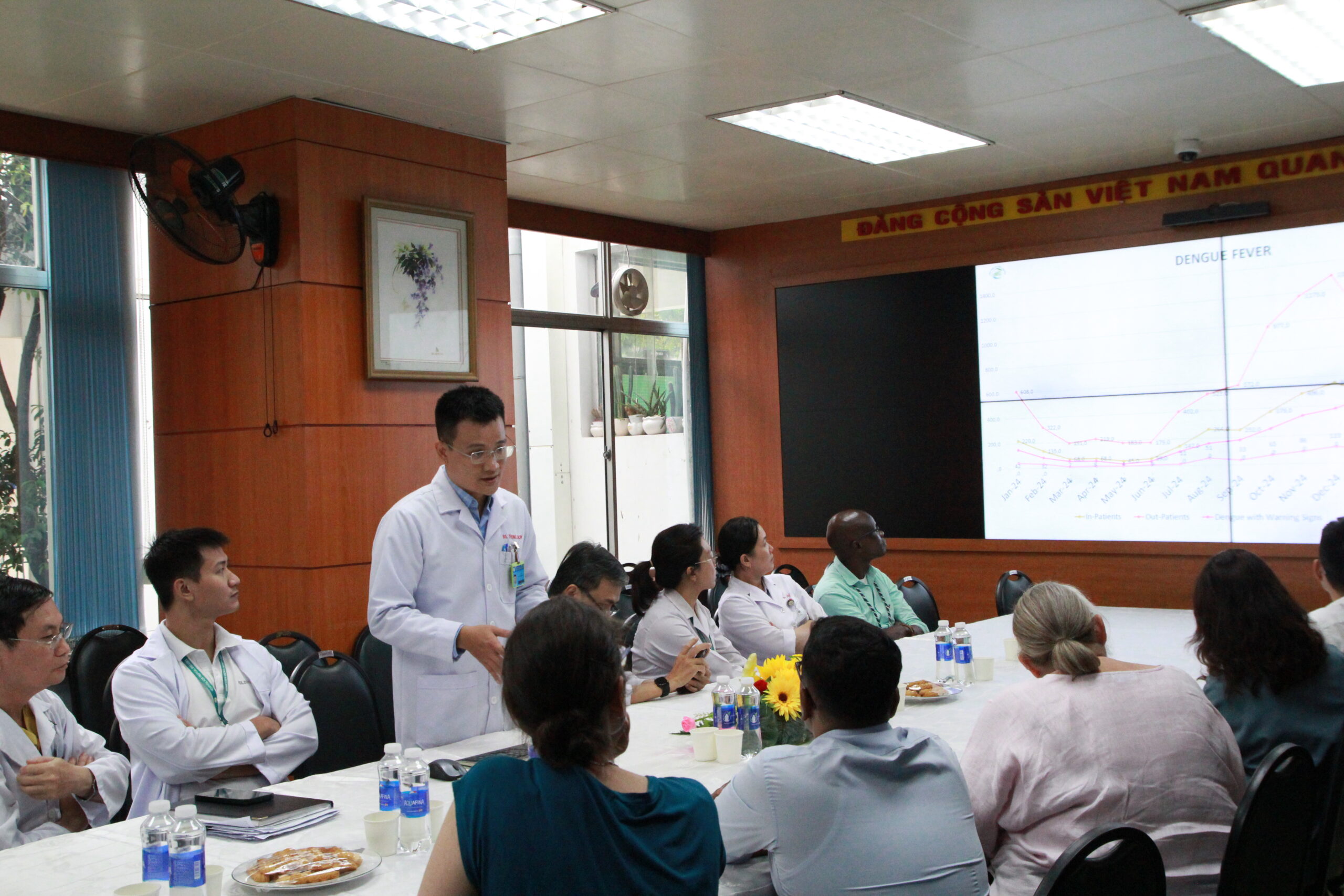
Dr Nguyá»…n Trá»ng Duy presents HTD’s health information system, including EMR, HIS, and LIS-PACSÂ
The institutions also shared their experience working with the Ho Chi Minh City Department of Health and the Ministry of Health on national immunisation campaigns, rapid outbreak response, and efforts to strengthen Vietnam’s national surveillance systems.
Over the past years, OUCRU and HTD have supported the national response to local outbreaks, including COVID-19, Mpox, avian influenza, measles, hand-foot-mouth disease, conjunctivitis, and respiratory infections. In May 2025, OUCRU conducted genomic sequencing of hospitalised COVID-19 cases and identified the NB.1.8.1 variant, reported for the first time in Vietnam. Results were delivered within 24–72 hours, providing critical support for timely surveillance and response.Â
Assoc Prof Lê Văn Tấn added: “Collaboration with WHO will help accelerate technology transfer and translation of research into action, particularly in tackling emerging infectious diseases.”Â
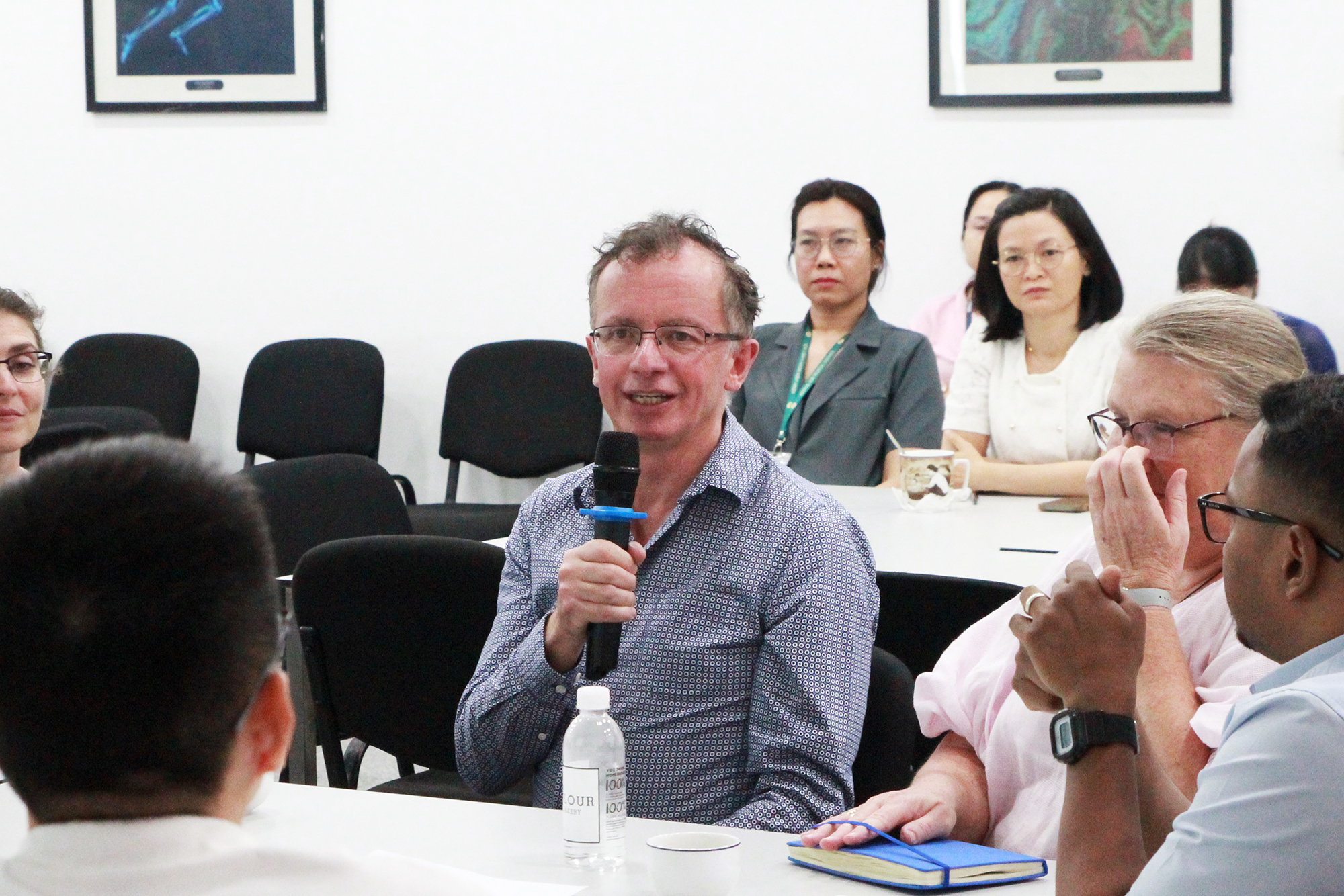
Technical discussions between WHO delegates and researchers at OUCRUÂ
Following the discussions, the WHO delegation visited the advanced laboratories and research facilities at HTD and OUCRU. The delegation commended the institutions’ research leadership, laboratory facilities and strong collaborative networks.
“HTD and OUCRU’s cutting-edge capabilities in genomics and the newly developed immunological assays are valuable tools that can support countries in the region in identifying novel and unknown emerging threats,†said Dr Patrick Reading.Â
Dr Belinda Herring shared: “OUCRU is a fantastic facility and a great resource for the region. It will be great to link with the institute for training and capacity building opportunities in the future.â€
This visit marks a positive step forward in the collaboration between OUCRU, HTD and WHO, supporting efforts to strengthen regional capacity for infectious disease surveillance and response.
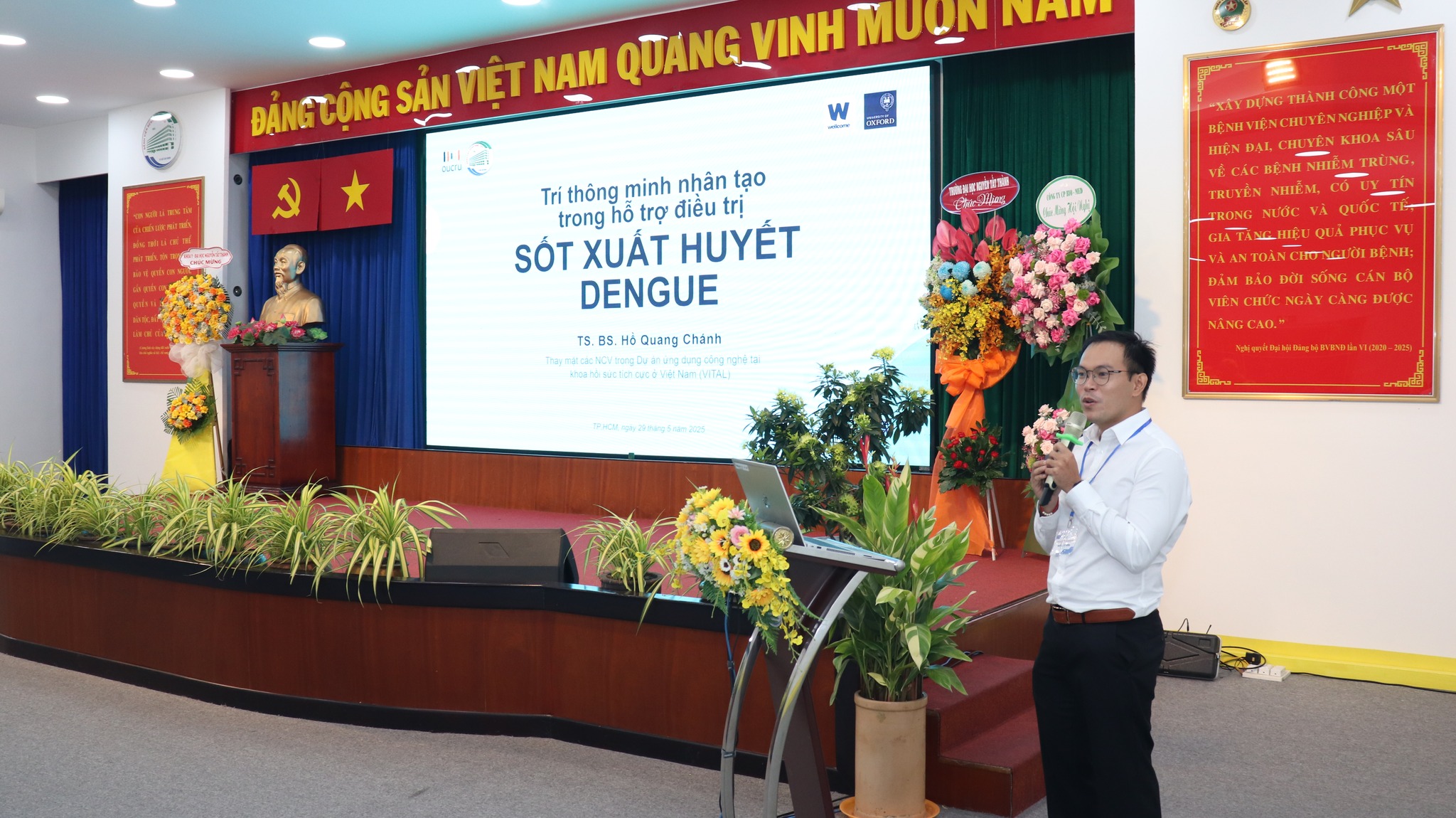
Dr Ho Quang Chanh is a research physician and honorary clinician at the Paediatric Intensive Care Unit, Hospital for Tropical Diseases. Dr Chanh’s research focuses primarily on the clinical aspects of dengue and improving healthcare quality for critically ill paediatric patients.
Through his work, he aims to enhance the management and monitoring of critically ill patients in low and middle-income countries. He is particularly focused on using intelligent technologies and big data to develop personalised treatment strategies.
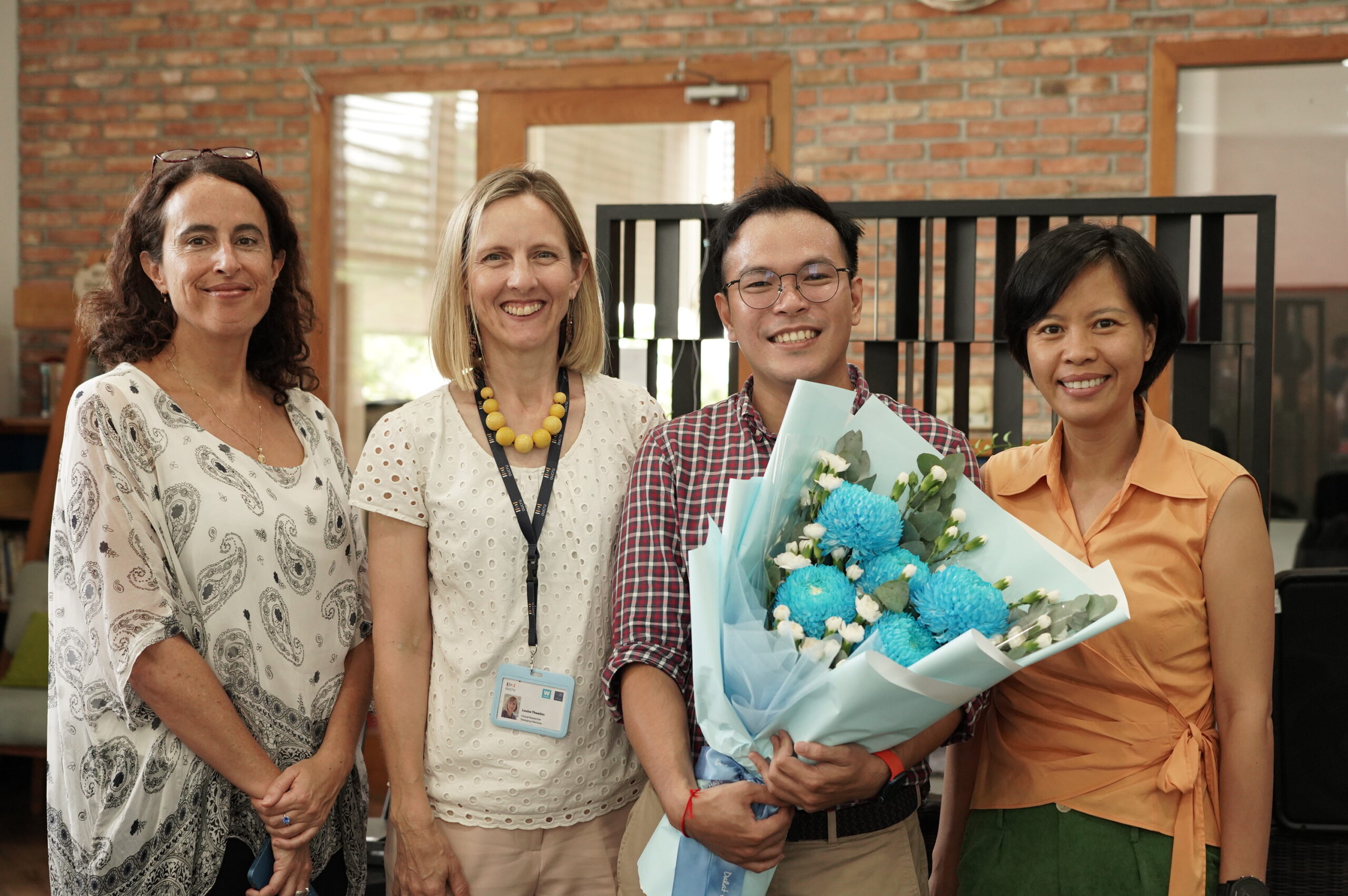
Dr Chanh celebrates his PhD graduation from the University of Oxford in 2025.
Dr Chanh’s appointment as the Head of the Dengue Research Group marks an exciting new chapter for the team at OUCRU, and we look forward to the continued impact of his leadership and innovative research on global health.
We would also like to acknowledge the remarkable leadership of Assoc Prof Sophie Yacoub, who will step down from her role next month. Dr Yacoub will continue to work closely with OUCRU. We wish her all the best in her future endeavours.Â
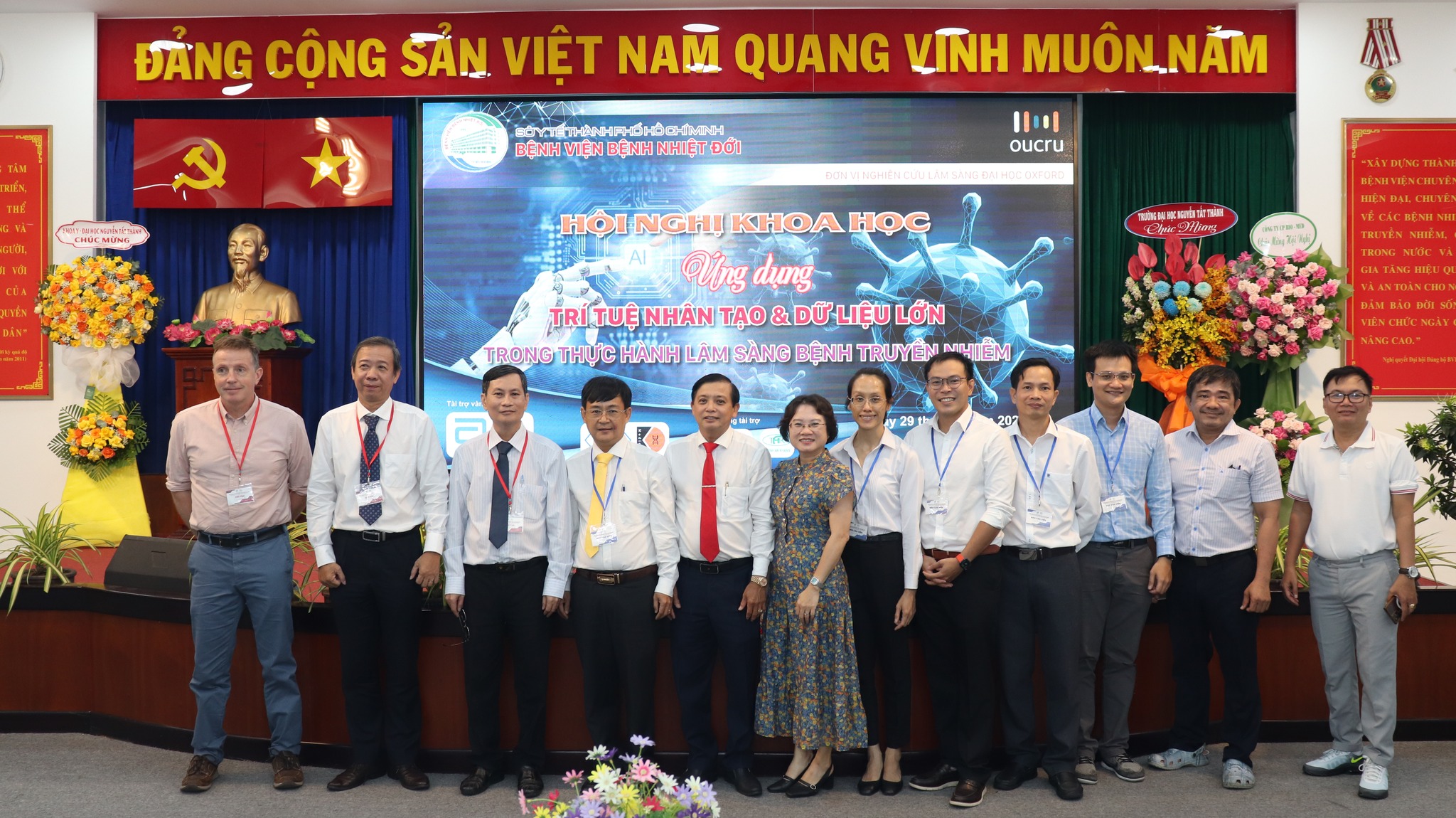
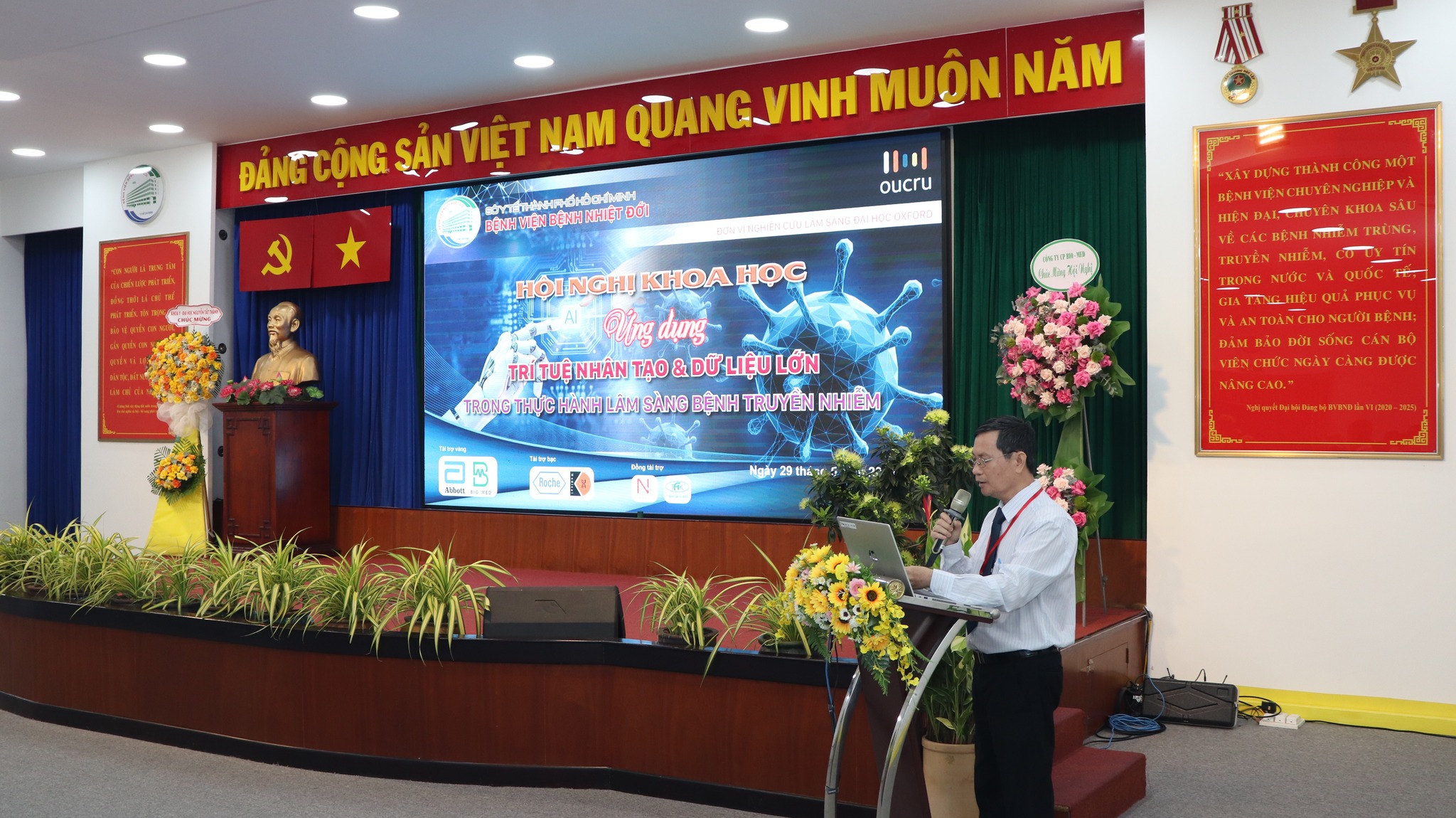
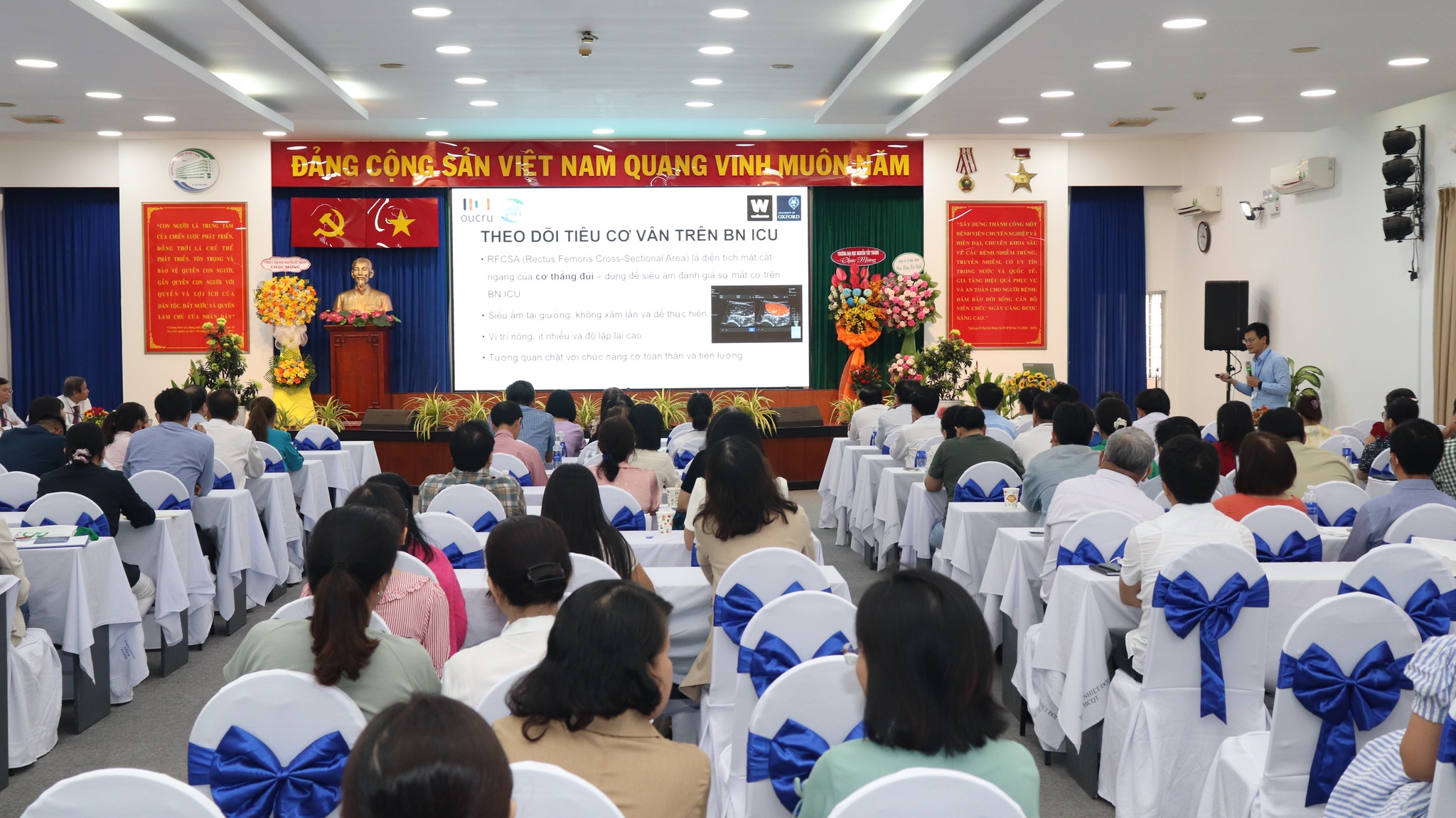
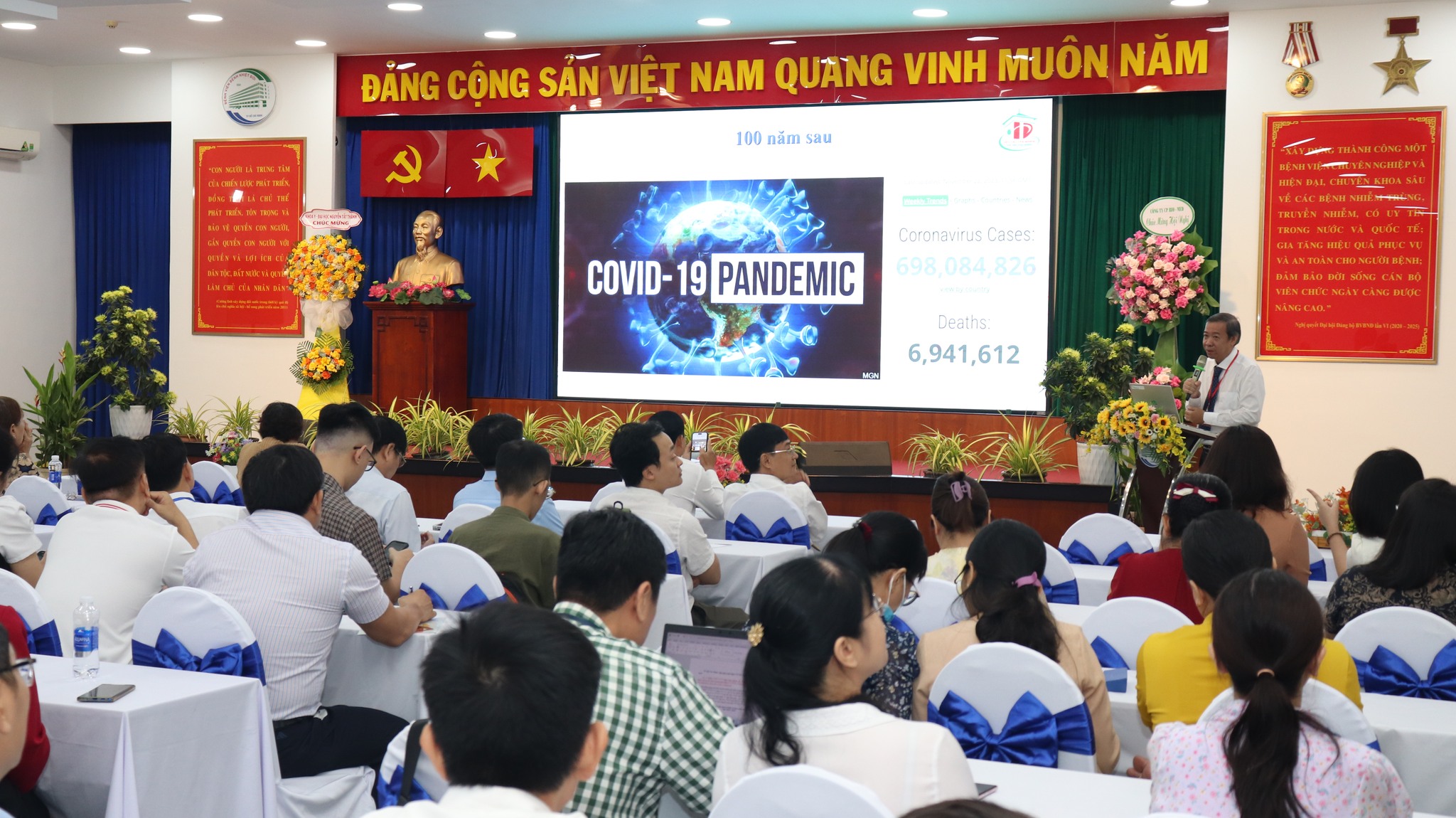
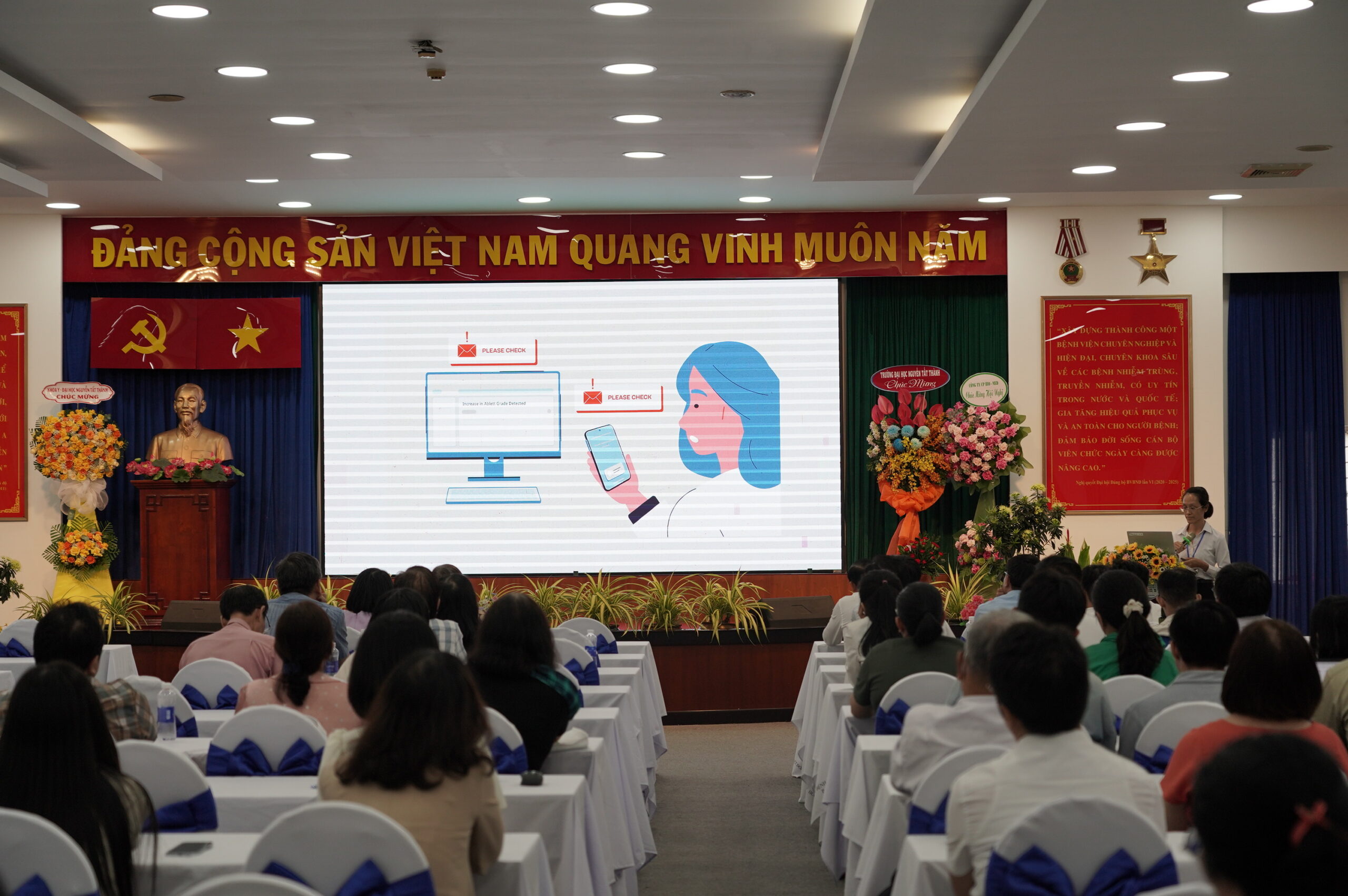
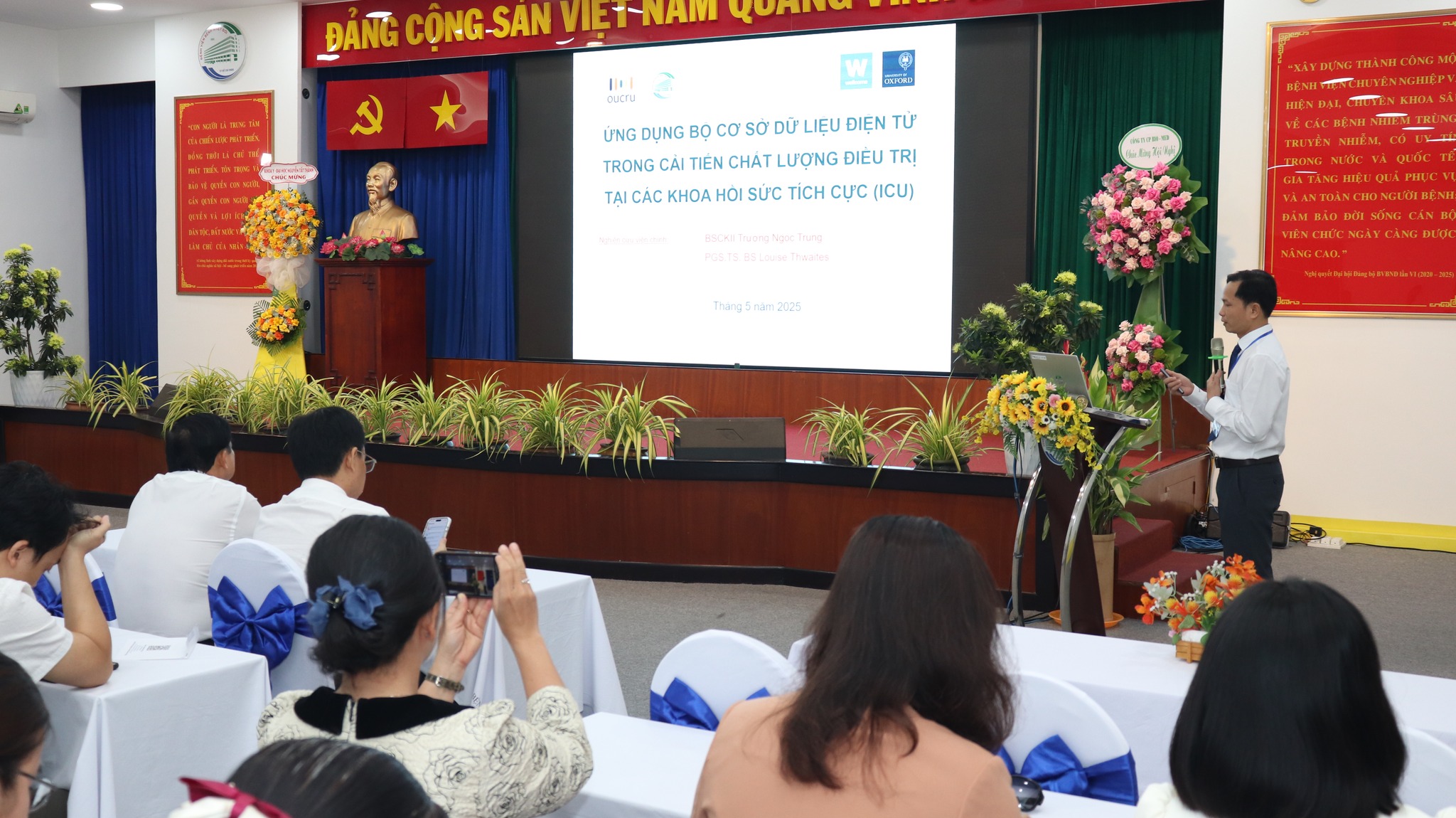
The event brought together doctors, researchers, and public health leaders from across Vietnam and beyond, highlighting a growing momentum to bring digital innovation into frontline clinical care.
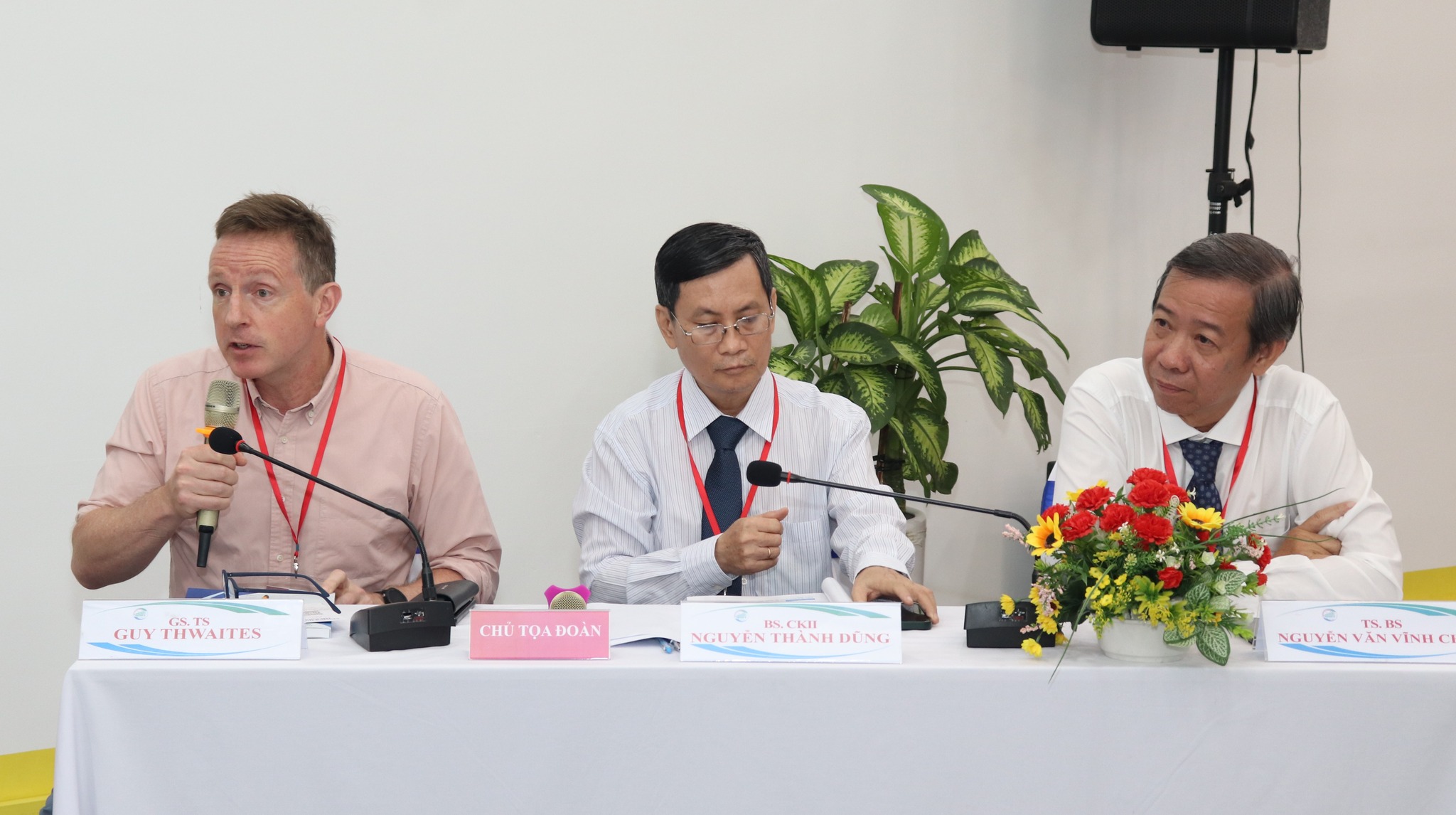
OUCRU Director Professor Guy Thwaites echoed this message, stressing the value of locally led research. “Dengue, and many other tropical infectious diseases, isn’t a concern in most high-income countries,†he said. “So if we don’t lead this work, no one else will. That’s the essence of locally driven research.â€
He added that while AI is often developed in high-income countries, its most meaningful impact may be in LMICs, such as Vietnam, where the disease burden is high and the solutions must be tailored to local realities. “By working closely with local hospitals like the Hospital for Tropical Diseases in Ho Chi Minh city, we ensure theses technologies are not only innovative but also practical.â€
The conference featured six focused presentations, including AI tools for clinical workflows, electronic health records to improve patient care, AI-assisted dengue treatment, predictive models for severe tetanus, and AI-integrated ultrasound for muscle monitoring in tetanus patients. These talks highlighted innovation in action and the ongoing challenges of managing infectious diseases. What stood out was the strong connection between research and real-world application; many of these tools are already being tested in Vietnamese labs and the Hospital for Tropical Diseases in Ho Chi Minh City.
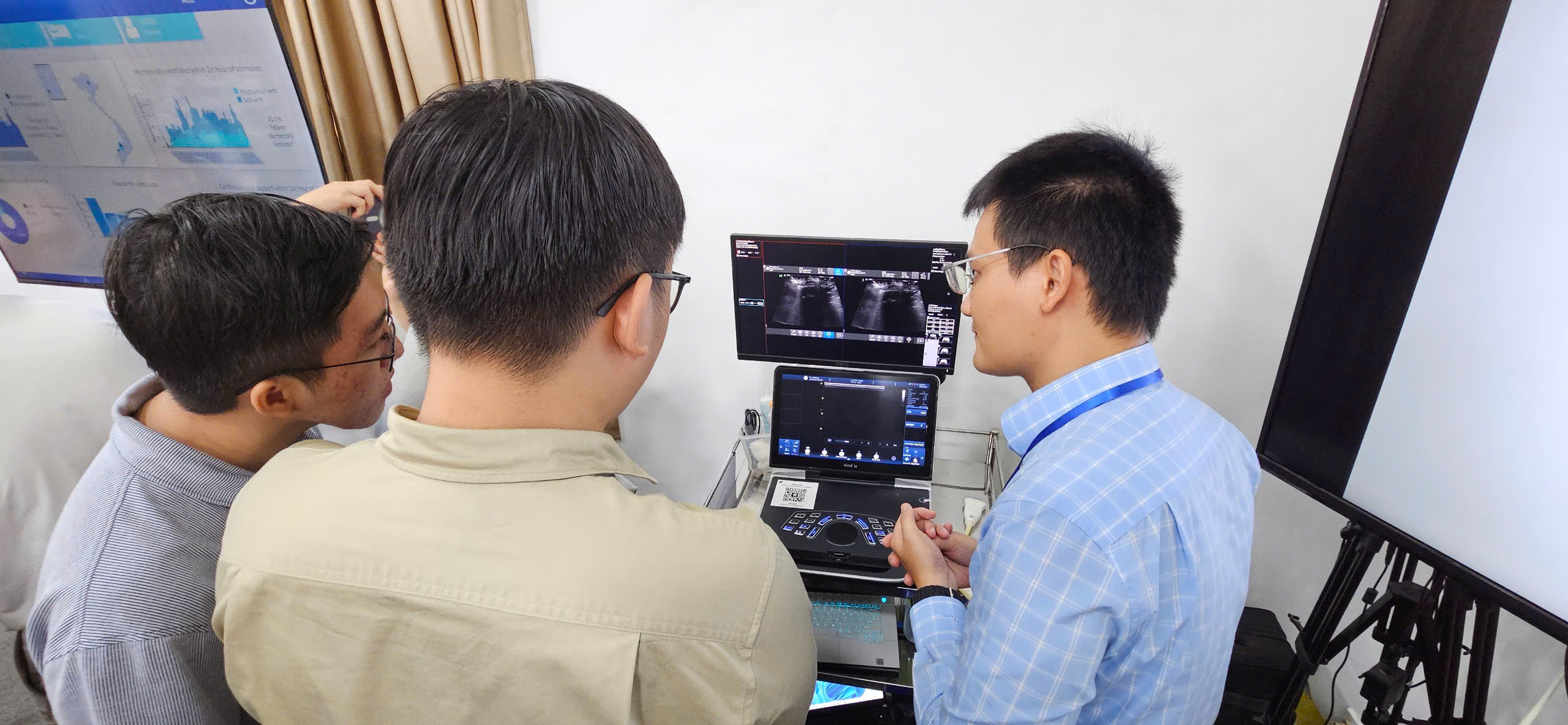
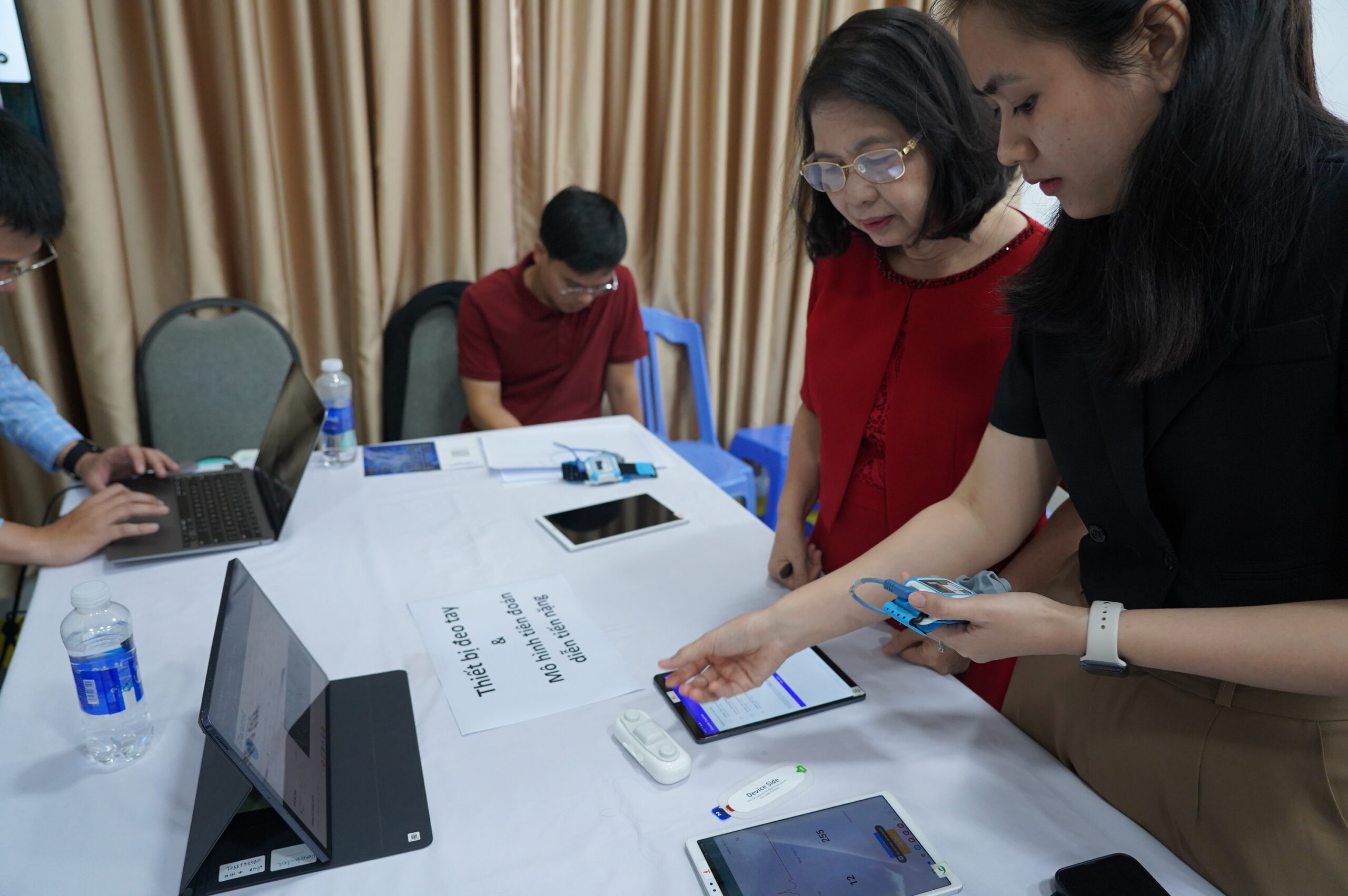
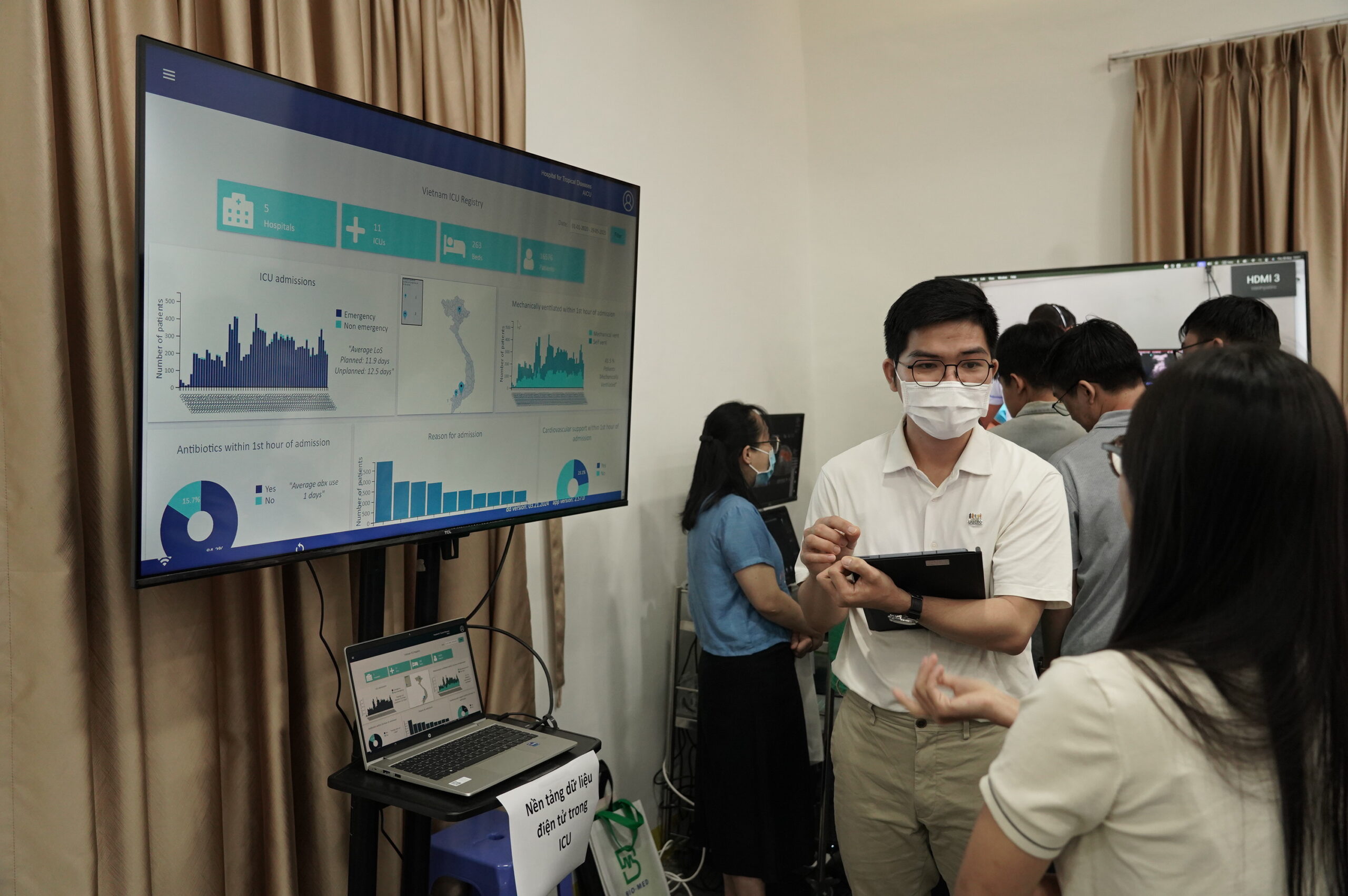
Attendees also got a hands-on look at some of these tools in action: bedside ultrasound devices, AI-powered wearable risk monitors, and real-time intensive care data systems.
For OUCRU and partners, the conference was more than a showcase of research – it was a reaffirmation of what science should be: collaborative, practical, and driven by the needs of the community it serves. As Vietnam advances with digital health transformation, events like this are a reminder that innovation works best when it’s built from the ground up – with expertise, technology, and compassion working side by side.
The report offers a comprehensive analysis of the country’s clinical research landscape, provides actionable strategies to position Vietnam among ASEAN’s top three clinical trial and R&D destinations by 2030, identifying key opportunities, barriers, and actions to unlock clinical research potential for economic and health impact.
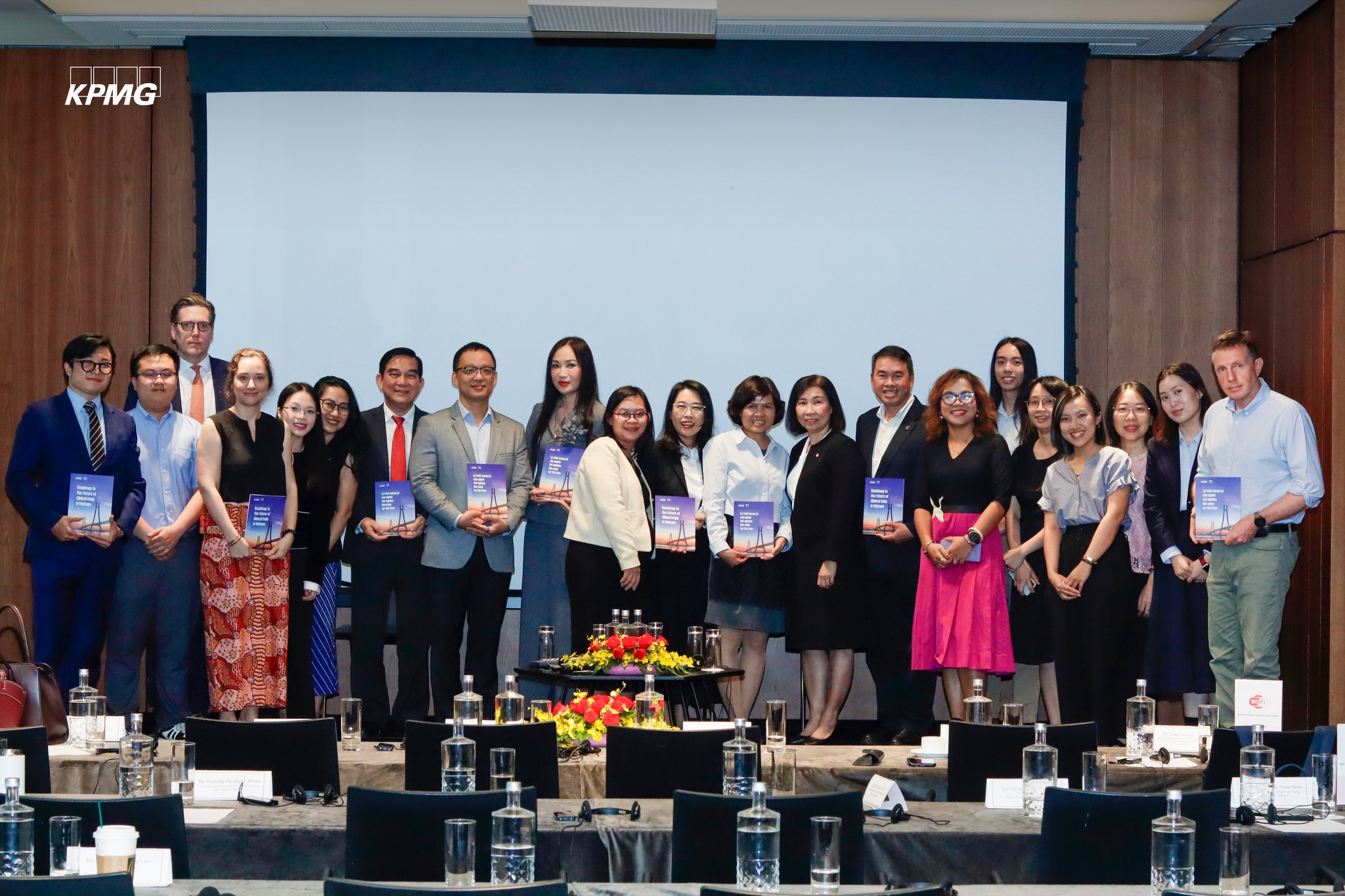
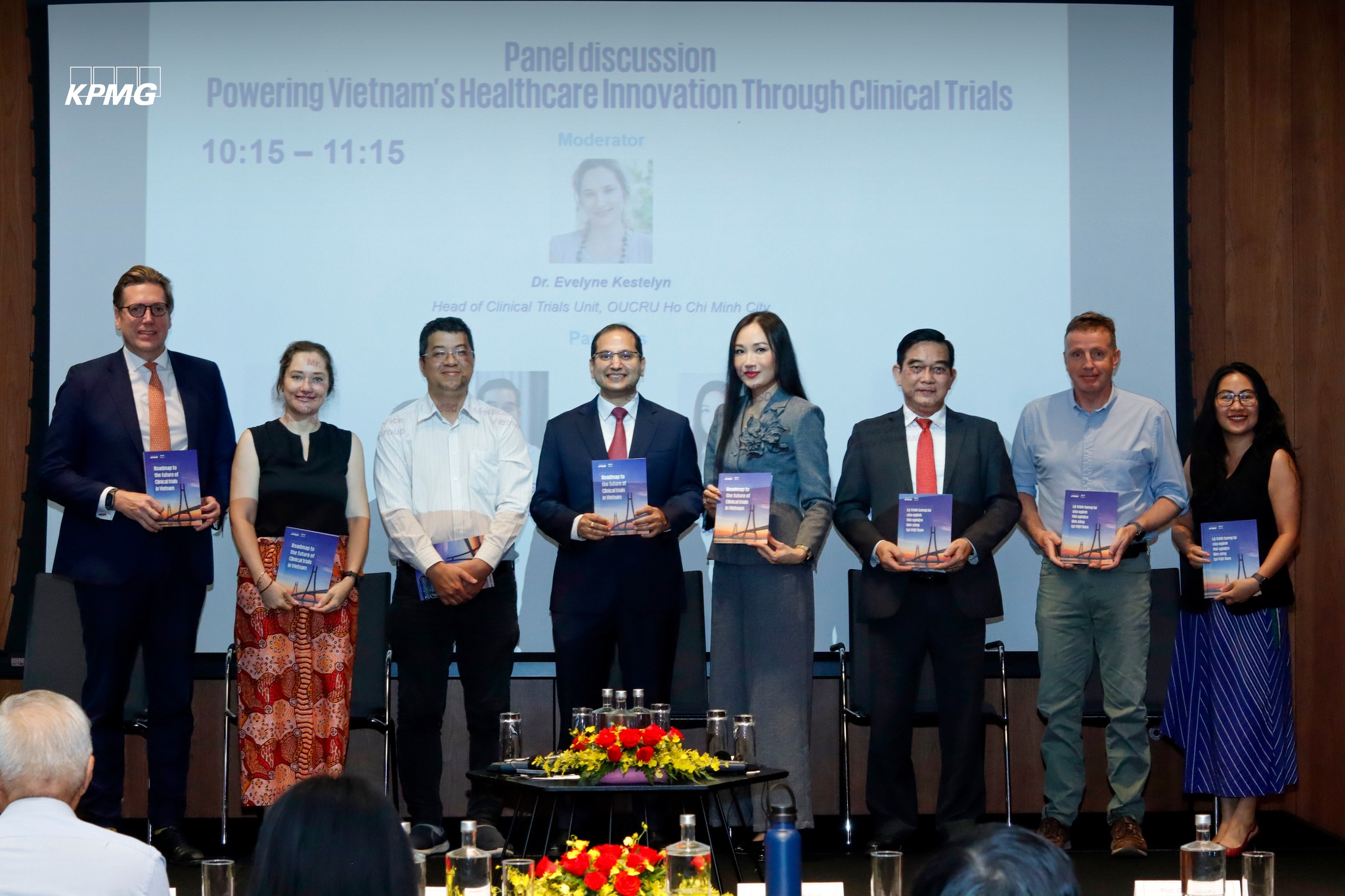
Representatives from OUCRU, Pharma Group, KPMG, and key stakeholders at the launch event of the “Roadmap to the Future of Clinical Trials in Vietnam†report
Attending the launch ceremony were representatives from the Ho Chi Minh City Investment & Trade Promotion Centre, Ho Chi Minh City People’s Committee, as well as representatives from hospitals, universities, research institutes, and pharmaceutical and healthcare companies.
A vision for Healthcare Transformation Through Clinical Research
Over the past two decades, Vietnam has made sustained investments in expanding healthcare access and strengthening its public health system, achieving universal health insurance coverage for 95% of the population. As the country transitions to higher-quality care, innovation has emerged as a key priority—with clinical trials identified as a strategic pathway forward.
Vietnam has recently intensified efforts to enhance investment and implement policy reforms in this field. Notably, on December 22, 2024, the Politburo issued Resolution No. 57-NQ/TW, which outlines a commitment to developing domestic innovation capabilities and allocating 2% of GDP to R&D.
With a population exceeding 100 million, Vietnam offers vast potential for clinical research. Its diverse population structure is particularly well-suited for studying complex diseases, including cancer, cardiovascular disorders, infectious diseases, and metabolic conditions. These inherent advantages are further strengthened by government initiatives to improve the business environment, which are increasingly attracting global pharmaceutical companies and contract research organizations (CROs).
“Clinical trials represent Vietnam’s next frontier for healthcare R&D advancement. From the innovative pharmaceutical industry’s perspective, Vietnam possesses strong potential to emerge as a competitive regional destination for clinical research. Realizing this ambition will require prioritized policies and initiatives that attract and facilitate clinical trial investments—particularly in early-stage trials. Such dedicated efforts and multi-stakeholder collaboration would unlock a multitude of economic, scientific, and health benefits, including: stimulating high-value research activity through infrastructure development and skilled job creation, strengthening Vietnam’s healthcare innovation ecosystem while creating cross-sector economic spillovers, and generating broader healthcare system benefits. This aligns perfectly with national strategies and Vietnam’s goal to become a top-three ASEAN destination for high-value investments. Pharma Group is committed to supporting the Government and healthcare stakeholders in charting the course forward—attracting clinical trials and advancing Vietnam’s R&D capabilities.”
Darrell Oh, Chairman of Pharma Group
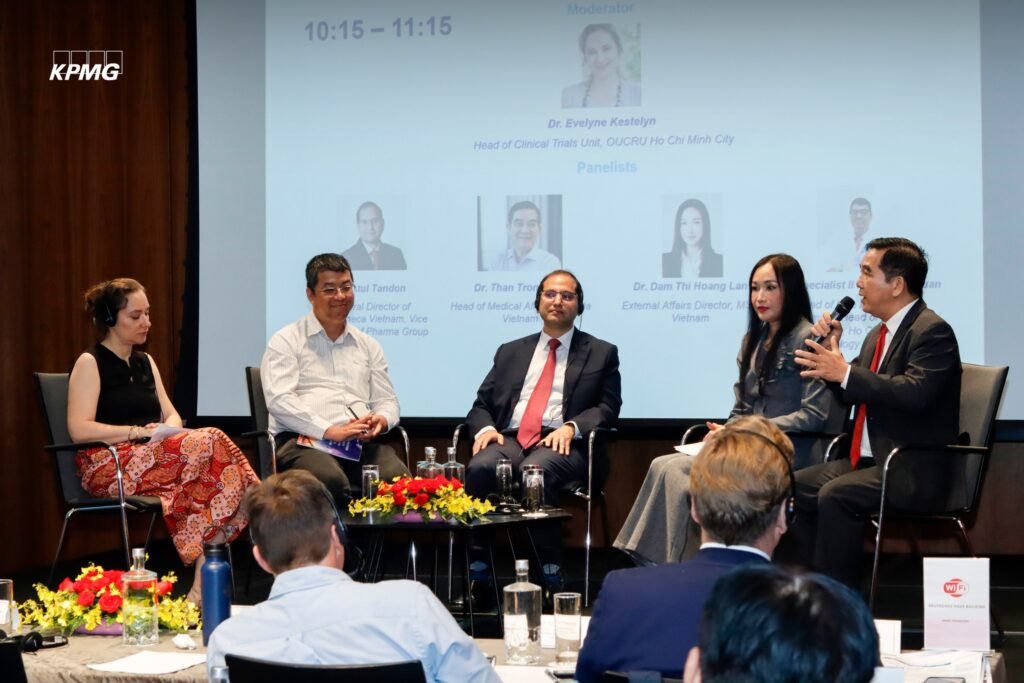
Dr Evelyne Keteslyn, Head of Clinical Trials Unit at OUCRU, moderates the panel discussion on powering Vietnam’s healthcare innovation through clinical trials.
Unlocking Vietnam’s Clinical Trials Potential
In addition to opportunities, the report identifies five key challenges Vietnam must overcome: a lengthy and multi-step approval process that can take 6-12 months; limited research infrastructure with only 40 GCP-certified sites nationwide; a shortage of specialized human resources; a lack of structured funding mechanisms; and the absence of strong incentive policies to attract investment into this sector.
The report provides strategic recommendations to position Vietnam as a leading regional clinical trial destination, categorized into policy and non-policy measures with short-, medium-, and long-term implementation timeframes.
According to KPMG estimates, if these reforms are effectively implemented, Vietnam could reach 86 trials with a 24.3% compound annual growth rate (CAGR) and a market value of $749.5 million with an 88.6% CAGR by 2029. This would generate thousands of high-quality jobs, elevate Vietnam’s global standing in medical research and offer early access to cutting-edge treatments.
Policy recommendations focus on regulatory reforms, streamlined approval mechanisms, and investment incentives. Meanwhile, non-policy recommendations address infrastructure improvements, workforce and R&D capability development, dedicated clinical trial support, and public-private partnerships. Each recommendation identifies key stakeholders responsible for implementation and is supported by successful examples from other countries, providing a clear pathway to unlock the full potential of the country’s clinical trial sector.
Notably, to streamline review and clinical trial approval processes, Vietnam should: adopt bilingual documentation for both regulatory and reporting materials to enhance accessibility for international sponsors; implement a centralized online submission and electronic approval system to reduce timelines and eliminate redundancies; and introduce a fast-track pathway for trials already approved by regulatory authorities such as the US FDA, EU EMA, UK MHRA, or Japan PMDA.
To support advanced research, Vietnam also needs to expand its network of Good Clinical Practice (GCP)-certified facilities and establish standardized Clinical Trial Units (CTUs). Critically, the report recommends the establishment of a national Center of Excellence to serve as a platform connecting hospitals, research institutes, universities, and industry, a training hub for clinical researchers, an accelerator for trial approvals and global partnerships – ultimately positioning Vietnam as a competitive clinical research destination.
“The report ‘Roadmap to the Future of Clinical Trials in Vietnam’ represents the culmination of in-depth research, multi-stakeholder dialogue, and a shared vision for the sustainable development of Vietnam’s healthcare sector. We are proud to have partnered with the Oxford University Clinical Research Unit team in developing a comprehensive roadmap for the future of clinical trials in Vietnam. Our joint efforts underscore a shared vision to transform Vietnam’s clinical research landscape. We strongly believe that with the right policy framework and continued multi-stakeholder collaboration, Vietnam is poised to become a leading hub for clinical trials in Southeast Asia, driving sustainable growth and advancing healthcare innovation in the region.â€
Luke Treloar, Partner, Head of Infrastructure, Government and Healthcare (IGH), KPMG in Vietnam
“We are confident that Vietnam can significantly enhance its clinical trial capabilities by embracing international best practices as demonstrated by key leading examples like Taiwan, Brazil, Poland, Malaysia, etc. By streamlining regulatory processes, investing in cutting-edge infrastructure, and fostering dynamic public-private partnerships, Vietnam can match global standards in trial efficiency and data integrity. This strategic alignment will not only drive innovation in therapeutic research but also position Vietnam as a regional hub for pioneering life-saving treatments.”
The report offers a comprehensive analysis of the country’s clinical research landscape, provides actionable strategies to position Vietnam among ASEAN’s top three clinical trial and R&D destinations by 2030, identifying key opportunities, barriers, and actions to unlock clinical research potential for economic and health impact.
Representatives from OUCRU, Pharma Group, KPMG, and key stakeholders at the launch event of the “Roadmap to the Future of Clinical Trials in Vietnam†report
Attending the launch ceremony were representatives from the Ho Chi Minh City Investment & Trade Promotion Centre, Ho Chi Minh City People’s Committee, as well as representatives from hospitals, universities, research institutes, and pharmaceutical and healthcare companies.
A vision for Healthcare Transformation Through Clinical Research
Over the past two decades, Vietnam has made sustained investments in expanding healthcare access and strengthening its public health system, achieving universal health insurance coverage for 95% of the population. As the country transitions to higher-quality care, innovation has emerged as a key priority—with clinical trials identified as a strategic pathway forward.
Vietnam has recently intensified efforts to enhance investment and implement policy reforms in this field. Notably, on December 22, 2024, the Politburo issued Resolution No. 57-NQ/TW, which outlines a commitment to developing domestic innovation capabilities and allocating 2% of GDP to R&D.
With a population exceeding 100 million, Vietnam offers vast potential for clinical research. Its diverse population structure is particularly well-suited for studying complex diseases, including cancer, cardiovascular disorders, infectious diseases, and metabolic conditions. These inherent advantages are further strengthened by government initiatives to improve the business environment, which are increasingly attracting global pharmaceutical companies and contract research organizations (CROs).
“Clinical trials represent Vietnam’s next frontier for healthcare R&D advancement. From the innovative pharmaceutical industry’s perspective, Vietnam possesses strong potential to emerge as a competitive regional destination for clinical research. Realizing this ambition will require prioritized policies and initiatives that attract and facilitate clinical trial investments—particularly in early-stage trials. Such dedicated efforts and multi-stakeholder collaboration would unlock a multitude of economic, scientific, and health benefits, including: stimulating high-value research activity through infrastructure development and skilled job creation, strengthening Vietnam’s healthcare innovation ecosystem while creating cross-sector economic spillovers, and generating broader healthcare system benefits. This aligns perfectly with national strategies and Vietnam’s goal to become a top-three ASEAN destination for high-value investments. Pharma Group is committed to supporting the Government and healthcare stakeholders in charting the course forward—attracting clinical trials and advancing Vietnam’s R&D capabilities.”
Darrell Oh, Chairman of Pharma Group
Dr Evelyne Keteslyn, Head of Clinical Trials Unit at OUCRU, moderates the panel discussion on powering Vietnam’s healthcare innovation through clinical trials.
Unlocking Vietnam’s Clinical Trials Potential
In addition to opportunities, the report identifies five key challenges Vietnam must overcome: a lengthy and multi-step approval process that can take 6-12 months; limited research infrastructure with only 40 GCP-certified sites nationwide; a shortage of specialized human resources; a lack of structured funding mechanisms; and the absence of strong incentive policies to attract investment into this sector.
The report provides strategic recommendations to position Vietnam as a leading regional clinical trial destination, categorized into policy and non-policy measures with short-, medium-, and long-term implementation timeframes.
According to KPMG estimates, if these reforms are effectively implemented, Vietnam could reach 86 trials with a 24.3% compound annual growth rate (CAGR) and a market value of $749.5 million with an 88.6% CAGR by 2029. This would generate thousands of high-quality jobs, elevate Vietnam’s global standing in medical research and offer early access to cutting-edge treatments.
Policy recommendations focus on regulatory reforms, streamlined approval mechanisms, and investment incentives. Meanwhile, non-policy recommendations address infrastructure improvements, workforce and R&D capability development, dedicated clinical trial support, and public-private partnerships. Each recommendation identifies key stakeholders responsible for implementation and is supported by successful examples from other countries, providing a clear pathway to unlock the full potential of the country’s clinical trial sector.
Notably, to streamline review and clinical trial approval processes, Vietnam should: adopt bilingual documentation for both regulatory and reporting materials to enhance accessibility for international sponsors; implement a centralized online submission and electronic approval system to reduce timelines and eliminate redundancies; and introduce a fast-track pathway for trials already approved by regulatory authorities such as the US FDA, EU EMA, UK MHRA, or Japan PMDA.
To support advanced research, Vietnam also needs to expand its network of Good Clinical Practice (GCP)-certified facilities and establish standardized Clinical Trial Units (CTUs). Critically, the report recommends the establishment of a national Center of Excellence to serve as a platform connecting hospitals, research institutes, universities, and industry, a training hub for clinical researchers, an accelerator for trial approvals and global partnerships – ultimately positioning Vietnam as a competitive clinical research destination.
“The report ‘Roadmap to the Future of Clinical Trials in Vietnam’ represents the culmination of in-depth research, multi-stakeholder dialogue, and a shared vision for the sustainable development of Vietnam’s healthcare sector. We are proud to have partnered with the Oxford University Clinical Research Unit team in developing a comprehensive roadmap for the future of clinical trials in Vietnam. Our joint efforts underscore a shared vision to transform Vietnam’s clinical research landscape. We strongly believe that with the right policy framework and continued multi-stakeholder collaboration, Vietnam is poised to become a leading hub for clinical trials in Southeast Asia, driving sustainable growth and advancing healthcare innovation in the region.â€
Luke Treloar, Partner, Head of Infrastructure, Government and Healthcare (IGH), KPMG in Vietnam
“We are confident that Vietnam can significantly enhance its clinical trial capabilities by embracing international best practices as demonstrated by key leading examples like Taiwan, Brazil, Poland, Malaysia, etc. By streamlining regulatory processes, investing in cutting-edge infrastructure, and fostering dynamic public-private partnerships, Vietnam can match global standards in trial efficiency and data integrity. This strategic alignment will not only drive innovation in therapeutic research but also position Vietnam as a regional hub for pioneering life-saving treatments.”
Today at OUCRU Vietnam, we came together to celebrate a proud and meaningful milestone: the graduation of two outstanding PhD students who have spent years advancing our understanding of infectious diseases.
Dr Julie Huynh (Open University) completed her PhD on improving the diagnosis and prognosis of tuberculous meningitis in children. Her research addresses a critical gap in pediatric TB care, contributing to faster and more accurate treatment for young patients.
Dr Ho Quang Chanh (University of Oxford, OUCRU Prize Studentship) focused his doctoral research on continuous physiological monitoring in dengue shock patients and investigated the mechanisms behind vascular leak syndrome. His work offers valuable insights for improving the clinical management of severe dengue.
We’re incredibly proud of both graduates for their dedication and contributions to global health. We wish them continued success in the next chapters of their careers.
Dr Ho Quang Chanh and Dr Julie Huynh pop their PhD champagne, an OUCRU hallmark moment to celebrate the completion of their doctoral research.
Welcoming Our New PhD Students
As we celebrate our graduates, we’re also excited to welcome a new cohort of PhD scholars beginning their research journeys with OUCRU and our university partners. Each brings fresh perspectives and a commitment to addressing urgent health challenges:
Dr Phan Nguyen Quoc Khanh (Open University) is researching host transcriptional signatures to improve the diagnosis of extrapulmonary tuberculosis.
Le Kim Khanh (Open University) is investigating diagnostic tools for rickettsial infections, including scrub typhus and spotted fever groups.
Dr Nguyen Trong Duy (Open University) is studying community-acquired pneumonia in Vietnamese children and adults, including its causes, clinical patterns, and associated treatment costs.
Ruan Spies (University of Oxford) examining how multidrug-resistant tuberculosis is acquired in Ho Chi Minh City.
Ngo Huyen Chi (University of Oxford, OUCRU Prize Studentship), exploring how gendered health information shapes HPV vaccine attitudes among men who have sex with men in Vietnam.
Â
From left to right: Dr Phan Quoc Khanh, Le Kim Khanh, Ruan Spies, and Ngo Huyen Chi – new PhD students receiving their champagne bottles as they officially begin their research path with OUCRU.
This diverse group spans a wide range of research areas – from laboratory science to public health and social science – all united by a shared goal: improving health through science.
We are honoured to support their PhD journeys and look forward to the knowledge and impact they will bring in the years ahead.
The VIETNARMS trial found that the readily available and affordable Hepatitis C treatment sofosbuvir/daclatasvir (SOF/DCV) had a cure rate of more than 95%.
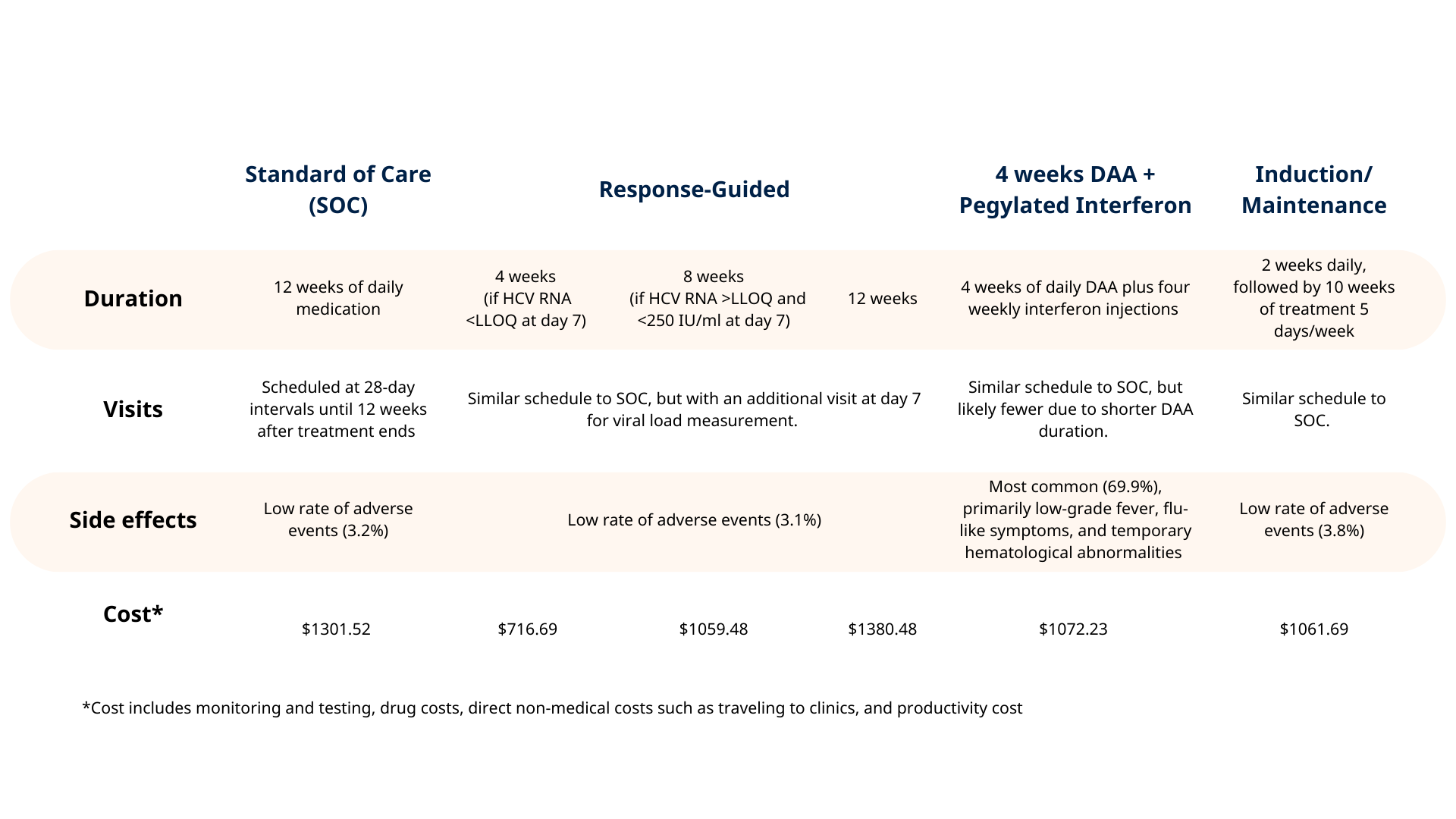
The trial successfully tested several treatment strategies, including a response-guided, shortened treatment duration strategy that maintained effectiveness at half the cost compared to the standard 12-week, $1,300 treatment.
Hepatitis C is a global health concern, with an estimated 58 million people chronically infected. The World Health Organisation (WHO) aims to eliminate viral hepatitis as a public health threat by 2030, with effective treatment being crucial to this strategy. However, while several highly effective direct-acting antiviral (DAA) medications are available, they remain unavailable and expensive, especially in low- and middle-income (LMIC) settings such as Vietnam.
Currently, the standard course of treatment for Hepatitis C lasts 12 weeks and costs $1,300 (about 33 million VND). In Vietnam, only 50% of the treatment cost is covered by social insurance. The prolonged treatment duration and high cost can discourage patients from seeking or following up with treatment.
The VIETNARMS trial, which ran from 2018 to 2024 and enrolled 624 patients, directly compared two widely used hepatitis C treatment regimens: sofosbuvir/daclatasvir (SOF/DCV) and sofosbuvir/velpatasvir (SOF/VEL). This head-to-head comparison, the first of its kind, revealed that SOF/DCV demonstrated slightly higher cure rates compared to SOF/VEL. This finding is particularly significant for LMIC countries where SOF/DCV is more readily accessible and affordable.
Beyond comparing existing treatments, the VIETNARMS trial explored innovative treatment strategies designed to enhance accessibility and affordability. The research team investigated shorter treatment durations and a response-guided approach where treatment duration is tailored to individual patient response.
The results were promising. One strategy involving a response-guided approach demonstrated comparable effectiveness to the standard 12-week treatment duration while shortening the treatment duration and halving the treatment cost. These findings provide new strategies for expanding access to treatment, particularly for vulnerable and underserved communities, and have the potential to shape treatment guidelines worldwide.
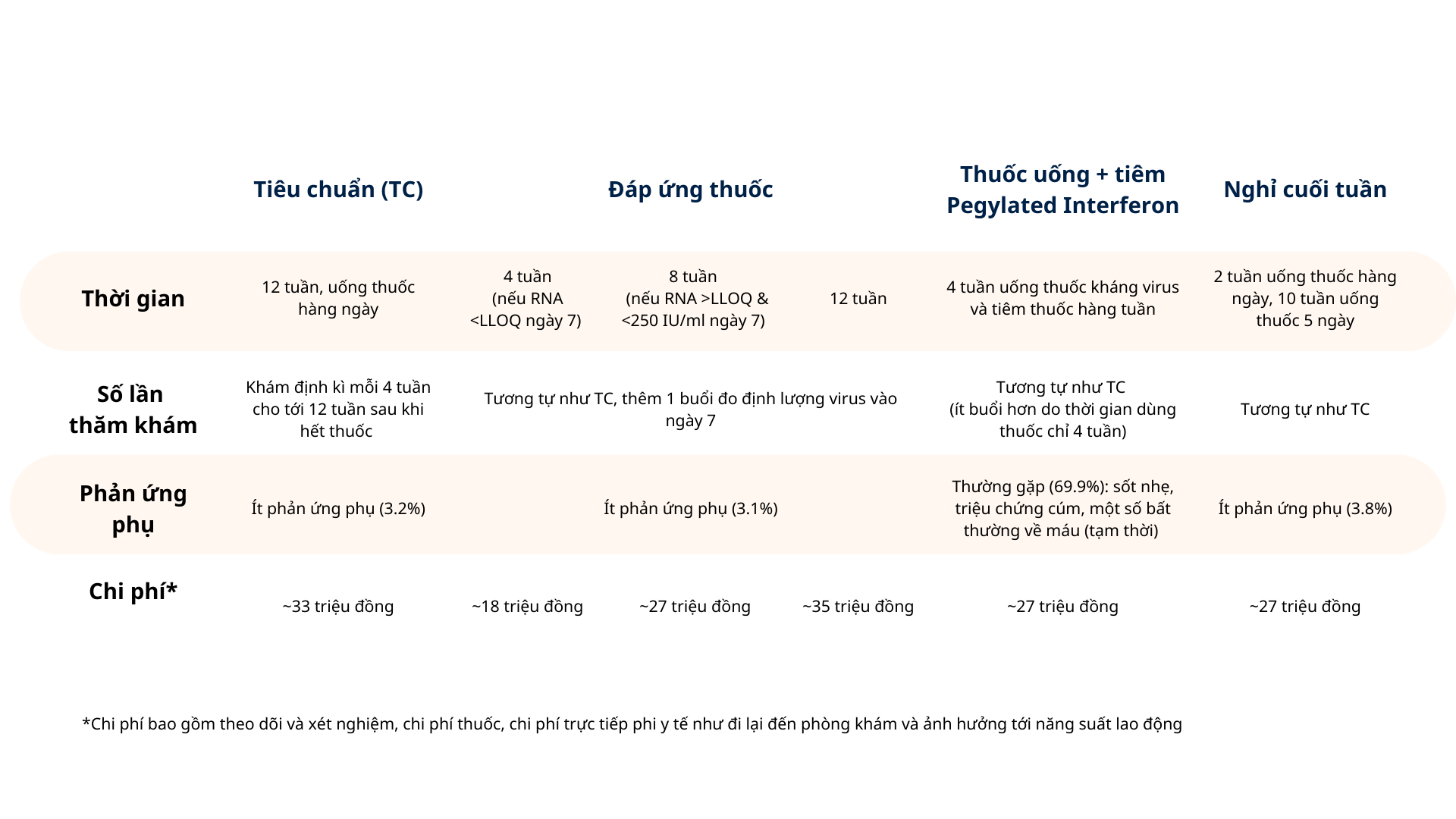
Table: Comparison of 4 treatment regimens
This complex trial was made possible thanks to the multi-national collaboration between Imperial College London, the University of Oxford, OUCRU, as well as local partners in Vietnam including the Hospital for Tropical Diseases (Ho Chi Minh City), the National Hospital for Tropical Diseases (Ha Noi), CDC Ha Nam, CDC Ha Noi, regional hospitals, and community-based organisations.
Professor Graham Cooke, Principal Investigator of the trial, emphasised the importance of these findings: “Despite some previous theoretical concerns, these data support the use in Vietnam of SOF/DCV, the cheapest option for HCV treatment globally. There is the potential for a significant decrease in prices in the country which should help expand access and accelerate elimination of this major challenge to public health.”
Professor Dr Nguyen Van Vinh Chau, Deputy Director of Ho Chi Minh City Department of Health, said: “These research findings provide a solid basis for the WHO and Vietnam’s Ministry of Health to update and improve Hepatitis C treatment guidelines. It gives us a chance to shorten treatment time and use a combination of effective medicines at a more affordable cost.â€
The VIETNARMS trial, with its rigorous design and comprehensive evaluation of both established and novel treatment approaches, represents a significant step forward in the search for treatments for hepatitis C. The study’s findings have the potential to shape treatment guidelines, inform healthcare policies, and ultimately improve the lives of millions affected by this disease globally.