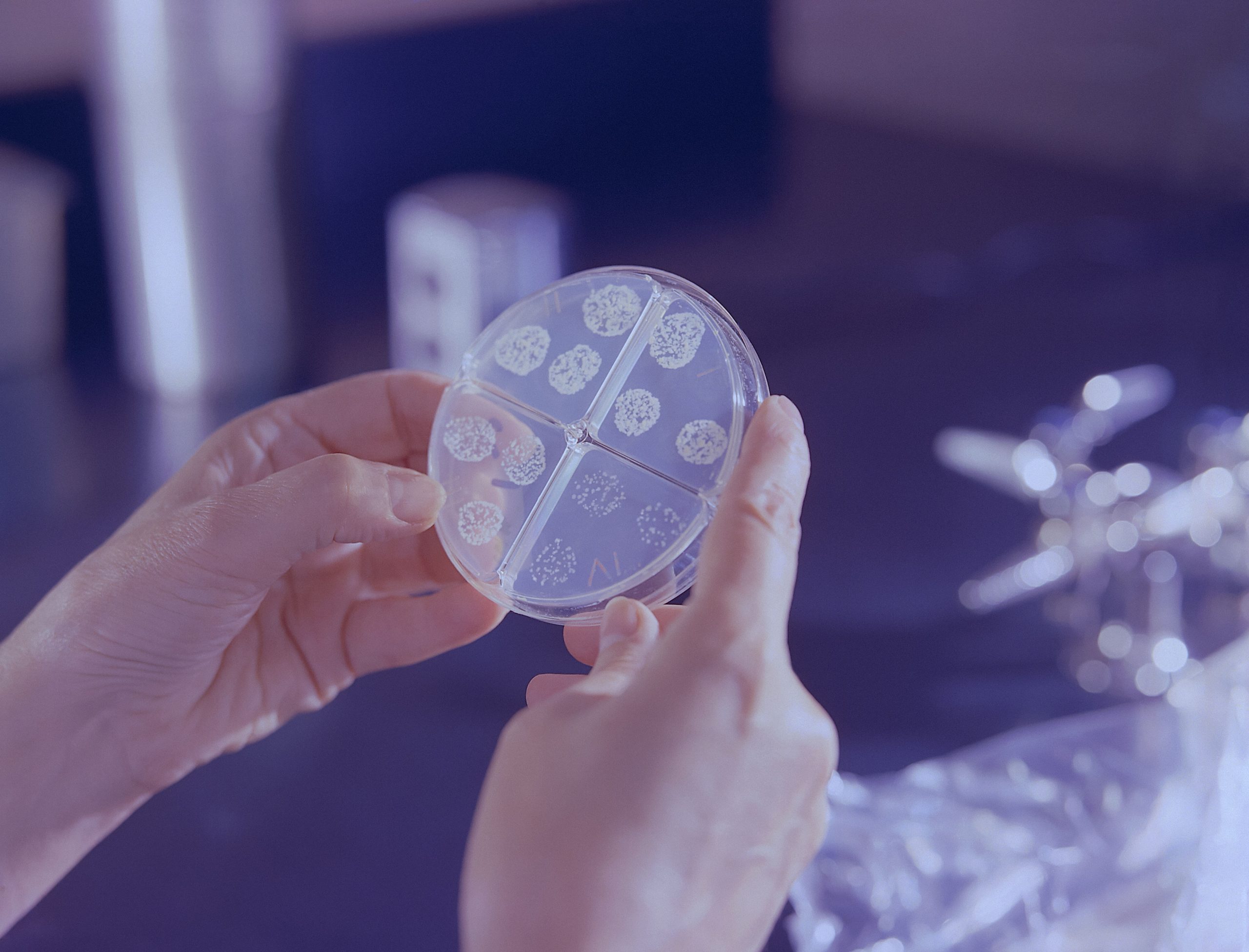
Tuberculosis (TB) is still one of the world’s deadliest infectious diseases. In 2023, there were about 10.8 million people who got sick with TB and around 1.25 million who died from it. Vietnam continues to be among the countries with high number of TB, with about 182,000 new TB cases (182 per 100,000 population) reported in 2023. (WHO Global TB Report 2024)
Over six years, the study will follow more than 3,500 patients in Vietnam, combining clinical data, laboratory results, and biological samples collected over time. Using state-of-the-art technologies – including multi-omics, single-cell genomics, and cell infection models -scientists will investigate how genetic and immune factors shape the course of TB.
The research will focus on three key areas:
Bacterial burden and treatment response
Mechanisms driving TBM deaths and survivorship
The role of dexamethasone in TBM outcomesÂ
Through these investigations, the team aims to identify new biomarkers for treatment monitoring and novel targets for host-directed therapies. In parallel, they will develop a comprehensive, integrated database, providing a vital resource for future systems biology and precision medicine research in tuberculosis.
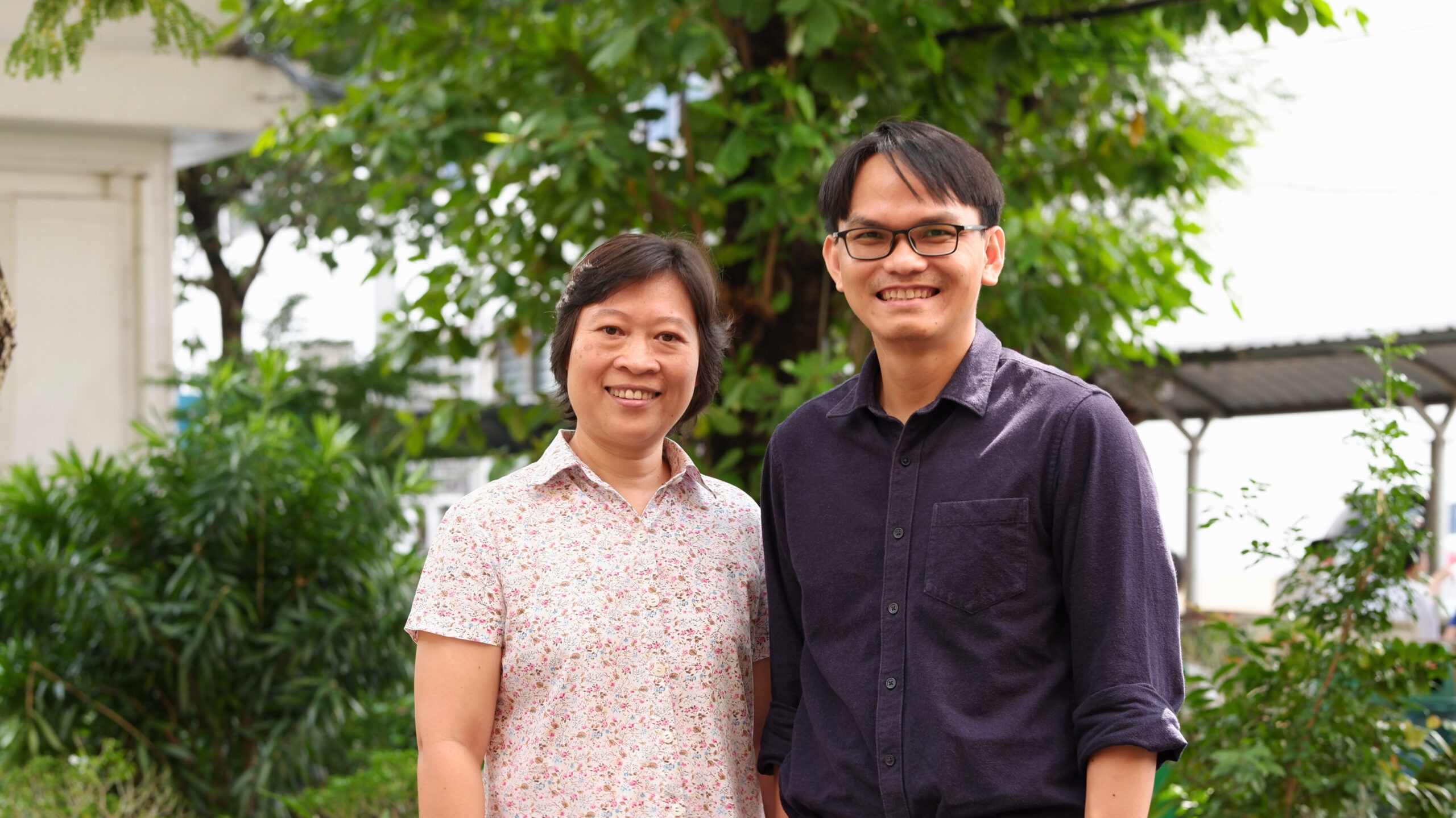
Assoc Prof Nguyá»…n Thụy ThÆ°Æ¡ng ThÆ°Æ¡ng and Dr Lê Thanh Hoà ng Nháºt
“With this award, we can bring the latest scientific innovations to address a long-standing global health challenge. Understanding how disease and recovery work at the molecular level will help us monitor treatment more effectively and develop more precisely targeted therapies,” said Assoc Prof Nguyá»…n Thụy ThÆ°Æ¡ng ThÆ°Æ¡ng, Head of Tuberculosis Research Group, OUCRU.
This project builds on over two decades of TB research in Vietnam, where OUCRU scientists have worked closely with local hospitals and health authorities to improve diagnosis, treatment, and patient care. This strong foundation of clinical studies, laboratory research, and international collaboration has positioned OUCRU as a global leader in TB and tuberculous meningitis research.
Supported by the Wellcome Discovery Award, a prestigious scheme that funds bold and creative ideas with the potential to transform human health, this achievement marks a major step forward in OUCRU’s mission to improve the diagnosis, treatment, and prevention of infectious diseases in Vietnam and across the region.
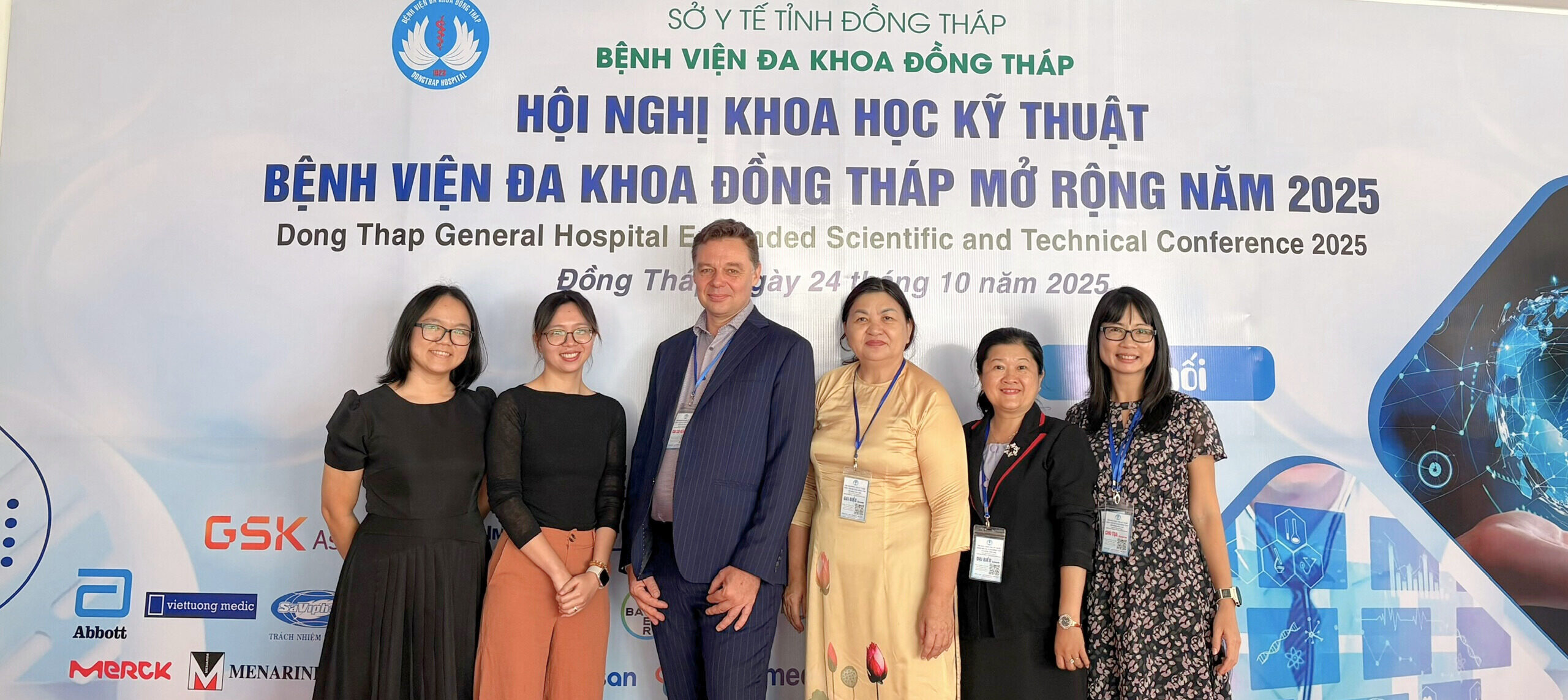
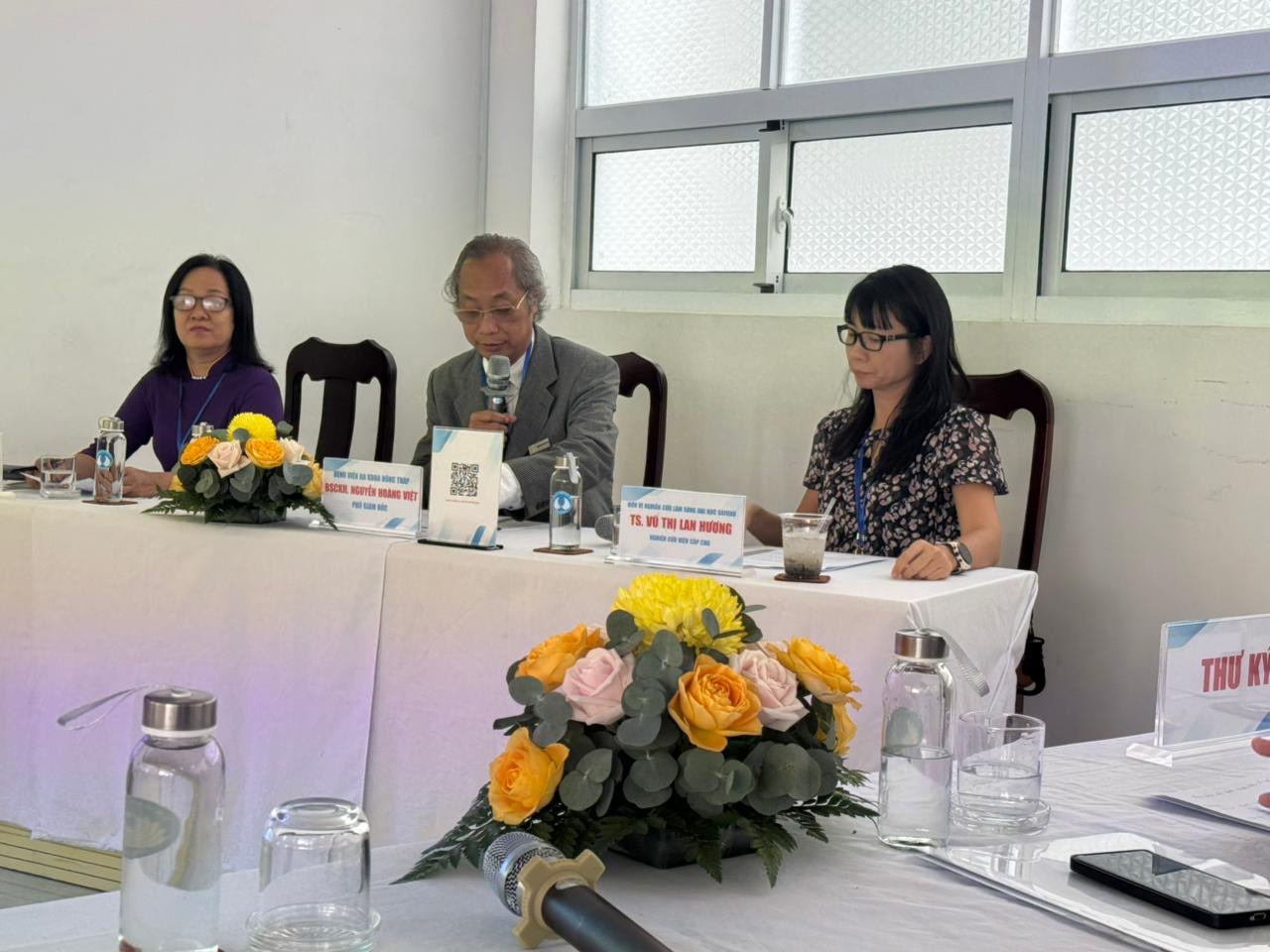
On 24 October 2025, representatives from the Oxford University Clinical Research Unit in Hanoi (OUCRU Hanoi) took part in the Scientific and Technical Conference of Dong Thap General Hospital, which brought together hospitals, universities, and research institutions from across Vietnam.
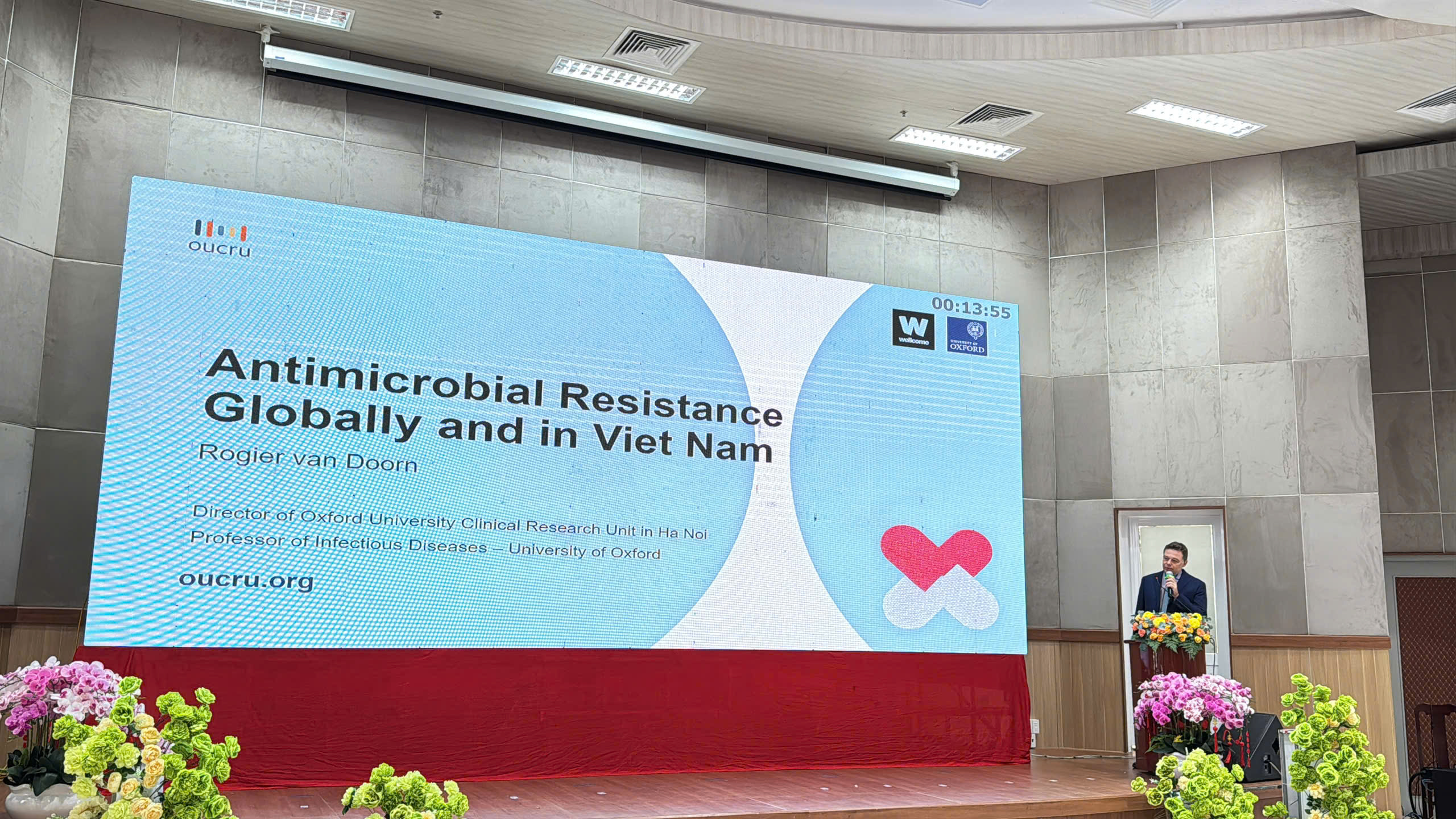
In the plenary session, Dr Rogier van Doorn, Director of OUCRU Hanoi, delivered a keynote presentation on antimicrobial resistance (AMR) — underscoring the growing global threat and the need for coordinated research and action. Dr van Doorn shared insights from OUCRU’s research on AMR and highlighted the importance of partnerships between clinical, academic, and public health institutions to strengthen evidence-based responses.
Dr Vu Thi Lan Huong, representing OUCRU Hanoi, presented the unit’s ongoing research activities and chaired one of the scientific sessions. Her participation reflected OUCRU’s continued commitment to advancing research collaboration, clinical training, and capacity building with hospitals and health institutions across Vietnam.
The conference featured 32 scientific presentations covering a wide range of clinical and research topics, including infectious diseases, internal medicine, and patient care. The event provided an important platform for healthcare professionals and researchers to exchange knowledge and foster collaboration to improve healthcare quality in the Mekong Delta region and beyond.
These vaccines were developed based on the original SARS-CoV-2 strain found in Wuhan, before newer variants such as Omicron emerged. The study found that, for adults over 50 and those with underlying health conditions such as diabetes, heart disease, or lung problems, third and fourth booster doses of these vaccines continued to prevent hospitalisation and death more than a year after vaccination.Â
The study also found that these boosters no longer stop otherwise healthy people from catching the new Omicron variants. This is likely because protection fades over time and the virus has evolved to be better at evading immunity.Â
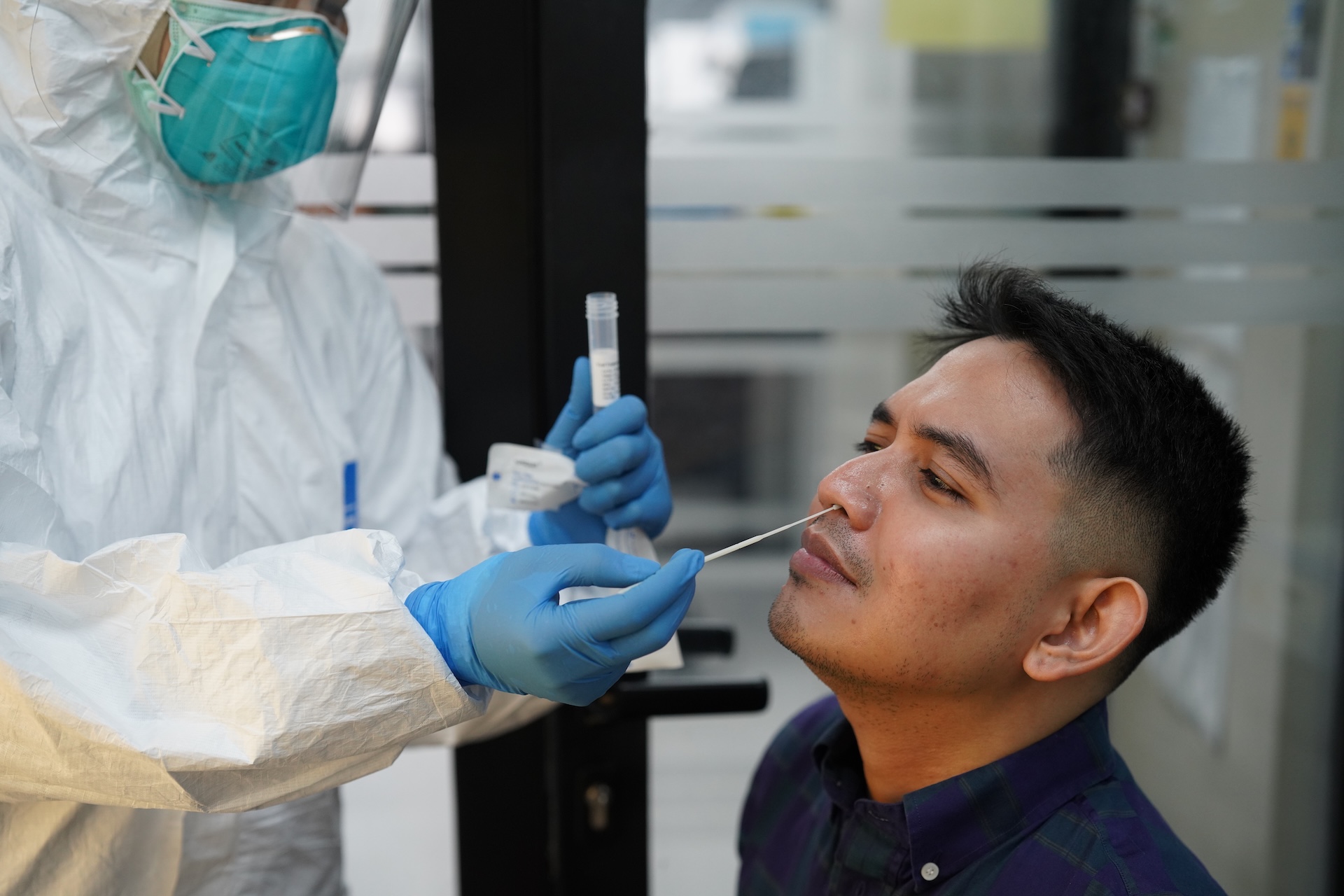
A healthcare worker collects a nasal swab sample for COVID-19 testing (illustration).
A third-dose booster (given around 20 months prior to the study) reduced the risk of hospitalisation by about 38 percent and death by about 55 percent among adults over 50 years of age. It also lowered the risk of death by roughly 55 percent among people with one or more chronic conditions.
A fourth-dose booster (given around 13 months prior to the study), reduced the risk of hospitalisation by about 50 percent among older adults and by 74 percent among people with one or more chronic conditions.
The study was conducted across 14 hospitals, laboratories, and community health centres in the cities of Jakarta and Yogyakarta, Indonesia, and followed more than 2,000 adults between March 2023 and May 2024.
Nearly all infections during this period were caused by Omicron XBB or JN.1, the dominant variants circulating in Indonesia at the time. The vaccine boosters were mostly mRNA vaccines such as Moderna and Pfizer, given after primary vaccination with either inactivated vaccines (CoronaVac) or viral vector vaccines (AstraZeneca).
OUCRU has an extensive and growingresearch portfolio on COVID-19. See more here.
“The Indonesian government declared the end of the pandemic in June 2023 and, as in many low- and middle-income countries, has discontinued the booster programme,†said Dr. Bayu Satria Wiratama, researcher at Universitas Gadjah Mada and first author of the paper. “Nonetheless, our findings show that these boosters still make a real difference for older adults and people with health conditions.â€Â
“The findings of this study make a compelling case for sustained revaccination strategies, even in settings where public health resources are limited,†said Assoc. Prof. Raph Hamers, researcher at OUCRU Indonesia and senior author. “Continued research is needed to track the long-term durability of protection from the currently used vaccines, which are based on the Wuhan strain, in Indonesia and other nations. This includes defining minimal intervals for boosters and assessing the added value of introducing updated vaccines, which are not currently in use in Indonesia.â€Â
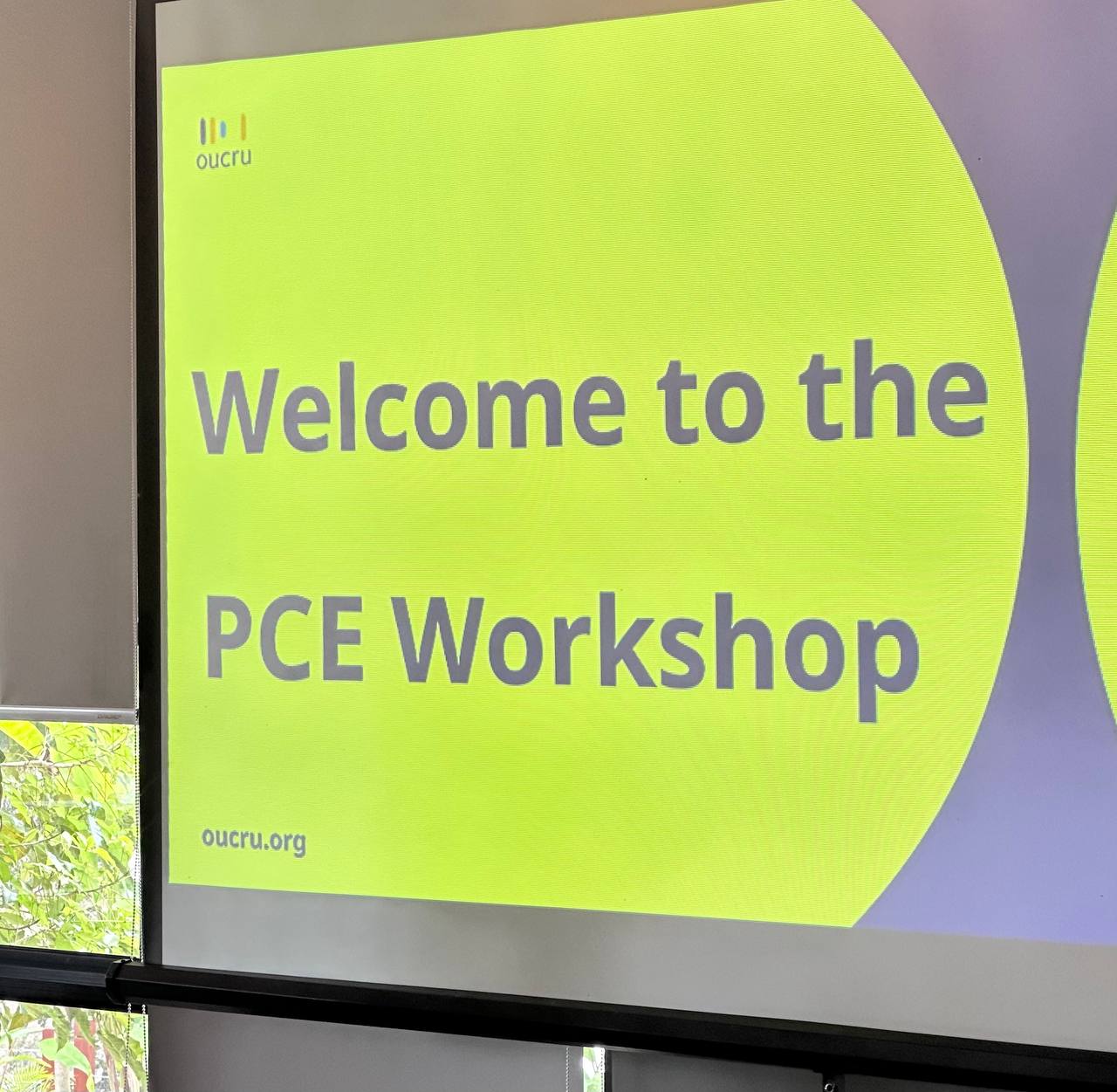
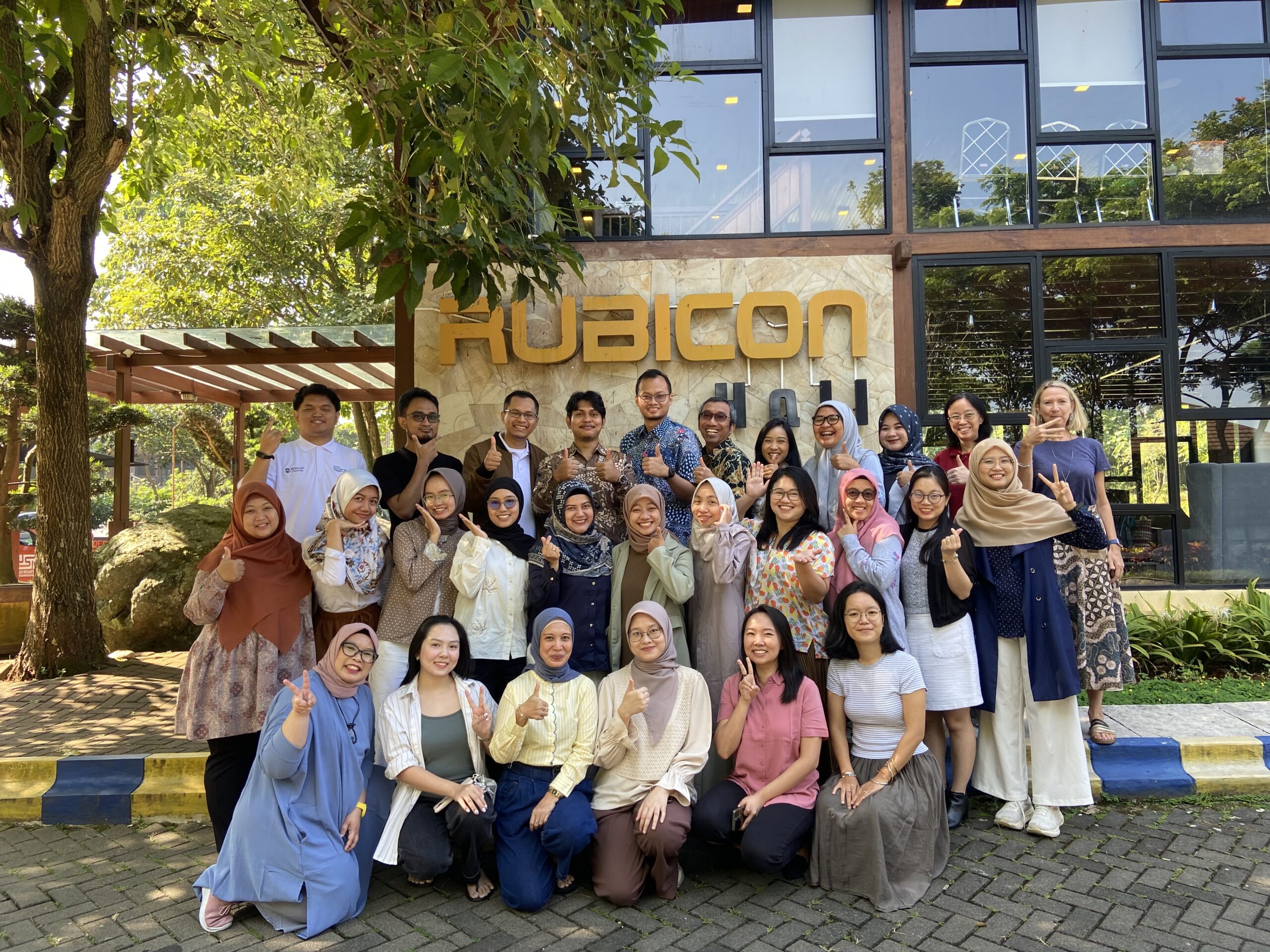
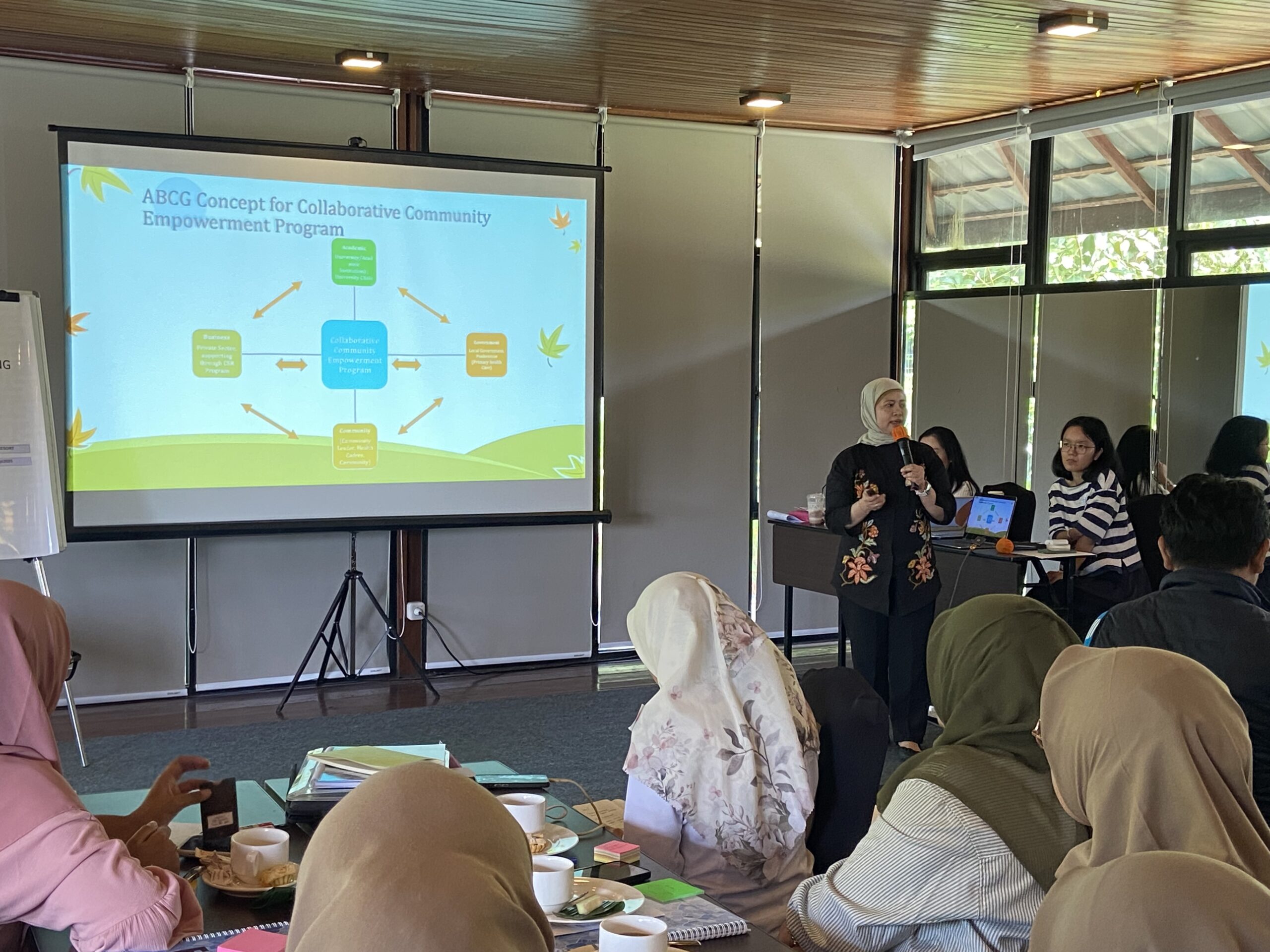
In 23 to 25 September 2025, Public and Community Engagement (PCE) Departement OUCRU Indonesia conducted its first Designing Engagement Project Training in Bogor, Indonesia. This initiative aims to develop essential skills, strategies, and practical tools to foster inclusive, ethical, and impactful community engagement for researchers and practitioners. By the end of training, participants were equipped with frameworks to integrate meaningful engagement into their research, ensuring responsiveness to societal needs and maximising impact.
Essential Skills for Community-engaged Health Research
Community engagement in health research is increasingly recognised as essential for ethical, inclusive, and impactful science. Yet many researchers still face challenges in putting engagement into practice, particularly when planning, implementing, and evaluating activities that are effective and relevant to local contexts.
To address this gap, OUCRU Indonesia’s Public and Community Engagement (PCE) Group developed this pilot training as a hands-on learning platform that combines foundational engagement approaches with practical knowledge of the project cycle.
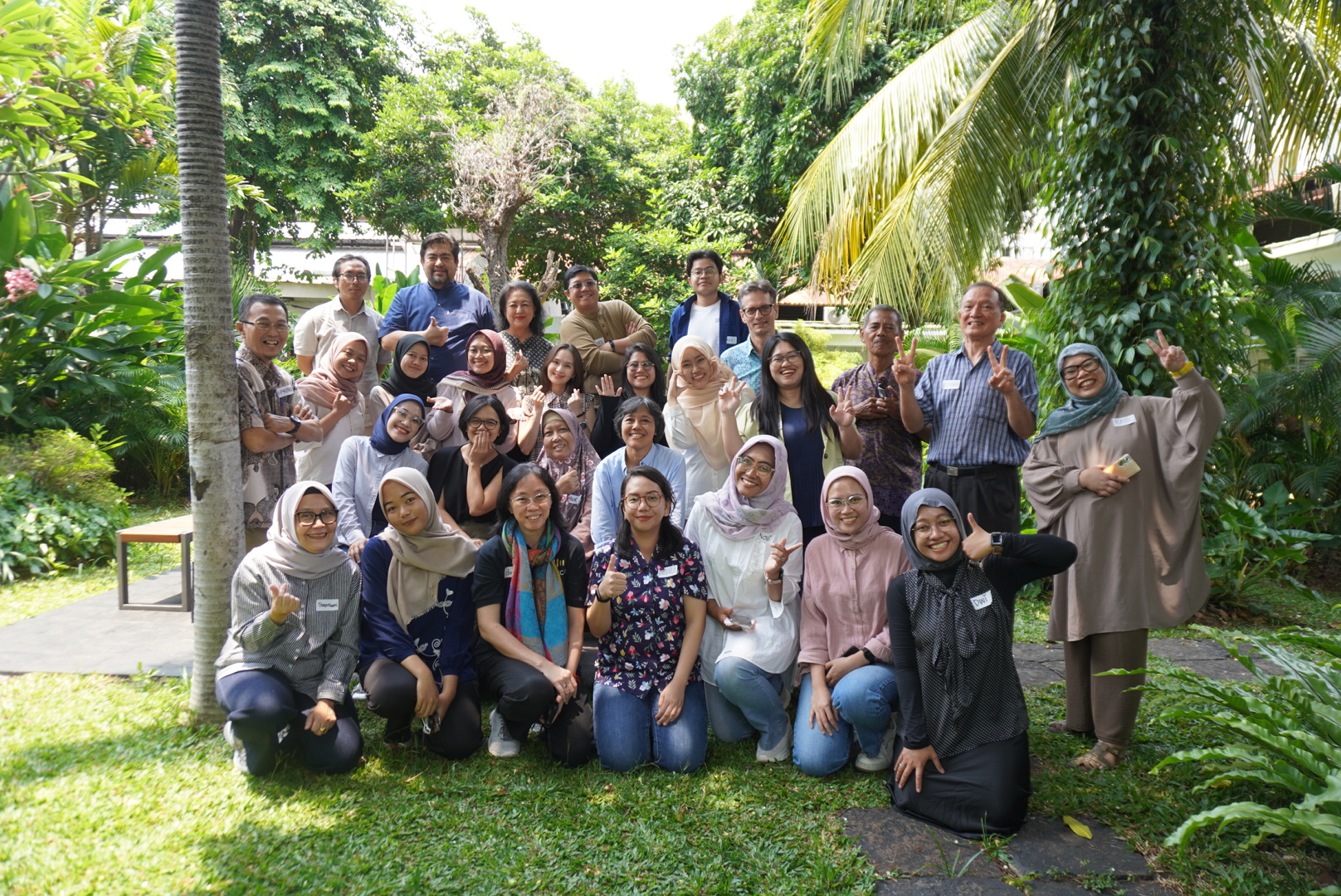
Over three days, training brought together 20 participants from 10 institutions, including research support staff, field officers, and early-career researchers. Designed as a structured and practical learning experience, the training introduced participants to the essential principles, tools, and frameworks for engaging communities throughout the research process.Â
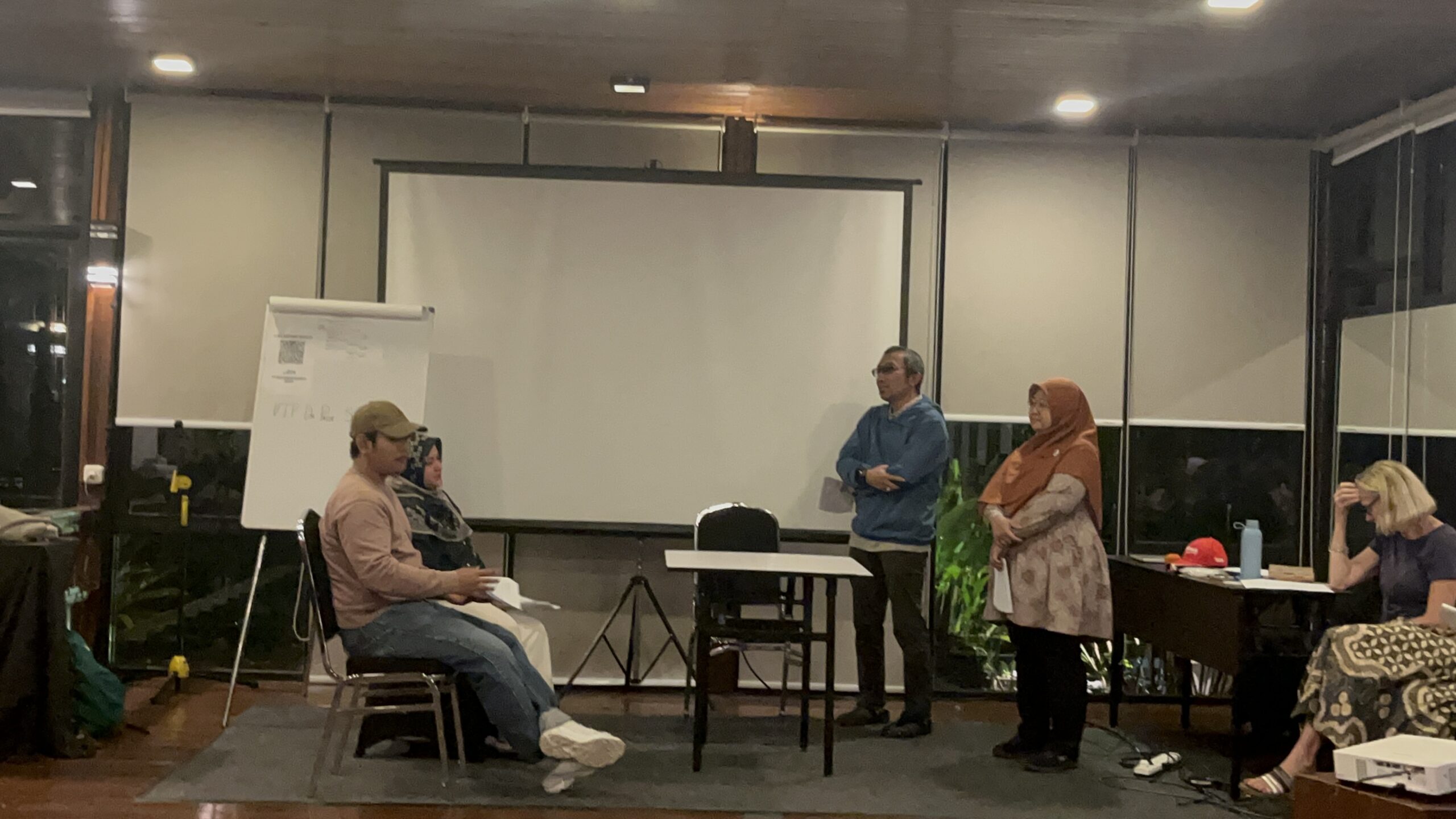
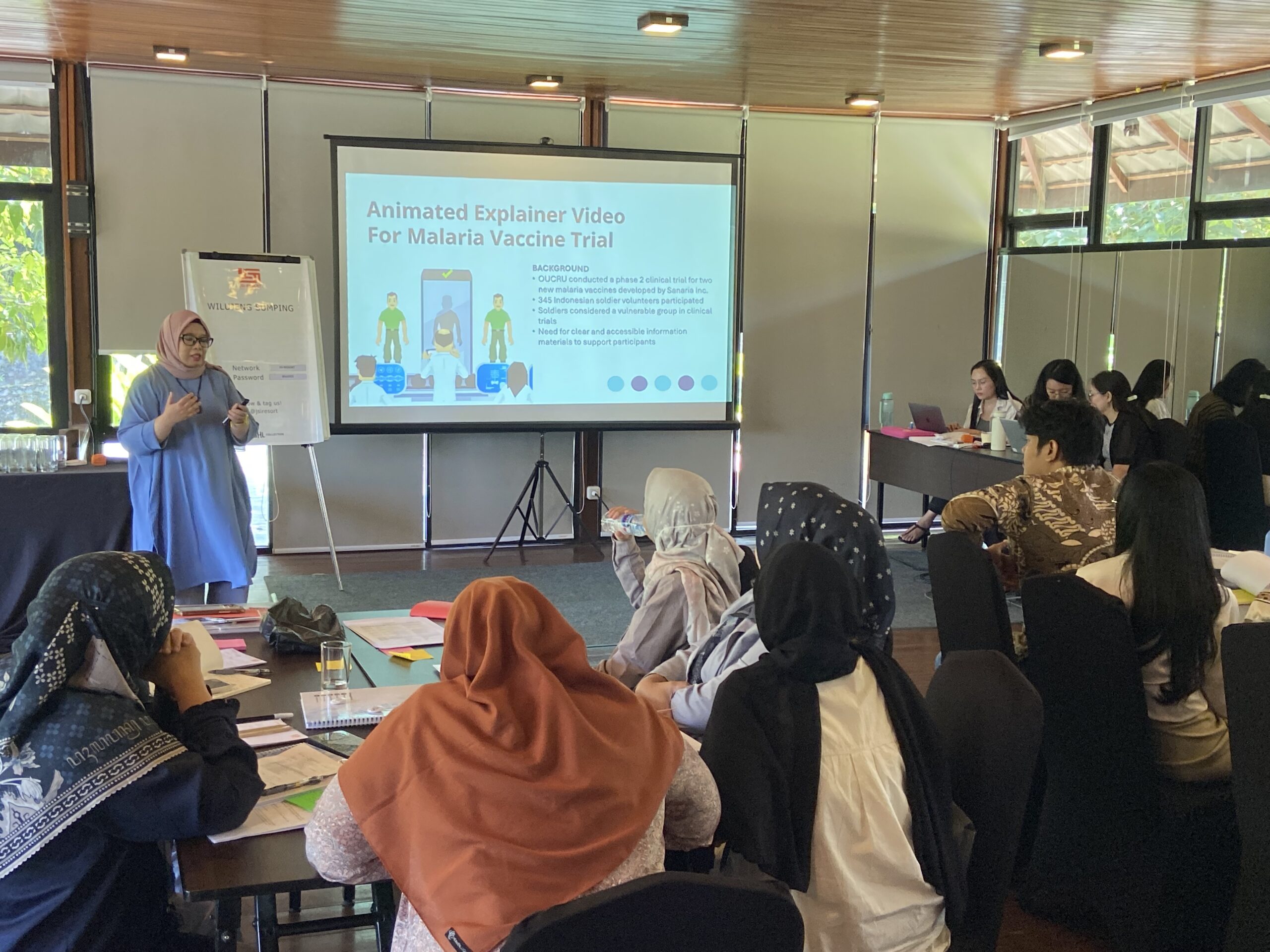
Digital Engagement Paralell ClassMalaria Forum Theatre “Caught in the Middle”Engagement Showcase: Malaria AnimationGuest lecture from Community Health Engagement FM-UI
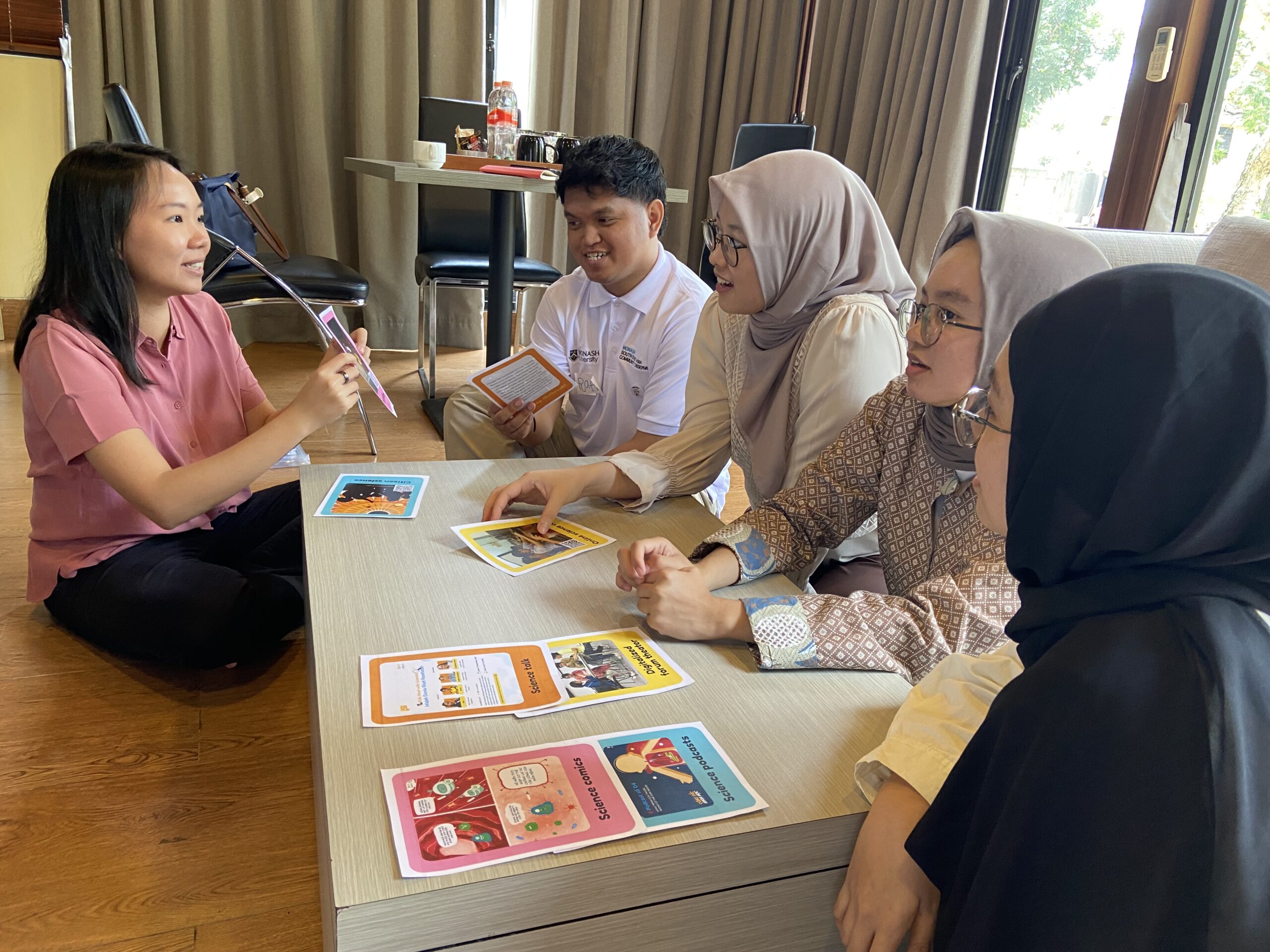
Using a participatory approach, the training features interactive games, group discussions, and individual projects. The workshop used interactive and participatory methods, combining games, group discussions, and project design exercises to strengthen participants’ confidence and creativity.Â
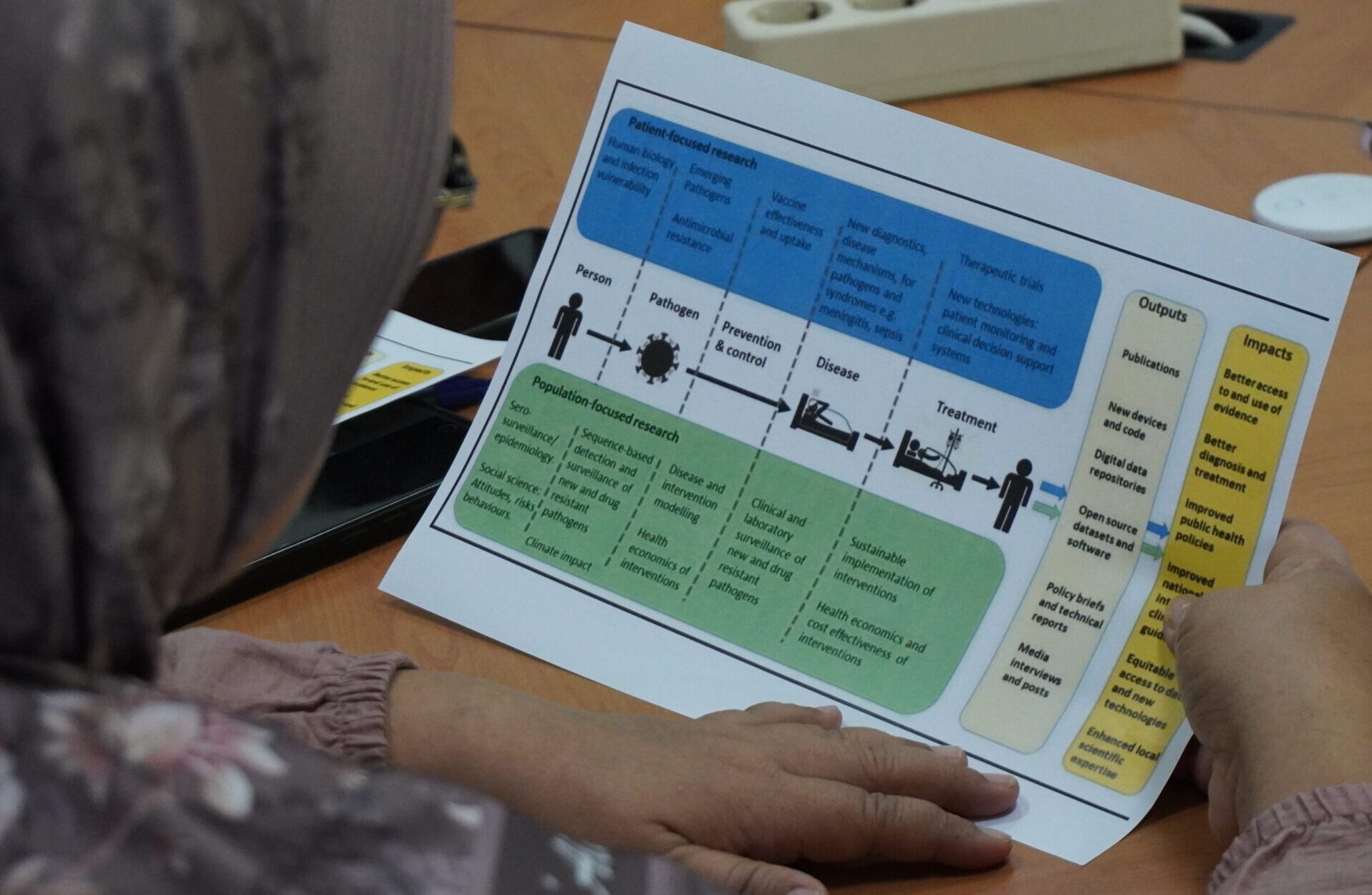
It is structured into three key sections: project identification (including the ethical foundations of community engagement and the engagement spectrum), project design (focusing on developing the logical framework and aligning engagement approaches with specific audiences), and project evaluation. Throughout the training, participants also explored some engagement approaches such as community advisory boards, participatory visual methods, and digital engagement.
Participants reflections
Participant reflects the training impact was made the improvement and significant change in learning outcomes. Importantly, 84% of participants expressed their intention to apply their learning within six months, including through establishing community advisory groups, developing stakeholder engagement plans, and integrating engagement components into ongoing research projects. By the end of the workshop, participants had developed their own engagement plans, with guidance and individual feedback from facilitators.
… this training changes my perspective [I now see] that research or engagement project can be beneficial for both. The participants can voluntarily join not only for money reason. I also just realize that I also can improve the relationship with stakeholders who support the project by providing a clearer, simple communication.
PCE Workshop Participant
Since its establishment OUCRU Public and Community Engagement Department continues to champion approaches that make research not only scientifically rigorous but also relevant, respectful, and beneficial to the communities we serve.
For collaboration or partnership on PCE Training, contact The Training Team: Ragil Dien rdien@oucru.org or Văn Thủy Quà Hương huongvtq@oucru.org
In September, OUCRU Indonesia held the kick-off meeting of the Community Forum for Health Research (ForuM), a new initiative designed to ensure communities are actively involved in shaping health research. The Forum brings together researchers and members of the public to share perspectives, strengthen trust, and support research that responds to community needs in Indonesia.
Through an open selection, 15 community members aged 19 to 67 were selected from more than 100 applicants. They represent diverse groups, including private sector workers, students, retirees, homemakers, journalists, and NGO workers. Their role is to provide feedback on research plans, recruitment approaches, consent materials, cultural considerations, and the communication of study results.
The meeting was opened by Dr Iqbal Elyazar, Deputy Director of OUCRU Indonesia, and Dr Raph Hamers, Head of the Infectious Diseases Group. Both highlighted how OUCRU Indonesia history as a leading infectious diseases research unit as well as its commitment to inclusive research, evidence-based work that strengthens health through community dialogue.
Commitment to Inclusive Research
“ForuM helps build stronger connections between researchers and communities, making health research in Indonesia more impactful for everyone.†– Iqbal ElyazarÂ
“ForuM is about bringing the community’s voice into health research. Their perspectives, experiences, and feedback will help ensure that our work at OUCRU is not only scientifically rigorous, but also inclusive, relevant, and responsive to community needs,†– Raph HamersÂ
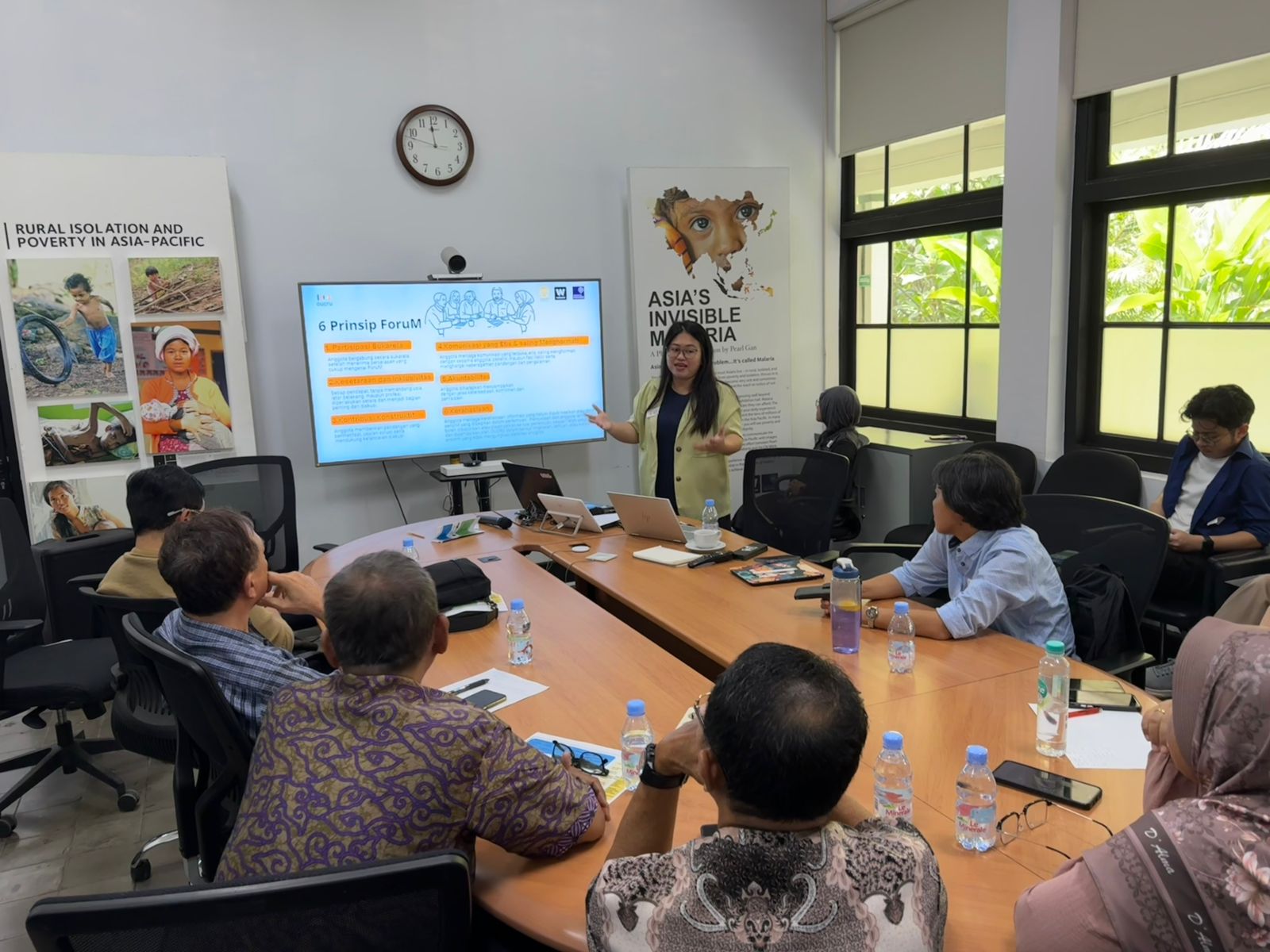
During the session, the team introduced the ForuM’s guiding principles, facilitated by Eva Simarmata, OUCRU ForuM Coordinator. These principles form the foundation of the ForuM and guide all participants, including ForuM members and OUCRU researchers, to collaborate and engage in discussion: Â
Voluntary Participation
Equality in Expressing Opinions
Constructive and Solution-Oriented Contributions
Ethical and Respectful Communication
Accountability
Data Sensitivity
Members also joined a laboratory tour led by Dr Decy, Head of Laboratory, where they learned how research is conducted from the laboratory to the community, and vice versa. Members expressed great enthusiasm and curiosity about how research comes to life at OUCRU. The members actively engaged in discussions, reflecting their shared interest in bridging science and society.Â
The Forum will meet regularly throughout the year. Through ongoing dialogue, it aims to strengthen ethical and culturally appropriate research, support accessible dissemination of research findings to the community, and promote accessible sharing of research findings.
By placing communities at the centre, OUCRU Indonesia reaffirms its commitment to making research with communities by integrating local knowledge, cultural insights, and lived experiences.Â
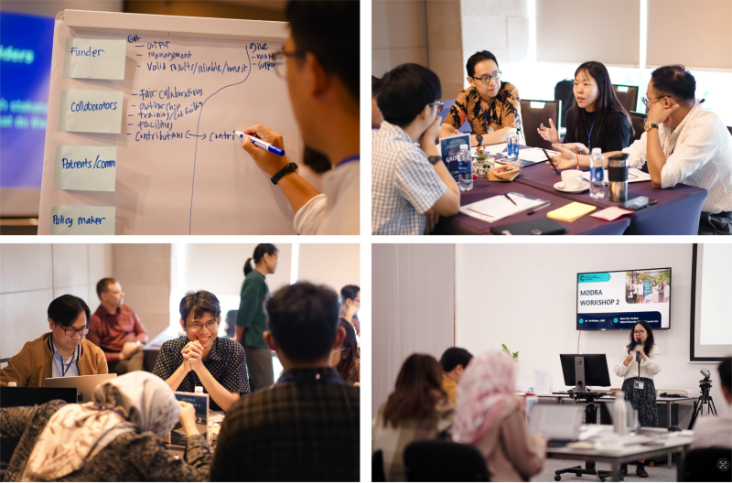
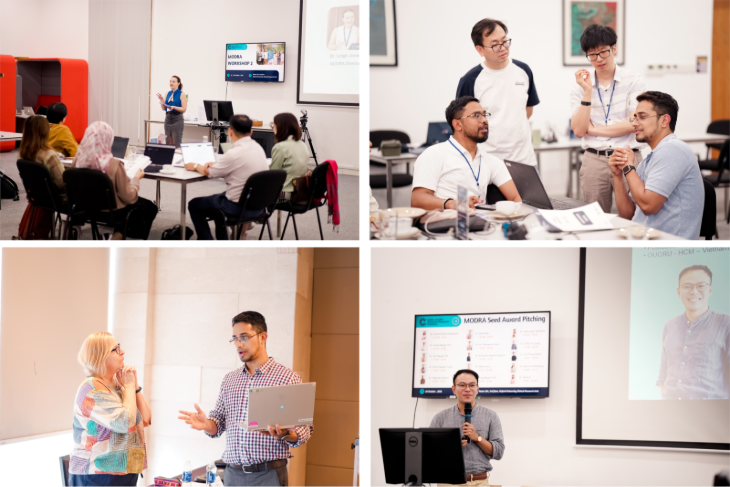
This second workshop marked an important transition: from designing research ideas to learning how to present, pitch, and manage them effectively. Over the course of the week, participants refined their presentation and pitching skills, preparing to compete for a seed award of up to USD 30,000 to launch a 12-month research project.
The seed award is an important step for many participants in launching their independent research careers. It allows them to generate preliminary data, strengthen collaborations, and gain the experience needed to compete for larger, international research grants. It has been inspiring to see many scientists from MODRA Cohort 1, who will graduate from the programme this December, successfully run their projects and go on to secure highly competitive external funding.
In addition to seed awards and communication training, the workshop provided practical sessions on post-grant management, including project planning, budgeting, and reporting. Participants also had one-on-one consultations with OUCRU’s Post-award, Procurement, Finance, and Travel teams to review their project budgets. These sessions ensured they understood the regulations, documentation, and procedures necessary for responsible and transparent financial management of their future awards.
“We want participants to experience the full research cycle, from developing a strong idea to securing funding and managing a real project,†said Dr Leigh Jones, MODRA Director. “This workshop helps them build not only technical and scientific skills but also the confidence and professionalism needed to run independent research.â€Â
Participants from Cohort 2 will meet again after 12 months to share the results of their funded research projects. Stay tuned to follow the journey of our 15 rising scientists as they transform their ideas into discoveries!
ABOUT MODRA: The MORU–OUCRU Discovery Research Academy (MODRA) initiative is dedicated to empowering early-career researchers through comprehensive training in research management, grant writing, and professional development. By fostering collaboration and innovation, MODRA aims to cultivate a community of scientists ready to tackle global challenges and drive impactful research. Â
Cohort 2025 was selected in July 2025 through a highly competitive process. The 15 postdoctoral researchers are undergoing 18 months of intensive training to fast-track their scientific careers and enhance their ability to compete for international funding. Â
WHO baru saja menerbitkan Global Antimicrobial Resistance and Use Surveillance (GLASS) Report edisi terbaru. Laporan 2025 ini memberikan gambaran paling lengkap dan terkini tentang situasi resistensi antimikroba (AMR) di seluruh dunia, berdasarkan data dari 104 negara.
GLASS adalah sistem global yang memantau bagaimana kuman bereaksi terhadap antibiotik dan bagaimana negara-negara memperkuat kemampuannya dalam mengawasi AMR.
Berikut poin-poin terpenting dari laporan GLASS 2025:
1. Pengawasan global semakin kuat Jumlah negara yang melaporkan data AMR meningkat dari 25 pada 2016 menjadi 104 pada 2023. Meski begitu, data dari kawasan Amerika, Pasifik Barat, dan sebagian Afrika masih terbatas.
2. Resistensi kian meluas Sekitar satu dari enam infeksi bakteri di dunia kebal terhadap antibiotik. Tingkat resistensi tertinggi tercatat di Asia Tenggara dan Mediterania Timur.
3. Bakteri gram-negatif kritis kian sulit diobati Bakteri umum seperti E. coli,K. pneumoniae, dan Acinetobacter spp. semakin kebal, bahkan terhadap antibiotik terkuat seperti karbapenem. Kuman-kuman ini sering menyebabkan pneumonia, sepsis, dan infeksi saluran kemih.
4. Negara berpendapatan rendah-menengah menanggung beban terberat Resistensi tertinggi muncul di wilayah dengan sistem kesehatan dan kapasitas diagnostik yang lemah. Kondisi ini berujung pada suatu lingkaran setan: kurangnya pemeriksaan mempercepat penyebaran resistensi dan resistensi yang meningkat membuat infeksi semakin sulit ditangani.
5. Penggunaan antibiotik lini pertama masih jauh dari target Antibiotik lini pertama hanya mencakup sekitar separuh dari penggunaan global. Target WHO pada 2030 adalah 70 persen. Antibiotik lainnya seharusnya digunakan sebagai pilihan terakhir.
Kontribusi OUCRU dalam Laporannya
Raph Hamers dan Gilbert Lazarus memimpin tim OUCRU Indonesia dan melibatkan peneliti-peneliti dari University of Calgary dan WHO untuk menyusun tinjauan sistematis dalam Bab 4 GLASS 2025. Tinjauan ini membandingkan data resistensi dari publikasi ilmiah selama tahun 2018–2023 dengan data pengawasan GLASS tahun 2023.
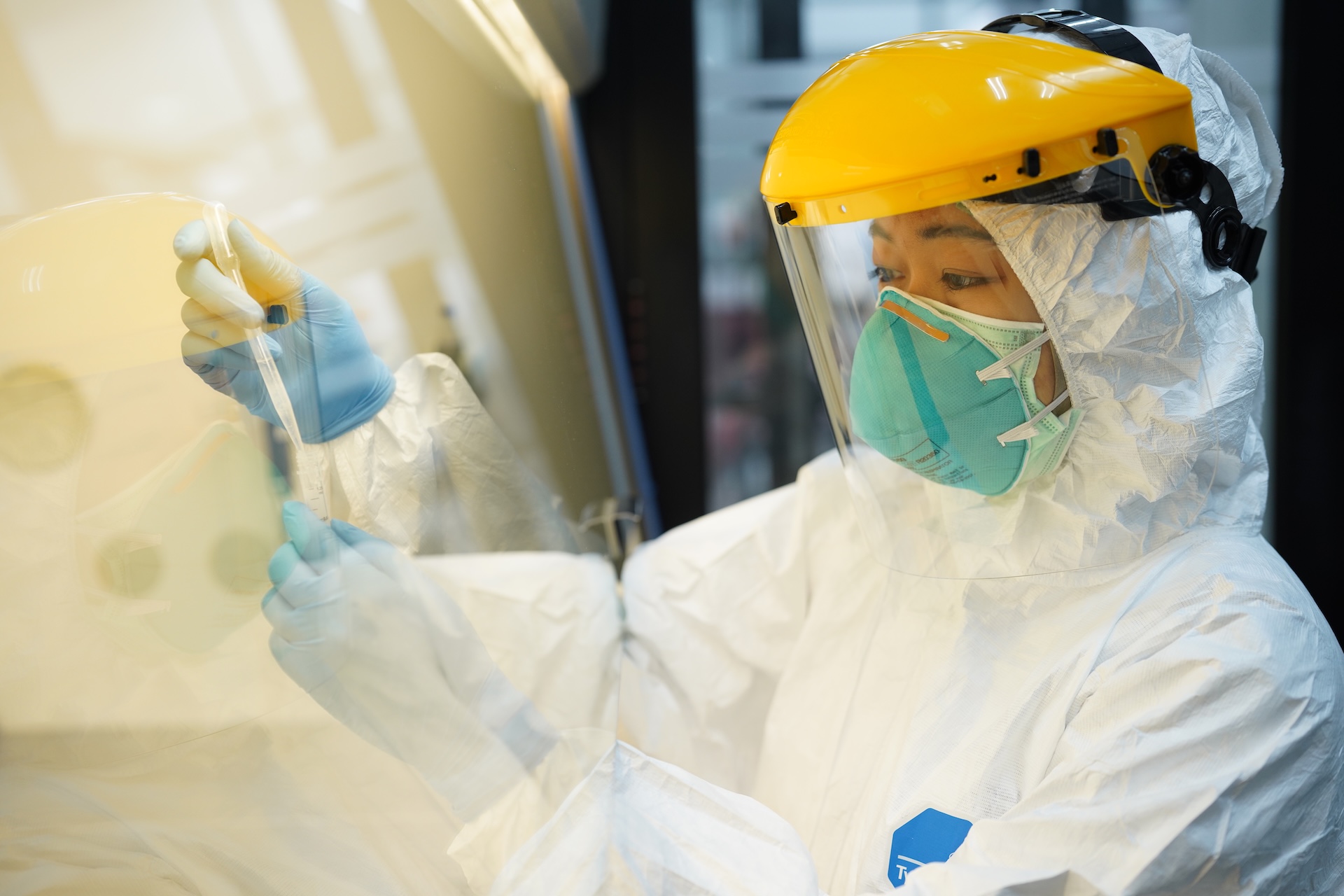
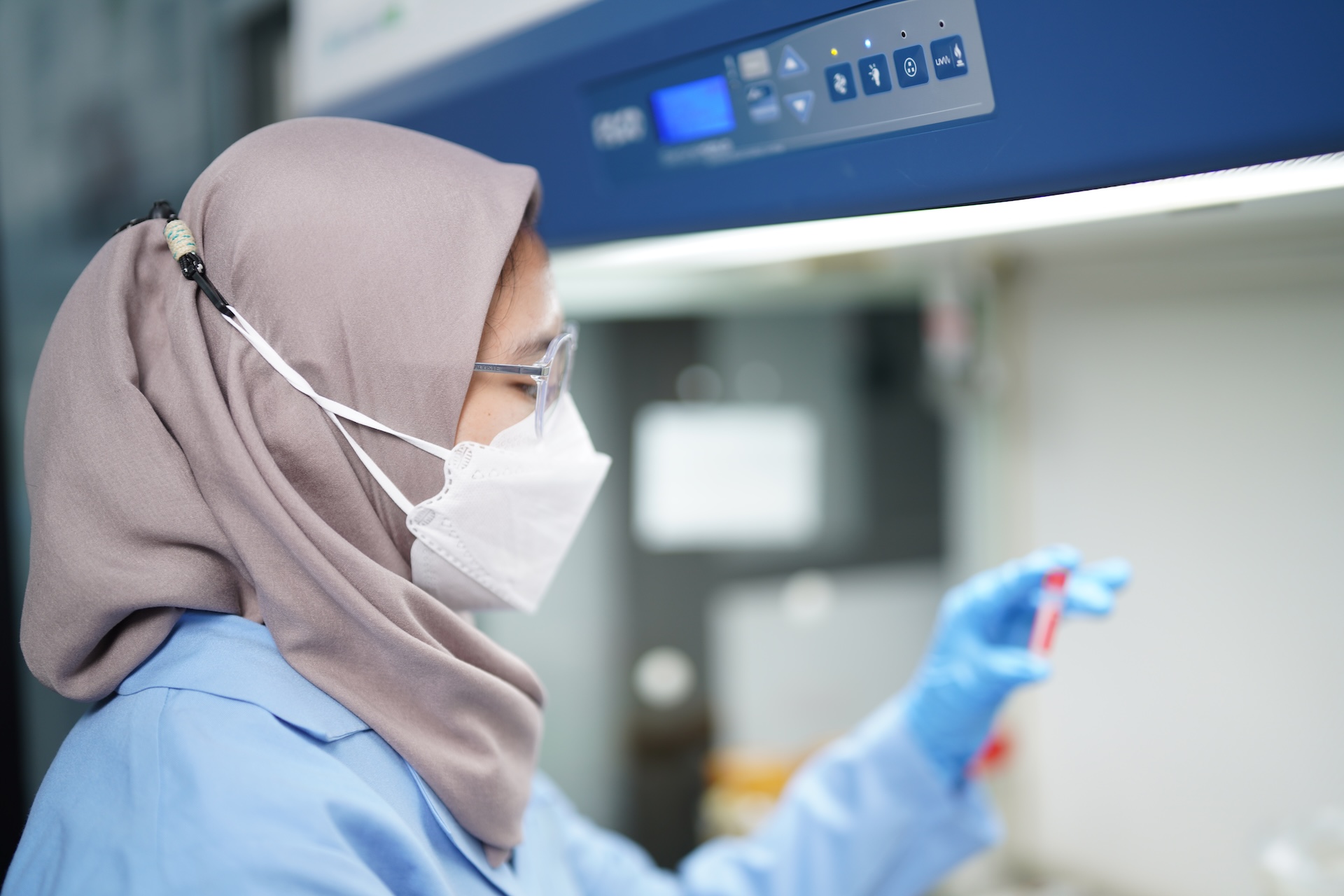
Kegiatan laboratorium di OUCRU Indonesia di mana para peneliti meneliti resistensi antimikroba (foto ilustrasi).
Hasil analisis menunjukkan bahwa tingkat resistensi yang dilaporkan dalam publikasi ilmiah sering kali lebih tinggi daripada data GLASS. Hal ini wajar karena sebagian besar studi ilmiah tentang AMR dilakukan di rumah sakit-rumah sakit besar yang biasanya menangani kasus AMR yang paling berat dan paling kebal obat. Terlepas dari perbedaan tersebut, kedua sumber data menunjukkan pola yang sama tentang tingginya resistensi, terutama pada Acinetobacter spp., Staphylococcusaureus, dan Salmonellaspp.
“GLASS memberikan gambaran makro di tingkat nasional dan global, sedangkan tinjauan sistematis ini memperluas cakupan wilayah serta memberikan data yang lebih detail, sehingga hotspots regional yang tidak tampak dalam rata-rata nasional bisa terlihat,†ujar Gilbert Lazarus, dokter peneliti di OUCRU Indonesia.“
“Kontribusi terhadap laporan WHO ini adalah bagian dari komitmen OUCRU untuk memperkuat penelitian berbasis bukti terkait resistensi antimikroba,†kata Raph, Kepala Program Riset Penyakit Infeksi Klinis di OUCRU Indonesia. “Kami bangga bekerja bersama WHO dan para mitra untuk memperkuat bukti yang diperlukan bagi pengambilan kebijakan yang lebih baik.â€
OUCRU Indonesia memiliki portofolio riset AMR yang aktif, termasuk ACORN, NASPA, uji klinis PRYSMA, dan berbagai studi lainnya.
WHO released its latest Global Antimicrobial Resistance and Use Surveillance (GLASS) Report last week, with new findings on antimicrobial resistance (AMR) around the world. The 2025 report draws on data from 104 countries and presents the most complete and up-to-date global picture of AMR to date.
GLASS is a global system for tracking how pathogens respond to antibiotics and how countries are strengthening their surveillance of resistance.
Here are the highlights from the 2025 GLASS report:
1. Global surveillance is improving 104 countries reported AMR data in 2023, up from just 25 in 2016. But data remain largely missing from the Americas, Western Pacific, and parts of Africa.
2. Resistance remains widespread Around one in six bacterial infections worldwide are resistant to antibiotics, with the highest rates in South-East Asia and the Eastern Mediterranean regions.
3. Critical gram-negative bacteria are growing more resistant Common Gram-negative bacteria like E. coli, K. pneumoniae, and Acinetobacter spp. are becoming harder to treat, even with the strongest antibiotics like carbapenems. These pathogens often cause pneumonia, sepsis, and urinary tract infections.
4. Low- and middle-income countries bear the heaviest burden Resistance is highest where health systems and diagnostic capacity are weakest. This creates a vicious cycle: limited testing allows resistance to spread, while rising resistance makes infections harder to treat, especially in places with already limited resources.
5. Safer antibiotic use still below target First-line antibiotics account for only about half of global use, well short of WHO’s goal of 70% by 2030. Other types of antibiotics should ideally be reserved as a last-resort.
OUCRU’s Contribution to the Report
Raph Hamers and Gilbert Lazarus led a team of researchers at OUCRU Indonesia who–together with collaborators from the University of Calgary and WHO–conducted the systematic reviews featured in Chapter 4 of the 2025 GLASS report. These comprehensive reviews of the global scientific literature compared antibiotic resistance data reported in peer-reviewed studies (2018–2023) with findings from WHO’s GLASS surveillance system (2023).
Laboratory work at OUCRU Indonesia, where researchers contribute to studies on antimicrobial resistance (illustrative image).
The analysis found that resistance levels reported in the scientific literature were often even higher than those observed in GLASS. This is largely because most published studies come from large hospitals, where the most severe and drug-resistant cases are treated. Despite these differences, the two data sources confirmed the same overall patterns of widespread and rising resistance, especially among Acinetobacter spp., Staphylococcus aureus, and Salmonella spp.
“While GLASS shows the ‘macro’ picture of antimicrobial resistance at national and global levels, the systematic reviews add value by increasing geographical coverage and data granularity, thus identifying regional hotspots that may not appear in the national averages,†explained Gilbert Lazarus, physician-researcher at OUCRU Indonesia.
“Contributing to this important WHO report is part of OUCRU’s commitment to advancing evidence-based research on antimicrobial resistance,†said Raph, Head of the Clinical Infectious Diseases Research Programme at OUCRU Indonesia. “We are proud to work alongside WHO and partners to help strengthen the global evidence base needed for better policy and action.â€
OUCRU Indonesia has an active research portfolio on antimicrobial resistance, such as ACORN, NASPA, the PRYSMA trial, and many other projects.
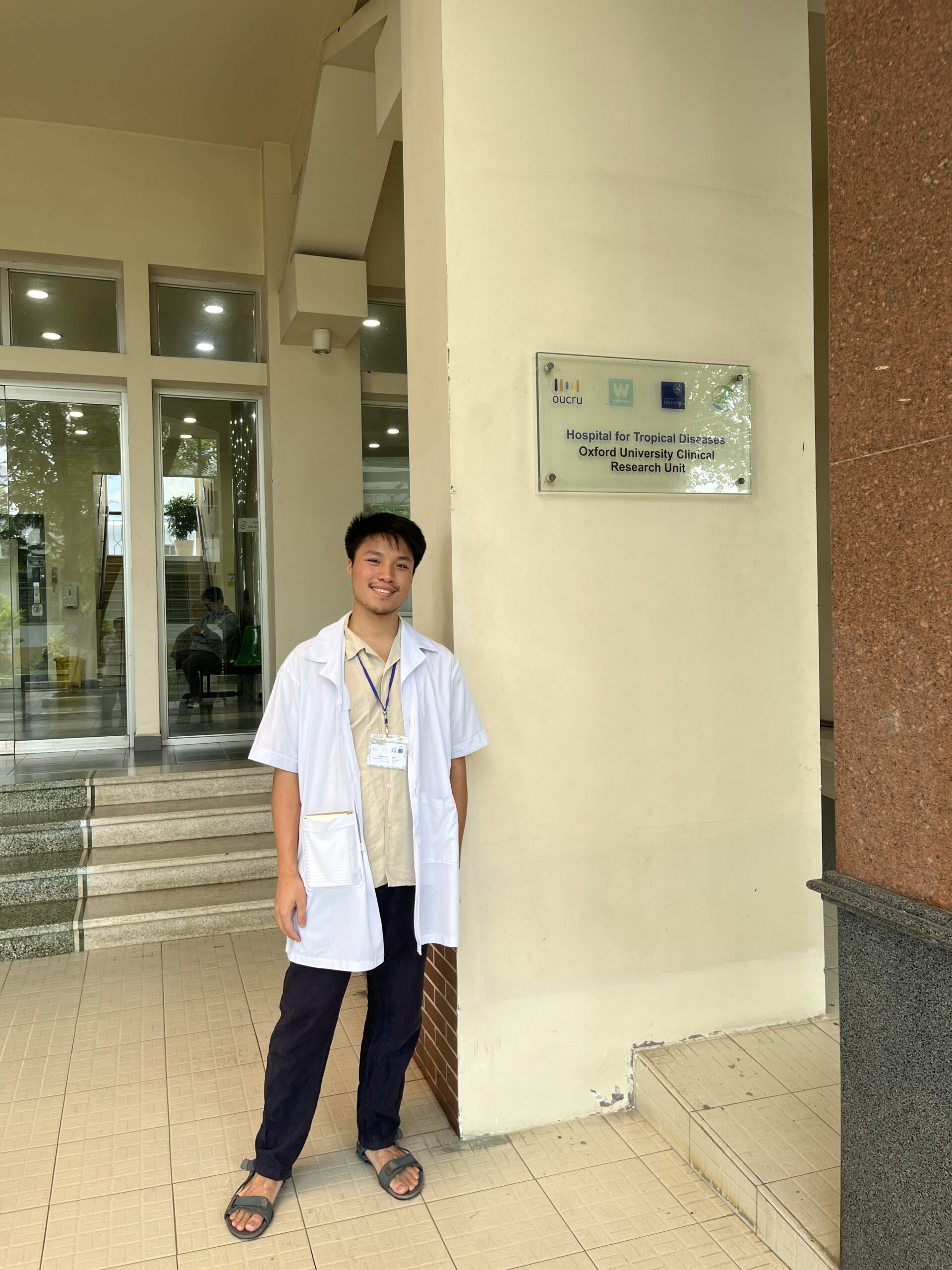
Hi, I´m Du Hanh Nguyen, a fourth-year medical student from Germany. I spent one month at OUCRU for my clinical elective, and the experience far exceeded my expectations. From the very first day, I felt welcomed by a supportive team and was immersed in an inspiring learning environment. Here’s a glimpse into my time at OUCRU and what made it such a memorable and enriching experience.
What brought me to OUCRU
In Germany, medical students are required to complete four one-month clinical electives before their final year. For my last elective, I decided to look for opportunities in Vietnam — partly to visit my family, but also to learn more about tropical medicine and public health. These subjects receive relatively little attention in the German medical curriculum, so I wanted to gain deeper insights into them in a setting where they are highly relevant.
After a quick Google search for clinical elective opportunities in tropical medicine in Saigon (Ho-Chi-Minh City), I came across OUCRU and the Hospital for Tropical Diseases. While hospitals such as Cho Ray or the University Medical Center in Saigon were more popular among medical students, OUCRU stood out to me because of its strong focus on tropical and infectious diseases, its on-site clinical research, and its active engagement in public health initiatives.
In the ICU: Between pathogens and patients
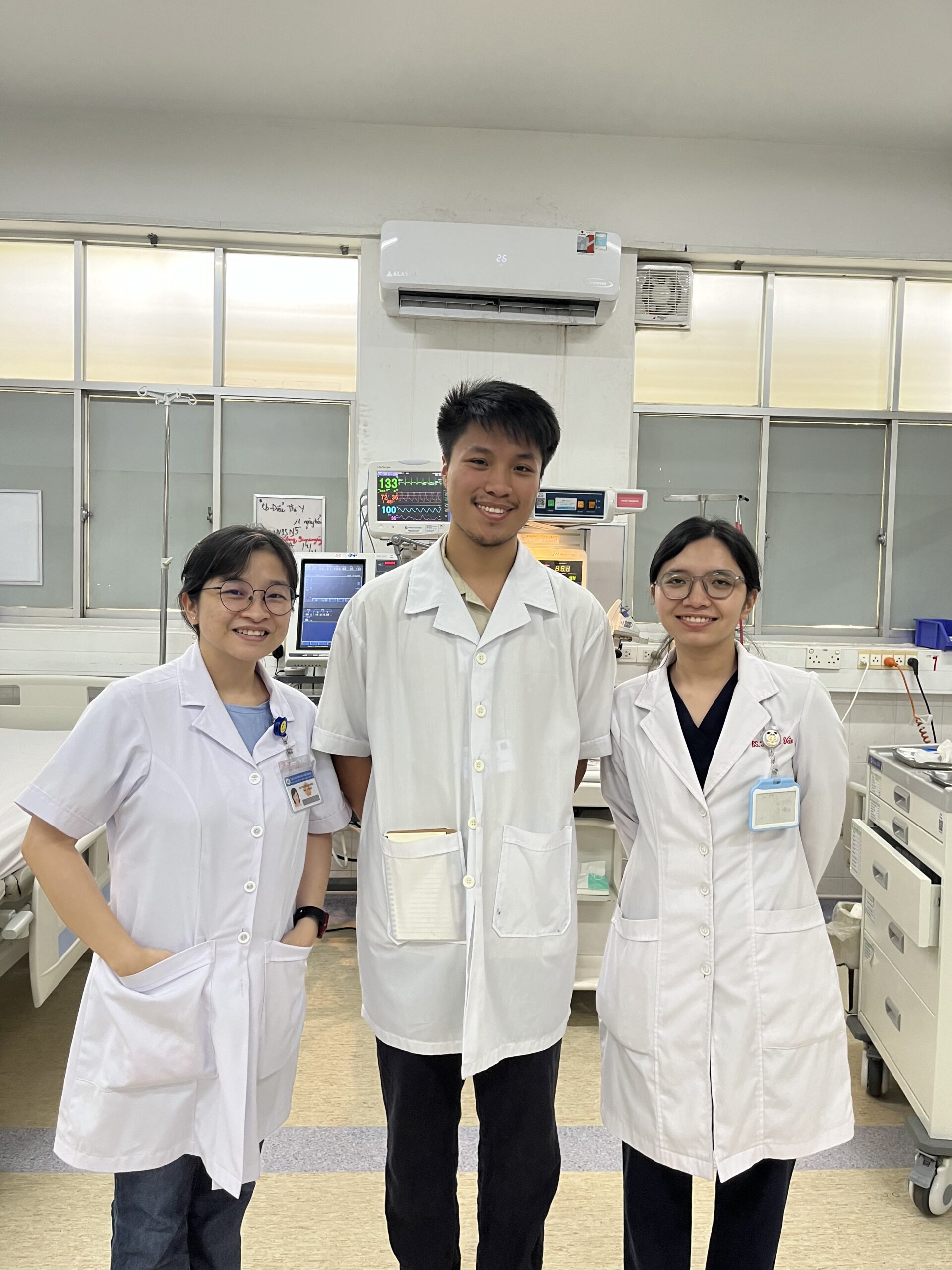
I had a very supportive instructing physician and was free to choose my rotations. During my time in the Central Nervous System (CNS) Infection Intensive Care Unit (ICU) with Dr. Joseph Donovan (Joe), I learned a lot about the clinical management of meningitis. The spectrum of pathogens in Vietnam differs significantly from what I was used to in Germany, and I encountered many cases that would be extremely rare in Europe. In the wards, I often found myself overwhelmed by intricate cases, complex presentations, and the fast-paced clinical environment. Luckily, Joe and his colleagues were always there to guide me through each case, explain the reasoning behind diagnostic and treatment decisions, and encourage me to think critically about differential diagnoses. Their openness to teaching and discussion made the learning experience both challenging and deeply rewarding.
In the Pediatric ICU, I saw many children and infants suffering from dengue fever or tetanus, and I was fortunate to learn from Dr. Trieu and Dr. Yen, internationally recognized experts in these fields. September is peak mosquito season in Vietnam, and consequently also peak Dengue season. Due to limited healthcare access and resource constraints, many people in Vietnam remain unvaccinated against tetanus. Sadly, I witnessed several cases that could have been prevented by vaccination – including a ten-year-old boy who was bitten by a dog and later died from rabies.
From patient care to clinical research and global impact
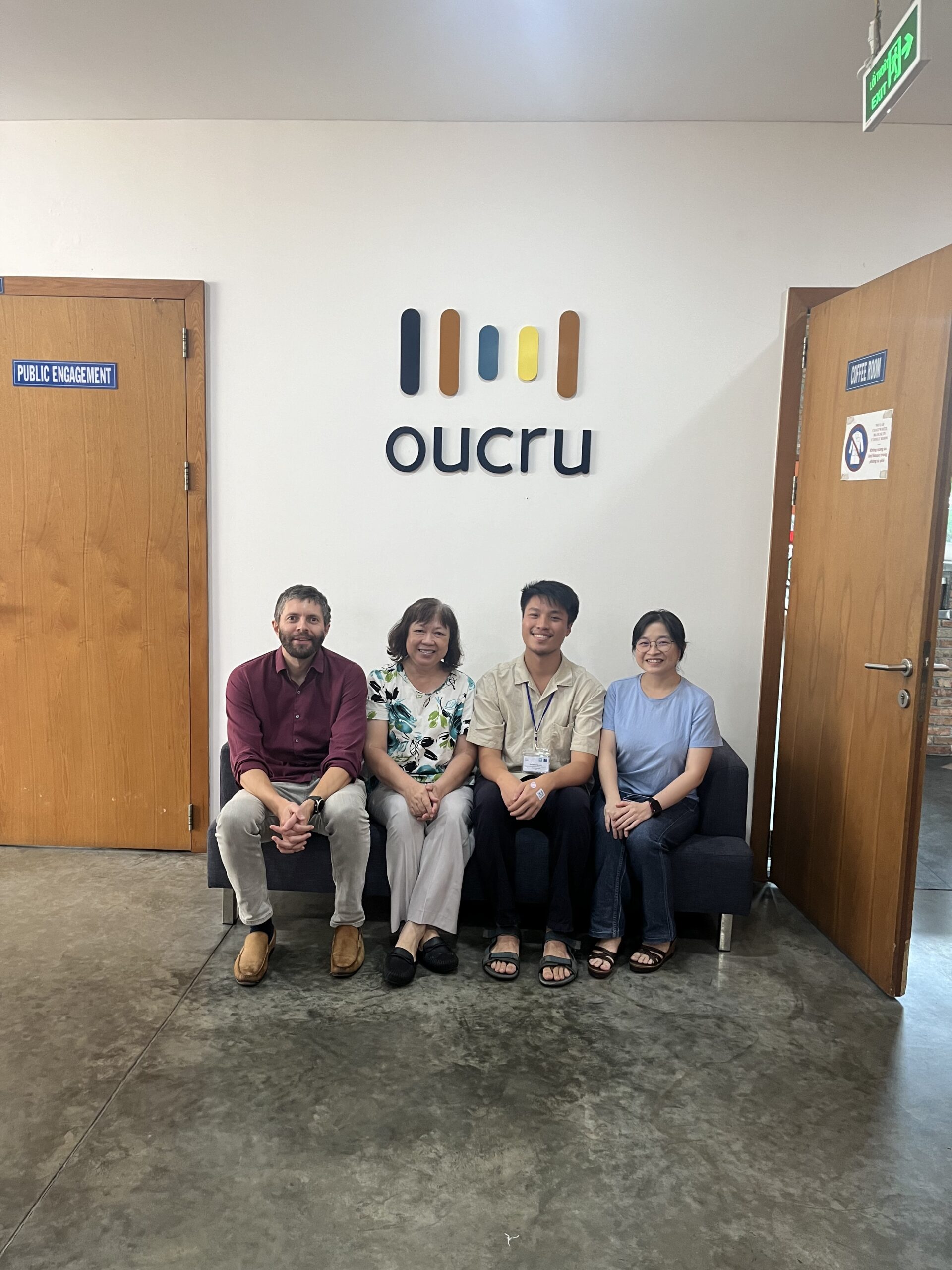
Witnessing these preventable tragedies reminded me how closely clinical medicine and public health are connected – and how essential research is in bridging that gap. At OUCRU, I was able to see this connection firsthand. Beyond providing clinical care, OUCRU conducts cutting-edge research directly on-site and actively engages in public health initiatives that aim to improve prevention, diagnosis, and treatment of infectious diseases across Vietnam and beyond. Once a week, I had the chance to participate in the academic meetings where researchers presented their latest findings and discussed ongoing studies. In addition, I had the opportunity to meet people from the Clinical Trials Unit, the Tuberculosis Research Group, as well as the Public Engagement and Social Science teams, to learn more about how OUCRU integrates research, community engagement, and education to create sustainable impact.
Through ward rounds, case discussions, and research meetings, I gained valuable insights into how clinical observations translate into research questions, and how research findings, in turn, can transform patient care. This interplay between bedside and bench – between local impact and global relevance – was one of the most inspiring aspects of my elective.
I highly recommend OUCRU to medical students interested in infectious diseases and tropical medicine – especially to those who want to gain a broader perspective on medicine and its role beyond the hospital setting.
Exploring the Vietnamese Culture and Cuisine
This was not my first time in Vietnam and I still have family there, so I might be a bit biased here, but Vietnamese food is the best. Saigon is a great city to try out all the different kinds of soups, Bahn Mi and other must-try Vietnamese dishes.
On the weekends, you can do trips to the Mekong Delta and the Cu Chi Tunnels. After my elective, I also visited Hoi An, Da Nang and Hue for the first time. While my Vietnamese was barely enough to get around, English is perfectly fine in these touristy cities. In the North of Vietnam, I can highly recommend Ha Noi and the Ha Long Bay.
Vietnamese people are usually very nice and welcoming and travelling in Saigon and to other cities is pretty easy. I was also lucky to witness the 80th anniversary of the independence of Vietnam as well as the famous Tet Trung Thu (moon festival).
An elective at OUCRU offers a great learning experience in, to me, one of the most fascinating countries in the world.
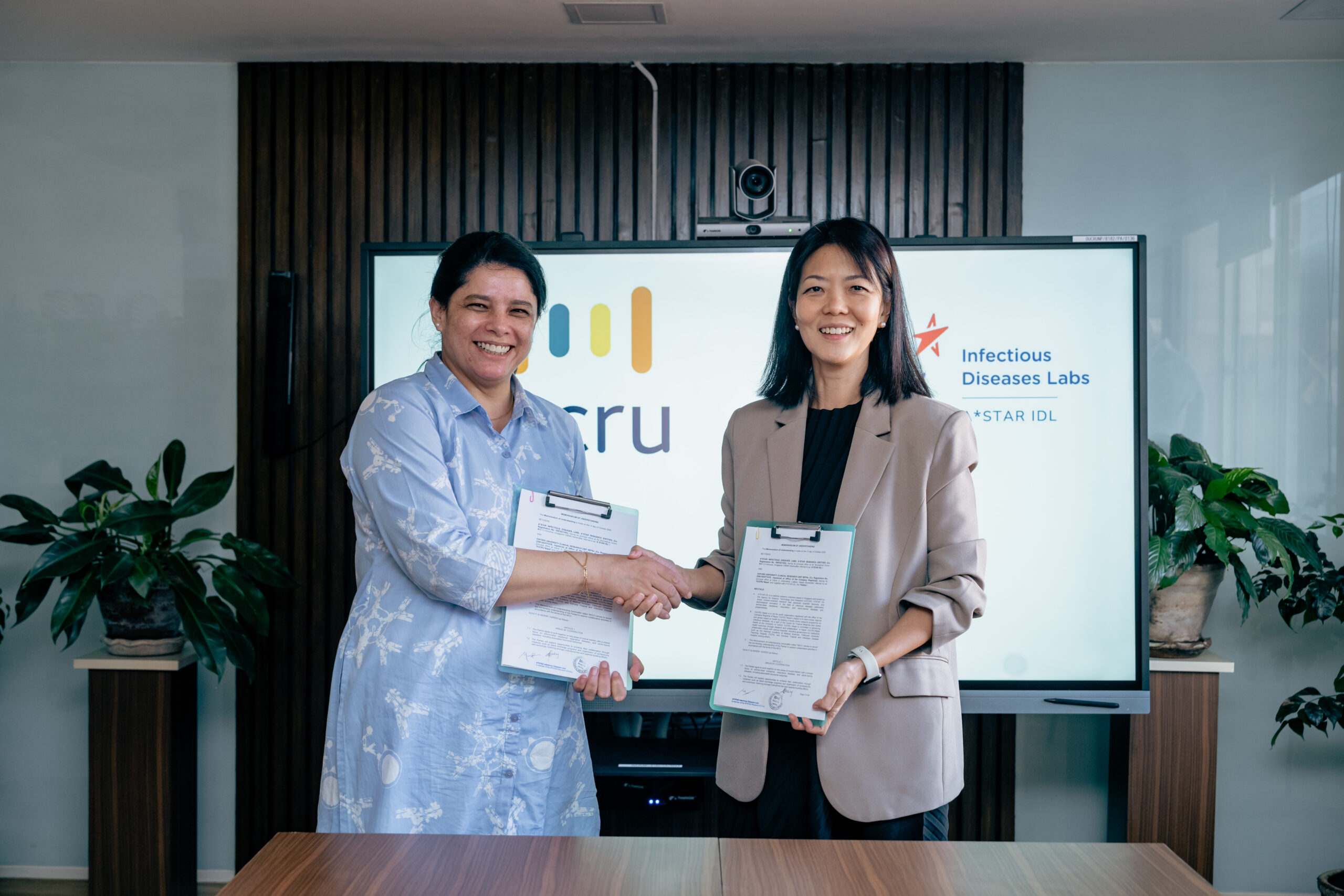
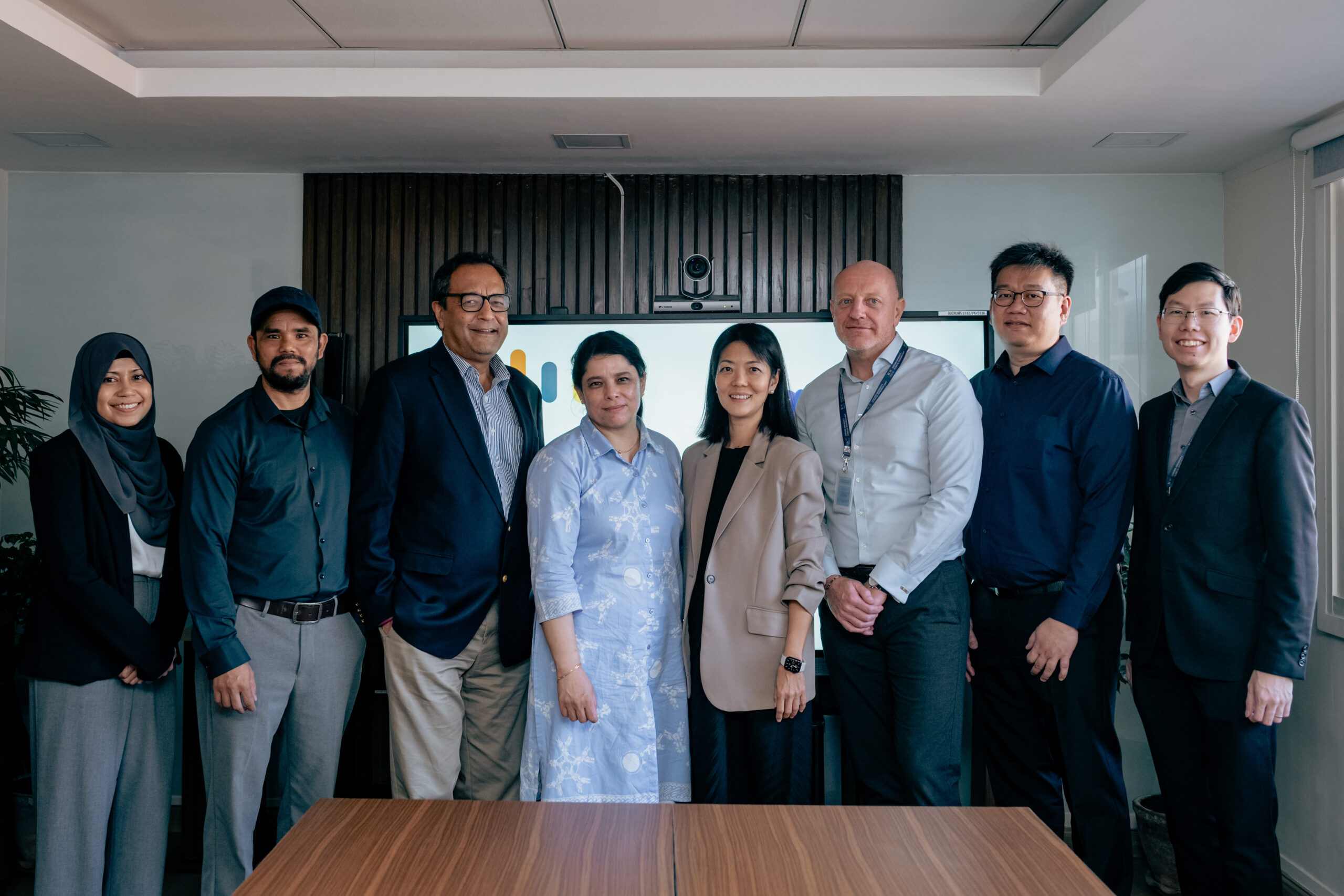
The Oxford University Clinical Research Unit Nepal (OUCRU Nepal) has officially signed a Memorandum of Understanding (MoU) with the A*STAR INFECTIOUS DISEASES LABS (A*STAR IDL), A*STAR RESEARCH ENTITIES , Singapore, to establish a collaborative partnership aimed at advancing research in infectious diseases. This strategic collaboration focuses on mutual interest with a shared focus on antimicrobial resistance, respiratory diseases, and vector-borne diseases, including associated neuroviral outcomes.
The MoU highlights a joint commitment to strengthen collaboration through initiatives such as talent exchange programs and organization of symposiums and workshops, fostering stronger institutional ties and capacity-building efforts across both organizations.
To mark the beginning of this collaboration, OUCRU Nepal was honored to host a delegation from A*STAR IDL. The visiting team included:
Prof Lisa Ng – Executive Director
Prof Stephen Baker – Senior Principal Investigator, Antimicrobial Resistance
Dr Matthew Tay – Principal Investigator, Respiratory Diseases
Dr Fok Moon Lum – Principal Investigator, Vector-borne Diseases
Ms Naqiah Amrun – Assistant Director, Strategy
Dr Abhilasha Karkey, Country Director of OUCRU Nepal, expressed enthusiasm about the agreement: “We are delighted to formalize our partnership with A* STAR IDL. This collaboration provides a valuable platform for sharing knowledge, expertise, and resources in our collective effort to tackle pressing infectious disease challenges.â€
This MoU marks the commencement of a long-term partnership, with both institutions committed to contributing resources, including funding, technical expertise, personnel, and equipment, to support a wide range of collaborative activities.