Blog

  • OUCRU thá»­ nghiệm thiết bị AI nhằm cảnh báo sá»›m nguy cÆ¡ sốt xuất huyết nặng

    OUCRU thử nghiệm thiết bị AI nhằm cảnh báo sớm nguy cơ sốt xuất huyết nặng

    Việt Nam hiện là một trong những điểm nóng sốt xuất huyết của khu vực. Từ đầu năm đến hết tháng 10/2025, cả nước ghi nhận 110.503 ca mắc và 23 ca tử vong, đưa tỷ lệ mắc của Việt Nam vào nhóm cao nhất Đông Nam Á.

    Sốt xuất huyết có bệnh cảnh rất đa dạng, trong khi chưa có thuốc điều trị đặc hiệu, tỷ lệ mắc ở người lớn và người cao tuổi ngày càng tăng khiến việc theo dõi trở nên khó khăn hơn. Dù chỉ 5–10% bệnh nhân diễn tiến nặng, nhưng hiện nay bác sĩ chưa thể xác định chính xác trường hợp bệnh nhân thuộc nhóm nguy cơ, vì vậy việc nhập viện và theo dõi sát vẫn đóng vai trò then chốt.

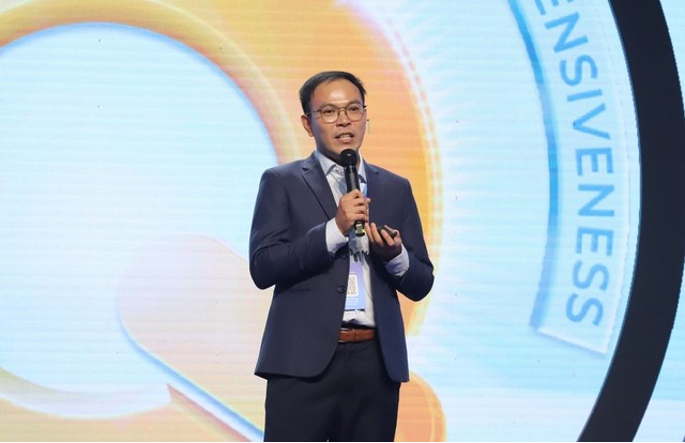
    Báo cáo tại hội nghị, TS.BS Hồ Quang Chánh, Trưởng Nhóm nghiên cứu Sốt xuất huyết dengue tại OUCRU cho biết, một trong những thách thức lớn là không thể đo trực tiếp mức độ thoát huyết tương (cơ chế dẫn đến sốc) của bệnh nhân. Việc theo dõi xâm lấn có thể gây chảy máu ở bệnh nhân sốt xuất huyết nên nhu cầu về phương pháp theo dõi an toàn, không xâm lấn ngày càng cấp thiết.

    Từ thực tế này, OUCRU và Bệnh viện Bệnh Nhiệt đới TPHCM,đã nghiên cứu các thiết bị đeo theo dõi không xâm lấn và xây dựng công cụ hỗ trợ quyết định lâm sàng dựa trên trí tuệ nhân tạo (AI).

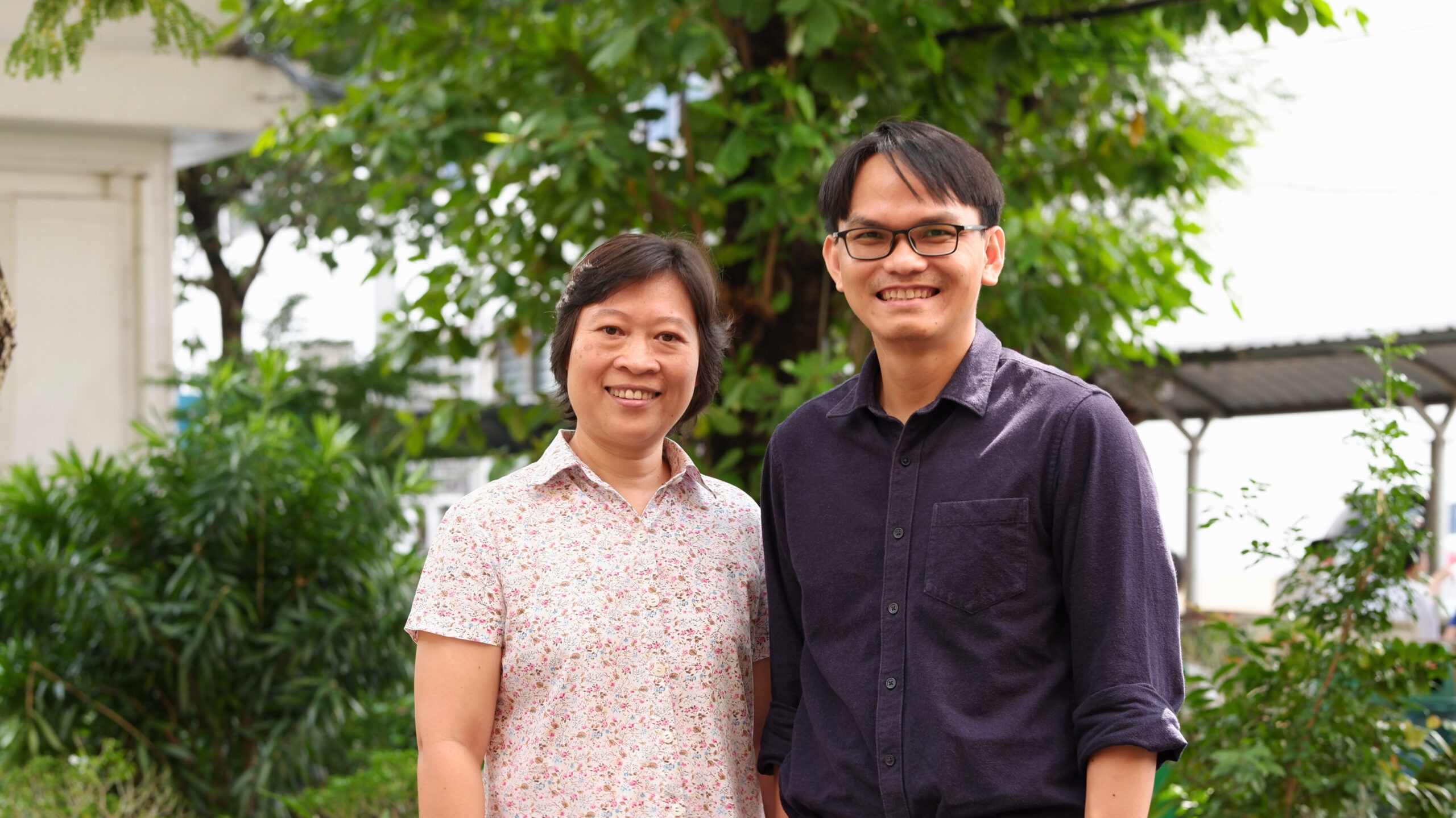
    TS.BS Hồ Quang Chánh – Trưởng nhóm Sốt xuất huyết Dengue, Đơn vị Nghiên cứu Lâm sàng Đại học Oxford (OUCRU), Bệnh viện Bệnh Nhiệt đới TPHCM

    Kết quả khảo sát cho thấy thể tích nhát bóp có thể cảnh báo diễn tiến nặng sớm hơn nhiều giờ so với tụt huyết áp. Đặc biệt, thiết bị đo trở kháng với hai cảm biến đặt ở cổ tay và cổ chân cho độ chính xác gần tương đương siêu âm. Khi chuyển sang nghiên cứu sóng PPG – kỹ thuật đo biến thiên thể tích bằng ánh sáng trên bệnh nhân sốt xuất huyết, mô hình Transformer kết hợp dữ liệu PPG và lâm sàng dự đoán diễn tiến nặng trước 2 giờ với độ chính xác khoảng 80%.

    Song song, nhóm hợp tác cùng các kỹ sư từ trường Đại học Imperial London để phát triển thiết bị đeo D-SCAPE sử dụng nhiều bước sóng ánh sáng để đo huyết áp và thông số huyết động. Phiên bản gọn nhẹ đeo tay dự kiến sẵn sàng cho thử nghiệm lâm sàng trong năm tới.

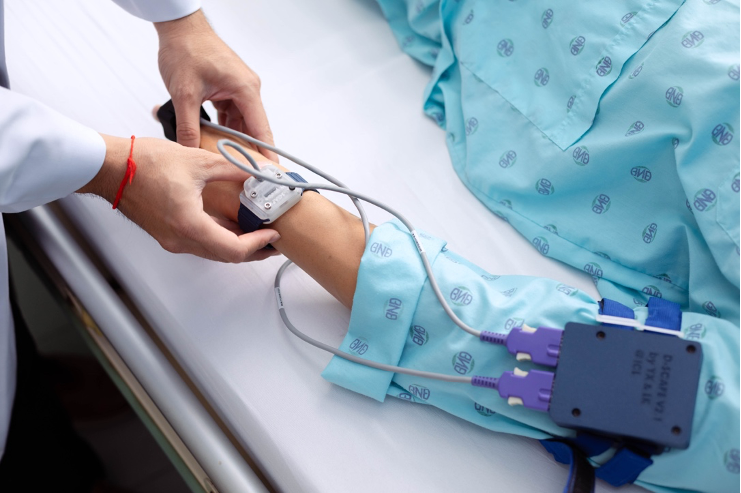
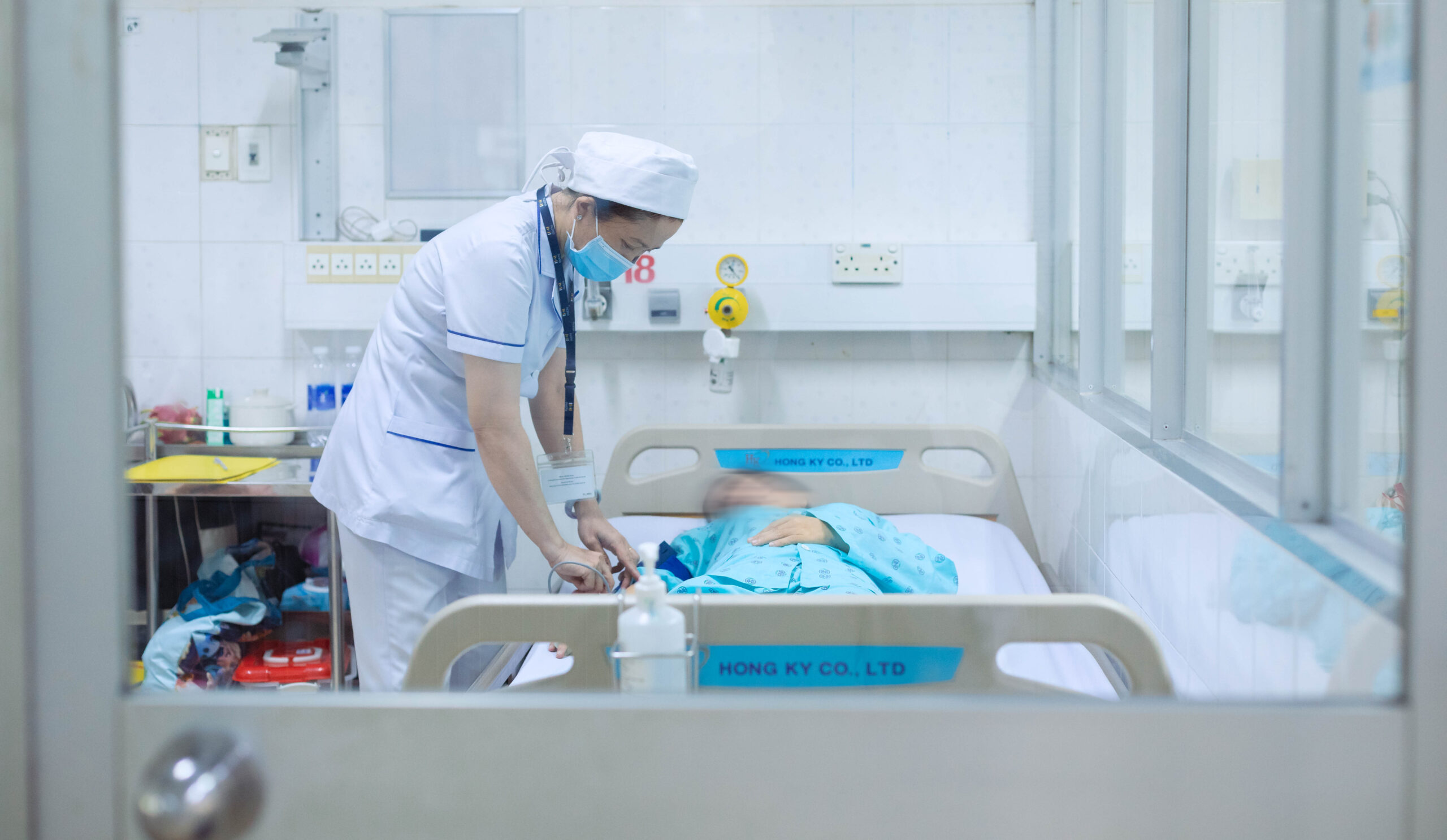
    Thiết bị theo dõi sốt xuất huyết đeo tay D-SCAPE được thử nghiệm trên bệnh nhân tại Bệnh viện Nhiệt Đới TpHCM. Hình ảnh: OUCRU (2025)

    Trên hướng hỗ trợ quyết định lâm sàng, nhóm đã xây dựng mô hình AI dựa trên dữ liệu sốt xuất huyết hơn 20 năm tại Việt Nam. Khác với các mô hình cũ chủ yếu dựa trên dữ liệu trẻ em, mô hình học sâu mới đạt độ chính xác khoảng 80% và duy trì hiệu năng trên bộ dữ liệu độc lập.

    TS.BS Hồ Quang Chánh cho biết: “Tuy nhiên, nghiên cứu định tính cho thấy nhân viên y tế cần công cụ thích hợp, dá»… sá»­ dụng và phù hợp quy trình bệnh viện, thay vì chỉ má»™t mô hình dá»± Ä‘oán. Chỉ khi công cụ phù hợp vá»›i thá»±c hành thá»±c tế, việc quản lý bệnh nhân sốt xuất huyết má»›i có thể tạo ra đột phá. Vậy nên, công cụ này cần được thiết kế tích hợp mô hình tiên Ä‘oán, phác đồ Ä‘iều trị, tính toán cân nặng hiệu chỉnh và các tiện ích há»— trợ khác”.

    Dá»± án “D-scape – Thiết bị phân loại và tiên Ä‘oán sốc Sốt xuất huyết Dengue” đã được OUCRU triển khai nghiên cứu từ năm 2022 và má»›i đây tiếp tục nhận được nguồn tài trợ từ LifeArc. Trong thời gian tá»›i, OUCRU sẽ tiếp tục nghiên cứu nhằm nâng cao hiệu năng thiết bị, tinh chỉnh các tính năng và tối ưu khả năng tích hợp vào thá»±c hành lâm sàng tại Việt Nam.
    Nguồn: https://moh.gov.vn/tin-tong-hop/-/asset_publisher/k206Q9qkZOqn/content/sot-xuat-huyet-dengue-la-nguy-co-voi-moi-lua-tuoi-chu-khong-rieng-tre-em?inheritRedirect=false

  • OUCRU trials AI-powered wearables for early warning of severe dengue

    OUCRU trials AI-powered wearables for early warning of severe dengue

    Vietnam remains one of the region’s dengue hotspots. From January to October 2025, the country recorded 110,503 cases and 23 deaths, placing Vietnam among the countries with the highest incidence in Southeast Asia.

    Dengue presents highly variable symptoms. With no specific treatment available and rising infection rates among adults and older people, patient monitoring is becoming increasingly challenging. Although only 5–10% of cases progress to severe illness, doctors still struggle to accurately identify high-risk patients, making hospital admission and close monitoring essential.

    Speaking at the conference, Dr Ho Quang Chanh, Head of the Dengue Research Group at OUCRU, noted that one of the biggest challenges is the inability to directly measure plasma leakage, the key mechanism that leads to shock. Invasive monitoring can cause bleeding in dengue patients, highlighting the urgent need for safe, non-invasive alternatives.

    In response, OUCRU and the Hospital for Tropical Diseases in Ho Chi Minh City have investigated non-invasive wearable monitoring devices and an AI-powered clinical decision support tool.

    Early findings show that stroke volume can predict severe progression hours before blood pressure drops. The bioimpedance with two sensors placed on the wrist and ankle can deliver accuracy comparable to ultrasound. When researchers analysed PPG signals, a light-based method that measures changes in blood volume, a transformer model combining PPG and clinical data predicted severe disease two hours ahead with around 80% accuracy.

    At the same time, the team is working with engineers at Imperial College London to create a multi-wavelength wearable device to measure blood pressure and other haemodynamic parameters. A compact wrist-worn version is expected to be ready for clinical testing next year.

    The D-SCAPE wrist-worn dengue monitoring device is being tested on patients at the Hospital for Tropical Diseases in Ho Chi Minh City. Image: OUCRU (2025).

    As part of the clinical decision-support effort, the group has built an AI model using over 20 years of dengue data from Vietnam. Unlike earlier models based mainly on paediatric data, this deep-learning model reaches an accuracy of around 80% and performs consistently on independent datasets.

    Dr Chanh added: “Qualitative studies show that healthcare workers need tools that are practical, easy to use and aligned with hospital workflows, not just a prediction model. Only when a tool fits real-world practice can dengue management truly improve. This means it must integrate prediction, treatment guidelines, adjusted weight calculations and other useful features.”

    The project has been under development at OUCRU since 2022 and recently received new funding from LifeArc. In the coming period, OUCRU will continue refining the device, improving its performance and optimising it for integration into clinical practice in Vietnam.

    This article is informed by reporting from the following source:
    https://moh.gov.vn/tin-tong-hop/-/asset_publisher/k206Q9qkZOqn/content/sot-xuat-huyet-dengue-la-nguy-co-voi-moi-lua-tuoi-chu-khong-rieng-tre-em?inheritRedirect=false

  • Hoạt động kết nối công chúng trong thá»±c hiện chương trình quản lý sá»­ dụng kháng sinh – nghiên cứu 60HN ASPARNet

    Hoạt động kết nối công chúng trong thực hiện chương trình quản lý sử dụng kháng sinh – nghiên cứu 60HN ASPARNet

    Ngày 23/10/2025, với sự phối hợp của Bệnh viện Đa khoa Đồng Tháp, các buổi trao đổi gắn kết công chúng đã được OUCRU thực hiện nhằm tìm hiểu nhận thức về kháng sinh, kháng kháng sinh và quản lý sử dụng kháng sinh với người tham gia là bệnh nhân, người nhà bệnh nhân đang trong quá trình điều trị tại bệnh viện và cán bộ y tế. Hoạt động này là một phần trong nỗ lực thúc đẩy sự tham gia của cộng đồng vào các hoạt động nghiên cứu triển khai phòng chống kháng thuốc kháng sinh – một vấn đề y tế toàn cầu đang ngày càng cấp bách.

    Theo nội dung được chia sẻ, việc sử dụng kháng sinh không còn là điều xa lạ với phần lớn người tham gia. Điều đáng mừng là nhận thức của cộng đồng đã có sự chuyển biến rõ rệt: mọi người hiểu rằng kháng sinh là loại thuốc cần được sử dụng đúng cách, đúng liều, và đặc biệt là phải theo chỉ định của bác sĩ – không nên tùy tiện ra hiệu thuốc mua dùng.

    Không chỉ dừng lại ở việc “biết”, một số người tham gia chia sẻ khi chưa rõ về loại thuốc, liều lượng hay tác dụng, họ chủ động, sẵn sàng hỏi cán bộ y tế mà không còn mang tâm lý e ngại, sợ bị trách mắng như trước đây. Thậm chí, một số người còn chia sẻ rằng họ đã bắt đầu quan tâm đến việc trao đổi với bác sĩ về tác dụng lợi – hại khi được chỉ định kháng sinh, đồng thời chủ động theo dõi quá trình dùng thuốc của bản thân hoặc người thân để kịp thời phản hồi cho cán bộ y tế nếu có dấu hiệu bất thường. Những hành động nhỏ nhưng đầy ý nghĩa này cho thấy không chỉ quan tâm về chất lượng kết quả điều trị mà bệnh nhân và người nhà còn bắt đầu quan tâm đến các loại thuốc mình đang được chỉ định.

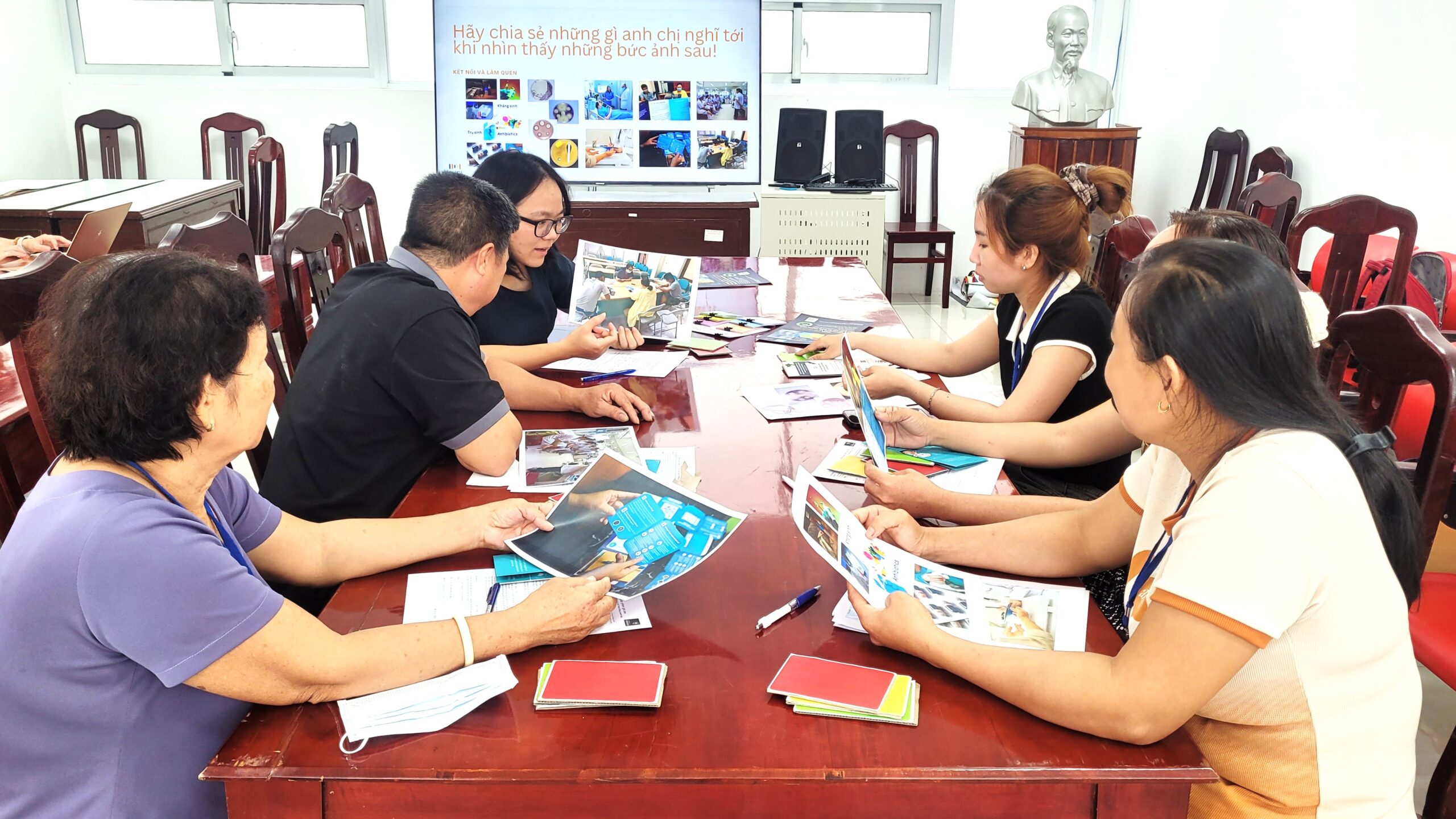
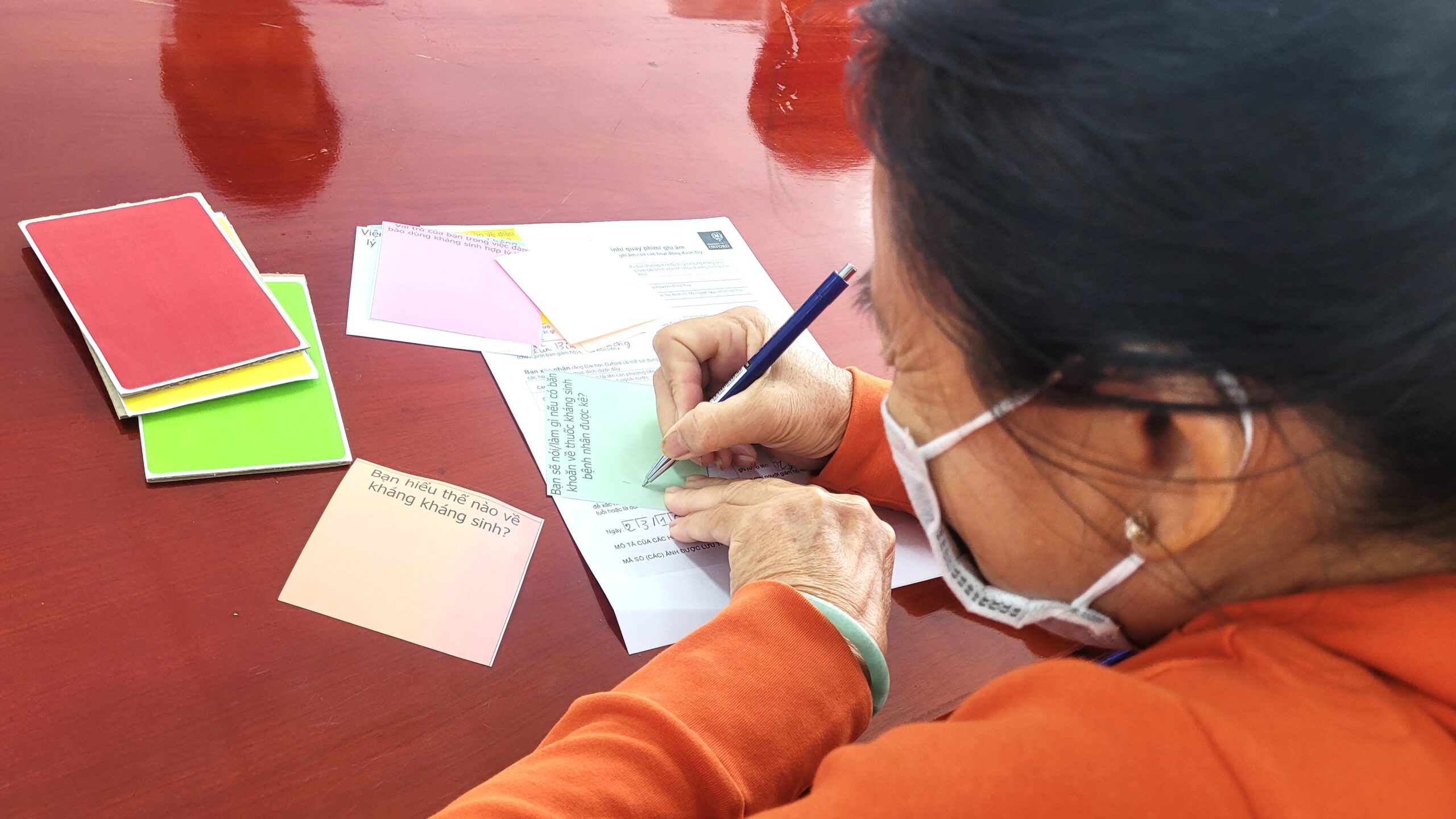
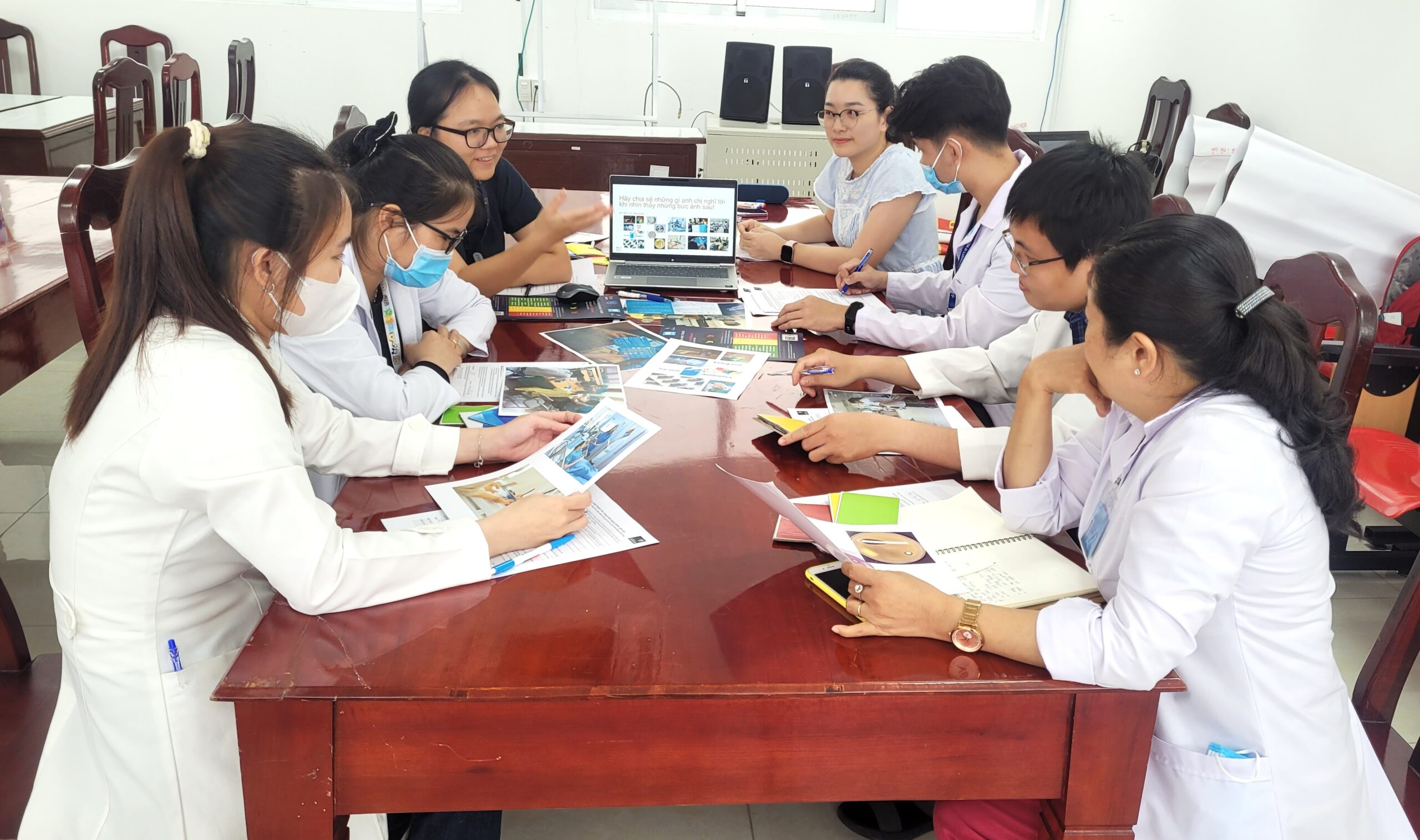
    Hình 1,2: Bệnh nhân và người nhà bệnh nhân chia sẻ hiểu biết của mình về kháng sinh (Nguồn: OUCRU)

    Trong cuộc thảo luận cùng nhóm cán bộ y tế, những quy định liên quan đến chương trình Quản lý sử dụng kháng sinh theo quyết định của Bộ Y tế đã được đưa ra bàn luận, trao đổi và cập nhật. Bên cạnh đó, các quy trình, chương trình và chiến lược truyền thông nâng cao nhận thức cho bệnh nhân, người nhà và cả cán bộ y tế cũng được phân tích kỹ lưỡng, với nhiều giải pháp được đề xuất để cải thiện chất lượng triển khai.

    Theo người tham gia thảo luận, phần lớn người dân vẫn chưa có nền tảng kiến thức đầy đủ về thuốc, nên các câu hỏi thường xoay quanh việc “Thuốc này có dùng được không?”, “Có đủ thuốc, đủ liều không?”, thay vì những câu hỏi chuyên sâu như “Thuốc này là gì?”, “Tác dụng ra sao?” hay “Có nguy cơ kháng thuốc không?”. Điều này cho thấy nhu cầu cấp thiết trong việc nâng cao nhận thức và kỹ năng hỏi – đáp y tế trong cộng đồng.

    Một trong những đề xuất nổi bật là cần đẩy mạnh công tác truyền thông, đưa vấn đề kháng kháng sinh vào các hoạt động của Ban cố vấn cộng đồng để thu hút sự quan tâm và lấy ý kiến từ nhiều phía.

    Hình 3: Cán bộ y tế chia sẻ về chiến lược truyền thông nhằm nâng cao kiến thức về kháng kháng sinh cho cộng đồng (Nguồn: OUCRU)

    Vậy Ban cố vấn cộng đồng là gì? Đây là một sáng kiến đóng vai trò quan trọng trong việc thúc đẩy sự tham gia của người bệnh vào quá trình triển khai các nghiên cứu về sử dụng kháng sinh hợp lý. Ban cố vấn cộng đồng có thể bao gồm các thành viên đến từ nhiều vị trí khác nhau như bác sĩ, điều dưỡng, dược sĩ, bệnh nhân và người nhà bệnh nhân. Với vai trò phản biện, góp ý và kết nối, Ban cố vấn giúp phản ánh nhu cầu thực tế từ phía người dân, đồng thời hỗ trợ nâng cao chất lượng điều trị thông qua việc thúc đẩy sự minh bạch và đồng thuận trong sử dụng thuốc.

    Xem thêm các bài viết về Ban cố vấn cộng đồng

    Thông qua các cuộc trò chuyện gợi mở, OUCRU đã tìm hiểu mức độ hiểu biết của cộng đồng về kháng sinh, cách sử dụng thuốc đúng cách và vai trò của từng cá nhân từ bệnh nhân, người nhà và các cán bộ y tế trong việc ngăn ngừa tình trạng kháng kháng sinh.

    Việt Nam đã ban hành Chiến lược quốc gia về phòng, chống kháng thuốc giai đoạn 2023–2030, tầm nhìn đến 2045 theo Quyết định số 1121/QĐ-TTg. Chiến lược này đặt mục tiêu kiểm soát cơ bản tình trạng kháng thuốc vào năm 2045, thông qua các giải pháp như:

    • Nâng cao nhận thức cá»™ng đồng
    • Cá»§ng cố hệ thống giám sát kháng thuốc
    • Sá»­ dụng thuốc kháng sinh hợp lý, an toàn và có trách nhiệm
    • Phối hợp liên ngành giữa y tế, nông nghiệp, môi trường
  • Community Engagement in Antimicrobial Stewardship Programmes Implementation – 60HN ASPARNet 

    Community Engagement in Antimicrobial Stewardship Programmes Implementation – 60HN ASPARNet 

    On October 23, 2025, in collaboration with Dong Thap General Hospital, OUCRU organized a series of community engagement sessions to explore knowledge and perceptions about antibiotics, antimicrobial resistance (AMR), and antimicrobial stewardship among patients, caregivers, and healthcare staff. This activity is part of ongoing efforts to promote community participation in tackling antimicrobial resistance – a growing global health challenge. 

    Participants (patients and caregivers) shared that antibiotic use is familiar to them, and encouragingly, community awareness has improved significantly. They now understand that antibiotics must be used appropriately, in the correct dosage, and only under medical prescription – rather than being purchased and used freely. 

    Beyond awareness, some participants also demonstrated positive behavioral changes: when uncertain about a medicine or dosage, they are now more willing and proactive in consulting healthcare staff rather than feeling hesitant or afraid of being reprimanded. Some even reported actively discussing the benefits and risks of antibiotic prescription and monitoring their own or family members’ treatment to promptly report unusual symptoms to healthcare staff. These small but meaningful actions show that patients and their families are not only concerned about the quality of treatment outcomes, but also increasingly aware of the medications being prescribed. 

    Picture 1, 2: Patients and caregivers sharing their understanding of antibiotic use (Source: OUCRU)

    In discussions with healthcare staff, regulations related to AMS programs, as mandated by Ministry of Health, were reviewed, discussed, and updated. Communication procedures, programs, and strategies to enhance awareness among patients, caregivers, and healthcare staff were also reviewed, with several practical solutions proposed for improving implementation quality. 

    In the participants’ opinions, many people still lack sufficient knowledge about medicines, with common questions centering on “Can I use this drug?” or “Do I have enough medicine?” rather than “What is this drug?”, “How does it work?”, or “Does it cause resistance?”. This highlights the urgent need to improve community awareness and health communication skills.

    One key recommendation was to intensify communication and community outreach, integrating AMR topics into Community Advisory Board activities to attract broader engagement and feedback. 

    Picture 3: Healthcare staff discussing communication strategies to enhance public awareness about antimicrobial resistance (Source: OUCRU)

    What is Community Advisory Board? Community Advisory Board (CAB) is an important initiative to strengthen patient involvement in research activities on the rational use of antibiotics. The CAB may include members such as doctors, nurses, pharmacists, patients, and caregivers. By providing feedback, connecting stakeholders, and reflecting real-world community needs, the CAB supports improved treatment quality, transparency, and shared responsibility in antibiotic use.

    Learn more about the Community Advisory Board 

    Through these open and participatory discussions, OUCRU gained valuable insights into community understanding of antibiotics, appropriate medication practices, and individual roles (patients, caregivers, and healthcare staff) in preventing antimicrobial resistance.

    Vietnam has issued the Approval of The National Strategy for Prevention And Control Of Drug Resistance In Vietnam For The Period Of 2023 – 2030 With A Vision Towards 2045.
    This strategy aims to effectively control AMR by 2045 through key measures:

    • Raising community awareness
    • Strengthening AMR surveillance systems
    • Ensuring rational, safe, and responsible antibiotic use
    • Promoting cross-sectoral collaboration among health, agriculture, and environmental sectors
  • Youth Peer Educator Combat AMR: Indonesian Youth Action in Antimicrobial Resistance’s Stewardship

    Youth Peer Educator Combat AMR: Indonesian Youth Action in Antimicrobial Resistance’s Stewardship

    Misconceptions about antibiotic use have long been passed down through generations in Indonesia — from believing that antibiotics can treat all illnesses, to using them without prescriptions. These behaviours contribute to the growing global health threat of antimicrobial resistance (AMR). Recognising the urgent need for targeted education among young people, PAPRA Indonesia with BRIN (National Research and Innovation Agency), Dr. Cipto Mangunkusumo National Central Public Hospital (RSCM), initiated an innovative public engagement project to raise awareness on antimicrobial resistance (AMR) and responsible use of antibiotics. This project is funded by the OUCRU Public and Community Engagement Seed Awards 2024.

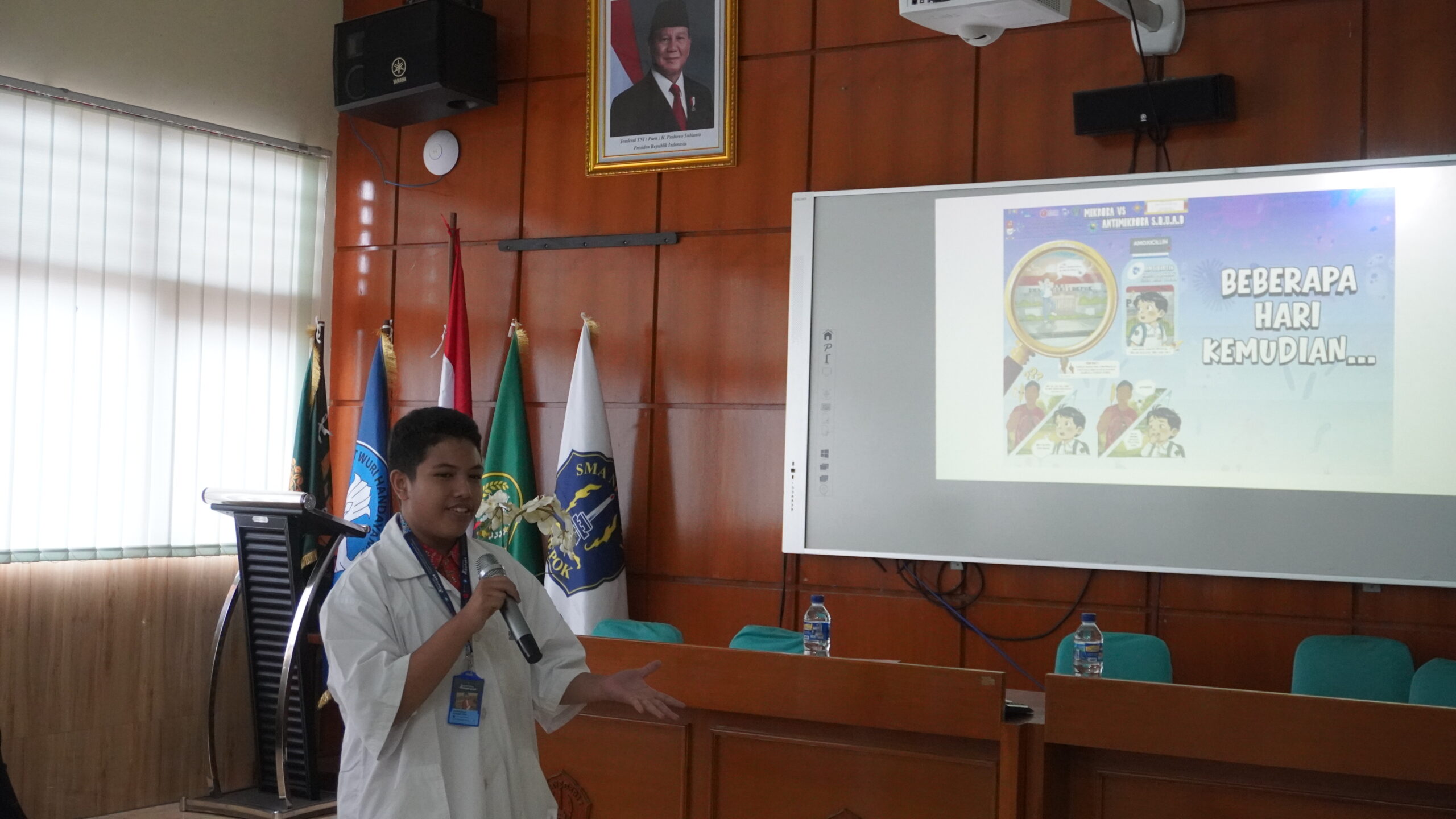
    The initiative, Youth Peer Educators Combat AMR, focuses on empowering school-aged youth through creative educational tools and peer-led learning. This project aims to develop educational material using a short video (1-3 minutes) and comic book (10 pages) as learning materials written in Bahasa Indonesia. These resources will be distributed to schools and social media platforms.  

    Empowering Students by Building Capacity in Creative Media Production

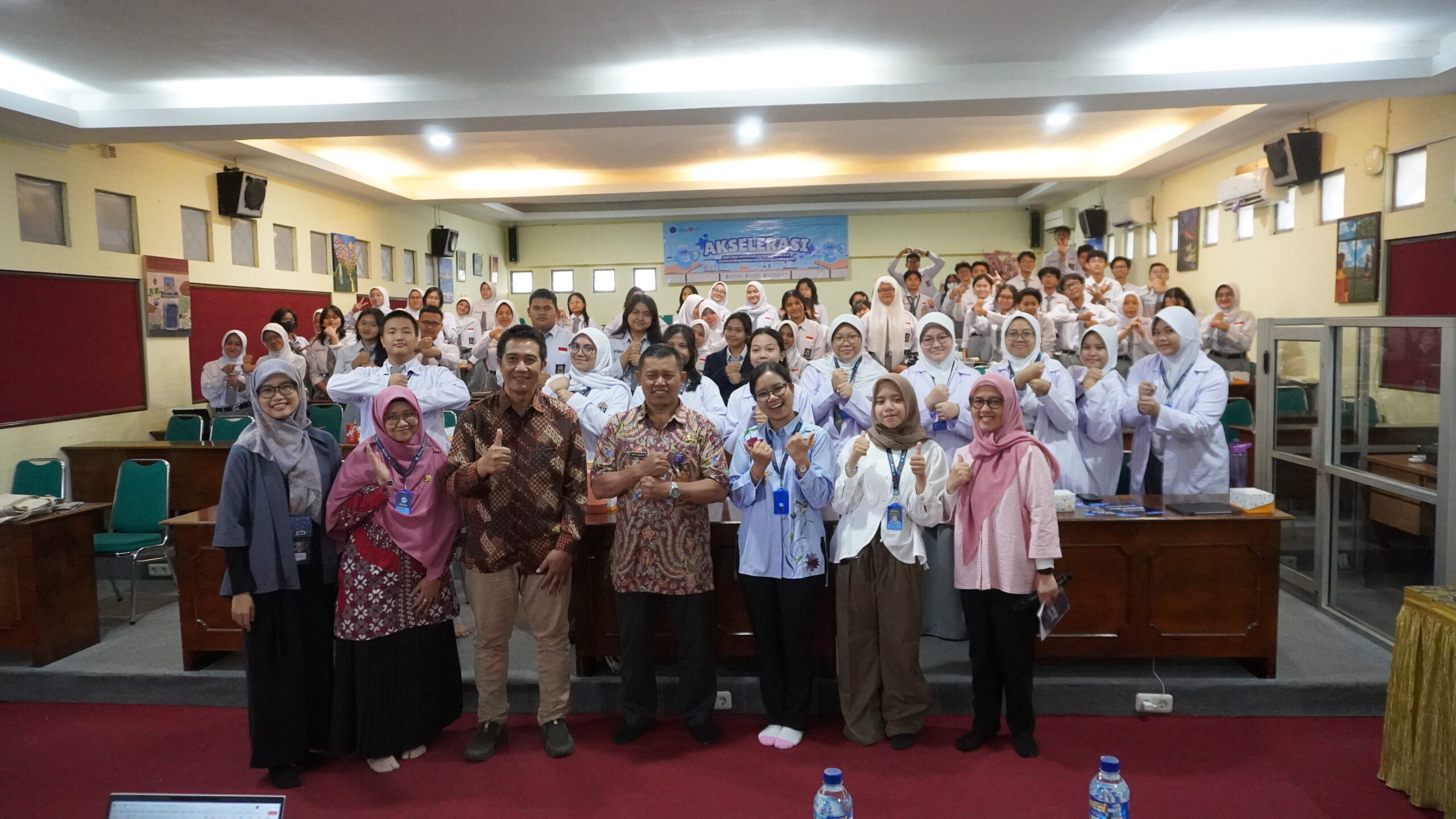
    From 22 August 2025 to 24 November, PAPRA conducts weekly capacity building workshops on basic education on antibiotics, AMR, video and comic creation with in 2 School in Jakarta (SMAN 1 Depok and SMAN 8 Jakarta). Over approximately three months, PAPRA teams in collaboration with two schools, facilitate interactive learning sessions on antimicrobial resistance (AMR).

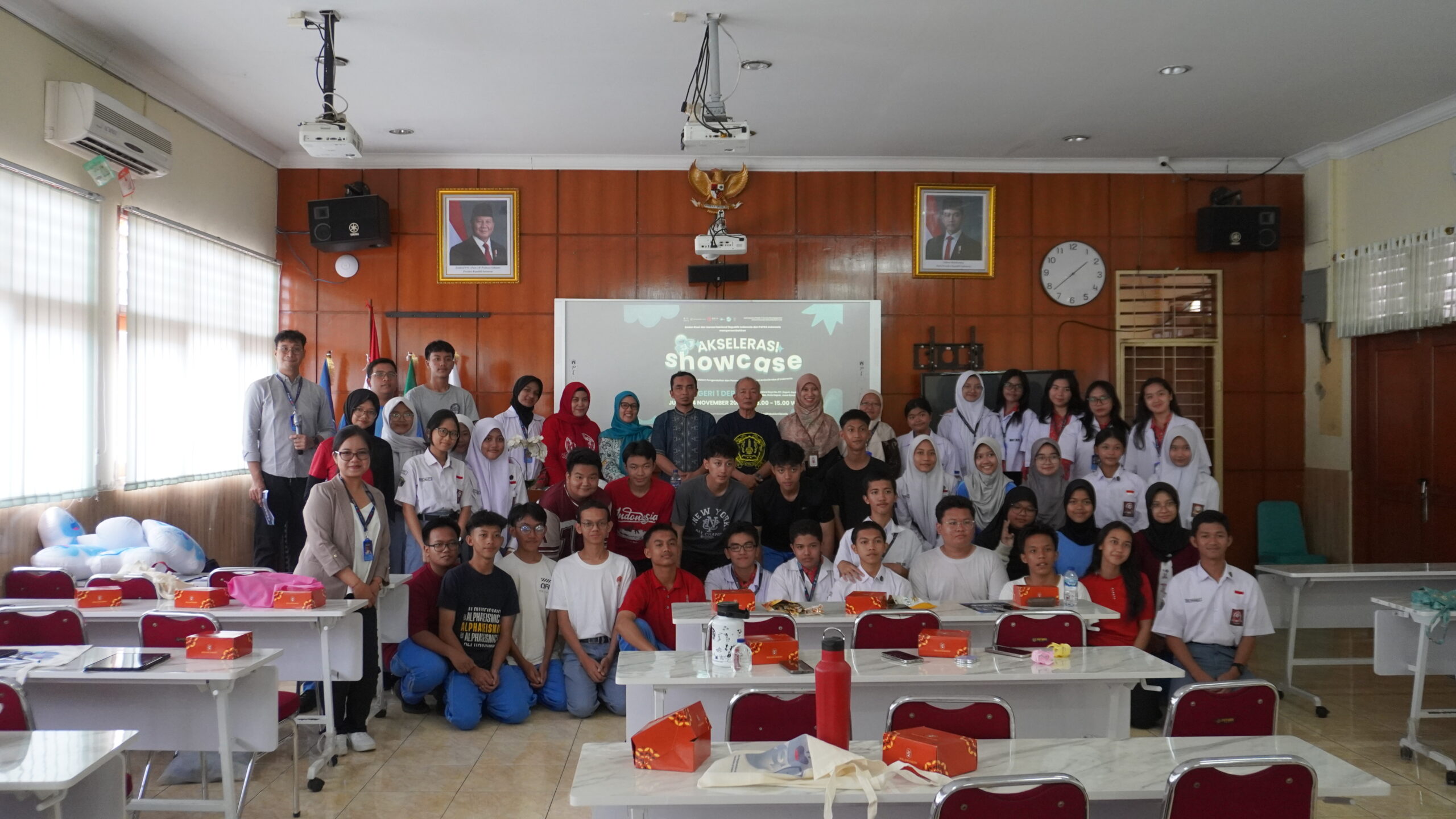
    The engagement aimed to strengthen students’ understanding of AMR and the responsible use of antibiotics through games, discussions, and visual storytelling. There were in total 20 students and 2 schoolteachers involved in the whole activity. In 13-14 November 2025, PAPRA conducts Engagement to showcase the final students’ comic and video creation. 

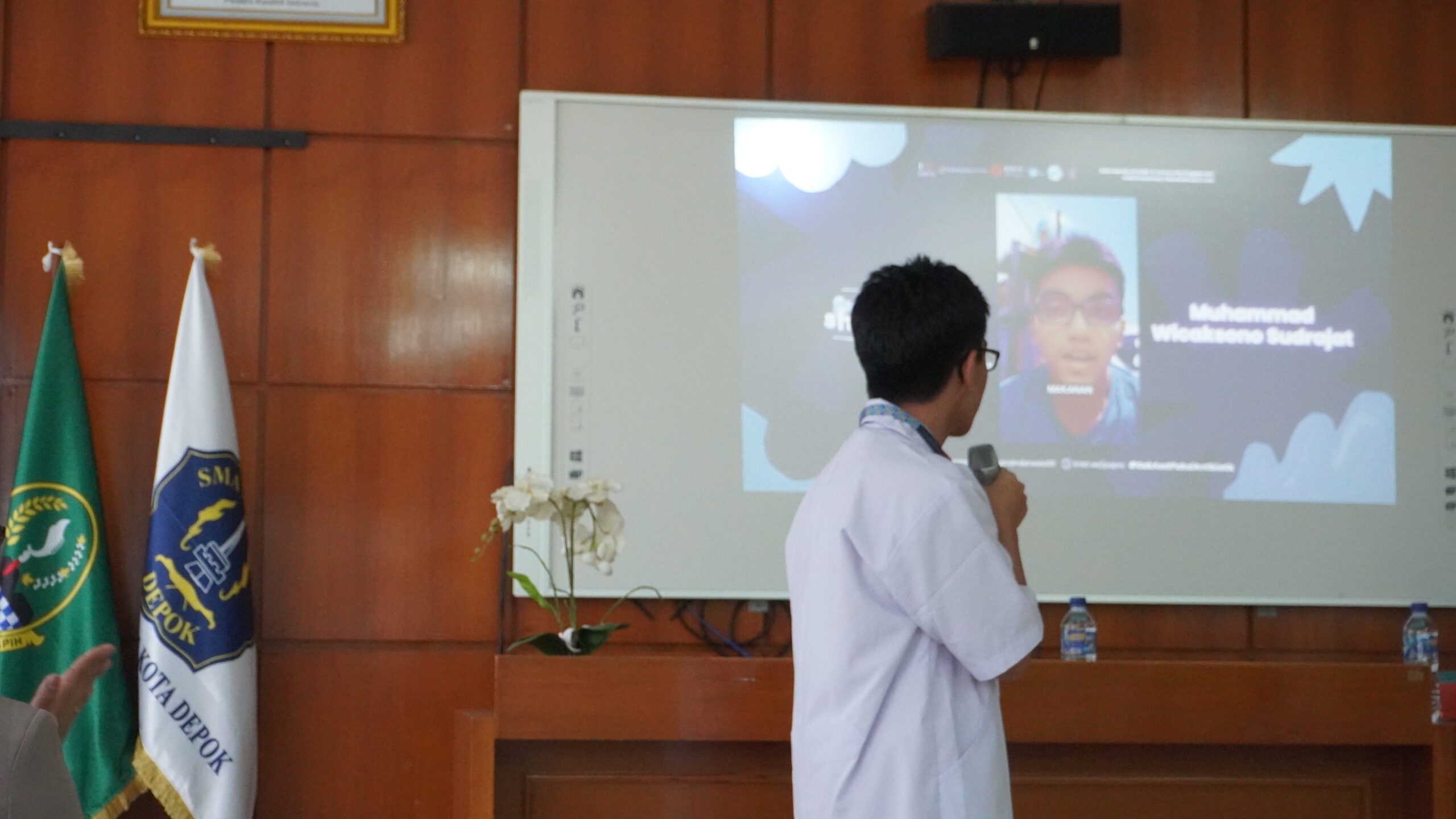
    At the final showcase of SMAN 8 Jakarta, students present the creative projects they developed over three months. Students share the comics and videos they produced on antibiotic use and AMR.

    Students themselves recognised the dedication that went into the creative work showcased on the final day. Peer student Jorell Rafi Arsyad Pambudi expressed his admiration after watching his classmates present,

    “I saw my friends presenting today on antibiotics and resistance. I was amazed to learn they had been preparing for nearly three months. They gave their full effort—creating comics, educational videos, and even performing a drama that was really engaging.”

    I am really grateful for this opportunity, and it is such a wonderful experience that we could cultivate all information and education, and we can talk about AMR …I hope everyone can feel the benefit from it and they can be more aware about AMR ..” 

    – Jovani Lenisha Karin (AKSELERASI squad from SMAN 8 Jakarta)

    After this activity, I gained many new insights about AMR. Personally, I rarely heard the term AMR around me, but after joining this activity, I learned a lot about AMR itself. I was also happy to see my friends excited about creating their works like videos and comics. They presented the results of their 3-month activities..”

     (Intan, one of the peer student audiences during final showcase in SMAN 8 Jakarta) 

    The project’s final activities brought together students, teachers, and peer educators in a vibrant showcase of what young people can achieve when given space, support, and creative tools.

    At SMAN 1 Depok, schoolteacher Budi Ekowati Puspita Ningrum, S.P. reflected on the journey,


    “Despite the students’ busy schedules, I watched them during school meetings. They showed great enthusiasm in every capacity-building workshop, enjoyed the refreshments, and—most importantly—completed their work successfully. I am extremely proud of them.”

    Teachers across partner schools echoed this sense of shared purpose. Hidayatun Nikmah, S.Pd. from SMAN 8 Jakarta expressed her hopes for the wider impact of the collaboration.


    “Thank you for this partnership. I hope we can continue spreading the message about AMR and responsible antibiotic use so more people can benefit.”

    Their reflections show the energy, commitment, and creativity that young people bring to learning when they have meaningful opportunities to express themselves. By equipping them with accessible and accurate knowledge, the project helps break long-standing patterns of antibiotic misuse. With this understanding, students are better prepared to make informed decisions about their health — an important step towards addressing the growing public health challenge of AMR in Indonesia.

    Discover Creative Work on AMR

    Find out more about the video and comics made by youth:

    About the Programme Team

    Akselerasi team: 

    • Principal investigator: apt. Fitria Nur Hidayah, S.Farm. 
    • Co-PI: apt. Luh Rai Maduretno Asvinigita, M.M. 
    • Researchers: Dr. apt. Dea Anita Ariani Kurniasih, M.Farm., Bunga Astria Paramashanti S.Gz., MPH, PhD 
    • Research assistant: apt. Ris Heskiel Najogi Sitinjak, M.Sc. 
    • Secretary: Rezky Gustin Syuhada, S.Kep., Ners 
    • Facilitators: I Gusti Ngurah Agung Aditya Pramana, S.M., M.M., Nailah Khairunnisa

    Akselerasi squad (SMAN 1 Depok): 

    • Supervisor: Budi Ekowati Puspita Ningrum, S.P. 
    • Students: Bilqis Bidhaya, Catherine Jovanka Pasaribu, Maria Chrystien Aritonang, Ratu Fara Jihan, Zaferullah Faidzil Alfa, Taqi Muhammad Javani, Ratu Clara Lamtiurma Sihombing, Muhammad Wicaksono. S, Maritza Aulia Fauziaddinza, Tatianisa Chasya Malika 

    Akselerasi team (SMAN 8 Jakarta): 

    • Supervisor: Hidayatun Nikmah, S.Pd. 
    • Students: Almeera Cetta Wibowo, Elza Raeesa Shakila, Ashfar Salman Hakim, Fatya Afifah, Jovani Lenisha Karin Sihombing, Kadek Hira Padmarani, Mahda Mahdiyah, Nayla Dinda Salsabila, Shafira Azalia, Veraya Putri Alivia Darma 

    Speaker during showcase:

    • SMAN 1 Depok : dr. Ardiana Kusumaningrum, Sp.MK(K) 
    • SMAN 8 Jakarta: drh. Gunawan Budi Utomo 

    About the organiser 
    PAPRA is an interprofessional group initiated by practitioners, academics, and communities across several regions in Indonesia who committed to taking collective, concrete action to control and prevent antimicrobial resistance (AMR). Contact PAPRA PCE Seed Awads. 

    About PCE Seed Awards
    Seed Awards exist to help OUCRU researchers to lead and conduct engagement projects. Since its launch in September 2015, a total of $233,395 USD has been awarded to fund 41 projects. In 2015 the Public and Community Engagement team surveyed OUCRU researchers and found that researchers were increasingly aware of the need to incorporate public and community engagement (PCE) in their work, but many were uncertain about what to do and how to do it. The Seed Award grants provide a mechanism for funding engagement work led by researchers who are not eligible for international funding. They also provide support for researchers to realise their ideas for public engagement.

  • Old Drug, New Hope: Testing Metformin Against Dengue

    Old Drug, New Hope: Testing Metformin Against Dengue

    Scientists are taking a fresh look at a common diabetes pill to see if it might help protect overweight and obese patients from severe dengue.

    Traditionally, efforts to combat dengue have focused on preventing mosquito bites and managing symptoms rather than curing the infection itself. Most of the time, treatment involves symptom relief, using medications such as paracetamol (acetaminophen) to ease headaches and reduce fever.

    From January to July 2025, dengue has caused over 4 million infections and more than 3,000 deaths, according to reports from the World Health Organization covering 97 countries [1]. Unfortunately, there is still no specific treatment for this disease.

    Because there is no approved antiviral drug for dengue, the search for effective treatments has become an urgent global priority. Researchers around the world are now investigating whether existing, affordable medicines could help reduce the severity of the disease.

    Why Focus on Overweight and Obese Patients?

    Research has shown that people living with obesity are more likely to develop severe dengue, partly due to how obesity affects metabolism and immune function. In Vietnam, nearly one in five children is overweight, and 8% are obese [2]. As dengue continues to rise, researchers worry that its overlap with obesity could make infections even more dangerous in the future.

    But why does obesity matter in dengue? Scientists suspect several biological mechanisms behind this link. Obesity can cause chronic, low-grade inflammation, which may make the immune system overreact when infections happen [3,4]. It can also weaken key immune cells and alter how the body processes lipids, which are the materials the dengue virus uses to build its outer layer. More importantly, obesity also reduces the activity of an enzyme called AMPK, which normally helps regulate metabolism and control inflammation. 

    That’s where metformin enters the picture.

    Metformin is a common and affordable medication for type 2 diabetes. But why is a diabetes drug being tested for dengue? It is because Metformin works by activating the AMPK enzyme, which becomes less active in obese people. 

    In laboratory studies, activating AMPK with metformin has been shown to limit dengue virus replication, and observational research found that diabetic patients who regularly took metformin were less likely to develop severe dengue.

    Beyond that, metformin also has anti-inflammatory and blood vessel–stabilizing effects, which could help reduce complications seen in severe dengue. Because it’s safe, affordable, and widely available, researchers saw metformin as a promising candidate to test as an additional therapy for dengue—especially in overweight and obese patients, whose disrupted metabolism may give the virus an advantage.

    Given the ongoing search for effective dengue treatments, Collab Lab has chosen to animate the MeDO study — “Safety and tolerability of metformin in overweight and obese patients with dengue: An open-label clinical trial”. This research focuses on two key factors, which are obesity and metformin, and examines how they interact in dengue patients. Through this, we hope to spark public interest in innovative, accessible solutions for global health challenges.

    Stay tuned for the first episode of Collab Lab, Season 4, featuring an entirely new production team!

    References:

    1. World Health Organization. (2025, August 21). Dengue. Who.int; World Health Organization: WHO. https://www.who.int/news-room/fact-sheets/detail/dengue-and-severe-dengue 

    2. Van Minh, H., Khuong, D. Q. L., Tran, T. A., Do, H. P., Watson, F., & Lobstein, T. (2023). Childhood Overweight and Obesity in Vietnam: A Landscape Analysis of the Extent and Risk Factors. INQUIRY: The Journal of Health Care Organization, Provision, and Financing, 60, 004695802311546. https://doi.org/10.1177/00469580231154651

    3. Nguyen, N. M., Thi, D., Ho Quang Chanh, Trieu, H. T., Xuan, T., Van, N. T., Phong, N. T., Tam, C. T., Hong, T., Hue, T., Cam, T., Thi, L., Hao, N. V., Qui, P. T., Thi, T., Hai, T., Thuy, T., Tho, P. V., Le, T., & Thuy, V. T. (2025). Safety and tolerability of metformin in overweight and obese patients with dengue: An open-label clinical trial (MeDO). PLoS Neglected Tropical Diseases, 19(7), e0013281–e0013281. https://doi.org/10.1371/journal.pntd.00132814. Jeon, S.-M. (2016). Regulation and Function of AMPK in Physiology and Diseases. Experimental & Molecular Medicine, 48(7), e245–e245. https://doi.org/10.1038/emm.2016.81

  • OUCRU Hosts Introductory Short Course on Modelling and Analysis of Serological Data 

    OUCRU Hosts Introductory Short Course on Modelling and Analysis of Serological Data 

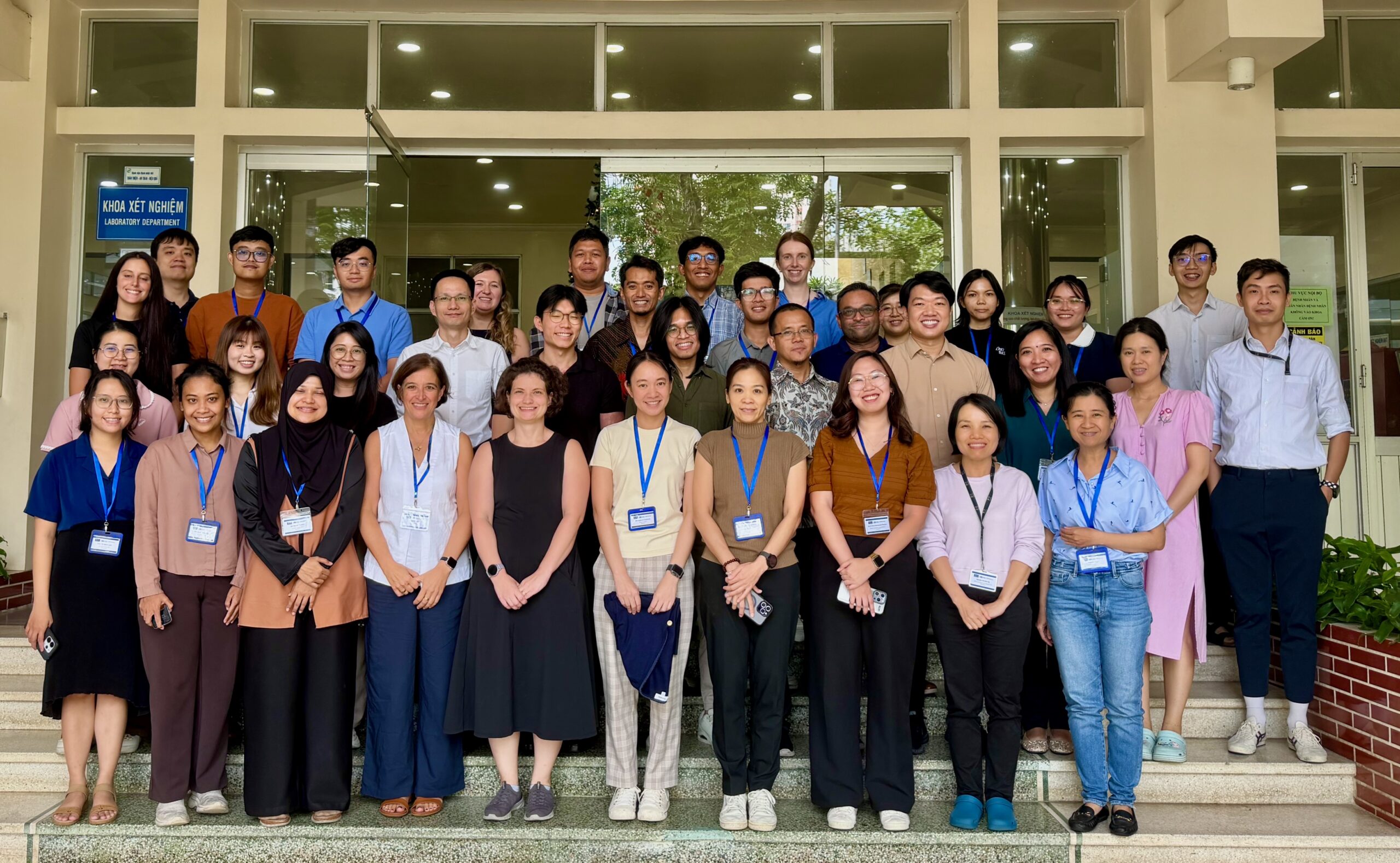
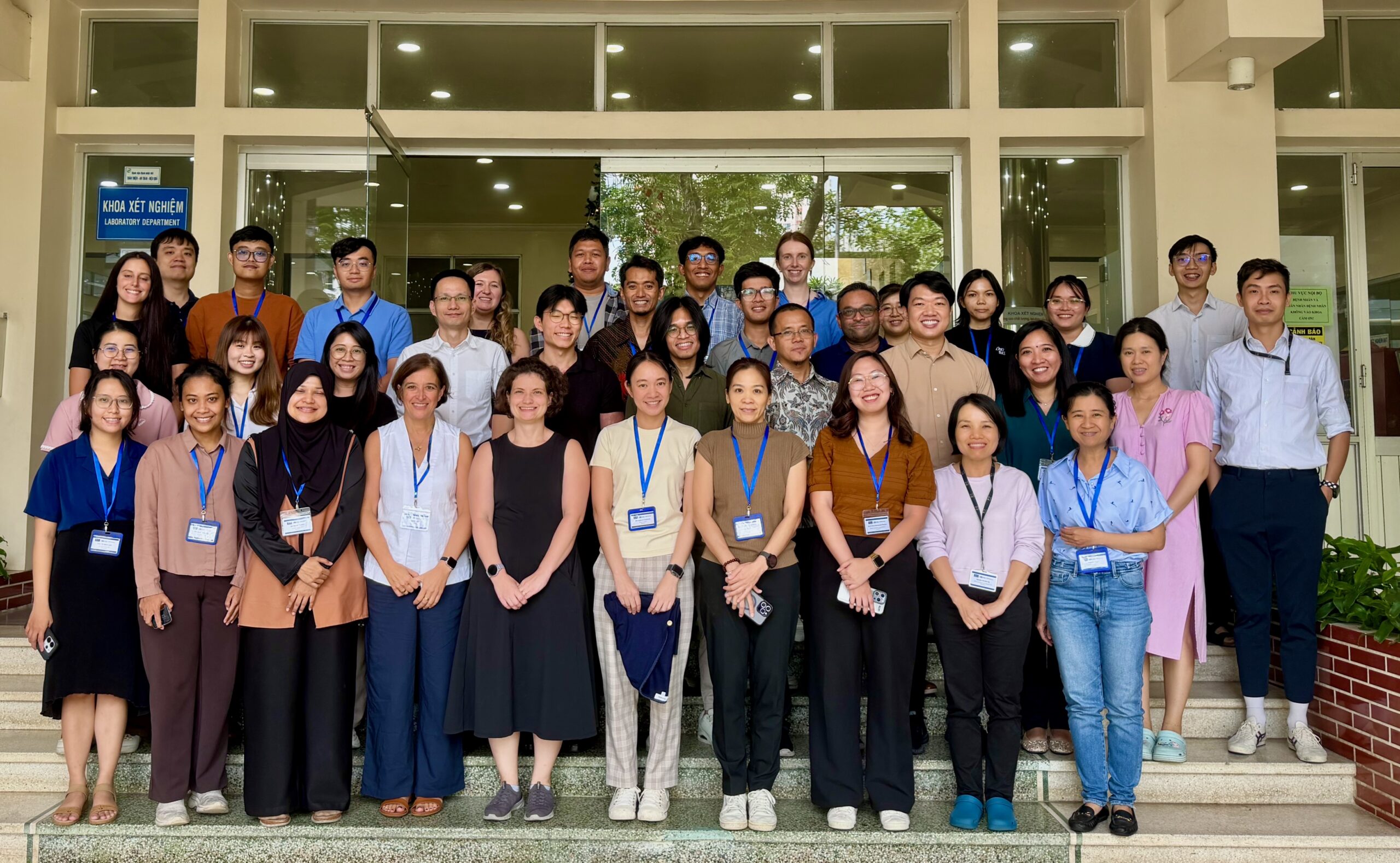
    From 17–20 November 2025, OUCRU welcomed 28 participants from 7 countries in Southeast Asia for a 4-day course â€œModelling and Analysis of Serological Data: An Introductory Short Course.” The course aims to build capacity in infectious disease modelling with a particular focus on the analysis of serological data.

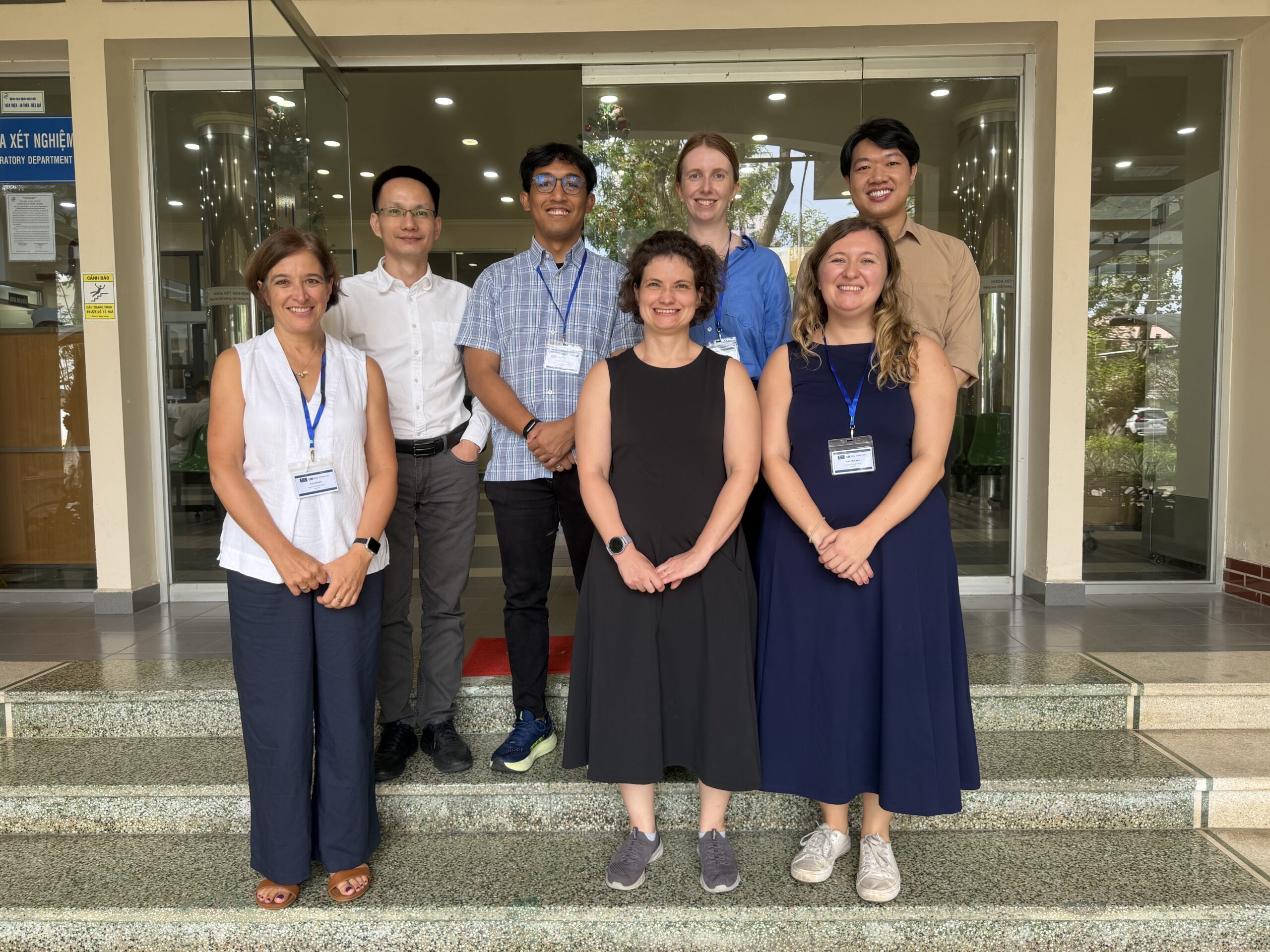
    The course was delivered by world-leading experts from the MRC Centre for Global Infectious Disease Analysis at Imperial College London (Prof. Azra Ghani, Dr Clare McCormack and Dr Ruth McCabe), National University of Singapore (A/Prof. Hannah Clapham and Dr Bimandra Djaafara), and OUCRU’s Mathematical Modelling group (Dr Marc Choisy and Dr Thinh Ong). Across four days, participants were introduced to foundational modelling concepts, catalytic models, and practical applications using real or example serological datasets. 

    Over the four-day schedule, participants engaged in lectures, paper-based exercises, hands-on computational sessions using WODIN, and an extended group project analysing serological datasets. The course concluded with group presentations and a certificate ceremony.

    The training brought together 16 international and 12 local participants, fostering collaboration across countries and disciplines. Feedback from attendees was overwhelmingly positive, highlighting the value of expert-led teaching, practical exercises, and the opportunity to engage with peers working on infectious disease challenges.

    Reflecting on the programme, Prof. Azra Ghani shared:

    “The course was a fantastic opportunity to bring together teams from across the region with a shared interest in using infectious disease modelling to analyse serological data. Over the four days we not only shared our insights into, and tools for, analysing serological data, but also got to learn about the ongoing research efforts to use these data to better understand transmission of emerging and existing diseases.”

    Photo taken by Syed Sharizman Bin Syed Abdul Rahim

    This short course represents an important commitment of OUCRU and its partners to advancing modelling capacity in the region, and improving our understanding about emerging viral threats.

  • Communicate Antimicrobial resistance (AMR) using community-based, co-created media 

    Communicate Antimicrobial resistance (AMR) using community-based, co-created media 

    November marks the annual World AMR Awareness Week, November 18–24, with the theme “Act Now: Protect Our Present, Secure Our Future.” 

    As a global campaign to raise awareness and understanding of AMR and promote action to tackle the emergence and spread of drug-resistant pathogens, this year’s theme emphasises the need for united action and the importance of the participation of all levels, from grassroots community to high-level policy makers. 

    Vietnam is ranked by the World Health Organization as among the countries with the highest rates of antibiotic resistance in the world. The main cause is antibiotic overuse—up to 88% of antibiotics in urban areas are sold without a prescription, and in rural areas, the rate reaches 91%. The situation of self-medication without seeing a doctor, buying medicine based on others’ prescriptions, or following others’ advice is also common and contributes to increasing antibiotic abuse cases. 

    One highlighted campaign shared by the WHO is sharing real-life stories to encourage global action against antimicrobial resistance. At OUCRU, we have been successfully sharing community-based stories via several communication means to illustrate complex health issues, including AMR, and their tangible impact on daily lives. 

    Methods that we used to produce community-based media 

    Animate published AMR research to popularise among young people 

    A project led by Collab Lab with support from OUCRU’s Public and Community Engagement group, Collab Lab’s mission is producing animated videos that summarise published research about rising global health issues to bring research to young people, nurturing their curiosity and interest in science as well as gathering feedback for researchers, to make our research more relevant in daily lives. 

    AMR has been a cornerstone of Collab Lab’s chosen topics from day 1. Throughout the years, young passionate students have picked a wide range of published AMR research papers from OUCRU and partnered institutes, and made funny explainer videos. Check out the Collab Lab’s AMR playlist here. 

    Theatre play and community performances are useful means to communicate complex topics like AMR 

    Direct active engagement is a plus point of science theatre play methods. OUCRU co-wrote and organised several play performances in schools around Vietnam and community performances in Nepal to raise awareness among students and teachers. With the contribution from OUCRU’s scientists and audience, the play tours in both countries ended with positive support and feedback from the young audience.  

    Comics and videos, powered by the community 

    Misconceptions about antibiotic use have long been passed down through generations in Indonesia — from believing that antibiotics can treat all illnesses, to using them without prescriptions. These behaviours contribute to the growing global health threat of antimicrobial resistance (AMR). Recognising the urgent need for targeted education among young people, PAPRA Indonesia, in collaboration with OUCRU Indonesia and Dr. Cipto Mangunkusumo National Central Public Hospital (RSCM), initiated an innovative public engagement project to raise awareness about the responsible use of antibiotics. 

    The initiative, Youth Peer Educators Combat AMR, focuses on empowering school-aged children and youth through creative educational tools and peer-led learning. 

    Explore more OUCRU’s public and community engagement AMR resources here. 

  • OUCRU–MORU PhD Student Conference & 3-Minute Thesis Competition 2025 

    OUCRU–MORU PhD Student Conference & 3-Minute Thesis Competition 2025 

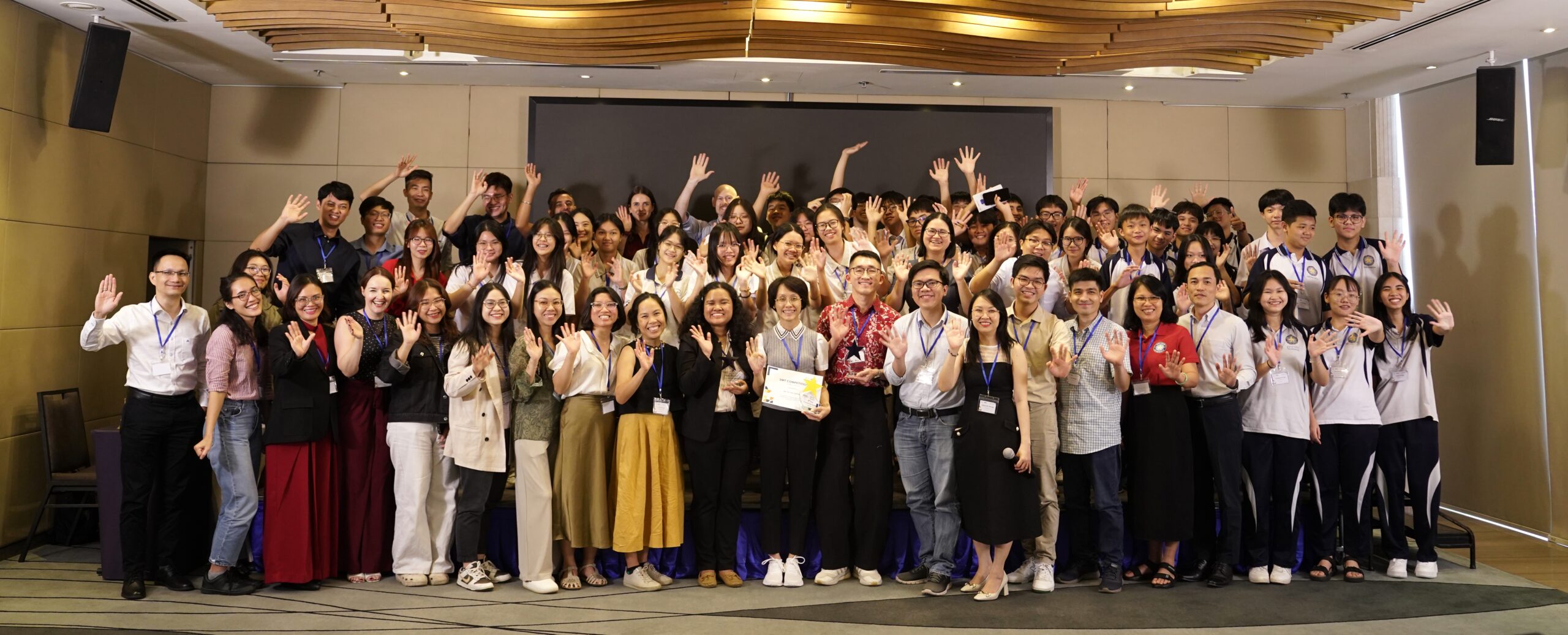
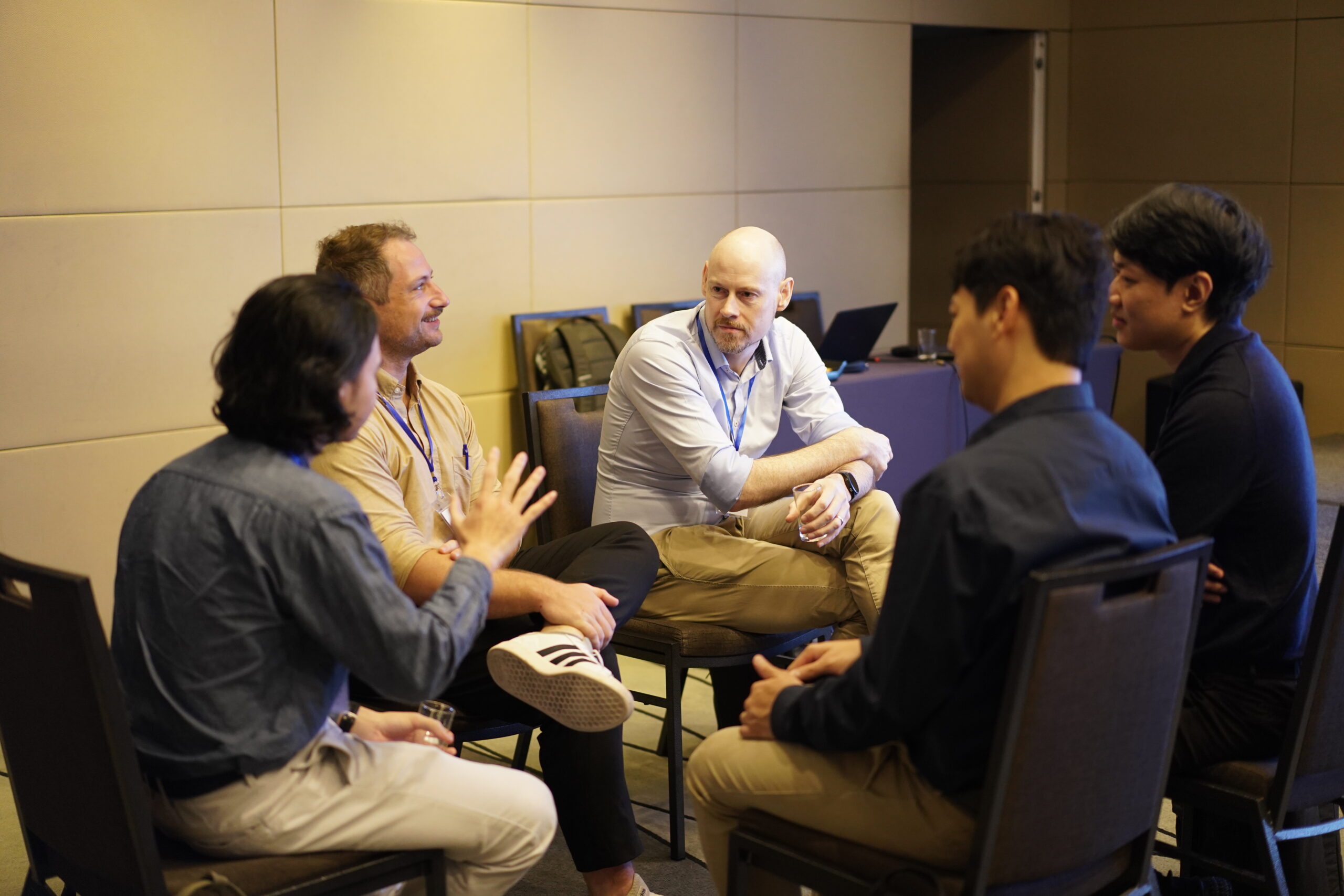
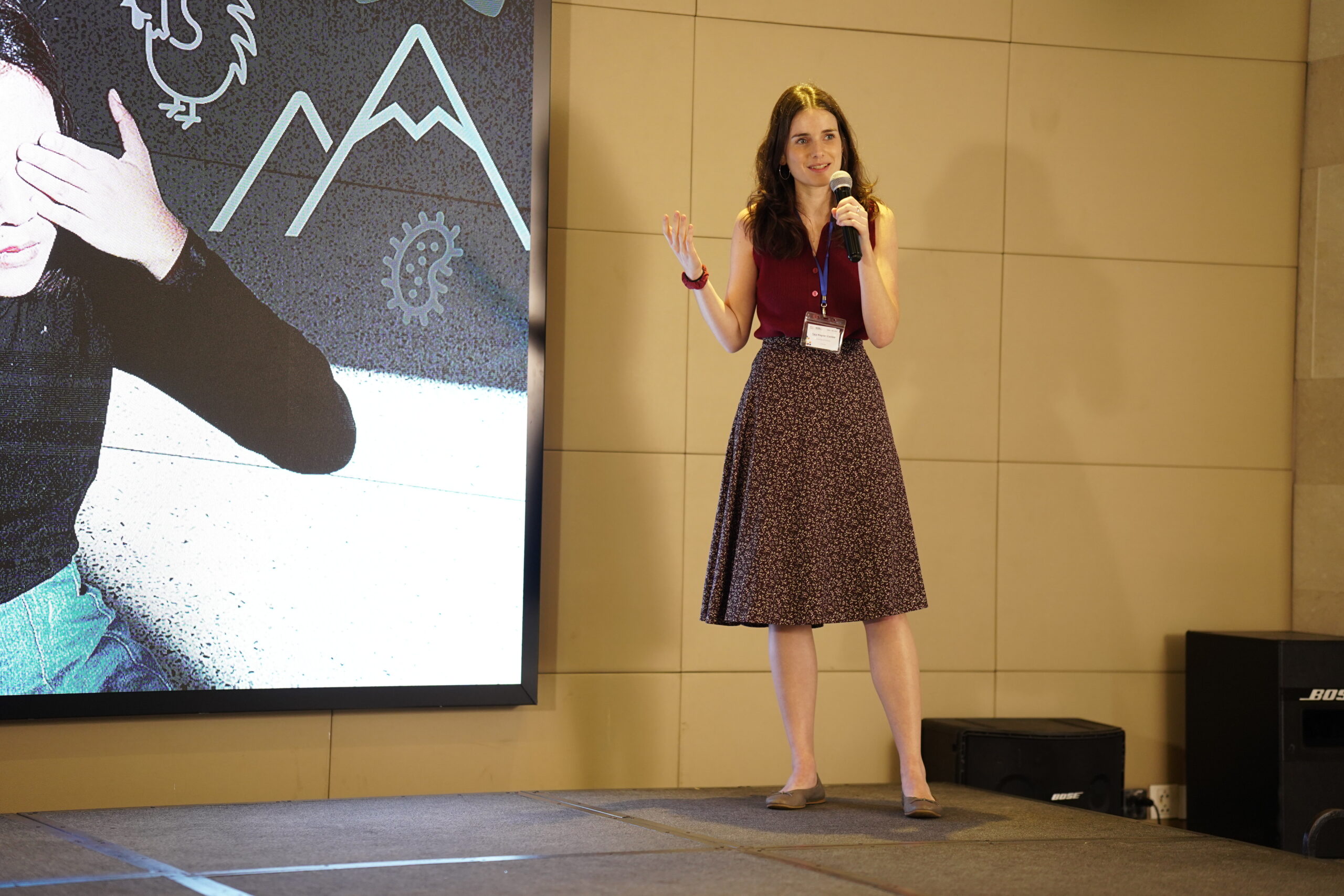
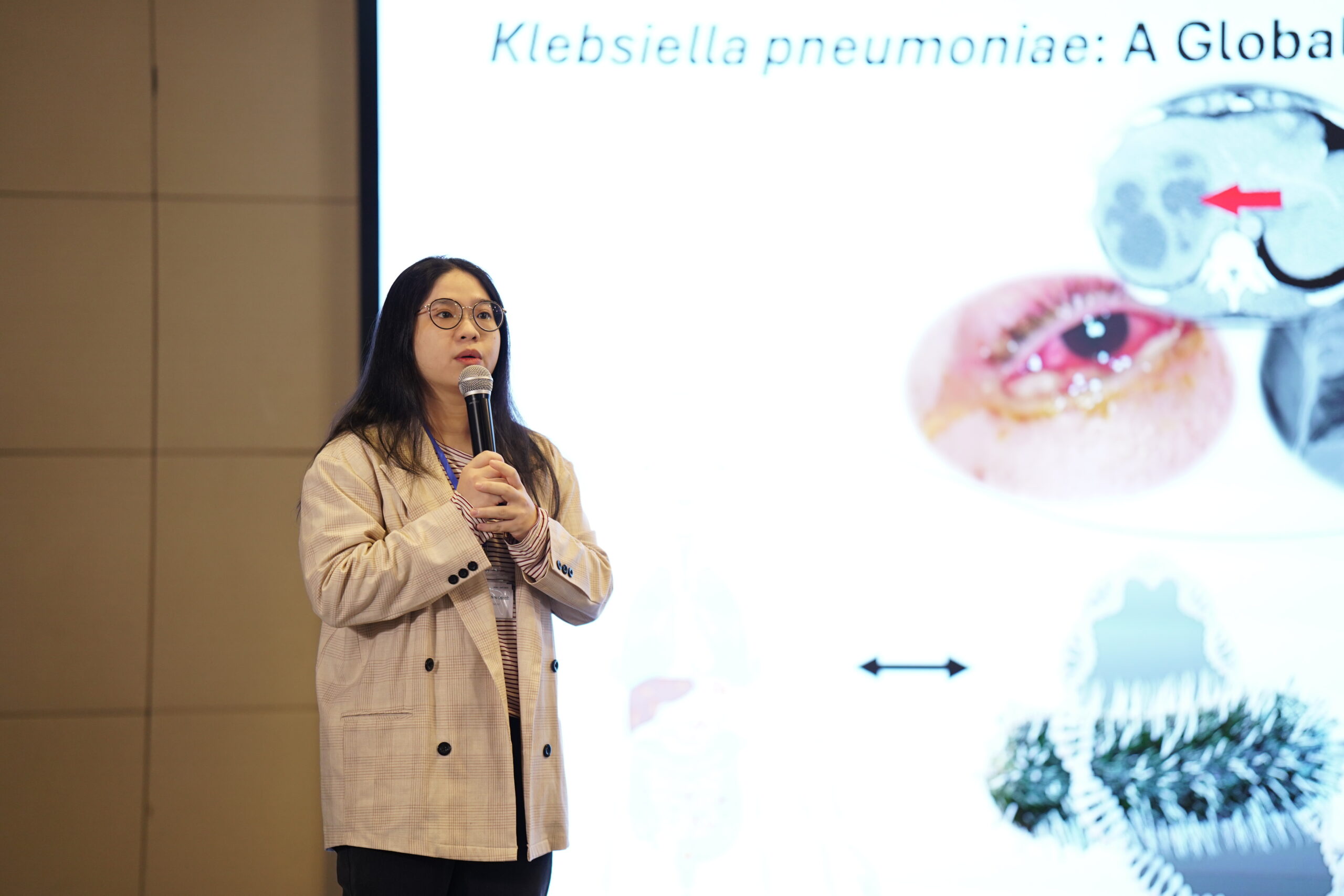
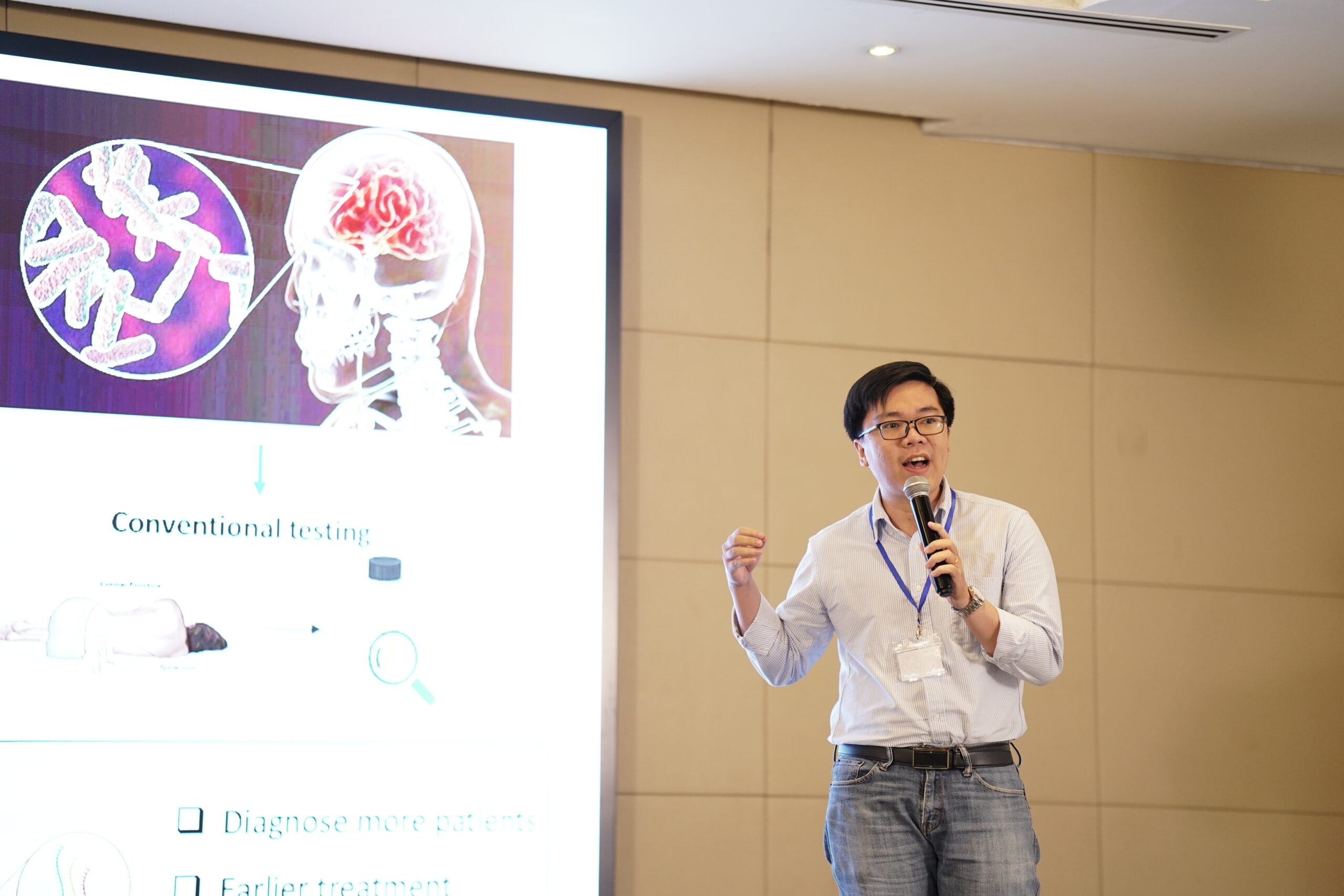
    The annual OUCRU–MORU PhD Student Conference returned in 2025, bringing together doctoral students from across our network in Vietnam, Indonesia, Nepal, and Thailand. Jointly organised by OUCRU and our partners at MORU, this event reflects our shared commitment to capacity building and the development of the next generation of scientific leaders. 

    The day began with the Student Conference, where participants engaged in networking activities, key research skills workshops, and peer-to-peer learning sessions. This annual gathering provides a valuable space for early-career researchers to exchange ideas, build professional connections, and strengthen their skills in scientific communication, critical thinking, and collaboration. 

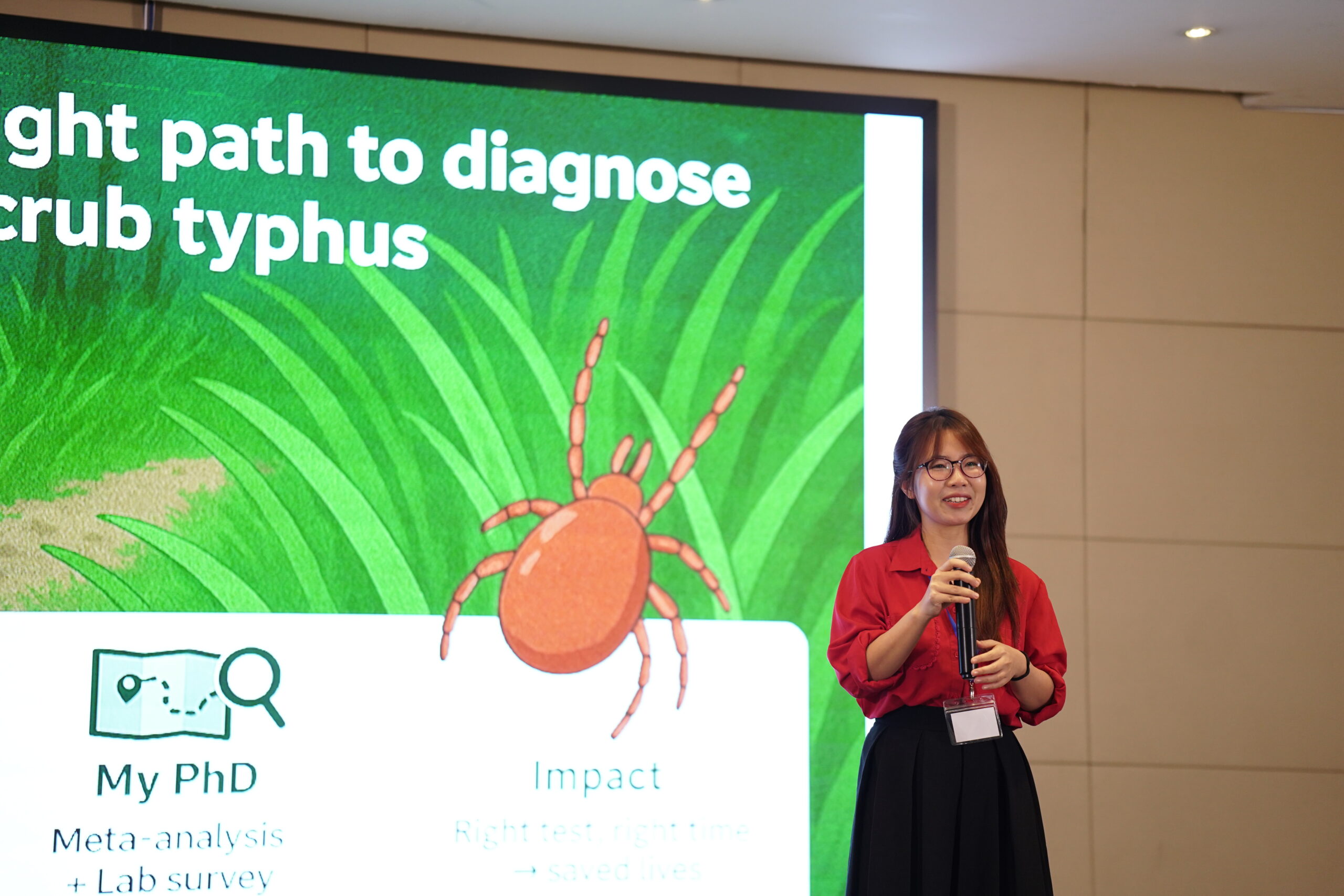
    As a highlight of the programme, the conference concluded with the OUCRU–MORU 3-Minute Thesis (3MT) Competition. Participants were challenged to present their research using just one slide and three minutes, demonstrating clarity, creativity, and the ability to make complex science accessible to broad audiences. 

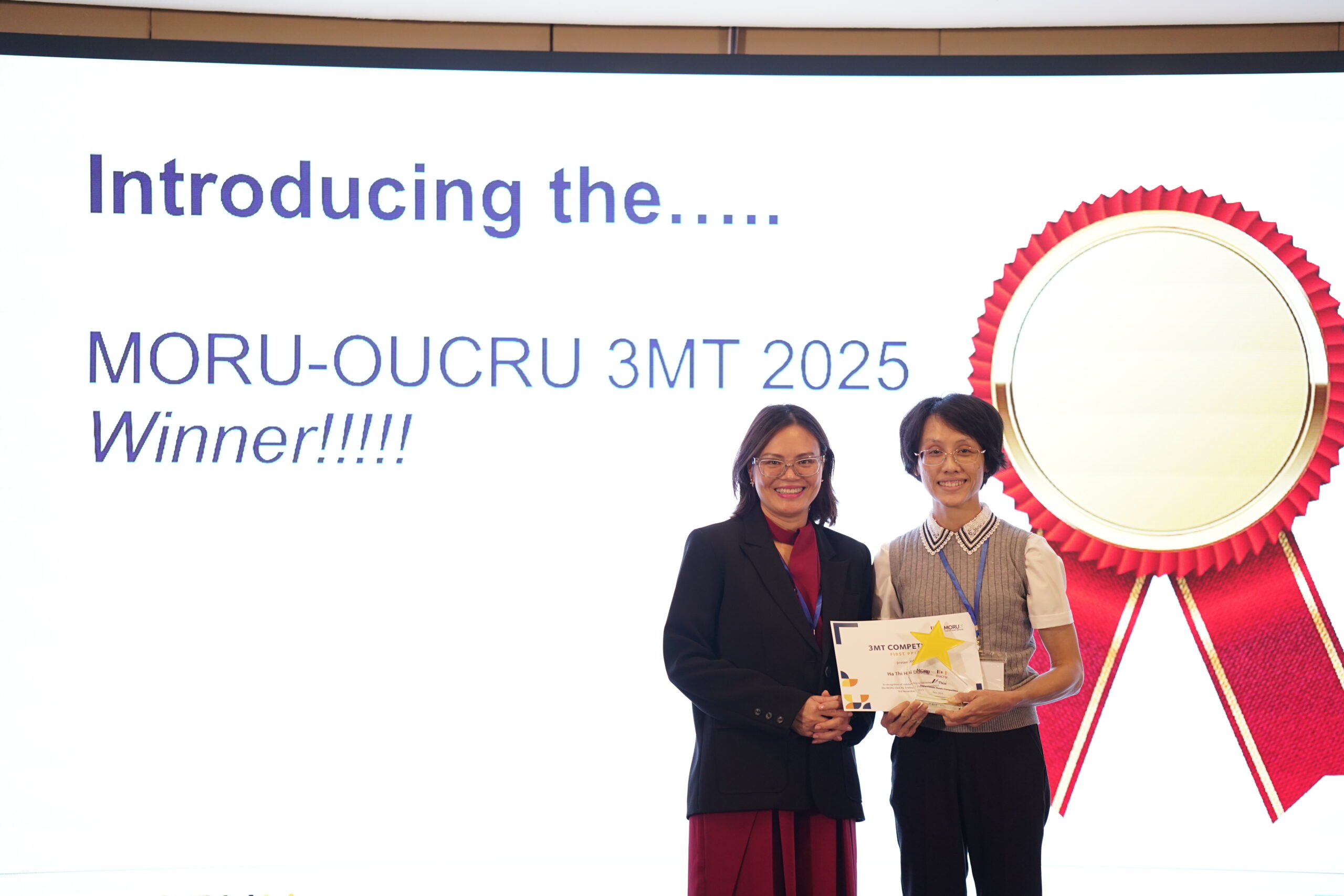
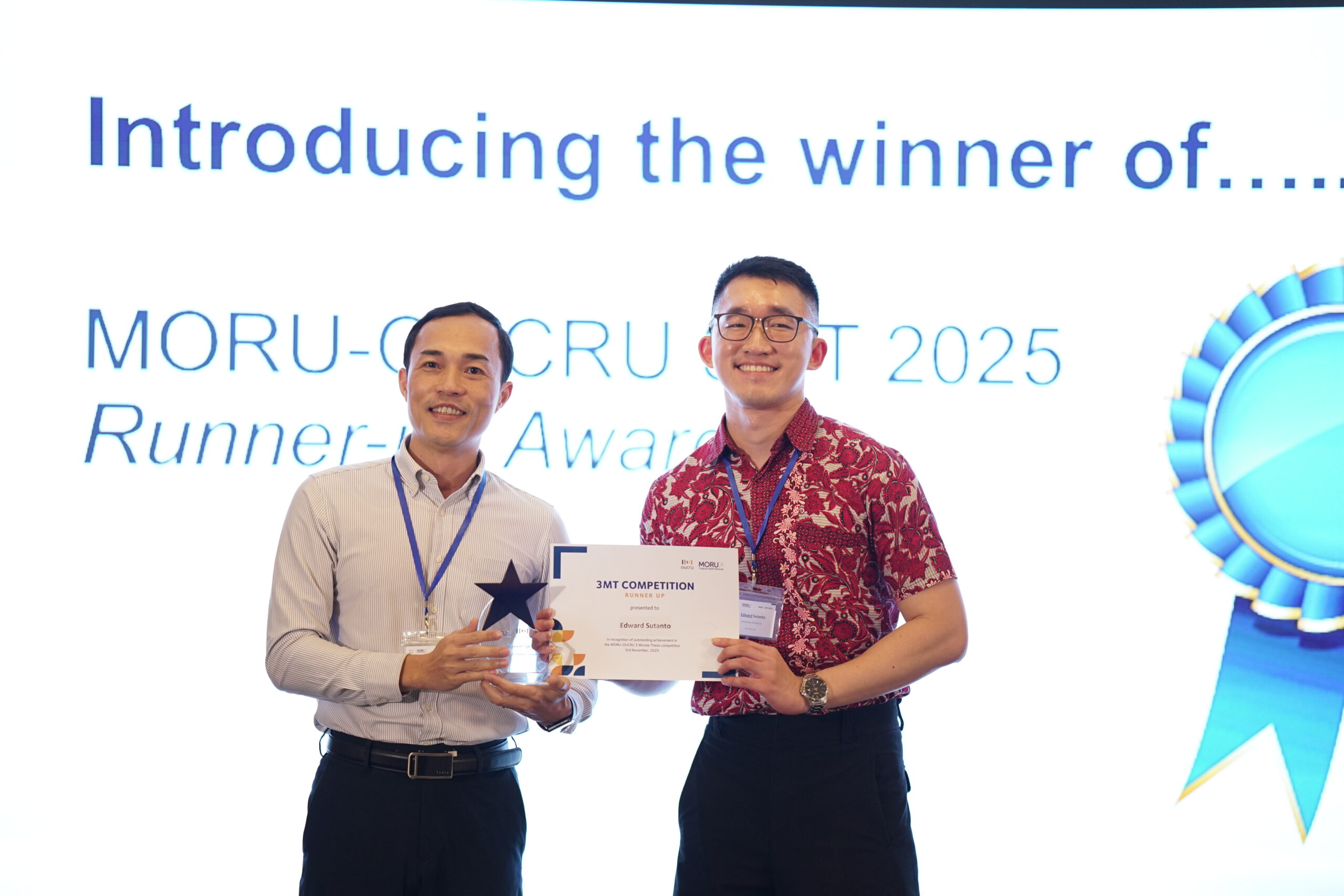
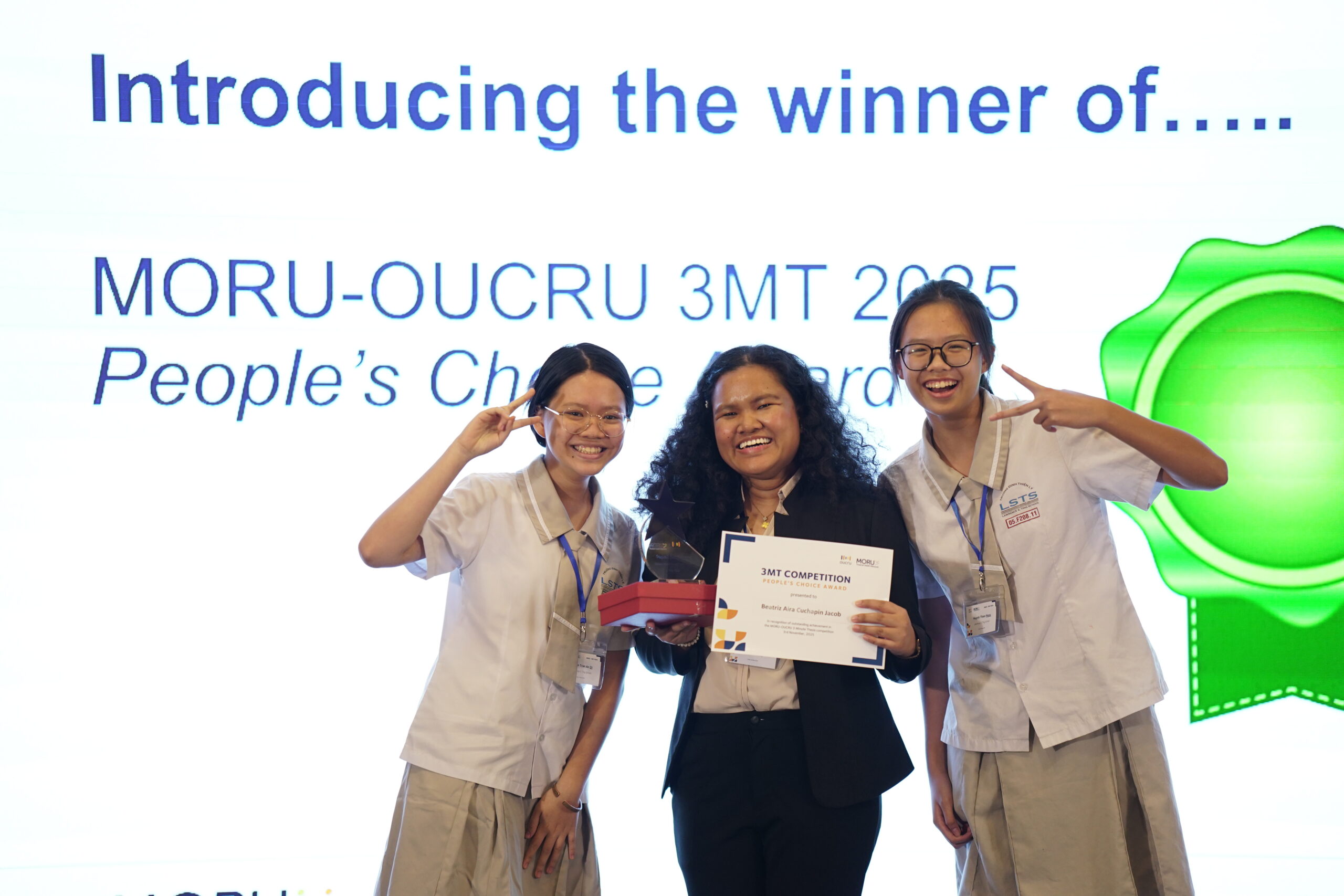
    Congratulations to the 2025 3MT Winners 

    🥇 1st Prize: Ha Thi Hai Duong, OUCRU HCMC

    🥈 2nd Prize: Edward Sutanto, OUCRU Indonesia 

    🌟 People’s Choice Award: Beatriz Aira Cuchapin Jacob, Mahidol University, Thailand 

    We extend our heartfelt thanks to all of our judges for their thoughtful evaluations, and to the enthusiastic schoolchildren of Lawrence S. Ting School and Ngoi Sao School, whose votes determined this year’s People’s Choice Award. 

    To relive the excitement and energy of the day, we are pleased to share a short video summary capturing the highlights of the conference and 3MT competition.  inspiring the next generation of scientists to share their work beyond the lab — with clarity, confidence, and impact. 

  • OUCRU nhận tài trợ danh giá Wellcome Discovery Award nhằm thúc đẩy nghiên cứu bệnh lao

    OUCRU nhận tài trợ danh giá Wellcome Discovery Award nhằm thúc đẩy nghiên cứu bệnh lao

    Bệnh lao là một trong những bệnh truyền nhiễm gây tử vong hàng đầu trên thế giới. Năm 2023, có khoảng 10,8 triệu người mắc bệnh lao và 1,25 triệu người tử vong. Việt Nam nằm trong nhóm các quốc gia có gánh nặng bệnh lao cao, với khoảng 182.000 ca mắc mới năm 2023, tương đương 182 ca/100.000 dân. (Báo cáo Lao toàn cầu của WHO, 2024).

    Dưới sự dẫn dắt của PGS TS Nguyễn Thụy Thương Thương, TS Lê Thanh Hoàng Nhật, cùng các cộng sự tại Đại học Oxford và Viện Francis Crick (Vương quốc Anh), dự án là một trong những nghiên cứu đầu tiên tìm hiểu các chỉ dấu sinh học và tế bào liên quan đến tiến triển bệnh và kết quả điều trị ở bệnh lao phổi và lao màng não.

    Trong vòng 6 năm, nhóm nghiên cứu sẽ theo dõi hÆ¡n 3.500 bệnh nhân tại Việt Nam, kết hợp dữ liệu lâm sàng, kết quả xét nghiệm và mẫu sinh học được thu thập theo thời gian. Ứng dụng các công nghệ tiên tiến hàng đầu, bao gồm phương pháp phân tích sinh học Ä‘a chiều từ gen – dịch mã – phiên mã – hệ protein (multi-omics), giải trình tá»± tế bào đơn (single-cell genomics) và mô hình nhiá»…m tế bào (cell infection model), nghiên cứu sẽ tìm hiểu cách các yếu tố di truyền và miá»…n dịch ảnh hưởng đến tiến trình bệnh và khả năng phục hồi.

    Nghiên cứu tập trung vào ba hạng mục chính:

    • Gánh nặng vi khuẩn và đáp ứng Ä‘iều trị
    • CÆ¡ chế gây tá»­ vong và khả năng sống sót ở bệnh nhân lao màng não
    • Vai trò cá»§a dexamethasone trong kết cục Ä‘iều trị lao màng não

    Từ đó, nhóm nghiên cứu kỳ vọng sẽ xác định được các dấu ấn sinh học má»›i giúp theo dõi hiệu quả Ä‘iều trị, đồng thời tìm ra các mục tiêu Ä‘iều trị má»›i hướng vào vật chá»§ (host-directed therapies). Nhóm cÅ©ng sẽ xây dá»±ng cÆ¡ sở dữ liệu tích hợp toàn diện, trở thành nguồn tài nguyên quý giá cho các nghiên cứu hệ thống và y học chính xác trong bệnh lao.

    PGS Nguyễn Thụy Thương Thương và TS Lê Thanh Hoàng Nhật.

    “Giải thưởng này cho phép chúng tôi ứng dụng những tiến bộ khoa học tiên tiến nhất để giải quyết một thách thức sức khỏe toàn cầu đã tồn tại nhiều thập kỷ. Việc hiểu rõ cơ chế bệnh và phục hồi ở cấp độ phân tử sẽ giúp theo dõi điều trị hiệu quả hơn, phát triển các liệu pháp điều trị chính xác hơn,” PGS TS Nguyễn Thụy Thương Thương, Trưởng nhóm Nghiên cứu Lao tại OUCRU, chia sẻ.

    Dự án được phát triển trên cơ sở hơn 20 năm kinh nghiệm nghiên cứu bệnh lao của OUCRU tại Việt Nam, cùng quan hệ hợp tác chặt chẽ với các bệnh viện và cơ quan y tế trong nước. Với bề dày nghiên cứu lâm sàng, trang thiết bị hiện đại và mạng lưới hợp tác quốc tế, OUCRU đã và đang khẳng định vai trò tiên phong trong nghiên cứu bệnh lao và lao màng não trên thế giới.

    Dự án này được tài trợ bởi Giải thưởng Khám phá Wellcome Discovery Awards. Đây là một giải thưởng danh giá dành cho các nhà nghiên cứu và nhóm nghiên cứu xuất sắc, hỗ trợ những ý tưởng táo bạo và sáng tạo có khả năng mang lại những bước tiến đột phá trong hiểu biết về sự sống, sức khỏe và phúc lợi con người. Thành tựu này đánh dấu một bước tiến quan trọng trong sứ mệnh của OUCRU nhằm cải thiện chẩn đoán, điều trị và phòng ngừa các bệnh truyền nhiễm tại Việt Nam và trong khu vực.