Blog

  • First MODRA cohort graduates

    First MODRA cohort graduates

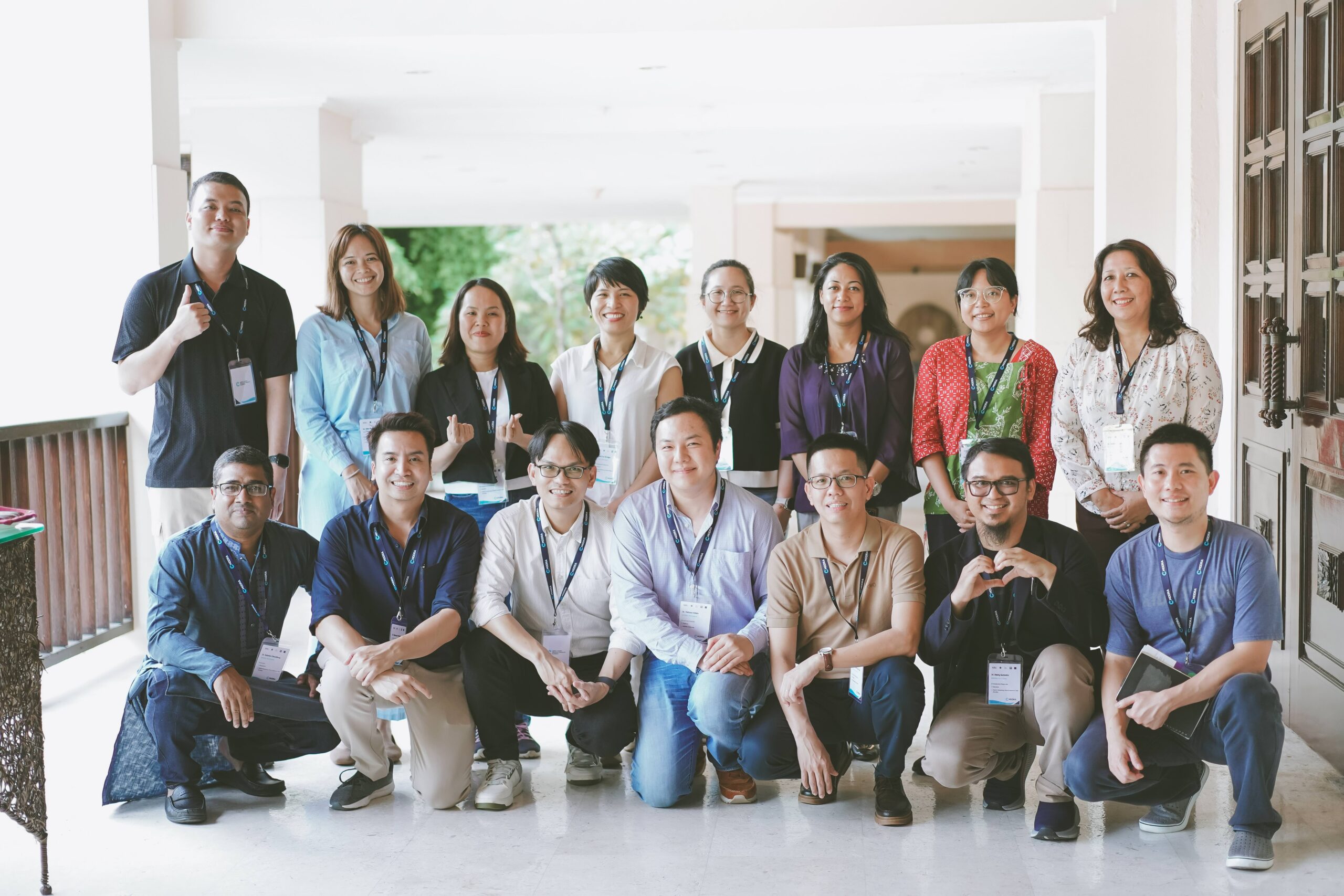
    The first MODRA cohort gathers for a group photo at their final workshop and graduation in Sanur, Bali, December 2025.

    The first cohort of the MORU–OUCRU Discovery Research Academy, MODRA, has officially graduated following a final four-day workshop held in December 2025 in Sanur, Bali. The workshop marked the conclusion of the programme’s inaugural 18-month cycle and brought together 15 early to mid-career researchers from across South and Southeast Asia to present their research, reflect on their progress, and plan their next steps as independent research leaders.

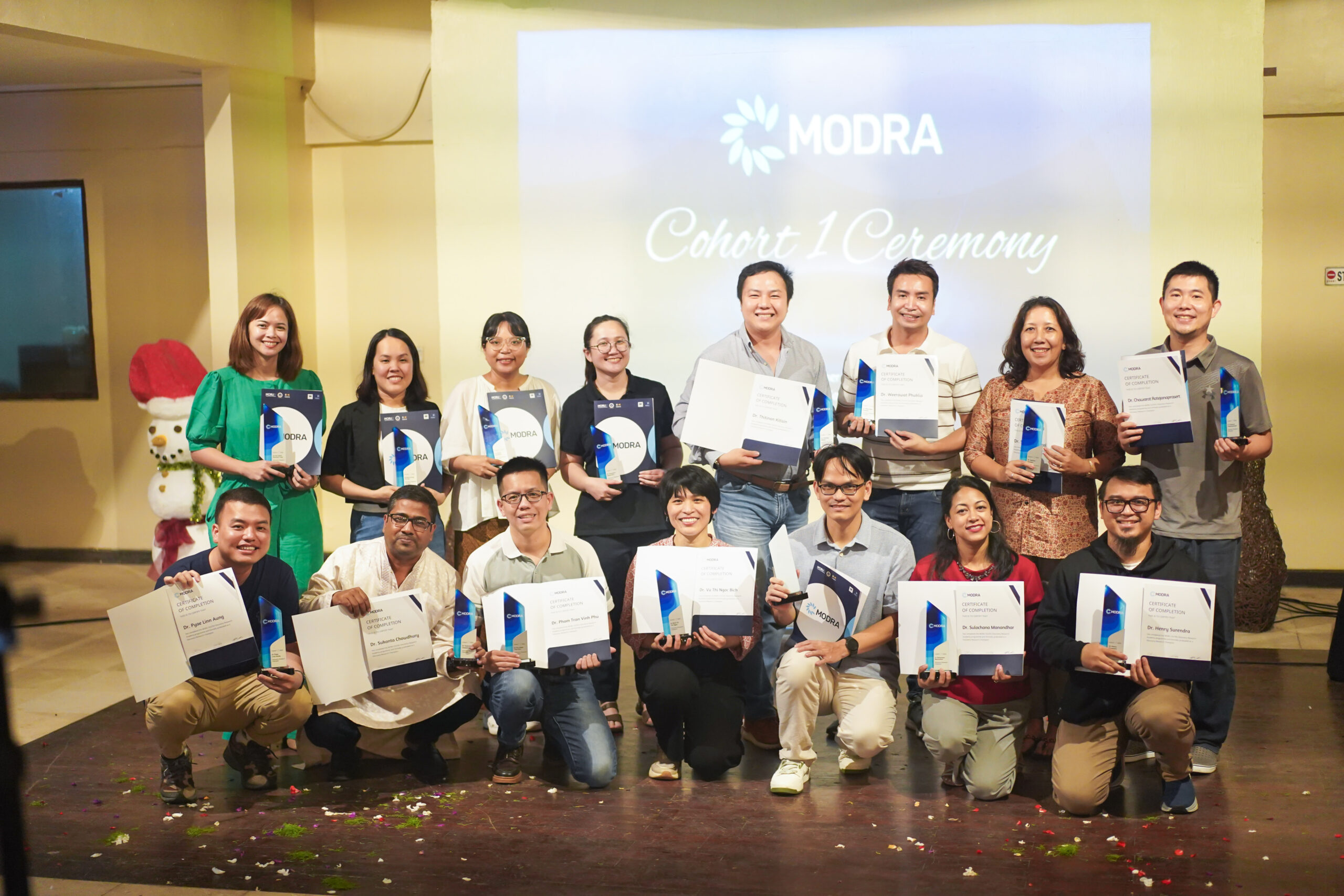
    The third and the final workshop focused on showcasing the results of fellows’ seed grant projects and preparing them for post-MODRA funding and leadership pathways. Each fellow presented findings from their MODRA funded research, followed by discussions on future grant applications, leadership, and research communication. The programme concluded with a graduation ceremony recognising the completion of the first MODRA cohort.

    “Many talented researchers reach a stage where strong science alone is not enough to move their work forward,” said Dr Leigh Jones, Director of MODRA and Academic Training Leader at OUCRU and MORU. “MODRA was designed to support researchers at this transition point, by giving them the skills, confidence, and networks needed to lead their own research and compete for international funding.”

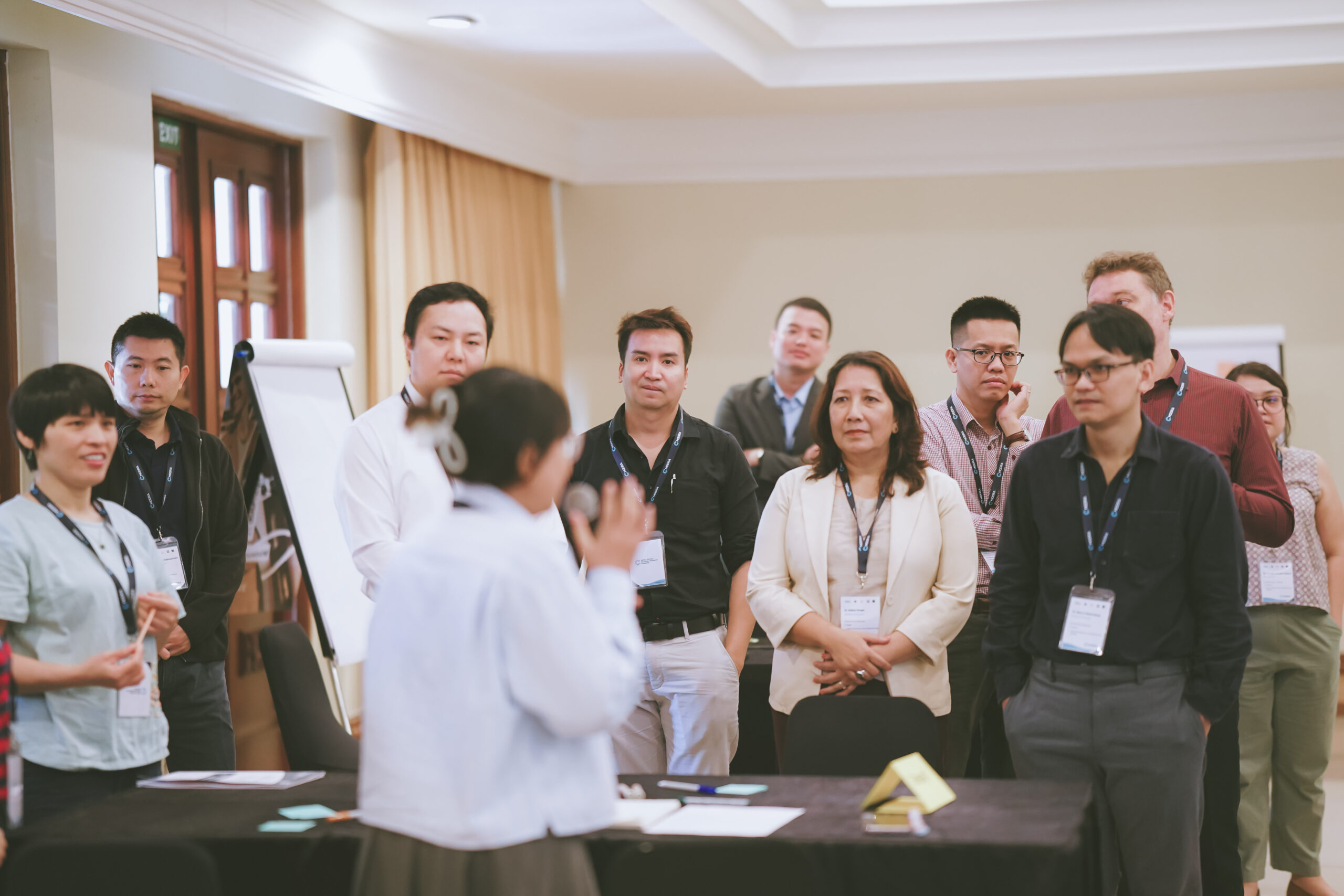
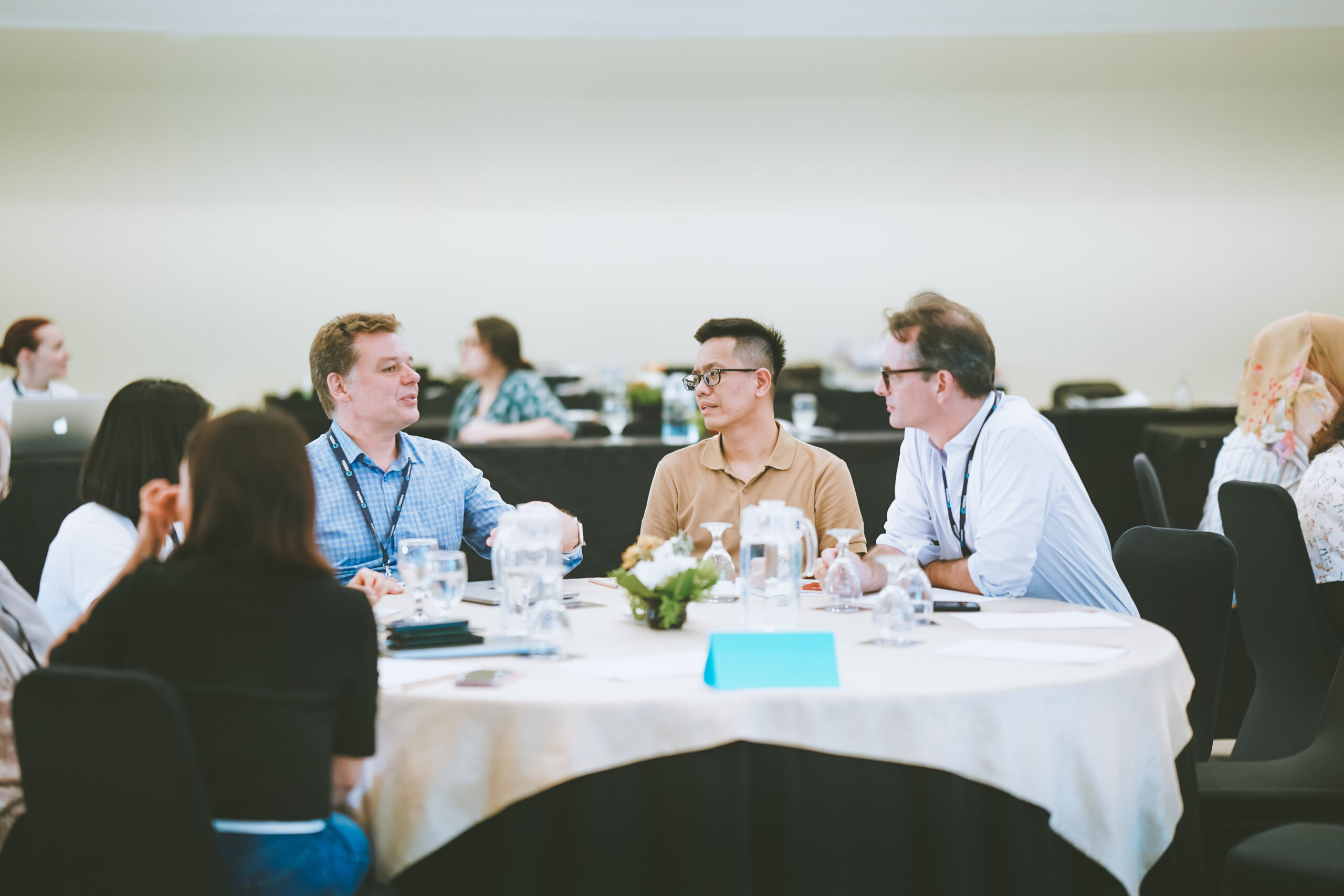
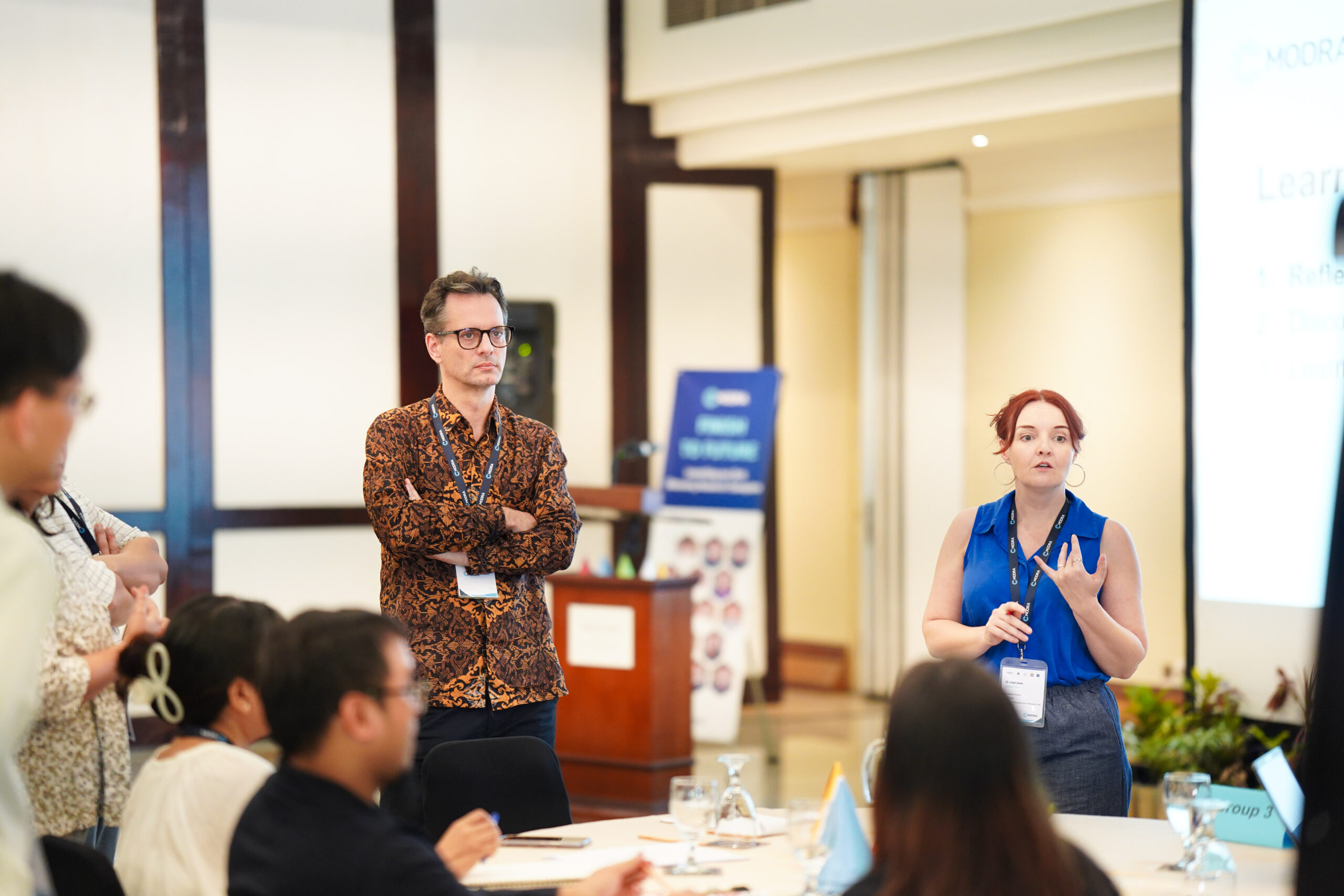
    Held from 8 to 11 December 2025 at the Mercure Resort Sanur, the workshop brought together fellows, senior researchers and support teams from OUCRU and MORU and representatives from funders (Wellcome and SEA-DREAM). Sessions included candid discussions with funders and reviewers, reflections from successful grant holders, leadership training, and practical guidance on communicating research to broader audiences.

    The final workshop built on earlier stages of the programme. Over the course of 18 months, fellows participated in a structured combination of online sessions and in person workshops in Thailand and Vietnam, covering idea development, proposal writing, budgeting, pitching, and project management. Each fellow received seed funding of up to 30,000 US dollars to lead a research project from concept to implementation.

    By the end of the programme, fellows had moved beyond proposal development to delivering concrete research outputs. Several participants have already progressed to leading hospital based studies, developing new research platforms, or using MODRA seed funding as a springboard to secure larger international grants. These outcomes reflect MODRA’s emphasis on practical skills, leadership, and locally driven research.
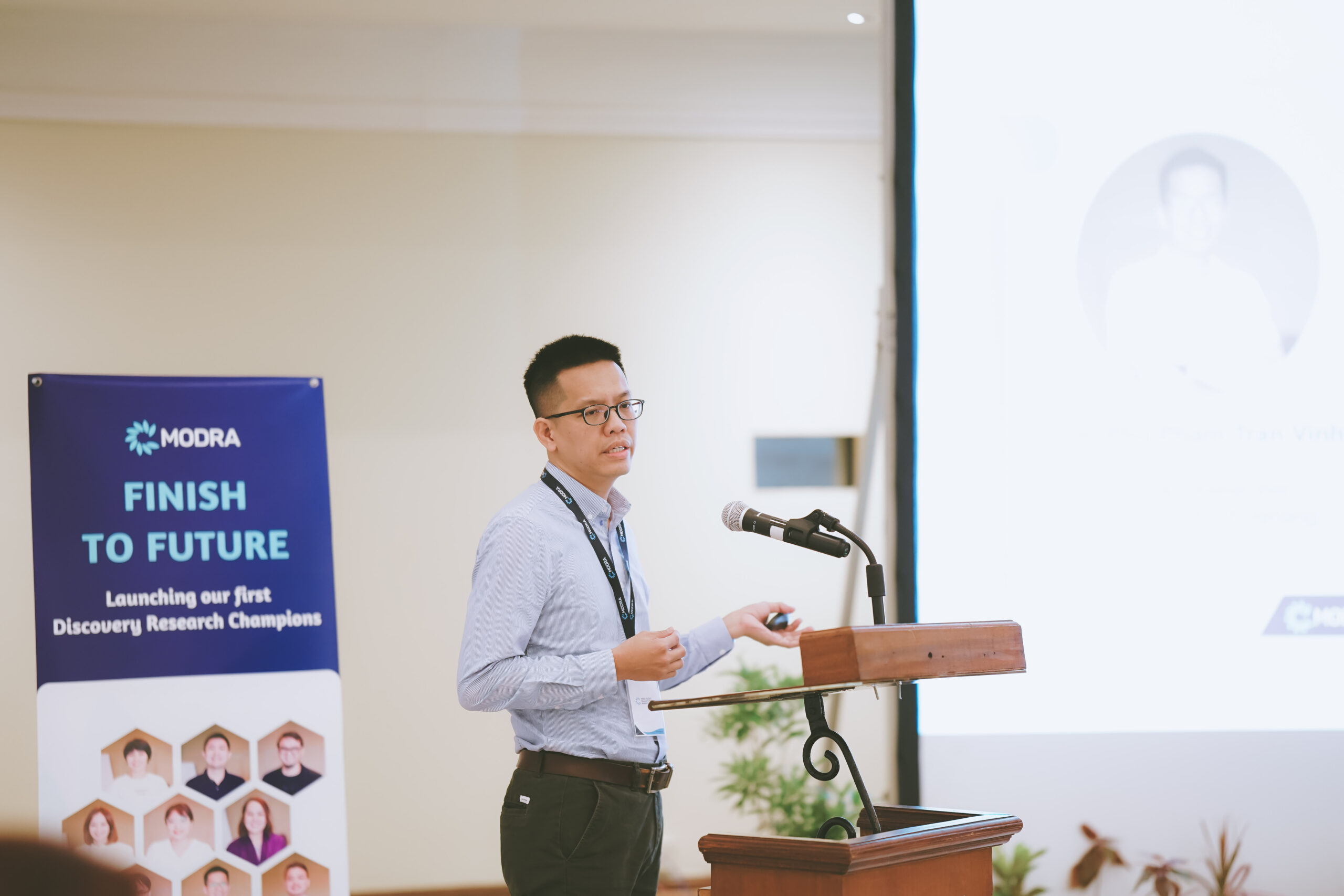
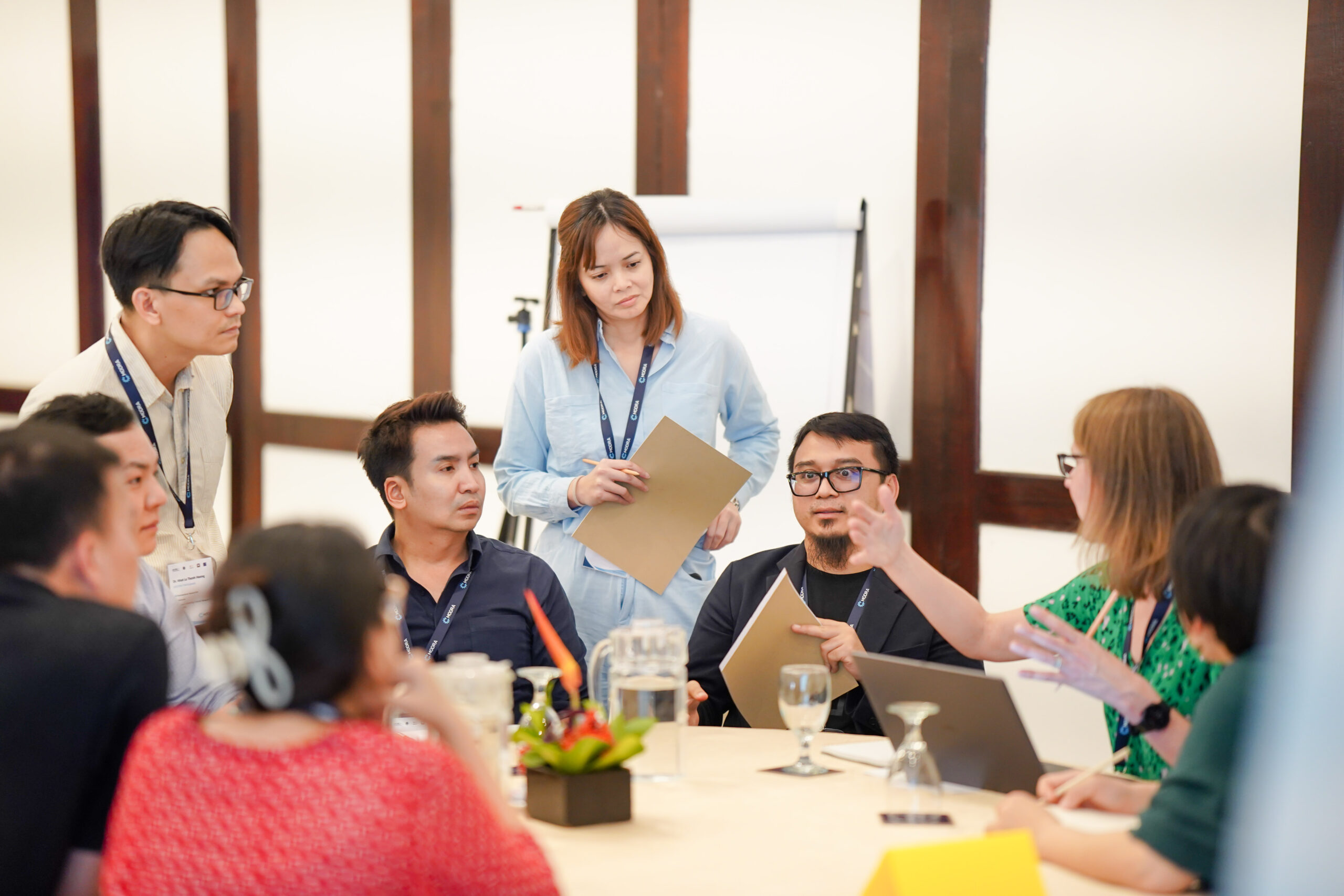
    Dr Phu Pham Tran Vinh presents his MODRA seed grant project and reflects on his experience during the final MODRA workshop in Bali, December 2025.

    Reflecting on his experience, Dr Phu Pham Tran Vinh, a member of the first MODRA cohort, said, “MODRA provided me with an 18-month seed award that combined high-quality training sessions with a research project. Through this programme, I expanded my professional network, opening doors to collaboration with scientists from different countries. I also strengthened my research capacity and skills, which are essential for my career development. Thanks to MODRA, I feel very fortunate, more confident, and more passionate about my research in infectious diseases. I hope that, building on the support from MODRA, I can contribute more to the scientific community in the future.”

    Following graduation, MODRA will continue to engage with its alumni. The programme will provide ongoing consultation and support as graduates prepare and submit international grant proposals and take part in funding interviews, ensuring continued momentum beyond the formal training period.

    MODRA is a Wellcome funded initiative jointly led by OUCRU and the MORU With the graduation of its first cohort, the programme moves from pilot phase to proof of concept. A second cohort is already underway, continuing MODRA’s long term goal of strengthening research capacity and regional collaboration across Asia.
  • Building an entrepreneurship mindset for researchers at OUCRU 

    Building an entrepreneurship mindset for researchers at OUCRU 

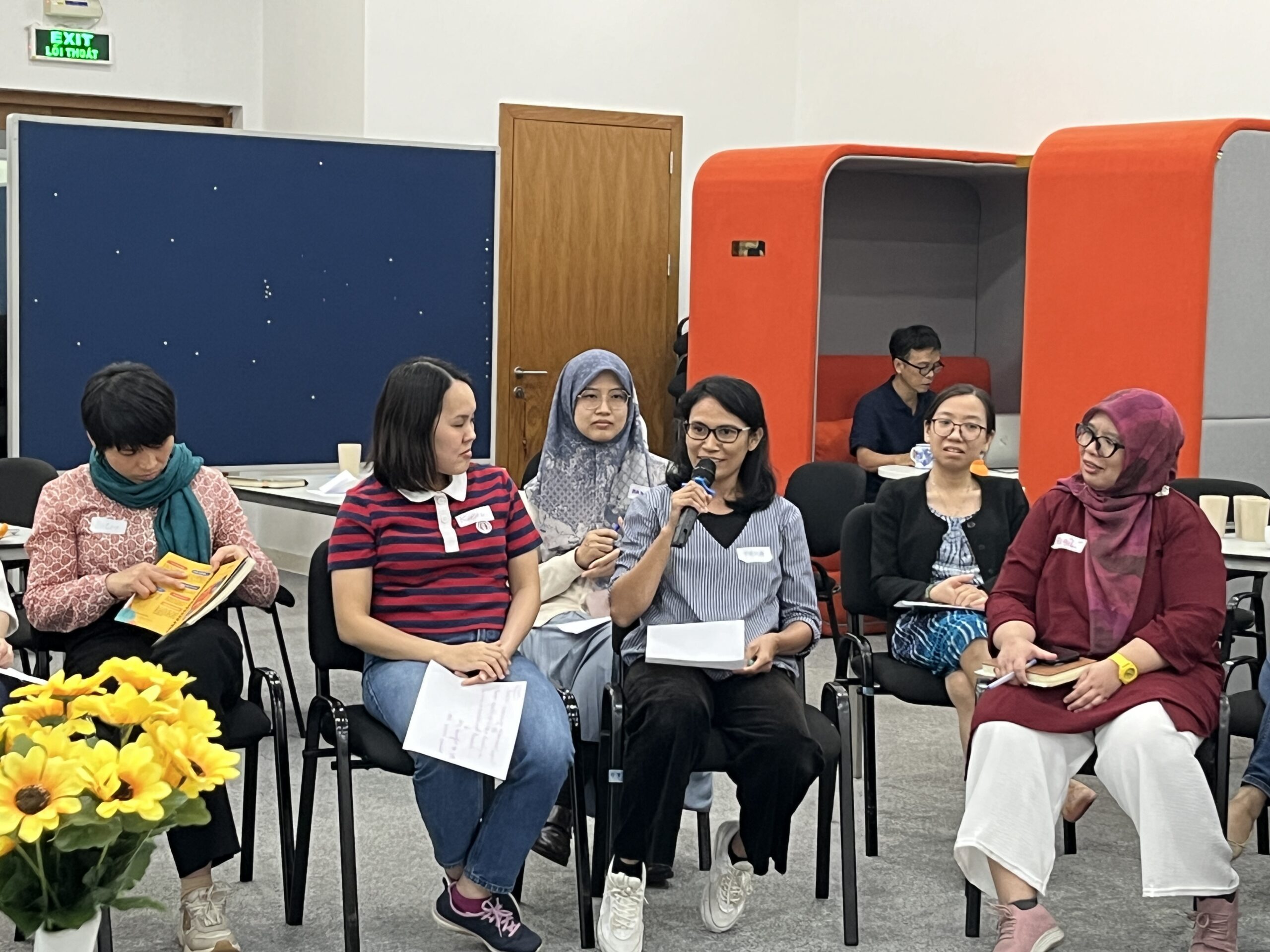
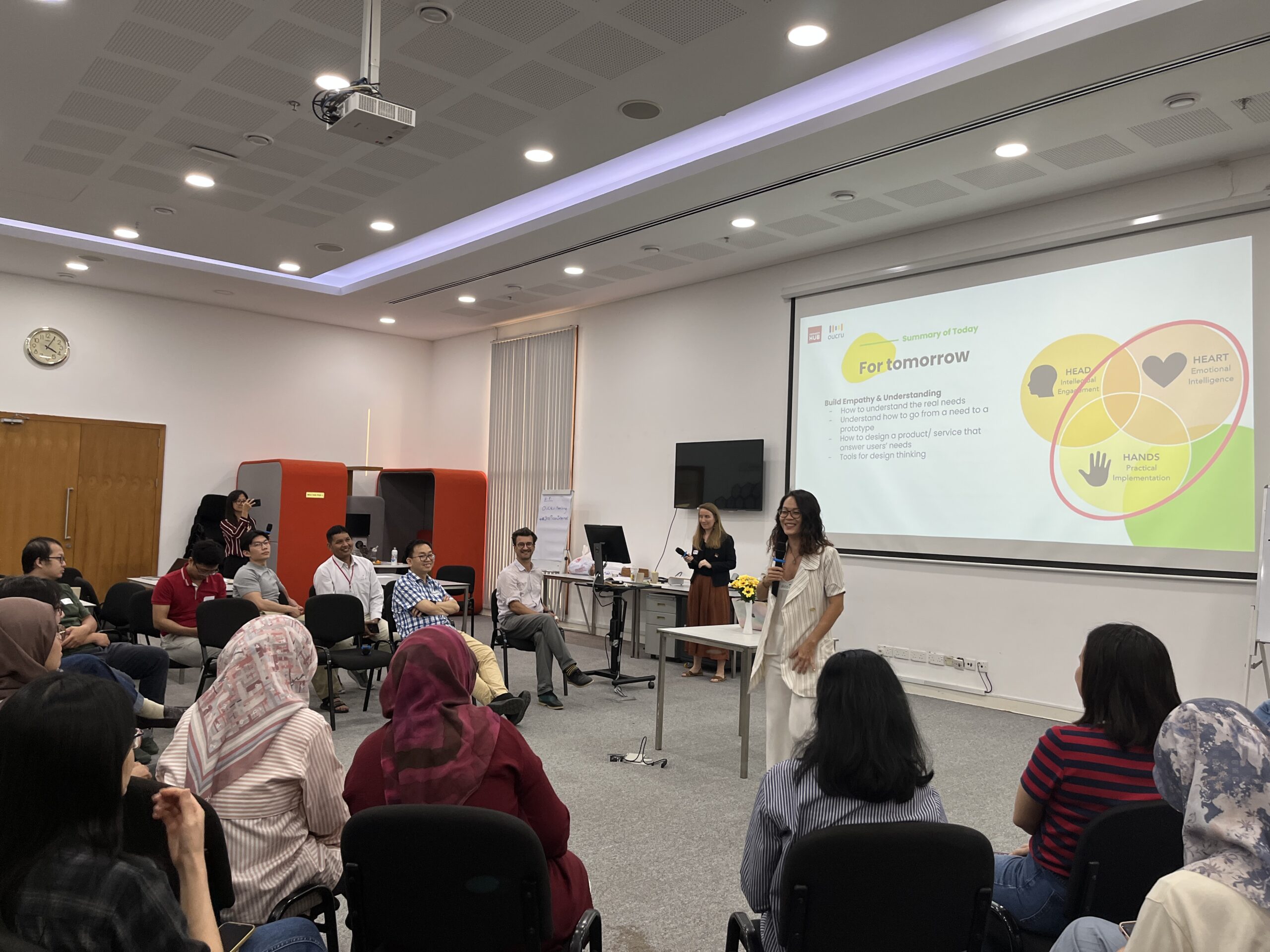
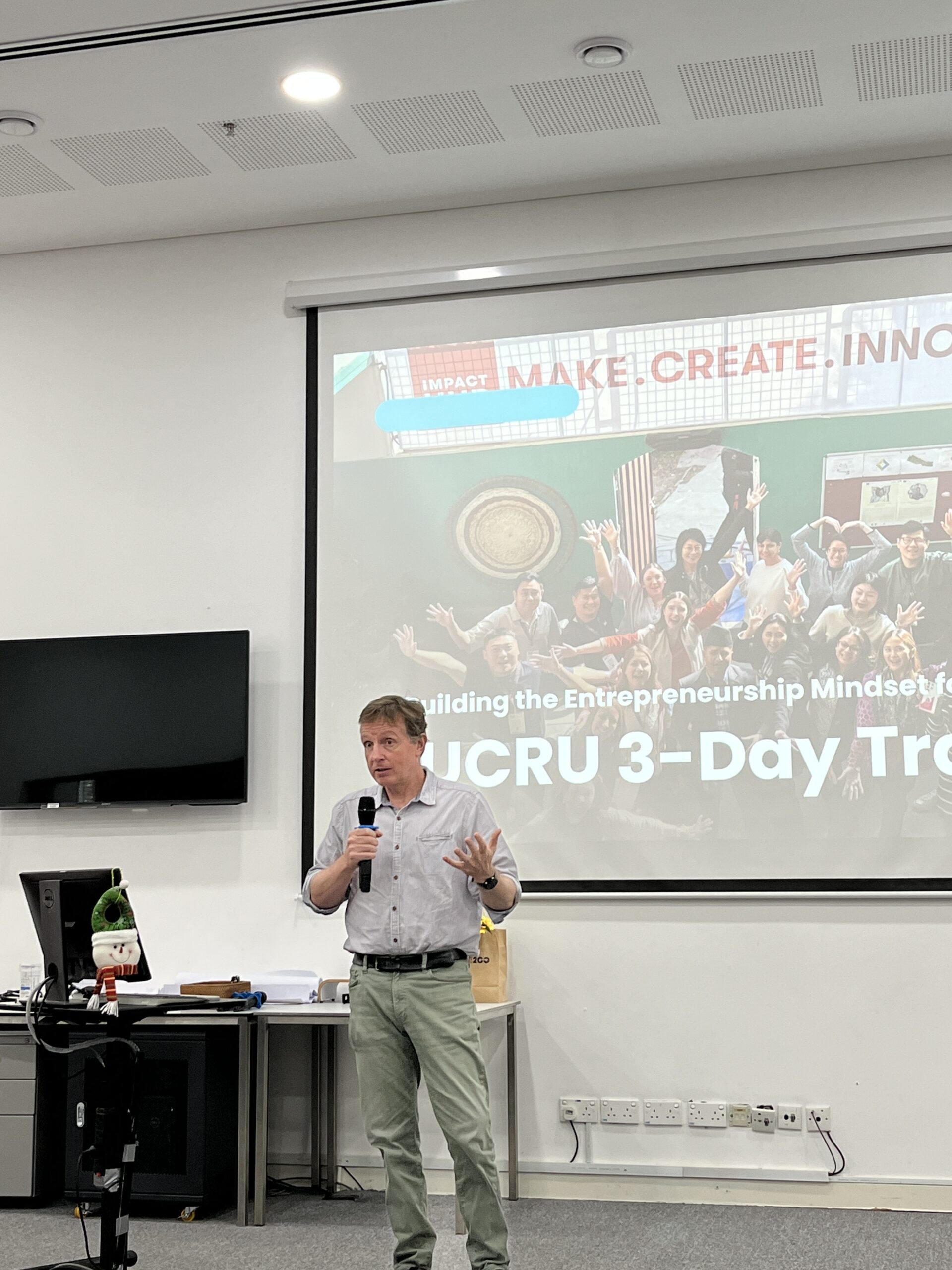
    From 2–4 December 2025, OUCRU hosted a three-day participatory workshop, Building an Entrepreneurship Mindset for Researchers, bringing together early-career researchers and professional staff from Vietnam, Indonesia and Nepal. The workshop marked an important milestone in OUCRU’s Translational Research programme, which aims to strengthen the pathway from scientific discovery to real-world impact. 

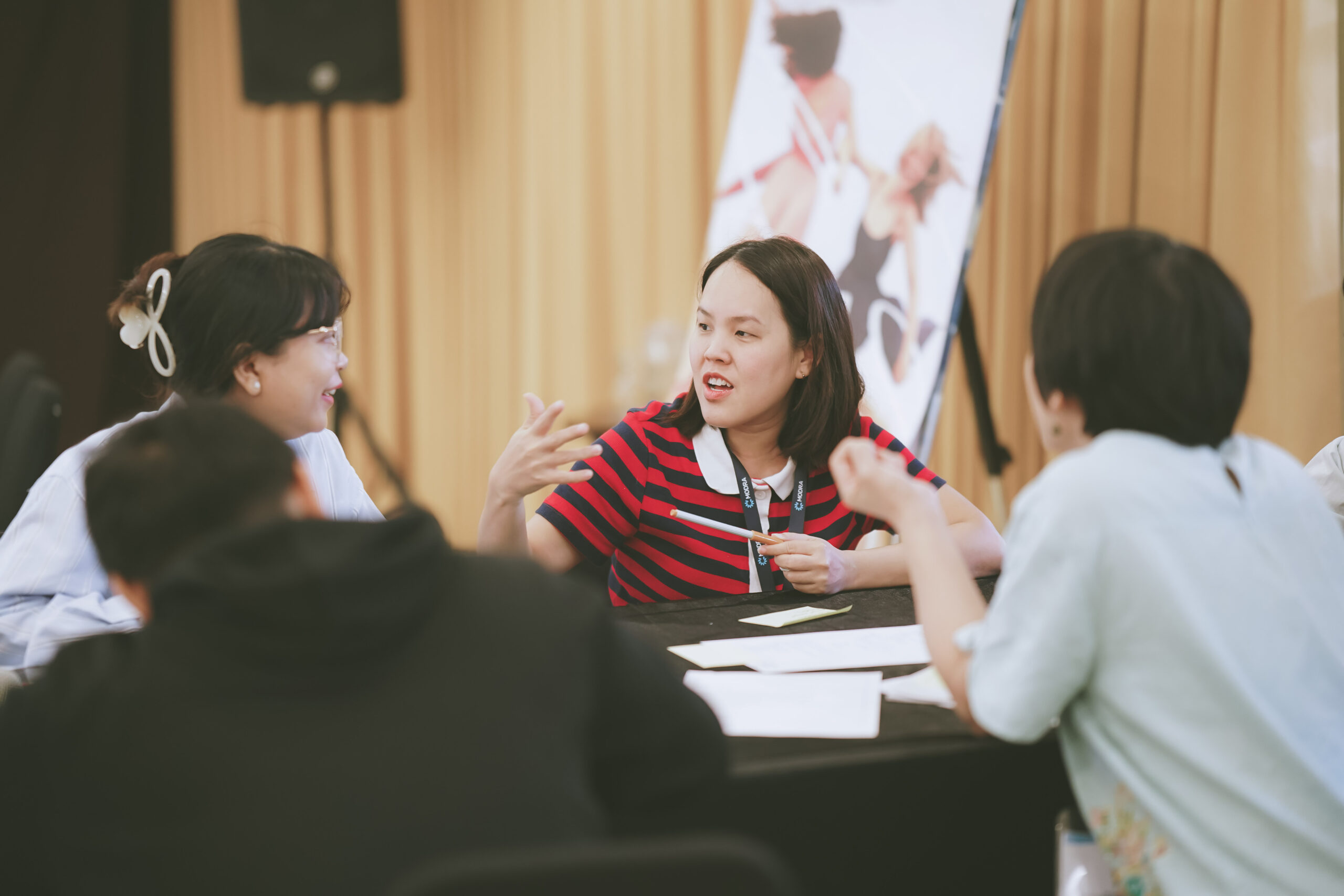
    Designed and delivered in collaboration with Impact Hub Asia Pacific, the training introduced participants to entrepreneurship not as a business pursuit, but as a mindset—one grounded in curiosity, empathy, creativity and action. Through hands-on activities, group reflection and practical tools, participants were encouraged to reimagine their role as researchers who can actively shape solutions within healthcare systems and beyond. 

    From research questions to real-world impact 

    Across the three days, the workshop followed a clear learning journey. Participants began by exploring why entrepreneurship matters for researchers, challenging common misconceptions and reflecting on how their work could create broader societal value. Sessions highlighted the role of scientists in innovation ecosystems and showcased regional examples of healthcare entrepreneurship, including insights from guest speaker Francis Nguyen, Founder of OneMedic. 

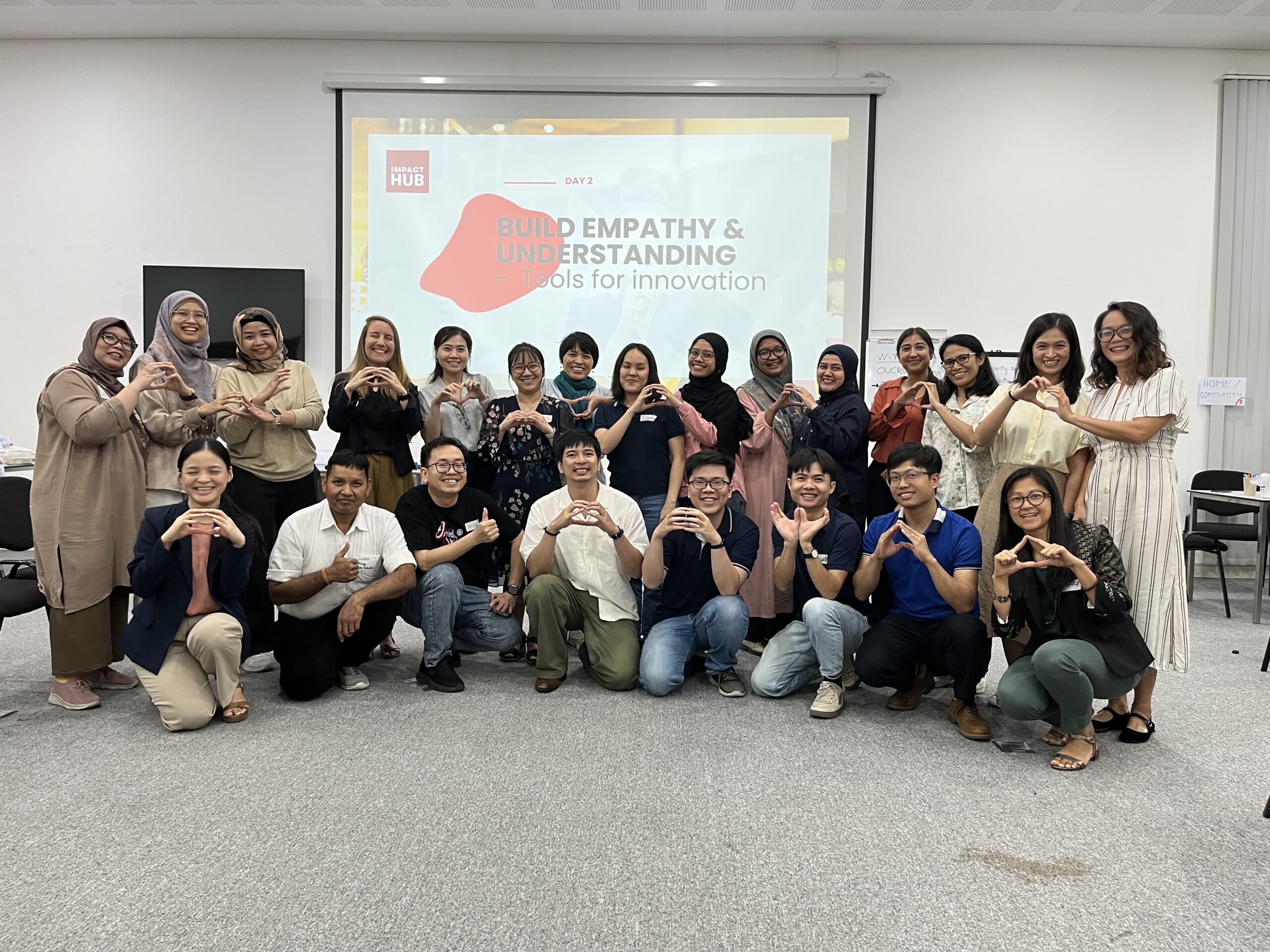
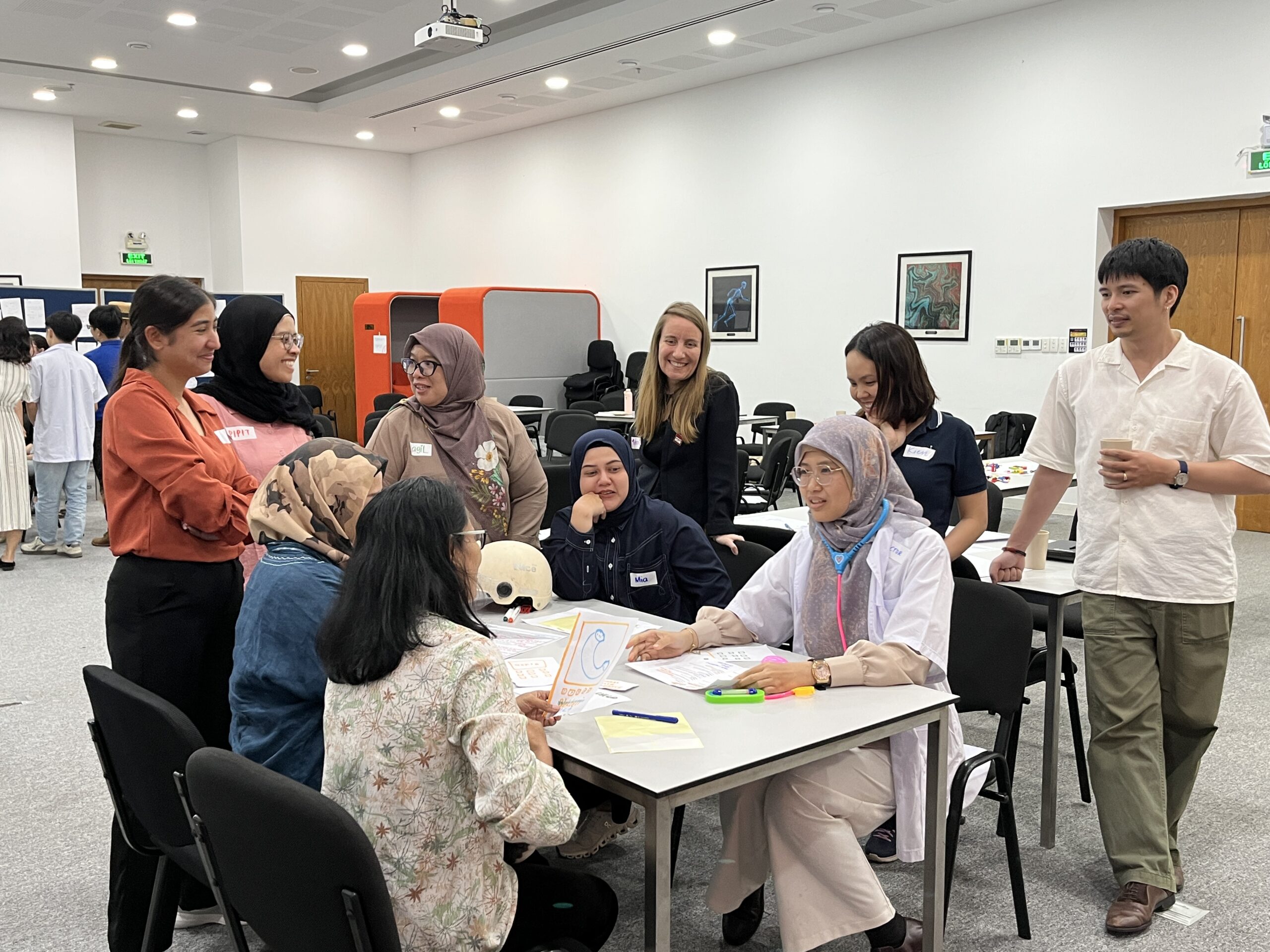
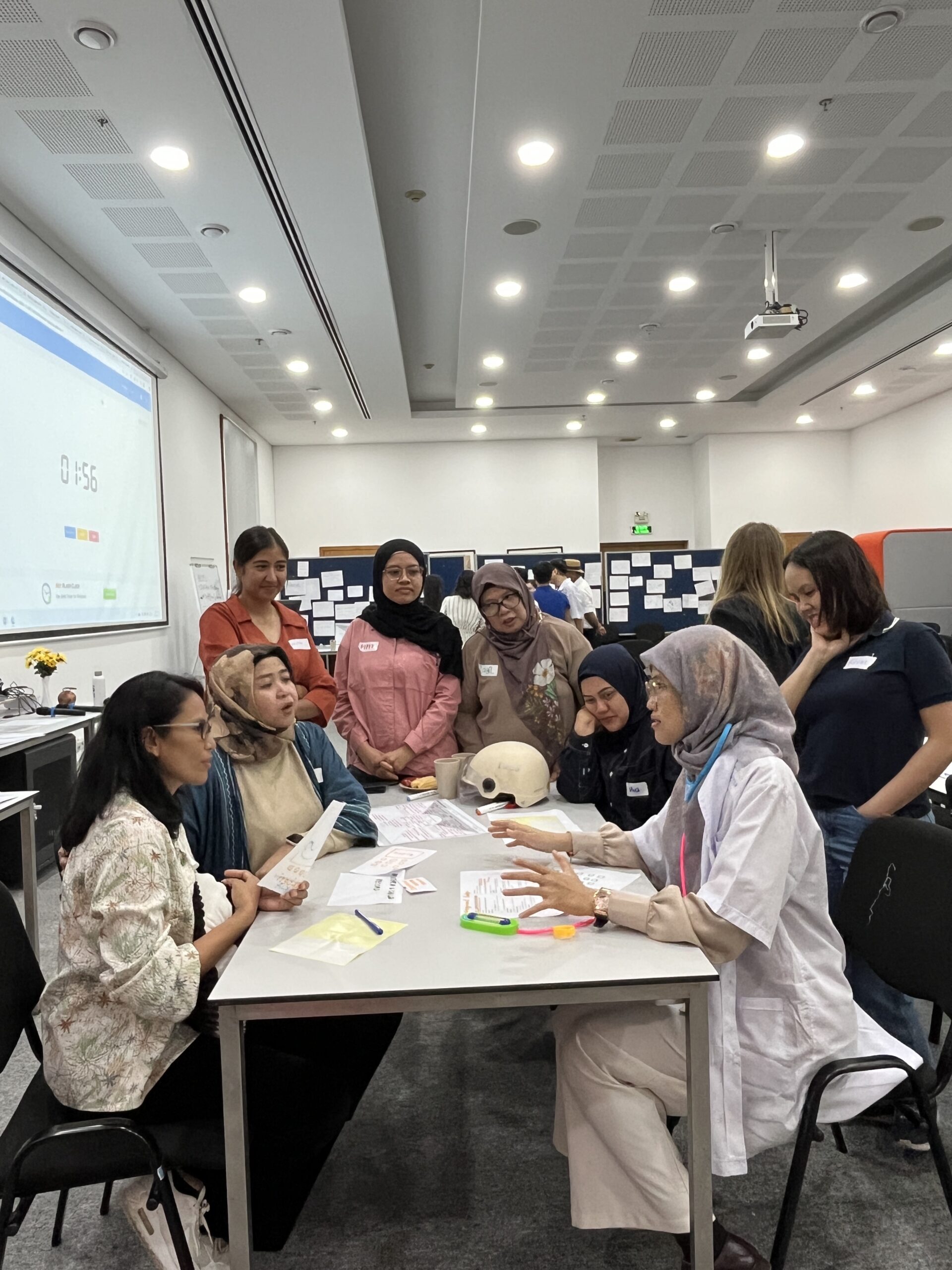
    The second day focused on tools for innovation, introducing design thinking, user empathy and problem framing. Through role-play, case studies and prototyping exercises, participants worked in teams to better understand user needs and redesign patient journeys—bridging the gap between academic research and lived experience. 

    On the final day, attention shifted to pathways from research to impact. Participants practised storytelling and pitching, learned how to articulate ideas clearly to non-specialist audiences, and were introduced to simple frameworks such as the Lean Canvas to help turn early ideas into actionable plans. The programme concluded with reflections on next steps and the support available within OUCRU to accompany researchers on their translational journey. 

    Learning by doing 

    A defining feature of the workshop was its experiential approach. Rather than lectures, sessions were built around dialogue, experimentation and peer learning—creating a safe space for participants to test ideas, reflect on failure, and build confidence. 

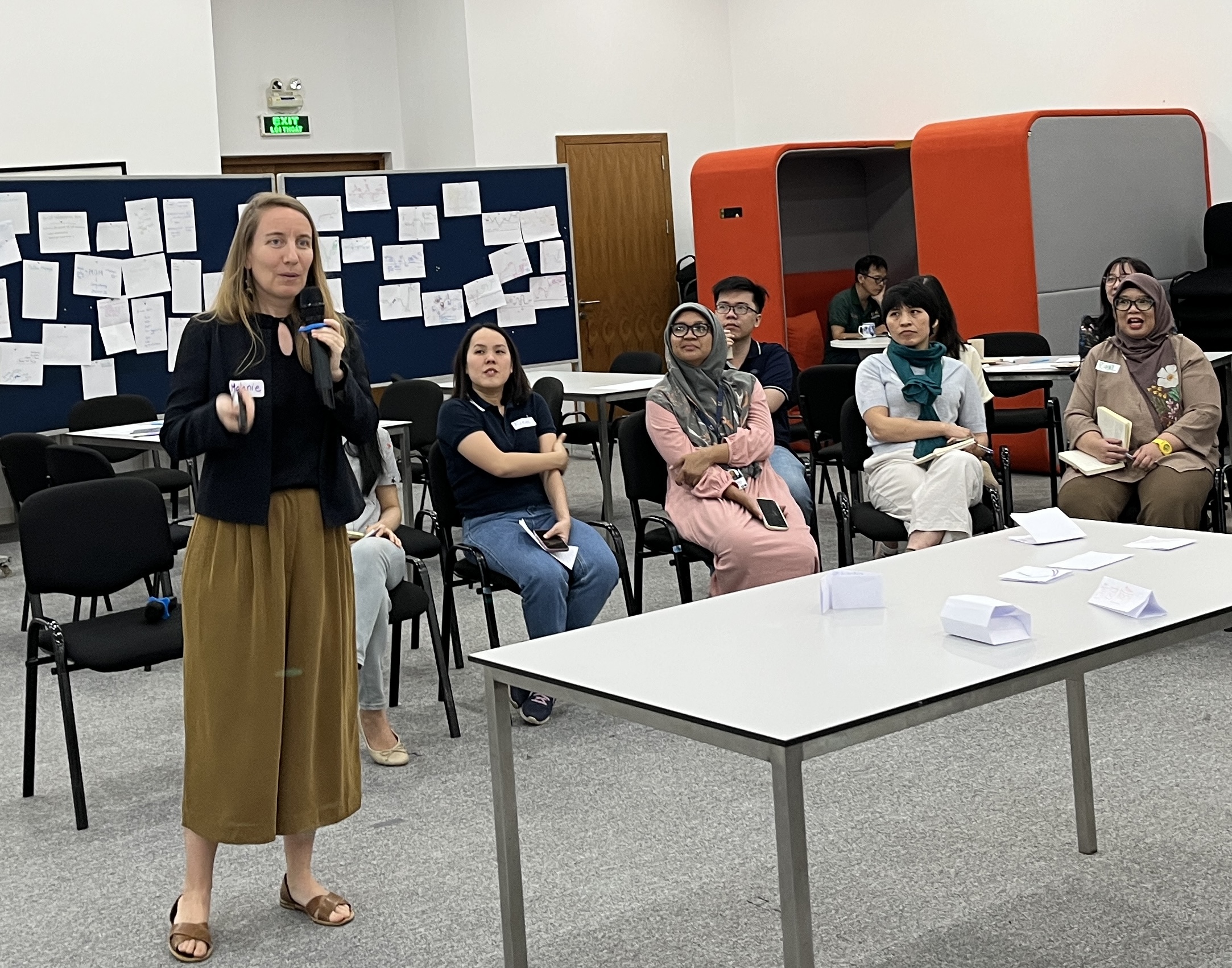
    Melanie Mossard, Chief Impact Officer, Impact Hub. Image courtesy of Impact Hub

    “We designed the training as a journey: starting with the bigger ‘why’—why entrepreneurship and impact matter in research—then moving into tools focused on empathy-building and design thinking, and finally closing with more concrete frameworks such as storytelling and simple ways to map early ideas into something shareable,” said Melanie Mossard, Impact Hub Asia Pacific. “We intentionally made the process as practical and experiential as possible, so participants could learn by doing.” 

    Participants echoed the value of this mindset shift, particularly for those at early stages of their careers. 

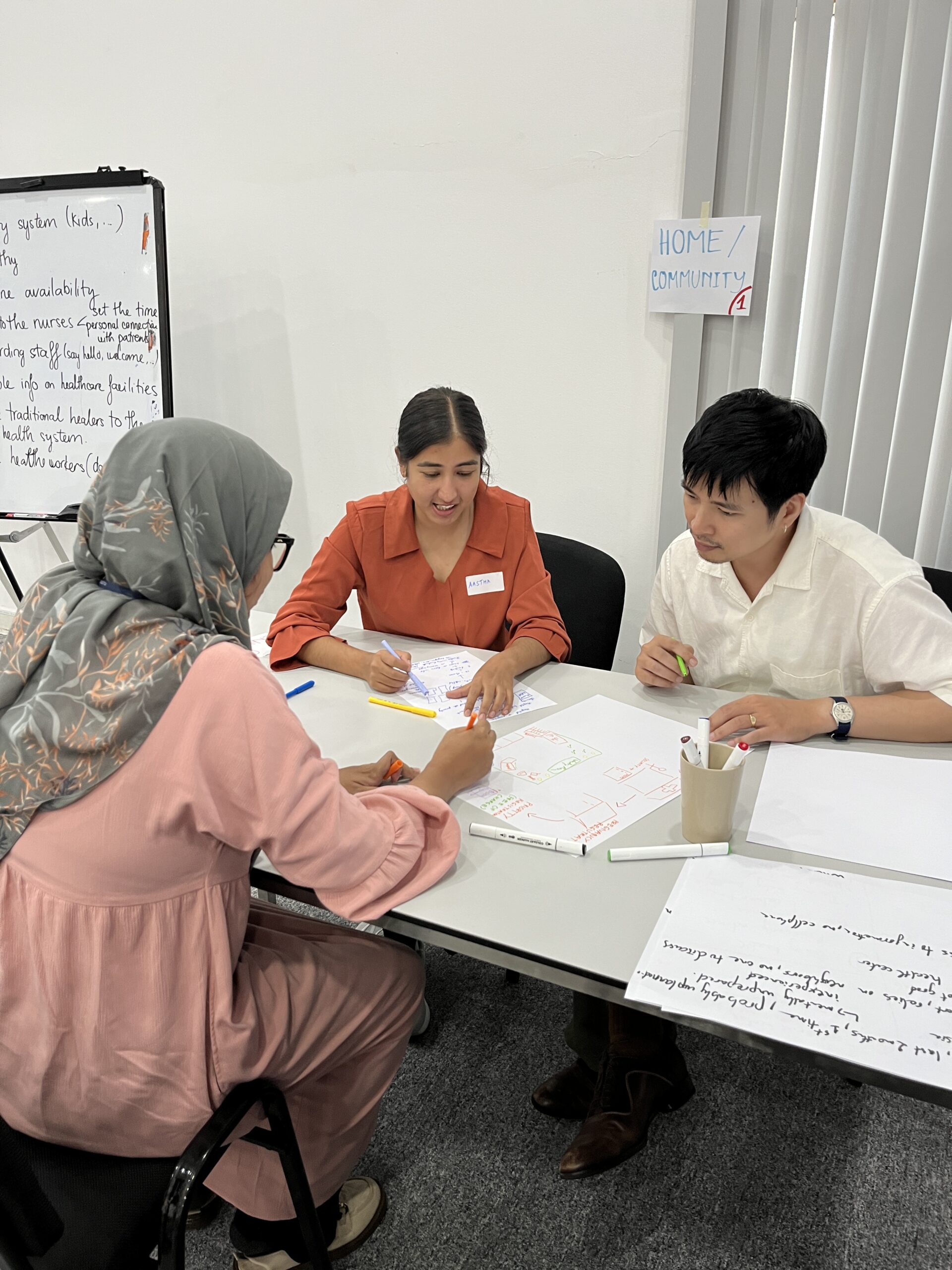
    Aastha Ghimire, Medical Officer at OUCRU Nepal. Image courtesy of Impact Hub

    “Where I come from, there is an abundance of problems—and where there are problems, there are opportunities,” shared Aastha Ghimire, Medical Officer at OUCRU Nepal.  “In the future, whenever I encounter a problem, I want to ask: is anyone doing something about this? If yes, what can I add or improve? If no, what can I start? That mindset is what I’m taking home.” 

    Part of OUCRU’s Translational Research Programme

    This workshop is part of OUCRU’s Translational Research programme, which aims to strengthen the integration of innovation and impact-driven thinking across OUCRU’s research culture. The programme supports researchers to move promising ideas beyond discovery by building translational skills, confidence and practical pathways to impact.

    Through collaboration with the Oxford Translational Research Office (TRO)Oxford University Innovation (OUI), the Impact Hub network in Asia, and local Entrepreneurs in Residence, the programme provides strategic funding and tailored support for early-stage translational projects. Together, these efforts are developing a new generation of researchers equipped to translate scientific excellence into tangible health benefits for communities in the region.

  • Building Lasting Impact: Professor Guy Thwaites’ Legacy at OUCRU

    Building Lasting Impact: Professor Guy Thwaites’ Legacy at OUCRU

    Since his appointment as Director of the Oxford University Clinical Research Unit (OUCRU) in October 2013, Professor Guy Thwaites has played a central role in shaping the unit’s scientific direction, regional reach, and institutional development. 

    From the outset, his remit encompassed a broad and evolving research portfolio, responding to local and regional health priorities across emerging viral infections, dengue, tuberculosis, antimicrobial resistance, brain infections, and critical care. Throughout his tenure, OUCRU’s work under his leadership has remained grounded in clinical need, informed by local contexts, and aligned with global health priorities. 

    Research Leadership and Scientific Direction 

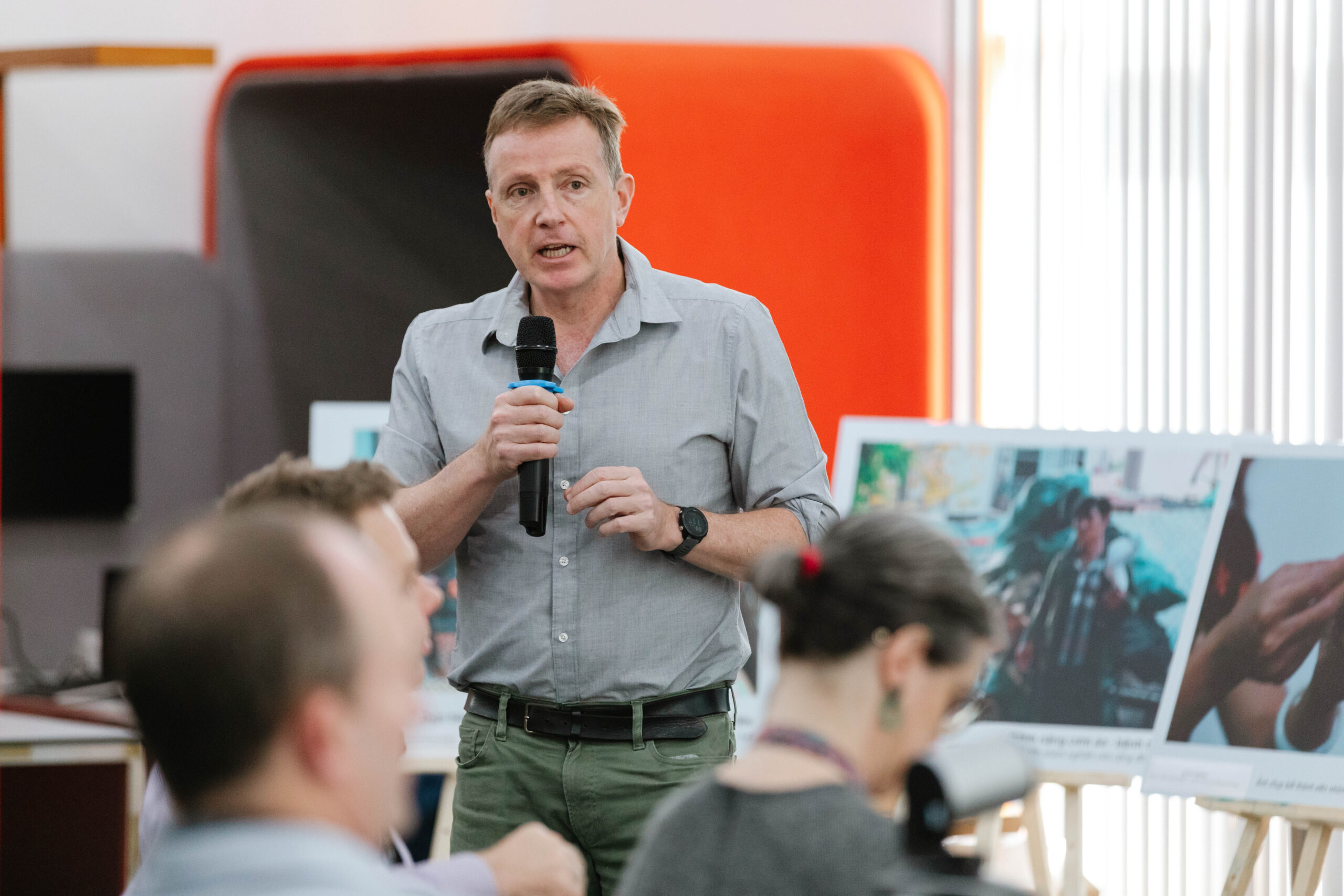
    Professor Thwaites speaking at an event on ongoing infectious disease research in Vietnam.

    Tuberculosis, and in particular tuberculous meningitis, has been a defining focus of Professor Thwaites’ own scientific work during his time as Director. Alongside a diverse institutional research portfolio, OUCRU led and expanded multiple TBM research programmes in Vietnam, including trials of intensified and optimised regimens, adjunctive therapies, and paediatric studies. This body of work strengthened Vietnam’s role as an important site for TB research and contributed to changes in clinical practice beyond the country. 

    From around 2018 onwards, OUCRU increasingly expanded its emphasis on translational and innovation-driven research. Clinical trials were complemented by efforts to translate diagnostics, biomarkers, and data into tools that support earlier detection and improved clinical decision-making. Vietnam became a key contributor to international research consortia, ensuring that advances in treatment and technology were tested in settings with high disease burden. 

    During this period, existing strengths within OUCRU were further consolidated. Public and Community Engagement continued to be prioritised, with more formal structural support, including dedicated funding within core grants. This reinforced the role of community engagement and social context as integral components of high-quality research. The later establishment of social science and implementation research further broadened OUCRU’s approach, supporting the translation of evidence into policy and practice. 

    Leadership Through Challenge and Growth 

    Professor Thwaites’ leadership was tested most visibly during the COVID-19 pandemic. OUCRU rapidly redirected its research focus, securing funding for more than 30 COVID-related studies, while maintaining longer-term research capacity across other priority areas. During this period, OUCRU continued to contribute to national and global responses through both research and public engagement. 

    Capacity building has remained a consistent priority throughout his directorship. OUCRU expanded as a regional network, strengthening programmes in Indonesia and Nepal and investing in the development of Vietnamese clinicians and researchers. The promotion of local researchers into leadership roles has been a deliberate and forward-looking element of this approach, supporting sustainability and long-term impact. 

    Repeated core grant renewals, including a major seven-year renewal in 2022, reflected confidence in OUCRU’s strategic direction and provided stability for continued growth. 

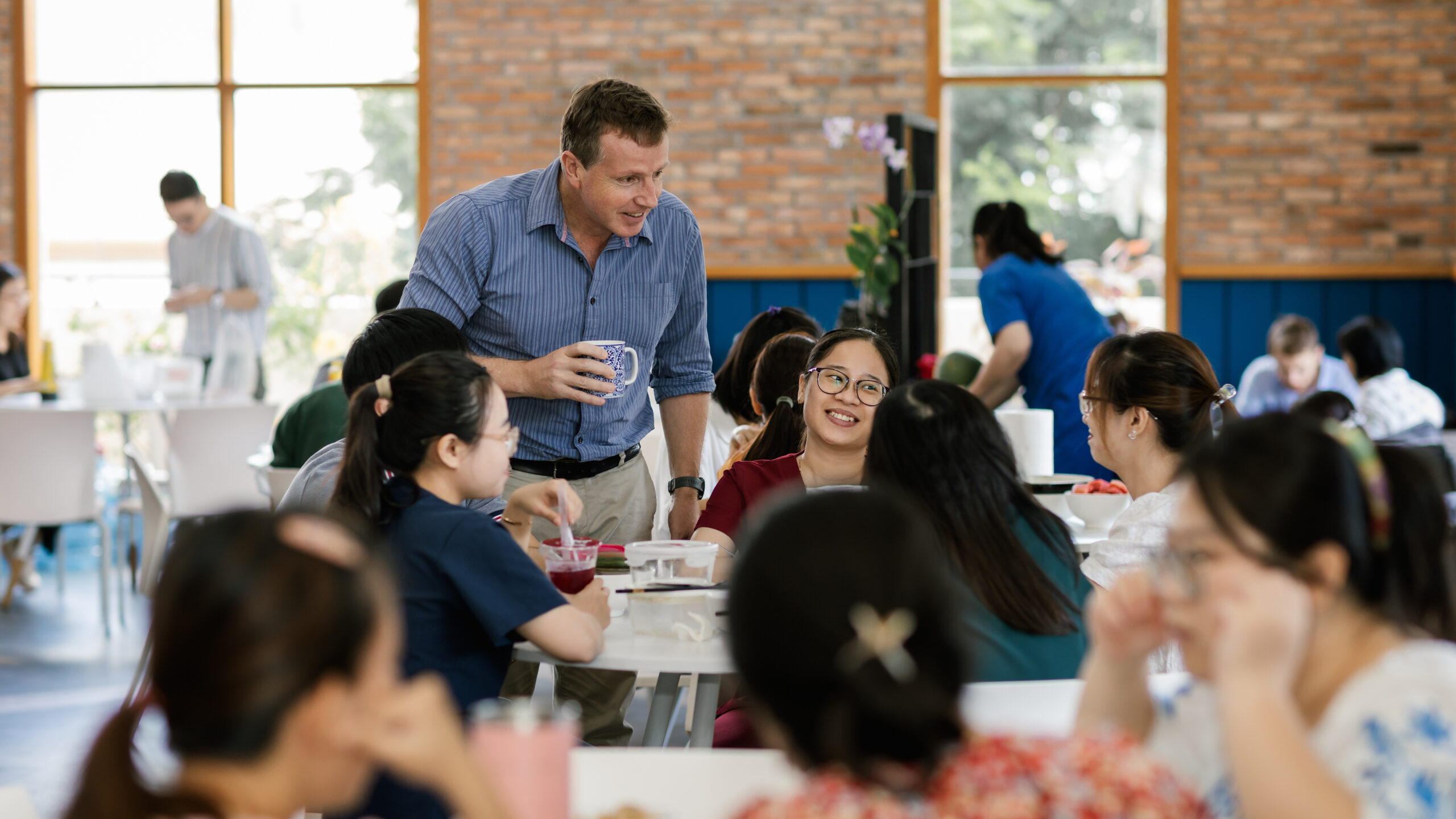
    Professor Guy Thwaites with OUCRU colleagues. His legacy is reflected in the collaborative research culture built over more than a decade of leadership.

    Looking Ahead 

    As OUCRU looks to the future, much of what defines the organisation today, its scientific direction, regional strength, interdisciplinary approach, and commitment to locally driven research, reflects the foundations established during Professor Thwaites’ directorship. 

    His legacy lies not in any single achievement, but in the culture and environment that support rigorous, collaborative, and impactful research, enabling OUCRU to continue addressing some of the most pressing health challenges in the region and beyond. 

  • OUCRU Nepal Hosts ACT South Asia Final Dissemination and Networking Meeting 

    OUCRU Nepal Hosts ACT South Asia Final Dissemination and Networking Meeting 

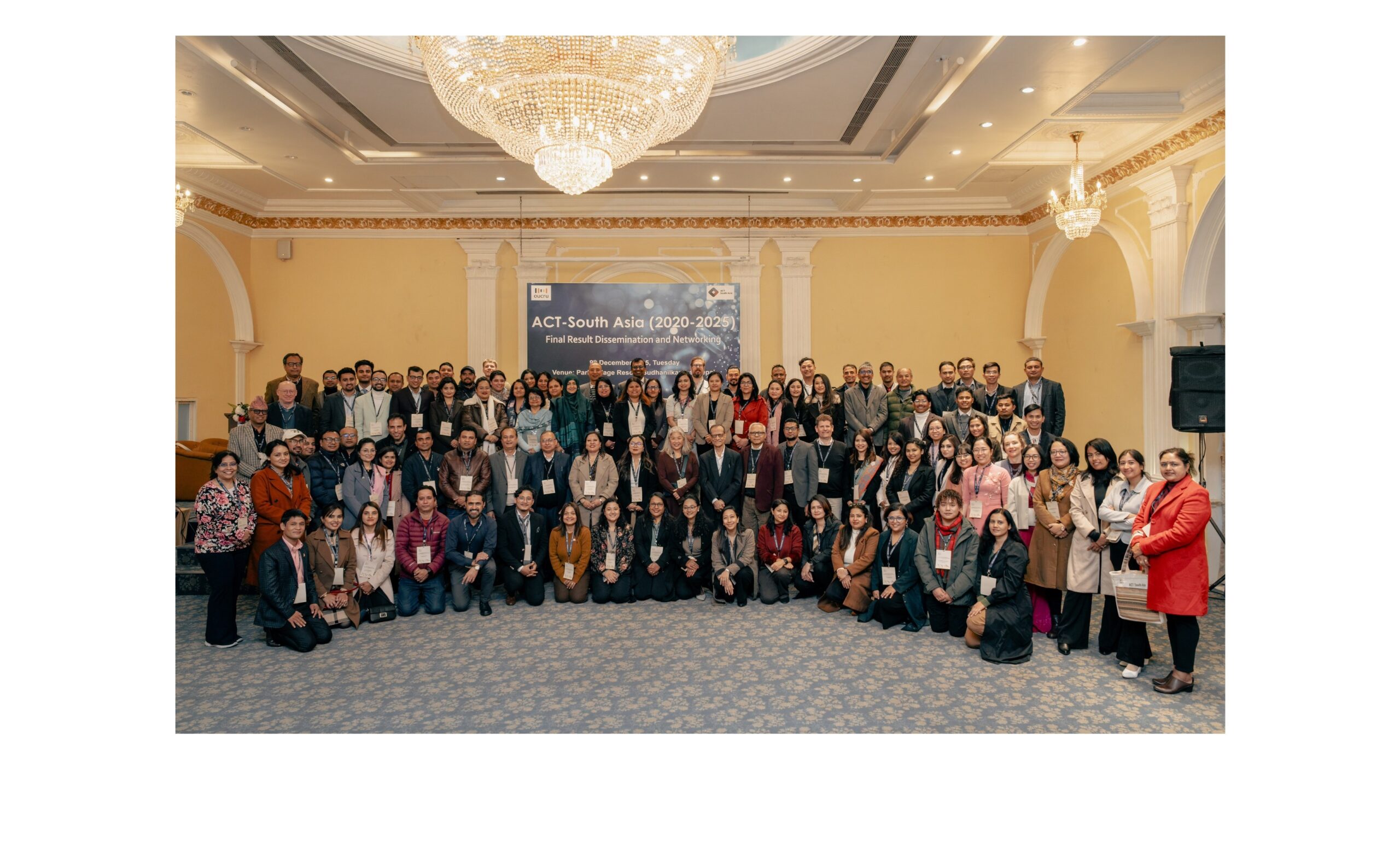
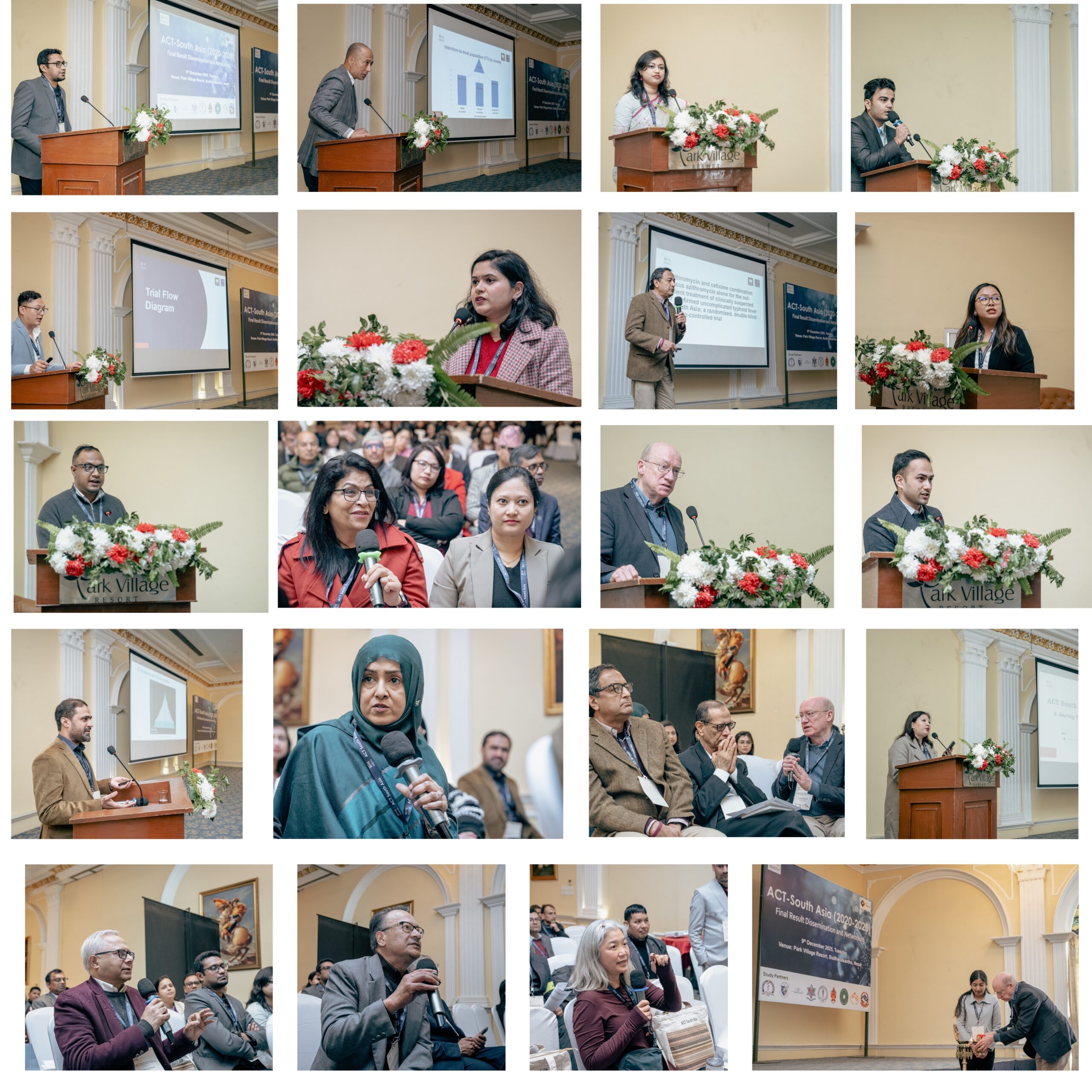
     The Oxford University Clinical Research Unit Nepal (OUCRU Nepal) hosted the ACT South Asia Final Results Dissemination and Regional Networking Meeting at Park Village Resort, Budhanilkantha. (ACT stands for Azithromycin vs combination of cefixime and azithromycin in uncomplicated typhoid fever treatment). ACT South Asia was a randomized controlled trial (RCT). The event marked the conclusion of the five-year ACT South Asia Study (2020-2025), the world’s largest clinical trial on typhoid fever treatment, assessing oral combination therapy versus monotherapy. 

    The ACT South Asia study was a major collaborative effort supported by the UK Research and Innovation (UKRI/MRC). We are very grateful to our funders, who are the Global Challenges Research Fund, UK aid, National Institute for Health Research, Medical Research Council and Wellcome trust.  

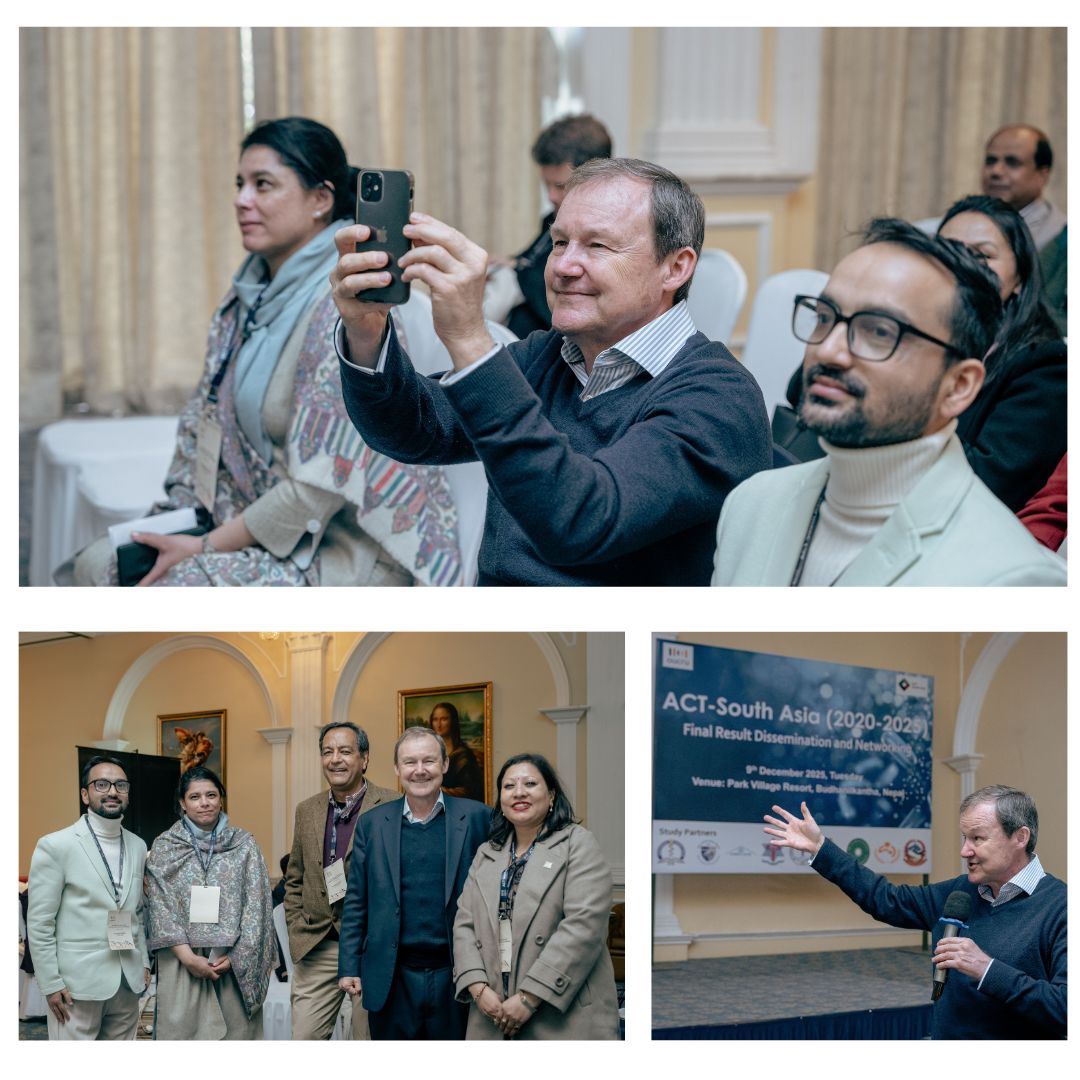
    The dissemination meeting brought together clinicians, researchers, laboratory scientists, field teams, data specialists, community partners, government health authorities, and collaborators from across South Asia, as well as international partners from further afield, to reflect on the findings of the RCT and the five years of scientific progress and strong regional collaboration.  

    The meeting was honored by the presence and support of His Excellency, the British Ambassador to Nepal, Mr. Rob Fenn, underscoring the United Kingdom’s commitment to strengthening research partnerships and health innovation in the region.

    Celebrating Five Years of Collaboration and Scientific Rigor 

    Despite unprecedented challenges, including the COVID-19 pandemic, dengue outbreaks, political instability, logistical bottlenecks, and resource constraints, the study completed enrolment and follow-up across all participating countries. Speakers highlighted how perseverance, adaptability, and cross-border teamwork were central to the trial’s success. 

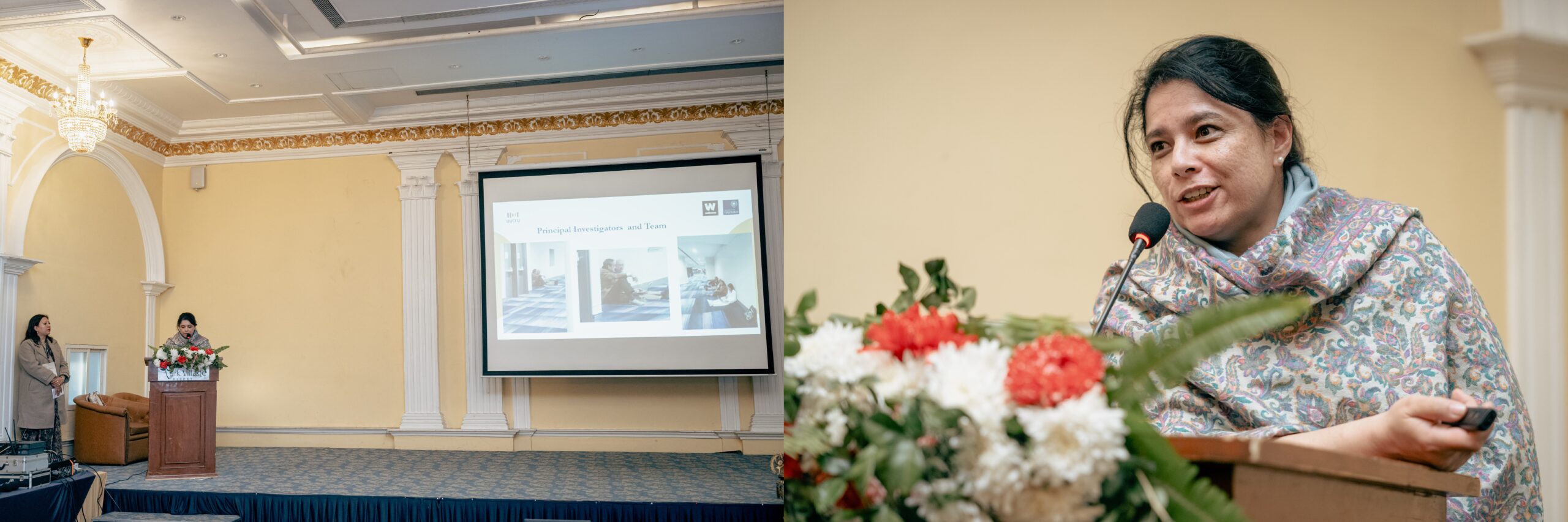
    The opening session, “ACT South Asia, the Story So Far,” traced the study’s journey from concept development and grant application through regional expansion, implementation, and key operational milestones. Presentations offered insights into the ethical, logistical, scientific, and community-level coordination required to conduct a large, multi-country randomized controlled trial during a period of global disruption. 

    Site-specific sessions enabled investigators from Nepal, Pakistan, and Bangladesh to share experiences, challenges, and lessons learned. Discussions underscored the importance of public engagement, the complexities of fever diagnosis in low-resource settings, and the value of strengthening regional laboratory and disease surveillance capacity. 

    Highlight included overall findings of the RCT, diagnostics, economic insights, and health economics. 

    The meeting also featured a series of thematic presentations showcasing the broader scientific contributions of the ACT South Asia initiative: 

    Study findings were presented at the meeting; however, detailed results will be shared publicly following paper publication 

    Diagnostics: Comparative evaluations of blood culture, serology, and RT-PCR for typhoid diagnosis, including discussions on sensitivity limitations and the future potential of antigen-based diagnostics. 

    Gut Microbiome and Metagenomics: Insights into antibiotic-associated changes in gut microbiota, the emergence and resolution of antibiotic-resistant genes during recovery, and the role of metagenomics in understanding infection dynamics. 

    Health Economics: Analyses exploring the economic dimensions of typhoid treatment and implications for healthcare systems in the region. 

    Together, these sessions highlighted how ACT South Asia contributed not only clinical evidence but also methodological and analytical approaches that can inform future infectious disease research in South Asia. 

    Acknowledgements and Closing Reflections 

    The closing session featured reflections and expressions of appreciation from principal investigators across Nepal, Bangladesh, and Pakistan. Speakers acknowledged the exceptional commitment of study staff, clinicians, community partners, and logistical teams who sustained the project through multiple challenges. 

    OUCRU Nepal Country Director Dr. Abhilasha Karkey delivered the closing remarks, emphasizing the importance of translating strong evidence/ research findings into policy and practice, and the continued need for collaborative research to address drug-resistant infections in the region. 

  • Pergantian Kepemimpinan OUCRU per 1 Januari 2026

    Pergantian Kepemimpinan OUCRU per 1 Januari 2026

    Professor Guy Thwaites, Direktur Program OUCRU sejak 2013, akan mengundurkan diri dari posisinya pada 31 Desember 2025. Masa Professor Thwaites di OUCRU diwarnai oleh kepemimpinan serta dedikasi yang luar biasa dan oleh komitmennya dalam memperkuat kemitraan dalam riset klinis serta dalam meningkatan keluaran kesehatan pada tingkat regional.

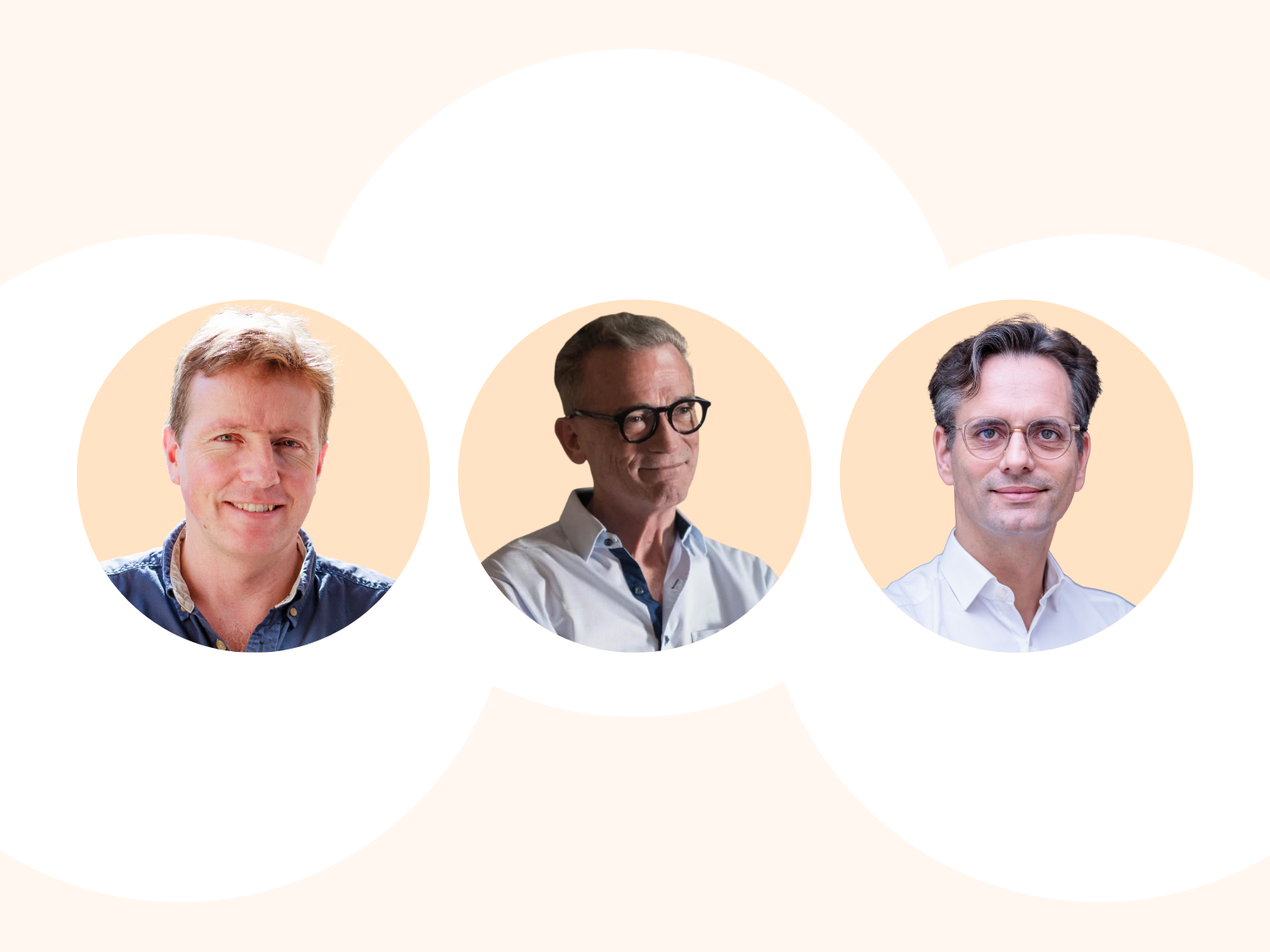
    Mulai 1 Januari 2026, Professor J. Kevin Baird, saat ini berperan sebagai Direktur OUCRU Indonesia, akan mengemban posisi sebagai Direktur Interim Program OUCRU.

    Pada tanggal yang sama, Associate Professor Raph L. Hamers (Kepala Program Riset Klinis Penyakit Menular OUCRU Indonesia) akan berperan sebagai Direktur Interim OUCRU Indonesia.

    Kami berharap perubahan ini tidak akan mengganggu operasi kami. Tim OUCRU akan terus bekerja erat dengan para mitra, donor, dan pemangku kebijakan untuk mewujudkan riset yang berkualitas tinggi dan dampak berkelanjutan di wilayah kerja kami.

  • OUCRU leadership transition effective 1 January 2026.

    OUCRU leadership transition effective 1 January 2026.

    Professor Guy Thwaites, our Programme Director since 2013 will step down from his position on 31 December 2025. Professor Thwaites’ tenure at OUCRU is noted for his outstanding leadership and dedication, and for his enduring commitment to strengthening clinical research partnerships and improving health outcomes across the region.

    Effective 1 January 2026, Professor J. Kevin Baird, currently Director of OUCRU Indonesia, will take on the role of Interim Director of the OUCRU Programme.

    From the same date, Associate Professor Raph L. Hamers (Head of the OUCRU Indonesia’s Clinical Infectious Diseases Research Programme) will take on the role Interim Director of OUCRU Indonesia.

    We expect these changes will not affect any ongoing projects or operations. Our teams will continue to work closely with partners, funders, and stakeholders to deliver high-quality research and sustained impact across our sites.

  • OUCRU leadership transition effective 1 January 2026 

    OUCRU leadership transition effective 1 January 2026 

    Professor Guy Thwaites, our Programme Director since 2013 will step down from his position on 31 December 2025.  Professor Thwaites’ tenure at OUCRU is noted for his outstanding leadership and dedication, and for his enduring commitment to strengthening clinical research partnerships and improving health outcomes across the region. 

    Effective 1 January 2026Professor J. Kevin Baird, currently Director of OUCRU Indonesia, will take on the role of Interim Director of the OUCRU Programme

    From the same date, Associate Professor Raph L. Hamers (Head of the OUCRU Indonesia’s Clinical Infectious Diseases Research Programme) will take on the role Interim Director of OUCRU Indonesia

    We expect these changes will not affect any ongoing projects or operations. Our teams will continue to work closely with partners, funders, and stakeholders to deliver high-quality research and sustained impact across our sites. 

  • No Survival Benefit from High-Dose Rifampicin in Tuberculous Meningitis, Major Global Trial Finds 

    No Survival Benefit from High-Dose Rifampicin in Tuberculous Meningitis, Major Global Trial Finds 

    A major international clinical trial, known as the HARVEST trial, has found that giving a higher dose of rifampicin does not improve survival in adults with tuberculous meningitis, the most severe and deadly form of tuberculosis.

    Tuberculous meningitis affects the brain and spinal cord and remains extremely difficult to treat. Up to half of patients die despite treatment, and many survivors are left with permanent neurological disability. One reason outcomes remain poor is that several standard TB drugs do not penetrate the brain well.

    The trial published last week in the New England Journal of Medicine found that patients who received a 3.5-fold higher than standard dose of rifampicin were not more likely to survive than those given the standard dose.

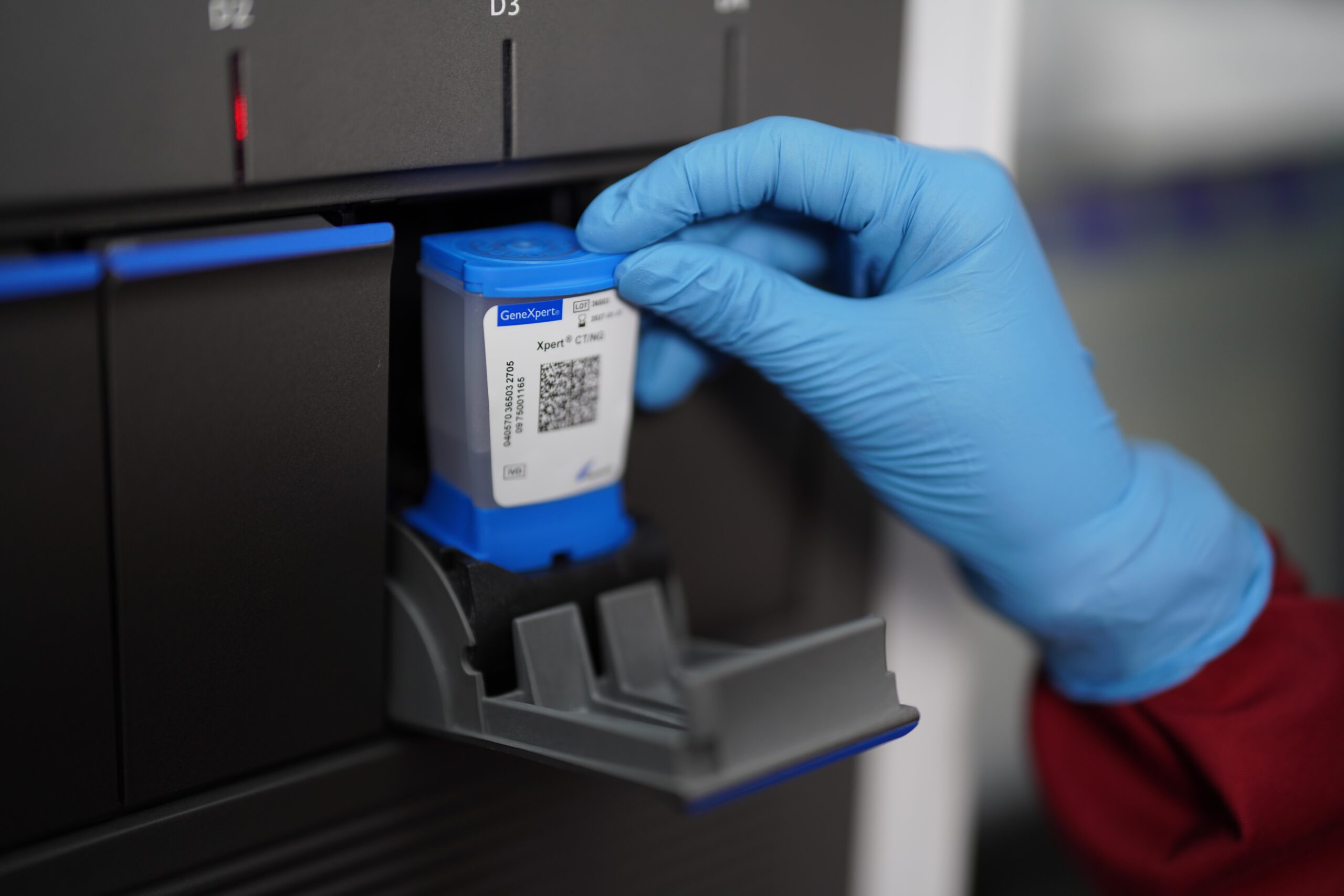
    A laboratory technician prepares a patient sample for GeneXpert testing, a rapid molecular test used to help diagnose tuberculous meningitis. Photo credit: OUCRU Indonesia.

    After six months of follow-up, 44.6 percent in the high-dose rifampicin group had died, compared with 40.7 percent in the standard-dose group, a difference that was not statistically significant. Patients receiving the higher dose also recovered consciousness more slowly, and no improvement was seen in disability or longer-term neurological outcomes.

    For more than a decade, researchers have explored whether increasing the dose of rifampicin could improve outcomes. Earlier, smaller studies in Indonesia, South Africa, and Uganda showed that higher doses could safely raise drug levels in the blood and spinal fluid.

    The HARVEST trial was designed to test whether this strategy could translate into better survival, and is the largest and most rigorous evaluation to date of intensified rifampicin therapy for TB meningitis.

    The trial enrolled 499 adults with tuberculous meningitis across nine hospitals in Indonesia, South Africa, and Uganda. Around 60 percent of participants were living with HIV, and most had severe disease at the time of enrolment.

    Patients were randomly assigned to receive either a high dose of rifampicin (35 mg per kilogram per day), or the standard dose (10 mg per kilogram per day) during the first eight weeks of treatment. All patients also received other standard TB drugs and corticosteroids.

    Researchers believe the worse early outcomes may be linked to an excessive inflammatory response in the brain when TB bacteria are killed more rapidly. In tuberculous meningitis, inflammation itself can be life-threatening and may outweigh any potential benefit of higher antibiotic drug exposure.

    In Indonesia, the trial was conducted at Hasan Sadikin, Cibabat, and Immanuel Hospitals in Bandung, as well as in Dr. Cipto Mangunkusumo and the Indonesia Police Hospitals in Jakarta. It involved researchers from the Faculty of Medicine Universitas Indonesia and the Faculty of Medicine Universitas Padjadjaran.

    “The findings provide essential direction for the global TB research community,” said Dr Darma Imran, a neurologist and Principal Investigator at Cipto Mangunkusumo Hospital and a researcher at the Faculty of Medicine Universitas Indonesia. “These results help doctors avoid treatments that add risk without benefit, and they add to the evidence needed to improve care for patients with tuberculous meningitis.”

    “This trial is also a win for Indonesia,” said Prof Raph Hamers, one of the trial investigators based at OUCRU Indonesia. “Despite the disappointing clinical outcome, HARVEST demonstrates that complex, rigorous randomised clinical trials can be successfully conducted here, through collaboration with international partners. We hope that this trial will galvanize renewed global attention for this neglected, highly fatal disease, exploring strengthened anti-inflammatory treatments, more sensitive diagnostics, enabling earlier intervention, and enhanced supportive care.”

    The researchers stress that these findings apply specifically to tuberculous meningitis and should not be generalised to pulmonary TB or other forms of tuberculosis, where drug penetration and immune responses are very different.

    The study was led by Professor David Meya of the Infectious Diseases Institute, Makerere University in Uganda, and Professor Rovina Ruslami of Universitas Padjadjaran in Bandung, Indonesia. Other collaborators were from Radboud University Medical Center in the Netherlands and the University of Minnesota in the United States. The trial was funded by the UK Medical Research Council through the Joint Global Health Trials scheme.

  • Professor Guy Thwaites, Director of OUCRU, honoured for contributions to Vietnam’s healthcare sector

    Professor Guy Thwaites, Director of OUCRU, honoured for contributions to Vietnam’s healthcare sector

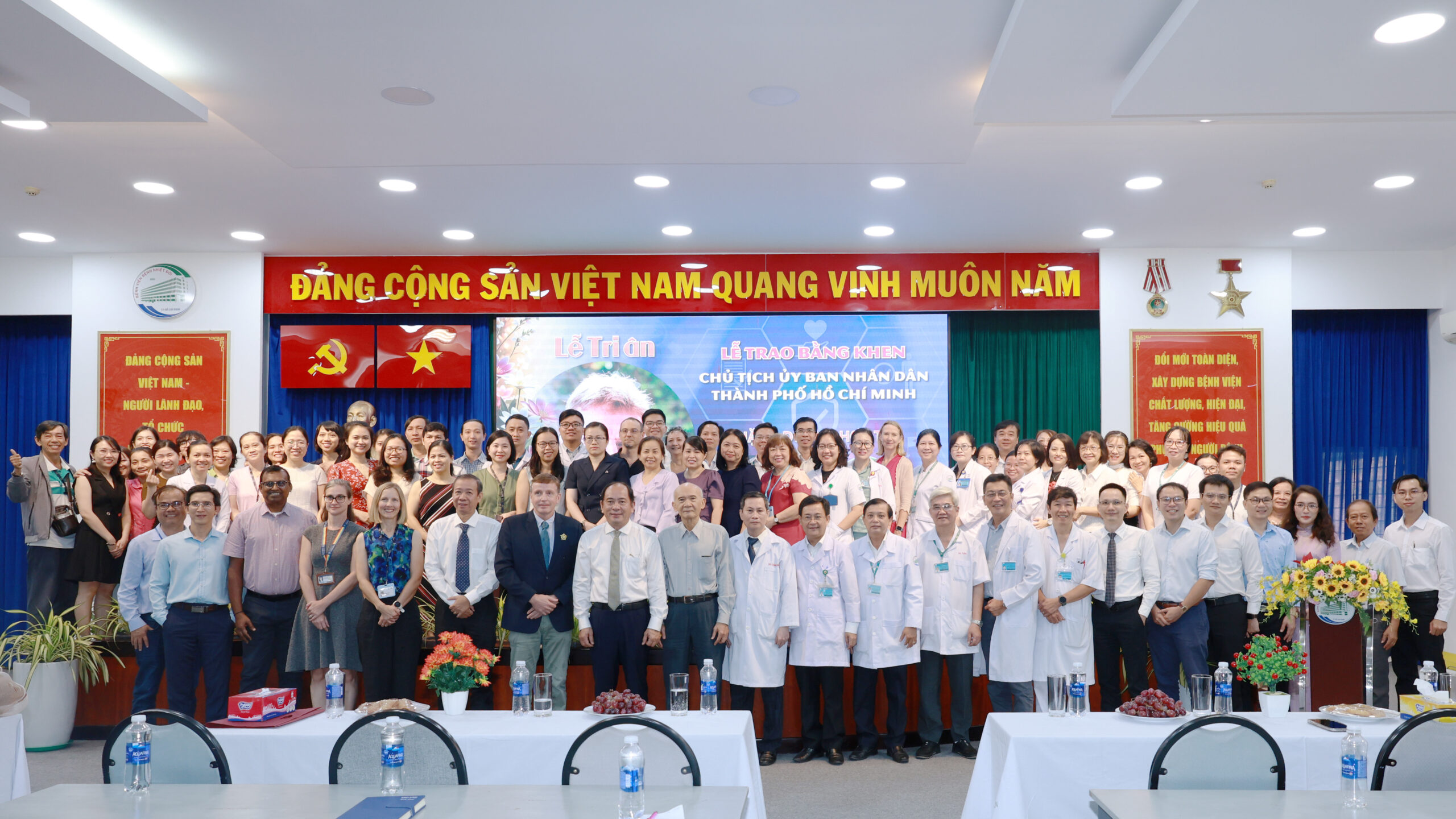
    On 18 December, the Hospital for Tropical Diseases in Ho Chi Minh City hosted a ceremony to honour Professor Guy Edward Thwaites for his long-standing commitment to public health in Viet Nam.

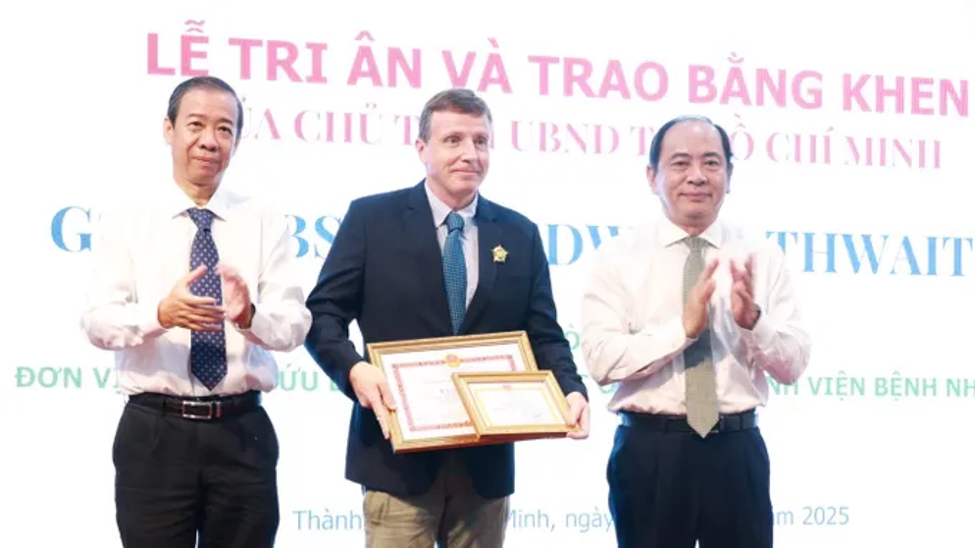
    On this occasion, Professor Guy Thwaites also received a Certificate of Merit from the Chair of the Ho Chi Minh City People’s Committee and the “For the Health of the People” Medal from the Ministry of Health of Viet Nam.

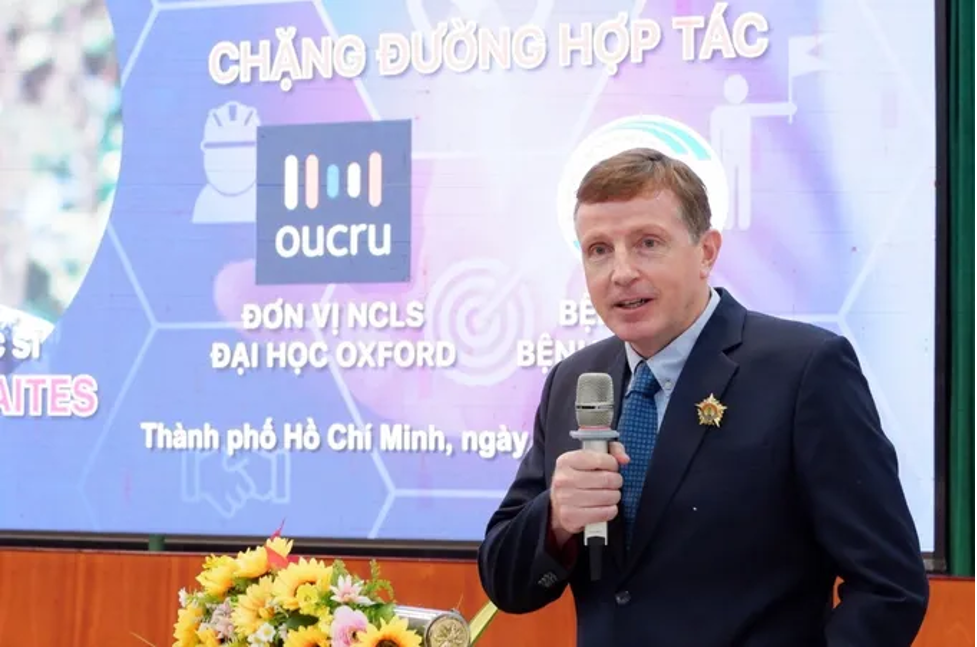
    Professor Guy Thwaites, Director of OUCRU, at the appreciation ceremony on 18 December.

    Professor Guy Thwaites is a world-leading expert in infectious diseases and serves as an advisor to the World Health Organisation, as well as to the governments of Australia and the United Kingdom.

    During his 13-year tenure as Director of OUCRU, Professor Guy Thwaites has translated research findings into practical applications for the prevention and control of infectious diseases, as well as for diagnosis and treatment.

    Professor Guy Thwaites is also recognised for his contributions to public health and to strengthening cooperation between the United Kingdom and Viet Nam, contributing to frontline research and healthcare delivery, particularly during the COVID-19 pandemic.

    In Ho Chi Minh City, Professor Guy Thwaites and OUCRU have signed a cooperation agreement to support capacity building for the city’s Centre for Disease Control. He also proposed an initiative to the Wellcome Trust to consider potential support for establishing an innovation hub for the city’s health sector.

    Professor Guy Thwaites receives the Certificate of Merit from the Chair of the Ho Chi Minh City People’s Committee and the “For the Health of the People” Medal from the Ministry of Health.

    Sharing his reflections, Professor Thwaites said that the achievements were not his own alone, but the result of sustained collaboration between OUCRU and Vietnamese colleagues over many years.

    His dedicated contributions to the community have helped to enhance the standing of Viet Nam’s healthcare sector in general, and that of Ho Chi Minh City in particular, on the global medical map. On 1 January 2026, he will conclude his term as Director of OUCRU.

    Source: “Honouring Professor Guy Edward Thwaites for his contributions to Viet Nam’s healthcare sector”, by journalist Giao Linh, Saigon Giai Phong Newspaper.

  • GS.TS.BS Guy Thwaites, Giám đốc OUCRU, vinh dá»± đón nhận Bằng khen cá»§a Chá»§ tịch UBND TPHCM và ká»· niệm chương “Vì sức khỏe nhân dân” cá»§a Bá»™ Y tế

    GS.TS.BS Guy Thwaites, Giám đốc OUCRU, vinh dự đón nhận Bằng khen của Chủ tịch UBND TPHCM và kỷ niệm chương “Vì sức khỏe nhân dân” của Bộ Y tế

    Ngày 18-12, Bệnh viện Bệnh Nhiệt đới TPHCM tổ chức lễ tri ân GS.TS.BS Guy Edward Thwaites, Giám đốc Đơn vị Nghiên cứu Lâm sàng Đại học Oxford (OUCRU) vì những đóng góp của ông với ngành y tế Việt Nam.

    Nhân dịp này, GS.TS.BS Guy Edward Thwaites vinh dự đón nhận Bằng khen của Chủ tịch UBND TPHCM và kỷ niệm chương “Vì sức khỏe nhân dân” của Bộ Y tế.

    GS.TS.BS Guy Thwaites, Giám đốc OUCRU tại lễ tri ân ngày 18-12

    GS Guy Thwaites là chuyên gia hàng đầu thế giới về bệnh truyền nhiễm, thành viên ban cố vấn cho Tổ chức Y tế thế giới, chính phủ Úc và Vương quốc Anh.

    Giữ cương vị Giám đốc OUCRU trong 13 năm, GS Guy Edward Thwaites đã chuyển hóa các kết quả nghiên cứu thành những ứng dụng thực tiễn trong dự phòng và kiểm soát bệnh truyền nhiễm, chẩn đoán và điều trị.

    Ông nỗ lực thúc đẩy nghiên cứu lâm sàng, đào tạo nguồn nhân lực chất lượng cao và hỗ trợ chuyên môn.

    GS Guy Thwaites còn được biết đến là người đã cống hiến cho y tế cộng đồng và quan hệ hợp tác giữa Vương quốc Anh và Việt Nam, góp phần vào lĩnh vực nghiên cứu và chăm sóc sức khỏe tuyến đầu, đặc biệt trong đại dịch Covid-19.

    Đối với TPHCM, GS Guy Thwaites và OUCRU đã ký thỏa thuận hợp tác dự án hỗ trợ nâng cao năng lực cho Trung tâm Kiểm soát bệnh tật thành phố. Ông cũng đề xuất ý tưởng đến Tổ chức Wellcome xem xét khả năng hỗ trợ cho ngành y tế TPHCM hình thành vườn ươm sáng tạo.

    GS.TS.BS Guy Thwaites đón nhận Bằng khen của Chủ tịch UBND TPHCM và kỷ niệm chương của Bộ Y tế

    Ông xúc động chia sẻ, những thành tựu đạt được không chỉ của riêng cá nhân mà là kết quả của tinh thần hợp tác bền bỉ giữa OUCRU và các đồng nghiệp Việt Nam suốt thời gian qua.

    Những cống hiến tâm huyết vì cộng đồng của ông đã góp phần nâng tầm vị thế y tế Việt Nam nói chung và y tế TPHCM nói riêng trên bản đồ y học thế giới. Ngày 1-1-2026, ông sẽ kết thúc nhiệm kỳ Giám đốc OUCRU.

    Nguồn: Vinh danh giáo sư Guy Edward Thwaites vì những cống hiến cho y tế Việt Nam, Phóng viên Giao Linh, Báo Sài Gòn Giải Phóng.