Blog

  • Nghiên cứu má»›i tìm ra các chất chuyển hóa giúp dá»± Ä‘oán diá»…n biến bệnh lao màng não

    Nghiên cứu mới tìm ra các chất chuyển hóa giúp dự đoán diễn biến bệnh lao màng não

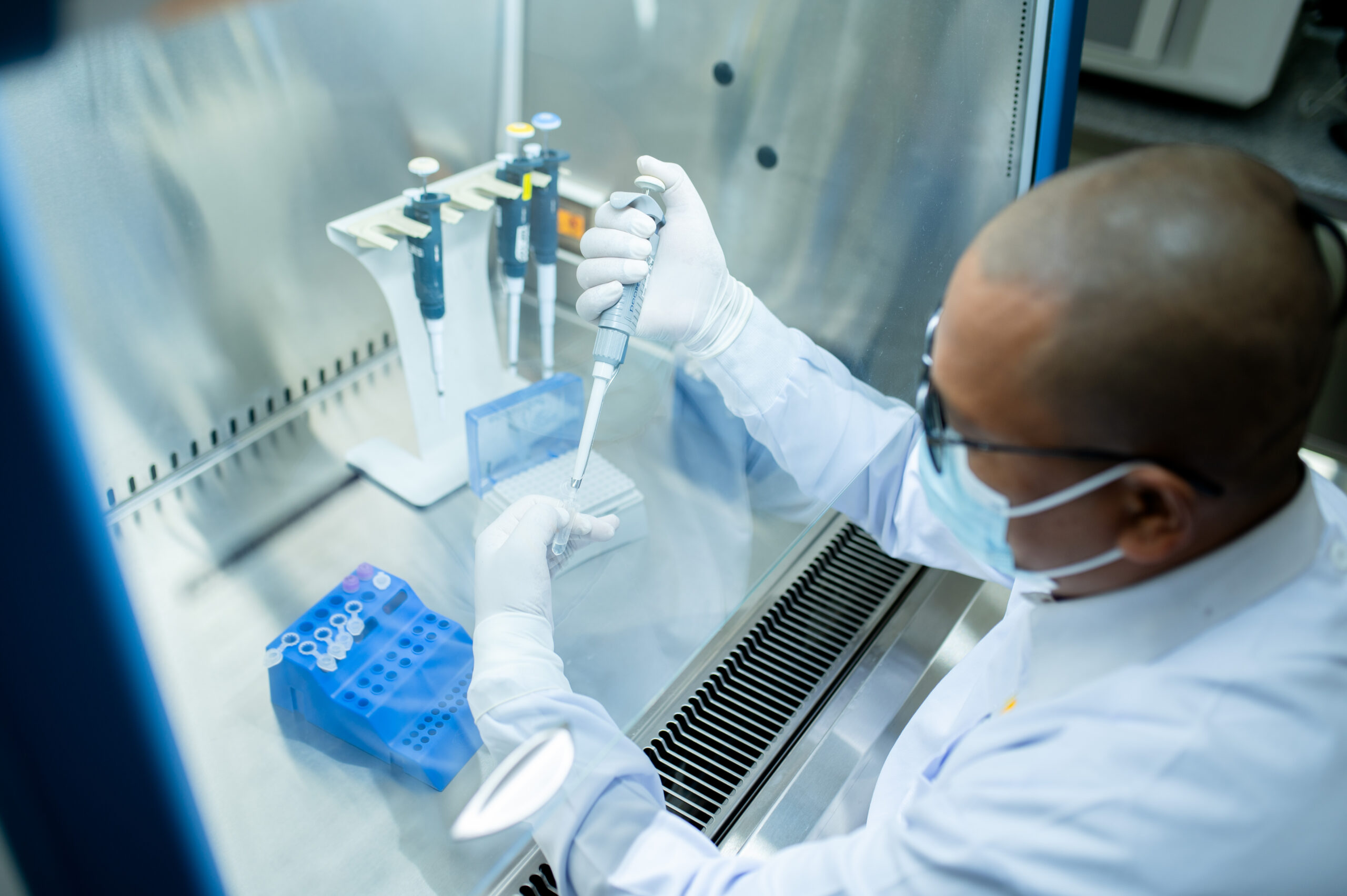
    Nghiên cứu mới nhất của nhóm nghiên cứu Lao thuộc Đơn vị Nghiên cứu Lâm sàng Đại học Oxford (OUCRU), phối hợp cùng các đối tác từ Indonesia, Hà Lan và Hoa Kỳ, đã đi sâu phân tích dịch não tủy. Kết quả cho thấy, nhiều chất chuyển hóa trong dịch não tủy có liên hệ chặt chẽ với tiên lượng của bệnh nhân lao màng não, hứa hẹn mở ra những hướng tiếp cận mới trong điều trị. 

    Lao màng não là một thể lao nặng với hơn 164.000 mắc phải trên toàn cầu vào năm 2019. Căn bệnh này phát sinh do cơ chế gây viêm quá mức tại màng não, tuy nhiên, đến nay vẫn chưa có phương pháp điều trị hiệu quả. Ngay cả khi bệnh nhân được áp dụng phác đồ điều trị lao tiêu chuẩn, bao gồm cả thuốc kháng viêm dexamethasone, thì một nửa số người mắc vẫn tử vong hoặc chịu biến chứng dài hạn. 

    Các nhà nghiên cứu đã đưa ra giả thuyết rằng các con đường chuyển hóacó thể ảnh hưởng đến kết quả điều trị và giúp phát triển các liệu pháp hướng đến vật chủ  hiệu quả hơn. Họ đã thu thập và phân tích 619 chất chuyển hóa từ 1.067 mẫu dịch não tủy từ bệnh nhân lao màng não ở Indonesia và Việt Nam.  

    Nghiên cứu sử dụng kỹ thuật sắc ký lỏng – khối phổ không định hướng (LC-MS). Đây là một nền tảng metabolomics tiên tiến do Viện Broad của MIT và Harvard phát triển, nổi bật với độ nhạy cực cao, khả năng bao phủ rộng các chất chuyển hóa và phân tích chuyên sâu chỉ với một lượng dịch não tủy nhỏ. 

    Các chất chuyển hóa giúp dự đoán diễn biến bệnh lao màng não 

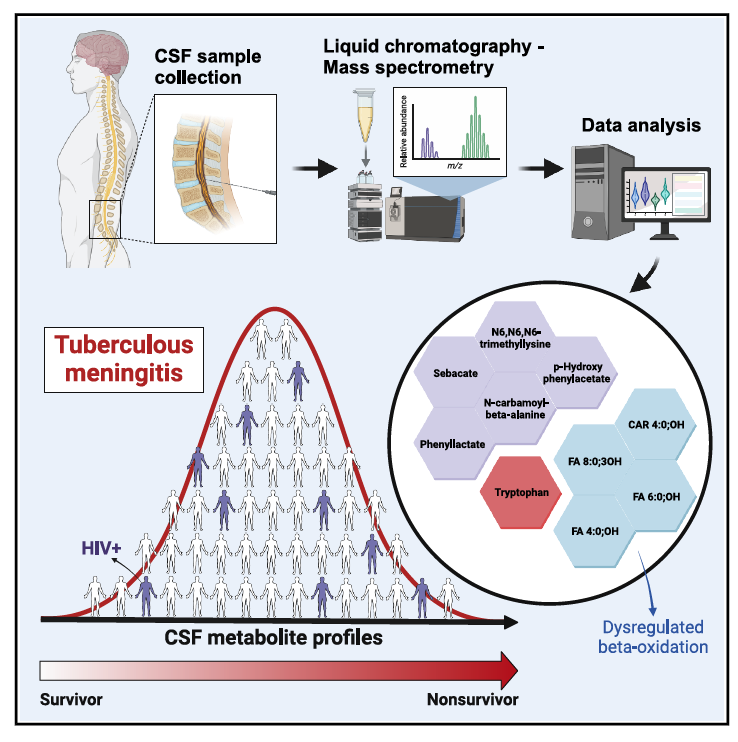
    Được công bố trên tạp chí Med, nghiên cứu đã xác định mười chất chuyển hóa có nồng độ cao hơn ở những bệnh nhân tử vong do lao màng não trong vòng 60 ngày sau khi chẩn đoán. Bên cạnh tryptophan đã được báo cáo trong các nghiên cứu trước đây, chín chất còn lại là những phát hiện mới. Bao gồm các axit béo hydroxyl hóa như 3-hydroxyoctanoate (FA 8:0;3OH), hydroxy-isocaproate (FA 6:0;OH), hydroxyisobutyrate (FA 4:0;OH) và một dẫn xuất liên quan là C4-OH carnitine.  

    Hình 1: Tổng quan nghiên cứu  

    Các chất chuyển hóa này được chia thành hai nhóm chính: axit béo và tryptophan. Chúng cho thấy liên hệ rõ ràng với các chỉ số bệnh nặng trên lâm sàng, như thang điểm hôn mê Glasgow, tổng số bạch cầu, tải lượng vi khuẩn và nồng độ các cytokine gây viêm trong dịch não tủy. Đặc biệt, axit béo 8:0;3OH và tryptophan là hai chất có liên quan chặt chẽ nhất đến nguy cơ tử vong, ngay cả khi không xét đến GSC hay các yếu tố đánh giá mức độ nặng khác trước điều trị khác. 

    “Chúng tôi đã xác định hai nhóm chất chuyển hóa gắn liền vá»›i tiên lượng xấu ở bệnh nhân lao màng não là axit béo và tryptophan.

    Axit béo tăng cao ở bệnh nhân có tải lượng vi khuẩn và và tình trạng viêm nặng hÆ¡n, trong khi tryptophan lại được tìm thấy cao ở bệnh nhân có mức độ cả hai thấp hÆ¡n. Điều này gợi ý rằng nhiều cÆ¡ chế sinh học cùng có thể ảnh hưởng đến tiên lượng cá»§a bệnh nhân lao màng não.”

    Tiến sĩ Lê Thanh Hoàng Nhật, tác giả chính.

    Nghiên cứu này mở ra cánh cửa tìm hiểu sâu hơn về cơ chế sinh học ảnh hưởng đến tiên lượng xấu của bệnh nhân lao màng não. Cùng với các đối tác quốc tế, nhóm nghiên cứu tại OUCRU do GS. Guy Thwaites, PGS. Nguyễn Thụy Thương Thương và TS. Lê Thanh Hoàng Nhật dẫn dắt, đang tiếp tục tìm hiểu vai trò của gen di truyền, tương tác giữa chất chuyển hóa và protein trong nhiễm trùng trước khi điều trị và cũng như sự thay đổi khi bệnh nhân bắt đầu điều trị. 

    Toàn bộ kết quả nghiên cứu đã được công bố trên Tạp chí Med.

    Đối tác nghiên cứu:  
    1. Trung tâm Y khoa Đại học Radboud, Hà Lan
    2. Trung tâm Nghiên cứu Chăm sóc và Kiểm soát Bệnh truyền nhiễm, Đạib học Padjadjaran, Bandung, Indonesia
    3. Viện Broad bởi MIT và Harvard, Cambridge, MA, Hoa Kỳ
    4. Khoa Y, Đại học Indonesia, Jakarta, Indonesia
    5. Đại học Y khoa Phạm Ngọc Thạch, Việt Nam

  • Research finds new metabolic clues to survival in tuberculous meningitis

    Research finds new metabolic clues to survival in tuberculous meningitis

    A new study by the OUCRU Tuberculosis research group, in collaboration with partners from Indonesia, the Netherlands, and the United States, has identified new metabolites in the cerebrospinal fluid (CSF) linked to survival prediction in tuberculosis meningitis (TBM), potentially paving the way for improved diagnosis and treatments. 

    Tuberculous meningitis (TBM) is a severe form of tuberculosis, affecting 164,000 adults globally in 2019. The disease is caused by an excessive inflammatory response in the meninges, but there is still no effective treatment to control the inflammation. Even for patients receiving the standard tuberculosis treatment, including dexamethasone, half of those who survive are left with long-term complications. 

    The researchers hypothesised that metabolic pathways may influence disease outcome and help develop more effective host-directed therapy. They analysed 619 metabolites in CSF from 1,067 TBM Indonesian and Vietnamese patients before treatment.  

    The study used untargeted liquid chromatography-massspectrometry (LC-MS), a metabolomics platform developed by the Broad Institute of MIT and Harvard. This cutting-edge technique combines ultra-high sensitivity, broad metabolite coverage and untargeted analysis on minimal CSF volumes, enabling far broader and deeper discovery than previous tools used in TBM research. 

    Metabolic clues to survival in tuberculous meningitis 

    Published in Med, the study identified ten metabolites consistently higher in patients who did not survive within 60 days of diagnosis. Aside from tryptophan, which was previously reported, the other nine were newly linked to TBM outcomes. They include mainly hydroxylated fatty acids such as 3-hydroxyoctanoate (FA 8:0;3OH), hydroxy-isocaproate (FA 6:0;OH), hydroxyisobutyrate (FA 4:0;OH), and a related molecule, C4-OH carnitine.  

    Figure 1: Study overview 

    These metabolites are correlated with traditional indicators of disease severity, such as Glassgow Coma Score (GSC), total leukocyte counts, bacterial load, or inflammatory cytokines in the CSF. Two metabolites, fatty acid 8:0;3OH and tryptophan, emerged as strongest predictors of mortality, independent of GSC or other pre-treatment severity measures.

    “We identified two distinct molecular groups linked to lower survival in TBM patients: fatty acids and tryptophan. Fatty acids surged in patients with higher bacterial load and inflammation, while more tryptophan was found in those with lower levels of both. It suggests that multiple biological pathways may shape the survival outcome of TBM.” 

    Dr Lê Thanh Hoàng Nhật, first author.

    The findings open the door to further investigation of the biological mechanisms driving poor outcomes in TBM, from how genetics shape CSF metabolic profiles to how these metabolites interact with proteins during infection or change as treatment begins. Together with our collaborators, the OUCRU research team led by Prof Guy ThwaitesAsso Prof Nguyá»…n Thụy Thương Thương and Dr Lê Thanh Hoàng Nhật is now exploring these questions in follow-up studies.  

    Read the full study in Med. 

    Collaborators:  
    1. Department of Internal Medicine and Radboud Community for Infectious Diseases, Radboud University Medical Center, Nijmegen, the Netherlands.
    2. Research Center for Care and Control of Infectious Diseases, Universitas Padjadjaran, Bandung, Indonesia 
    3. Broad Institute of MIT and Harvard, Cambridge, MA, USA, 
    4. Faculty of Medicine, Universitas Indonesia, Jakarta, Indonesia.
    5. Pham Ngoc Thach Hospital, Ho Chi Minh City, Vietnam

  • Tiến sÄ© Hồ Quang Chánh được bổ nhiệm làm Trưởng nhóm Nghiên cứu Sốt xuất huyết tại OUCRU

    Tiến sĩ Hồ Quang Chánh được bổ nhiệm làm Trưởng nhóm Nghiên cứu Sốt xuất huyết tại OUCRU

    TS BS Hồ Quang Chánh là bác sÄ© chuyên khoa nhi, hiện Ä‘ang là nghiên cứu viên chính và bác sÄ© danh dá»± tại Khoa Cấp cứu – Hồi sức tích cá»±c trẻ em, Bệnh viện Bệnh Nhiệt đới. Ông tập trung nghiên cứu chuyên sâu về các khía cạnh lâm sàng cá»§a bệnh sốt xuất huyết dengue và nâng cao chất lượng chăm sóc và Ä‘iều trị cho bệnh nhi nặng. 

    TS BS Chánh đặc biệt tâm huyết trong việc cải thiện việc theo dõi và Ä‘iều trị bệnh nhân tại các quốc gia có thu nhập thấp và trung bình. Ông cÅ©ng chú trọng ứng dụng công nghệ thông minh và dữ liệu lá»›n để phát triển các chiến lược Ä‘iều trị cá nhân hóa, mang lại hiệu quả cao hÆ¡n cho người bệnh. 

    TS BS Hồ Quang Chánh tốt nghiệp Tiến sĩ tại Đại học Oxford năm 2025.

    Xin chúc mừng TS BS Chánh, hy vọng ông và Nhóm nghiên cứu Sốt xuất huyết Dengue sẽ tiếp tục gặt hái nhiều thành tá»±u má»›i, góp phần nâng cao sức khỏe cá»™ng đồng. 

    Chúng tôi cũng tri ân sự lãnh đạo xuất sắc PGS Prof Sophie Yacoub, người sẽ từ nhiệm khỏi vị trí Trưởng Nhóm nghiên cứu Sốt xuất huyết Dengue tại OUCRU vào tháng tới. Bà sẽ tiếp tục hợp tác chặt chẽ với OUCRU trong các nghiên cứu sắp tới. Xin chúc bà sức khỏe và thành công trong các dự định tương lai.

  • Dr Ho Quang Chanh appointed Head of Dengue Research Group at OUCRU

    Dr Ho Quang Chanh appointed Head of Dengue Research Group at OUCRU

    Dr Ho Quang Chanh is a research physician and honorary clinician at the Paediatric Intensive Care Unit, Hospital for Tropical Diseases. Dr Chanh’s research focuses primarily on the clinical aspects of dengue and improving healthcare quality for critically ill paediatric patients.

    Through his work, he aims to enhance the management and monitoring of critically ill patients in low and middle-income countries. He is particularly focused on using intelligent technologies and big data to develop personalised treatment strategies. 

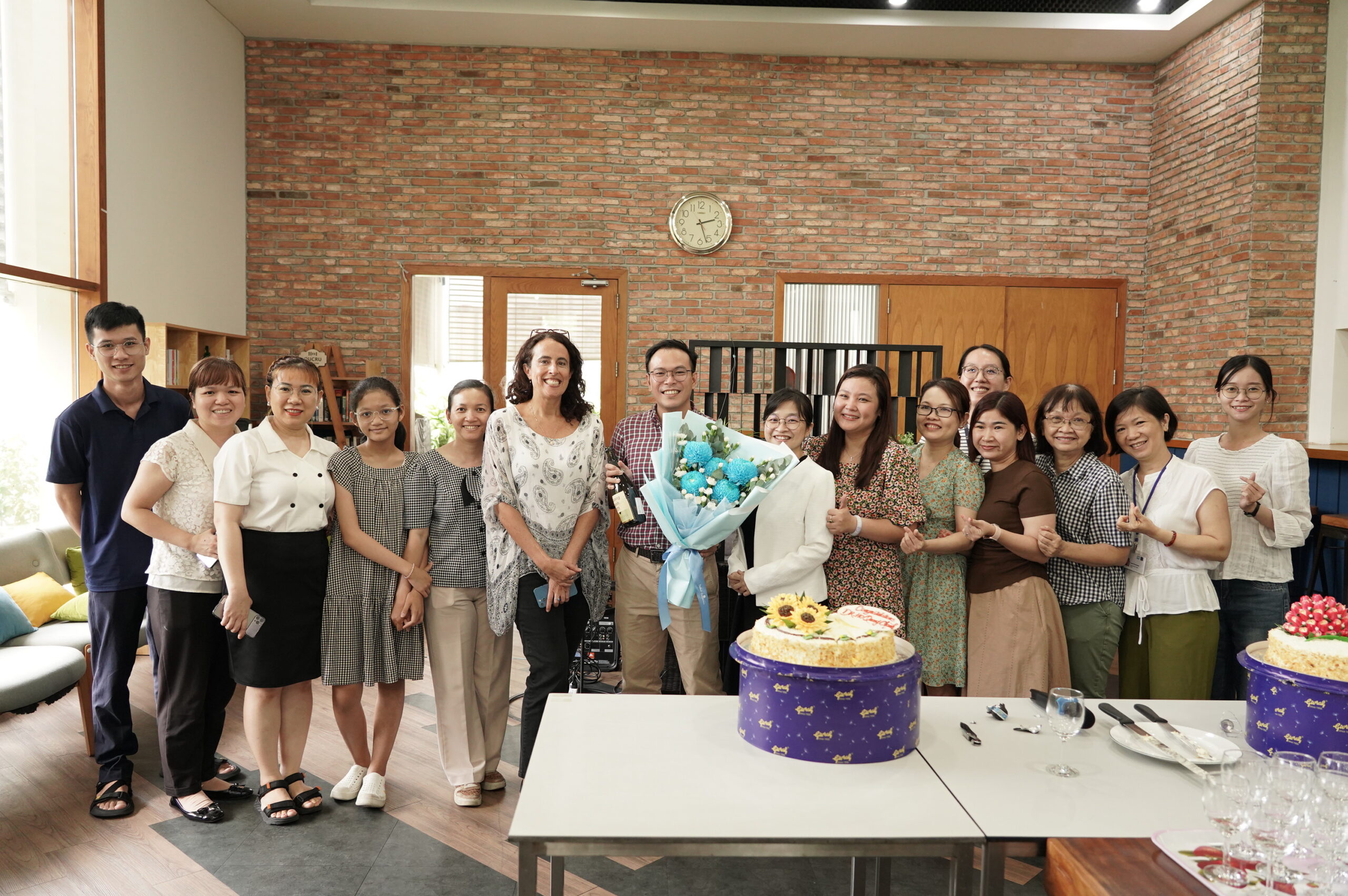
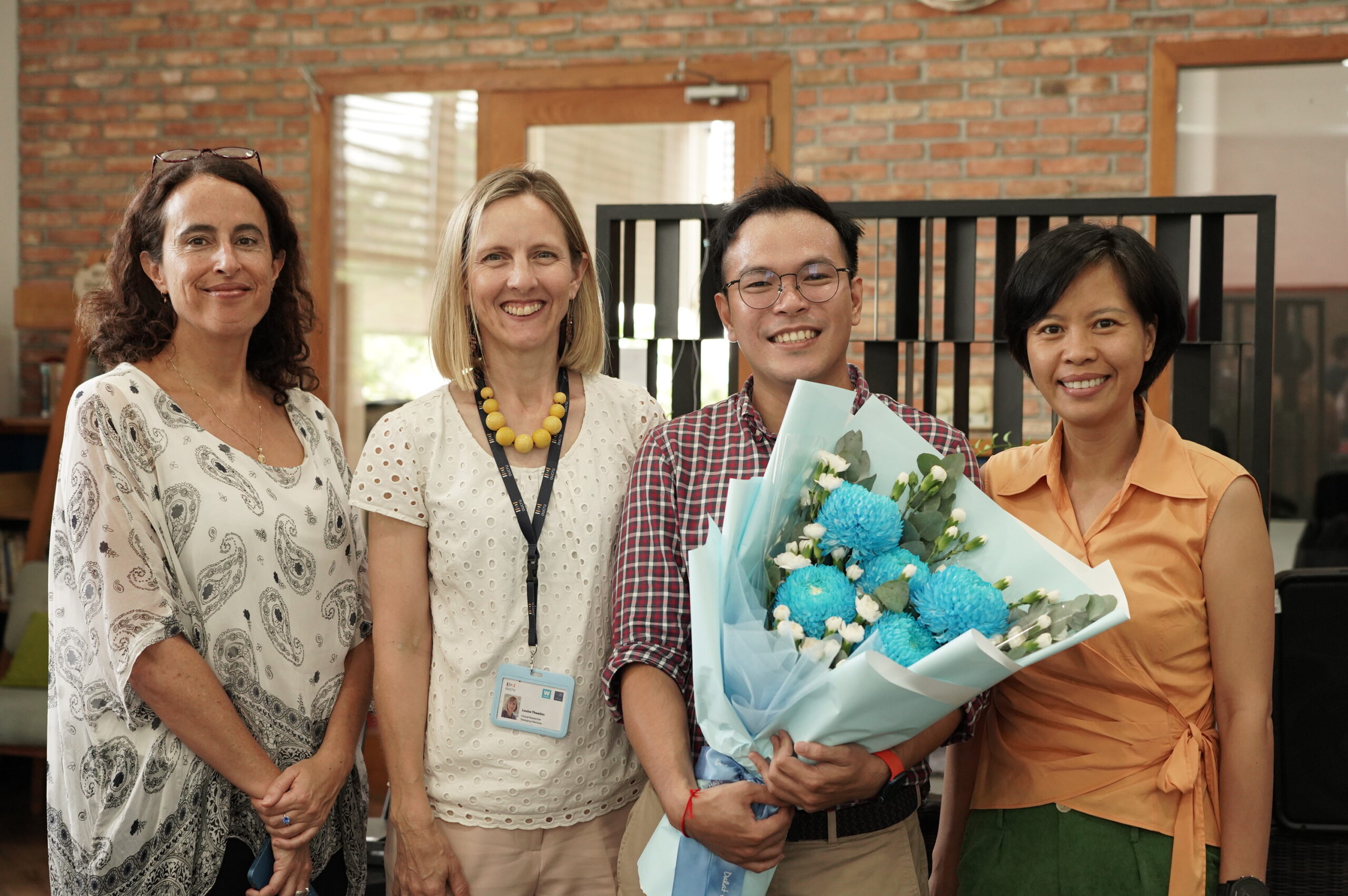
    Dr Chanh celebrates his PhD graduation from the University of Oxford in 2025.

    Dr Chanh’s appointment as the Head of the Dengue Research Group marks an exciting new chapter for the team at OUCRU, and we look forward to the continued impact of his leadership and innovative research on global health. 

    We would also like to acknowledge the remarkable leadership of Assoc Prof Sophie Yacoub, who will step down from her role next month. Dr Yacoub will continue to work closely with OUCRU. We wish her all the best in her future endeavours. 

  • Trí tuệ nhân tạo và Dữ liệu lá»›n trong thá»±c hành lâm sàng bệnh truyền nhiá»…m tại Việt Nam

    Trí tuệ nhân tạo và Dữ liệu lớn trong thực hành lâm sàng bệnh truyền nhiễm tại Việt Nam

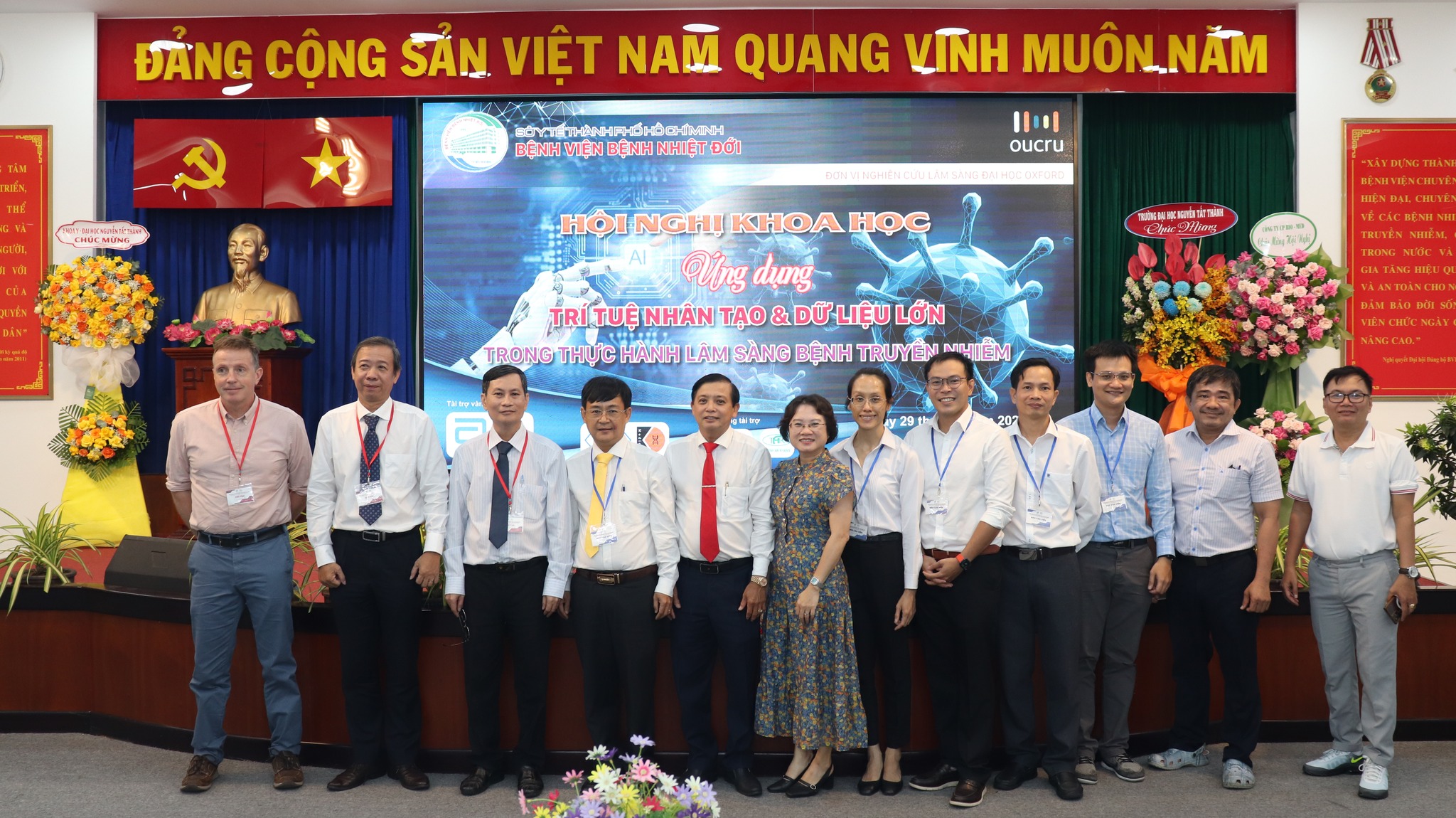
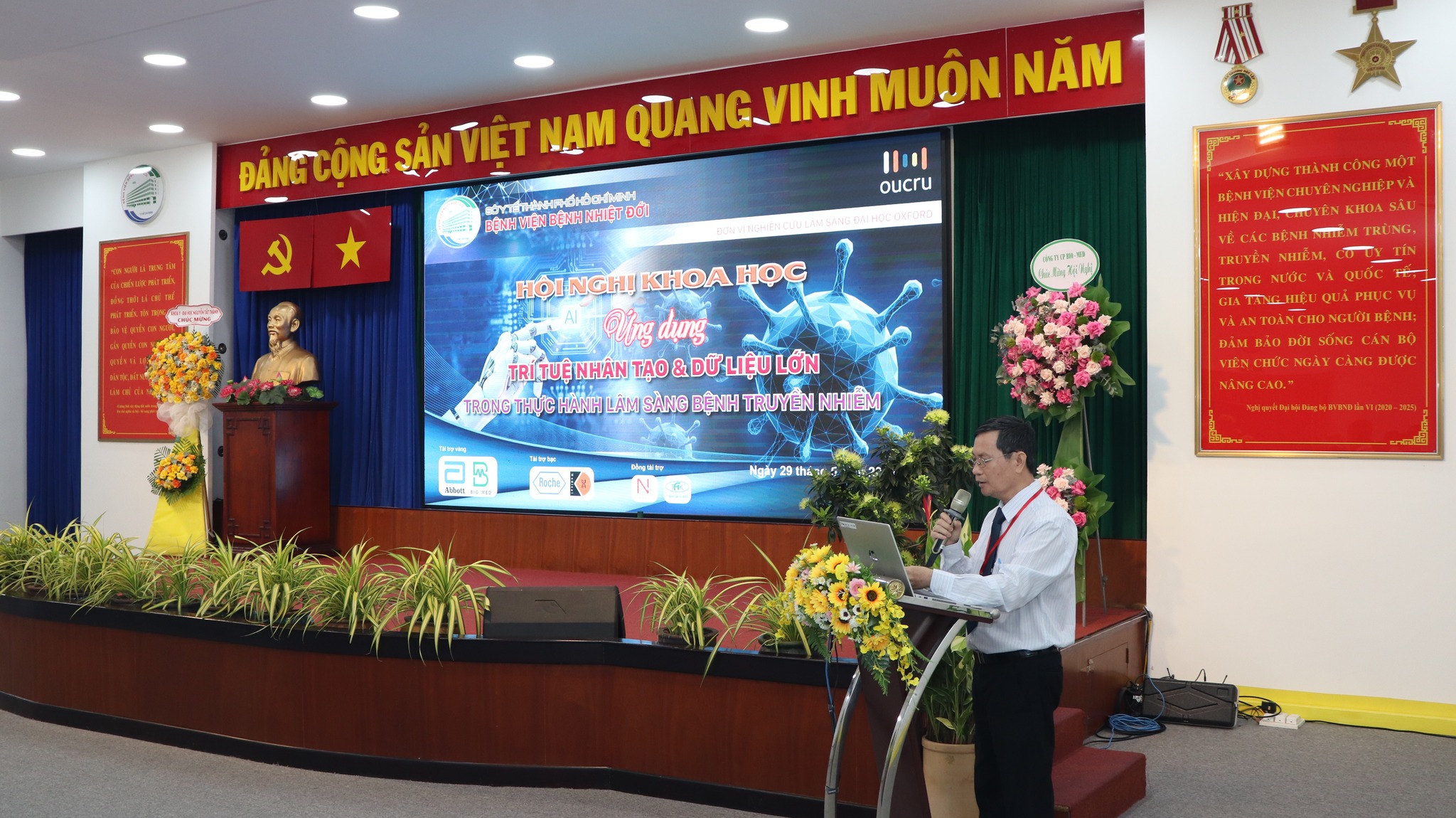
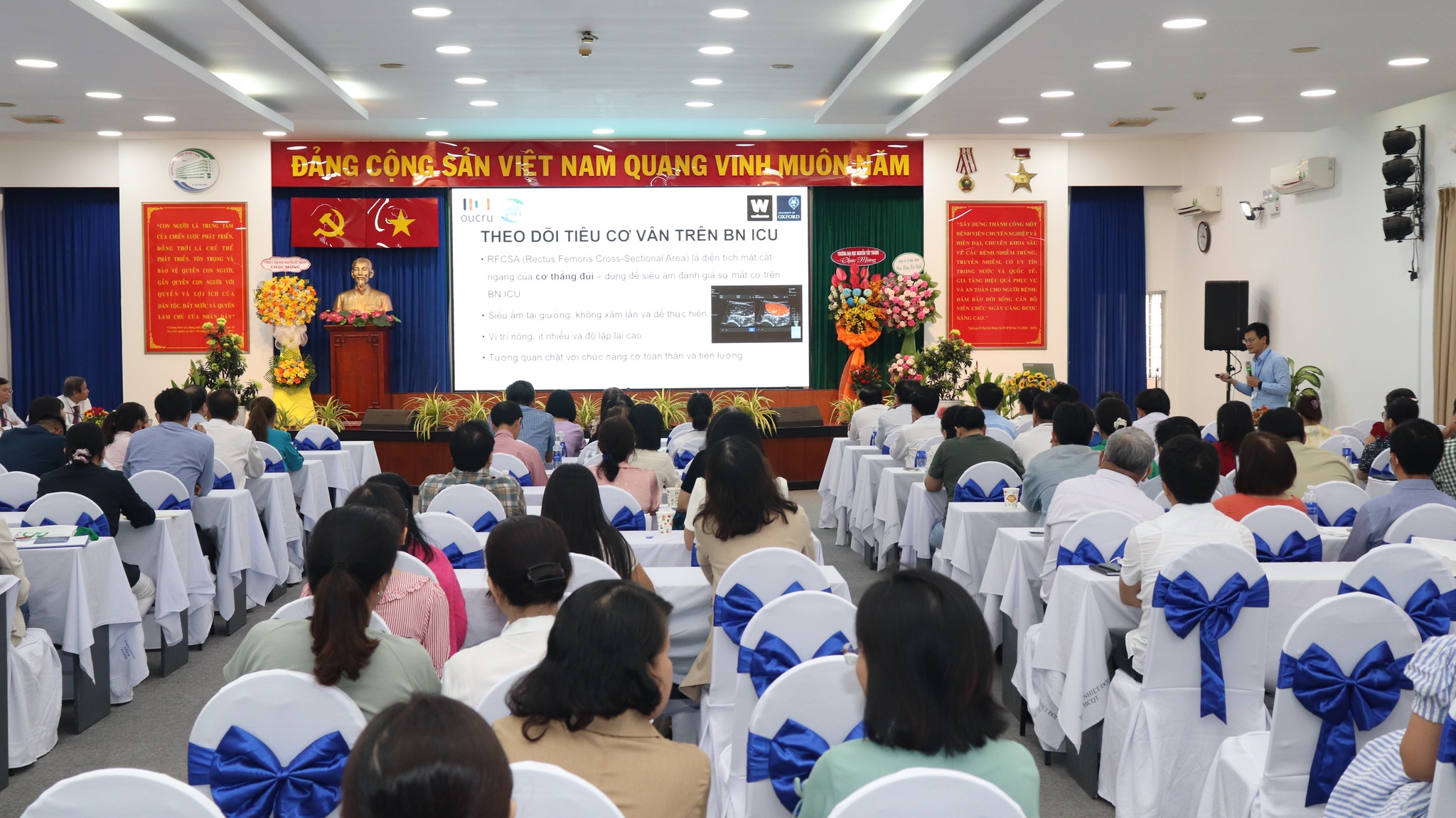
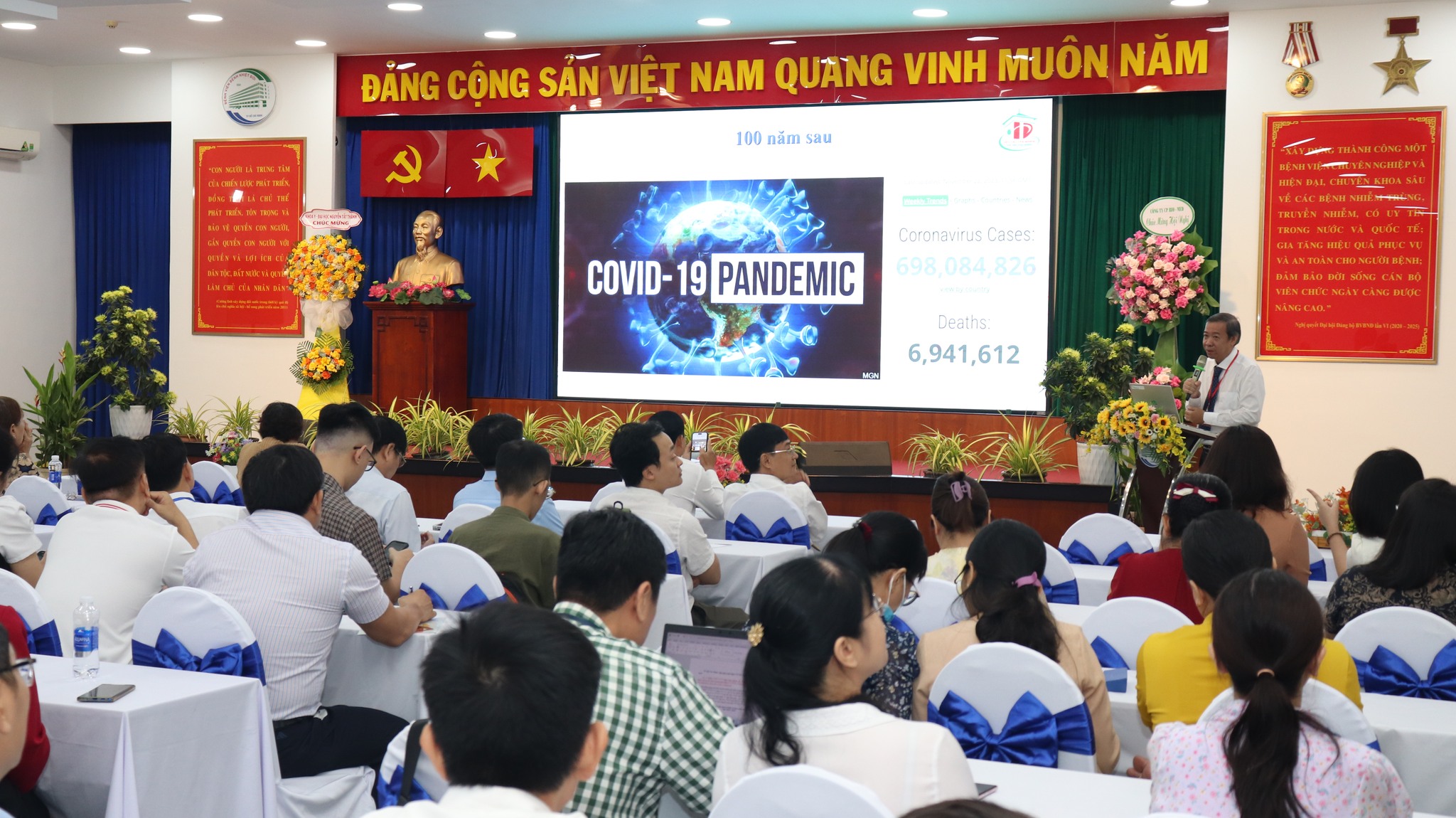
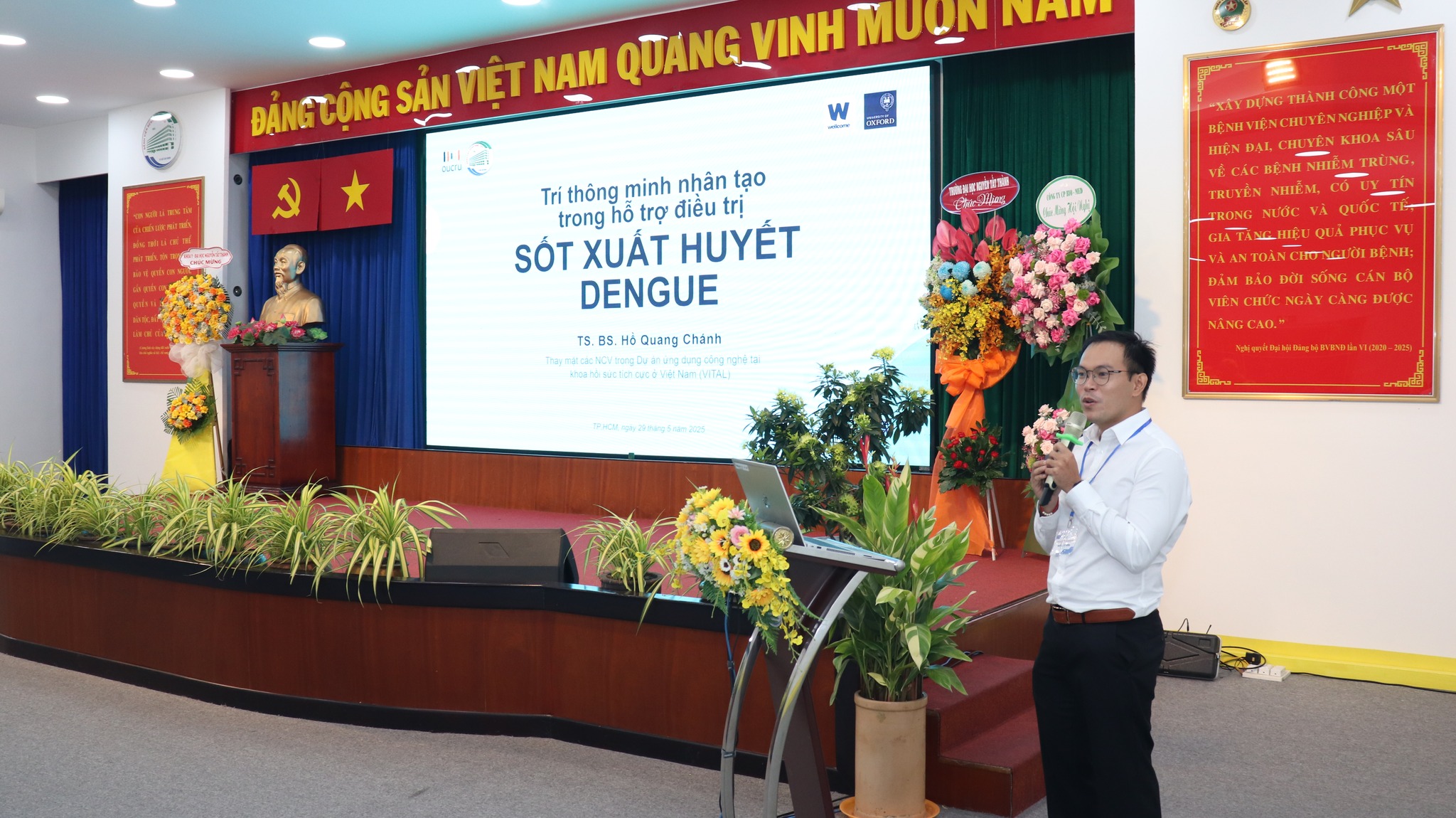
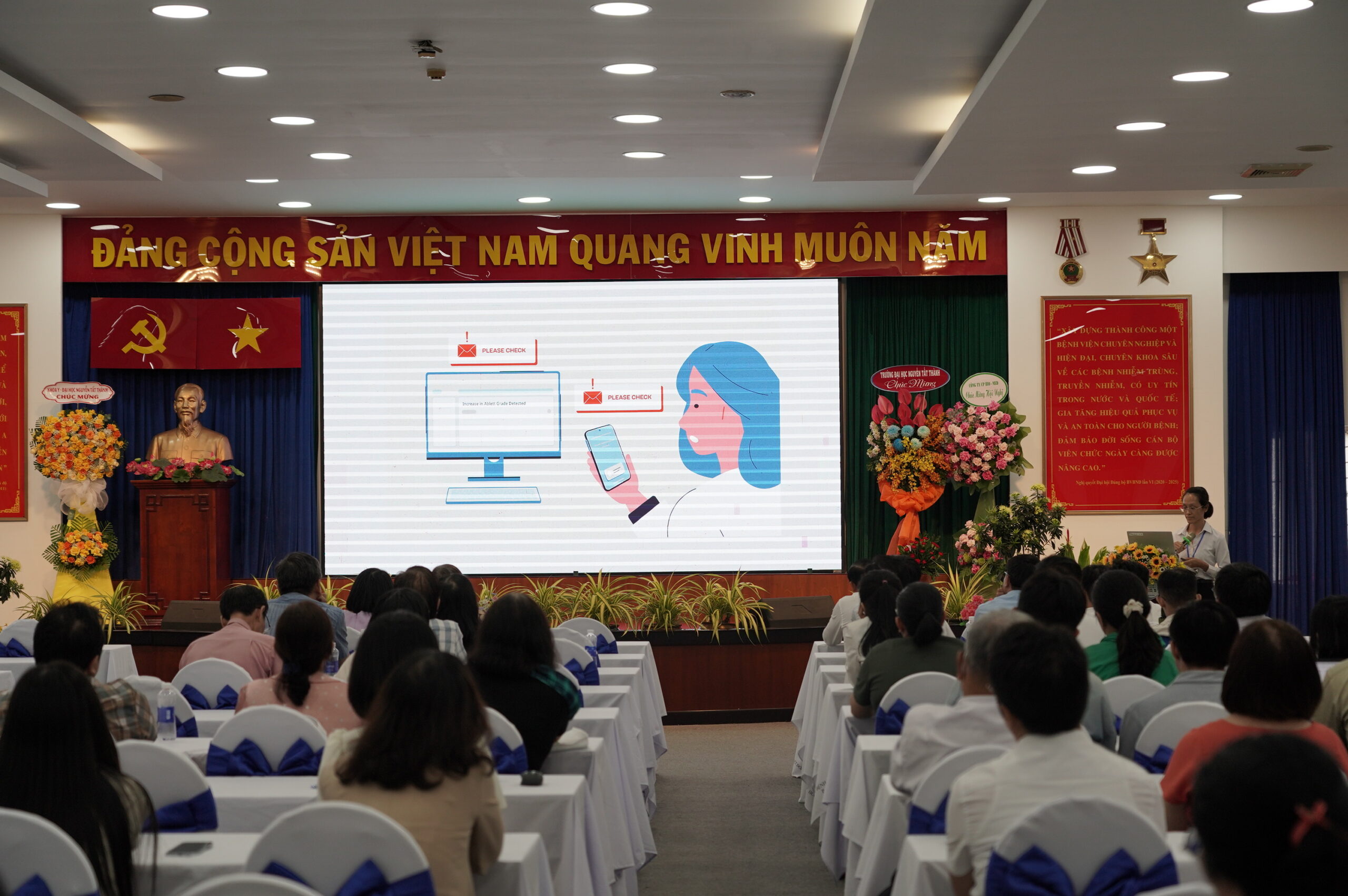
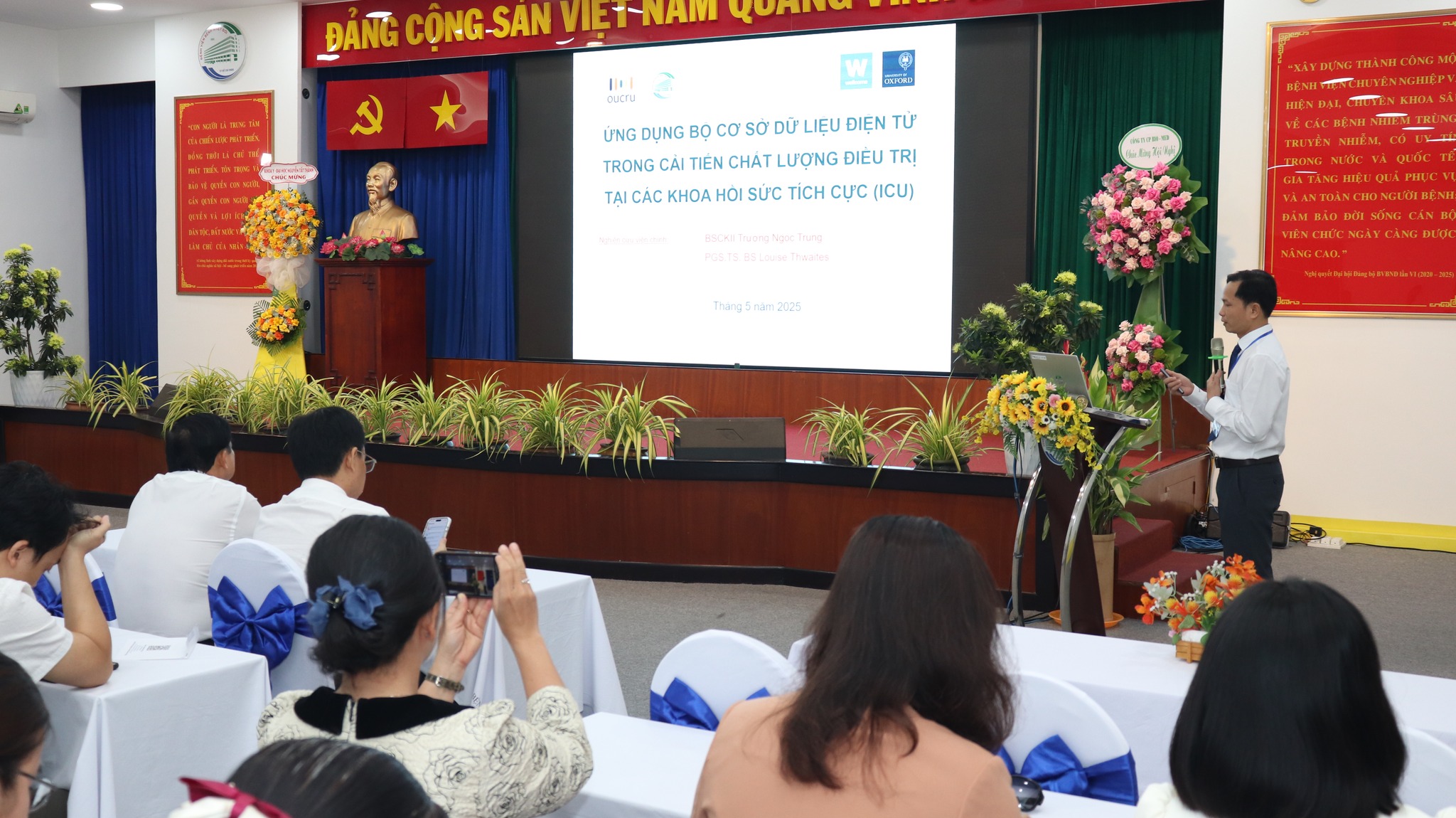
    Sự kiện đã diễn ra trang trọng, thu hút sự tham gia của giới chuyên môn trong lĩnh vực y tế, phản ánh xu hướng ứng dụng công nghệ số vào thực hành y tế tại Việt Nam.

    Phát biểu khai mạc há»™i nghị, BS CKII Nguyá»…n Thành DÅ©ng – Giám đốc Bệnh viện Bệnh Nhiệt đới TP.HCM – khẳng định vai trò trung tâm cá»§a trí tuệ nhân tạo (AI) và dữ liệu lá»›n (Big Data) trong việc nâng cao hiệu quả chẩn Ä‘oán, Ä‘iều trị, và phòng ngừa bệnh truyền nhiá»…m, đồng thời nhấn mạnh tầm quan trọng cá»§a việc kết nối giữa thá»±c tiá»…n Ä‘iều trị lâm sàng và công nghệ tiên tiến nhằm nâng cao chất lượng chăm sóc bệnh nhân, đặc biệt trong lÄ©nh vá»±c bệnh truyền nhiá»…m tiềm ẩn có những thách thức phức tạp và biến động khó lường.

    BS Nguyễn Thành Dũng phát biểu khai mạc hội nghị, nhấn mạnh vào tầm quan trọng của AI trong thực hành lâm sàng bệnh truyền nhiễm.

    Giáo sư Guy Thwaites, Giám đốc OUCRU, cũng đồng quan điểm và chia sẻ về tầm quan trọng của nghiên cứu bắt nguồn từ nhu cầu thực tế của địa phương. Ông cho biết: “Sốt xuất huyết, cũng như nhiều bệnh truyền nhiễm nhiệt đới khác, không phải là mối quan tâm lớn ở các nước thu nhập cao. Nếu chúng ta không thực hiện, sẽ không ai làm. Đó chính là ý nghĩa đích thực của nghiên cứu vì cộng đồng.”

    Ông cÅ©ng chỉ ra rằng, dù các mô hình AI Ä‘a số được phát triển ở các quốc gia phát triển, nhưng tiềm năng ứng dụng lá»›n nhất lại nằm ở những nÆ¡i có thu nhập thấp và trung bình – nÆ¡i có gánh nặng bệnh tật cao và cần các giải pháp thá»±c tiá»…n. “Việc hợp tác chặt chẽ vá»›i các bệnh viện địa phương như Bệnh viện Bệnh Nhiệt Đới giúp chúng tôi đảm bảo công nghệ không chỉ tiên tiến mà còn thá»±c sá»± hữu ích.”

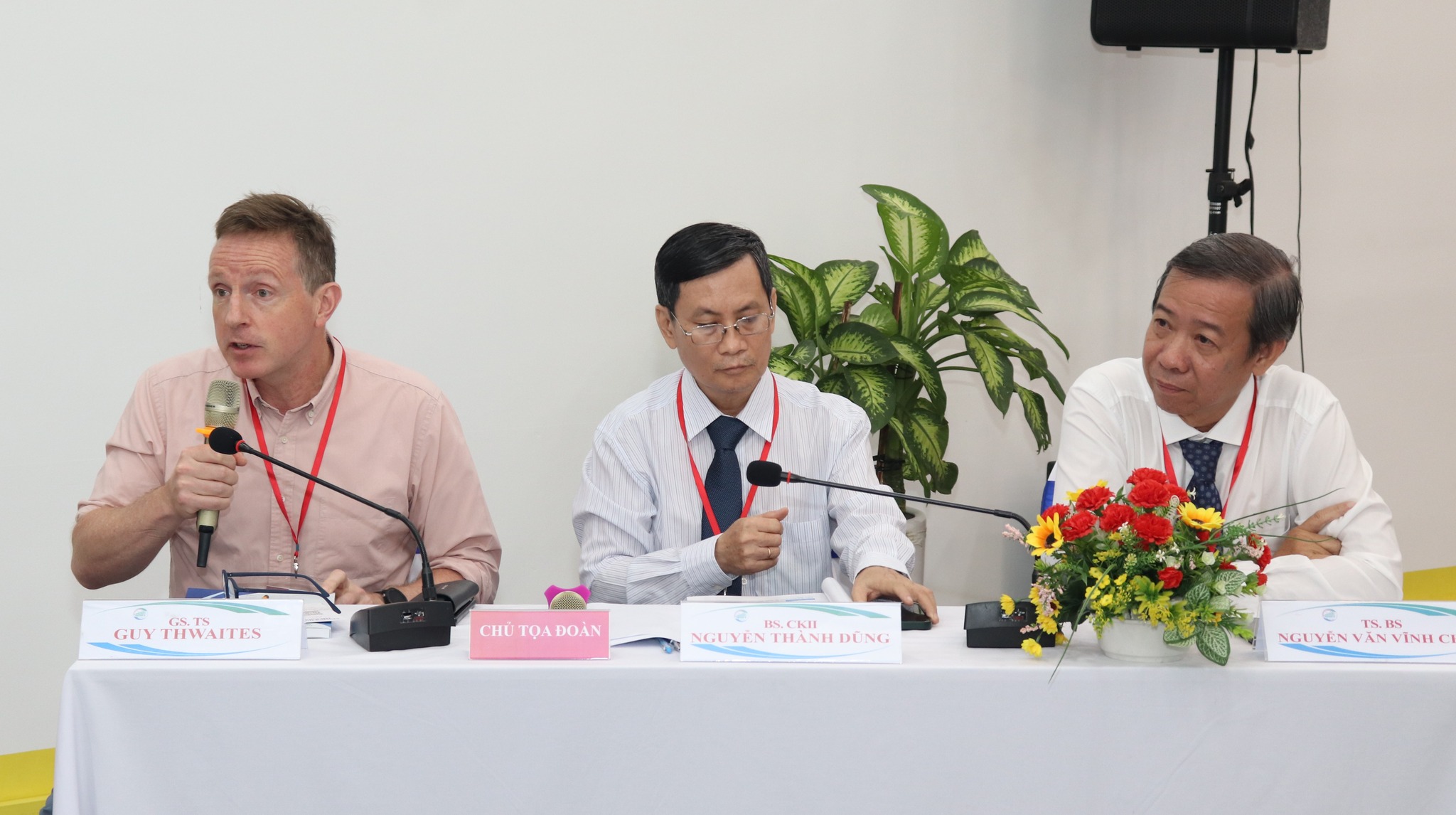
    GS Guy Thwaites, BS Nguyễn Thành Dũng, và GS Nguyễn Văn Vĩnh Châu chủ trì hội nghị.

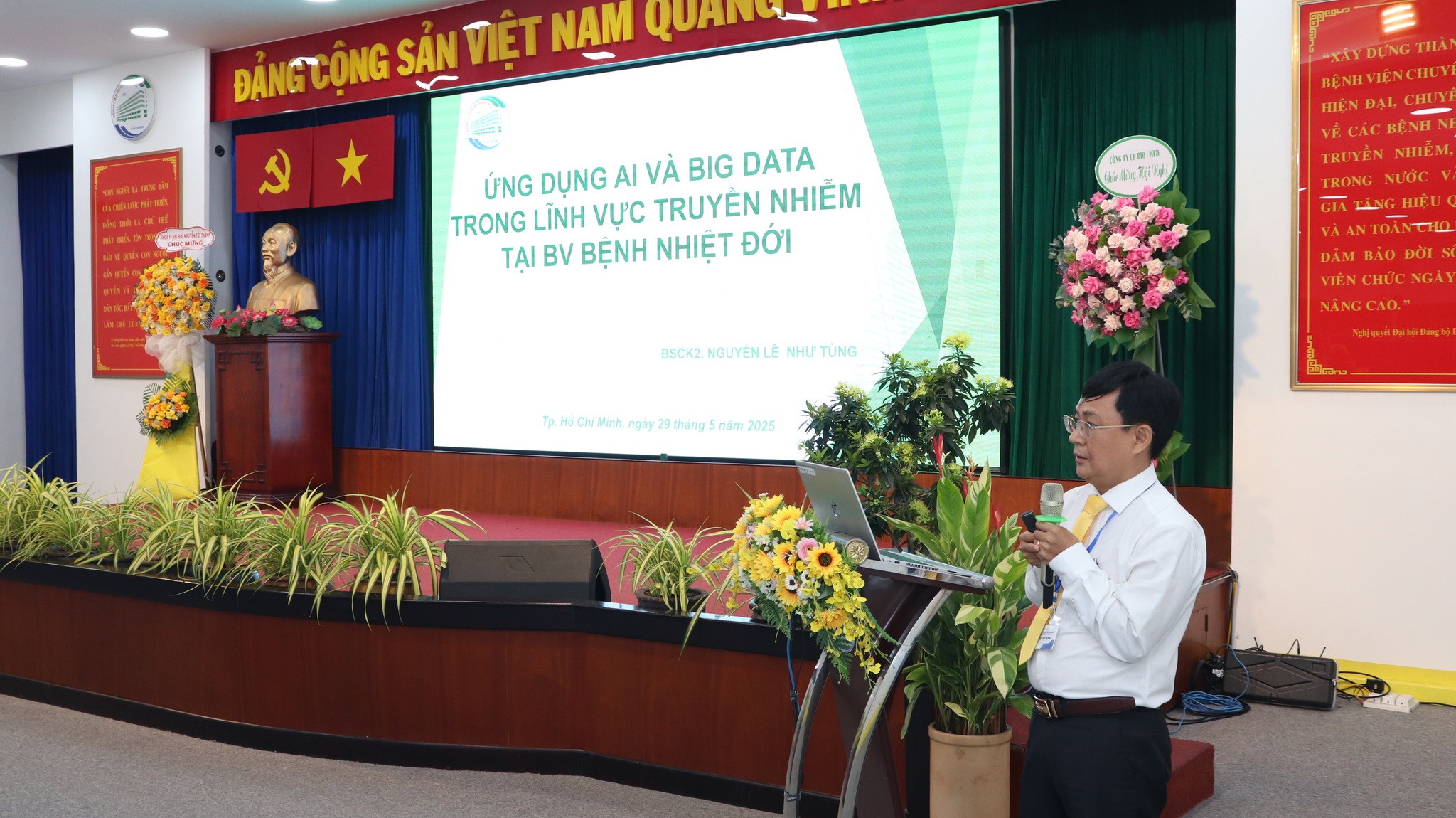
    Hội nghị quy tụ sáu bài trình bày chuyên sâu, tập trung vào các chủ đề như: ứng dụng AI trong quy trình lâm sàng, khai thác dữ liệu bệnh án điện tử nhằm nâng cao chất lượng chăm sóc, hỗ trợ điều trị sốt xuất huyết bằng AI, xây dựng mô hình tiên lượng nặng cho bệnh uốn ván, và sử dụng siêu âm tích hợp AI để theo dõi tiêu cơ vân ở bệnh nhân uốn ván.

    Mỗi bài trình bày không chỉ thể hiện chiều sâu học thuật mà còn mang tính ứng dụng thực tiễn cao, cho thấy nhiều giải pháp công nghệ đã và đang được triển khai thử nghiệm tại các bệnh viện và phòng thí nghiệm tại Việt Nam.

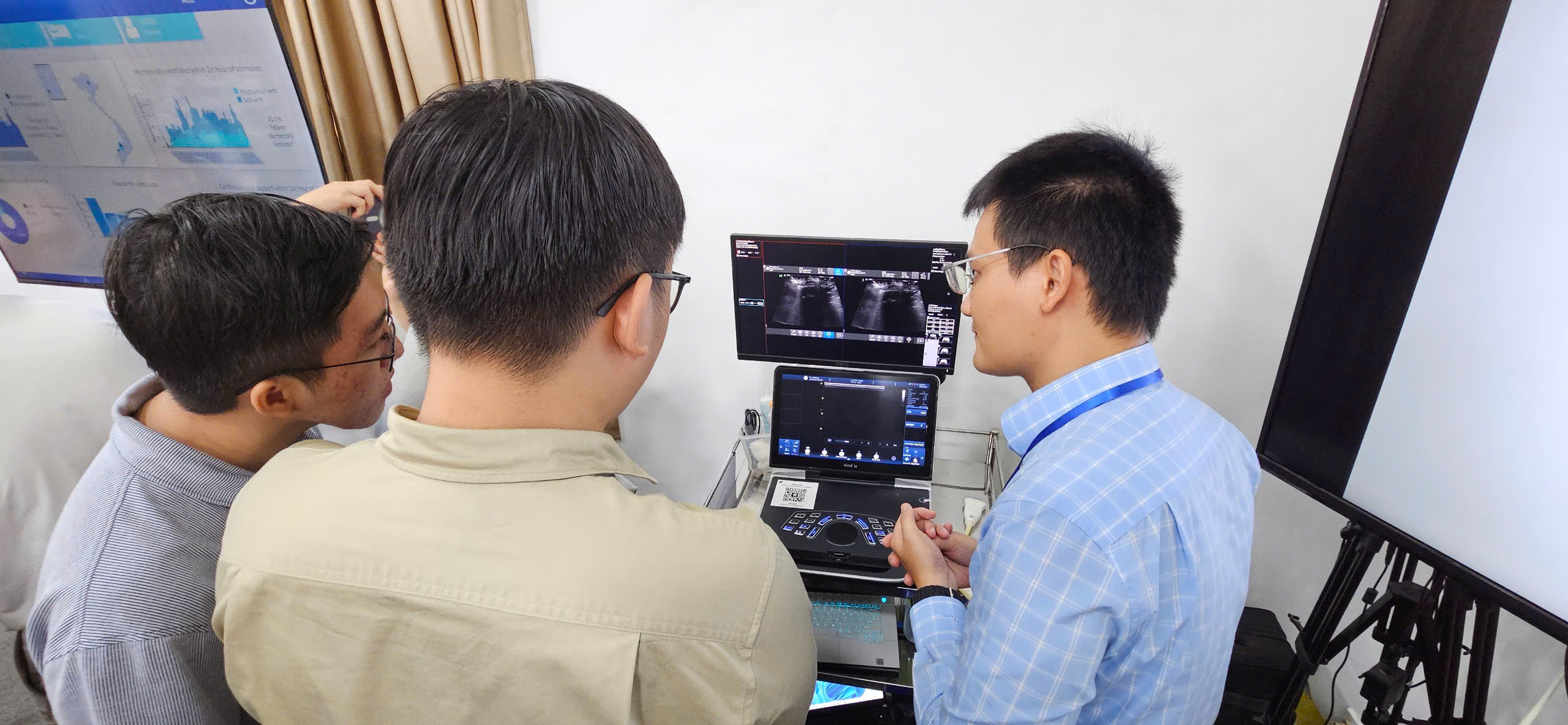
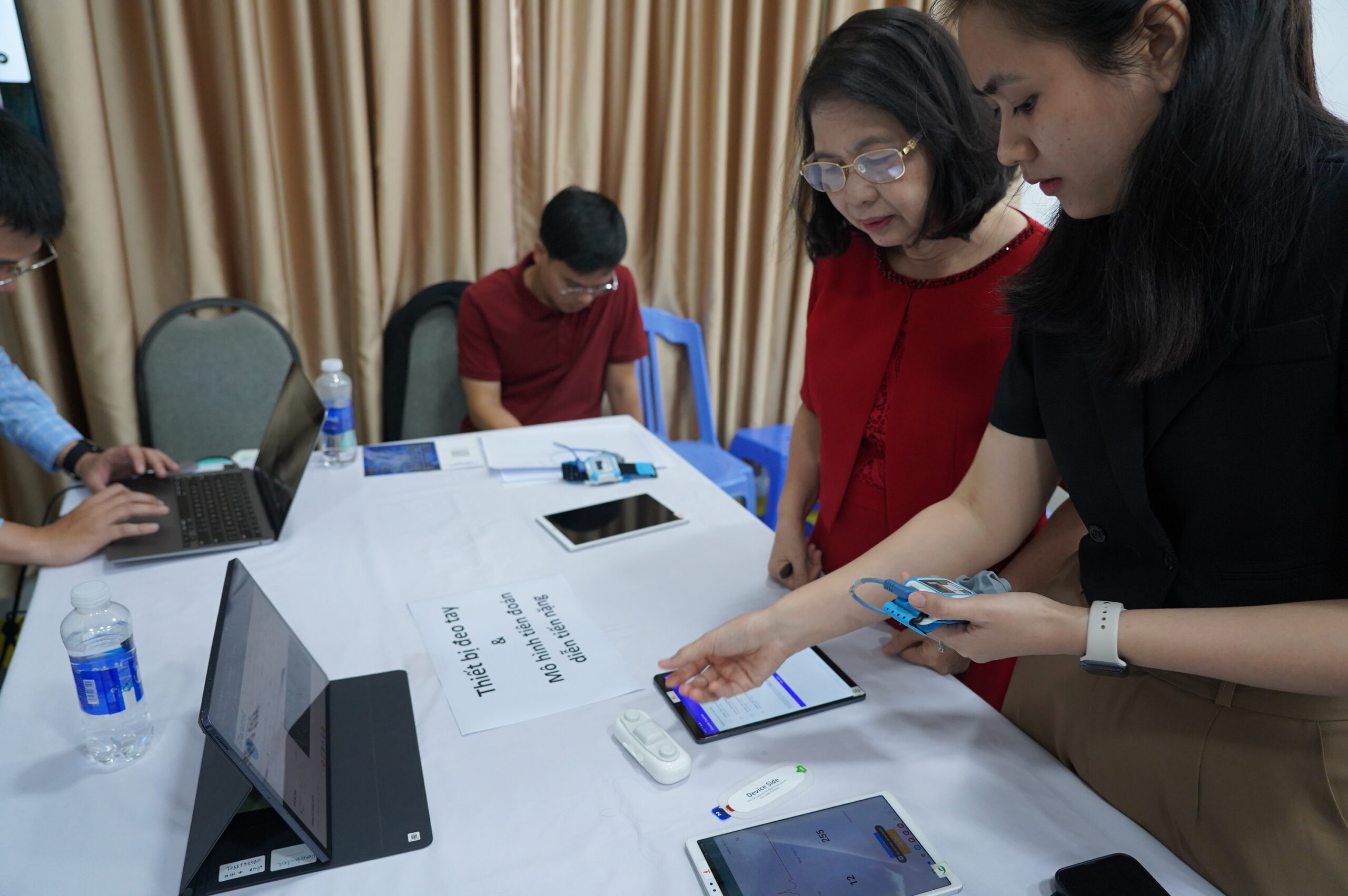
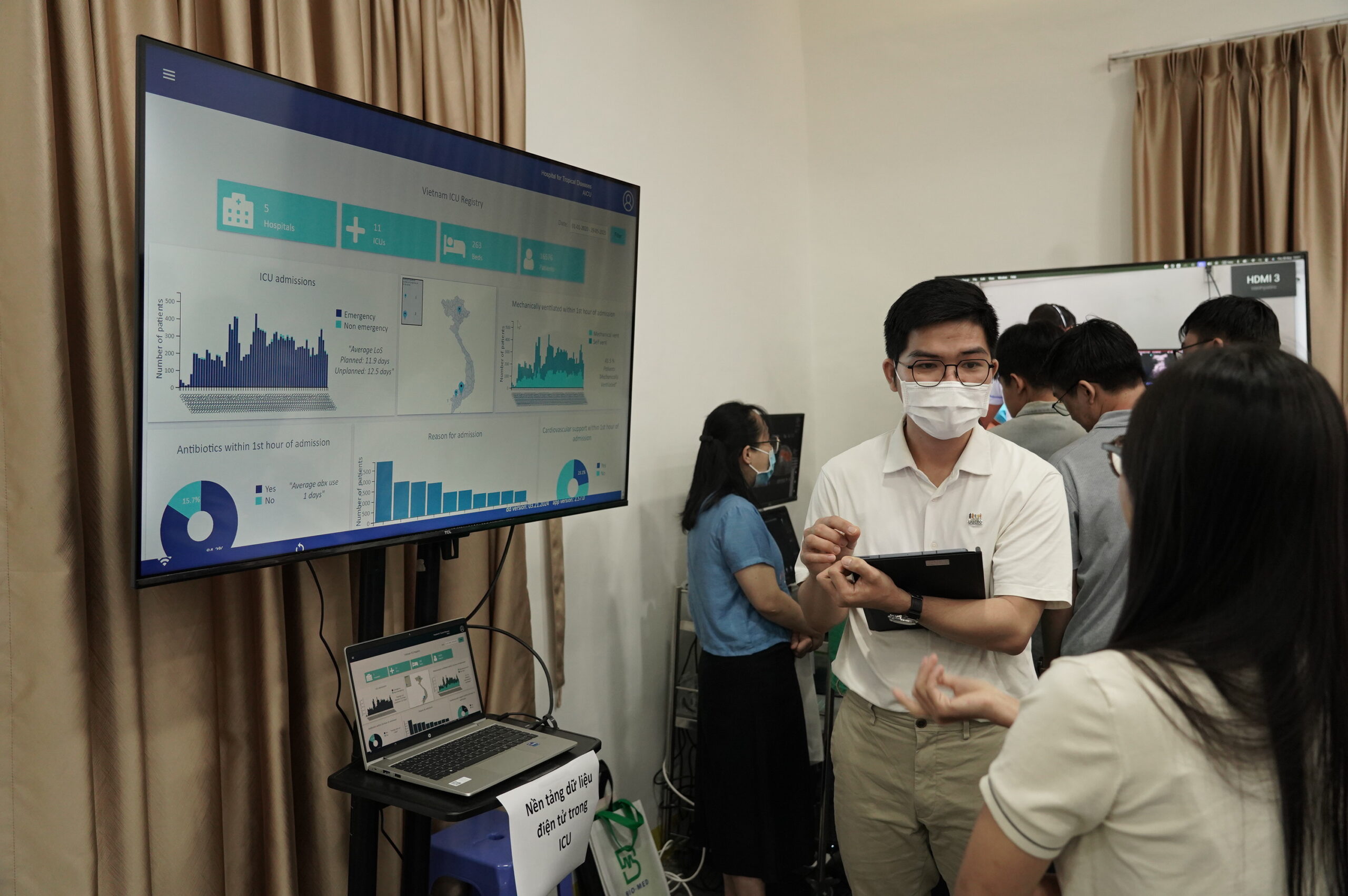
    Tại hội nghị, các đại biểu còn được tham quan khu vực trưng bày mô hình AI đang được triển khai tại Bệnh viện Bệnh Nhiệt đới. Tại đây, các khách mời có cơ hội trực tiếp trải nghiệm: Ứng dụng AI trong siêu âm cơ, phổi và tim; phần mềm registry – bộ cơ sở dữ liệu ICU; và thiết bị đeo tay và mô hình AI phân tầng nguy cơ.

    Đối vá»›i OUCRU và các đối tác, há»™i nghị là dịp để các nhà chuyên môn gặp gỡ, trao đổi học thuật, cập nhật kiến thức má»›i và đặc biệt là mở ra các hướng hợp tác Ä‘a ngành – từ lâm sàng, công nghệ đến nghiên cứu dịch tá»… học.

    Trong bối cảnh chuyển đổi số, vai trò của trí tuệ nhân tạo và dữ liệu lớn ngày càng trở nên thiết yếu trong việc phát hiện sớm, theo dõi và điều trị hiệu quả các bệnh truyền nhiễm. Hội nghị lần này chính là minh chứng sinh động cho định hướng phát triển bền vững, dựa trên nền tảng tri thức, công nghệ và hợp tác quốc tế sâu rộng.

  • AI and big data in clinical care for infectious diseases in Vietnam

    AI and big data in clinical care for infectious diseases in Vietnam

    The event brought together doctors, researchers, and public health leaders from across Vietnam and beyond, highlighting a growing momentum to bring digital innovation into frontline clinical care.

    Opening the event, Dr Nguyễn Thành Dũng, the hospital’s Director, underscored how technologies like AI and Big Data can strengthen diagnosis, treatment, and prevention. He also highlighted the importance of bridging clinical practice with advanced technology to enhance the quality of patient care, especially in the field of infectious diseases, which often pose complex and unpredictable challenges.“

    Dr Nguyễn Thành Dũng opens the conference, highlighting AI’s role in infectious disease care.

    OUCRU Director Professor Guy Thwaites echoed this message, stressing the value of locally led research. “Dengue, and many other tropical infectious diseases, isn’t a concern in most high-income countries,” he said. “So if we don’t lead this work, no one else will. That’s the essence of locally driven research.”

    He added that while AI is often developed in high-income countries, its most meaningful impact may be in LMICs, such as Vietnam, where the disease burden is high and the solutions must be tailored to local realities. “By working closely with local hospitals like the Hospital for Tropical Diseases in Ho Chi Minh city, we ensure theses technologies are not only innovative but also practical.”

    Prof Guy Thwaites, Dr Nguyễn Thành Dũng, and Dr Nguyễn Văn Vĩnh Châu are on the conference chair panel.

    The conference featured six focused presentations, including AI tools for clinical workflows, electronic health records to improve patient care, AI-assisted dengue treatment, predictive models for severe tetanus, and AI-integrated ultrasound for muscle monitoring in tetanus patients. These talks highlighted innovation in action and the ongoing challenges of managing infectious diseases. What stood out was the strong connection between research and real-world application; many of these tools are already being tested in Vietnamese labs and the Hospital for Tropical Diseases in Ho Chi Minh City.

    Attendees also got a hands-on look at some of these tools in action: bedside ultrasound devices, AI-powered wearable risk monitors, and real-time intensive care data systems.

    For OUCRU and partners, the conference was more than a showcase of research – it was a reaffirmation of what science should be: collaborative, practical, and driven by the needs of the community it serves. As Vietnam advances with digital health transformation, events like this are a reminder that innovation works best when it’s built from the ground up – with expertise, technology, and compassion working side by side.

  • Sức mạnh cá»§a cá»™ng đồng: Kiến tạo và cải thiện sức khỏe tinh thần

    Gắn kết xã hội đóng vai trò quan trọng trong việc hỗ trợ con người trong việc giảm mức độ lo lắng và trầm cảm, giúp chúng ta nâng cao và củng cố tự trọng, đồng cảm, tin tưởng và hợp tác với những người xung quanh.

    Sự hỗ trợ và gắn kết xã hội đặc biệt quan trọng trong thời kỳ khủng hoảng và khi chúng ta phải đối mặt với thử thách trong cuộc sống. Một nghiên cứu trên 37.000 sinh viên tại Đại học Quốc gia Thành phố Hồ Chí Minh (VNU-HCMC) thực hiện cho thấy 84,5% sinh viên đại học chọn giữ liên lạc với gia đình và bạn bè để giúp họ vượt qua những thách thức do hạn chế xã hội của COVID-19. Một nghiên cứu tổng quan phạm vi cho thấy 83% các nghiên cứu chứng minh hỗ trợ xã hội có lợi cho các triệu chứng trầm cảm.

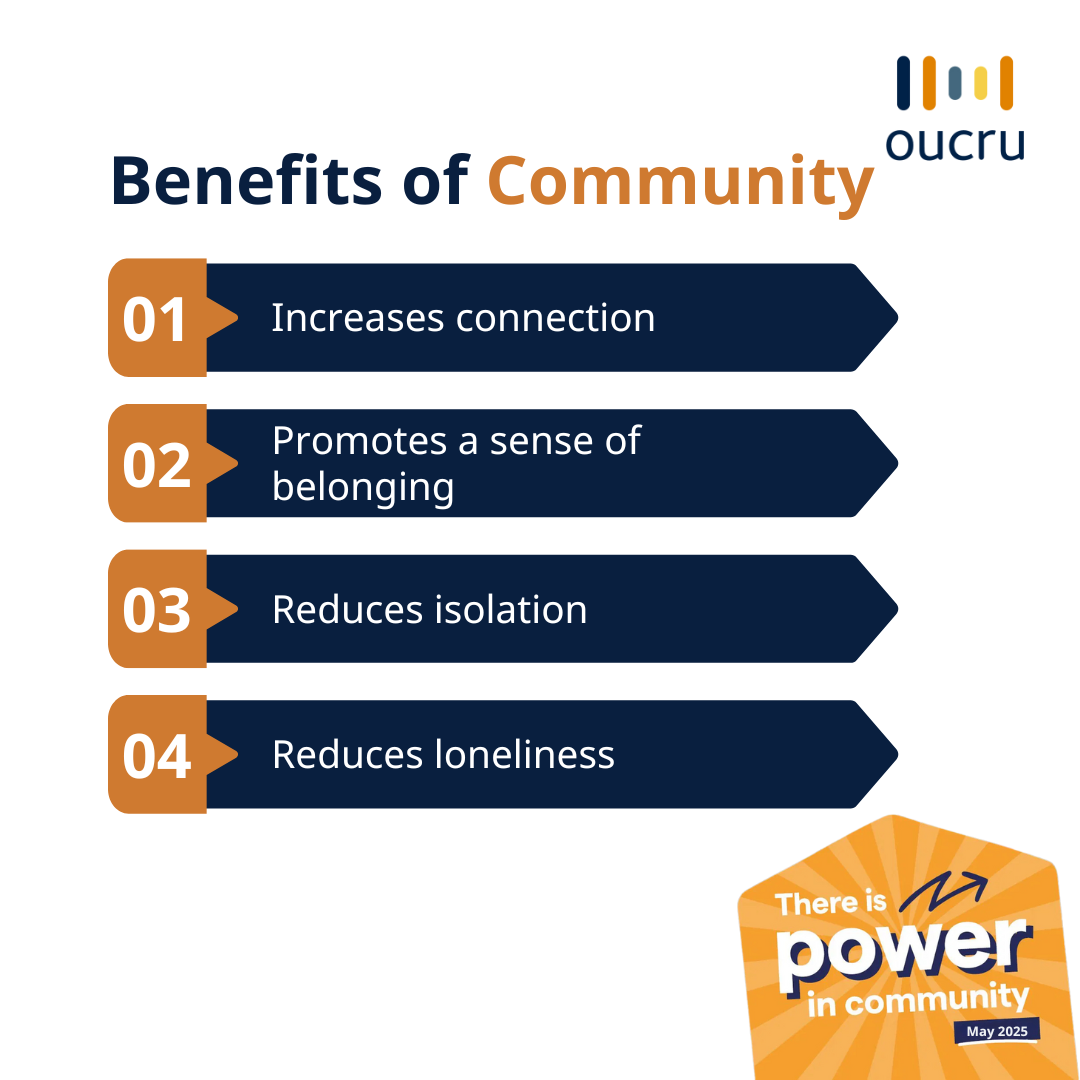
    Lợi ích nổi bật của cộng đồng là hỗ trợ.

    Cộng đồng, theo nghĩa rộng nhất, là nơi chúng ta cảm thấy thuộc về, mang lại cảm giác là một phần của một cái gì đó lớn hơn bản thân và cùng chia sẻ những kết nối tích cực. Cộng đồng không chỉ giới hạn trong gia đình và vòng tròn xã hội, mà có thể hình thành với những người xa lạ cùng chia sẻ một điểm chung.

    Khi các thành viên cộng đồng giúp đỡ lẫn nhau và củng cố sự gắn kết xã hội trong cộng đồng, đặc biệt trong những thời điểm thử thách của cuộc sống, điều này sẽ thúc đẩy lòng tự trọng và tạo ra những cảm xúc tích cực.

    Cô đơn có thể gây nguy hiểm cho sức khỏe tinh thần.

    Đôi khi cảm thấy cô đơn là điều bình thường, nhưng cảm giác cô đơn dai dẳng không giảm bớt, và ảnh hưởng đến cuộc sống hàng ngày có thể là dấu hiệu xấu cho sức khỏe tinh thần. Những người ít kết nối xã hội dễ bị lo lắng, trầm cảm, có biểu hiện và hành vi chống đối xã hội và thậm chí là xuất hiện suy nghĩ hay ý định tự tử. Một cuộc khảo sát cho thấy thiếu kết nối xã hội có thể dẫn đến nguy cơ mắc bệnh và tử vong cao hơn những yếu tố phổ biến như hút thuốc, huyết áp và thiếu vận động.

    Trong khi quan niệm truyền thống là người già hay cảm thấy cô đơn, một nghiên cứu cho thấy những người trẻ tuổi cũng có thể có những cảm xúc tiêu cực này. Điều này có thể chịu ảnh hưởng từ nhiều yếu tố, trong đó có việc mạng xã hội khơi dậy và khuếch tán cảm xúc tiêu cực cũng như xu hướng so sánh với cuộc sống của người khác. Đại dịch COVID-19 cũng đã để lại tác động sâu sắc không thể đảo ngược đến sức khỏe tâm thần của những người trẻ tuổi, đặc biệt là chứng lo âu xã hội.

    Cách tìm kiếm, xây dựng, và duy trì cộng đồng, kết nối xã hội

    Tìm được cộng đồng phù hợp với bản thân là một bước rất quan trọng để tận dụng sức mạnh của cộng đồng này trong việc chăm sóc sức khỏe tinh thần của bản thân. Bạn có thể áp dụng một số mẹo sau từ Quỹ Sức khỏe Tâm Thần:

    • Tìm kiếm và tham gia các nhóm phù hợp sở thích, tính cách, lối sống cá»§a bạn
    • Nếu cần được há»— trợ chuyên sâu hÆ¡n, hãy nghiên cứu các nhóm há»— trợ có sá»± tham gia cá»§a chuyên gia
    • Tham gia tình nguyện rất có lợi cho việc khuếch đại cảm giác thuá»™c về má»™t Ä‘iều/nhóm lá»›n lao hÆ¡n bản thân bạn.
    • Tận dụng các nhóm cá»™ng đồng địa phương.
    • Tham gia vào các cá»™ng đồng trá»±c tuyến.

    * Tháng Năm được nhiều quốc gia chọn để tổ chức các hoạt động Nâng cao Nhận thức về Sức khỏe Tinh thần. Chủ đề năm 2025 là ‘Sức mạnh của cộng đồng’, nhấn mạnh vai trò của việc tham gia vào các nhóm cộng đồng cũng như duy trì tương tác xã hội đối với sức khỏe tinh thần. Xem thêm nhiều bài viết cùng chủ đề bên dưới.

  • The power of community: Together for good mental health 

    People who feel more connected to others have lower levels of anxiety and depression. Some studies show they also have higher self-esteem, greater empathy for others, and are more trusting and cooperative.  

    Social support and connections are particularly important during crisis time. A research study of over 37,000 students at Vietnam National University of Ho Chi Minh City (VNU-HCMC) that was animated by Collab Lab, our youth-led initiative, showed that 84.5% of college students chose to stay connected with family and friends to help them overcome COVID-19’s social restrictions’ challenges. A scoping review shows that 83% of studies reported that social support benefited symptoms of depression.  

    Let’s delve deep into the essential role of community and the sense of connection as well as how you can find, build, and get help from the community.  

    Who is a community that we are talking about? 

    In the broadest sense, community is where we feel like we are a part of something bigger than ourselves and share positive connections. This can happen even with strangers who are not in your social and family circles but share the same beliefs with you.  

    What can a community offer? 

    The most powerful benefit of a community is offering support. Community members can help each other during life’s challenges, and reassure each other about our togetherness, therefore boosting self-esteem and creating positive social feedback.  

    Mental Health Month 2025 - Benefits of community in mental healthcare

    The Dangers of Loneliness 

    Though it’s common to feel lonely at times, persistent loneliness can adversely affect well-being. People low in social connection are more vulnerable to anxiety, depression, antisocial behavior, and even suicidal behaviors. A landmark survey showed that lack of social connectedness predicts vulnerability to disease and death beyond traditional risk factors such as smoking, blood pressure, and physical activity.  

    Research has found that, while loneliness is more likely a common social issue with elderly people, young people could suffer from it. This may be due to several factors, including heavy use of social media (and the tendency to compare with others’ lives) or the irreversible profound effect on young people’s mental health, particularly social anxiety during and after the COVID-19 pandemic.  

    Practical steps to find your community and maintain social connections 

    Mental Health Foundation suggests some tips on whether to form your community or find one suited to your needs. 

    • Join groups aligned with your identity or passions 
    • Support groups involving professional experts  
    • Volunteer at local animal shelters, environmental projects, or awareness campaigns. 
    • Connect with neighbors to strengthen your local bonds and build a sense of local support for each other. 
    • Engage in online communities. 
  • OUCRU and partners chart a “Roadmap to the Future of Clinical Trials in Vietnam”

    OUCRU and partners chart a “Roadmap to the Future of Clinical Trials in Vietnam”

    The report offers a comprehensive analysis of the country’s clinical research landscape, provides actionable strategies to position Vietnam among ASEAN’s top three clinical trial and R&D destinations by 2030, identifying key opportunities, barriers, and actions to unlock clinical research potential for economic and health impact.


    Download English PDF


    Download Vietnamese PDF

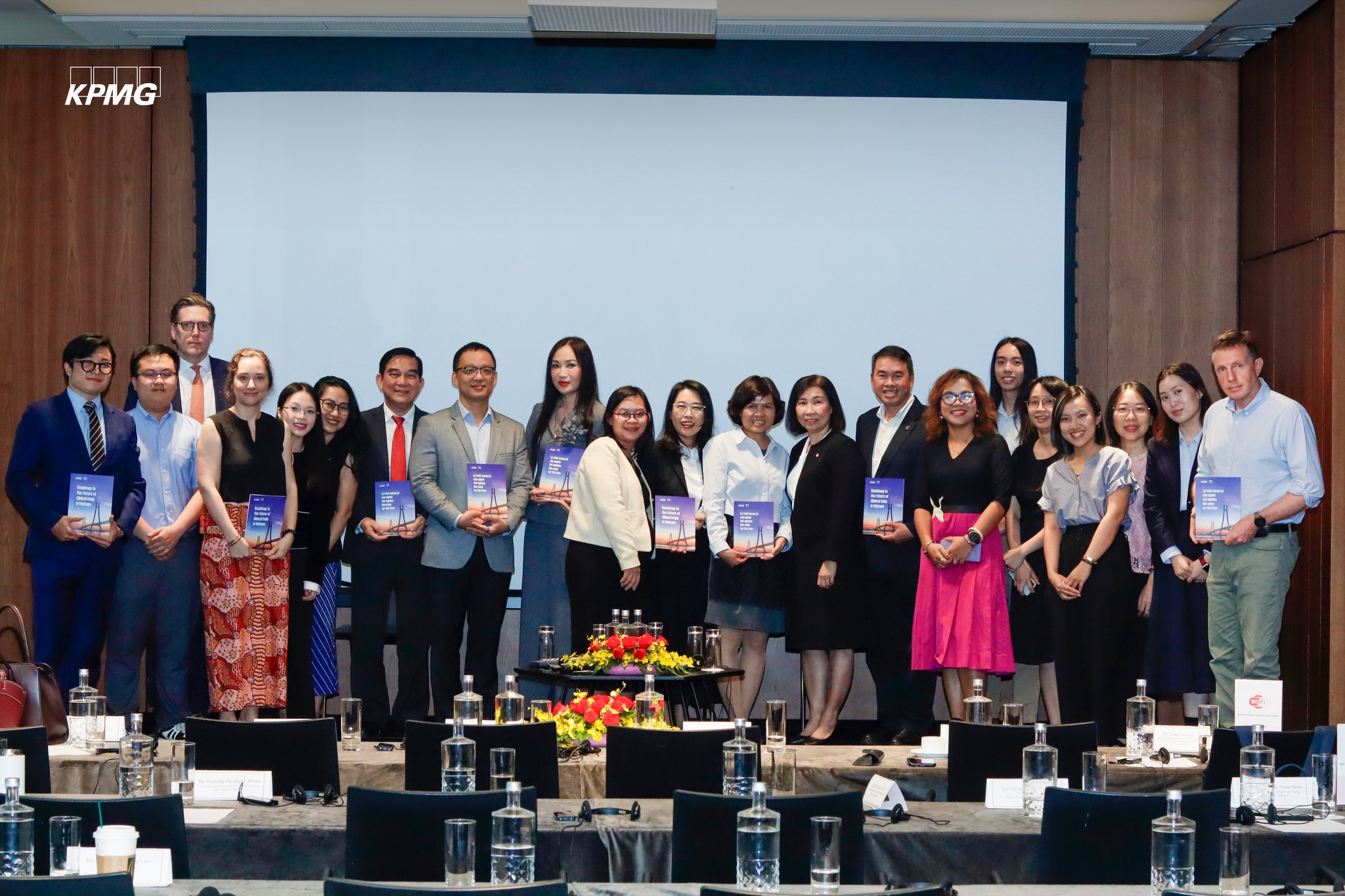
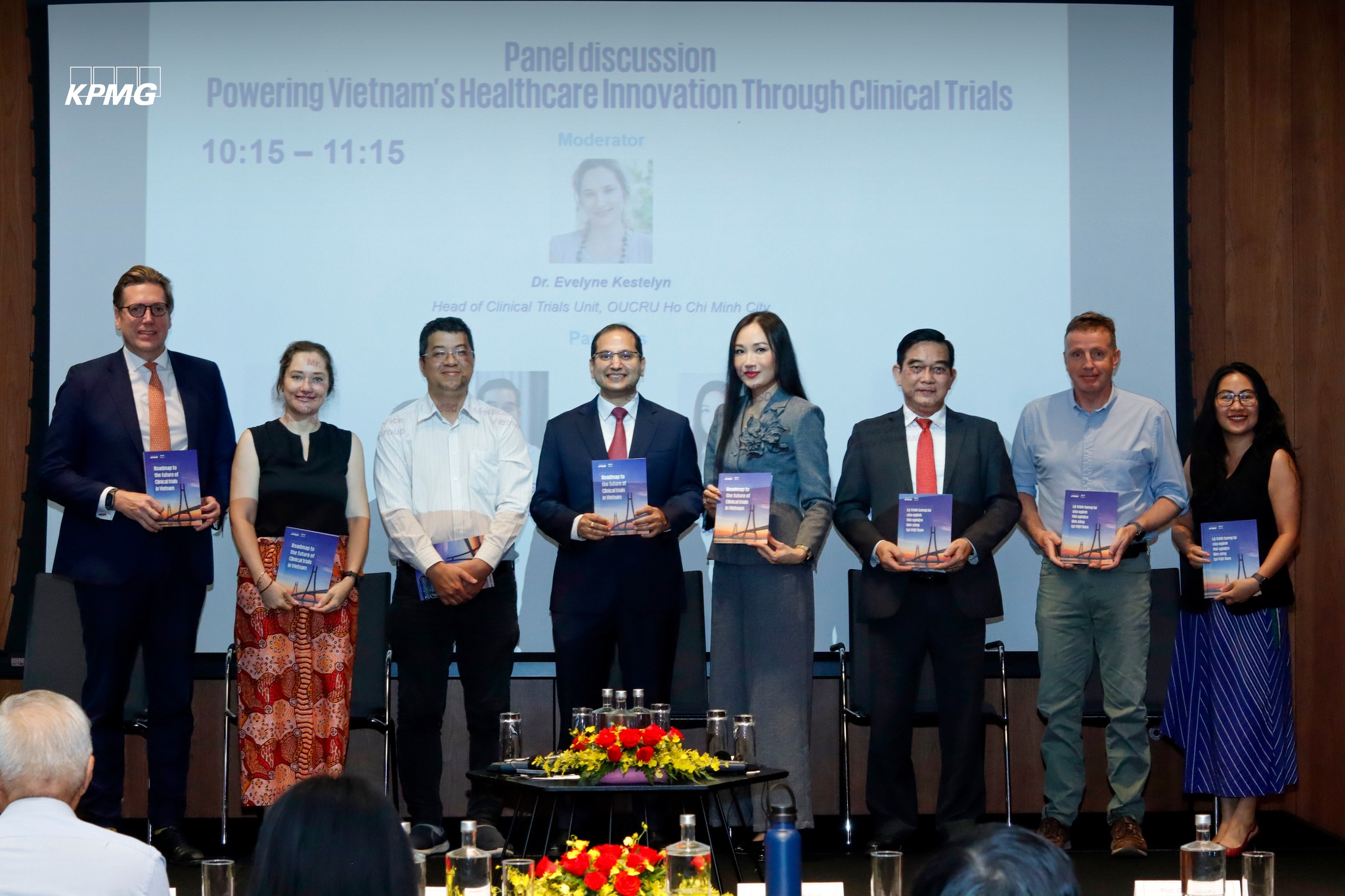
    Representatives from OUCRU, Pharma Group, KPMG, and key stakeholders at the launch event of the “Roadmap to the Future of Clinical Trials in Vietnam” report

    Attending the launch ceremony were representatives from the Ho Chi Minh City Investment & Trade Promotion Centre, Ho Chi Minh City People’s Committee, as well as representatives from hospitals, universities, research institutes, and pharmaceutical and healthcare companies.

    A vision for Healthcare Transformation Through Clinical Research

    Over the past two decades, Vietnam has made sustained investments in expanding healthcare access and strengthening its public health system, achieving universal health insurance coverage for 95% of the population. As the country transitions to higher-quality care, innovation has emerged as a key priority—with clinical trials identified as a strategic pathway forward.

    Vietnam has recently intensified efforts to enhance investment and implement policy reforms in this field. Notably, on December 22, 2024, the Politburo issued Resolution No. 57-NQ/TW, which outlines a commitment to developing domestic innovation capabilities and allocating 2% of GDP to R&D.

    With a population exceeding 100 million, Vietnam offers vast potential for clinical research. Its diverse population structure is particularly well-suited for studying complex diseases, including cancer, cardiovascular disorders, infectious diseases, and metabolic conditions. These inherent advantages are further strengthened by government initiatives to improve the business environment, which are increasingly attracting global pharmaceutical companies and contract research organizations (CROs).

    “Clinical trials represent Vietnam’s next frontier for healthcare R&D advancement. From the innovative pharmaceutical industry’s perspective, Vietnam possesses strong potential to emerge as a competitive regional destination for clinical research. Realizing this ambition will require prioritized policies and initiatives that attract and facilitate clinical trial investments—particularly in early-stage trials. Such dedicated efforts and multi-stakeholder collaboration would unlock a multitude of economic, scientific, and health benefits, including: stimulating high-value research activity through infrastructure development and skilled job creation, strengthening Vietnam’s healthcare innovation ecosystem while creating cross-sector economic spillovers, and generating broader healthcare system benefits. This aligns perfectly with national strategies and Vietnam’s goal to become a top-three ASEAN destination for high-value investments. Pharma Group is committed to supporting the Government and healthcare stakeholders in charting the course forward—attracting clinical trials and advancing Vietnam’s R&D capabilities.”

    Darrell Oh, Chairman of Pharma Group

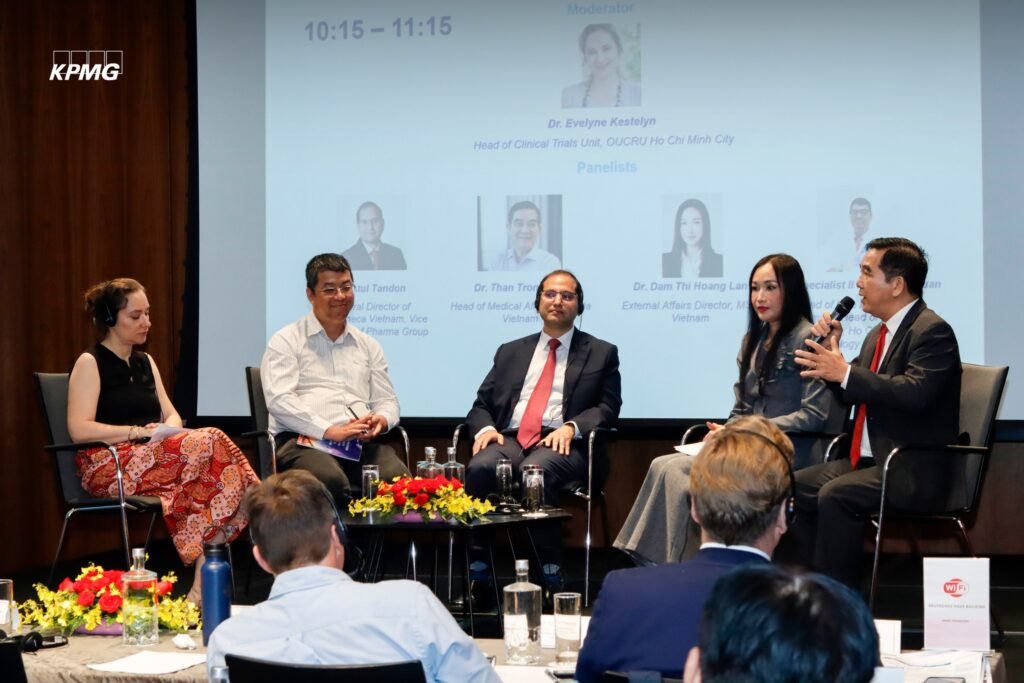
    Dr Evelyne Keteslyn, Head of Clinical Trials Unit at OUCRU, moderates the panel discussion on powering Vietnam’s healthcare innovation through clinical trials.

    Unlocking Vietnam’s Clinical Trials Potential

    In addition to opportunities, the report identifies five key challenges Vietnam must overcome: a lengthy and multi-step approval process that can take 6-12 months; limited research infrastructure with only 40 GCP-certified sites nationwide; a shortage of specialized human resources; a lack of structured funding mechanisms; and the absence of strong incentive policies to attract investment into this sector.

    The report provides strategic recommendations to position Vietnam as a leading regional clinical trial destination, categorized into policy and non-policy measures with short-, medium-, and long-term implementation timeframes.

    According to KPMG estimates, if these reforms are effectively implemented, Vietnam could reach 86 trials with a 24.3% compound annual growth rate (CAGR) and a market value of $749.5 million with an 88.6% CAGR by 2029. This would generate thousands of high-quality jobs, elevate Vietnam’s global standing in medical research and offer early access to cutting-edge treatments.

    Policy recommendations focus on regulatory reforms, streamlined approval mechanisms, and investment incentives. Meanwhile, non-policy recommendations address infrastructure improvements, workforce and R&D capability development, dedicated clinical trial support, and public-private partnerships. Each recommendation identifies key stakeholders responsible for implementation and is supported by successful examples from other countries, providing a clear pathway to unlock the full potential of the country’s clinical trial sector.

    Notably, to streamline review and clinical trial approval processes, Vietnam should: adopt bilingual documentation for both regulatory and reporting materials to enhance accessibility for international sponsors; implement a centralized online submission and electronic approval system to reduce timelines and eliminate redundancies; and introduce a fast-track pathway for trials already approved by regulatory authorities such as the US FDA, EU EMA, UK MHRA, or Japan PMDA.

    To support advanced research, Vietnam also needs to expand its network of Good Clinical Practice (GCP)-certified facilities and establish standardized Clinical Trial Units (CTUs). Critically, the report recommends the establishment of a national Center of Excellence to serve as a platform connecting hospitals, research institutes, universities, and industry, a training hub for clinical researchers, an accelerator for trial approvals and global partnerships – ultimately positioning Vietnam as a competitive clinical research destination.

    “The report ‘Roadmap to the Future of Clinical Trials in Vietnam’ represents the culmination of in-depth research, multi-stakeholder dialogue, and a shared vision for the sustainable development of Vietnam’s healthcare sector. We are proud to have partnered with the Oxford University Clinical Research Unit team in developing a comprehensive roadmap for the future of clinical trials in Vietnam. Our joint efforts underscore a shared vision to transform Vietnam’s clinical research landscape. We strongly believe that with the right policy framework and continued multi-stakeholder collaboration, Vietnam is poised to become a leading hub for clinical trials in Southeast Asia, driving sustainable growth and advancing healthcare innovation in the region.”

    Luke Treloar, Partner, Head of Infrastructure, Government and Healthcare (IGH), KPMG in Vietnam

    “We are confident that Vietnam can significantly enhance its clinical trial capabilities by embracing international best practices as demonstrated by key leading examples like Taiwan, Brazil, Poland, Malaysia, etc. By streamlining regulatory processes, investing in cutting-edge infrastructure, and fostering dynamic public-private partnerships, Vietnam can match global standards in trial efficiency and data integrity. This strategic alignment will not only drive innovation in therapeutic research but also position Vietnam as a regional hub for pioneering life-saving treatments.”

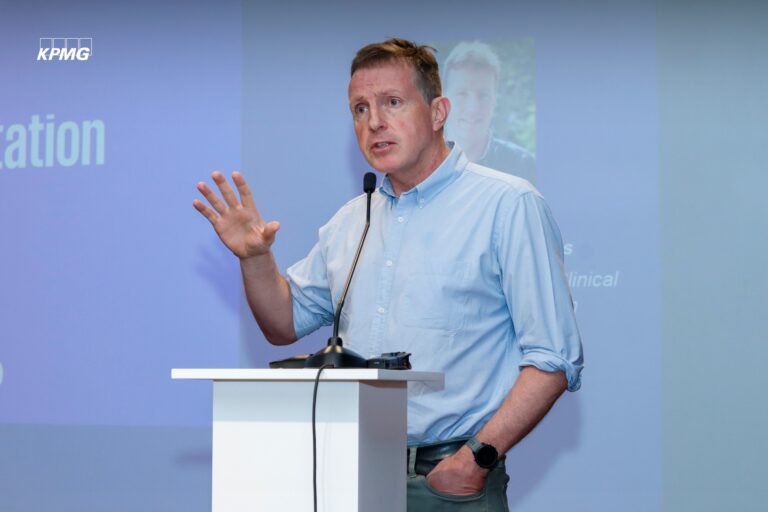
    Prof. Guy Thwaites, OUCRU Director

  • OUCRU and partners chart a “Roadmap to the Future of Clinical Trials in Vietnam”

    OUCRU and partners chart a “Roadmap to the Future of Clinical Trials in Vietnam”

    The report offers a comprehensive analysis of the country’s clinical research landscape, provides actionable strategies to position Vietnam among ASEAN’s top three clinical trial and R&D destinations by 2030, identifying key opportunities, barriers, and actions to unlock clinical research potential for economic and health impact.


    Download English PDF


    Download Vietnamese PDF

    Representatives from OUCRU, Pharma Group, KPMG, and key stakeholders at the launch event of the “Roadmap to the Future of Clinical Trials in Vietnam” report

    Attending the launch ceremony were representatives from the Ho Chi Minh City Investment & Trade Promotion Centre, Ho Chi Minh City People’s Committee, as well as representatives from hospitals, universities, research institutes, and pharmaceutical and healthcare companies.

    A vision for Healthcare Transformation Through Clinical Research

    Over the past two decades, Vietnam has made sustained investments in expanding healthcare access and strengthening its public health system, achieving universal health insurance coverage for 95% of the population. As the country transitions to higher-quality care, innovation has emerged as a key priority—with clinical trials identified as a strategic pathway forward.

    Vietnam has recently intensified efforts to enhance investment and implement policy reforms in this field. Notably, on December 22, 2024, the Politburo issued Resolution No. 57-NQ/TW, which outlines a commitment to developing domestic innovation capabilities and allocating 2% of GDP to R&D.

    With a population exceeding 100 million, Vietnam offers vast potential for clinical research. Its diverse population structure is particularly well-suited for studying complex diseases, including cancer, cardiovascular disorders, infectious diseases, and metabolic conditions. These inherent advantages are further strengthened by government initiatives to improve the business environment, which are increasingly attracting global pharmaceutical companies and contract research organizations (CROs).

    “Clinical trials represent Vietnam’s next frontier for healthcare R&D advancement. From the innovative pharmaceutical industry’s perspective, Vietnam possesses strong potential to emerge as a competitive regional destination for clinical research. Realizing this ambition will require prioritized policies and initiatives that attract and facilitate clinical trial investments—particularly in early-stage trials. Such dedicated efforts and multi-stakeholder collaboration would unlock a multitude of economic, scientific, and health benefits, including: stimulating high-value research activity through infrastructure development and skilled job creation, strengthening Vietnam’s healthcare innovation ecosystem while creating cross-sector economic spillovers, and generating broader healthcare system benefits. This aligns perfectly with national strategies and Vietnam’s goal to become a top-three ASEAN destination for high-value investments. Pharma Group is committed to supporting the Government and healthcare stakeholders in charting the course forward—attracting clinical trials and advancing Vietnam’s R&D capabilities.”

    Darrell Oh, Chairman of Pharma Group

    Dr Evelyne Keteslyn, Head of Clinical Trials Unit at OUCRU, moderates the panel discussion on powering Vietnam’s healthcare innovation through clinical trials.

    Unlocking Vietnam’s Clinical Trials Potential

    In addition to opportunities, the report identifies five key challenges Vietnam must overcome: a lengthy and multi-step approval process that can take 6-12 months; limited research infrastructure with only 40 GCP-certified sites nationwide; a shortage of specialized human resources; a lack of structured funding mechanisms; and the absence of strong incentive policies to attract investment into this sector.

    The report provides strategic recommendations to position Vietnam as a leading regional clinical trial destination, categorized into policy and non-policy measures with short-, medium-, and long-term implementation timeframes.

    According to KPMG estimates, if these reforms are effectively implemented, Vietnam could reach 86 trials with a 24.3% compound annual growth rate (CAGR) and a market value of $749.5 million with an 88.6% CAGR by 2029. This would generate thousands of high-quality jobs, elevate Vietnam’s global standing in medical research and offer early access to cutting-edge treatments.

    Policy recommendations focus on regulatory reforms, streamlined approval mechanisms, and investment incentives. Meanwhile, non-policy recommendations address infrastructure improvements, workforce and R&D capability development, dedicated clinical trial support, and public-private partnerships. Each recommendation identifies key stakeholders responsible for implementation and is supported by successful examples from other countries, providing a clear pathway to unlock the full potential of the country’s clinical trial sector.

    Notably, to streamline review and clinical trial approval processes, Vietnam should: adopt bilingual documentation for both regulatory and reporting materials to enhance accessibility for international sponsors; implement a centralized online submission and electronic approval system to reduce timelines and eliminate redundancies; and introduce a fast-track pathway for trials already approved by regulatory authorities such as the US FDA, EU EMA, UK MHRA, or Japan PMDA.

    To support advanced research, Vietnam also needs to expand its network of Good Clinical Practice (GCP)-certified facilities and establish standardized Clinical Trial Units (CTUs). Critically, the report recommends the establishment of a national Center of Excellence to serve as a platform connecting hospitals, research institutes, universities, and industry, a training hub for clinical researchers, an accelerator for trial approvals and global partnerships – ultimately positioning Vietnam as a competitive clinical research destination.

    “The report ‘Roadmap to the Future of Clinical Trials in Vietnam’ represents the culmination of in-depth research, multi-stakeholder dialogue, and a shared vision for the sustainable development of Vietnam’s healthcare sector. We are proud to have partnered with the Oxford University Clinical Research Unit team in developing a comprehensive roadmap for the future of clinical trials in Vietnam. Our joint efforts underscore a shared vision to transform Vietnam’s clinical research landscape. We strongly believe that with the right policy framework and continued multi-stakeholder collaboration, Vietnam is poised to become a leading hub for clinical trials in Southeast Asia, driving sustainable growth and advancing healthcare innovation in the region.”

    Luke Treloar, Partner, Head of Infrastructure, Government and Healthcare (IGH), KPMG in Vietnam

    “We are confident that Vietnam can significantly enhance its clinical trial capabilities by embracing international best practices as demonstrated by key leading examples like Taiwan, Brazil, Poland, Malaysia, etc. By streamlining regulatory processes, investing in cutting-edge infrastructure, and fostering dynamic public-private partnerships, Vietnam can match global standards in trial efficiency and data integrity. This strategic alignment will not only drive innovation in therapeutic research but also position Vietnam as a regional hub for pioneering life-saving treatments.”

    Prof. Guy Thwaites, OUCRU Director