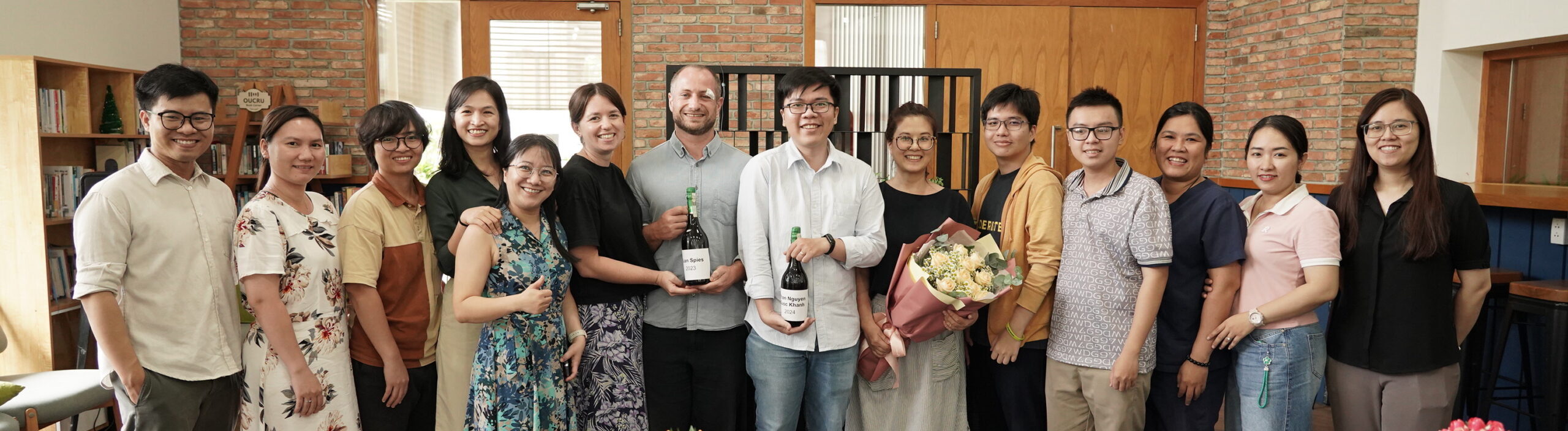
Today at OUCRU Vietnam, we came together to celebrate a proud and meaningful milestone: the graduation of two outstanding PhD students who have spent years advancing our understanding of infectious diseases.
Dr Julie Huynh (Open University) completed her PhD on improving the diagnosis and prognosis of tuberculous meningitis in children. Her research addresses a critical gap in pediatric TB care, contributing to faster and more accurate treatment for young patients.
Dr Ho Quang Chanh (University of Oxford, OUCRU Prize Studentship) focused his doctoral research on continuous physiological monitoring in dengue shock patients and investigated the mechanisms behind vascular leak syndrome. His work offers valuable insights for improving the clinical management of severe dengue.
We’re incredibly proud of both graduates for their dedication and contributions to global health. We wish them continued success in the next chapters of their careers.
Dr Ho Quang Chanh and Dr Julie Huynh pop their PhD champagne, an OUCRU hallmark moment to celebrate the completion of their doctoral research.
Welcoming Our New PhD Students
As we celebrate our graduates, we’re also excited to welcome a new cohort of PhD scholars beginning their research journeys with OUCRU and our university partners. Each brings fresh perspectives and a commitment to addressing urgent health challenges:
Dr Phan Nguyen Quoc Khanh (Open University) is researching host transcriptional signatures to improve the diagnosis of extrapulmonary tuberculosis.
Le Kim Khanh (Open University) is investigating diagnostic tools for rickettsial infections, including scrub typhus and spotted fever groups.
Dr Nguyen Trong Duy (Open University) is studying community-acquired pneumonia in Vietnamese children and adults, including its causes, clinical patterns, and associated treatment costs.
Ruan Spies (University of Oxford) examining how multidrug-resistant tuberculosis is acquired in Ho Chi Minh City.
Ngo Huyen Chi (University of Oxford, OUCRU Prize Studentship), exploring how gendered health information shapes HPV vaccine attitudes among men who have sex with men in Vietnam.
Â
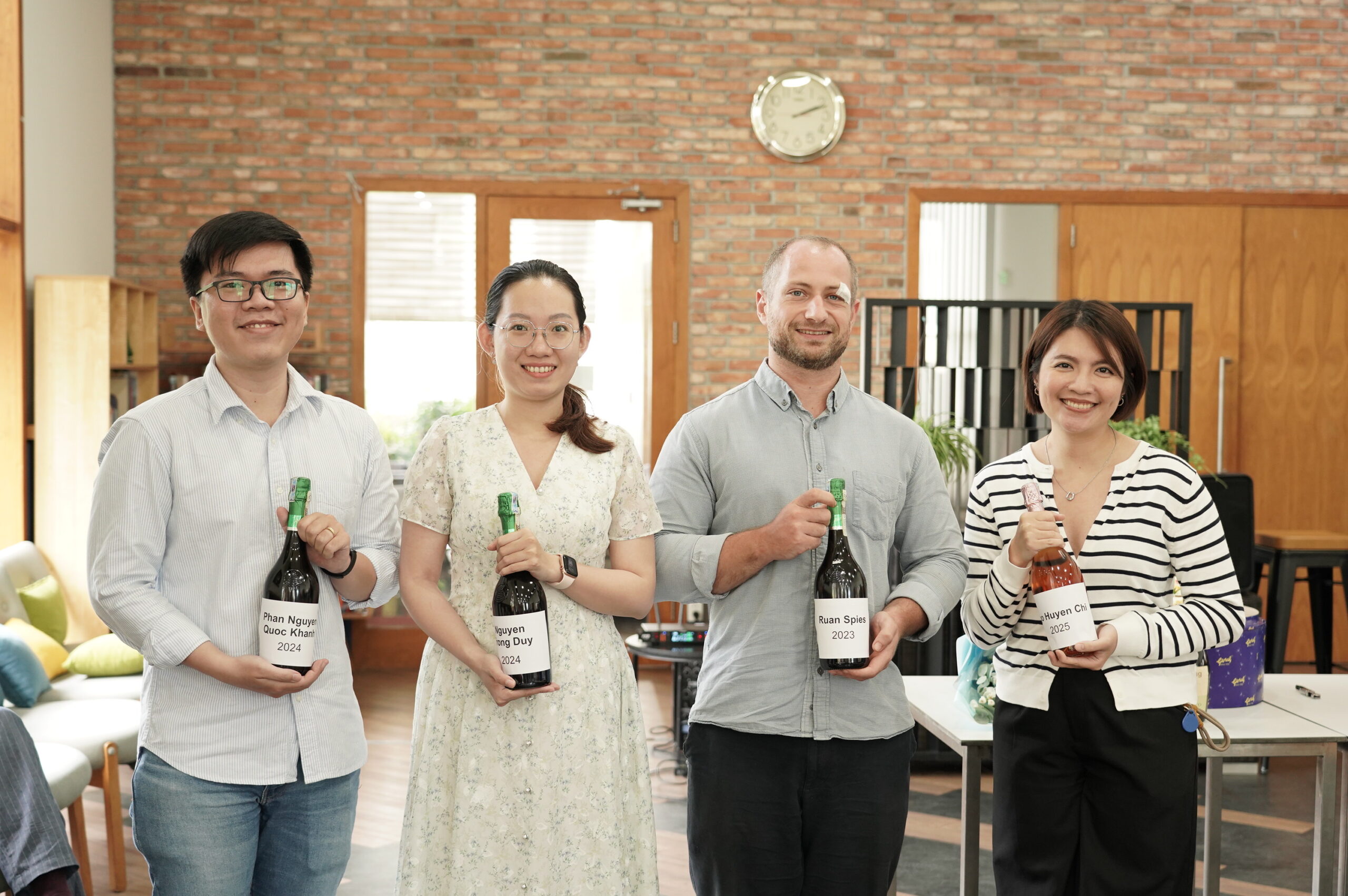
From left to right: Dr Phan Quoc Khanh, Le Kim Khanh, Ruan Spies, and Ngo Huyen Chi – new PhD students receiving their champagne bottles as they officially begin their research path with OUCRU.
This diverse group spans a wide range of research areas – from laboratory science to public health and social science – all united by a shared goal: improving health through science.
We are honoured to support their PhD journeys and look forward to the knowledge and impact they will bring in the years ahead.
Several countries choose May as Mental Health Awareness Week. The theme of this year, chosen by the Mental Health Foundation, is community, highlighting the essential role of community and social connections in mental health and well-being.Â
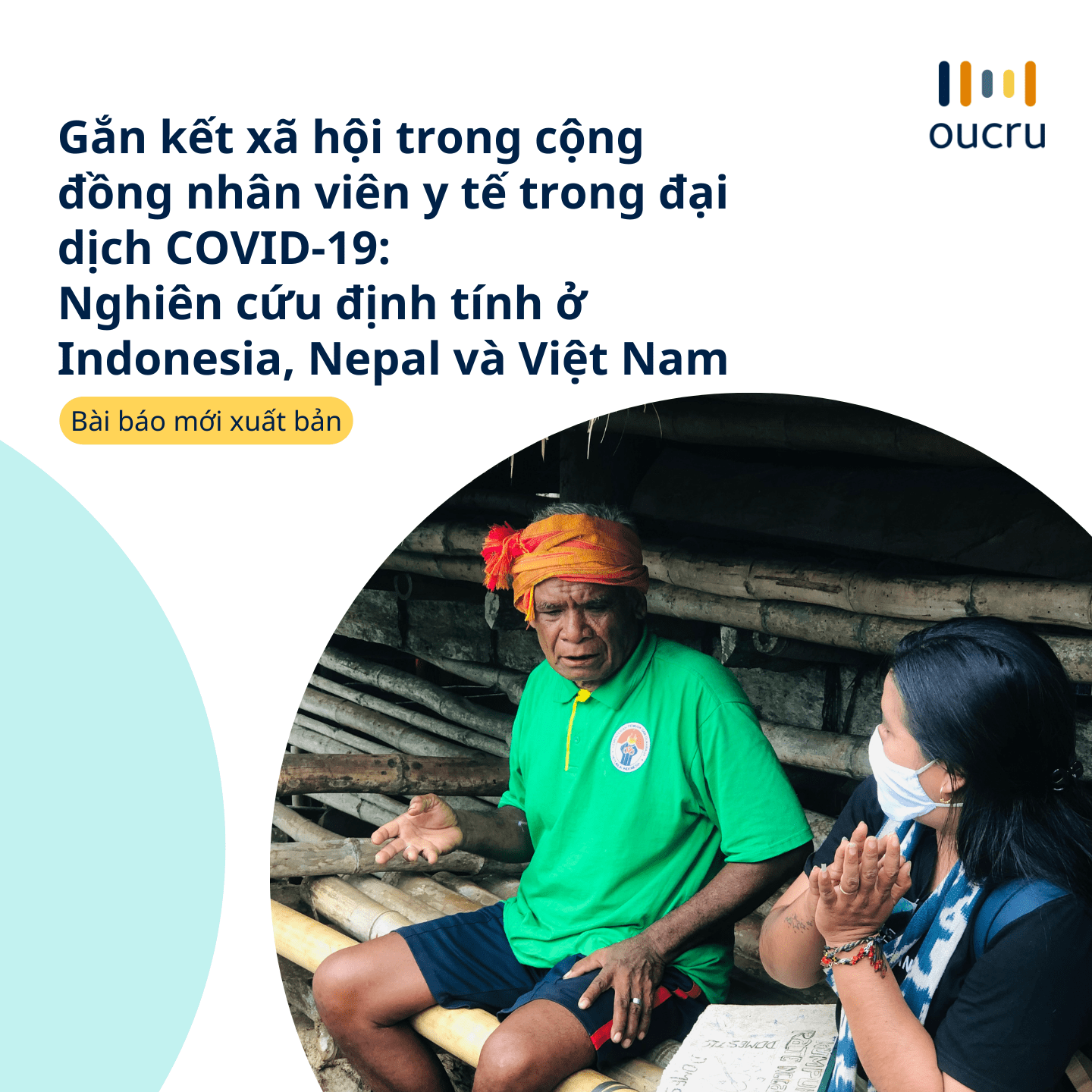
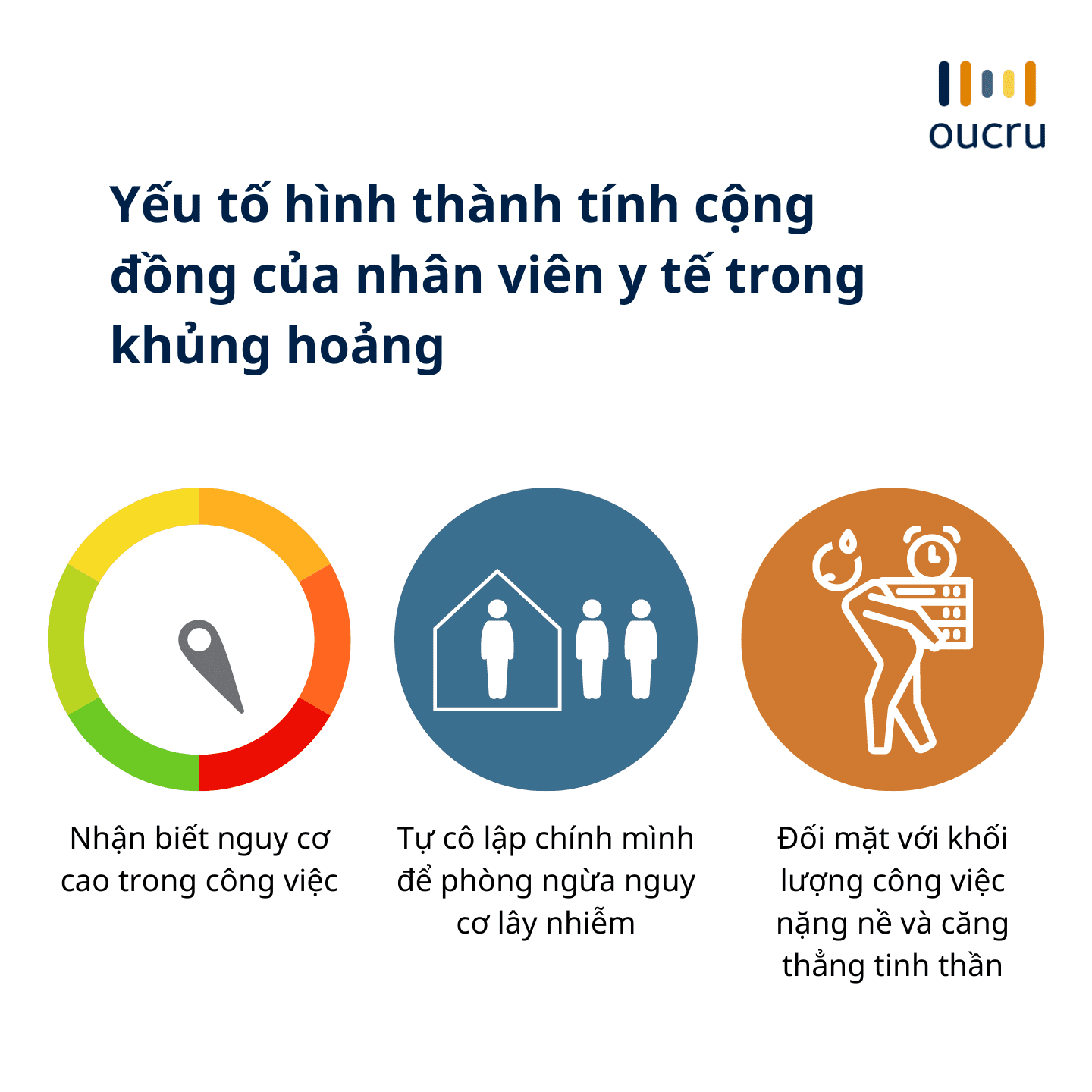
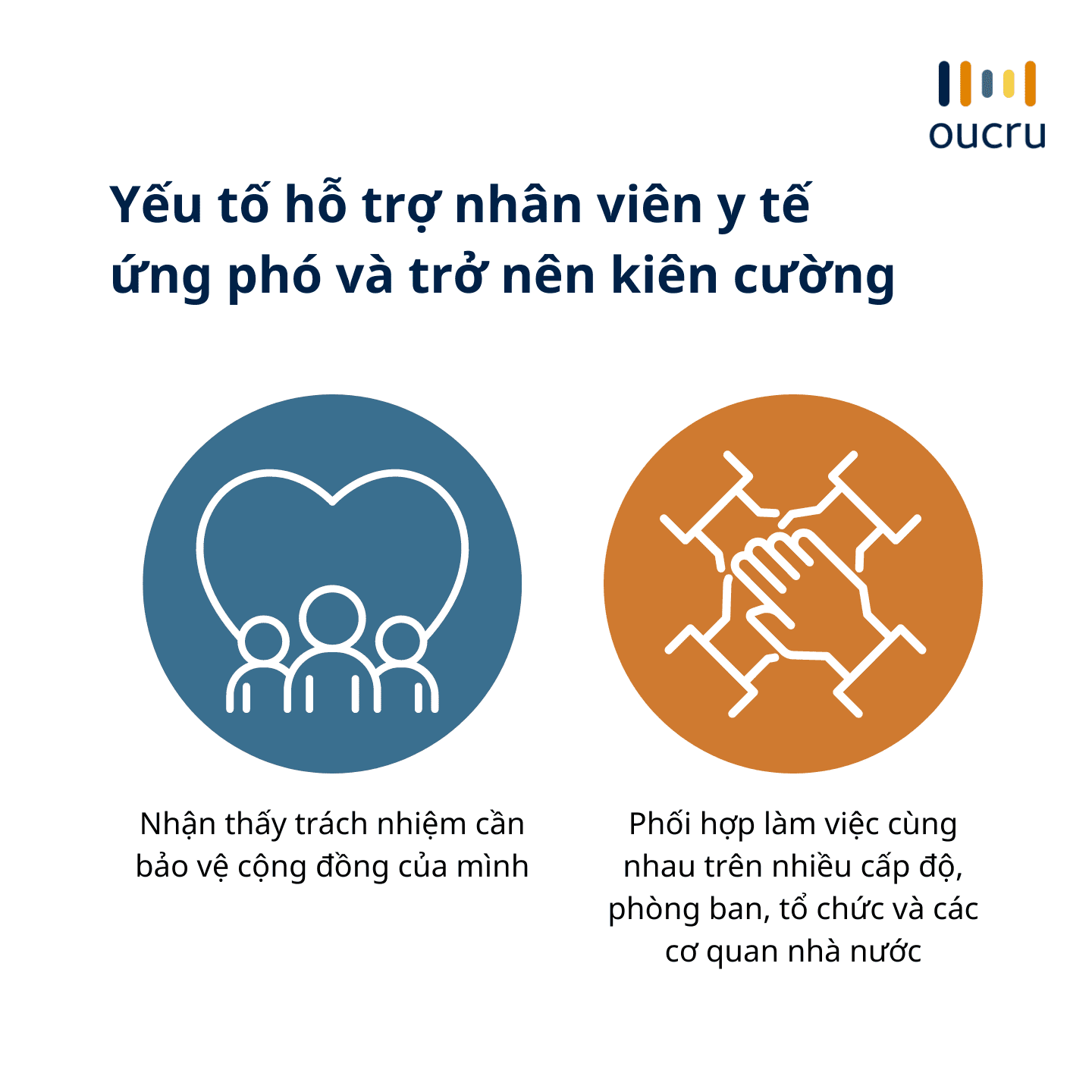
Social connections and community play a central role in mental health, especially during times of crisis. Healthy relationships and helpful community will contribute to helping us navigate life’s challenges. Research done by Dr Nguyen Thanh Ha, OUCRU Vietnam, using Bahers’ sociological framework, Community of Fate, reflected the formation of a community of HCWs and the social cohesion underlying their efforts to survive hardship during the pandemic.Â
Social supports contributed to several findings that staying connected with social relationships has led to positive mental health status. A research study of over 37,000 students at Vietnam National University of Ho Chi Minh City (VNU-HCMC) that was animated by Collab Lab, our youth-led initiative, showed that 84.5% of college students chose to stay connected with family and friends to help them overcome COVID-19’s social restrictions’ challenges. Â
Mental health in the research context
Mental health is important to everyone.
According to WHO, more than 100 million people suffer from mental health disorders in the Western Pacific Region. In Vietnam, according to the National Mental Hospital, 14.2% of the population suffers from one of ten common mental disorders. The rate of suicide in 2015 was 5.87 per 100 000 population.Â
Mental Health Awareness Week is important not only to raise awareness and emphasise the importance of collective social efforts, but also to encourage open conversations, reduce stigma, and promote wellbeing. It creates an opportunity for individuals, communities, and organizations to come together, share stories, and advocate for better mental health support.
Mental health challenges like stress, burnout, and depression are pervasive in science, research, and academia. A global online survey revealed that graduate students were more than six times more likely to experience moderate to severe anxiety or depression compared to the general population. Other research indicates that one-third of Ph.D. students risk developing or already have a common psychiatric disorder such as depression. A narrative review has identified several factors affecting higher education students’ mental health, well-being, and academic performance—including depression, anxiety, stress, academic pressure, insufficient social support, isolation, trauma, lack of inclusive practices, and pandemic-related stressors.
We need to work together to dispel the taboo and stigma surrounding mental health challenges.
This May, during Mental Health Awareness Month, OUCRU is collaborating with psychological experts to provide useful, localised resources for young people in both public and professional settings. We will emphasise the community’s vital role in addressing mental health challenges and guide how to engage with various community members—from people outside of your social circle to friends, colleagues, supervisors, and family.
Stay tuned to learn how to care for your mental health and support those around you. Remember: the power lies within our community, and that includes you.
The VIETNARMS trial found that the readily available and affordable Hepatitis C treatment sofosbuvir/daclatasvir (SOF/DCV) had a cure rate of more than 95%.
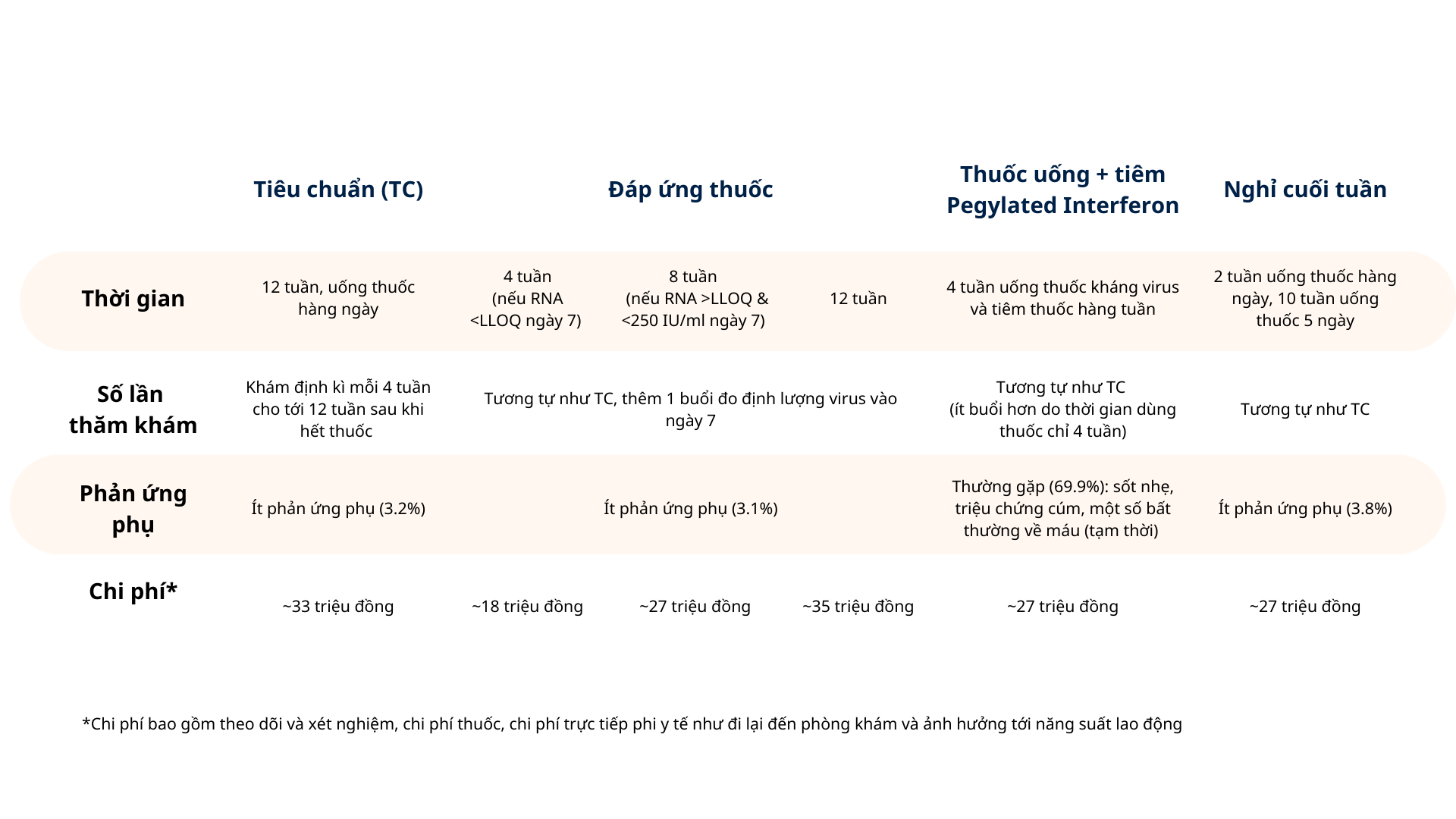
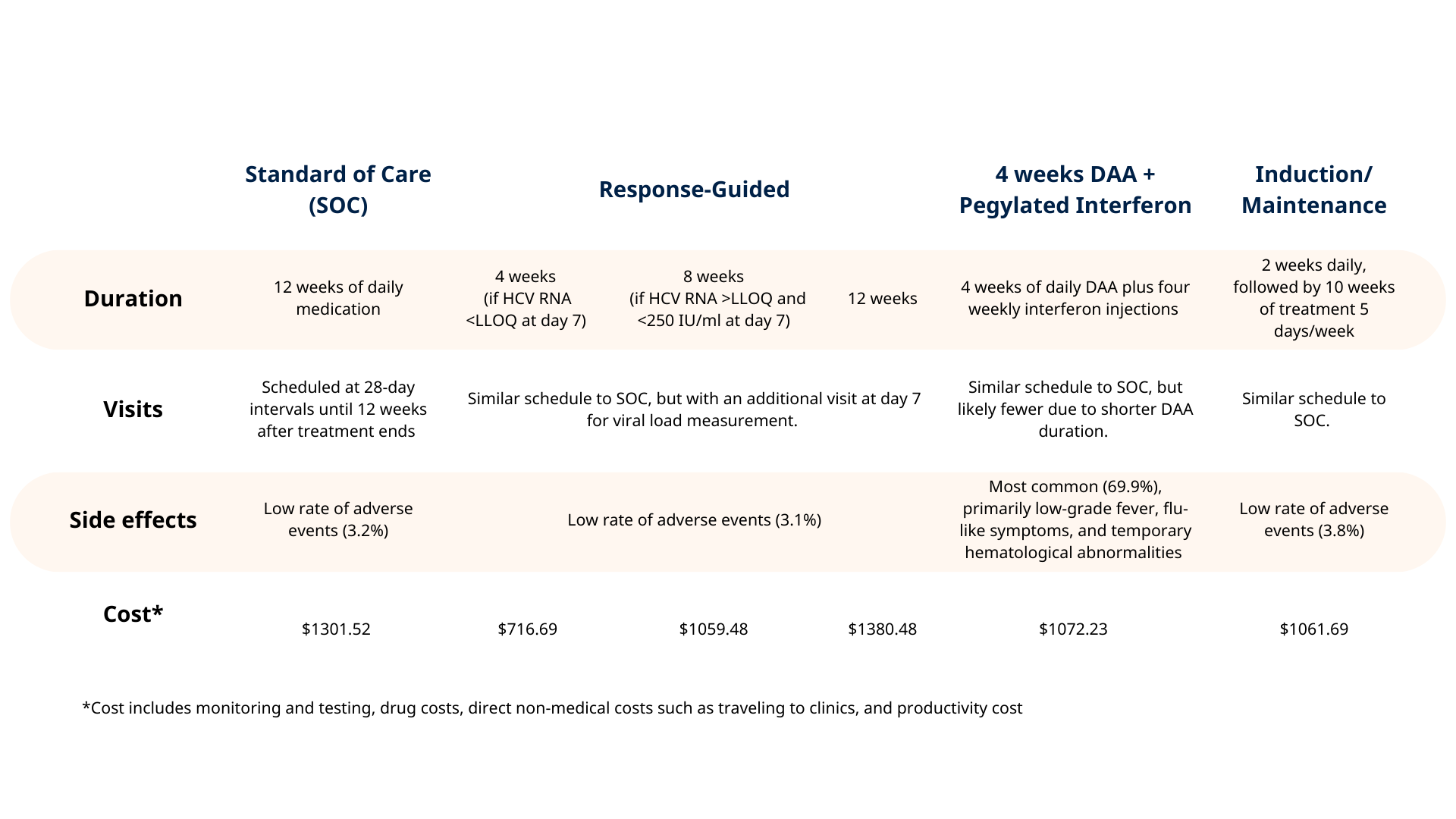
The trial successfully tested several treatment strategies, including a response-guided, shortened treatment duration strategy that maintained effectiveness at half the cost compared to the standard 12-week, $1,300 treatment.
Hepatitis C is a global health concern, with an estimated 58 million people chronically infected. The World Health Organisation (WHO) aims to eliminate viral hepatitis as a public health threat by 2030, with effective treatment being crucial to this strategy. However, while several highly effective direct-acting antiviral (DAA) medications are available, they remain unavailable and expensive, especially in low- and middle-income (LMIC) settings such as Vietnam.
Currently, the standard course of treatment for Hepatitis C lasts 12 weeks and costs $1,300 (about 33 million VND). In Vietnam, only 50% of the treatment cost is covered by social insurance. The prolonged treatment duration and high cost can discourage patients from seeking or following up with treatment.
The VIETNARMS trial, which ran from 2018 to 2024 and enrolled 624 patients, directly compared two widely used hepatitis C treatment regimens: sofosbuvir/daclatasvir (SOF/DCV) and sofosbuvir/velpatasvir (SOF/VEL). This head-to-head comparison, the first of its kind, revealed that SOF/DCV demonstrated slightly higher cure rates compared to SOF/VEL. This finding is particularly significant for LMIC countries where SOF/DCV is more readily accessible and affordable.
Beyond comparing existing treatments, the VIETNARMS trial explored innovative treatment strategies designed to enhance accessibility and affordability. The research team investigated shorter treatment durations and a response-guided approach where treatment duration is tailored to individual patient response.
The results were promising. One strategy involving a response-guided approach demonstrated comparable effectiveness to the standard 12-week treatment duration while shortening the treatment duration and halving the treatment cost. These findings provide new strategies for expanding access to treatment, particularly for vulnerable and underserved communities, and have the potential to shape treatment guidelines worldwide.
Table: Comparison of 4 treatment regimens
This complex trial was made possible thanks to the multi-national collaboration between Imperial College London, the University of Oxford, OUCRU, as well as local partners in Vietnam including the Hospital for Tropical Diseases (Ho Chi Minh City), the National Hospital for Tropical Diseases (Ha Noi), CDC Ha Nam, CDC Ha Noi, regional hospitals, and community-based organisations.
Professor Graham Cooke, Principal Investigator of the trial, emphasised the importance of these findings: “Despite some previous theoretical concerns, these data support the use in Vietnam of SOF/DCV, the cheapest option for HCV treatment globally. There is the potential for a significant decrease in prices in the country which should help expand access and accelerate elimination of this major challenge to public health.”
Professor Dr Nguyen Van Vinh Chau, Deputy Director of Ho Chi Minh City Department of Health, said: “These research findings provide a solid basis for the WHO and Vietnam’s Ministry of Health to update and improve Hepatitis C treatment guidelines. It gives us a chance to shorten treatment time and use a combination of effective medicines at a more affordable cost.â€
The VIETNARMS trial, with its rigorous design and comprehensive evaluation of both established and novel treatment approaches, represents a significant step forward in the search for treatments for hepatitis C. The study’s findings have the potential to shape treatment guidelines, inform healthcare policies, and ultimately improve the lives of millions affected by this disease globally.
Patient-centred care approach prioritises individual patients’ needs, preferences, and values throughout their care journey, empowers patients to become active participants in their care, particularly during the decision-making process.
To adopt this approach, healthcare professionals must develop strong communication skills and serve as patient advocates to address patient needs effectively.
Key requirements required from health professionals include respect, clear communication to enable and empower active informed decision-making, providing emotional support that may accompany health issues, and enhancing comprehensive care including involving family and friends as well as ensuring easy access to needed health care services.
In Vietnam, this holistic approach has been part of hospital evaluation criteria since 2016 and has achieved significant success across healthcare institutions as well as nurturing more effective, compassionate, and more satisfying patient experiences.
However, healthcare facilities also face several challenges in implementing this approach, including limits in resources, staff training, and culture obstacles.
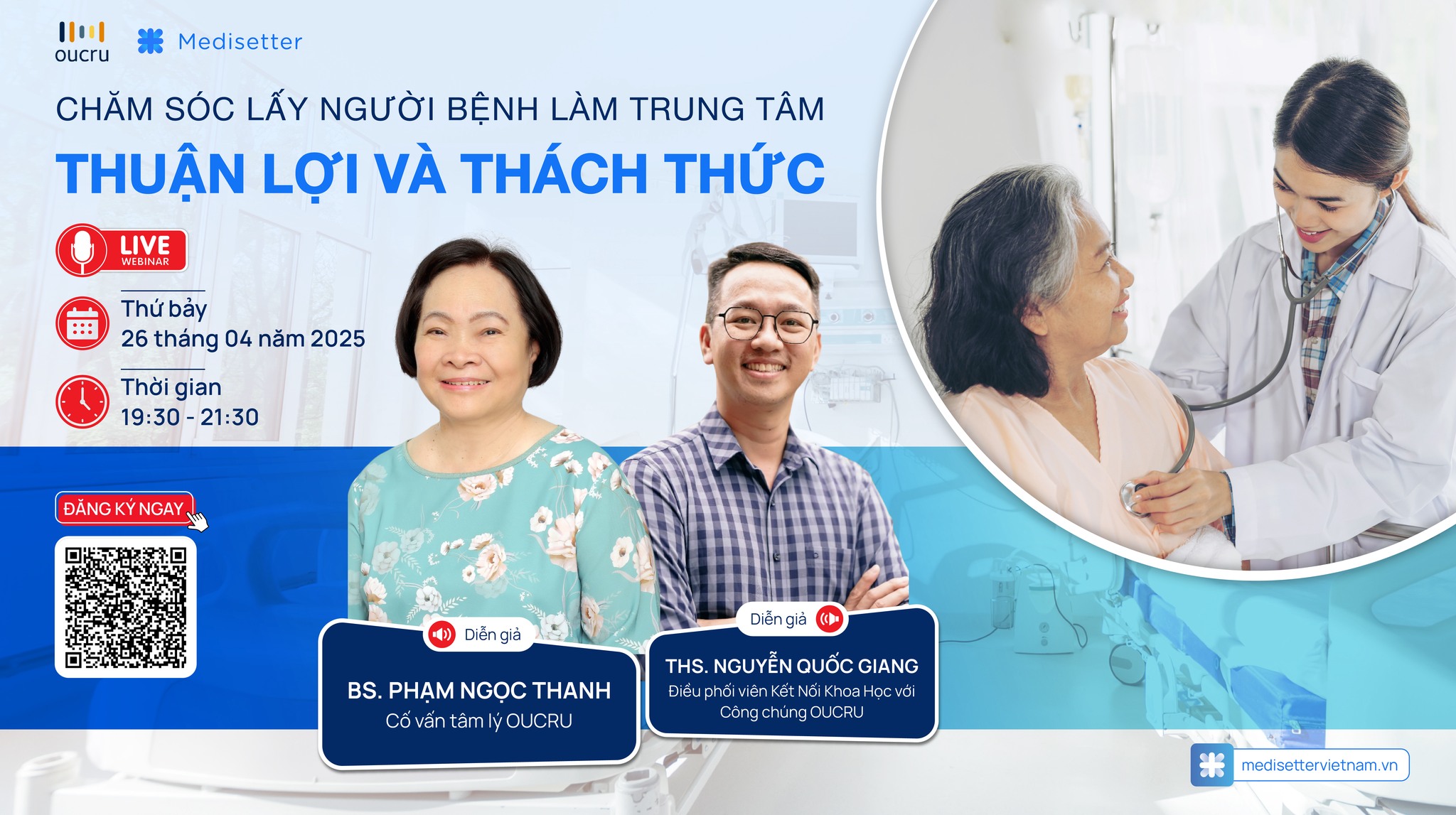
In the upcoming webinar, organised by OUCRU and Medisetter Vietnam, speakers MsC. Nguyen Quoc Giang and Dr. Pham Ngoc Thanh will host a special discussion about:
Advantages and challenges of adopting this approach in Vietnamese healthcare settings, with real examples.
Practical scenarios and lessions learned with speakers’ and partners’ clinical experience, emphasizing solutions to address challenges and improve patient satisfaction.
Strategies to encourage patient-centred adoptation across all aspects of professional medical fields.
This webinar is a part of the long partnership between OUCRU’s Public and Community Engagement Group with Medisetter Vietnam, to improve communications skills for healthcare workers, thereby boost their confidence in communications with patients and enhance patient’s satisfactory in health settings in Vietnam. Watch other training recordings organised by us here.
Join us at 19:30 – 21:30 on Saturday, 26.04.2025 via Zoom.
Assistant Professor Thitinan Kitisin at Mahidol University and member of the first MODRA cohort. (Photo: OUCRU, 2024)
At Mahidol University’s Faculty of Tropical Medicine, Assistant Professor Dr Thitinan Kitisin had already built a solid academic track record, focusing on how the human immune system responds to Plasmodium vivax, the most common malaria parasite in Thailand. He had the technical expertise, a growing list of publications, and the teaching responsibilities. But when it came to leading large-scale research or securing international funding, he admits, “I didn’t even know where to begin.â€
“As a scientist trained entirely in Thailand, I was comfortable in the lab, but hesitant to step into the global research arena,†he says. “International grants felt out of reach. I wasn’t sure I had the right experience, the right network, or even the right language.â€
That mindset began to shift when Dr Thitinan joined the MORU-OUCRU Discovery Research Academy (MODRA) in 2024, a programme designed to support early-career researchers across Asia with mentorship, training, and seed funding.
Building a New Research Platform
With support from MODRA’s seed award, Dr Thitinan is working to establish an in vitro tonsil organoid model, a lab-grown system that mimics human immune responses using real tonsil tissue.
“Most vaccine development still relies on animal models,†he explains. “But those don’t always translate to humans. The organoid platform allows us to model human adaptive immunity directly, which is a game-changer.â€
“This is not just about one disease,†he notes. “The platform can be adapted to study other infections, immune-modulating drugs, and even therapeutic antibodies. We’re opening a new door for translational immunology.â€
With this model, Dr Thitinan hopes to improve the success rate of vaccine development, reduce dependence on animal models, and accelerate the design of effective immunisations for diseases impacting communities across Asia and beyond.
Passing on the Skills Science Degrees Don’t Teach
Dr Thitinan presenting his research pitch for the MODRA seed award during Workshop 2 in Vietnam. (Photo: OUCRU, 2024)Â
But Dr Thitinan’s transformation doesn’t end with research outputs. MODRA helped him see that leadership in science also means teaching others to lead. “I want my students to learn earlier than I did, how to write proposals, manage a budget, and pitch their ideas clearly.â€
He now incorporates leadership and research management into his teaching at the Department of Microbiology and Immunology, Mahidol University, Thailand. His students practise elevator pitches, design one-page proposals, and run capstone-projects with real deadlines and deliverables. “These are skills I had to learn the hard way,†he reflects. “But my students don’t have to.â€
He believes this kind of training should be standard. “Science education often ends at the method section. But real research needs strategy, communication, and collaboration. MODRA gave me that, and now I want to pass it on.â€
When asked what advice he would give early-career scientists, Dr Thitinan doesn’t hesitate: “Don’t be afraid. Dream big and go for it.â€
He encourages others to apply to MODRA, not just for the funding, but for the mindset shift. “MODRA teaches you how to think differently, not just as a researcher, but as a leader. It connects you with mentors and collaborators who will challenge you to grow.â€
He smiles, reflecting on how far he’s come. “A few years ago, I wasn’t sure I could lead a project like this. Now, I’m training others to lead their own. That’s the power of mindset, and of a programme like MODRA.â€
About MODRA
The MORU–OUCRU Discovery Research Academy (MODRA) is a fully funded 18-month programme designed to empower early-career postdocs scientists in Asia with the skills, mentorship, and funding needed to become independent researchers.
Participants receive:
‣ Hands-on workshops on grant writing, budgeting, research design and project management.
‣ Ongoing mentorship from regional and global research leaders.
‣ Seed funding of up to $30,000 to launch preliminary research.
Prof. Buddha Basnyat has received the NHRC Lifetime Achievement Award for Health Research in Nepal. The Nepal Health Research Council (NHRC) conferred its prestigious Lifetime Achievement Award for Health Research upon Prof. Buddha Basnyat, Chairperson of the Oxford University Clinical Research Unit Nepal (OUCRU Nepal) at the 11th National Summit of Health and Population Scientists this week. This honour recognises his exceptional contributions to medical research and public health over a career spanning more than five decades.
Prof. Basnyat, a distinguished physician and clinical researcher based in Kathmandu, has dedicated his life’s work to advancing the understanding of infectious diseases and high-altitude medicine. His contributions have shaped clinical practice and public health policy in Nepal and across other resource-limited and mountainous regions worldwide.
In 2003, following a visit to Nepal by Prof. Sir Jeremy Farrar at Prof. Basnyat’s invitation, the two co-founded OUCRU Nepal. Prof Basnyat was the Director of OUCRU Nepal until 2022 —building on his longstanding research on infectious diseases in the country. He also serves as Medical Director of both the Travel and Mountain Medicine Centre and the Himalayan Rescue Association, where he has addressed complex medical challenges related to altitude illness, including acute mountain sickness and high-altitude oedemas, while championing rigorous, evidence-based clinical research.
His landmark randomized controlled trials on typhoid vaccines and treatments have significantly influenced public health strategies in South Asia—reducing mortality and informing World Health Organization (WHO) recommendations. He also identified scrub typhus as a major cause of febrile illness in Nepal, previously misdiagnosed as typhoid, leading to nationwide changes in diagnostic and treatment protocols. In the field of antimicrobial resistance (AMR), his research has contributed directly to Nepal’s National Antibiotic Guidelines, promoting evidence-based, rational drug use in low-resource settings.
As a world authority on high-altitude medicine, Prof. Basnyat’s work with the Himalayan Rescue Association and Everest ER has helped refine prevention and treatment strategies for climbers and high-altitude communities in Nepal.
Beyond his scientific achievements, Prof. Basnyat is a committed mentor who has played a pivotal role in developing the next generation of Nepalese clinician-scientists and fostering a vibrant, sustainable research community within the country. He also serves as the Honorary Consul of Canada to Nepal, reflecting his deep commitment to international collaboration and diplomacy.
This Lifetime Achievement Award not only celebrates Prof. Basnyat’s extraordinary career, but also highlights Nepal’s growing role in global health research. His tireless dedication to science, mentorship, and local capacity building has cemented his legacy as a leading figure in Nepal’s health sector and a lasting inspiration for future generations of medical researchers.
With the new concept ‘Through the Lenses of Science’, Collab Lab’s upcoming Meet the Scientists event is designed to bring meaningful interactions and engagement opportunities for young people to be able to dialogue and gain deep insight on scientific research as well as build the connection with scientists at OUCRU.
Explore and understand the comprehensive journey of scientific research while learning about different perspectives and approaches from stakeholders and communities, each of all should be respected and acknowledged.
Enable two-way feedback with meaningful discussions between scientists and young people. Young participants have opportunities to listen to researchers’ work, their achievements as well as challenges, and learning about their personal experiences that have shaped their scientific careers. Researchers can benefit from firsthand community feedback and questions, helping them refine their research ideas and agenda.
Young people can also contribute their opinions as a member of the community where research at OUCRU will take place at and affect to. This part is an important step of the process to help OUCRU research become more relevant, thereby create lasting impact in both the scientific community and society as a whole.
Meet the Scientists is an annual event within the Collab Lab project, a youth-led initiative. A passionate team of university students and young professionals collaborate with scientists at OUCRU and partnered institutions to transform their scientific publications into engaging funny animated videos. The project aims to help research papers easier to understand and more accessible to all, especially young people.