Blog

  • Dr Sulochana Manandhar: Tackling newborn infection risks in Nepal 

    Dr Sulochana Manandhar: Tackling newborn infection risks in Nepal 

    Navigating Barriers as a Young Researcher in Nepal

    “As an early-career researcher from the Global South, securing research funding has been a significant challenge,” says Dr Sulochana Manandhar of OUCRU Nepal. “A limited scientific network and lack of mentorship made it harder to refine my ideas and design studies that could move from concept to reality.”

    Trained in microbiology, Dr Manandhar’s early research centred on bacterial neonatal infections, including that of Group B Streptococcus (GBS) and associated antimicrobial resistance (AMR). While technically proficient, she struggled to translate her ideas into fundable, feasible research. “I often focused heavily on the scientific details, without fully understanding how to connect my work to broader health systems or real-world priorities,” she reflects.

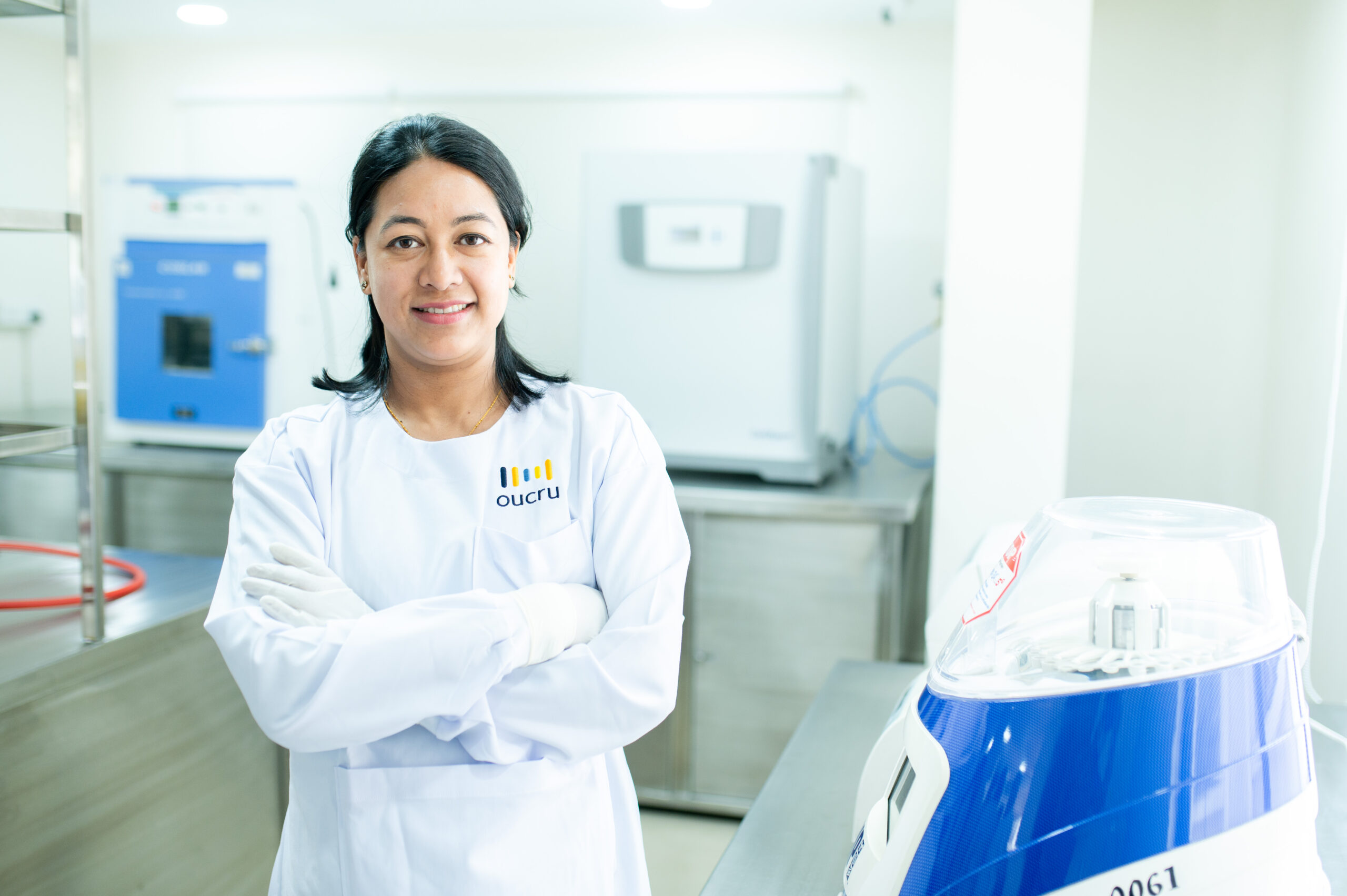
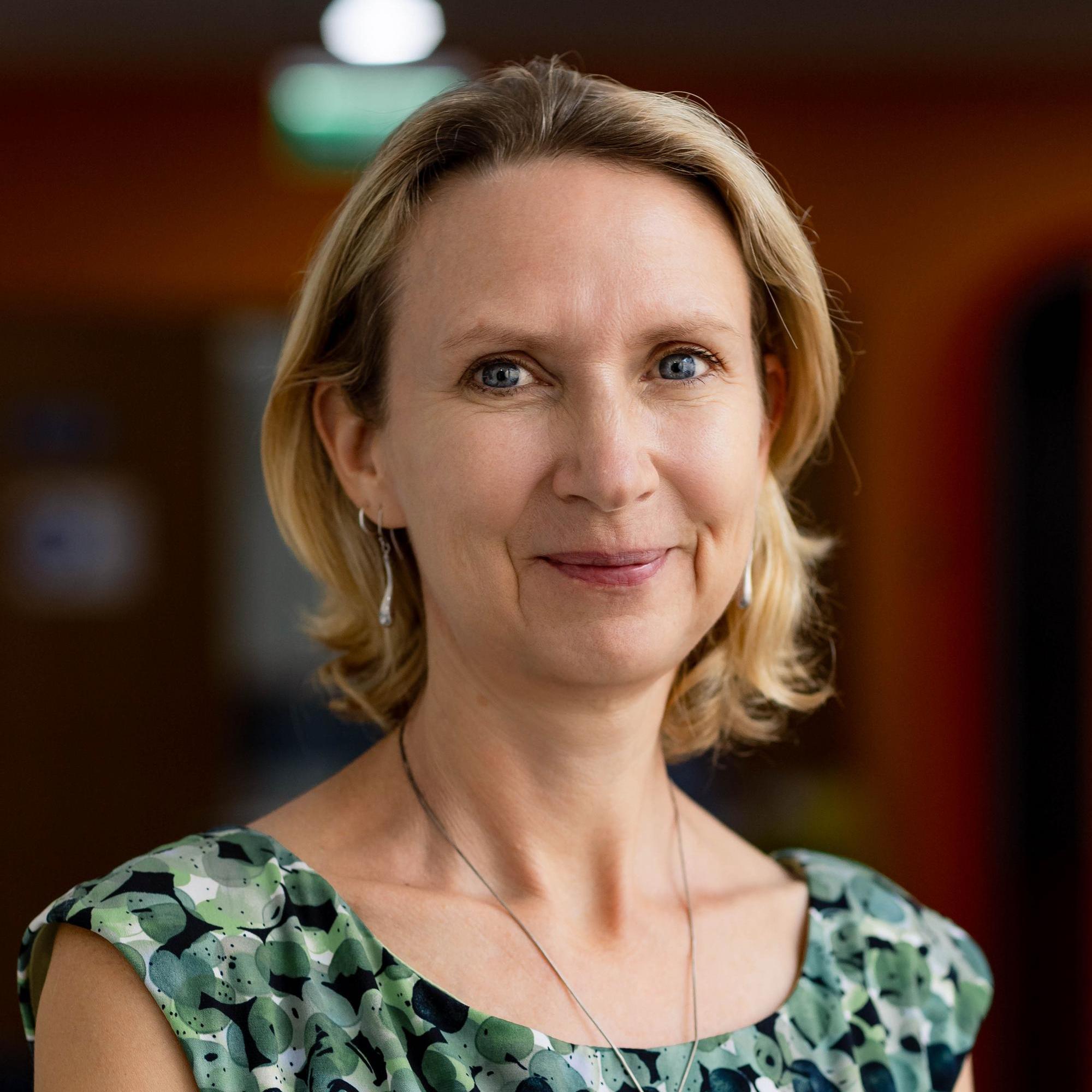
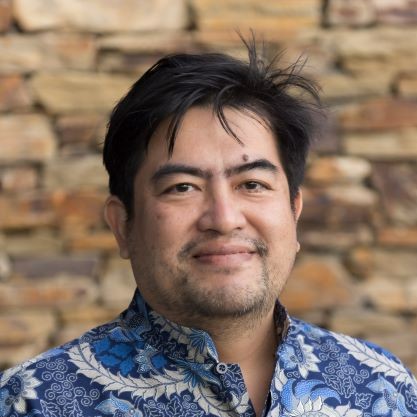
    Dr Sulochana Manandhar, microbiologist at OUCRU Nepal and member of the first MODRA cohort. (Photo: OUCRU, 2024) 

    That began to change in 2024, when Dr Manandhar joined the MORU–OUCRU Discovery Research Academy (MODRA), a transformative step that helped her move beyond the lab bench and into clinical research leadership. “MODRA introduced me to the logical framework tool for proposal writing,” Dr Manandhar explains. “It helped me define clear research outputs and outcomes, and to align my proposal with real-world needs and funder expectations.”

    Through structured training and tailored mentorship, she developed a system-aware approach to research. “My mentors taught me how to think beyond the science. They gave me crucial insights into how funding bodies assess proposals, especially how they value real-world impact and social relevance alongside scientific findings.”

    Leading Her First Hospital-Based Study

    With support from MODRA’s seed award, Dr Manandhar is now leading her first clinical study, investigating the prevalence of GBS among pregnant women and newborns in Nepal. Although GBS is known to cause neonatal infections globally, it remains underreported in Nepal.

    “Conducting a hospital-based study has been a steep learning curve,” she says. “From navigating ethics approval to coordinating with hospital staff and managing sample logistics, MODRA gave me the leadership and project management skills I needed.”

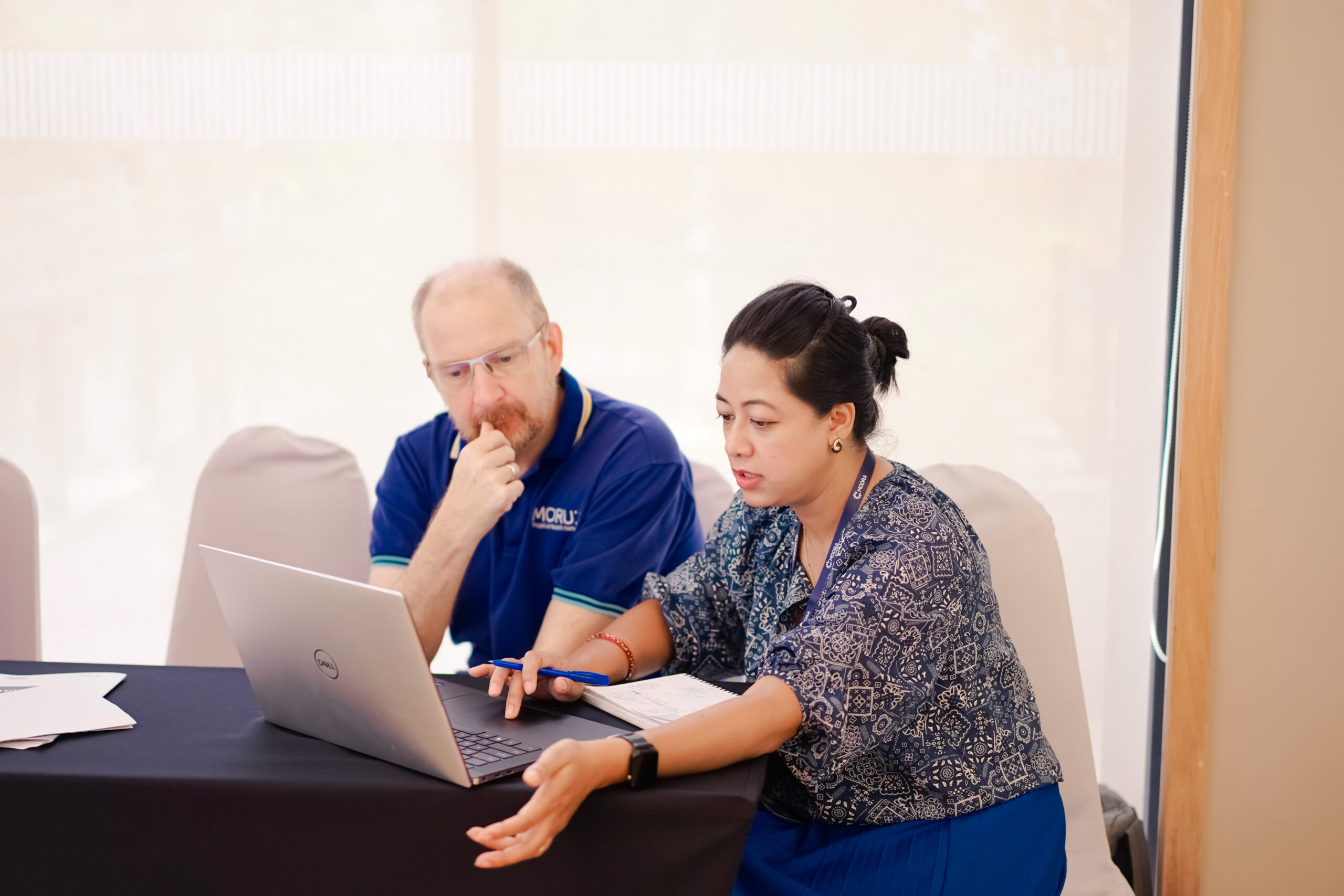
    1-on-1 consultation with Mr Dave Gandy (Grants & Contracts Manager, MORU) on grant writing and budgeting during a MODRA training in Bangkok. (Photo: OUCRU, 2024)

    Her study is based at Siddhi Memorial Women and Children Hospital in Bhaktapur, Nepal, a site selected for its maternity services and positive research culture. “Collaborating with a hospital that values research made all the difference. They saw how the findings could inform their own clinical guidelines.”

    Alongside her local research, Dr Manandhar also built new international collaborations. With support from her MODRA mentor, Dr Claire Chewapreecha of MORU, she initiated a partnership with the the JUNO Project at the Wellcome Sanger Institute. Recognising the scientific value of her study, JUNO provided high-quality reagents essential for isolating GBS and supported whole-genome sequencing of the samples.

    These data, not previously available in Nepal, will help researchers understand how local GBS strains relate to those circulating globally, which will inform the development of more effective vaccines.

    From Pilot Data to Health System Impact

    Dr Manandhar’s study is designed as a proof-of-concept, to generate the first set of local data that could shape maternal-neonatal health policy in Nepal.

    “We’ve engaged the hospital leadership from the start,” she explains. “If our findings confirm that GBS is an under-diagnosed risk, it could support the case for routine antenatal screening, something already standard in many high-income countries.”

    Looking ahead, she plans to scale the research to multiple hospitals across Nepal, and potentially other countries in the region. “There’s so much more to explore, host factors, pathogen genomic differences, host-pathogen interactions resulting into observed stark regional disparities. MODRA has laid the foundation for all of it.”

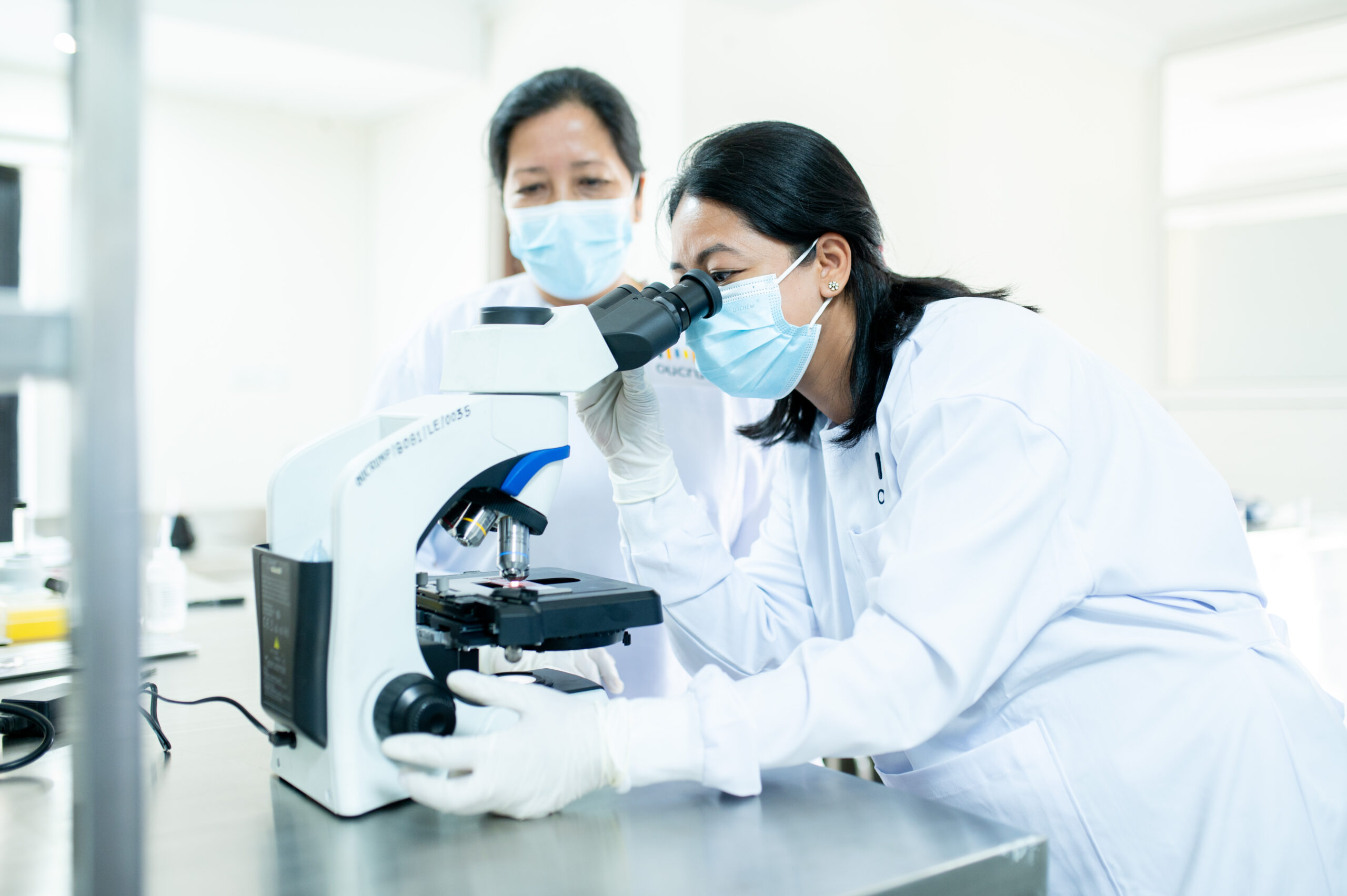
    At the OUCRU Nepal’s latest microbiology laboratory, inaugurated in 2024. (Photo: OUCRU, 2024) 

    Now mentoring junior colleagues at OUCRU Nepal, Dr Manandhar encourages early-career researchers to invest in collaborative networks from the start. “Strong partnerships shape stronger science. They bring in fresh perspectives, sharpen ideas, and offer practical support you simply can’t get alone.”

    Her advice to future applicants? “Don’t wait for the ‘perfect’ project. Be open to growth and surround yourself with people who push your thinking. MODRA helped me shift from working in isolation to leading with clarity and purpose.”

    About MODRA

    The MORU–OUCRU Discovery Research Academy (MODRA) is a fully funded 18-month programme designed to empower early-career postdocs scientists in Asia with the skills, mentorship, and funding needed to become independent researchers.

    Participants receive:

    ‣ Hands-on workshops on grant writing, budgeting, research design and project management.
    ‣ Ongoing mentorship from regional and global research leaders.
    ‣ Seed funding of up to $30,000 to launch preliminary research.

    This programme is a joint initiative by the Oxford University Clinical Research Unit (OUCRU) and the Mahidol Oxford Tropical Medicine Research Unit (MORU), both leading centres in global health research. MODRA is funded by Wellcome Trust and affiliated with the Centre for Tropical Medicine and Global Health at the University of Oxford, ensuring world-class standards in training and mentorship.

    If you’re ready to step into leadership and drive meaningful impact in global health, apply today.
  • Dr Sulochana Manandhar: Tackling newborn infection risks in Nepal 

    Dr Sulochana Manandhar: Tackling newborn infection risks in Nepal 

    Navigating Barriers as a Young Researcher in Nepal

    “As an early-career researcher from the Global South, securing research funding has been a significant challenge,” says Dr Sulochana Manandhar of OUCRU Nepal. “A limited scientific network and lack of mentorship made it harder to refine my ideas and design studies that could move from concept to reality.”

    Trained in microbiology, Dr Manandhar’s early research centred on bacterial neonatal infections, including that of Group B Streptococcus (GBS) and associated antimicrobial resistance (AMR). While technically proficient, she struggled to translate her ideas into fundable, feasible research. “I often focused heavily on the scientific details, without fully understanding how to connect my work to broader health systems or real-world priorities,” she reflects.

    Dr Sulochana Manandhar, microbiologist at OUCRU Nepal and member of the first MODRA cohort. (Photo: OUCRU, 2024) 

    That began to change in 2024, when Dr Manandhar joined the MORU–OUCRU Discovery Research Academy (MODRA), a transformative step that helped her move beyond the lab bench and into clinical research leadership. “MODRA introduced me to the logical framework tool for proposal writing,” Dr Manandhar explains. “It helped me define clear research outputs and outcomes, and to align my proposal with real-world needs and funder expectations.”

    Through structured training and tailored mentorship, she developed a system-aware approach to research. “My mentors taught me how to think beyond the science. They gave me crucial insights into how funding bodies assess proposals, especially how they value real-world impact and social relevance alongside scientific findings.”

    Leading Her First Hospital-Based Study

    With support from MODRA’s seed award, Dr Manandhar is now leading her first clinical study, investigating the prevalence of GBS among pregnant women and newborns in Nepal. Although GBS is known to cause neonatal infections globally, it remains underreported in Nepal.

    “Conducting a hospital-based study has been a steep learning curve,” she says. “From navigating ethics approval to coordinating with hospital staff and managing sample logistics, MODRA gave me the leadership and project management skills I needed.”

    1-on-1 consultation with Mr Dave Gandy (Grants & Contracts Manager, MORU) on grant writing and budgeting during a MODRA training in Bangkok. (Photo: OUCRU, 2024)

    Her study is based at Siddhi Memorial Women and Children Hospital in Bhaktapur, Nepal, a site selected for its maternity services and positive research culture. “Collaborating with a hospital that values research made all the difference. They saw how the findings could inform their own clinical guidelines.”

    Alongside her local research, Dr Manandhar also built new international collaborations. With support from her MODRA mentor, Dr Claire Chewapreecha of MORU, she initiated a partnership with the the JUNO Project at the Wellcome Sanger Institute. Recognising the scientific value of her study, JUNO provided high-quality reagents essential for isolating GBS and supported whole-genome sequencing of the samples.

    These data, not previously available in Nepal, will help researchers understand how local GBS strains relate to those circulating globally, which will inform the development of more effective vaccines.

    From Pilot Data to Health System Impact

    Dr Manandhar’s study is designed as a proof-of-concept, to generate the first set of local data that could shape maternal-neonatal health policy in Nepal.

    “We’ve engaged the hospital leadership from the start,” she explains. “If our findings confirm that GBS is an under-diagnosed risk, it could support the case for routine antenatal screening, something already standard in many high-income countries.”

    Looking ahead, she plans to scale the research to multiple hospitals across Nepal, and potentially other countries in the region. “There’s so much more to explore, host factors, pathogen genomic differences, host-pathogen interactions resulting into observed stark regional disparities. MODRA has laid the foundation for all of it.”

    At the OUCRU Nepal’s latest microbiology laboratory, inaugurated in 2024. (Photo: OUCRU, 2024) 

    Now mentoring junior colleagues at OUCRU Nepal, Dr Manandhar encourages early-career researchers to invest in collaborative networks from the start. “Strong partnerships shape stronger science. They bring in fresh perspectives, sharpen ideas, and offer practical support you simply can’t get alone.”

    Her advice to future applicants? “Don’t wait for the ‘perfect’ project. Be open to growth and surround yourself with people who push your thinking. MODRA helped me shift from working in isolation to leading with clarity and purpose.”

    About MODRA

    The MORU–OUCRU Discovery Research Academy (MODRA) is a fully funded 18-month programme designed to empower early-career postdocs scientists in Asia with the skills, mentorship, and funding needed to become independent researchers.

    Participants receive:

    ‣ Hands-on workshops on grant writing, budgeting, research design and project management.
    ‣ Ongoing mentorship from regional and global research leaders.
    ‣ Seed funding of up to $30,000 to launch preliminary research.

    This programme is a joint initiative by the Oxford University Clinical Research Unit (OUCRU) and the Mahidol Oxford Tropical Medicine Research Unit (MORU), both leading centres in global health research. MODRA is funded by Wellcome Trust and affiliated with the Centre for Tropical Medicine and Global Health at the University of Oxford, ensuring world-class standards in training and mentorship.

    If you’re ready to step into leadership and drive meaningful impact in global health, apply today.
  • Moral distress of frontline workers in research settings is often overlooked

    Moral distress of frontline workers in research settings is often overlooked

    The kick-off meeting for the Moral Distress Frontline Staff Network was organised over two and a half days, gathering professionals from the UK, Nepal, Bangladesh, India, Malawi, Kenya, Zimbabwe, Thailand, Sierra Leone, and Vietnam—each committed to improving the experience and well-being of frontline research staff working in resource-constrained settings.

    Complex emotions tied to frontline workers’ work were expressed visually through rich pictures and fishbowl activities, revealing striking commonalities despite the participants’ diverse backgrounds and geographies. Sessions such as “Caught in the Middle” were opportunities for participants to talk about their daily unique challenges that often to be unaddressed including institutional constraints and emotionally charged decision-making.

    Potential support interventions, such as peer-to-peer mentoring, safe spaces for reflection, and context-specific ethical guidance, were discussed, emphasising the importance of co-design and localised solutions.

    The meeting also launched a Participatory Action Network that would lay the foundation for an inclusive community of practice, focusing on moral distress, an aspect usually overlooked in global healthcare research. Participants agreed that moral distress intervention efforts must be both evidence-based and empathetic, sensitive to local realities.

    The network, ROOTs (Rethinking Organisational Opportunities to Tackle Moral Distress among Frontline Staff*), prioritises dignity, emotional resilience, and fairness for frontline staff, would include the organisation of webinars, development of guidelines and manuals, implementation of training programs, and initiation of collaborative research projects.

    This meeting is the shared commitment aiming for meaningful change in how research institutions support those at the frontline.

    The meeting and other activities to support healthcare and frontline workers are part of OUCRU’s Public and Community Engagement group’s visions. As a research unit, OUCRU works with health professionals across various settings, witnessing and understanding their challenges firsthand. Through our engagement programmes—including capacity building and networking—we aim to contribute to address their professional obstacles, enhance local healthcare performance, and improve the overall health experience for everyone.

    Read more about our Engagement to Support Healthcare Workers and in Hospitals programme here.

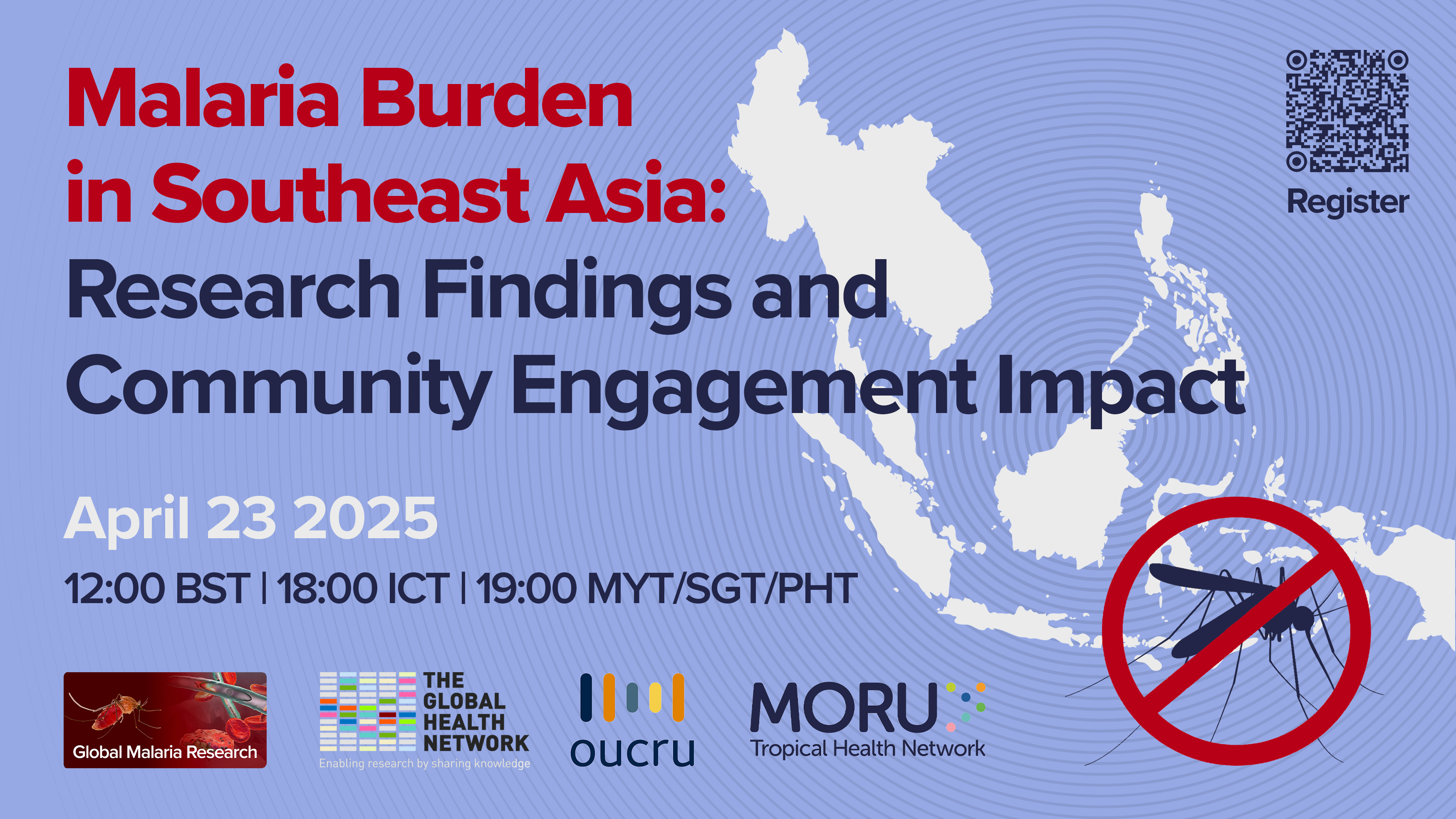
  • Webinar: Malaria Burden in Southeast Asia: Research Findings and Community Engagement Impact

    Webinar: Malaria Burden in Southeast Asia: Research Findings and Community Engagement Impact

    Malaria remains a serious threat to public health across Asia. The South-East Asia Region has the second-highest malaria burden globally, with WHO estimating that 1.61 billion people remain at risk and the disease being endemic in nine countries.

    The Global Health Network, Oxford University Clinical Research Units (OUCRU) and Mahidol Oxford Tropical Medicine Research Unit (MORU) are organising a joint webinar to explore malaria’s often-overlooked impact in Southeast Asia. Researchers will present the region’s malaria research portfolio, highlighting historic MORU/OUCRU’s role in development of artemether-based drugs and OUCRU’s strategy to engage Indonesia’s war on malaria in Papua.

    Direct community involvement is essential for achieving “last mile” malaria elimination. Dr. Poonam Khetrapal Singh, WHO Regional Director for South-East Asia, has emphasised community engagement’s vital role in effective diagnosis and treatment, along with the importance of decentralising programmes from sub-national to district and village levels.

    To showcase successful community engagement initiatives, OUCRU and MORU researchers will present case studies demonstrating how they incorporate community voices, reach challenging populations, and use creative approaches to build awareness and understanding.

    Our speakers

    Dr Iqbal Elyazar 

    Epidemiology and Geospatial Programme Manager 

    Oxford University Clinical Research Unit Indonesia 

    Arjen M. Dondorp, FMedSci, MD, PhD 

    Deputy Director of the Mahidol Oxford Clinical Research Unit, Thailand 

    Professor J. Kevin Baird  

    Director of OUCRU Indonesia 

    Dr Mary Chambers

    Head of Public and Community Engagement Group

    Oxford University Clinical Research Unit 

    Register now

    Reference: https://www.who.int/southeastasia/health-topics/malaria

  • The world is facing a shortage of 11 million health workers by 2030(*)

    The world is facing a shortage of 11 million health workers by 2030(*)

    World Health Worker Week (#WHWWeek) highlights the importance of the health workforce – nurses, pharmacists, epidemiologists, doctors, community health workers/volunteers, technicians, and their colleagues – the heart of global health.

    Led by the Frontline Health Workers Coalition, #WHWWeek calls for increased investment in all cadres of the health workforce and advocates for prioritizing human resources for health on the global agenda. It is an opportunity to highlight the crucial role that sustained leadership and long-term investments in the health workforce play in achieving resilient health systems and advancing development goals.

    #healthworkerssavelives and foster healthier communities by managing illness, preventing the spread of disease, providing education, among other things. In doing so, health workers also help drive economies – protecting the health of employees, reducing absenteeism and otherwise helping people thrive. Let’s make sure all cadres of health workers are compensated, protected, retained and succeed so that they can continue to help people live healthier, more productive lives.

    Key Messages

    Strengthen the health workforce.

    By 2030, there will be a shortage of 11 million health workers, predicted by WHO. Increased investment in the health workforce is not only necessary; it is a wise and worthwhile strategy to strengthen global health and achieve development targets. Well-trained, protected, and fairly compensated health workers lie at the core of health care.

    Investments in health workers deliver returns.

    Donors from philanthropic organizations, foundations, multilaterals, banks, and private sector must help close the existing gap in health workforce funding. This investment benefits business, the economy, and broader development goals.

    • Building resilient health systems requires prioritising long-term investment in health workers with essential resources and training.
    • Poor health costs 15% of global real GDP annually, making health investment economically vital.
    • Health workforce investment could extend global life expectancy by 3.7 years and save 60 million lives by 2030.

    Protect health workers, who protect our health.

    Health workers serve as frontline preventers and providers of essential health services. Their physical and mental wellbeing must be protected to ensure optimal community care.

    • Achieving SDG 3 (Good Health and Well-Being) requires a strong health workforce, supported by aligned global financing and implementation strategies.
    • Over 60% of health workers face workplace violence. Combined with poor working conditions and low pay, this leads to high turnover rates.

    Value health workers, who facilitate good health and contribute to economic growth.

    Health workers are the heart of global health security, preventing and responding to pandemics, infectious diseases, NCDs, and maternal-child health challenges.

    • Beyond improving community health, they are active contributors to global GDP by enabling a more productive workforce and reducing absenteeism.
    • With women comprising 70% of health workers and over 75% of unpaid healthcare labor, fair compensation and advancement opportunities are essential.

    Supporting and strengthening healthcare workers’ capacity has been central to OUCRU’s Public and Community Engagement group’s missions. As a clinical research unit, healthcare workers are essential to OUCRU’s operations and research. Working closely with them, we acknowledge and understand their unique challenges—structural, physical, and mental. Our support programme includes capacity training, mental health support, partnership opportunities, and much more.

    One highlight of our healthcare worker strengthening program is a collaboration between OUCRU and Dak Lak’s Department of Health and Centre for Disease Control (CDC) to develop a training package to enhance the capacity of commune vaccine staff, particularly focusing on supporting their communication about vaccines and the vaccination process.

    Communes that participated in the training programme saw up to a 42% increase in booster vaccination uptake compared to the communes that did not participate.

    “Before the training was implemented, 52 out of 184 communes in Dak Lak fell behind on vaccination. […] Capacity building for frontline health workers is now more important than ever.” 

    Dr Le Phuc, Vice Director of Dak Lak CDC, said during the progress meeting organised in May, 2023.

    To make our training materials accessible, the Public and Community Engagement Group (PCE) partners with The Global Health Network (TGHN) to manage CONNECT, a knowledge and training hub that provides resources for healthcare workers in Vietnam and globally, particularly in research context. Through CONNECT, healthcare workers can access recordings of webinars covering several topics, including emotional communication competence, compassion fatigue, and grief in neonatal care contexts. All materials on CONNECT are freely available to access and download. You can also subscribe here for monthly updates.

    Read more about Public and Community Engagement Group’s healthcare engagement programme here.

    (*) https://www.frontlinehealthworkers.org/world-health-worker-week-2025

  • Dr Duong Thi Hue Kien: From post-PhD uncertainty to leading international research 

    Dr Duong Thi Hue Kien: From post-PhD uncertainty to leading international research 

    Finding My Path After PhD

    “After finishing my PhD, I felt isolated and uncertain about the future,” recalls Dr Kien. For four years, her research was focused entirely on understanding how the Dengue virus evolves inside mosquitoes. “When that chapter ended, stepping into the broader scientific community felt overwhelming.” 

    Adding to the challenges, Dr Kien made a bold decision to shift her research trajectory. “Changing my research focus made everything feel even more uncertain,” she explains. In 2024, she joined the MORU – OUCRU Discovery Research Academy (MODRA), which connected her with experienced mentors, including Dr Tineke Cantaert from Pasteur Institute, Cambodia and Prof Ooi Eng Eong from Duke-NUS Medical School, Singapore. 

    “The mentorship I received through MODRA was genuinely supportive and inspiring. It helped me reconnect with the scientific community and gave me clarity and confidence to move forward in my new research direction.” 

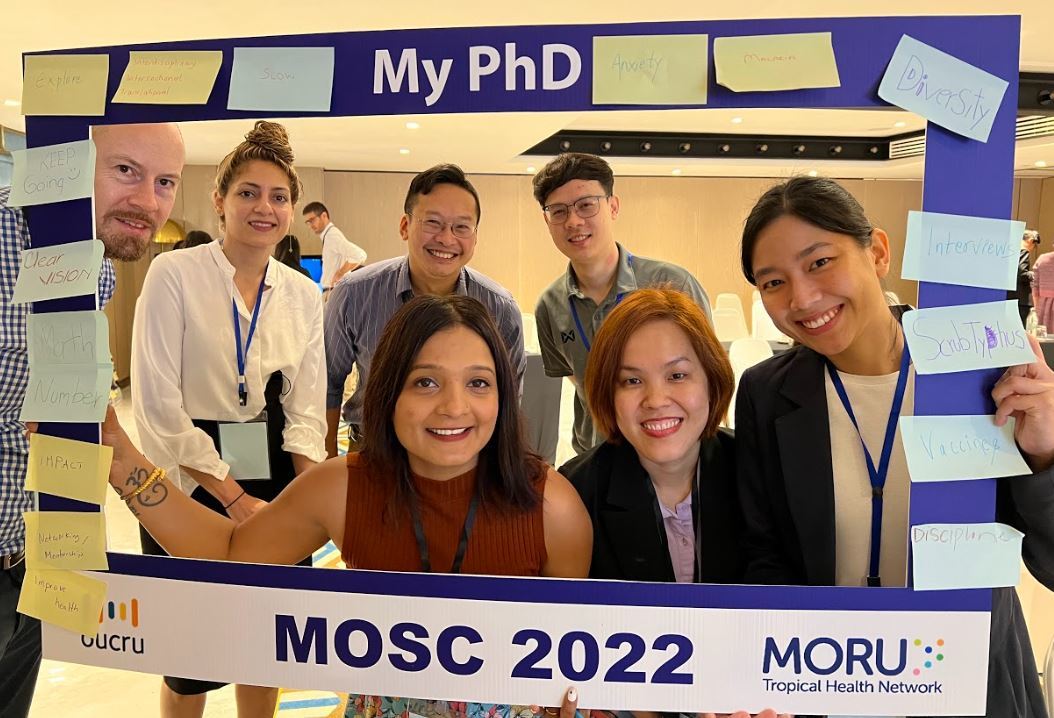
    Dr Kien at the MORU-OUCRU Student Conference (MOSC) in 2022. The annual MOSC connects PhD students from MORU and OUCRU and provides training to support their PhD journey including preparing for their thesis defence. Photo Credit: OUCRU 

    Like many young scientists, Dr Kien faced the frustrating “catch-22” challenge: to secure research funding, she needed data; but to gather data, she needed funding. MODRA’s seed award helped her break this cycle, enabling her to conduct preliminary research. 

    “MODRA’s seed award was incredibly valuable,” Dr Kien explains. “It gave new researchers a rare yet essential opportunity to test their initial ideas and refine research plans. The experience significantly improved my grant-writing skills, directly contributing to my successful Wellcome Trust application.” 

    “To get research funding, you need data. But to collect data, you need funding. It felt like an impossible cycle.

    Dr Duong Thi Hue Kien

    Leading a Major Research Project 

    With MODRA’s support, Dr Kien recently secured a multi-million-pound Wellcome Trust Infectious Disease Award. She now leads the Vietnam component of an ambitious international project, spanning nine countries in Africa and Asia. The project investigates how dengue and Zika viruses spread, how the body responds to infections, and the risks at a population level. 

    “MODRA fundamentally changed how I communicate my research,” Dr Kien says. “I learned to clearly explain the real-world impact of my work beyond laboratory findings. Managing a large international project is challenging, but MODRA gave me the vision, leadership and management skills to succeed.” 

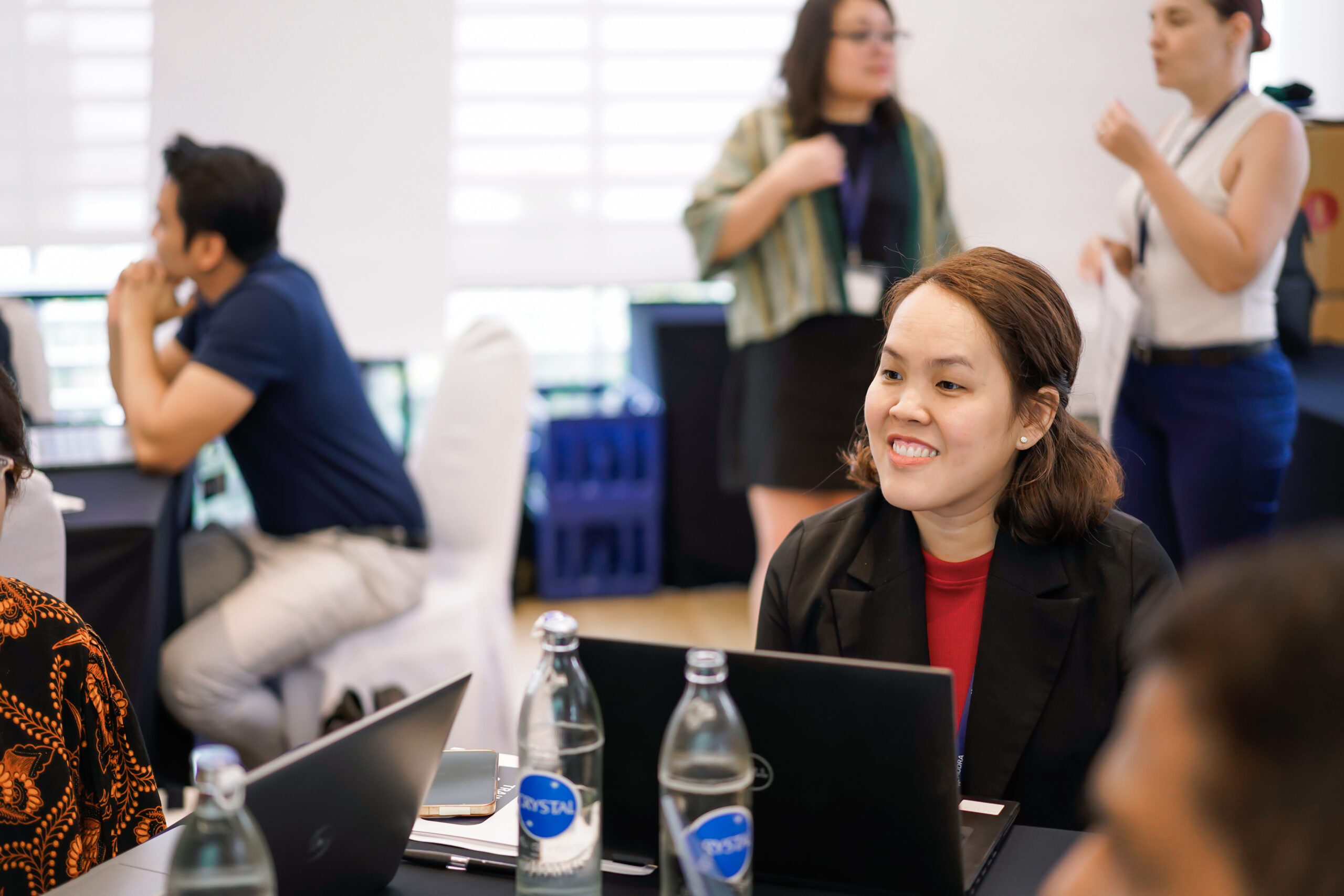
    Dr Kien at MODRA training in Thailand. Photo Credit: OUCRU

    Dr Kien’s story highlights how MODRA provides young researchers the mentorship, funding, and training needed to transition into independent research careers. 

    “MODRA goes beyond financial support, it gives you the practical skills needed to succeed,” Dr Kien emphasises. “You learn how to present your work, write strong funding proposals, manage budgets, and run research projects. MODRA also connects you with a valuable network of collaborators and professional contacts essential for future success.” 

    “During my PhD, my supervisors handled everything,” reflects Dr Kien. “Now, leading my own research feels like running a startup, I have to manage everything, from budgeting to coordinating logistics and supplies. MODRA filled those skill gaps and prepared me for independent leadership.” 

    About MODRA

    The MORU–OUCRU Discovery Research Academy (MODRA) is a fully funded 18-month programme designed to empower early-career postdoctoral scientists in Asia with the skills, mentorship, and funding needed to become independent researchers.  

    Participants receive:  

    ‣ Hands-on workshops on grant writing, budgeting, research design and project management. 
    ‣ Ongoing mentorship from regional and global research leaders. 
    ‣ Seed funding of up to $30,000 to launch preliminary research. 

    This programme is a joint initiative by the Oxford University Clinical Research Unit (OUCRU) and the Mahidol Oxford Tropical Medicine Research Unit (MORU), both leading centres in global health research. MODRA is funded by Wellcome Trust and affiliated with the Centre for Tropical Medicine and Global Health at the University of Oxford, ensuring world-class standards in training and mentorship. 

    If you’re ready to step into leadership and drive meaningful impact in global health, apply today

  • 1/3 thuốc kháng sinh sá»­ dụng ở Việt Nam là ‘không phù hợp’

    1/3 thuốc kháng sinh sử dụng ở Việt Nam là ‘không phù hợp’

    Đứng thứ 11 trên toàn cầu về lượng tiêu thụ thuốc kháng sinh, Việt Nam đứng trước nguy cơ kháng thuốc nghiêm trọng, ‘không còn thuốc chữa do kháng kháng sinh’.

    Theo thống kê, 79% kháng sinh sử dụng ở Việt Nam ngoài phạm vi liều lượng khuyến cáo và trong nhiều trường hợp, kháng sinh được kê một cách không cần thiết(*).

    Các nhà khoa học cũng nêu thực trạng phần lớn thuốc kháng sinh ở nước ta được bán không có đơn của bác sĩ, trong khi nhiều người bán không đủ trình độ và kinh nghiệm nhưng vẫn tự ý kê thuốc cho người dân. Nhiều trường hợp cảm lạnh thông thường tự mua kháng sinh về sử dụng.

    Trong bối cảnh nguồn lực hạn chế, các bác sĩ phải đối mặt với nhiều thách thức. Gần một nửa bác sĩ tham gia khảo sát cho biết các chương trình đào tạo được thực hiện không đầy đủ. Lỗ hổng kiến thức và kỳ vọng của bệnh nhân cũng góp phần vào tình trạng này. Một nghiên cứu của OUCRU tiến hành tại 3 bệnh viện tuyến cuối cho thấy 50% bác sĩ được khảo sát thừa nhận tình trạng kê kháng sinh thường xuyên và nhiều hơn mức cần thiết.

    Để cải thiện tình trạng kháng kháng sinh ở Việt Nam, nhà nước đã có các chương trình quản lý kháng sinh được triển khai từ năm 2016. Nhằm giúp tìm hiểu sâu hơn các yếu tố ảnh hưởng đến quyết định sử dụng kháng sinh trong bối cảnh bệnh viện ở Việt Nam, nhóm nghiên cứu tại OUCRU đã thực hiện khảo sát kiến thức, thái độ và (hành vi) hoạt động kê đơn thuốc kháng sinh giữa các bác sĩ BV tuyến cuối ở Việt Nam nhằm góp phần hỗ trợ định hướng phát triển các biện pháp can thiệp và chính sách có mục tiêu để thúc đẩy sử dụng kháng sinh hiệu quả hơn, giảm thiểu các hậu quả không mong muốn của sử dụng kháng sinh, và bảo vệ hiệu quả của thuốc trong tương lai.

    Hiểu thêm về chương trình quản lý kháng sinh ở Việt Nam dưới góc nhìn giới trẻ

    Trong Viện Y khoa Woolcock trích dẫn theo một nghiên cứu về sử dụng kháng sinh không theo đơn trên toàn cầu, tỷ lệ tự mua thuốc kháng sinh tại cộng đồng ở Việt Nam là 62%, cao hơn nhiều so với các nước như Trung Quốc là 36%, Indonesia 17%, Ấn Độ 18%, còn Anh chỉ 3%. Một trở ngại trong việc thay đổi hành vi sử dụng kháng sinh tại bệnh viện và cộng đồng là kỳ vọng của bệnh nhân có thể gây áp lực lên bác sĩ và sử dụng kháng sinh không cần thiết.

    Tuy nhiên, quản lý kháng sinh là một khái niệm không phổ biến đối với công chúng do chủ yếu được truyền thông trong các hội nghị quốc gia và quốc tế. Để hỗ trợ phổ biến khái niệm này cũng như góp phần vào việc nâng cao nhận thức về kháng sinh trong cộng đồng, Collab Lab đã thực hiện tóm tắt nghiên cứu quan trọng này.

    Sử dụng góc nhìn thú vị ‘cuộc chiến bàn phím’ giữa bác sĩ và vi khuẩn, video của Collab Lab mang lại góc nhìn dễ hiểu và trực quan, giúp công chúng dễ dàng hiểu được tầm quan trọng của quản lý kháng sinh và sử dụng kháng sinh hợp lý.

    Đón xem video của Collab Lab này trên các kênh truyền thông đại chúng của OUCRU và tại trang dự án Collab Lab.

    Tham khảo:

    (*) https://vnexpress.net/nguy-co-khong-con-thuoc-chua-do-khang-khang-sinh-4530533.html

  • One-third of antibiotics used in Vietnam are ‘inappropriate’

    One-third of antibiotics used in Vietnam are ‘inappropriate’

    Ranking 11th globally in antibiotic use, Vietnam faces a serious risk of drug resistance, ‘running out of treatment options due to antibiotic resistance’.

    According to statistics, treatment options due to antibiotic resistance’, 79% of antibiotics taken in Vietnam are over the recommended level, and antibiotics are most often prescribed unnecessarily(*).

    Scientists also highlight the fact that most antibiotics in our country are sold without prescriptions, while many sellers lack proper qualifications and experience but still prescribe medications to people independently. Several people self-medicate common colds with antibiotics.

    In the context of limited resources, doctors face numerous challenges. Nearly half of the surveyed doctors reported that there is lack of training programmes. Knowledge gaps and patient expectations also contribute to this situation. A study by OUCRU conducted at 3 tertiary hospitals showed that 50% of surveyed doctors admitted to prescribing antibiotics frequently and more than necessary.

    To improve the antibiotic resistance situation in Vietnam, the government has implemented antibiotic stewardship programs since 2016. To better understand the factors influencing antibiotic use decisions in Vietnamese hospital settings, the research team at OUCRU conducted a survey on knowledge, attitudes, and prescribing practices among doctors at tertiary hospitals in Vietnam, aiming to help guide the development of targeted interventions and policies to promote more effective antibiotic use, minimize unwanted consequences of antibiotic use, and preserve drug effectiveness for the future.

    Understanding Vietnam’s antibiotic stewardship program from youth perspectives

    According to the Woolcock Medical Institute, citing a global study on non-prescription antibiotic use, the rate of self-purchased antibiotics in Vietnamese communities is 62%, significantly higher than countries like China at 36%, Indonesia 17%, India 18%, while the UK is only 3%. One obstacle in changing antibiotic use behavior in hospitals and communities is that patient expectations can pressure doctors into unnecessary antibiotic prescriptions.

    However, antibiotic stewardship remains an unfamiliar concept to the public as it is mainly discussed at national and international conferences. To help popularise this concept and contribute to raising awareness about antibiotics in the community, Collab Lab has created a summary of this important research.

    Using the interesting perspective of a ‘keyboard battle’ between doctors and bacteria on an imaginary social media platform, Collab Lab’s video provides an easy-to-understand and visual approach, helping the public grasp the importance of antibiotic stewardship and rational antibiotic use.

    Watch this Collab Lab video on OUCRU’s public communications channels and at the Collab Lab project page.

    Reference:

    (*) https://vnexpress.net/nguy-co-khong-con-thuoc-chua-do-khang-khang-sinh-4530533.html

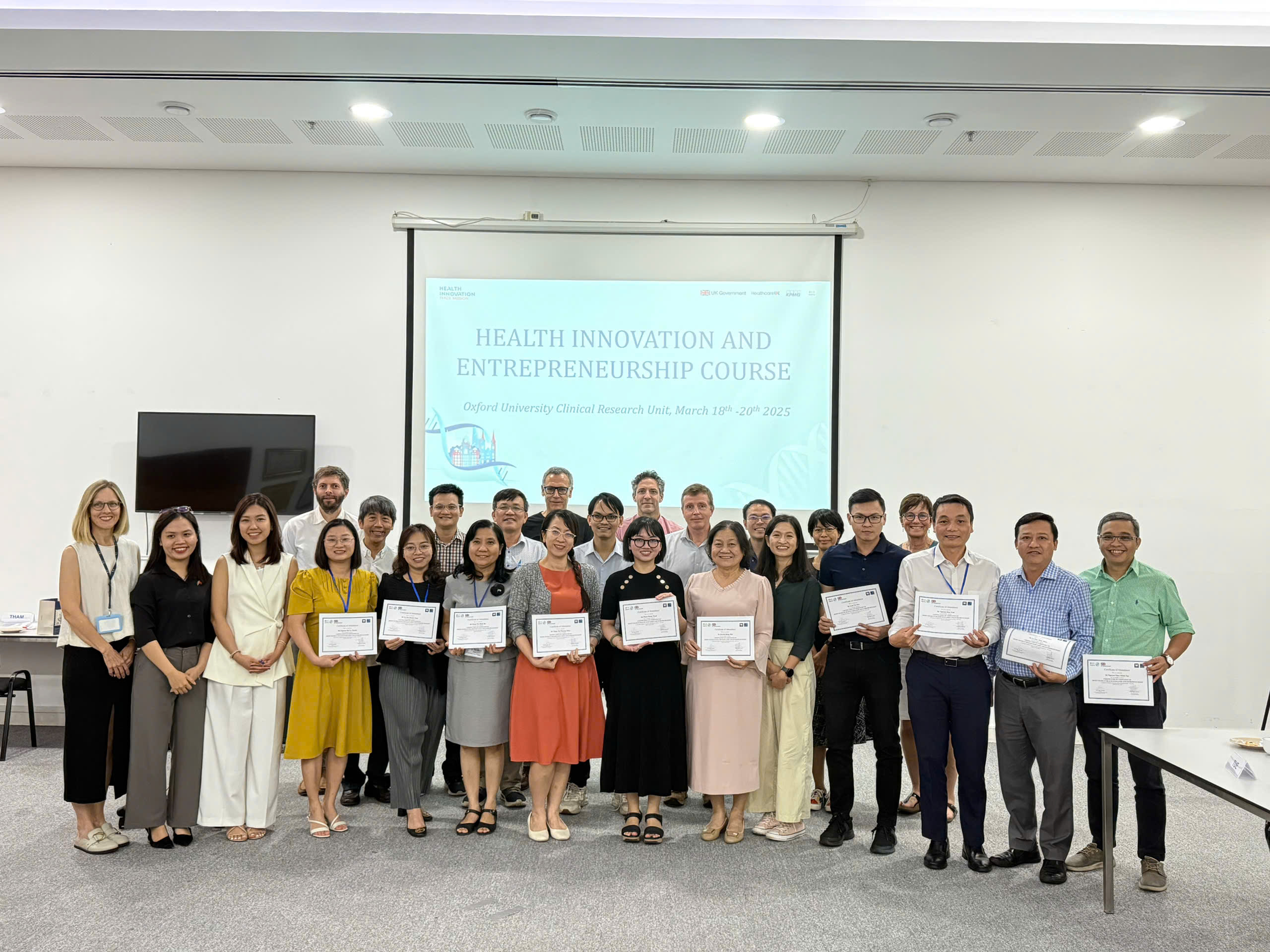
  • OUCRU tổ chức đào tạo về đổi má»›i y tế và khởi nghiệp

    OUCRU tổ chức đào tạo về đổi mới y tế và khởi nghiệp

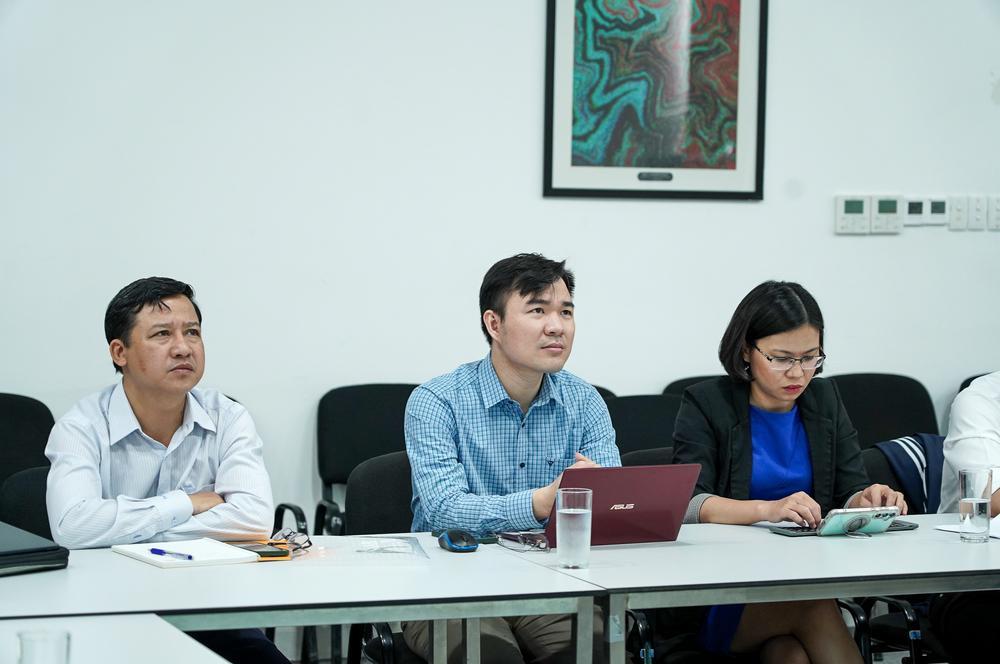
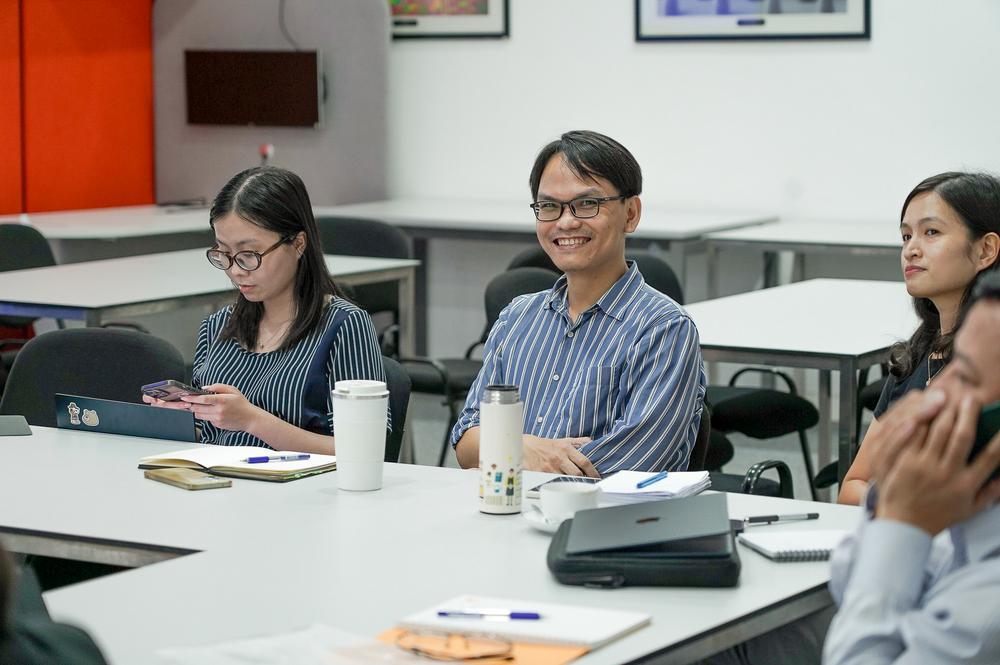
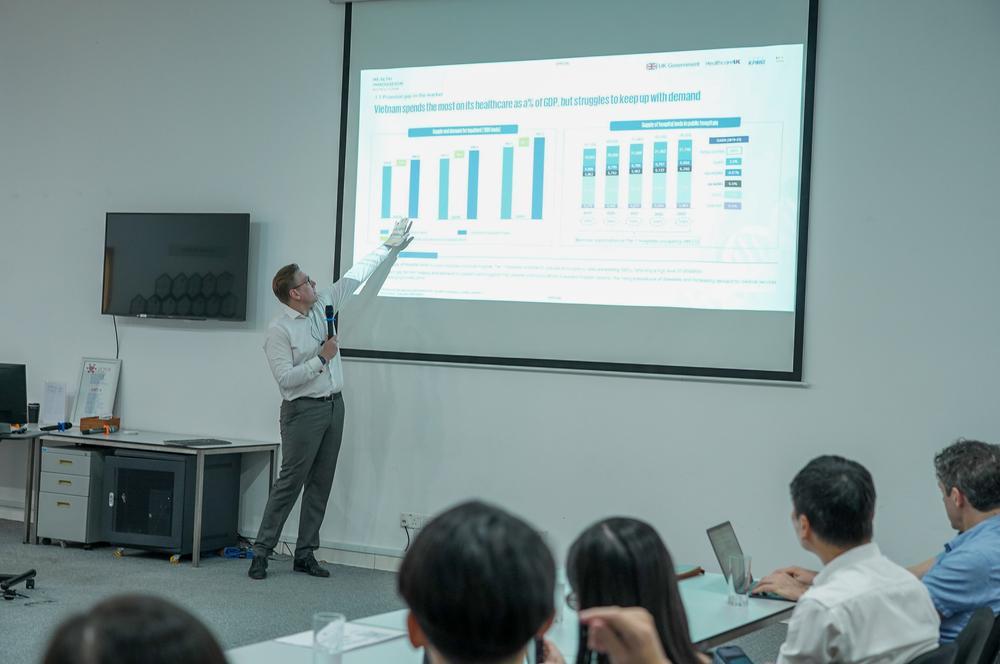
    Khóa đào tạo tập trung vào chăm sóc bệnh nhân và dân số thông qua đổi mới sáng tạo, đặc biệt là tại các khu vực hạn chế nguồn lực. Các buổi học khám phá bối cảnh công nghệ y tế của Việt Nam, hệ sinh thái đổi mới và xác định các kỹ năng thiết yếu để thúc đẩy việc áp dụng đổi mới. Người tham gia được trang bị các kỹ năng thực tế để phát triển các trường hợp kinh doanh và xác định điểm mạnh và điểm yếu chiến lược, có thể giúp họ phát triển và cấu trúc các dự án đổi mới một cách chiến lược.

    Ngoài ra, những người tham gia cũng có được cái nhìn sâu sắc về các quy định về thiết bị y tế, đặc biệt là phân loại rủi ro, Phần mềm như một thiết bị y tế (SaMD) và ảnh hưởng của các quy định đến kế hoạch kinh doanh. Các giảng viên cũng chia sẻ những hiểu biết sâu sắc về việc xây dựng doanh nghiệp tại Việt Nam, nhấn mạnh vào lãnh đạo, văn hóa, tài chính và các cân nhắc về đạo đức, đồng thời so sánh với các hoạt động kinh doanh ở các quốc gia khác.

    Giáo sư Bruno Holthof từ Đại học Oxford chia sẻ kinh nghiệm của mình trong việc phát triển và triển khai các công nghệ và mô hình kinh doanh mới giúp cải thiện kết quả cho bệnh nhân và giảm chi phí, cho biết: “Việc chuyển đổi những hiểu biết khoa học thành các sản phẩm và dịch vụ có giá trị giúp cải thiện kết quả cho bệnh nhân là một hành trình dài và khó khăn. Tôi rất vui khi có cơ hội chia sẻ các khuôn khổ hữu ích và bài học kinh nghiệm cùng với các doanh nhân Việt Nam.”

    “Khóa đào tạo này là bước Ä‘i quan trọng trong việc thúc đẩy văn hóa đổi má»›i trong ngành chăm sóc sức khỏe Việt Nam”, Giáo sư Guy Thwaites, Giám đốc OUCRU, nhận xét. “Bằng cách trang bị cho người tham gia kiến thức và kỹ năng cần thiết, chúng tôi mong muốn đóng góp vào sá»± phát triển cá»§a các giải pháp chăm sóc sức khỏe bền vững và có hiệu quả cao”.

    Kiến thức chuyên môn do các giảng viên từ KPMG, RegMetrics, AXA Investment Managers, ĐH Oxford và EQT Life Sciences Health Economics Funds mang đến đã làm phong phú thêm khóa học, cung cấp sự kết hợp giữa lý thuyết hàn lâm và kinh nghiệm thực tế trong ngành. Sự kết hợp này giúp người tham gia có được cái nhìn sâu sắc có giá trị về nhiều khía cạnh của đổi mới y tế và kinh doanh.

    “Khóa học mang đến trải nghiệm học tập phong phú, cung cấp cho tôi các công cụ thá»±c tế và kiến thức từ các chuyên gia. Tôi đã có được những hiểu biết giá trị về việc xác định vấn đề xã há»™i, phát triển ý tưởng và mô hình kinh doanh Lean Canvas, cÅ©ng như các xu hướng và đầu tư chăm sóc sức khỏe toàn cầu. Tôi đánh giá cao sá»± kỹ lưỡng cá»§a ban tổ chức và tính chuyên nghiệp cá»§a các chuyên gia. Mối quan hệ được hình thành giữa NIIC, những người tham gia và OUCRU là má»™t kết quả có giá trị, mở đường cho sá»± hợp tác trong tương lai.”

    Bà Huỳnh Hồng Mai, Phó giám đốc Trung tâm Đổi mới sáng tạo và Ươm tạo (NIIC) , Trường Đại học Nguyễn Tất Thành

    Sáng kiến này là một phần trong sự hợp tác đang diễn ra giữa Healthcare UK, KPMG và OUCRU Việt Nam, nhằm mục đích đưa Thành phố Hồ Chí Minh trở thành trung tâm đổi mới sáng tạo chăm sóc sức khỏe hàng đầu. Sự kiện đào tạo này diễn ra sau Diễn đàn Doanh nghiệp Đổi mới Sáng tạo Y tế, nơi quy tụ hơn 165 nhà lãnh đạo, nhà hoạch định chính sách, nhà nghiên cứu và doanh nghiệp chăm sóc sức khỏe của Việt Nam và Vương quốc Anh để khám phá những đổi mới tiên tiến trong lĩnh vực sức khỏe kỹ thuật số, công nghệ y tế và khoa học sự sống.

  • OUCRU Hosts Health Innovation and Entrepreneurship Training 

    OUCRU Hosts Health Innovation and Entrepreneurship Training 

    The training focused on enhancing patient and population health through innovation within financial constraints. Sessions explored the Vietnamese health tech landscape, innovative ecosystems and identified essential skills for driving innovation adoption. Participants are equipped with practical skills to develop business cases and identify strategic strengths and weaknesses, which can help them strategically develop and structure innovation projects.  

    Furthermore, participants also gained insight into medical device regulations, particularly risk classification, Software as a Medical Device (SaMD), and the influence of regulations on business plans. Trainers also shared insights on building businesses in Vietnam, emphasising leadership, culture, financing, and ethical considerations, drawing comparisons with business practices in other countries. 

    Professor Bruno Holthof from the University of Oxford, who shared his experience in developing and implementing new technologies and business models that improve outcomes for patients and lower costs for payors, commented: â€œTranslating scientific insights into valuable products and services that will improve patient outcomes is a long and difficult journey. I enjoyed sharing useful frameworks and lessons learned together with local Vietnamese entrepreneurs” 

    “This training course is a vital step in fostering a culture of innovation within the Vietnamese healthcare sector,” commented Professor Guy Thwaites, Director of OUCRU. “By equipping participants with the necessary knowledge and skills, we are contributing to the development of sustainable and impactful healthcare solutions.” 

    The expertise brought by trainers from KPMG, RegMetrics, AXA Investment Managers, University of Oxford, and EQT Life Sciences Health Economics Funds enriched the course, offering a blend of academic theory and practical industry experience. This combination helped participants gain valuable insight into the many facets of health innovation and entrepreneurship. 

    “The course offered a rich learning experience, providing me with practical tools and knowledge from experts. I gained valuable insights into social issue identification, idea development, and Lean Canvas business modelling, as well as global healthcare trends and investment. I highly appreciate the organizers’ thoroughness and the experts’ professionalism. The relationships formed between NIIC, the participants, and OUCRU are a valuable outcome, paving the way for future cooperation.” 

    Ms Huynh Hong Mai, Vice director of the Innovation and Incubation Center (NIIC), Nguyen Tat Thanh University

    This initiative is part of an ongoing collaboration between Healthcare UK, KPMG, and OUCRU Vietnam, aimed at establishing Ho Chi Minh City as a leading healthcare innovation hub. This training event followed the Health Innovation Business Forum, which brought together over 165 Vietnamese and UK healthcare leaders, policymakers, researchers, and businesses to explore cutting-edge innovations in digital health, medical technology, and life sciences.