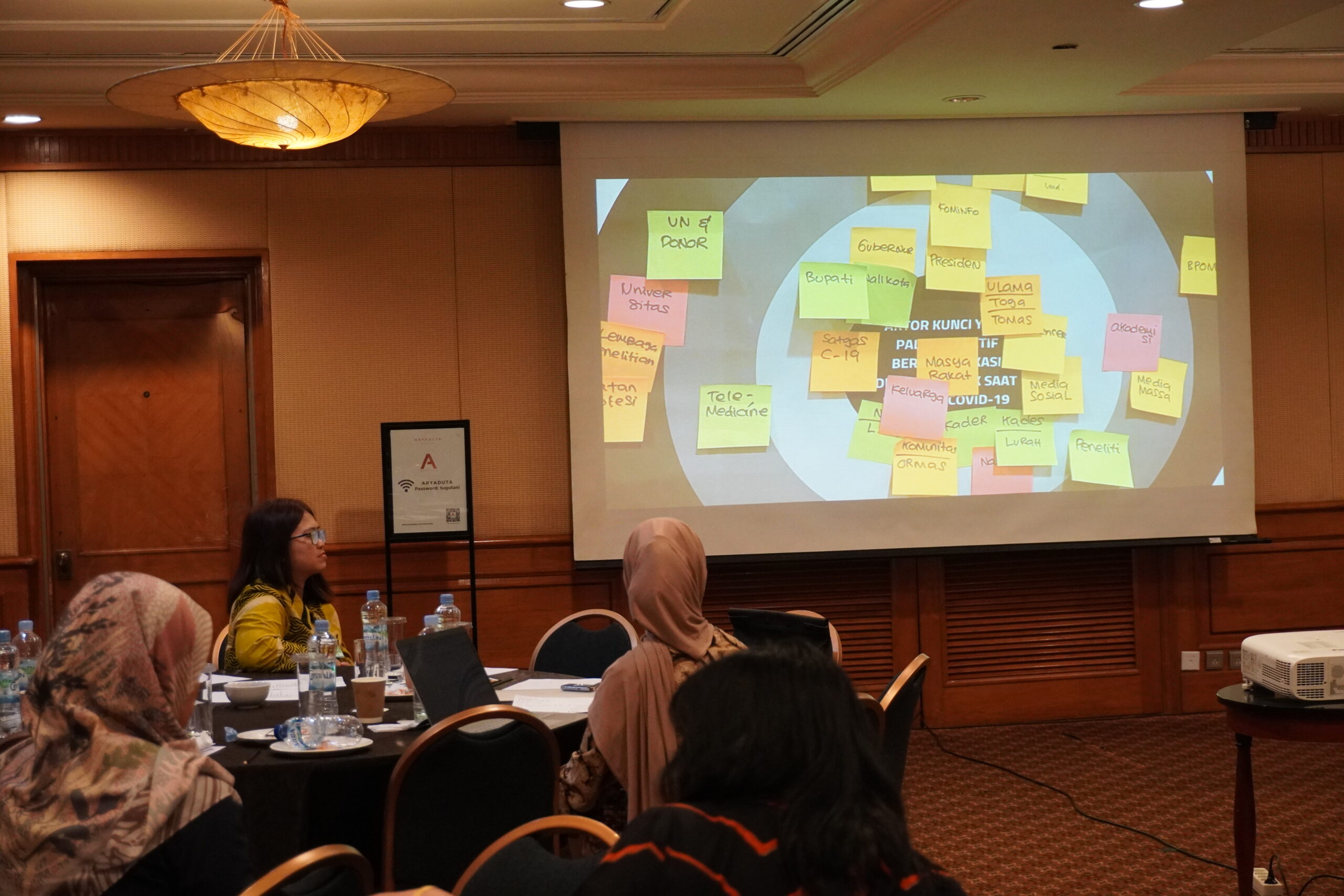
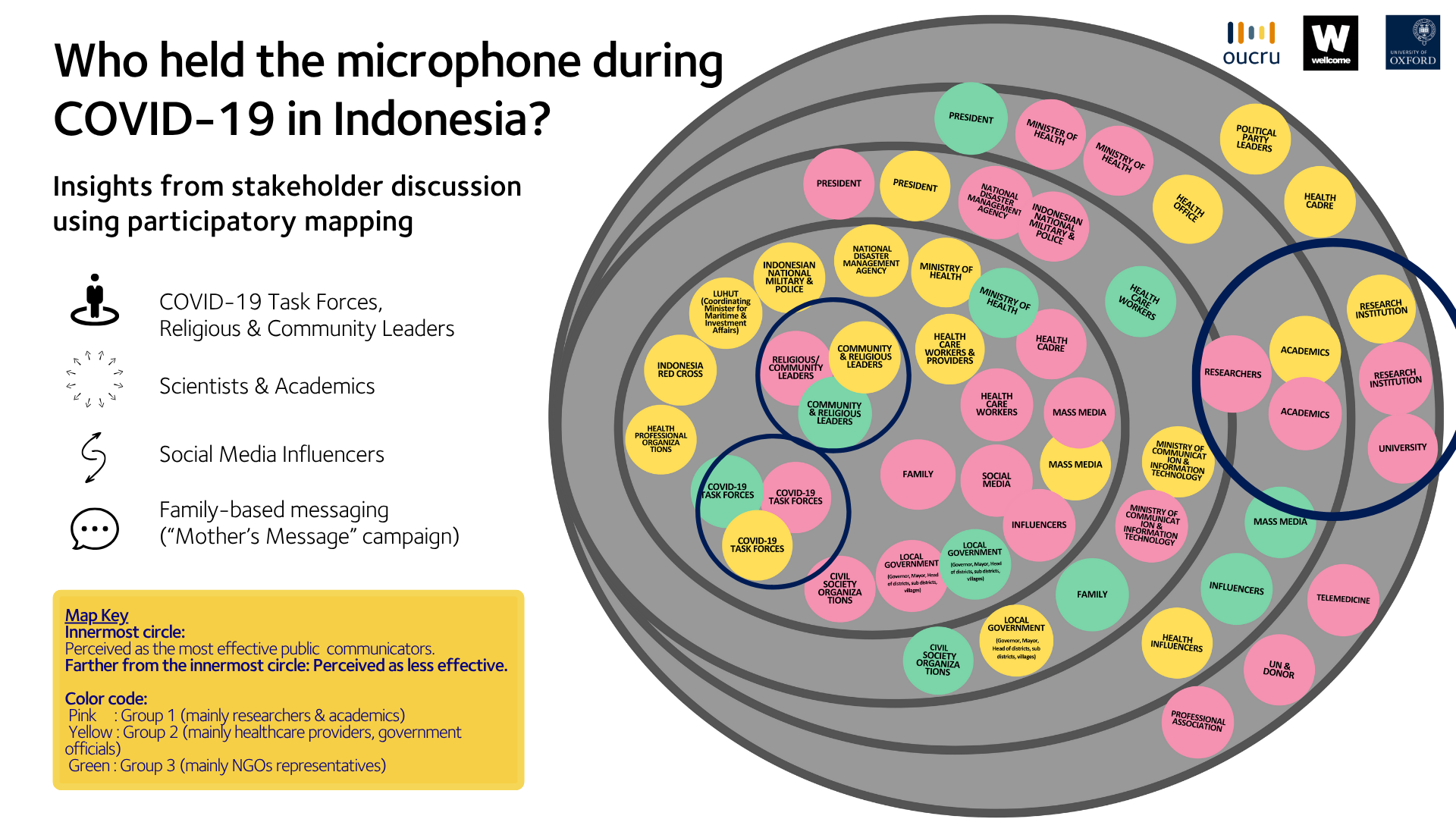
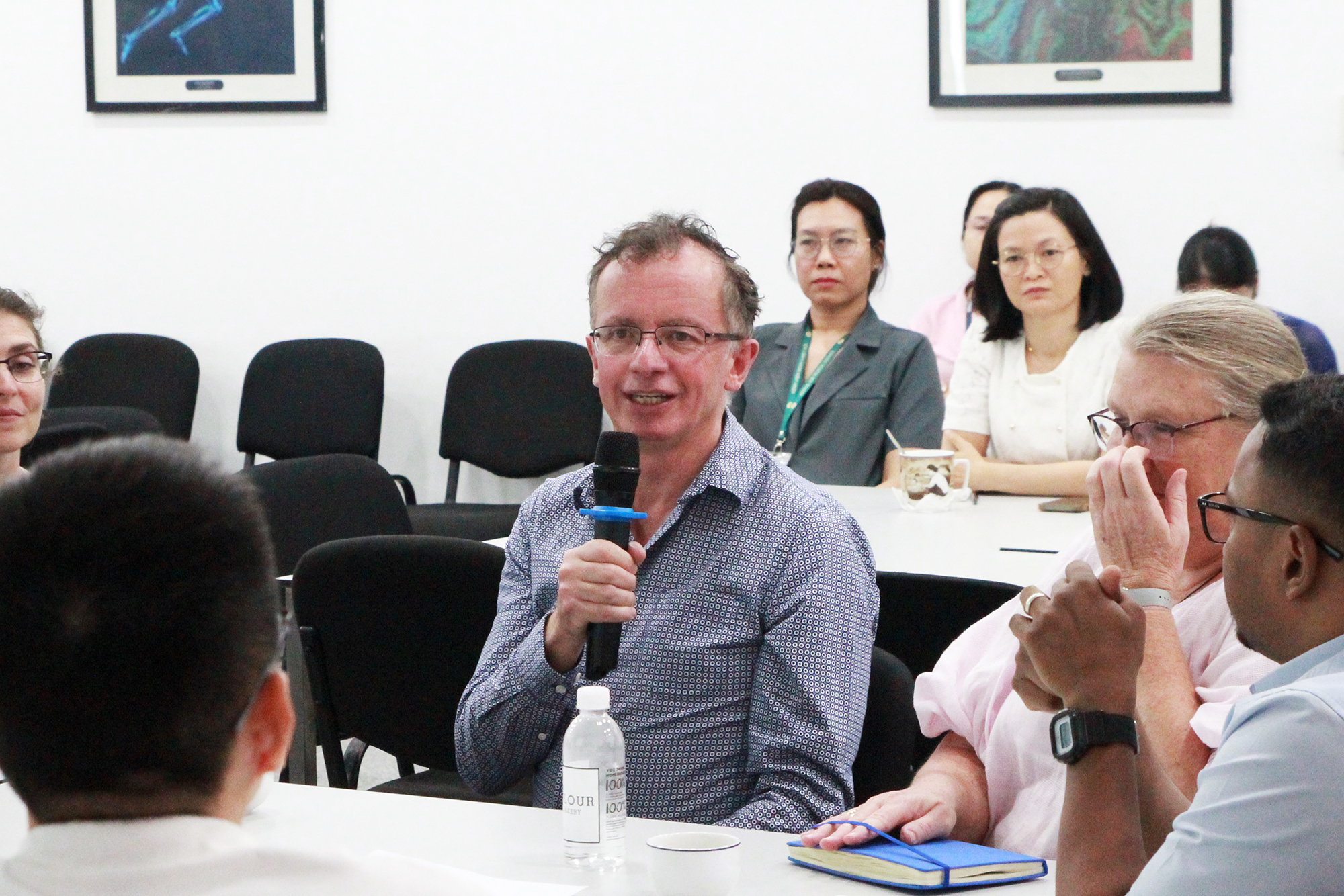
When COVID-19 struck, it required not just medical interventions but also exposed how communication strategies during health crises like the pandemic could significantly affect the public’s attention and trust. As the world’s fourth most populous country, with more than 17,000 islands and over 700 local languages and distinct cultural traditions, having proactive communication leading to more effective responses in future health crises becomes a real challenge in Indonesia. To address this challenge, the Oxford University Clinical Research Unit (OUCRU) Indonesia gathered 30 stakeholders, including government officials, researchers, healthcare providers, public health professionals (such as WHO and NGO representatives), and former COVID-19 volunteers in Jakarta. Using the participatory mapping method, the project team empowered participants to visualise the complex communication landscape by placing key factors based on their perceived effectiveness and finally revealed nuanced understandings of who truly held influence during the pandemic.
The findings of this activity highlight the value of participatory approaches in identifying context-specific communication dynamics. The project team then can conclude that effective communication is not solely dependent on the accuracy of information, but also on the credibility, relatability, and accessibility of the messenger.
The findings of this study have important implications for the design of future outbreak communication strategies, both in Indonesia and in similar settings.
Engage trusted local figures, such as religious and community leaders, from the outset of any public health response.
Involve influencers constructively, recognising their potential to either support or undermine public understanding.
Support scientific experts in becoming more visible and relatable, through media training and cross-sector collaboration.
As a part of SEACOVARIANTS project, aims to develop and apply a multidisciplinary research platform for rapid assessment of the biological significance of SARS-CoV-2 variants, thereby supporting local policymakers with evidence-based decision-making, these findings reinforce the need to build bridges between scientific expertise, cultural understanding, and public trust for future health crises responses, particularly in low- and middle-income country (LMIC) settings.
Interested in collaborating on public and community engagement in health research? Contact PCE_Indonesia@oucru.org to explore partnership opportunities.
Now in its second year, MODRA attracted interest from a diverse pool of candidates, reflecting growing demand for structured career support and regional collaboration opportunities in global health research. Following a rigorous selection process, 15 outstanding researchers have been selected to join the 18-month fellowship. Â
They will take part in a comprehensively designed programme that includes in-person training in grant writing and research management, mentorship from senior scientists, and seed funding to support preliminary research projects.Â
Meet our FellowsÂ
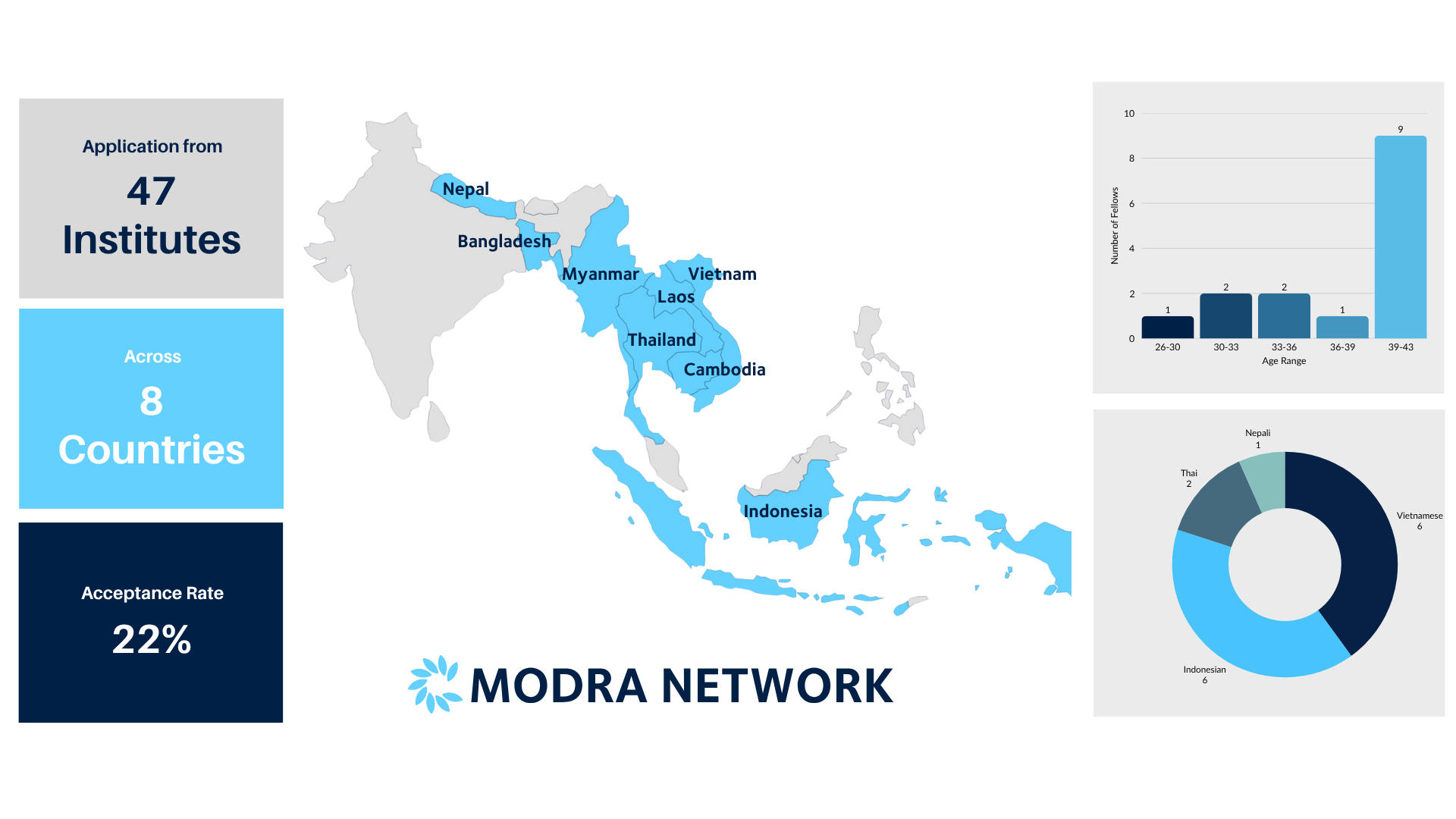
MODRA Cohort 2 Statistics
The 2025 MODRA cohort brings together researchers from Vietnam, Indonesia, Thailand and Nepal. With an average age of 38, and some as young as 27, they represent a dynamic group of early to mid-career postdoctoral scientists across the region.Â
The researchers are at a pivotal stage, moving from PhD training to leading independent research – a transition that requires not only scientific expertise but also a range of professional skills often not taught in science degrees. This is a critical period when targeted support can help them build collaborations, secure funding, and establish a lasting impact in their scientific careers.Â
Their research addresses some of the region’s most pressing health concerns, including antimicrobial resistance, zoonoses, tuberculosis, vector-borne infectious diseases, etc., using innovative approaches such as AI-driven monitoring, genomic surveillance, inhaled drug delivery, and multi-omic modelling.Â
Despite their diverse expertise, all fellows are deeply rooted in their local settings. Based at national universities, hospitals and research institutes, they are well positioned to lead locally driven research and advance health solutions that directly respond to the needs of their communities. Â
These sessions are designed to equip emerging scientists with the skills, confidence, and networks needed to secure international research funding and lead impactful, locally grounded health research.
MODRA’s vision is long-term. By building research capacity in LMICs and fostering stronger regional collaboration, the programme aims to shape a more equitable and connected scientific landscape.
As the new cohort begins their journey, they represent not only the present of health research in Asia, but also its future.
To learn more about MODRA and future opportunities, visit: www.modracademy.org
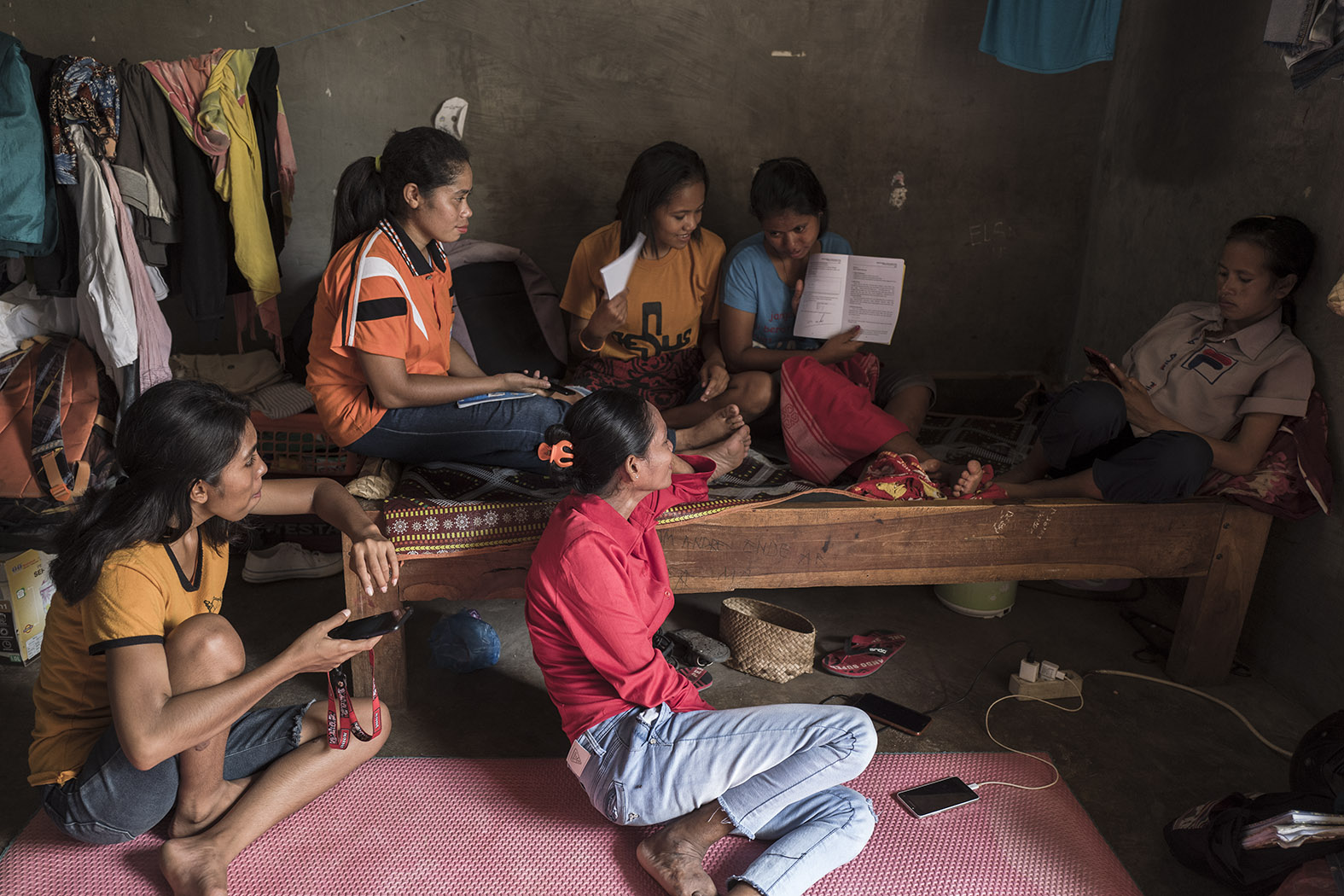
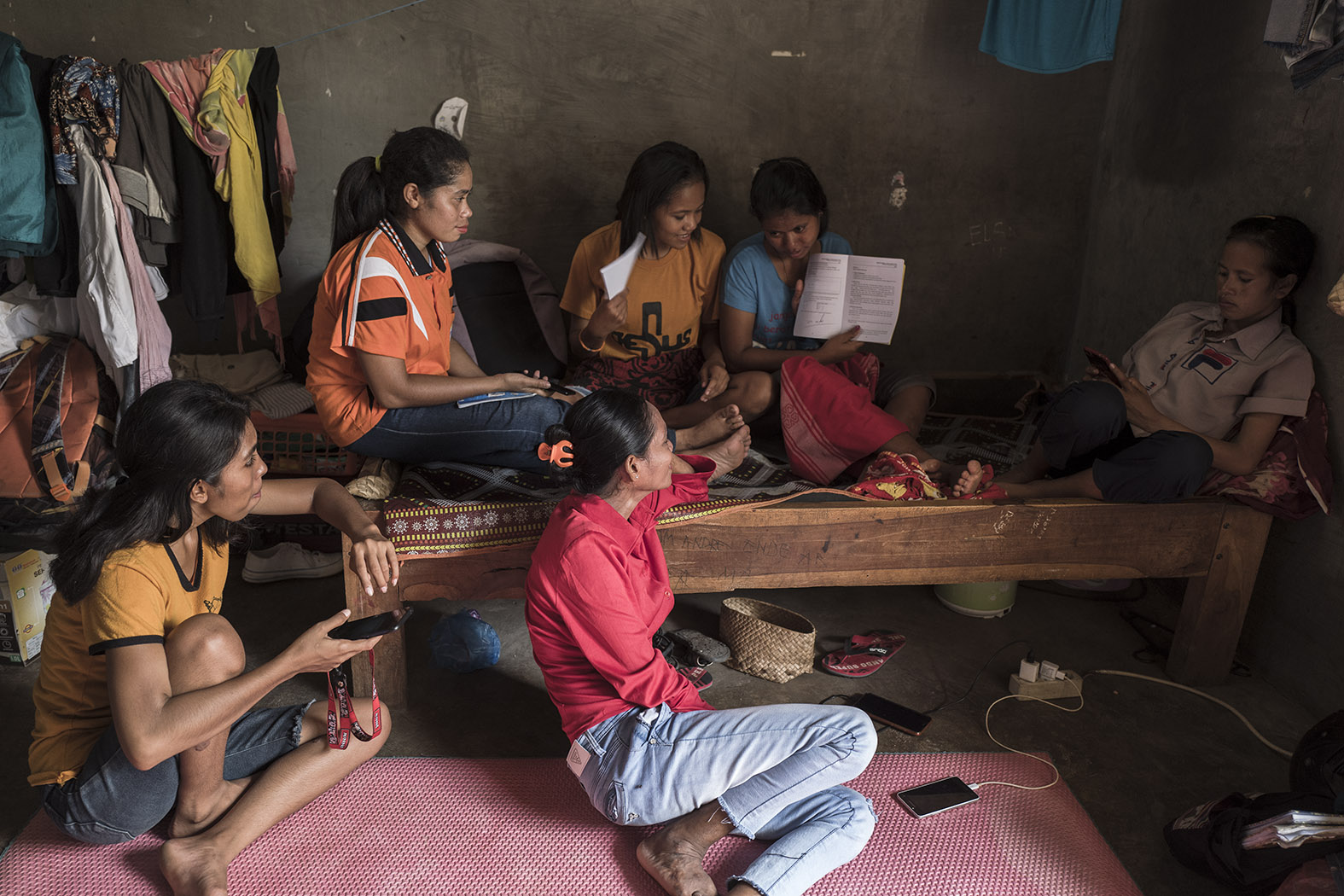
“People affected by leprosy often face challenges in pursuing education or employment. a informatics student, shares a small student flat with her friends. Despite her illness, she remains determined to complete her degree. After graduation, she hopes to build her career, work in an office setting and become financially independentâ€
An estimated three to four million people across the world live with the long-term effects of leprosy. In Indonesia alone, more than 17,000 people are newly diagnosed with leprosy each year, ranking third globally after India and Brazil. Although effective treatment is available, leprosy continues to persist, particularly in low-resource areas where access to care is constrained.
In many endemic regions in Indonesia, stigma remains deeply ingrained. Misconceptions and cultural beliefs associate leprosy with sin, shame or misfortune. These perceptions have changed very little since the earliest references to people with leprosy as outcasts.
Visual narrative as engagement tool to address sensitive topics
On the Island of Sumba in Eastern Indonesia, Oxford University Clinical Research Unit (OUCRU) Indonesia, responding to this challenge through research and community engagement to explore the local burden of leprosy and observed how a lack of knowledge led to fear and stigma towards affected people.
In partnership with this community and a photographer, Yoppy Pieter, we used a visual storytelling approach to spotlight the positive aspects of people lives affected by leprosy. This project aimed:
to explore how we approach this sensitive topic differently in our community and public engagement program addressing knowledge gaps contributed to stigma.
to enable leprosy affected people frame their own lives by through visual storytelling across various media.
to shape public perceptions of leprosy, challenge social stigma, and promote greater inclusivity.
Engagement through visual exhibition partnering with community, to bridge the communities to interact, share with the goal of mutual benefit.
Informed consent and ethical participation. Participants selected pseudonyms, approved the use of their images, and contributed their own written reflections. We used inclusive naming for participants as people living with leprosy rather than patients, in order to centre the person beyond the condition.
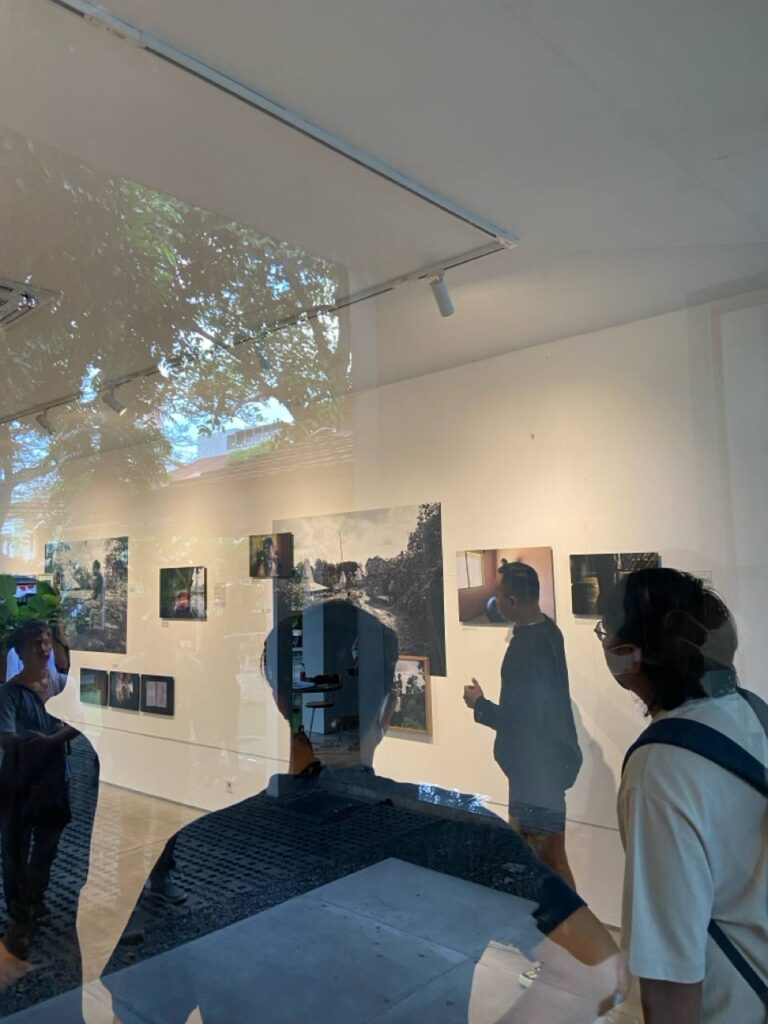
Co-curated in-person exhibitions in Jakarta and Malang, attended by over 700 visitors. Several photographs were printed on transparent fabric, representing the often-unseen weight of stigma and reflected the strength of those whose stories were told. Online exhibition available www.invisibleburdenofleprosy.com to extend the access to audiences beyond the region accross the world.
Promotional awareness co-created with the leprosy scientist and non-scientist disseminated on digital media platforms, during significant public health moments, including World Leprosy Day and World Neglected Tropical Diseases Day, to reach more diverse audiences who may not engage with the topic.
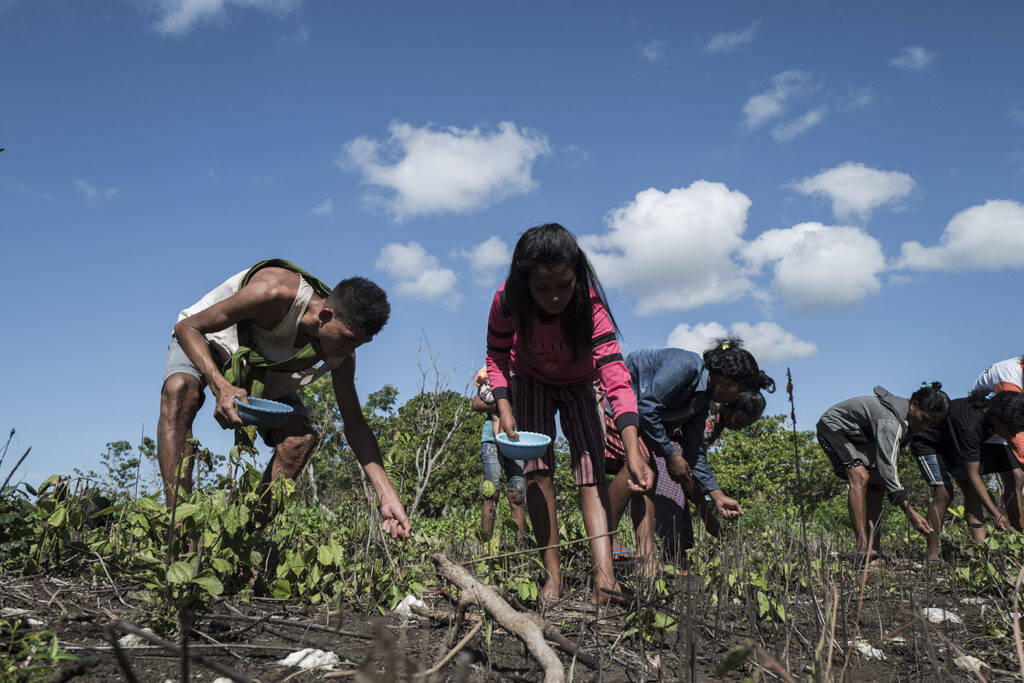
“People with leprosy develop physical disabilities, often feelings of seclusion and separation as effect of the disease. Yet, he continues to contribute to his community by helping with rice cultivation in the fields. His portrait reflects a deep sense of resilience, social connection and solidarityâ€
Impact of framing positive narrative: shifting public perception
Visitors found the photo stories powerful, moving, and informative, evoking a strong sense of humanity and hope. In particular, many shared they had never encountered people with leprosy before. Nevertheless, the stories felt intimate and alive.
Reflections from visitors show that our different approach has succeeded
‘The photo is bold and full of hope, beauty behind sorrow and with all her limitations, she was still motivated to continue her education.’
‘The photo captured her resilience, strength of character and fighting spirit.’
‘The photo was both moving and unsettling, conveying a deep sense of humanity and optimism.’
This embedded engagement research project shows that visual storytelling is a powerful participatory method for fostering meaningful dialogue with communities. By centring the voices of affected individuals, it helps challenge stigma and promote social inclusion. Ethical, image-based engagement complements medical interventions and strengthens inclusive health communication strategies in culturally sensitive contexts like Indonesia.
For more information poster can be accessed below:
Interested in collaborating on public and community engagement in health research? Contact PCE_Indonesia@oucru.org to explore partnership opportunities.
Tailour a culturally relevant message to reach the ethnic minority communities to improve vaccine communications and vaccine uptake.
Vaccine refusal, delay or hesitation is a growing concern worldwide, proven through the increased occurrence of vaccine-preventable diseases in children. Reasons vary widely between parents, but they can be encompassed in four overarching categories: religious reasons, personal beliefs or philosophical reasons, safety concerns and a desire for more information from healthcare providers.
In Vietnam, research carried out by Dr Nguyen Thanh Ha in Dak Lak province found that most parents face structural challenges that prevent them from taking their children for vaccination, such as lack of transportation and/or a driving license, difficult routes to vaccination centres or difficulties taking work absences.
Another important finding of the research is that local healthcare workers and village health collaborators play an essential role in encouraging and maintaining the community’s vaccination behaviours.
In response to these findings, OUCRU collaborated with the Dak Lak CDC to develop a training programme to enhance the capacity of commune health collaborators and health station staff, with a particular focus on supporting their communication about the vaccines and vaccination process to communicate with the local community, who may not even speak the same language.
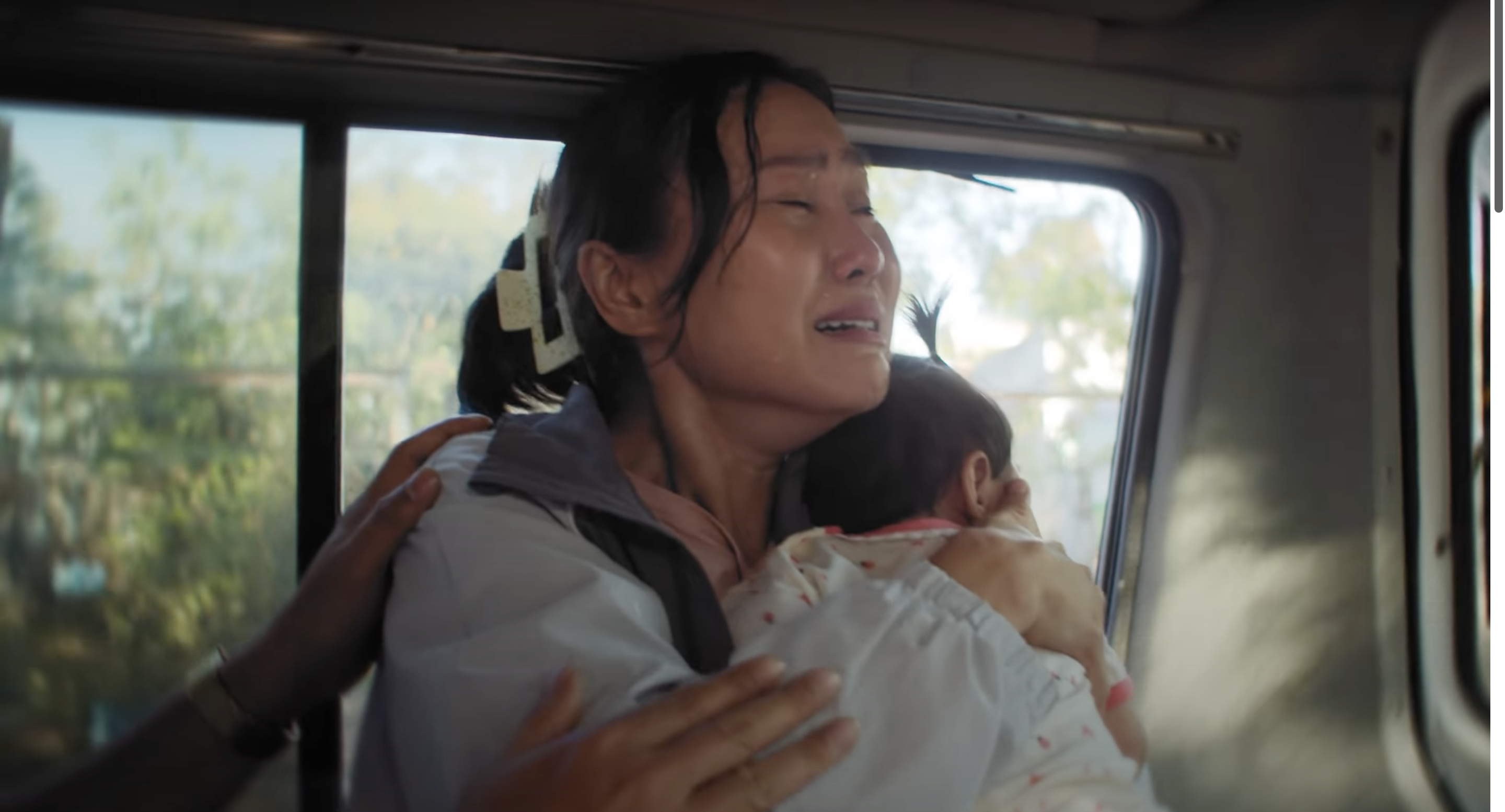
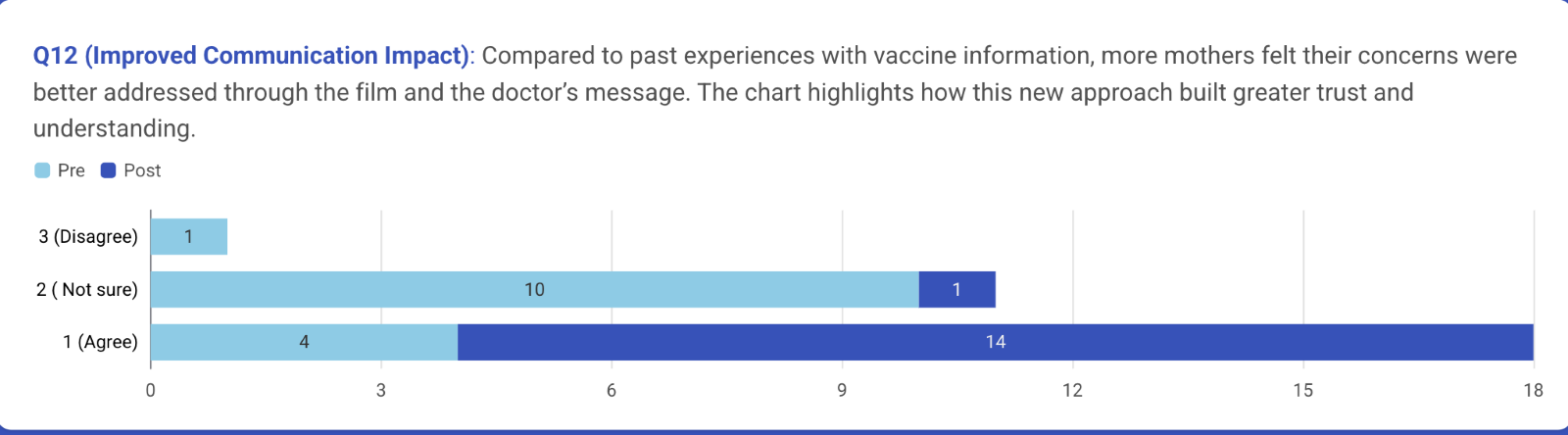
As an expansion of this effort, OUCRU’s Public and Community Engagement Group recently produced a short movie co-created with the local community using storytelling techniques to spotlight the real stories behind vaccine decisions, revealing their concerns and challenges in real life. This movie helps village health collaborators and health station staff appear more relevant, thereby facing fewer challenges while convincing the local parent community about vaccine-related matters. Â
“I noticed that people showed more concern and became more proactive about vaccination after watching.”
Village Health Collaborator
“I was very touched and emotional. I saw the consequences that children might bear for life.”
Community Member
Featuring community members to build connections
Research on improving access to care for people impacted by Hepatitis C used the participatory action research method to find that many high-risk community members including drug users or men who have sex with men didn’t know where to find trustworthy hepatitis information without the fear of being discriminated against. To address this issue, community-based group who joined the project initiated several ideas, including short videos featuring Hepatitis C-affected community members to encourage the Hepatitis C high-risk population to seek useful information from trustworthy sources.Â
Communications with a niche population in a challenging context
Over 150 million Indonesians are at risk of malaria, which over 90% of national malaria cases remain concentrated in Papua making this country one of nine malaria-endemic countries in the Southeast Asia region. Malaria eradication efforts prioritize safe and efficient vaccination strategies, although none with high-level efficacy against malaria infection are yet available.
Regular deployment of Indonesian Army personnel into high-risk areas makes the development of a malaria vaccine and trial on Indonesian minimally malaria-exposed infantry soldiers in Papua Province, New Guinea is considered ideal solution to reduce the risk of malaria transmission among the soldiers visiting Papua, travellers and domestic tourist.
In order to quickly explain and recruit those soldiers to join the malaria trial, OUCRU Indonesia’s Public and Community Engagement team developed animated explainer video and successfully got the approval from the Indonesian army.
The video served not only as an example of collaboration among all stakeholders but also as a powerful tool in research, showing the effect of clear communications and community engagement to support trial research.
Success in those community engagement stories requires more than just information dissemination – it demands a deep understanding of community needs, cultural sensitivities and the creative use of the right media methods and channels. When these elements come together effectively, they can be significantly impactful in supporting research and improving public and community health science acceptance.
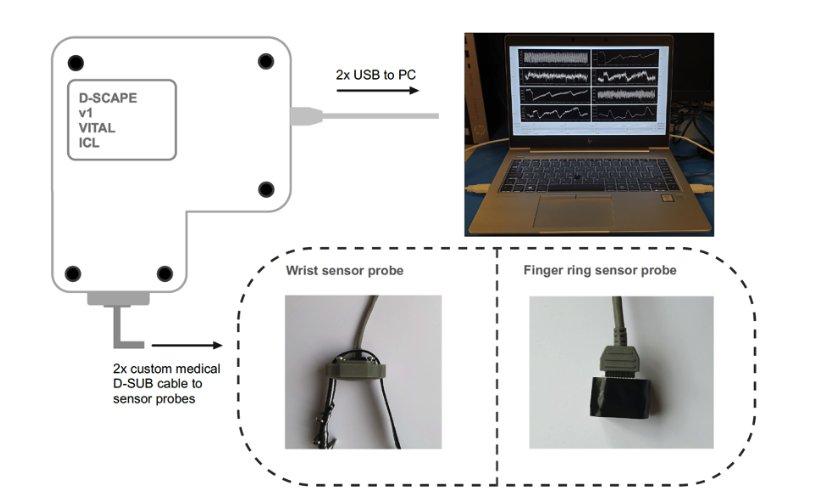
The integrated system of D-SCAPE and D-CAT enables seamless data flow from wearable devices to AI models, supporting smarter and faster clinical decisions in dengue care.
Dengue affects 12 million people each year, making it the world’s most widespread mosquito-borne viral disease.Â
Despite being endemic in many regions, there are still no licensed therapies for dengue. Clinical care relies heavily on repeated blood tests, vital sign measurements and continuous observation; all of which are time-consuming, invasive, and require significant clinical expertise. Â
The tricky part is that while most patients recover fully from self-limited fevers, 5-10% of hospitalised cases progress to severe disease, sometimes within hours. Doctors must catch those at risk early enough to act.Â
This demand for constant vigilance defines dengue care. It places immense burden on healthcare systems in low-resource settings, especially during outbreaks when hospitals are overwhelmed and resources stretched thin.Â
AI tools easing frontline burden Â
At Oxford University Clinical Research Unit (OUCRU) in Vietnam, a team of researchers led by Dr Ho Quang Chanh is developing smarter solutions to transform dengue care: a wearable device called D-SCAPE, and an AI-based clinical decision support system named D-CAT.Â
The integrated system of D-SCAPE and D-CAT enables seamless data flow from wearable devices to AI models, supporting smarter and faster clinical decisions in dengue care.Â
D-SCAPE: A novel wearable device for dengueÂ
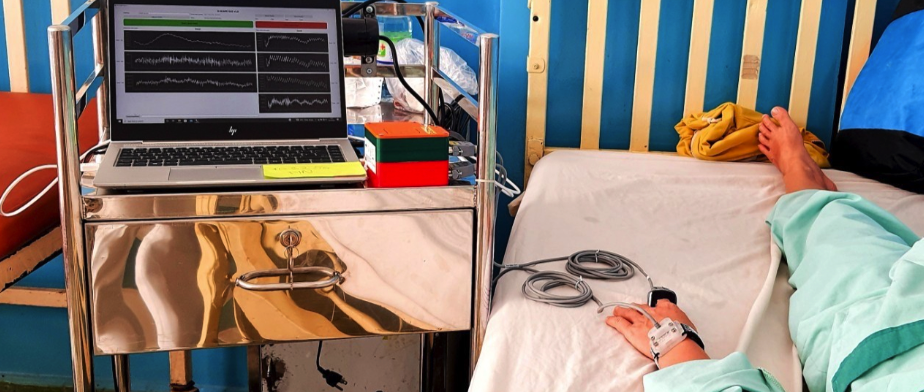
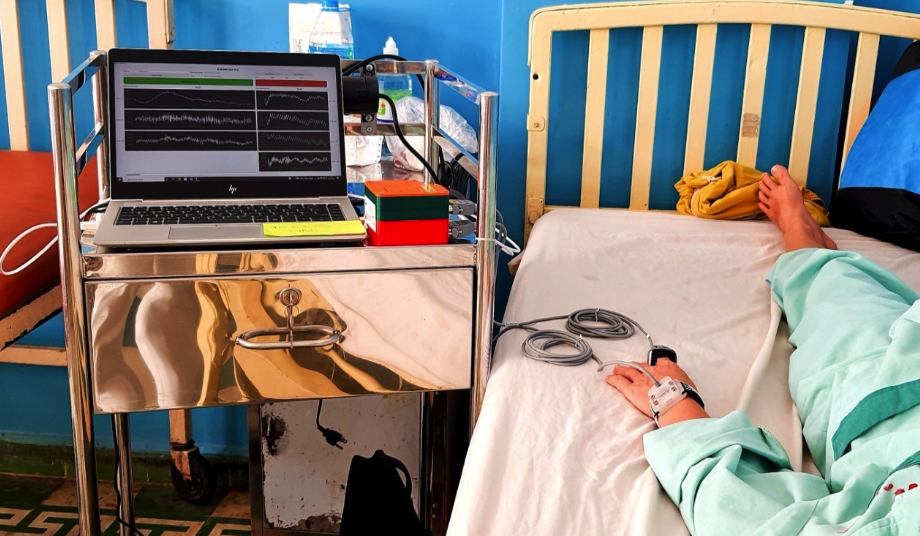
The Dengue Severity Classification and Prediction Wearable (D-SCAPE) is a low-cost wrist device designed to continuously track key parameters: heart rate, blood oxygen (SpOâ‚‚), blood pressure and haematocrit (HCT). Â
Using AI-powered waveform analysis, D-SCAPE can detect early signs of deterioration before the symptoms become visible. It supports bedside, real-time monitoring without the need for needles, wires, or repeated blood draws.Â
The next development phase (2025 – 2028) is supported by LifeArc to improve functionality and optimise design for clinical usage.Â
D-CAT: Turning data into decisionsÂ
Working alongside D-SCAPE, the Dengue Clinical Assessment Tool (The D-CAT) integrates wearable data with routine lab results and clinical observation.
AI models then forecast how a patient’s condition may progress over the next 48 hours, helping healthcare workers prioritise care, make faster decisions, and admit high-risk patients before they become critically ill. Â
Together, D-SCAPE and D-CAT shifts dengue care from reactive to proactive, improving both the quality and equity of care.Â
“By automating routine monitoring and supporting clinical decisions, D-SCAPE and D-CAT help ease the burden on frontline staff and give them more time to focus on what matters most: caring for their patient.â€
Unlike AI models trained on large open datasets in high-income settings, these tools were built on over 20 years of local research, including data from 8,000 real dengue cases and 3,000 hours of pulse waveform from 300 Vietnamese patients. This makes them uniquely tailored to local needs and realities. Â
That precision comes with challenges: ensuring accuracy across diverse populations, maintaining clinical relevance, and regularly updating algorithms with fresh data.Â
The tools have been tested on 50 dengue patients in Ho Chi Minh City, Vietnam.Â
Implementing these tools at local hospitals also meant navigating real-world challenges: outdated infrastructure, inconsistent internet, and non-standardised medical records. OUCRU is now working with hospitals to validate the apps and integrate them into Vietnam’s growing digital health ecosystem.Â
Recent changes in regulation have helped. In 2024, Vietnam introduced national guidelines for testing AI-assisted software and wearable devices on patients, providing a clearer, safer framework for innovation. Â
Shaped by those who use themÂ
D-SCAPE and D-CAT are not just research prototypes. They’ve been co-developed with Vietnamese clinicians and shaped by continuous feedback from those who use them most: patients and frontline healthcare workers.Â
Children especially appreciated D-SCAPE’s needle-free experience. Adult patients asked for lighter, more discreet devices – something wearable in Vietnam’s hot climate and comfortable for daily use. Â
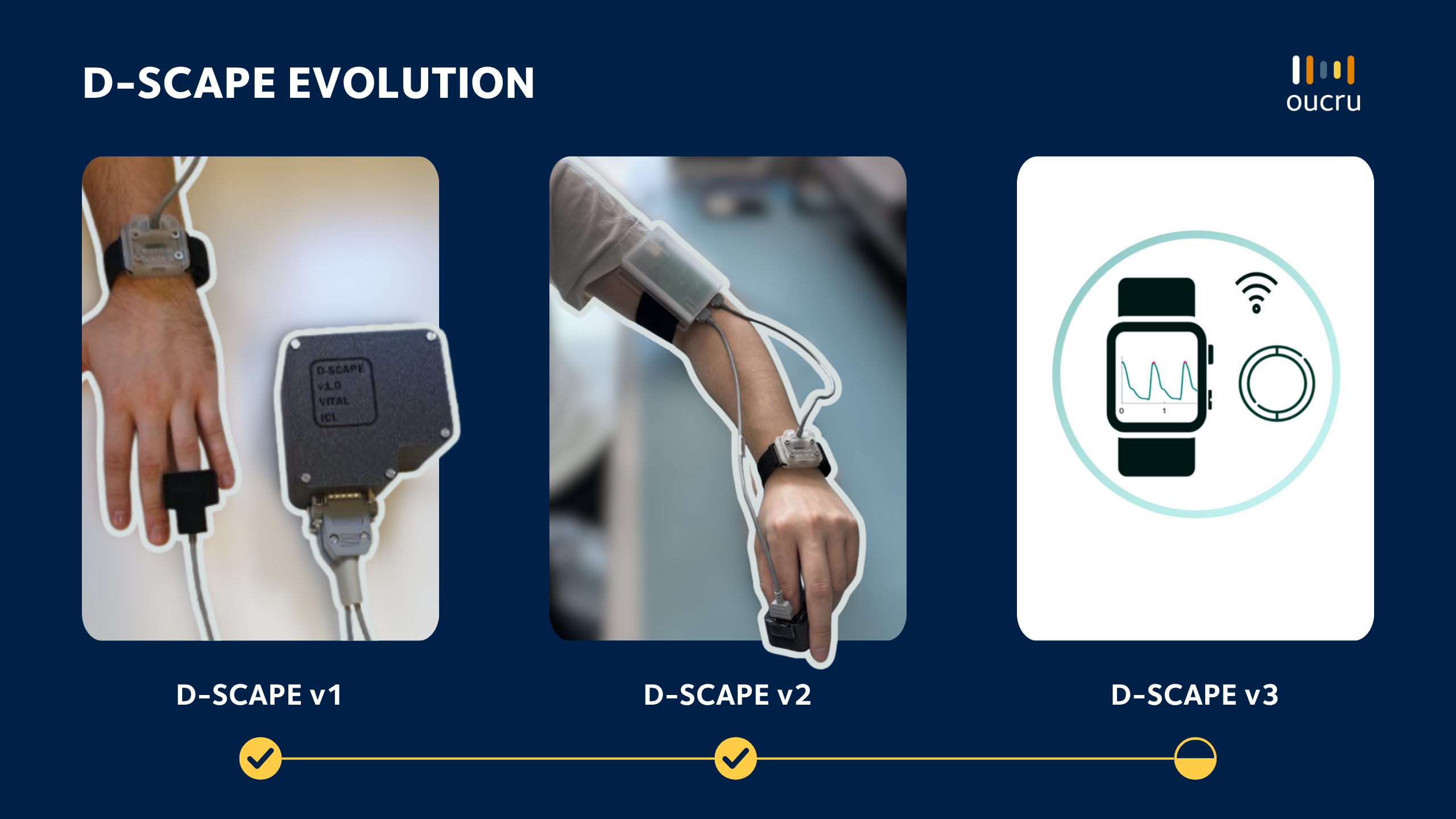
“In the next phase, D-SCAPE can evolve into something as simple and familiar as a ring and wristwatch.”
Dr Ho Quang Chanh, Principal Investigator.
Patients could wear it at home, enabling continuous monitoring beyond the hospital walls. This could help us catch early warning signs, especially for people in remote or underserved areas where returning to hospital is not always easy.”
The D-SCAPE wearable device has evolved over the years through iterative design and user feedbackÂ
As Vietnam rises as a regional leader in digital health, innovations like D-SCAPE and D-CAT are lighting the way: smart, sustainable, and built to save lives, not just in theory, but in everyday practice.Â
With 75% of the disease burden concentrated in the Asia-Pacific region, ASEAN and the World Health Organization (WHO) choose June 15th as Dengue Day[1].
According to WHO, dengue cases have reportedly increased from 505,430 cases in 2000 to 5.2 million in 2019.
2023 witnessed the highest number of dengue cases, with over 6.5 million cases and more than 7,300 dengue-related deaths, affecting over 80 countries in all WHO regions. The disease is now endemic in more than 100 countries in the WHO Regions of Africa, the Americas, the Eastern Mediterranean, Southeast Asia, and the Western Pacific.
In Vietnam, one of the largest dengue outbreaks happened in 2022 with over 367,000 dengue cases and 140 deaths reported (according to the General Department of Preventive Medicine, Vietnam Ministry of Health)[2].Â
Several factors are associated with the increasing risk of spread of the dengue epidemic: the changing distribution of the vectors (chiefly Aedes aegypti and Aedes albopictus mosquitoes), especially in previously dengue native countries; the consequences of El Niño phenomena in 2023 and climate change leading to increasing temperatures and high rainfall and humidity; fragile health systems amid the COVID-19 pandemic; and political and financial instabilities in countries facing complex humanitarian crises and high population movements.
Community engagement matters in dengue control.
In the context of rising threats from dengue, involving and engaging the community becomes an urgent matter in global and national dengue control strategies. Research in 2015 found that household contacts who live in the same housing complex as confirmed patients are at increased risk of dengue, particularly in highly populated urban areas[3] while a study conducted in an urban area in Vietnam in 2019 revealed several community barriers that dengue programs have to face including a lack of communication skills from the health sector and low awareness and readiness from the community[4].Â
To effectively engage with dengue patients and the high-risk dengue infection community, OUCRU’s Dengue group has cooperated with the Public and Community Engagement Group to organise a series of health talks at the Hospital for Tropical Diseases and OUCRU’s office. Other than providing trustworthy health science information about dengue to raise public awareness about dengue transmission, and prevention strategies for the community to implement at home, the project team also aimed to educate the local patient community about clinical trials knowledge, therefore enhancing the public’s understanding and acceptance, support the upcoming dengue antiviral prophylaxis trial, especially in recruitment.Â
Through this series of community engagement and involvement events, there were almost 400 participants from diverse backgrounds and educational and awareness levels actively engaged in the events. With more than 60 questions being asked, our dengue researchers and HTD doctors helped community members to answer the strongest concerns as well as build their trust, aiming for their support in further research in general, and dengue clinical research in particular.
This project serves as a valuable lesson on how to communicate effectively with participants from diverse backgrounds and explore several barriers while engaging with the community to improve in future projects such as how to compromise the project team’s goals and the community’s concerns, how to trigger their interest in complex ideas such as trials and research, and barriers on gathering their opinions and feedback including educational and other uncontrollable factors.
This dengue public engagement project is funded by Seed Awards, an initiative specified for researchers to implement their public and community engagement, aiming to raise awareness on the impact of such project on research agenda, build capacity to conduct public and community engagement projects and encourage researchers to integrate this component in their research process. Â
References:Â Â
HCDC. What is ASEAN Dengue Day?. Avaiable at https://hcdc.vn/hoidap/index/chitiet/Ccs74b#:~:text=Tr%C6%B0%E1%BB%9Bc%20nguy%20c%C6%A1%20lan%20r%E1%BB%99ng,ki%E1%BB%83m%20so%C3%A1t%20c%C4%83n%20b%E1%BB%87nh%20n%C3%A0y.
World Health Organization. Dengue Situation Updates 2023. WHO Regional Office for the Western Pacific. 2023; https://apps.who.int/iris/handle/10665/365676. Accessed March 23, 2023.Â
Anders KL, Nga le H, Thuy NT, et al. Households as foci for dengue transmission in highly urban Vietnam. PLoS neglected tropical diseases. 2015;9(2):e0003528.Â
Nguyen-Tien T, Probandari A, Ahmad RA. Barriers to Engaging Communities in a Dengue Vector Control Program: An Implementation Research in an Urban Area in Hanoi City, Vietnam. The American journal of tropical medicine and hygiene. 2019;100(4):964-973.Â
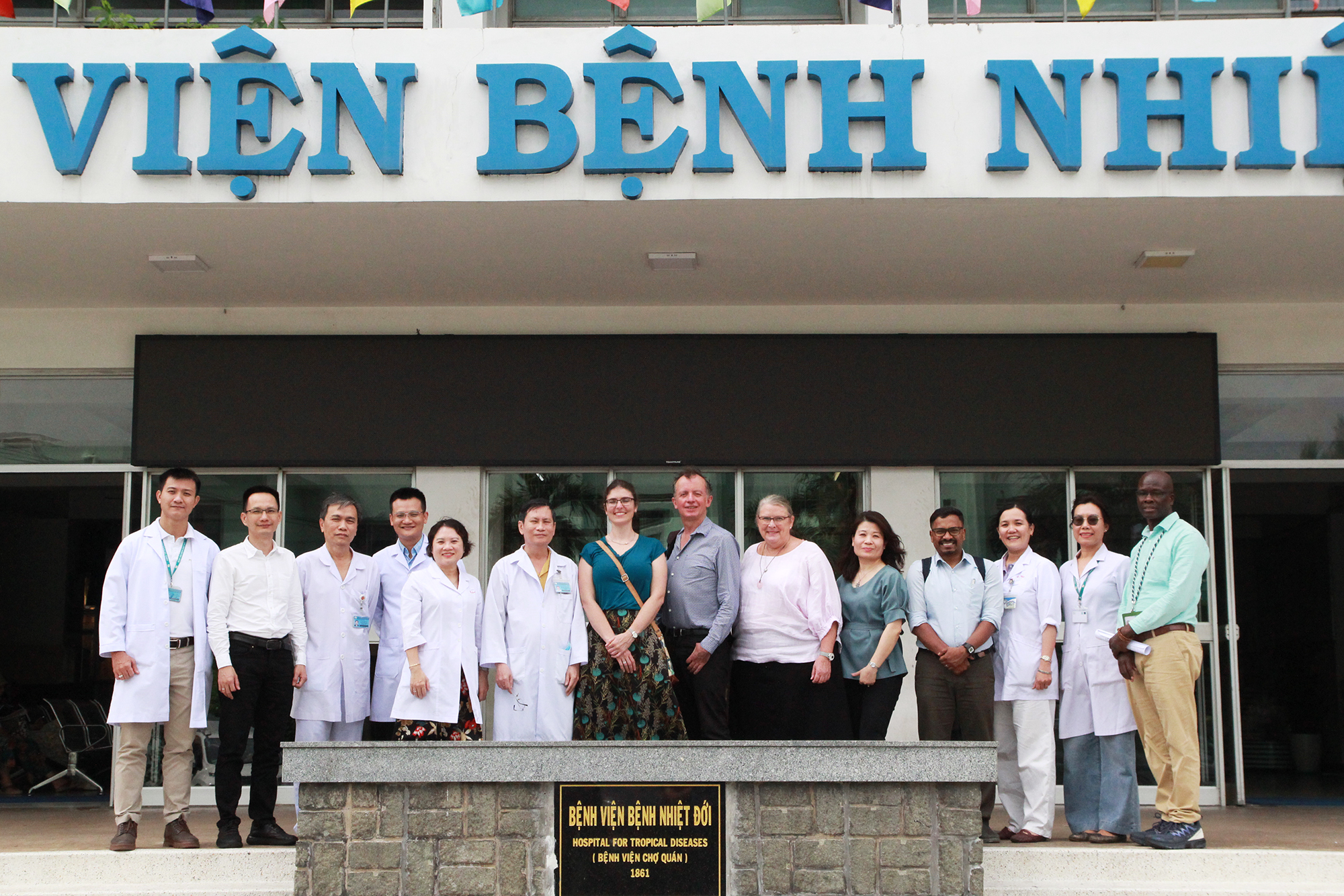
The five-member delegation included Dr Patrick Clarke Reading, Director, and Dr Michelle Wille, Outreach Coordinator, WHO Collaborating Centre for Reference and Research on Influenza in Melbourne, Australia; Dr Belinda Louise Herring, Technical Officer for Influenza, WHO Regional Office for the Western Pacific; and Mr Francis Yesurajan Inbanathan, Technical Office, and Dr Do Thi Hong Hien, Epidemiologist, WHO Vietnam.Â
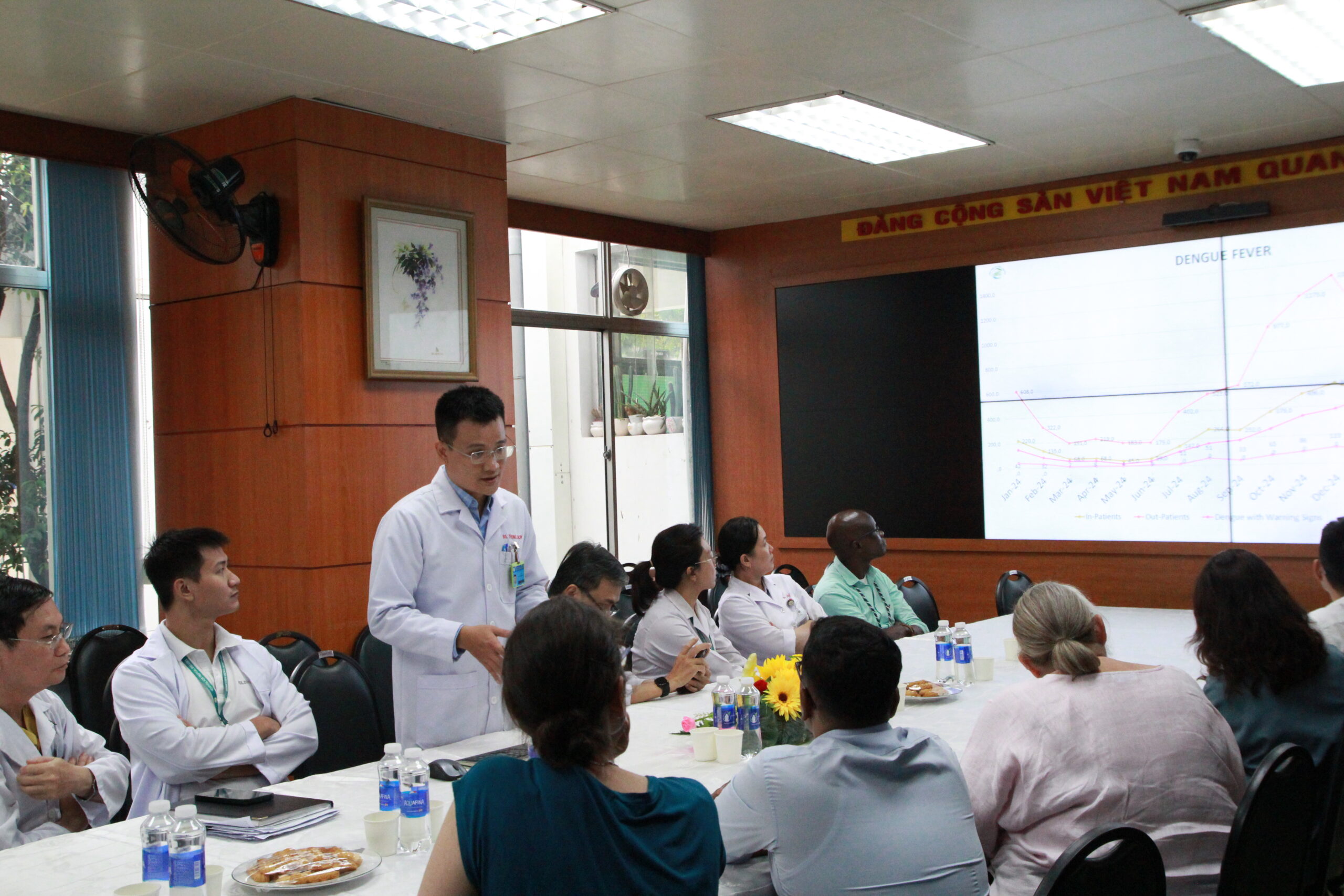
Dr Nguyá»…n Trá»ng Duy presents HTD’s health information system, including EMR, HIS, and LIS-PACSÂ
The institutions also shared their experience working with the Ho Chi Minh City Department of Health and the Ministry of Health on national immunisation campaigns, rapid outbreak response, and efforts to strengthen Vietnam’s national surveillance systems.
Over the past years, OUCRU and HTD have supported the national response to local outbreaks, including COVID-19, Mpox, avian influenza, measles, hand-foot-mouth disease, conjunctivitis, and respiratory infections. In May 2025, OUCRU conducted genomic sequencing of hospitalised COVID-19 cases and identified the NB.1.8.1 variant, reported for the first time in Vietnam. Results were delivered within 24–72 hours, providing critical support for timely surveillance and response.Â
Assoc Prof Lê Văn Tấn added: “Collaboration with WHO will help accelerate technology transfer and translation of research into action, particularly in tackling emerging infectious diseases.”Â
Technical discussions between WHO delegates and researchers at OUCRUÂ
Following the discussions, the WHO delegation visited the advanced laboratories and research facilities at HTD and OUCRU. The delegation commended the institutions’ research leadership, laboratory facilities and strong collaborative networks.
“HTD and OUCRU’s cutting-edge capabilities in genomics and the newly developed immunological assays are valuable tools that can support countries in the region in identifying novel and unknown emerging threats,†said Dr Patrick Reading.Â
Dr Belinda Herring shared: “OUCRU is a fantastic facility and a great resource for the region. It will be great to link with the institute for training and capacity building opportunities in the future.â€
This visit marks a positive step forward in the collaboration between OUCRU, HTD and WHO, supporting efforts to strengthen regional capacity for infectious disease surveillance and response.