Blog

  • Kết hợp nghiên cứu khoa học và kinh nghiệm thá»±c tiá»…n: Cải thiện kết quả Ä‘iều trị cho bệnh nhân sốt xuất huyết

    Kết hợp nghiên cứu khoa học và kinh nghiệm thực tiễn: Cải thiện kết quả điều trị cho bệnh nhân sốt xuất huyết

    Theo Trung tâm Kiểm soát bệnh tật TP.HCM, thành phố ghi nhận hơn 25.000 ca mắc sốt xuất huyết, tăng hơn 3 lần so với cùng kỳ năm 2024. 73% bệnh nhân sốt xuất huyết phải nhập viện với 10 ca tử vong gây áp lực đáng kể cho hệ thống y tế (*) .

    Điểm đáng lo ngại là, sốt xuất huyết không chỉ phổ biến ở trẻ nhỏ mà đang có xu hướng lan rộng sang nhóm người lớn, người cao tuổi có bệnh nền dễ xuất hiện biến chứng nặng.

    Nhằm ứng phó vá»›i tình hình, trong khuôn khổ hợp tác giữa Bệnh viện Bệnh Nhiệt đới và OUCRU, nhóm Nghiên cứu Sốt xuất huyết đã tổ chức buổi há»™i thảo chuyên đề chia sẻ các kết quả nghiên cứu lâm sàng về sốt xuất huyết cÅ©ng như định hướng ưu tiên nghiên cứu. Sá»± kiện quy tụ hÆ¡n 200 chuyên gia y tế, bác sÄ© và nhà nghiên cứu vá»›i hàng chục năm kinh nghiệm trong Ä‘iều trị và nghiên cứu sốt xuất huyết từ nhiều bệnh viện hàng đầu tại TP.HCM. Các diá»…n giả cá»§a há»™i thảo – TS BS Hồ Quang Chánh , Trưởng nhóm Nghiên cứu Sốt xuất huyết, OUCRU; BS. CKII Nguyá»…n Minh Tiến, Phó Giám đốc Bệnh viện Nhi đồng Thành phố; và BS. CKII Trương Ngọc Trung, Trưởng khoa CC-HSTC-CD Người lá»›n, Bệnh viện Bệnh Nhiệt đới – đã tập trung chia sẻ các kết quả nghiên cứu và thảo luận về những khoảng trống quan trọng trong thá»±c hành Ä‘iều trị lâm sàng hiện nay.

    Hội thảo đã thu thập được nhiều ý kiến đóng góp mang tính xây dựng và đa dạng, làm nổi bật tính chất phức tạp trong quản lý ca bệnh sốt xuất huyết, trong đó có việc chẩn đoán chính xác sốt xuất huyết vẫn còn nhiều hạn chế dẫn đến bệnh có thể tiến triển nhanh chóng và để lại hậu quả nghiêm trọng đối với các ca bệnh nặng. Qua nhiều năm kinh nghiệm, các chuyên gia y tế tham gia hội thảo đều đồng ý rằng mặc dù Việt Nam đã đạt được tỷ lệ thành công cao trong điều trị sốt xuất huyết, hệ thống y tế cũng phải đối mặt với nhiều thách thức như nguồn lực hạn chế, tình trạng quá tải tại các bệnh viện công tuyến đầu, cũng như khó khăn trong việc chẩn đoán sớm sốt xuất huyết và xác định chính xác các chỉ số cảnh báo để có thể điều trị sớm những ca tiên lượng nặng.

    Các kết quả nghiên cứu lâm sàng gần đây có thể góp phần giúp giải quyết những thách thức trên, đặc biệt là khả năng xác định sớm những ca bệnh có nguy cơ cao, tối ưu hóa việc chăm sóc và phân bổ nguồn lực. Ứng dụng siêu âm cũng hỗ trợ bác sĩ trong việc xác định chính xác hơn lượng dịch truyền phù hợp trong điều trị sốt xuất huyết.

    Theo PGS. TS. BS Nguyá»…n Thanh Hùng, Giám đốc Bệnh viện Nhi đồng 1, các bác sÄ© chuyên khoa sốt xuất huyết tại Việt Nam Ä‘ang được hưởng lợi từ mối quan hệ đối tác “sát cánh” độc đáo giữa OUCRU và các bệnh viện tuyến đầu – nÆ¡i nghiên cứu, chuyên môn tiên tiến kết hợp vá»›i thá»±c tiá»…n lâm sàng và kinh nghiệm thá»±c tế vô giá.

    Hội thảo kết thúc bằng lời kêu gọi tiếp tục hợp tác giữa các bệnh viện, nhà nghiên cứu và đối tác để thúc đẩy chẩn đoán và điều trị sốt xuất huyết, đảm bảo người bệnh dễ dàng tiếp cận điều trị, được chăm sóc kịp thời và hiệu quả.

    Đọc thêm các nghiên cứu về sốt xuất huyết của OUCRU tại đây.

    Hội thảo khoa học chia sẻ các kết quả nghiên cứu lâm sàng về sốt xuất huyết là hoạt động do dự án Seed Awards, giải thưởng nội bộ của OUCRU tài trợ. Seed Awards giúp các nhà nghiên cứu có cơ hội và được trao quyền thực hiện các dự án kết nối khoa học với công chúng và cộng đồng. Đọc thêm về Seed Awards và các dự án do dự án tài trợ tại đây.

    (*) https://nhandan.vn/khong-chu-quan-voi-benh-sot-xuat-huyet-post900126.html

  • Bridging science and practice to improve the outcome of patients with dengue 

    Bridging science and practice to improve the outcome of patients with dengue 

    According to the Ho Chi Minh Center for Disease Control, 2025 witnessed nearly 25,000 cases of Dengue, an increase of more than three times compared to the same period in 2024. 73% dengue patients need to be hospitalised with 10 deaths put significant pressure on the healthcare system(*). 

    A current concern is that dengue is not only common in  children anymore but is also spreading to adults;  elderly people and those with underlying conditions are more likely to develop severe complications. 

    In response, as part of the ongoing partnership between Hospital for Tropical Diseases and OUCRU, the Dengue research group organised a specialised workshop to share current ongoing dengue clinical research outputs and shape research priorities with several top-tiered hospitals in Ho Chi Minh City. The workshop gathered more than 200 health professionals including leading doctors and researchers with decades of experience in treating and researching dengue. The workshop’s speakers including Dr Ho Quang Chanh, Head of Dengue Group, OUCRU; Dr Nguyen Minh Tien, Vice Director of City Children’s Hospital 1; and Dr Truong Ngoc Trung, Head of Adult Intensive Care Unit, Hospital for Tropical Diseases – focused on sharing new clinical evidences and discussed critical gaps in current practice. 

    Several constructive and diverse opinions were shared at the workshop, highlighting that clinical management of dengue remains highly complex. Delays in dengue accurate management can lead to rapid progress and serious consequences in severe cases. Through decades of experience, all health professionals who participated in the workshop agreed that Vietnam has achieved a high success rate in dengue treatment. However, they face several clinical and systemic challenges such as limited resources, overcrowding at top-tiered public hospitals, and difficulties in early diagnosis of dengue as well as accurately defining clinical indicators for severe progression to enable timely treatment.  

    Applying recent clinical evidence can help address key challenges, particularly by enabling early identification of high-risk patients to optimise care and resource allocation. The use of ultrasound may further support clinicians in delivering more accurate and tailored fluid management for dengue patients. 

    According to Dr. Hung, director of Children’s Hospital 1, dengue clinicians in Vietnam benefit from a unique ‘next-door’ partnership between OUCRU and frontline hospitals- where cutting-edge research meets daily clinical practice, providing both advanced expertise and invaluable hands-on experience. 

    The workshop closed with a call for continued collaboration between hospitals, researchers, and partners to advance dengue diagnosis and treatment, ensuring care remains timely, effective, and accessible. 

    Read more about OUCRU’s Dengue research portfolio here. 

    This workshop is part of OUCRU’s internal public and community engagement funding for researchers, Seed Awards. The awards aim to empower researchers to listen to, involve, and engage with communities who are relevant, either as research beneficiaries or are directly impacted by research outputs. Read more about Seed Awards here. 

    (*) https://nhandan.vn/khong-chu-quan-voi-benh-sot-xuat-huyet-post900126.html  

  • OUCRU researchers have a leading role in developing first International Clinical Practice Guideline for Tuberculous Meningitis 

    OUCRU researchers have a leading role in developing first International Clinical Practice Guideline for Tuberculous Meningitis 

    Tuberculous meningitis is the most severe form of tuberculosis and remains a major global health threat. For the first time, health-care workers around the world will have access to an evidence-based, consensus-driven guideline that addresses key challenges in the diagnosis and management of TBM. 

    The guideline was developed by the Tuberculous Meningitis International Research Consortium, bringing together experts from India, Indonesia, South Africa, Uganda, Vietnam, Australia, the Netherlands, the UK, and the USA. OUCRU researchers contributed substantially to shaping the recommendations, highlighting knowledge gaps, and setting global research priorities. 

    Dr. Joseph Donovan, OUCRU researcher and lead author, emphasized: 

    “Tuberculous meningitis is a catastrophic neurological infection. We have now provided an up-to-date international guideline, written for health-care workers who diagnose and manage this disease anywhere in the world. We hope this guideline can be a helpful tool, supporting health professionals in tackling this devastating disease.” 

    OUCRU’s longstanding focus on tuberculous meningitis research—supported by Wellcome—has laid the foundation for many of the clinical trials and studies that underpin this guideline. This milestone underscores OUCRU’s vision to make a local, regional, and global impact on health by leading research on infectious diseases in Asia. 

    🔗 Read the full guideline in The Lancet Infectious Diseases: here 

  • OUCRU and Dragon Capital Release Report on Intensive Care Training Programme in Vietnam 

    OUCRU and Dragon Capital Release Report on Intensive Care Training Programme in Vietnam 

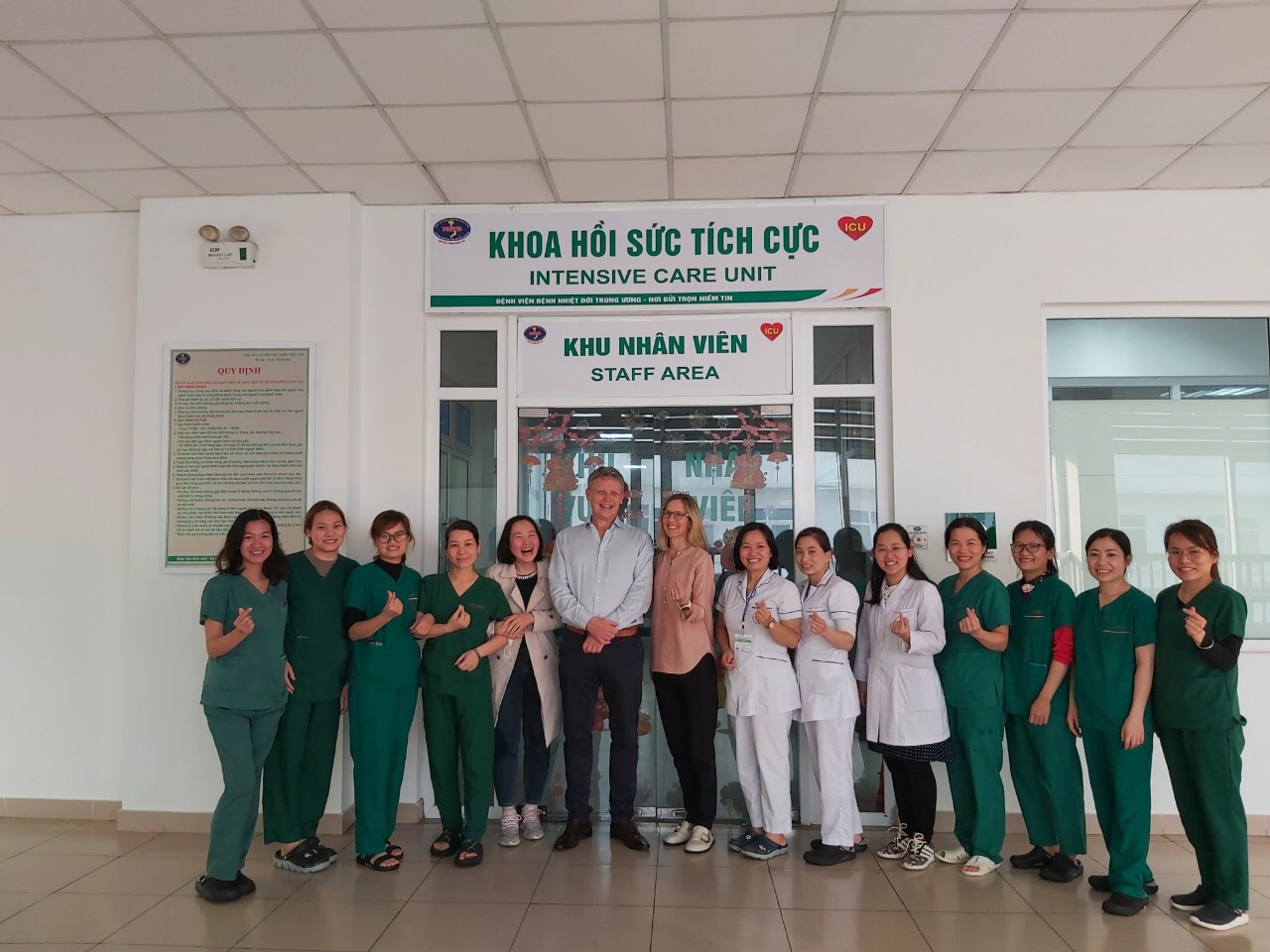
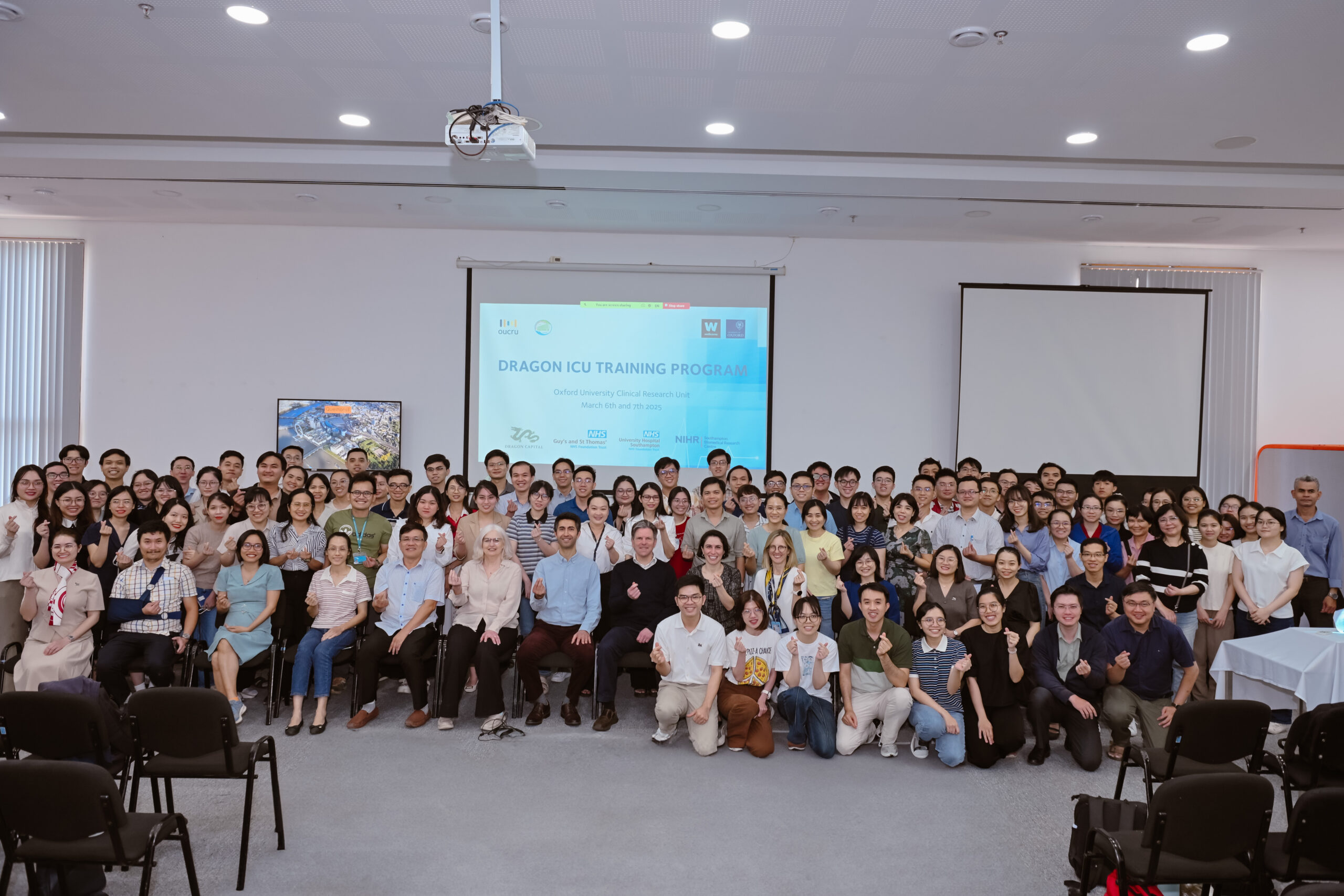
    Launched in 2022 with funding from Dragon Capital’s COVID-19 Response Fund, the programme was designed to strengthen intensive care (ICU) capacity across Vietnam by delivering high-quality training for doctors and nurses, fostering international collaboration, and building long-term resilience in the healthcare system. 

    Strengthening ICU capacity nationwide 

    Over the course of the programme, OUCRU and partners delivered training to thousands of healthcare professionals across Vietnam, with a focus on critical skills such as mechanical ventilation, advanced dengue care, and continuous renal replacement therapy. 

    Highlights include: 

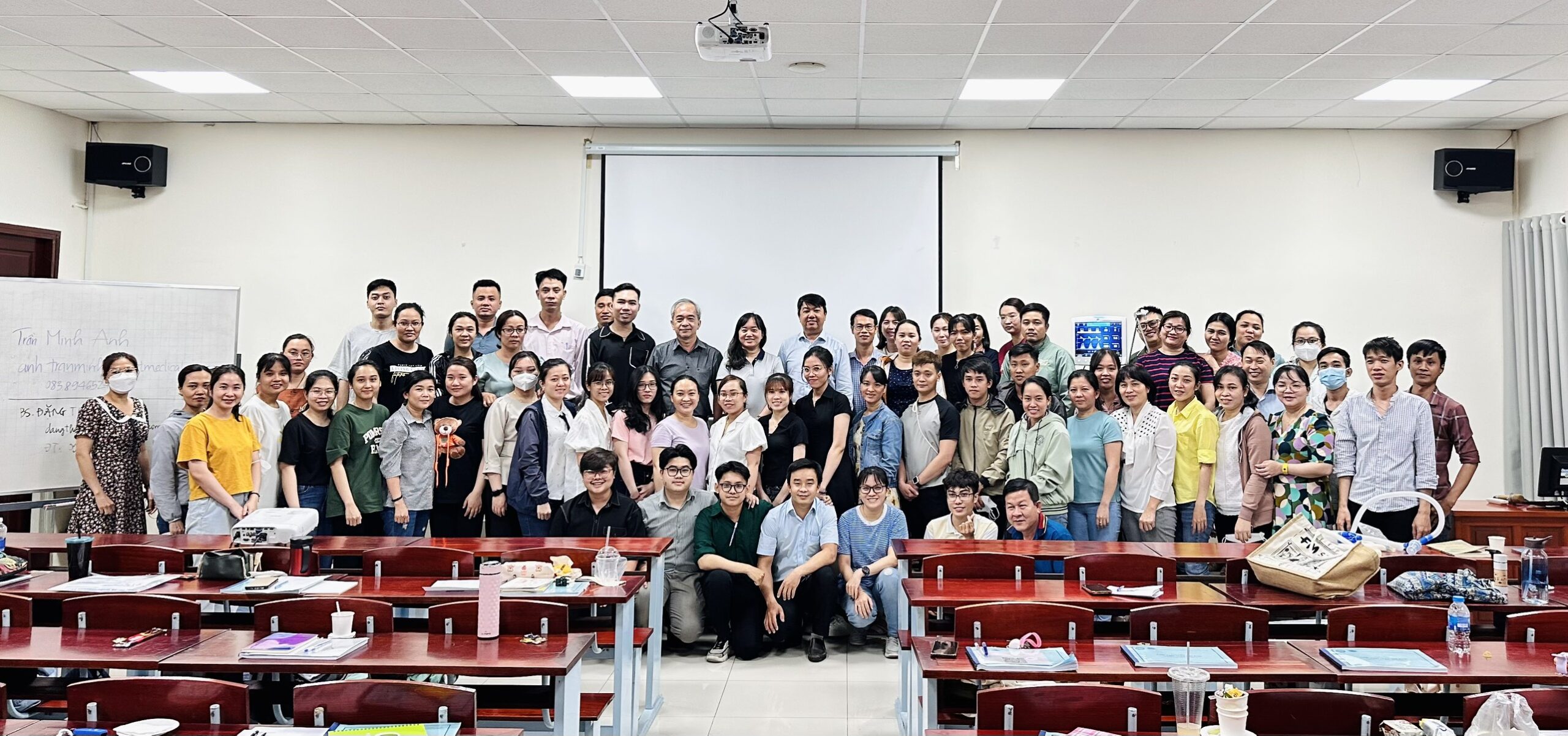
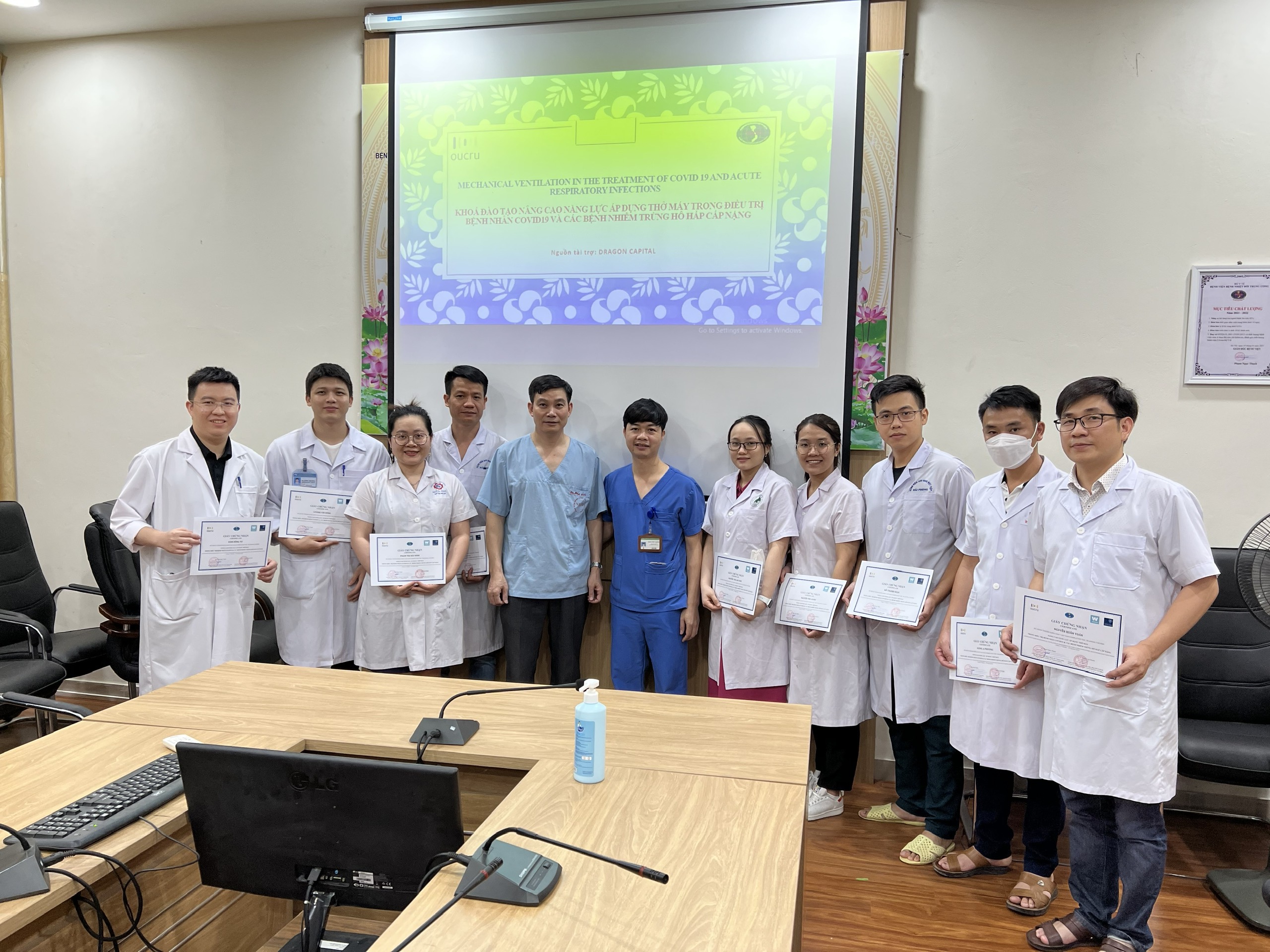
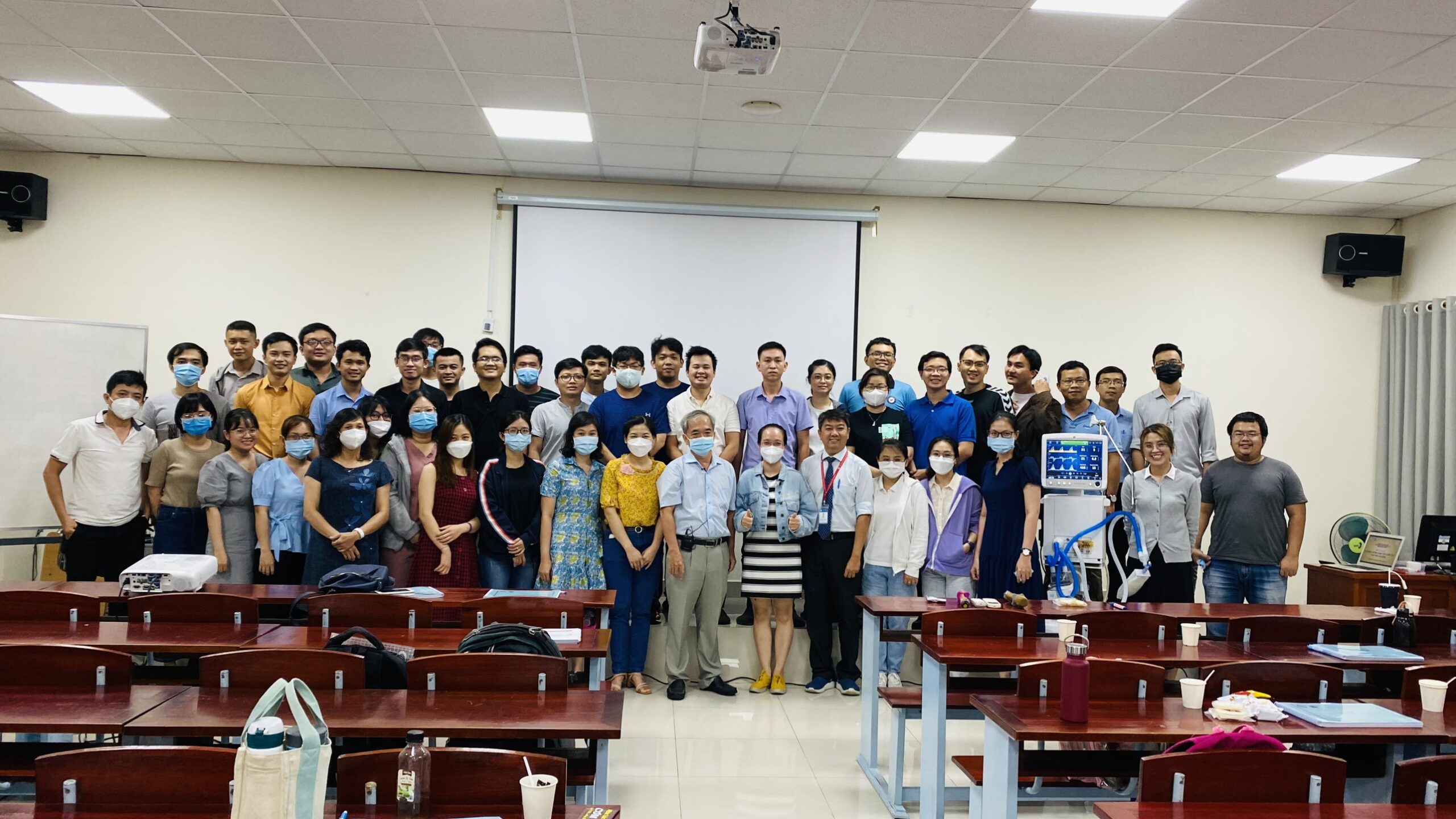
    Training in Vietnam: More than 500 doctors and nurses from hospitals in Hanoi, Ho Chi Minh City, Dong Thap, and the Mekong Delta received Continuing Medical Education (CME)-certified training. Courses prioritized mechanical ventilation – a key need identified after the COVID-19 pandemic. 

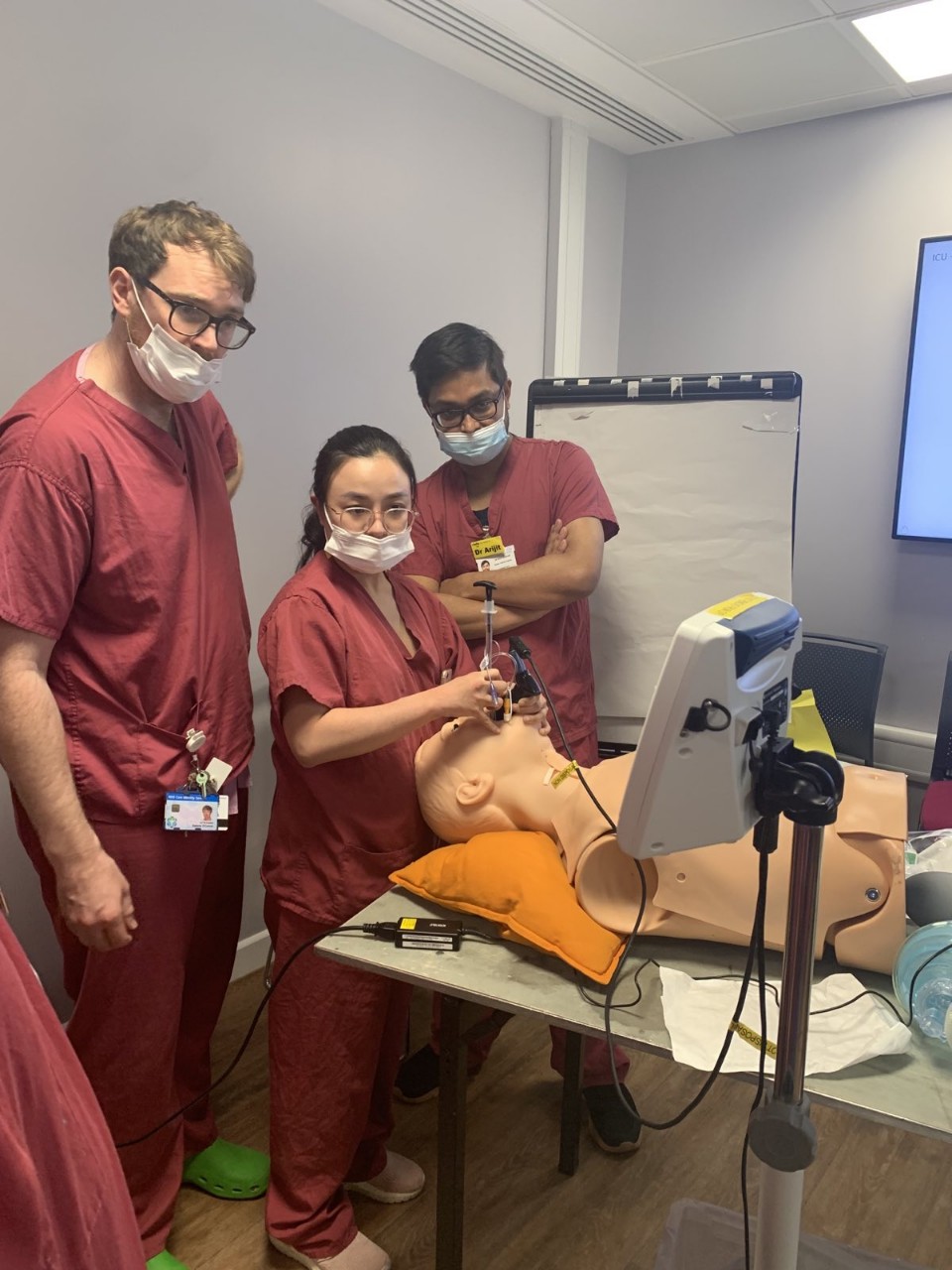
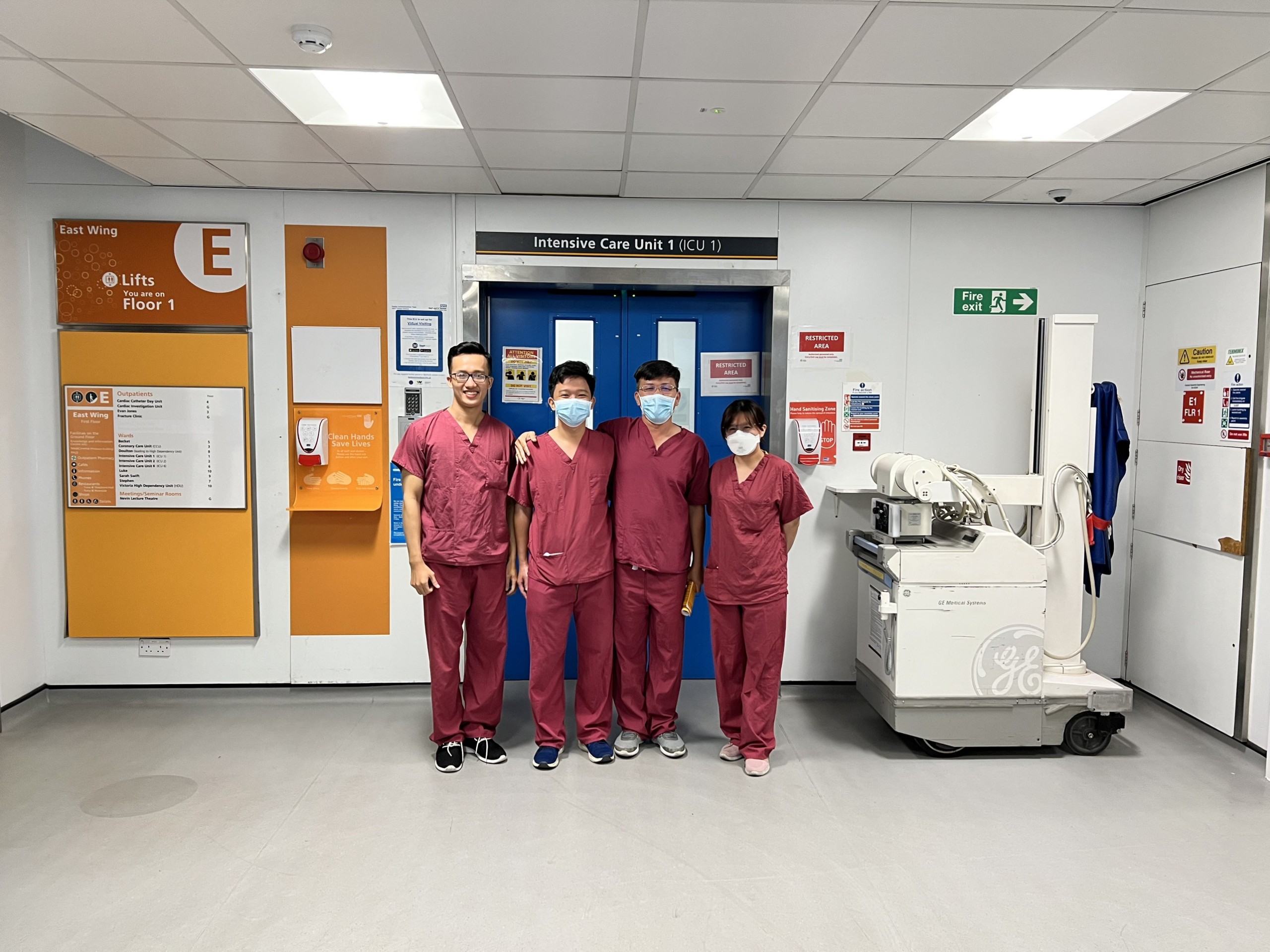
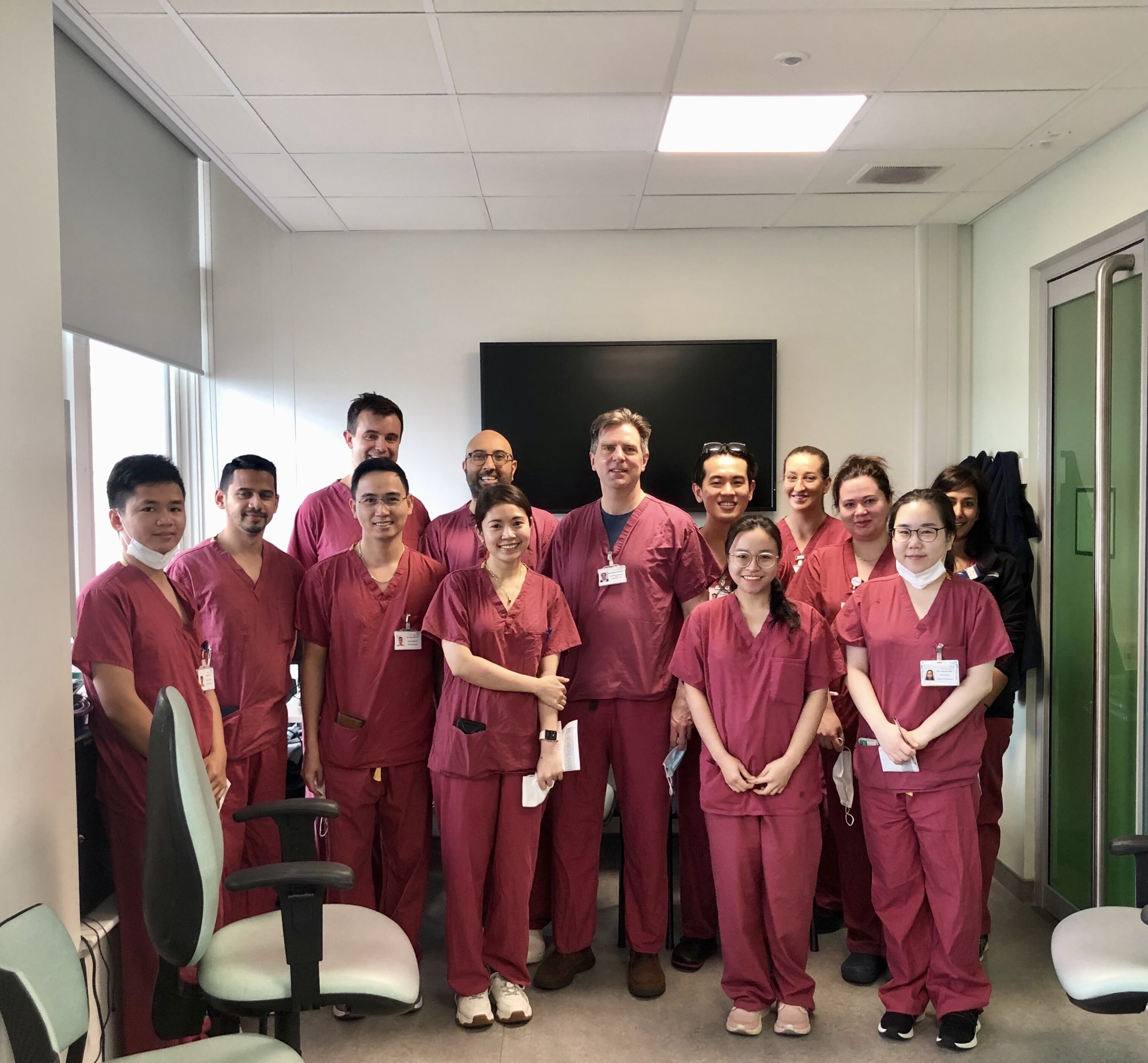
    International exposure: 10 doctors and 2 nurses undertook advanced ICU training at Guy’s and St Thomas’ Hospital in the UK, gaining hands-on experience in one of the world’s leading intensive care units. 

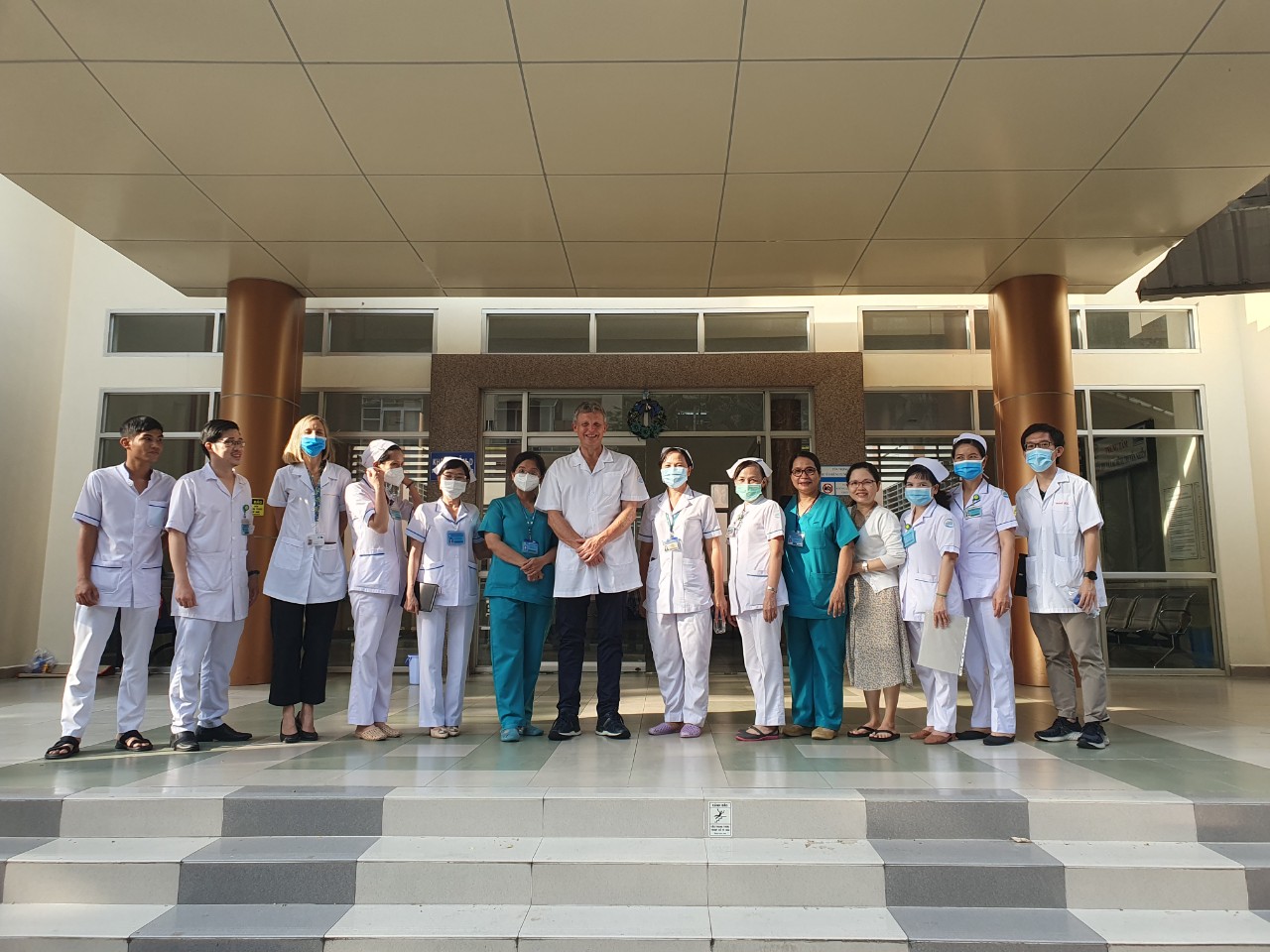
    Expert exchange: International ICU specialists from the UK conducted on-site and hybrid training in Vietnam, directly reaching over 600 participants and promoting evidence-based critical care practices. 

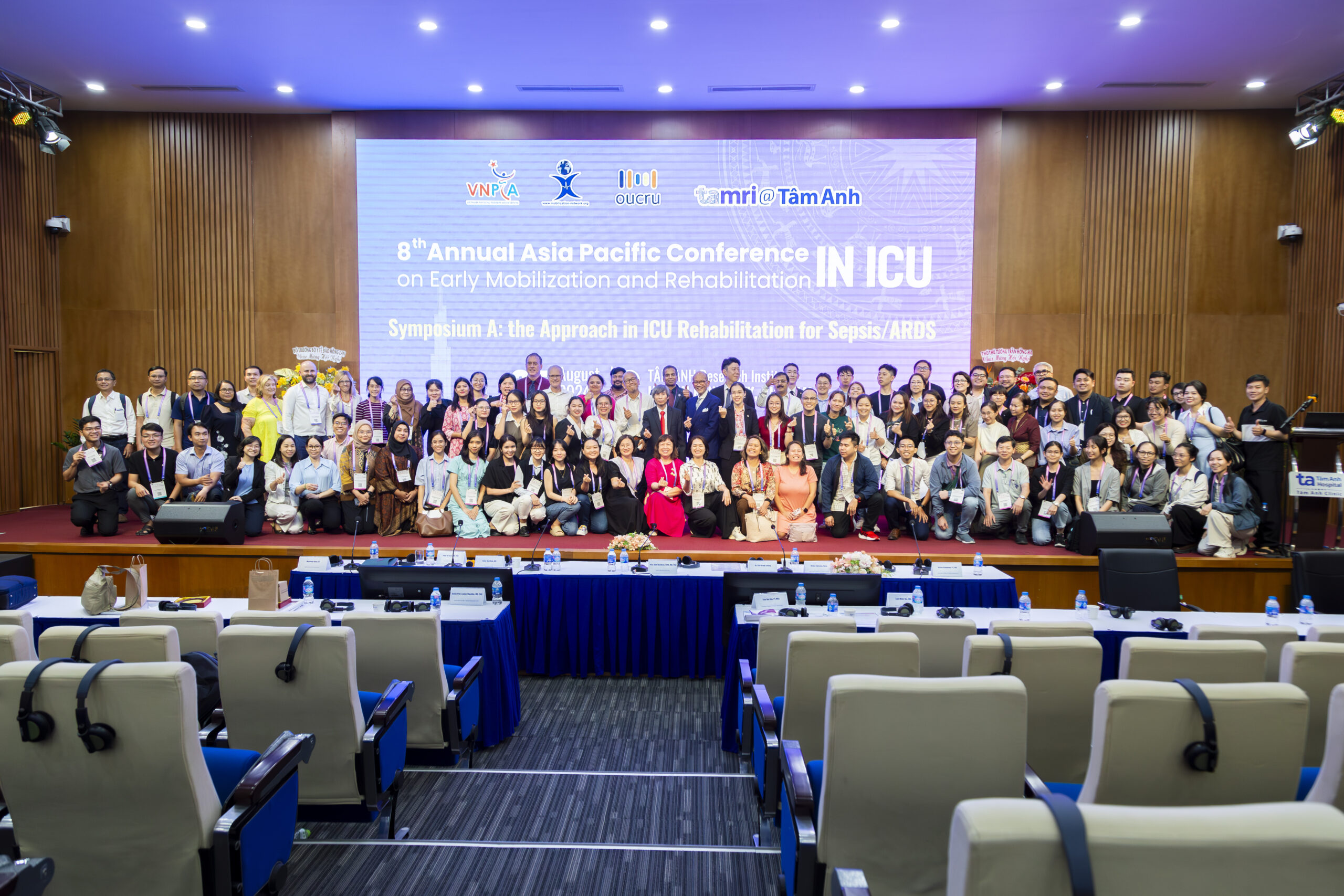
    Advancing multidisciplinary care: The programme supported the 8th Pacific Conference on Early Mobilization and Rehabilitation in the ICU, held in Ho Chi Minh City in 2024, bringing international experts together with Vietnamese clinicians to emphasize rehabilitation as part of ICU care. 

    Knowledge sharing: The European Society of Intensive Care Medicine’s COVID ALIVE course was translated into Vietnamese – the first of its kind – and integrated into WHO training resources. 

    Building sustainable impact 

    Beyond training, the programme also supported professional development and research. Vietnamese doctors and nurses presented their work at major international conferences in Spain, Singapore, and the UK, strengthening Vietnam’s voice in the global intensive care community. 

    Looking ahead 

    The release of this report marks both the completion of an important chapter and the beginning of new opportunities. OUCRU and Dragon Capital remain committed to supporting Vietnam’s healthcare system, building on the success of this programme to ensure better preparedness for future health challenges. 

    You can find the report below:

  • Nghiên cứu má»›i xác định các tế bào miá»…n dịch gây viêm ở bệnh nhân lao màng não 

    Nghiên cứu mới xác định các tế bào miễn dịch gây viêm ở bệnh nhân lao màng não 

    Lao màng não là thể lao nặng và nguy hiểm nhất. Dù được Ä‘iều trị, bệnh vẫn có tá»· lệ tá»­ vong cao từ 20–50%, và khoảng má»™t ná»­a số bệnh nhân sống sót phải chịu các di chứng thần kinh suốt đời. 

    Đến nay, phần lớn nghiên cứu về lao màng não tập trung vào mẫu máu để giải trình tự và phân tích chức năng tế bào, trong khi các nghiên cứu sử dụng dịch não tủy (CSF), chất dịch bao quanh não và tủy sống, vẫn còn rất hiếm. Nguyên nhân chủ yếu là do thách thức về mặt kỹ thuật: việc lấy mẫu dịch não tủy là một thủ thuật xâm lấn, số lượng tế bào thu được thấp và dễ nhiễm máu. Tuy vậy, để cải thiện điều trị, các nhà khoa học cần hiểu rõ hơn về những gì diễn ra ngay tại ổ nhiễm: não bộ.

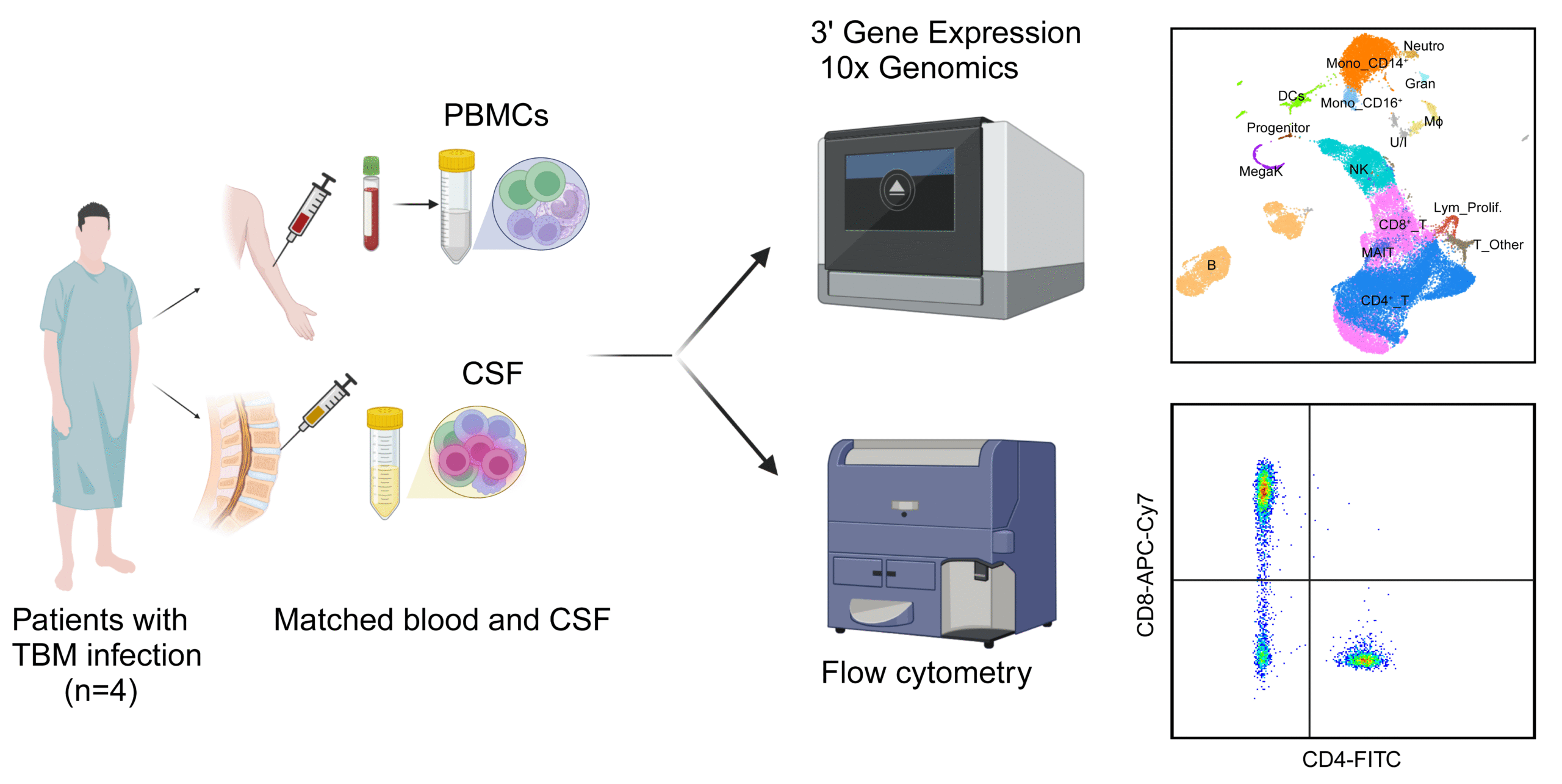
    Tại OUCRU, nhóm nghiên cứu đã ứng dụng kỹ thuật giải trình tự RNA đơn bào (single-cell RNA sequencing – scRNA-seq), một công nghệ tiên tiến, để tìm hiểu hoạt động của tế bào miễn dịch trong dịch não tủy. Theo chúng tôi được biết, đây là lần đầu tiên trên thế giới, scRNA-seq được sử dụng để nghiên cứu mẫu CSF trên bệnh nhân bệnh lao màng não trưởng thành. 

    Giải trình tá»± RNA đơn bào (scRNA-seq) đã làm thay đổi nghiên cứu y sinh học toàn cầu. Công nghệ này cho phép phân tích hàng nghìn tế bào miá»…n dịch đơn lẻ cùng lúc, vẽ nên bức tranh chi tiết hÆ¡n về đáp ứng miá»…n dịch. Quan trọng hÆ¡n, scRNA-seq vẫn hoạt động hiệu quả vá»›i chỉ vài nghìn tế bào, giúp vượt qua má»™t trong những thách thức lá»›n nhất trong nghiên cứu lao màng não: số lượng tế bào thu được từ mẫu dịch não tá»§y còn hạn chế. Nhờ đó, các nhà khoa học có thể xác định được những tế bào miá»…n dịch chuyên biệt trong não thúc đẩy phản ứng viêm, mở ra tiềm năng cải thiện chẩn Ä‘oán lao màng não và định hướng Ä‘iều trị nhắm trúng đích nhằm giảm tổn thương não do miá»…n dịch. 

    Trong má»™t nghiên cứu thí Ä‘iểm vừa được công bố trên The Journal of Immunology, các nhà khoa học tại OUCRU đã phân tích cặp mẫu dịch não tá»§y và máu lấy trước Ä‘iều trị từ 4 bệnh nhân lao màng não, cùng mẫu máu từ 3 người khỏe mạnh. Kết quả 15 nhóm tế bào chính và 29 phân nhóm được xác định trong cả dịch não tá»§y và máu, tuy nhiên có sá»± khác biệt rõ rệt về số lượng và chức năng tế bào giữa hai loại mẫu này. 

    Tổng quan nghiên cứu 

    Dịch não tuá»· (CSF) chứa nhiều các tế bào miá»…n dịch có khả năng gây viêm, bao gồm đại thá»±c bào giống tế bào vi thần kinh đệm (microglia-like macrophages), tế bào T nhá»› CD8+ biểu hiện gen GZMK, và tế bào giết tá»± nhiên (natural killer) biểu hiện mạnh CD56 (CD56bright NK). Ngược lại, máu lại chứa nhiều hÆ¡n các tế bào gây độc như : tế bào T nhá»› CD8+ biểu hiện gen GNLY và tế bào NK biểu hiện thấp CD56(CD56dim NK). Các con đường tín hiệu gây viêm, bao gồm đáp ứng interferon, hoạt động mạnh hÆ¡n trong các tế bào ở dịch não tuá»·; trong khi quá trình phosphoryl và oxy hoá – má»™t con đường chuyển hoá năng lượng dá»±a vào oxy – lại bị suy giảm. 

    Sá»± thay đổi chuyển hóa này nhất quán vá»›i bằng chứng trước đó: trong lao màng não, tế bào miá»…n dịch chuyển cÆ¡ chế tạo năng lượng từ  hô hấp hiếu khí sang đường phân kỵ khí, chuyển hóa lactat, tương tá»± “hiệu ứng Warburg” trong ung thư. Các nhà nghiên cứu giả thuyết rằng chiến lược này có thể giúp tăng tốc đáp ứng miá»…n dịch, song cÅ©ng góp phần thúc đẩy tình trạng viêm phá há»§y mô não. 

    Bằng việc xây dá»±ng bản đồ tham chiếu chi tiết về trạng thái tế bào miá»…n dịch trong dịch não tá»§y và máu cá»§a bệnh nhân lao màng não trưởng thành, nghiên cứu thí Ä‘iểm này mang lại nguồn dữ liệu quan trọng cho cá»™ng đồng nghiên cứu lao màng não. Đồng thời, nó khẳng định scRNA-seq là phương pháp khả thi và giàu giá trị trong nghiên cứu cÆ¡ chế bệnh sinh miá»…n dịch, ngay cả vá»›i mẫu khó thu thập như dịch não tá»§y. 

    Việc thiết lập quy trình lấy mẫu và phân tích song song máu – dịch não tá»§y cÅ©ng đặt nền móng cho các nghiên cứu quy mô lá»›n hÆ¡n, nhằm khám phá cÆ¡ chế bệnh và phát triển các chiến lược Ä‘iều trị má»›i cho lao màng não cÅ©ng như các bệnh nhiá»…m trùng hệ thần kinh khác. 

    Tiến sÄ© Trịnh Thị Bích Trâm, tác giả chính, chia sẻ: “Mặc dù scRNA-seq đã được sá»­ dụng ở quốc tế gần 10 năm qua, OUCRU má»›i triển khai kỹ thuật này tại Việt Nam cách đây hai năm vá»›i sá»± há»— trợ từ Oxford. Nghiên cứu thí Ä‘iểm này gặp phải rất nhiều thách thức, từ việc lấy mẫu dịch não tá»§y chất lượng cao vá»›i đủ tế bào miá»…n dịch sống đến xá»­ lý phân tích khối dữ liệu phức tạp. Hoàn thành nó là má»™t bước tiến quan trọng cho nghiên cứu bệnh lao màng não tại Việt Nam, và tôi vô cùng tá»± hào về những kết quả nhóm Nghiên cứu Lao tại OUCRU đã đạt được.” 

    Bài báo “Single-cell profiling of blood and cerebrospinal fluid in tuberculous meningitis” được công bố trên The Journal of Immunology

  • New study maps immune cells fuelling harmful inflammation in tuberculous meningitis

    New study maps immune cells fuelling harmful inflammation in tuberculous meningitis

    Tuberculous meningitis (TBM) is the most severe and life-threatening form of tuberculosis. Even with treatment, it carries a high fatality rate of 20% to 50%, and half of the survivors live with permanent neurological complications.  

    Most TBM research to date has focused on blood samples for sequencing and cell functions, while studies using cerebrospinal fluid (CSF) – the fluid surrounding the brain and spinal cord – remain rare. This is largely due to technical challenges, including the invasive nature of CSF collection, low cell yields, and the risk of blood contamination. However, to develop better treatments, researchers need a clearer picture of what happens at the actual site of infection – the brain. 

    At OUCRU, a team of scientists applied single-cell RNA sequencing (scRNA-seq), an advanced technology, to study how immune cells behave in CSF. To our knowledge, this is the first time scRNA-seq has been applied to examine CSF in adult TBM patients in the world.

    ScRNA-seq has transformed biomedical research globally. It allows researchers to analyse thousands of single immune cells at once, revealing a far more detailed picture of the immune response. Importantly, it can work with only a few thousands of cells, helping to overcome one of the key challenges in TBM research: low cell yields from CSF samples. This makes it possible to identify specific immune cells in the brain that drive inflammation, potentially improving TBM diagnosis and guiding targeted treatments to reduce immune-mediated brain injury.  

    In this pilot study recently published in The Journal of Immunology, OUCRU researchers analysed paired pre-treatment CSF and blood samples from four adults with TBM, and blood samples from three healthy controls. They successfully identified 15 major cell types and 29 subtypes present across both compartments, but significantly different in abundance and function. 

    Research overview

    The CSF was enriched with immune cells that showed signs of inflammation, including microglia-like macrophages, GZMK+ CD8+ effector-memory T cells, and CD56bright NK (natural killer) cells. In contrast, the blood contained more cytotoxic GNLY+ CD8+ effector-memory T cells and CD56dim NK. Inflammatory signalling pathways, including interferon response, were more active in CSF cells, while oxidative phosphorylation, a key oxygen-based energy pathway, was reduced.  

    This metabolic shift reflects earlier evidence that, in TBM, immune cells switch from oxygen-based energy production to a faster oxygen-independent, lactate-producing glycolysis, similar to the ‘Warburg effect’ in cancer. The researchers hypothesise, though not yet confirmed, that this rapid-energy strategy may help fuel the immune response but also drive damaging inflammation in the brain.  

    By creating a detailed reference map of immune cell states in CSF and blood of adults with TBM, this pilot study offers an early and important resource for the TBM research community. It also confirms that scRNA-seq is feasible and highly informative for studying TBM immunopathogenesis, even with technically challenging sample types like CSF.  

    In establishing a clear workflow and analysis pipeline for paired CSF and blood, the team also laid a foundation for larger studies to explore disease mechanisms and develop new treatment strategies for TBM and other brain infections.  

    Dr Trịnh Thị Bích Trâm, first author, said: ‘Although scRNA-seq has been used internationally for nearly a decade, we only established it at OUCRU Vietnam two years ago, with strong support from the University of Oxford. This pilot was technically demanding, from the difficulty of obtaining fresh, high-quality CSF samples with enough viable immune cells to the complexity of new analytical approaches. Completing it is a major step forward for TB research in Vietnam, and I’m incredibly proud of OUCRU Tuberculosis Research Group and what we’ve achieved together.’ 

    The full article Single-cell profiling of blood and cerebrospinal fluid in tuberculous meningitis is published in The Journal of Immunology.

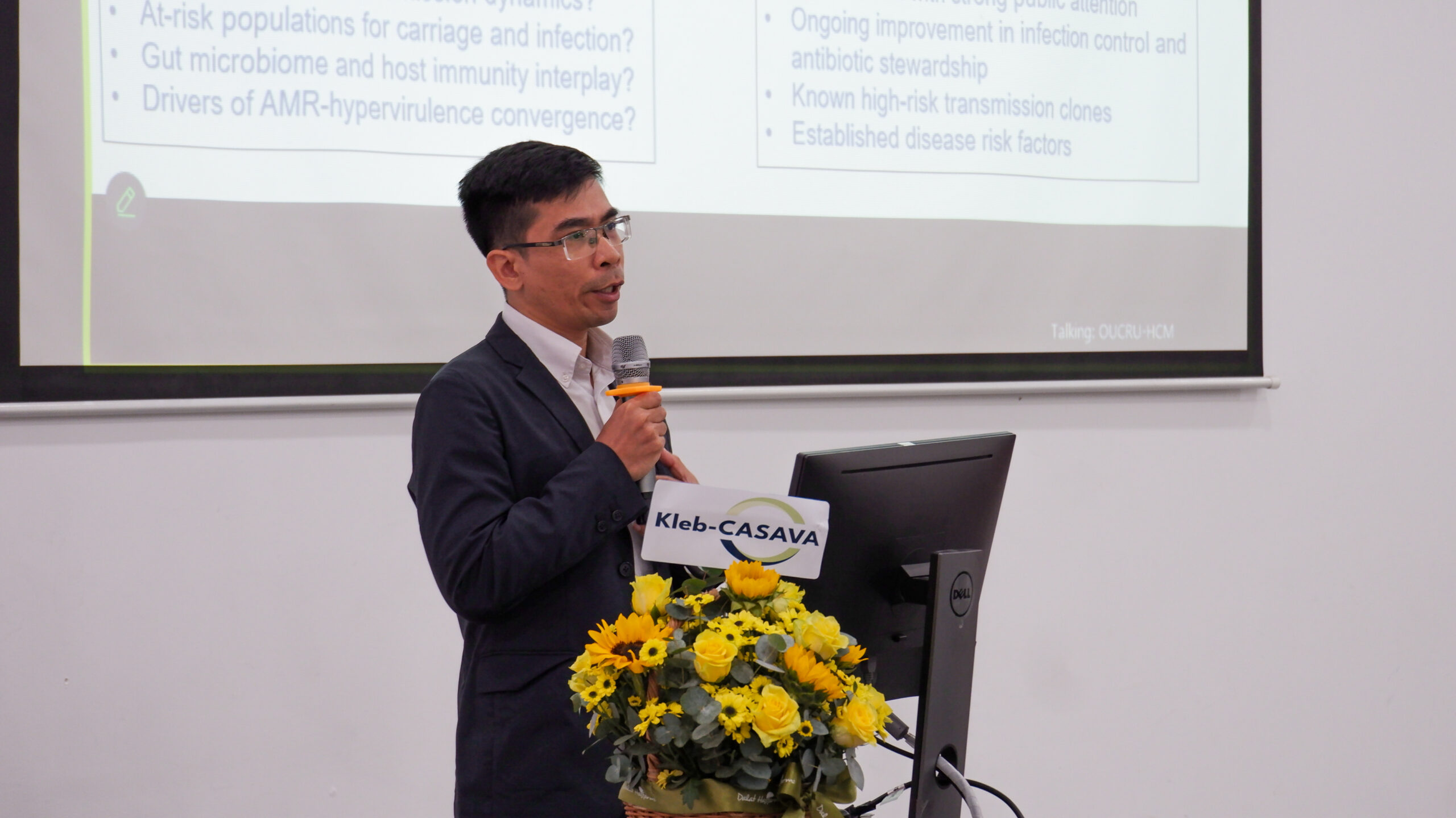
  • OUCRU and Partners Launch Kleb-CASAVA Project with Two-Day Kick-off in Ho Chi Minh City

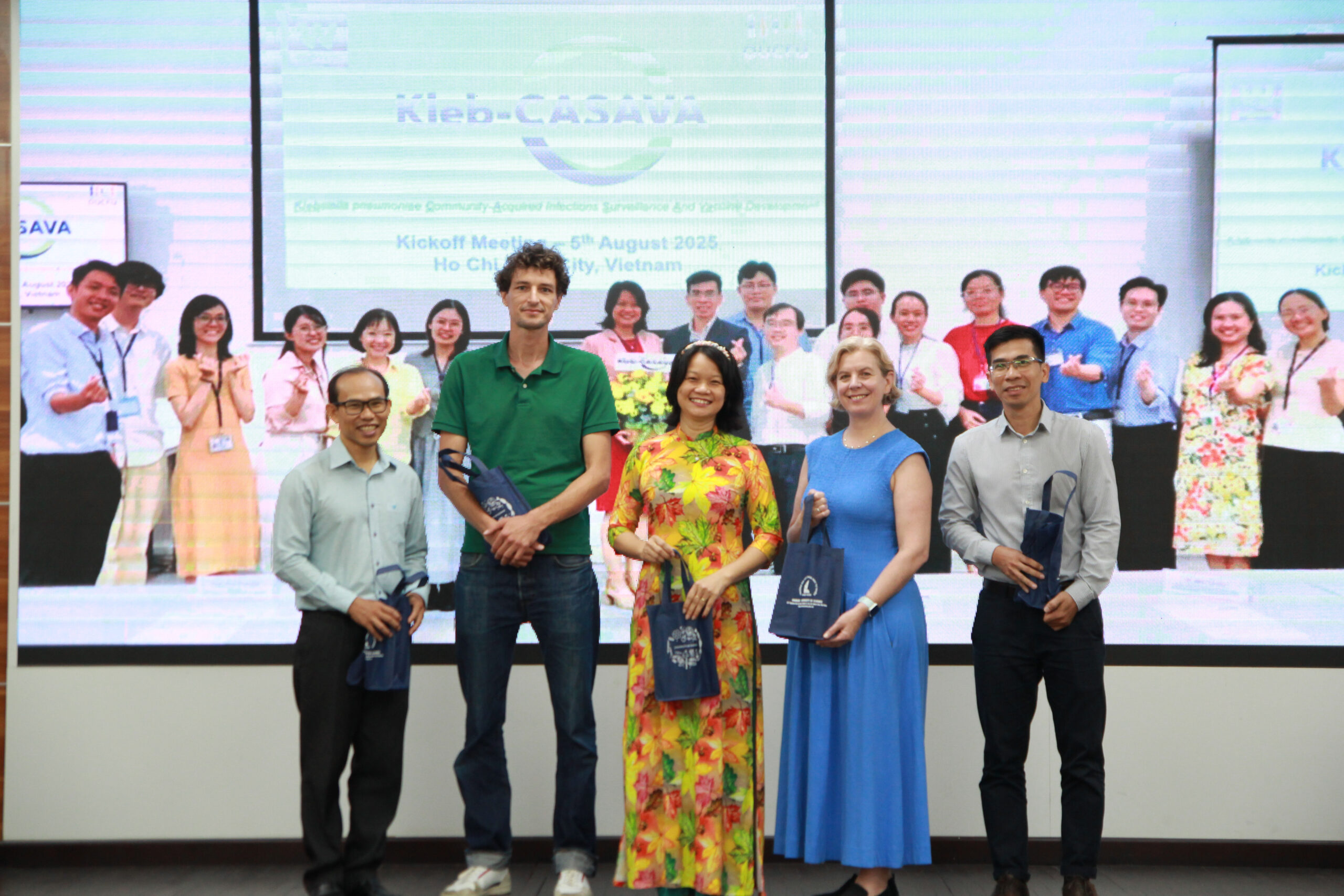
    OUCRU and Partners Launch Kleb-CASAVA Project with Two-Day Kick-off in Ho Chi Minh City

    The project aims to address the growing public health threat posed by Klebsiella pneumoniae (Kp), a bacterium capable of causing severe infections in both hospital and community settings. In recent years, Vietnam has witnessed a worrying rise in infections caused by both classical multidrug-resistant Kp (cKp) and hypervirulent strains (hvKp) that can cause severe disease even in healthy individuals.

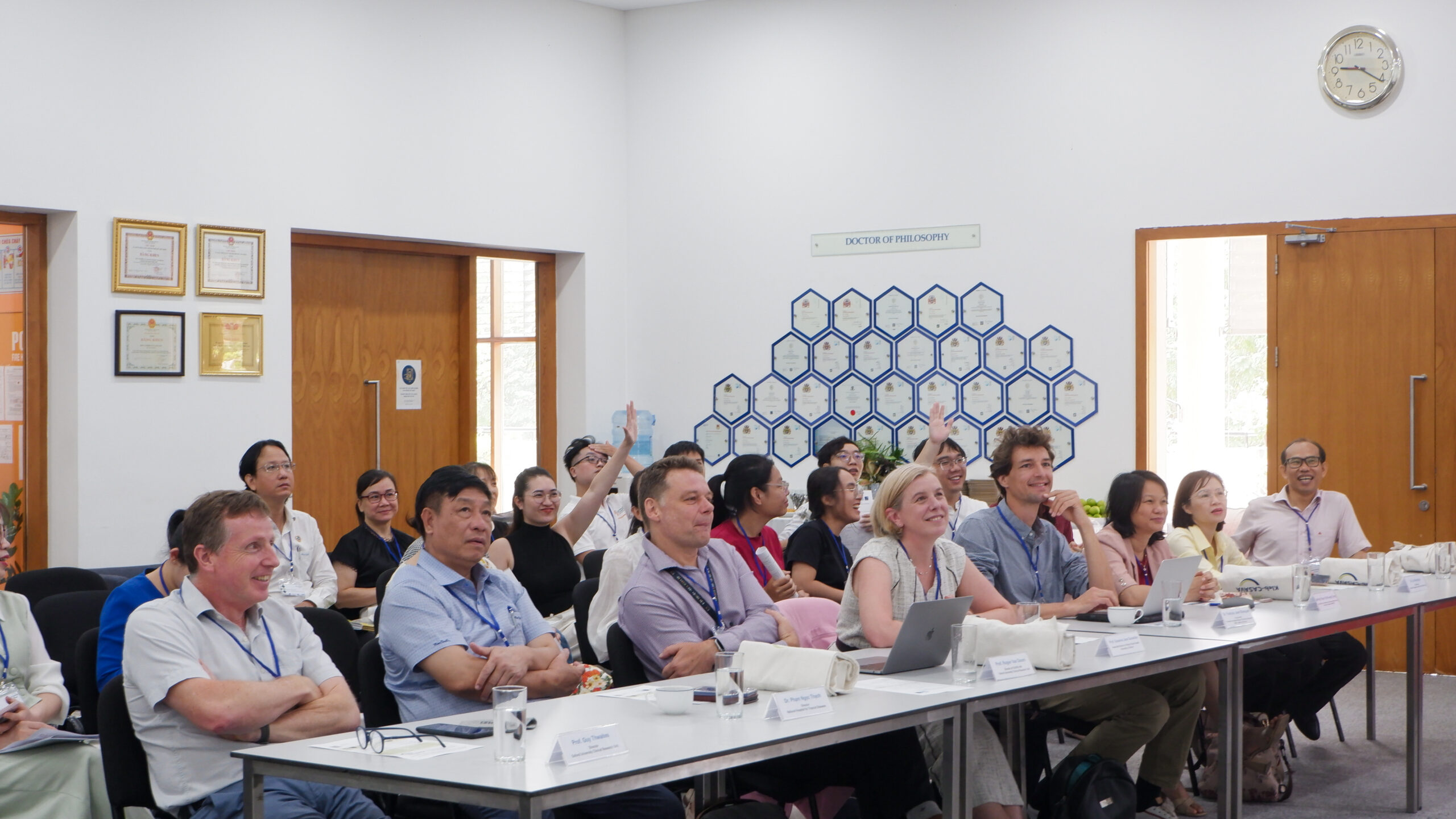
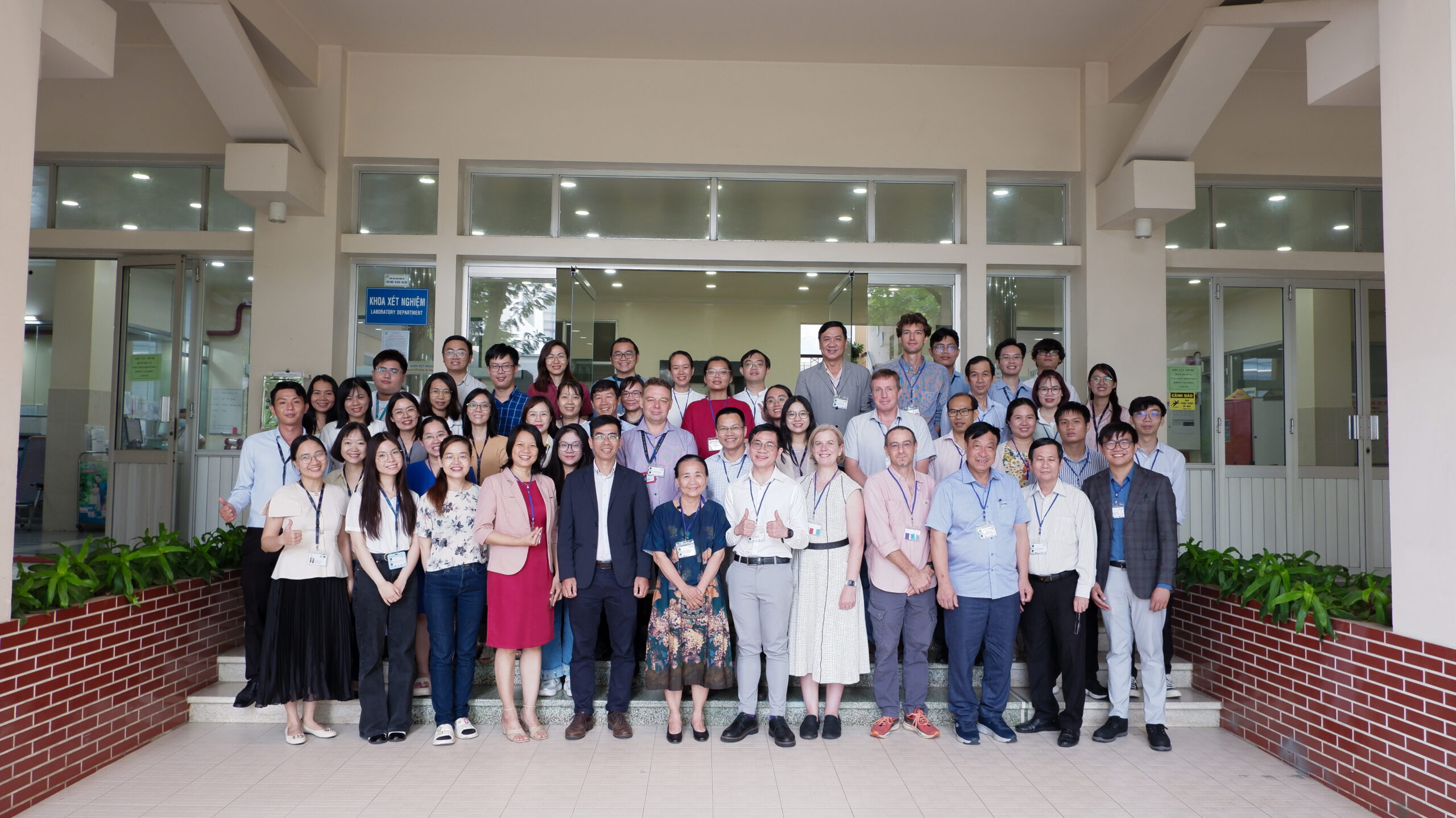
    On 5th August, the first day of 2-day project kick off was held at OUCRU’s Ho Chi Minh City office, bringing together representatives from the University of Oxford, Collège de France, VNUHCM–University of Science, Hospital for Tropical Diseases, Cho Ray Hospital, the National Hospital for Tropical Diseases, and the Ho Chi Minh City Center for Disease Control.

    Speaking about the project, noted:

    “Hospital-acquired infections have received a lot of attention in Vietnam, but community-acquired Kp infections remain under-recognised and poorly understood.” said Dr. Pham Thanh Duy – OUCRU’s Lead Principal Investigator. “Through Kleb-CASAVA, we will integrate patient-focused surveillance with vaccine development to create impactful prevention strategies,”

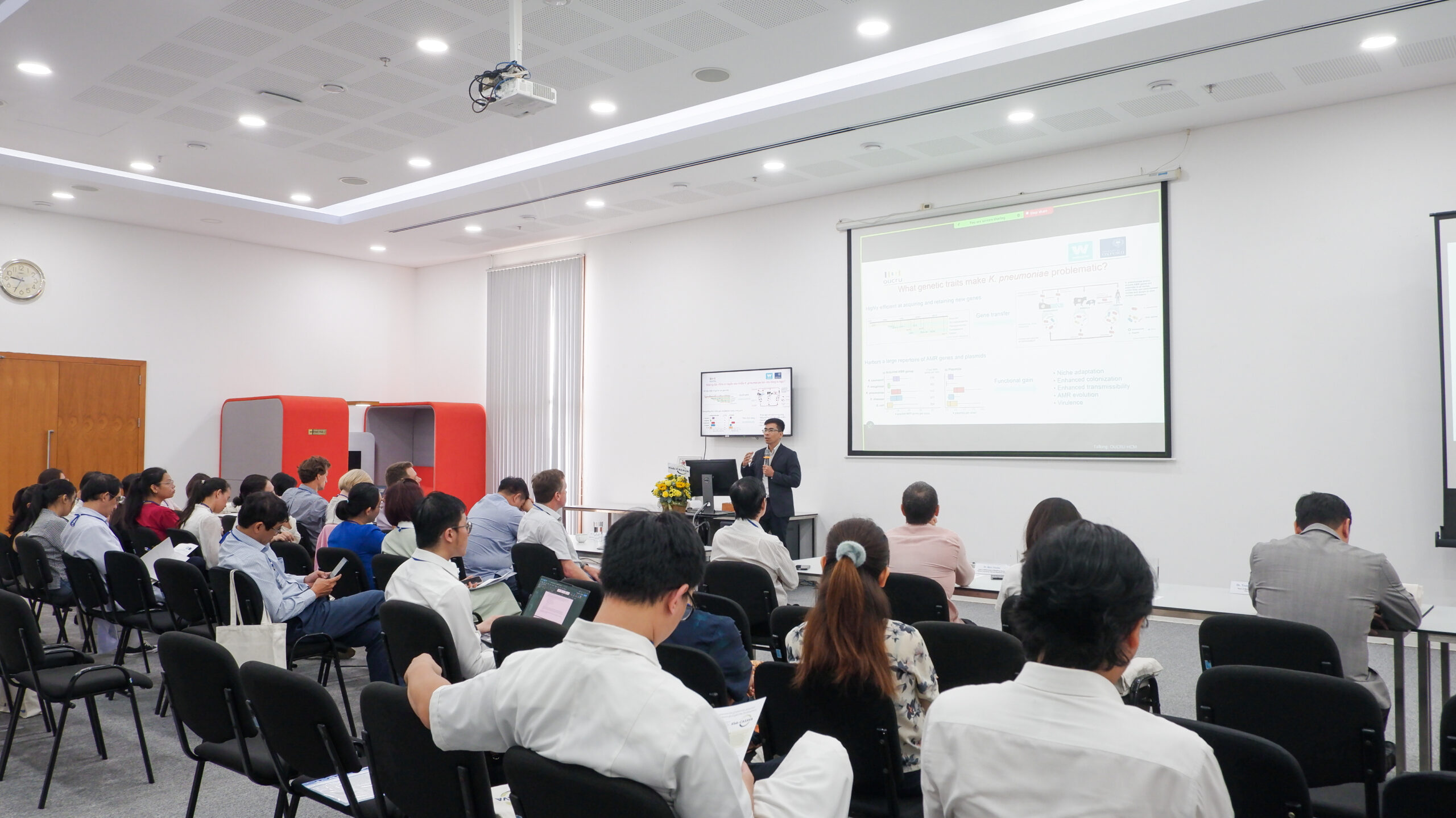
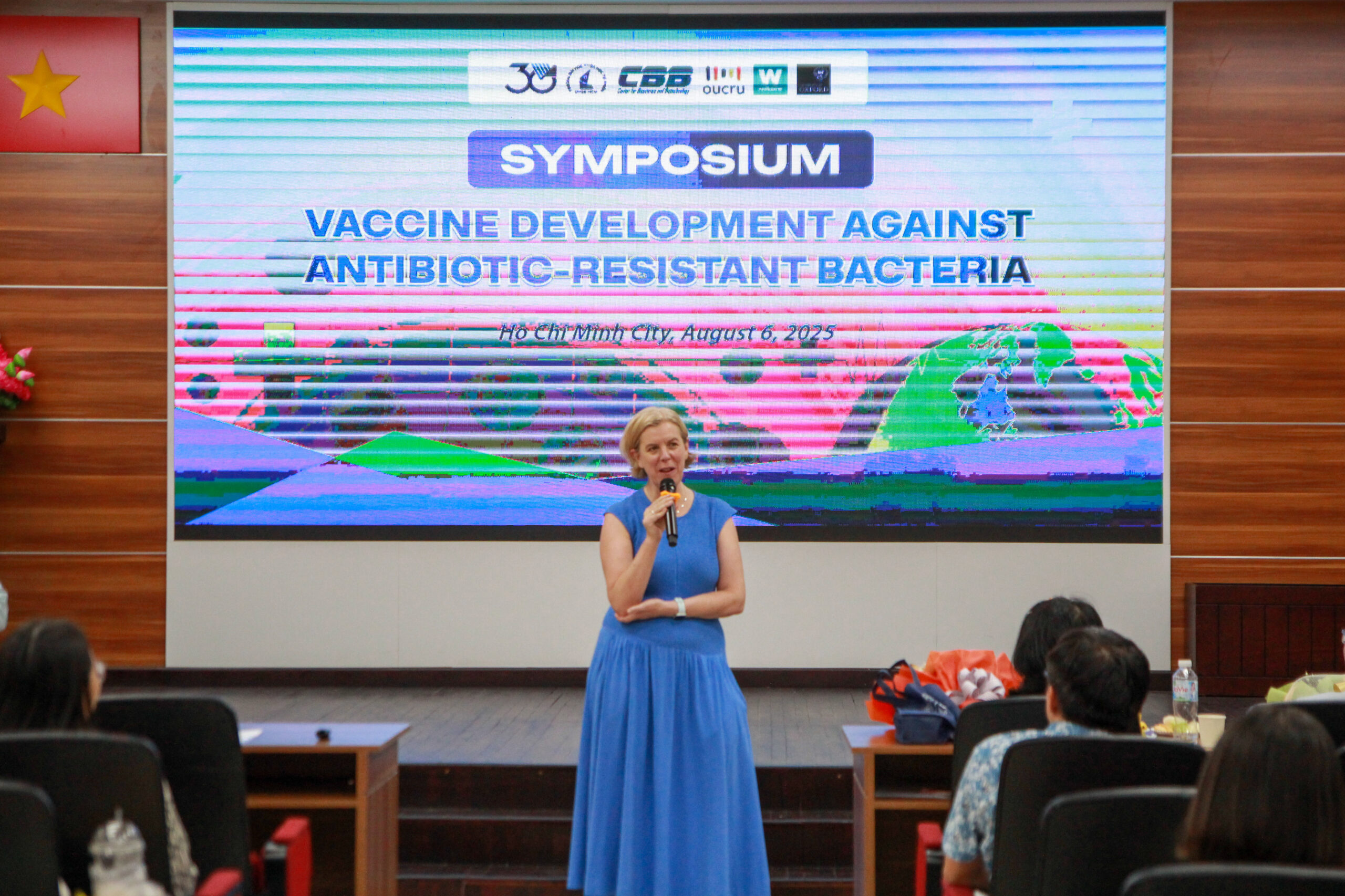
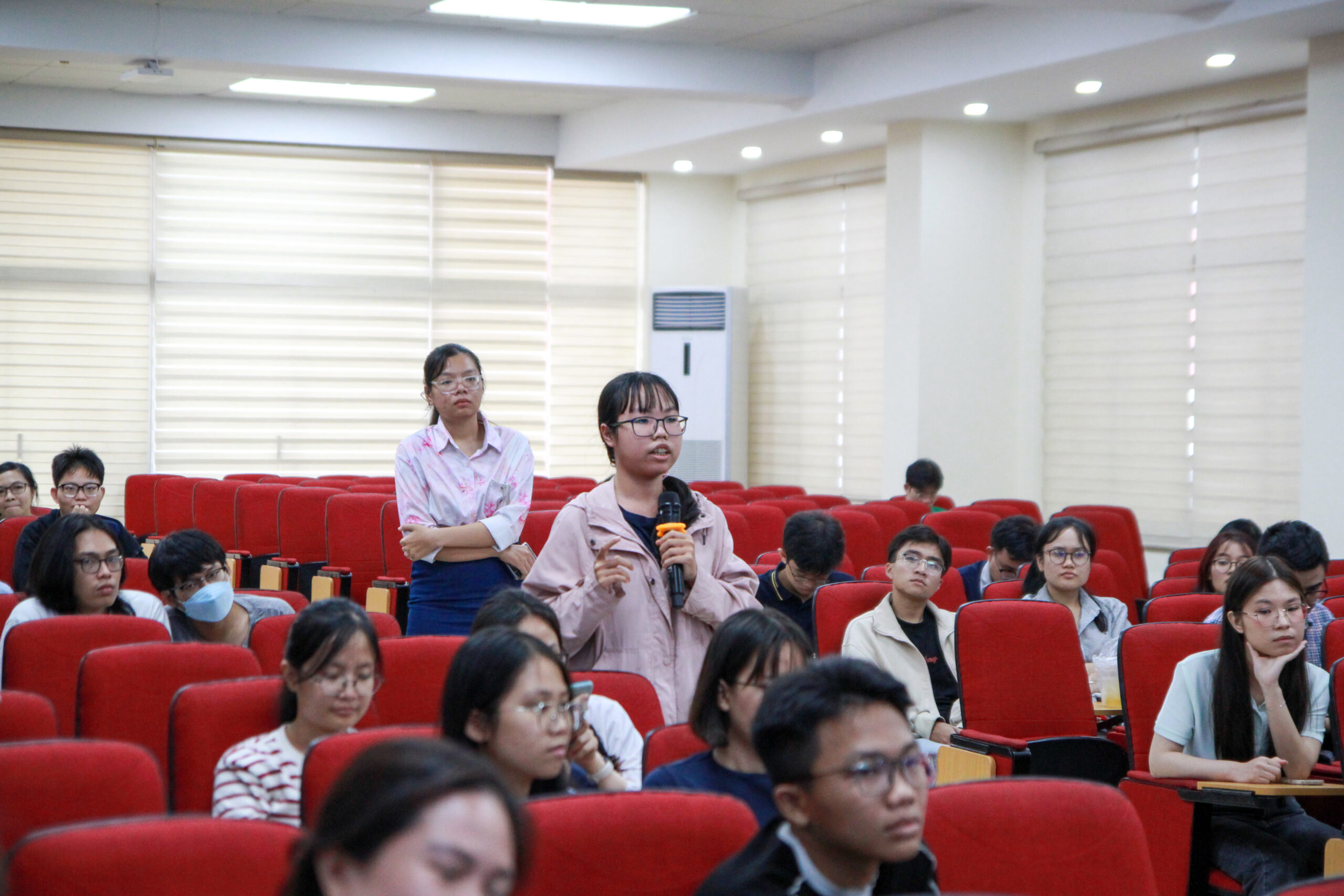
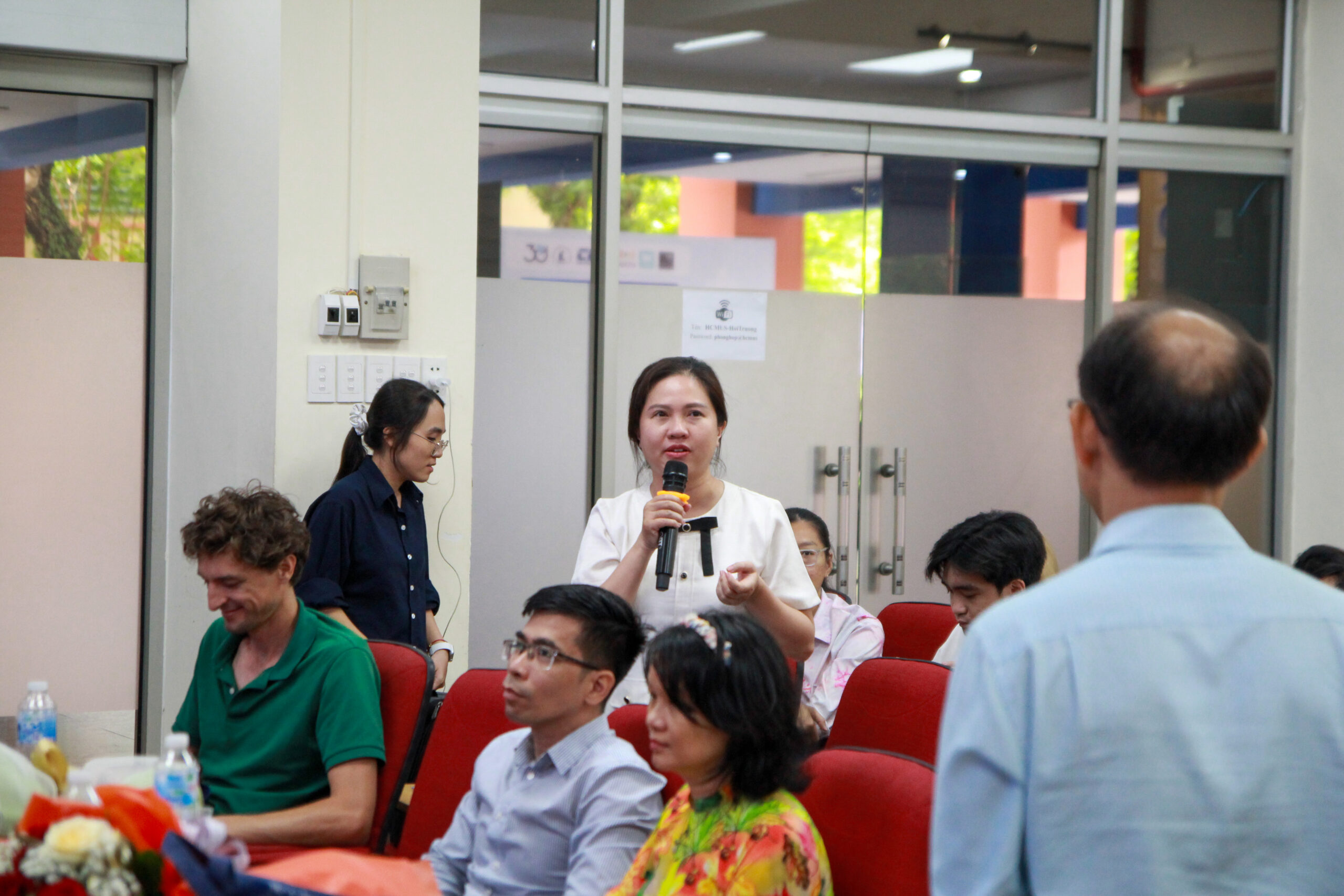
    The second day featured a public symposium on â€œVaccine Development Against Antibiotic-Resistant Bacteria” at the VNUHCM–University of Science, hosted jointly by the Center for Bioscience & Biotechnology (CBB) and OUCRU.

    The symposium fostered scientific exchange and introduced the project’s goals to a wider research and public health audience, with discussions focused on accelerating vaccine research for antibiotic-resistant bacteria.

    Kleb-CASAVA will run multi-site hospital and community studies in Ho Chi Minh City and Ha Noi, investigate immune responses to K. pneumoniae, and share results with policymakers to guide treatment and prevention. All research findings will be disseminated widely through publications, conferences, and stakeholder engagement to strengthen Viet Nam’s role in tackling antimicrobial resistance and contribute to global strategies.

  • Indonesia Akan Menggelar Uji Vaksinasi Malaria Dwispesies Pertama di Dunia

    Indonesia Akan Menggelar Uji Vaksinasi Malaria Dwispesies Pertama di Dunia

    OUCRU Indonesia sedang mempersiapkan uji klinis Fase 2 untuk vaksinasi yang bisa melindungi dari dua parasit malaria yang paling umum, Plasmodium falciparum dan Plasmodium vivax. Uji coba yang akan dilakukan di Keerom, Papua, ini akan menjadi uji vaksinasi pertama pada manusia untuk dua jenis malaria sekaligus.

    Uji klinis ini menggunakan dua vaksin yang dikembangkan oleh Jenner Institute: R21 untuk P. falciparum dan Rv21 untuk P. vivax. Kedua vaksinnya akan diberikan secara bersamaan sebagai bagian dari regimen multidosis. Tujuannya adalah menghasilkan perlindungan dari kedua spesies malaria hanya dengan satu vaksinasi – capaian baru dalam pengembangan vaksin malaria.

    “Ini adalah langkah penting menuju solusi praktis bagi negara seperti Indonesia,” kata Profesor Kevin Baird, Direktur OUCRU Indonesia. “Vaksinasi yang melindungi dari malaria falciparum dan vivax akan menjadi teroboasan besar bagi Asia Pasifik yang menanggung lebih dari 80 persen beban P. vivax dunia.”

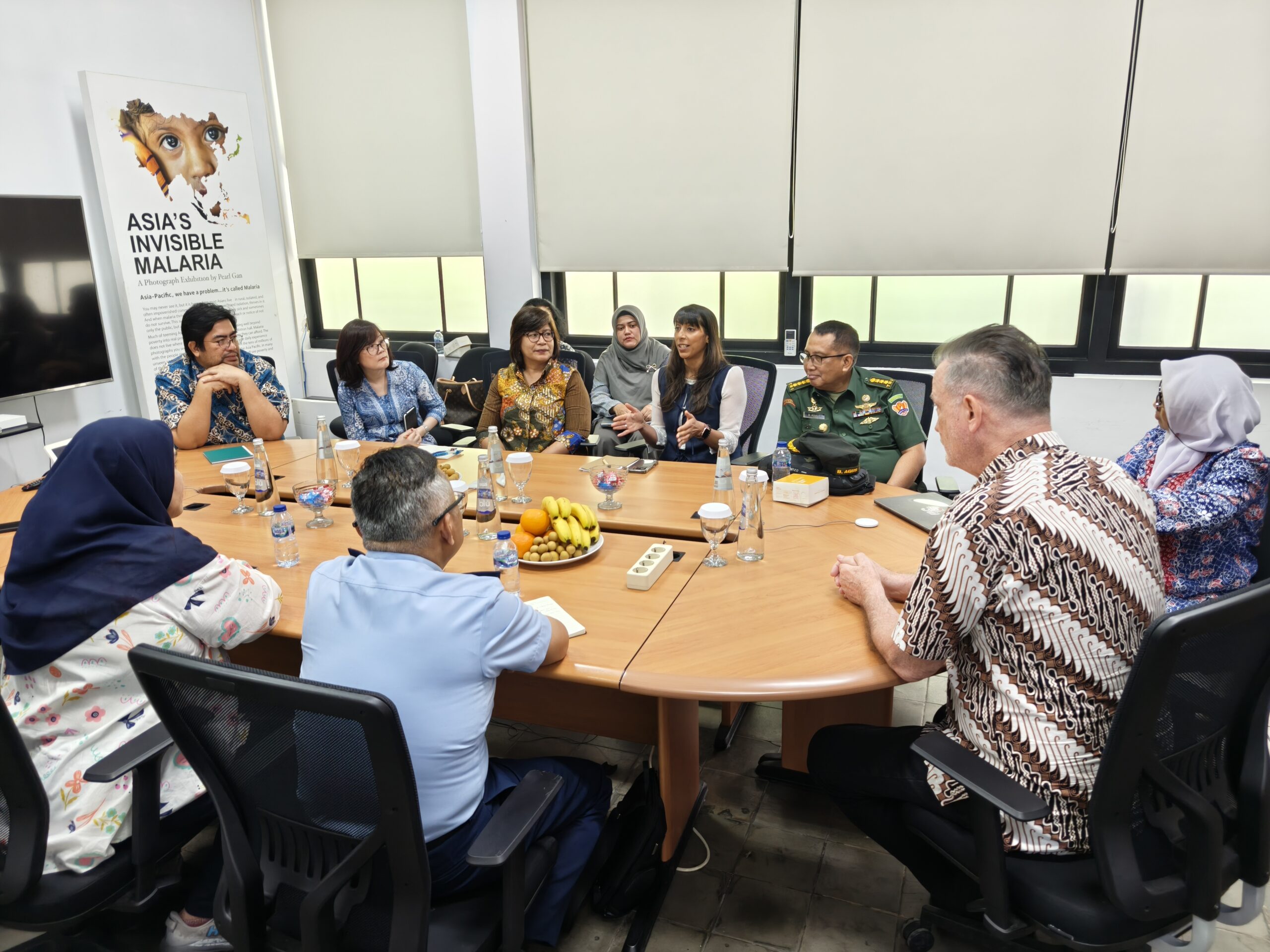
    Dr. Mehreen Datoo, peneliti utama dari Jenner Institute, mengunjungi Jakarta dan Keerom beberapa waktu lalu untuk bertemu mitra dan meninjau persiapan uji coba. Ia berperan penting dalam pengembangan R21, salah satu dari hanya dua vaksin malaria yang telah direkomendasikan WHO. Rekomendasi tersebut didasarkan pada uji coba di Afrika dan hanya menargetkan P. falciparum. Hingga kini, belum ada vaksin berlisensi untuk P. vivax.

    Dr Mehreen Datoo dari Jenner Institute bertemu dengan para mitra di Indonesia untuk bekerja sama dalam uji vaksinasi malaria dwispesies pertama di dunia.

    “Vaksin R21 sudah direkomendasikan WHO untuk digunakan pada anak-anak di Afrika, dan penting untuk mempertimbangkan perluasan penggunaannya serta di mana lagi vaksin ini bisa bermanfaat,” ujar Datoo. “Studi ini akan membantu kita memahami bagaimana kinerja vaksin pada orang dewasa di wilayah lain, sekaligus meneliti potensi perlindungan terhadap spesies malaria lain seperti P. vivax. ”

    Keerom dipilih sebagai lokasi penelitian karena tingkat kasus malarianya yang sangat tinggi. “Penyakit ini bersifat hiperendemis di wilayah tersebut, menyebabkan sakit berat dan kematian setiap tahun,” kata Baird. “Kondisi ini menjadikannya lokasi yang ideal untuk menguji performa vaksinasi dwispesies di situasi nyata.”

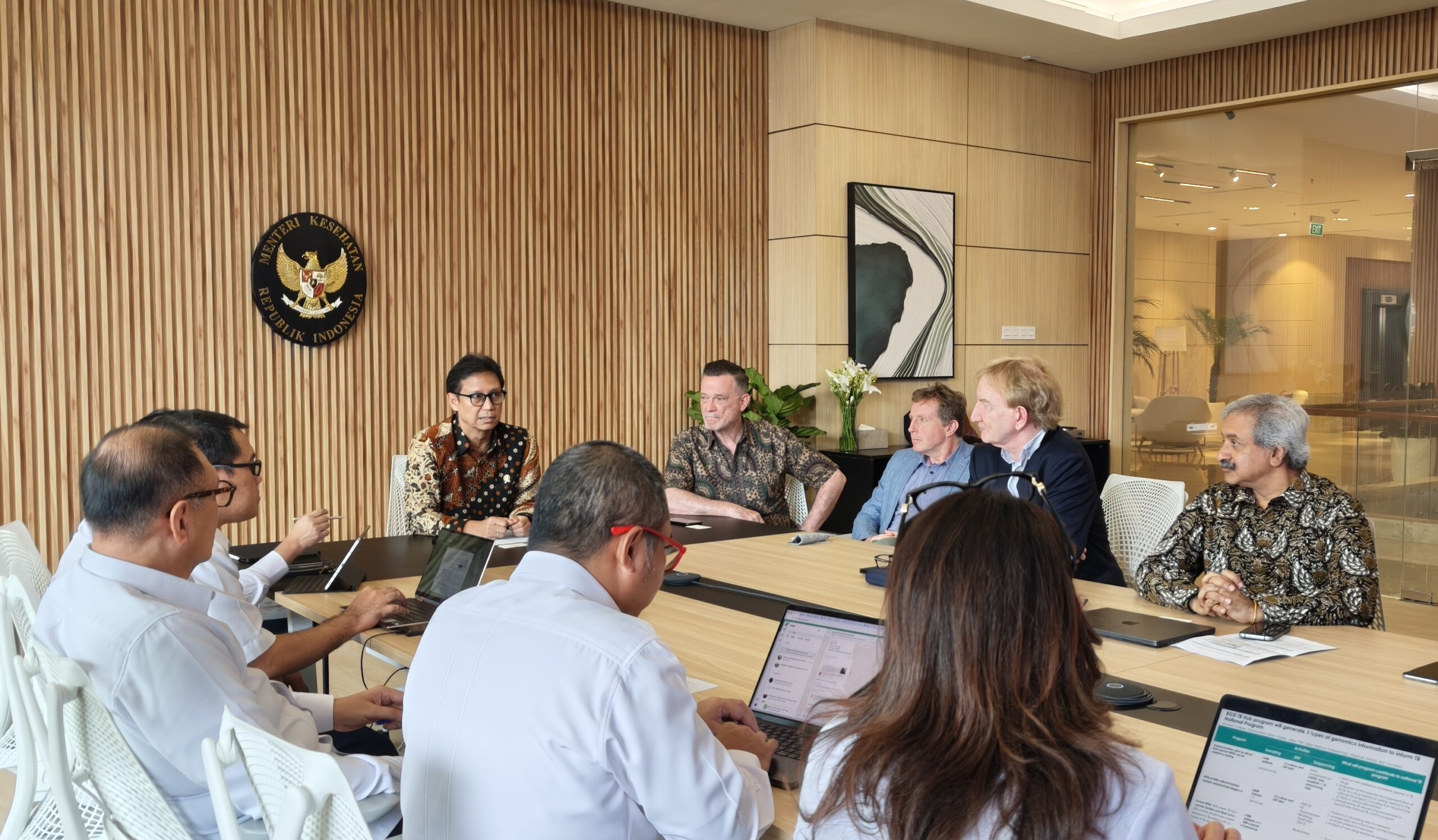
    Pada Februari lalu, Direktur Jenner Institute Profesor Adrian Hill bertemu Menteri Kesehatan Indonesia, Budi Gunadi Sadikin, untuk memaparkan perkembangan vaksin-vaksinnya secara global dan mengusulkan rencana uji coba di Indonesia

    Uji klinis Fase 2 ini direncanakan dimulai setelah uji klinis Fase 1 Rv21 di Inggris selesai, diperkirakan sekitar pertengahan 2026.

    Ini akan menjadi uji coba vaksin malaria kedua yang dilakukan OUCRU Indonesia, setelah tahun lalu menggelar studi vaksin malaria pertama di Indonesia, khususnya uji vaksin Sanaria® PfSPZ dan Sanaria® PfSPZ-CVac.

    Sebagai salah satu lembaga penelitian penyakit menular terdepan di Indonesia, OUCRU Indonesia saat ini memimpin tiga dari enam uji klinis aktif di tanah air.

  • Indonesia to Host First Dual-Species Malaria Vaccination Trial

    Indonesia to Host First Dual-Species Malaria Vaccination Trial

    OUCRU Indonesia is preparing a Phase 2 clinical trial of a malaria vaccination designed to protect against the two most widespread malaria parasites, Plasmodium falciparum and Plasmodium vivax. The trial, to be conducted in Keerom, Papua, will be the first to test a dual-species malaria vaccination in humans. 

    The trial will test two vaccines developed by the Jenner Institute: R21 for P. falciparum and Rv21 for P. vivax. These will be administered together as part of a multi-dose vaccination regimen. The long-term goal is to deliver protection against both species in a single vaccination, which would be a first in malaria vaccine development. 

    “This is an important step toward a practical solution for countries like Indonesia,” said Professor Kevin Baird, Director of OUCRU Indonesia. “A vaccination that protects against both falciparum and vivax malaria would be game-changing for the Asia-Pacific, where more than 80 percent of the global P. vivax burden is concentrated.” 

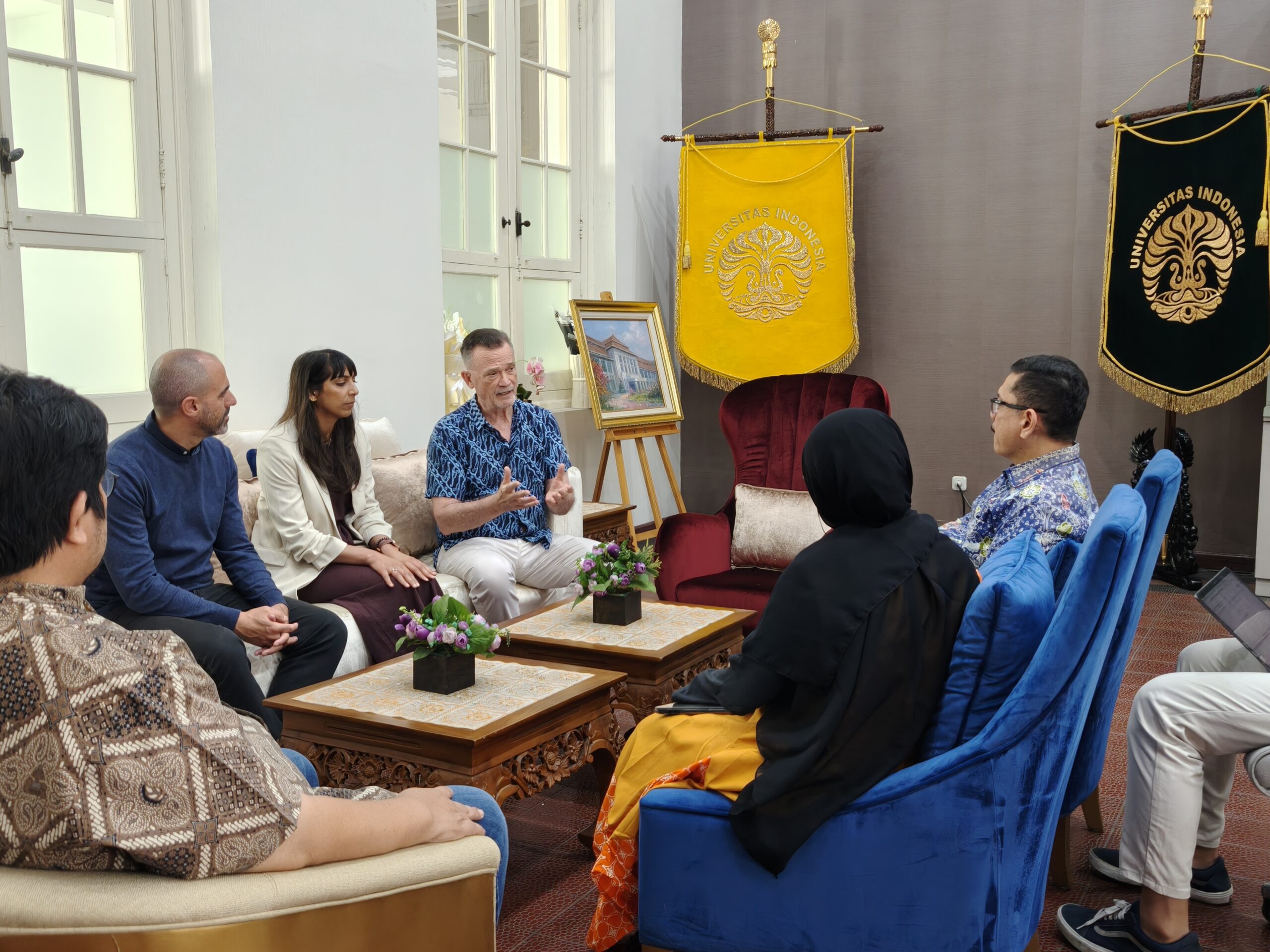
    Dr Mehreen Datoo, a lead researcher from the Jenner Institute, visited Jakarta and Keerom last month to meet partners and review preparations for the upcoming trial. She has played a key role in the development of R21, one of only two malaria vaccines recommended by the WHO. That recommendation is based on trials conducted in Africa and targets only P. falciparum. There is still no licensed vaccine for P. vivax.

    Dr Mehreen Datoo meets with partners in Indonesia to collaborate on the world’s first dual-species malaria vaccination trial in June 2025.

    “The R21 vaccine is already recommended by the WHO for use in children in Africa and it is important to think about extending this recommendation and where else it can be of benefit,”  said Datoo. “This study will help us understand how the vaccine performs in adults in other regions, as well as explore protection against other malaria species such as P. vivax. ” 

    Keerom was selected as the study site due to its extraordinarily high malaria incidence. “The disease is hyperendemic in the region, causing severe illness and deaths every year,” said Baird. “This makes it an ideal setting to study how a dual-species vaccination performs in real-world conditions.” 

    In February, Jenner Institute Director Professor Adrian Hill met with Indonesia’s Health Minister Budi Gunadi Sadikin to present the vaccine’s global progress and propose plans for its evaluation in Indonesia. 

    This phase 2 trial is planned to begin after the Rv21 Phase 1 trial in the UK concludes, expected around mid-2026. 

    This will be OUCRU Indonesia’s second malaria vaccine trial, following its work last year on Indonesia’s first-ever malaria vaccine study, which tested Sanaria® PfSPZ and Sanaria® PfSPZ-CVac. 

    As one of Indonesia’s leading research organizations on infectious diseases, OUCRU Indonesia currently leads three of the six active clinical trials in the country. 

  • OUCRU scientists awarded professorship by University of Oxford 

    OUCRU scientists awarded professorship by University of Oxford 

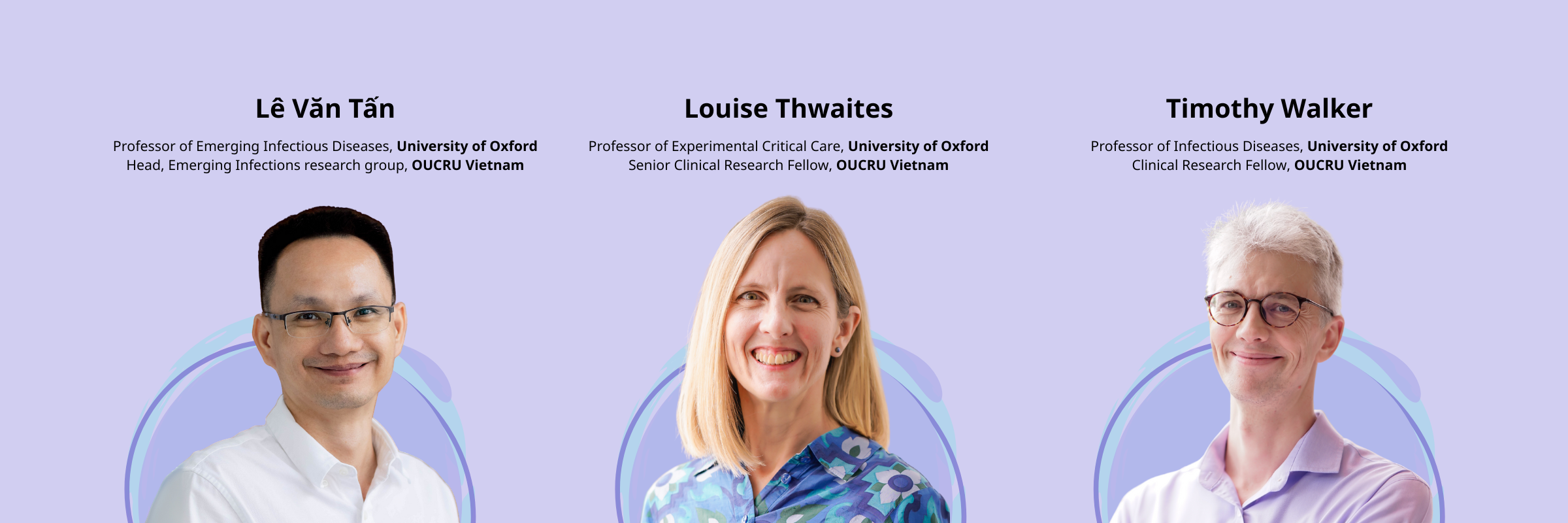
    Professor Lê Văn Tấn, Professor of Emerging Infectious Diseases, leads the Emerging Infections research group at OUCRU Vietnam. He has worked at the frontline of many emerging infectious diseases, including COVID-19, mpox, H5N1, and Hand Foot and Mouth Disease. Having benefited from Wellcome’s and Oxford’s long-term investments in Asia, He is committed to promoting the local science, capacity building and global heath. His long-term vision is to build sustainable expertise in Vietnam, Indonesia, Nepal and the wider region so that on-going and future emerging infectious disease challenges can be addressed from within the affected regions and communities.   

    In response to his new title, Professor Tấn stated, ‘Science requires teamwork. Therefore, I am very grateful to the contributions and support from my amazing Emerging Infections group, OUCRU, Oxford, the Hospital for Tropical Diseases, collaborators and the funders.’

    ***

    Professor Louise Thwaites, Professor of Experimental Critical Care, is a Senior Clinical Research Fellow at OUCRU Vietnam. Her research centres on improving the care of critically ill patients in resource-limited settings, with a particular focus on tetanus, sepsis, and hospital-acquired infections. This includes practice defining clinical trials and, more recently, the Vietnam ICU Translational Applications Laboratory (VITAL) project, which developed innovative and low-cost technologies to improve the diagnosis and treatment of these infectious diseases. Building on this work, she currently leads a team awarded a multi-million-dollar Discovery Award from the Wellcome Trust to develop artificial intelligence tools to advance pneumonia research and care.  

    Commenting on her new title, Professor Louise said, ‘This is a great honour for me and I am very grateful to all those in Oxford and OUCRU who have supported me throughout my career. I am very fortunate to be part of a dynamic and dedicated team and surrounded by so many inspirational people.’

    ***

    Professor Timothy Walker, Professor of Infectious Diseases, is a Clinical Research Fellow in the Tuberculosis research group, OUCRU Vietnam. He has been conducting observational studies on tuberculosis (TB) in Ho Chi Minh City, Vietnam, to understand how we could best preserve the efficacy of first-line TB treatment regimens. His research integrates pathogen whole-genome sequencing and pharmacogenomic analysis to better understand the transmission dynamics and emergence of multi-drug resistant TB (MDR-TB). His work informs the development of more accurate diagnostic tools, optimised drug dosing strategies, and targeted public health interventions to help sustain the global effectiveness of TB control efforts. 

    Professor Timothy said, ‘I am very grateful for the huge support of the team, the unit and the department through my time at OUCRU and my work in Oxford before that. It’s a privilege to work with such bright, committed and interesting colleagues.’