Blog

  • What I learned as a UK clinical intern at OUCRU Vietnam: infectious diseases and the realities of vaccine inequality 

    What I learned as a UK clinical intern at OUCRU Vietnam: infectious diseases and the realities of vaccine inequality 

    In the UK, final-year medical students have the opportunity to complete one of their placements anywhere in the world – I was lucky enough to get accepted into the clinical internship programme in Infectious Diseases at OUCRU and had the best time! 

    Why OUCRU? 

    Spending my medical elective at OUCRU was the right decision for me. Throughout university, I’ve always had an interest in infectious diseases, but I found the scope of practice within the UK to be limited, and opportunities to take a placement in infectious diseases are also rare.

    So, when it came time to plan my elective, it was a no-brainer. I was set on travelling to Southeast Asia, as I had never been before and was drawn to the region’s rich culture and vibrant sights.

    It was almost by chance that I came across the clinical internship at OUCRU, and I jumped at the opportunity to apply. The idea of spending six weeks in Ho Chi Minh City kept me motivated throughout my final exams, and I can confidently say it lived up to all my expectations and more.

    Inside the wards: complex infections and the global realities of vaccine access 

    Upon arriving at OUCRU, I had an induction where I met Dr Leigh Jones, Regional Academic Training Leader at OUCRU & MORU, and Dr Joseph Donovan for the first time. They introduced us to the many friendly faces in the research teams, and we immediately felt welcomed into the team.

    Three times a week, we could attend ward rounds on Central Nervous System (CNS) infections at the Viet Anh ward, the Hospital for Tropical Diseases (HTD, the host institute of OUCRU), with Dr Joseph. On the other days, we were free to organise meetings and ward rounds with other teams, and we received all the contact information we needed.  

    The types of infections that I came across on the Viet Anh ward rounds were unlike anything I had seen in my UK placements. When clinicians discussed the intricacies of these cases, I initially felt like a fish out of water. However, Dr Joseph and the doctors at HTD always took the time to explain to us the science and reasoning behind what we were seeing, and they answered all of our questions, no matter how simple.  

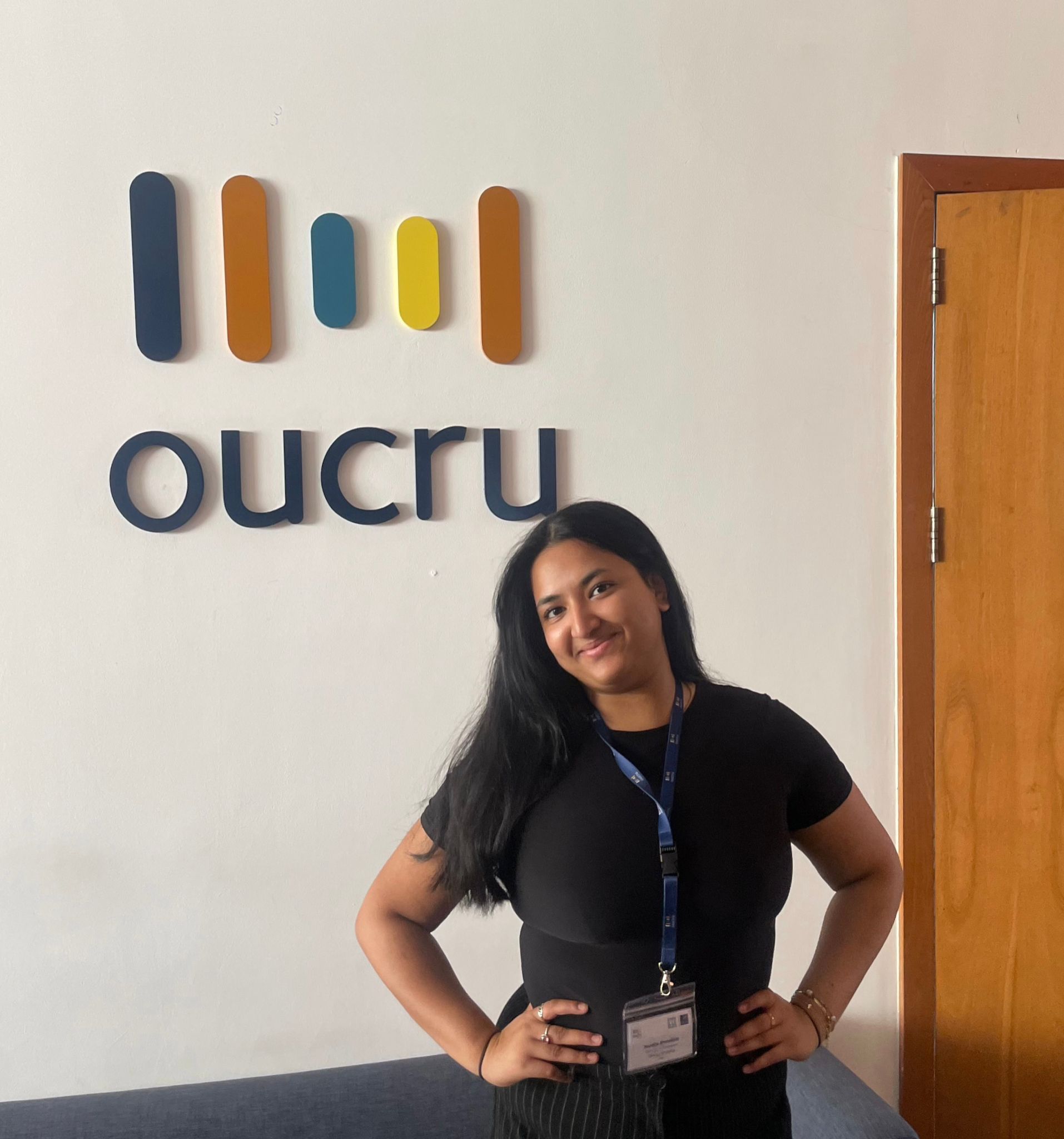
    Nandita and fellow intern Shrujal at OUCRU Ho Chi Minh

    Once a week, we visited the Paediatric Intensive Care Unit (PICU) or Intensive Care Unit (ICU), where one of the ward doctors kindly guided us through the patients and explained their cases. It was deeply upsetting to see patients, from as young as a week old to those in their eighties, struggling with conditions such as tetanus or measles.  

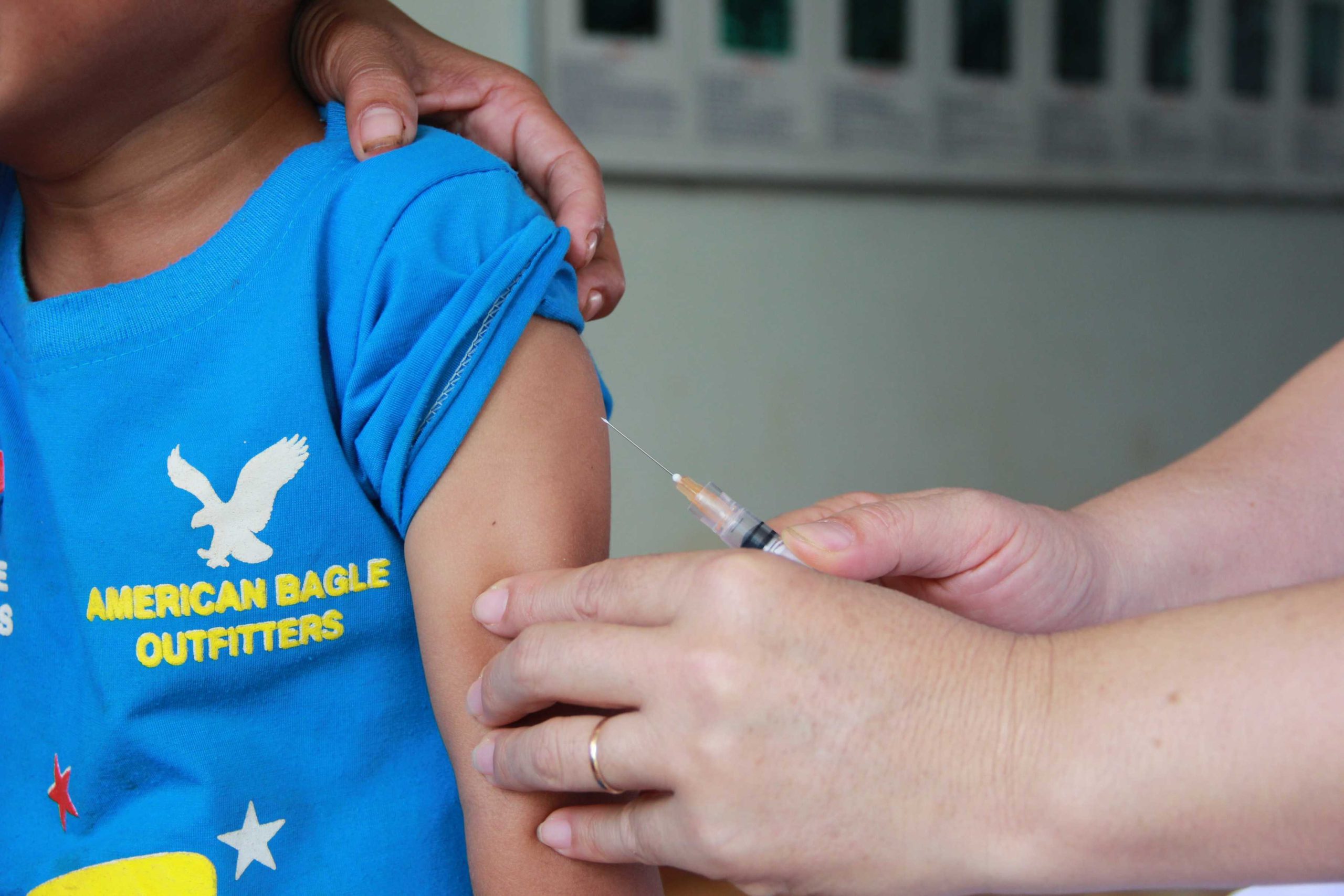
    The doctors at OUCRU explained the challenges of vaccine accessibility in rural provinces, and how many people who are eager to be vaccinated simply don’t have access. 

    In the UK, I have never come across a patient with tetanus on the wards, as the national vaccine programme is highly accessible. Seeing patients fighting for their lives with tetanus left me feeling frustrated by the rising anti-vaccine movement in the West. 

    Of all the clinical experiences I gained during my time at OUCRU, witnessing the devastating impact of vaccine-preventable diseases on patients is what will stay with me the most, and will likely have the greatest influence on my future practice.

    Nandita Shenolikar, Clinical Intern

    Dr Leigh Jones also invited us to join her workshop for PhD students on the basics of scientific writing. It helped me build confidence in writing a good manuscript and gave me a better understanding of the research publication landscape. It was an incredible opportunity to meet the PhD students at OUCRU and hear about the interesting and varied projects they were working on. 

    At lunchtime, the PhD students would also give us a crash course on traditional Vietnamese food and snacks, which was very useful knowledge to have when going out to eat! 

    Exploring Vietnam: friendships, food, and weekend adventures 

    Outside of placement, I spent time exploring the city and met amazing people from all over the world, many of whom I’m still in contact with to this day! Even though I came to my elective alone, I left having made friends from OUCRU and my accommodation, so I never felt alone.

    I also had the chance to take weekend trips to other parts in the south, such as the Mekong Delta and Vung Tau, and during my final weeks in Vietnam, I travelled to Hanoi and Hoi An. 

    Ho Chi Minh City has a piece of my heart, and I’m already counting down the days until I can visit again. From the amazing variety of food from banh mi to bun bo hue, and the rich culture I managed to experience through events such as King’s Day and the 50th Anniversary of Reunification Day, my elective has truly been one of the best periods of my life so far.   

    I am incredibly grateful to OUCRU for giving me the opportunity to undertake my elective placement at their facility. For any medical students interested in working abroad in infectious diseases or visiting this prestigious institution, I couldn’t recommend it more.  

    Nandita Shenolikar is a final-year medical student from the University of Birmingham, United Kingdom (UK). She completed her clinical internship at OUCRU Ho Chi Minh City in April 2025.

    OUCRU provides Vietnamese and international students with the opportunity to experience our unique research environment first-hand, through Clinical and Research internships. Learn more.
  • Policy in action: A Princeton student’s internship at OUCRU Vietnam  

    Policy in action: A Princeton student’s internship at OUCRU Vietnam  


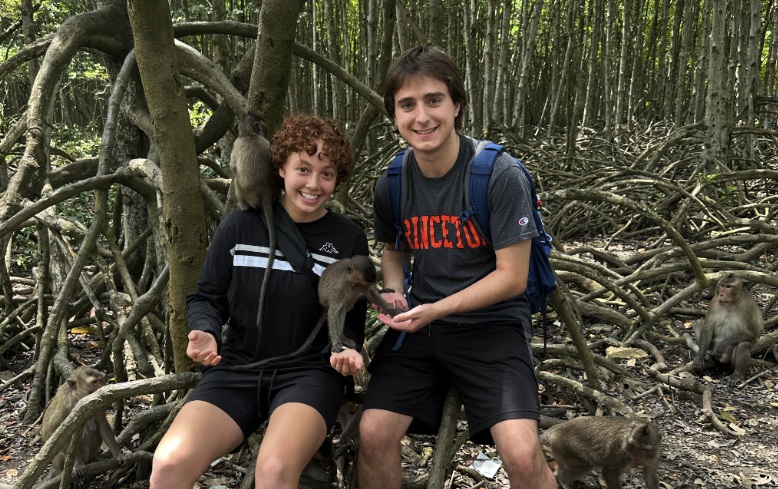
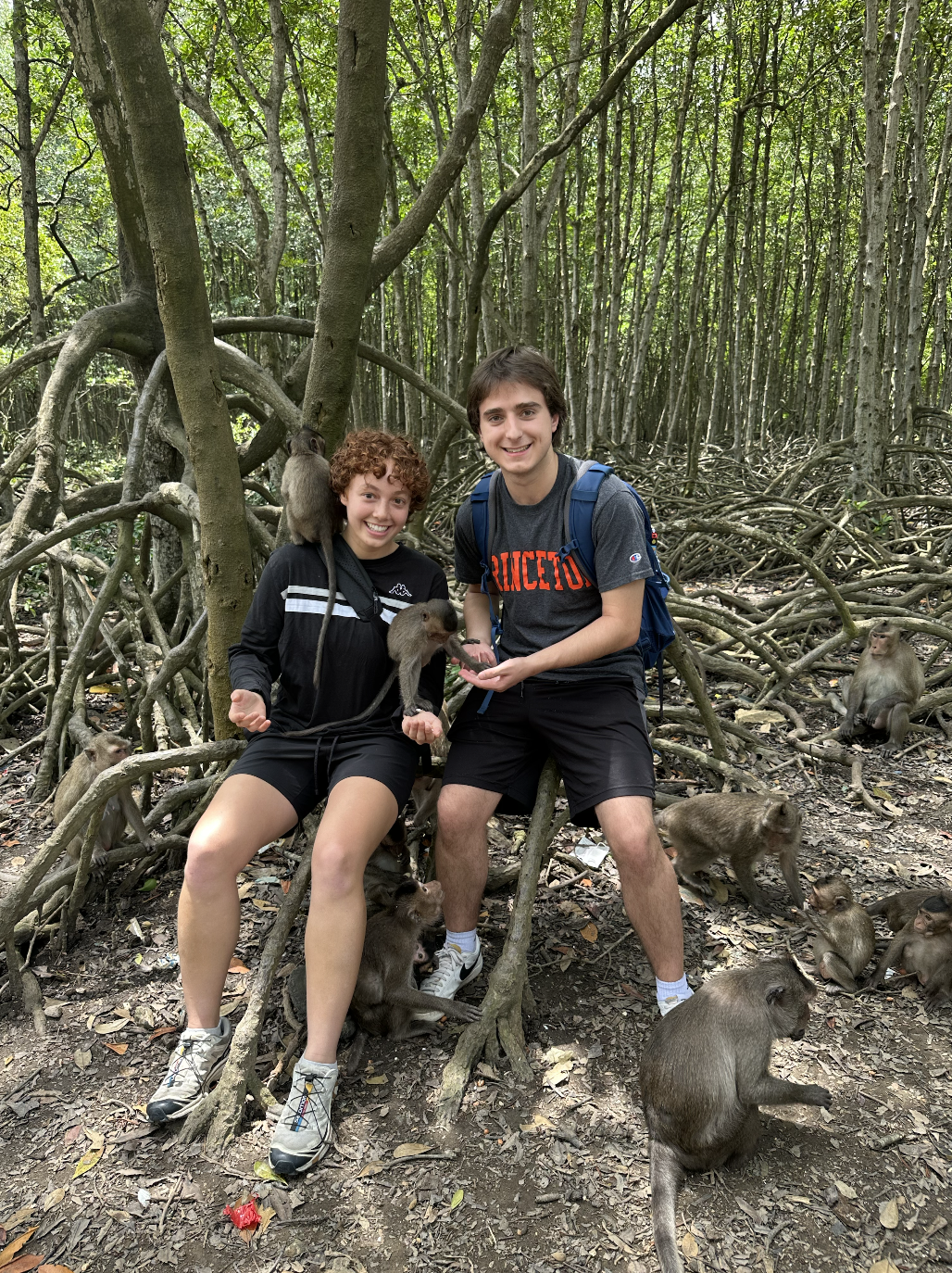
    Alayshja and fellow Princeton intern Alexander Steele at the Can Gio Mangrove Forest

    Exploring policy engagement in global health  

    At OUCRU, I worked on an internal review, interviewing researchers to evaluate how the organization engages with policy stakeholders. The objective was to better understand the current efforts, identify key challenges and facilitators, and propose relevant recommendations to strengthen policy engagement in Vietnam and beyond. 

    Using NVIVO to analyze these interviews, the findings will help guide the team’s future direction and enhance OUCRU’s policy engagement strategies across the programme.

    Through this study, I gained valuable insight into the policy-making process in Vietnam and broadened my knowledge of the infectious diseases that OUCRU addresses. I also learned about Vietnam’s policy environment and the importance of strategic communication in advancing the right to health.    

    Why OUCRU? 

    My academic background doesn’t lie in medicine or science, but rather in policy and human rights. Still, I’ve always believed that the right to health is one of the most fundamental human rights. That belief led me to OUCRU, a place where I could see how health research and policy intersect in real time.  

    OUCRU Vietnam was the ideal internship host. With strong institutional ties to government and public health agencies, OUCRU has many major impacts on public health policy in Vietnam.

    Additionally, at such a high-caliber clinical research unit, I was able to learn daily from leading researchers conducting impactful studies to combat infectious diseases in Southeast Asia. 

    Living and learning in Vietnam  

    Outside of my professional experience, I have also experienced immense personal growth during my time in Vietnam. During my stay, I immersed myself in Saigonese culture and explored southern and central Vietnam on weekends.  

    One of the biggest surprises for me was the exceptional hospitality of the people. My coworkers were always eager to give me a local recommendation, have lunch with me, and even ask about my most recent trips. I encountered this welcoming environment during all my weekend explorations throughout the country as well. Every place I traveled to was full of kind locals who greeted me with a smile, offered me a place to sit to avoid the intense rain or heat, and even let me sample some of their food before I bought it.   

    During my time here, OUCRU provided invaluable experiences—both through formal interviews and informal cross-cultural conversations in the coffee room. My time here has also impacted my professional trajectory and confirmed my desire to enter into an international human right focused career.  

    Riding a water buffalo in the Há»™i An countryside with a local farmer

    Acknowledgments  

    I am thankful to the Policy Engagement Team – Katrina Lawson, Ngô Phan Bảo Trân, and Nguyá»…n Thị Hồng for supervising my project and supporting me the whole way through. I also want to say thank you to the Grants and Communications Team for being my home base here at OUCRU and constantly providing support for various personal and professional matters during my internship. Finally, I would like to thank everyone whom I interviewed for the internal survey, as they made the project come to fruition. 

    Alayshja Bable is currently pursuing a Bachelor’s degree in Public Policy and International Affairs, as well as a minor in Values and Public Life at Princeton University, United States. She joined OUCRU as a Policy Engagement Intern in 2025 through the Internship in Global Health, sponsored by Princeton’s Center for Health and Wellbeing. 

    OUCRU provides Vietnamese and international students with the opportunity to experience our unique research environment first-hand, through Clinical and Research internships. Learn more.

  • Share your knowledge & experience with us and the healthcare professional community

    Share your knowledge & experience with us and the healthcare professional community

    As a part of the collaboration between OUCRU, Kenya Medical Research Institute (KEMRI) and The Global Health Network (TGHN), CONNECT was founded with the goal of building a support network, provide equitable access to professional development opportunities and learning materials, tailouring for healthcare workers.

    Acknowledge that Vietnam has a unique health industry context of challenging working environment with limited resources, CONNECT has developed a dedicated page, focusing on sharing knowledge, training materials, and practical experiences for healthcare workers and the research community in different health settings in Vietnam. Our objective is to build an open resource and platform that helps healthcare professionals improve communication skills, soft skills, effective patient care, and sustainable professional development.

    We would like to invite you to contribute articles or share experiences to our network:

    Example topics

    • Experience in communicating with colleagues, managers, patients and their families
    • Management skills and teamwork in healthcare facilities
    • Medical ethics practice, handling sensitive situations
    • Mental health care
    • Technology applications in healthcare
    • Lessons learned and stories from medical practice

    Format

    Short articles (500-1,000 words) with images or short videos (optional).

    Benefits

    • Articles will be edited and published on the CONNECT platform.
    • English articles approved by TGHN will be assigned a DOI (Digital Object Identifier)
    • Authors will be credited with their name and affiliated institution, promoting a professional image.
    • Outstanding works may be cited in communications materials, conferences, or training activities.

    How to submit

    • Send articles via email connect@oucru.org
    • Email subject: Article contribution for CONNECT – [Author Name]

    We look forward to your participation. Together, we can build an open, practical, and useful learning community for Vietnamese healthcare professionals.

    CONNECT Vietnam Editorial Team

  • Thư mời viết bài cá»™ng tác cho chuyên trang CONNECT

    Thư mời viết bài cộng tác cho chuyên trang CONNECT

    CONNECT là dự án hợp tác giữa OUCRU, Viện Nghiên cứu Y khoa Kenya (KEMRI) và Mạng lưới Y tế toàn cầu (The Global Health Network, TGHN). Mục tiêu của CONNECT là xây dựng mạng lưới hỗ trợ đồng nghiệp, tiếp cận công bằng với các cơ hội phát triển chuyên môn và tài liệu học tập, đồng thời nâng cao sức khỏe tinh thần cho nhân viên y tế đang làm việc trong môi trường đầy thử thách.

    Tại Việt Nam, một phiên bản riêng của CONNECT được xây dựng nhằm chia sẻ kiến thức, tài liệu đào tạo và kinh nghiệm thực tiễn dành cho nhân viên y tế và cộng đồng nghiên cứu tại Việt Nam. Mục tiêu của chúng tôi là xây dựng một kho tài nguyên mở giúp nhân viên y tế nâng cao kỹ năng giao tiếp, kỹ năng mềm, chăm sóc bệnh nhân hiệu quả và phát triển chuyên môn bền vững.

    Nhằm đa dạng hoá nội dung và lan toả những câu chuyện thực tiễn, chúng tôi trân trọng mời Quý Anh/Chị đóng góp bài viết hoặc chia sẻ kinh nghiệm cho chuyên mục:

    Chủ đề gợi ý

    • Kinh nghiệm giao tiếp vá»›i đồng nghiệp, lãnh đạo, bệnh nhân và thân nhân người bệnh.
    • Kỹ năng quản lý và làm việc nhóm tại các cÆ¡ sở y tế.
    • Thá»±c hành y đức, xá»­ lý các tình huống nhạy cảm.
    • Chăm sóc sức khỏe tâm thần.
    • Ứng dụng công nghệ trong chăm sóc sức khỏe.
    • Bài học, câu chuyện nghề y đáng nhá»›.

    Hình thức

    Bài viết ngắn (500–1.000 từ), có thể kèm hình ảnh minh họa hoặc video ngắn.

    Quyền lợi

    • Các bài viết sẽ được biên tập và đăng tải trên chuyên trang CONNECT.
    • Các bài báo tiếng Anh được TGHN phê duyệt sẽ được cung cấp số DOI (Digital Object Identifier).
    • Tác giả sẽ được ghi rõ tên và đơn vị công tác, qua đó quảng bá hình ảnh chuyên nghiệp cá»§a cá nhân/tổ chức.
    • Các tác phẩm xuất sắc có thể được trích dẫn trong tài liệu truyền thông, há»™i nghị hoặc hoạt động đào tạo.

    Cách gửi bài

    • Gá»­i bài viết qua email connect@oucru.org
    • Tiêu đề email: Bài viết đóng góp cho CONNECT – [Tên tác giả]

    Chúng tôi rất mong nhận được sự quan tâm và tham gia của Quý Anh/Chị để cùng xây dựng một cộng đồng học tập mở – thực tế – hữu ích cho nhân viên y tế Việt Nam.

    Ban Biên tập CONNECT Việt Nam

  • OUCRU và Viện Chiến lược và Chính sách Y tế ký Biên bản ghi nhá»› nhằm thúc đẩy hợp tác nghiên cứu y tế

    OUCRU và Viện Chiến lược và Chính sách Y tế ký Biên bản ghi nhớ nhằm thúc đẩy hợp tác nghiên cứu y tế

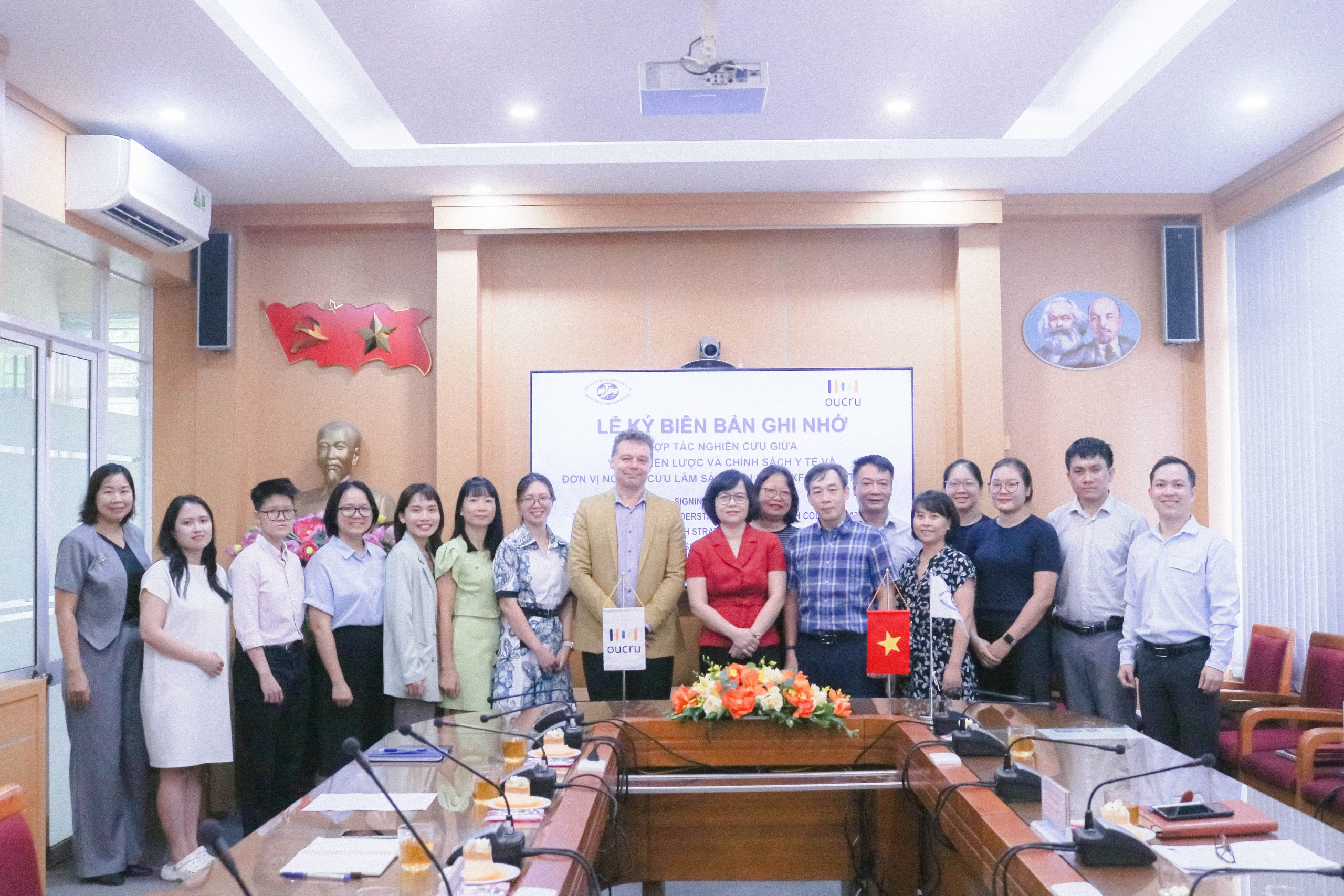
    Ngày 25 tháng 6 tại Hà Nội, Đơn vị Nghiên cứu Lâm sàng Đại học Oxford tại Hà Nội (OUCRU Hà Nội) và Viện Chiến lược và Chính sách Y tế đã tổ chức Lễ ký kết Biên bản ghi nhớ hợp tác nghiên cứu. Buổi lễ có sự tham dự của lãnh đạo hai đơn vị cùng các chuyên gia, nghiên cứu viên và cán bộ chủ chốt.

    TS Nguyễn Khánh Phương, Viện trưởng Viện Chiến lược và Chính sách Y tế phát biểu chào mừng.
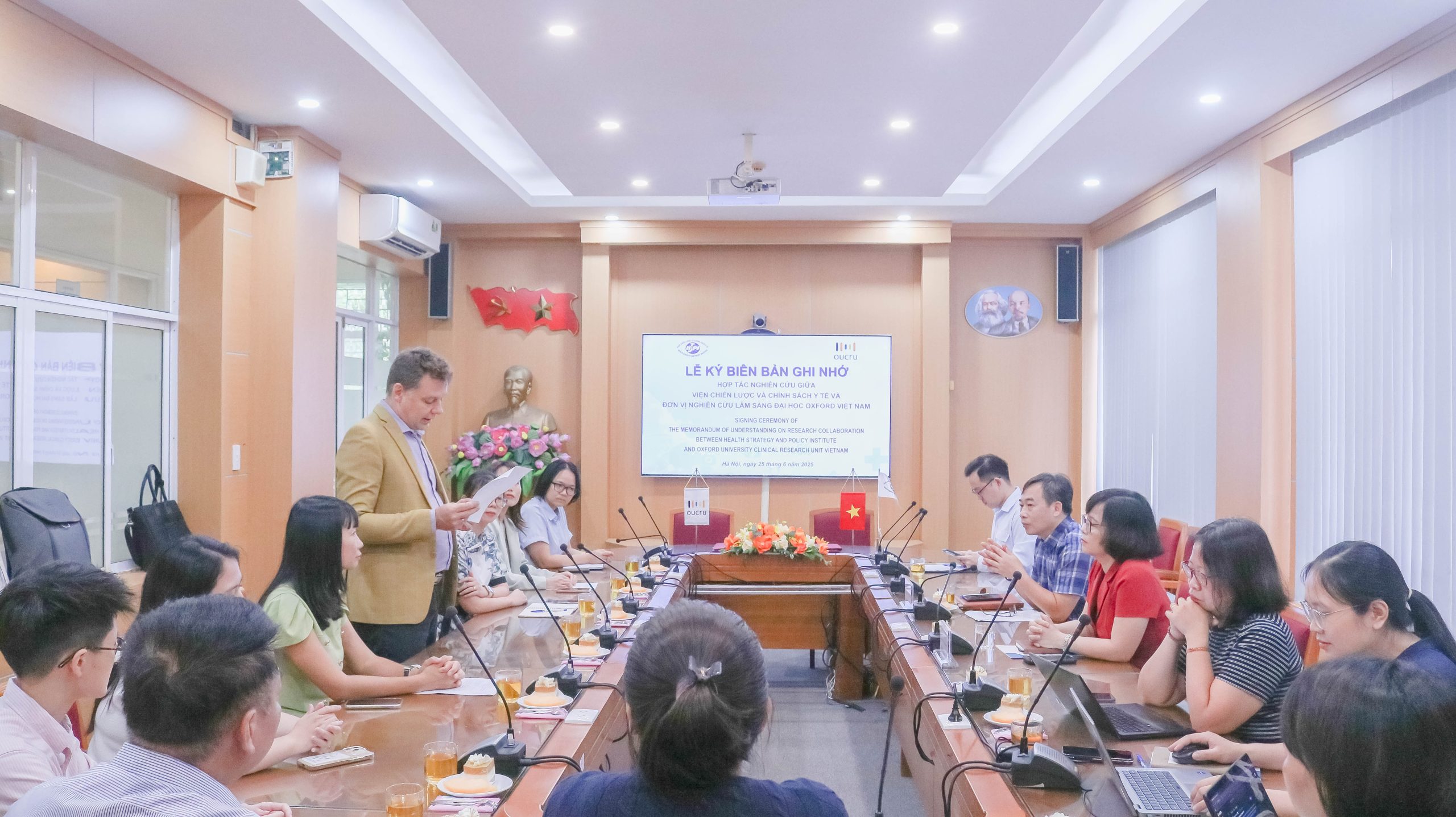
    GS. Rogier van Doorn, Giám đốc OUCRU Hà Nội, trình bày Biên bản ghi nhớ và các nội dung chính.

    Biên bản ghi nhớ nêu rõ sự hợp tác chiến lược nhằm tăng cường các hoạt động nghiên cứu khoa học, chia sẻ dữ liệu, phát triển chính sách dựa trên bằng chứng và các sáng kiến liên ngành trong lĩnh vực y tế công cộng.

    Trong bài phát biểu của mình, Giáo sư Rogier van Doorn, Giám đốc OUCRU Hà Nội và Tiến sĩ Nguyễn Khánh Phương, Viện trưởng Viện Chiến lược và Chính sách Y tế, đã bày tỏ cam kết mạnh mẽ trong việc thúc đẩy nghiên cứu có tác động hỗ trợ hệ thống chăm sóc sức khỏe của Việt Nam và góp phần cải thiện sức khỏe khu vực.

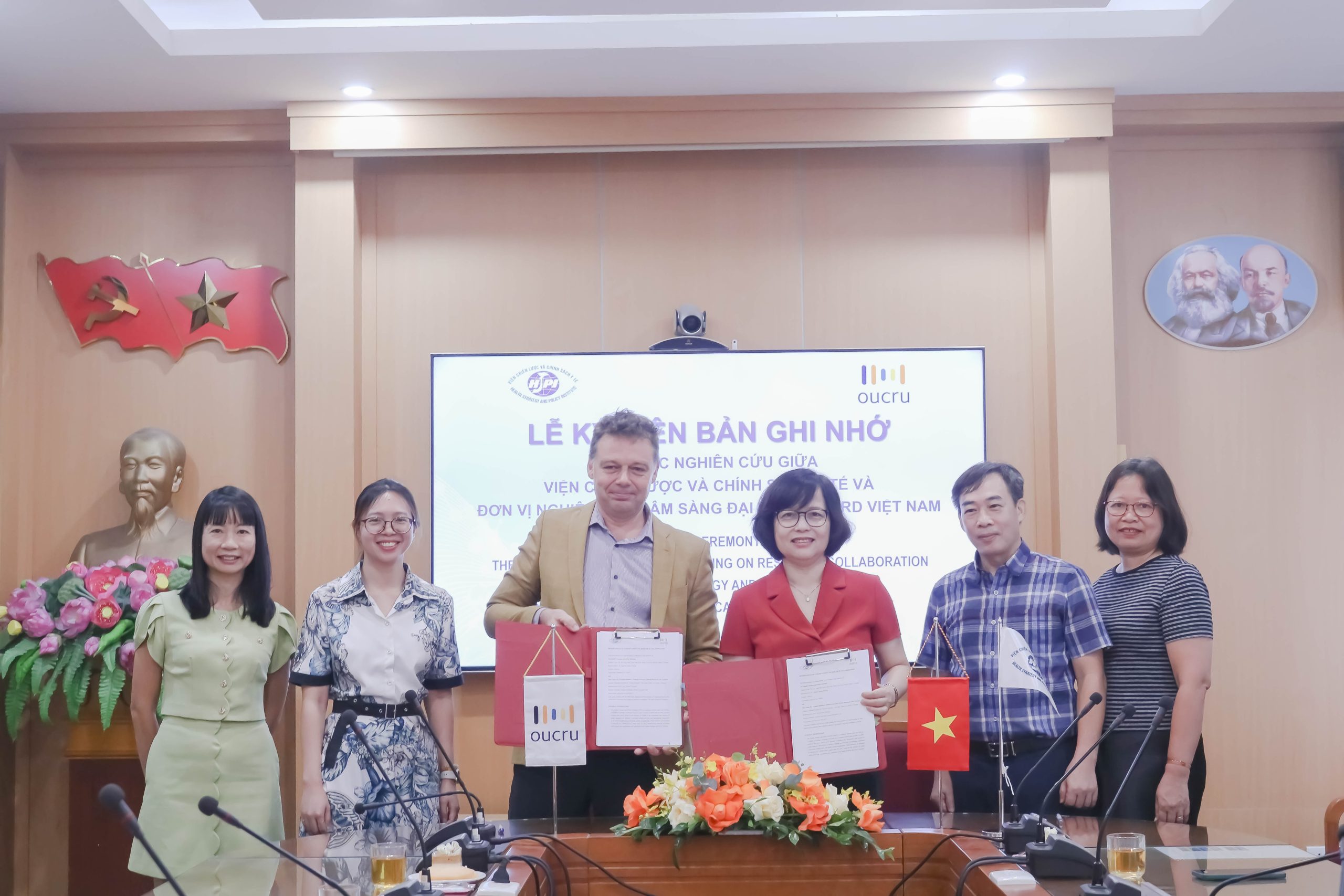
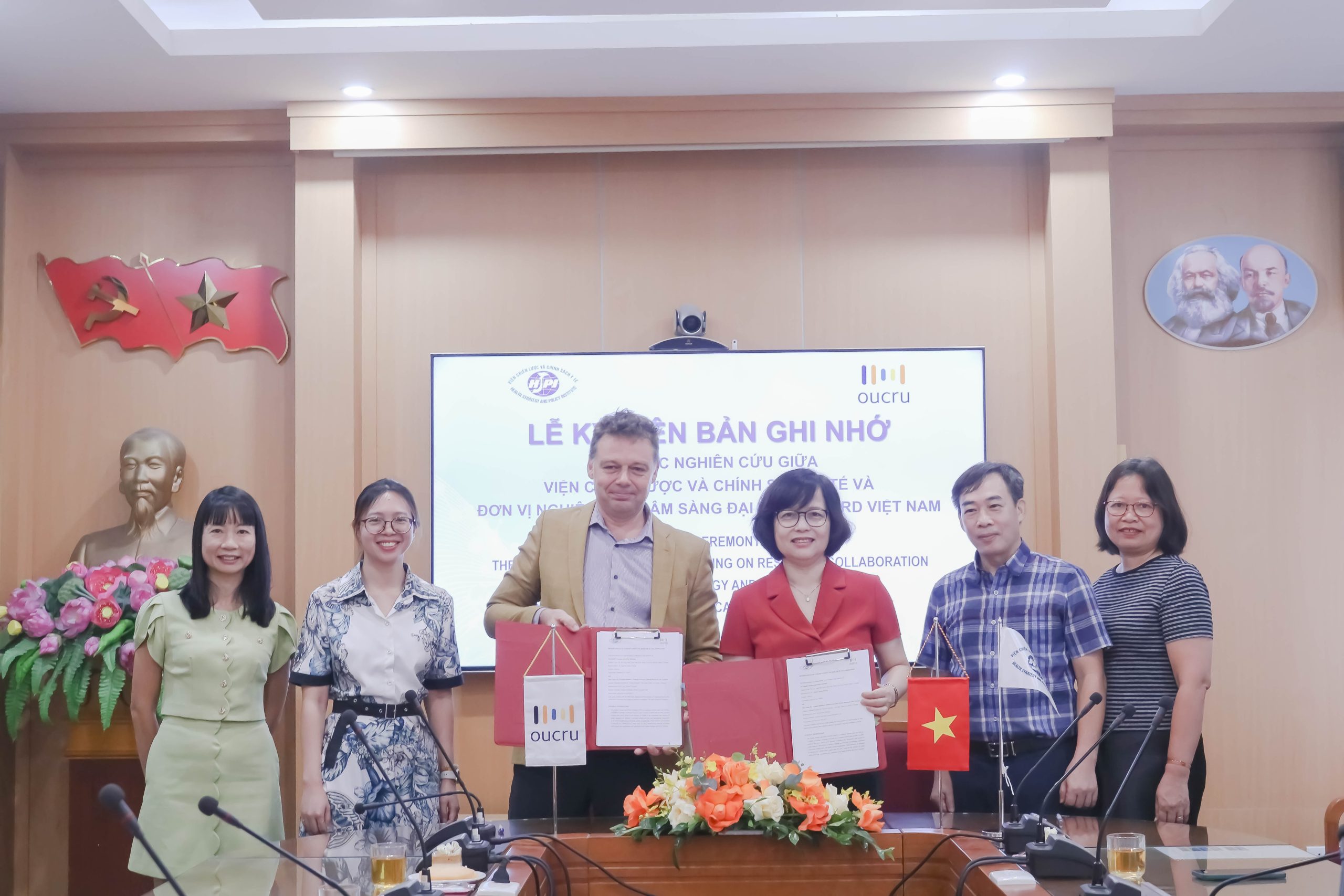
    TS. Nguyễn Khánh Phương và GS. Rogier van Doorn ký Biên bản ghi nhớ về hợp tác nghiên cứu giữa hai đơn vị.

    Sự kiện là bước khởi đầu cho một hành trình hợp tác sâu rộng, hiệu quả và bền vững giữa hai tổ chức vì mục tiêu cải thiện sức khỏe cộng đồng thông qua nghiên cứu và kết nối chính sách.

  • OUCRU and HSPI Sign Memorandum of Understanding to Advance Health Research Collaboration

    OUCRU and HSPI Sign Memorandum of Understanding to Advance Health Research Collaboration

    On 25th June, the Oxford University Clinical Research Unit in Hanoi (OUCRU Hanoi) and the Health Strategy and Policy Institute (HSPI) held a signing ceremony for a Memorandum of Understanding (MoU) to establish a research collaboration. The ceremony was attended by senior leaders, researchers, and staff from both institutions.

    Prof. Rogier van Doorn, Director of OUCRU Hanoi, presents the Memorandum of Understanding and its key contents.

    The MoU outlines a strategic collaboration to strengthen scientific research activities, data sharing, evidence-based policy development, and cross-disciplinary initiatives in public health.

    In their remarks, Professor Rogier van Doorn, Director of OUCRU Hanoi, and Dr. Nguyễn Khánh Phương, Head of HSPI, expressed their strong commitment to advancing impactful research that supports Vietnam’s healthcare system and contributes to regional health improvements.

    Dr. Nguyễn Khánh Phương and Prof. Rogier van Doorn sign the Memorandum of Understanding on research collaboration between the two institutions.

    This event marks the beginning of a promising and sustainable partnership aimed at improving public health through research and policy engagement.

  • Community discussion: What do underserved populations at risk of Hepatitis C Virus need the most?

    Community discussion: What do underserved populations at risk of Hepatitis C Virus need the most?

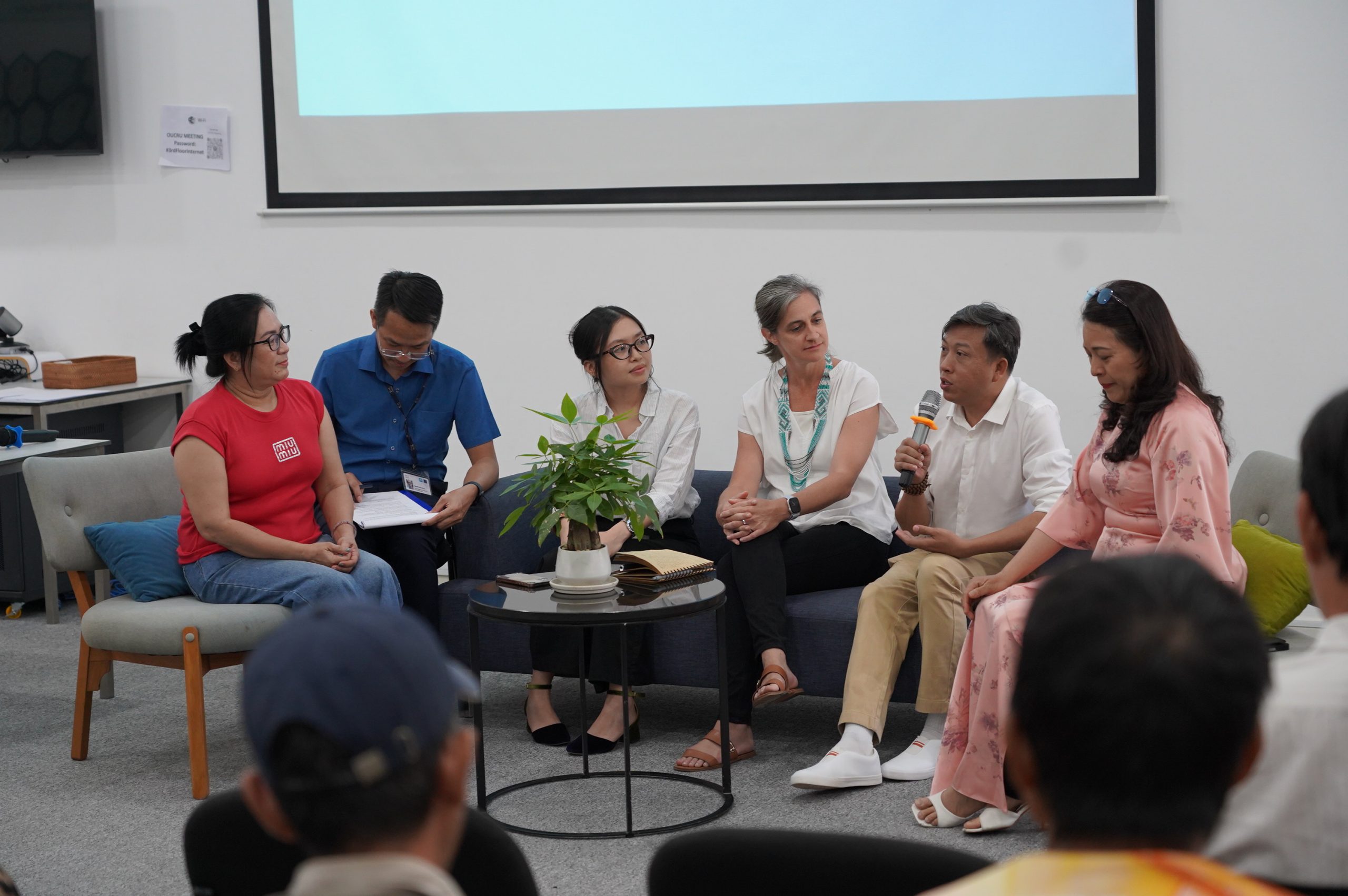
    As part of the project to Improve Hepatitis C Access and Treatment for Underserved Communities, OUCRU’s Public and Community Engagement Group together with Social Science, Ethics, and Implementation Research Group organised a dialogue session between community members, social insurance representatives, and social scientists.  

    The session brought together representatives from underserved communities who had contributed to the project through community-based participatory research (CBPR), including people who inject drugs (PWID) , people with limited financial resources, and LGBT+ individuals. They shared their challenges in accessing health insurance for hepatitis C treatment and care.  

    Viet Nam has the fifth highest liver cancer incidence and death rate in the world and approximately 8 million people have hepatitis B, C or both(1). Even though Hepatitis C treatment is available in Vietnam, several barriers affect hepatitis C testing, diagnosis, and treatment. These barriers include that testing and diagnosis can only be performed at provincial and central hospitals, people may be asymptomatic or unaware they need testing, and test results often take a long time. High treatment costs before they are covered by insurance are also a big challenge.   

    In 2018, Vietnam changed the insurance regulations related to Hepatitis C treatment. Specifically, Hepatitis C patients can receive financial support from health insurance for testing costs, treatment costs using approved medications listed in the insurance catalog, and necessary medical procedures and treatments during treatment (which may be partially or fully covered). Typically, health insurance in Vietnam supports 30% – 50% of the costs for those defined medical services, depending on insurance registration conditions and insurance types(2).  

    Community members face both systematic and objective challenges.  

    The event opened an open discussion for community members to highlight several challenges they face despite recent improvements in social insurance policies.  

    Systematic challenges:  

    • Complex healthcare system. Vietnam’s multi-tiered hospital system has specific scopes and facilities at each level. For Hepatitis C, lower-tier hospitals may lack diagnostic and treatment capabilities, requiring patient transfers to higher tiers. Insurance coverage varies between tiers with different terms and paperwork, creating additional administrative complexity.  
    • Information gaps. Despite the government’s efforts in simplifying the registration and renewal process through the People’s Committees’ ward offices and post offices, many community members remain unaware of these options as well as their HepC treatment benefits under health insurance.  

    Objective challenges:  

    •  Documentation barriers. One outstanding challenge for marginalised populations is insufficient personal documentation (such as government ID) needed to obtain health insurance. While the government has appointed some certain social enterprises as community representatives to help, it’s a long way to go.  
    • Financial constraints. Though social health insurance in Vietnam is designed to be affordable, it remains challenging for many, especially those without stable employment or those facing personal financial burdens such as debts or medical expenses for family members.  
    • Medical privacy concerns. The hospital referral process may require patients to disclose HIV status or other chronic conditions in order to access HepC treatment at higher-tier hospitals, compromising their right to privacy.  

    “We need to keep the conversation going.”  

    Acknowledging the power of listening to community voices, Associate Professor Jennifer Van Nuil, Head of Social Science, Ethics, and Implementation Research Group, emphasised the importance of how CBPR (community-based participatory research method) can help to set up strong support networks within and for the community.  

    “Social Healthcare Insurance is part of the Vietnamese government’s social security policy. We aim to reach 95% of Vietnam’s population.”

    MsC. Nguyen Thi Thu Hang, Vice President of Ho Chi Minh’s Social Healthcare Insurance

    Ms Hang also expressed appreciation for the community’s initiatives and their clear sharings of their situations as well as emphasised that community discussions like this could significantly help reach underserved populations. 

    References:

    1. https://www.who.int/vietnam/news/detail/28-07-2024-world-hepatitis-day—viet-nam-pilots-action-to-improve-access-to-hepatitis-c-care
    2. https://thuvienphapluat.vn/phap-luat/dieu-tri-benh-viem-gan-c-co-duoc-bao-hiem-y-te–chi-tra-chi-phi-thuoc-dieu-tri-khong-quy-dinh-cua-p-5814.html
  • Tăng cường nghiên cứu thông qua truyền thông khoa học hiệu quả và cá»§ng cố mối quan hệ cá»™ng đồng

    Tăng cường nghiên cứu thông qua truyền thông khoa học hiệu quả và củng cố mối quan hệ cộng đồng

    Vào tháng 5 năm 2025, hàng trăm chuyên gia về truyền thông khoa học và hoạt động gắn kết cộng đồng và công chúng đã tập trung tại Hội nghị Khoa học Công nghệ Truyền thông và Công chúng (PCST) năm 2025 để thảo luận về chủ đề “Sử dụng Truyền thông Khoa học để Tạo ra Thay đổi Tích cực: Khám phá Sự chuyển đổi, Truyền thống và Căng thẳng”.

    Bốn dự án khác nhau tại OUCRU đã được giới thiệu tại hội nghị, nhấn mạnh tầm nhìn của OUCRU nhằm làm cho nghiên cứu trở nên phù hợp và có tác động thông qua các hoạt động thu hút công chúng và cộng đồng hiệu quả, nuôi dưỡng sự hiểu biết, tin tưởng và hợp tác giữa các nhà khoa học và cộng đồng nơi nghiên cứu của chúng tôi được tiến hành và có tác động.

    Hiểu biết về bối cảnh và văn hóa: chìa khóa để làm cho sự tham gia trở nên phù hợp và hiệu quả

    Thực tiễn tốt trên toàn thế giới một lần nữa khẳng định tầm quan trọng của việc điều chỉnh truyền thông khoa học cho phù hợp với bối cảnh địa phương. Bà Eva Simarmata , Cán bộ phụ trách Quan hệ Công chúng và Cộng đồng, OUCRU Indonesia, cho biết : “Sự tham gia có ý nghĩa vào khoa học chính là việc trân trọng thực sự những kiến thức sống, truyền thống và trải nghiệm mà cộng đồng đang nắm giữ” .

    Một ví dụ là dự án của nhóm Tham gia Cộng đồng và Công chúng thuộc Đại học Oxford (OUCRU) sản xuất một video truyền thông nhắm đến các bậc phụ huynh ở nông thôn, nhằm thuyết phục họ tiêm chủng cho con em mình. Video đã sử dụng các cộng tác viên y tế cộng đồng, tạo nên sự đồng cảm về mặt cảm xúc và phù hợp với văn hóa, từ đó thu hút sự chú ý và quan tâm của cộng đồng.

    Đọc thêm về dự án Nghiên cứu và Tham gia Tiêm chủng Vắc-xin tại Tỉnh Đắk Lắk

    Hội nghị PCST 2025 là một trải nghiệm mở mang tầm mắt, nhắc nhở tôi về tầm quan trọng của việc bước ra khỏi giới hạn dự án của mình.[…] Hội nghị đã truyền cảm hứng cho tôi kết nối nhiều hơn […] trong khi vẫn giữ vững lập trường vững chắc, lấy con người làm trung tâm.

    Nguyễn Hoàng Yến , Cấp cao phụ trách Truyền thông OUCRU Việt Nam

    Khoa học mở và sự tham gia mở

    Việc thực hành khoa học mở mang đế những cơ hội mới cho cả hai bên, các nhà nghiên cứu và thành viên cộng đồng. Khoa học mở là loại hình nghiên cứu nên được thực hiện bởi nhà nghiên cứu và cộng đồng. Cộng đồng không chỉ là người tiếp nhận, mà còn phải đóng góp để cộng đồng mà họ phục vụ được gắn kết. Khoa học mở sẽ dẫn đến sự tham gia cởi mở.

    Tiến sĩ Rajesh Tandon Đồng chủ tịch, Chủ tịch UNESCO về Nghiên cứu dựa vào cộng đồng và Trách nhiệm xã hội trong Giáo dục đại học.

    Tuy nhiên, Hanifah Nisrina , Cán bộ Truyền thông và Hợp tác Kỹ thuật số, OUCRU Indonesia cho biết: “ Sự tham gia của công chúng và cộng đồng vào khoa học và hoạt động truyền thông khoa học vẫn chưa được công nhận rộng rãi hoặc tích hợp vào các tổ chức nghiên cứu và học thuật tại Indonesia, trong khi đây phải là một thành phần định hình toàn bộ quá trình nghiên cứu ”.

    Trong khi đó, vai trò của các nhà truyền thông khoa học, cán bộ gắn kết công chúng và chuyên gia quan hệ công chúng vẫn còn chưa rõ ràng và chồng chéo ở nhiều quốc gia Nam Bán cầu. Có những khoảng trống trong tài liệu và diễn ngôn, bao gồm sự phụ thuộc vào các nguồn tin tức khoa học nước ngoài (chủ yếu là từ Bắc bán cầu), báo chí khoa học trong nước còn ít được biết đến, báo chí thiếu phê phán hoặc dễ bị thao túng, các hạn chế chính trị, và thiếu sự phối hợp giữa các nhà khoa học và nhà truyền thông khoa học. Ít ai chú ý đến các giải pháp khả thi hoặc các cơ hội mới nổi.

    Với tầm nhìn của OUCRU về việc tạo ra tác động toàn cầu thông qua nghiên cứu sức khỏe tại địa phương, tôi tin rằng chúng tôi có vị thế tốt để đóng vai trò quan trọng trong việc củng cố cộng đồng truyền thông khoa học địa phương trên khắp Đông Nam Á.

    Soraya Weldina Ragil Dien , Quan hệ công chúng và cộng đồng OUCRU Indonesia

    Cho dù bằng cách chia sẻ phương pháp, xây dựng quan hệ đối tác khu vực hay cố vấn cho các nhà truyền thông khoa học mới nổi, chúng ta đều có nhiều cơ hội phía trước với tư cách là một chương trình tổng thể.

  • Enhancing research through effective science communication and strengthening community bonds 

    Enhancing research through effective science communication and strengthening community bonds 

    In May 2025, hundreds of science communications and public and community engagement practitioners gathered at the Public and Communication Science Technology Conference (PCST) 2025, discussing the theme “Using Science Communication to Effect Positive Change: Exploring Transitions, Traditions and Tensions”. 

    Four different projects at OUCRU were featured at the conference, emphasising OUCRU’s vision to make research relevant and impactful through effective public and community engagement activities, which nurture understanding, trust, and collaboration between scientists and the community where our research is conducted and has an impact. 

    Contextual and cultural understanding: the key to making engagement relevant and effective 

    Around-the-world good practice confirms again the importance of tailouring science communication to local contexts. “Meaningful engagement in science is about genuinely valuing the lived, ancestral, and experiential knowledge that communities hold,” said Eva Simarmata, Public and Community Engagement Officer, OUCRU Indonesia. 

    An example is from OUCRU’s Public and Community Engagement group’s project producing a communication video targeting rural parents, aiming to convince them to vaccinate their children. The video used community health collaborators, making it emotionally resonant, and culturally relevant, thereby enhancing community attention and interest. 

    Read more about the project Vaccine Uptake Research and Engagement in Dak Lak Province

    PCST 2025 Conference was an eye-opening experience that reminded me of the importance of stepping outside our project bubble.[…] The conference has inspired me to connect more […] while remaining grounded in strong, people-centred frameworks. 

    Nguyen Hoang Yen, Senior Media Engagement OUCRU Vietnam 

    Open science and open engagement 

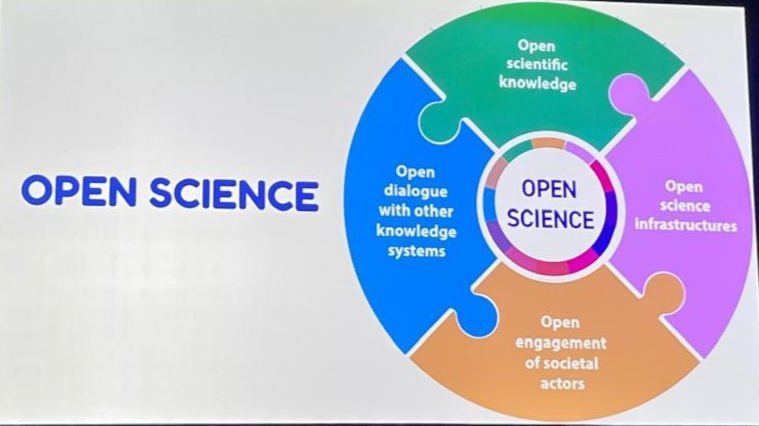
    The practice of open science opens new opportunities for both sides, researchers and community members. Open science, meaning the research itself should be done by the researcher and its community. The community not only receptor, but they should contribute to involve the community they serve. Open science will lead to open engagement.

    Dr. Rajesh Tandon Co-Chair, UNESCO Chair in Community Based Research and Social Responsibility in Higher Education. 

    However, “the public and community engagement in science and science communication practice is not yet widely recognised or integrated into research and academic institutions in Indonesia, while it should be a component that shapes the entire research process,” said Hanifah Nisrina, Communications and Digital Engagement Officer, OUCRU Indonesia. 

    Meanwhile, the roles of science communicators, public engagement officers, and public relations professionals remain unclear and overlapping in many countries in the Global South. There are gaps in literature and discourse including dependency on foreign (mostly Northern) science news sources, the low profile of domestic science reporting, uncritical or manipulable journalism, political restrictions, and a lack of synergy between scientists and science communicators. There is far less attention on actionable solutions or emerging opportunities. 

    With OUCRU’s vision of creating global impact through locally driven health research, I believe we are well-positioned to play a significant role in strengthening local science communication communities across Southeast Asia. 

    Soraya Weldina Ragil Dien, Public and Community Engagement OUCRU Indonesia 

    Whether by sharing our methods, building regional partnerships, or mentoring emerging science communicators, possibilities are waiting for us as a whole programme, ahead. 

  • Using photos to express community perspectives: how photovoice reflects the daily health risk of climate change

    Using photos to express community perspectives: how photovoice reflects the daily health risk of climate change

    Collaborators:

    • Medical Science Division, University of Oxford (Study Sponsor) 
    • Wellcome through Dalberg (Presentation Sponsor) 
    • Faculty of Art and Design, Bandung Institute of Technology (Local Collaborator) 

    Interested in collaborating on public and community engagement in health research?

    Reach us at PCE_Indonesia@oucru.org to explore partnership and other opportunities.

    Indonesia, located on the Pacific Ring of Fire, is highly vulnerable to natural disasters such as earthquakes, tsunamis, and others. Many Indonesians see these events as unavoidable natural facts, which shape how they understand climate change: outside of human control. This misconception can prevent communities from being aware and acknowledging how human actions—like pollution and deforestation—contribute to environmental changes and how those changes can impact human health.

    In 2024, a project across Indonesia, Vietnam, and Nepal aims to explore how communities perceive and experience the links between climate change and health. The project team quickly learned that such complex topics can be challenging for the community to communicate through words, regardless of their experience and struggle.


    Photovoice project visualising climate and health impacts in Indonesia

    Photovoice as a creative tool to explore the experience of climate change and its effects on health

    In 2024, a project across Indonesia, Vietnam, and Nepal aims to explore how communities perceive and experience the links between climate change and health. The project team quickly learned that such complex topics can be challenging for the community to communicate through words, regardless of their experience and struggle.

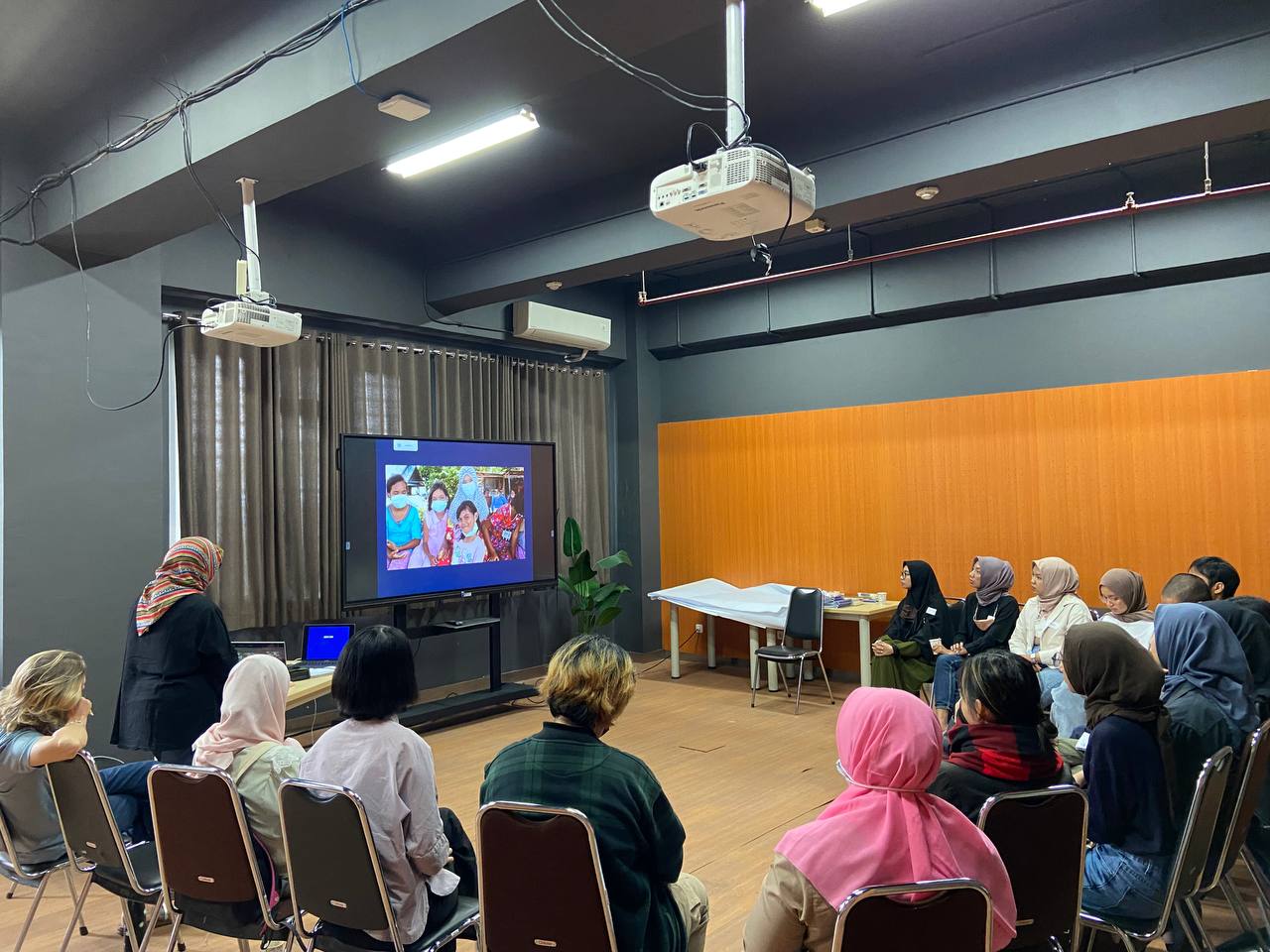
    Participatory Visual Method Workshop for Climate Change and Health

    Participatory Visual Methods (PVM) workshop for art students at Bandung Institute of Technology

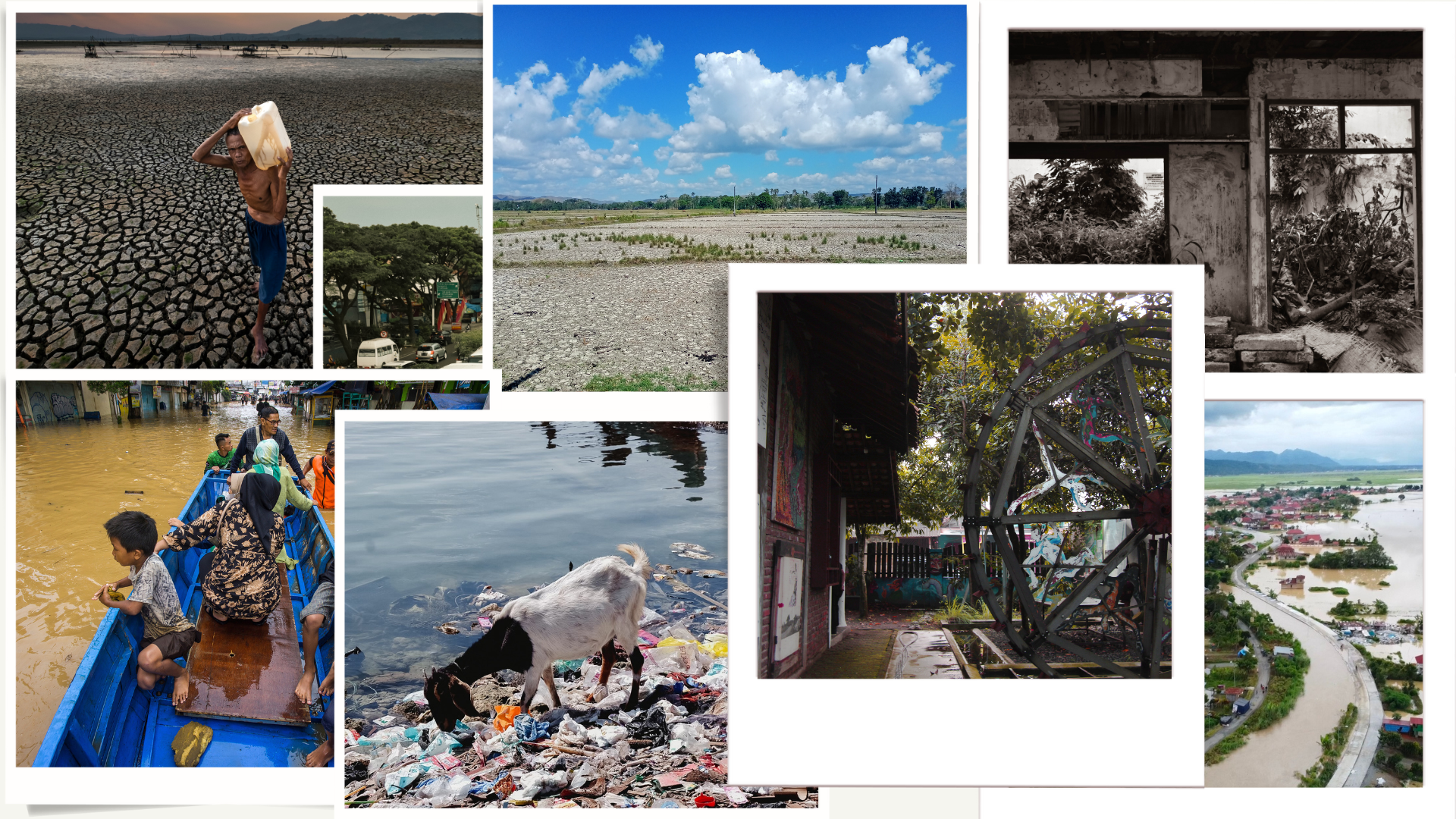
    Over six months, we worked with 45 students and community members across Indonesia and gathered more than 70 visual stories—hundreds of photographs—that reveal their real-life experiences, showing how they see their world changes. Through those everyday photos, issues often invisible in official reports—like worsening air and water quality, rising food insecurity, and the spread of disease, were exposed. Heat stress, difficulties in finding safe food and clean water, and illness spreading are among the aspects that community members reveal about how climate change impacts their health. It makes the issue real and relatable—it’s not just a distant problem, it’s happening to real people in their daily lives.

    https://www.instagram.com/p/C1Ea1n1Pbag/?utm_source=ig_web_copy_link&igsh=MWFpcnV2dHF4OGdpeQ==

    Those visual stories are more than just everyday images – they are expressions of concern, confusion, and fear, but also resilience and hope.

    The photovoice method has proven to be a powerful tool in raising awareness and helping both communities and scientists understand climate change in a deeper, more personal way. By giving people a voice through images, we can better understand their experiences and find new ways to support them in facing climate change.

    The project’s poster, presented at the Public and Communication Science Technology Conference (PCST) 2025
    Access the photobook compilation, capturing the Indonesian lived reality facing climate change here.