Author: Hưng Vũ

  • Audit & Feedback: A core AMS activity for bettercare and safer hospitals

    Audit & Feedback: A core AMS activity for bettercare and safer hospitals

    In daily clinical practice, prescribing antibiotics is a common and essential component of patient care. However, as treatment needs to be individualized, antibiotic prescribing is not always consistent or fully aligned with standard guidelines. For some patients, particularly those with complex comorbidities, antibiotic selection may not be fully appropriate based on organ function (e.g., renal or hepatic function), antibiotics may be used longer than necessary, or not adjusted in time according to changes in their condition. If not closely monitored, these limitations can reduce treatment effectiveness and increase the risk of antimicrobial resistance. This is why audit and feedback play an important role in helping clinicians review their prescribing practices and ensure that antibiotics are used appropriately and safely.

    Within the 60HN ASPARNet activities, audit and feedback are applied as a key component to support hospitals in improving antibiotic use. Its main activities include developing an action plan, establishing a dedicated audit and feedback team, and implementing audit and feedback in a consistent manner to enhance the quality of patient care. Network hospitals were provided with technical support from technical experts from Hanoi University of Pharmacy, National Hospital for Tropical Diseases, Saint Paul General Hospital, and standard operating procedures, guidance on implementation for both therapeutic antibiotic use and surgical antibiotic prophylaxis.

    At the hospital, an Antimicrobial Stewardship (AMS) team for audit and feedback is established, typically consisting of two to three members who may be clinical doctors or clinical pharmacists involved in treatment and patient support, particularly those experienced in infectious diseases and rational antibiotic use. In larger hospitals, a microbiologist may also be included to provide more in‑depth analysis.

    AMS team is responsible for carrying out audit and feedback activities, summarizing findings, and reporting regularly to the hospital’s AMS Committee on a regular basis or by specific topics. They are considered the “core team” who play a central role in monitoring and evaluation to generate evidence that informs the AMS committee’s policy decisions and supports improvements in clinical practice, ensuring that treatment protocols are appropriately implemented, thereby enhancing the quality of care and strengthening patient safety within the hospital.

    To implement audit and feedback, AMS team develops a detailed plan outlining the audit focus, methodology, scope, frequency, personnel, and timeline, along with the responsibilities of each member. Once approved, the plan is shared with relevant departments for coordination.

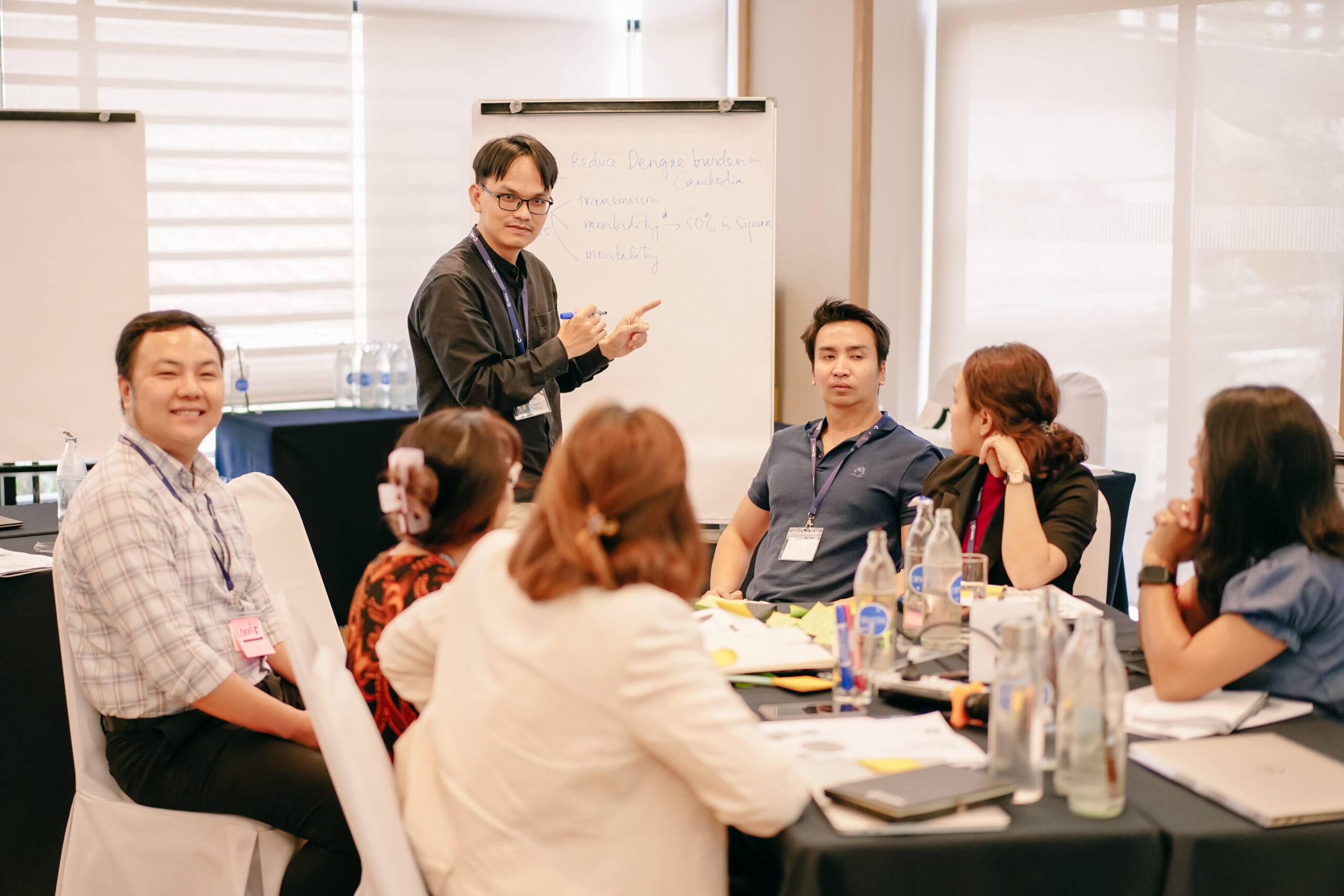
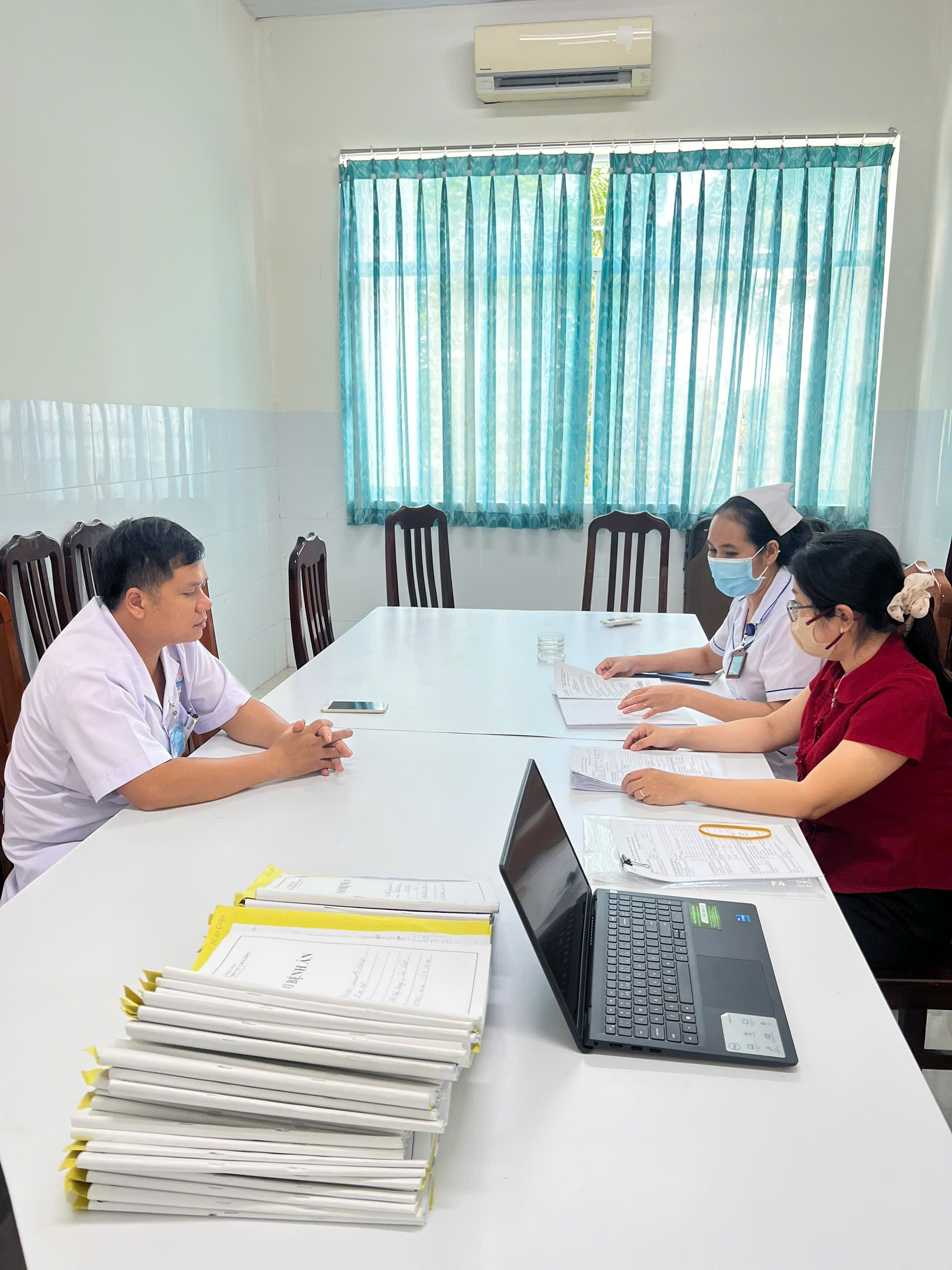
    During the audit, AMS team reviews the antibiotic prescriptions in each patient’s medical record and compares them with the hospital’s treatment guidelines and national standards issued by the Ministry of Health. When clarification is needed, they may discuss directly with the prescribing clinicians, nurses, or even the patients. All collected information is documented carefully using the corresponding audit forms.
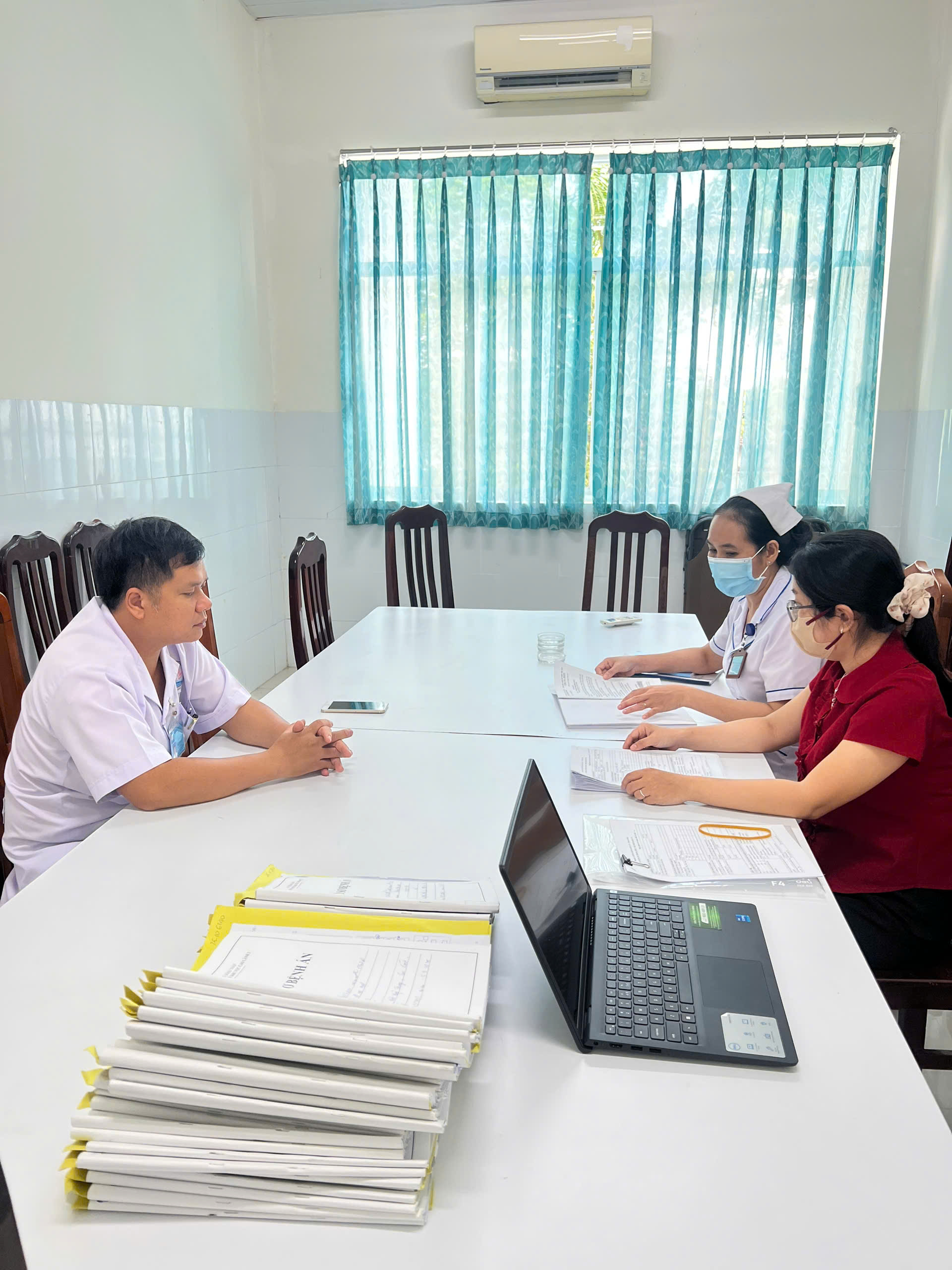
    Photo: AMS team discussing recent audit cases with prescribing clinicians (Source: network hospital)

    Audit activities can be carried out in two forms: prospective audit (reviewing patients currently receiving inpatient treatment) and retrospective audit (reviewing records of patients who have been discharged). Both forms provide AMS committee with a comprehensive view of prescribing practices and help ensure timely adjustments when necessary.

    After completing the audit and compiling the findings, AMS team provides feedback directly to the prescribing clinicians. In prospective audits, feedback is delivered on the same day to help clinicians promptly adjust treatment and improve outcomes for current patients. Feedback may be given through direct discussion, notes in the medical record, reports to the department, or presentations in meetings.

    For retrospective audits, AMS team summarizes the results and shares them with prescribing clinicians or clinical departments. Although conducted after patient discharge, retrospective feedback remains valuable in improving prescribing practices for similar cases in the future.Thanks to audit and feedback, antibiotic use in hospitals becomes more appropriate and consistent. Patients receive the right drug, at the right dose, at the right time, reducing unnecessary antibiotic use, minimizing adverse events, and improving treatment outcomes. Rational antibiotic use also plays an important role in reducing antimicrobial resistance—an increasingly pressing challenge in healthcare settings today. At the same time, clinicians and pharmacists have more opportunities to exchange expertise, strengthen knowledge, and refine their prescribing practices. For hospitals, this activity helps them better understand antibiotic use across their system, identify common issues early, and develop targeted solutions to improve treatment quality in the long term.
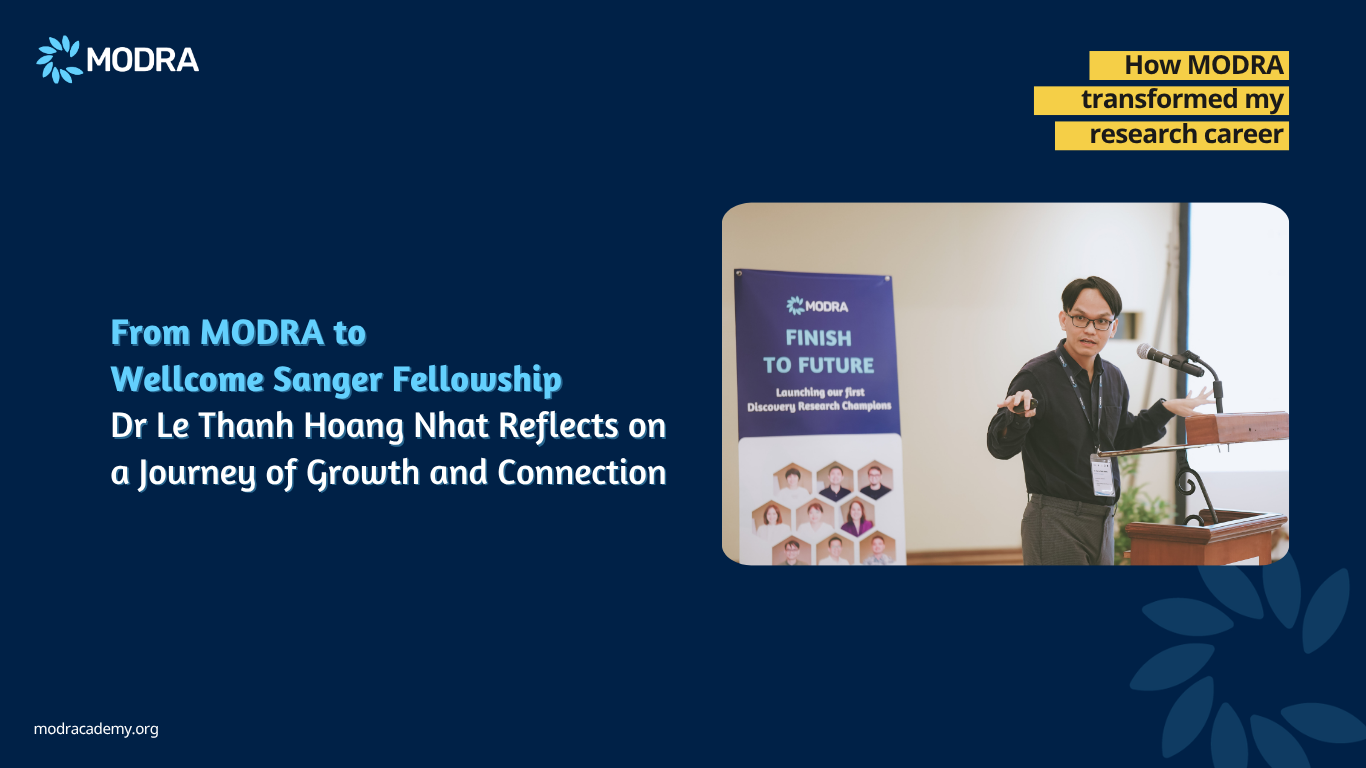
  • From MODRA to Wellcome Sanger Fellowship: Dr Le Thanh Hoang Nhat reflects on Growth and Connection 

    From MODRA to Wellcome Sanger Fellowship: Dr Le Thanh Hoang Nhat reflects on Growth and Connection 

    Dr Le Thanh Hoang Nhat, a member of the MODRA cohort 1, has been awarded the Wellcome Sanger Fellowship as an International Fellow in the Human Genetics programme, under the sponsorship of Dr. Emma Davenport. The three-year fellowship (£100,000) will support his research, developing a computational method to elucidate how human genetic variation shapes immune responses leading to severe pulmonary tuberculosis (PTB), with potential applications in improving treatment pathways for tuberculosis (TB) patients.  

    Reflecting on the application process, Nhat emphasized that success required not only technical strength but also clarity in demonstrating the relevance and potential impact of his work. Participation in MODRA played an important role in shaping this process. Through training, mentorship, and peer exchange, the programme helped him refine his research direction, strengthen his proposal narrative, and better position his work within a broader scientific landscape. 

    The role of MODRA: building confidence, perspective, and community 

    For Nhat, one of MODRA’s most valuable contributions was the opportunity to engage with a network of researchers from across Southeast Asia. Connecting with peers working in diverse areas of biomedical science broadened his perspective on the regional research landscape and highlighted shared challenges faced by researchers in low- and middle-income country contexts. Through these interactions, he developed a clearer understanding of how his work contributes to a wider body of research addressing regional and global health priorities. 

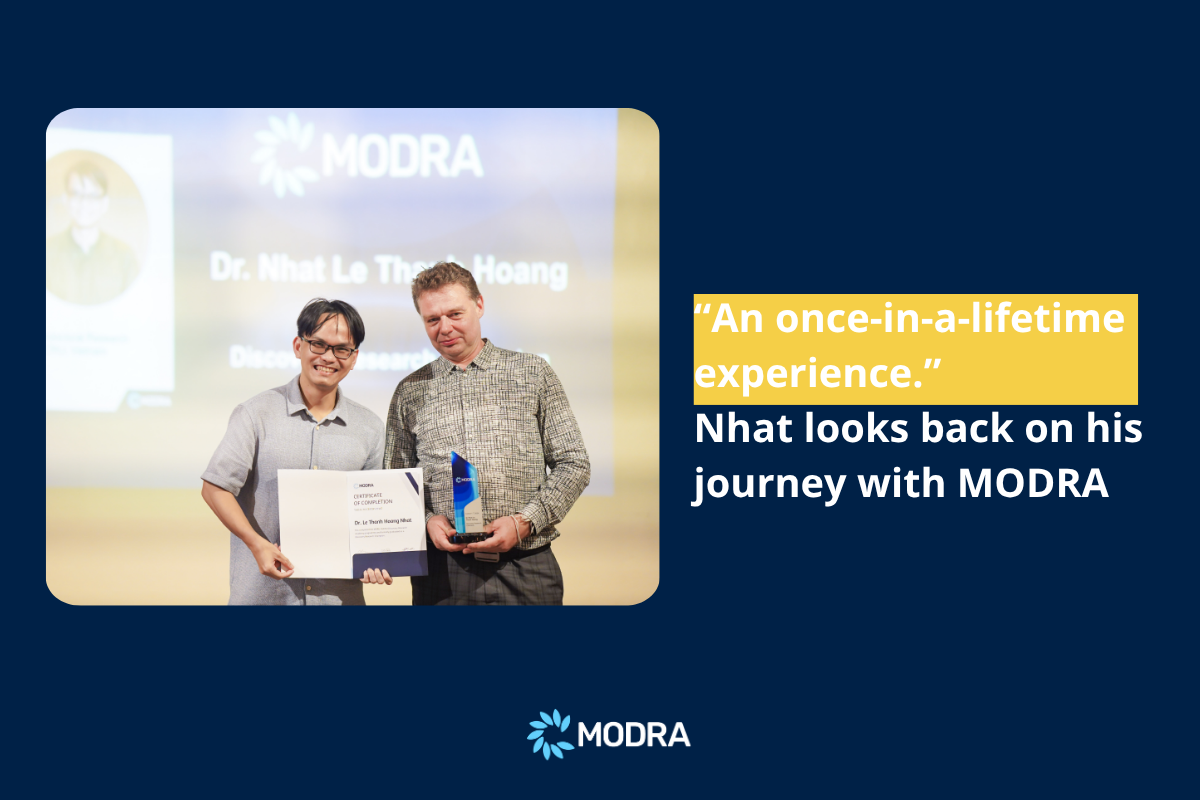
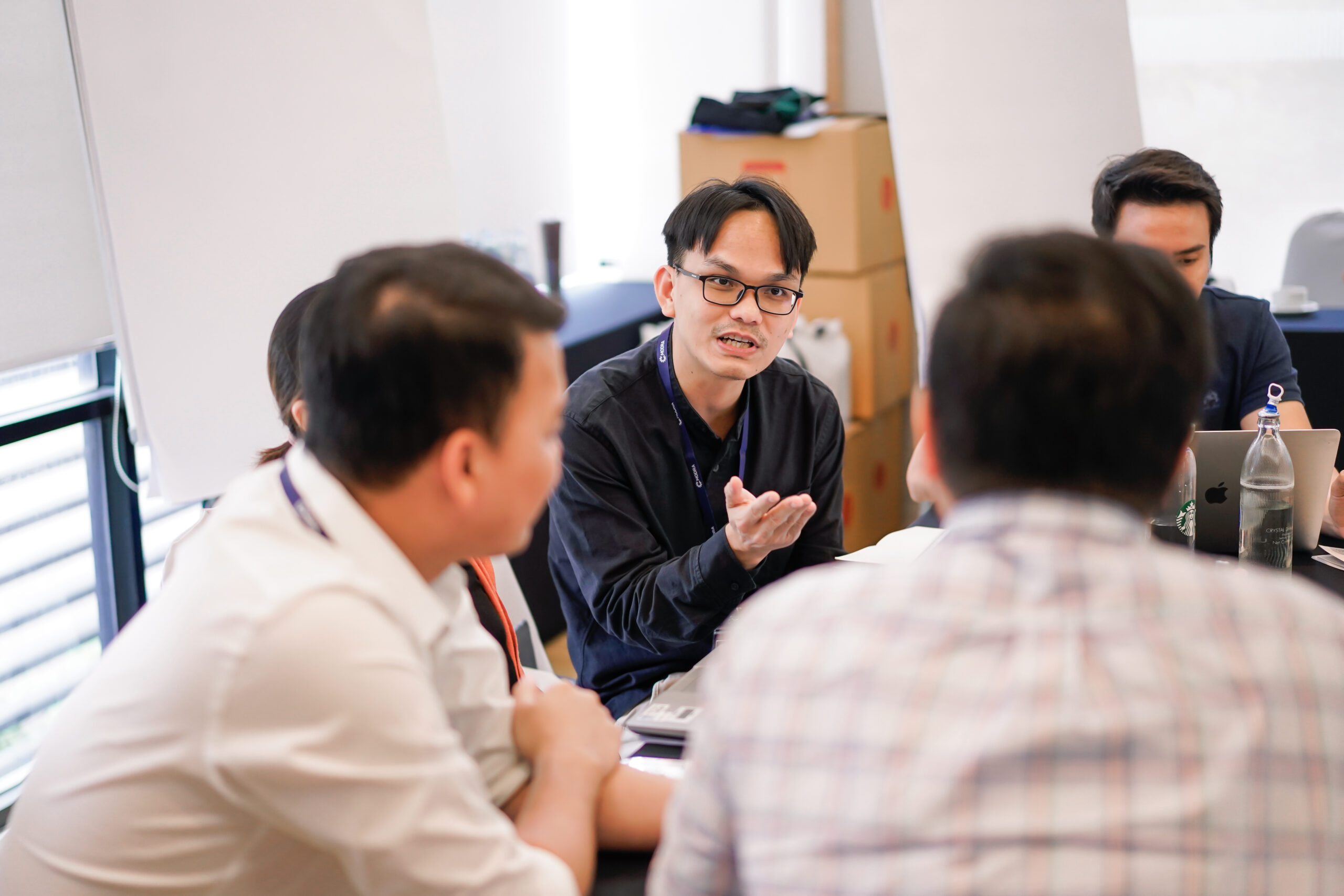
    Nhat discusses ideas with his MODRA “buddies” — his affectionate term for fellow MODRA members
    (Photo: OUCRU, 2024)

    MODRA’s Training component was particularly meaningful at this stage of his career. With more than ten years of research experience, he valued the opportunity to consolidate existing leadership styles and strengthen how these could be applied strategically in proposal development. Rather than introducing entirely new techniques, the training created space to refine research questions, clarify methodological approaches, and strengthen how ideas are communicated to a multidisciplinary audience. 

    He emphasises the importance of pitching, a skill he strengthened through the MODRA cohort. (Photo: OUCRU, 2024)

    Mentorship also played an important role. Nhat highlights the long-term guidance of Dr Thuong, Head of the TB research group and a member of MODRA’s Academic Advisory Committee. Her understanding of both the scientific field and local research realities helped him connect global research questions with context-specific insight. 

    He also acknowledged the encouragement and practical support provided by MODRA trainers and coordinators, whose contributions ensured participants could focus fully on their development. 

    A transformative experience 

    Looking back, Nhat describes MODRA as a “once-in-a-lifetime experience” that strengthened both his research direction and confidence as an independent researcher. The relationships built through the programme continue to provide a valuable source of support, helping him feel part of a wider scientific community working towards shared goals. 

    As he begins the Sanger International Fellowship, his experience highlights the importance of structured support mechanisms such as MODRA in enabling researchers to translate potential into opportunity and ideas into impact. 
     

    About MODRA 

    MODRA is an 18-month programme jointly delivered by OUCRU and MORU to support early-career postdoctoral researchers in Asia in becoming independent investigators. Through training, mentorship, and seed funding, the programme strengthens researchers’ ability to develop competitive, impactful research. 

  • Professor Sir Nicholas White OBE KCMG FRS

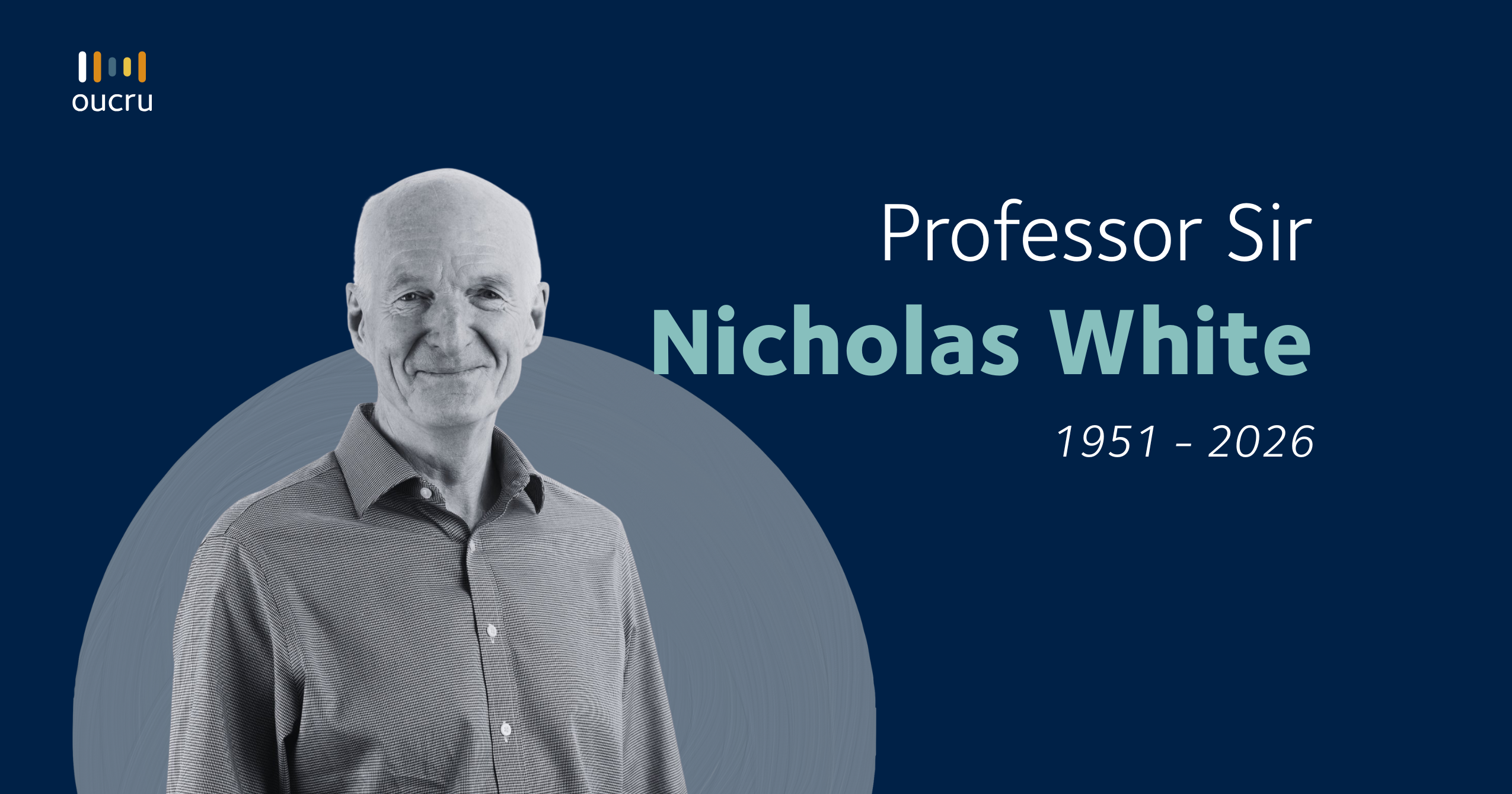
    Professor Sir Nicholas White OBE KCMG FRS

    Nick White adalah Profesor Kedokteran Tropis di University of Oxford dan Mahidol University, Tailan. Ia merupakan tokoh sentral dalam pengembangan Mahidol Oxford Tropical Medicine Research Unit (MORU) di Tailan serta Oxford University Clinical Research Unit (OUCRU) di Vietnam. Sepanjang kariernya, upaya-upaya ini mendapat dukungan berkelanjutan dari Wellcome Trust.

    Sejak kedatangannya di Tailan pada 1980, Nick terlibat langsung dalam membangun MORU menjadi pusat unggulan penelitian klinis malaria dan penyakit infeksi lainnya. Ia bekerja melalui kemitraan jangka panjang dengan rumah sakit, klinisi, dan peneliti setempat. Upaya ini kemudian berlanjut dengan pendirian OUCRU pada 1991. Di bawah kepemimpinan ilmiahnya, MORU dan OUCRU dikenal secara global atas penelitian klinis yang menggabungkan ketelitian metodologis dengan relevansi langsung bagi perawatan pasien.

    Nick diakui secara internasional sebagai pakar terkemuka dalam terapi malaria. Ia berperan besar dalam mengubah kebijakan kesehatan global. Pada masa ketika resistensi terhadap obat antimalaria yang ada mengancam kemanjuran obat, Nick memimpin tim yang menghasilkan bukti-bukti klinis melalui berbagai uji klinis tingkat multinasional. Bukti-bukti inilah yang menjadi dasar penggunaan obat berbasis artemisinin di seluruh dunia.

    Bersama mitra lokal, termasuk Hospital for Tropical Diseases dan Profesor Tran Tinh Hien, ia mengembangkan landasan teori dan bukti untuk terapi kombinasi berbasis artemisinin yang kini menjadi standar pengobatan malaria Plasmodium falciparum, serta penggunaan artesunat intravena untuk malaria berat. Terapi-terapi ini telah digunakan pada lebih dari satu miliar pasien dan menyelamatkan jutaan nyawa. Dampak karyanya terus membentuk praktik klinis hingga hari ini.

    Kontribusi Nick terhadap penguatan kapasitas riset kesehatan di Vietnam disampaikan oleh Dr Nguyen Van Vinh Chau, Wakil Kepala Dinas Kesehatan Kota Ho Chi Minh.

    “Profesor Sir Nicholas White bukan hanya seorang ilmuwan yang luar biasa, tetapi juga salah satu pendiri utama kolaborasi jangka panjang antara University of Oxford dan Hospital for Tropical Diseases di Kota Ho Chi Minh. Melalui kemurahan hati, visi, dan komitmennya dalam jangka panjang, ia membantu membangun komunitas ilmiah internasional yang berkelanjutan di OUCRU, yang berlandaskan kepercayaan dan saling menghormati. Bagi para dokter Vietnam, ia bukan hanya mentor dan rekan kerja, tetapi sahabat seumur hidup yang sangat kami hargai.”

    Minat ilmiah Nick meluas ke berbagai penyakit infeksi lain yang memiliki dampak besar bagi kesehatan masyarakat, termasuk demam berdarah, melioidosis, tifoid, dan tetanus. Dalam semua bidang tersebut, penelitiannya selalu berlandaskan pengamatan klinis yang cermat dan berfokus pada solusi praktis yang memberikan dampak maksimal terhadap kesehatan. Pendekatannya yang pragmatis memastikan bahwa temuannya dapat diterapkan dalam kondisi nyata, khususnya di lingkungan dengan sumber daya terbatas. Ia juga memberikan kontribusi penting bagi layanan kesehatan selama pandemi COVID-19.

    Nick menempatkan pelatihan dan kolaborasi sebagai prioritas utama. Sepanjang kariernya, ia mendukung dan membimbing ratusan klinisi dan ilmuwan, terutama di Asia Tenggara, selagi memperkuat kapasitas riset lokal dan kerja sama internasional. Banyak orang yang dibimbingnya kemudian memimpin program riset mereka sendiri, cerminan komitmen jangka panjang Nick dalam membangun kemitraan ilmiah yang berkelanjutan dan memberdayakan rekan-rekannya untuk menjadi pemimpin di bidangnya.

    Nick bekerja di Nepal sejak 1974 selama kurang lebih enam tahun, dan tetap menjalin hubungan yang erat dengan negara tersebut hingga akhir hayatnya melalui kunjungan rutin. Dalam rentang waktu yang panjang ini, ia memberikan pengaruh yang signifikan dan positif bagi OUCRU Nepal, terutama dalam membentuk pendekatan kerja sama dengan mitra pemerintah serta memperkuat keterlibatan internasional.

    Nick menulis atau menjadi penulis bersama lebih dari 1.300 publikasi ilmiah yang telah ditelaah sejawat. Ia juga berkontribusi secara luas pada berbagai badan penasihat internasional, termasuk milik Organisasi Kesehatan Dunia (WHO). Pencapaiannya diakui melalui berbagai penghargaan, antara lain Fellow of the Royal Society dan pengangkatannya sebagai Knight Commander of the Order of St Michael and St George. Ia juga menerima Canada Gairdner Global Health Award pada 2010 serta Prince Mahidol Award dari Tailan pada 2011.

    Komitmen Nick yang berkelanjutan dan pemahaman mendalamnya tentang konteks lokal telah berkontribusi besar pada perubahan global yang bermakna dan bertahan lama. Warisannya tercermin dalam terapi yang kini digunakan di seluruh dunia, unit riset dan kolaborasi yang ia bantu dirikan, serta banyak kolega dan murid yang dipengaruhi oleh karyanya. Ia akan dikenang dengan penuh kasih, rasa hormat, dan penghargaan oleh semua yang pernah bekerja bersamanya, dan kepergiannya akan sangat dirasakan.

    OUCRU menyampaikan belasungkawa sedalam-dalamnya kepada keluarga, sahabat, dan rekan-rekannya.

  • Giáo sư, Hiệp sÄ© Nicholas White qua đời

    Giáo sư, Hiệp sĩ Nicholas White qua đời

    Giáo sư Nick White là Giáo sư Y học Nhiệt đới tại Đại học Oxford (Anh) và Đại học Mahidol (Thái Lan). Ông đóng vai trò then chốt trong quá trình phát triển Đơn vị Nghiên cứu Y học Nhiệt đới Mahidol-Oxford (MORU) tại Thái Lan và Đơn vị Nghiên cứu Lâm sàng Đại học Oxford (OUCRU) tại Việt Nam, dưới sự hỗ trợ từ Quỹ Wellcome.

    Từ khi đến Thái Lan vào năm 1980, ông đã hợp tác chặt chẽ với các bệnh viện và chuyên gia bản địa để xây dựng MORU thành trung tâm hàng đầu về nghiên cứu lâm sàng sốt rét và các bệnh truyền nhiễm. Năm 1991, ông tiếp tục mở rộng quy mô hoạt động với việc thành lập OUCRU tại Việt Nam. Dưới sự dẫn dắt của ông, cả MORU và OUCRU đã trở thành những đơn vị nghiên cứu uy tín quốc tế, nổi bật với các thử nghiệm lâm sàng có tính thực tiễn cao trong chăm sóc bệnh nhân.

    Giáo sư Nick White được thế giới công nhận là chuyên gia hàng đầu về điều trị sốt rét với những đóng góp làm thay đổi chính sách y tế toàn cầu. Trong bối cảnh tình trạng kháng thuốc gia tăng, ông đã dẫn dắt các thử nghiệm lâm sàng đa quốc gia, tạo tiền đề khoa học cho việc áp dụng rộng rãi thuốc Artemisinin.

    Tại Việt Nam, ông cùng các đối tác tại Bệnh viện Bệnh Nhiệt đới và Giáo sư Trần Tịnh Hiền, đã xây dựng cơ sở lý luận và bằng chứng khoa học cho việc triển khai các liệu pháp phối hợp dựa trên Artemisinin. Đây hiện là tiêu chuẩn điều trị đối với sốt rét do Plasmodium falciparum, và sử dụng Artesunate đường tĩnh mạch cho bệnh nhân sốt rét nặng. Những phác đồ này đã được áp dụng cho hơn một tỷ người, cứu sống hàng triệu bệnh nhân và tiếp tục định hình thực hành lâm sàng trên toàn thế giới.

    Đóng góp của Giáo sư Nick White đối với năng lực nghiên cứu y tế của Việt Nam đã được ghi nhận bởi Tiến sĩ Nguyễn Văn Vĩnh Châu, Phó Giám đốc Sở Y tế Thành phố Hồ Chí Minh:

    “Giáo sư, Hiệp sĩ Nicholas White không chỉ là một nhà khoa học xuất sắc, mà còn là một trong những người đặt nền móng quan trọng cho mối quan hệ hợp tác bền vững giữa Đại học Oxford và Bệnh viện Bệnh Nhiệt đới Thành phố Hồ Chí Minh. Với sự hào phóng, tầm nhìn và cam kết lâu dài, ông đã góp phần xây dựng một cộng đồng khoa học quốc tế vững mạnh tại OUCRU, dựa trên nền tảng của sự tin cậy và tôn trọng lẫn nhau. Đối với các bác sĩ Việt Nam, ông không chỉ là người thầy, người cộng sự, mà còn là một người bạn tri kỷ gắn bó suốt đời.”

    Bên cạnh sốt rét, mối quan tâm khoa học của Giáo sư Nick White còn mở rộng sang nhiều bệnh truyền nhiễm có ý nghĩa lớn đối với sức khỏe cộng đồng, bao gồm sốt xuất huyết, melioidosis, thương hàn và uốn ván. Trong tất cả các lĩnh vực này, nghiên cứu của ông luôn xuất phát từ quan sát lâm sàng cẩn trọng và tập trung vào các giải pháp thực tiễn nhằm tạo ra tác động lớn nhất đối với kết quả điều trị. Cách tiếp cận thực tế của ông giúp các phát hiện khoa học có thể được áp dụng hiệu quả trong điều kiện thực tế, đặc biệt tại những quốc gia có nguồn lực hạn chế. Trong đại dịch COVID-19, ông cũng tiếp tục có những đóng góp quan trọng cho lĩnh vực y tế.

    Giáo sư Nick White đặc biệt coi trọng công tác đào tạo và hợp tác. Trong suốt sự nghiệp của mình, ông đã hỗ trợ và hướng dẫn hàng trăm bác sĩ và nhà khoa học, đặc biệt tại khu vực Đông Nam Á, góp phần nâng cao năng lực nghiên cứu tại địa phương song song với việc thúc đẩy hợp tác quốc tế. Nhiều học trò và cộng sự của ông sau này đã trở thành những nhà lãnh đạo các chương trình nghiên cứu độc lập, phản ánh cam kết lâu dài của ông trong việc xây dựng các mối quan hệ khoa học bền vững và trao quyền cho thế hệ kế cận.

    Giáo sư Nick White làm việc tại Nepal từ năm 1974 trong khoảng sáu năm và duy trì mối liên hệ gắn bó với quốc gia này thông qua các chuyến thăm thường xuyên. Trong suốt quãng thời gian dài này, ông đã có những ảnh hưởng tích cực và sâu sắc đối với OUCRU Nepal, đặc biệt trong việc định hình cách tiếp cận hợp tác với các cơ quan chính phủ và tăng cường kết nối quốc tế.

    Ông là tác giả hoặc đồng tác giả của hơn 1.300 công trình khoa học được bình duyệt, đồng thời tham gia sâu rộng vào các hội đồng tư vấn quốc tế, trong đó có Tổ chức Y tế Thế giới. Những đóng góp xuất sắc của ông được ghi nhận thông qua nhiều danh hiệu và giải thưởng cao quý, bao gồm việc được bầu làm Viện sĩ Viện Hàn lâm Khoa học Hoàng gia Anh, được phong tước Hiệp sĩ Chỉ huy Huân chương Thánh Michael và Thánh George, Giải thưởng Y tế Toàn cầu Canada Gairdner năm 2010 và Giải thưởng Prince Mahidol của Thái Lan năm 2011.

    Sự gắn bó lâu dài cùng sự thấu hiểu sâu sắc bối cảnh địa phương của Giáo sư Nick White đã góp phần tạo nên những thay đổi có ý nghĩa và bền vững trên toàn cầu. Di sản của ông được thể hiện qua các phác đồ điều trị hiện đang được áp dụng rộng rãi trên thế giới, qua những đơn vị nghiên cứu và mối quan hệ hợp tác mà ông góp phần xây dựng, cũng như qua các thế hệ đồng nghiệp và học trò chịu ảnh hưởng từ công trình khoa học của ông. Ông sẽ luôn được tưởng nhớ với niềm kính trọng, yêu mến và biết ơn sâu sắc, và sự ra đi của ông để lại khoảng trống to lớn đối với những người từng làm việc cùng ông.

    OUCRU xin gửi lời chia buồn sâu sắc nhất tới gia đình, bạn bè và đồng nghiệp của Giáo sư, Hiệp sĩ Nicholas White.

  • Professor Sir Nicholas White OBE KCMG FRS

    Professor Sir Nicholas White OBE KCMG FRS

    Nick White was Professor of Tropical Medicine at the University of Oxford and Mahidol University in Thailand. He was a central figure in the development of the Mahidol Oxford Tropical Medicine Research Unit (MORU) in Thailand, and the Oxford University Clinical Research Unit (OUCRU) in Vietnam. In these endeavours, he was supported by the Wellcome Trust throughout his career.

    From his arrival in Thailand in 1980, he was closely involved in establishing MORU as a leading centre for clinical research on malaria and other infectious diseases, working in long-term partnership with local hospitals, clinicians, and researchers. This work continued with the establishment of OUCRU in 1991. Under his scientific leadership, MORU and OUCRU both became world renowned for clinical research that combined methodological rigour with direct relevance to patient care. 

    Nick was internationally recognised as a leading expert in malaria therapeutics, making seminal contributions to the field that transformed global policy. At a time when resistance to existing antimalarial drugs threatened effective treatment, Nick led a team that generated the clinical evidence through multinational clinical trials that underpinned the widespread adoption of artemisinin drugs. 

    Together with local partners, including the Hospital for Tropical Diseases and Professor Tran Tinh Hien, he developed the theory and evidence to support artemisinin-based combination therapies, which have become the standard of care for Plasmodium falciparum malaria, and intravenous artesunate for the treatment of severe malaria. These treatments have been used in more than a billion patients and saved millions of lives. His work continues to shape clinical practice.

    Nick’s contribution to Vietnam’s health research capacity was noted by Dr Nguyen Van Vinh Chau, Deputy Director of Ho Chi Minh City Department of Health.

    “Professor Sir Nicholas White was not only an outstanding scientist, but also a key founder of the enduring collaboration between the University of Oxford and the Hospital for Tropical Diseases in Ho Chi Minh City. Through his generosity, vision, and long-term commitment, he helped build a sustainable international scientific community at OUCRU, grounded in trust and mutual respect. To Vietnamese doctors, he was not only a mentor and collaborator, but a lifelong and cherished friend.”

    Nick’s scientific interests extended to other infectious diseases of major public health importance, including dengue, melioidosis, typhoid fever, and tetanus. Across these areas, his research was grounded in careful clinical observation and a consistent focus on practical solutions that had maximum impact on health outcomes. His pragmatic approach ensured that his findings were applicable in real-world settings, particularly in resource-limited environments. He made further important contributions to healthcare during the COVID-19 pandemic.

    He placed particular importance on training and collaboration. Over the course of his career, Nick supported and supervised hundreds of clinicians and scientists, especially in Southeast Asia, strengthening local research capacity alongside international collaboration. Many of those he worked with have gone on to lead research programmes of their own, reflecting his long-standing commitment to building sustainable scientific partnerships, and empowering his colleagues to become leaders in their own right.

    Nick worked in Nepal from 1974 for approximately six years and has remained closely connected to the country ever since through regular visits. Over this extended period, he has been a significant and positive influence for OUCRU Nepal, particularly in shaping our approach to working with government partners and in strengthening international engagement. 

    Nick authored or co-authored more than 1,300 peer-reviewed scientific publications. He contributed extensively to international advisory bodies, including those of the World Health Organization. His achievements were recognised through honours, including election as a Fellow of the Royal Society and appointment as Knight Commander of the Order of St Michael and St George, as well as being awarded the Canada Gairdner Global Health Award in 2010 and Thailand’s Prince Mahidol Award in 2011.

    His sustained commitment and deep understanding of the local context have contributed substantially to meaningful and lasting change globally. Nick’s legacy is reflected in the treatments now used worldwide, the research units and collaborations he helped to establish, and the many colleagues and students influenced by his work. He will be remembered with enormous affection, respect and gratitude by those who worked alongside him and will be sorely missed.

    OUCRU extends our deepest condolences to his family, friends and colleagues.

  • “AMR Ambassador” Competition: When Students Become Voices Against Antimicrobial Resistance

    “AMR Ambassador” Competition: When Students Become Voices Against Antimicrobial Resistance

    In response to the World Antimicrobial Awareness Week initiated by the World Health Organization (WHO) with the message â€œAct Now: Protect Our Present, Secure Our Future,” the program series AMR – The Untold Story 2025: Youth in Action Against Antimicrobial Resistance has officially returned with many meaningful activities for students and young people.

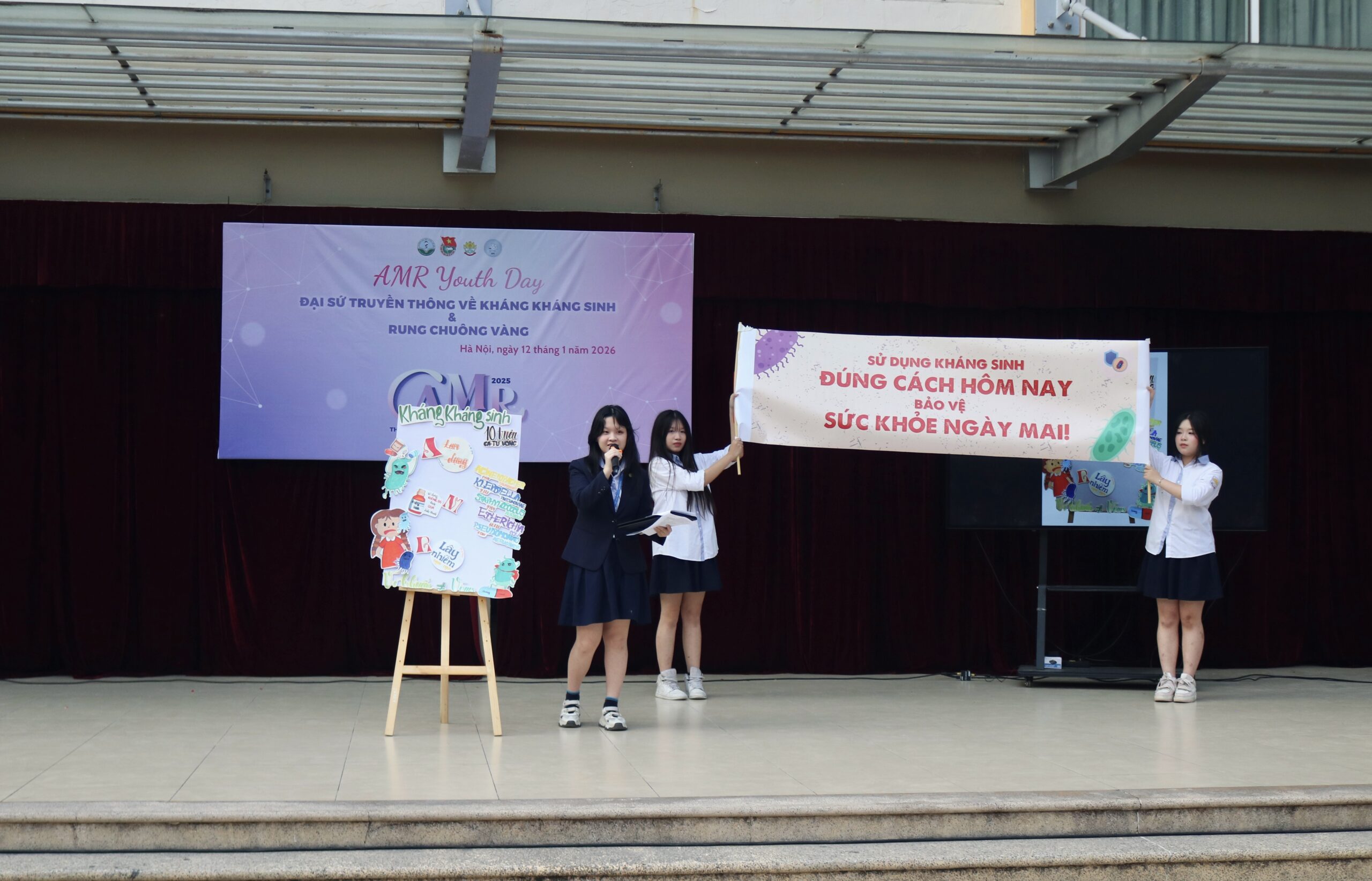
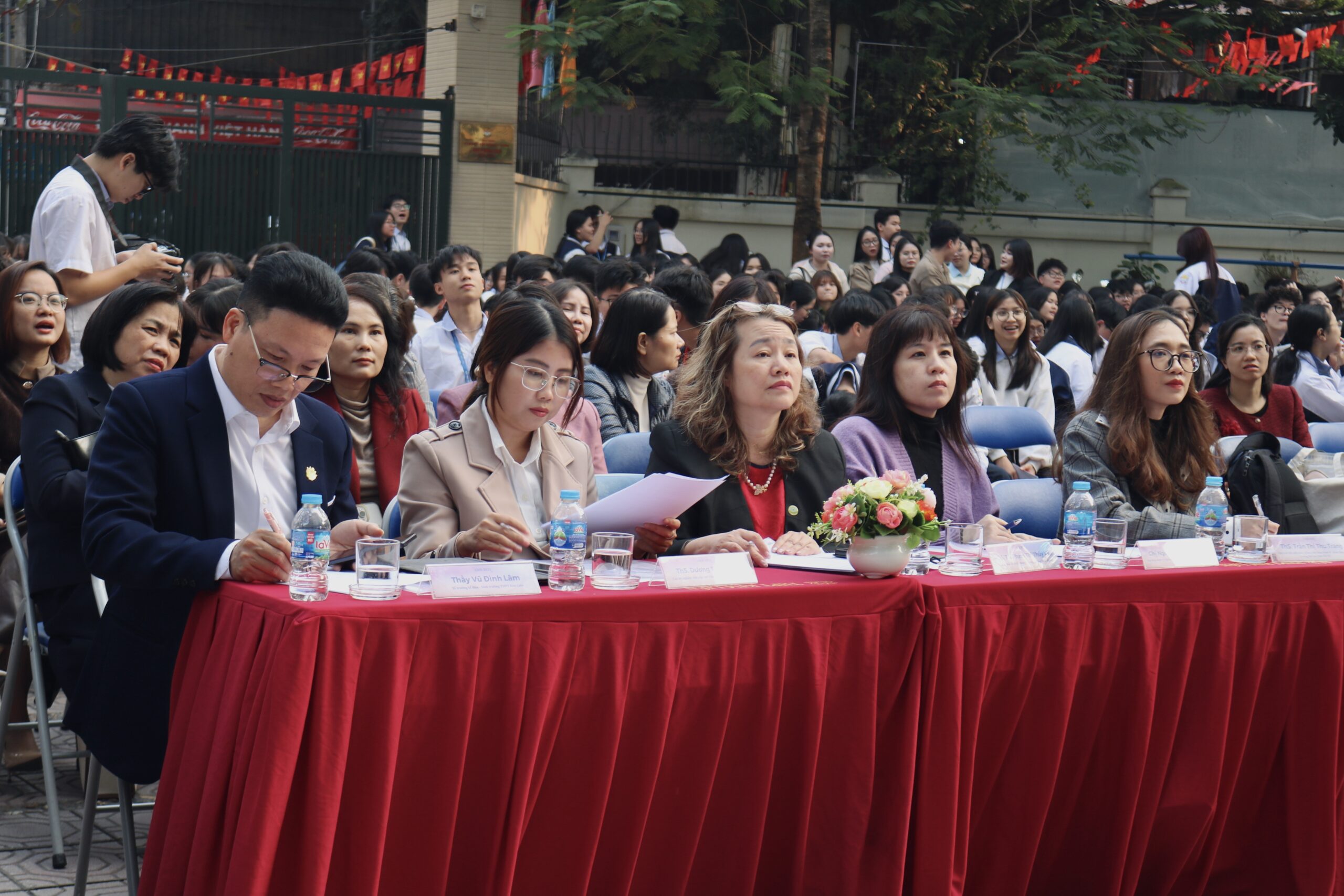
    One of the highlights of this year’s program is the â€œAMR Ambassador” Competition, held at Kim Lien High School (Hanoi). The competition aims to create a creative learning space for Grade 10 students while strongly spreading the message of using antibiotics safely, appropriately, and responsibly. Ms. Nguyen thi Hong Nga â€“ OUCRU Senior PCE Coordinator â€“ was invited to join the competition as a panel member. 

    Ms. Nguyen thi Hong Nga – OUCRU Senior PCE Coordinator – was invited to join the competition as a panel member. Image courtesy: SCPC

    From Awareness to Action

    Antimicrobial resistance (AMR) is currently one of the most serious global health challenges. The misuse and overuse of antibiotics allow bacteria to become resistant, making many infections harder to treat, prolonging illness, and increasing healthcare costs.

    With that reality in mind, the “AMR Ambassador” Competition was designed to help students correctly understand antibiotics and antimicrobial resistance, encourage students to actively learn, research, and communicate about public health issues and identify outstanding young individuals who can act as “Ambassadors” to spread messages about responsible antibiotic use to their peers, families, and communities.

    Image courtesy: SCPC

    Strong Collaboration Behind the Scenes

    During the competition, participating teams demonstrated impressive creativity in AMR communication. They used a wide range of engagement approaches, including posters, theatre performances, interactive Q&A sessions, and short presentations, making complex health messages accessible and engaging for students.

    In the Competition, each team selected one of three topic groups: Causes of antimicrobial resistance; Impacts and consequences of antimicrobial resistance and Solutions to limit antimicrobial resistance. Each team had up to three minutes to deliver their presentation. Beyond scientific knowledge, this round required critical thinking, persuasive communication, and a strong sense of social responsibility. Many presentations left a strong impression by connecting the topic with real-life situations, such as self-medicating when having a cold, stopping antibiotics early when feeling better, or reusing old prescriptions for others.

    Image courtesy: SCPC

    Young “Ambassadors” for Change

    After exciting and competitive rounds, the judging panel selected the top five teams. More importantly than the awards, the students truly became “AMR Ambassadors” – young people who understand the issue, believe in responsible action, and are ready to contribute to the fight against antimicrobial resistance.

    Many students shared that after the competition, they changed their own habits: consulting doctors or pharmacists before using antibiotics and reminding family members not to buy antibiotics without prescriptions.

    Spreading the Message for a Healthier Future

    Through creative and student-friendly formats, the “AMR Ambassador” Competition has increased young people’s awareness of antimicrobial resistance, encouraged students to become active health communicators in their communities and contributed to the collective effort to promote safe, appropriate, and effective antibiotic use.

    As antimicrobial resistance continues to rise, every small action—from using antibiotics correctly to sharing knowledge with others—matters. And today’s young “ambassadors” will be a vital force in protecting community health in the future.

    Image courtesy: SCPC
  • OUCRU Wrapped 2025: Turning research into real-world impact

    OUCRU Wrapped 2025: Turning research into real-world impact

    A year defined by translation, not just discovery 

    2025 was a year in which OUCRU research moved decisively from evidence to action. Across diseases, disciplines, and countries, the work highlighted in OUCRU Wrapped 2025 reflects a shared focus: generating rigorous evidence that can genuinely improve patient care, inform policy, and strengthen research systems where the burden of infectious disease remainshighest. 

    The Wrapped summaries below capture the breadth of this work — from major scientific milestones to the people and partnerships behind them. This article offers the story behind the highlights. 

    Explore OUCRU Wrapped 2025 

    OUCRU Research Highlights in 2025

    When evidence reshapes clinical practice 

    Several of the year’s most significant achievements addressed long-standing gaps in how infectious diseases are diagnosed, treated, and studied. 

    In tuberculous meningitis, decades of research culminated in the first international clinical practice guideline, providing clinicians worldwide with clearer, evidence-based direction for managing one of the deadliest forms of TB. In dengue, global agreement on what outcomes should be measured in clinical trials marked a critical step toward more comparable and actionable research. 

    Equally important were studies that clarified what does not improve outcomes. Large, carefully conducted trials demonstrated that increasing drug doses does not necessarily translate into better survival — evidence that helps clinicians avoid unnecessary risk and reinforces the importance of rigorous negative findings. 

    Together, these advances underscore OUCRU’s commitment not only to innovation, but to precision in clinical decision-making. 

    Research at scale, rooted in collaboration 

    Large, multi-country studies continued to define OUCRU’s work in 2025. These trials reflect sustained investment in regional partnerships, shared infrastructure, and locally led research capable of answering questions that matter to millions of patients. 

    At the same time, new projects launched across Vietnam and Indonesia illustrate how surveillance, diagnostics, digital health, and vaccine-relevant research are increasingly interconnected — linking patient-level data to future prevention and treatment strategies. 

    The people behind the progress 

    Scientific impact depends on people, leadership, and continuity. In 2025, OUCRU marked a significant leadership transition, while also seeing Vietnam-based researchers recognised at the highest academic level by the University of Oxford — a sign of the growing global visibility of research conducted in the region. 

    The people behind the Science

    Training and mentorship remained central to OUCRU’s mission. As senior researchers took on new leadership roles, new PhD graduates and early-career scientists stepped forward, supported by programmes designed to strengthen long-term research capacity across South and Southeast Asia. 

    Investment in the future of global health research 

    Major new grants secured in 2025 reflect confidence in OUCRU’s long-term vision. These awards support work spanning artificial intelligence in clinical care, severe tuberculosis, dengue therapeutics, and cross-continental clinical trial networks. 

    Alongside research funding, conferences, policy reports, and engagement initiatives continued to connect evidence with practice, ensuring that scientific findings reach clinicians, communities, and decision-makers. 

    Looking ahead 

    The highlights captured in OUCRU Wrapped 2025 represent more than a successful year — they point to a research ecosystem built for durability, relevance, and impact. 

  • Building an entrepreneurship mindset for researchers at OUCRU 

    Building an entrepreneurship mindset for researchers at OUCRU 

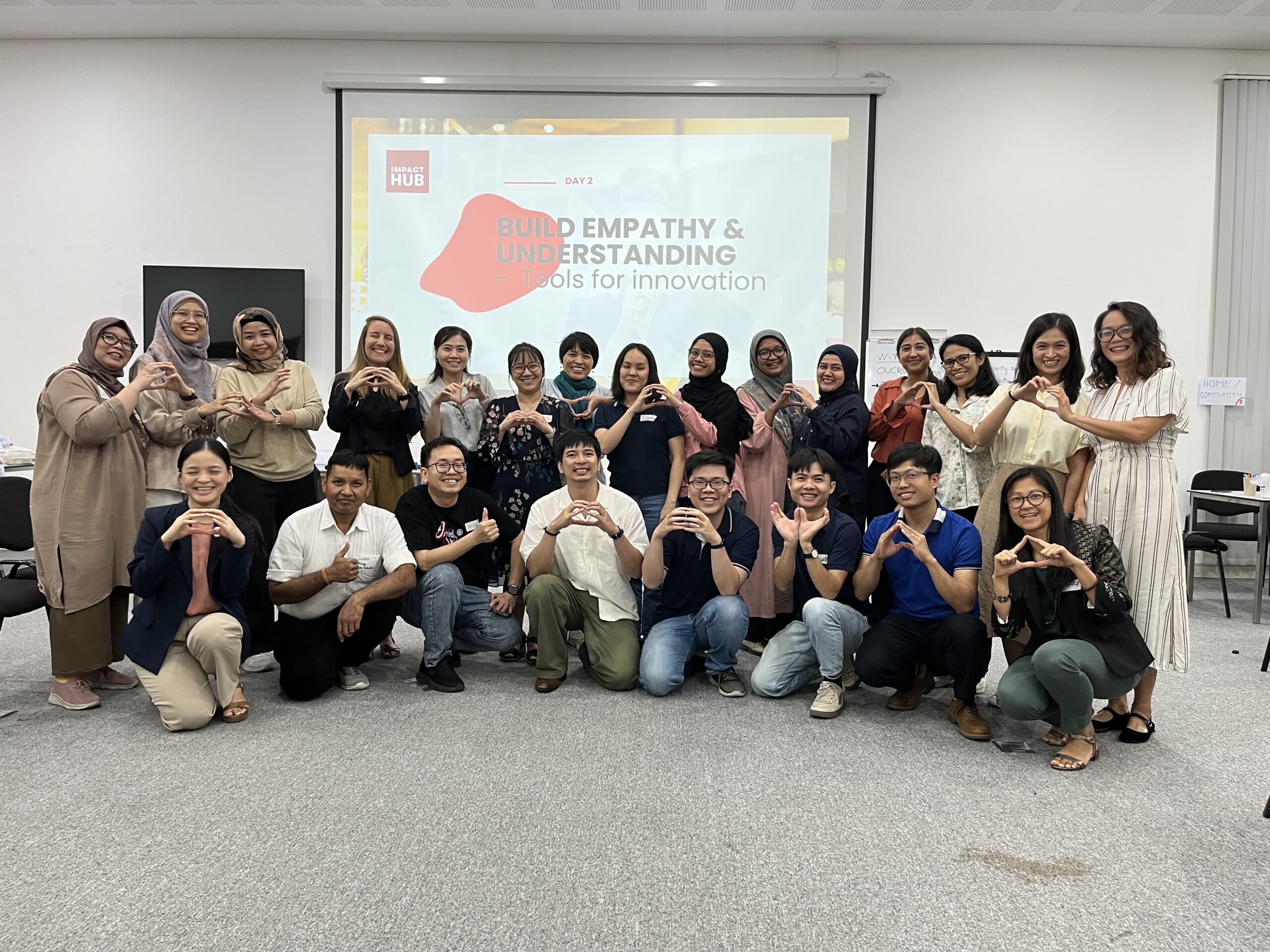
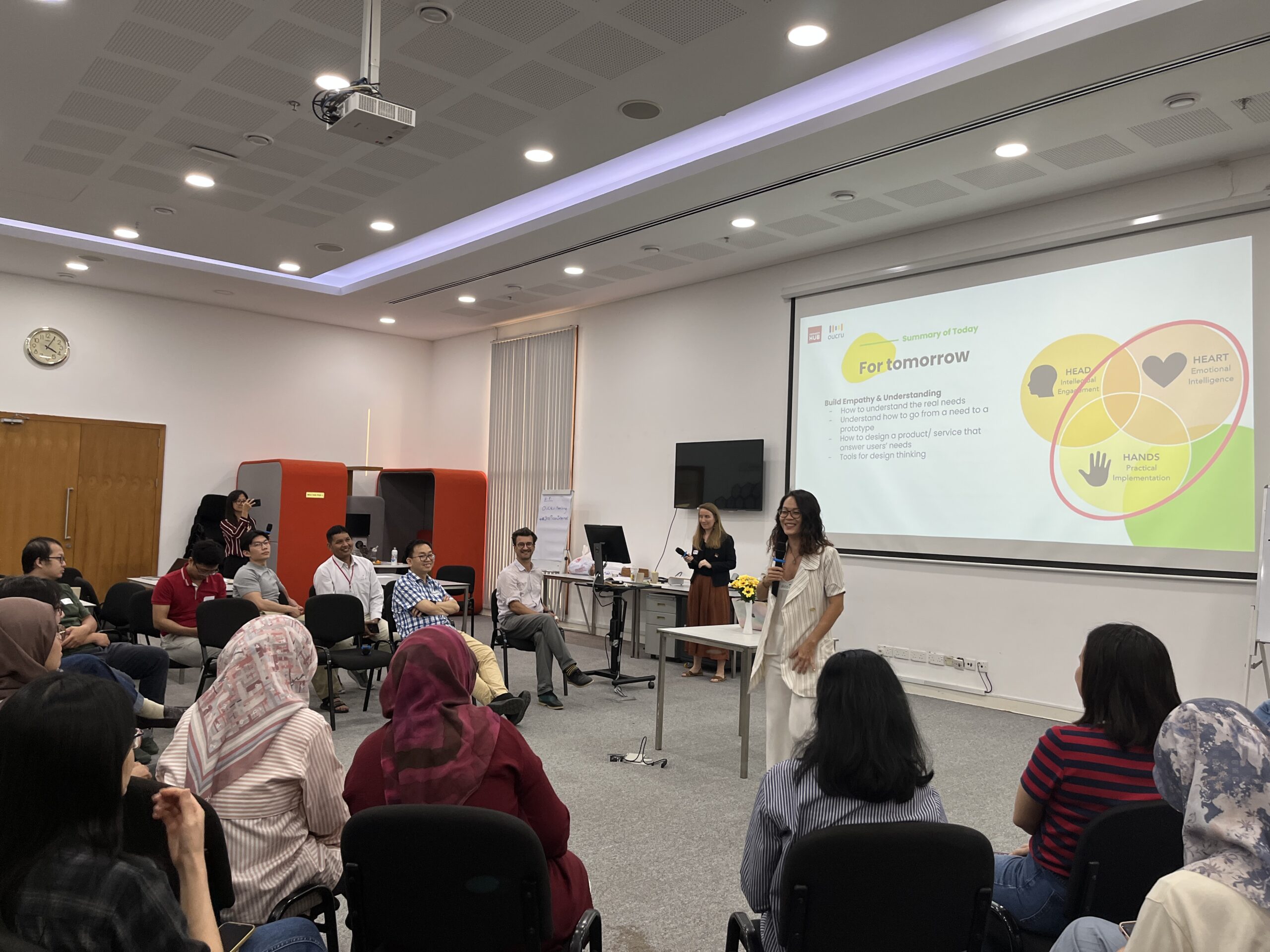
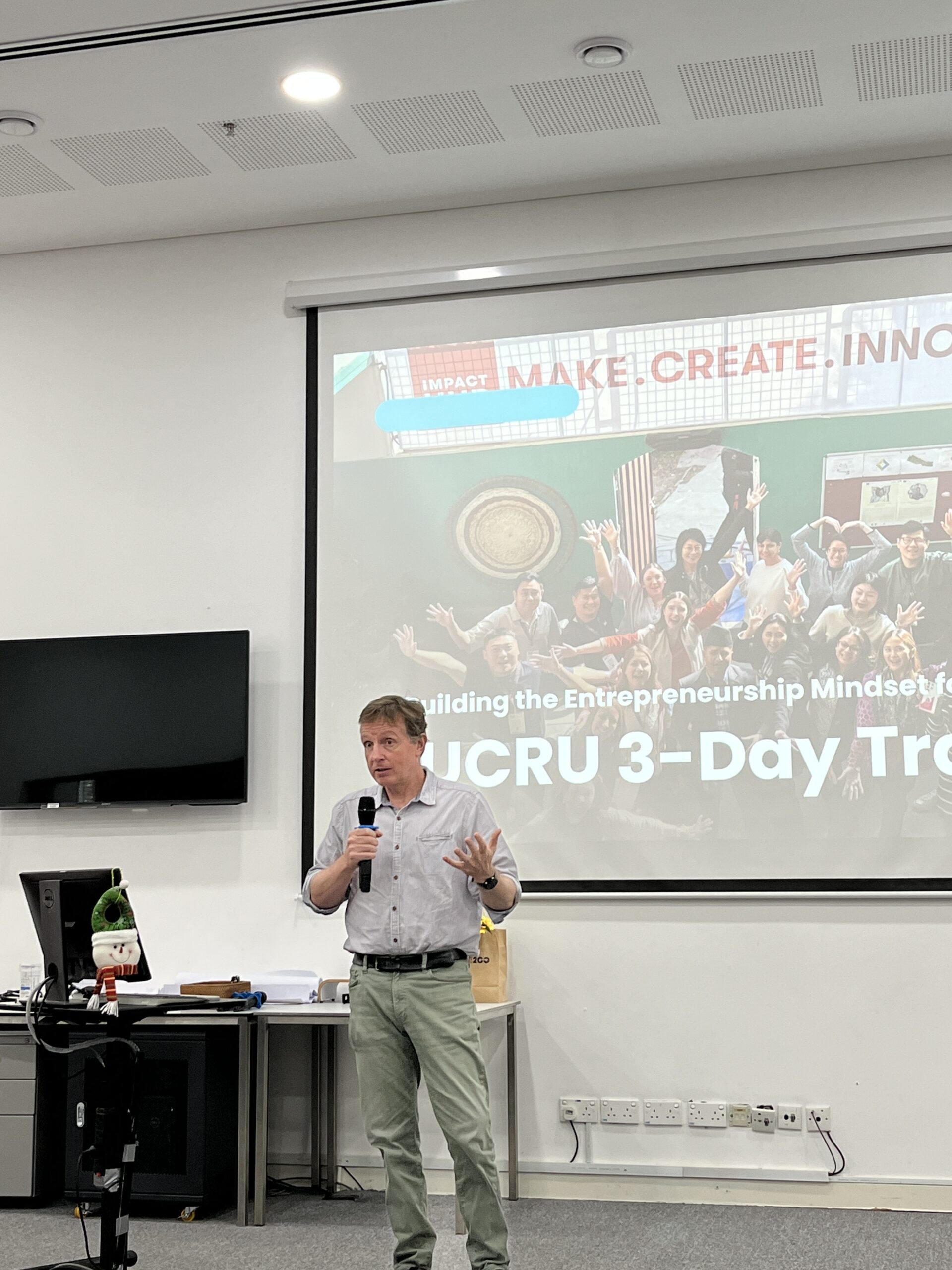
    From 2–4 December 2025, OUCRU hosted a three-day participatory workshop, Building an Entrepreneurship Mindset for Researchers, bringing together early-career researchers and professional staff from Vietnam, Indonesia and Nepal. The workshop marked an important milestone in OUCRU’s Translational Research programme, which aims to strengthen the pathway from scientific discovery to real-world impact. 

    Designed and delivered in collaboration with Impact Hub Asia Pacific, the training introduced participants to entrepreneurship not as a business pursuit, but as a mindset—one grounded in curiosity, empathy, creativity and action. Through hands-on activities, group reflection and practical tools, participants were encouraged to reimagine their role as researchers who can actively shape solutions within healthcare systems and beyond. 

    From research questions to real-world impact 

    Across the three days, the workshop followed a clear learning journey. Participants began by exploring why entrepreneurship matters for researchers, challenging common misconceptions and reflecting on how their work could create broader societal value. Sessions highlighted the role of scientists in innovation ecosystems and showcased regional examples of healthcare entrepreneurship, including insights from guest speaker Francis Nguyen, Founder of OneMedic. 

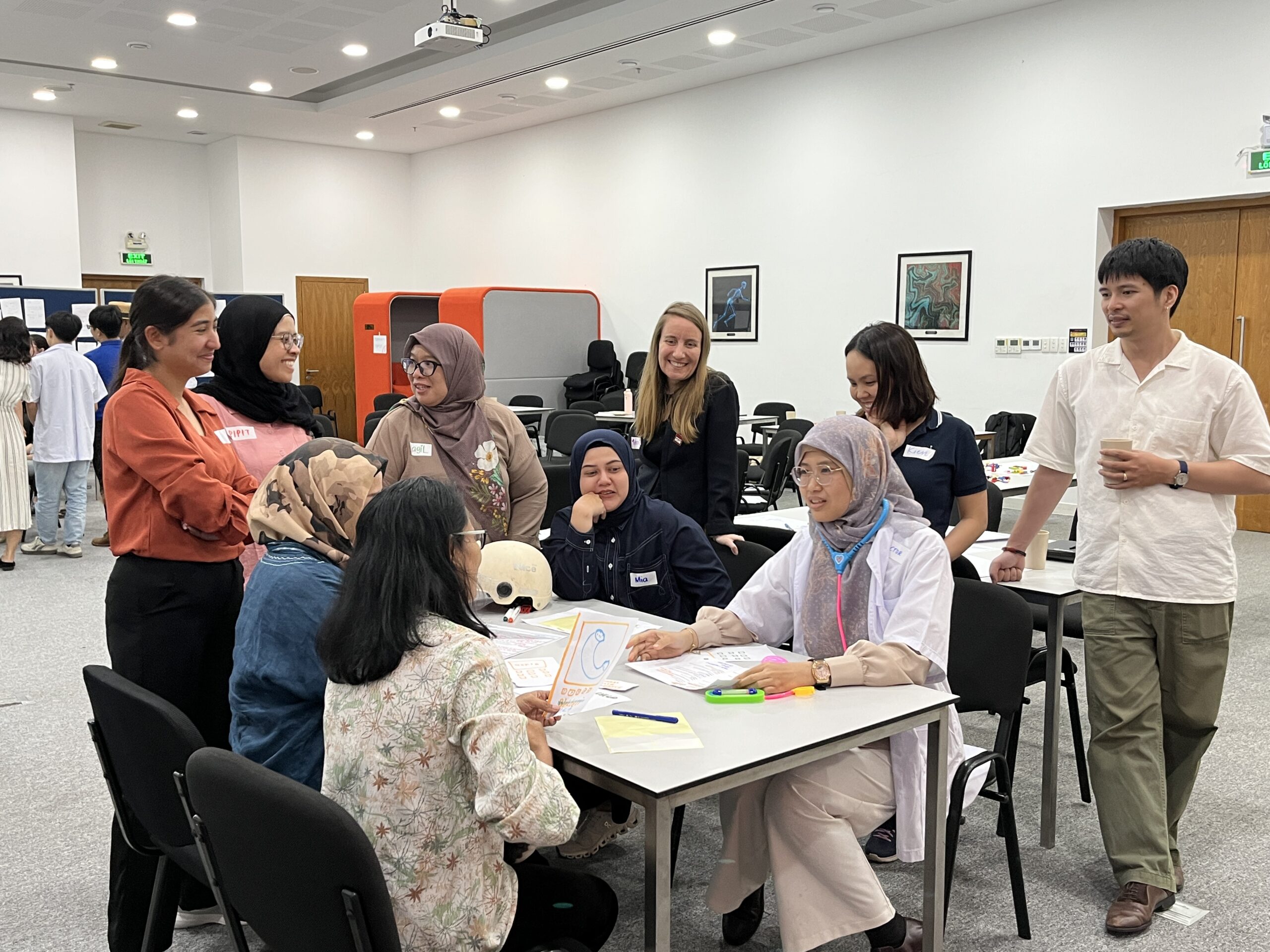
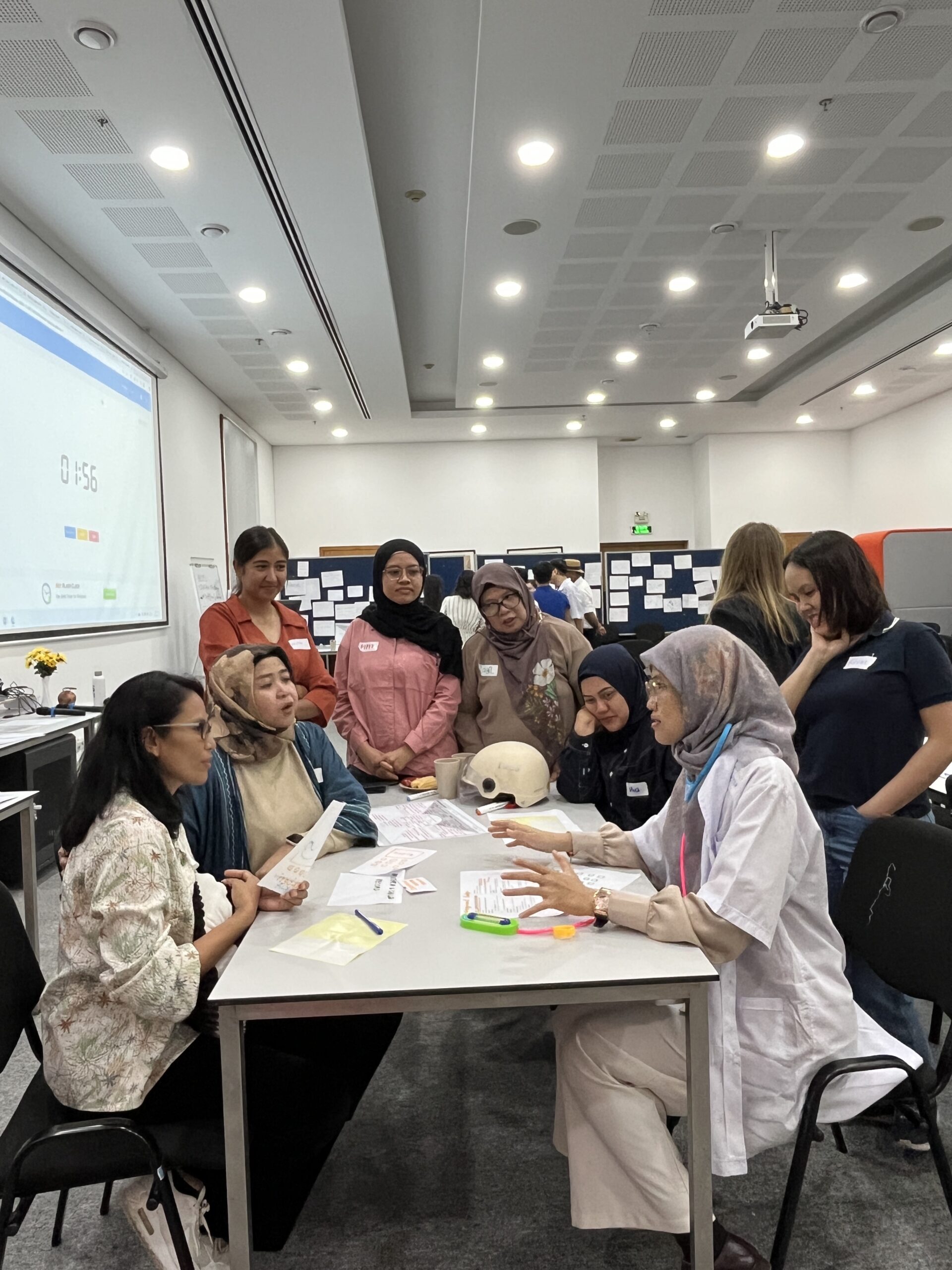
    The second day focused on tools for innovation, introducing design thinking, user empathy and problem framing. Through role-play, case studies and prototyping exercises, participants worked in teams to better understand user needs and redesign patient journeys—bridging the gap between academic research and lived experience. 

    On the final day, attention shifted to pathways from research to impact. Participants practised storytelling and pitching, learned how to articulate ideas clearly to non-specialist audiences, and were introduced to simple frameworks such as the Lean Canvas to help turn early ideas into actionable plans. The programme concluded with reflections on next steps and the support available within OUCRU to accompany researchers on their translational journey. 

    Learning by doing 

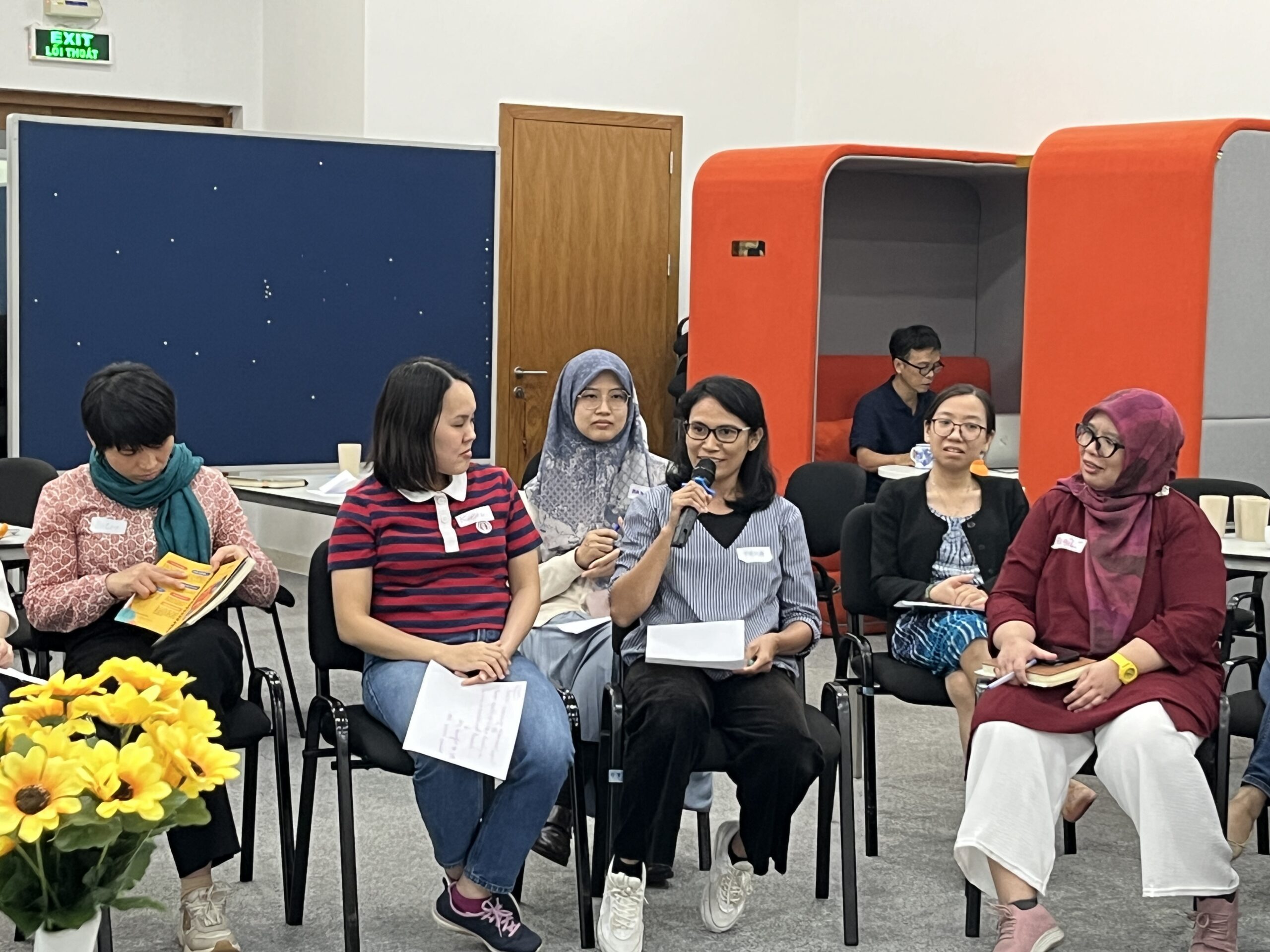
    A defining feature of the workshop was its experiential approach. Rather than lectures, sessions were built around dialogue, experimentation and peer learning—creating a safe space for participants to test ideas, reflect on failure, and build confidence. 

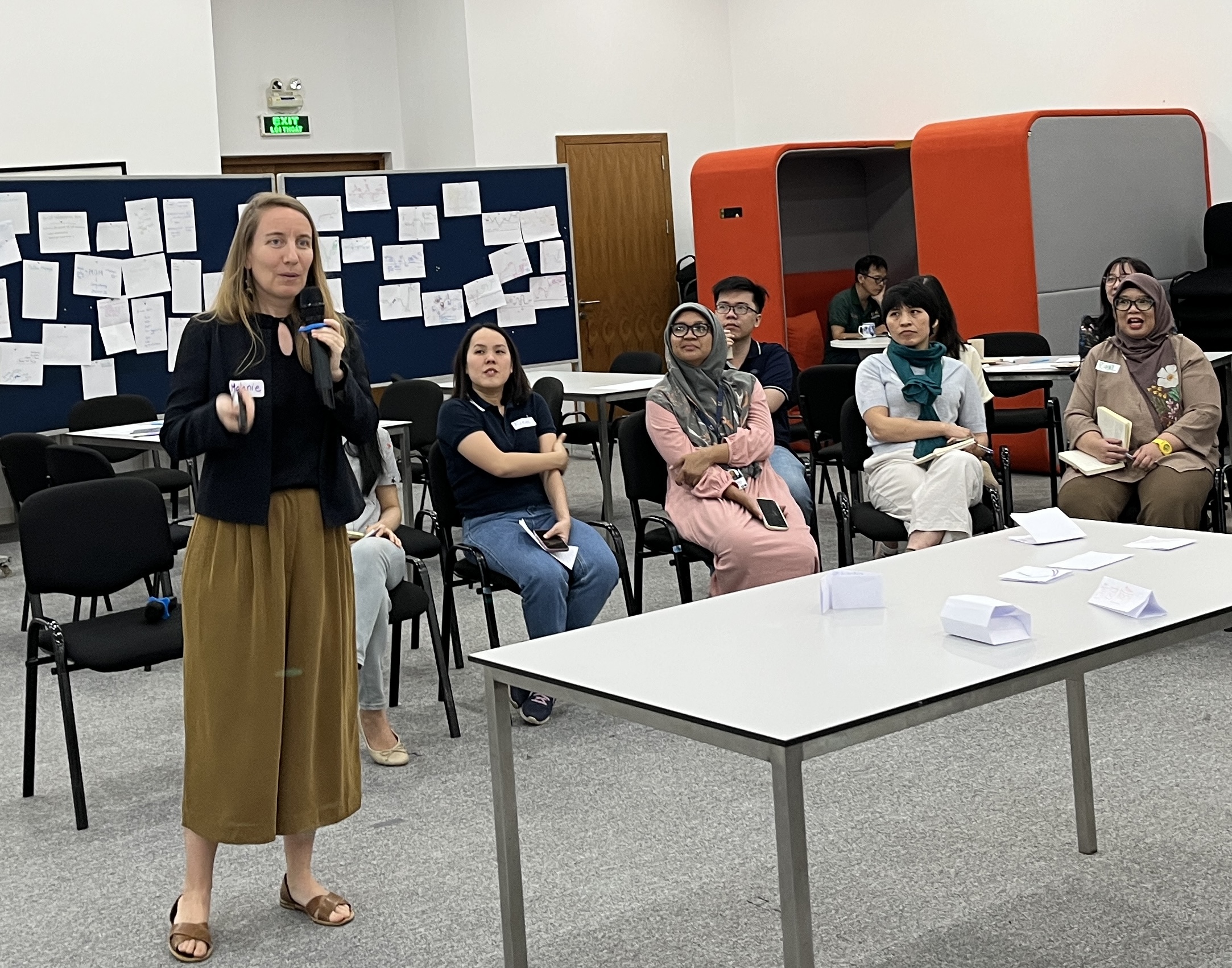
    Melanie Mossard, Chief Impact Officer, Impact Hub. Image courtesy of Impact Hub

    “We designed the training as a journey: starting with the bigger ‘why’—why entrepreneurship and impact matter in research—then moving into tools focused on empathy-building and design thinking, and finally closing with more concrete frameworks such as storytelling and simple ways to map early ideas into something shareable,” said Melanie Mossard, Impact Hub Asia Pacific. “We intentionally made the process as practical and experiential as possible, so participants could learn by doing.” 

    Participants echoed the value of this mindset shift, particularly for those at early stages of their careers. 

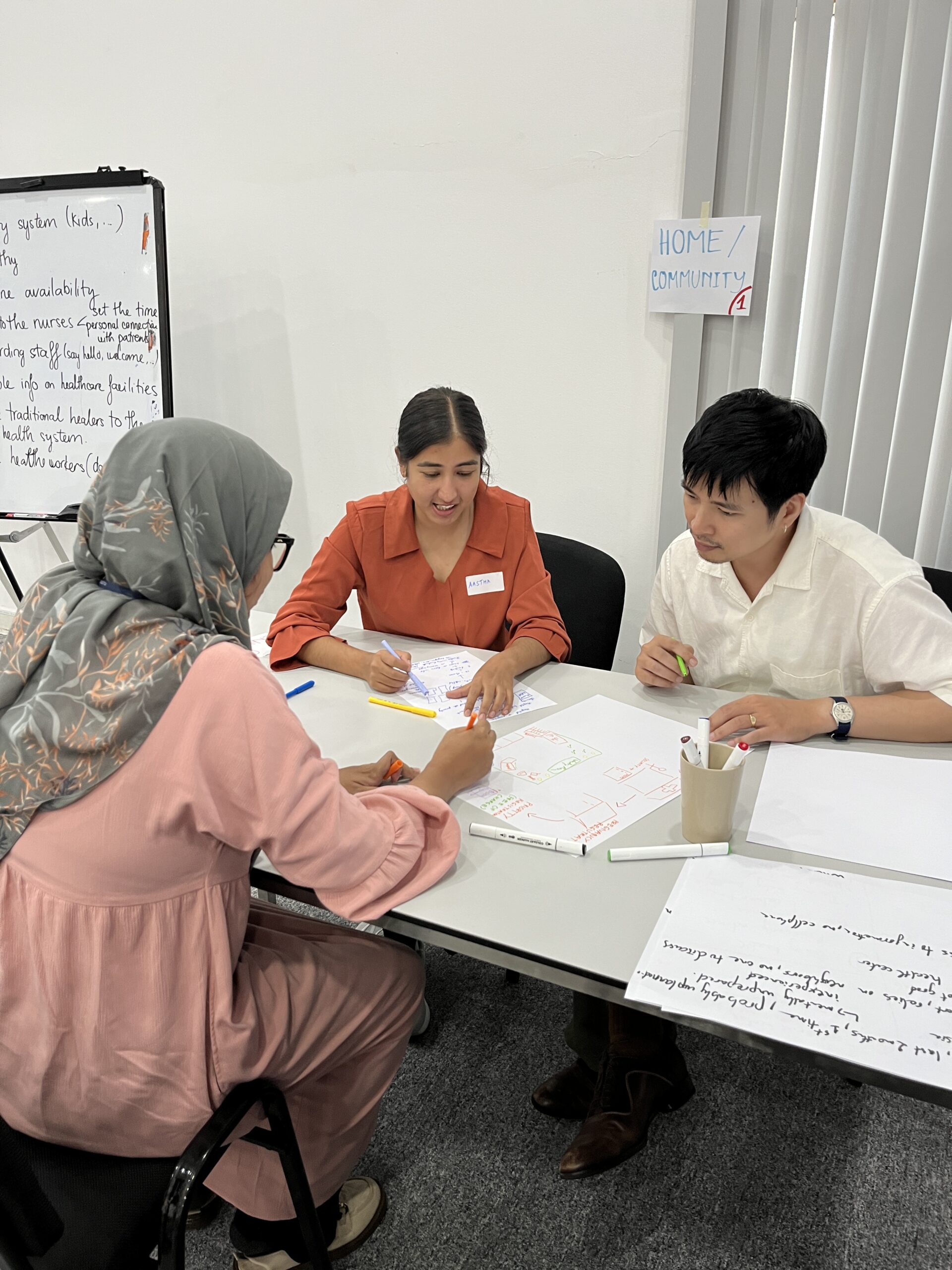
    Aastha Ghimire, Medical Officer at OUCRU Nepal. Image courtesy of Impact Hub

    “Where I come from, there is an abundance of problems—and where there are problems, there are opportunities,” shared Aastha Ghimire, Medical Officer at OUCRU Nepal.  “In the future, whenever I encounter a problem, I want to ask: is anyone doing something about this? If yes, what can I add or improve? If no, what can I start? That mindset is what I’m taking home.” 

    Part of OUCRU’s Translational Research Programme

    This workshop is part of OUCRU’s Translational Research programme, which aims to strengthen the integration of innovation and impact-driven thinking across OUCRU’s research culture. The programme supports researchers to move promising ideas beyond discovery by building translational skills, confidence and practical pathways to impact.

    Through collaboration with the Oxford Translational Research Office (TRO)Oxford University Innovation (OUI), the Impact Hub network in Asia, and local Entrepreneurs in Residence, the programme provides strategic funding and tailored support for early-stage translational projects. Together, these efforts are developing a new generation of researchers equipped to translate scientific excellence into tangible health benefits for communities in the region.

  • Building Lasting Impact: Professor Guy Thwaites’ Legacy at OUCRU

    Building Lasting Impact: Professor Guy Thwaites’ Legacy at OUCRU

    Since his appointment as Director of the Oxford University Clinical Research Unit (OUCRU) in October 2013, Professor Guy Thwaites has played a central role in shaping the unit’s scientific direction, regional reach, and institutional development. 

    From the outset, his remit encompassed a broad and evolving research portfolio, responding to local and regional health priorities across emerging viral infections, dengue, tuberculosis, antimicrobial resistance, brain infections, and critical care. Throughout his tenure, OUCRU’s work under his leadership has remained grounded in clinical need, informed by local contexts, and aligned with global health priorities. 

    Research Leadership and Scientific Direction 

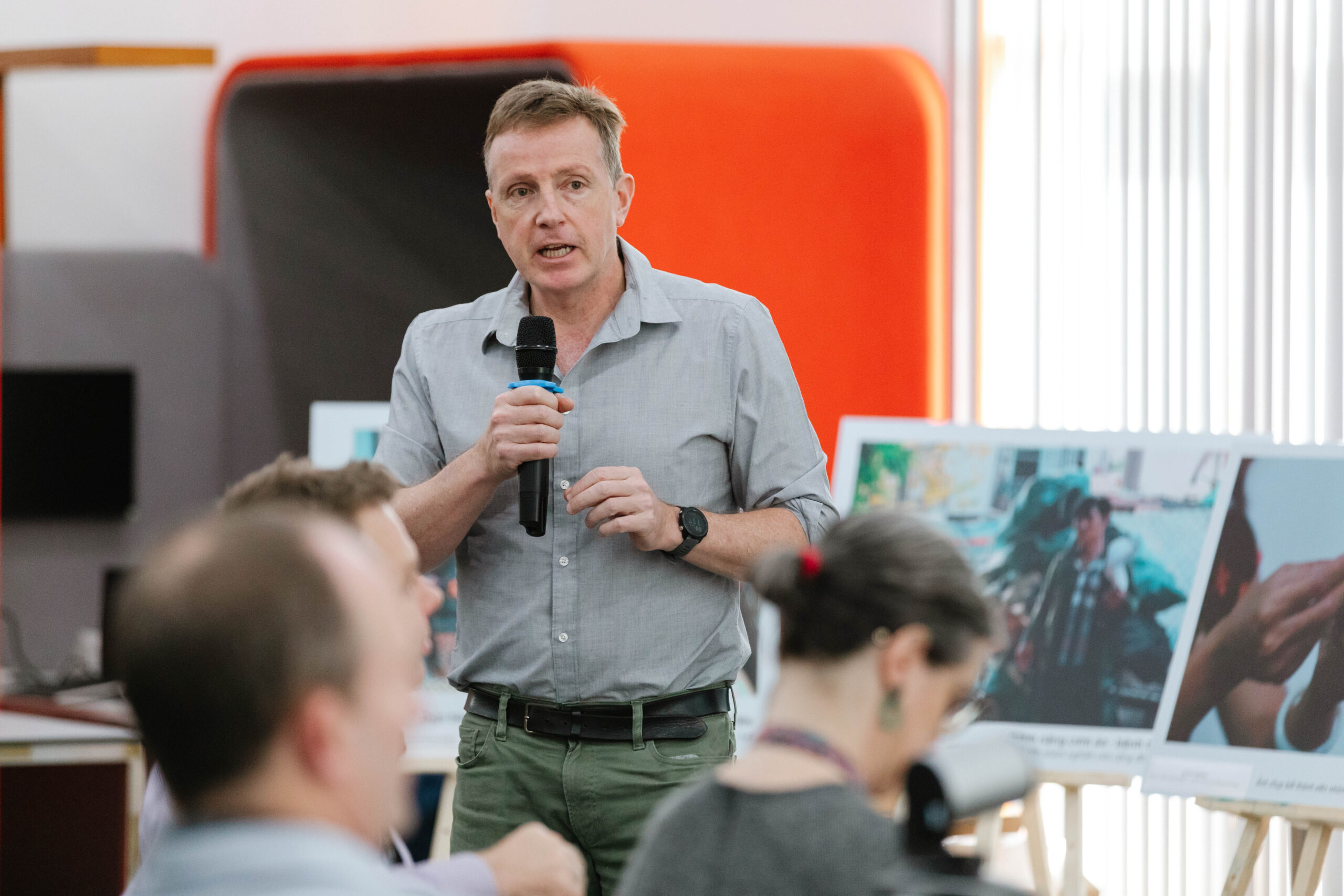
    Professor Thwaites speaking at an event on ongoing infectious disease research in Vietnam.

    Tuberculosis, and in particular tuberculous meningitis, has been a defining focus of Professor Thwaites’ own scientific work during his time as Director. Alongside a diverse institutional research portfolio, OUCRU led and expanded multiple TBM research programmes in Vietnam, including trials of intensified and optimised regimens, adjunctive therapies, and paediatric studies. This body of work strengthened Vietnam’s role as an important site for TB research and contributed to changes in clinical practice beyond the country. 

    From around 2018 onwards, OUCRU increasingly expanded its emphasis on translational and innovation-driven research. Clinical trials were complemented by efforts to translate diagnostics, biomarkers, and data into tools that support earlier detection and improved clinical decision-making. Vietnam became a key contributor to international research consortia, ensuring that advances in treatment and technology were tested in settings with high disease burden. 

    During this period, existing strengths within OUCRU were further consolidated. Public and Community Engagement continued to be prioritised, with more formal structural support, including dedicated funding within core grants. This reinforced the role of community engagement and social context as integral components of high-quality research. The later establishment of social science and implementation research further broadened OUCRU’s approach, supporting the translation of evidence into policy and practice. 

    Leadership Through Challenge and Growth 

    Professor Thwaites’ leadership was tested most visibly during the COVID-19 pandemic. OUCRU rapidly redirected its research focus, securing funding for more than 30 COVID-related studies, while maintaining longer-term research capacity across other priority areas. During this period, OUCRU continued to contribute to national and global responses through both research and public engagement. 

    Capacity building has remained a consistent priority throughout his directorship. OUCRU expanded as a regional network, strengthening programmes in Indonesia and Nepal and investing in the development of Vietnamese clinicians and researchers. The promotion of local researchers into leadership roles has been a deliberate and forward-looking element of this approach, supporting sustainability and long-term impact. 

    Repeated core grant renewals, including a major seven-year renewal in 2022, reflected confidence in OUCRU’s strategic direction and provided stability for continued growth. 

    Professor Guy Thwaites with OUCRU colleagues. His legacy is reflected in the collaborative research culture built over more than a decade of leadership.

    Looking Ahead 

    As OUCRU looks to the future, much of what defines the organisation today, its scientific direction, regional strength, interdisciplinary approach, and commitment to locally driven research, reflects the foundations established during Professor Thwaites’ directorship. 

    His legacy lies not in any single achievement, but in the culture and environment that support rigorous, collaborative, and impactful research, enabling OUCRU to continue addressing some of the most pressing health challenges in the region and beyond. 

  • Pergantian Kepemimpinan OUCRU per 1 Januari 2026

    Pergantian Kepemimpinan OUCRU per 1 Januari 2026

    Professor Guy Thwaites, Direktur Program OUCRU sejak 2013, akan mengundurkan diri dari posisinya pada 31 Desember 2025. Masa Professor Thwaites di OUCRU diwarnai oleh kepemimpinan serta dedikasi yang luar biasa dan oleh komitmennya dalam memperkuat kemitraan dalam riset klinis serta dalam meningkatan keluaran kesehatan pada tingkat regional.

    Mulai 1 Januari 2026, Professor J. Kevin Baird, saat ini berperan sebagai Direktur OUCRU Indonesia, akan mengemban posisi sebagai Direktur Interim Program OUCRU.

    Pada tanggal yang sama, Associate Professor Raph L. Hamers (Kepala Program Riset Klinis Penyakit Menular OUCRU Indonesia) akan berperan sebagai Direktur Interim OUCRU Indonesia.

    Kami berharap perubahan ini tidak akan mengganggu operasi kami. Tim OUCRU akan terus bekerja erat dengan para mitra, donor, dan pemangku kebijakan untuk mewujudkan riset yang berkualitas tinggi dan dampak berkelanjutan di wilayah kerja kami.