Professor Guy Thwaites, our Programme Director since 2013 will step down from his position on 31 December 2025. Professor Thwaites’ tenure at OUCRU is noted for his outstanding leadership and dedication, and for his enduring commitment to strengthening clinical research partnerships and improving health outcomes across the region.
Effective 1 January 2026, Professor J. Kevin Baird, currently Director of OUCRU Indonesia, will take on the role of Interim Director of the OUCRU Programme.
From the same date, Associate Professor Raph L. Hamers (Head of the OUCRU Indonesia’s Clinical Infectious Diseases Research Programme) will take on the role Interim Director of OUCRU Indonesia.
We expect these changes will not affect any ongoing projects or operations. Our teams will continue to work closely with partners, funders, and stakeholders to deliver high-quality research and sustained impact across our sites.
Professor Guy Thwaites, our Programme Director since 2013 will step down from his position on 31 December 2025. Professor Thwaites’ tenure at OUCRU is noted for his outstanding leadership and dedication, and for his enduring commitment to strengthening clinical research partnerships and improving health outcomes across the region.
Effective 1 January 2026, Professor J. Kevin Baird, currently Director of OUCRU Indonesia, will take on the role of Interim Director of the OUCRU Programme.
From the same date, Associate Professor Raph L. Hamers (Head of the OUCRU Indonesia’s Clinical Infectious Diseases Research Programme) will take on the role Interim Director of OUCRU Indonesia.
We expect these changes will not affect any ongoing projects or operations. Our teams will continue to work closely with partners, funders, and stakeholders to deliver high-quality research and sustained impact across our sites.
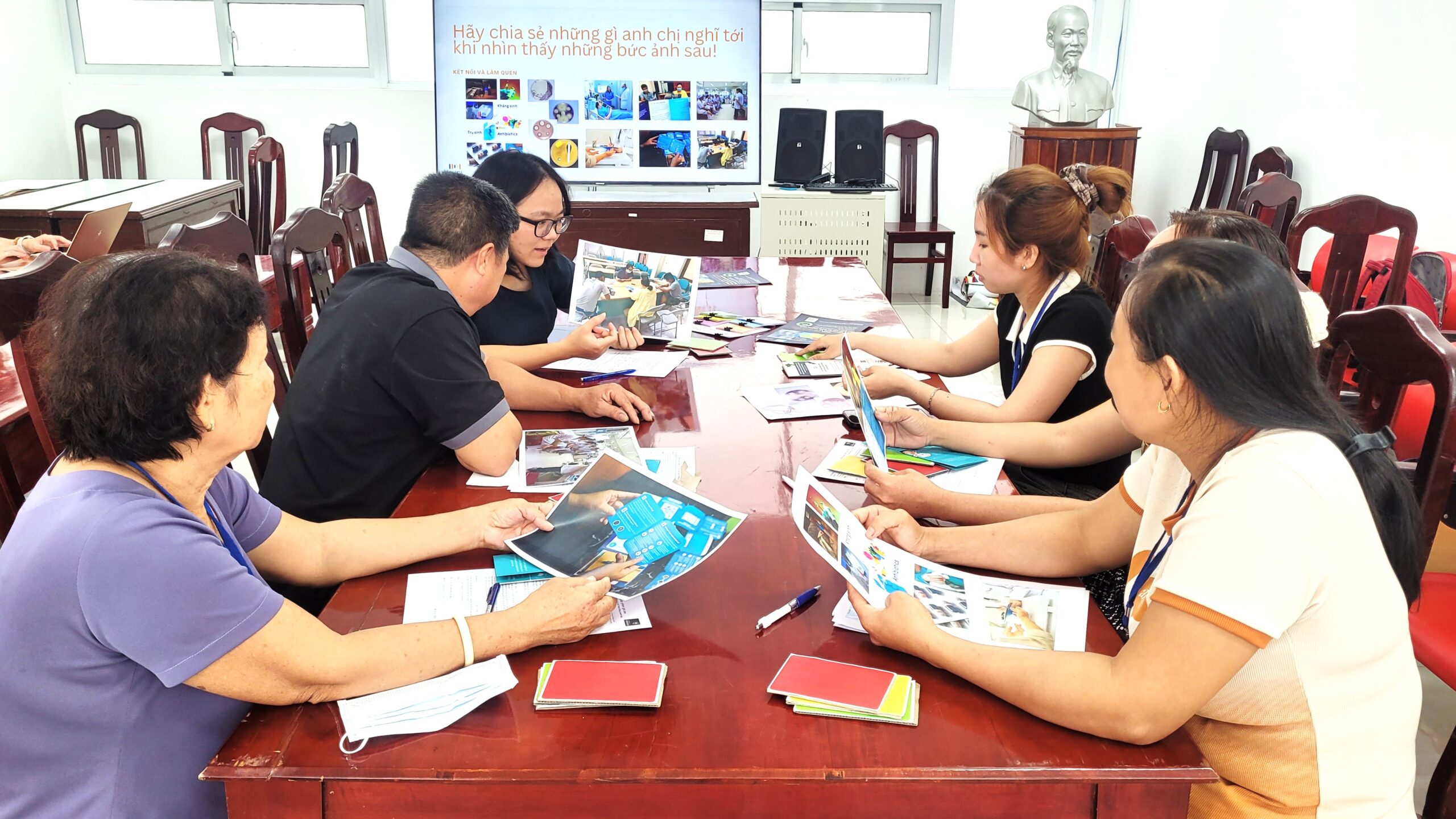
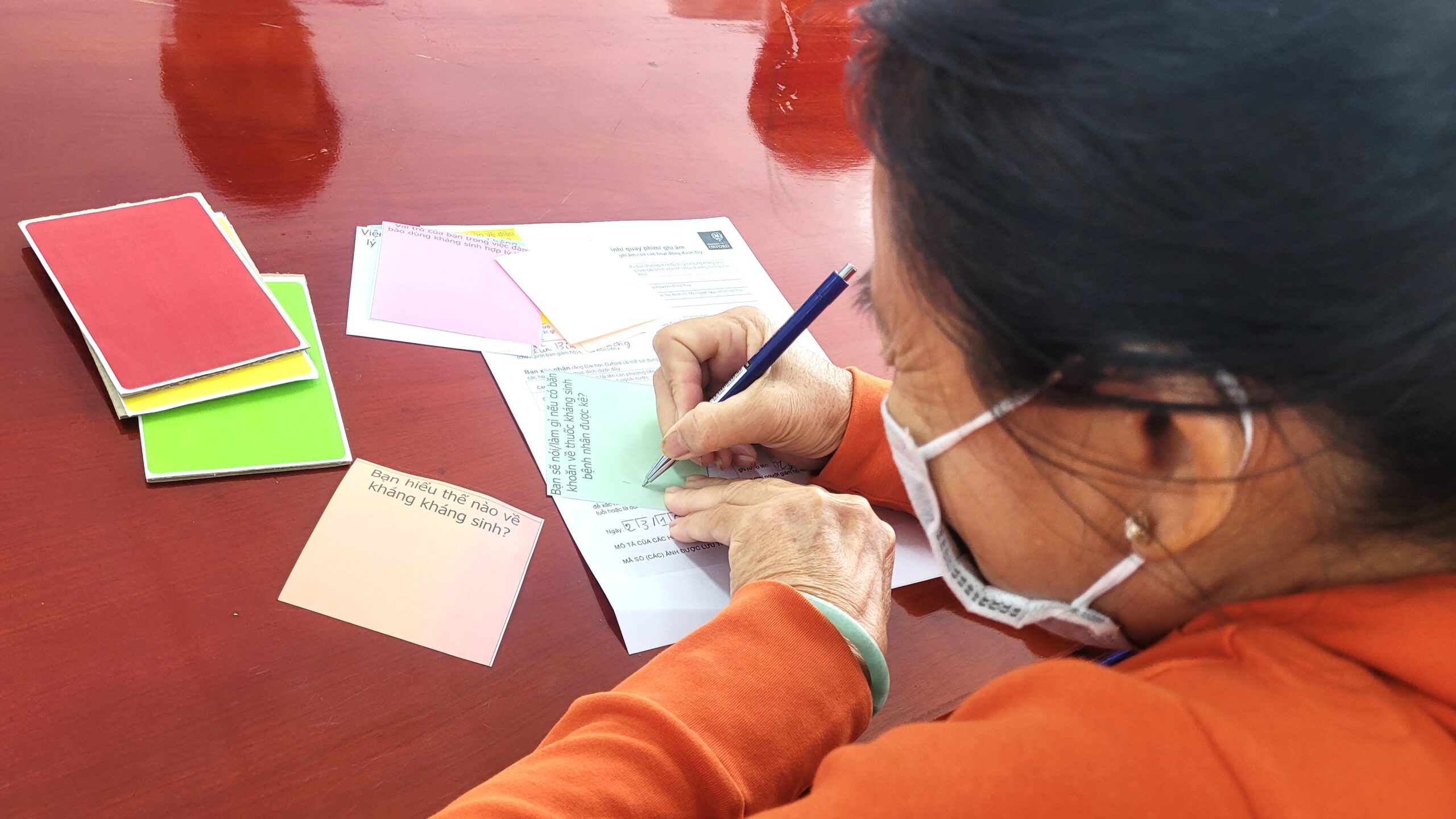
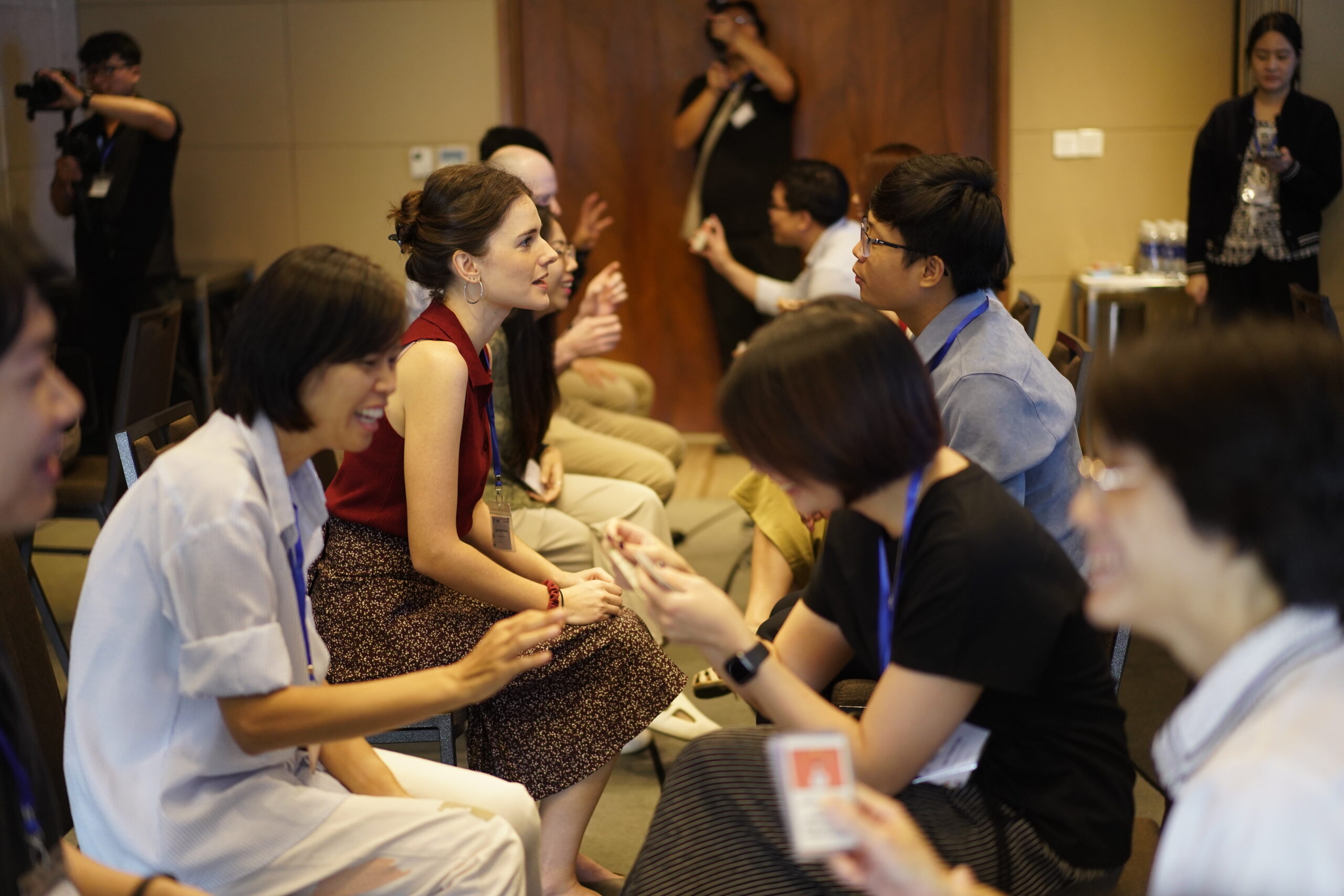
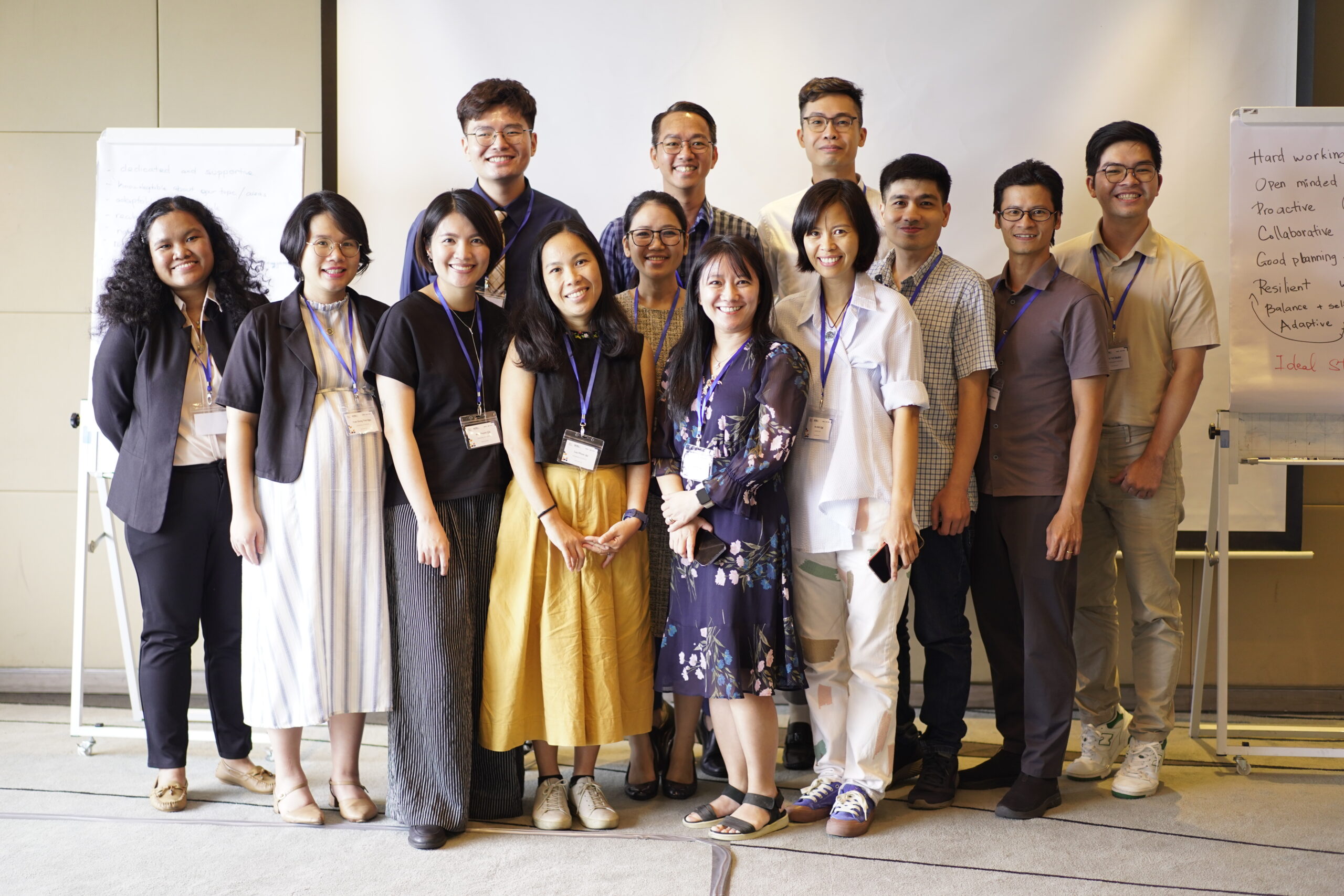
On October 23, 2025, in collaboration with Dong Thap General Hospital, OUCRU organized a series of community engagement sessions to explore knowledge and perceptions about antibiotics, antimicrobial resistance (AMR), and antimicrobial stewardship among patients, caregivers, and healthcare staff. This activity is part of ongoing efforts to promote community participation in tackling antimicrobial resistance – a growing global health challenge.
Participants (patients and caregivers) shared that antibiotic use is familiar to them, and encouragingly, community awareness has improved significantly. They now understand that antibiotics must be used appropriately, in the correct dosage, and only under medical prescription – rather than being purchased and used freely.
Beyond awareness, some participants also demonstrated positive behavioral changes: when uncertain about a medicine or dosage, they are now more willing and proactive in consulting healthcare staff rather than feeling hesitant or afraid of being reprimanded. Some even reported actively discussing the benefits and risks of antibiotic prescription and monitoring their own or family members’ treatment to promptly report unusual symptoms to healthcare staff. These small but meaningful actions show that patients and their families are not only concerned about the quality of treatment outcomes, but also increasingly aware of the medications being prescribed.
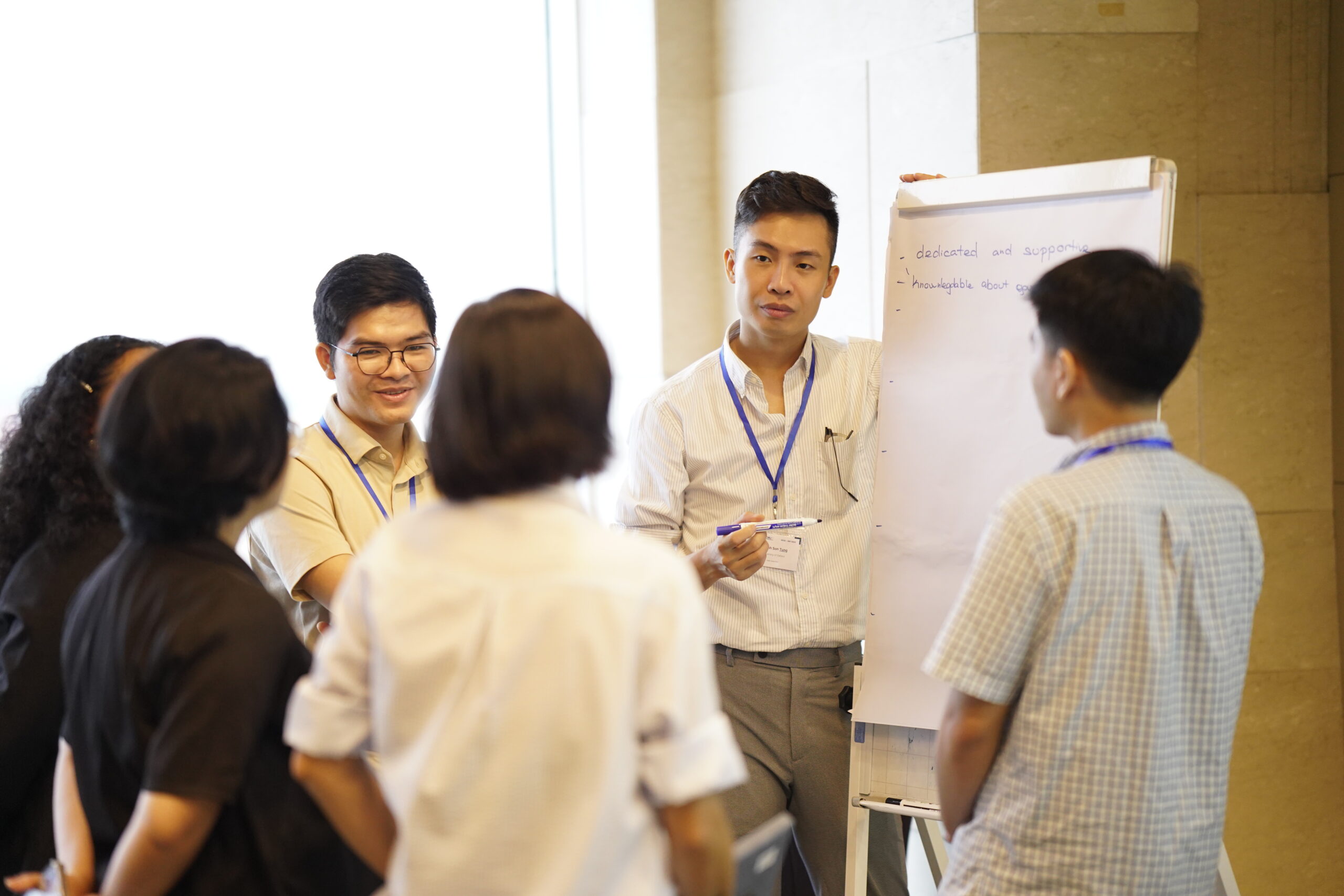
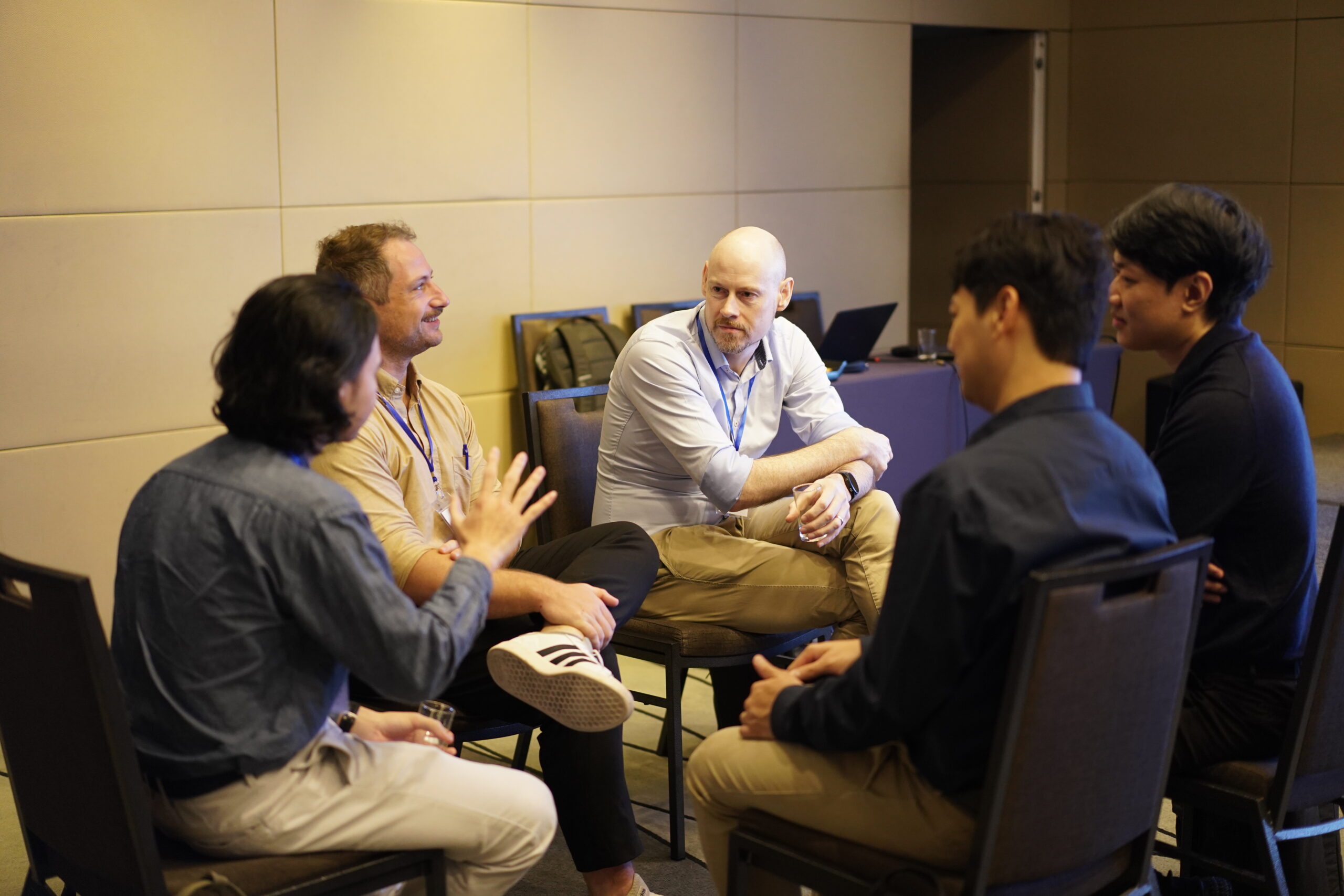
Picture 1, 2:Â Patients and caregivers sharing their understanding of antibiotic use (Source: OUCRU)
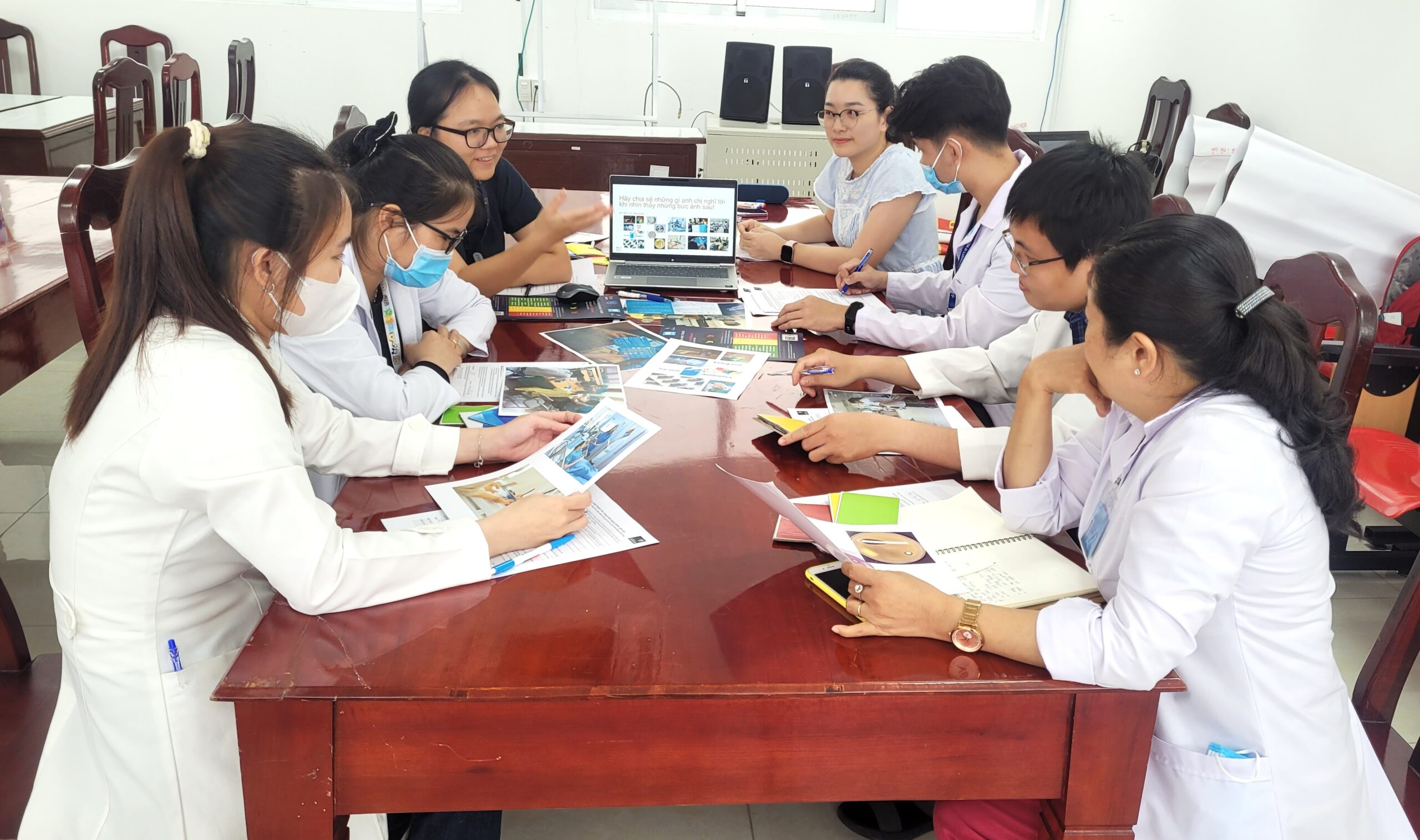
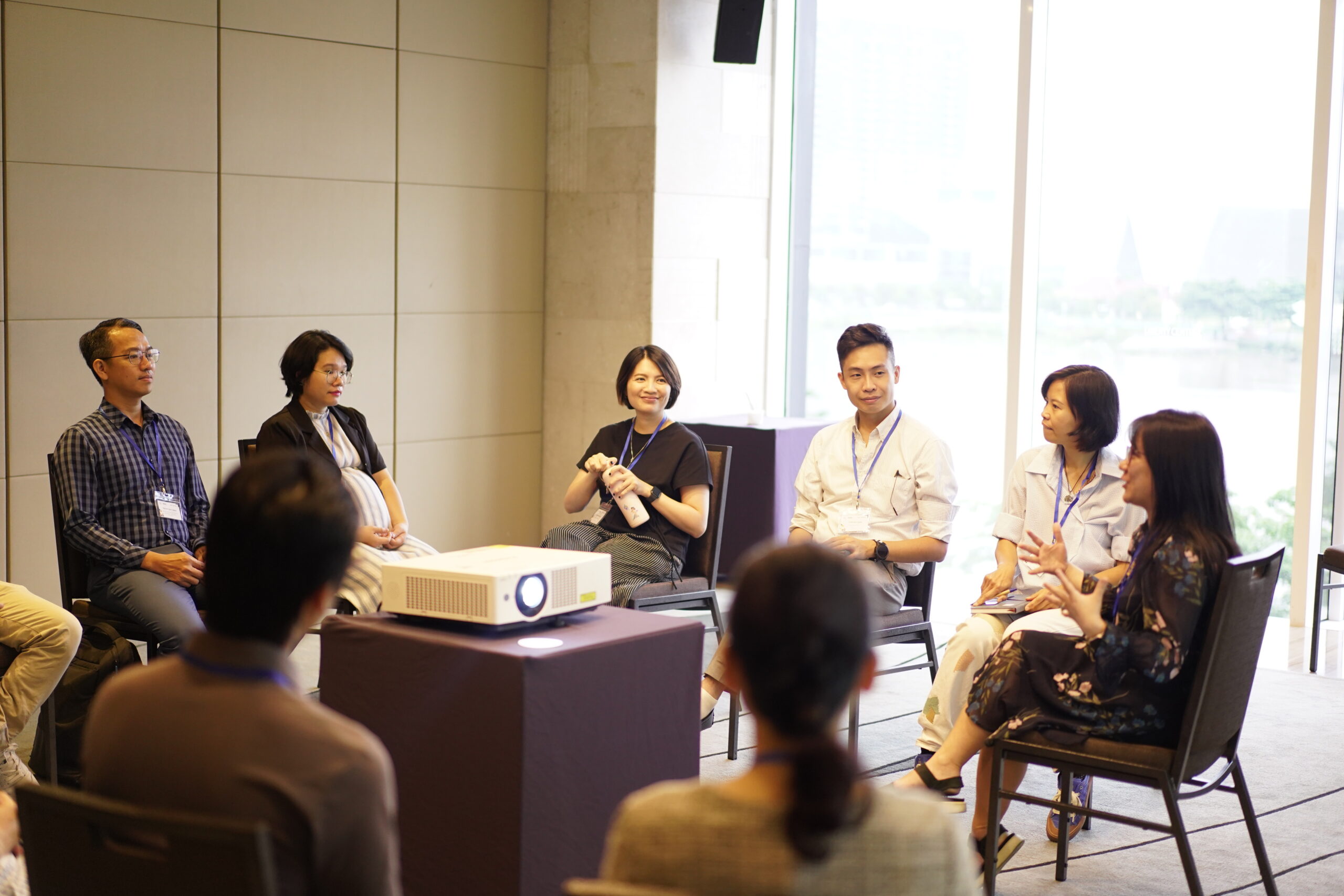
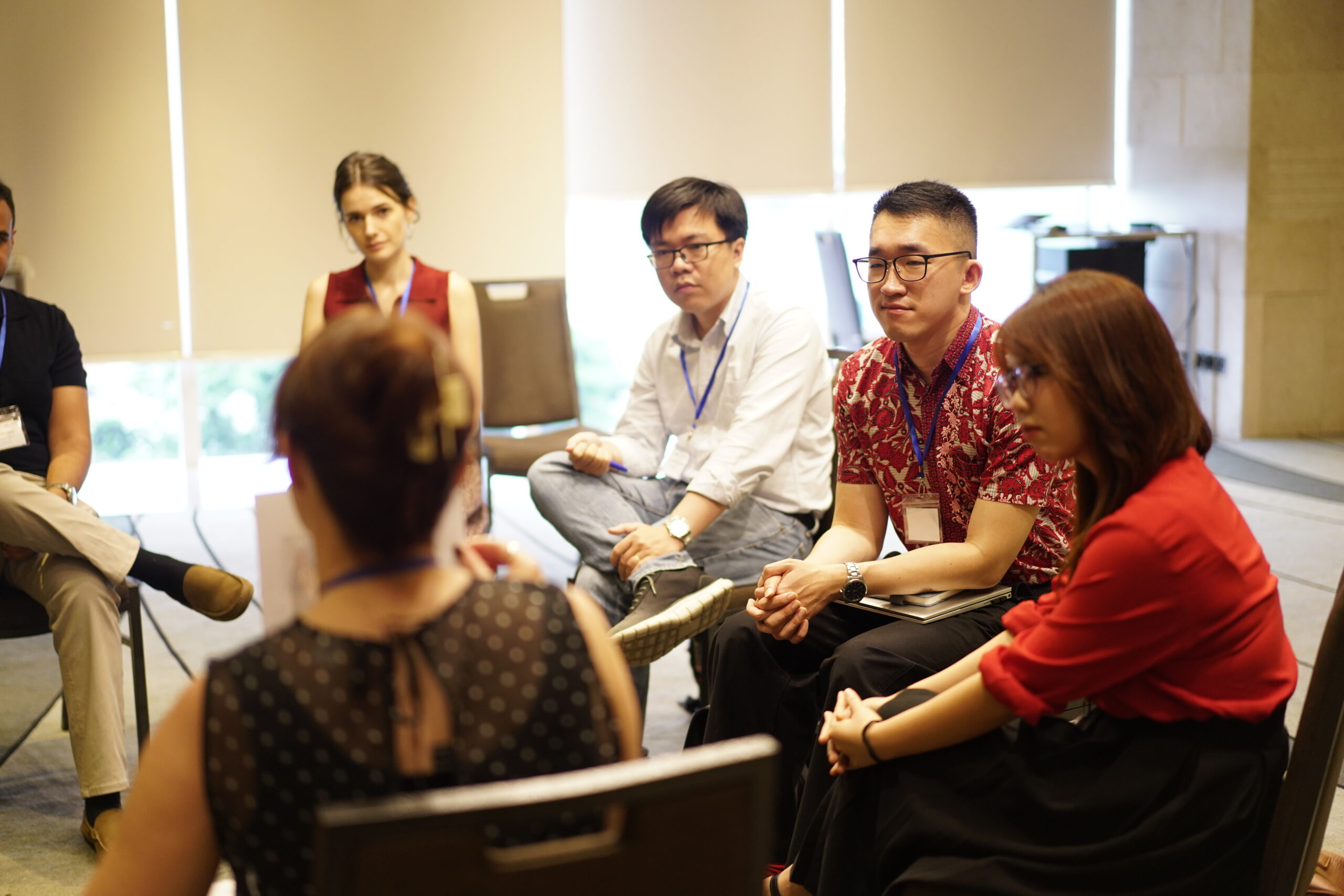
In discussions with healthcare staff, regulations related to AMS programs, as mandated by Ministry of Health, were reviewed, discussed, and updated. Communication procedures, programs, and strategies to enhance awareness among patients, caregivers, and healthcare staff were also reviewed, with several practical solutions proposed for improving implementation quality.
In the participants’ opinions, many people still lack sufficient knowledge about medicines, with common questions centering on “Can I use this drug?†or “Do I have enough medicine?†rather than “What is this drug?â€, “How does it work?â€, or “Does it cause resistance?â€. This highlights the urgent need to improve community awareness and health communication skills.
One key recommendation was to intensify communication and community outreach, integrating AMR topics into Community Advisory Board activities to attract broader engagement and feedback.
Picture 3:Â Healthcare staff discussing communication strategies to enhance public awareness about antimicrobial resistance (Source: OUCRU)
What is Community Advisory Board? Community Advisory Board (CAB) is an important initiative to strengthen patient involvement in research activities on the rational use of antibiotics. The CAB may include members such as doctors, nurses, pharmacists, patients, and caregivers. By providing feedback, connecting stakeholders, and reflecting real-world community needs, the CAB supports improved treatment quality, transparency, and shared responsibility in antibiotic use.
Through these open and participatory discussions, OUCRU gained valuable insights into community understanding of antibiotics, appropriate medication practices, and individual roles (patients, caregivers, and healthcare staff) in preventing antimicrobial resistance.
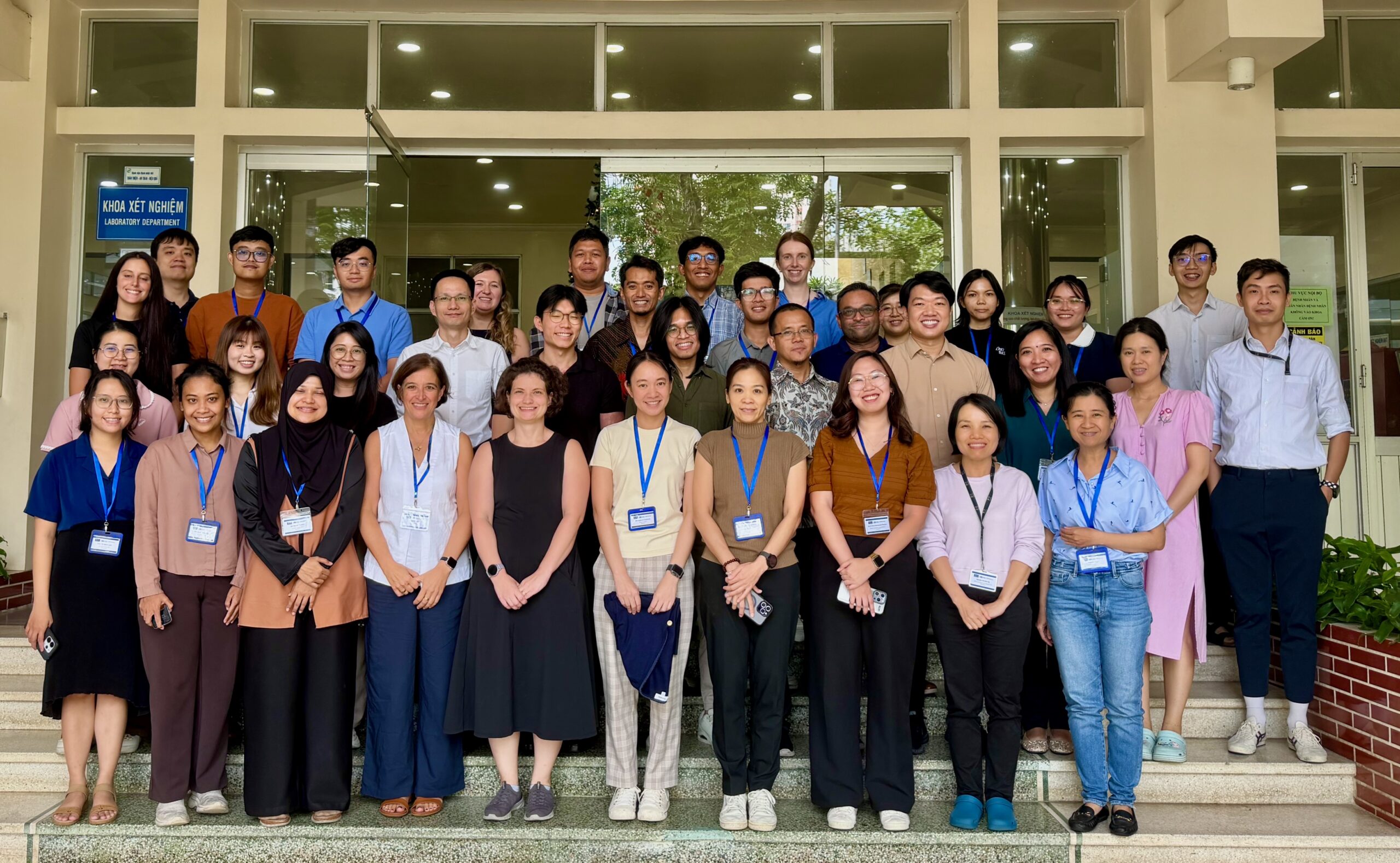
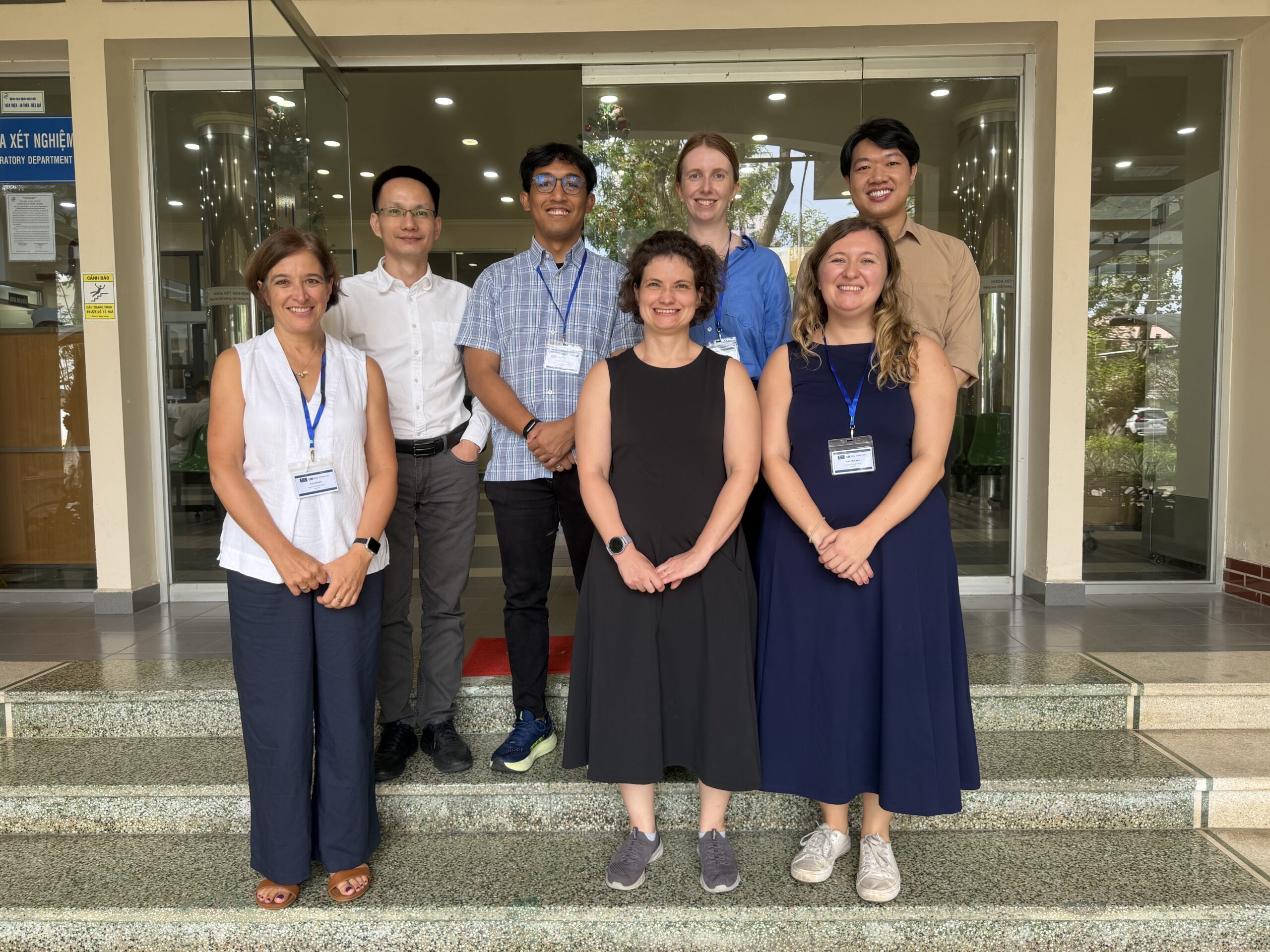
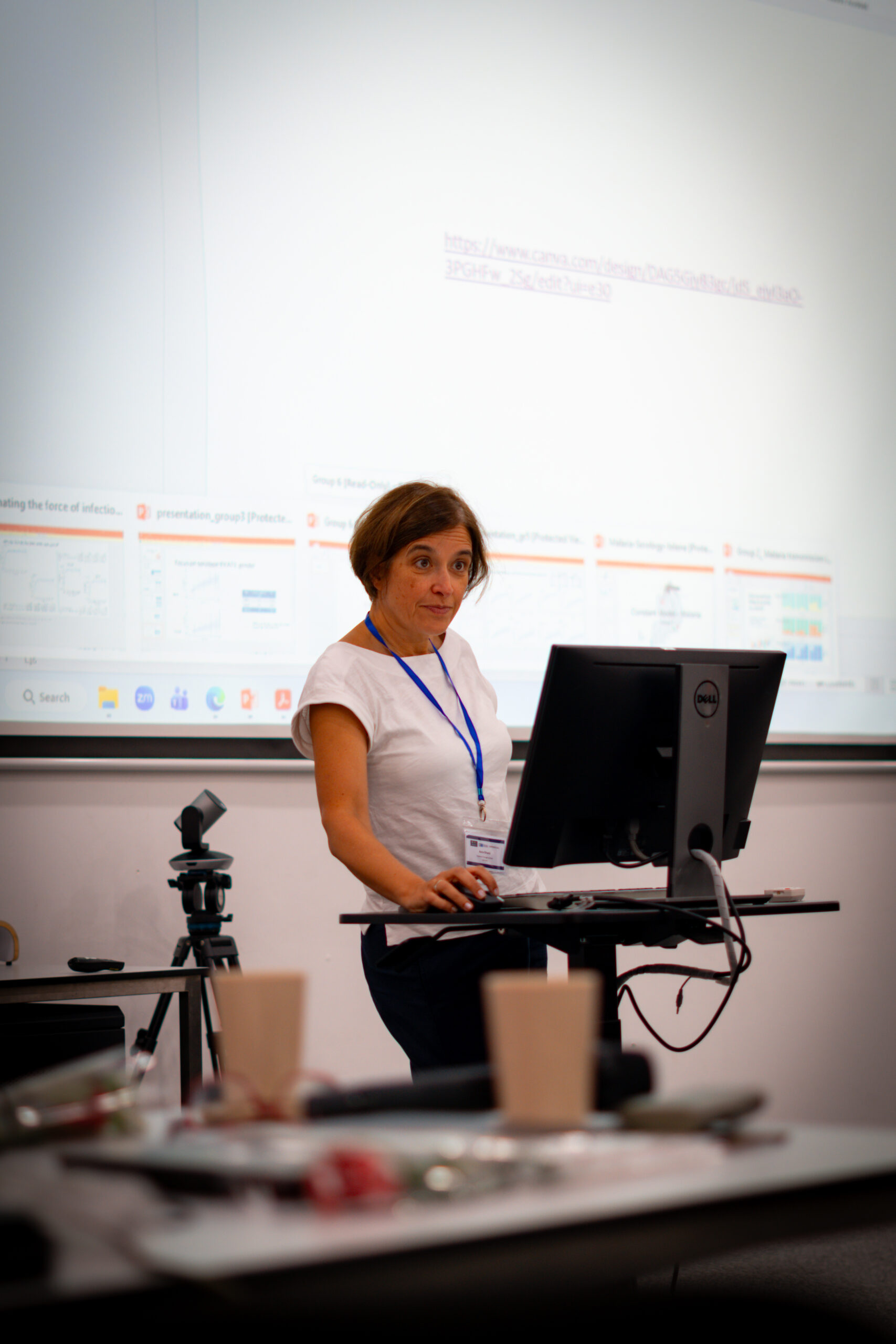
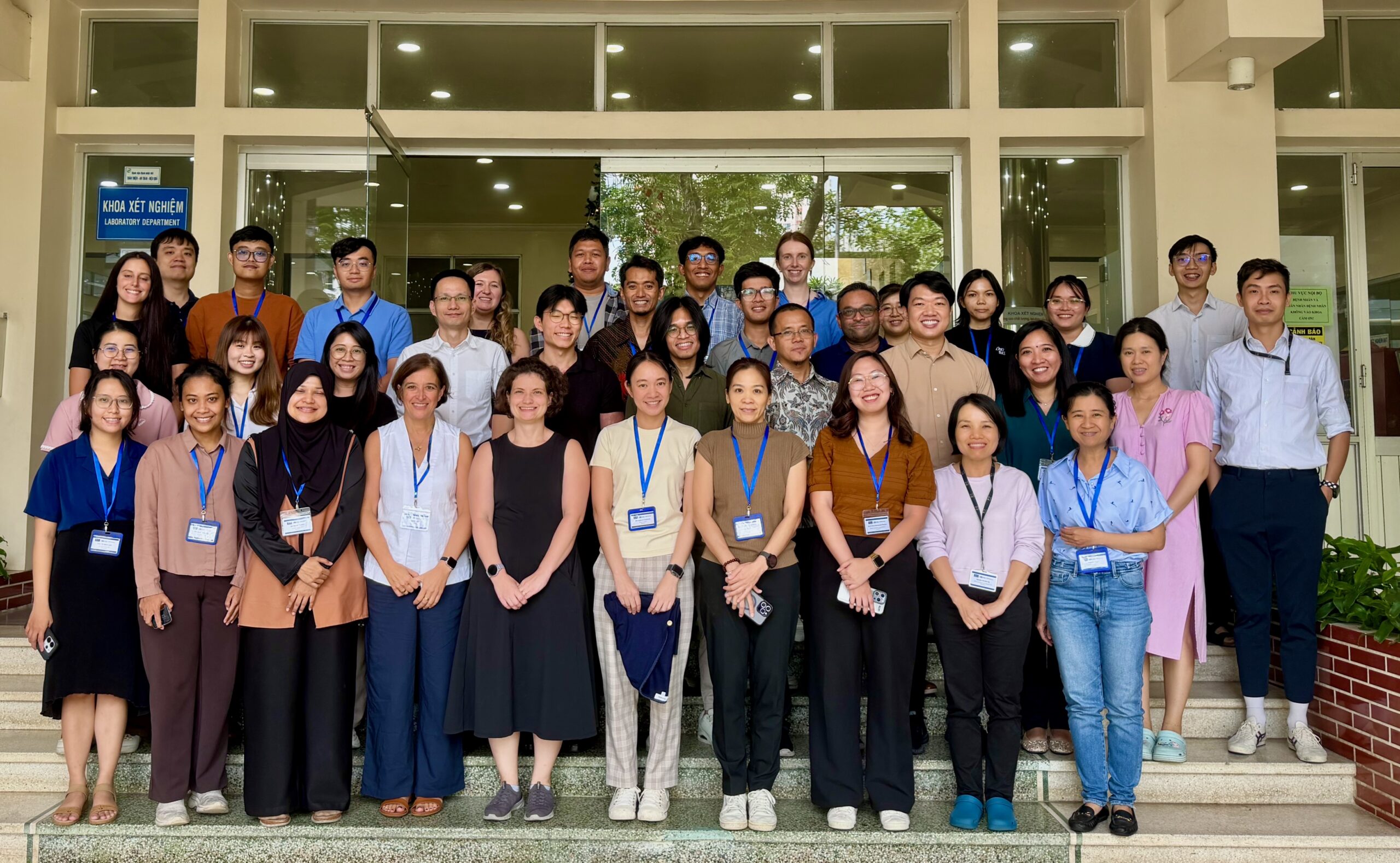
From 17–20 November 2025, OUCRU welcomed 28 participants from 7 countries in Southeast Asia for a 4-day course “Modelling and Analysis of Serological Data: An Introductory Short Course.†The course aims to build capacity in infectious disease modelling with a particular focus on the analysis of serological data.
The course was delivered by world-leading experts from the MRC Centre for Global Infectious Disease Analysis at Imperial College London (Prof. Azra Ghani, Dr Clare McCormack and Dr Ruth McCabe), National University of Singapore (A/Prof. Hannah Clapham and Dr Bimandra Djaafara), and OUCRU’s Mathematical Modelling group (Dr Marc Choisy and Dr Thinh Ong). Across four days, participants were introduced to foundational modelling concepts, catalytic models, and practical applications using real or example serological datasets.Â
Over the four-day schedule, participants engaged in lectures, paper-based exercises, hands-on computational sessions using WODIN, and an extended group project analysing serological datasets. The course concluded with group presentations and a certificate ceremony.
The training brought together 16 international and 12 local participants, fostering collaboration across countries and disciplines. Feedback from attendees was overwhelmingly positive, highlighting the value of expert-led teaching, practical exercises, and the opportunity to engage with peers working on infectious disease challenges.
Reflecting on the programme, Prof. Azra Ghani shared:
“The course was a fantastic opportunity to bring together teams from across the region with a shared interest in using infectious disease modelling to analyse serological data. Over the four days we not only shared our insights into, and tools for, analysing serological data, but also got to learn about the ongoing research efforts to use these data to better understand transmission of emerging and existing diseases.â€
Photo taken by Syed Sharizman Bin Syed Abdul Rahim
This short course represents an important commitment of OUCRU and its partners to advancing modelling capacity in the region, and improving our understanding about emerging viral threats.
The annual OUCRU–MORU PhD Student Conference returned in 2025, bringing together doctoral students from across our network in Vietnam, Indonesia, Nepal, and Thailand. Jointly organised by OUCRU and our partners at MORU, this event reflects our shared commitment to capacity building and the development of the next generation of scientific leaders.
The day began with the Student Conference, where participants engaged in networking activities, key research skills workshops, and peer-to-peer learning sessions. This annual gathering provides a valuable space for early-career researchers to exchange ideas, build professional connections, and strengthen their skills in scientific communication, critical thinking, and collaboration.
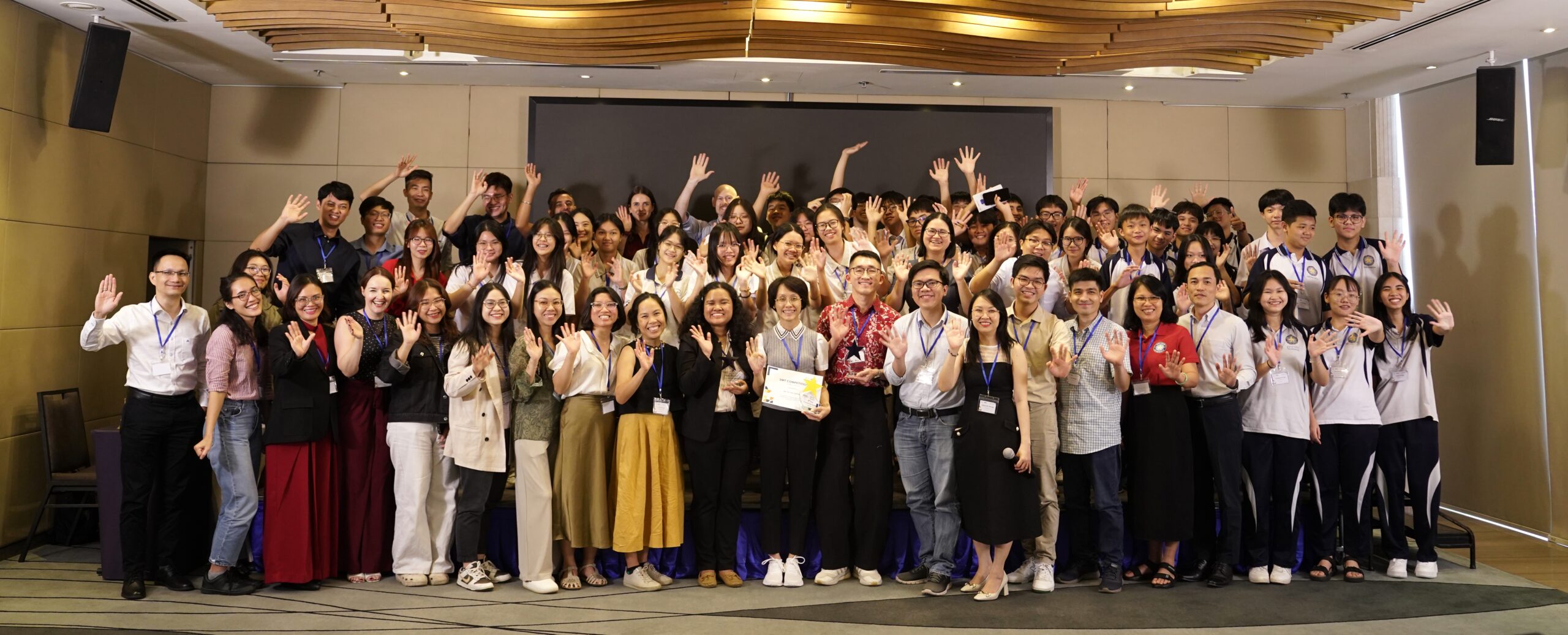
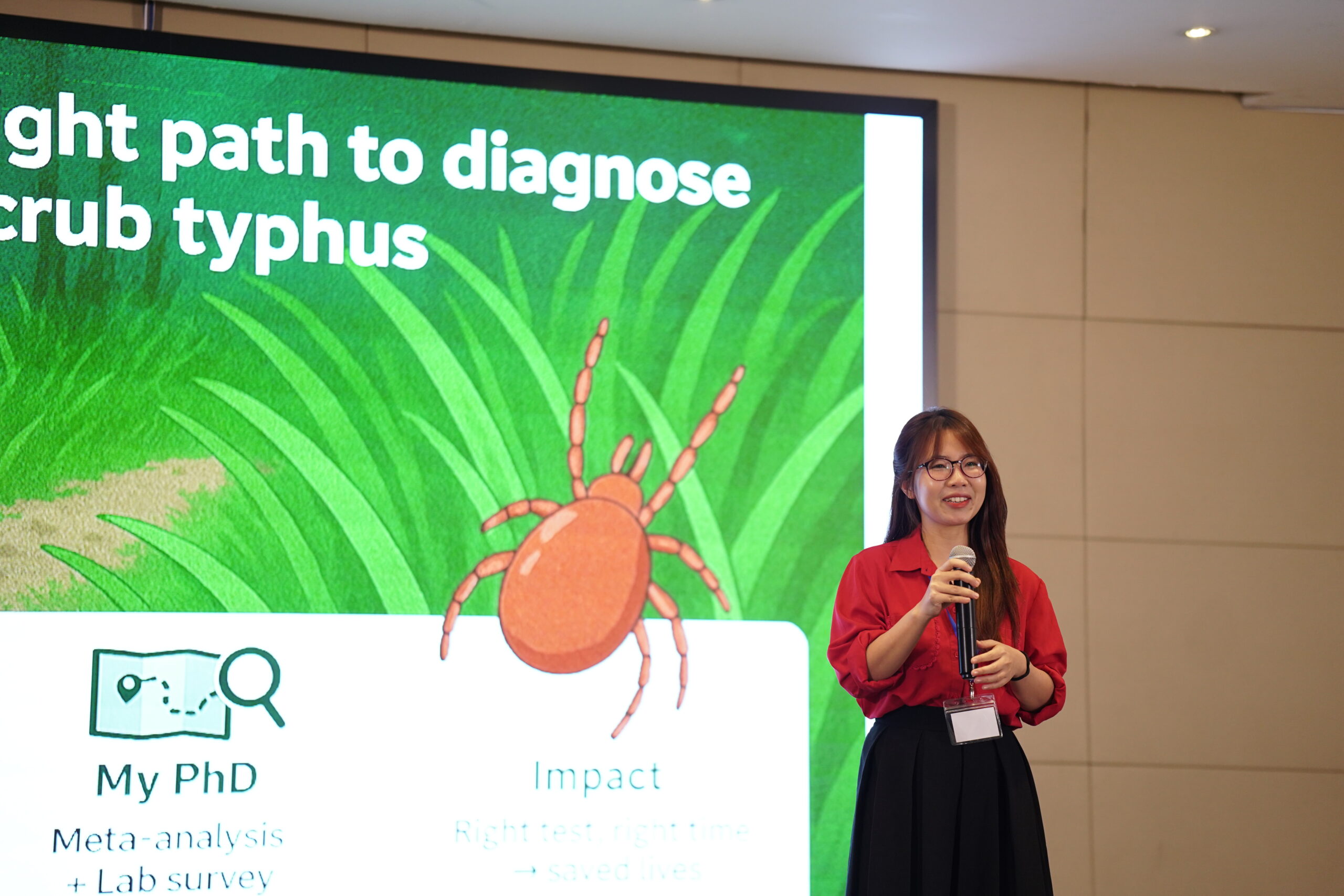
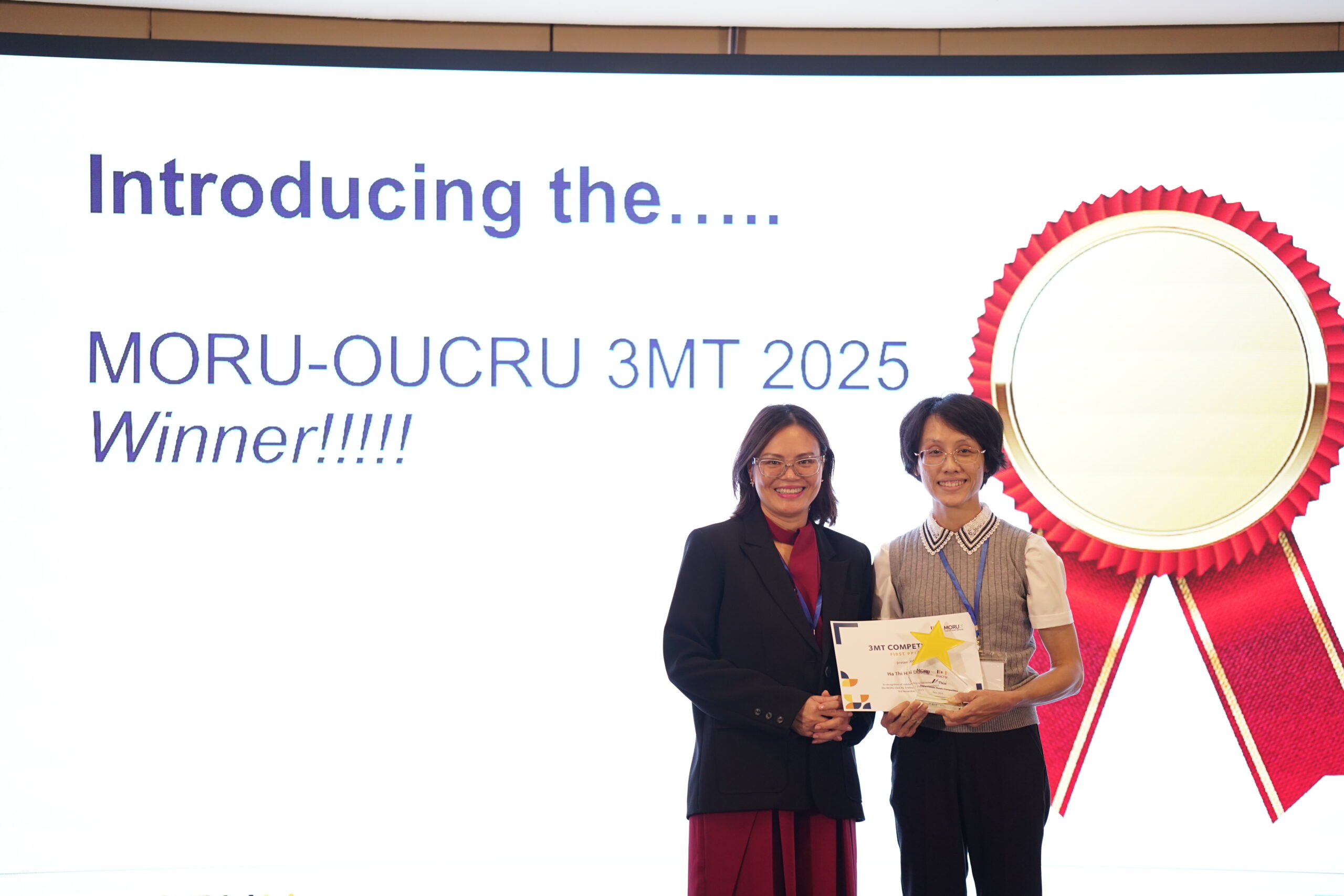
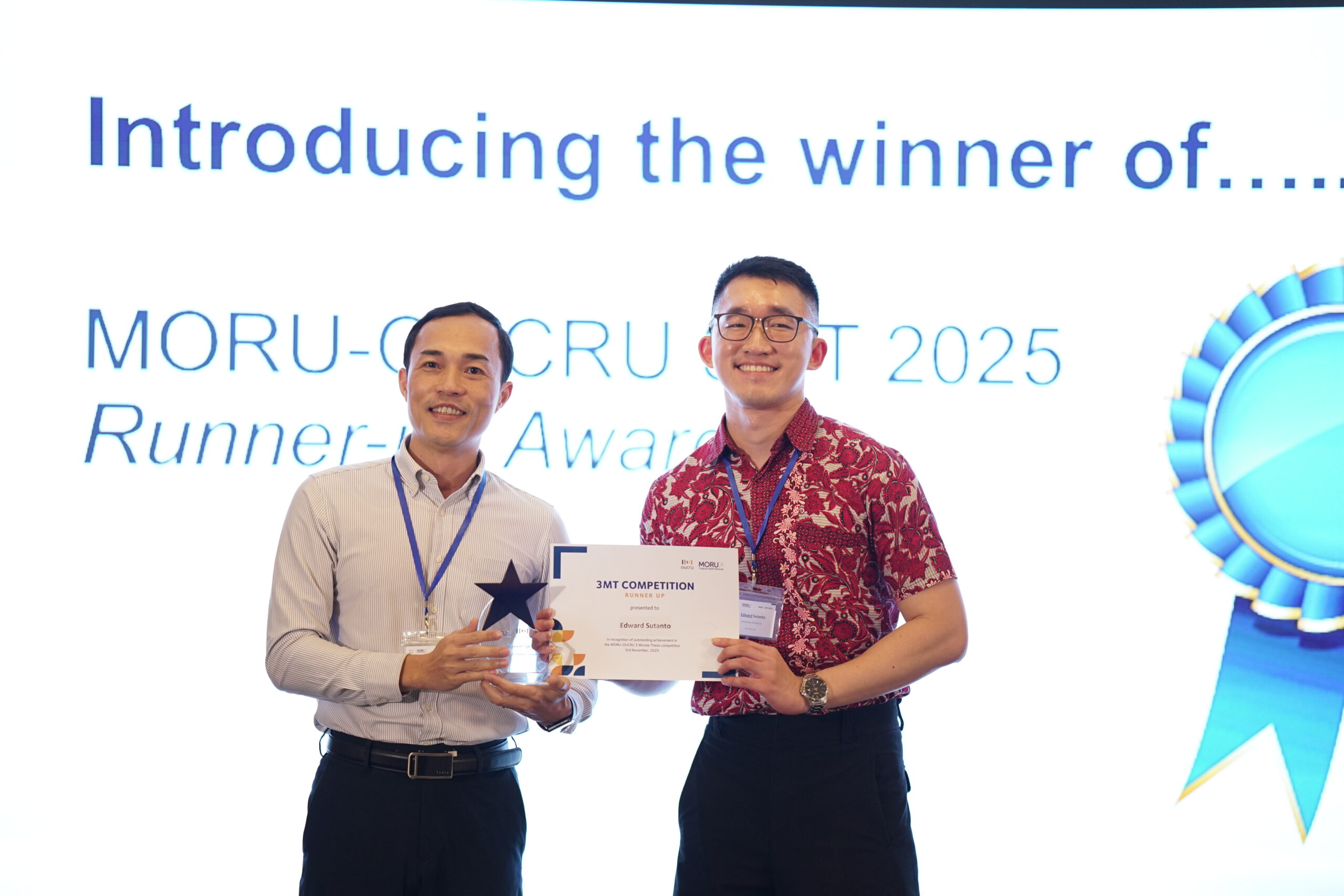
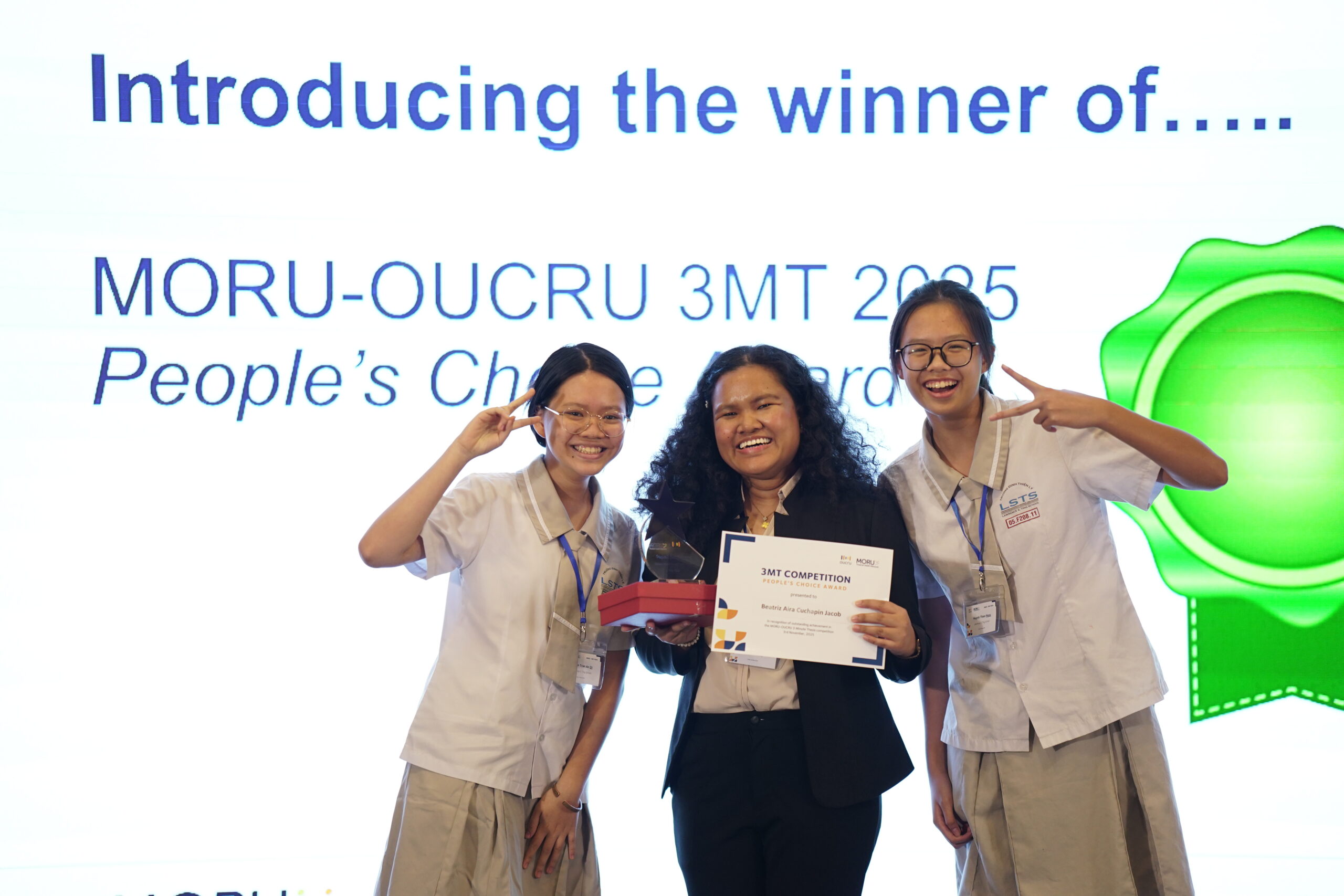
As a highlight of the programme, the conference concluded with the OUCRU–MORU 3-Minute Thesis (3MT) Competition. Participants were challenged to present their research using just one slide and three minutes, demonstrating clarity, creativity, and the ability to make complex science accessible to broad audiences.
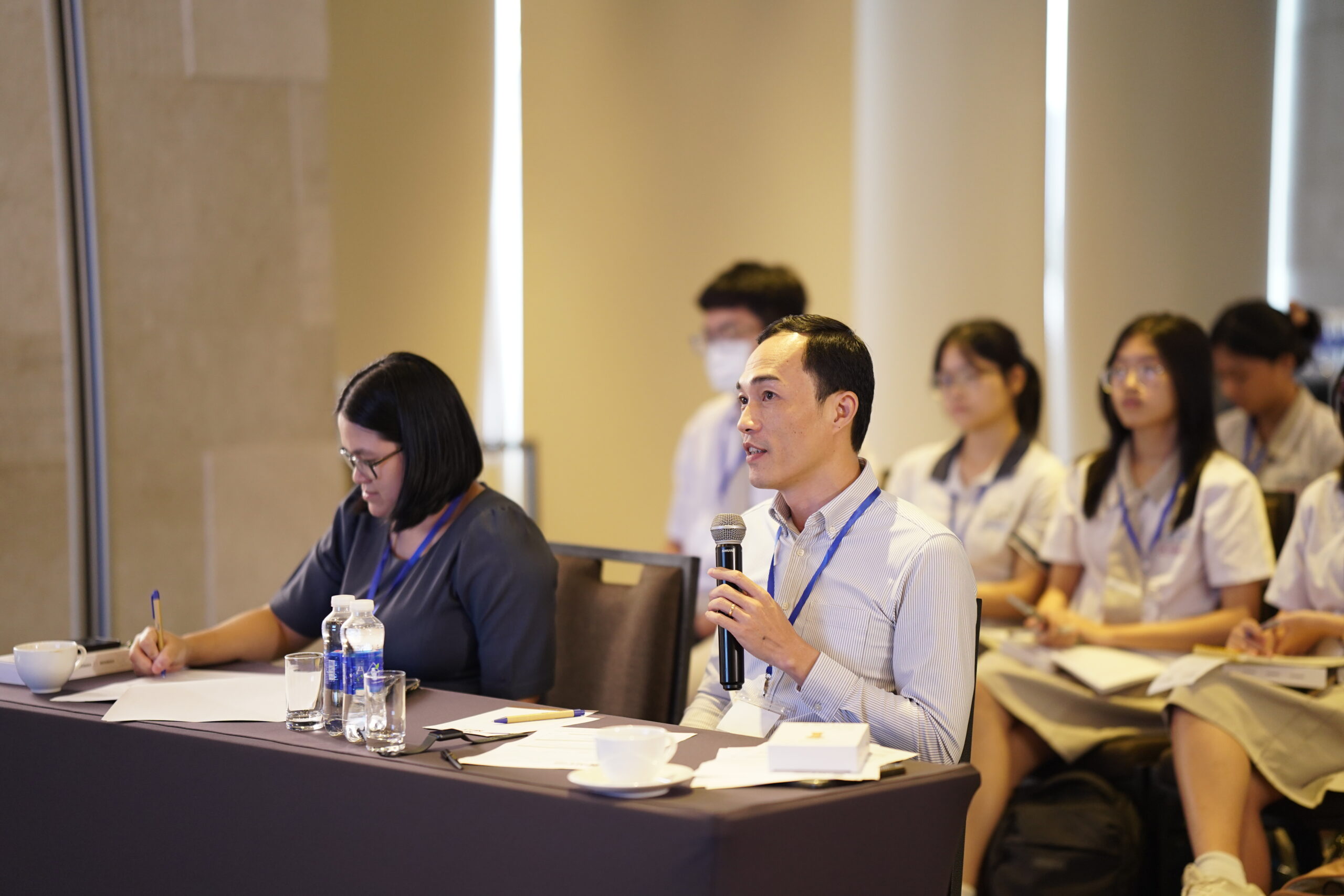
We extend our heartfelt thanks to all of our judges for their thoughtful evaluations, and to the enthusiastic schoolchildren of Lawrence S. Ting School and Ngoi Sao School, whose votes determined this year’s People’s Choice Award.
To relive the excitement and energy of the day, we are pleased to share a short video summary capturing the highlights of the conference and 3MT competition. inspiring the next generation of scientists to share their work beyond the lab — with clarity, confidence, and impact.
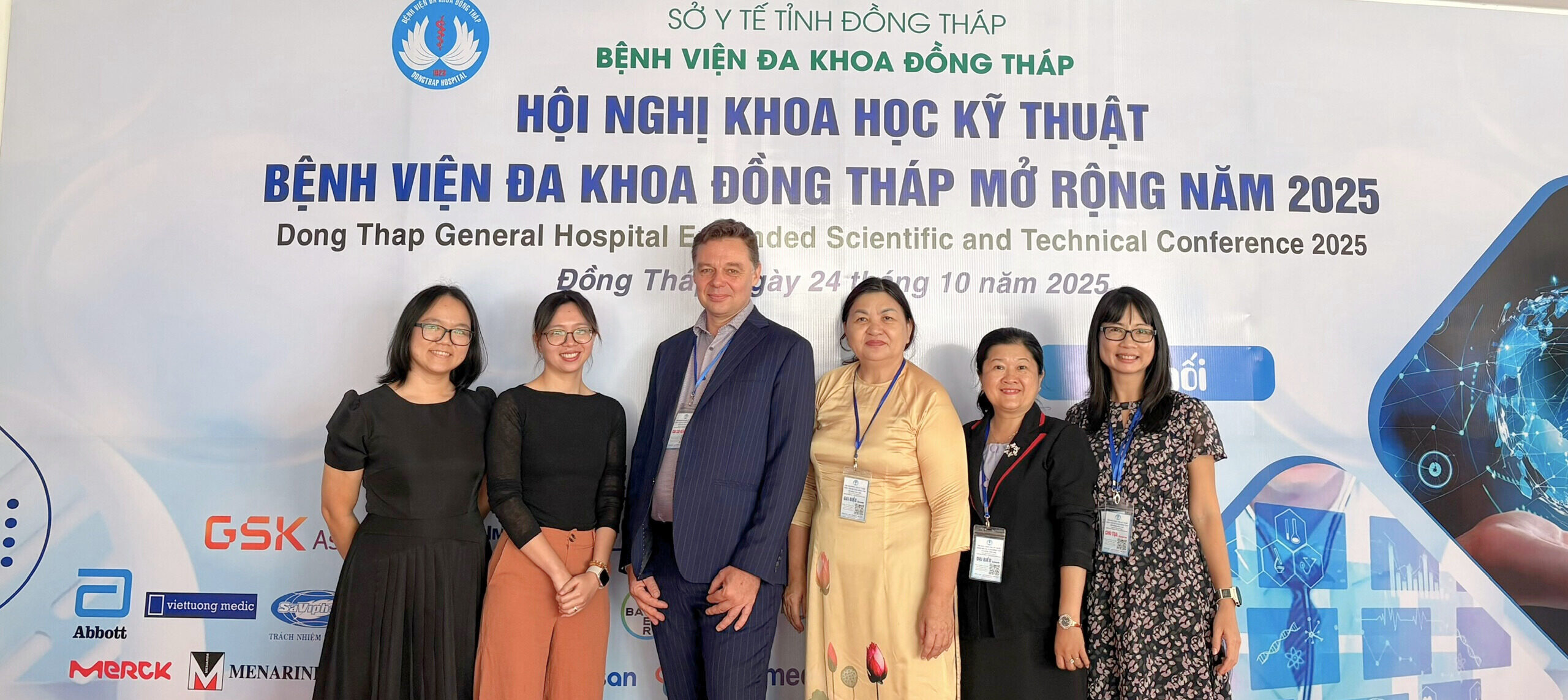
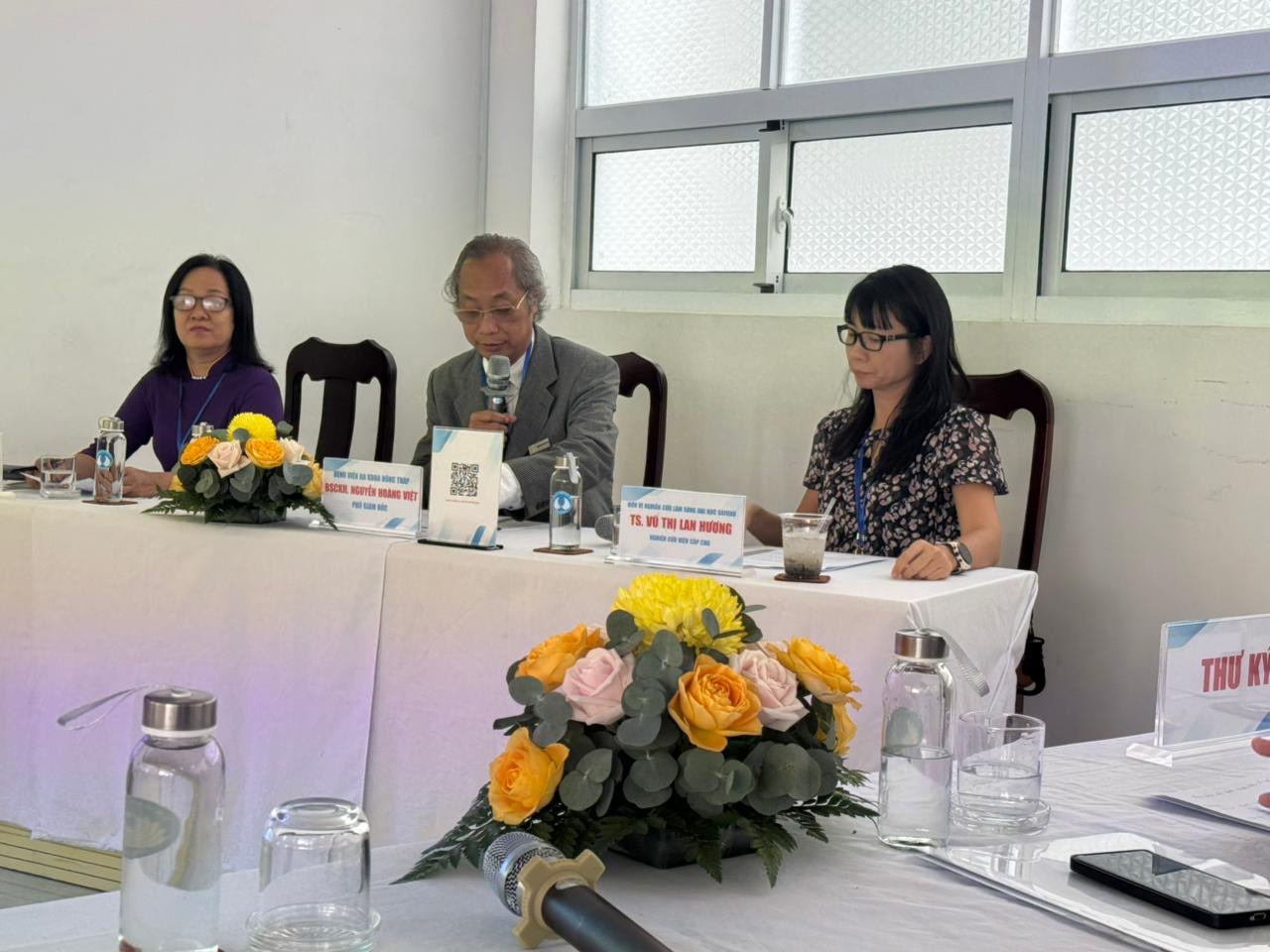
On 24 October 2025, representatives from the Oxford University Clinical Research Unit in Hanoi (OUCRU Hanoi) took part in the Scientific and Technical Conference of Dong Thap General Hospital, which brought together hospitals, universities, and research institutions from across Vietnam.
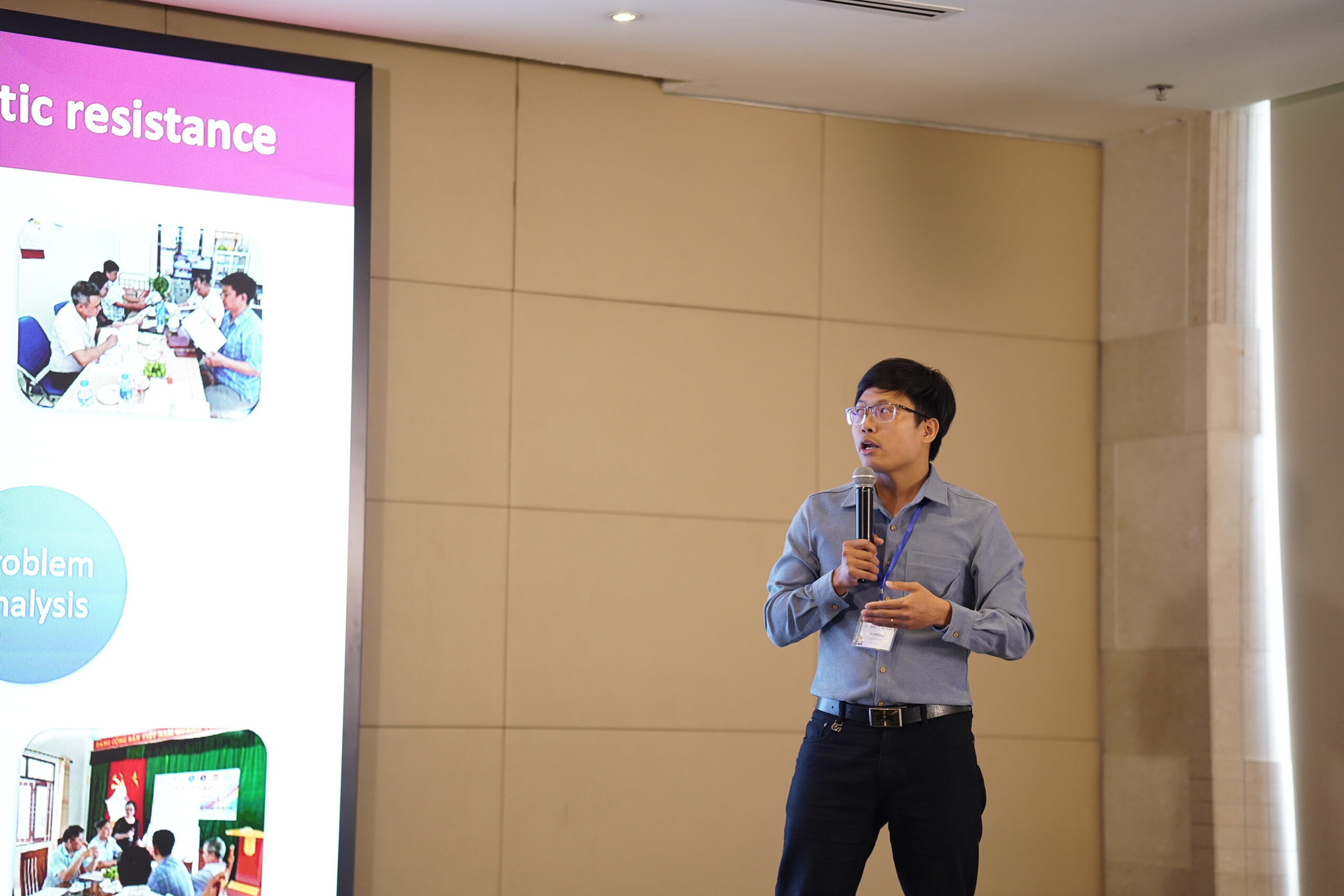
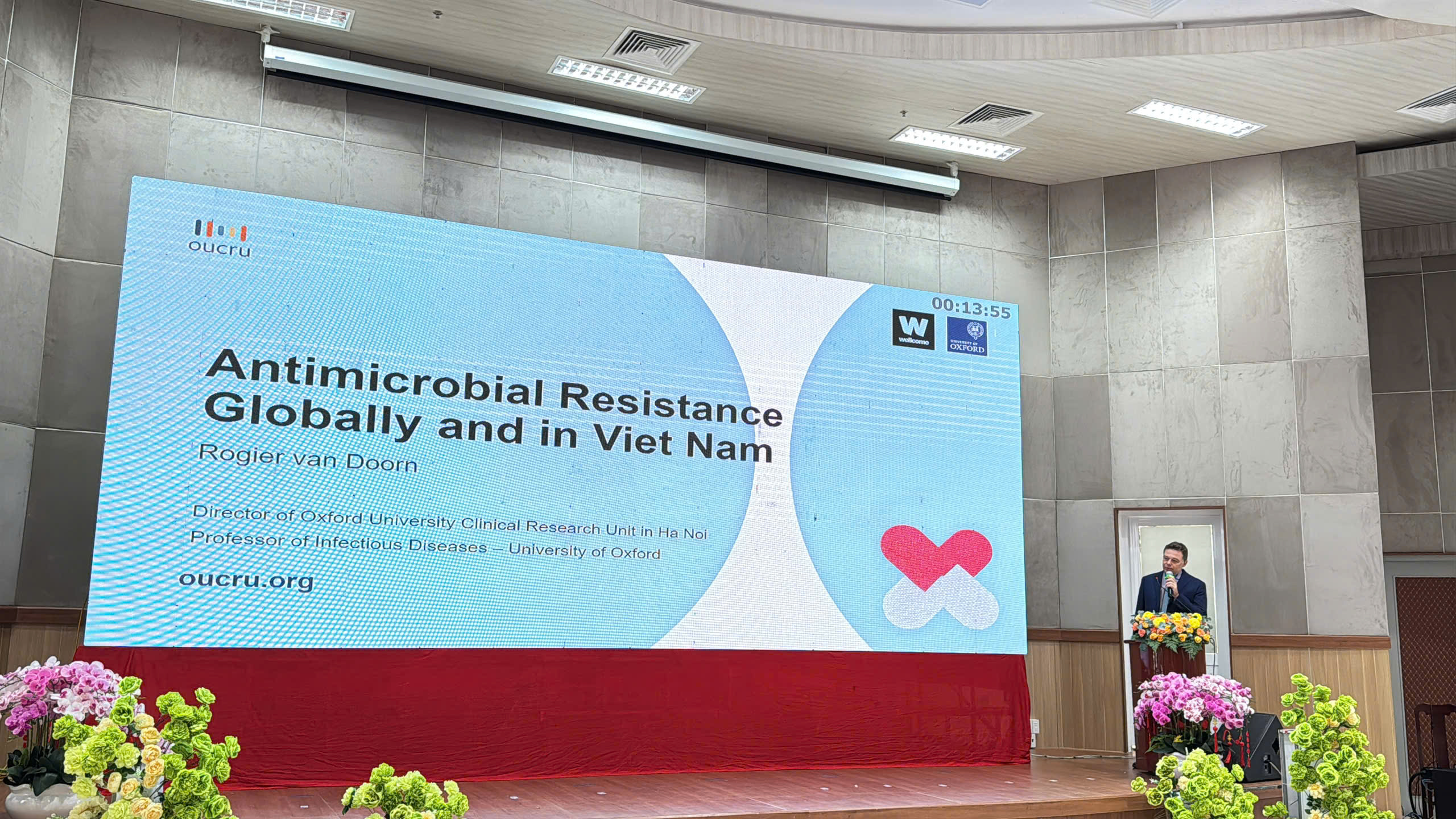
In the plenary session, Dr Rogier van Doorn, Director of OUCRU Hanoi, delivered a keynote presentation on antimicrobial resistance (AMR) — underscoring the growing global threat and the need for coordinated research and action. Dr van Doorn shared insights from OUCRU’s research on AMR and highlighted the importance of partnerships between clinical, academic, and public health institutions to strengthen evidence-based responses.
Dr Vu Thi Lan Huong, representing OUCRU Hanoi, presented the unit’s ongoing research activities and chaired one of the scientific sessions. Her participation reflected OUCRU’s continued commitment to advancing research collaboration, clinical training, and capacity building with hospitals and health institutions across Vietnam.
The conference featured 32 scientific presentations covering a wide range of clinical and research topics, including infectious diseases, internal medicine, and patient care. The event provided an important platform for healthcare professionals and researchers to exchange knowledge and foster collaboration to improve healthcare quality in the Mekong Delta region and beyond.
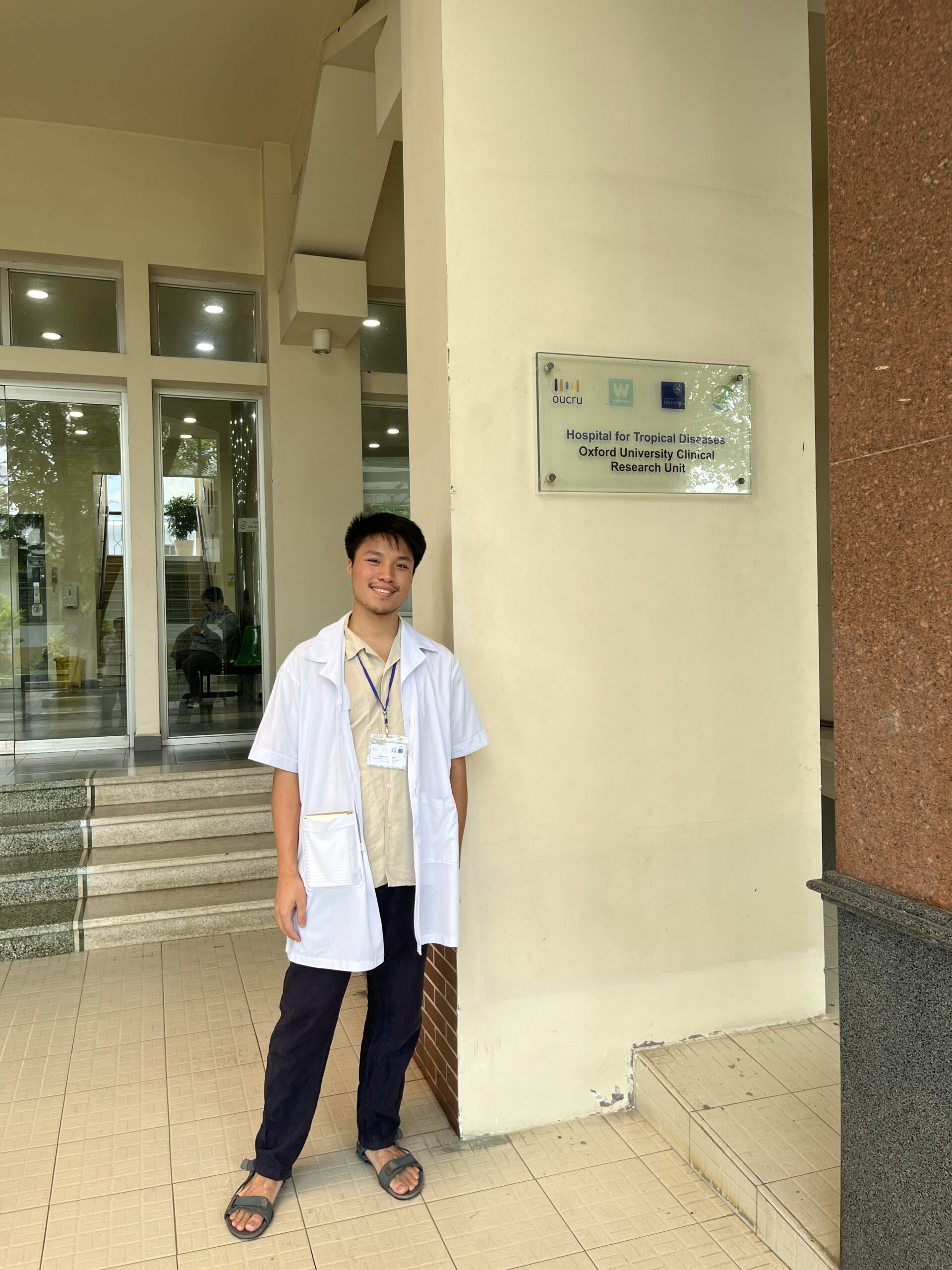
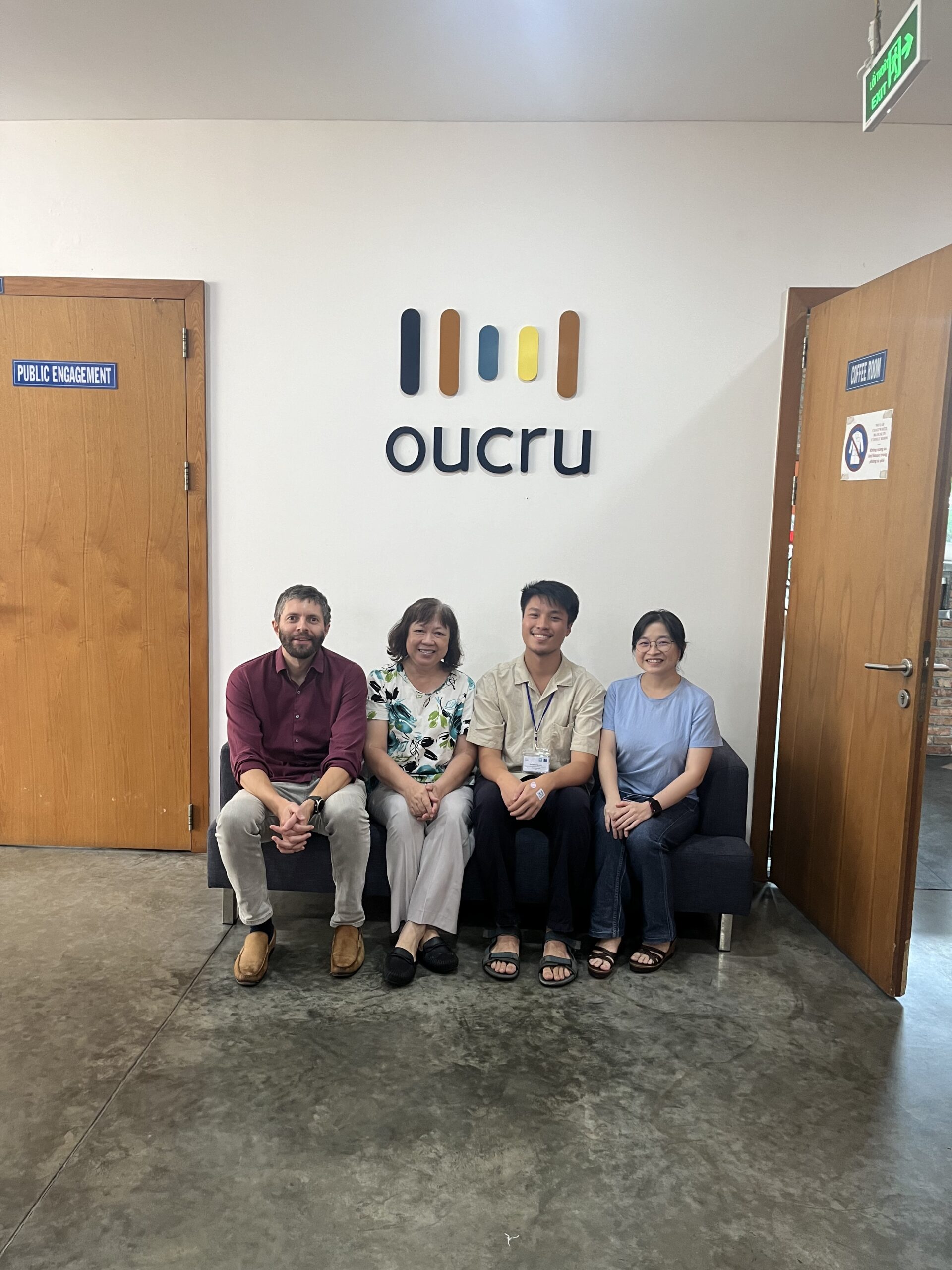
Hi, I´m Du Hanh Nguyen, a fourth-year medical student from Germany. I spent one month at OUCRU for my clinical elective, and the experience far exceeded my expectations. From the very first day, I felt welcomed by a supportive team and was immersed in an inspiring learning environment. Here’s a glimpse into my time at OUCRU and what made it such a memorable and enriching experience.
What brought me to OUCRU
In Germany, medical students are required to complete four one-month clinical electives before their final year. For my last elective, I decided to look for opportunities in Vietnam — partly to visit my family, but also to learn more about tropical medicine and public health. These subjects receive relatively little attention in the German medical curriculum, so I wanted to gain deeper insights into them in a setting where they are highly relevant.
After a quick Google search for clinical elective opportunities in tropical medicine in Saigon (Ho-Chi-Minh City), I came across OUCRU and the Hospital for Tropical Diseases. While hospitals such as Cho Ray or the University Medical Center in Saigon were more popular among medical students, OUCRU stood out to me because of its strong focus on tropical and infectious diseases, its on-site clinical research, and its active engagement in public health initiatives.
In the ICU: Between pathogens and patients
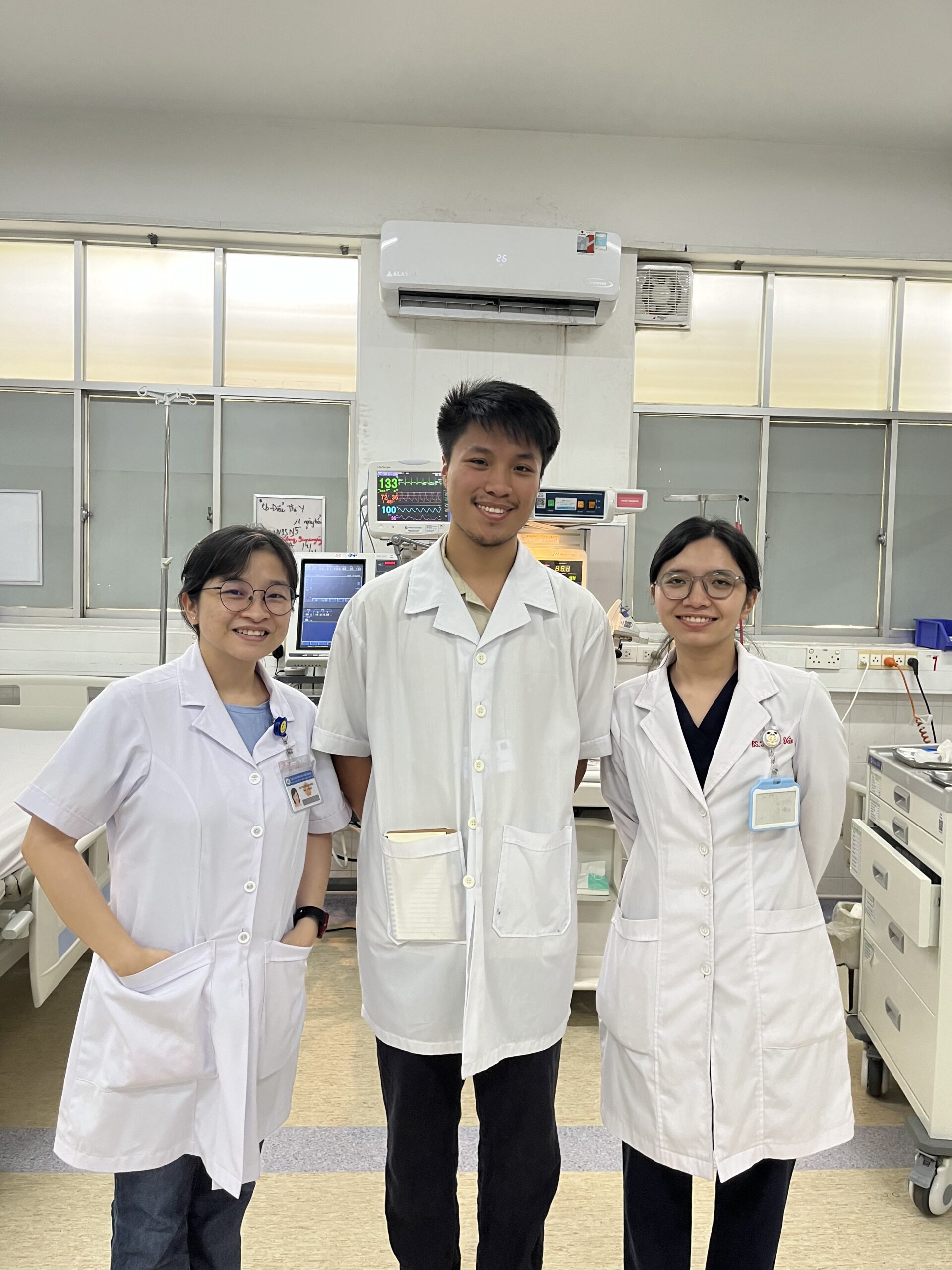
I had a very supportive instructing physician and was free to choose my rotations. During my time in the Central Nervous System (CNS) Infection Intensive Care Unit (ICU) with Dr. Joseph Donovan (Joe), I learned a lot about the clinical management of meningitis. The spectrum of pathogens in Vietnam differs significantly from what I was used to in Germany, and I encountered many cases that would be extremely rare in Europe. In the wards, I often found myself overwhelmed by intricate cases, complex presentations, and the fast-paced clinical environment. Luckily, Joe and his colleagues were always there to guide me through each case, explain the reasoning behind diagnostic and treatment decisions, and encourage me to think critically about differential diagnoses. Their openness to teaching and discussion made the learning experience both challenging and deeply rewarding.
In the Pediatric ICU, I saw many children and infants suffering from dengue fever or tetanus, and I was fortunate to learn from Dr. Trieu and Dr. Yen, internationally recognized experts in these fields. September is peak mosquito season in Vietnam, and consequently also peak Dengue season. Due to limited healthcare access and resource constraints, many people in Vietnam remain unvaccinated against tetanus. Sadly, I witnessed several cases that could have been prevented by vaccination – including a ten-year-old boy who was bitten by a dog and later died from rabies.
From patient care to clinical research and global impact
Witnessing these preventable tragedies reminded me how closely clinical medicine and public health are connected – and how essential research is in bridging that gap. At OUCRU, I was able to see this connection firsthand. Beyond providing clinical care, OUCRU conducts cutting-edge research directly on-site and actively engages in public health initiatives that aim to improve prevention, diagnosis, and treatment of infectious diseases across Vietnam and beyond. Once a week, I had the chance to participate in the academic meetings where researchers presented their latest findings and discussed ongoing studies. In addition, I had the opportunity to meet people from the Clinical Trials Unit, the Tuberculosis Research Group, as well as the Public Engagement and Social Science teams, to learn more about how OUCRU integrates research, community engagement, and education to create sustainable impact.
Through ward rounds, case discussions, and research meetings, I gained valuable insights into how clinical observations translate into research questions, and how research findings, in turn, can transform patient care. This interplay between bedside and bench – between local impact and global relevance – was one of the most inspiring aspects of my elective.
I highly recommend OUCRU to medical students interested in infectious diseases and tropical medicine – especially to those who want to gain a broader perspective on medicine and its role beyond the hospital setting.
Exploring the Vietnamese Culture and Cuisine
This was not my first time in Vietnam and I still have family there, so I might be a bit biased here, but Vietnamese food is the best. Saigon is a great city to try out all the different kinds of soups, Bahn Mi and other must-try Vietnamese dishes.
On the weekends, you can do trips to the Mekong Delta and the Cu Chi Tunnels. After my elective, I also visited Hoi An, Da Nang and Hue for the first time. While my Vietnamese was barely enough to get around, English is perfectly fine in these touristy cities. In the North of Vietnam, I can highly recommend Ha Noi and the Ha Long Bay.
Vietnamese people are usually very nice and welcoming and travelling in Saigon and to other cities is pretty easy. I was also lucky to witness the 80th anniversary of the independence of Vietnam as well as the famous Tet Trung Thu (moon festival).
An elective at OUCRU offers a great learning experience in, to me, one of the most fascinating countries in the world.
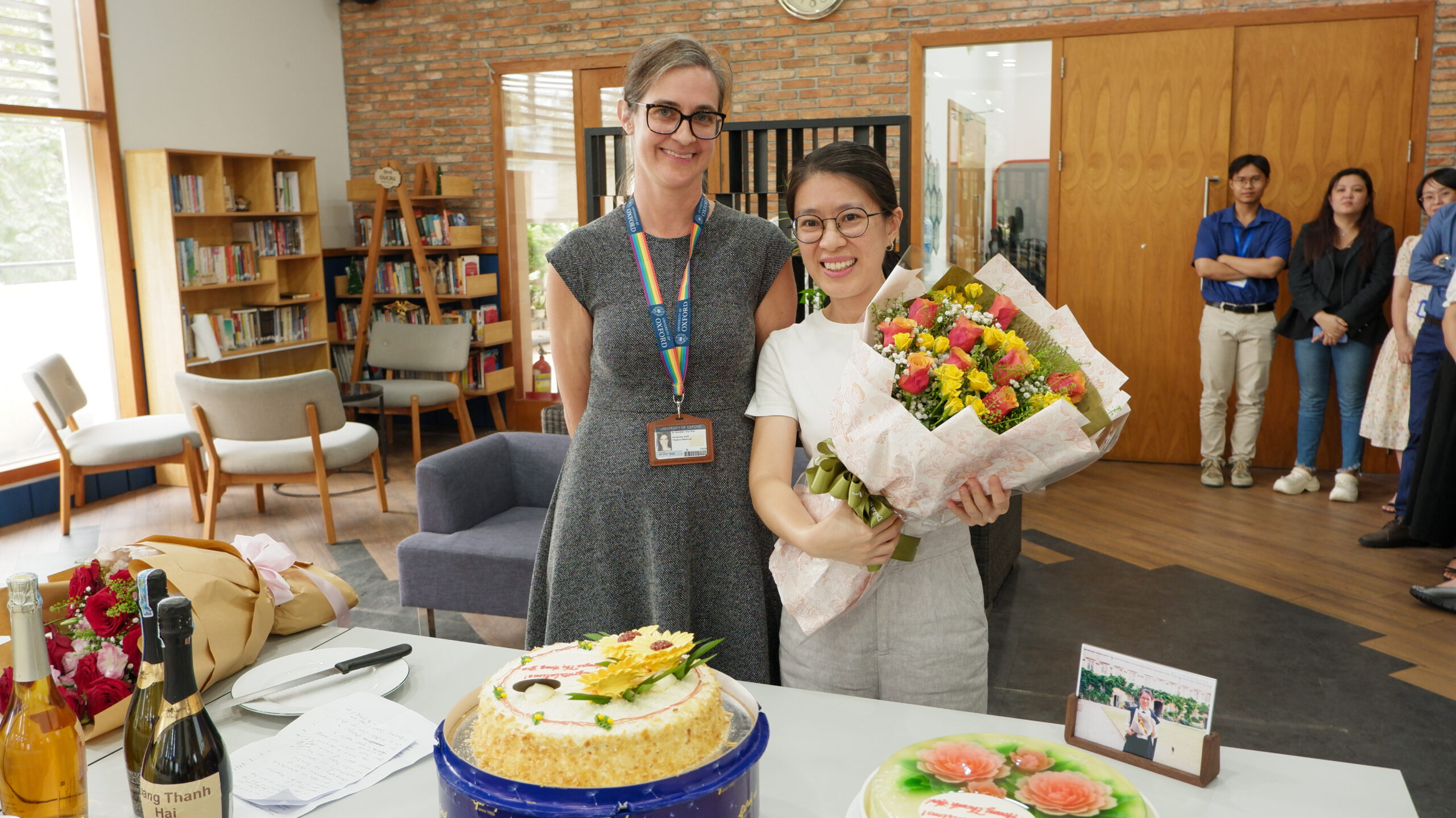
We are delighted to congratulate our three PhD graduates for successfully completing their doctoral journeys and contributing valuable research to global health.
Dr Hoà ng Thanh Hải explored host inflammation in the pathogenesis, treatment response, and outcomes of tuberculous meningitis. His work was supervised by Assoc Prof Nguyá»…n Thụy ThÆ°Æ¡ng ThÆ°Æ¡ng, Prof Guy Thwaites, and Dr Lê Thanh Hoà ng Nháºt from the Tuberculosis Research Group at OUCRU.
Dr Nguyá»…n Hoà ng Thiên HÆ°Æ¡ng studied the clinical features, causes, and economic burden of paediatric encephalitis in southern Vietnam. She was supervised by Prof Lê Văn Tấn (Emerging Infections Research Group at OUCRU), Assoc Prof Nguyá»…n Thanh Hùng (Children’s Hospital 1), and Prof Sarosh R. Irani (University of Oxford).Â
Dr Äồng Hữu Khánh Trình, under the supevision of Prof Guy Thwaites and Prof Ronald B. Geskus, conducted pioneering research on developing new tools and approaches to improve the diagnosis of tuberculous meningitis.
Dr Nguyễn Thị Hồng Yến, under the supervision of Associate Prof Jennifer Ilo van Nuil, whose DPhil focused on over-the-counter access to antibiotics in rural communities in Vietnam. Her research revealed how social, infrastructural, and political factors shape antibiotic use and governance, offering vital insights for combating antimicrobial resistance and strengthening health policy.
Their dedication and excellence embody OUCRU’s mission to nurture scientific talent and deliver research that improves lives across the region.
Welcome to our new PhD student!
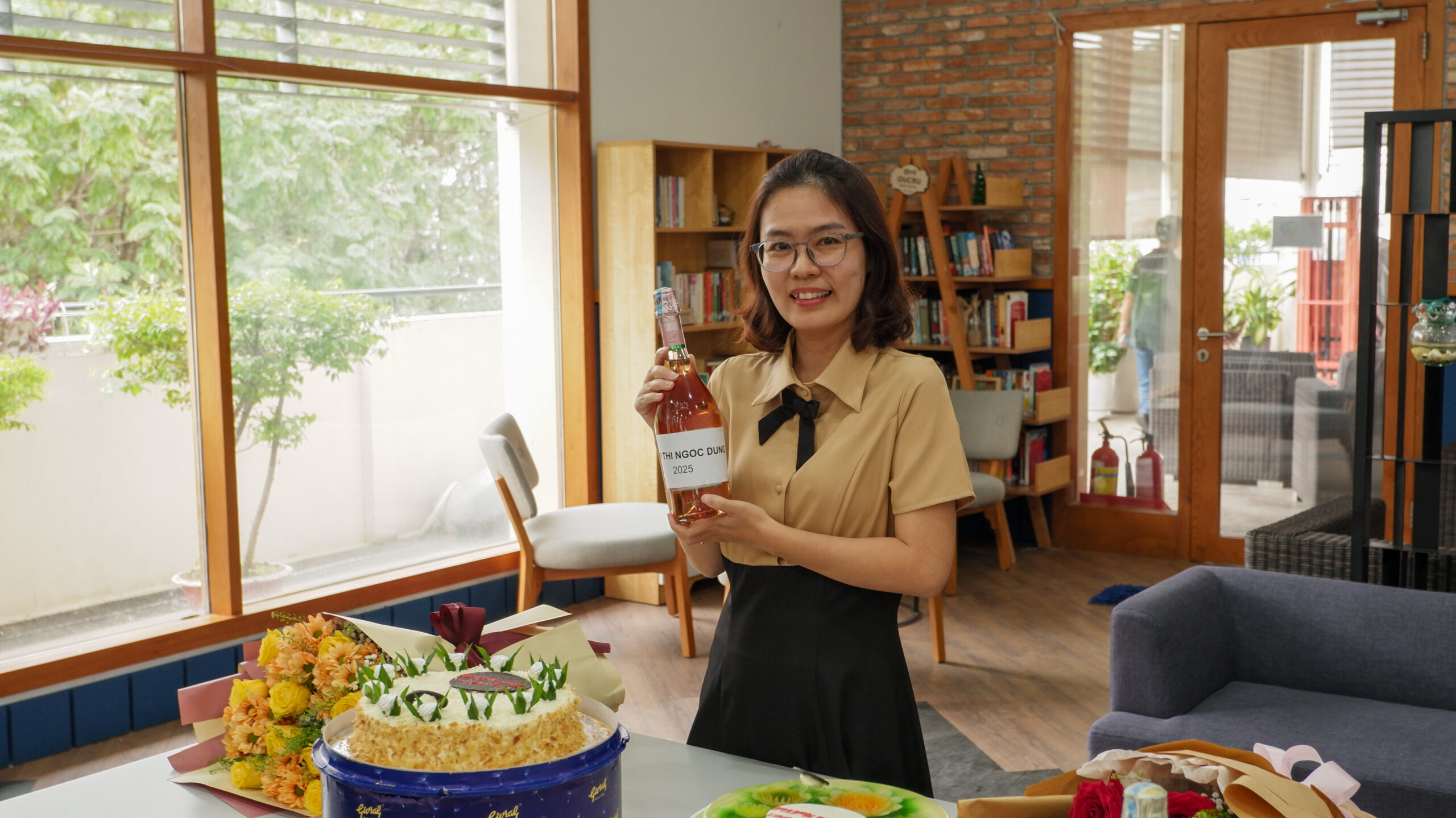
We warmly welcome Trần Thị Ngá»c Dung, who has been awarded the OUCRU Studentship for the Local PhD Programme 2025. Joining the Molecular Epidemiology Group, Dung will continue OUCRU’s tradition of scientific curiosity, collaboration, and innovation.
We wish all our PhD graduates and new scholars every success in their journeys ahead — as they continue advancing science and global health together.