Author: Hưng Vũ

  • Chuá»—i tập huấn nâng cao năng lá»±c quản lý sá»­ dụng kháng sinh trong khuôn khổ nghiên cứu 60HN – ASPARNet

    Một trong những hoạt động nổi bật là chuỗi tập huấn nâng cao năng lực QLSDKS, do Bệnh viện Bệnh Nhiệt đới Trung ương và Đơn vị Nghiên cứu Lâm sàng Đại học Oxford (OUCRU), phối hợp với Sở Y tế Đồng Tháp, Sở Y tế Phú Thọ tổ chức.

    Chương trình tập huấn hướng đến mục tiêu nâng cao năng lực chuyên môn và thực hành về QLSDKS cho nhóm cán bộ y tế, hỗ trợ quá trình sử dụng kháng sinh hợp lý và kiểm soát kháng kháng sinh tại các cơ sở y tế. Thông qua các buổi tập huấn, cán bộ y tế được cập nhật các hướng dẫn điều trị mới nhất, củng cố kiến thức về vi sinh lâm sàng, dược lâm sàng và kiểm soát nhiễm khuẩn – những yếu tố nền tảng trong triển khai chương trình QLSDKS hiệu quả.

    Bên cạnh đó, chương trình còn chú trọng tăng cường năng lực nghiên cứu và triển khai thực tiễn các hoạt động QLSDKS tại bệnh viện, giúp các đơn vị chủ động xây dựng kế hoạch hành động phù hợp với điều kiện thực tế. Các buổi tập huấn cũng tạo điều kiện để các đơn vị trong mạng lưới trao đổi kinh nghiệm, học hỏi lẫn nhau, từ đó thúc đẩy sự phát triển đồng đều và bền vững của chương trình QLSDKS.

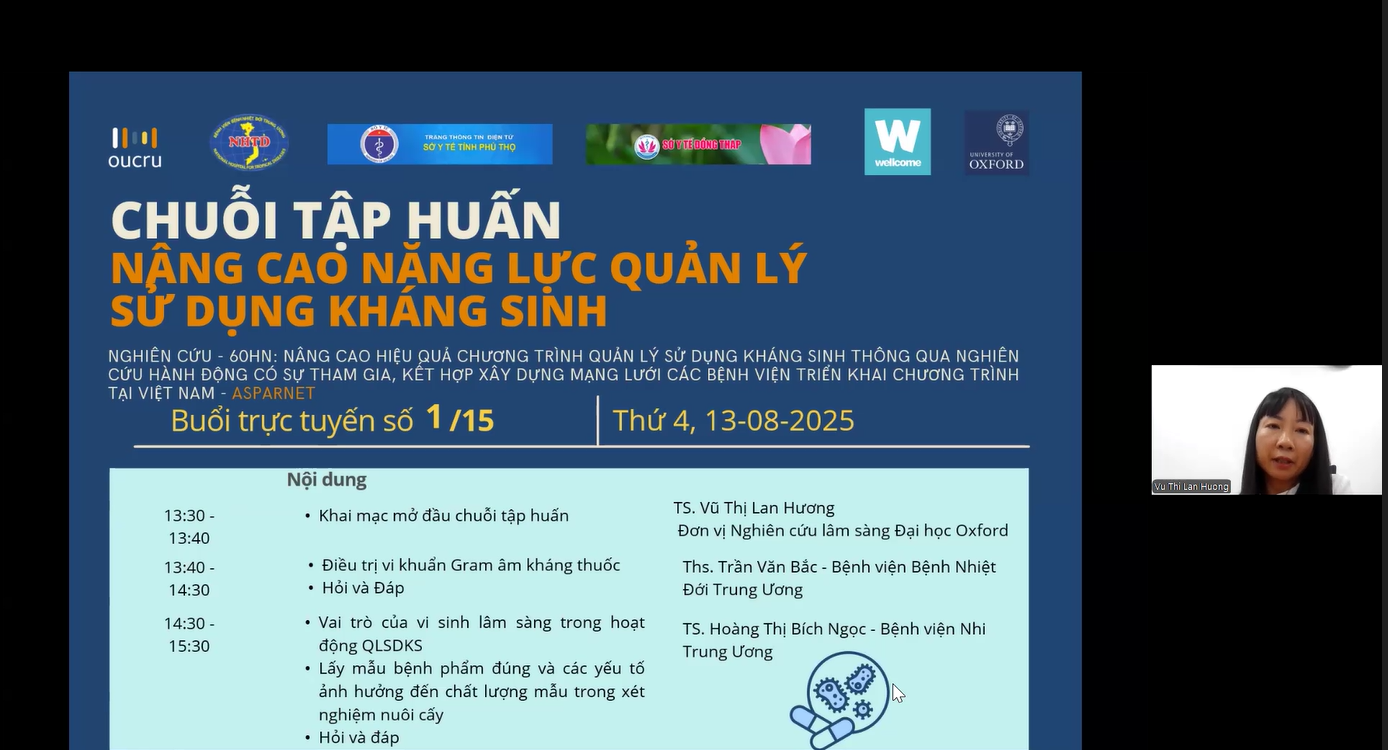
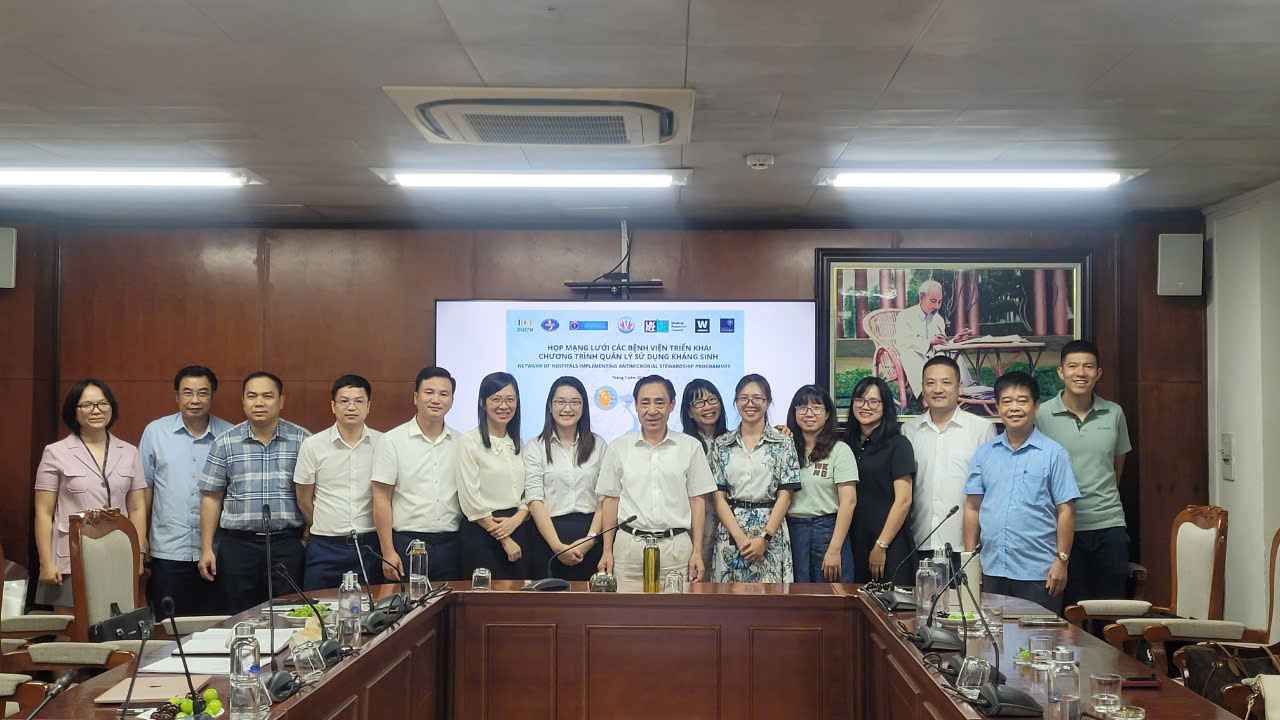
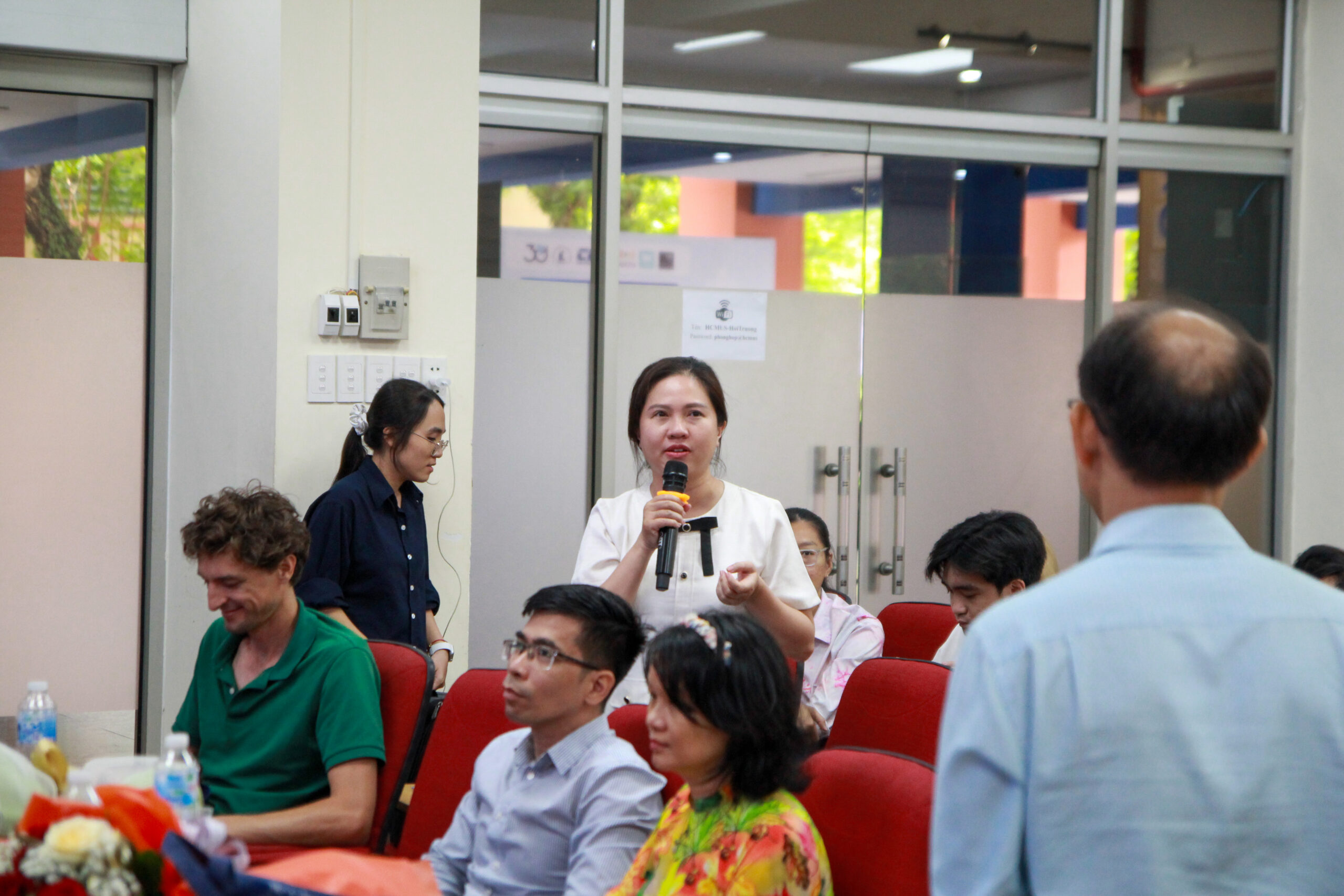
    Ảnh 1: TS. Vũ Thị Lan Hương – Nghiên cứu viên chính của nghiên cứu 60HN phát biểu khai mạc tập huấn (Nguồn: OUCRU)

    Nội dung của chuỗi tập huấn được xây dựng dựa trên các phương pháp của Nghiên cứu hành động có sự tham gia (PAR). Cách tiếp cận này thực hiện dựa trên nguyên tắc xây dựng từ sự tham gia chủ động của các bệnh viện và cán bộ y tế trong xác định nhu cầu đào tạo, phản hồi từ thực tiễn triển khai QLSDKS và hoạt động lâm sàng của các đơn vị tham gia nghiên cứu, gắn kết chặt chẽ giữa nghiên cứu khoa học và thực hành lâm sàng, đảm bảo giải pháp đưa ra phù hợp bối cảnh địa phương.

    Chuá»—i tập huấn vá»›i sá»± tham gia giảng dạy cá»§a các chuyên gia giàu kinh nghiệm đến từ các bệnh viện và trường đại học lá»›n như Bệnh viện Bệnh Nhiệt đới Trung ương, Bệnh viện Nhi Trung ương, Đại học Dược Hà Ná»™i, Đại học Y Hà Ná»™i, Bệnh viện Xanh Pôn,… Theo kế hoạch, mở đầu chuá»—i tập huấn là 01 buổi đào tạo trá»±c tiếp tại má»—i tỉnh vào tháng 07/2025, và chuá»—i 15 buổi đào tạo trá»±c tuyến bắt đầu từ tháng 7 năm 2025 và sẽ kéo dài đến tháng 6 năm 2026. Tính đến tháng 09/2025, 04 buổi tập huấn trá»±c tuyến đã được thá»±c hiện vá»›i sá»± tham gia cá»§a hÆ¡n 300 cán bá»™ y tế từ 12 đơn vị y tế thuá»™c nghiên cứu 60HN cÅ©ng như nhiều cÆ¡ sở y tế khác quan tâm đến chương trình quản lý sá»­ dụng kháng sinh.

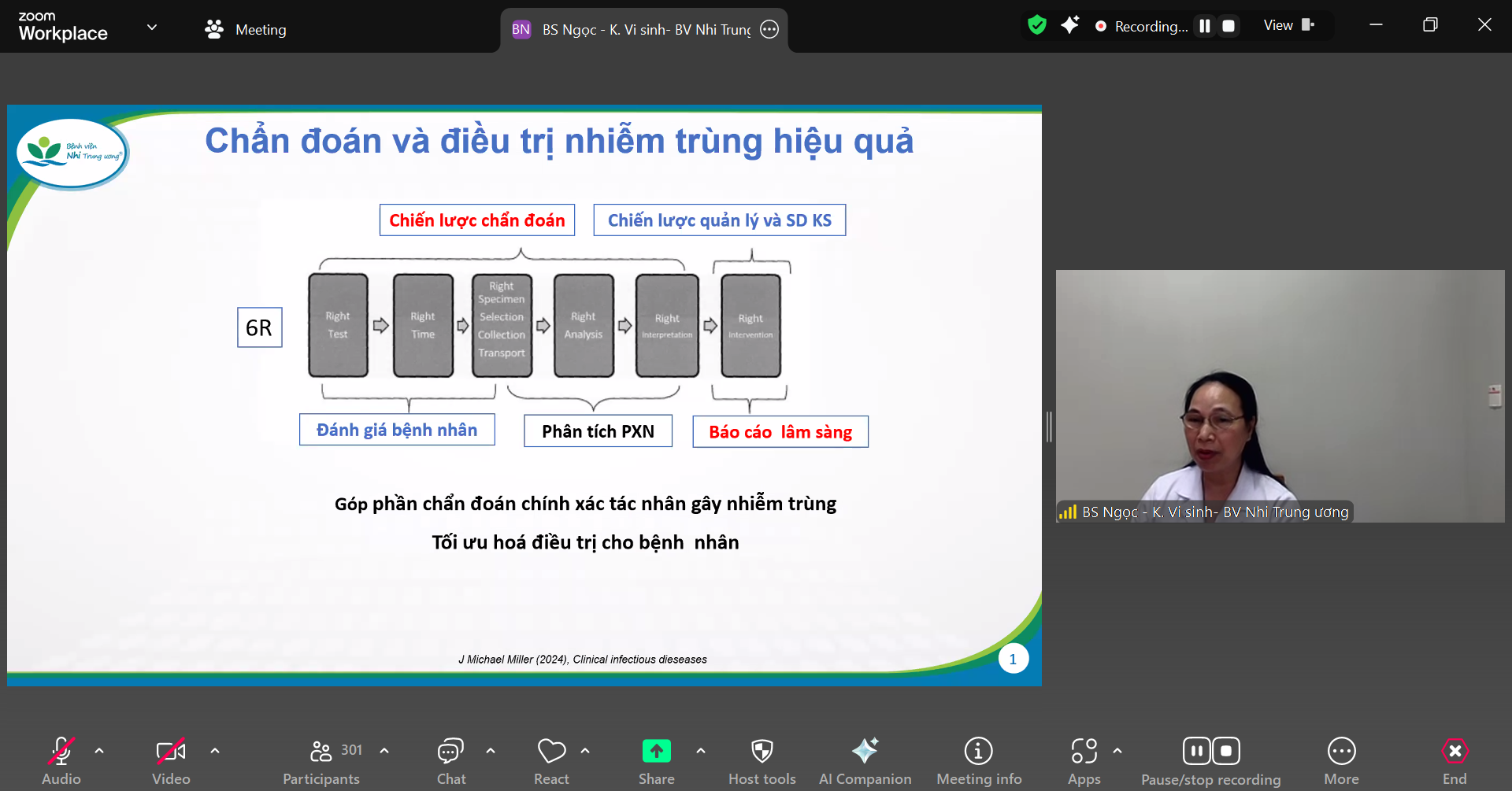
    Ảnh 2: Các buổi tập huấn thu hút sự quan tâm của đông đảo cán bộ y tế tham gia (Nguồn: OUCRU)

    Ngoài những nội dung tập trung vào việc củng cố kiến thức chuyên môn cho cán bộ y tế về sử dụng kháng sinh trong điều trị, vi sinh lâm sàng, dược lâm sàng, phân tích các nhóm vi khuẩn thường gặp và hướng dẫn xây dựng kế hoạch triển khai chương trình QLSDKS tại đơn vị, các giảng viên còn chia sẻ kinh nghiệm thực tế trong việc triển khai chương trình tại các bệnh viện, giúp các cán bộ y tế hiểu rõ hơn về các thách thức và giải pháp phù hợp trong từng bối cảnh cụ thể.
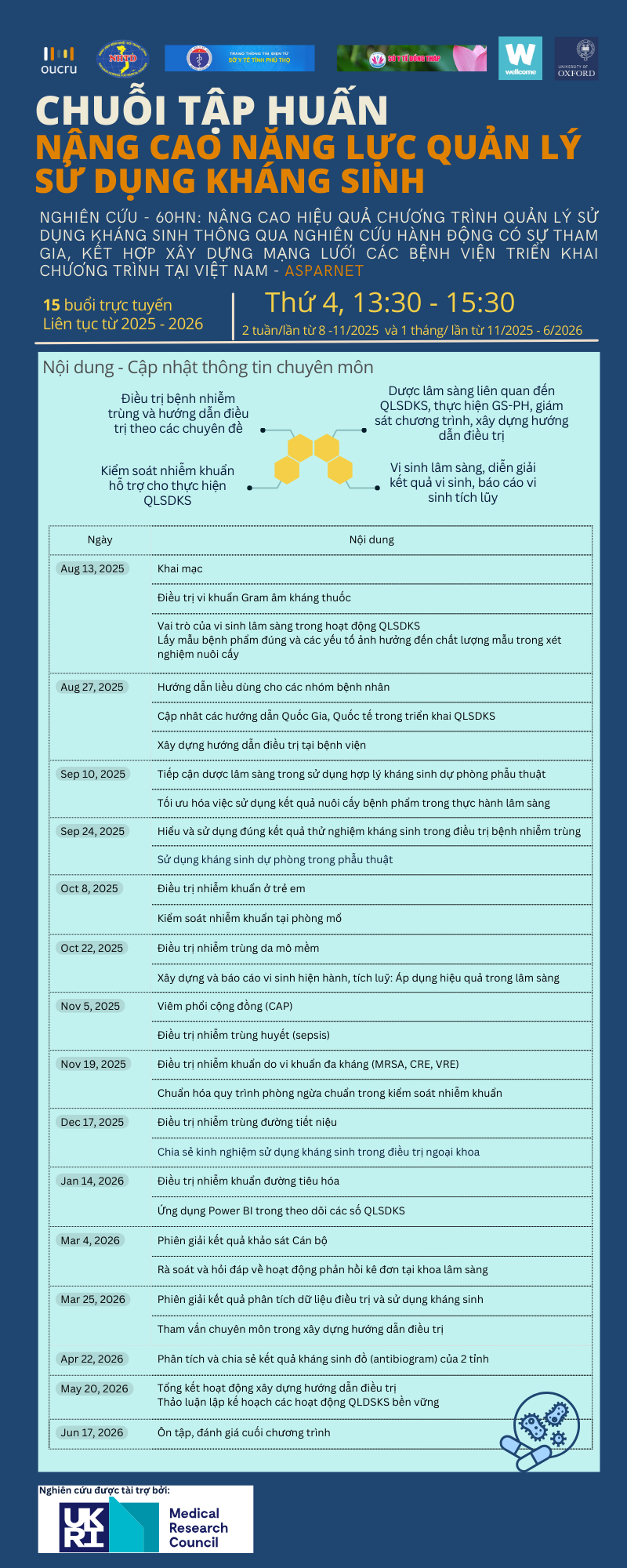
    Không chỉ dừng lại ở việc nâng cao năng lực chuyên môn cho cán bộ y tế, về lâu dài, những thay đổi trong thực hành kê đơn kháng sinh của bác sĩ sẽ góp phần thúc đẩy việc sử dụng kháng sinh hợp lý hơn, giúp giảm thiểu nguy cơ kháng thuốc, từ đó nâng cao hiệu quả điều trị, rút ngắn thời gian nằm viện và giảm chi phí y tế cho người bệnh. Đồng thời, kiểm soát tốt tình trạng kháng kháng sinh cũng góp phần bảo vệ sức khỏe cộng đồng, đặc biệt là trong bối cảnh các bệnh truyền nhiễm có nguy cơ bùng phát.

    Chương trình kỳ vọng sẽ hỗ trợ các đơn vị y tế xây dựng được kế hoạch nâng cao năng lực định kỳ cho đội ngũ cán bộ, duy trì và phát triển chương trình QLSDKS một cách hiệu quả, bền vững và thích ứng với sự chuyển đổi của hệ thống y tế. Đây là minh chứng cho sự phối hợp chặt chẽ giữa nghiên cứu khoa học và triển khai thực tiễn, góp phần nâng cao chất lượng điều trị và chăm sóc sức khoẻ tại Việt Nam.
  • Capacity-Building Training Series on Antimicrobial Stewardship within the 60HN – ASPARNet  

    One of the key activities within the 60HN – ASPARNet study is a capacity-building training series on antimicrobial stewardship (AMS), jointly organized by the National Hospital for Tropical Diseases (NHTD) and the Oxford University Clinical Research Unit (OUCRU), in collaboration with the Dong Thap and Phu Tho Departments of Health 

    The activity aims to enhance both the professional knowledge and practical skills of healthcare staff in antimicrobial stewardship (AMS), supporting rational antibiotic use and effective antimicrobial resistance (AMR) control in healthcare settings. Through the sessions, participants are updated on the latest treatment guidelines and strengthened in key areas such as clinical microbiology, clinical pharmacy, and infection control – essential components for successful AMS implementation. 

    In addition, this activity places strong emphasis on building research capacity and supporting the practical implementation of AMS activities at hospitals, enabling each unit to proactively develop action plans tailored to their specific context. The training sessions also serve as a platform for experience sharing among hospitals within the network, fostering mutual learning and promoting the sustainable and equitable development of the AMS programs. 

    Picture 1: Dr. Vu Thi Lan Huong – Principal investigator of 60HN delivered the opening speech of the training course (Source: OUCRU) 

    The content of the training course is developed based on the principles of Participatory Action Research (PAR). This approach emphasizes active involvement from hospitals and healthcare staff in identifying training needs, providing feedback from real-world AMS implementation and clinical practice, and ensuring a strong connection between scientific research and clinical application. By grounding the training in local realities, this activity aims to deliver context-appropriate and practical solutions. 

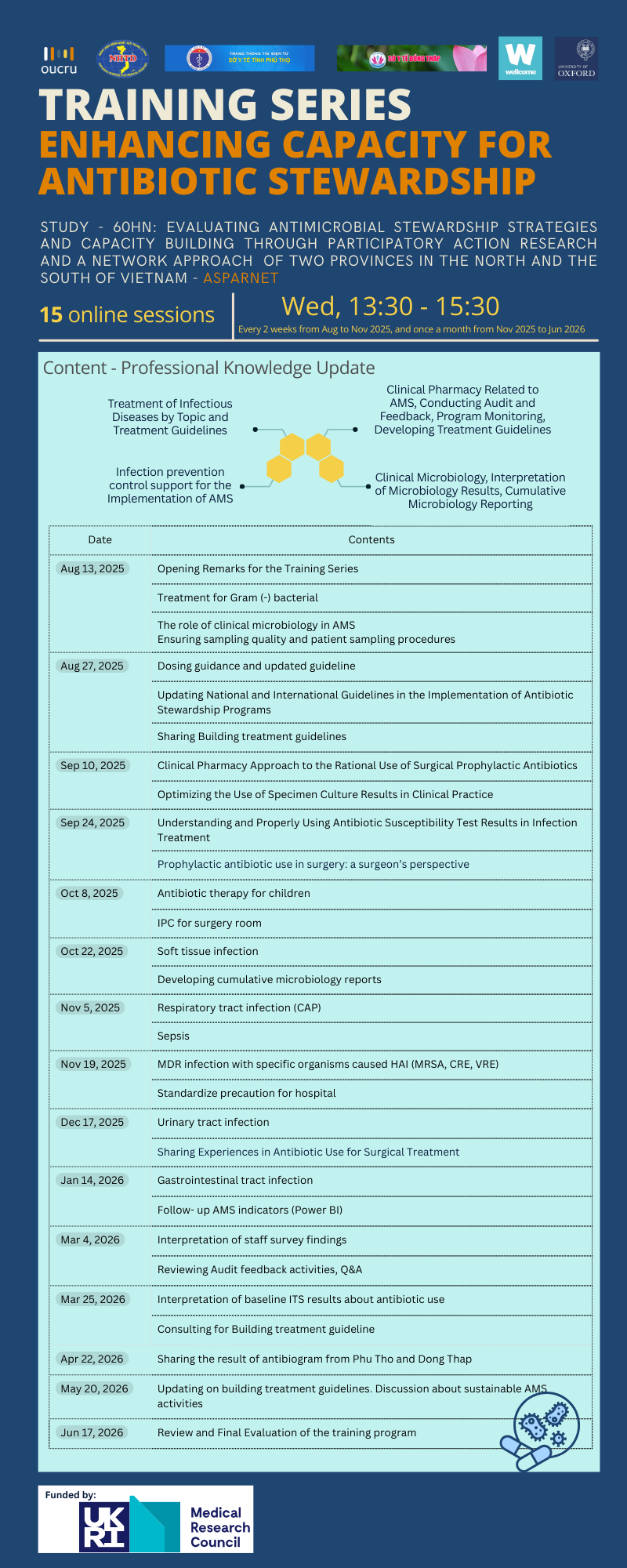
    The training series features experienced lecturers from leading hospitals and universities, including the National Hospital for Tropical Diseases, the Vietnam National Children’s Hospital, Hanoi University of Pharmacy, Hanoi Medical University, Saint Paul Hospital, etc. According to the plan, the series began with one in-person training session in each province in July 2025, followed by a total of 15 virtual sessions running from July 2025 to June 2026. As of September 2025, four online training sessions have been conducted, with participation from over 300 healthcare staff from 12 network hospitals involved in the 60HN study, as well as many other healthcare facilities interested in AMS implementation. 

    Picture 2: Healthcare staff participated in the training series (Source: OUCRU) 

    In addition to strengthening healthcare professionals’ knowledge in clinical antibiotic use, clinical microbiology, clinical pharmacy, analysis of common bacterial groups, and guidance on developing AMS implementation plans at their respective institutions, the training sessions also feature practical experience sharing by lecturers who have directly implemented AMS programs in their hospitals. These insights help participants better understand the challenges and identify context-specific solutions tailored to the realities of each healthcare setting. 

    Picture 3: Content of training series to improve capacity in antibiotic stewardship (Source: OUCRU) 

    Beyond enhancing the professional capacity of healthcare staff, the activity is expected to drive long-term changes in antibiotic prescribing practices among clinical doctors. These changes will contribute to more appropriate antibiotic use, helping to reduce the risk of antimicrobial resistance, improve treatment outcomes, shorten hospital stays, and lower healthcare costs for patients. Effective AMR control also plays a vital role in safeguarding public health, especially in the context of emerging infectious disease threats. 

    In the long run, the program aims to support healthcare institutions in developing regular capacity-building plans for their staff, ensuring the sustainable and effective implementation of AMS initiatives. This effort reflects a strong integration between scientific research and practical application, contributing to improved quality of care and health outcomes in Vietnam. 

  • Cập nhật hoạt động nghiên cứu ASPARNet tại tỉnh Phú Thọ và Đồng Tháp

    Cập nhật hoạt động nghiên cứu ASPARNet tại tỉnh Phú Thọ và Đồng Tháp

    Trong khoảng thời gian từ tháng 02 đến tháng 07 năm 2025, nhóm nghiên cứu OUCRU với sự điều phối của Sở Y tế hai tỉnh và Bệnh viện Bệnh Nhiệt đới Trung ương (NHTD) đã tiến hành thu thập các thông tin ban đầu tại 12 đơn vị thuộc nghiên cứu, bao gồm 6 đơn vị tại tỉnh Đồng Tháp (tháng 02 – 04/2025) và 6 đơn vị tại tỉnh Phú Thọ (tháng 04 – 07/2025). Các dữ liệu được thu thập bao gồm:

    Dữ liệu sơ cấp:

    • Thông tin định lượng: các thông tin được thu thập qua bá»™ câu hỏi: khảo sát cán bá»™ y tế về kiến thức, thái độ và thá»±c hành liên quan đến chương trình QLSDKS và khảo sát bệnh nhân về lịch sá»­ sá»­ dụng kháng sinh và quá trình sá»­ dụng kháng sinh khi Ä‘ang Ä‘iều trị tại bệnh viện. Các mẫu bệnh phẩm liên quan đến bệnh nhân, môi trường và mẫu nước thải tại đơn vị cÅ©ng đồng thời được thu thập và vận chuyển về bệnh viện Ä‘a khoa tỉnh để bảo quản và phân tích.
    • Thông tin định tính: Các buổi phỏng vấn sâu và thảo luận nhóm vá»›i cán bá»™ y tế đã được thá»±c hiện để tìm hiểu thá»±c trạng sá»­ dụng kháng sinh tại cÆ¡ sở và các nhận định về việc triển khai chương trình QLSDKS
    • Dữ liệu thứ cấp: Được trích xuất từ hệ thống thông tin bệnh viện (HIS), bao gồm thông tin về việc sá»­ dụng kháng sinh, vi sinh cá»§a bệnh nhân Ä‘iều trị tại viện
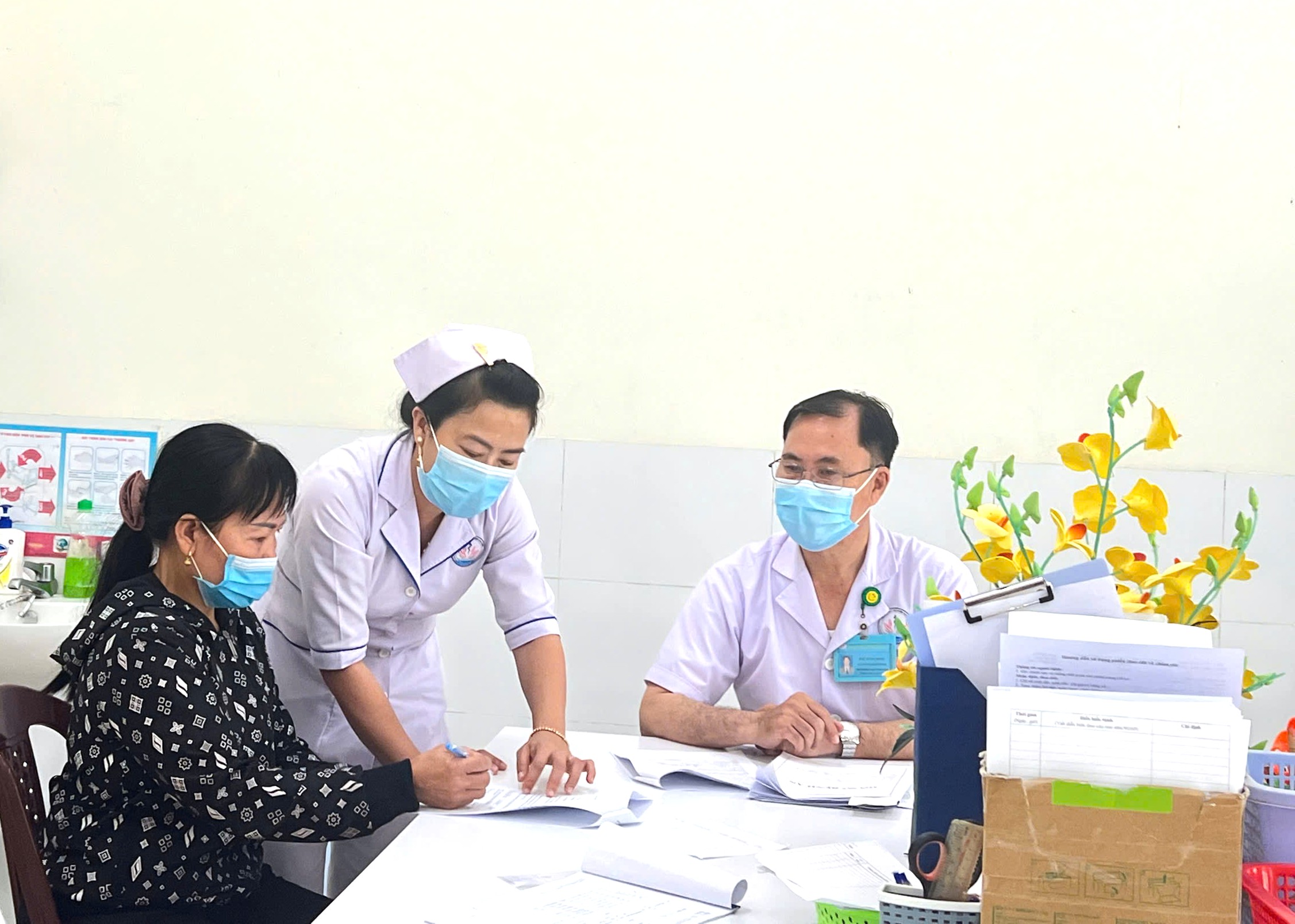
    Ảnh 1: Cán bộ y tế thu thập các thông tin của bệnh nhân thông qua bảng câu hỏi định lượng (Nguồn: OUCRU)

    Báo cáo sơ bộ và thảo luận tại Sở Y tế

    Sau khi hoàn tất quá trình làm sạch dữ liệu, nhóm nghiên cứu OUCRU đã phối hợp với Sở Y tế hai tỉnh và NHTD chia sẻ kết quả sơ bộ tại hai cuộc họp vào ngày 16/07 tại tỉnh Phú Thọ và ngày 30/07 tại tỉnh Đồng Tháp. Các cuộc họp có sự tham gia đầy đủ của lãnh đạo Sở Y tế và đại diện các đơn vị tham gia nghiên cứu.

    Báo cáo sơ bộ phản ánh thực trạng sử dụng kháng sinh tại từng đơn vị, đồng thời đưa ra một số kết luận và khuyến nghị ban đầu. Đáng chú ý, từ dữ liệu HIS, nhóm nghiên cứu đã xây dựng báo cáo sử dụng kháng sinh của từng bác sĩ, khoa/đơn vị điều trị tại các bệnh viện trong giai đoạn 2020 – 2024. Báo cáo cá nhân sẽ là một trong các công cụ thay đổi hành vi giúp nâng cao thực hành kê đơn kháng sinh tại cơ sở. Các đại biểu đã cùng nhau thảo luận về kế hoạch triển khai chương trình QLSDKS tại địa phương. Sở Y tế đã đưa ra các chỉ đạo chiến lược nhằm thể hiện kì vọng mong muốn các đơn vị có thể cải thiện việc dùng kháng sinh trở nên tốt hơn trong một năm can thiệp tiếp theo và sau đó.

    Họp nội bộ tại các bệnh viện

    Tiếp nối các cuộc họp tại Sở Y tế tỉnh, từ ngày 31/07 đến 06/08, sáu bệnh viện tại tỉnh Đồng Tháp đã tổ chức thành công các buổi họp nội bộ tại bệnh viện. Các buổi họp có sự tham gia của lãnh đạo bệnh viện, lãnh đạo các khoa lâm sàng và các bác sĩ sẽ trực tiếp tham gia chương trình QLSDKS.

    Tại các buổi họp, đại diện các đơn vị đã tích cực đóng góp ý kiến về kế hoạch triển khai chương trình trong năm tới. Nhóm nghiên cứu OUCRU cùng với các cán bộ nghiên cứu tại bệnh viện cùng nhau trao đổi và xác định giải pháp để nâng cao thực hành kê đơn trên cơ sở các báo cáo sử dụng kháng sinh tại cơ sở trong các buổi họp này và xuyên suốt quá trình hỗ trợ kỹ thuật và nâng cao năng lực của dự án.

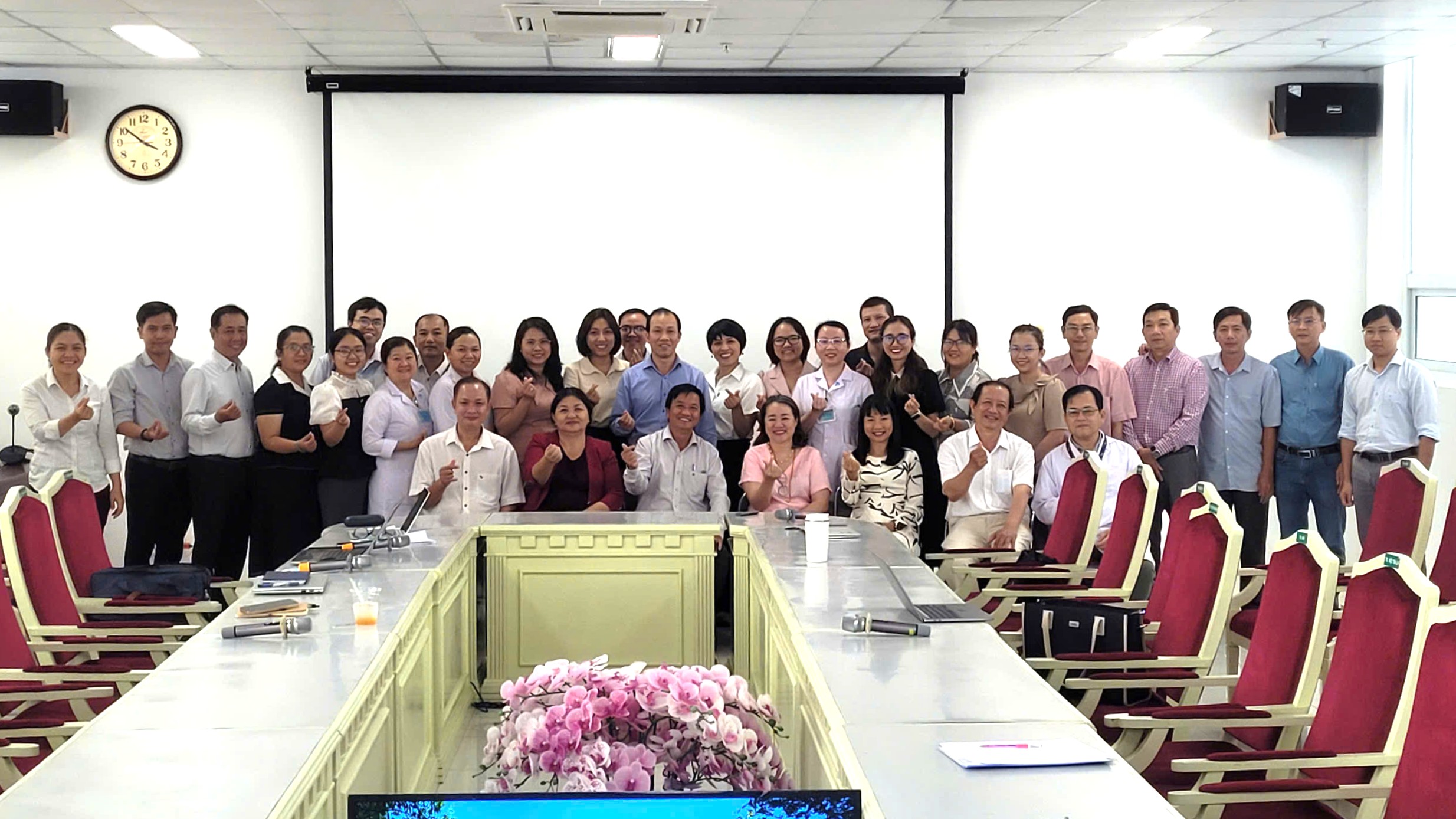
    Ảnh 4: Cán bộ nghiên cứu tại bệnh viện trao đổi nhằm thống nhất kế hoạch triển khai chương trình QLSDKS trong thời gian tới (Nguồn: OUCRU)

    Kế hoạch triển khai tiếp theo

    Trong thời gian tới, nhóm nghiên cứu OUCRU sẽ tiếp tục đồng hành cùng các đơn vị để triển khai các hoạt động trọng tâm của chương trình QLSDKS, bao gồm:

    • Cập nhật và xây dá»±ng báo cáo sá»­ dụng kháng sinh cá»§a các bác sÄ© cho giai Ä‘oạn tiếp theo.
    • Thá»±c hiện hoạt động giám sát – phản hồi việc kê đơn kháng sinh, phối hợp giữa khoa Dược và các khoa lâm sàng.
    • Ứng dụng phần mềm Power BI để phân tích và trá»±c quan hóa dữ liệu sá»­ dụng kháng sinh, há»— trợ việc theo dõi, giám sát và ra quyết định hiệu quả ở cả cấp khoa/phòng và bệnh viện.
    • Há»— trợ các bác sÄ© trong việc tăng cường sá»­ dụng các kháng sinh thuá»™c nhóm Tiếp cận hướng tá»›i đạt 60% kháng sinh toàn thân chỉ định thuá»™c nhóm (theo phân loại AWaRe cá»§a Tổ chức Y tế thế giá»›i WHO).
    • Tập trung vào hoạt động giám sát và phản hồi và ưu tiên rà soát cập nhật các hướng dẫn sá»­ dụng kháng sinh áp dụng tại khoa trọng tâm theo kế hoạch cá»§a bệnh viện
    • Xây dá»±ng và ứng dụng Báo cáo vi sinh tích lÅ©y để theo dõi xu hướng đề kháng và há»— trợ sá»­ dụng kháng sinh ban đầu.
    • Tăng cường chỉ định xét nghiệm chẩn Ä‘oán hợp lý: Há»— trợ các khoa và phòng xét nghiệm trong thu thập mẫu theo quy trình chuẩn, giải thích kết quả vi sinh và kết nối chặt chẽ giữa lâm sàng và xét nghiệm nhằm nâng cao chất lượng Ä‘iều trị và phòng ngừa đề kháng.
    • Rà soát và cập nhật các hướng dẫn Ä‘iều trị: Thá»±c hiện rà soát, cập nhật hoặc xây dá»±ng hướng dẫn Ä‘iều trị, hướng dẫn dá»± phòng phẫu thuật, hướng dẫn sá»­ dụng kháng sinh phù hợp vá»›i dữ liệu vi sinh và bối cảnh địa phương.

  • ASPARNet Update in Phu Tho and Dong Thap Provinces 

    ASPARNet Update in Phu Tho and Dong Thap Provinces 

    From February to July 2025, the OUCRU research team with the coordination from two Provincial Health Departments and National Hospital for Tropical Diseases (NHTD) conducted baseline survey at 12 network hospitals, including six hospitals in Dong Thap Province (Feb – Apr 2025) and six hospitals in Phu Tho Province (Apr – Jul 2025). The collected data comprised: 

    Primary data: 

    • Quantitative data: Questionnaire was used for staff survey to assess their knowledge, attitudes, and practices regarding AMS, as well as case record form for patient survey to collect data on antibiotic use history and clinical outcomes during hospitalization. Environmental, wastewater, and rectal swabs samples were collected from participating sites and transported to the Provincial General Hospitals for storage and laboratory analysis. 
    • Qualitative data: In-depth interviews and focus group discussions were conducted with leaders and healthcare staff to explore current antibiotic use practices and perceptions of AMS implementation. 
    • Secondary data: Extracted from the Hospital Information System (HIS), including information on antibiotic use and microbiological results of inpatients. 
    Picture 1: Healthcare staff collected patient information through quantitative questionnaires (Source: OUCRU)

    Preliminary Findings Shared with Provincial Health Departments

    Following data processing and preliminary analysis, OUCRU collaborated with the two Provincial Health Departments and NHTD to present initial findings at two stakeholder meetings held on Jul 16, 2025 in Phu Tho and July 30, 2025 in Dong Thap. These meetings were attended by representatives from the Provincial Health Departments and all participating hospitals.

    The presentations highlighted the current status of antibiotic use at each site and provided initial conclusions and recommendations. Notably, using HIS data, the research team developed individual reports on antibiotic use for each clinical doctor, covering the period from 2020 to 2024. This is an important behaviour change strategy to promote appropriate prescribing practices locally. The delegates engaged in discussions on the implementation plan for the AMS program at each site. The Department of Health provided strategic directions, expressing expectations that healthcare facilities would improve antibiotic use during the upcoming intervention year and beyond.

    Internal Hospital Meetings 

    Following the provincial-level meetings, from July 31 to August 06, six network hospitals in Dong Thap successfully organized internal meetings to further discuss AMS implementation. These meetings involved hospital leadership, heads of clinical departments, and clinical doctors who will be directly involved in the AMS programme. 

    During these sessions, hospital representatives actively contributed ideas for the upcoming implementation phase. OUCRU and hospitals’ researchers discussed and identified improvement actions for appropriate antibiotic prescribing practices based on the reports on antibiotic use during these meetings and througout the continuous technical support and capacity building process of the project. 

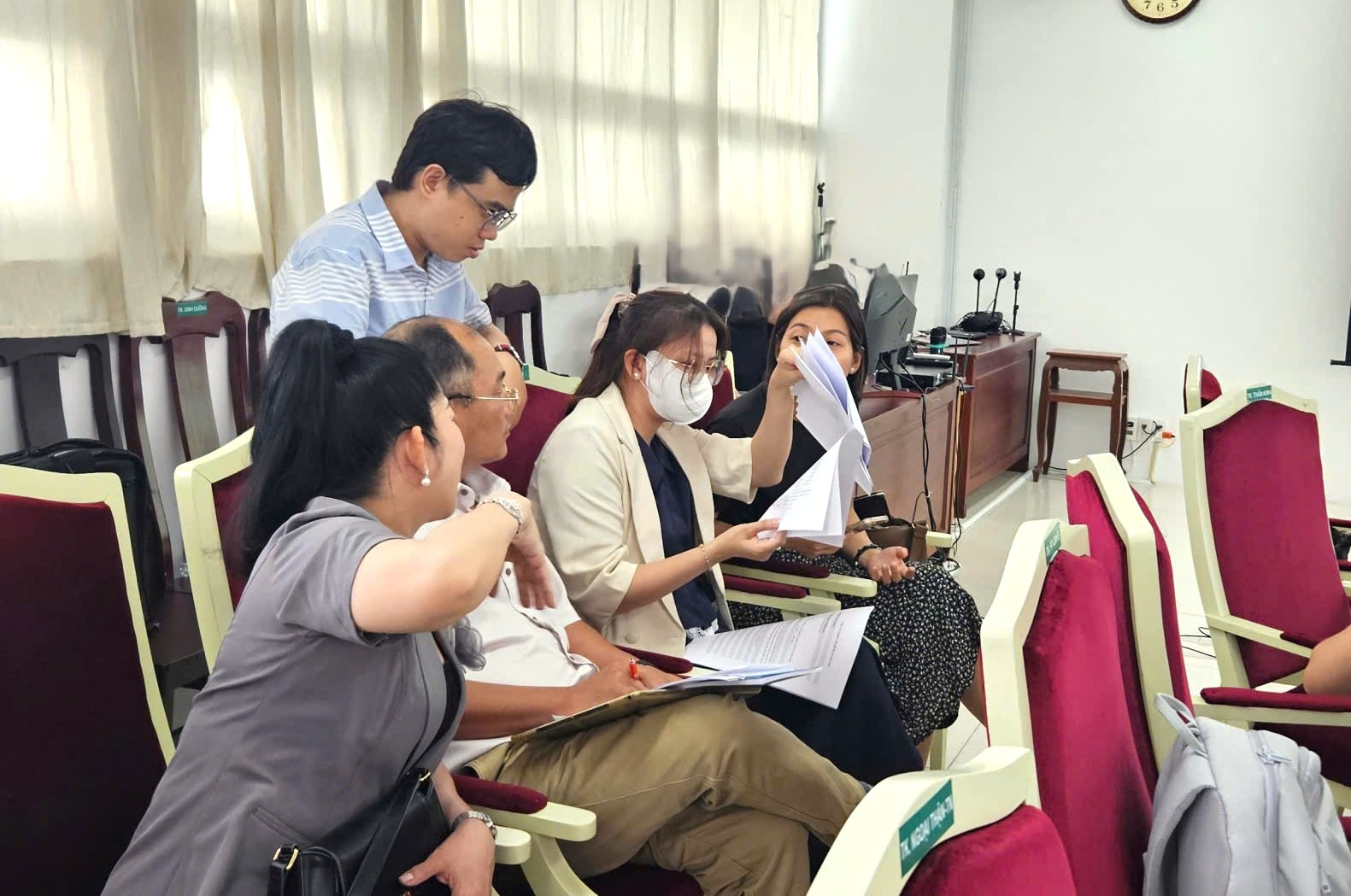
    Picture 4: Hospital’s researcher discussed the AMS plan for the upcoming year (Source: OUCRU) 

    Next Steps 

    In the coming months, OUCRU will continue to support network hospitals in implementing AMS activities, including: 

    • Updating and developing individual reports on antibiotic use for clinical doctors. 
    • Conducting Audit and Feedback (AF) activities on antibiotic prescribing, with close collaboration between the Department of Pharmacy and clinical departments. 
    • Applying Power BI to analyze and visualize antibiotic use data, supporting effective monitoring, surveillance, and decision-making at both departmental and hospital levels. 
    • Supporting clinical doctors in optimizing antibiotic prescribing with at least 60% of antimicrobial consumption to the Access group (according to the goals of the WHO AWaRe classification)  
    • Prioritizing AF activities and updating clinical doctors guidelines for antibiotic use 
    • Developing and implementing a cumulative microbiology report to monitor antimicrobial resistance trends and support empirical therapy. 
    • Enhancing appropriate diagnostic testing: supporting clinical departments and laboratories in improving sample collection, interpreting microbiology results, and strengthening the collaboration between clinical practice and laboratory testing to improve treatment quality and resistance prevention. 
    • Reviewing and updating treatment guidelines: conducting regular reviews, updates, or development of treatment protocols, surgical prophylaxis guidelines, and antibiotic use guidelines tailored to local microbiology data and context. 

  • OUCRU scientists join global leaders at Oxford Tropical Network Meeting 2025 

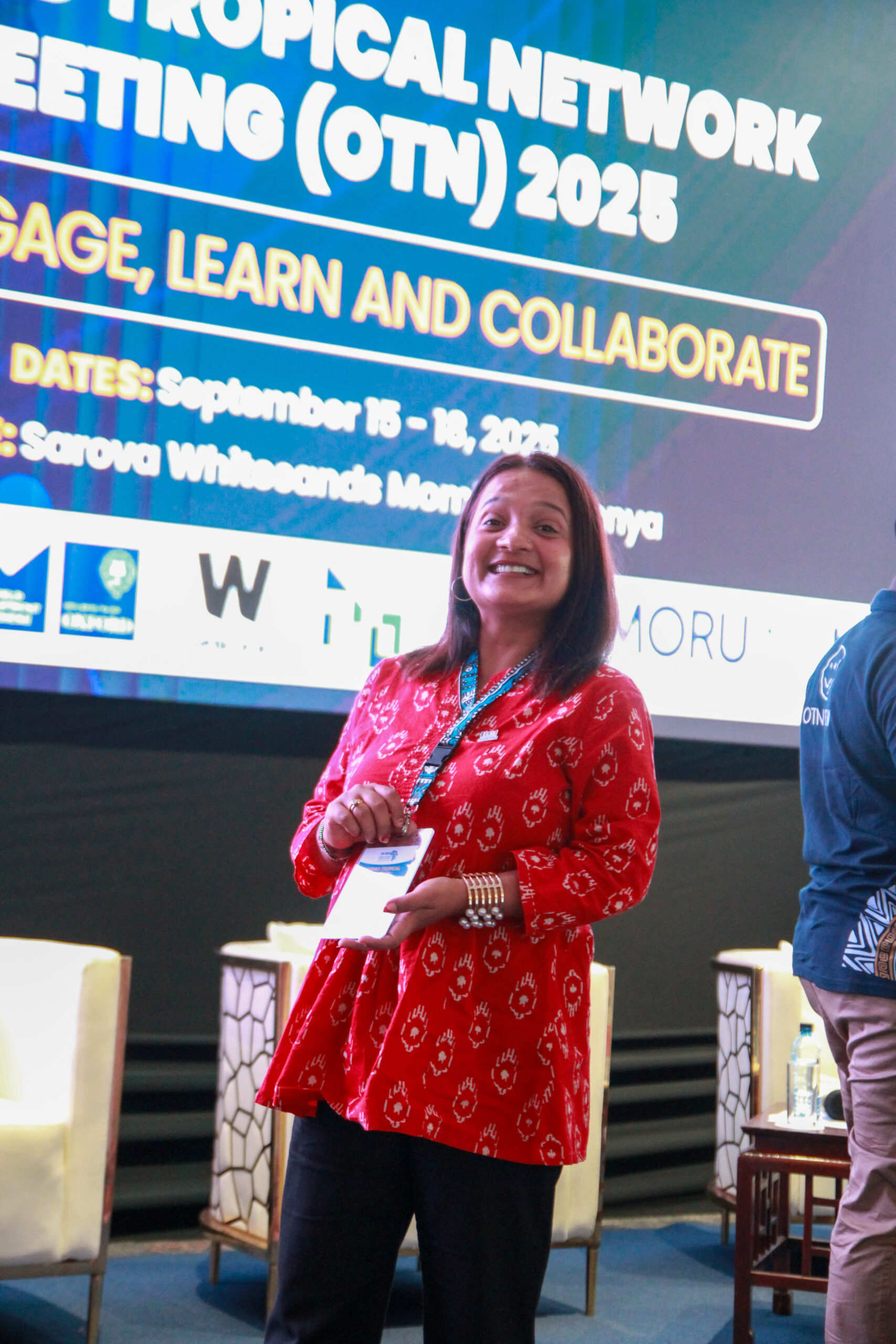
    OUCRU scientists join global leaders at Oxford Tropical Network Meeting 2025 

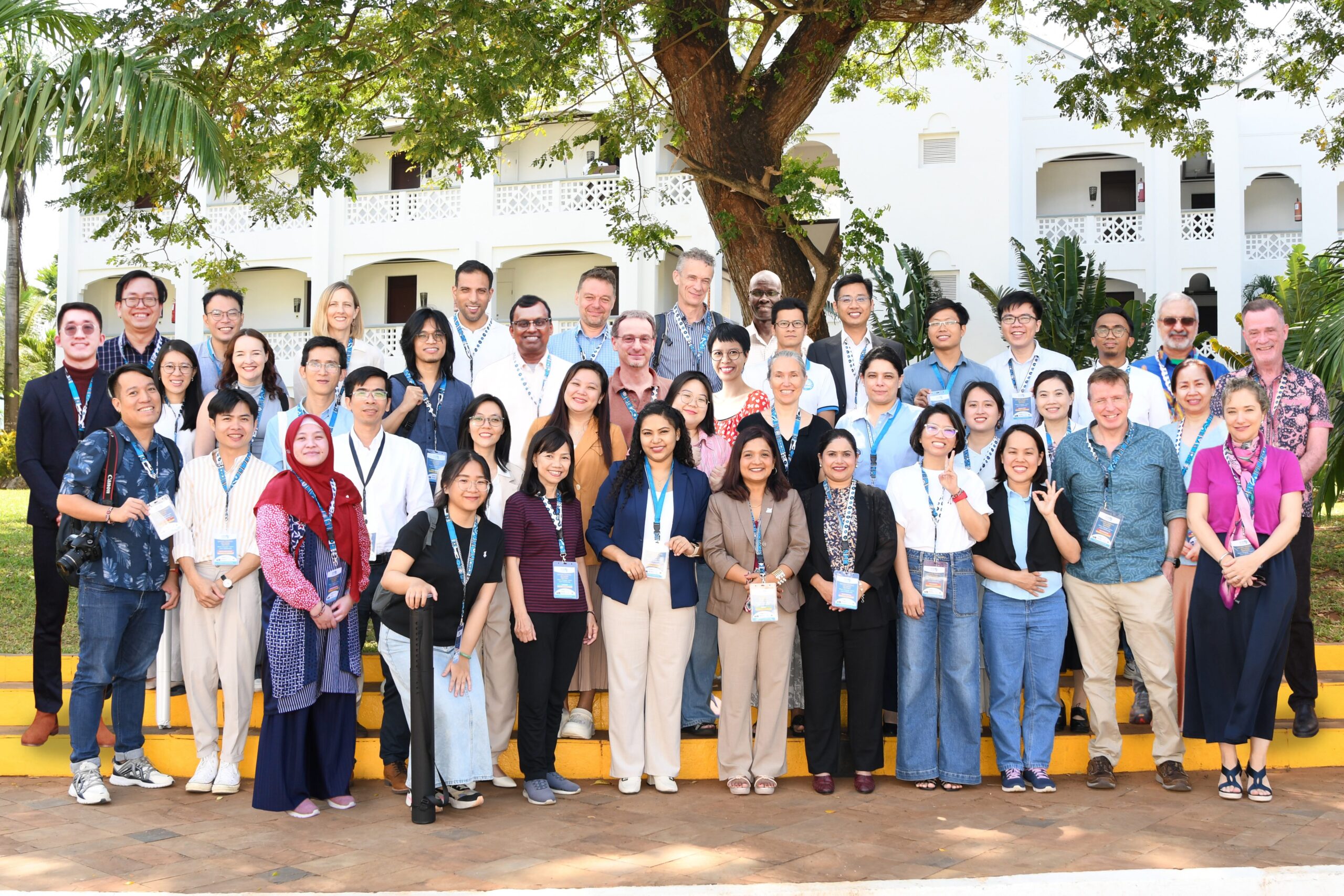
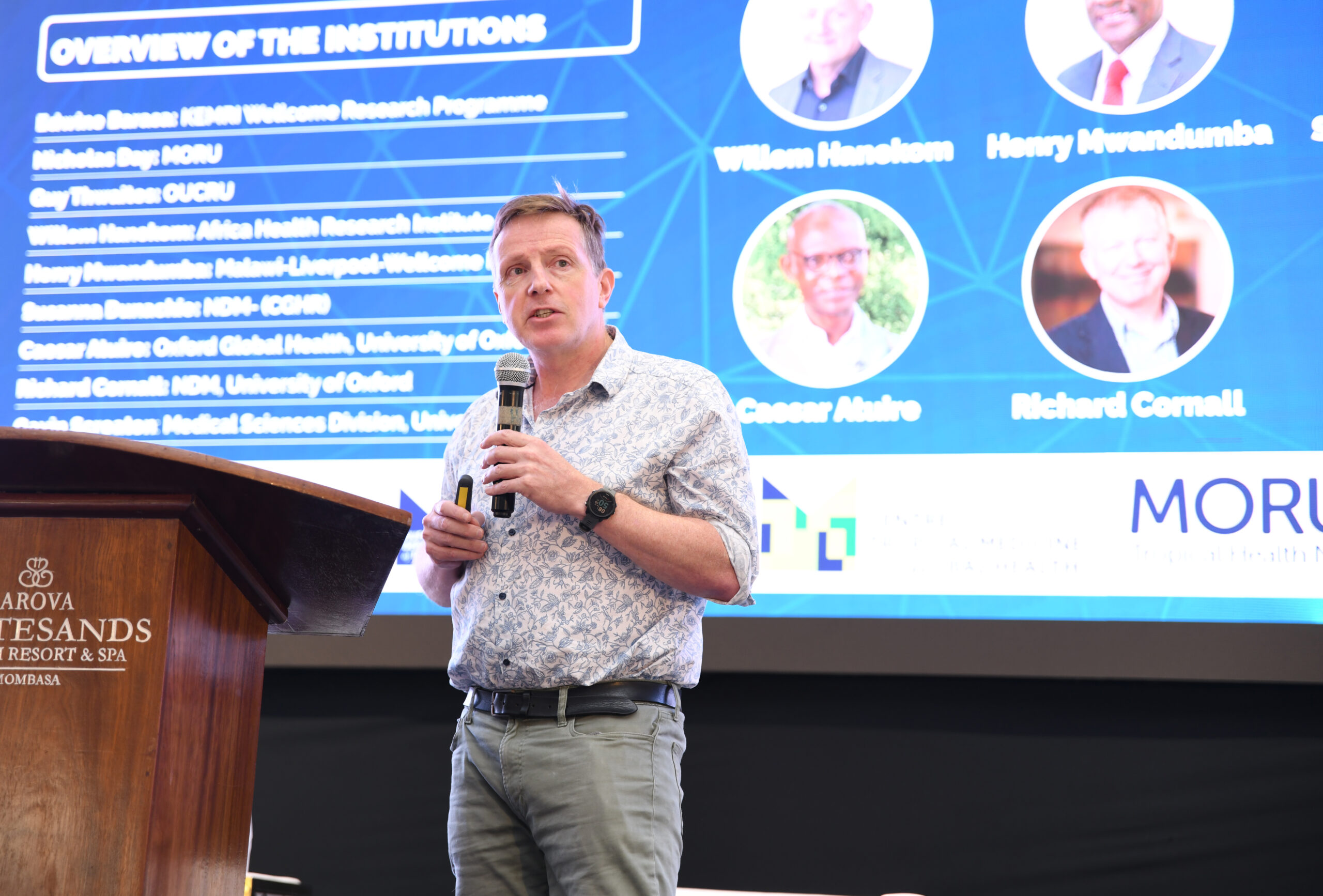
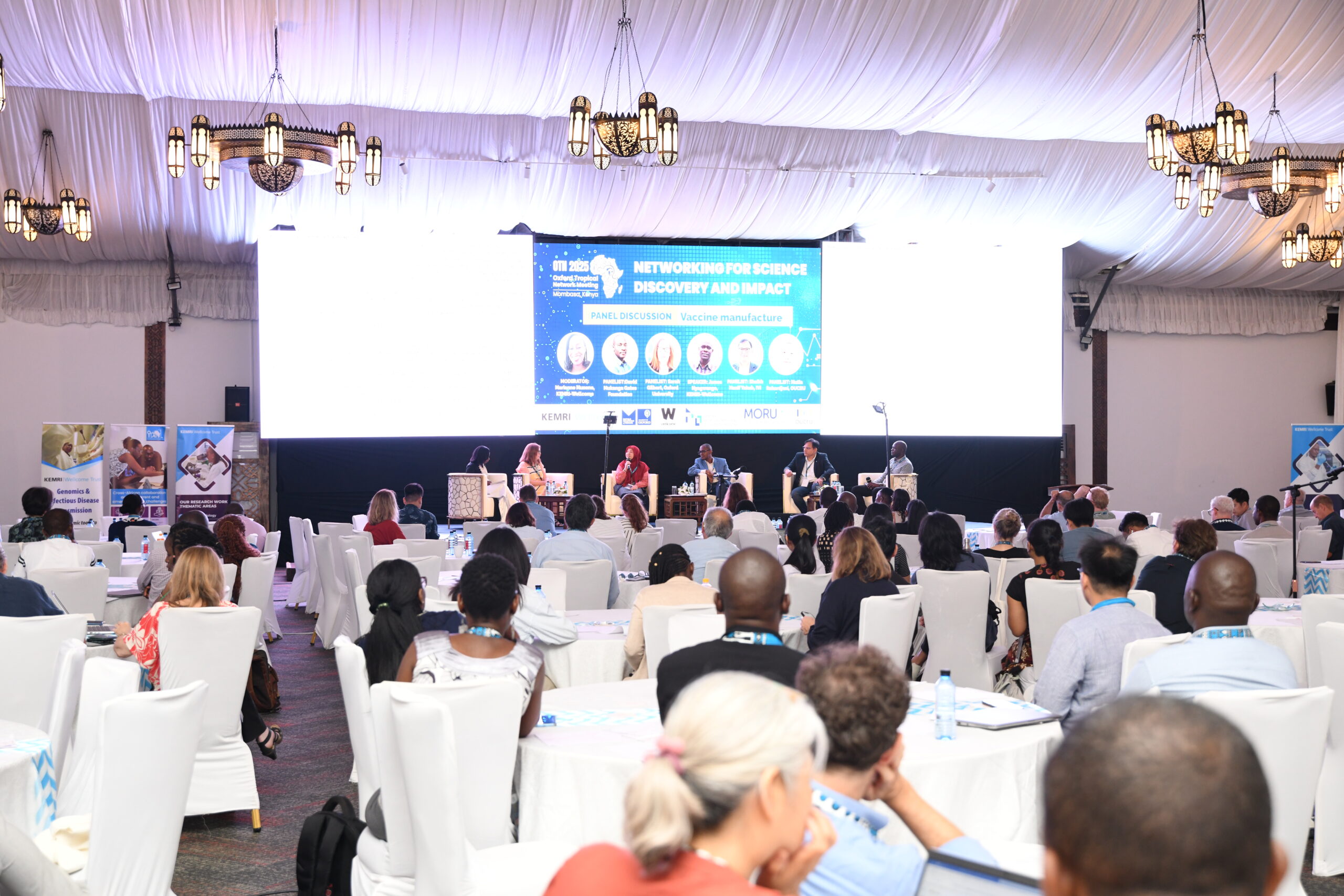
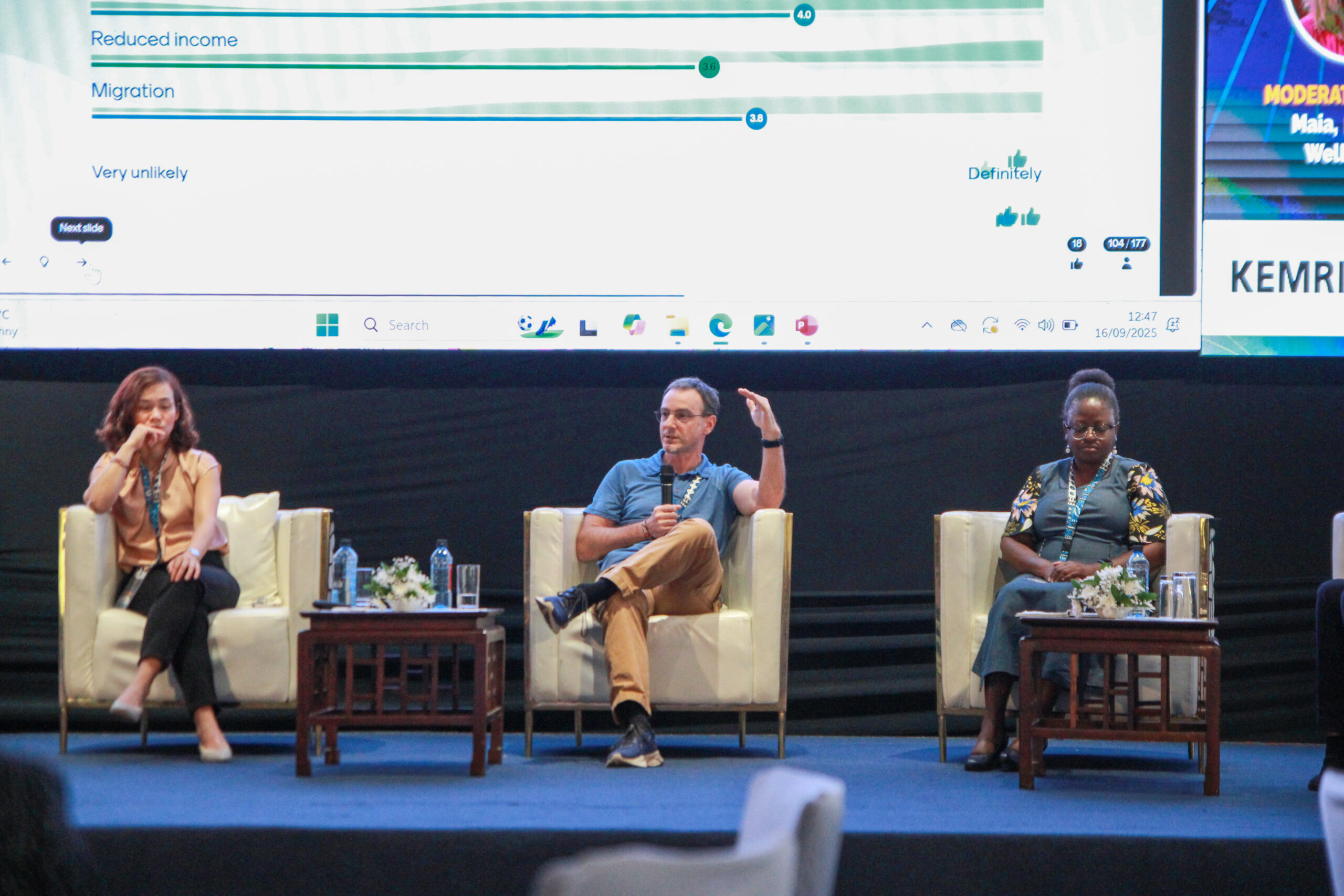
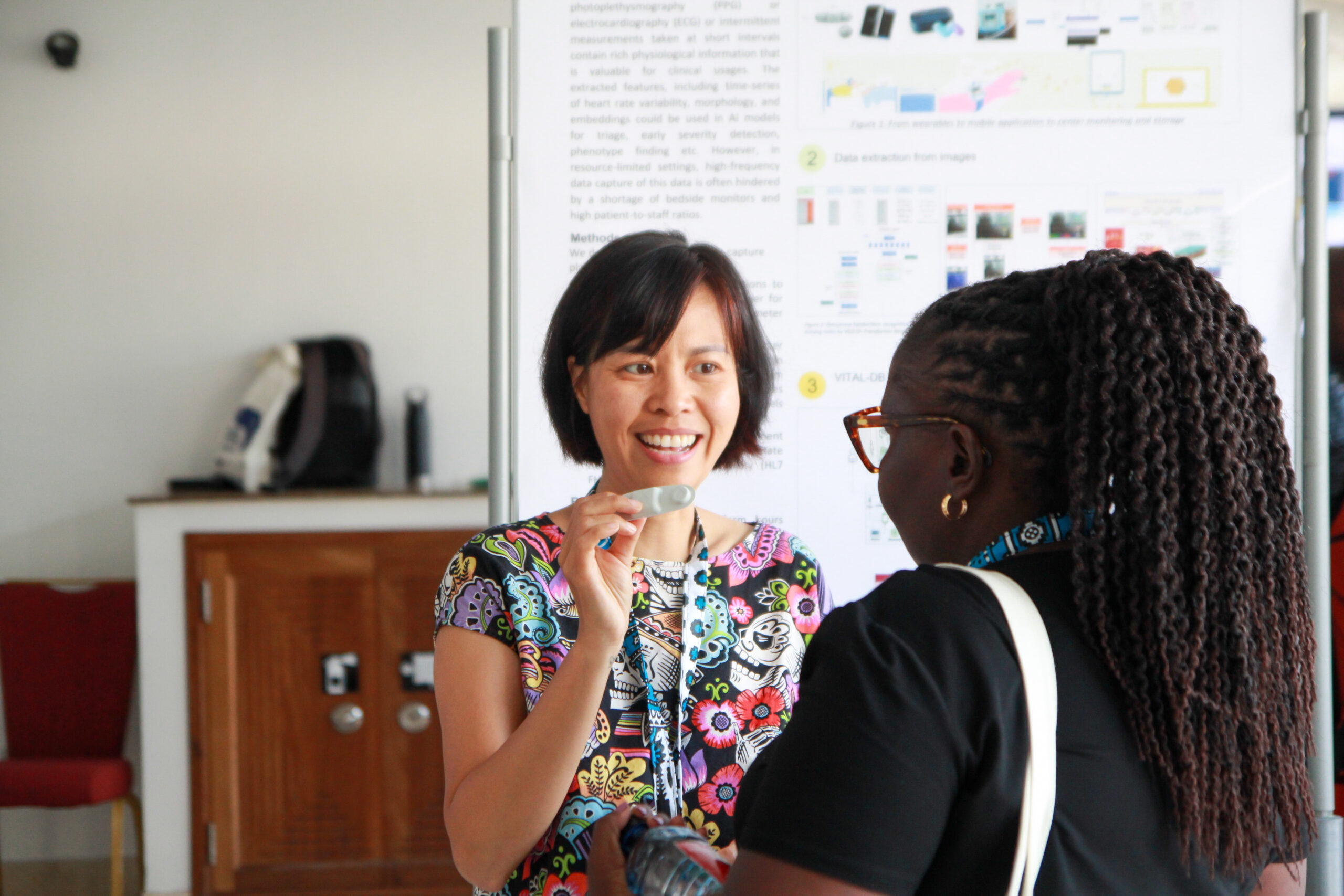
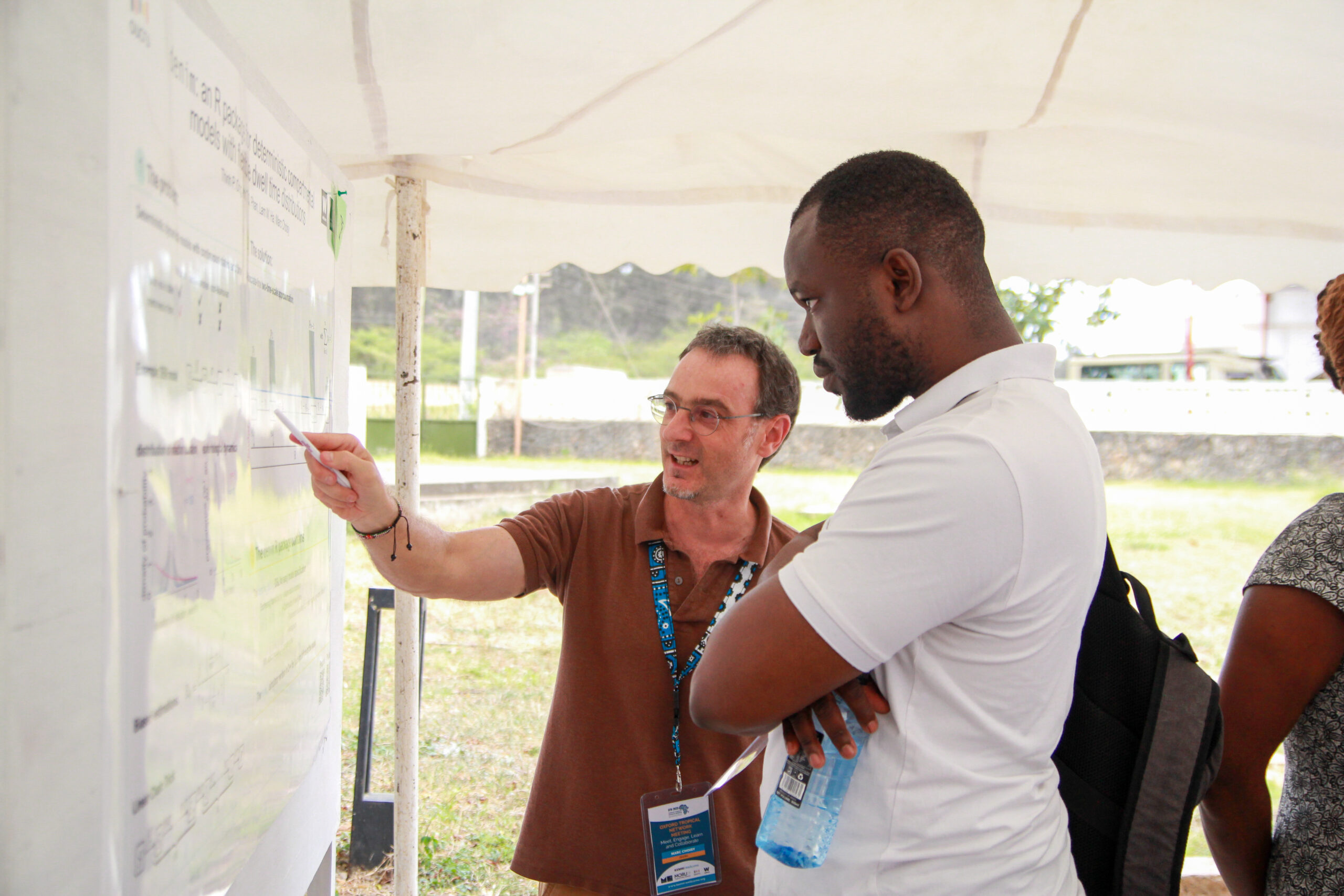
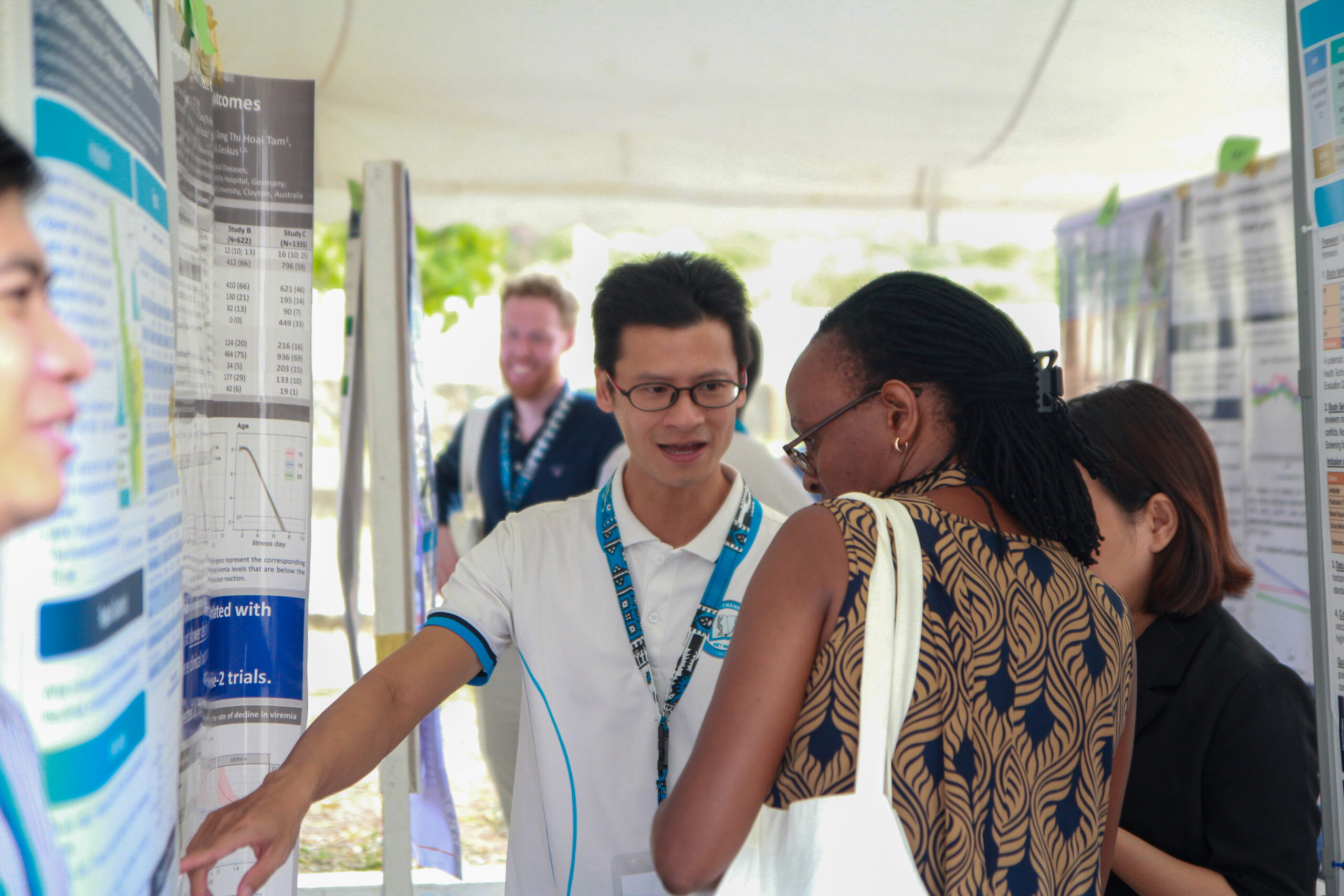
    With the theme “Networking for Science Discovery and Impact”, this year’s meeting highlighted opportunities to build on the strengths of the Network while exploring new areas of synergy. Discussions spanned discovery research, artificial intelligence, climate change, vaccine manufacture, and engagement with policymakers, alongside a rich programme of plenaries, spotlight talks, poster sessions, roundtable discussions, and networking events. 

    OUCRU scientists from all four units actively contributed to the programme through oral presentations, posters, and session coordination. Their research reflected the breadth of OUCRU’s work across Asia and its commitment to improving health outcomes worldwide. 

    Highlights included: 

    • Prof Rogier van Doorn – ACORN2: A Clinically Oriented Antimicrobial Resistance Surveillance Network 
    • Nguyen Duc Manh – Barriers and Facilitators to Effective Advanced Warning and Response Systems for Climate-Sensitive Infectious Diseases in Vietnam 
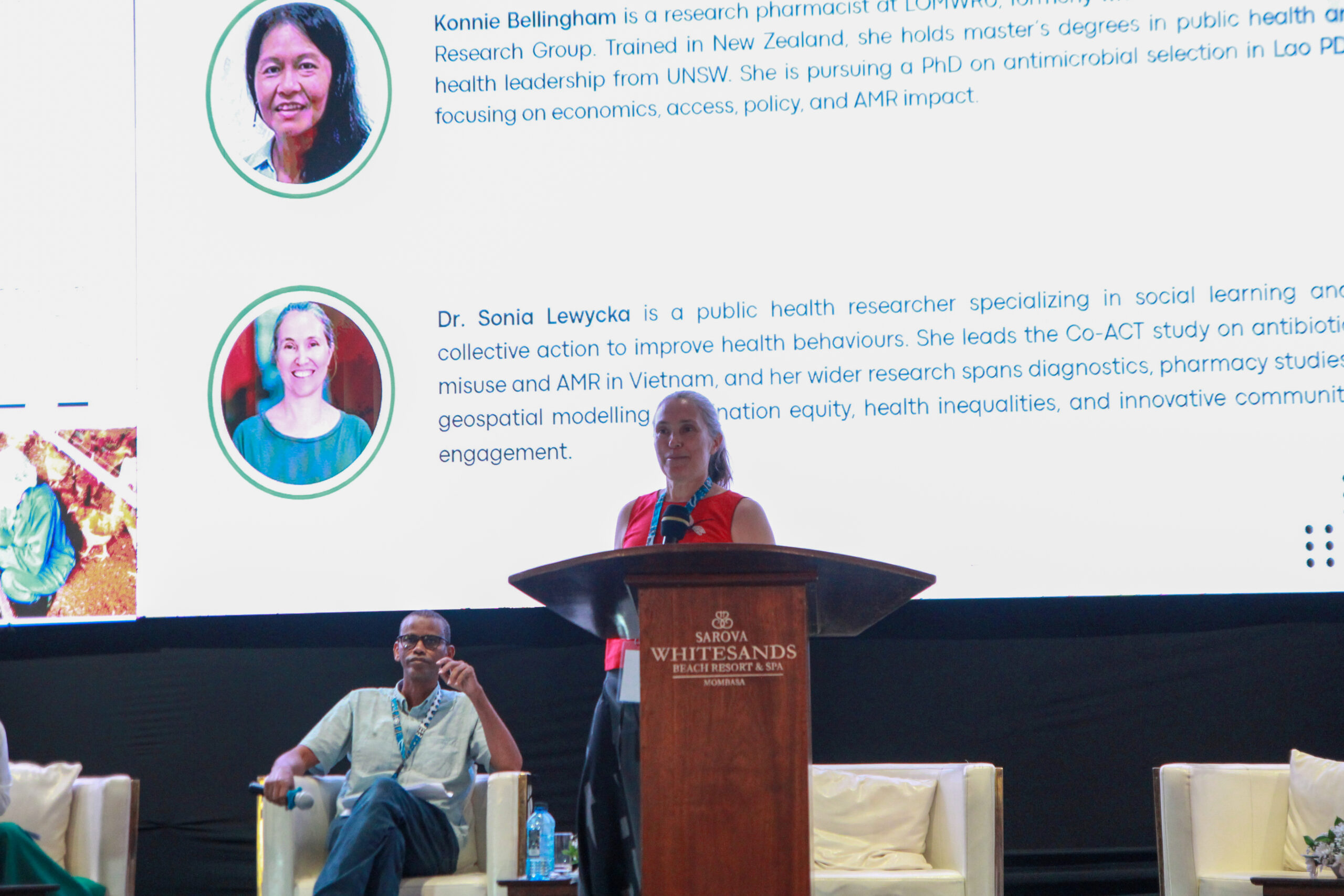
    • Dr Sonia Lewycka – Prevalence and determinants of antibiotic use and antibiotic resistance in the Red River Delta, Vietnam: a One Health perspective 
    • Dr Ihsan Fadilah – Effect of higher primaquine doses for the radical cure of Plasmodium vivax in Indonesia: a systematic review and individual patient data meta-analysis. 
    • Dr Ho Quang Chanh – D-SCAPE: a novel wearable device for dengue 
    • Ashata Dahal – Motivations for vaccinating children in a phase-III vaccine trial in Nepal 
    • Dr Leigh Jones – Perspectives on mentorship across MIPs  
    • Dr Duc Hong Du – The effect of M. tuberculosis lineage on clinical phenotype 
    • Dr Phan Nguyen Quoc Khanh – Blood-based host transcriptomic signatures to improve tuberculous meningitis diagnosis 
    • Mai Thu Si Nguyen – The rise of carbapenem-resistant Klebsiella pneumoniae sequence type 16 in Vietnam. 
    • Javi Raihan (presented by Dr Anuraj Shankar) – A Pipeline for Pathogen Surveillance Using PhIP-Seq: Epitope-Level Enrichment, Structural Mapping, and Data Interoperability 
    • Prof Kevin Baird – Malaria vaccine trials at OUCRU Indonesia: Attenuated live sporozoites and R21/Rv21 
    • Farizal Muharram (presented by Dr Anuraj Shankar) – Educational Attainment, Workplace Context, and Competency Gaps: Baseline Assessment of Indonesian Midwives under the Systematic Public Health Empowerment, Research, and Education Sites (SPHERES) Initiative. 
    • Dr Nguyen Thanh Thuy Nhien – Genetic Epidemiology for Malaria Outbreak Characterization: A Pre-Elimination Priority in Vietnam 

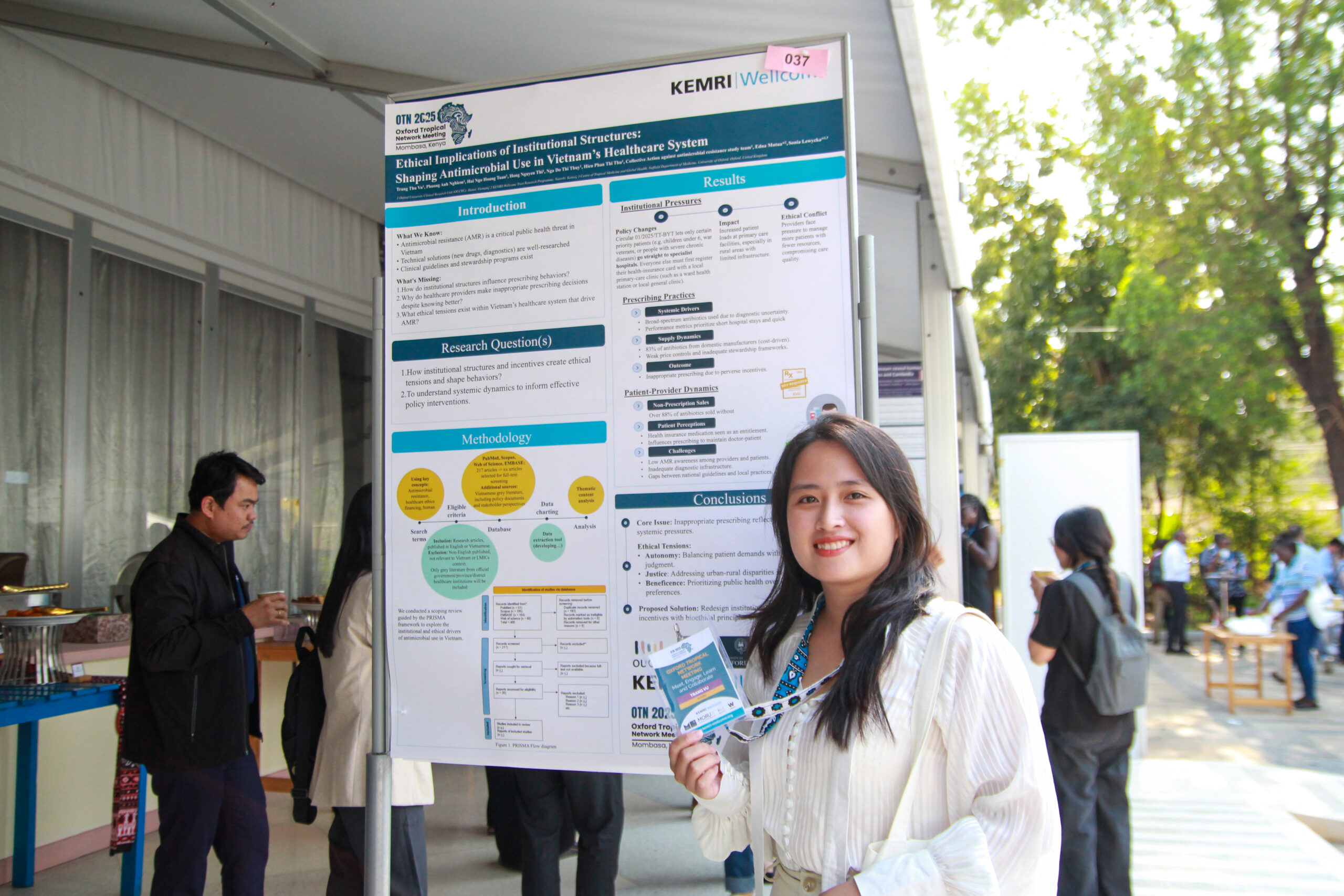
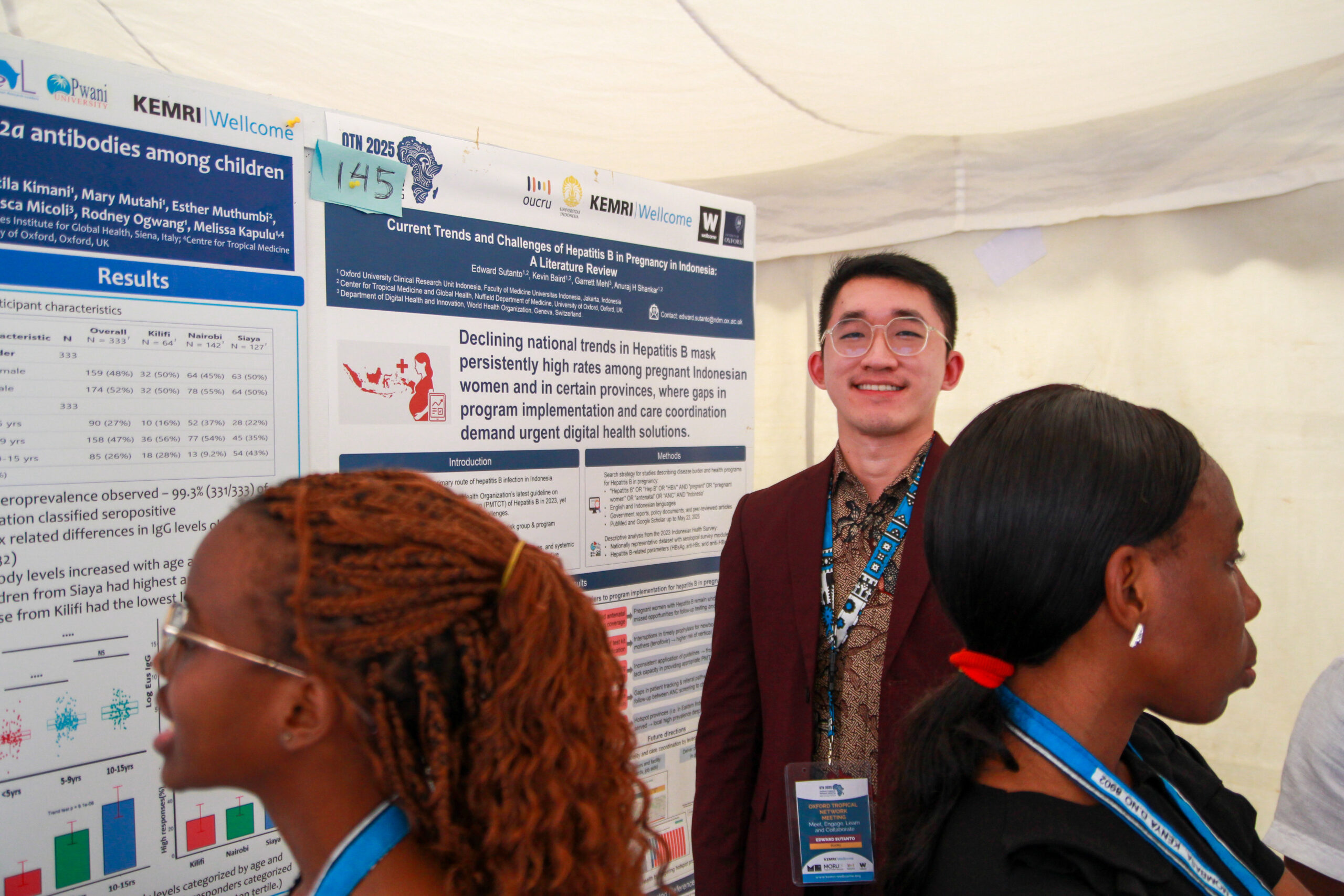
    OUCRU researchers also presented a number of scientific posters, contributing to lively discussions during the dedicated poster sessions.

    A special congratulations goes to OUCRU Indonesia DPhil student Edward Sutanto, who was awarded a poster prize for his outstanding work. Reflecting on his experience, Edward shared:  

    “For me personally, the most valuable part was the opportunity to present my poster and engage directly with the audience, which gave me new insights to incorporate into my work. The strong interest our team received for the SPHERES project suggests its relevance globally, and I am really excited by the recognition of the importance of north-south partnerships, including in emerging areas such as AI applications for health.”  

    Ashata Dahal, Public Engagement Manager – OUCRU Nepal added:  

    “The most valuable part of OTN 2025 for me was the chance to share a part of my DPhil work and receive thoughtful feedback from a global community. Engaging with colleagues across Africa and Asia gave us fresh perspectives on community engagement and trial design. What excites me most are the ideas and collaborations that emerged around strengthening trust and community engagement in health research.” 

    The OTN Meeting 2025 reaffirmed the importance of global partnerships in tackling today’s health challenges. OUCRU’s active participation reflected its commitment to fostering collaboration, nurturing emerging leaders, and sharing knowledge for impact across the Network. We look forward to continuing this momentum in the years ahead, building stronger partnerships to drive innovation in Tropical Medicine and Global Health. 

  • Xây dá»±ng Tương lai Thá»­ nghiệm Lâm sàng tại Việt Nam: OUCRU và các Đối tác Tiên phong

    Xây dựng Tương lai Thử nghiệm Lâm sàng tại Việt Nam: OUCRU và các Đối tác Tiên phong

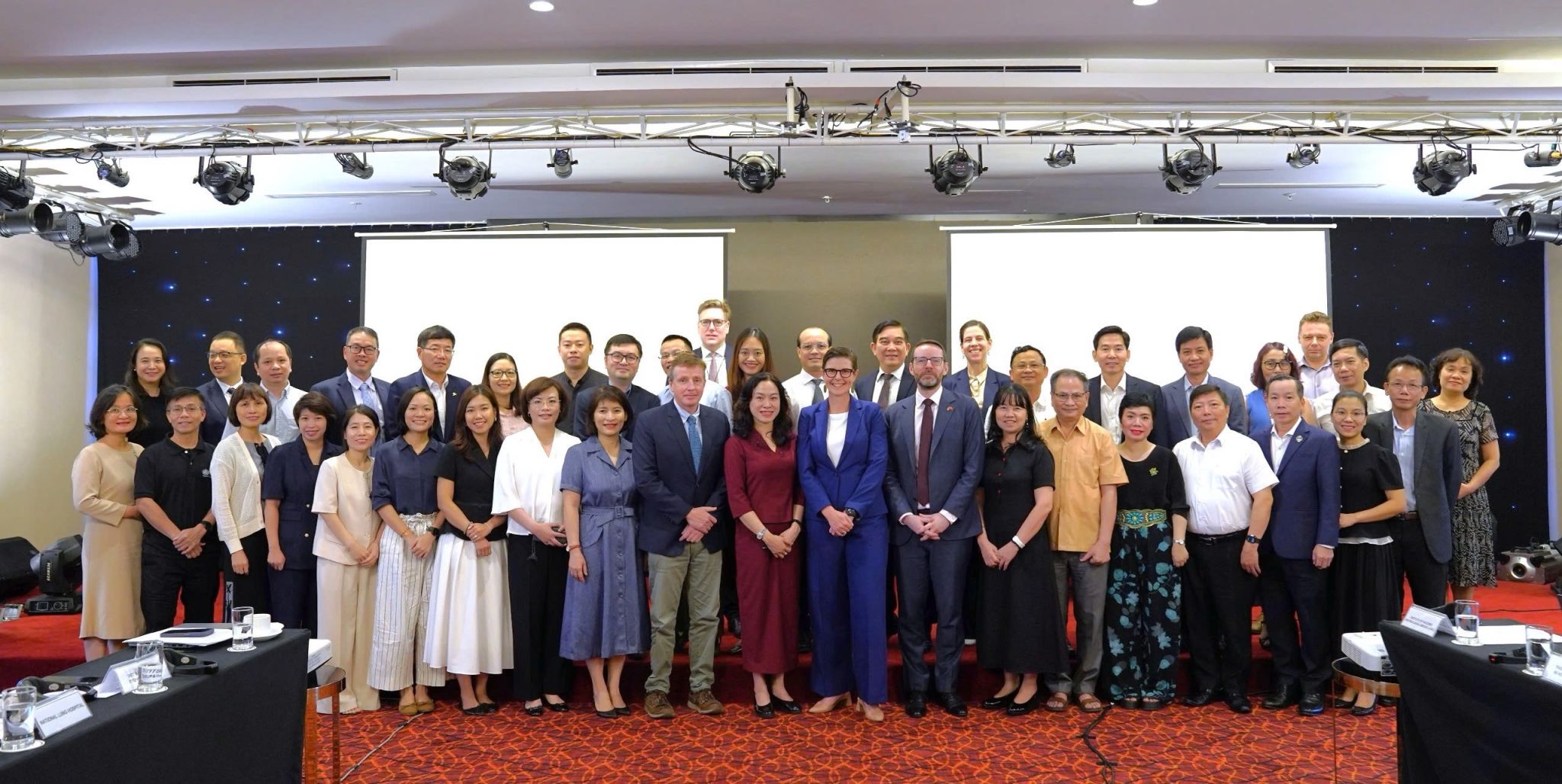
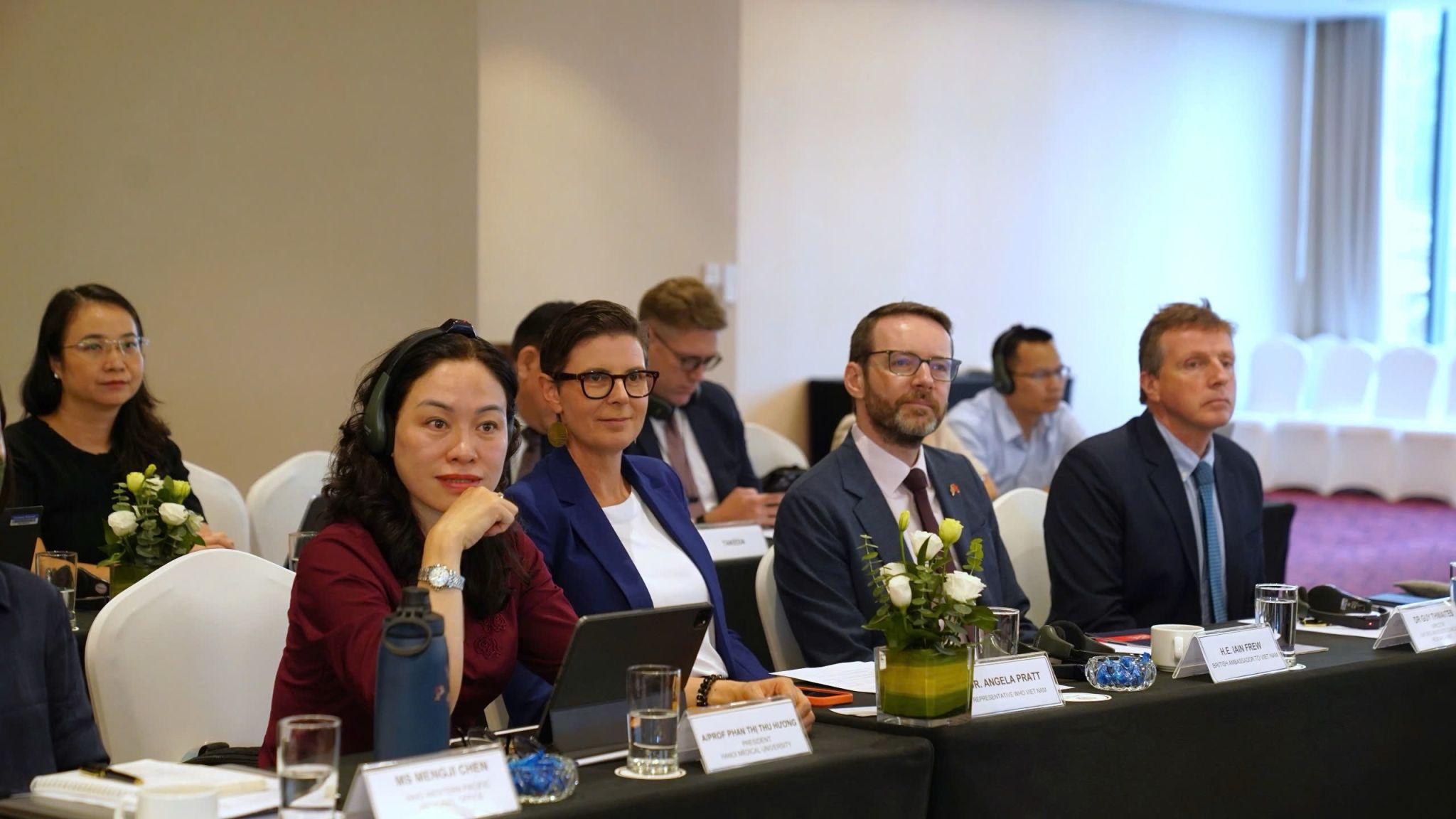
    Hình ảnh được cung cấp bởi bà Angela Pratt – Đại diện WHO tại Việt Nam

    Với sự hiện diện lâu dài và chuyên môn sâu rộng tại Việt Nam, OUCRU đã đóng góp những hiểu biết sâu sắc về kinh nghiệm quốc tế trong lĩnh vực thử nghiệm lâm sàng. Dựa trên hơn hai thập kỷ hợp tác với Bộ Y tế và các cơ sở y tế Việt Nam, OUCRU nhấn mạnh tầm quan trọng của sự hợp tác, sự xuất sắc trong khoa học và phát triển năng lực để đảm bảo các thử nghiệm lâm sàng mang lại lợi ích tối đa cho bệnh nhân và hệ thống chăm sóc sức khỏe.

    Phát biểu tại sự kiện, Đại sứ Vương quốc Anh tại Việt Nam đã nhấn mạnh vai trò quan trọng của các đối tác đến từ Vương quốc Anh và Bộ Y tế trong việc thúc đẩy nghiên cứu lâm sàng:

    “Các tổ chức của Anh Quốc như OUCRU và các công ty dược phẩm toàn cầu như AstraZeneca đã đóng góp tích cực vào việc thúc đẩy hoạt động Nghiên cứu và Phát triển (R&D) và đầu tư hàng trăm triệu đô la vào nghiên cứu lâm sàng tại Việt Nam. Những đóng góp quan trọng của họ thể hiện cam kết chung của Vương quốc Anh đối với khoa học, đổi mới sáng tạo, và trên hết là cải thiện sức khỏe cho bệnh nhân Việt Nam…
    Cho phép tôi bày tỏ sự ghi nhận đối với sự lãnh đạo của Bộ Y tế, đặc biệt là Cục Khoa học, Công nghệ và Đào tạo (ASTT)… Những nỗ lực của Bộ nhằm tinh giản quy trình, đảm bảo các thử nghiệm đáp ứng các tiêu chuẩn cao nhất và tạo ra môi trường hỗ trợ cho sự hợp tác quốc tế đã đóng vai trò quan trọng trong tiến trình mà chúng ta đã đạt được ngày hôm nay.”

    Những nhận xét này phản ánh chủ đề chính của hội thảo: giá trị của sự lãnh đạo của cá ban ngành trong nước, kết hợp với quan hệ đối tác quốc tế. Vai trò của Cục Khoa học, Công nghệ và Đào tạo trong việc tạo ra một môi trường nghiên cứu đã được công nhận rộng rãi, và OUCRU tái khẳng định cam kết hợp tác chặt chẽ với Cục và các đối tác Việt Nam khác để mở rộng các thử nghiệm lâm sàng chất lượng cao tại Việt Nam.
    Khi Việt Nam hướng tới mục tiêu thu hút nhiều hơn nữa nghiên cứu lâm sàng toàn cầu và trở thành trung tâm thử nghiệm lâm sàng khu vực, tinh thần hợp tác được thể hiện tại hội thảo đã mở ra một hướng đi rõ ràng: một hệ sinh thái thử nghiệm lâm sàng mạnh mẽ, kết nối quốc tế, mang lại lợi ích cho bệnh nhân, thúc đẩy khoa học và củng cố vai trò của Việt Nam như một quốc gia đi đầu trong đổi mới y tế toàn cầu.

  • Building Vietnam’s Clinical Trial Future: OUCRU and Partners at the Forefront

    Building Vietnam’s Clinical Trial Future: OUCRU and Partners at the Forefront

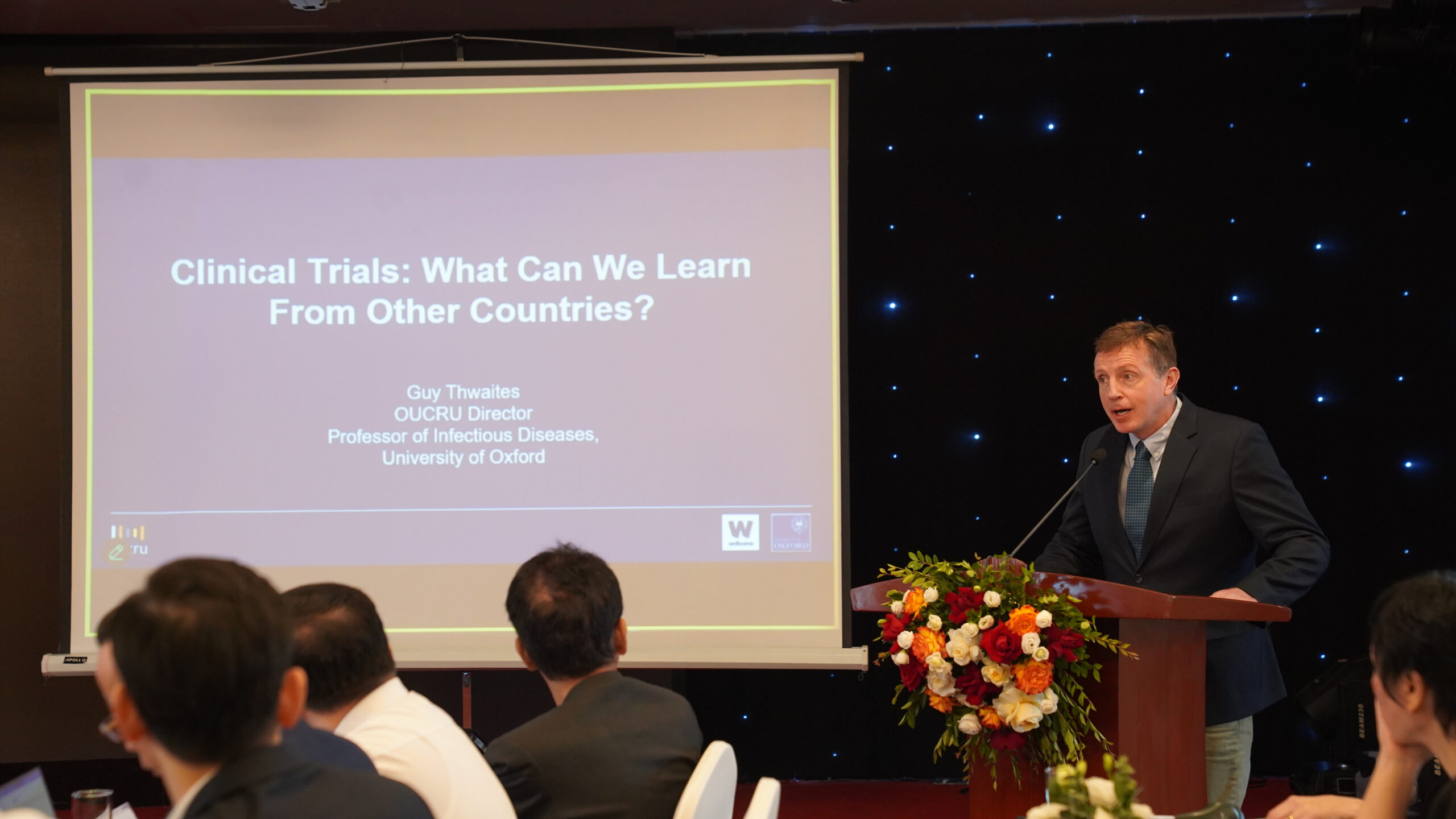
    Prof. Guy Thwaites presenting at the event. Image courtesy of WHO Vietnam

    OUCRU, with its long-standing presence and expertise in Vietnam, contributed key insights on lessons learned from international experience in clinical trials. Drawing on more than two decades of partnership with the Ministry of Health and Vietnamese institutions, OUCRU emphasised the importance of collaboration, scientific excellence, and capacity development to ensure that clinical trials deliver maximum benefit for patients and healthcare systems.

    Speaking at the event, the UK Ambassador to Vietnam highlighted the vital role of UK partners and the Ministry of Health in advancing clinical research:

    “UK institutions such as OUCRU, and global pharmaceutical companies like AstraZeneca, have played a role in advancing R&D and invested hundreds of millions of dollars into clinical research here in Vietnam. Their important work represents the UK’s shared commitment to science, innovation, and above all, better health outcomes for Vietnamese patients… 
    Allow me here to acknowledge the leadership of the Ministry of Health, and in particular the Administration of Science, Technology and Training (ASTT)… Its efforts to streamline processes, to ensure that trials meet the highest standards, and to create a supportive environment for international collaboration, have been critical to the progress we celebrate today.”

    These remarks echo the central theme of the workshop: the value of strong national leadership combined with international partnerships. ASTT’s role in enabling a supportive research environment has been widely recognised, and OUCRU reiterated its commitment to working closely with ASTT and other Vietnamese partners to expand high-quality clinical trials in the country.

    As Vietnam looks to attract a greater share of global clinical research and become a regional clinical trials hub, the collaborative spirit on display at the workshop offers a clear path forward: a robust, internationally connected clinical trial ecosystem that benefits patients, advances science, and strengthens Vietnam’s role as a leader in global health innovation.

  • OUCRU researchers have a leading role in developing first International Clinical Practice Guideline for Tuberculous Meningitis 

    OUCRU researchers have a leading role in developing first International Clinical Practice Guideline for Tuberculous Meningitis 

    Tuberculous meningitis is the most severe form of tuberculosis and remains a major global health threat. For the first time, health-care workers around the world will have access to an evidence-based, consensus-driven guideline that addresses key challenges in the diagnosis and management of TBM. 

    The guideline was developed by the Tuberculous Meningitis International Research Consortium, bringing together experts from India, Indonesia, South Africa, Uganda, Vietnam, Australia, the Netherlands, the UK, and the USA. OUCRU researchers contributed substantially to shaping the recommendations, highlighting knowledge gaps, and setting global research priorities. 

    Dr. Joseph Donovan, OUCRU researcher and lead author, emphasized: 

    “Tuberculous meningitis is a catastrophic neurological infection. We have now provided an up-to-date international guideline, written for health-care workers who diagnose and manage this disease anywhere in the world. We hope this guideline can be a helpful tool, supporting health professionals in tackling this devastating disease.” 

    OUCRU’s longstanding focus on tuberculous meningitis research—supported by Wellcome—has laid the foundation for many of the clinical trials and studies that underpin this guideline. This milestone underscores OUCRU’s vision to make a local, regional, and global impact on health by leading research on infectious diseases in Asia. 

    🔗 Read the full guideline in The Lancet Infectious Diseases: here 

  • OUCRU and Dragon Capital Release Report on Intensive Care Training Programme in Vietnam 

    OUCRU and Dragon Capital Release Report on Intensive Care Training Programme in Vietnam 

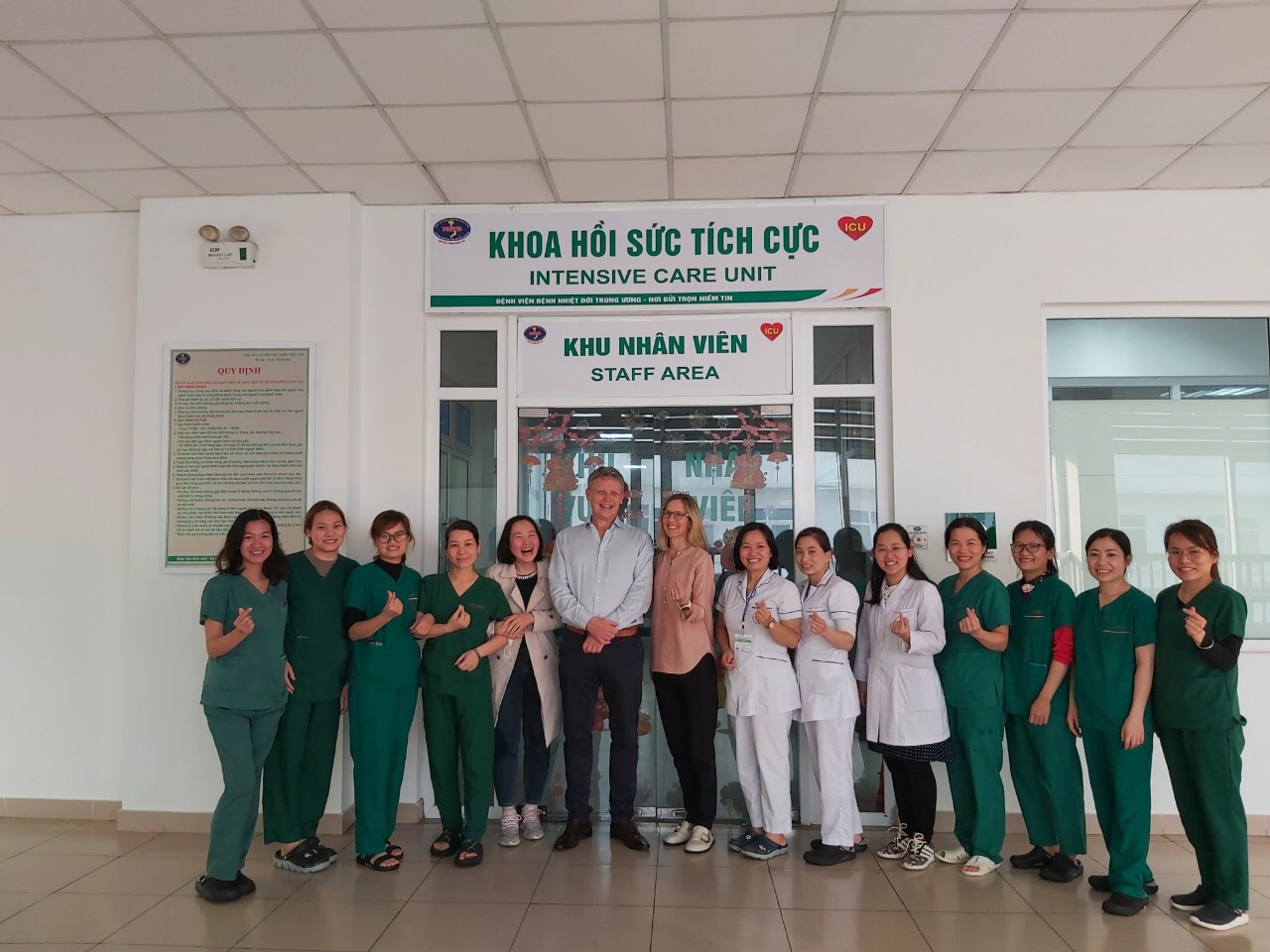
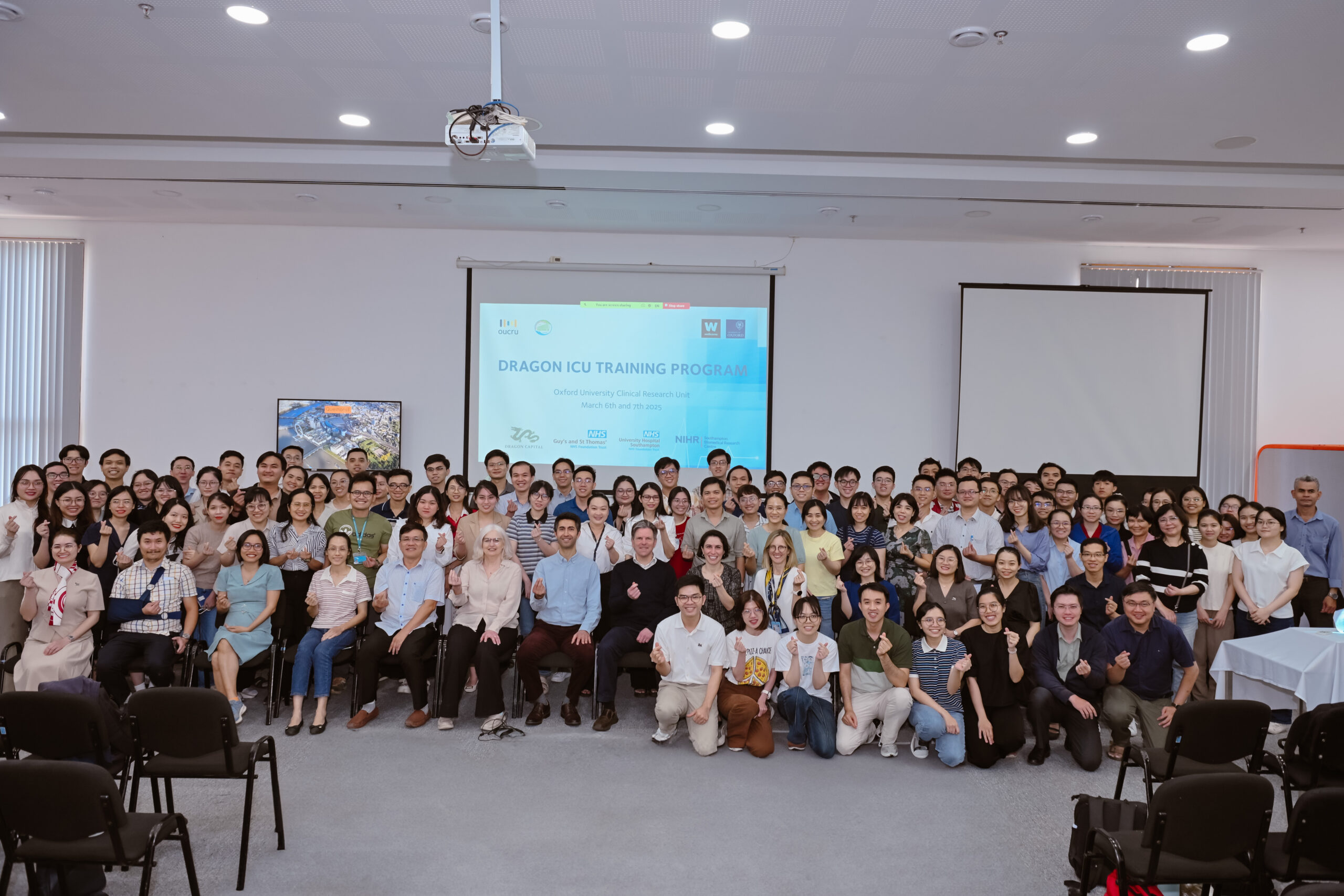
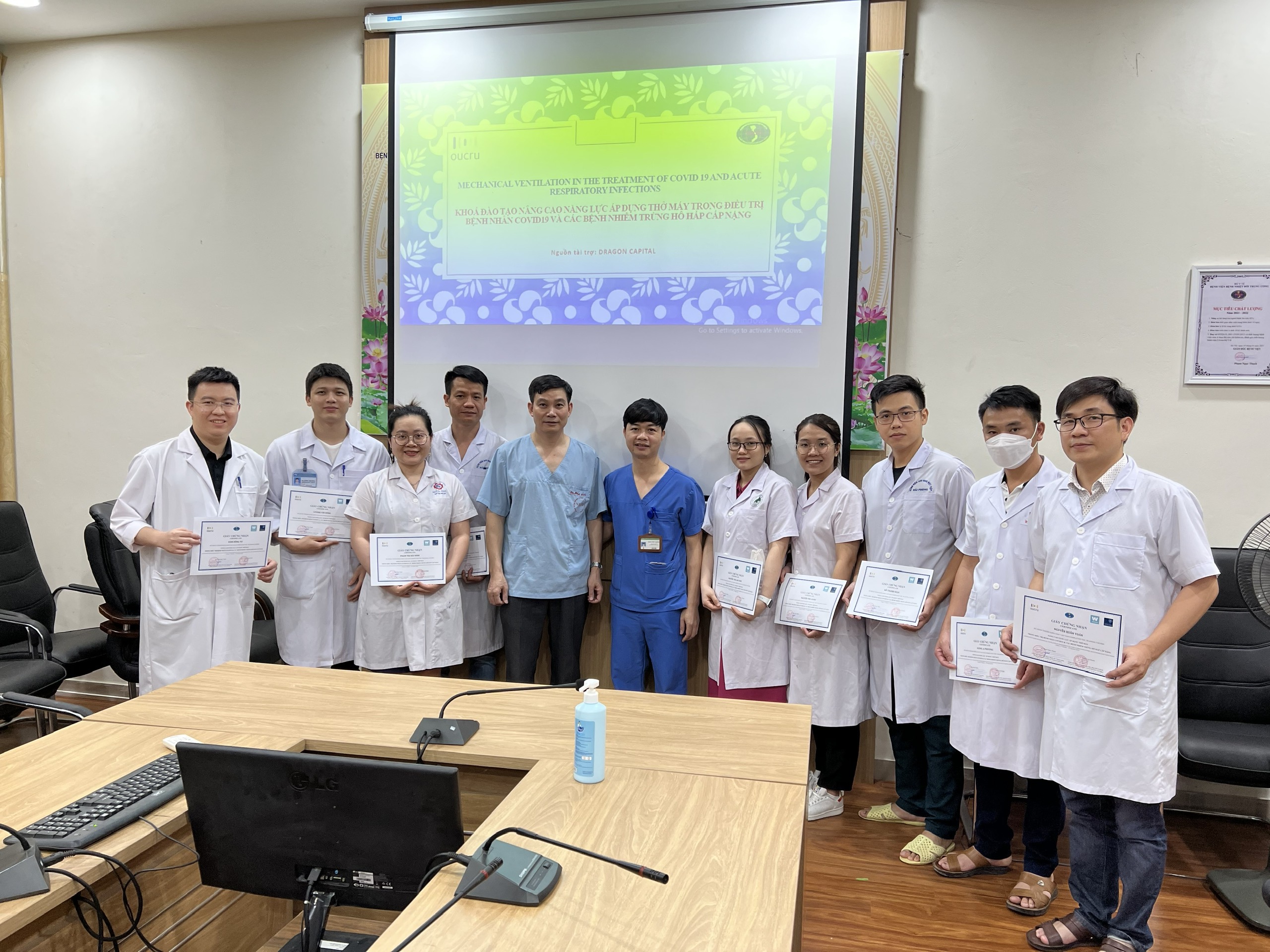
    Launched in 2022 with funding from Dragon Capital’s COVID-19 Response Fund, the programme was designed to strengthen intensive care (ICU) capacity across Vietnam by delivering high-quality training for doctors and nurses, fostering international collaboration, and building long-term resilience in the healthcare system. 
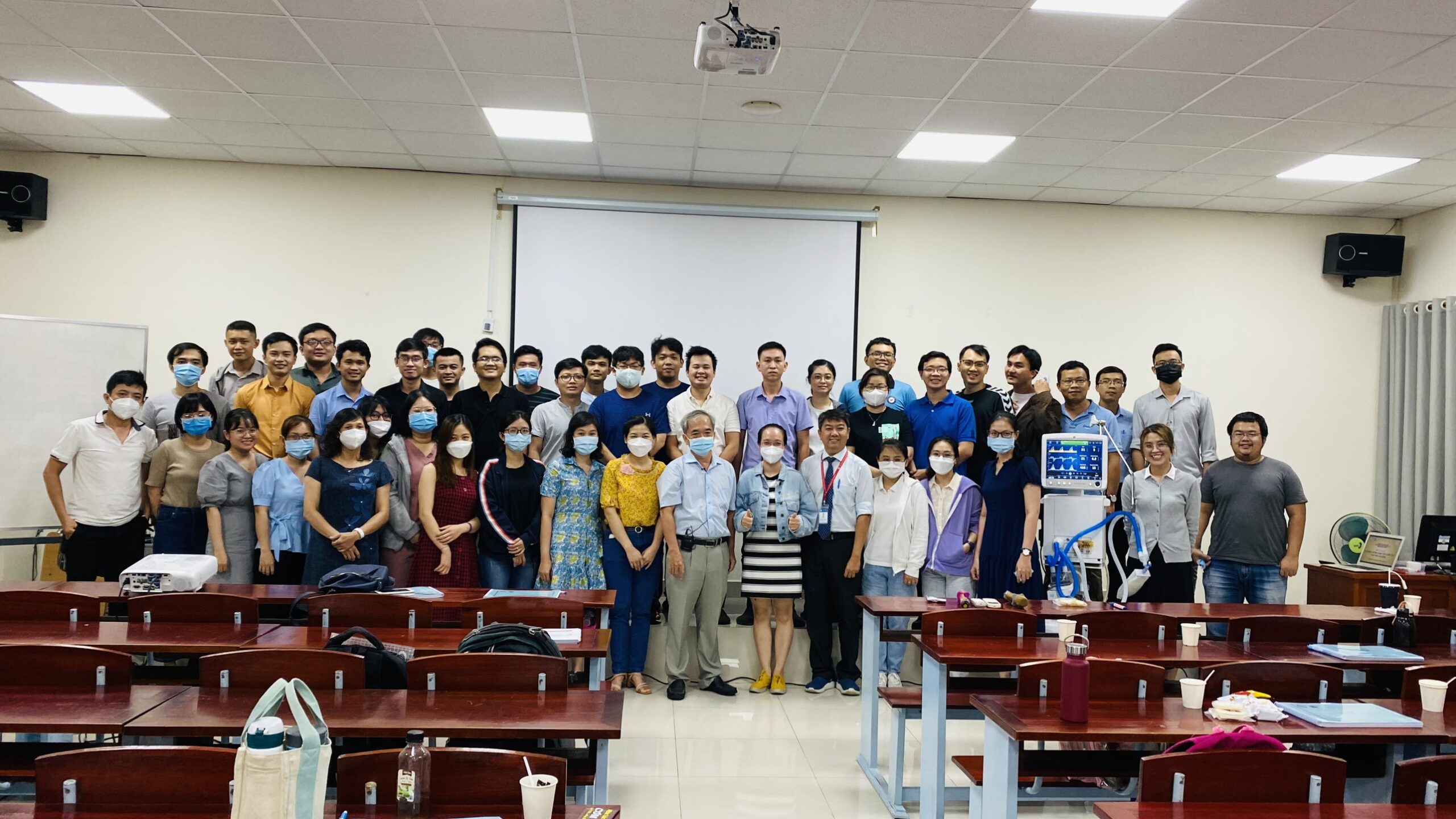
    Strengthening ICU capacity nationwide 

    Over the course of the programme, OUCRU and partners delivered training to thousands of healthcare professionals across Vietnam, with a focus on critical skills such as mechanical ventilation, advanced dengue care, and continuous renal replacement therapy. 
    Highlights include: 

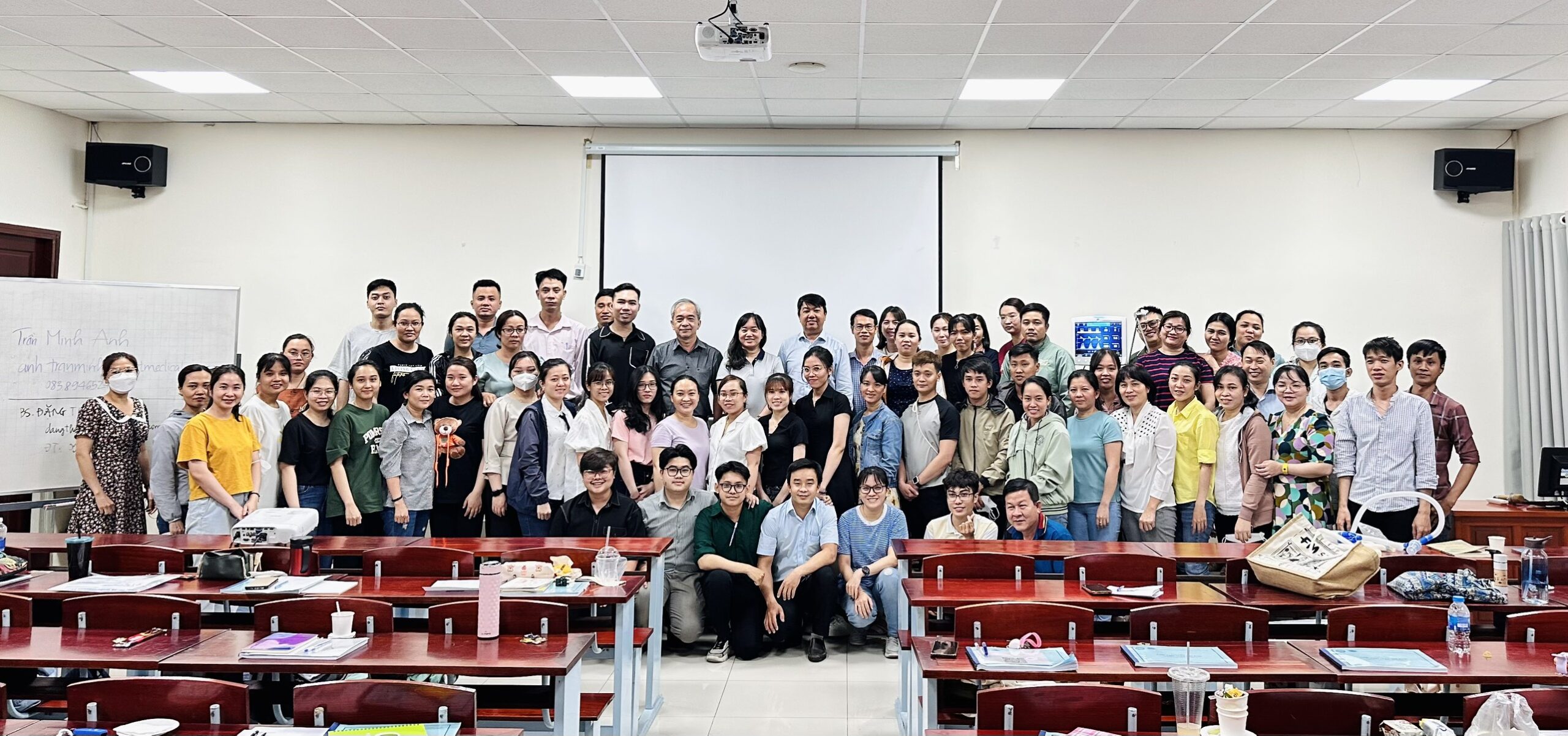
    Training in Vietnam: More than 500 doctors and nurses from hospitals in Hanoi, Ho Chi Minh City, Dong Thap, and the Mekong Delta received Continuing Medical Education (CME)-certified training. Courses prioritized mechanical ventilation – a key need identified after the COVID-19 pandemic. 

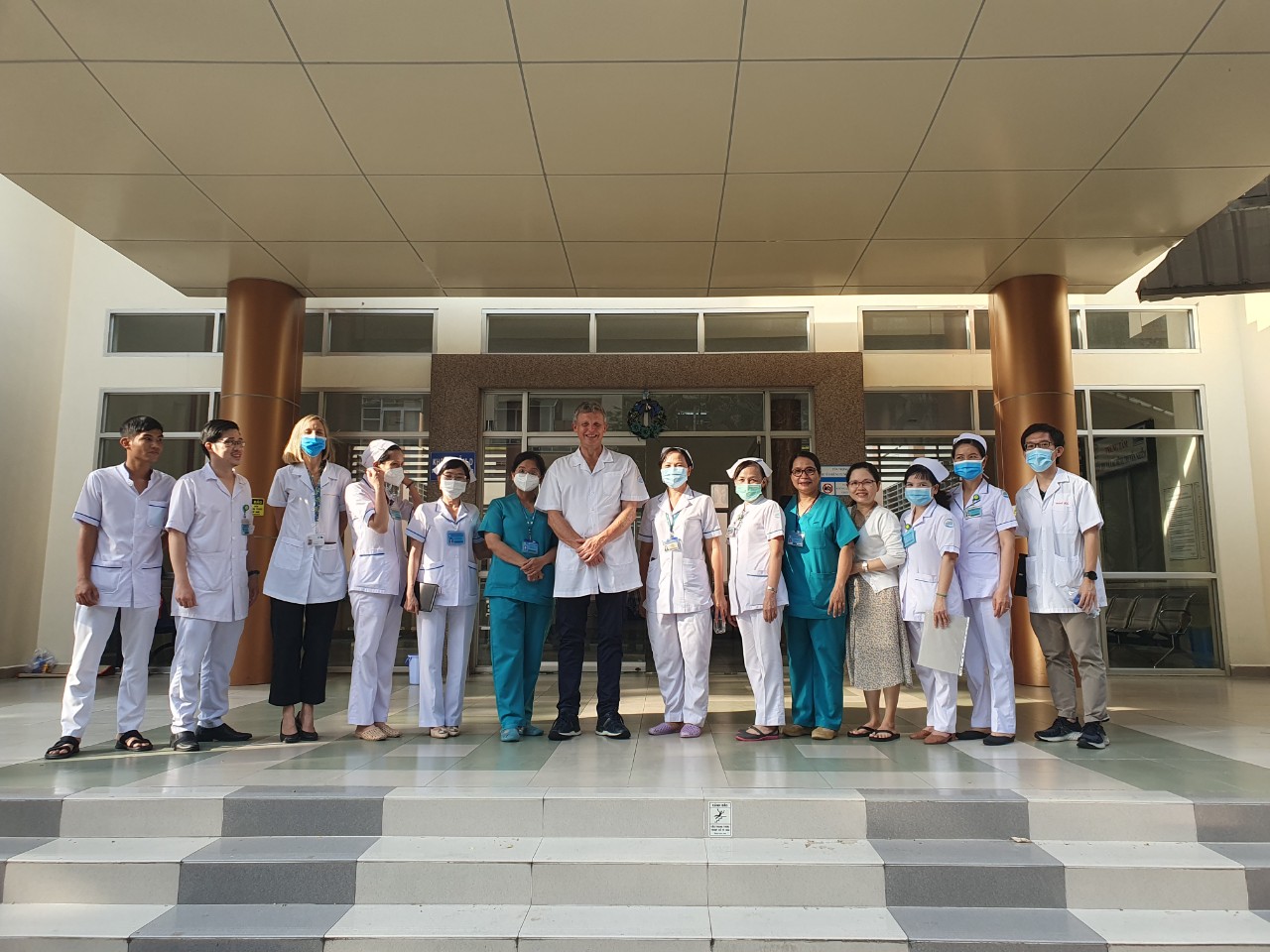
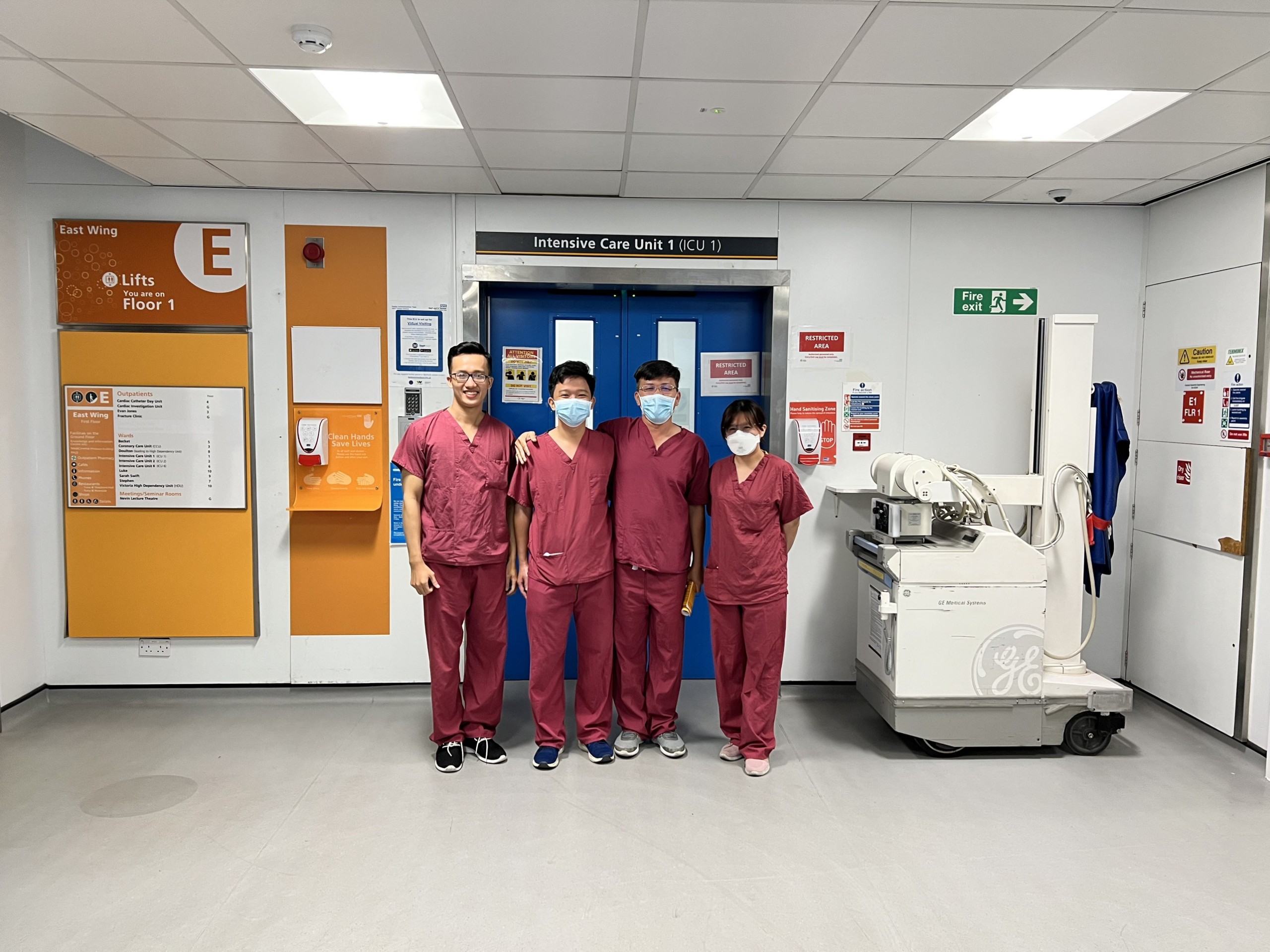
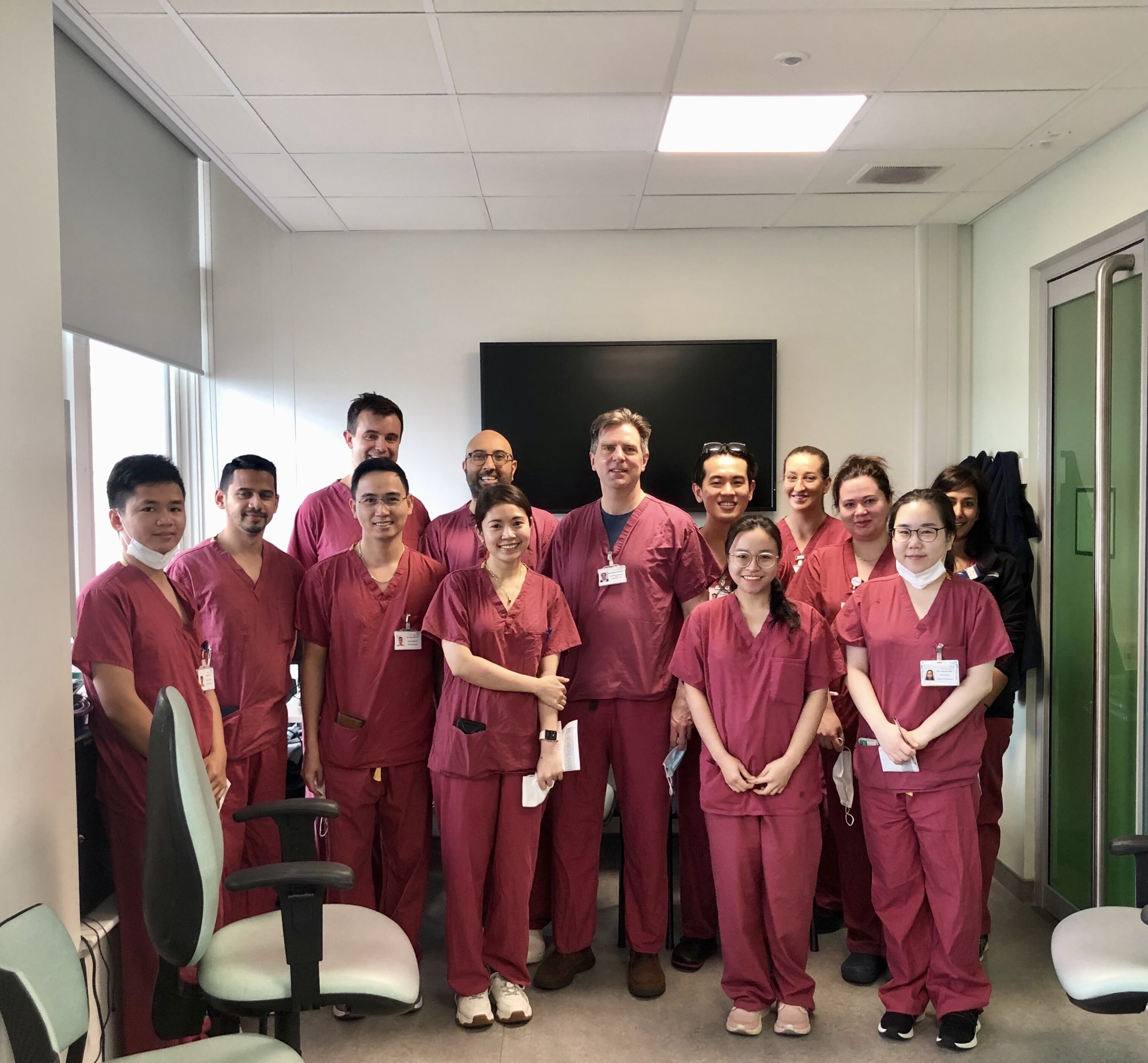
    International exposure: 10 doctors and 2 nurses undertook advanced ICU training at Guy’s and St Thomas’ Hospital in the UK, gaining hands-on experience in one of the world’s leading intensive care units. 

    Expert exchange: International ICU specialists from the UK conducted on-site and hybrid training in Vietnam, directly reaching over 600 participants and promoting evidence-based critical care practices. 

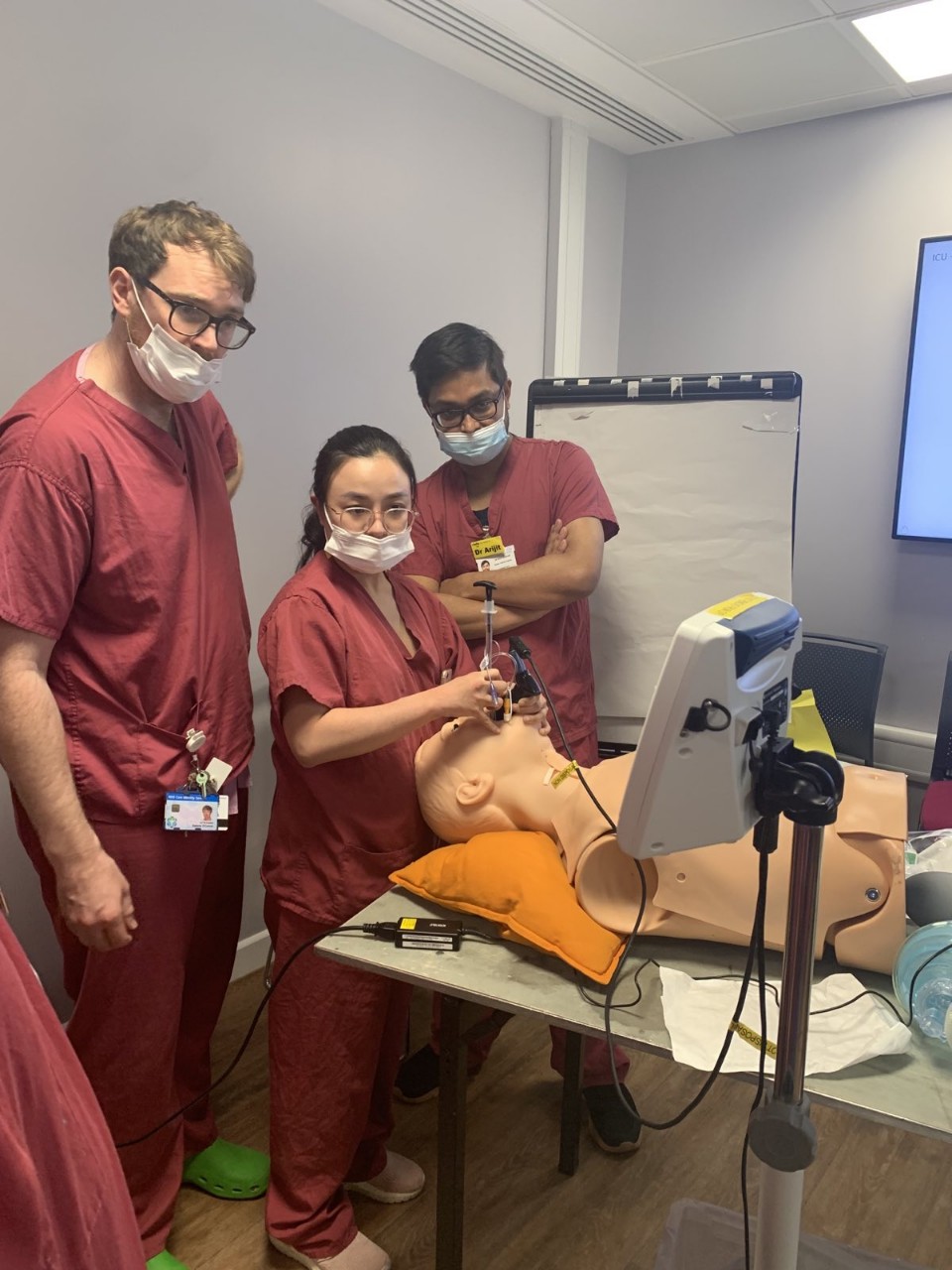
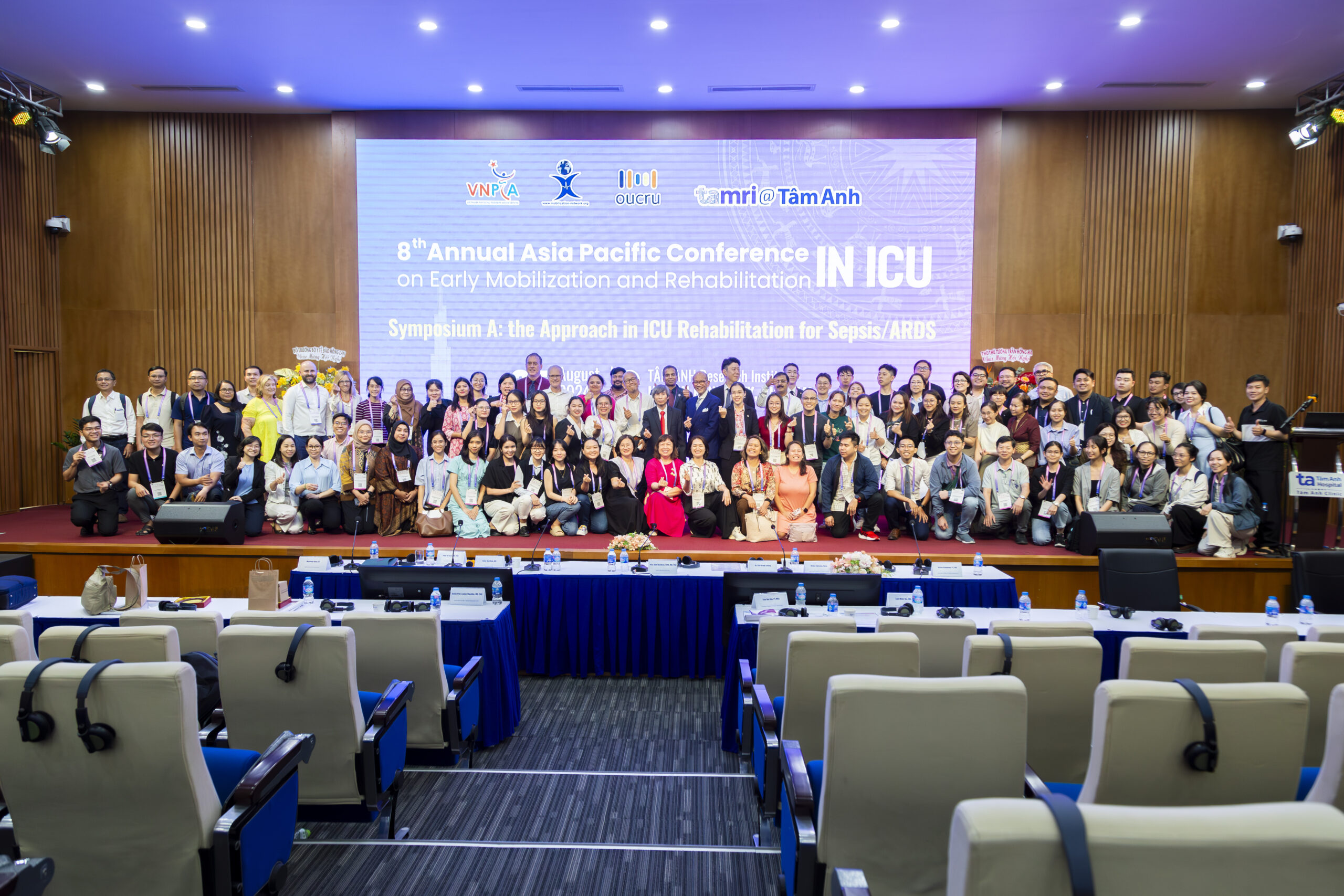
    Advancing multidisciplinary care: The programme supported the 8th Pacific Conference on Early Mobilization and Rehabilitation in the ICU, held in Ho Chi Minh City in 2024, bringing international experts together with Vietnamese clinicians to emphasize rehabilitation as part of ICU care. 

    Knowledge sharing: The European Society of Intensive Care Medicine’s COVID ALIVE course was translated into Vietnamese – the first of its kind – and integrated into WHO training resources. 

    Building sustainable impact 

    Beyond training, the programme also supported professional development and research. Vietnamese doctors and nurses presented their work at major international conferences in Spain, Singapore, and the UK, strengthening Vietnam’s voice in the global intensive care community. 

    Looking ahead 

    The release of this report marks both the completion of an important chapter and the beginning of new opportunities. OUCRU and Dragon Capital remain committed to supporting Vietnam’s healthcare system, building on the success of this programme to ensure better preparedness for future health challenges. 

    You can find the report below:

  • OUCRU and Partners Launch Kleb-CASAVA Project with Two-Day Kick-off in Ho Chi Minh City

    OUCRU and Partners Launch Kleb-CASAVA Project with Two-Day Kick-off in Ho Chi Minh City

    The project aims to address the growing public health threat posed by Klebsiella pneumoniae (Kp), a bacterium capable of causing severe infections in both hospital and community settings. In recent years, Vietnam has witnessed a worrying rise in infections caused by both classical multidrug-resistant Kp (cKp) and hypervirulent strains (hvKp) that can cause severe disease even in healthy individuals.

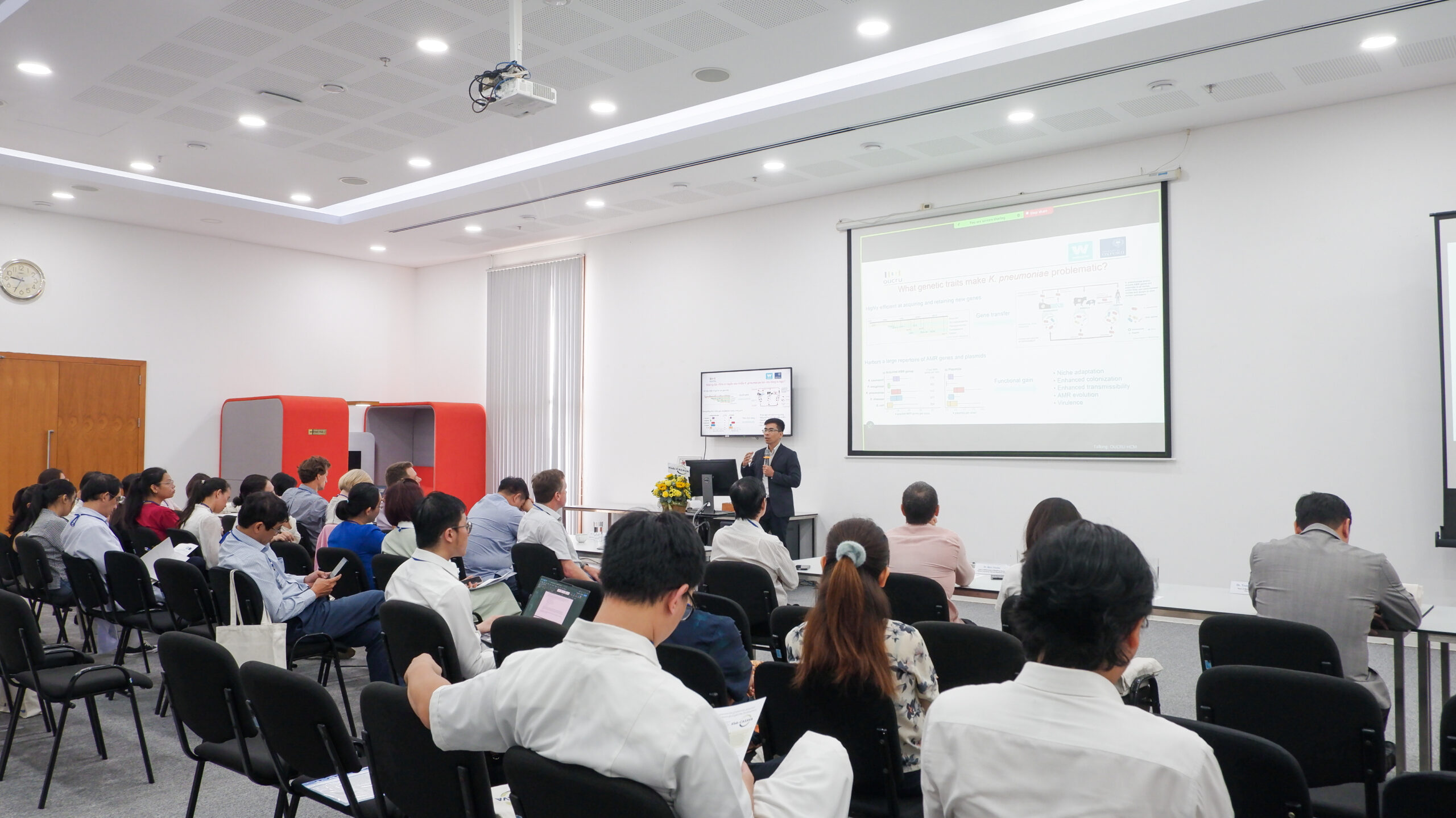
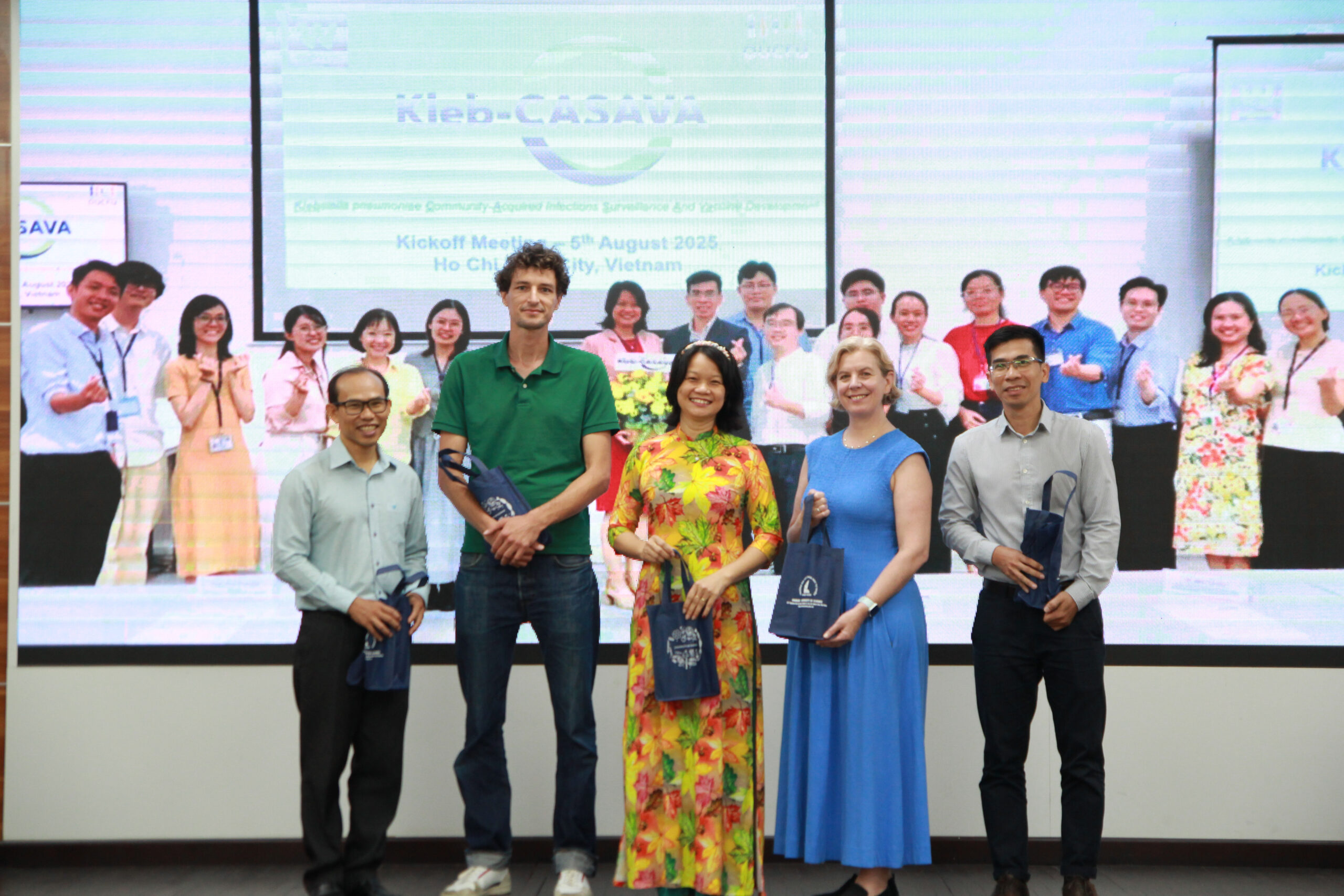
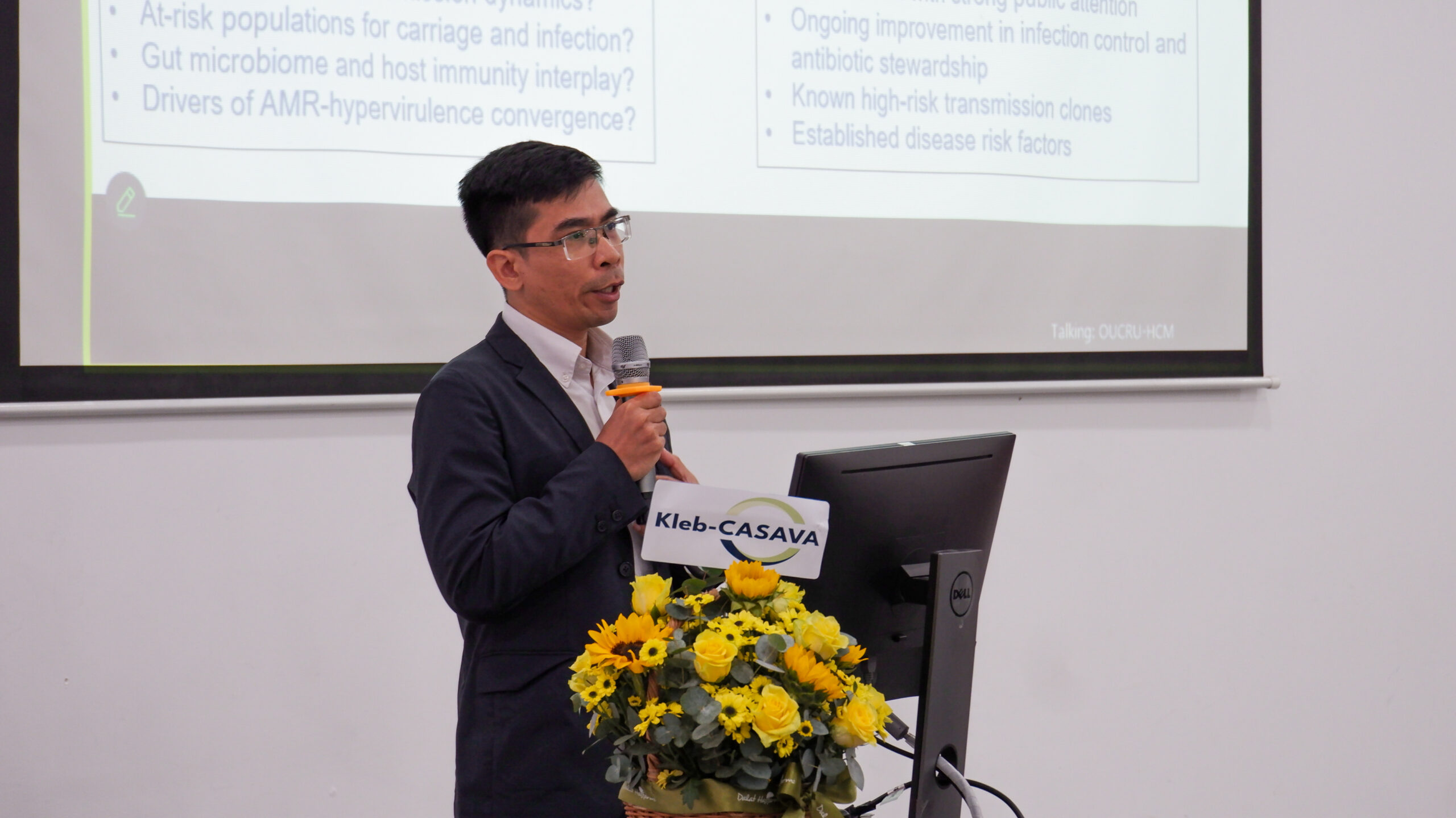
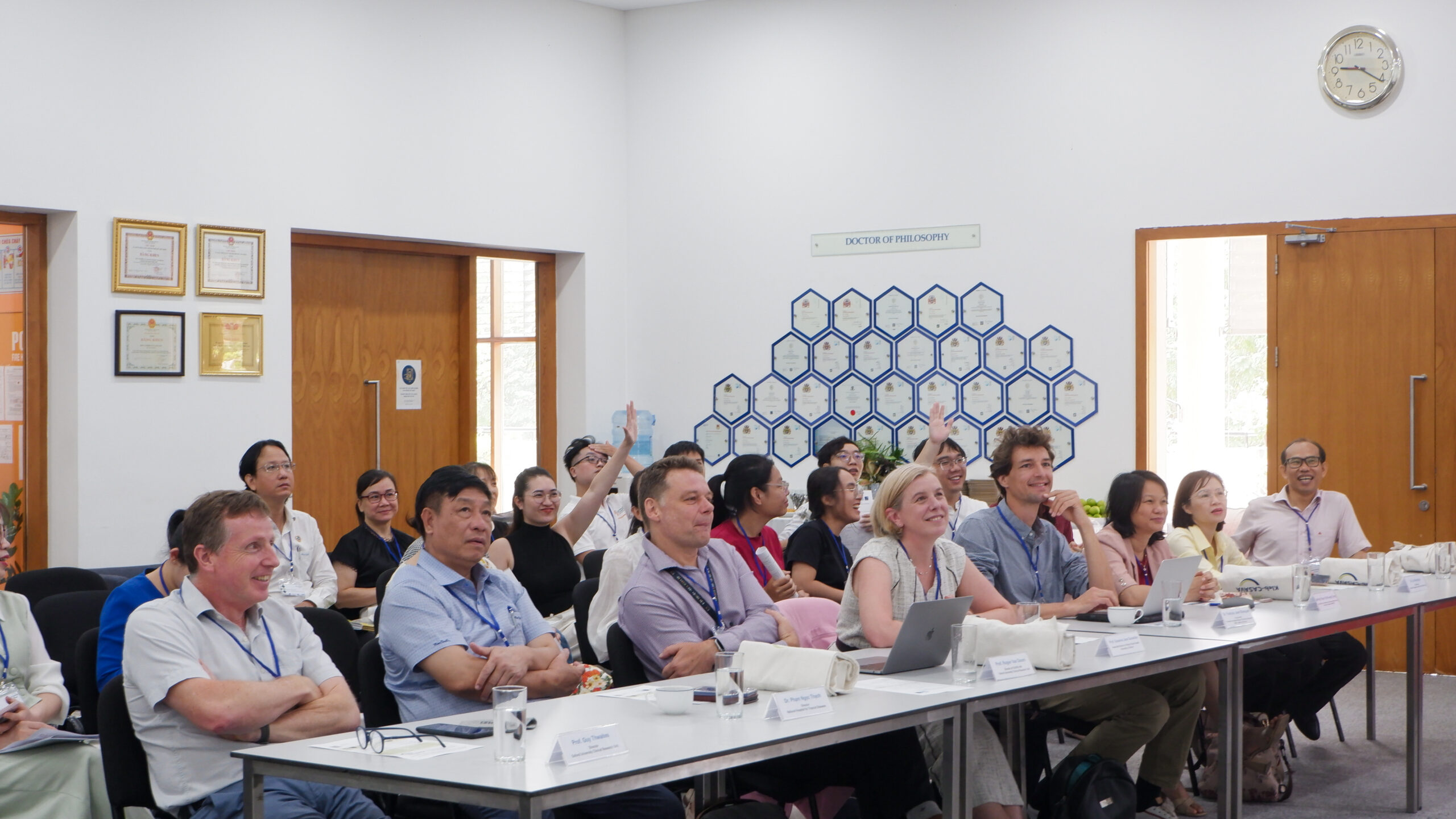
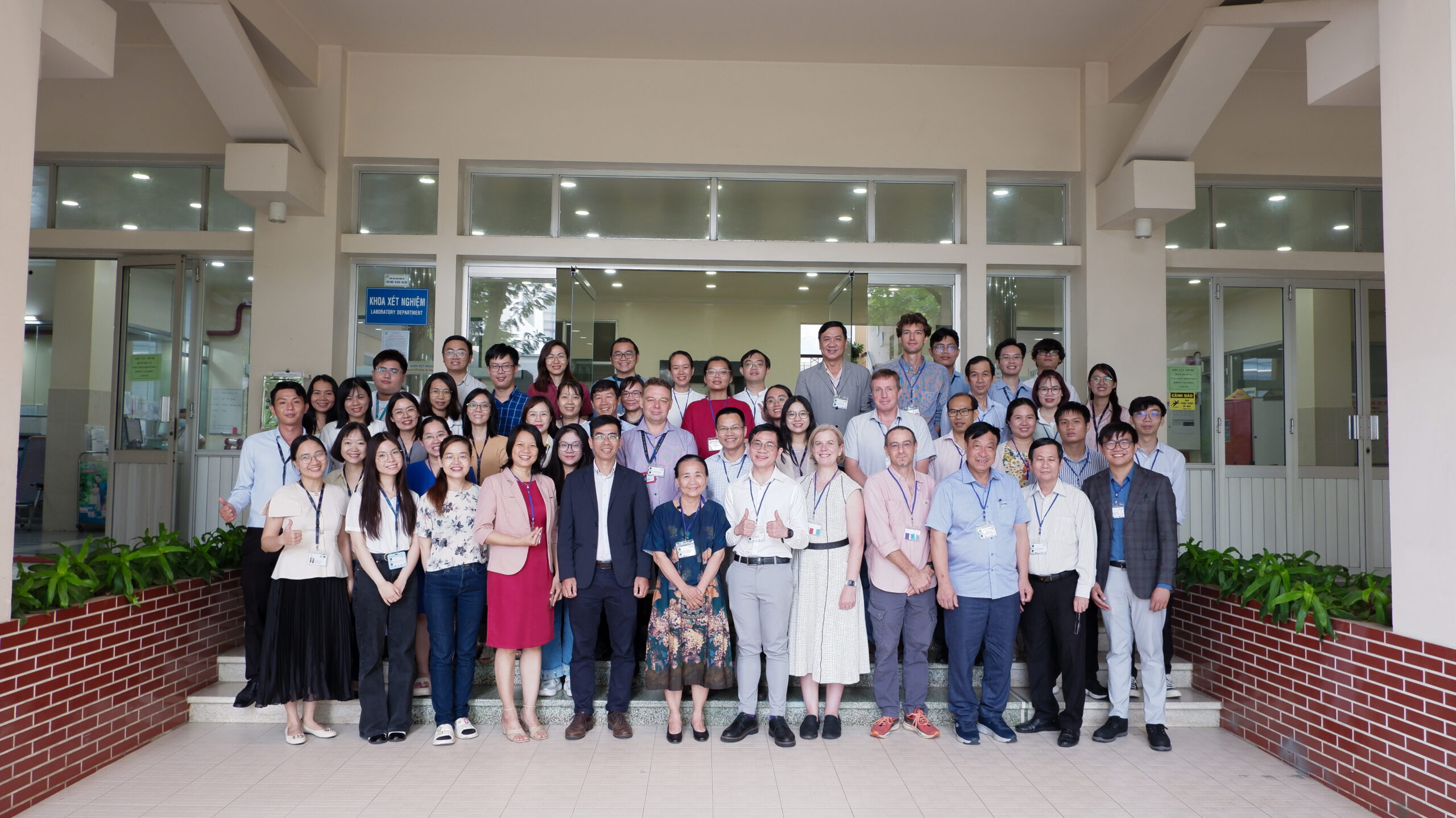
    On 5th August, the first day of 2-day project kick off was held at OUCRU’s Ho Chi Minh City office, bringing together representatives from the University of Oxford, Collège de France, VNUHCM–University of Science, Hospital for Tropical Diseases, Cho Ray Hospital, the National Hospital for Tropical Diseases, and the Ho Chi Minh City Center for Disease Control.

    Speaking about the project, noted:

    “Hospital-acquired infections have received a lot of attention in Vietnam, but community-acquired Kp infections remain under-recognised and poorly understood.” said Dr. Pham Thanh Duy – OUCRU’s Lead Principal Investigator. “Through Kleb-CASAVA, we will integrate patient-focused surveillance with vaccine development to create impactful prevention strategies,”

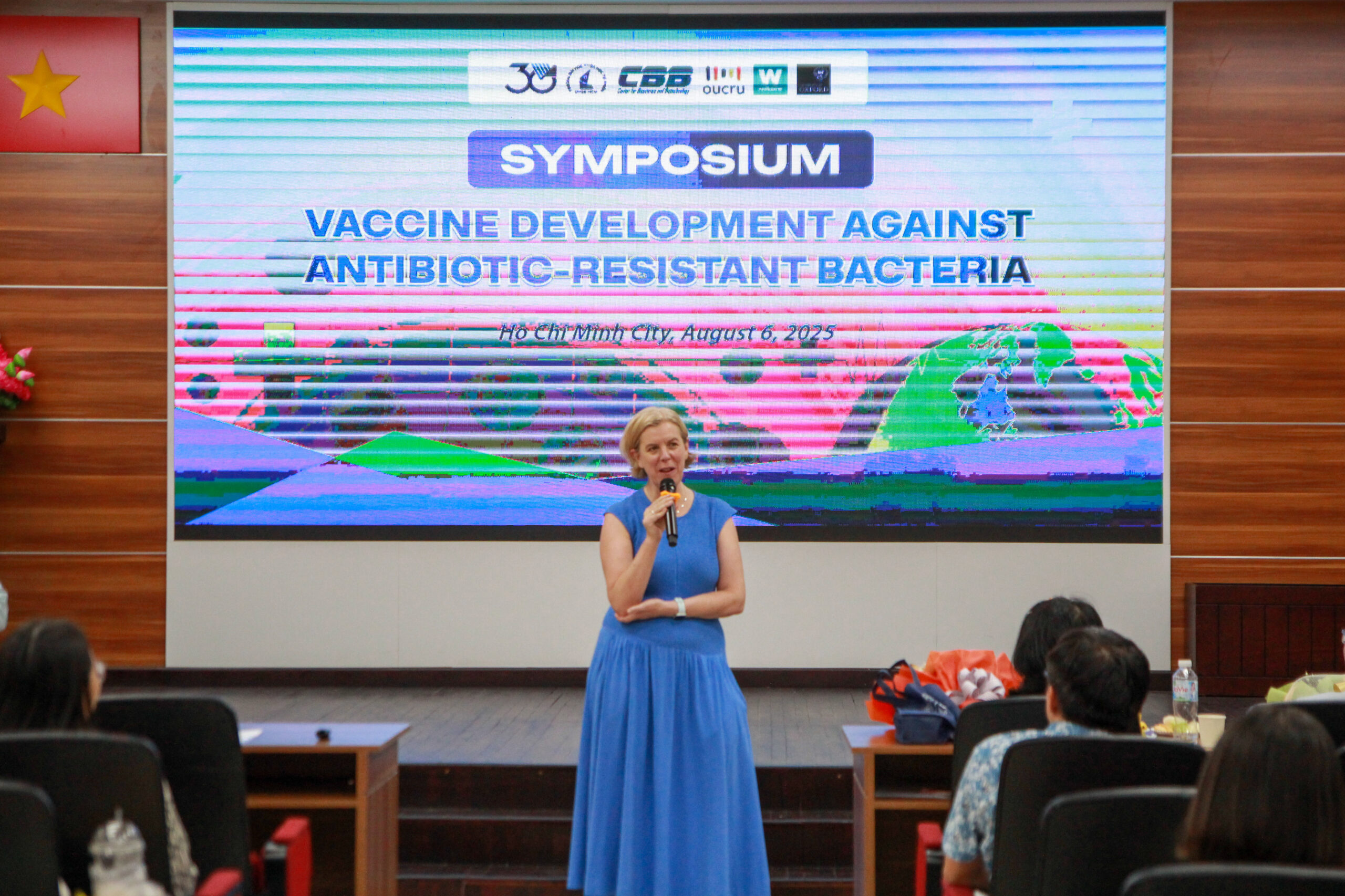
    The second day featured a public symposium on â€œVaccine Development Against Antibiotic-Resistant Bacteria” at the VNUHCM–University of Science, hosted jointly by the Center for Bioscience & Biotechnology (CBB) and OUCRU.

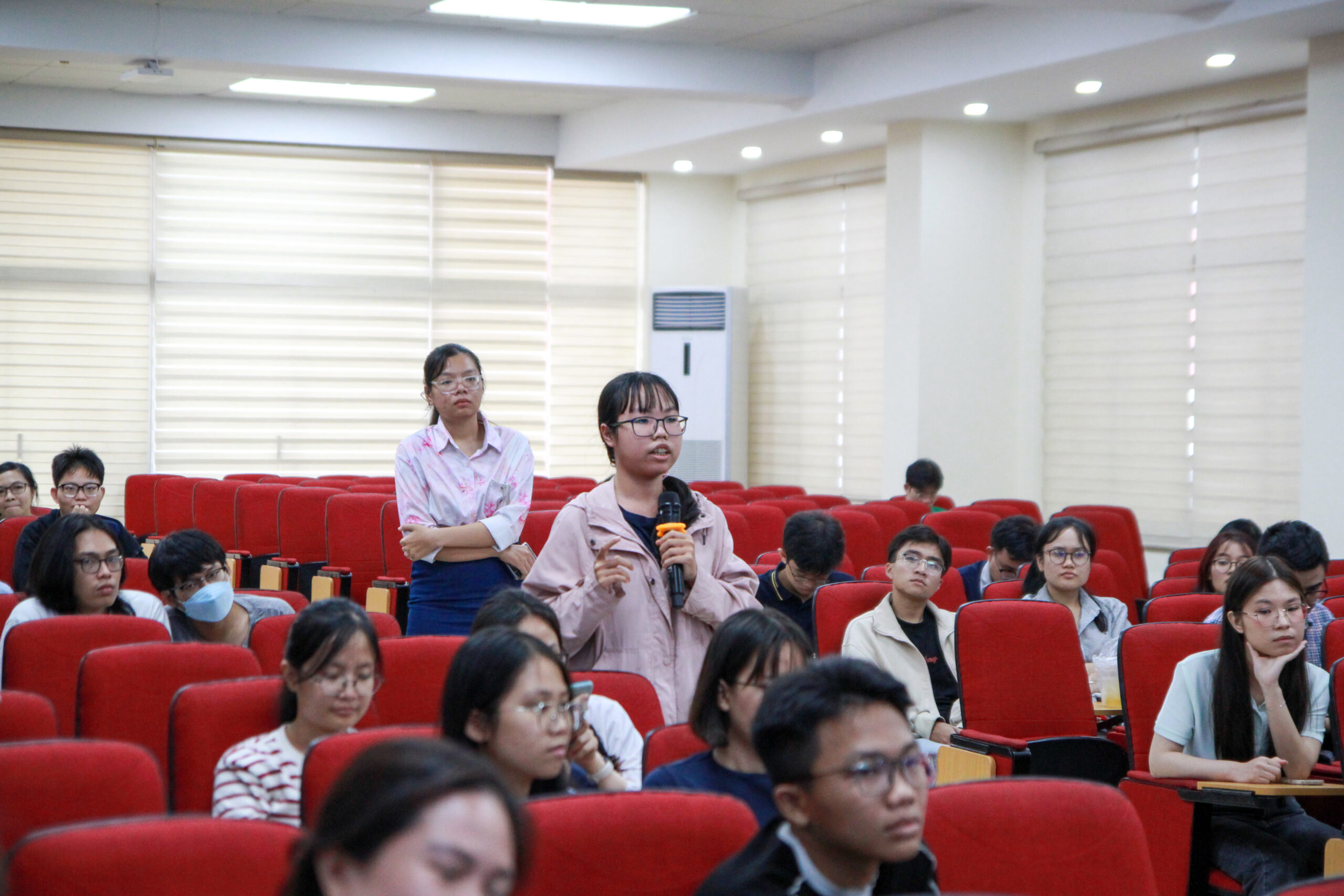
    The symposium fostered scientific exchange and introduced the project’s goals to a wider research and public health audience, with discussions focused on accelerating vaccine research for antibiotic-resistant bacteria.

    Kleb-CASAVA will run multi-site hospital and community studies in Ho Chi Minh City and Ha Noi, investigate immune responses to K. pneumoniae, and share results with policymakers to guide treatment and prevention. All research findings will be disseminated widely through publications, conferences, and stakeholder engagement to strengthen Viet Nam’s role in tackling antimicrobial resistance and contribute to global strategies.