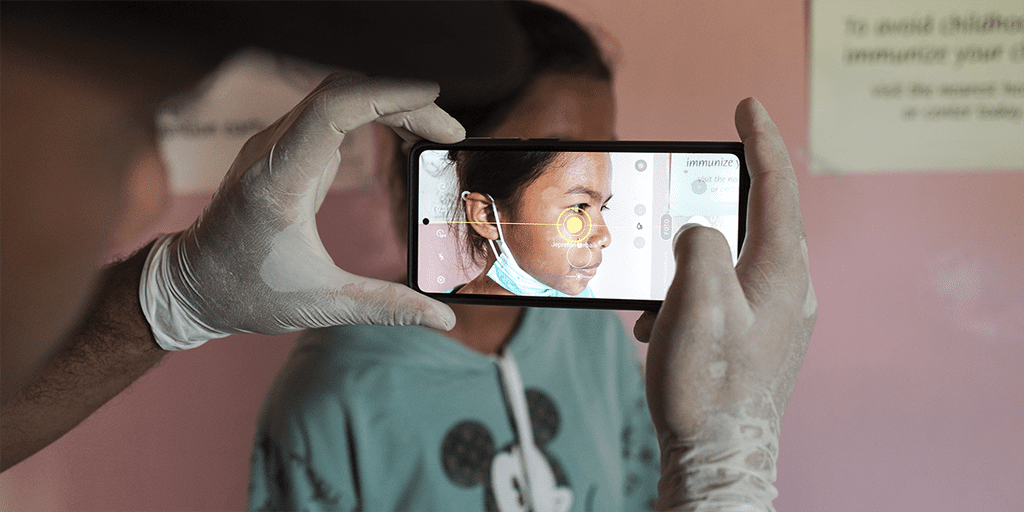
Dalam satu studi baru di The American Journal of Tropical Medicine and Hygiene oleh Dr. Marlous Grijsen dan rekan-rekannya, inisiatif ini tercatat berhasil meningkatkan akses perawatan kulit berkualitas bagi populasi yang kurang terjamah pelayanan kesehatan di Sumba. Dengan menghubungkan nakes lokal dengan dokter spesialis kulit berpengalaman menggunakan platform daring, program ini tidak hanya berhasil meningkatkan pelayanan kesehatan kulit, tetapi juga telah memberdayakan nakes yang berada di garda terdepan dengan keahlian dermatologi yang berharga.
Menjembatani Kesenjangan dalam Layanan Dermatologis
Studi ini menggambarkan insiatif teledermatologi berbiaya rendah di Sumba, salah satu pulau terpencil di Indonesia Timur. Meskipun prevalensi penyakit kulit di Sumba tinggi, pengobatan spesialis di daerah terpencil seperti ini langka. Proyek inovatif yang merupakan hasil kerja sama antara Universitas Gadjah Mada, Sumba Foundation, dan OUCRU Indonesia ini berhasil menjembatani kesenjangan dalam layanan dermatologi berkat teknologi telekomunikasi yang memungkinkan pemberian saran spesialis kulit secara cepat dan efektif.
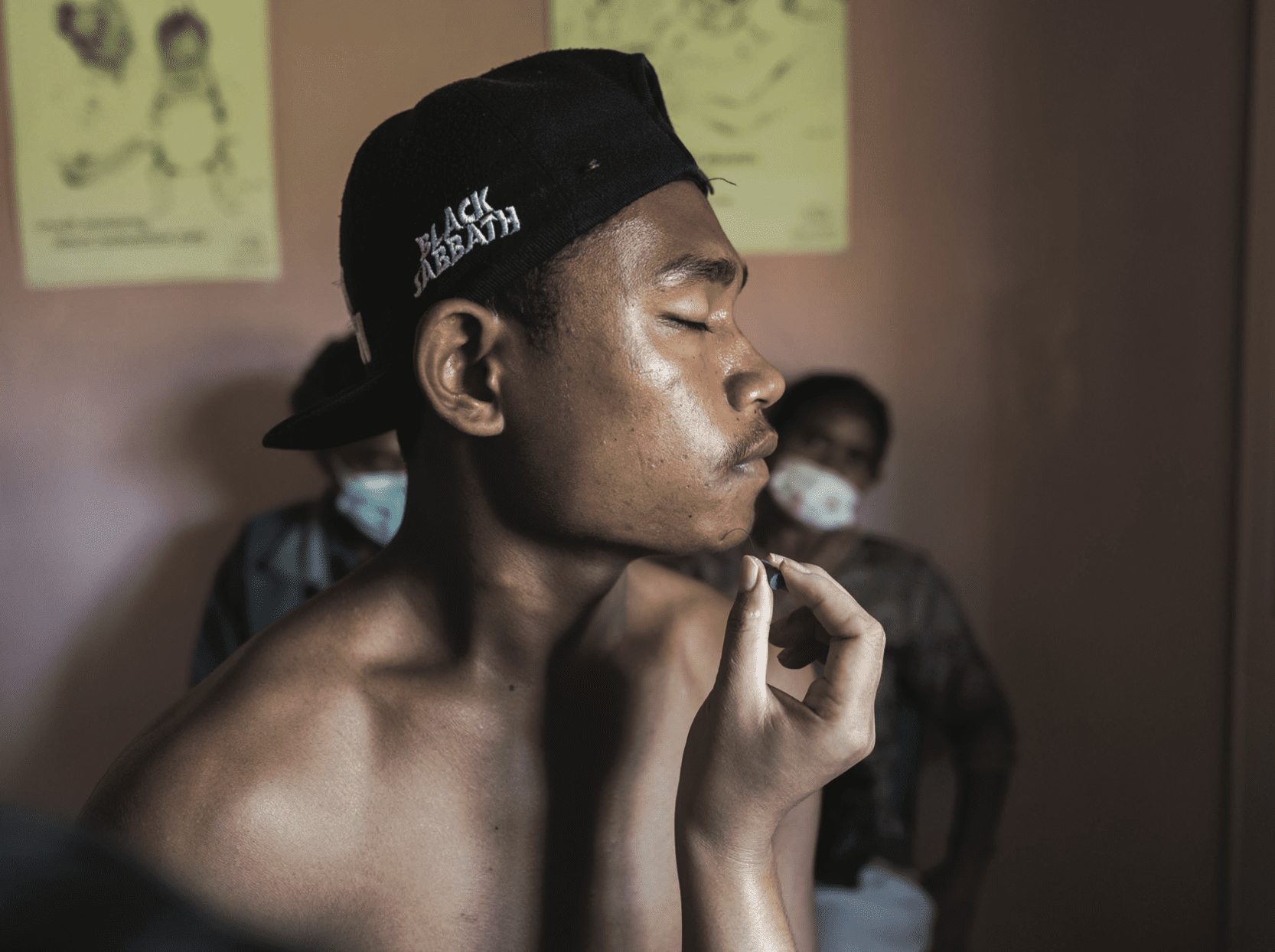
“Surat dari Bukit: Beban Tak Kasat Mata Kusta di Sumba” adalah bagian dari proyek keterlibatan publik untuk meningkatkan kesadaran tentang beban penyakit kulit di Indonesia Timur, khususnya kusta. Foto oleh Yoppy Pieter.
Temuan Utama Studi
Selama 24 bulan (Oktober 2020–Oktober 2022), layanan ini berhasil menjangkau 307 pasien dengan berbagi keluhan kulit. Mayoritas kasus yang ditemui adalah infeksi, infestasi, dan kondisi eksematosa, termasuk penyakit kulit tropis yang terabaikan seperti kusta dan kudis. Studi ini mengamati peningkatan dalam persetujuan diagnosis antara nakes lokal dengan dermatolog, dari 46,9% menjadi 77,2%, selama durasi proyek. Peningkatan keakuratan diagnosis ini membuktikan keberhasilan proyek dalam mentransfer pengetahuan dan mengembangkan keterampilan para nakes garda terdepan.
Layanan teledermatologi ini juga berdampak signifikan terhadap komunitas lokal karena mampu memberikan diagnosis dan nasihat dari spesialis kulit dalam waktu kurang lebih 50 menit dengan sebagian besar konsultasi terselesaikan dalam waktu 24 jam. Semua nakes yang terlibat dalam proyek ini mengakui bahwa layanan ini bermanfaat dan telah meningkatkan kemampuan mereka dalam menangani penyakit kulit.
Berkaca tentang dampak proyek ini, Dr. Marlous Grijsen menjelaskan, “Apa yang kita lihat di Sumba lebih dari sekadar pemberian layanan. Ini tentang memupuk ekosistem perawatan yang berkelanjutan. Proyek teledermatologi ini tidak hanya meningkatkan kondisi pasien, tetapi juga meningkatkan kepercayaan diri dan keterampilan para penyedia layanan kesehatan lokal dalam menangani penyakit kulit. Ini adalah bukti nyata bagaimana teknologi dapat dimanfaatkan untuk meningkatkan layanan kesehatan di lokasi yang paling terpencil dan terbatas sumber daya.”
Publikasi ini membuka jalan bagi replikasi dan implementasi lebih lanjut di wilayah lain dengan kondisi serupa dalam rangka memperbaiki akses layanan kesehatan di daerah yang paling membutuhkannya.
Detailed in a new study by Dr Marlous Grijsen and colleagues in the American Journal of Tropical Medicine and Hygiene, this initiative has improved access to quality skin care for the underserved populations of Sumba, a remote island in Eastern Indonesia. By connecting local healthcare workers with experienced dermatologists via an online platform, the program not only enhances care delivery but also empowers frontline workers with invaluable dermatological expertise.
Bridging the Gap in Dermatological Care
The study focuses on the establishment of a low-cost teledermatology service in Sumba, a remote island in Eastern Indonesia. Despite the high prevalence of skin diseases, specialised care in such remote areas has been traditionally scarce. This innovative project, spearheaded by a collaborative effort between Gadjah Mada University, the Sumba Foundation, and OUCRU Indonesia, aimed to bridge the gap in dermatological care, leveraging technology to deliver expert advice rapidly and effectively.
Over 24 months (October 2020 – October 2022), the service reviewed 307 cases of patients with skin complaints. The majority of these cases were infections, infestations, and eczematous conditions, including neglected tropical skin diseases like leprosy and scabies. A remarkable improvement in diagnostic agreement levels between local healthcare workers (HCWs) and dermatologists was observed, escalating from 46.9% to 77.2% over the project’s duration. This enhancement in diagnostic precision is a testament to the project’s success in knowledge transfer and skill development among frontline HCWs.
The teledermatology service has made a significant impact on the local community, providing diagnoses and expert advice within a median time of 50 minutes, with the vast majority of consultations occurring within 24 hours. The HCWs involved in the project have unanimously found the service to be beneficial, noting improvements in their ability to manage skin diseases.
Reflecting on the impact of the initiative, Dr Marlous Grijsen remarked: “What we’ve seen in Sumba goes beyond providing a service; it’s about nurturing a sustainable ecosystem of care. This teledermatology project has not only improved patient outcomes but also enhanced the confidence and skills of local healthcare providers when treating skin diseases. It’s a vivid illustration of how technology can be harnessed to elevate healthcare in the most remote and resource-limited settings.” Â
This publication sets the stage for potential scalability and further implementation in similarly underserved areas, enhancing healthcare access and quality in regions where it is most needed.
Accessing healthcare is often hindered by expensive and multi-visit treatments. The investigation was focused on the factors influencing healthcare-seeking behaviour for asymptomatic, chronic Hepatitis C (HCV) virus infection, necessitating costly treatment at an urban tertiary care referral hospital in Vietnam.
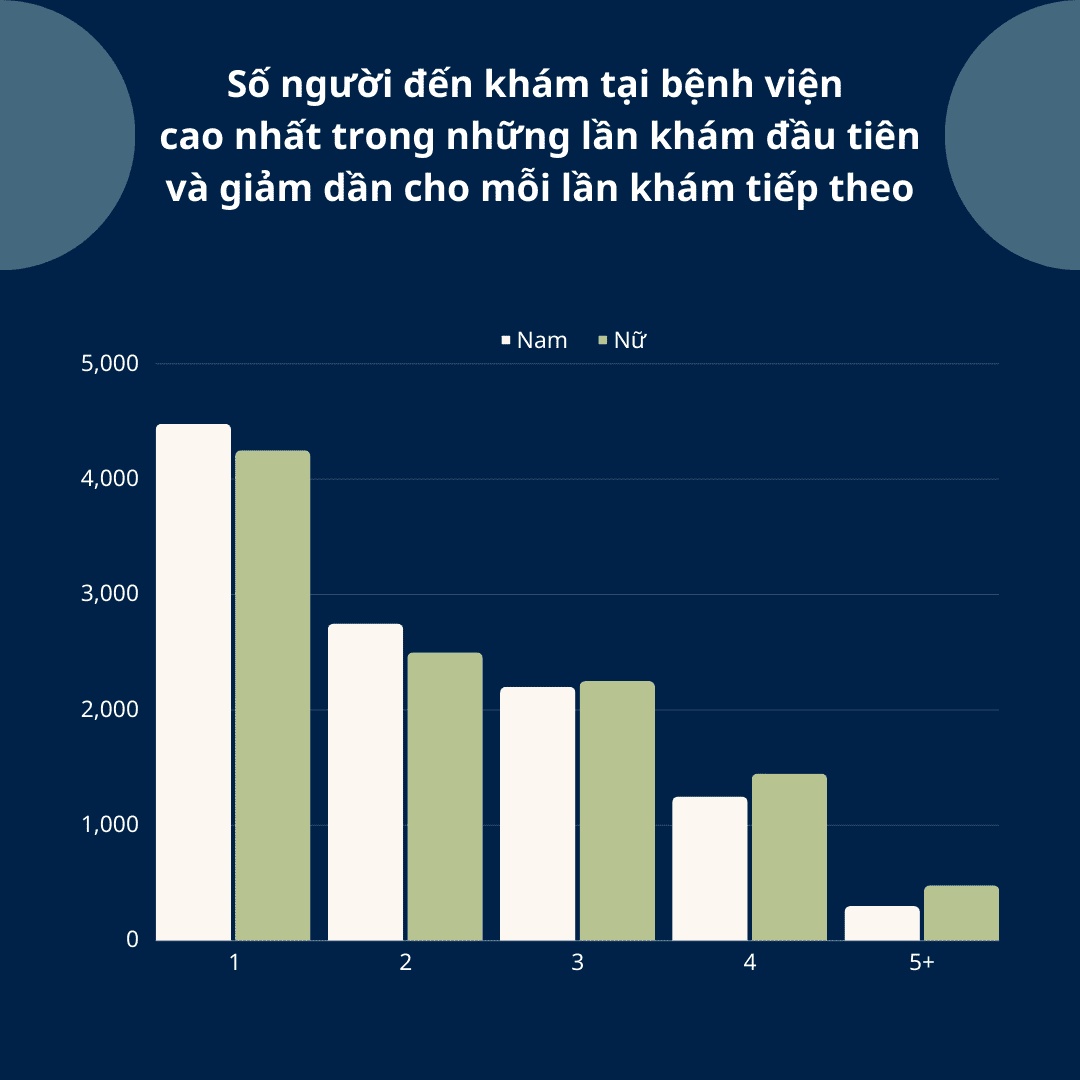
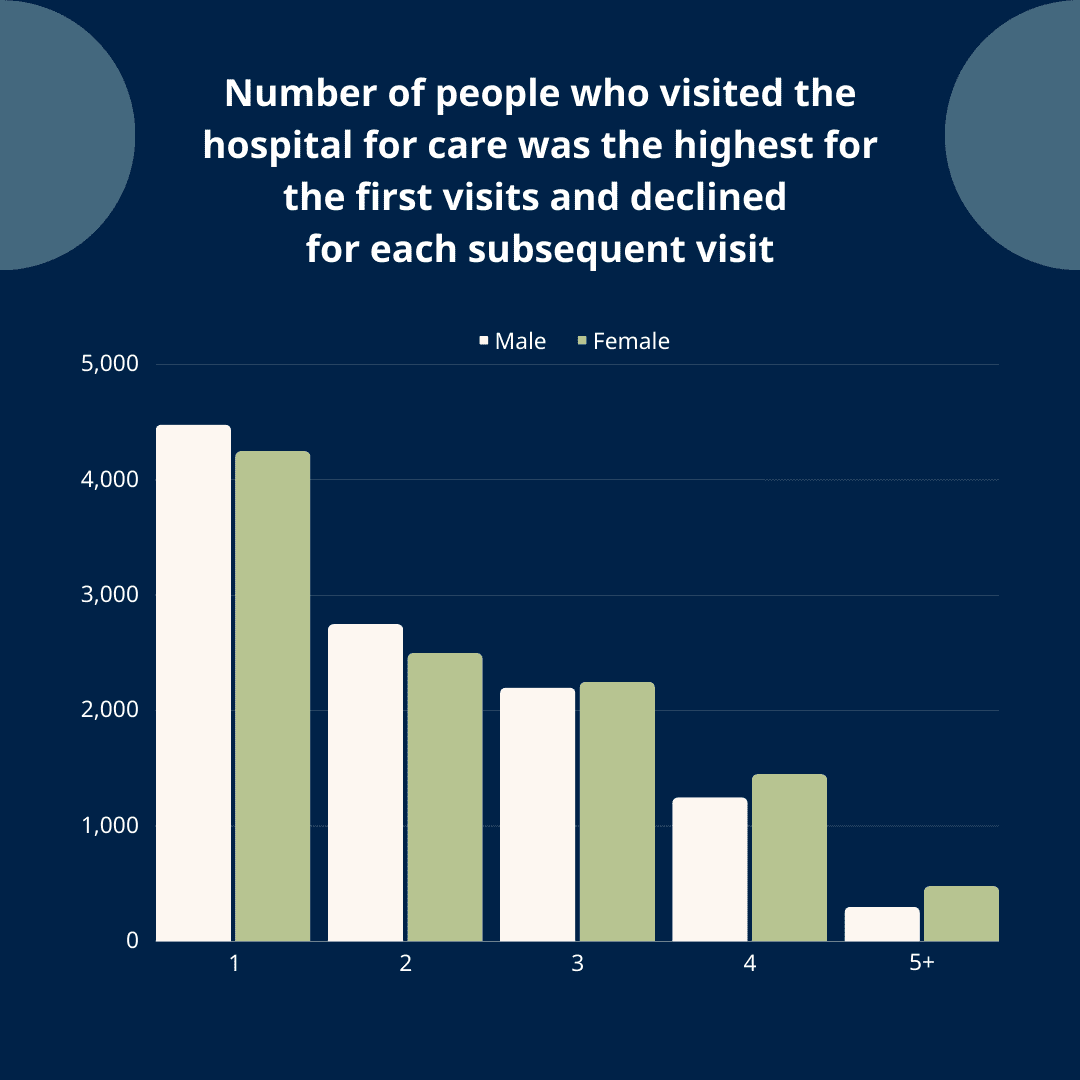
A secondary analysis of hospital data for patients attending the Hospital for Tropical Diseases in Ho Chi Minh City, Vietnam between 2017 and 2020 specifically for HCV infection treatment was conducted. This study published in the BMC Infectious Diseases shows that both structural and individual factors influence the number of visits for HCV treatment. To achieve the global strategy of eliminating HCV, actions are required to address both systemic and personal barriers to healthcare, especially for women.Â
Distribution of visit frequency for HCV treatment at HTD from 2017–2020 by gender
Ensuring fair healthcare access is fundamental globally, yet disparities persist, among the people living in poverty, particularly women. The analysis revealed both structural and individual factors impacting healthcare-seeking behaviour for HCV treatment, involving multiple hospital visits. Previous studies have detailed the prevalence and risk factors of HCV infection in Vietnam.
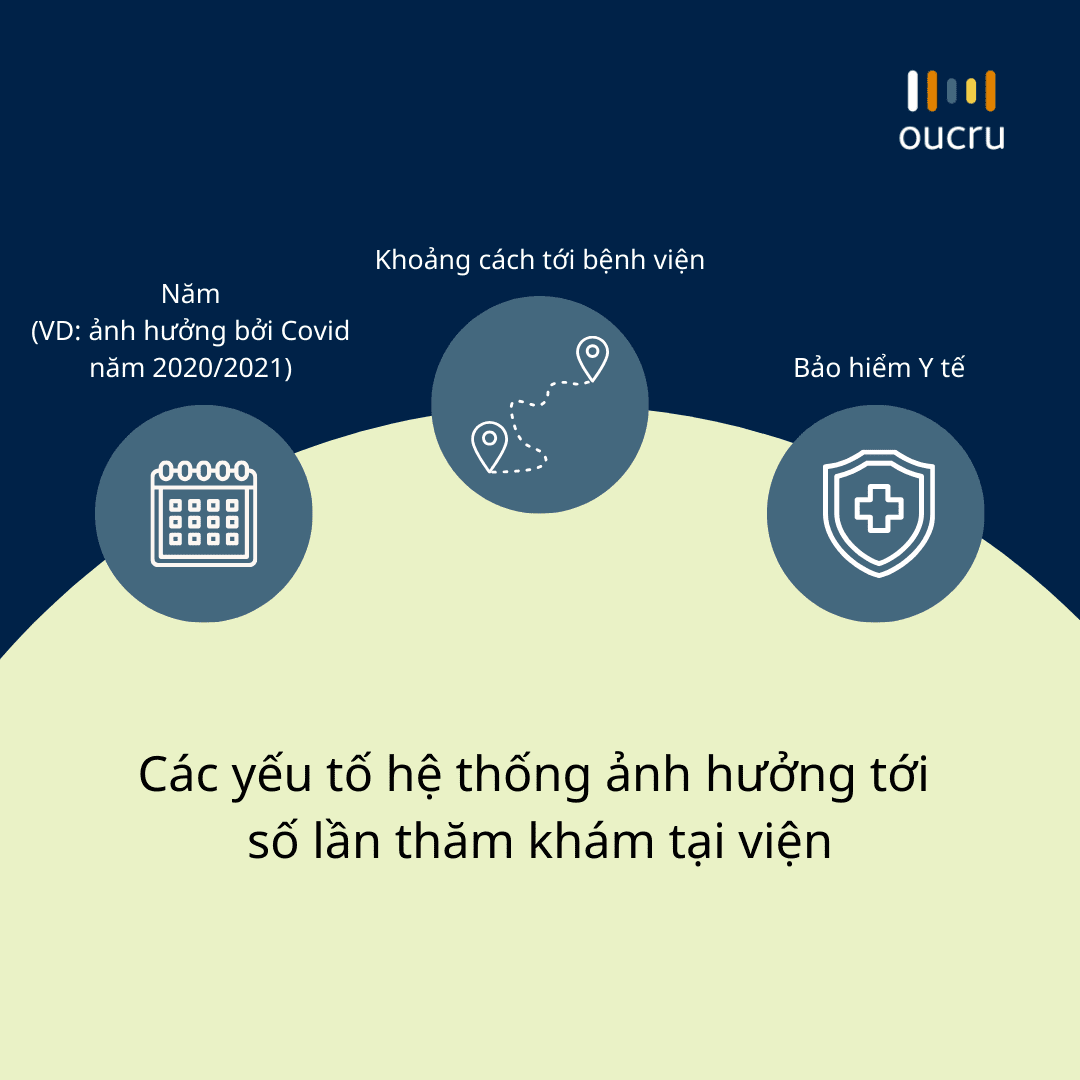
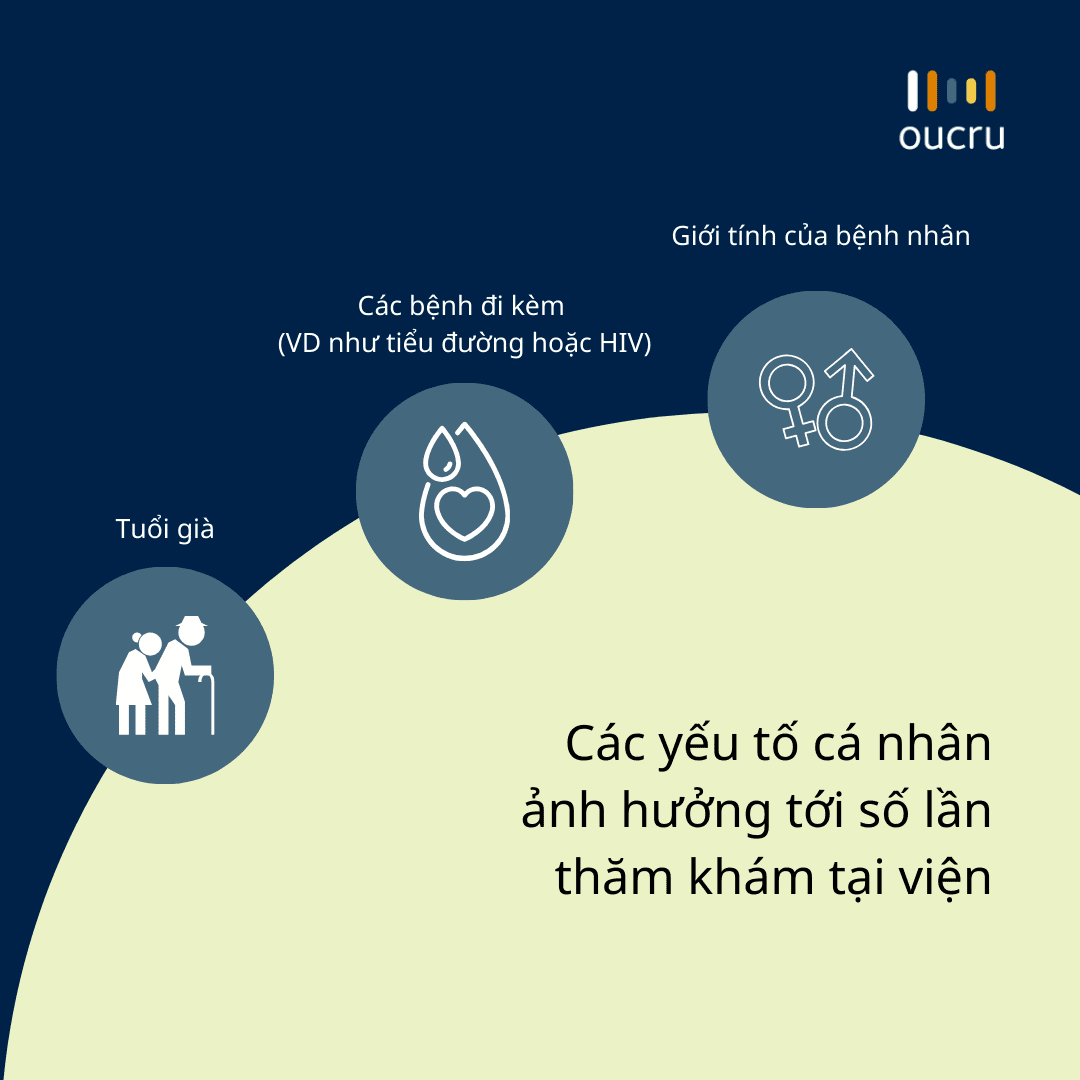
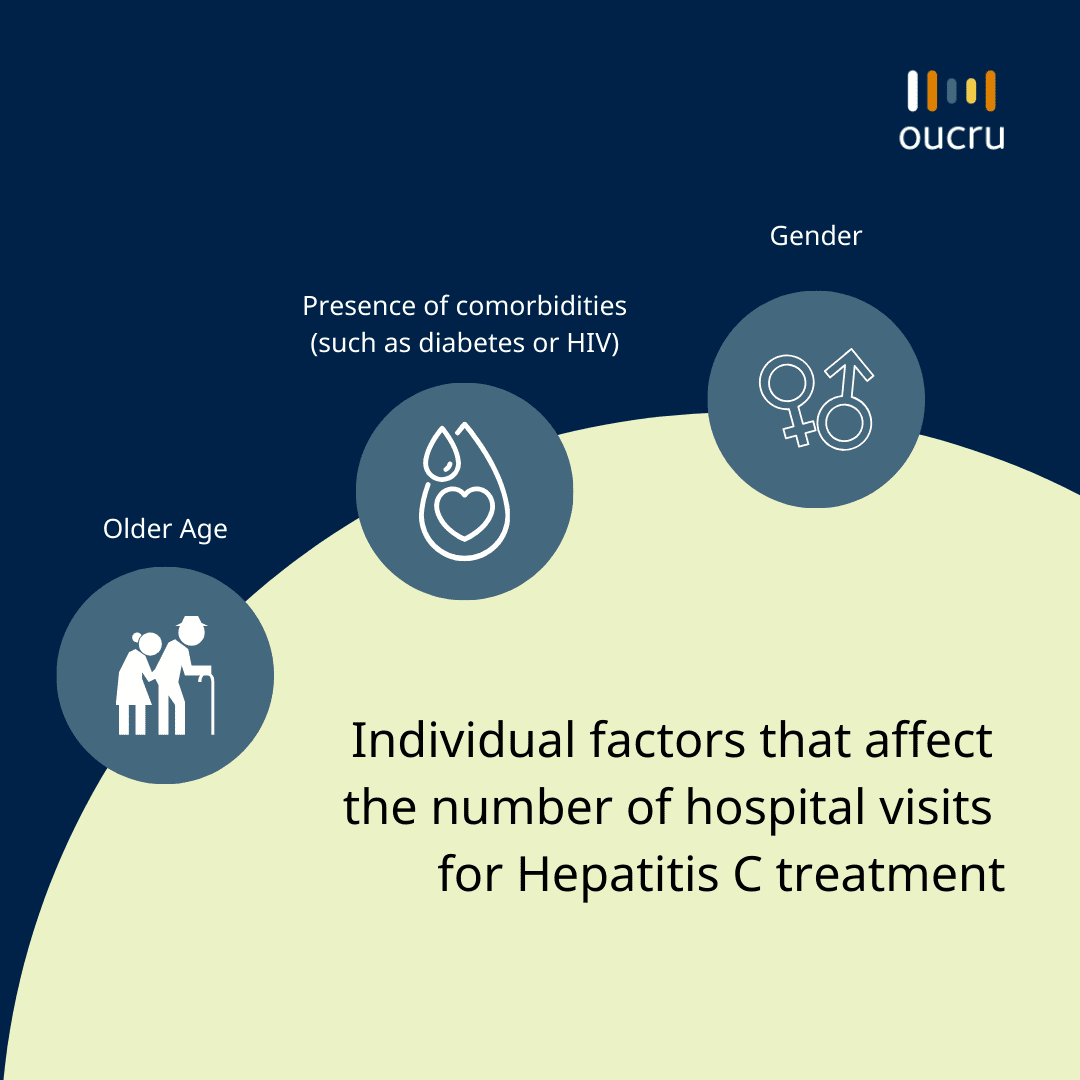
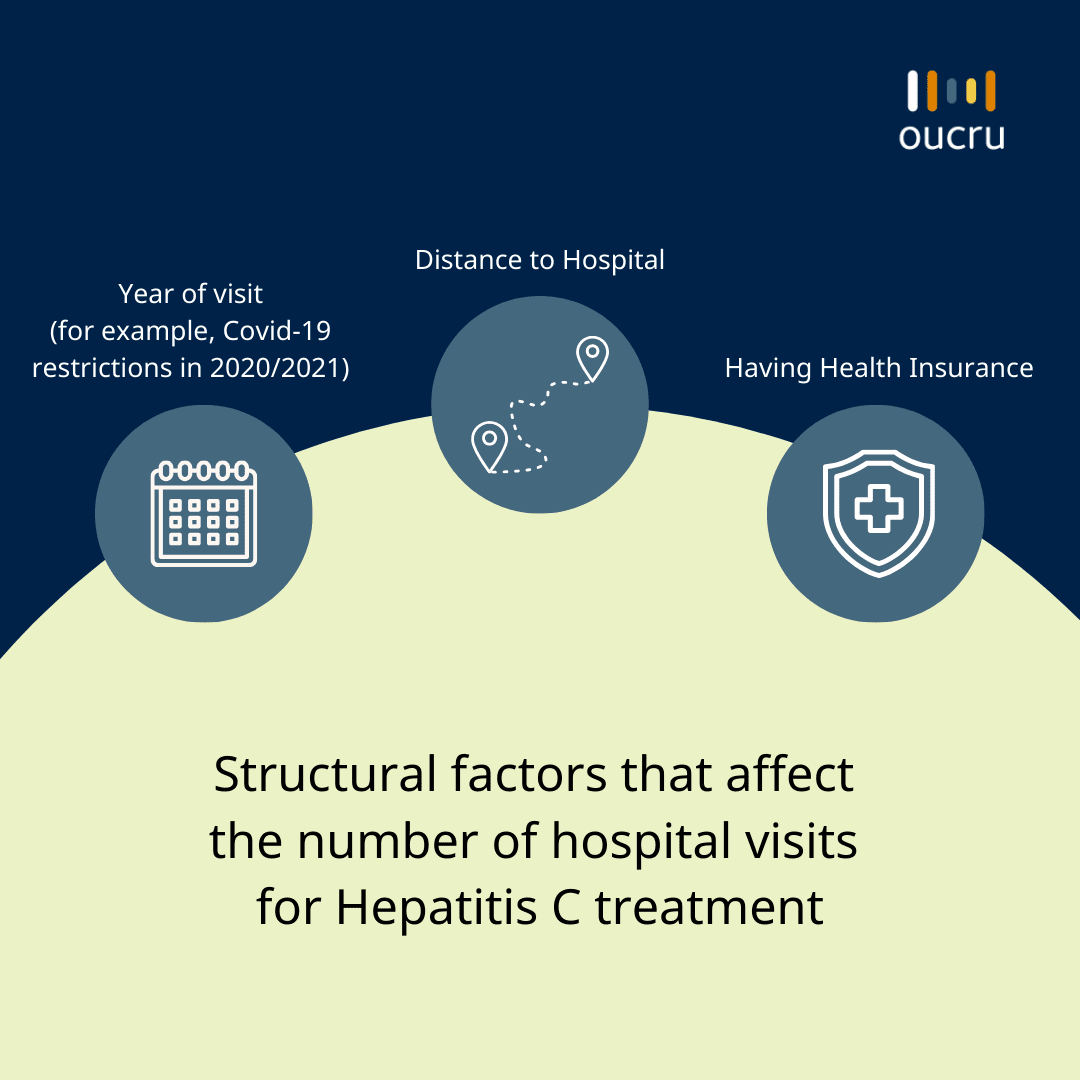
The study showed that structural factors such as the year of starting the treatment, distance from the health facility, and having any health insurance were associated with the number of hospital visits for HCV treatment. Whereas the individual factors associated with the number of hospital visits for HCV treatment included age, existing comorbidities and gender.
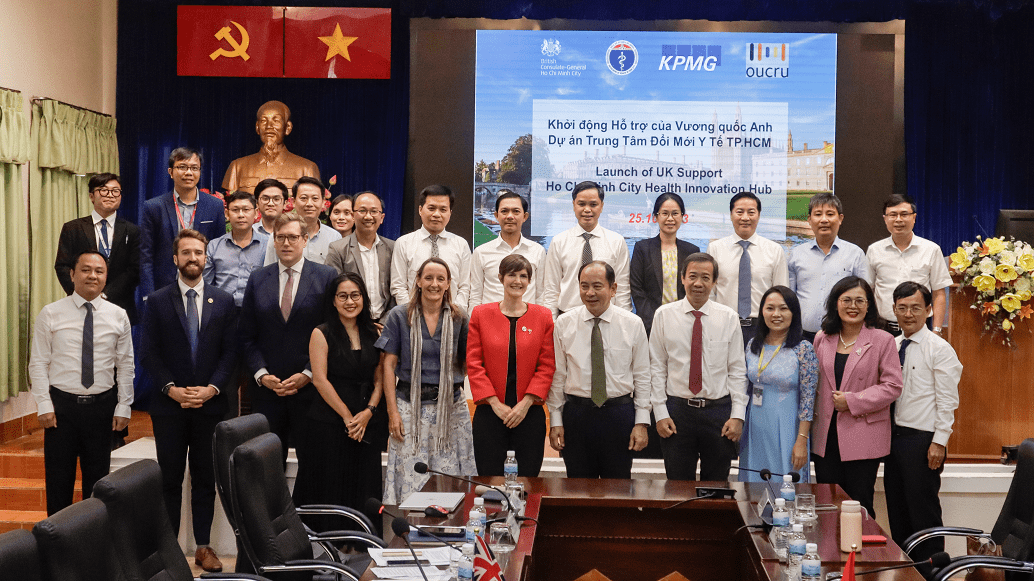
OUCRU, in conjunction with KPMG Vietnam, will serve as consultants on a new health initiative funded by the UK Government, working in collaboration with Ho Chi Minh City Department of Health (DoH) and Centre for Disease Control (HCDC), as well as leading hospitals and medical universities. The project aims to elevate the city’s healthcare workforce and medical training facilities to global standards and to expand research into new disease models and public health needs.
Professor Guy Thwaites, Director of OUCRU, shared his thoughts on the initiative: “This collaboration represents a significant step towards improving the quality of healthcare in Ho Chi Minh City. We believe that by elevating its medical training and research capabilities, we can help the city become a leading health innovation centre in the ASEAN region. We’re excited to work with KPMG Vietnam and the local healthcare sector on this transformative project.”
OUCRU’s extensive expertise in clinical and public health research, combined with KPMG Vietnam’s strengths in business and innovation consulting, forms a solid foundation for this project. Together, the two organisations aim to create a transformative strategy that will position Ho Chi Minh City as a regional hub for healthcare innovation.
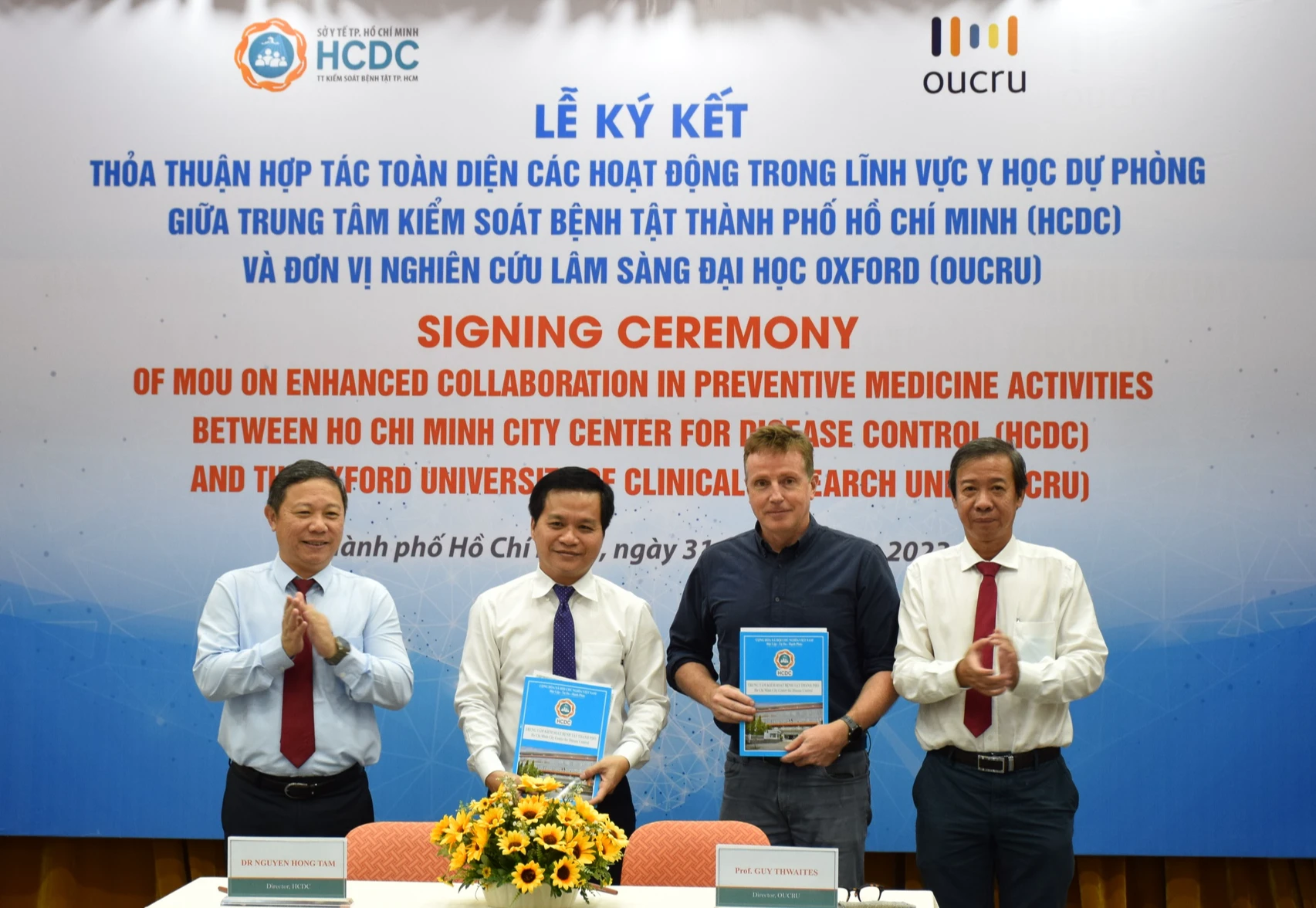
Earlier this year, in August 2023, OUCRU and HCDC signed a new collaborative project agreement. The overarching aim of the project is to improve the prevention and control of infectious diseases in HCMC, especially new and emerging infectious diseases. Three core components to the project:
Enhancing the infectious diseases diagnostic capacity within HCMC
Improving the surveillance of infectious diseases within HCMC
Developing new tools and expertise to model the transmission of infectious diseases within HCMC and to identify the best methods for disease control  Â
MOU Signing Ceremony between OUCRU and HCDC in August 2023
This new initiative represents a further strengthening of the 32-year partnership between OUCRU and the Hospital for Tropical Diseases and Ho Chi Minh City’s health sector more broadly. OUCRU’s vision is to have local, regional and global impact on health by leading a locally driven research programme on infectious diseases in Southeast Asia. This project sits at the centre of that vision, helping to build local capacity to improve the public health of Vietnam.
The anticipated completion date of the project is April 2024.
OUCRU is among four major clinical trial networks in low-resource settings to join an exciting partnership with the Good Clinical Trials Collaborative (“the Collaborativeâ€) to enhance clinical research in low-resource settings. The collaboration aims to support regional research ecosystems to prioritise collaborative, informative and efficient research responses to public health challenges.
OUCRU joins ADVANcing Clinical Evidence in Infectious Diseases (“ADVANCE-IDâ€), Africa Health Research Institute (“AHRIâ€), The Global Health Network (“TGHNâ€), and the Collaborative to form Good Trials Prism[1]. Supported and funded by Wellcome, this international network will promote and drive the implementation of the five scientific and ethical principles of good clinical trials within the research environments where the networks are based – Latin America, Southeast Asia, and South Africa.
These five principles are outlined in the Collaborative’s Guidance for Good Randomised Clinical Trials (“the Collaborative’s Guidanceâ€) and are now reflected in the recently published draft guidance for best practices for clinical trials by the World Health Organization, currently open for public consultation.
Addressing challenges in low resource settings
Good Trials Prism is the first program of its kind to put these principles into practice across a diverse range of geographies and health challenges, particularly focusing on their applicability to low- and middle-income countries facing high rates of communicable and noncommunicable diseases, alongside limited research capacity and resources.
High quality, principles-based guidance can play a crucial role in mitigating these challenges by providing a robust platform for all stakeholders to focus their efforts effectively and work towards common goals.
A collaborative partnership Â
Central to Good Trials Prism is the development of education and training materials to promote understanding and adoption of the five principles, openly available for others to utilise. The program will also undertake capacity strengthening, policy, advocacy, training and communications work, including delivering workshops, webinars, and training courses to promote sharing of knowledge and best practices.
The networks will play a leading role in promoting and implementing the principles in their respective regions by leveraging their local knowledge and existing relationships and tailoring resources to the needs of their research environments.
“Good Trials Prism is a fantastic platform to further our mission to promote and support high-quality clinical trials globally,†said Professor Sir Martin Landray, Senior Lead of the Collaborative. “By working together to apply the principles of a good trial as outlined in the Collaborative’s guidance and now in WHO’s draft guidance, this partnership demonstrates how we can collaborate to strengthen clinical trial systems and overcome barriers to generating reliable evidence in low-resource settings and across the world.â€
Ms Evelyne Kestelyn, Head of the Clinical Trials Unit at OUCRU, said: “Being a part of Good Trials Prism allows institutions like OUCRU to share their vast expertise in clinical research and champion sustainable and equitable development of capacity in Southeast Asia. By embracing the principles of good clinical trials and working in tandem with other leading networks, we firmly believe we are well positioned to tackle the unique challenges facing clinical research and make a meaningful impact on health outcomes in this region.â€
Five principles of good RCTs
Good RCTs are designed to produce scientifically sound answers to relevant questions RCTs should help resolve important uncertainties about the effects of health interventions. This requires the combination of key design features such as proper randomisation to avoid selection bias, adequate sample size to minimise the play of chance, unbiased assessment of outcomes, and intention-to-treat analyses.
Good RCTs respect the rights, safety, and well-being of participants Ethical clinical trials combine seeking answers to important questions with scientific validity and appropriate protection and respect for all involved, especially participants. Independent review of proposals for new research through a research ethics committee (or equivalent) is an important governance tool and can help ensure appropriate steps are taken to protect the rights and welfare of participants. Accessible, clear communication and relevant consent at all stages of an RCT are at the heart of this principle.
Good RCTs are collaborative and transparent All those involved in RCTs share responsibility for building and sustaining the trust of collaborating partner organisations and clinical communities, participants, and the wider public. Trust is undermined by a lack of relevance or transparency and a lack of respect for the rights and values of participants and those whose care will be influenced by the results.
Good RCTs are designed to be appropriate for their context Ensuring that a trial is set up to be practicable and produce reliable, actionable results is an important scientific and ethical duty. Consideration of the context and existing resources in a proposed trial setting can better inform effective trial design.
Good RCTs manage quality effectively and efficiently Delivery of a high-quality trial requires competent decision-making and coordinated execution. Good governance and good trial quality management can help achieve these features. The focus should be on adopting risk-based proportionate approaches, identifying the key issues that would have a meaningful impact on participant well-being and safety or on decision-making based on the trial results.
[1] The name Prism underlines the key objectives of the program – “PRomoting†and “Implementing†the principles of good RCTs with the aim of “Strengthening†clinical trial systems in low-resource settings. Just like a prism, which refracts light into various components, the name also reflects the program’s approach to applying the principles of good RCTs across multiple health challenges and diverse contexts.
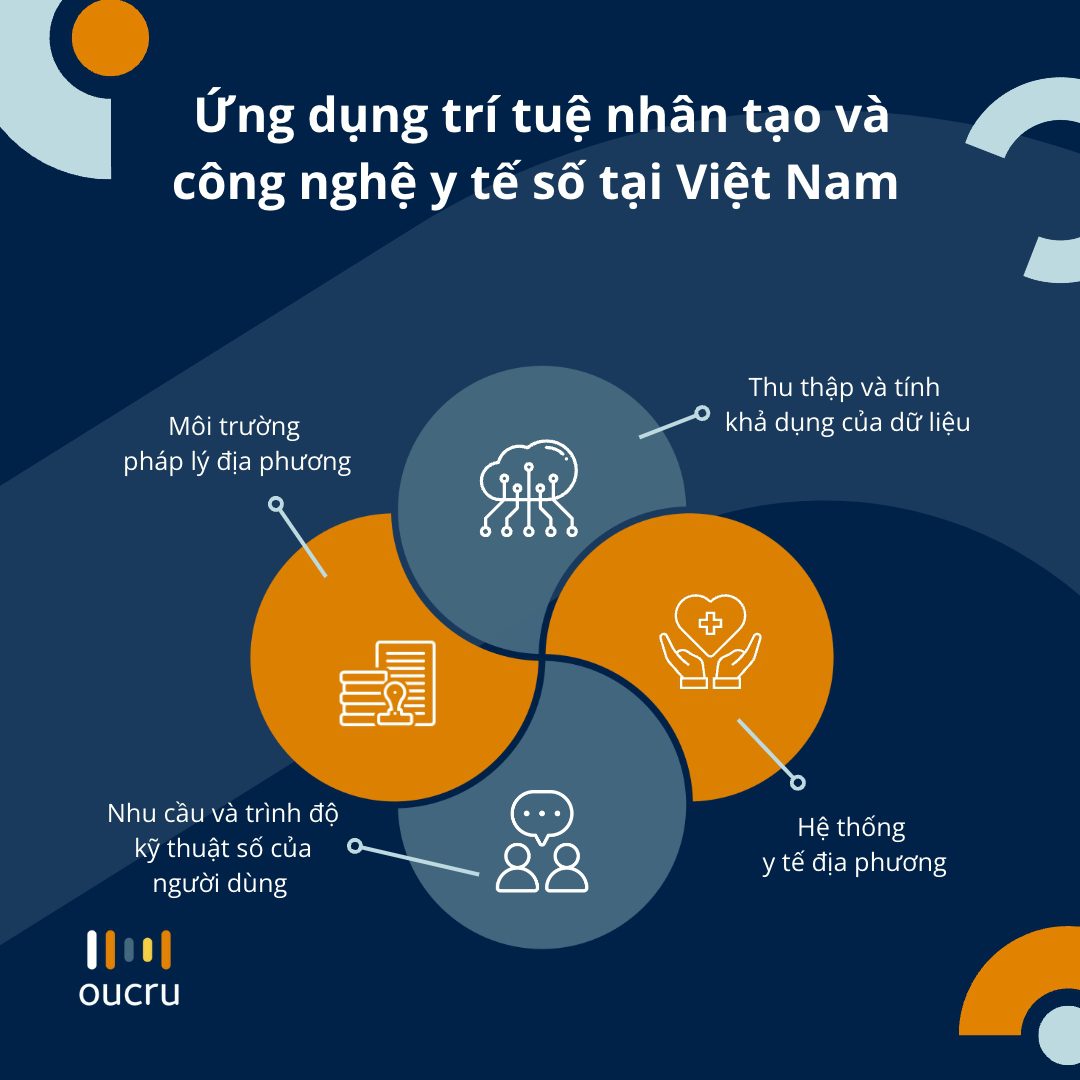
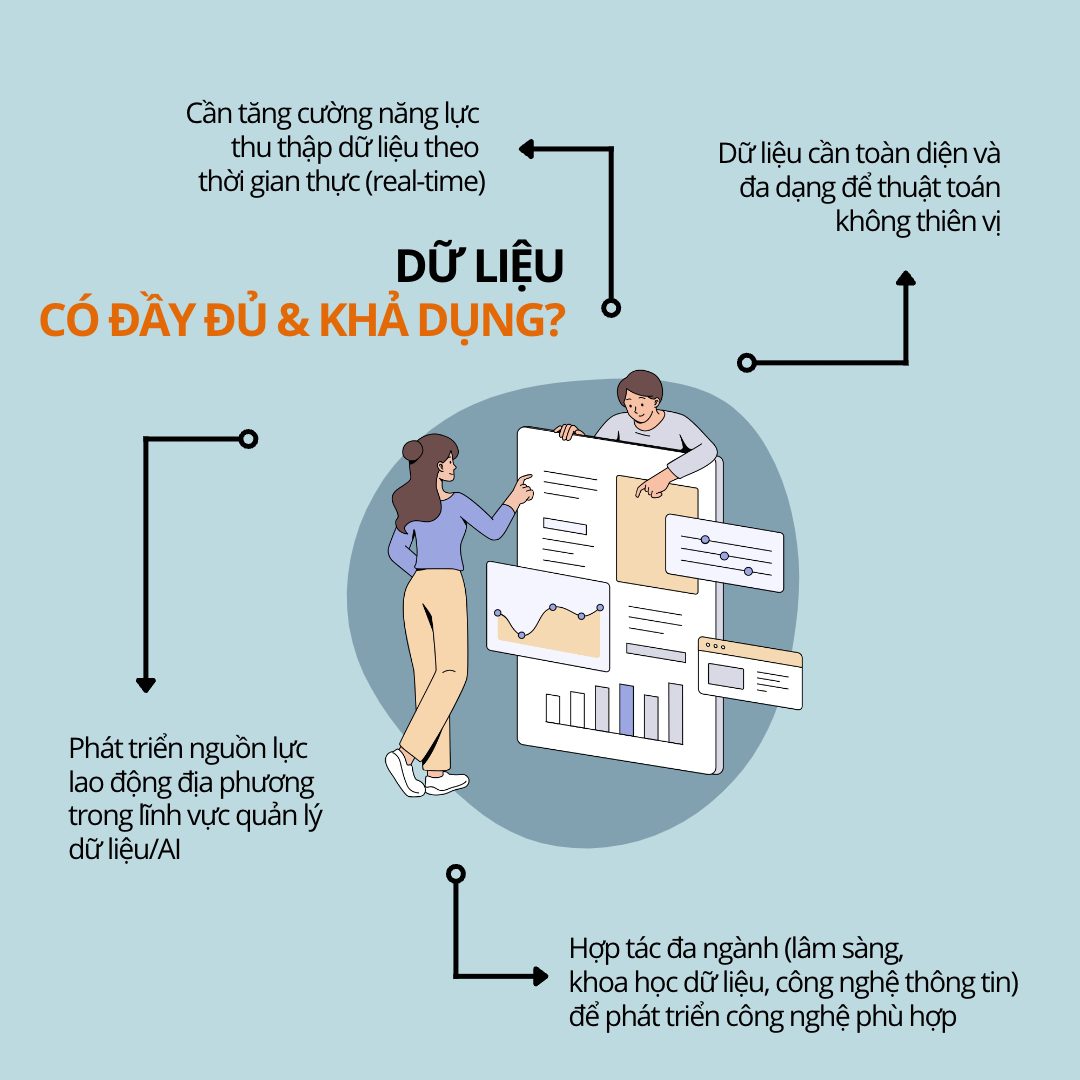
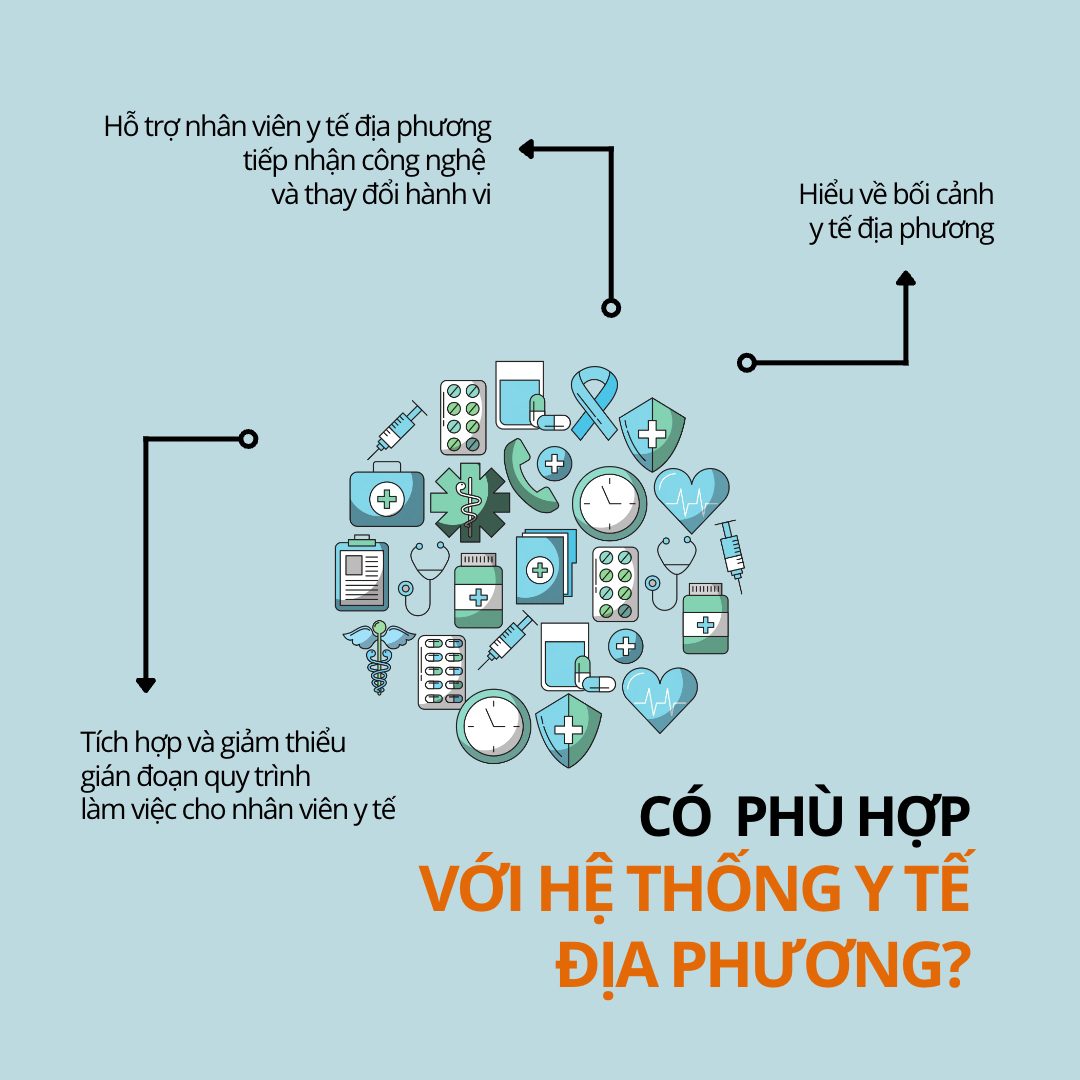
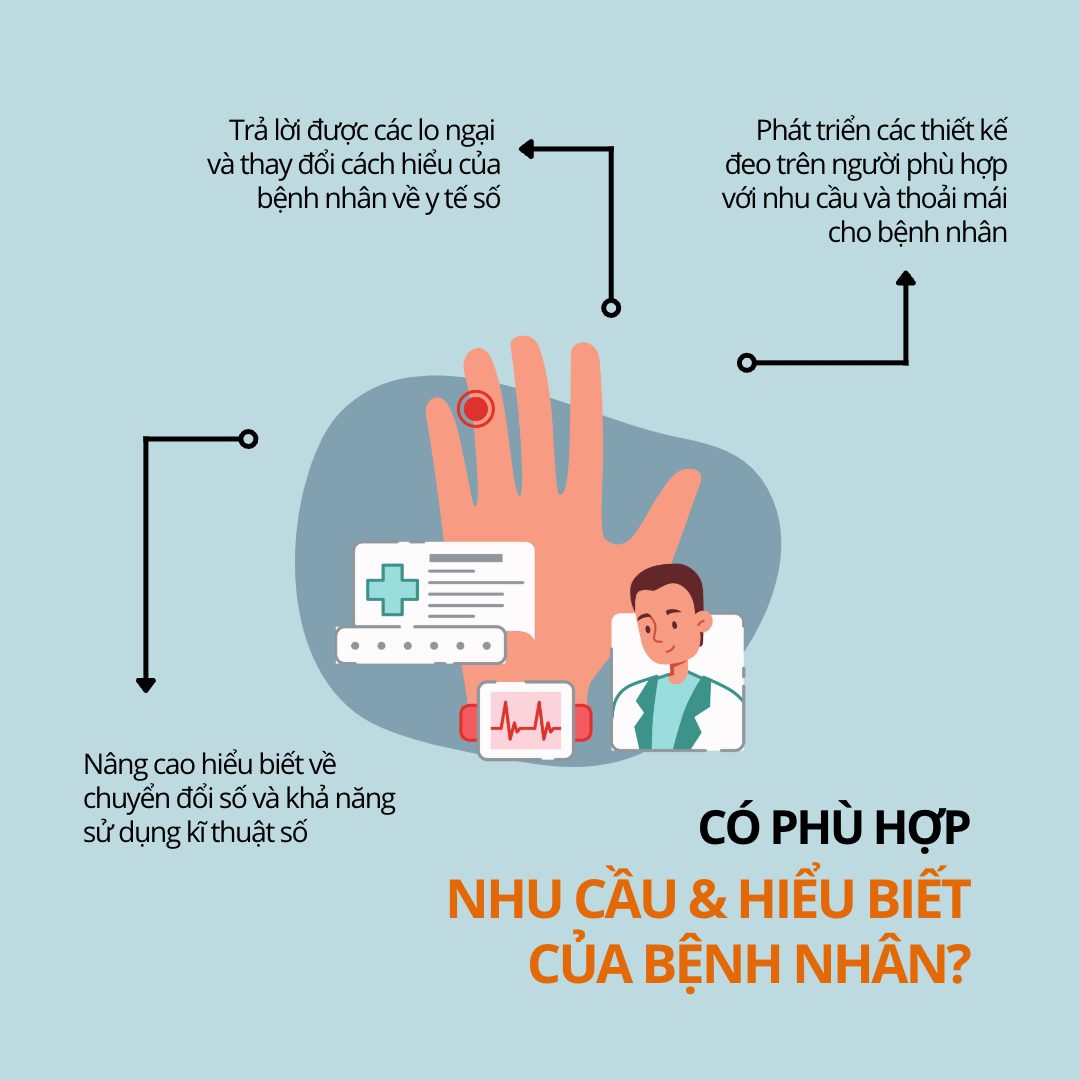
Chanh HQ, Ming DK, Nguyen QH, Duc TM, Phuoc An L, Trieu HT, Karolcik S, Hernandez B, Perez, Van Nuil J, Lyle NN, Kestelyn E, Thwaites L, Georgiou P, Paton C, Holmes A, Van Vinh Chau N, Yacoub S. Applying artificial intelligence and digital health technologies, Viet Nam. Bull World Health Organ. 2023 Jul 1;101(7):487-492. doi: 10.2471/BLT.22.289423. Epub 2023 May 26. PMID: 37397176; PMCID: PMC10300774.

![[Infographic] Cơ hội và thách thức khi ứng dụng trà tuệ nhân tạo và công nghệ y tế số tại Việt Nam](https://test.oucru.org/wp-content/uploads/2023/07/Wearable-Dengue-monitoring-hardware-2.jpg)