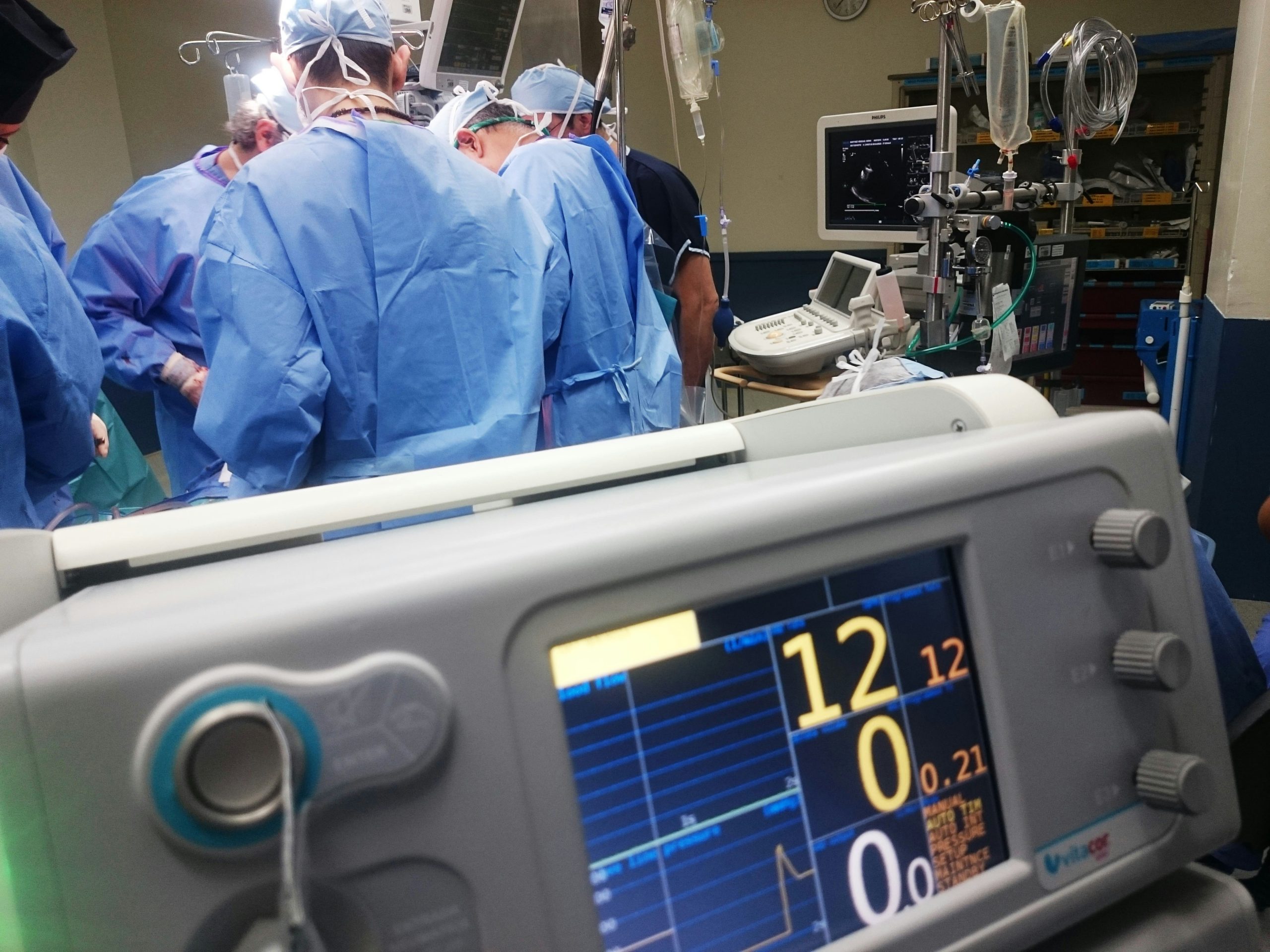
The conference will focus on integrating rehabilitation practices within multidisciplinary ICU teams, a critical aspect of patient care that significantly improves outcomes. This is also a platform for clinicians and researchers to discuss, share, and advance practices related to early mobilization and rehabilitation in critical care settings.
Keynote speakers include Professor Sue Berney (University of Melbourne), Professor Dale M. Needham (Johns Hopkins University), and Professor Gregory Reychler (University of Louvain), bringing invaluable insights from their extensive research and clinical experience in ICU rehabilitation.Â
Participants can look forward to engaging, in-depth workshops on both days of the conference. These include hands-on sessions on respiratory and tracheostomy care, rehabilitation and ventilation weaning.Â
Early Bird Registration Until: June 18, 2024Â Register HereÂ
For further information regarding the conference program, speakers, and registration details, please visit VNPTA website.
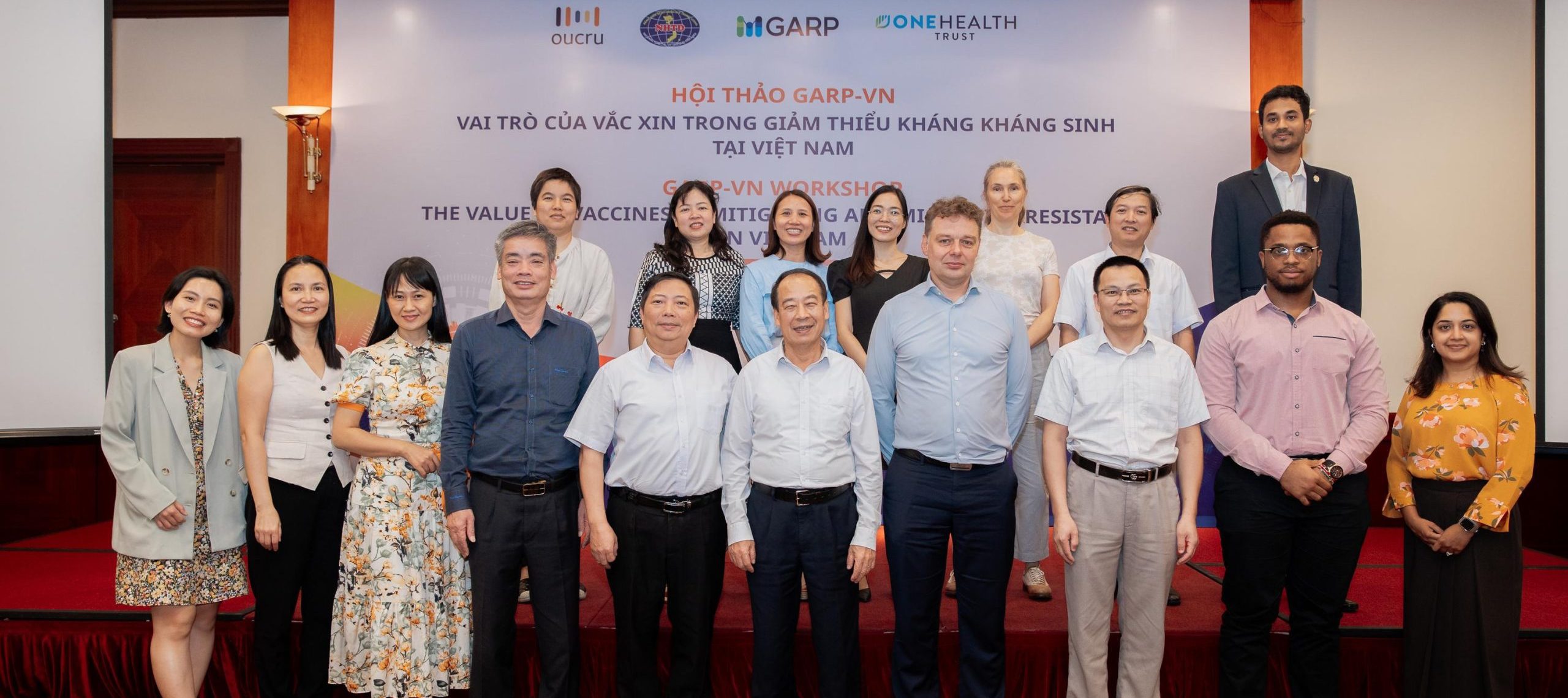
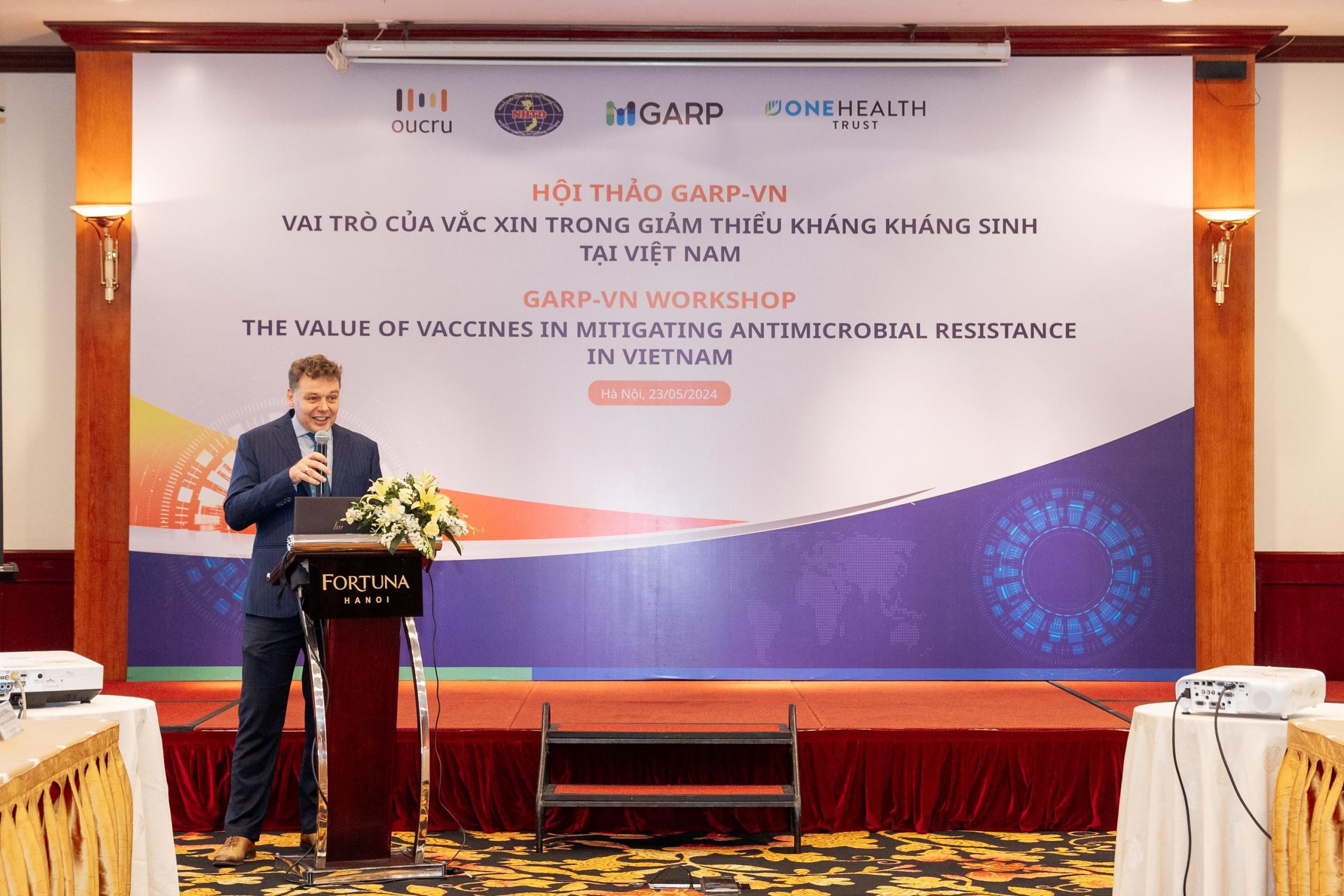
The event brought together a wide array of experts and stakeholders to discuss the inclusion of vaccines as a tool to mitigate antimicrobial resistance (AMR) in the implementation of Vietnam’s National Strategy on AMR, and to discuss recommendations for a policy brief based on review of the current evidence.
The workshop was part of the collaboration between OUCRU and the Global Antibiotic Resistance Partnership (GARP), initiated by the One Health Trust in 2009, whose primary aim is to address the escalating threat of AMR, particularly in low- and middle-income countries, through effective policy and strategy formulation.Â
The policy brief introduced during this workshop underscored the strategic importance of vaccines in the fight against AMR. The brief is the culmination of a year-long collaborative effort between OUCRU, NHTD and GARP, aimed at providing a comprehensive analysis and robust recommendations for enhancing Vietnam’s Immunisation Programme. The overarching goal is to mitigate AMR in Vietnam and include vaccines in the implementation of Vietnam’s National Strategy on AMR as an effective tool to combat AMR.
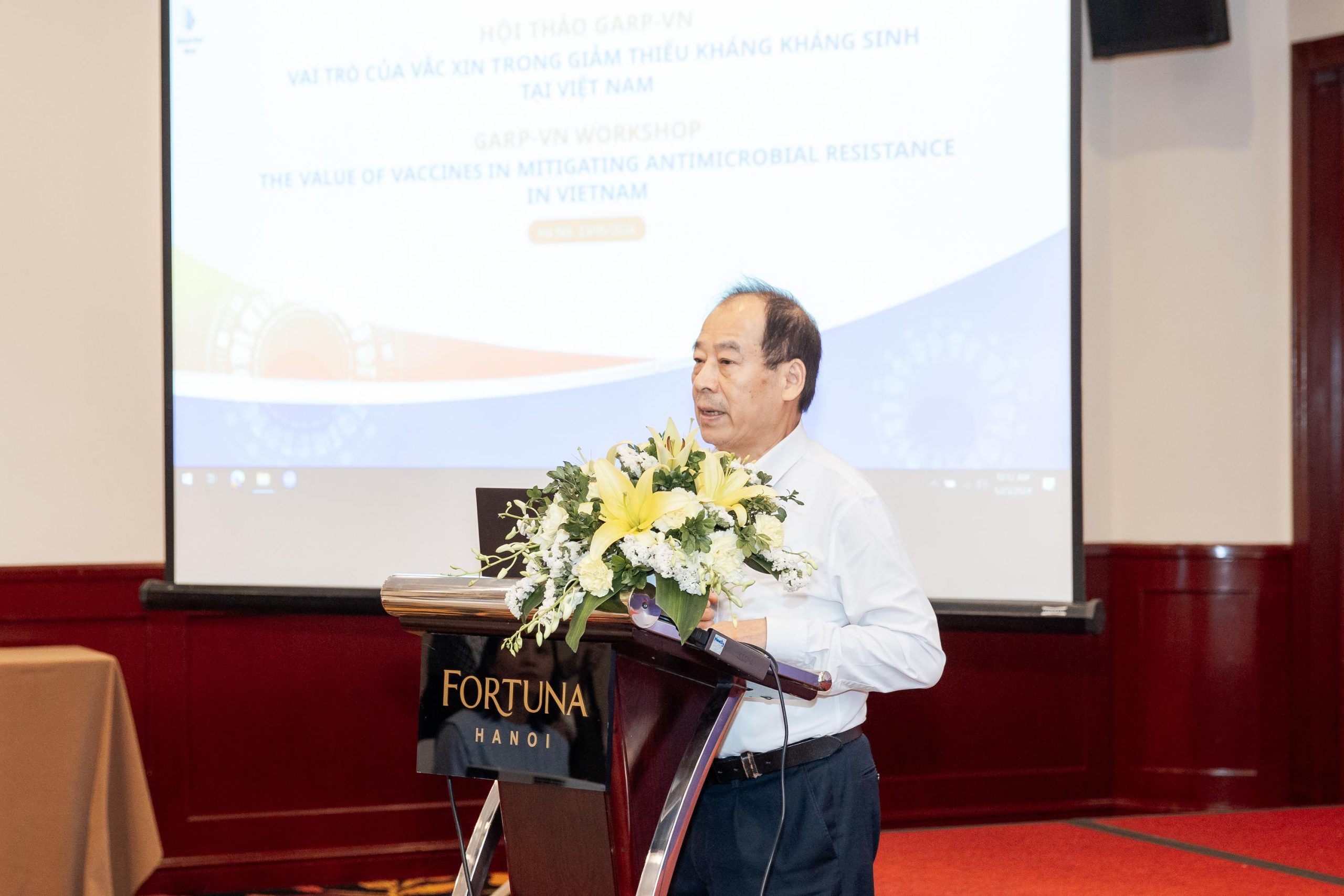
Associate Professor Dr Tran Dac Phu, former Director of the Department of Preventive Medicine and current Chairman of the Ministry of Health’s National Immunisation Technical Advisory Group
During his opening speech, Associate Professor Dr Tran Dac Phu, former Director of the Department of Preventive Medicine and current Chairman of the Ministry of Health’s National Immunisation Technical Advisory Group (NITAG), highlighted the critical role of vaccines in preventing infectious diseases and safeguarding human health. He also introduced NITAG Vietnam and discussed how vaccines contribute to reducing antibiotic resistance.
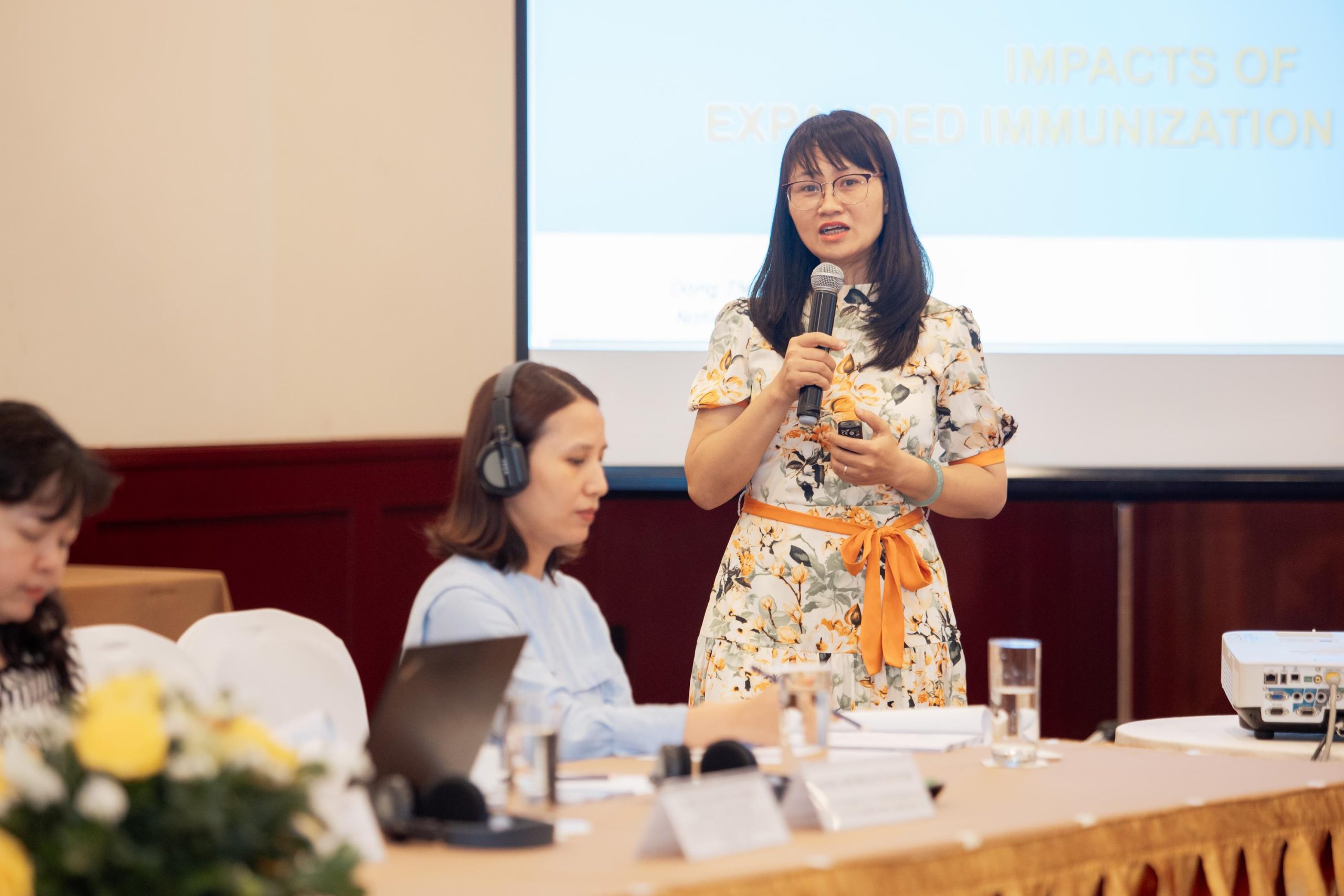
Dr Dang Thi Thanh Huyen, Deputy Head of the National Office of the Expanded Immunisation Programme
Dr Dang Thi Thanh Huyen, Deputy Head of the National Office of the Expanded Immunisation Programme at the Central Institute of Hygiene and Epidemiology, noted, “The Expanded Immunisation Program in Vietnam has achieved remarkable results. However, the COVID-19 pandemic has led to a dramatic decline in the vaccination rates for some vaccines, reaching record lows. This decline has contributed to the resurgence of infectious diseases like measles and diphtheria, which had previously been well-controlled by our vaccination efforts.”
The gathering also served as a platform for generating actionable recommendations for the implementation of both existing and future vaccines within the Expanded Program on Immunisation (EPI) in Vietnam. This initiative is expected to significantly bolster the country’s capabilities in preventing infectious diseases and combating antimicrobial resistance.
Professor Rogier van Doorn, Director of OUCRU Hanoi, giving his opening speech at the workshop
Professor Rogier van Doorn, Director of OUCRU Hanoi, emphasised the unit’s commitment to combating infectious diseases through research and evidence-based approaches.
Our partnership with NHTD and other national health bodies in Vietnam has been instrumental in advancing public health initiatives that cater specifically to the needs of the Vietnamese population.
Professor Rogier van Doorn, Director of OUCRU Hanoi
Four policy recommendations presented during the workshop will undergo further revisions, including consultations with experts. Once finalised, this document will be distributed to policymakers and shared broadly with relevant stakeholders to enhance implementation of Vietnam’s National Strategy on AMR.
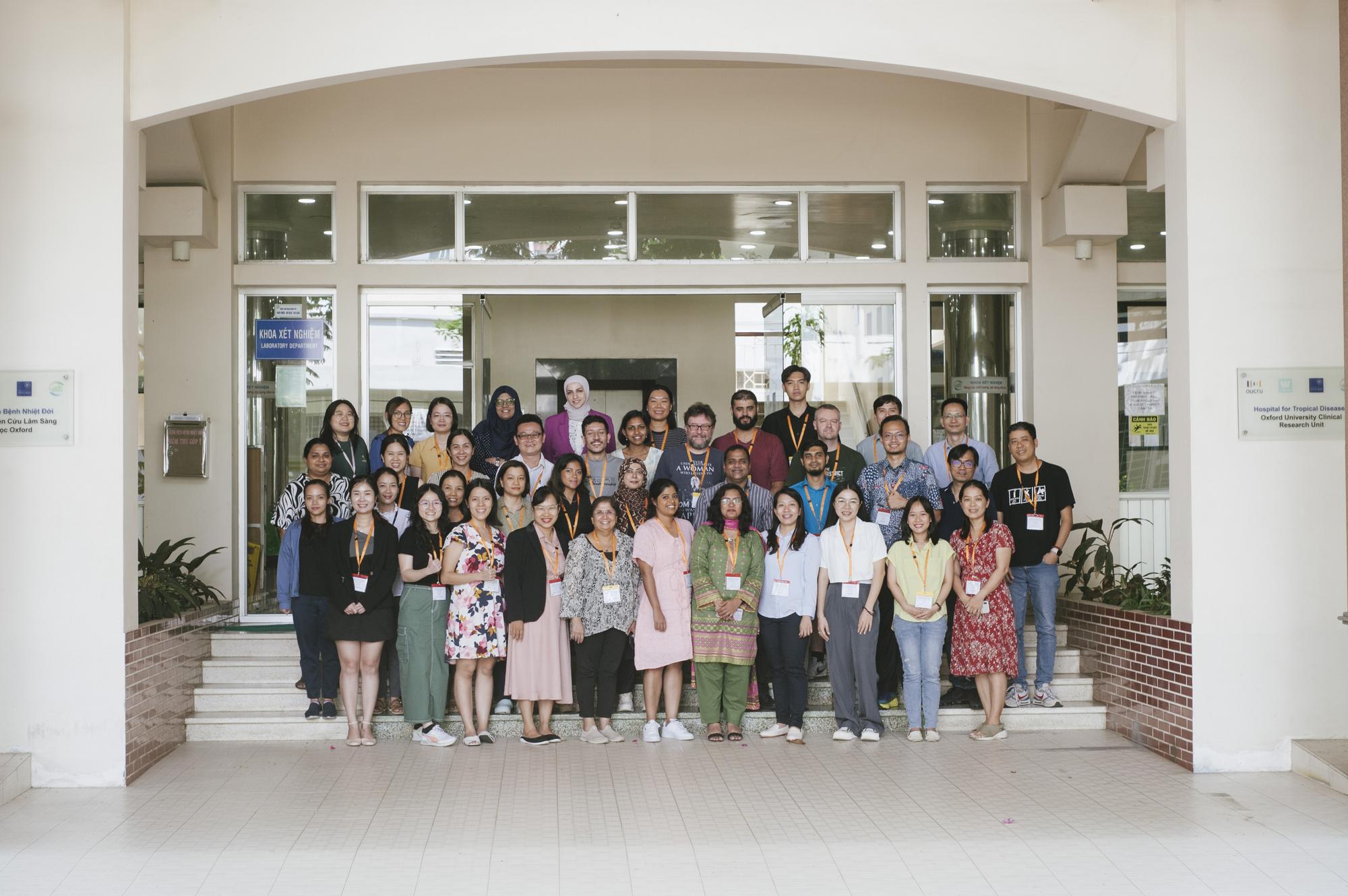
Organisers and participants of the course at OUCRU office in Ho Chi Minh City
Viruses represent a significant public health burden worldwide. In Asia, they are responsible for numerous deaths annually due to diseases such as influenza, dengue fever, hand, foot and mouth disease, chikungunya, and viral hepatitis. There is a critical need for rapid detection, surveillance, and management of viral diseases, which have been made possible by advancements in technological and scientific research. Recently, next-generation sequencing (NGS) technologies have become essential tools in the identification and classification of viruses, detection of drug-resistance mutations, and overall treatment and surveillance of viral diseases.
The Viral Genomics and Bioinformatics course provided training in how to handle and interpret the vast data generated by NGS, including the use of command line tools for viral genome analysis, quality control of sequences, reference mapping, de novo assembly, and creating phylogenetic trees to track virus evolution.
“This course is a crucial step towards empowering researchers and clinicians in Asia with the advanced skills needed to tackle viral diseases, which continue to pose significant public health challenges in the region.”
Associate Professor Le Van Tan
Designed primarily for scientists and healthcare professionals based in Asia, the course aimed to build expertise in the analysis and interpretation of viral genome sequences obtained through NGS technologies. The curriculum covered a broad spectrum of topics including metagenomics, viral pathogen detection, and the construction of phylogenetic trees.
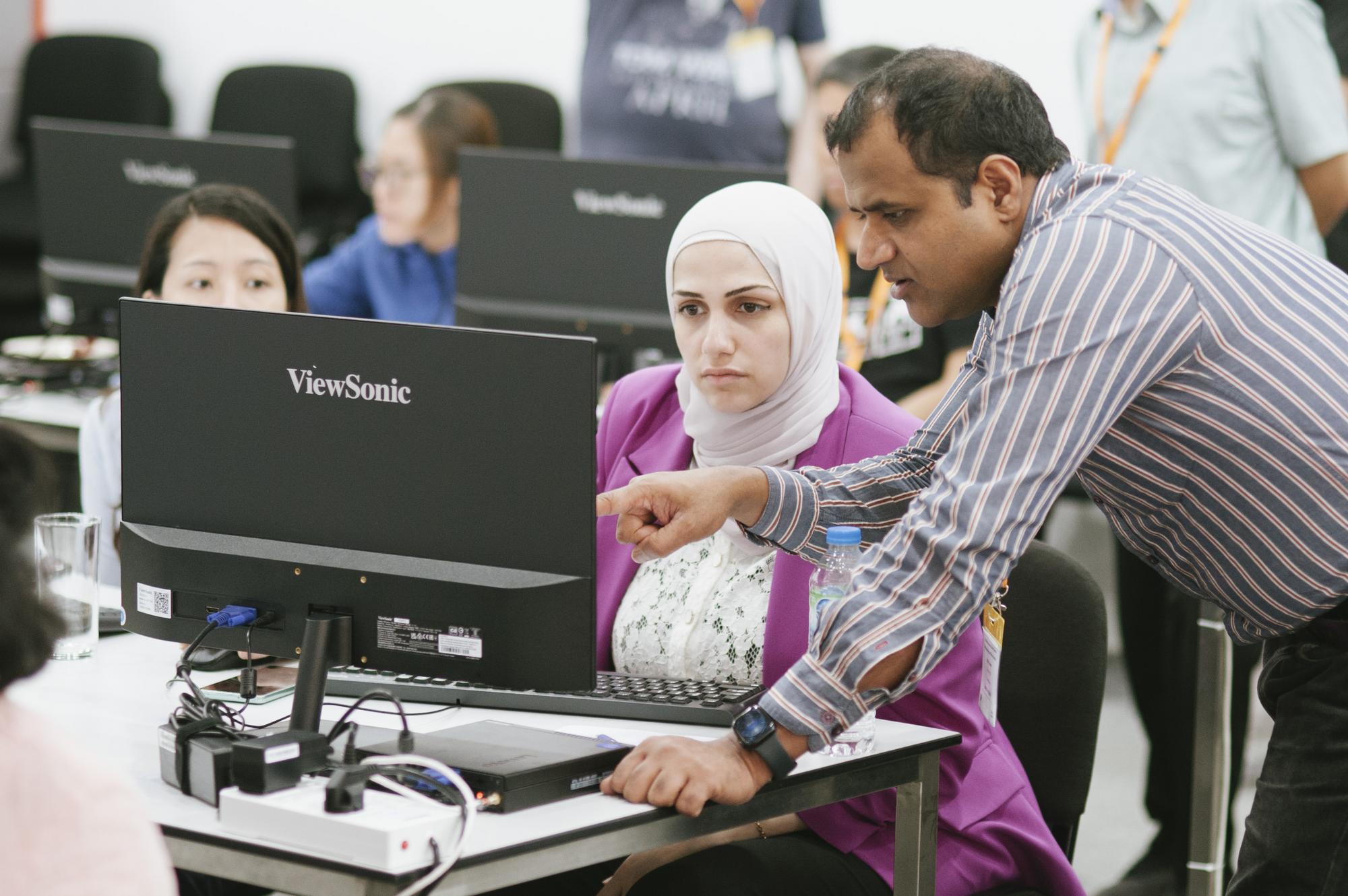
Dr Sreenu Vattipallyprovides hands-on training for the course
One of the course organisers, Dr Sreenu Vattipally said: “Apart from knowledge exchange, this course brought virologists from various countries together, fostering collaborations, networking opportunities, and generating innovative ideas to tackle viral infectious diseases, which are a major health burden in Asian countries.”
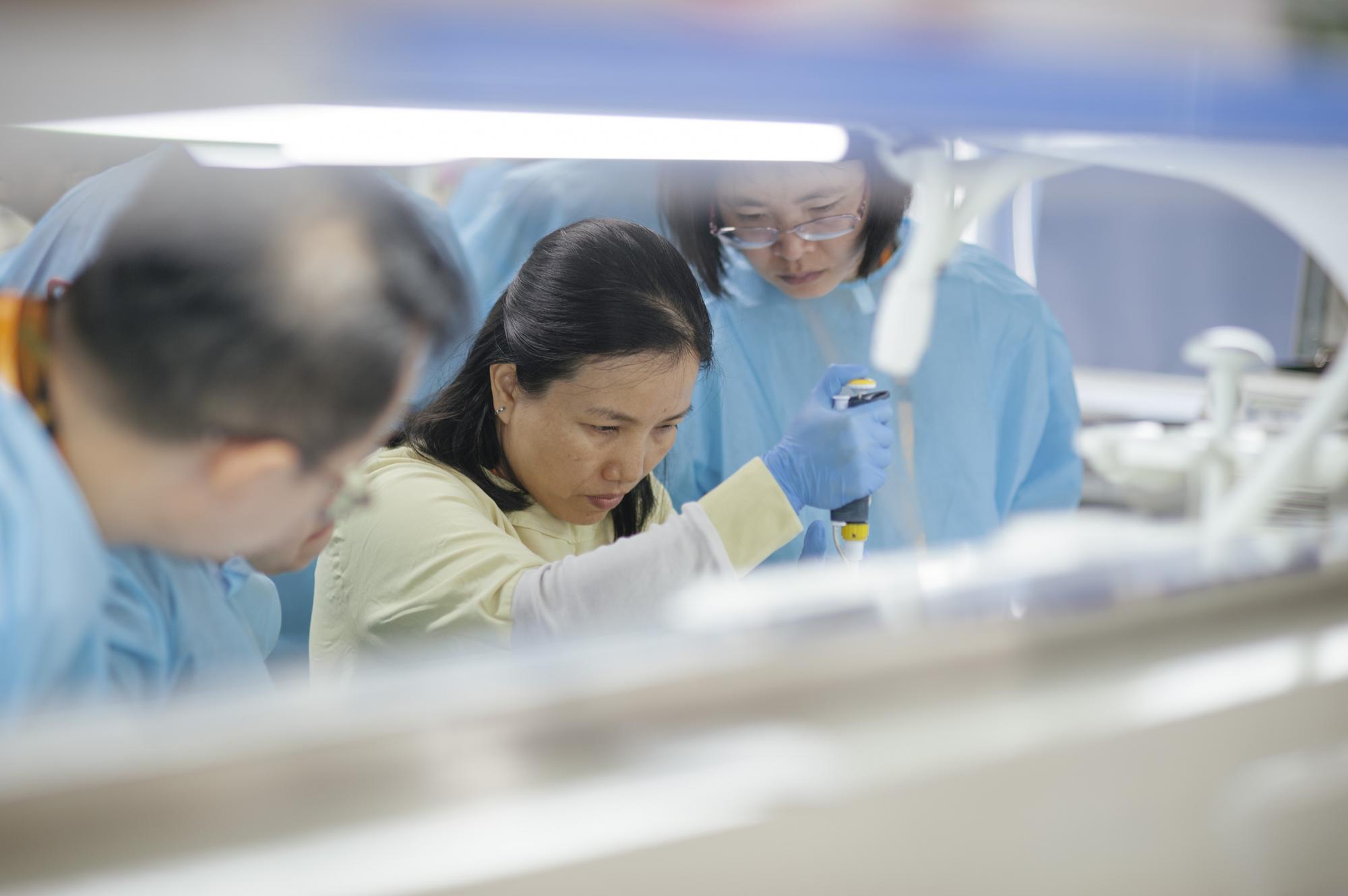
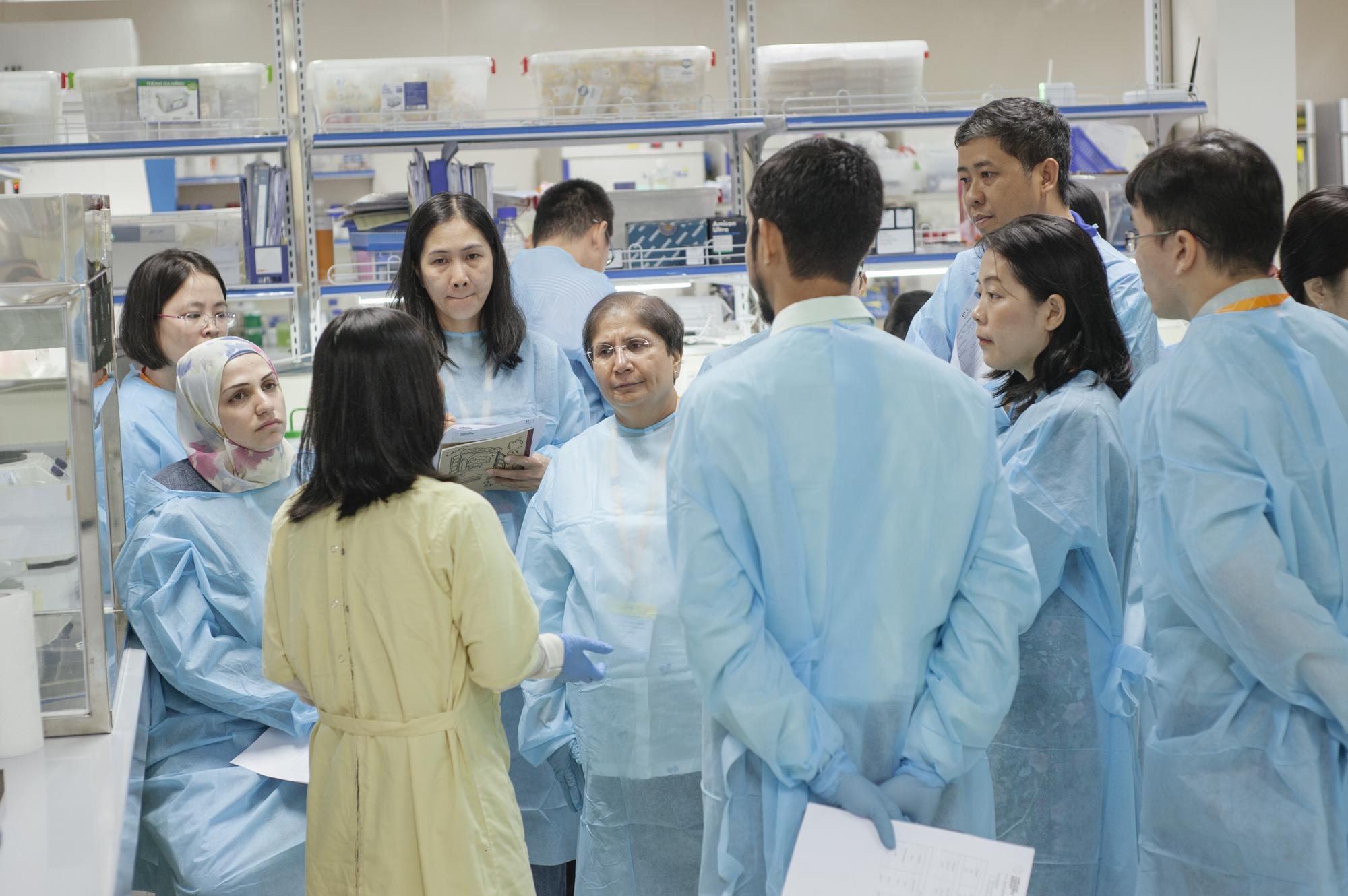
Throughout the week, participants engaged in hands-on training sessions, which included practical computational exercises, case studies, and seminars. These activities were designed to provide the attendees with real-world applications of bioinformatics tools and techniques for viral genomics research.
The participants joined hands-on training in the lab
“The course helped me understand and use each step, each command, each method and tools to assemble reading fragments into a complete genome sequence of the virus. I was also able to use new tools to build and visualise phylogenetic trees. I think my biggest achievement after this course is that I have learned to analyse sequencing data myself.â€
“The facilities provided to us for the course by OUCRU were excellent and the local organisers and trainers were extremely helpful, enabling us to run a successful course,†Martin Aslett, Wellcome Connecting Science Learning and Training Informatics Manager commented.
The event not only served as a platform for learning and exchange of cutting-edge scientific knowledge but also fostered networking among participants from various Asian countries, enhancing regional collaborations in viral research and contributing to global efforts in understanding and combating infectious diseases through scientific research and capacity building.
The study focused on a simple but crucial question: Can measuring the levels of two substances in a pregnant woman’s body (IGFBP4 and SHBG) help predict if her baby will be born too early? The result could give us an early warning sign of preterm birth, a serious concern for health professionals and expectant families worldwide.
Dr Evelyne Kestelyn, Head of the Clinical Trials Unit at OUCRU, commented on the success of the study: “The remarkable international partnership involving researchers from US, UK, and Vietnam, as well as the concerted efforts of OUCRU and Tu Du Hospital, was instrumental in testing this biomarker in a diverse population beyond just the US. This makes the findings more applicable and credible within the Southeast Asian context.”
The study successfully recruited 5,000 participants, with an exceptionally low number of loss-to-follow-up cases, totalling only 12. Additionally, there were 4 withdrawals, which is minimal considering the scale of the study. The study’s high retention rate underscores the commitment and effectiveness of the collaborative team in conducting large-scale clinical research in the region.
The validation of this biomarker in a Vietnamese setting is particularly significant given the differing genetic, nutritional, and environmental factors that can influence maternal and neonatal health outcomes compared to Western populations. By testing the biomarker in this context, OUCRU and its partners have taken a major step in ensuring that the prognostic tool is robust, culturally sensitive, and suitable for wider applications across Southeast Asia.
The study’s findings hold the potential to transform the management of pregnancies at risk of preterm birth in the region. With further research and the establishment of appropriate thresholds for the IGFBP4/SHBG ratio, this biomarker could enable early intervention and the application of preventive strategies to improve the health of mothers and their babies.
Dang Trong Thuan, Research Operations Manager at OUCRU, documented the years-long study in this video Â
The delegation, led by Associate Professor Tang Chi Thuong, Director of the Ho Chi Minh City DoH, engaged in a week-long series of meetings and discussions in Oxford and London, exploring various models for supporting healthcare innovation and training. The DoH aims to use the learnings from this visit to transform Ho Chi Minh City into a leading health innovation hub for Vietnam and the broader region.Â
“The health sector in Ho Chi Minh City acknowledges and values OUCRU’s efforts, as well as the support from Wellcome, in the city over the last three decades. Establishing Ho Chi Minh City as a health innovation hub aligns with our strategic direction, and we hope to become a key healthcare hub in the ASEAN region,†Associate Professor Tang Chi Thuong shared during the visit.
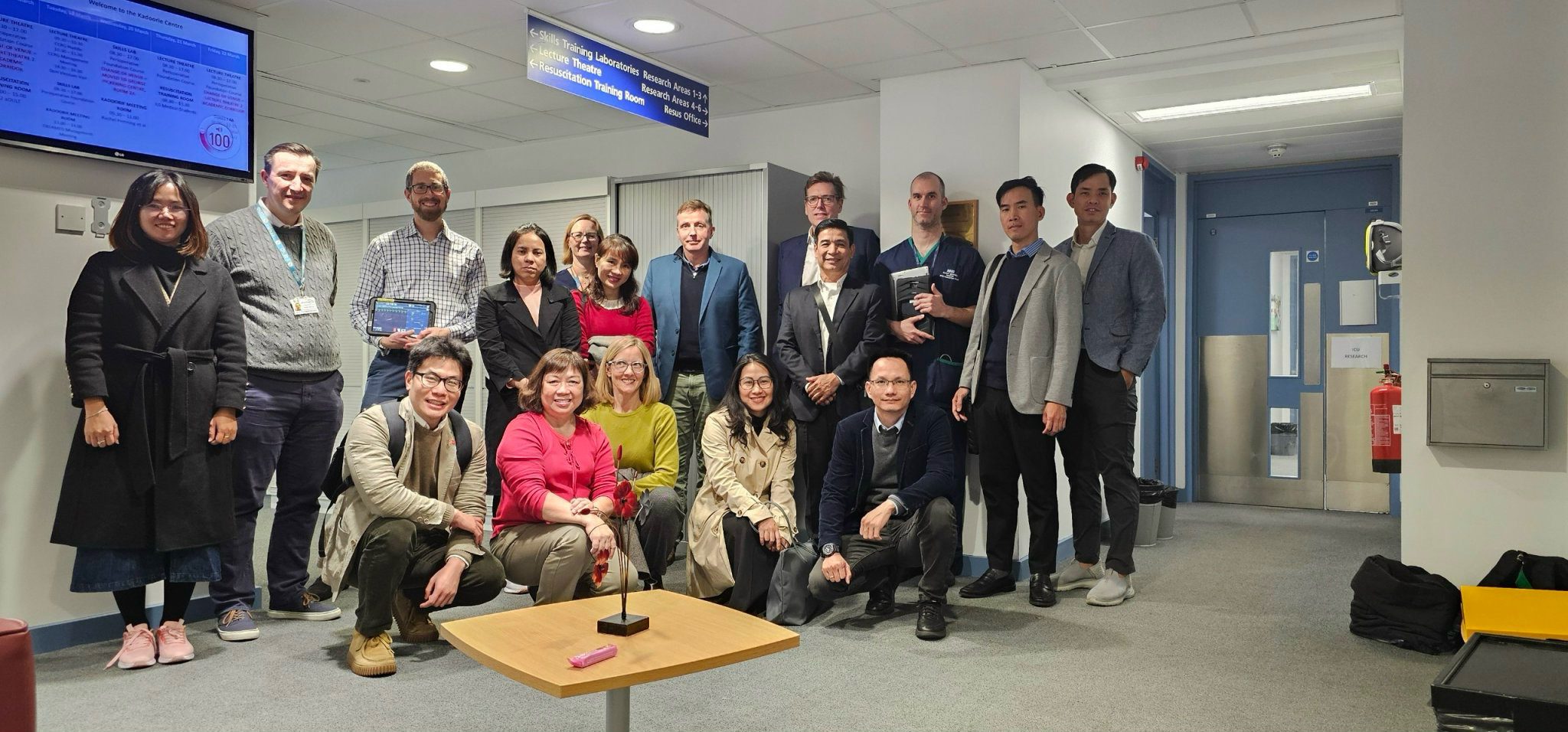
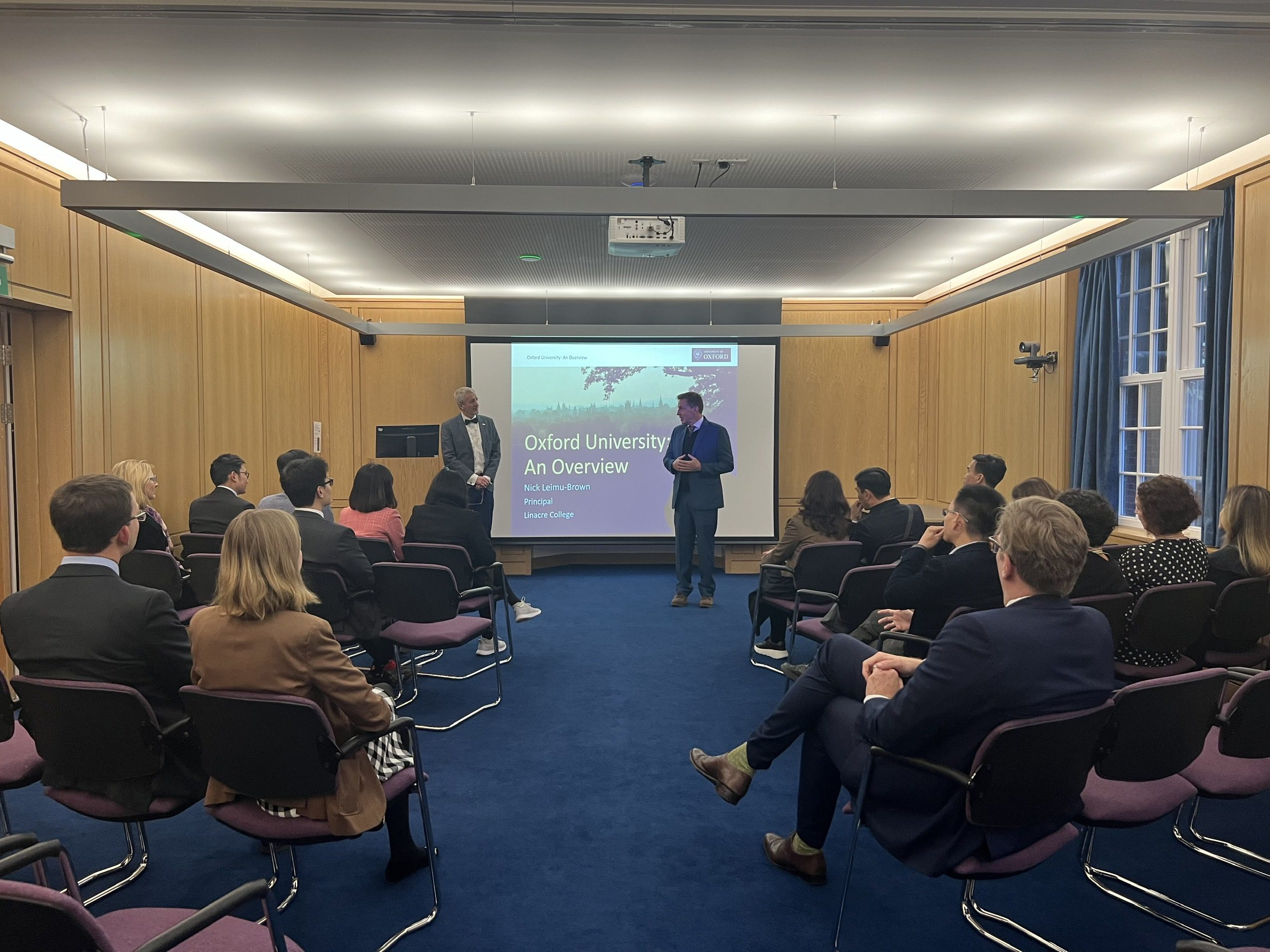
Throughout the visit, delegates met with a range of UK experts in healthcare innovation, including experts from Oxford University, King’s College London, University of Surrey, and some healthcare innovation companies. These interactions aimed to foster knowledge sharing that could help shape the future of healthcare in Ho Chi Minh City. They discussed various topics related to healthcare innovation, including the development of new technologies, the delivery of better clinical care, and the training of healthcare professionals.Â
The delegation meeting at Linacre College, University of Oxford
“As Ho Chi Minh City seeks to build on the excellent foundations of its health sector, I am proud of the collaboration between the UK Government and Ho Chi Minh City Department of Health in support of the City to become a regional health innovation hub in South East Asia,†British Consul-General in Ho Chi Minh City Emily Hamblin shared at the project’s launch event in October 2023. Â
The visit programme was organised by OUCRU in partnership with KPMG, leveraging both organisations’ deep industry experience and technical knowledge. OUCRU brought to the table its longstanding history of locally-driven infectious disease research programme in Asia. KPMG contributed with its broad expertise in business management, particularly in the Life Sciences sectors, and a profound understanding of Vietnam’s business landscape.Â
“We are honoured to work with the Ho Chi Minh City Department of Health and share with them the wealth of knowledge and innovation from the UK’s healthcare sector. We believe that this visit will lay the groundwork for future collaborations and advancements in healthcare in Vietnam,” said Professor Guy Thwaites, Director of OUCRU. Â
The visit also offered an opportunity for the delegates to immerse themselves in the rich cultural environment of the UK, with planned visits to renowned Oxford institutions, museums, and local establishments, ensuring a blend of professional and social engagement.
The delegation has now returned to Ho Chi Minh City with a wealth of knowledge and ideas. The DoH is now working to develop a plan to implement some of the best practices that they learned, with the aim to transform Ho Chi Minh City into a regional healthcare hub in Southeast Asia.
This collaborative effort to foster innovation in global health was bolstered by the support of the UK Government, which has provided a grant to fund this health innovation initiative. The UK’s investment in the project reflects a shared vision of enhancing healthcare outcomes through strategic innovation and research, ultimately benefiting the wider community in Southeast Asia and beyond.