Blog

  • Improving antibiotic stewardship in resource-limited areas: A success story from Phu Tho, Vietnam

    Addressing the global health crisis 

    Antimicrobial resistance (AMR) is a growing global health emergency that threatens to reverse decades of medical progress. In Vietnam, the issue is particularly acute in underserved regions, where healthcare resources are often limited and diagnostic tools are scarce.  

    In Phu Tho, a province in northern Vietnam, districts like Ha Hoa, Yen Lap, and Tan Son are particularly vulnerable due to the lack of microbiological facilities. This absence of essential laboratories forces patients to travel to provincial hospitals for testing, a barrier that delays diagnosis and treatment.  

    Without proper diagnostic tools, doctors frequently prescribe antibiotics based solely on symptoms and clinical judgment. This practice inadvertently contributes to the rise of antibiotic resistance at the district level. 
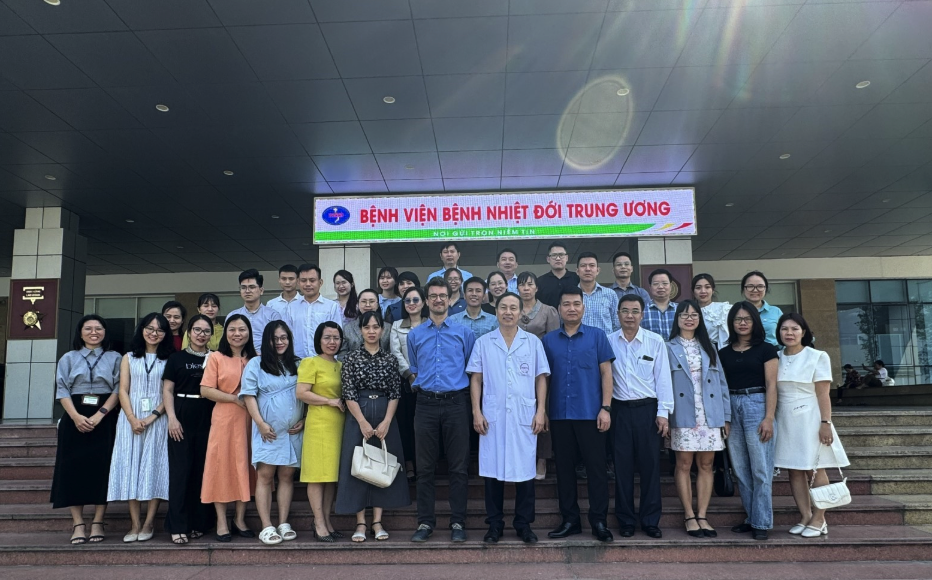
    Representatives from local government, partner hospitals, and participants at the semi-final meeting of the project. 

    To address this issue, OUCRU and the Phu Tho Department of Health have partnered to strengthen antibiotic stewardship in these resource-limited areas. Specifically, the initiative focuses on upgrading diagnostic capabilities and microbiology laboratory solutions in district-level hospitals. 

    On November 19, 2024, a semi-final meeting was held to celebrate the project’s positive impact on patient care, antibiotic resistance control, and healthcare practices. Attendees included Dr Nguyen Thanh Ha, Deputy Director of the National Hospital of Tropical Diseases, and representatives from Phu Tho’s Department of Health and provincial hospitals. 

    Improved patient care through data-driven decisions 

    Since 2022, the project introduced two microbiology solutions tailored to the specific needs of each study site. In Ha Hoa district, a Mini-lab was set up, offering ready-to-use diagnostic testing for sterile samples (e.g., blood, urine, sterile fluids) directly at the district level.  

    In Yen Lap and Tan Son districts, a Hub-and-Spoke model was implemented, allowing samples to be sent to a centralised, higher-level laboratory at the provincial hospital for testing. 

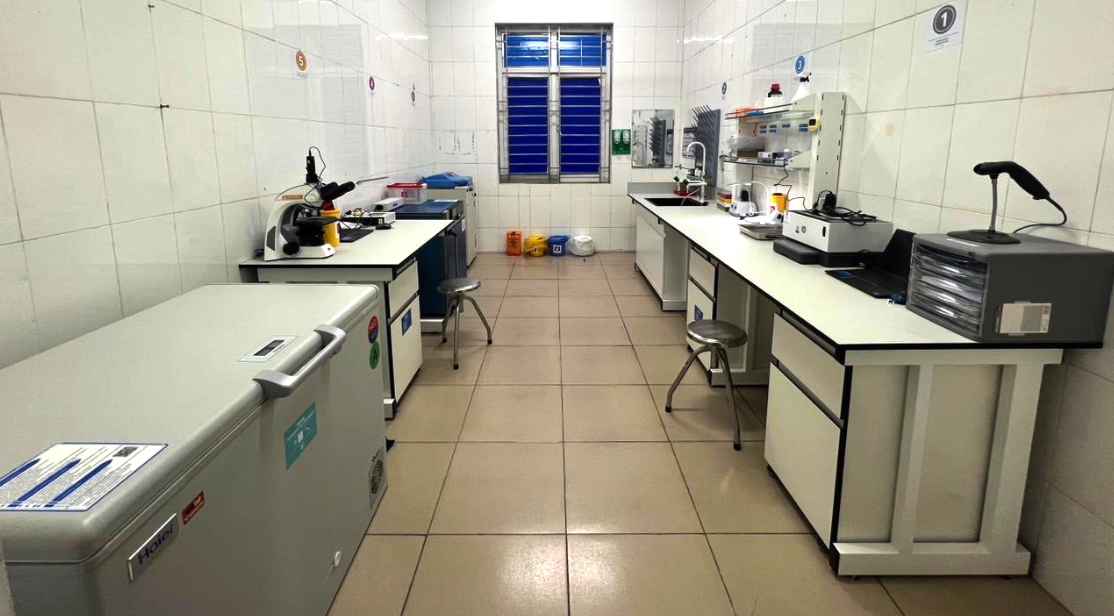
    Mini-lab at Ha Hoa District Health Centre allows microbiology tests to be done at the district level. 

    These solutions offer healthcare providers precise data on bacterial identification and antibiotic susceptibility, enabling more targeted treatment decisions. As a result, doctors can select antibiotics that are specifically effective against the bacteria causing the infection, leading to improved patient care. 

    This data-driven approach reduces reliance on broad-spectrum antibiotics, minimising the risk of fostering antibiotic-resistant bacteria. Ultimately, it favours the de-escalation of therapy when appropriate and reduces unnecessary antibiotic overuse.  

    “The availability of microbiology testing at my hospital has changed my approach to treatment. Ordering microbiology tests immediately upon admission has now become a routine practice.” 

    Dr Tran Thu Hoai, local physician.

    Building capacity through training 

    Beyond technological upgrades, the project equipped healthcare professionals with essential training in critical areas such as antimicrobial stewardship, clinical microbiology, ethical research conduct, and infection prevention and control. 

    The focus on building local capacity ensures that healthcare providers are not only supported with the necessary tools but also equipped with the knowledge to improve antibiotic use and infection control in their daily practices. 

    By offering hands-on training, the project has empowered healthcare professionals to make informed, evidence-based decisions that improve patient outcomes and help slow the spread of AMR. 

    “Thanks to the training programmes of the UMAMIS study, surgeons have changed their perspectives and are now cooperating to implement guidelines for antibiotic prophylaxis in clean surgeries at district health centres,” said clinical pharmacist Nguyen Thi Quynh Huong. 

    A sustainable model for the future 

    Following the conclusion of the project, the district health centres in Ha Hoa, Yen Lap, and Tan Son are committed to maintaining the improvements achieved through this initiative.  

    Studies are in place to ensure the ongoing operation of the Mini-lab, integrate microbiology testing into routine clinical pathways, and expand the range of microbiological tests available at the district level. 

    “This project has proven that, in resource-limited settings, it is not only possible to implement microbiology testing, but that it supports the antimicrobial stewardship programme and vice-versa.”

    Dr Thomas Kesteman, Principal Investigator.
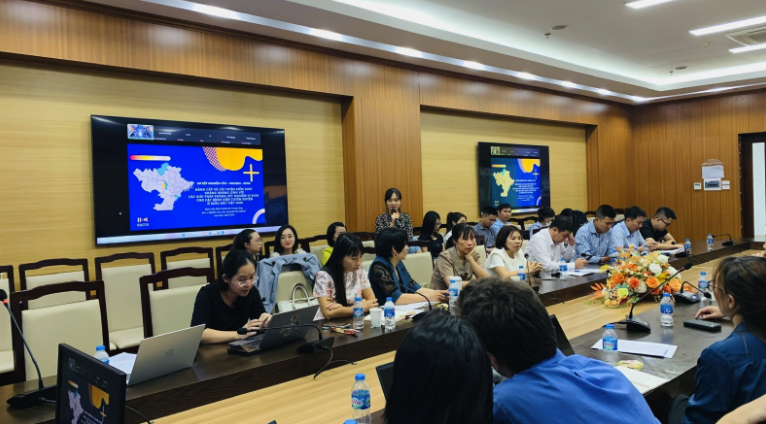
    Participants engage in discussions and share insights on key outcomes. 

    “Preliminary results showed a reduction in antibiotic use, both hospital-wide and in the surgical department,” added Dr Vu Thi Lan Huong, Principal Investigator. “These results have the potential to inform policymakers and funders about the implementation model combining AMS with microbiological interventions. Further analyses are being conducted to assess the impact in more detail.”  

    “Looking ahead,” commented Dr Luong Duy Dong, Vice Director of Ha Hoa District Health Center, “we hope to maintain the microbiology laboratory at the centre and research collaborations with OUCRU.”  

    The ongoing commitment to training and collaboration is crucial for sustaining these improvements and creating a self-sustaining cycle of knowledge transfer and improved healthcare outcomes. 

    ***

    About the project 

    The project “Upgrading and Amplifying Antimicrobial Resistance Control with Microbiology Laboratory Solutions for District Hospitals in Phu Tho, Vietnam” is part of a larger initiative, “Extending Antimicrobial Stewardship Programmes to Underserved Clinical Activities: Outpatient Departments and Hospitals Without Bacteriology Capacity in Vietnam.” 

    This ambitious initiative seeks to expand the reach of antimicrobial stewardship programs and enhance AMR control in underserved areas of Vietnam, particularly in outpatient clinics and district hospitals that lack the infrastructure for microbiological testing. 
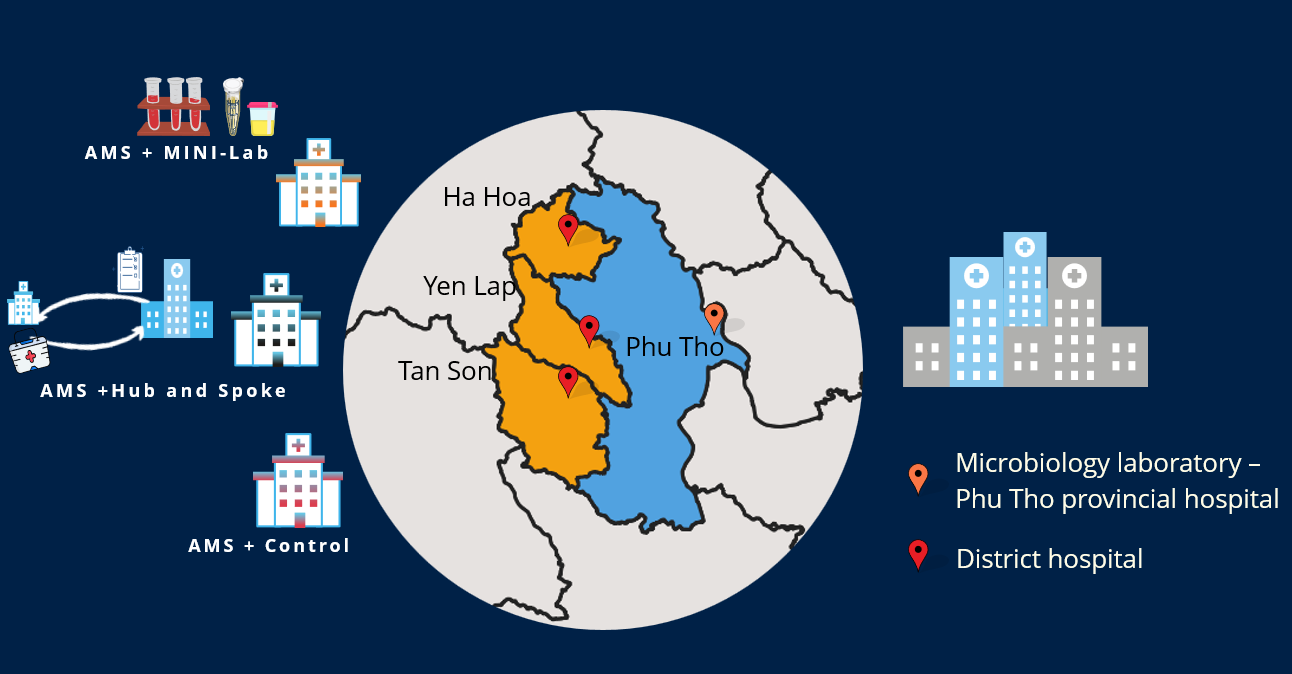
    Project study sites and study design 

    Dr Thomas Kesteman is the Project Lead cum Principal Investigator and Dr Vu Thi Lan Huong is the Co-investigator.  

    Funded by Pfizer Global Medical Grants and Global Bridges at Mayo Clinic, and running from January 2022 to September 2024, the project is being implemented in collaboration with the National Hospital of Tropical Diseases, two provincial hospitals (Vietnam – Sweden – Uong Bi Hospital and Dong Thap Provincial Hospital), and three district hospitals in Phu Tho (Ha Hoa, Tan Son, and Yen Lap). 
  • Người trẻ đóng vai trò quan trọng trong Phòng chống Kháng Kháng Sinh

    Người trẻ đóng vai trò quan trọng trong Phòng chống Kháng Kháng Sinh

    Kháng kháng sinh (KKS) là một cuộc khủng hoảng sức khỏe và kinh tế-xã hội toàn cầu. Kháng Kháng sinh có thể xảy ra với bất kỳ ai, ở bất cứ đâu, ảnh hưởng lớn đến sức khỏe con người, động vật, và môi trường. Dù tác động vô cùng lớn, thế giới vẫn còn nhiều việc phải làm để nâng cao nhận thức của công chúng nói chung và các bên liên quan nói riêng. Một cuộc khảo sát trực tuyến do WHO tổ chức với sự tham gia của gần 200 người thuộc nhiều lĩnh vực như sức khỏe con người, động vật, thực vật và môi trường, đã cho thấy tính cấp thiết và nhu cầu nâng cao nhận thức và khuyến khích hành động từ công chúng.(*)

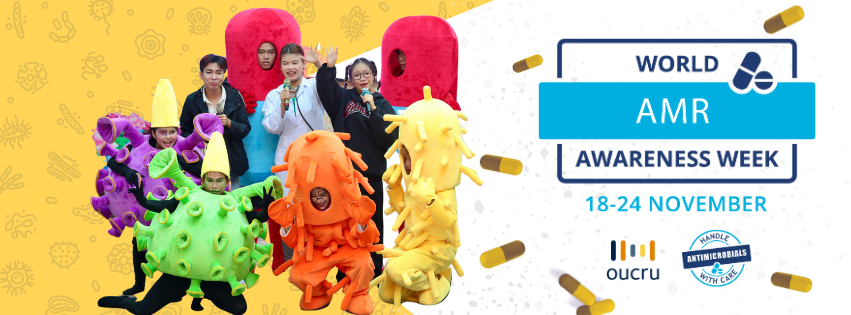
    Hằng năm, WHO chọn tuần lễ ngày 18-24/11 là Tuần lễ Nhận thức về Kháng kháng sinh Thế giới. Chiến dịch năm nay kêu gọi cộng đồng toàn cầu cần có nhiều hành động hơn để truyền tải kiến thức về AMR (giáo dục), vận động cam kết, và thực hiện hành động đối phó.

    Mỗi người trẻ đều có thể trở thành Đại sứ Kháng Kháng Sinh

    Giá»›i trẻ có thể đóng má»™t vai trò quan trọng trong cuá»™c chiến chống lại KKS. Không chỉ là lá»±c lượng nền móng cá»§a tương lai, tại nhiều quốc gia, người trẻ độ tuổi từ 18 – 40 đã và Ä‘ang được hưởng lợi từ chương trình giáo dục quốc gia đổi má»›i, tích hợp nhiều môn khoa học hiện đại, giúp họ dá»… dàng tiếp cận vá»›i nhiều nguồn thông tin chất lượng cao, trong đó có kiến thức về AMR.

    Người trẻ còn là nhóm dân số đông đảo bậc nhất truy cập và sử dụng mạng xã hội, internet, điều này giúp họ trở thành ‘đội ngũ truyền thông’ lý tưởng cho chiến dịch chống Kháng Kháng Sinh toàn cầu. Với lợi thế giao tiếp hiệu quả thông qua các kênh phổ biến, sử dụng ngôn ngữ phù hợp, và có ảnh hưởng nhất định đến bạn bè, người trẻ có thể làm nên sự khác biệt khi được nâng cao năng lực và trao quyền.

    Dá»± án Tuổi trẻ Phòng chống Kháng kháng sinh (Youth Against Antimicrobial Resistance – YAAR!) là má»™t sáng kiến hướng đến sá»± thay đổi thông qua giáo dục. Cùng vá»›i nhóm Nghiên cứu Hành động Thanh niên, dá»± án đã tạo nên má»™t khung học tập được thiết kế để giáo dục và nâng cao nhận thức về AMR phù hợp vá»›i nhiều nhóm tuổi. Khung này là má»™t công cụ giảng dạy hữu ích tích hợp kiến thức về AMR vào bất cứ chương trình hay hoạt động giáo dục nào, giúp người trẻ trở thành phát ngôn viên chống Kháng Kháng Sinh trong tương lai, cÅ©ng như góp phần thúc đẩy khả năng đưa ra quyết định dá»±a trên khoa học, tìm kiếm tư vấn từ chuyên gia y tế trước khi sá»­ dụng kháng sinh và hiểu tầm quan trọng cá»§a tiêm chá»§ng cá»§a thế hệ này.

    Cùng cách tiếp cận vá»›i YAAR!, từ năm 2022, “Cùng người trẻ chống Kháng Kháng Sinh”, má»™t dá»± án má»›i từ OUCRU Nepal, đã thu hút sá»± tham gia cá»§a thanh niên từ nhiều bối cảnh khác nhau như trường học và các câu lạc bá»™ thanh niên ở Kathmandu.

    Bên cạnh đó, phòng Kết nối Khoa học với Công chúng và Cộng đồng của OUCRU Nepal cũng tổ chức nhiều buổi thảo luận giữa các nhà khoa học và người trẻ, các sự kiện công cộng định kỳ hàng năm thu hút hàng trăm người tham gia, như đua xe đạp, đi bộ marathon, cuộc thi vẽ, cuộc thi hùng biện và các quán cà phê khoa học.

    Nhóm Tư vấn Thanh niên và Nhóm Nghiên cứu Hành động Thanh niên

    Tại OUCRU, người trẻ có thể tham gia và đóng góp ý kiến vào nghiên cứu thông qua các nhóm tư vấn và nhóm nghiên cứu hành động.

    Dá»± án “Cùng người trẻ chống Kháng Kháng Sinh” đã sá»­ dụng mô hình nhóm tư vấn thanh niên để chọn hình thức và tổ chức các sá»± kiện hấp dẫn nÆ¡i thanh niên cùng biểu diá»…n kịch hài, chia sẻ câu chuyện cá nhân, và có những trải nghiệm học tập bổ ích và không nhàm chán.

    Quan điểm của giới trẻ đặc biệt quan trọng cho các dự án chuẩn bị và đối phó với các kịch bản khủng hoảng có thể xảy ra, vì đây chính là thế hệ chịu ảnh hưởng trực tiếp bởi các cuộc khủng hoảng y tế trong tương lai. Trong dự án Sáng kiến Đông Nam Á Chống lại Các Biến thể SARS-CoV-2 (SEACOVARIANTS), Nhóm Nghiên cứu Hành động Thanh niên đóng vai trò quan trọng trong việc xác định khoảng hụt truyền thông giữa chính phủ/các nhà hoạch định chính sách và cộng đồng dễ bị tổn thương. Nhóm đã đề xuất và đang phát triển một khung truyền thông để có thể kết nối hiệu quả hơn với các cộng đồng này trong các tình huống dịch bệnh.

    Điểm mạnh của Giới trẻ: Sáng tạo và Đam mê

    Đại sứ Kết nối vá»›i Khoa học, má»™t dá»± án Kết nối vá»›i Thanh niên cá»§a phòng Kết Nối Khoa Học vá»›i Công chúng và Cá»™ng đồng cá»§a OUCRU, đã mang lại nhiều ý tưởng má»›i mẻ. Collab Lab là má»™t trong những thành tá»±u nổi bật cá»§a nhóm. Chọn mục tiêu giúp các bài báo khoa học về chá»§ đề y tế và môi trường toàn cầu trở nên dá»… tiếp cận và dá»… hiểu hÆ¡n, Collab Lab đã hoạt hình hóa nhiều bài báo khoa học, bao gồm các dá»± án về AMR trong nhiều lÄ©nh vá»±c như bệnh truyền từ động vật sang người, sốt xuất huyết, sốt rét v.v… Các video cá»§a Collab Lab thường bắt đầu bằng má»™t tình huống đời thường quen thuá»™c, sá»­ dụng ngôn ngữ thân thiện, xen kẽ nhiều tiếng lóng hài hước, giúp video dá»… thu hút sá»± chú ý cá»§a giá»›i trẻ hÆ¡n.

    Các hoạt động kết nối với thanh niên của OUCRU không chỉ giới hạn ở việc thành lập các nhóm tư vấn mà còn mở rộng mối quan hệ hợp tác với các trường đại học và các tổ chức thanh niên địa phương để trao quyền cho giới trẻ phát triển và triển khai các giải pháp cho chính cộng đồng của họ.

    Nhóm Kết Nối Khoa Học vá»›i Công chúng và Cá»™ng đồng cá»§a OUCRU tại Indonesia đã phối hợp vá»›i CIMSA, tổ chức há»— trợ sinh viên y khoa được thành lập từ năm 2001, thá»±c hiện loạt video phỏng vấn 3 phút vá»›i sá»± tham gia cá»§a nhiều nhóm tuổi bao gồm nhóm 18-25 tuổi và nhóm 26-45 tuổi. Video sẽ đề cập đến vấn đề lạm dụng kháng sinh ở người và khuyến khích việc sá»­ dụng kháng sinh có trách nhiệm, nhằm giúp nâng cao nhận thức và hướng đến giải quyết tình trạng sá»­ dụng thuốc không kê đơn ở Indonesia, nÆ¡i mọi người thường sẽ Ä‘i mua “mấy viên thuốc” má»—i khi cảm thấy không khỏe.

    Giới trẻ sẽ là lực lượng then chốt trong hành trình vận động thay đổi hành vi

    Cùng OUCRU nhìn lại các sản phẩm truyền thông từ hoạt động kết nối công chúng và cộng đồng để hỗ trợ phòng chống kháng kháng sinh tại đây.

    Thông qua các hoạt động này cũng như nhiều dự án trong tương lai, OUCRU hướng đến mục tiêu trao quyền cho giới trẻ trở thành những người có ảnh hưởng đến gia đình, bạn bè và cộng đồng địa phương, từ đó lan tỏa thông điệp phòng chống kháng kháng sinh cũng như thúc đẩy quá trình từ bỏ hành vi xấu, thiết lập các hành vi sử dụng kháng sinh phù hợp.

  • The Important Role of Young People in Tackling AMR  

    The Important Role of Young People in Tackling AMR  

    Antimicrobial resistance (AMR) is a growing global health and socioeconomic crisis. Regardless of its impact on human and animal health, food production, and the environment that could happen to everyone, everywhere, there’s still much to be done to raise public and stakeholder awareness. A global online survey of nearly 200 stakeholders from human, animal, plant, and environmental health sectors also highlighted the need for increased public awareness and action.(*)  
     
    November 18-24 is chosen to be World AMR Awareness Week. This year’s campaign calls on the global community to educate about AMR, advocate for commitments, and take actions in response.  
     
    Young people are ideal AMR Ambassadors  
     
    Young people are an essential demographic in the fight against AMR. Not only are they the future, but in many contexts, they’ve benefited from science-focused national educational programmes, allowing them access to evidence-based information, including AMR knowledge, thereby becoming AMR advocates.  
     
    Young people’s frequent presence on online forums and influential platforms such as social media networks makes them ideal ambassadors for spreading scientific information and awareness about AMR. When empowered, they can effectively communicate with and influence their peers through common channels, using language that appeals to them.  
     
    Aiming to drive change through education, Youth Against AMR (YAAR!) project uses a learning framework designed to advocate for AMR awareness at different levels of complexity for several age groups. This framework is a great tool to nurture young people, turn them to be our spokespeople, promote public health and science-based decisions such as seeking medical advice before using antibiotics and understanding the importance of vaccinations.  
     
    Sharing YAAR’s approach, “Fighting AMR with Youth,” a new project from OUCRU Nepal, has been engaging youths from diverse backgrounds—including schools, universities, and youth clubs across the Kathmandu Valley—since 2022.  
     
    Using interactive approaches, OUCRU Nepal’s Public and Community Engagement team has conducted several sessions between experts and youths, as well as organised public events that attract hundreds of people, such as cycle rallies, walkathons, doodle competitions, oratory competitions, and science cafés.  
     
    Youth Advisory Board and Youth Action Research Group  
     
    OUCRU encourages young people’s participation through advisory boards and action groups.  
     
    The “Fighting AMR with Youth” project receives strong support from its Youth Advisory Board. Discussions with the board helped the team organised engaging events where youth performed funny plays and share personal stories, ensuring impactful and entertaining learning experiences.  
     
    Young people’s perspectives are especially important for future preparedness, as they’ll be directly affected by future health crises. In the Southeast Asia Initiative to Combat SARS-CoV-2 Variants (SEACOVARIANTS) project, the Youth Action Research Group plays an important role in identifying communication gaps between policymakers and hard-to-reach communities. They’re developing a framework for effective communication and engagement in future public health epidemics.  
     
    Young People’s Strengths: Creativity and Passion  
     
    Youth Science Ambassadors, another Youth Engagement project of OUCRU’s Public and Community Engagement, has brought fresh ideas to the table. Collab Lab is one of their achievements. As part of the project’s mission to make scientific publications more accessible and understandable, Collab Lab has animated several publications from OUCRU and other research institutes, including projects on AMR in fields such as zoonosis, dengue, and malaria. Collab Lab’s videos typically begin with a relatable situation using informal, youth-friendly language and humorous slang, helping to capture young people’s attention.  

    OUCRU’s youth engagement isn’t limited to establishing in-house groups; we also partner with local universities and youth organisations to empower young people to develop and execute solutions themselves.

    OUCRU’s Public and Community Group in Indonesia has reached out to CIMSA, an organisation supporting and empowering medical students since 2001. With OUCRU’s support, CIMSA members will create a series of 3-minute videos interviewing several people, including young people aged 18-25 and members of the general public aged 26-45. The video will not only look into general understanding of antibiotics, but also address the general behaviours and the problem of antibiotic misuse among Indonesians, thereby promote responsible use, aiming to tackle the common situation in Indonesia where people often buy “a few pills” whenever they feel unwell.

    CIMSA-OUCRU’s video also features reactions from Dr Robert Sinto, Sp.PD, K-PTI, DPhil, Scientist, OUCRU Indonesia and RSCM FK UI.

    We may face what’s called the Post-Antibiotic Era, an era where we have antibiotics, but none that can effectively kill even simple bacteria. This is referred to as the “silent killer,” as the world is gradually heading toward such a state without us realising it.

    – Dr Robert Sinto, Sp.PD, K-PTI, DPhil

    For some people, antibiotics are used for general medications every time they’re sick. Is using antibiotics for simple infection good or bad? How do actually antibiotics work until they can become resistant? How can we restrain antimicrobial resistance before facing the post-antibiotic era?  

    Behavioral change can be advocated through young people.

    For World AMR Awareness Week 2024, let’s have a look at young people’s achievements in the fight against AMR alongside OUCRU’s researchers.

    By building young people’s capacity and empowerting them to implement these initiatives, we aim to let them to influence their families, friends, and local communities, thereby amplifying the message and leading to long-term habit changes.

    Have a look at all Public and Community Engagement AMR materials produced by and for young people as well as local community here.

  • Indonesia Hadapi Kesenjangan dalam Program Antibiotik RS, Temuan Studi Universitas Indonesia dan OUCRU Indonesia

    Indonesia Hadapi Kesenjangan dalam Program Antibiotik RS, Temuan Studi Universitas Indonesia dan OUCRU Indonesia

    19 November 2024 – Studi nasional yang dipimpin Fakultas Kedokteran Universitas Indonesia (FKUI) dan OUCRU Indonesia menemukan bahwa 9 dari 10 rumah sakit dari 575 sampel yang tersebar di 34 provinsi sudah memiliki Program Pengelolaan Antimikroba (ASP). Namun, hanya sekitar setengahnya yang memiliki program ASP yang kuat dan fungsional.

    Program Pengelolaan Antimikroba (Antimicrobial Stewardship Programme–ASP) adalah inisiatif rumah sakit yang berguna memastikan antibiotik dipakai secara tepat, saat benar-benar diperlukan, untuk mencegah infeksi yang resisten obat dan menjaga keefektifan antibiotik untuk pasien di masa mendatang.

    Studi ini menemukan berbagai hambatan signifikan dalam program ASP, termasuk keterbatasan akses ke layanan laboratorium mikrobiologi, keterbatasan anggaran serta staf untuk mengadakan kegiatan ASP, struktur rumah sakit yang hierarkis, dan kurangnya kolaborasi antardepartemen di rumah sakit. Studi ini menemukan bahwa hambatan-hambatan tersebut paling dirasakan oleh rumah sakit-rumah sakit di daerah dengan Indeks Pembangunan Kesehatan Masyarakat dan pengeluaran rumah tangga per kapita yang rendah.

    Studi yang disebut NASPA ini bertujuan untuk menilai bagaimana ASP dijalankan di Indonesia, mengidentifikasi tantangan yang dihadapi nakes, dan memberikan rekomendasi untuk memperkuat program-program ASP, baik di rumah sakit pemerintah maupun swasta. Studi ini mengadakan survei di 34 provinsi di Indonesia dan diskusi kelompok terarah dengan berbagai jenis RS, yaitu tipe pemerintah serta swasta, tingkat tinggi hingga rendah (A-D), dan RS di lokasi yang berbeda-beda.

    Foto kamar pasien di rumah sakit sebagai ilustrasi. Kredit: Pixabay dari Pexels.

    Kesenjangan dan Hambatan Teridentifikasi

    Robert Sinto, dr., peneliti pertama studi ini, menjelaskan, “Banyak rumah sakit kecil dan terpencil mengalami kekurangan sumber daya penting seperti anggaran, staf, laboratorium mikrobiologi, dan dukungan IT untuk mendukung pengumpulan data yang berkualitas tinggi.” Dia menambahkan bahwa beban kerja tinggi dan pergantian staf yang sering terjadi semakin membatasi waktu dan energi yang bisa dicurahkan nakes untuk kegiatan ASP sehingga programnya sulit dijalankan secara konsisten. Struktur yang hierarkis juga menghambat kolaborasi karena “staf junior mungkin ragu-ragu untuk mempertanyakan praktik peresepan obat dokter senior.” Dia juga mencatat, “Beberapa penyedia layanan kesehatan enggan untuk mengubah kebiasaan peresepan obat mereka. Banyak spesialis swasta sangat resisten terhadap pedoman ASP.”

    Riset ini juga mencatat bahwa pedoman ASP nasional sudah ada dan kemajuan sudah mulai tercapai, “tetapi peraturan yang lebih kuat masih diperlukan untuk menjadikan ASP sebagai prioritas, menetapkan standar minimum, dan memberikan metode evaluasi yang jelas,” tegas Assoc. Prof. Raph L. Hamers, peneliti senior dalam studi ini dan Kepala Program Riset Klinis Penyakit Menular OUCRU Indonesia.

    Jalan Menuju Program Antibiotik RS yang Lebih Kuat

    Meskipun dihadang banyak rintangan, penelitian ini juga mengidentifikasi berbagai faktor pendukung yang dapat membantu memperkuat program ASP di Indonesia. Salah satu faktor yang paling penting adalah dukungan kepemimpinan yang kuat. “Rumah sakit yang memiliki dukungan pendanaan dan manajemen yang memiliki dedikasi jauh lebih berhasil dalam mempertahankan ASP,” kata dr. Sinto.

    Faktor pendukung penting lainnya adalah kolaborasi antarnakes dan pelatihan ASP bagi mereka. “Kerja sama lintasdisiplin antara apoteker, dokter, dan staf pengendalian infeksi terbukti dapat meningkatkan kepatuhan terhadap protokol ASP dan penggunaan antibiotik,” jelas Prof. Anis Karuniawati, salah satu peneliti dalam studi ini dan ahli mikrobiologi klinis di FK UI.

    Riset ini juga memberikan panduan berharga bagi para pembuat kebijakan. Pelajaran yang ditemukan studi ini termasuk pentingnya standar nasional yang jelas, dukungan pendanaan yang lebih baik, dan pelatihan untuk membantu rumah sakit mengatasi hambatan yang ada.

    Studi NASPA merupakan kolaborasi antara Fakultas Kedokteran Universitas Indonesia, Rumah Sakit Cipto Mangunkusumo, Monash University Indonesia, Direktorat Bina Mutu Pelayanan Kesehatan Kementerian Kesehatan RI, Mahidol Oxford Tropical Medicine Research Unit, dan Mahidol University. Pendanaan disediakan oleh Wellcome [106680/Z/14/Z].

  • Nghiên cứu má»›i: Quản lý kháng sinh tại bệnh viện Indonesia còn nhiều hạn chế

    Nghiên cứu mới: Quản lý kháng sinh tại bệnh viện Indonesia còn nhiều hạn chế

    Ngày 19 tháng 11 năm 2024 – Một nghiên cứu quốc gia do Khoa Y, Đại học Indonesia (FMUI) và OUCRU Indonesia thực hiện đã phát hiện ra rằng, trong số 575 bệnh viện mẫu ở 34 tỉnh thành của Indonesia, có 9 trên 10 bệnh viện đã triển khai Chương Trình Quản Lý Kháng Sinh (Antimicrobial Stewardship Programme – ASP) chính thức. Tuy nhiên, chỉ một nửa trong số đó có khả năng triển khai chương trình quản lý kháng sinh toàn diện và hiệu quả.

    Chương trình Quản lý Kháng sinh (ASP) là sáng kiến của bệnh viện nhằm đảm bảo việc sử dụng kháng sinh đúng cách và chỉ khi cần thiết, giúp ngăn ngừa các nhiễm trùng kháng thuốc và bảo vệ hiệu quả của kháng sinh cho các bệnh nhân trong tương lai.

    Nghiên cứu chỉ ra rằng một số rào cản chính trong việc triển khai chương trình quản lý kháng sinh tại các bệnh viện bao gồm: hạn chế về khả năng tiếp cận dịch vụ vi sinh, thiếu nguồn lực và nhân lực để thực hiện các hoạt động quản lý kháng sinh, cơ cấu phân cấp trong bệnh viện, và thiếu sự hợp tác giữa các chuyên khoa. Những rào cản này rõ rệt hơn tại các bệnh viện nằm ở các quận có Chỉ số Phát triển Y tế Công cộng thấp và mức chi tiêu bình quân đầu người thấp.

    Nghiên cứu NASPA nhằm đánh giá tình trạng triển khai ASP trên toàn quốc, xác định những thách thức mà các nhân viên y tế gặp phải, và đưa ra các khuyến nghị để củng cố các chương trình này tại các bệnh viện công và tư nhân. Nghiên cứu đã khảo sát các bệnh viện ở 34 tỉnh và tiến hành các cuộc thảo luận nhóm với nhiều nhóm bệnh viện khác nhau, cả công và tư, các cấp độ bệnh viện từ cao đến thấp (A–D), và các khu vực địa lý khác nhau.

    Ảnh minh họa: Phòng bệnh trong bệnh viện. Nguồn: Pixabay, Pexels.

    Những Lỗ Hổng và Rào Cản Được Nhận Diện

    Tiến sĩ Robert Sinto,tác giả chính của nghiên cứu, cho biết: “Nhiều bệnh viện nhỏ và ở vùng sâu, vùng xa thiếu các nguồn lực thiết yếu như tài chính, nhân lực, phòng thí nghiệm vi sinh và hỗ trợ công nghệ thông tin để thu thập dữ liệu chất lượng cao.” Ông cũng cho rằng khối lượng công việc lớn và sự thay đổi nhân sự thường xuyên khiến nhân viên y tế không có đủ thời gian và năng lượng để tham gia vào các hoạt động của chương trình ASP, làm giảm khả năng duy trì chương trình một cách liên tục. Các cơ cấu phân cấp trong bệnh viện cũng là một rào cản lớn đối với sự hợp tác, vì nhân viên cấp dưới có thể ngần ngại đặt câu hỏi về phương pháp kê đơn của bác sĩ cấp cao”. Ông cũng lưu ý rằng, “Một số y bác sỹngần ngại thay đổi thói quen kê đơn, đặc biệt là nhiều bác sĩ tư nhân còn lưỡng lự trước các hướng dẫn của ASP.”

    Nghiên cứu cũng chỉ ra rằng mặc dù đã có các hướng dẫn quốc gia về ASP và một số tiến bộ đã đạt được, “tuy nhiên, cần có những quy định chặt chẽ hơn để ASP trở thành ưu tiên, thiết lập các tiêu chuẩn tối thiểu và cung cấp các phương pháp đánh giá rõ ràng,” Phó giáo sư Raph Hamers, tác giả chính và Trưởng chương trình nghiên cứu bệnh nhiễm trùng lâm sàng tại OUCRU Indonesia nhấn mạnh.

    Hướng Đi Để Tăng Cường Triển Khai ASP

    Dù gặp phải nhiều thách thức, nghiên cứu cũng đã chỉ ra các yếu tố quan trọng có thể giúp tăng cường triển khai ASP tại các bệnh viện trên toàn Indonesia. Một trong những yếu tố quan trọng nhất là sự hỗ trợ mạnh mẽ từ lãnh đạo bệnh viện. “Các bệnh viện có ngân sách và sự hỗ trợ từ ban quản lý thường thành công hơn trong việc duy trì các chương trình ASP”, Tiến sĩ Sinto cho biết.

    Một yếu tố quan trọng khác là sự hợp tác và đào tạo giữa các nhân viên y tế. “Sự hợp tác giữa các dược sĩ, bác sĩ lâm sàng và nhân viên kiểm soát nhiễm khuẩn đã chứng minh là có tác dụng cải thiện sự tuân thủ các quy trình của ASP và sử dụng kháng sinh,” Giáo sư Anis Karuniawati, đồng tác giả và chuyên gia về vi sinh lâm sàng tại FMUI giải thích.

    Những yếu tố này cung cấp các hướng dẫn quan trọng cho các nhà hoạch định chính sách, nhấn mạnh sự cần thiết phải có các tiêu chuẩn quốc gia rõ ràng, hỗ trợ tài chính tốt hơn và đào tạo để giúp các bệnh viện vượt qua những rào cản hiện tại.

    Nghiên cứu NASPA là sự hợp tác với Khoa Y Universitas Indonesia , Bệnh viện Cipto Mangunkusumo, Đại học Monash Indonesia, Cục Chất lượng Dịch vụ Y tế, Bộ Y tế Indonesia, Đơn vị Nghiên cứu Y học Nhiệt đới Mahidol Oxford và Đại học Mahidol. Nguồn tài trợ được cung cấp bởi Wellcome[106680/Z/14/Z] .

  • Gaps Identified in Indonesian Hospital Antibiotic Stewardship Programmes

    Gaps Identified in Indonesian Hospital Antibiotic Stewardship Programmes

    19 November 2024 – A nationwide study led by Faculty of Medicine Universitas Indonesia (FMUI) and OUCRU Indonesia found that 9 out of 10 hospitals in a sample of 575 across 34 provinces of Indonesia had a formal Antimicrobial Stewardship Programme. But only half of those had reached a development level where they could run a robust, functional stewardship programme.

    An Antimicrobial Stewardship Programme (ASP) is a hospital initiative to ensure antibiotics are used correctly and only when necessary, helping to prevent drug-resistant infections and keep antibiotics effective for future patients.

    Significant barriers to implementing the programmes that were identified included limited access to microbiology services, insufficient resources and staff to perform stewardship activities, hierarchical hospital structures, and lack of collaboration between the different disciplines working in the hospital. The study found that these barriers were most pronounced in hospitals located in districts with the lowest Public Health Development Index and per capita domestic expenditure.

    The NASPA Study aimed to assess the state of ASP implementation across Indonesia, identify the challenges healthcare providers face, and offer recommendations for strengthening these programmes in public and private hospitals. The study surveyed hospitals from across 34 provinces in Indonesia and conducted focus group discussions with a diverse subset of hospitals representing public and private hospitals, high to low tiered levels (A–D), and different geographic regions.

    Patient room in a hospital for illustrative purposes. Credit: Pixabay via Pexels.

    Gaps and Barries Identified 

    Robert Sinto, dr., the study’s first author, explained, “Many smaller and remote hospitals lack essential resources like funding, staff, microbiology labs, and IT support to support high-quality data collection.” He added that high workloads and frequent staff turnover further limited the time and energy healthcare workers can dedicate to ASP activities, making it difficult to maintain consistent programme efforts. Hierarchical structures further hinder collaboration, as “junior staff may hesitate to question senior doctors’ prescribing practices.” He also noted, “Some providers are reluctant to change prescribing habits, with many private specialists especially resistant to ASP guidelines.” 

    The study also highlighted that national ASP guidelines exist and progress has been made, “but stronger regulations are needed to make ASPs a priority, set minimum standards, and provide clear evaluation methods,” stressed Assoc. Prof. Raph Hamers, senior author of the paper and Head of Clinical Infectious Diseases Research Programme at OUCRU Indonesia.

    Path Forward for Stronger ASP Implementation 

    Despite many challenges, the study also identified key enablers that could help strengthen ASP implementation across Indonesia’s hospitals. One of the most important factors is strong leadership support. “Hospitals with dedicated funding and management backing are far more successful at sustaining ASPs,” said dr. Sinto.

    Another critical enabler is collaboration and training among healthcare workers. “Cross-disciplinary teamwork between pharmacists, clinicians, and infection control staff was shown to improve adherence to ASP protocols and antibiotic use,” explained Prof. Anis Karuniawati, a co-author of the paper and an expert in clinical microbiology at FMUI.

    These enablers offer valuable guidance for policymakers, highlighting the need for clear national standards, better funding support, and training to help hospitals overcome existing barriers.

    The NASPA study was a collaboration with Faculty of Medicine Universitas Indonesia, Cipto Mangunkusumo Hospital, Monash University Indonesia, Directorate of Health Services Quality of Indonesian MoH, Mahidol Oxford Tropical Medicine Research Unit, and Mahidol University. Funding was provided by Wellcome [106680/Z/14/Z].

  • Tập huấn MODRA 2: Đưa ý tưởng nghiên cứu vào thá»±c tế

    Tập huấn MODRA 2: Đưa ý tưởng nghiên cứu vào thực tế

    Thành phố Hồ Chí Minh, Việt Nam - Chương trình tập huấn MODRA lần thứ hai đã trang bị cho các nhà khoa học trẻ những kỹ năng thiết yếu để thành công trong việc xin tài trợ và quản lý dự án nghiên cứu. 15 nhà nghiên cứu sau tiến sĩ từ Khóa đầu tiên của MODRA đã được đào tạo chuyên sâu để trình bày ý tưởng nghiên cứu một cách hiệu quả, từ đó tự tin cạnh tranh cơ hội nhận tài trợ lên đến 30.000 USD thông qua Chương trình Hạt giống MODRA.

    Các học viên đã được rèn luyện kỹ năng thuyết trình, bao gồm cách xây dựng cấu trúc bài nói mạch lạc và kể chuyện hấp dẫn. Nhờ những buổi thực hành và nhận được phản hồi từ các chuyên gia, các nhà khoa học trẻ đã tự tin trình bày ý tưởng của mình trước Hội đồng khoa học của Học viện MODRA (AEC).

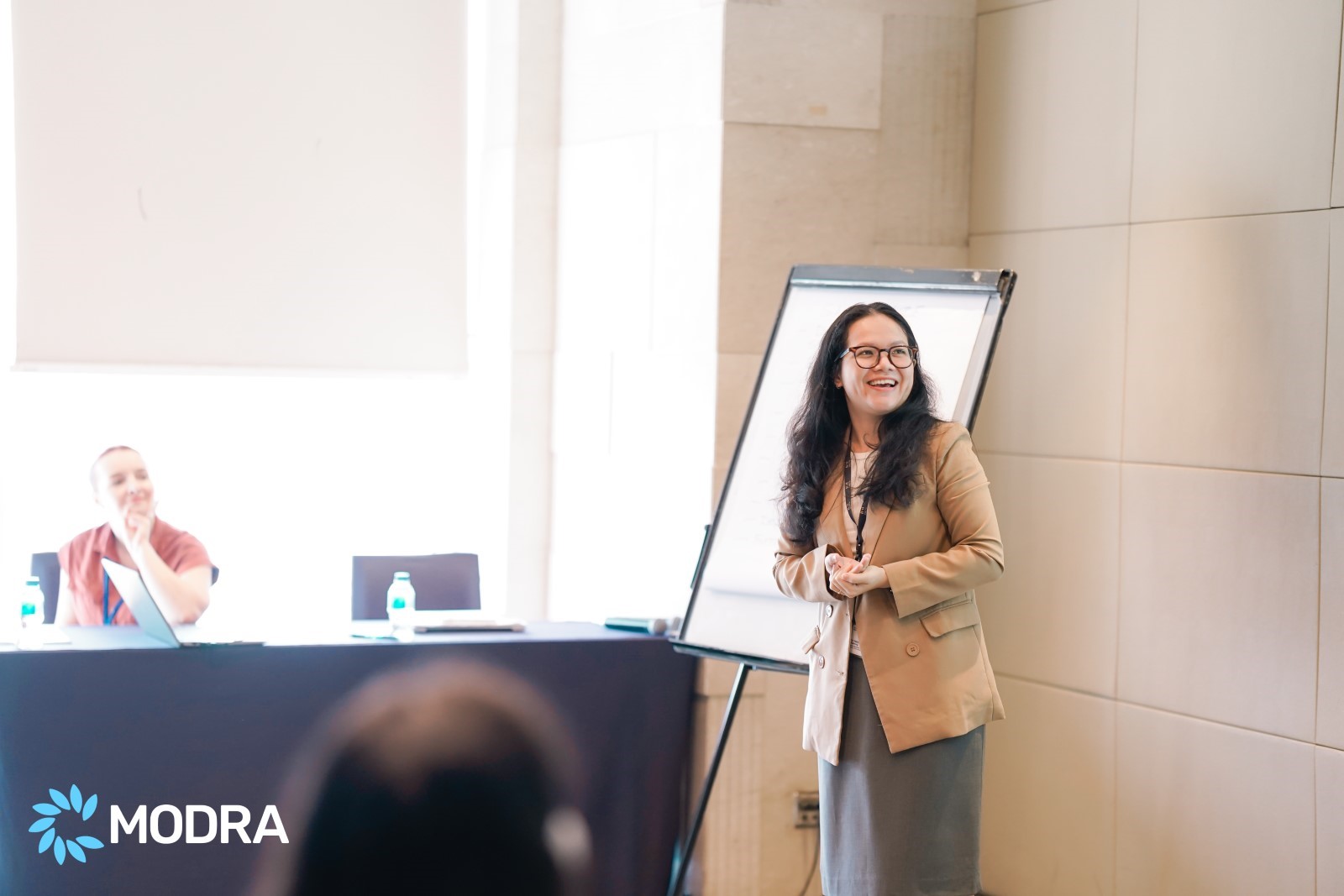
    Chị Ka’ Na Thy Dakrong , Nhân viên Quản lý Quỹ nghiên cứu cá»§a OUCRU, giá»›i thiệu về giai Ä‘oạn chuẩn bị và ná»™p đề cương nghiên cứu

    Chương trình tập huấn đợt 2 chú trọng vào việc giúp các nhà khoa học trẻ chuyển tiếp thành công từ giai đoạn xin tài trợ sang giai đoạn triển khai dự án nghiên cứu. Chương trình đã trang bị cho các học viên những kỹ năng thiết yếu trong quản lý dự án, như lập kế hoạch, giao tiếp với các bên liên quan và quản lý rủi ro, những kỹ năng thường không được chú trọng trong các chương trình đào tạo khoa học chính quy.

    Chương trình tập huấn cũng đề cập đến các khía cạnh quan trọng của quản lý sau khi nhận tài trợ, chẳng hạn như mua sắm, tài chính và đi lại. Khóa đào tạo toàn diện này cung cấp cho học viên các công cụ cần thiết để thực hiện các dự án nghiên cứu có tác động lớn.

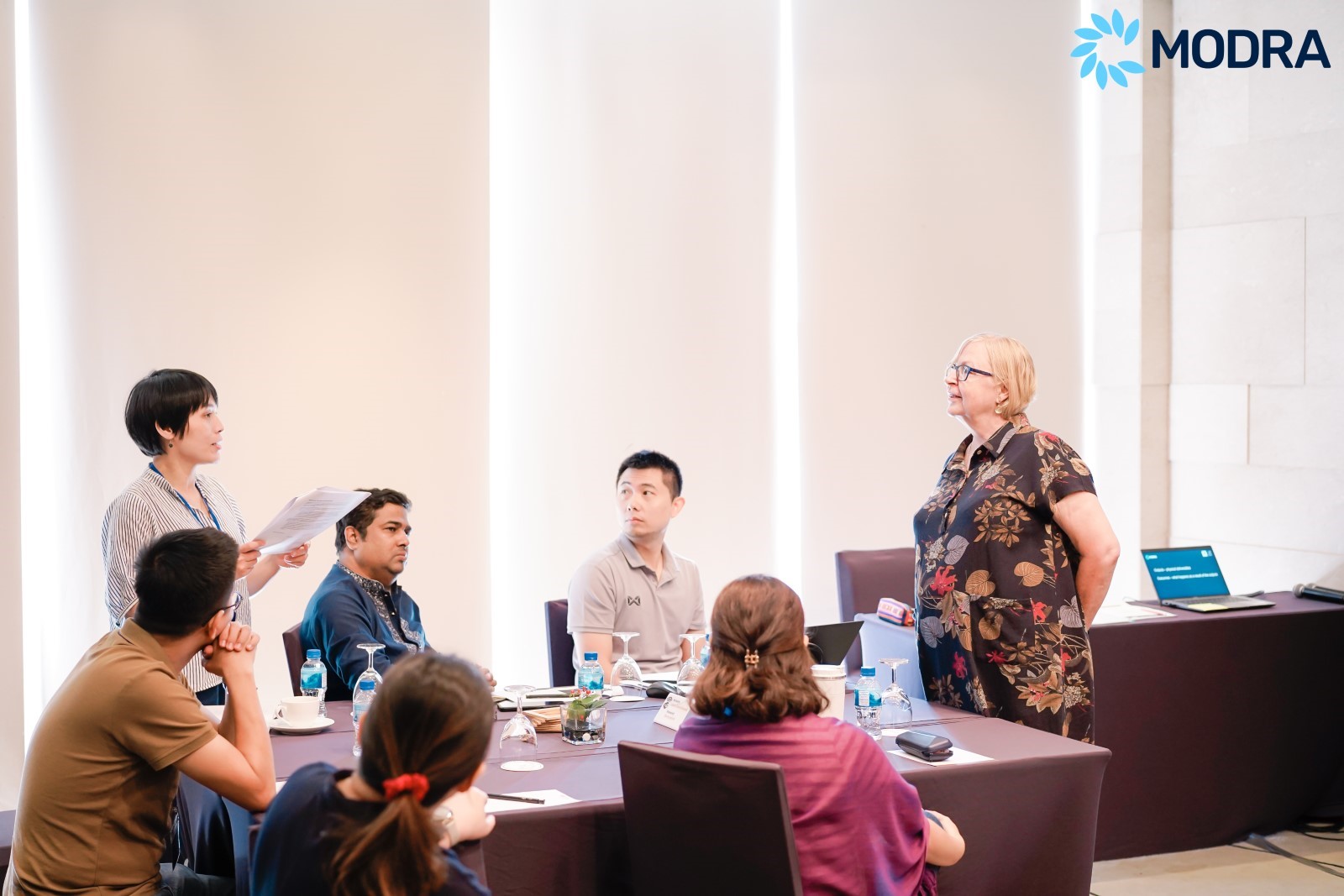
    Bà Gaye Proctor đào tạo các nhà khoa học MODRA về quản lý dự án

    TS Leigh Jones, Giám đốc MODRA, cho biết: “Chương trình Tập Huấn đợt 2 là bước đệm giúp các nhà khoa học trẻ chuyển từ lý thuyết sang thực hành, biến ý tưởng sáng tạo thành những dự án nghiên cứu cụ thể. Các học viên đã được trang bị đầy đủ kiến thức và kỹ năng để tự tin thuyết trình trước hội đồng chuyên môn và lập kế hoạch thực hiện dự án một cách bài bản.

    Điều đặc biệt ở MODRA là chúng tôi đạo tạo các nhà khoa học trẻ mọi khía cạnh của việc quản lý nguồn tài trợ, bao gồm quản lý dự án và tài chính. Các thành viên Khóa I đã nhận được sự trợ giúp nhiệt tình từ các nhóm hỗ trợ nghiên cứu của MORU và OUCRU,. Nhờ những hướng dẫn chi tiết, các bạn đã nắm vững các kỹ năng cần thiết để quản lý dự án một cách hiệu quả. Các nhà khoa học hiếm khi được đào tạo toàn diện như vậy, và mục tiêu của chúng tôi là trao quyền cho những người tham gia để tự tin dẫn dắt các dự án của mình.

    Chúng tôi cÅ©ng rất vui mừng khi thấy cá»™ng đồng MODRA ngày càng lá»›n mạnh, nÆ¡i các thành viên cùng nhau chia sẻ và phát triển.” 

    Tiến sĩ Leigh Jones phát biểu tại Hội thảo MODRA 2

    Tiến sÄ© Nguyá»…n Quang Vinh , Trưởng nhóm MODRA – Việt Nam chia sẻ: “Vá»›i góc độ cá»§a má»™t người nghiên cứu sau tiến sÄ© tôi nhận thấy rằng, việc phát triển nghiên cứu độc lập là má»™t quá trình tích lÅ©y về cả kiến thức chuyên môn và những kÄ© năng về lên kế hoạch cho dá»± án, các thuyết trình, quản lý ngân sách, quản lý thời gian dá»± án.

    Chương trình tập huấn đợt 2 đã cung cấp những kỹ năng cần thiết này và giúp người tham gia tiếp cận một các thực tế, hiểu rõ hơn được tầm quan trọng của những kỹ năng này bằng cách phân tích và quản lý trực tiếp trên những đề cương của họ.

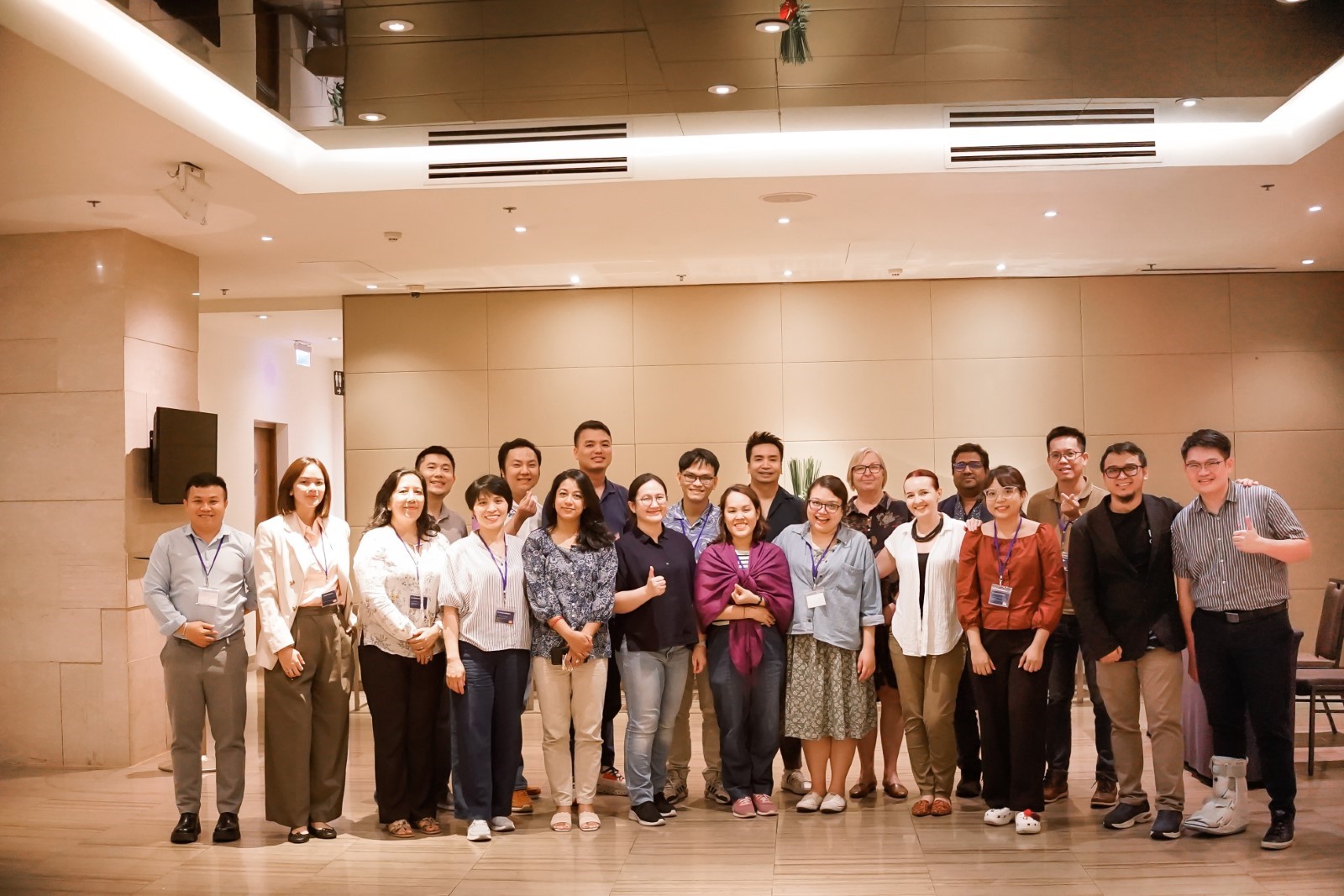
    Các thành viên MODRA Khóa I tại Hội thảo 2

    Hội thảo này cũng đánh dấu sự kết thúc các hoạt động của Khóa I MODRA trong năm nay. Các nhà nghiên cứu với những ý tưởng dự án triển vọng đã nhận tài trợ để thực hiện các dự án của mình. Kết quả nghiên cứu sẽ được trình bày tại cuộc họp MODRA vào năm sau tại Indonesia, nơi các nhóm nghiên cứu sẽ quay trở lại để chia sẻ tiến độ công việc.

    Hãy theo dõi hành trình đào tạo thế hệ lãnh đạo nghiên cứu trẻ của MODRA!

    ***

    GIỚI THIỆU VỀ MODRA: Sáng kiến Học viện nghiên cứu khám phá MORU–OUCRU (MODRA) nhằm trao quyền cho các nhà nghiên cứu khoa học ở giai đoạn đầu và giữa sự nghiệp, thông qua các tập huấn toàn diện về quản lý nghiên cứu, viết đề xuất tài trợ, và phát triển chuyên môn. Bằng cách thúc đẩy sự hợp tác và đổi mới, MODRA hướng đến mục tiêu xây dựng một cộng đồng các nhà khoa học tiên phong, sẵn sàng đối mặt với những thách thức toàn cầu và tạo ra những nghiên cứu khoa học có ý nghĩa.

    Khóa I MODRA được công bố vào tháng 7 năm 2024 sau một quá trình tuyển chọn đầy cạnh tranh. 15 nhà nghiên cứu sau tiên sĩ của khóa I đang trải qua quá trình rèn luyện kéo dào 18 tháng, nhằm phát triển sự nghiệp nghiên cứu khoa học cũng như khả năng cạnh tranh xin các nguồn vốn tài trợ quốc tế.

    Khóa tiếp theo của MODRA sẽ bắt đầu đợt tuyển từ tháng 3 năm 2025.

    Để biết thêm thông tin, hãy truy cập modracademy.org

  • MODRA Workshop 2: Putting research ideas into action  

    MODRA Workshop 2: Putting research ideas into action  

    HO CHI MINH CITY, Vietnam – MODRA Workshop 2 provided early- to mid-career researchers with essential skills to navigate the complexities of securing and managing research funding. 15 postdoctoral scientists from MODRA’s inaugural cohort were intensively trained to pitch their research ideas for up to $30,000 in funding through the MODRA Seeds programme. 

    Participants enhanced their presentation skills through training in storytelling, structure and improved delivery. Structured practice sessions and feedback from experienced scientists helped these emerging researchers refine their pitches before presenting them to the MODRA Academy Executive Committee (AEC) for the chance to secure funding. 

    Ms Ka’ Na Thy Dakrong, OUCRU Grant Administrator, introduces the pre-award process

    A key focus of the workshop was helping new researchers transition from securing funding to effectively managing research projects. The training provided highly practical knowledge in project management, including project planning, stakeholder communication, and risk management —skills that are often not covered in traditional science degrees. 

    The workshop also addressed important aspects of post-award management, such as procurement, finance, and travel. This comprehensive training gave participants the tools they need to move seamlessly from securing grants to executing high-impact research projects. 

    Coach Gaye Proctor trains MODRA scientists on project management

    Dr Leigh Jones, Director of MODRA: “Workshop 2 has been all about putting plans into action. The cohort was supported to pitch their seed proposal ideas to an expert panel, and plan for the hard part – delivering their seed award projects.

    Part of what makes MODRA so unique is our training in all aspects of grant awarding including project and financial management. The cohort greatly appreciated the expertise of the wonderful research support teams of MORU and OUCRU, as they walked them through all aspects of grant management. Scientists are rarely trained in such a comprehensive manner, and we aim to empower our participants to lead their projects in a confident and assured way.

    We are also excited to see the cohort develop as friends and collaborators – the MODRA network is already beginning to grow!” 

    Dr Leigh Jones speaks at the MODRA Workshop 2

    Dr Nguyen Quanh Vinh, MODRA Leader – Vietnam, shared: “As a postdoctoral researcher, I’ve firsthand experienced the challenges of transitioning to independent research. It requires a gradual accumulation of specialized knowledge and a range of essential skills, including project planning, presentation, budgeting, and time management. 

    MODRA Workshop 2 was designed to address these needs, equipping participants with essential skills and empowering them to analyse and manage their research proposals.” 

    MODRA Cohort I at the Workshop 2

    The workshop marked the conclusion of activities for MODRA’s inaugural cohort this year. Researchers with promising project ideas were awarded funding to take their projects forward. These research results will be presented at next year’s MODRA meeting in Indonesia, where the cohort will return to share their progress. 

    Stay tuned to see how MODRA is shaping the next generation of impactful research leaders.

    ***

    ABOUT MODRA: The MORU–OUCRU Discovery Research Academy (MODRA) initiative is dedicated to empowering early-career researchers through comprehensive training in research management, grant writing, and professional development. By fostering collaboration and innovation, MODRA aims to cultivate a community of scientists ready to tackle global challenges and drive impactful research. 

    The inaugural cohort of MODRA was selected in July 2024 through a highly competitive process. The 15 top postdoctoral researchers are undergoing 18 months of intensive training to fast-track their scientific careers and enhance their ability to compete for international funding.

    Recruitment for the next cohort will open in March 2025. 

    For more information, visit modracademy.org 

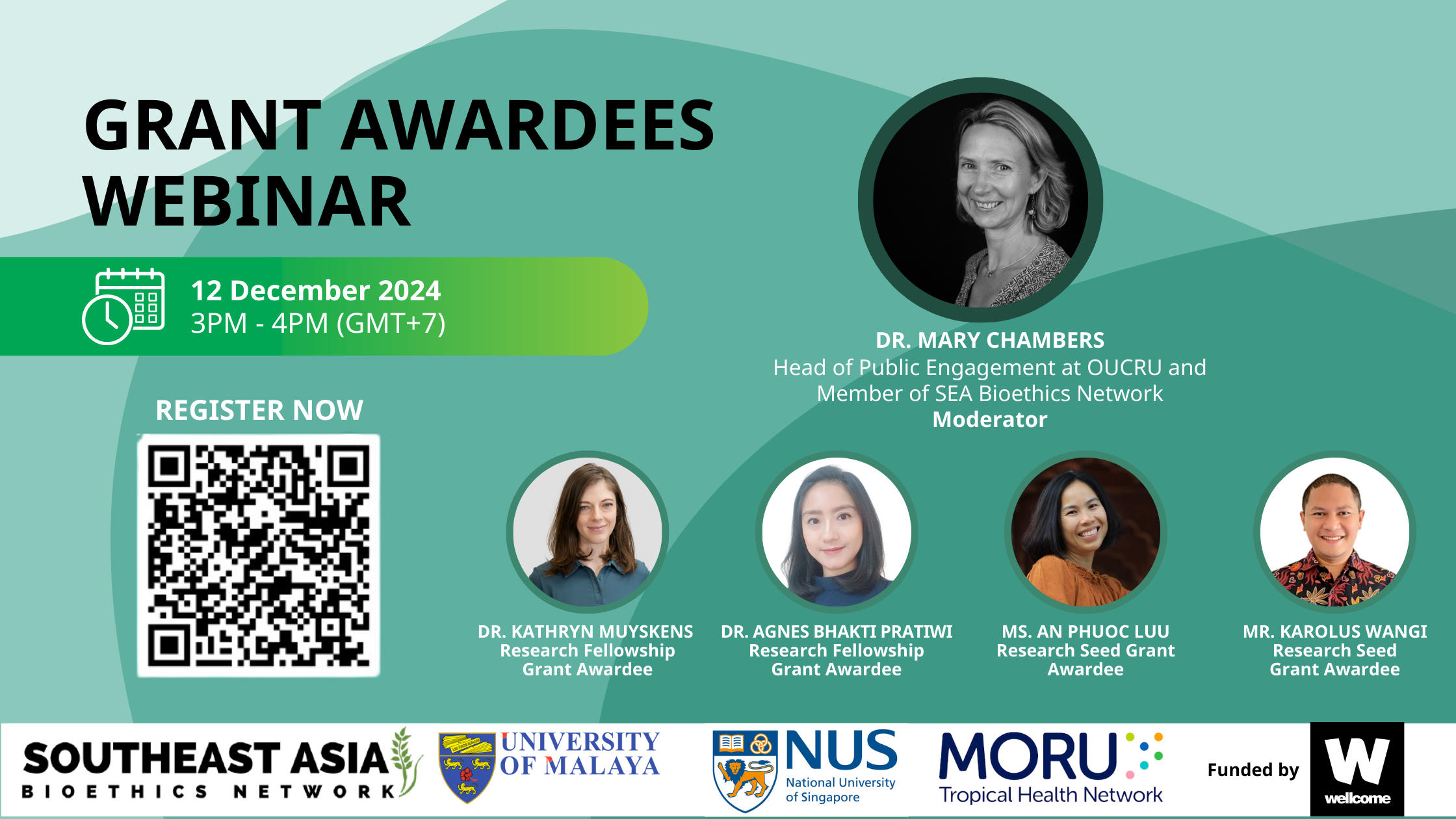
  • Bioethics Grant Awardees Webinar: Highlighting the Importance of Bioethics in Research

    Bioethics Grant Awardees Webinar: Highlighting the Importance of Bioethics in Research

    Recognising that bioethics is an essential part of research, particularly in biology and medicine, the Southeast Asia (SEA) Bioethics Network was established with support from the Wellcome Trust Research Development Award.

    The network is dedicated to publicise the bioethics approaches across Southeast Asia by promoting a deeper understanding and application of ethical principles in biological and medical research throughout the region. It also encourages innovative projects that address emerging ethical challenges and opportunities, aligning with international developments in the field.

    Recently, the network awarded four research grants to enable researchers to have a deeper look and application into several ethical issues in the SEA context. We invite you to a webinar featuring presentations on the following bioethics topics.

    The webinar aims to familiarise the wider community with important bioethics topics in SEA as well as provide a collaborative platform for researchers to receive feedback and thereby improve their work. Ultimately, the network would like to strengthen and contribute to the global discourse on ethical issues in biological and medical research.

    • Taking Traditional Medicines Seriously: Towards an Interdisciplinary Research Agenda in South-East Asia
    • Conceptualising Patient Autonomy in Decision-Making in South-East Asian Culture: Insights from the Indonesian Context
    • Journey Home to Die – Exploring Ethical and Sociocultural Aspects of Hospital Discharge at End of Life
    • Bioethical Aspects Related to Dignity in Caring for Patients with Transfusion-Dependent Thalassemia: A Qualitative Study in West Java, Indonesia

    The webinar will take place online via Zoom at 3 PM, December 12, 2024. Register here.

  • OUCRU hosts BactiVac Network Meeting to drive global vaccine development 

    OUCRU hosts BactiVac Network Meeting to drive global vaccine development 

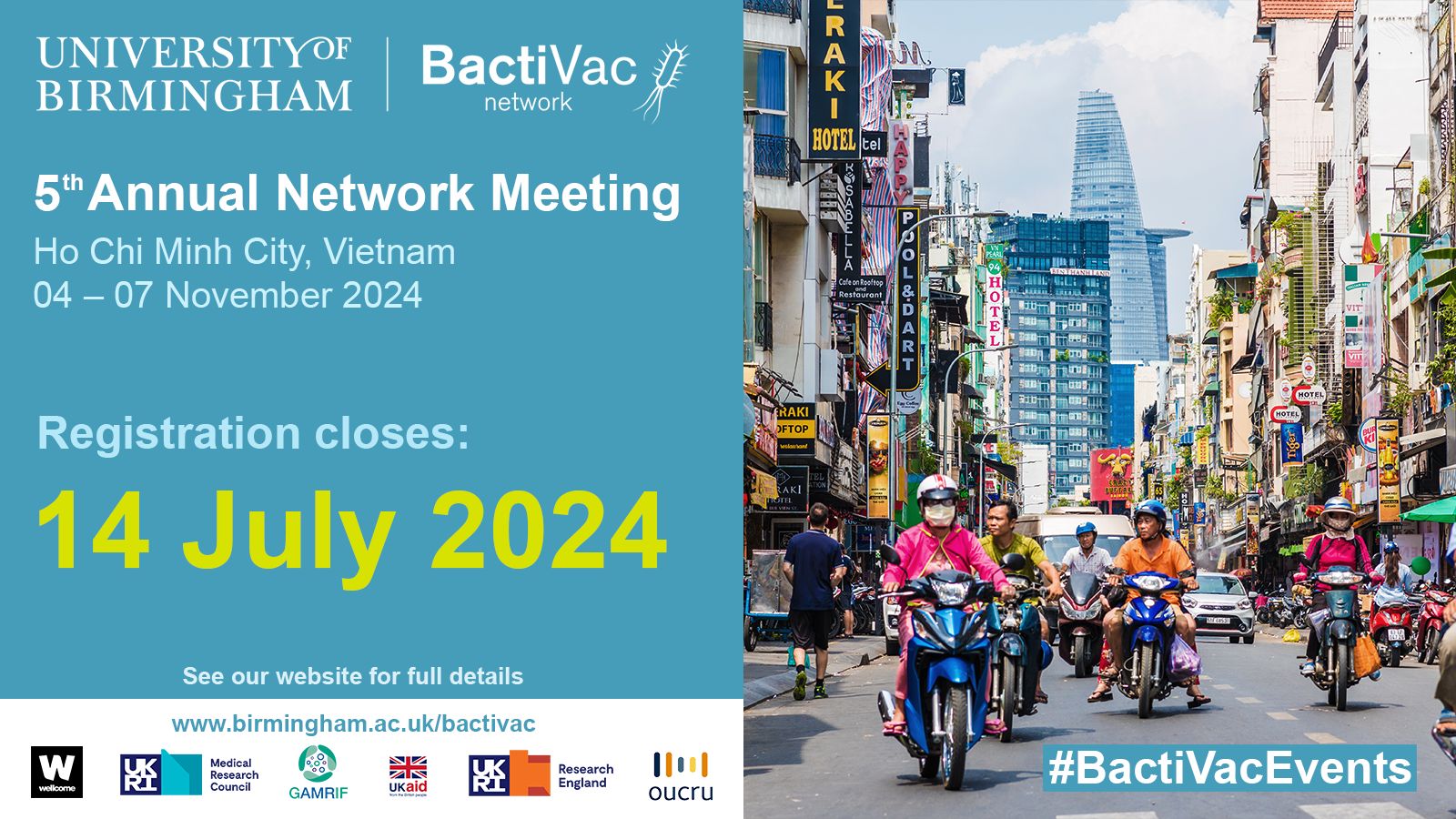
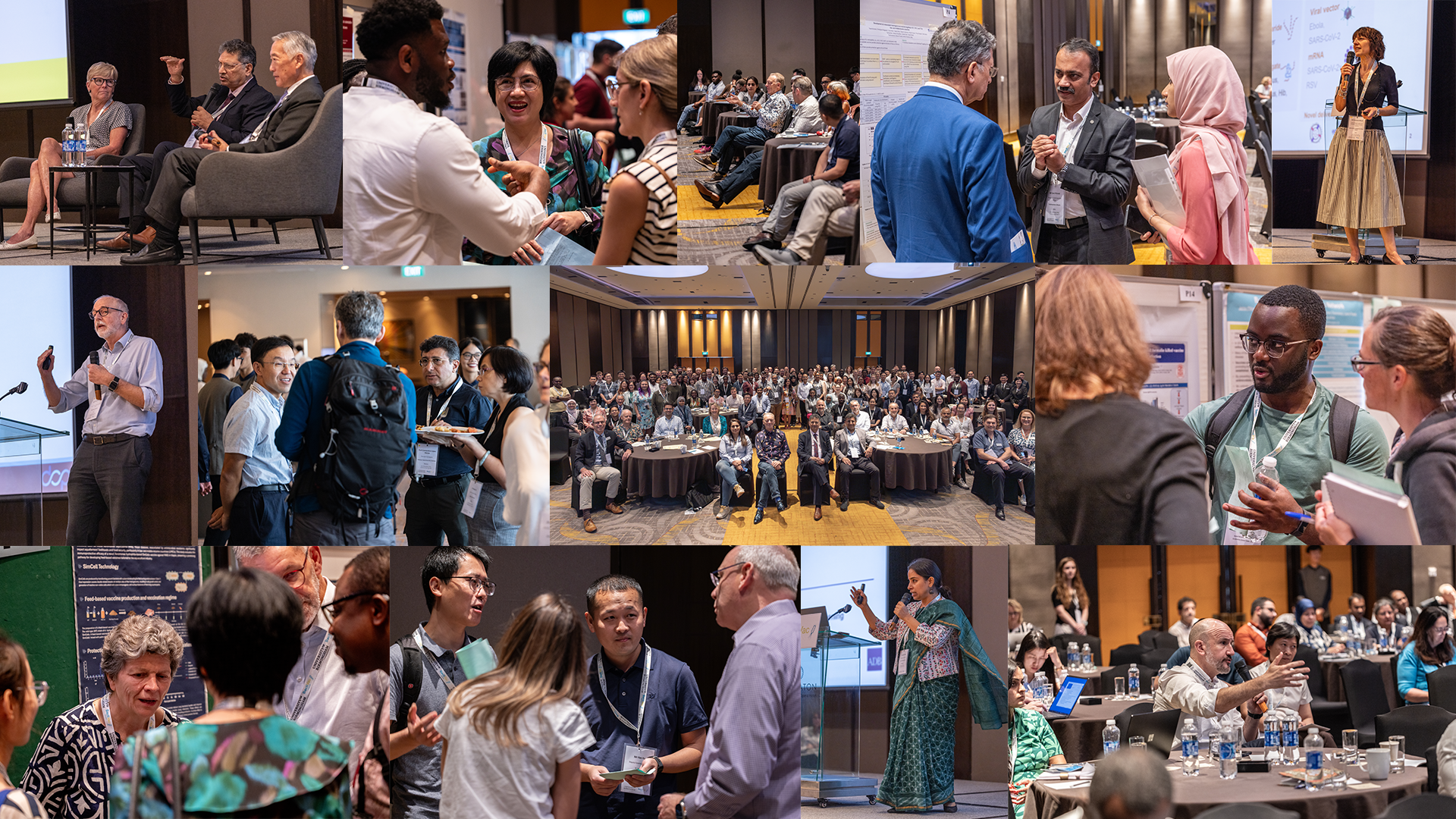
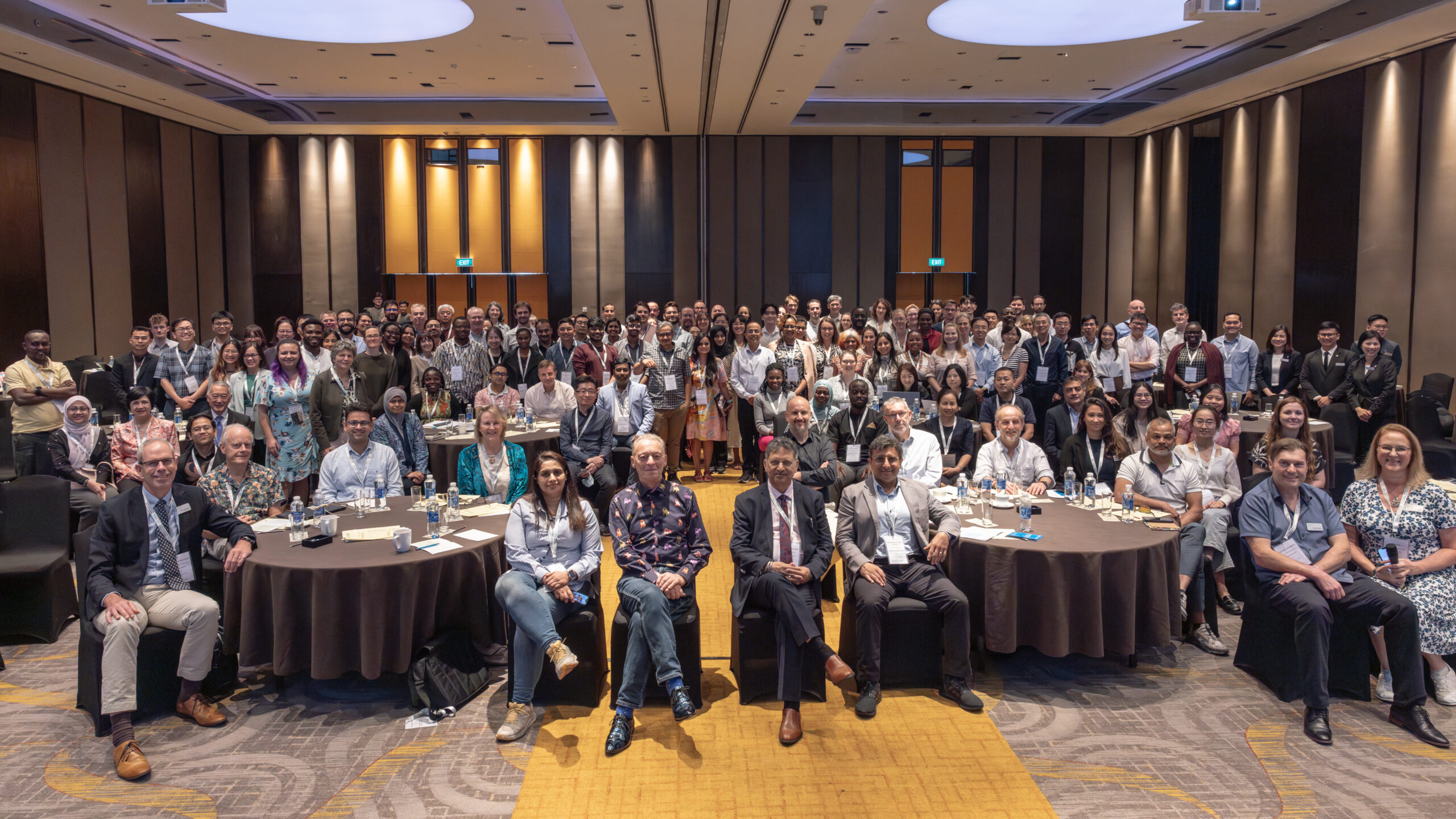
    HO CHI MINH CITY, Vietnam (Nov 7, 2024) – The BactiVac 5th Annual Network Meeting attracted 184 participants, including researchers, healthcare professionals, vaccine manufacturers, and policymakers from around the world.

    The Bacterial Vaccines Network (BactiVac) serves as a platform to accelerate global efforts in the development and use of vaccines against bacterial infections. Bacterial infections are causing approximately five million deaths each year, and the rising threat of antimicrobial resistance (AMR) further complicates efforts to control these infections. To address this global challenge, the network convenes each year to foster cross-sector collaboration and exchange the latest vaccine technologies.

    A key outcome of the 2024 BactiVac Network Meeting was the formation of new partnerships and strategies to advance vaccine development. During the three-day programme, scientists from both high-income and low- and middle-income countries shared their latest vaccine research findings and discussed innovative technologies, including mRNA platforms.

    Special attention was given to urgent regional health issues, such as the need for vaccines against Klebsiella pneumoniae in Vietnam and the strengthening of vaccine manufacturing and regulation in Bangladesh.

    Highlights of the meeting

    The meeting also explored the complex challenges of developing bacterial vaccines, including navigating clinical trial hurdles and addressing the social factors contributing to vaccine hesitancy. One of the highlights was a translational workshop that explored strategies to advance vaccines from the laboratory to clinical use. This session offered practical insights into overcoming the “Valley of Death” in vaccine development, providing actionable strategies for navigating early-stage trials and scaling up manufacturing efforts.

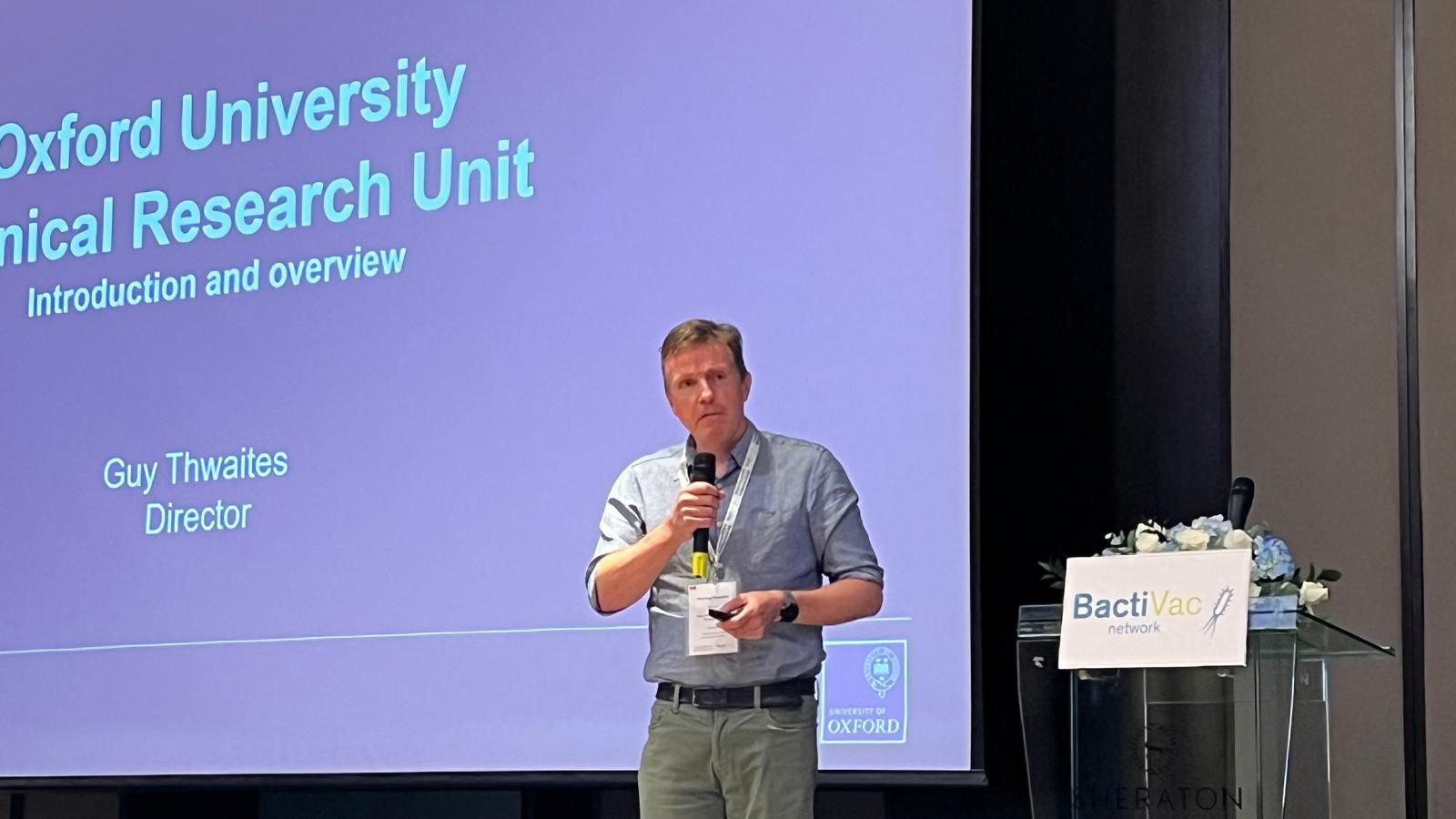
    Professor Guy Thwaites, Director of OUCRU, speaking at the BactiVac Network Meeting 2024

    Professor Guy Thwaites highlighted the importance of BactiVac Network Meeting: “By bringing together experts from diverse backgrounds, we are building a shared vision for addressing some of the world’s most urgent infectious disease challenges. This meeting is a critical step in advancing vaccines against bacterial infections and improving public health globally.”

    Participators at the BactiVac Annual Network Meeting 2024

    OUCRU is a leading research institute focused on infectious diseases, driving local research with global impact. By hosting the first BactiVac Network meeting in Asia, OUCRU has demonstrated its commitment to fostering international collaboration and advancing health solutions worldwide.

    ***


    ABOUT BACTIVAC

    Founded in August 2017, the Bacterial Vaccines Network (BactiVac) is one of five vaccinology networks supported by the Global Challenges Research Fund (GCRF). BactiVac brings together members based in academic, industry and policy sectors to accelerate the development of vaccines against bacterial infections relevant to LMICs.

    The BactiVac Network delivers this through catalyst projects and training awards to encourage cross-collaboration between academic and industrial partners in developed and developing nations.