Jatuh sakit dengan malaria menguras biaya yang jauh lebih besar dibandingkan penyakit demam lainnya karena hilangnya waktu untuk bekerja dan menjalani rutinitas. Studi yang terbit di BMJ Global Health ini merupakan penelitian pertama yang mengukur secara sistematis beban ekonomi dari malaria, termasuk kasus malaria zoonosis, di daerah pedesaan dan terpencil di Indonesia.
Riset yang merupakan bagian dari proyek ZOOMAL dan melibatkan OUCRU Indonesia ini menyoroti kesenjangan kesehatan berdasarkan data dari sejumlah klinik di Sumatera Utara dan Kalimantan Utara. Data yang diperoleh mengungkapkan bahwa, sekalipun biaya kunjungan ke dokter tidak seberapa, biaya total akibat satu episode malaria rata-rata mencapai $33 atau Rp570.000. Bagi seorang buruh kasar yang tinggal di pedesaan, biaya ini adalah beban berat yang bisa menjerumuskannya langsung ke jurang kemiskinan.
Untuk memperoleh gambaran kerugian yang utuh, para peneliti menyurvei 2.244 pasien antara tahun 2022 dan 2023 di delapan klinik kesehatan di kedua provinsi tersebut. Kelebihan utama dari studi ini adalah ketepatan diagnostiknya. Tim peneliti melakukan pengujian laboratorium polymerase chain reaction (PCR) yang telah divalidasi pada semua partisipan. Metode molekuler yang sangat sensitif ini memungkinkan para peneliti untuk mengidentifikasi parasit malaria secara pasti, termasuk varian khususnya, seperti Plasmodium vivax, Plasmodium falciparum, dan Plasmodium knowlesi yang bersifat zoonosis. Dengan memastikan jenis infeksi secara akurat, tim peneliti dapat mengetahui kerugian finansial dari berbagai jenis malaria dan membandingkannya dengan penyakit demam nonmalaria.
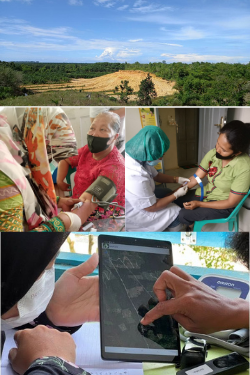
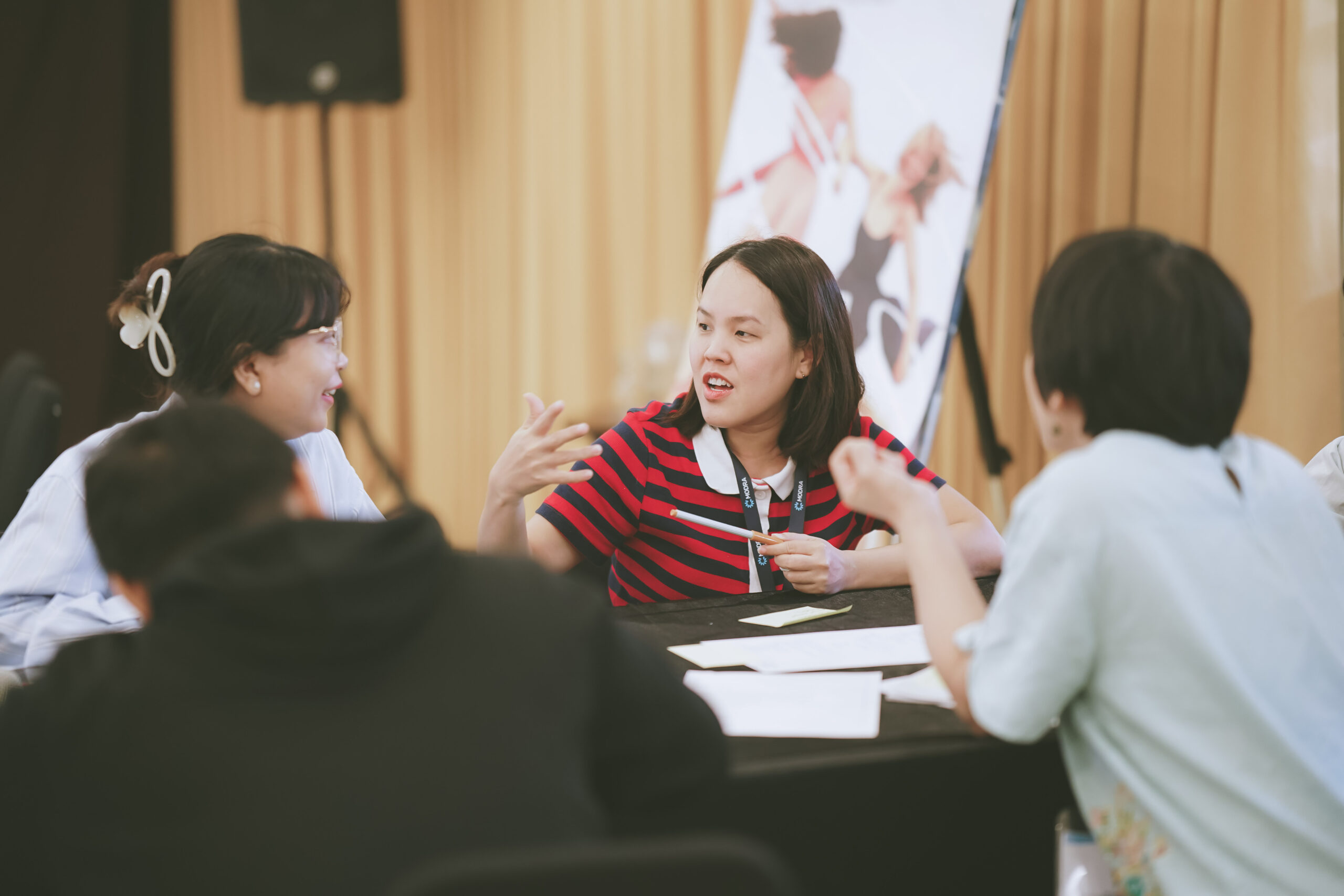
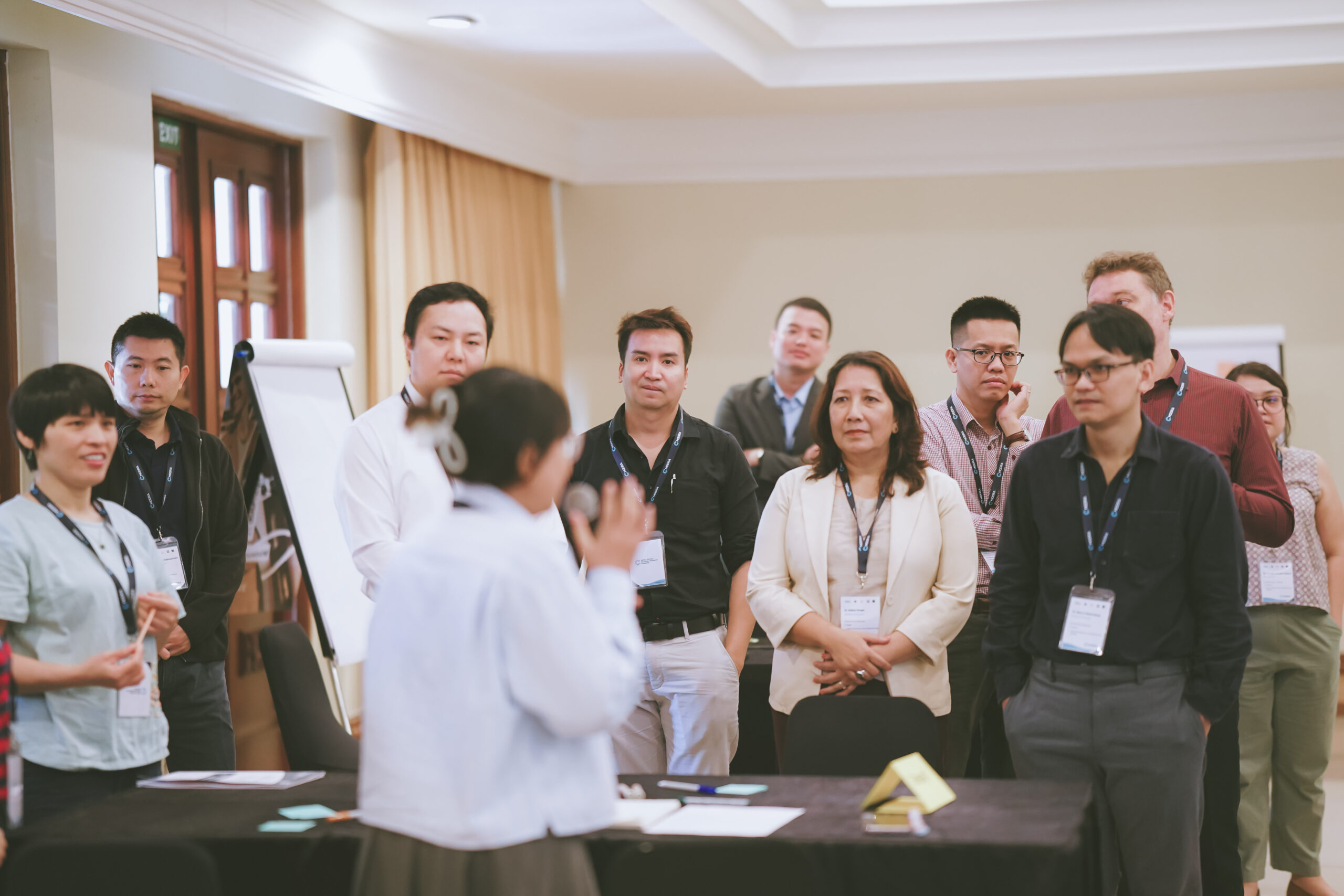
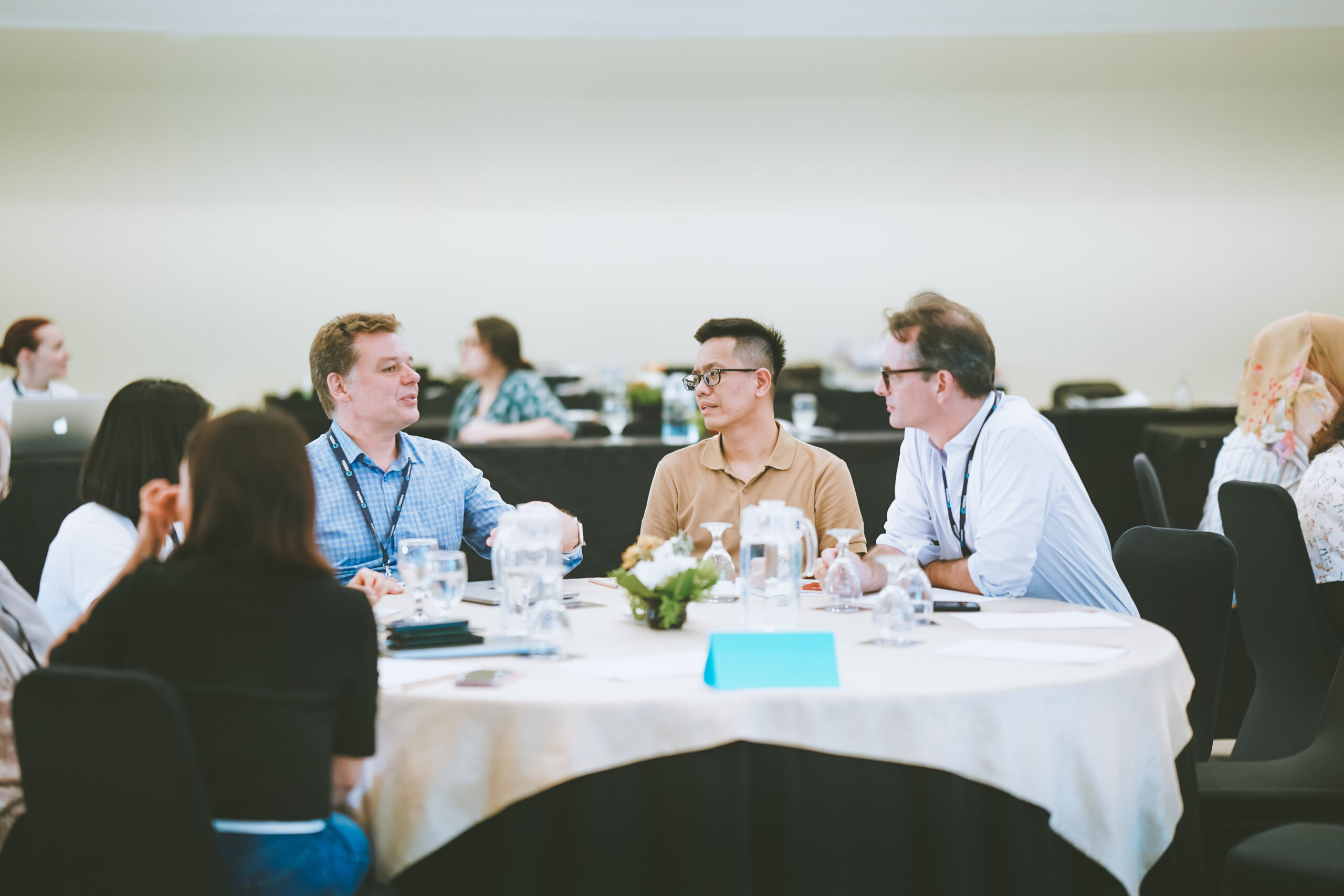
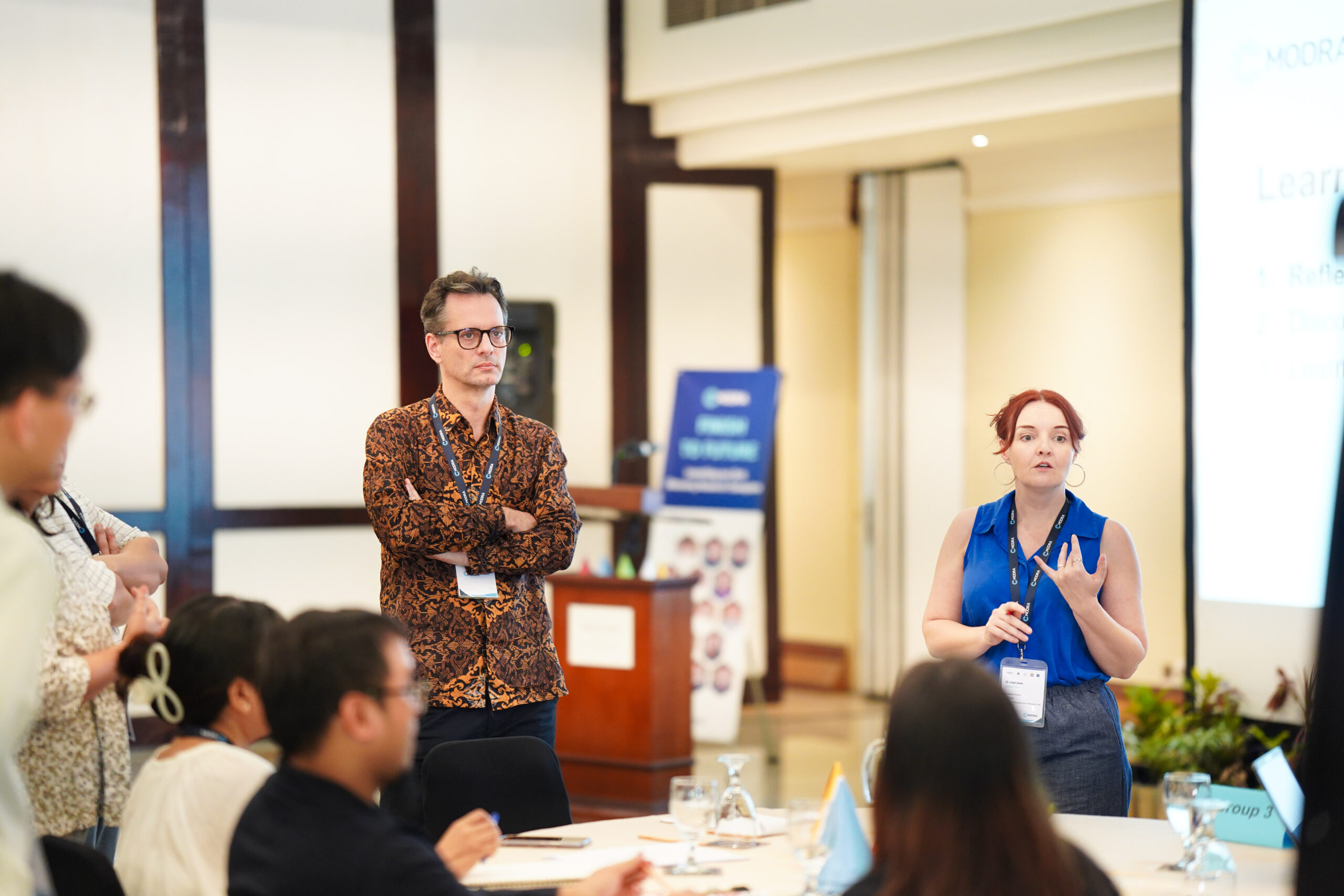
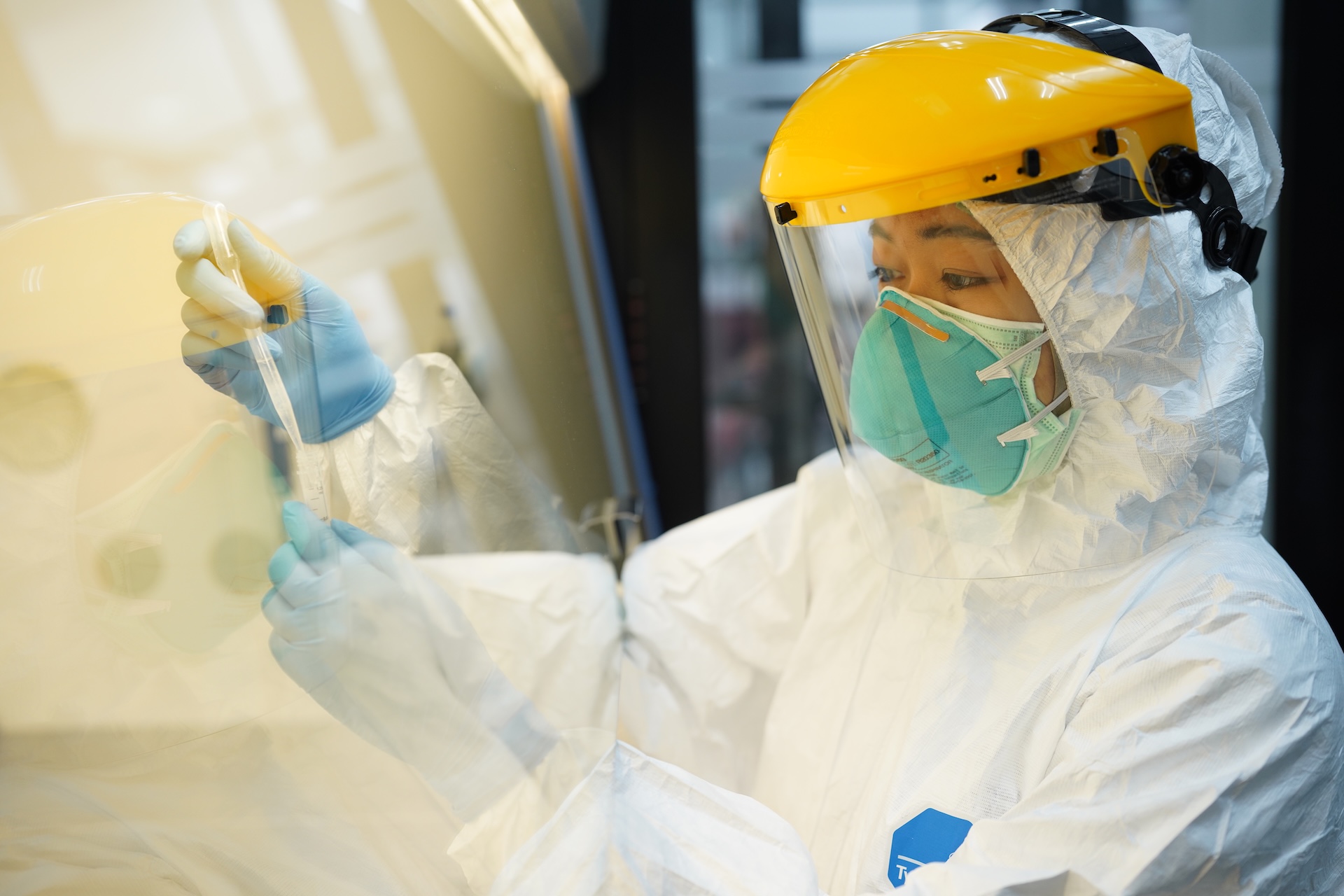
Proyek riset ZOOMAL di Sumatera Utara dan Kalimantan Utara, Indonesia.
Hasil analisisnya mengungkap bahwa malaria jauh lebih merugikan kondisi keuangan keluarga dibandingkan penyakit demam lainnya. Penyakit demam nonmalaria rata-rata menguras biaya sekitar $17 atau Rp300.000, sedangkan malaria menelan biaya hampir dua kali lipat. Perbedaan ini sebagian besar disebabkan oleh durasi sakit malaria yang cenderung lebih panjang sehingga lebih merugikan produktivitas.
Data di lapangan memang menemukan bahwa beban terberat bukan berasal dari biaya perawatan, tetapi biaya tidak langsung berupa kehilangan produktivitas. Hilangnya penghasilan menyumbang sekitar 70% dari total kerugian akibat malaria. Di daerah pelosok di mana banyak orang menggantungkan hidupnya pada pekerjaan kasar harian, seperti bertani atau menebang kayu hutan, jatuh sakit selama seminggu berarti kehilangan pendapatan selama seminggu.
Kerugian ini kerap diperparah dengan besarnya tantangan logistik untuk berobat. Pasien-pasien malaria yang tinggal di wilayah pelosok biasanya harus merogoh kocek cukup dalam untuk melalui medan sulit menggunakan moda transportasi pribadi. Jarak yang ditempuh juga cenderung lebih jauh dibandingkan saat sakit demam biasa karena pasien perlu mengunjungi faskes tertentu. Mereka juga perlu dirawat dan ditemani oleh anggota keluarga yang turut terpaksa mengorbankan waktu serta penghasilannya.
Ancaman Plasmodium knowlesi, yakni parasit malaria yang menyebar dari kera ke manusia, memperumit kondisi kesenjangan yang ada. Varian zoonosis ini menyerang orang-orang yang bekerja di pedalaman hutan, seperti penebang kayu atau petani kecil, yang jarang memiliki jaring pengaman finansial (financial safety net). Dengan kata lain, kelompok termiskin berada di garis terdepan infeksi dan mengemban risiko tertinggi.
“Untuk membayar ongkos perjalanan yang jauh ke klinik atau bertahan hidup selama masa tidak bekerja, banyak keluarga terpaksa menjual aset-aset penting atau mengambil pinjaman berbunga tinggi,” jelas Dr. Inke Nadia Diniyanti Lubis, Peneliti Utama studi sekaligus salah satu penulis artikel jurnal ini yang berasal dari Universitas Sumatera Utara. “Saat pasien pulih, mereka sudah menjadi lebih miskin dibandingkan sebelum mereka sakit, membuat mereka rentan terhadap krisis kesehatan berikutnya.”
Di saat Indonesia semakin dekat dengan target eliminasi malaria, penyakit ini justru semakin terpusat pada kelompok-kelompok masyarakat yang terisolasi. Hal ini menandakan bahwa tindakan medis saja tidak lagi cukup untuk melindungi komunitas yang rentan.
“Untuk benar-benar menuntaskan malaria, strategi kesehatan masyarakat harus melihat jauh dari sekadar membunuh parasitnya,” tegas Dr. Henry Surendra, pakar epidemiologi di OUCRU Indonesia dan salah satu penulis artikel jurnal ini. “Para pemangku kebijakan dapat mempertimbangkan subsidi pada tingkat rumah tangga atau strategi tes dan obati yang disubsidi dan berbasis outreach yang telah terbukti efektif di tempat lain.”
Being sick with malaria costs significantly more than other febrile illnesses, mostly due to time lost from work and daily routines. While health inequalities are a known reality, a recent paper published in BMJ Global Health marks the first time these hidden economic costs, particularly for zoonotic malaria, have been systematically measured across rural and remote areas in Indonesia.
The study, part of the ZOOMAL project which involved OUCRU Indonesia, highlights a growing divide in health equity based on data from clinics in North Sumatra and North Kalimantan provinces. It found that while a patient might not pay much for a doctor’s visit, the total economic hit of a malaria episode averages around $33. For a rural labourer, this is a heavy burden that can act as a direct driver of poverty.
To capture the full economic picture, researchers surveyed 2,244 patients between 2022 and 2023 across eight health clinics in the two provinces. A key strength of the study was its diagnostic precision. The research team conducted validated polymerase chain reaction (PCR) laboratory testing on all participants. This highly sensitive molecular method allowed researchers to definitively identify the exact parasite causing the illness, including specific species like Plasmodium vivax, Plasmodium falciparum, and the zoonotic Plasmodium knowlesi. By accurately confirming the infection type, the team could rigorously compare the financial toll of different forms of malaria against other non-malarial fevers.
ZOOMAL research project in North Sumatra and North Kalimantan provinces, Indonesia.
This direct comparison revealed that malaria is significantly more damaging to a family’s finances than a typical illness. While other common non-malarial fevers average an overall cost of $17, a malaria episode effectively doubles that financial hit. This stark difference is largely driven by the extended period of illness associated with the parasite. Because the physical recovery time for malaria is noticeably longer, the resulting loss of productivity is far more severe.
The research shows that the most significant impact on households is rarely the direct medical bill. Instead, indirect costs make up the true price of the illness, with productivity losses accounting for roughly 70% of the financial drain. In remote regions where families rely heavily on daily manual labour in farming or forestry, a week of fever means a week without pay.
This loss of income is frequently made worse by the logistical challenges of seeking treatment. Families living in hard-to-reach areas must often secure expensive private transport across difficult terrain, travelling significantly further to reach specialised clinics than they would for other common fevers. Moreover, in these rural settings, a healthy family member usually has to abandon their own work to act as a carer and escort, effectively doubling the household’s lost income overnight.
The emergence of Plasmodium knowlesi, a type of malaria that spreads from macaques to humans, adds a complex layer to this economic burden. Because this zoonotic strain specifically targets individuals working deep in the forest, such as loggers or small-scale farmers, it disproportionately affects those with the least access to a financial safety net. Their daily work places them on the front lines of infection, putting the poorest of the populations at the highest risk.
“To simply pay for the long journey to a clinic or to survive a period without wages, families are often forced to sell essential assets or take out high-interest loans, explains Dr. Inke Nadia Diniyanti Lubis, a Principal Investigator of the study and a coauthor of the paper. “By the time the patient has physically recovered, the family could be poorer than when they started, leaving them dangerously vulnerable to the next health crisis.”
As Indonesia nears its goal of malaria elimination, the disease is increasingly concentrated in these isolated populations. This shift means that medical intervention alone is no longer enough to protect vulnerable communities.
“To truly defeat malaria, public health strategies must look beyond simply curing the parasite,” concludes Dr Henry Surendra, an epidemiologist at OUCRU Indonesia and a coauthor of the paper. “Policymakers could consider household level subsidies, or subsidised, outreach-based test-and-treat strategies which have shown to be effective in other settings.”
PURBALINGGA, 10 Maret, 2026 – Saat melakukan kunjungan kerja ke lokasi proyek SPHERES di Purbalingga, Jawa Tengah, Menteri Kesehatan Indonesia, Budi Gunadi Sadikin, memuji progres proyek tersebut dan menetapkan target ambisius untuk perluasannya ke tingkat nasional.
“Saya melihat bagus sekali [progresnya]. Mudah-mudahan nanti bisa menjadi contoh untuk diimplementasikan di 514 kab/kota di seluruh Indonesia,” ujar Menkes Budi. Beliau juga menargetkan untuk memperluas inisiatif ini ke seluruh jaringan Puskesmas di tanah air dalam tiga tahun ke depan.
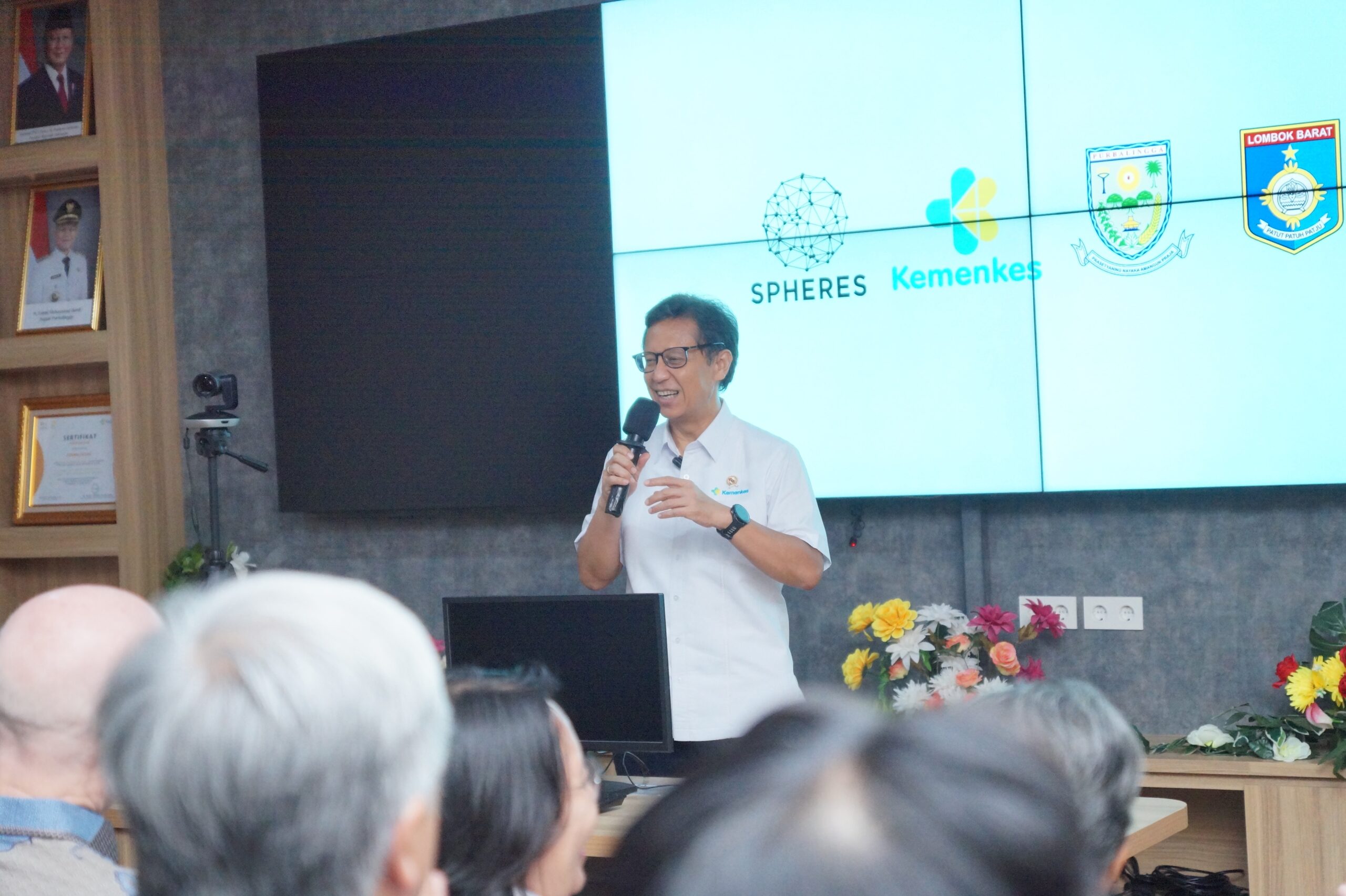
Menteri Kesehatan Indonesia, Budi Gunadi Sadikin, di Kantor Dinkes Kab. Purbalingga untuk meninjau progres proyek SPHERES.
Proyek Scalable Public Health Empowerment, Research, and Education Sites (SPHERES) dipimpin oleh Kementerian Kesehatan serta OUCRU Indonesia dan bekerja sama dengan pemerintah kabupaten Purbalingga serta Lombok Barat. Didanai oleh Gates Foundation, proyek ini bertujuan untuk memperkuat kesehatan masyarakat dengan memanfaatkan teknologi digital dalam pelayanan kesehatan primer.
Dr. Christopher Elias, Presiden Pembangunan Global dari Gates Foundation, juga turut hadir mendampingi Bapak Menteri saat kunjungan tersebut. Mereka mengunjungi Posyandu Lestari 5 Bancar, Puskesmas Purbalingga, dan Public Health Data Theatre (PHDT) yang berlokasi di Kantor Dinas Kesehatan Purbalingga.
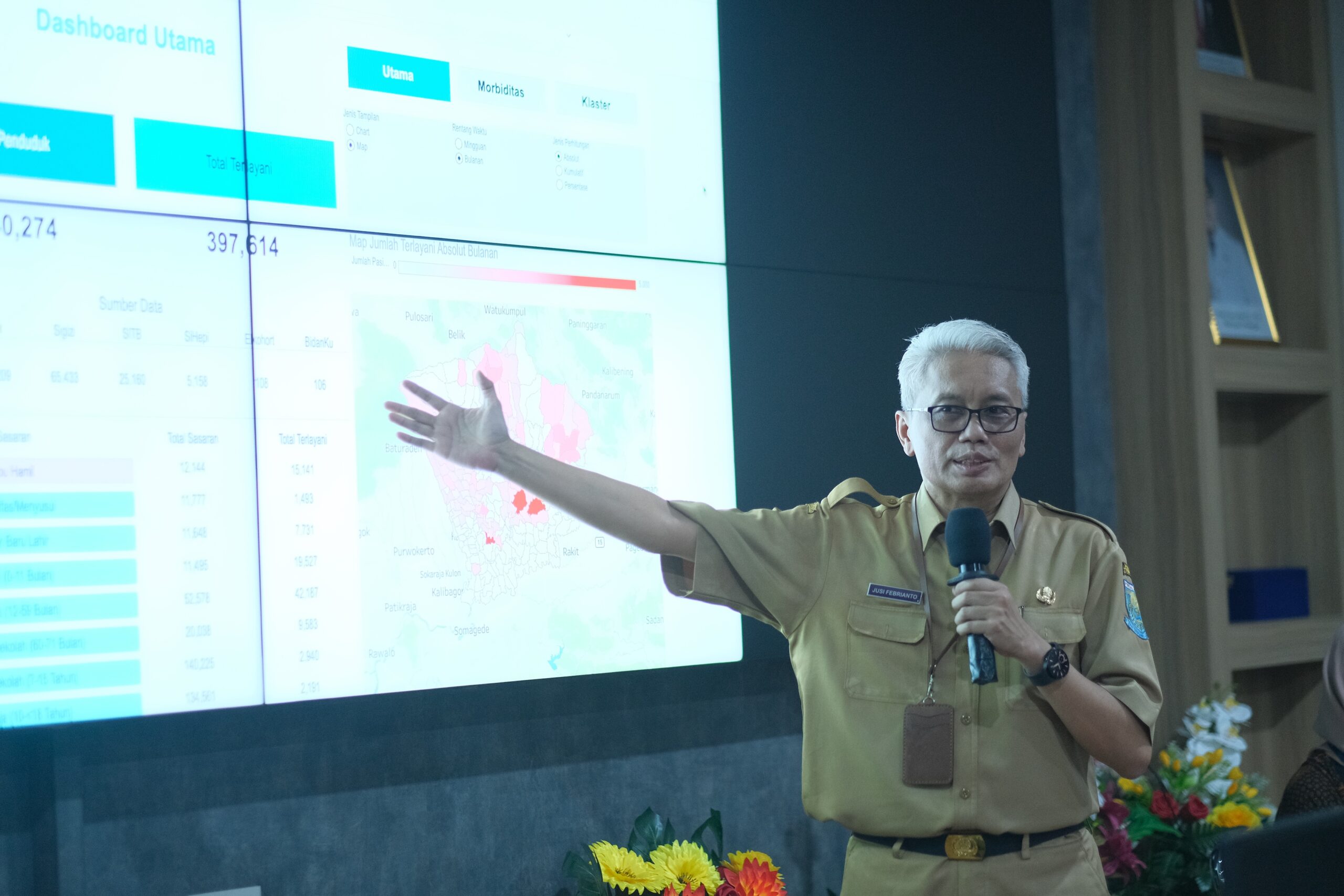
Kepala Dinkes Kab. Purbalingga, Jusi Febrianto, memaparkan dasbor PHDT kepada para perwakilan Kemkes RI dan Gates Foundation.
PHDT hadir sebagai terobosan baru dalam sistem kesehatan masyarakat di Indonesia. Berfungsi sebagai pusat kendali digital terpadu, fasilitas ini memungkinkan pejabat kesehatan memantau kondisi wilayah secara real-time melalui dasbor interaktif. Berbeda dengan sistem konvensional yang bergantung pada laporan bulanan statis, ‘Data Theatre’ memudahkan pemantauan tren secara instan. Jika terdeteksi lonjakan masalah kesehatan, mis. kenaikan tekanan darah di lokasi tertentu, petugas medis dapat segera diterjunkan ke lapangan.
Dr. Elias menekankan pentingnya beralih ke aksi nyata berbasis data. Ia mengatakan, “Kuncinya adalah bagaimana data terkini bisa langsung diterjemahkan menjadi langkah konkret saat itu juga. Saya sangat bangga melihat progres ini. Program ini sangat layak untuk dilanjutkan dan direplikasi.”
Tak hanya soal analisis data, terobosan lain dari SPHERES adalah kemampuannya dalam memangkas beban administrasi bagi nakes di garda terdepan. Lewat penggunaan standar pertukaran data FHIR (Fast Healthcare Interoperability Resources) dan teknologi pemindaian teks OCR (Optical Character Recognition), para petugas kini cukup memotret buku kesehatan fisik pasien agar datanya langsung tersinkronisasi secara otomatis dengan sistem nasional. Menteri Budi Sadikin menekankan bahwa inovasi ini sangat krusial bagi kesuksesan platform SatuSehat karena selama ini nakes sering kali merasa kewalahan akibat harus mengisi terlalu banyak aplikasi yang tidak saling terintegrasi.
“Dengan ini diharapkan tenaga kesehatan bisa lebih banyak melayani masyarakat, bukan sibuk mengisi laporan atau aplikasi milik kementerian maupun pemerintah daerah,†kata Menkes.
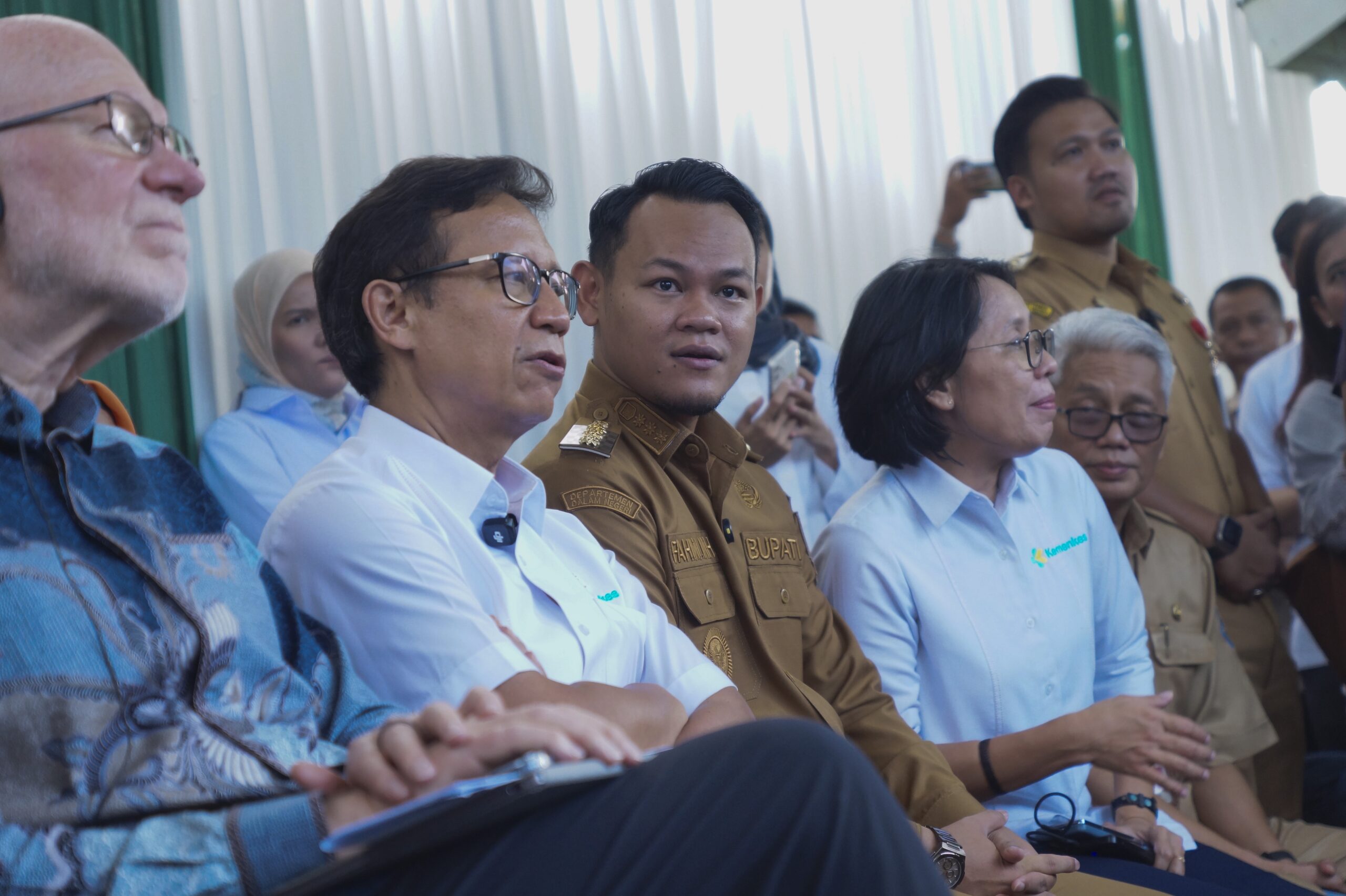
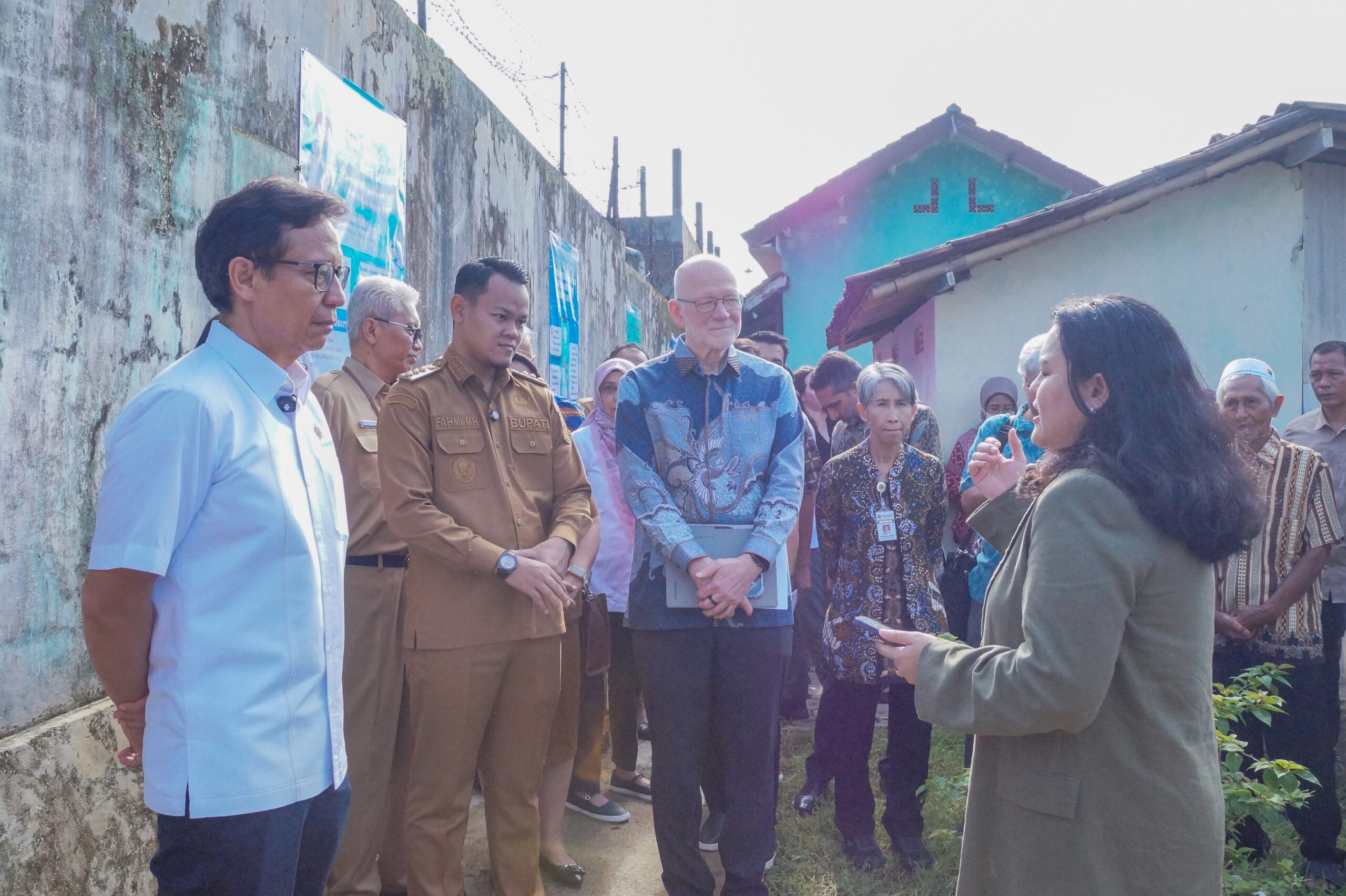
Menkes Budi didampingi oleh Bupati Purbalingga dan Dr. Elias saat kunjungan ke salah satu faskes lokasi uji coba SPHERES di Kab. Purbalingga.
Keberhasilan SPHERES di Purbalingga dan Lombok Barat tidak lepas dari komitmen kuat para pemimpin daerah. Bupati Purbalingga, Fahmi Muhammad Hanif, menyampaikan bahwa pemilihan lokasi proyek ini dilakukan melalui proses kompetitif guna menjaring daerah dengan komitmen transformasi digital terkuat. Senada dengan hal tersebut, Bupati Lombok Barat, Lalu Ahmad Zaini, menambahkan bahwa SPHERES sejalan dengan visinya untuk mewujudkan rekam medis digital yang terintegrasi bagi setiap warga, sejak lahir hingga lansia.
Menanggapi capaian ini, Dr. Anuraj Shankar, Principal Investigator dari OUCRU Indonesia, menjelaskan: “Dengan menjalankan proyek ini sebagai studi acak terkontrol (randomised trial) berskala besar, kami berupaya memberikan bukti ilmiah yang kuat untuk mengevaluasi dampak dari intervensi ini. Data yang terkumpul akan menjadi landasan penting dalam melakukan penyesuaian serta mengukur kelayakan program ini untuk nantinya diimplementasikan di tingkat nasional.”
Hingga saat ini, proyek SPHERES terus menunjukkan perkembangan positif di kedua kabupaten lokasi uji cobanya. Sebanyak 23 Puskesmas di kedua lokasi tersebut telah resmi terintegrasi dalam proyek ini. Tim proyek menargetkan perluasan intervensi hingga mencapai 42 Puskesmas dalam beberapa bulan ke depan untuk mematangkan cara kerja programnya sebelum diterapkan secara lebih luas di seluruh Indonesia.
PURBALINGGA, March 10, 2026 – During a high-profile visit to the SPHERES project site in Purbalingga, Central Java, Indonesia’s Minister of Health, Budi Gunadi Sadikin, lauded the project’s progress and set an ambitious target for its national expansion.
“I see that the project is excellent. I hope it can serve as a model to be implemented in all 514 districts and cities across Indonesia,†the Minister stated. He further requested that the initiative be rolled out across the country’s network of community health centres (Puskesmas) over the next three years.“
Indonesia Minister of Health, Budi Gunadi Sadikin, at Purbalingga Health Office to review the progress of the SPHERES project.
The Scalable Public Health Empowerment, Research, and Education Sites (SPHERES) project is led by the Ministry of Health and OUCRU Indonesia, in partnership with the district governments of Purbalingga and West Lombok, and funded by the Gates Foundation. The project aims to revolutionise public health by bridging the gap between digital technology and frontline healthcare delivery.
Accompanying the Minister was Dr Christopher Elias, President of Global Development at the Gates Foundation. The delegation toured Posyandu Lestari 5 Bancar (a neighbourhood-level health service post), Puskesmas Purbalingga, as well as the Public Health Data Theatre (PHDT) located in Purbalingga Health Office.
Head of Purbalingga Health Office, Jusi Febrianto, presents the PHDT dashboard to representatives from the Ministry of Health and Gates Foundation.Â
The PHDT represents a novel concept in Indonesian public health, acting as a dedicated physical and digital command centre where health officials can view real-time maps and dashboards of their district’s health. Unlike traditional reporting, which relies on stagnant monthly paperwork, the Theatre allows officials to see immediate trends, such as a localised spike in blood pressure readings, and deploy health workers to those specific neighbourhoods instantly.
Dr. Elias emphasized the significance of this shift toward data-driven action. “The big question is how we use real-time data to enable real-time action. It’s very encouraging to see what you’re doing; it’s worth continuing and worth replicating,†he said.
Beyond data analysis, a core achievement of SPHERES is the reduction of administrative burdens for frontline staff. By utilizing FHIR (Fast Healthcare Interoperability Resources) standards and Optical Character Recognition (OCR) technology, the project allows health workers to simply photograph a patient’s physical health book to automatically sync data with national systems. Minister Sadikin noted that this is vital for the success of Indonesia’s SatuSehat platform, explaining that health workers are often overwhelmed by too many separate applications.
“With this, it is expected that health workers can spend more time serving the community, rather than being busy filling out reports or applications belonging to the ministry or local government,†the Minister said.â€
Minister Budi is accompanied by Purbalingga Regent Head Fahmi Muhammad Hanif and Dr. Elias during the visit.Â
The success of SPHERES in Purbalingga and West Lombok is built on strong local leadership. Bupati Fahmi Muhammad Hanif of Purbalingga noted the project was awarded through a competitive process to identify the districts with the highest committment to digital change. His counterpart, Bupati Lalu Ahmad Zaini of West Lombok — who was also present during the visit — added that the project fulfills his vision of integrated cradle-to-grave digital health records for every citizen.
Reflecting on the milestone, Dr Anuraj Shankar, the Principal Investigator of this project from OUCRU Indonesia, stated: “By implementing this project as a large-scale randomised trial, we are generating the robust scientific evidence needed to evaluate the impact of these interventions. This data will be essential for making the necessary adjustments and informing the feasibility of potential nationwide expansion in the future.”
The SPHERES project continues to gain momentum across its pilot sites. To date, the initiative has successfully integrated 23 Puskesmas across the two districts. The project team aims to expand these interventions to a total of 42 Puskesmas in the coming months, further refining the model for nationwide implementation.
Suwarti adalah seorang ilmuwan laboratorium klinis di OUCRU Indonesia. Pekerjaanya meliputi mendeteksi keberadaan penyakit, melacak evolusi patogen, dan mempelajari reaksi tubuh terhadap infeksi.
Selama tujuh tahun bekerja di OUCRU Indonesia, Suwarti telah memberikan banyak sumbangsih terhadap berbagai studi penting, termasuk studi-studi tentang Covid-19 dan kesiapsiagaan pandemi secara umum. Risetnya belakangan ini berfokus pada mempelajari reaksi tubuh terhadap vaksin Covid-19, Mpox, serta flu burung dan mengungkap pola wabah leptospirosis di Jakarta.
Melihat gelar doktoral dan perannya sebagai peneliti, banyak orang tidak menyangka bahwa karier Suwarti bermula di pabrik bumbu masak, bukan laboratorium riset klinis.
Awal yang Sederhana
Salah satu pekerjaan pertama Suwarti adalah mengawasi pengendalian mutu (quality control) di suatu pabrik bumbu masak. Pekerjaan ini adalah pilihan yang masuk akal pada masanya. Berbekal gelar sarjana jurusan Teknologi Pangan, motivasi Suwarti sangat pragmatis, yakni mencari uang sebanyak-banyaknya.
Sebagai anak terakhir dari sepuluh bersaudara, Mba Ati, nama panggilannya di kantor, datang dari keluarga yang sederhana. Ayahnya adalah buruh serabutan dan ibunya asisten rumah tangga.
Sejak kecil, ia mengiginkan hidup yang lebih baik untuk dirinya dan keluarganya. “Aku gak ingin terus-menerus hidup miskin. Aku ingin hidup nyaman. Dan aku sadar akan hal ini sejak SMP setelah melihat anak-anak lain dari keluarga yang berkecukupan ,†kata Suwarti.
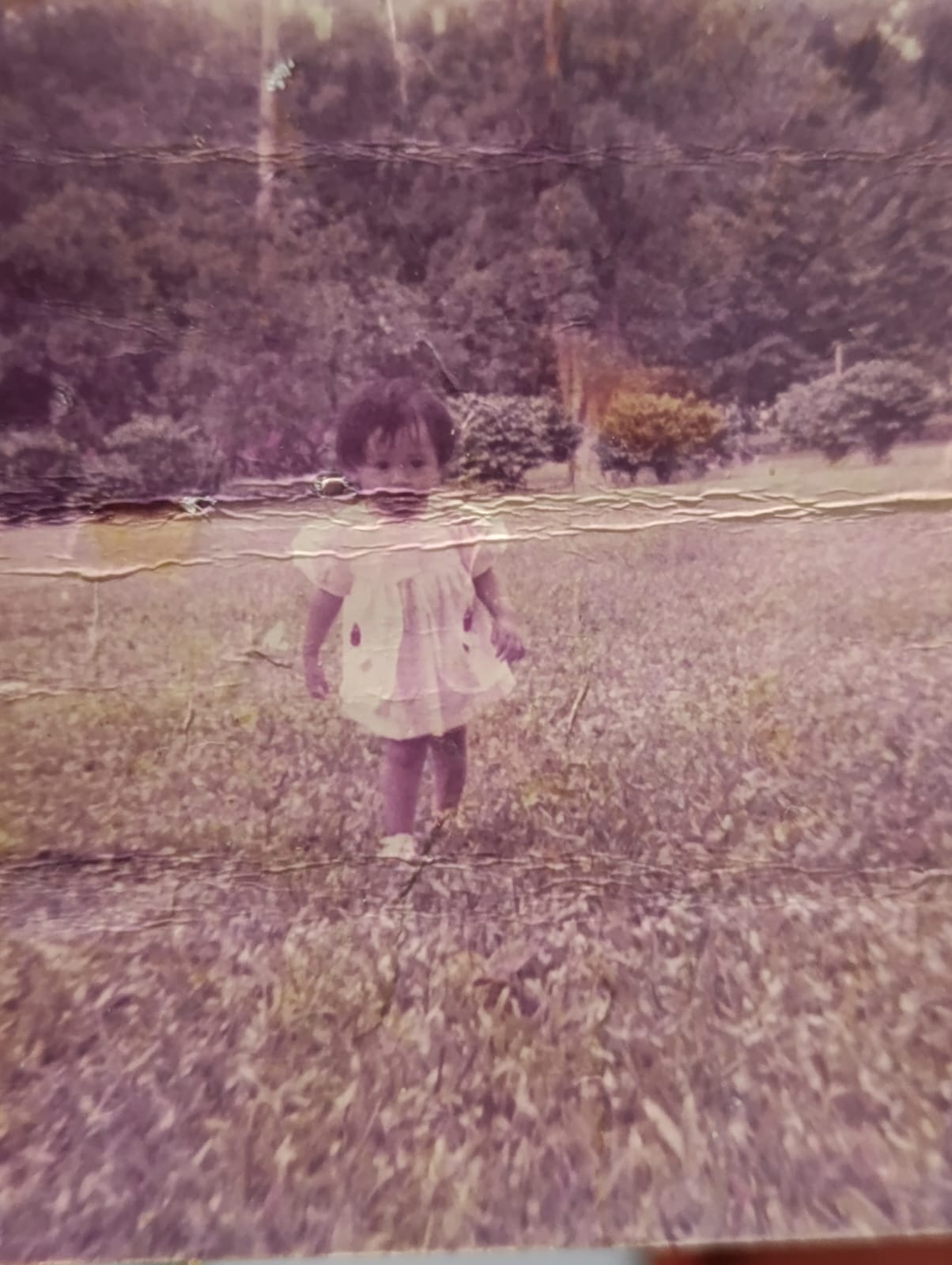
Suwarti saat kecil pada tahun 1982.
Beruntung, kedua orang tua Suwarti menyadari pentingnya pendidikan dan mendukungnya mengenyam pendidikan formal semampu mereka. Dukungan tersebut membawa Suwarti sampai memperoleh gelar sarjana dari IPB pada tahun 2004.
Namun, setelah mulai bekerja dan berpenghasilan, satu pertanyaan terus mengusik benak Suwarti: Lalu, apa lagi? Apa lagi selanjutnya?
Beralih ke Dunia Penelitian Akademik
Saat berkuliah di IPB, Suwarti terkenal rajin dan berbakat di bidang biokimia. Reputasi inilah yang mendorong mantan dosen pembimbing skripsinya untuk menawari pekerjaan bagi Suwarti di laboratorium LIPI.
Posisi yang ditawarkan adalah bagian dari proyek yang berupaya memodifikasi tumbuhan agar bisa memproduksi protein yang dibutuhkan tubuh manusia. Protein buatan dari tumbuhan ini bisa berguna bagi berbagai pengobatan kondisi medis tertentu.
Proyek seperti ini terasa baru dan menarik bagi Suwarti, tetapi gajinya hanya setengah dari yang ia terima di pabrik bumbu saat itu. Meski demikian, LIPI juga menawarkan untuk membiayai pendidikan S2 Suwarti. Karena pekerjaannya di pabrik sudah terasa monoton, tawaran ini terasa masuk akal baginya.
Suwarti akhirnya mengambil tawaran tersebut dan tak lama kemudian mulai bekerja dengan LIPI sambil menempuh pendidikan S2 di program Biologi UI.
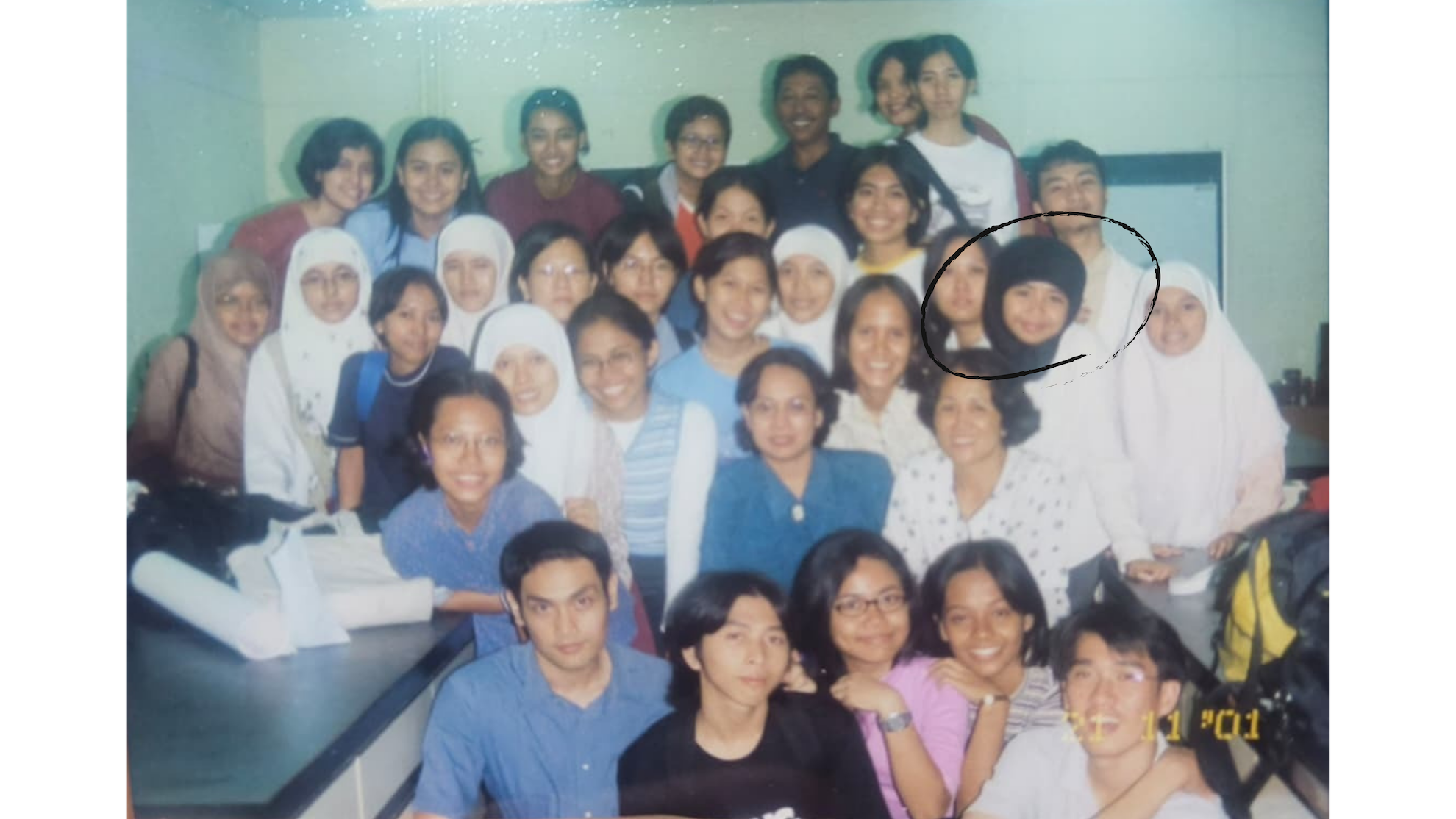
Suwarti dengan teman-teman kuliahnya di IPB pada tahun 2001.
Dari sana, satu peluang membuka jalan bagi peluang berikutnya. Pendidikan S2 tersebut membawa Suwarti ke beasiswa lain untuk menempuh gelar PhD di bidang Life Sciences di Hokkaido University, Jepang, sembari bekerja di National Institute for Materials Science di kota Tsukuba. Proyek doktoralnya meneliti bagaimana material berukuran sangat kecil, dikenal sebagai nanomaterial, bisa digunakan untuk membuat vaksin bekerja lebih efektif dalam memperkuat respons imun tubuh.
Setelah lulus, ia terus bekerja di National Institute for Materials Science selama beberapa tahun untuk membantu mengembangkan vaksin TB jenis baru berdasarkan riset doktoralnya tentang nanomaterial.
Suwarti merasa keputusannya untuk meninggalkan pekerjaan yang mapan demi pendidikan tinggi dan riset kesehatan tidak sepenuhnya didasari perhitungan rasional, tetapi lebih didasari pengaruh kuat tidak langsung dari ibunya.
Ibu Iyah, ibunda Suwarti, hanya tamatan SD, tetapi ia memiliki rasa ingin tahu yang besar. Di salah satu rumah tempatnya bekerja sebagai ART, ada langganan majalah Kartini, majalah perempuan Indonesia legendaris yang membahas berbaga isu sosial, tokoh publik, serta gagasan tentang pendidikan dan kemajuan. Ibu Iyah membacanya setiap kali ada kesempatan, dan terkadang membacakan artikel-artikelnya kepada putrinya.
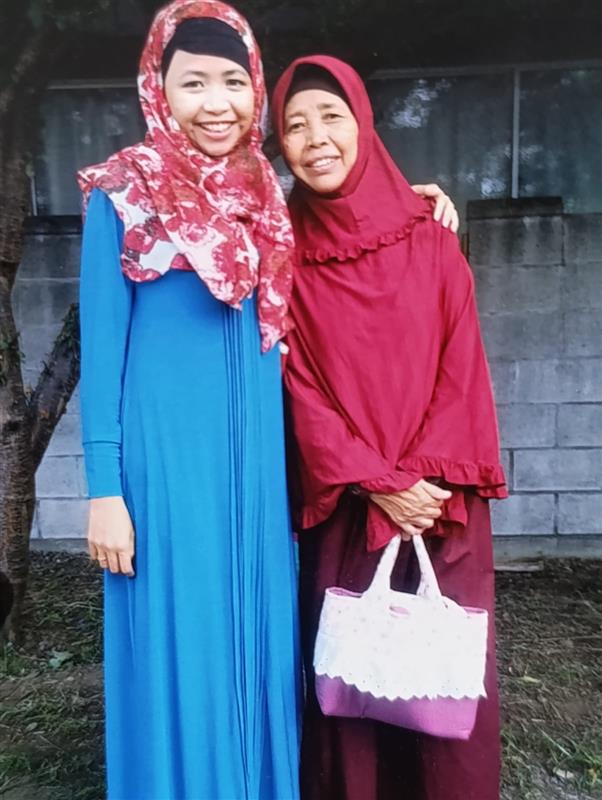
Suwarti bersama ibunya.
“Ibuku bisa dengan mudah mengenali tokoh-tokoh publik, seperti perdana menteri atau pebisnis, yang ia lihat di majalah dan menceritakan berita-berita yang ia baca,” kenang Suwarti. “Untuk seseorang dengan latar belakang pendidikannya, pengetahuan dan rasa ingin tahunya luar biasa. Kalau saja ia diberi kesempatan yang tepat, ia pasti punya karier yang sangat berbeda.”
Rasa ingin tahu itu pun menurun kepada Suwarti. Sejak kecil, ia gemar membaca koran dan rajin belajar, paling rajin di antara saudara-saudaranya.
“Aku gak pernah jadi yang paling top di SMA,†kata Suwarti. “Tapi aku selalu penasaran dan pede. Dan aku tahu bahwa pendidikan itu penting untuk mengubah status sosial seseorang.â€
Kepercayaan diri inilah yang akhirnya mendorong Suwarti untuk berani mengambil risiko, seperti saat menerima tawaran LIPI, dan menyetir kariernya ke dunia sains.
Mendobrak Batasan Demi Sains
Suwarti sadar dunia akademik tidaklah mudah.
Bertepatan dengan bergabung bersama LIPI, Suwarti menikah dan mengandung tak lama kemudian. Ia didatangi banyak tanggung jawab baru secara bersamaan.
“Aku bekerja full-time di laboratorium di Cibinong sambil kuliah di UI di Depok,” ujar Suwarti. “Saat itu aku sedang hamil, lalu kemudian harus mengurus bayi yang baru lahir. Bolak-balik antara rumah, tempat kerja, dan kampus di tiga kota berbeda adalah realitas harian. Kata ‘lelah’ pun gak bisa mengungkapkan yang aku rasakan waktu itu.â€
Suwarti lulus S2 bertepatan dengan berakhirnya proyek di LIPI. Ia sempat menganggur beberapa waktu sebelum akhirnya kesempatan lain datang, yakni menempuh S3 di Jepang. Suwarti bergegas mengambilnya.
Meski demikian, periode ini tidaklah mudah. Selama 1,5 tahun pertama, ia harus meninggalkan suami dan putranya yang baru berusia empat tahun di Indonesia karena keterbatasan biaya. Satu-satunya cara yang ia bisa lakukan adalah mengunjungi keluarganya di Indonesia sebisa mungkin.
Akhirnya, keadaan membaik. Suaminya juga menerima beasiswa untuk melanjutkan studi di Jepang. Sang suami membawa anak mereka, dan selama sekitar lima tahun, keluarga inti Suwarti hidup bersama di Jepang.
Ketika ditanya bagaimana ia bisa bertahan melewati tahun-tahun berat tersebut, Suwarti menunjuk kemampuannya dalam multitasking. “Aku percaya perempuan hebat dalam melakukan banyak hal sekaligus karena keadaan yang menuntut kami,” katanya. “Kami harus menyeimbangkan banyak hal, tanggung jawab rumah tangga, mengasuh anak, bahkan menyusui, di samping pekerjaan.”
Namun, multitasking saja tidak cukup, aku Suwarti. Ia juga ambisius.
“Aku tipe orang yang punya target tinggi. Aku berani bermimpi besar,” ucapnya. “Aku percaya bahwa ketika kita bersungguh-sungguh menetapkan tujuan, alam semesta akan membukakan jalan.”
Meski begitu, ia tak ingin perjalanannya dilihat sebagai usaha sendiri. Suwarti selalu mendapat dukungan dari orang-orang di sekitarnya. Suaminya berbagi tanggung jawab rumah tangga dan mendukung penuh kariernya. Ibunya juga membantu pekerjaan rumah harian dan pengasuhan anak, terutama di masa sebelum dan sesudah kepulangannya dari Jepang.
“Dunia STEM tidak mudah bagi perempuan. Itu mengapa kita harus benar-benar merencanakan hidup yang kita inginkan dan memilih pasangan yang suportif. Suami dan ibu sangat mendukung cita-citaku secara konkret.â€
Hidup yang Berdampak di OUCRU Indonesia
Setelah Suwarti dan suaminya menyelesaikan studi di Jepang, mereka sekeluarga kembali ke Indonesia. Tak lama kemudian, Suwarti menemukan peluang kerja di OUCRU Indonesia, tempat ia mendedikasikan karier riset pascadoktoralnya hingga saat ini.
Di OUCRU Indonesia, Suwarti telah berkontribusi dalam berbagai riset besar seperti SEACOVARIANTS, DETECSI, INACO, INTERACT, dan IMOVA. Riset-riset ini mempelajari berbagai macam patogen, termasuk Covid-19, leptospirosis, HIV, dan Mpox.
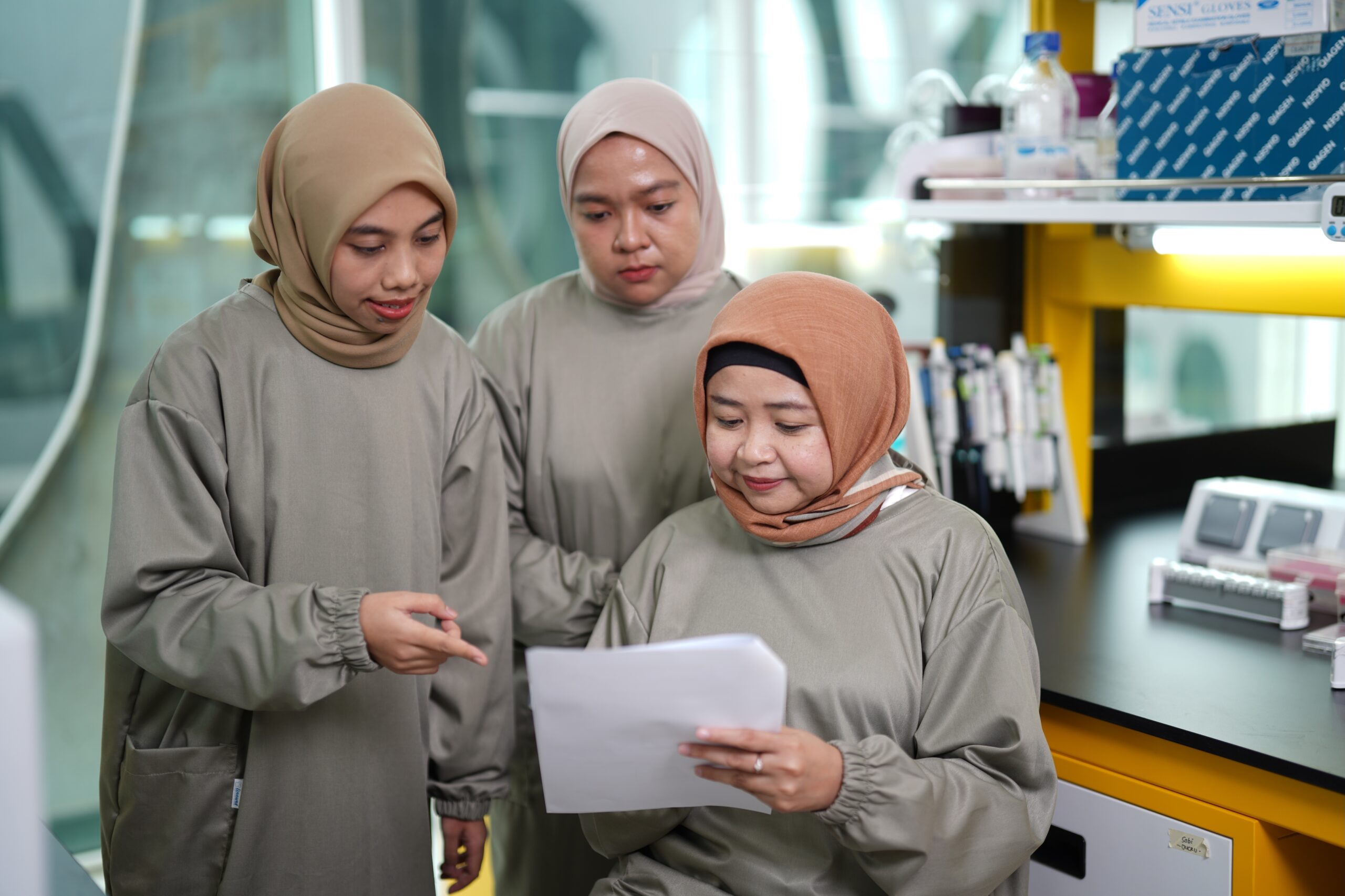
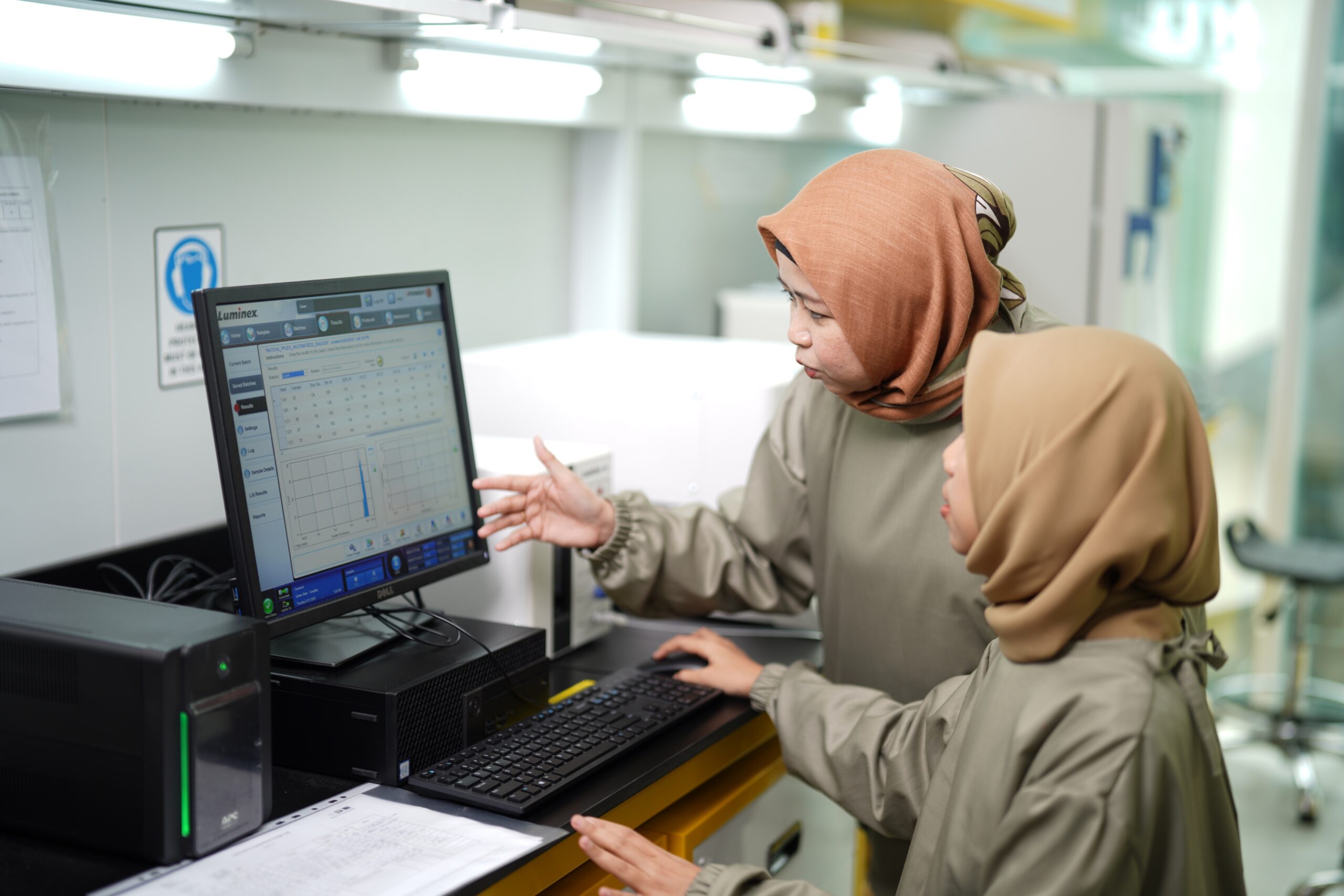
Suwarti dan rekan kerjanya di laboratorium IMERI FK UI.
“Mimpiku adalah melakukan penelitian yang memiliki dampak praktis dan nyata bagi masyarakat. Aku merasa banyak pekerjaanku di OUCRU Indonesia bersifat pragmatis,” kata Suwarti. “Studi seperti SEACOVARIANTS bertujuan memperkuat kesiapsiagaan pandemi, sementara INTERACT berfokus pada diagnosis cepat HIV untuk populasi rentan. Aku ingin pekerjaanku punya dampak nyata bagi orang lain.”
Dalam pekerjaannya, Suwarti berkolaborasi erat dengan berbagai departemen di OUCRU Indonesia dan memimpin tim beranggotakan enam orang yang sebagian besar adalah perempuan. Namun, Suwarti tidak ingin mereka sekadar mengikuti jejaknya.
“Saya ingin mereka belajar dari pengalaman saya, tetapi bukan menirunya. Saya ingin ilmuwan muda, terutama perempuan, menemukan kekuatan mereka sendiri dan membangun jalur mereka sendiri di dunia sains,” pesannya.
Perkembangan Suwarti sebagai peneliti dan pemimpin juga dibentuk melalui pelatihan dan pendampingan yang didukung oleh OUCRU Indonesia dan para mitranya. Ia mengikuti program Make A Difference (MAD) yang mengasah kemampuannya dalam memimpin dan bekerja dengan orang lain. Ia juga terpilih untuk berpartisipasi dalam ISARIC Leadership Programme, sebuah inisiatif global yang memberdayakan peneliti perempuan dari negara-negara berpenghasilan rendah-menengah agar bisa menjadi peneliti mandiri.
Suwarti bersama timnya.
Selain itu, Suwarti juga merupakan bagian dari MORU–OUCRU Discovery Research Academy (MODRA), program pelatihan regional untuk ilmuwan pascdoktoral di Asia. MODRA akan memberikannya dana awal (seed funding) untuk mengeksplorasi metode baru tes leptospirosis yang lebih cepat dan praktis dibandingkan tes PCR standar. Tesnya akan berbasis LAMP dengan sistem lateral flow (serupa strip tes cepat) agar leptospirosis dapat dideteksi secara mudah tanpa laboratorium yang canggih. Tes seperti ini akan berguna bagi daerah-daerah dengan fasilitas terbatas.
Tujuan jangka panjang Suwarti adalah memperbaiki cara penyebab demam didiagnosis di seluruh Indonesia, tidak hanya leptospirosis. Ia ingin membantu faskes mengidentifikasi penyebab demam menggunakan alat diagnosis yang akurat, praktis, dan terjangkau. “Gejala demam sangatlah umum, dan penyebabnya bisa bermacam-macam, mulai dari virus hingga bakteri yang berbeda-beda,” jelasnya. “Aku ingin menemukan cara yang mudah dan aksesibel untuk mendiagnosis penyakit-penyakit ini agar pengobatannya tepat dan pasien sehat. Itu visiku untuk negara ini.”
Suwarti sudah banyak berubah sejak bekerja di pabrik hingga sekarang, tetapi ia masih termotivasi oleh satu hal yang sama: kepeduliannya terhadap orang-orang di sekitarnya. Dahulu, kepeduliannya bersifat personal, yakni membangun hidup yang lebih baik bagi keluarganya. Saat ini, di OUCRU Indonesia, ia bekerja untuk membangun hidup yang lebih baik bagi masyarakat luas, di Indonesia dan dunia.
Suwarti is a scientist at OUCRU Indonesia who specialises in clinical laboratory research. Her work involves detecting diseases, tracking how pathogens evolve, and studying how the human body responds to infections.
Over the past seven years, Suwarti has been a key contributor to many major research projects, including the unit’s critical work on Covid-19 and broader pandemic preparedness. Her more current research focuses on testing the body’s reactions to Covid-19, Mpox, and bird flu vaccines, as well as identifying patterns of leptospirosis outbreak in Jakarta.
With a PhD and a lead researcher role, many people would be surprised to learn that Suwarti’s career began on the floor of a spice manufacturing factory, not in clinical research.
A humble beginning
One of Suwarti’s first jobs was supervising quality control at a spice manufacturing factory. It was a sensible choice at the time. With a bachelor’s degree in Food Technology, her motivation was strictly pragmatic: to earn as much money as possible.
Born as the youngest of ten children, Mba Ati, as she is affectionately called in the office, came from a modest family. Her father worked as a manual labourer, while her mother was a domestic helper.
She knew early on that she wanted a better life for herself and her family. “I didn’t want to remain poor. I wanted to live comfortably. I realised this when I was still in middle school, after seeing how children from higher-income families lived,†Suwarti recalled.
Suwarti as a kid in 1982.
Luckily, her parents placed great importance on formal education and supported her as far as they could. That support carried Suwarti through university, where she obtained her bachelor’s degree from Institut Pertanian Bogor(IPB) in 2004.
But once she had started working and earning, a persistent question started to bug her mind: “What now? What is next for me?â€
Turning to a life in academia
During her undergraduate studies at IPB, Suwarti was known for being studious with a gift in biochemistry. It was this reputation that led the supervisor of her undergraduate research to reach out to her with an offer to work at a laboratory at the Indonesian Institute of Sciences (Lembaga Ilmu Pengetahuan Indonesia – LIPI).
The work involved engineering plants to produce essential human proteins and ensuring they function exactly like those found naturally in the human body. These plant-grown proteins could provide treatments for people with a range of medical conditions.
Such a project was new and exciting for Suwarti, but the salary would be half of what she was earning at the factory. However, the offer included a master’s degree scholarship supported by LIPI, and Suwarti found the challenge more appealing than her monotonous factory work – saying yes felt like the sensible choice for her.
So she took the job, and before long found herself working in LIPI’s laboratory while pursuing a master’s degree in Biology at Universitas Indonesia on scholarship.
Suwarti with her classmates at IPB in 2001.
From there, one opportunity opened the door to the next. That master’s degree eventually led to another scholarship, this time to pursue a PhD in Life Sciences at Hokkaido University in Hokaido, Japan, while working at National Institute for Material Science in a different city Tsukuba. Her doctoral project investigated how extremely small materials, known as nanomaterials, could be used to help vaccines work better in strengthening the body’s immune responses.
After graduating, she spent a few more years as a postdoctoral researcher in Japan, helping to develop a new type of TB vaccine by building on her doctoral research on vaccine nanomaterials.
Looking back, Suwarti sees that her decision to leave a stable, better-paying job to pursue higher education and health research was shaped less by calculation and more by long-standing, indirect influence of her mother.
Suwarti and her mother in 2014.
Ibu Iyah, Suwarti’s mother, had completed only elementary school, yet she was deeply curious about the world. In one of the households where she worked as a domestic helper, there was a subscription to Kartini magazine, a long-running Indonesian women’s magazine that covers social issues, public figures, and ideas about education and progress. She read it whenever she could, and sometimes read articles aloud to her daughter.
“My mother would easily recognise public figures, like prime ministers and business people, featured in the magazine, and talk about things she read in the news,†Suwarti recalled. “For someone with her educational background, her knowledge and curiosity were remarkable. If she had been given the right opportunities, she would have had a very different career.â€
That curiosity was passed down to Suwarti. From a young age, she liked reading the newspapers and was considered the most studious among her siblings.
“I was never one of the top students in the high-school where the bright students were competing,†she said. “But I have always been curious and confident, and I knew that education is one profound way to change one’s social standing.â€
This confidence eventually led Suwarti to take risks, like accepting the offer from LIPI, and set her on a path in science.
Breaking glass ceilings in pursuit of science
Suwarti knew she was not choosing an easy life in academia.
Around the time she joined LIPI, she also got married and then became pregnant not long after. The timing meant that several major responsibilities arrived at once.
“I was working full time at the laboratory in Cibinong while studying at Universitas Indonesia in Depok,†Suwarti said. “I was pregnant at the time, and later caring for a newborn. Going back and forth between home, the workplace, and campus in three different cities was my daily routine. Exhausted doesn’t even capture how I felt.â€
Suwarti graduated around the same time her project with LIPI came to an end. She was unemployed for a period before another opportunity came her way, this time to pursue a doctoral research project in Japan. She jumped at it.
The transition was not easy. For the first 1.5 years, she had to leave her husband and her four-year-old son behind in Indonesia because she could not afford to bring them with her. Her only option was to travel back and forth between Japan and Indonesia whenever she could.
Eventually, circumstances shifted. Her husband also received a scholarship to pursue higher education in Japan. He brought their child with him, and for about five years, the family lived together there.
When asked how she managed to endure those years, Suwarti pointed to the ability to multitask. “I believe women are great at multitasking because we have to be,†she said. “We juggle many things at once, domestic responsibilities, child-rearing, even breastfeeding, all on top of work.â€
But multitasking alone was not enough, Suwarti admitted. She was also ambitious. “I am the type of person who aims high. I dare to dream big,†she said. “I deeply believe when you intently set your eyes on something, the universe will follow.â€
Still, portraying her journey as a purely individual effort would be untrue. Suwarti consistently received support from the people around her. Her husband shared household responsibilities and fully supported her career. Her mother also helped with daily chores and childcare, especially in the period before Suwarti and her family moved to Japan and after she returned to Indonesia.
“Women don’t have it easy in STEM,†she acknowledged. “That is why you must be intentional about the life you build and choose a partner who truly shares your goals. My husband does that, and along with my mother, they support my dreams in tangible waysâ€
Living a life of impact at OUCRU Indonesia
After Suwarti and her husband completed their respective studies in Japan, the family returned to Indonesia. Not long after settling back home, Suwarti found an opportunity to work with OUCRU Indonesia, where she now dedicates her postdoctoral research career.
At OUCRU Indonesia, she has contributed to several major research projects, including SEACOVARIANTS, DETECSI, INACO, INTERACT, and IMOVA. These projects study different pathogens including covid-19, leptospirosis, HIV, and Mpox.
“My greatest passion is conducting research that has practical and immediate impact for society. I believe much of my work with OUCRU Indonesia has been pragmatic,†Suwarti said. Studies like SEACOVARIANTS aim to strengthen pandemic preparedness, while INTERACT focuses on rapid HIV diagnosis for vulnerable populations. “Ultimately, I want my work to make a real difference for others.â€
In her work, Suwarti collaborates closely with multiple departments across OUCRU Indonesia and leads a team of six people, most of whom are women. But Suwarti never wants them follow in their footsteps. “I want them to learn from my experience, but not to imitate it. I want young scientists, especially women, to discover their own strengths and build their own paths in science,†she said.
Suwarti’s growth as a researcher and leader was also shaped by training and mentorship supported by OUCRU Indonesia and its partners. She joined the Make A Difference (MAD) programme, which helped her rethink how she leads and works with others. Suwarti is also participating in the ISARIC Leadership Programme, a global initiative that empowers mid-career female researchers from low- and middle-income countries to become independent research leaders.
Suwarti with her team.
Suwarti is also part of the MORU–OUCRU Discovery Research Academy (MODRA), a regional training programme for postdoctoral scientists in Asia. Through MODRA, she will receive seed funding to explore a new method for detecting leptospirosis that could be faster and more practical than standard PCR tests, especially in resource-limited settings. Specifically, her research aims to develop a LAMP-based test with a lateral flow system, similar to a rapid test strip, so leptospirosis can be detected more easily outside sophisticated laboratories.
Suwarti’s long-term research goal is to improve how febrile illnesses are diagnosed across Indonesia, not just leptospirosis. She wants to help health facilities identify the causes of fever using diagnostic tools or panels that are accurate, practical, and cost-effective. “Febrile illness is very common, and it can be caused by many things, including different viruses and bacteria,†she said. “I want to find an easy and accessible way to diagnose these diseases to improve treatment and outcome. That is my vision for this country.â€
Suwarti is no longer the same person she was when she worked at the factory, but at her core she remains the same: driven by her care for the people around her. Years ago, that purpose was simple and personal, to build a better life for her family. Today, at OUCRU Indonesia, she works to create a better life for Indonesians and beyond.
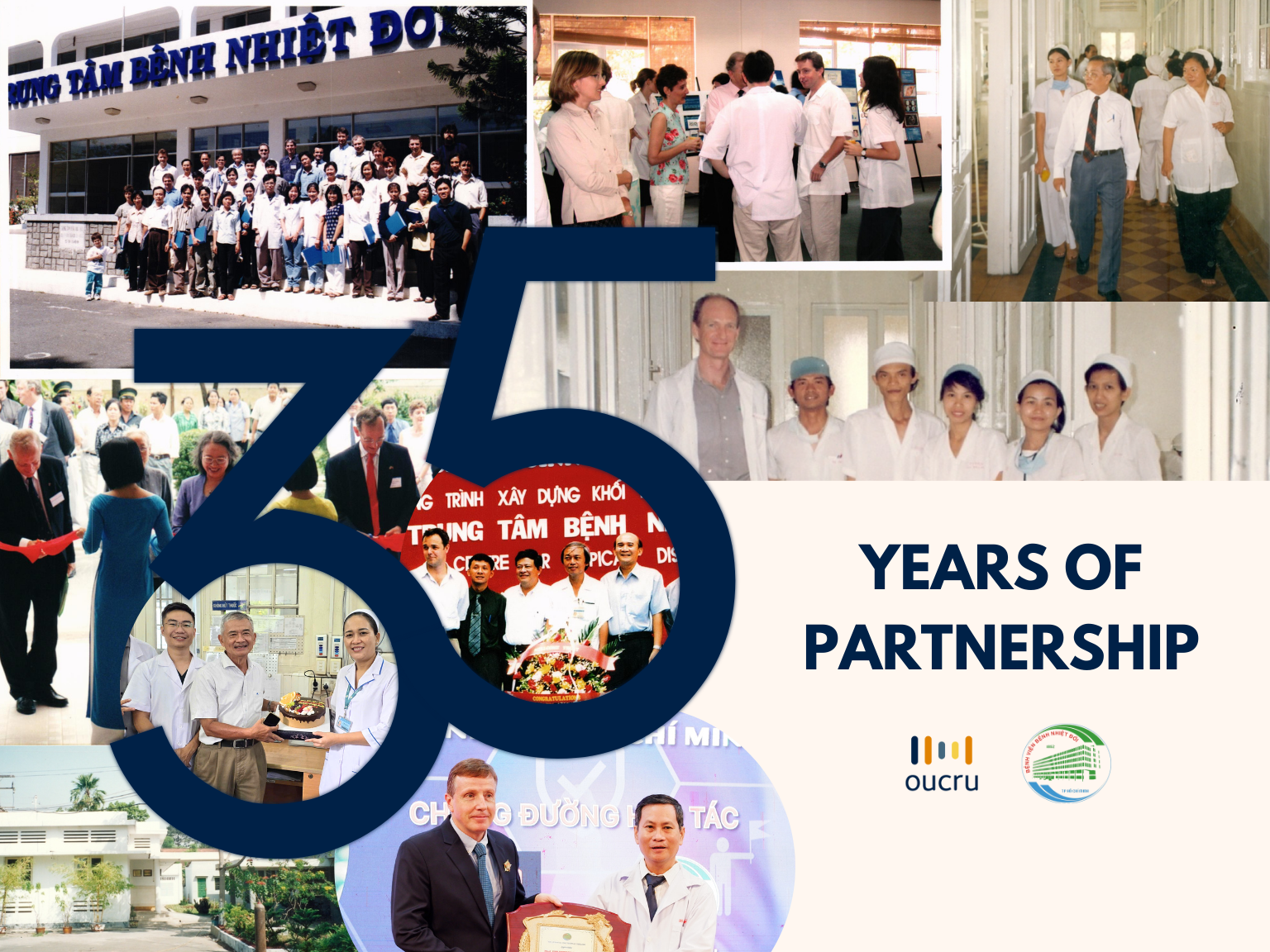
From our earliest malaria trials in 1991 to today’s shared work on many infectious diseases, we mark 35 years of partnership with the Hospital for Tropical Diseases (HTD), HCMC.Â
This year, Oxford University Clinical Research Unit (OUCRU) marks 35 years since its establishment in Vietnam (26 January 1991 – 26 January 2026). The anniversary also recognises 35 years of partnership with the Hospital for Tropical Diseases (HTD) in Ho Chi Minh City, a collaboration that has underpinned OUCRU’s work to generate evidence that improves patient care and strengthens responses to infectious disease threats.
OUCRU’s roots in Vietnam are closely linked to the clinical realities of the early 1990s, when severe malaria placed significant pressure on hospital services. Working alongside HTD clinicians, OUCRU helped embed rigorous clinical research in the hospital environment, supporting studies conducted to international standards and building practical research capability within routine care settings.
That early foundation shaped a long-term model for OUCRU’s work. It combined close partnership with frontline clinical teams, investment in laboratory and operational systems, and a focus on translating findings into improved treatment approaches and broader public health impact.
In the years since, OUCRU’s collaboration with HTD has expanded to reflect Vietnam’s evolving health priorities. Joint programmes have contributed to research and training across areas including emerging infections, antimicrobial resistance, diagnostics, clinical trials, public health, and outbreak response. The partnership has also supported the development of Vietnamese scientific leadership through sustained training and collaborative research programmes.
Today, OUCRU continues to work with HTD and wider partners to address urgent health challenges. At the same time, OUCRU invests in long-term capabilities that enable rapid, evidence-based responses when new threats emerge.
Marking 35 years is both a reflection on what has been built and a commitment to what comes next. OUCRU will continue to pursue high-quality, partnership-led research that delivers measurable benefit for patients and communities in Vietnam and beyond.
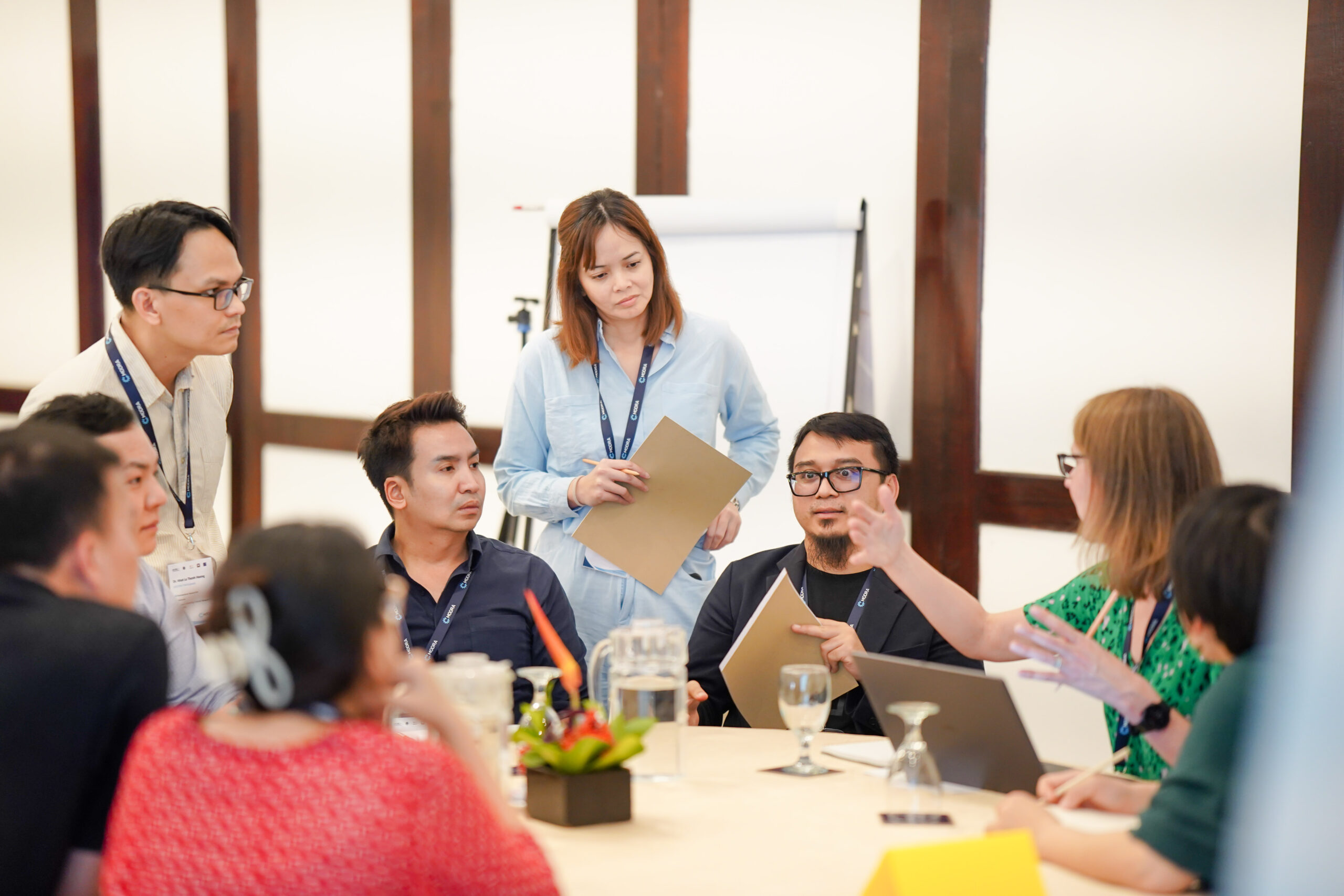
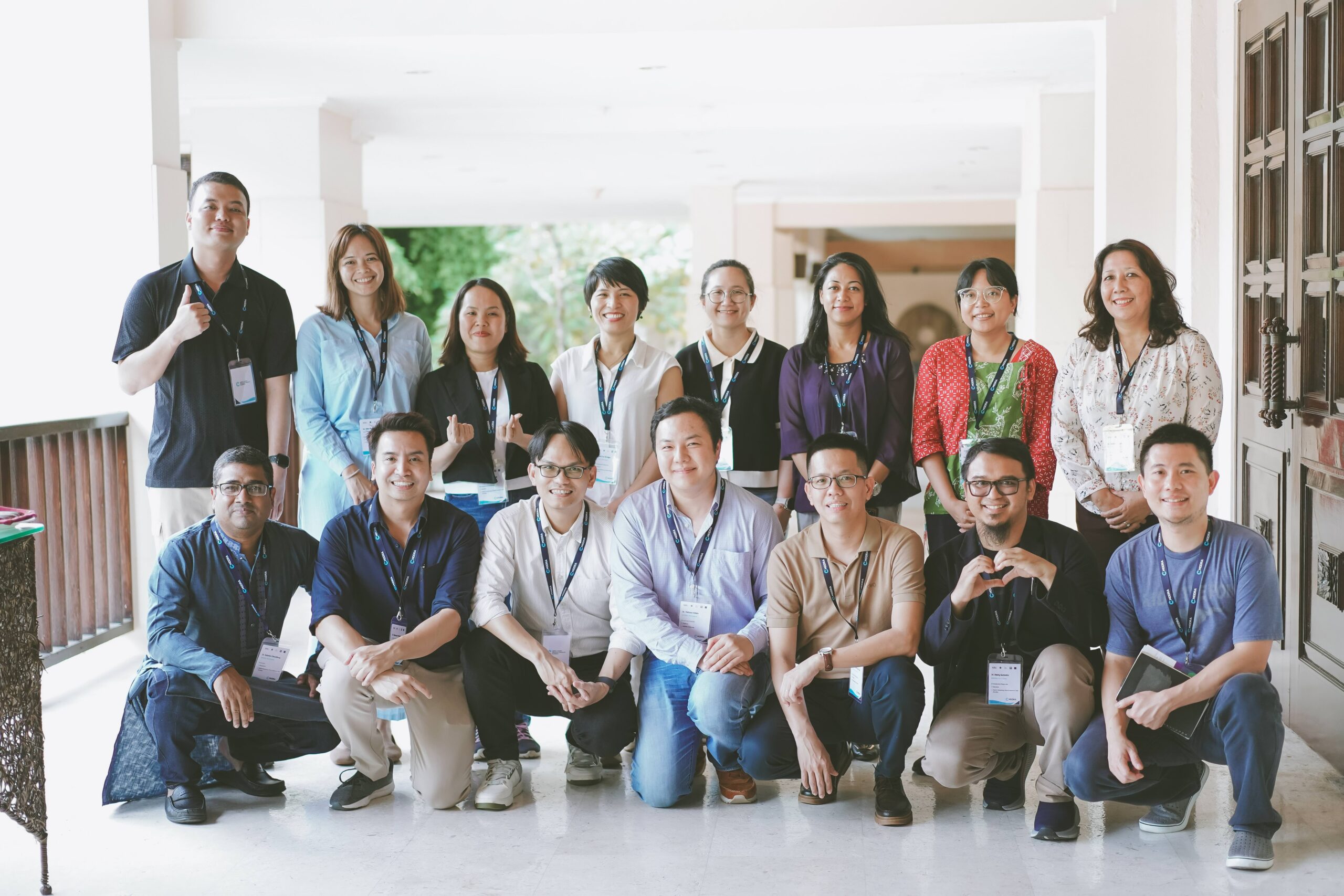
The first MODRA cohort gathers for a group photo at their final workshop and graduation in Sanur, Bali, December 2025.
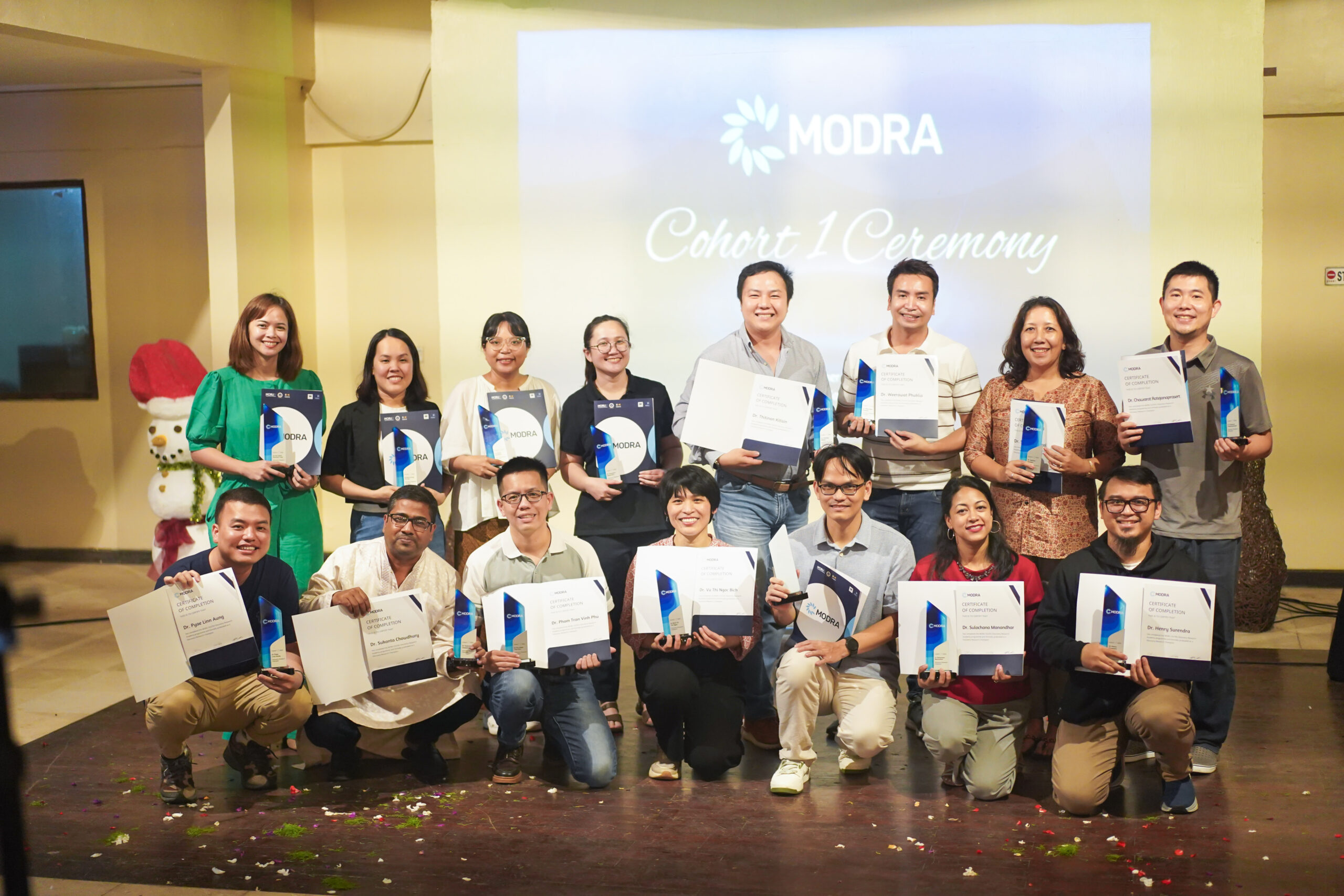
The first cohort of the MORU–OUCRU Discovery Research Academy, MODRA, has officially graduated following a final four-day workshop held in December 2025 in Sanur, Bali. The workshop marked the conclusion of the programme’s inaugural 18-month cycle and brought together 15 early to mid-career researchers from across South and Southeast Asia to present their research, reflect on their progress, and plan their next steps as independent research leaders.
The third and the final workshop focused on showcasing the results of fellows’ seed grant projects and preparing them for post-MODRA funding and leadership pathways. Each fellow presented findings from their MODRA funded research, followed by discussions on future grant applications, leadership, and research communication. The programme concluded with a graduation ceremony recognising the completion of the first MODRA cohort.
“Many talented researchers reach a stage where strong science alone is not enough to move their work forward,†said Dr Leigh Jones, Director of MODRA and Academic Training Leader at OUCRU and MORU. “MODRA was designed to support researchers at this transition point, by giving them the skills, confidence, and networks needed to lead their own research and compete for international funding.â€
Held from 8 to 11 December 2025 at the Mercure Resort Sanur, the workshop brought together fellows, senior researchers and support teams from OUCRU and MORU and representatives from funders (Wellcome and SEA-DREAM). Sessions included candid discussions with funders and reviewers, reflections from successful grant holders, leadership training, and practical guidance on communicating research to broader audiences.
The final workshop built on earlier stages of the programme. Over the course of 18 months, fellows participated in a structured combination of online sessions and in person workshops in Thailand and Vietnam, covering idea development, proposal writing, budgeting, pitching, and project management. Each fellow received seed funding of up to 30,000 US dollars to lead a research project from concept to implementation.
By the end of the programme, fellows had moved beyond proposal development to delivering concrete research outputs. Several participants have already progressed to leading hospital based studies, developing new research platforms, or using MODRA seed funding as a springboard to secure larger international grants. These outcomes reflect MODRA’s emphasis on practical skills, leadership, and locally driven research.
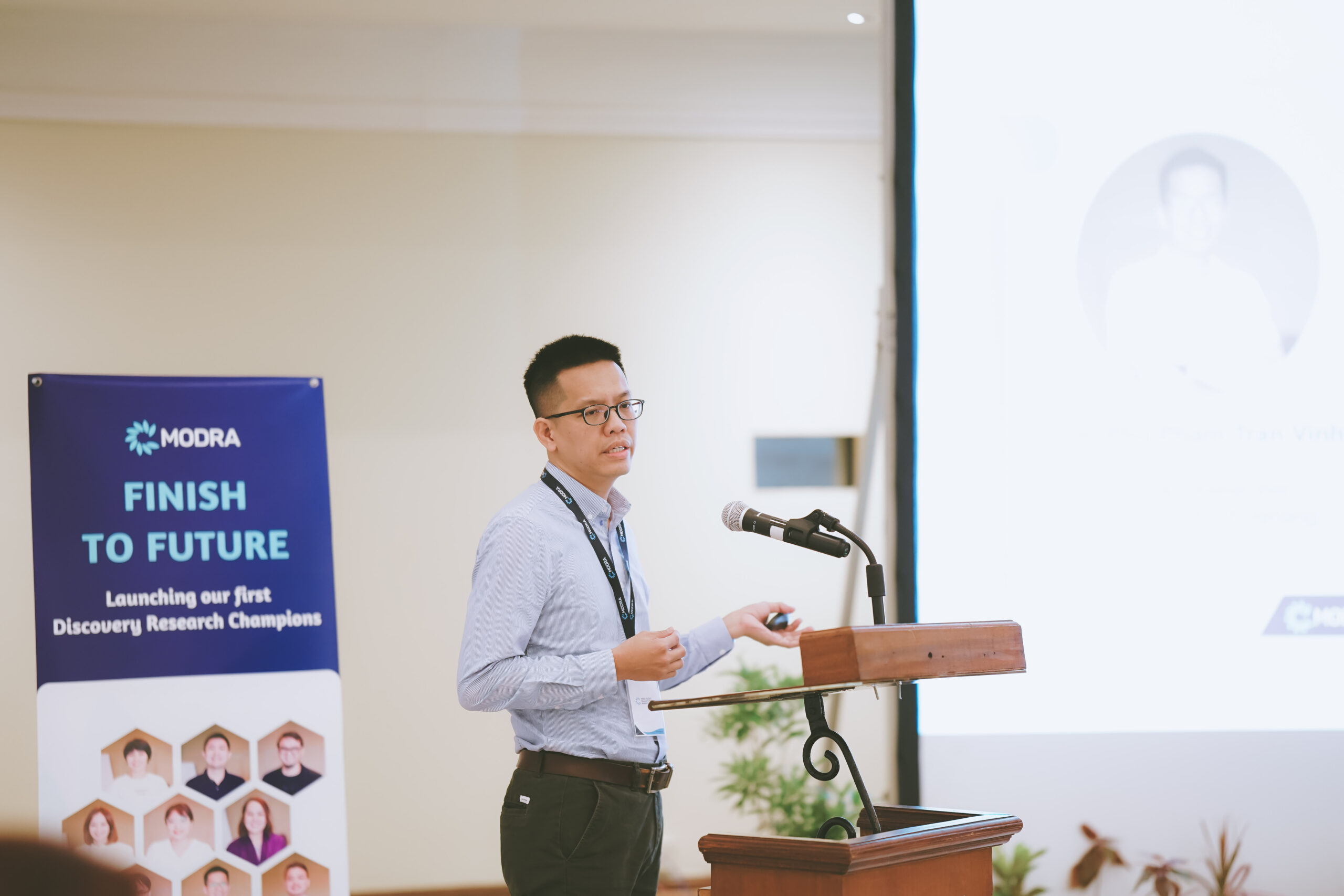
Dr Phu Pham Tran Vinh presents his MODRA seed grant project and reflects on his experience during the final MODRA workshop in Bali, December 2025.
Reflecting on his experience, Dr Phu Pham Tran Vinh, a member of the first MODRA cohort, said, “MODRA provided me with an 18-month seed award that combined high-quality training sessions with a research project. Through this programme, I expanded my professional network, opening doors to collaboration with scientists from different countries. I also strengthened my research capacity and skills, which are essential for my career development. Thanks to MODRA, I feel very fortunate, more confident, and more passionate about my research in infectious diseases. I hope that, building on the support from MODRA, I can contribute more to the scientific community in the future.â€
Following graduation, MODRA will continue to engage with its alumni. The programme will provide ongoing consultation and support as graduates prepare and submit international grant proposals and take part in funding interviews, ensuring continued momentum beyond the formal training period.
MODRA is a Wellcome funded initiative jointly led by OUCRU and the MORU With the graduation of its first cohort, the programme moves from pilot phase to proof of concept. A second cohort is already underway, continuing MODRA’s long term goal of strengthening research capacity and regional collaboration across Asia.
A major international clinical trial, known as the HARVEST trial, has found that giving a higher dose of rifampicin does not improve survival in adults with tuberculous meningitis, the most severe and deadly form of tuberculosis.
Tuberculous meningitis affects the brain and spinal cord and remains extremely difficult to treat. Up to half of patients die despite treatment, and many survivors are left with permanent neurological disability. One reason outcomes remain poor is that several standard TB drugs do not penetrate the brain well.
The trial published last week in the New England Journal of Medicine found that patients who received a 3.5-fold higher than standard dose of rifampicin were not more likely to survive than those given the standard dose.
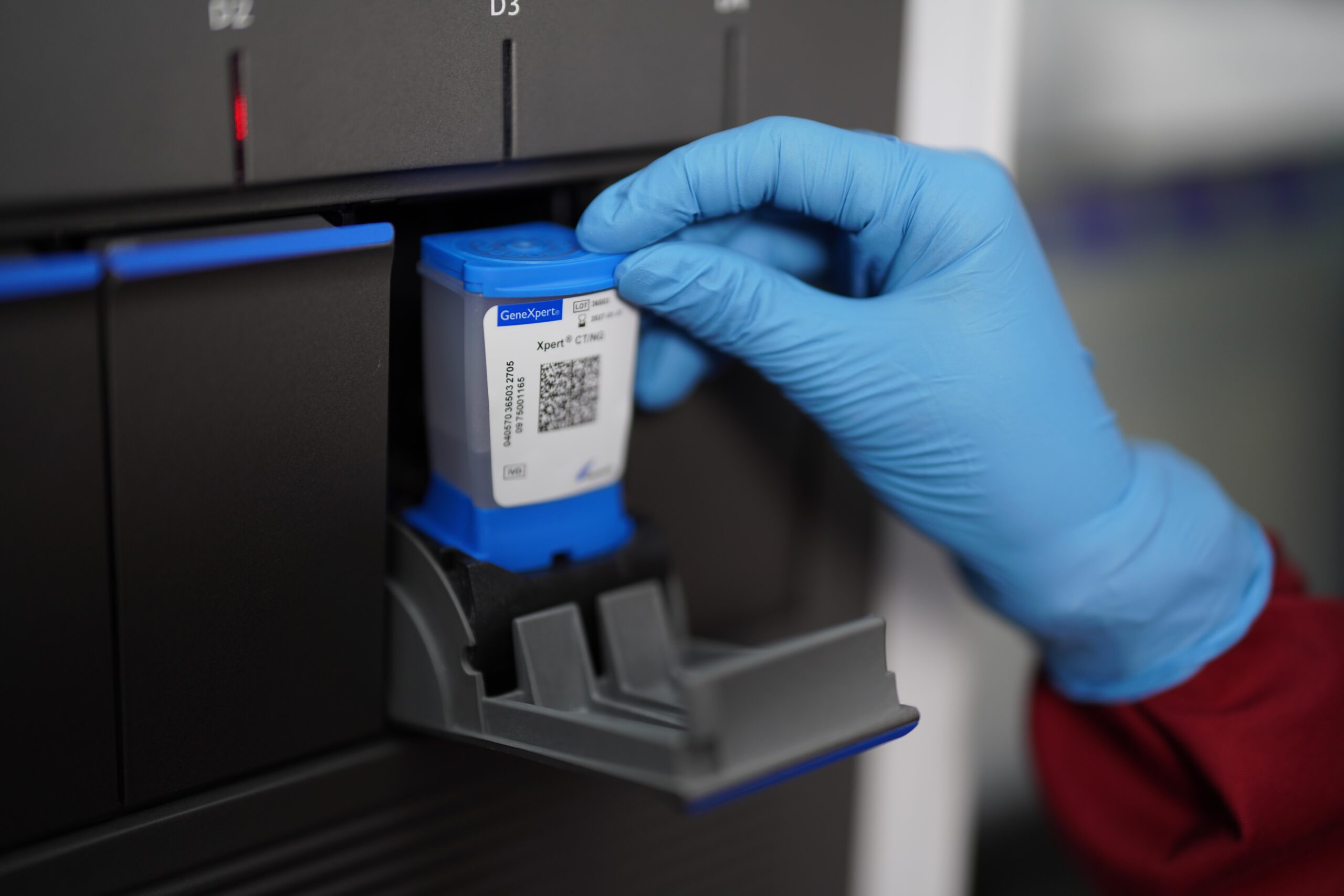
A laboratory technician prepares a patient sample for GeneXpert testing, a rapid molecular test used to help diagnose tuberculous meningitis. Photo credit: OUCRU Indonesia.
After six months of follow-up, 44.6 percent in the high-dose rifampicin group had died, compared with 40.7 percent in the standard-dose group, a difference that was not statistically significant. Patients receiving the higher dose also recovered consciousness more slowly, and no improvement was seen in disability or longer-term neurological outcomes.
For more than a decade, researchers have explored whether increasing the dose of rifampicin could improve outcomes. Earlier, smaller studies in Indonesia, South Africa, and Uganda showed that higher doses could safely raise drug levels in the blood and spinal fluid.
The HARVEST trial was designed to test whether this strategy could translate into better survival, and is the largest and most rigorous evaluation to date of intensified rifampicin therapy for TB meningitis.
The trial enrolled 499 adults with tuberculous meningitis across nine hospitals in Indonesia, South Africa, and Uganda. Around 60 percent of participants were living with HIV, and most had severe disease at the time of enrolment.
Patients were randomly assigned to receive either a high dose of rifampicin (35 mg per kilogram per day), or the standard dose (10 mg per kilogram per day)Â during the first eight weeks of treatment. All patients also received other standard TB drugs and corticosteroids.
Researchers believe the worse early outcomes may be linked to an excessive inflammatory response in the brain when TB bacteria are killed more rapidly. In tuberculous meningitis, inflammation itself can be life-threatening and may outweigh any potential benefit of higher antibiotic drug exposure.
“The findings provide essential direction for the global TB research community,†said Dr Darma Imran, a neurologist and Principal Investigator at Cipto Mangunkusumo Hospital and a researcher at the Faculty of Medicine Universitas Indonesia. “These results help doctors avoid treatments that add risk without benefit, and they add to the evidence needed to improve care for patients with tuberculous meningitis.â€
“This trial is also a win for Indonesia,†said Prof Raph Hamers, one of the trial investigators based at OUCRU Indonesia. “Despite the disappointing clinical outcome, HARVEST demonstrates that complex, rigorous randomised clinical trials can be successfully conducted here, through collaboration with international partners. We hope that this trial will galvanize renewed global attention for this neglected, highly fatal disease, exploring strengthened anti-inflammatory treatments, more sensitive diagnostics, enabling earlier intervention, and enhanced supportive care.â€
The researchers stress that these findings apply specifically to tuberculous meningitis and should not be generalised to pulmonary TB or other forms of tuberculosis, where drug penetration and immune responses are very different.
These vaccines were developed based on the original SARS-CoV-2 strain found in Wuhan, before newer variants such as Omicron emerged. The study found that, for adults over 50 and those with underlying health conditions such as diabetes, heart disease, or lung problems, third and fourth booster doses of these vaccines continued to prevent hospitalisation and death more than a year after vaccination.Â
The study also found that these boosters no longer stop otherwise healthy people from catching the new Omicron variants. This is likely because protection fades over time and the virus has evolved to be better at evading immunity.Â
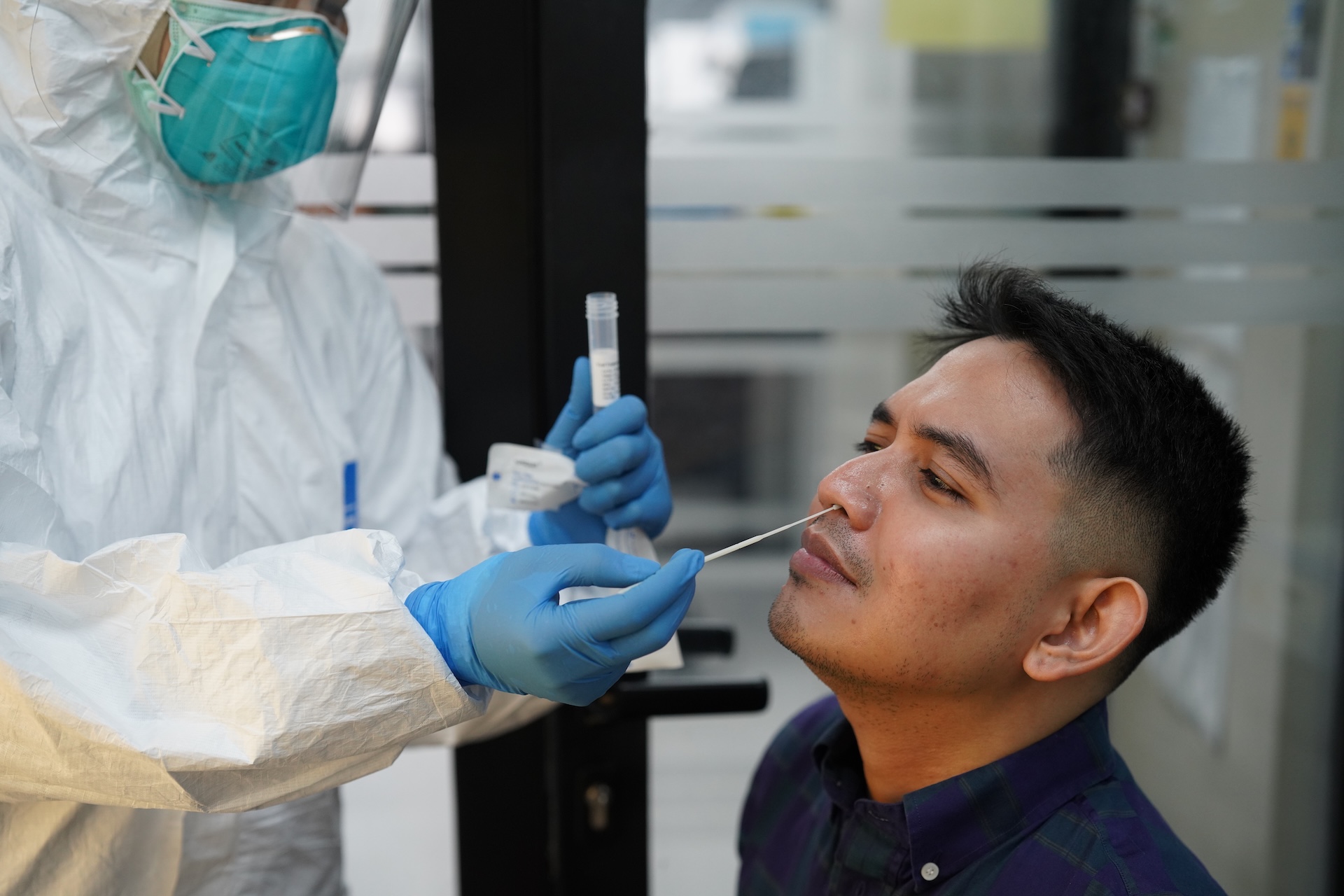
A healthcare worker collects a nasal swab sample for COVID-19 testing (illustration).
A third-dose booster (given around 20 months prior to the study) reduced the risk of hospitalisation by about 38 percent and death by about 55 percent among adults over 50 years of age. It also lowered the risk of death by roughly 55 percent among people with one or more chronic conditions.
A fourth-dose booster (given around 13 months prior to the study), reduced the risk of hospitalisation by about 50 percent among older adults and by 74 percent among people with one or more chronic conditions.
The study was conducted across 14 hospitals, laboratories, and community health centres in the cities of Jakarta and Yogyakarta, Indonesia, and followed more than 2,000 adults between March 2023 and May 2024.
Nearly all infections during this period were caused by Omicron XBB or JN.1, the dominant variants circulating in Indonesia at the time. The vaccine boosters were mostly mRNA vaccines such as Moderna and Pfizer, given after primary vaccination with either inactivated vaccines (CoronaVac) or viral vector vaccines (AstraZeneca).
OUCRU has an extensive and growingresearch portfolio on COVID-19. See more here.
“The Indonesian government declared the end of the pandemic in June 2023 and, as in many low- and middle-income countries, has discontinued the booster programme,†said Dr. Bayu Satria Wiratama, researcher at Universitas Gadjah Mada and first author of the paper. “Nonetheless, our findings show that these boosters still make a real difference for older adults and people with health conditions.â€Â
“The findings of this study make a compelling case for sustained revaccination strategies, even in settings where public health resources are limited,†said Assoc. Prof. Raph Hamers, researcher at OUCRU Indonesia and senior author. “Continued research is needed to track the long-term durability of protection from the currently used vaccines, which are based on the Wuhan strain, in Indonesia and other nations. This includes defining minimal intervals for boosters and assessing the added value of introducing updated vaccines, which are not currently in use in Indonesia.â€Â