Author: Tuyet Anh Tran

  • Communicate Antimicrobial resistance (AMR) using community-based, co-created media 

    Communicate Antimicrobial resistance (AMR) using community-based, co-created media 

    November marks the annual World AMR Awareness Week, November 18–24, with the theme “Act Now: Protect Our Present, Secure Our Future.” 

    As a global campaign to raise awareness and understanding of AMR and promote action to tackle the emergence and spread of drug-resistant pathogens, this year’s theme emphasises the need for united action and the importance of the participation of all levels, from grassroots community to high-level policy makers. 

    Vietnam is ranked by the World Health Organization as among the countries with the highest rates of antibiotic resistance in the world. The main cause is antibiotic overuse—up to 88% of antibiotics in urban areas are sold without a prescription, and in rural areas, the rate reaches 91%. The situation of self-medication without seeing a doctor, buying medicine based on others’ prescriptions, or following others’ advice is also common and contributes to increasing antibiotic abuse cases. 

    One highlighted campaign shared by the WHO is sharing real-life stories to encourage global action against antimicrobial resistance. At OUCRU, we have been successfully sharing community-based stories via several communication means to illustrate complex health issues, including AMR, and their tangible impact on daily lives. 

    Methods that we used to produce community-based media 

    Animate published AMR research to popularise among young people 

    A project led by Collab Lab with support from OUCRU’s Public and Community Engagement group, Collab Lab’s mission is producing animated videos that summarise published research about rising global health issues to bring research to young people, nurturing their curiosity and interest in science as well as gathering feedback for researchers, to make our research more relevant in daily lives. 

    AMR has been a cornerstone of Collab Lab’s chosen topics from day 1. Throughout the years, young passionate students have picked a wide range of published AMR research papers from OUCRU and partnered institutes, and made funny explainer videos. Check out the Collab Lab’s AMR playlist here. 

    Theatre play and community performances are useful means to communicate complex topics like AMR 

    Direct active engagement is a plus point of science theatre play methods. OUCRU co-wrote and organised several play performances in schools around Vietnam and community performances in Nepal to raise awareness among students and teachers. With the contribution from OUCRU’s scientists and audience, the play tours in both countries ended with positive support and feedback from the young audience.  

    Comics and videos, powered by the community 

    Misconceptions about antibiotic use have long been passed down through generations in Indonesia — from believing that antibiotics can treat all illnesses, to using them without prescriptions. These behaviours contribute to the growing global health threat of antimicrobial resistance (AMR). Recognising the urgent need for targeted education among young people, PAPRA Indonesia, in collaboration with OUCRU Indonesia and Dr. Cipto Mangunkusumo National Central Public Hospital (RSCM), initiated an innovative public engagement project to raise awareness about the responsible use of antibiotics. 

    The initiative, Youth Peer Educators Combat AMR, focuses on empowering school-aged children and youth through creative educational tools and peer-led learning. 

    Explore more OUCRU’s public and community engagement AMR resources here. 
  • World Mental Health Day 2025: Ensure mental health access for all during times of crisis

    World Mental Health Day 2025: Ensure mental health access for all during times of crisis

    10 October is chosen to be World Mental Health Day. This year theme focuses on “Mental health in humanitarian emergencies”, highlights the essential need to support mental health during crises like natural disasters, and public health emergencies.

    According to WHO, around 1 in 5 people in conflicted-affected areas are estimated to have a mental health condition. Experiencing fear, anxiety or sadness in such circumstances is a normal reaction to very stressful events. Beyond food, water, and medicine, survivors also need mental health and psychosocial support to cope, recover, and rebuild. Making mental health and psychosocial support a core part of emergency response not only saves lives but also strengthens communities and health systems for the future.

    Among people who are in need of mental health support during disasters and emergencies, field workers often face extreme stress due to the direct effect they respond to, heavy urgent workload in difficult working environment. To support field workers, in partnership with Medisetter, OUCRU’s Public and Community Engagement Group organised a webinar focusing on helping field workers equip with psychological first aid for not just themselves but people around them. You can watch the webinar’s recording here.

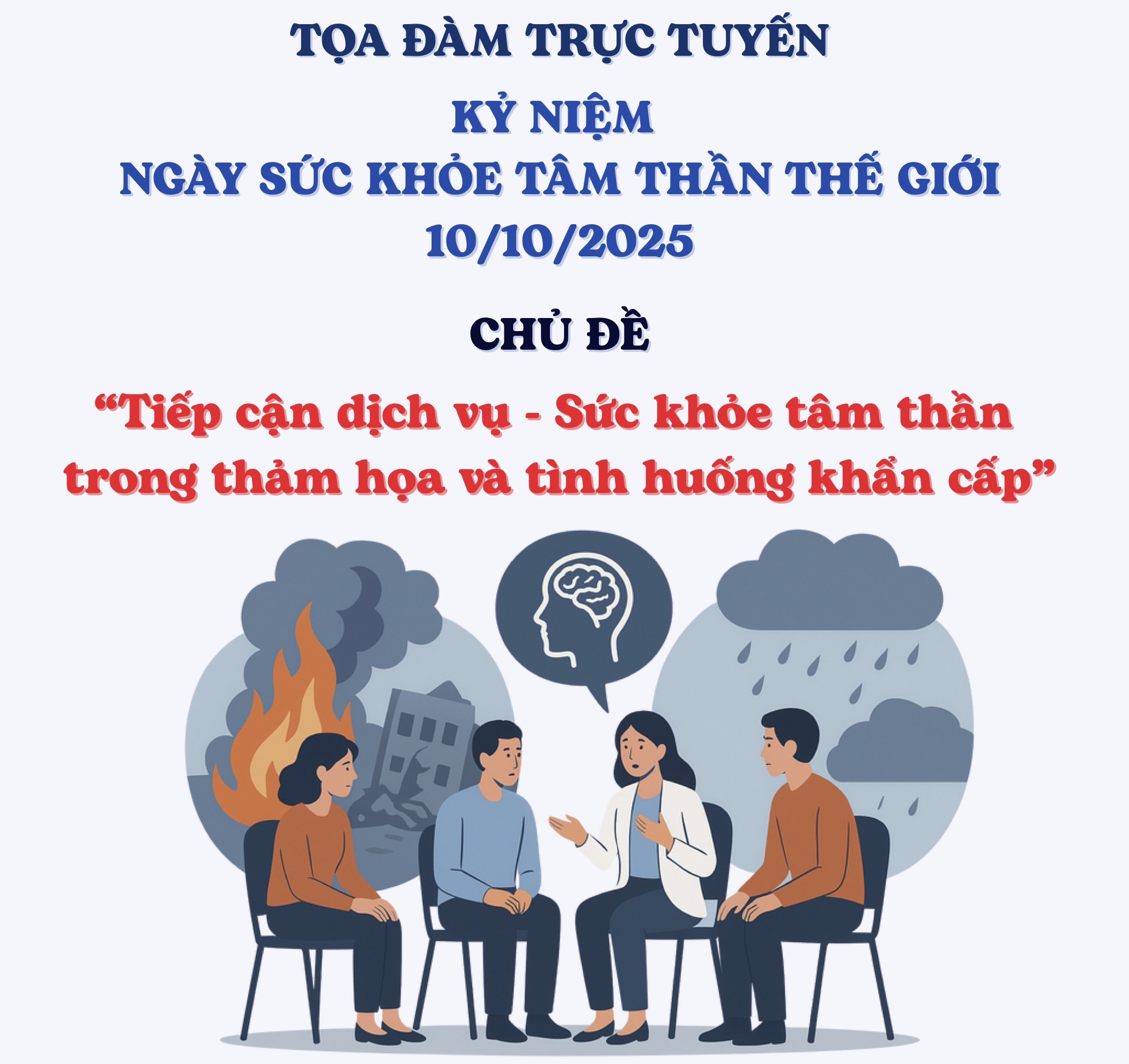
    Coincidentally, Vietnamese Psychotherapy Association organises another webinar focusing on Access to Service: Mental Health in Catastrophes and Emergencies on 2025’s World Mental Health Day. You can register here.

    Investing in mental health and psychosocial support helps families, communities, and economies recover from crises, build long-term resilience, and shape stronger health systems. Therefore, mental health care and access should be a priority in multi-level health strategies to ensure it is valued, protected, and accessible for all, especially during times of crisis.

  • Kết hợp nghiên cứu khoa học và kinh nghiệm thá»±c tiá»…n: Cải thiện kết quả Ä‘iều trị cho bệnh nhân sốt xuất huyết

    Kết hợp nghiên cứu khoa học và kinh nghiệm thực tiễn: Cải thiện kết quả điều trị cho bệnh nhân sốt xuất huyết

    Theo Trung tâm Kiểm soát bệnh tật TP.HCM, thành phố ghi nhận hơn 25.000 ca mắc sốt xuất huyết, tăng hơn 3 lần so với cùng kỳ năm 2024. 73% bệnh nhân sốt xuất huyết phải nhập viện với 10 ca tử vong gây áp lực đáng kể cho hệ thống y tế (*) .

    Điểm đáng lo ngại là, sốt xuất huyết không chỉ phổ biến ở trẻ nhỏ mà đang có xu hướng lan rộng sang nhóm người lớn, người cao tuổi có bệnh nền dễ xuất hiện biến chứng nặng.

    Nhằm ứng phó vá»›i tình hình, trong khuôn khổ hợp tác giữa Bệnh viện Bệnh Nhiệt đới và OUCRU, nhóm Nghiên cứu Sốt xuất huyết đã tổ chức buổi há»™i thảo chuyên đề chia sẻ các kết quả nghiên cứu lâm sàng về sốt xuất huyết cÅ©ng như định hướng ưu tiên nghiên cứu. Sá»± kiện quy tụ hÆ¡n 200 chuyên gia y tế, bác sÄ© và nhà nghiên cứu vá»›i hàng chục năm kinh nghiệm trong Ä‘iều trị và nghiên cứu sốt xuất huyết từ nhiều bệnh viện hàng đầu tại TP.HCM. Các diá»…n giả cá»§a há»™i thảo – TS BS Hồ Quang Chánh , Trưởng nhóm Nghiên cứu Sốt xuất huyết, OUCRU; BS. CKII Nguyá»…n Minh Tiến, Phó Giám đốc Bệnh viện Nhi đồng Thành phố; và BS. CKII Trương Ngọc Trung, Trưởng khoa CC-HSTC-CD Người lá»›n, Bệnh viện Bệnh Nhiệt đới – đã tập trung chia sẻ các kết quả nghiên cứu và thảo luận về những khoảng trống quan trọng trong thá»±c hành Ä‘iều trị lâm sàng hiện nay.

    Hội thảo đã thu thập được nhiều ý kiến đóng góp mang tính xây dựng và đa dạng, làm nổi bật tính chất phức tạp trong quản lý ca bệnh sốt xuất huyết, trong đó có việc chẩn đoán chính xác sốt xuất huyết vẫn còn nhiều hạn chế dẫn đến bệnh có thể tiến triển nhanh chóng và để lại hậu quả nghiêm trọng đối với các ca bệnh nặng. Qua nhiều năm kinh nghiệm, các chuyên gia y tế tham gia hội thảo đều đồng ý rằng mặc dù Việt Nam đã đạt được tỷ lệ thành công cao trong điều trị sốt xuất huyết, hệ thống y tế cũng phải đối mặt với nhiều thách thức như nguồn lực hạn chế, tình trạng quá tải tại các bệnh viện công tuyến đầu, cũng như khó khăn trong việc chẩn đoán sớm sốt xuất huyết và xác định chính xác các chỉ số cảnh báo để có thể điều trị sớm những ca tiên lượng nặng.

    Các kết quả nghiên cứu lâm sàng gần đây có thể góp phần giúp giải quyết những thách thức trên, đặc biệt là khả năng xác định sớm những ca bệnh có nguy cơ cao, tối ưu hóa việc chăm sóc và phân bổ nguồn lực. Ứng dụng siêu âm cũng hỗ trợ bác sĩ trong việc xác định chính xác hơn lượng dịch truyền phù hợp trong điều trị sốt xuất huyết.

    Theo PGS. TS. BS Nguyá»…n Thanh Hùng, Giám đốc Bệnh viện Nhi đồng 1, các bác sÄ© chuyên khoa sốt xuất huyết tại Việt Nam Ä‘ang được hưởng lợi từ mối quan hệ đối tác “sát cánh” độc đáo giữa OUCRU và các bệnh viện tuyến đầu – nÆ¡i nghiên cứu, chuyên môn tiên tiến kết hợp vá»›i thá»±c tiá»…n lâm sàng và kinh nghiệm thá»±c tế vô giá.

    Hội thảo kết thúc bằng lời kêu gọi tiếp tục hợp tác giữa các bệnh viện, nhà nghiên cứu và đối tác để thúc đẩy chẩn đoán và điều trị sốt xuất huyết, đảm bảo người bệnh dễ dàng tiếp cận điều trị, được chăm sóc kịp thời và hiệu quả.

    Đọc thêm các nghiên cứu về sốt xuất huyết của OUCRU tại đây.

    Hội thảo khoa học chia sẻ các kết quả nghiên cứu lâm sàng về sốt xuất huyết là hoạt động do dự án Seed Awards, giải thưởng nội bộ của OUCRU tài trợ. Seed Awards giúp các nhà nghiên cứu có cơ hội và được trao quyền thực hiện các dự án kết nối khoa học với công chúng và cộng đồng. Đọc thêm về Seed Awards và các dự án do dự án tài trợ tại đây.

    (*) https://nhandan.vn/khong-chu-quan-voi-benh-sot-xuat-huyet-post900126.html

  • Bridging science and practice to improve the outcome of patients with dengue 

    Bridging science and practice to improve the outcome of patients with dengue 

    According to the Ho Chi Minh Center for Disease Control, 2025 witnessed nearly 25,000 cases of Dengue, an increase of more than three times compared to the same period in 2024. 73% dengue patients need to be hospitalised with 10 deaths put significant pressure on the healthcare system(*). 

    A current concern is that dengue is not only common in  children anymore but is also spreading to adults;  elderly people and those with underlying conditions are more likely to develop severe complications. 

    In response, as part of the ongoing partnership between Hospital for Tropical Diseases and OUCRU, the Dengue research group organised a specialised workshop to share current ongoing dengue clinical research outputs and shape research priorities with several top-tiered hospitals in Ho Chi Minh City. The workshop gathered more than 200 health professionals including leading doctors and researchers with decades of experience in treating and researching dengue. The workshop’s speakers including Dr Ho Quang Chanh, Head of Dengue Group, OUCRU; Dr Nguyen Minh Tien, Vice Director of City Children’s Hospital 1; and Dr Truong Ngoc Trung, Head of Adult Intensive Care Unit, Hospital for Tropical Diseases – focused on sharing new clinical evidences and discussed critical gaps in current practice. 

    Several constructive and diverse opinions were shared at the workshop, highlighting that clinical management of dengue remains highly complex. Delays in dengue accurate management can lead to rapid progress and serious consequences in severe cases. Through decades of experience, all health professionals who participated in the workshop agreed that Vietnam has achieved a high success rate in dengue treatment. However, they face several clinical and systemic challenges such as limited resources, overcrowding at top-tiered public hospitals, and difficulties in early diagnosis of dengue as well as accurately defining clinical indicators for severe progression to enable timely treatment.  

    Applying recent clinical evidence can help address key challenges, particularly by enabling early identification of high-risk patients to optimise care and resource allocation. The use of ultrasound may further support clinicians in delivering more accurate and tailored fluid management for dengue patients. 

    According to Dr. Hung, director of Children’s Hospital 1, dengue clinicians in Vietnam benefit from a unique ‘next-door’ partnership between OUCRU and frontline hospitals- where cutting-edge research meets daily clinical practice, providing both advanced expertise and invaluable hands-on experience. 

    The workshop closed with a call for continued collaboration between hospitals, researchers, and partners to advance dengue diagnosis and treatment, ensuring care remains timely, effective, and accessible. 

    Read more about OUCRU’s Dengue research portfolio here. 

    This workshop is part of OUCRU’s internal public and community engagement funding for researchers, Seed Awards. The awards aim to empower researchers to listen to, involve, and engage with communities who are relevant, either as research beneficiaries or are directly impacted by research outputs. Read more about Seed Awards here. 

    (*) https://nhandan.vn/khong-chu-quan-voi-benh-sot-xuat-huyet-post900126.html  

  • Share your knowledge & experience with us and the healthcare professional community

    Share your knowledge & experience with us and the healthcare professional community

    As a part of the collaboration between OUCRU, Kenya Medical Research Institute (KEMRI) and The Global Health Network (TGHN), CONNECT was founded with the goal of building a support network, provide equitable access to professional development opportunities and learning materials, tailouring for healthcare workers.

    Acknowledge that Vietnam has a unique health industry context of challenging working environment with limited resources, CONNECT has developed a dedicated page, focusing on sharing knowledge, training materials, and practical experiences for healthcare workers and the research community in different health settings in Vietnam. Our objective is to build an open resource and platform that helps healthcare professionals improve communication skills, soft skills, effective patient care, and sustainable professional development.

    We would like to invite you to contribute articles or share experiences to our network:

    Example topics

    • Experience in communicating with colleagues, managers, patients and their families
    • Management skills and teamwork in healthcare facilities
    • Medical ethics practice, handling sensitive situations
    • Mental health care
    • Technology applications in healthcare
    • Lessons learned and stories from medical practice

    Format

    Short articles (500-1,000 words) with images or short videos (optional).

    Benefits

    • Articles will be edited and published on the CONNECT platform.
    • English articles approved by TGHN will be assigned a DOI (Digital Object Identifier)
    • Authors will be credited with their name and affiliated institution, promoting a professional image.
    • Outstanding works may be cited in communications materials, conferences, or training activities.

    How to submit

    • Send articles via email connect@oucru.org
    • Email subject: Article contribution for CONNECT – [Author Name]

    We look forward to your participation. Together, we can build an open, practical, and useful learning community for Vietnamese healthcare professionals.

    CONNECT Vietnam Editorial Team

  • Thư mời viết bài cá»™ng tác cho chuyên trang CONNECT

    Thư mời viết bài cộng tác cho chuyên trang CONNECT

    CONNECT là dự án hợp tác giữa OUCRU, Viện Nghiên cứu Y khoa Kenya (KEMRI) và Mạng lưới Y tế toàn cầu (The Global Health Network, TGHN). Mục tiêu của CONNECT là xây dựng mạng lưới hỗ trợ đồng nghiệp, tiếp cận công bằng với các cơ hội phát triển chuyên môn và tài liệu học tập, đồng thời nâng cao sức khỏe tinh thần cho nhân viên y tế đang làm việc trong môi trường đầy thử thách.

    Tại Việt Nam, một phiên bản riêng của CONNECT được xây dựng nhằm chia sẻ kiến thức, tài liệu đào tạo và kinh nghiệm thực tiễn dành cho nhân viên y tế và cộng đồng nghiên cứu tại Việt Nam. Mục tiêu của chúng tôi là xây dựng một kho tài nguyên mở giúp nhân viên y tế nâng cao kỹ năng giao tiếp, kỹ năng mềm, chăm sóc bệnh nhân hiệu quả và phát triển chuyên môn bền vững.

    Nhằm đa dạng hoá nội dung và lan toả những câu chuyện thực tiễn, chúng tôi trân trọng mời Quý Anh/Chị đóng góp bài viết hoặc chia sẻ kinh nghiệm cho chuyên mục:

    Chủ đề gợi ý

    • Kinh nghiệm giao tiếp vá»›i đồng nghiệp, lãnh đạo, bệnh nhân và thân nhân người bệnh.
    • Kỹ năng quản lý và làm việc nhóm tại các cÆ¡ sở y tế.
    • Thá»±c hành y đức, xá»­ lý các tình huống nhạy cảm.
    • Chăm sóc sức khỏe tâm thần.
    • Ứng dụng công nghệ trong chăm sóc sức khỏe.
    • Bài học, câu chuyện nghề y đáng nhá»›.

    Hình thức

    Bài viết ngắn (500–1.000 từ), có thể kèm hình ảnh minh họa hoặc video ngắn.

    Quyền lợi

    • Các bài viết sẽ được biên tập và đăng tải trên chuyên trang CONNECT.
    • Các bài báo tiếng Anh được TGHN phê duyệt sẽ được cung cấp số DOI (Digital Object Identifier).
    • Tác giả sẽ được ghi rõ tên và đơn vị công tác, qua đó quảng bá hình ảnh chuyên nghiệp cá»§a cá nhân/tổ chức.
    • Các tác phẩm xuất sắc có thể được trích dẫn trong tài liệu truyền thông, há»™i nghị hoặc hoạt động đào tạo.

    Cách gửi bài

    • Gá»­i bài viết qua email connect@oucru.org
    • Tiêu đề email: Bài viết đóng góp cho CONNECT – [Tên tác giả]

    Chúng tôi rất mong nhận được sự quan tâm và tham gia của Quý Anh/Chị để cùng xây dựng một cộng đồng học tập mở – thực tế – hữu ích cho nhân viên y tế Việt Nam.

    Ban Biên tập CONNECT Việt Nam

  • Community discussion: What do underserved populations at risk of Hepatitis C Virus need the most?

    Community discussion: What do underserved populations at risk of Hepatitis C Virus need the most?

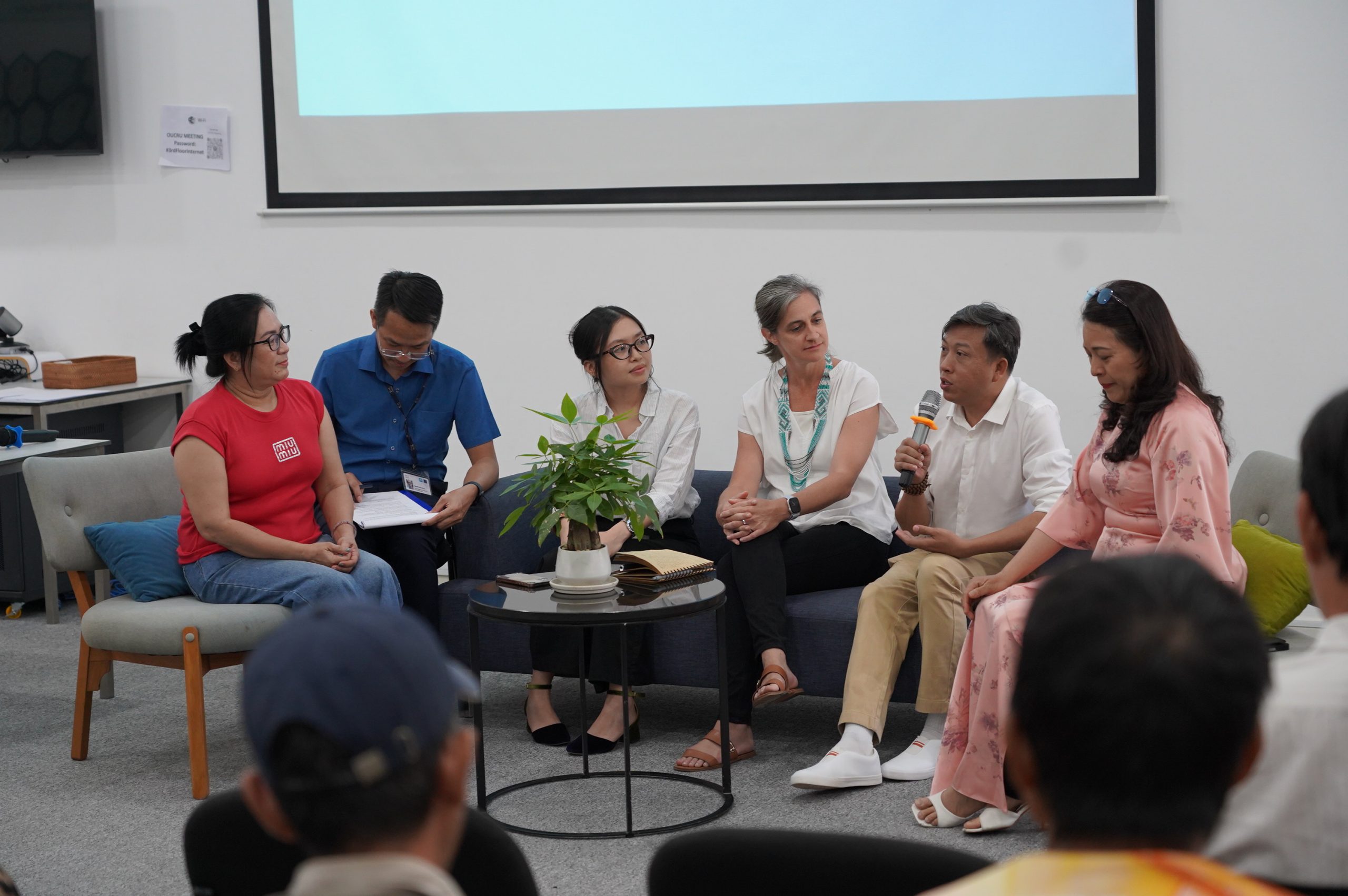
    As part of the project to Improve Hepatitis C Access and Treatment for Underserved Communities, OUCRU’s Public and Community Engagement Group together with Social Science, Ethics, and Implementation Research Group organised a dialogue session between community members, social insurance representatives, and social scientists.  

    The session brought together representatives from underserved communities who had contributed to the project through community-based participatory research (CBPR), including people who inject drugs (PWID) , people with limited financial resources, and LGBT+ individuals. They shared their challenges in accessing health insurance for hepatitis C treatment and care.  

    Viet Nam has the fifth highest liver cancer incidence and death rate in the world and approximately 8 million people have hepatitis B, C or both(1). Even though Hepatitis C treatment is available in Vietnam, several barriers affect hepatitis C testing, diagnosis, and treatment. These barriers include that testing and diagnosis can only be performed at provincial and central hospitals, people may be asymptomatic or unaware they need testing, and test results often take a long time. High treatment costs before they are covered by insurance are also a big challenge.   

    In 2018, Vietnam changed the insurance regulations related to Hepatitis C treatment. Specifically, Hepatitis C patients can receive financial support from health insurance for testing costs, treatment costs using approved medications listed in the insurance catalog, and necessary medical procedures and treatments during treatment (which may be partially or fully covered). Typically, health insurance in Vietnam supports 30% – 50% of the costs for those defined medical services, depending on insurance registration conditions and insurance types(2).  

    Community members face both systematic and objective challenges.  

    The event opened an open discussion for community members to highlight several challenges they face despite recent improvements in social insurance policies.  

    Systematic challenges:  

    • Complex healthcare system. Vietnam’s multi-tiered hospital system has specific scopes and facilities at each level. For Hepatitis C, lower-tier hospitals may lack diagnostic and treatment capabilities, requiring patient transfers to higher tiers. Insurance coverage varies between tiers with different terms and paperwork, creating additional administrative complexity.  
    • Information gaps. Despite the government’s efforts in simplifying the registration and renewal process through the People’s Committees’ ward offices and post offices, many community members remain unaware of these options as well as their HepC treatment benefits under health insurance.  

    Objective challenges:  

    •  Documentation barriers. One outstanding challenge for marginalised populations is insufficient personal documentation (such as government ID) needed to obtain health insurance. While the government has appointed some certain social enterprises as community representatives to help, it’s a long way to go.  
    • Financial constraints. Though social health insurance in Vietnam is designed to be affordable, it remains challenging for many, especially those without stable employment or those facing personal financial burdens such as debts or medical expenses for family members.  
    • Medical privacy concerns. The hospital referral process may require patients to disclose HIV status or other chronic conditions in order to access HepC treatment at higher-tier hospitals, compromising their right to privacy.  

    “We need to keep the conversation going.”  

    Acknowledging the power of listening to community voices, Associate Professor Jennifer Van Nuil, Head of Social Science, Ethics, and Implementation Research Group, emphasised the importance of how CBPR (community-based participatory research method) can help to set up strong support networks within and for the community.  

    “Social Healthcare Insurance is part of the Vietnamese government’s social security policy. We aim to reach 95% of Vietnam’s population.”

    MsC. Nguyen Thi Thu Hang, Vice President of Ho Chi Minh’s Social Healthcare Insurance

    Ms Hang also expressed appreciation for the community’s initiatives and their clear sharings of their situations as well as emphasised that community discussions like this could significantly help reach underserved populations. 

    References:

    1. https://www.who.int/vietnam/news/detail/28-07-2024-world-hepatitis-day—viet-nam-pilots-action-to-improve-access-to-hepatitis-c-care
    2. https://thuvienphapluat.vn/phap-luat/dieu-tri-benh-viem-gan-c-co-duoc-bao-hiem-y-te–chi-tra-chi-phi-thuoc-dieu-tri-khong-quy-dinh-cua-p-5814.html
  • Tăng cường nghiên cứu thông qua truyền thông khoa học hiệu quả và cá»§ng cố mối quan hệ cá»™ng đồng

    Tăng cường nghiên cứu thông qua truyền thông khoa học hiệu quả và củng cố mối quan hệ cộng đồng

    Vào tháng 5 năm 2025, hàng trăm chuyên gia về truyền thông khoa học và hoạt động gắn kết cộng đồng và công chúng đã tập trung tại Hội nghị Khoa học Công nghệ Truyền thông và Công chúng (PCST) năm 2025 để thảo luận về chủ đề “Sử dụng Truyền thông Khoa học để Tạo ra Thay đổi Tích cực: Khám phá Sự chuyển đổi, Truyền thống và Căng thẳng”.

    Bốn dự án khác nhau tại OUCRU đã được giới thiệu tại hội nghị, nhấn mạnh tầm nhìn của OUCRU nhằm làm cho nghiên cứu trở nên phù hợp và có tác động thông qua các hoạt động thu hút công chúng và cộng đồng hiệu quả, nuôi dưỡng sự hiểu biết, tin tưởng và hợp tác giữa các nhà khoa học và cộng đồng nơi nghiên cứu của chúng tôi được tiến hành và có tác động.

    Hiểu biết về bối cảnh và văn hóa: chìa khóa để làm cho sự tham gia trở nên phù hợp và hiệu quả

    Thực tiễn tốt trên toàn thế giới một lần nữa khẳng định tầm quan trọng của việc điều chỉnh truyền thông khoa học cho phù hợp với bối cảnh địa phương. Bà Eva Simarmata , Cán bộ phụ trách Quan hệ Công chúng và Cộng đồng, OUCRU Indonesia, cho biết : “Sự tham gia có ý nghĩa vào khoa học chính là việc trân trọng thực sự những kiến thức sống, truyền thống và trải nghiệm mà cộng đồng đang nắm giữ” .

    Một ví dụ là dự án của nhóm Tham gia Cộng đồng và Công chúng thuộc Đại học Oxford (OUCRU) sản xuất một video truyền thông nhắm đến các bậc phụ huynh ở nông thôn, nhằm thuyết phục họ tiêm chủng cho con em mình. Video đã sử dụng các cộng tác viên y tế cộng đồng, tạo nên sự đồng cảm về mặt cảm xúc và phù hợp với văn hóa, từ đó thu hút sự chú ý và quan tâm của cộng đồng.

    Đọc thêm về dự án Nghiên cứu và Tham gia Tiêm chủng Vắc-xin tại Tỉnh Đắk Lắk

    Hội nghị PCST 2025 là một trải nghiệm mở mang tầm mắt, nhắc nhở tôi về tầm quan trọng của việc bước ra khỏi giới hạn dự án của mình.[…] Hội nghị đã truyền cảm hứng cho tôi kết nối nhiều hơn […] trong khi vẫn giữ vững lập trường vững chắc, lấy con người làm trung tâm.

    Nguyễn Hoàng Yến , Cấp cao phụ trách Truyền thông OUCRU Việt Nam

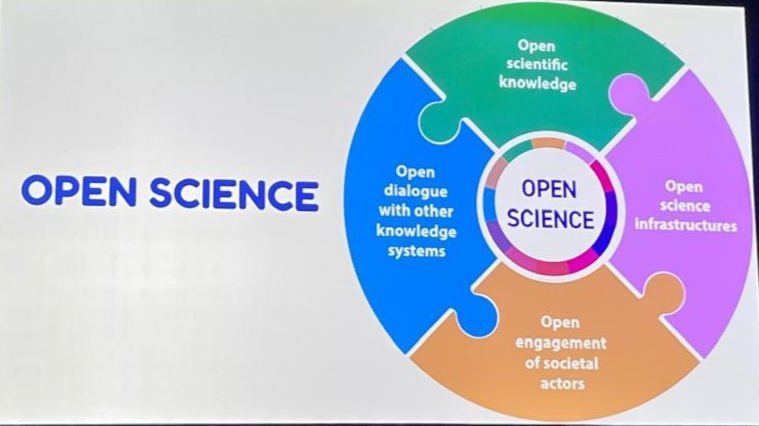
    Khoa học mở và sự tham gia mở

    Việc thực hành khoa học mở mang đế những cơ hội mới cho cả hai bên, các nhà nghiên cứu và thành viên cộng đồng. Khoa học mở là loại hình nghiên cứu nên được thực hiện bởi nhà nghiên cứu và cộng đồng. Cộng đồng không chỉ là người tiếp nhận, mà còn phải đóng góp để cộng đồng mà họ phục vụ được gắn kết. Khoa học mở sẽ dẫn đến sự tham gia cởi mở.

    Tiến sĩ Rajesh Tandon Đồng chủ tịch, Chủ tịch UNESCO về Nghiên cứu dựa vào cộng đồng và Trách nhiệm xã hội trong Giáo dục đại học.

    Tuy nhiên, Hanifah Nisrina , Cán bộ Truyền thông và Hợp tác Kỹ thuật số, OUCRU Indonesia cho biết: “ Sự tham gia của công chúng và cộng đồng vào khoa học và hoạt động truyền thông khoa học vẫn chưa được công nhận rộng rãi hoặc tích hợp vào các tổ chức nghiên cứu và học thuật tại Indonesia, trong khi đây phải là một thành phần định hình toàn bộ quá trình nghiên cứu ”.

    Trong khi đó, vai trò của các nhà truyền thông khoa học, cán bộ gắn kết công chúng và chuyên gia quan hệ công chúng vẫn còn chưa rõ ràng và chồng chéo ở nhiều quốc gia Nam Bán cầu. Có những khoảng trống trong tài liệu và diễn ngôn, bao gồm sự phụ thuộc vào các nguồn tin tức khoa học nước ngoài (chủ yếu là từ Bắc bán cầu), báo chí khoa học trong nước còn ít được biết đến, báo chí thiếu phê phán hoặc dễ bị thao túng, các hạn chế chính trị, và thiếu sự phối hợp giữa các nhà khoa học và nhà truyền thông khoa học. Ít ai chú ý đến các giải pháp khả thi hoặc các cơ hội mới nổi.

    Với tầm nhìn của OUCRU về việc tạo ra tác động toàn cầu thông qua nghiên cứu sức khỏe tại địa phương, tôi tin rằng chúng tôi có vị thế tốt để đóng vai trò quan trọng trong việc củng cố cộng đồng truyền thông khoa học địa phương trên khắp Đông Nam Á.

    Soraya Weldina Ragil Dien , Quan hệ công chúng và cộng đồng OUCRU Indonesia

    Cho dù bằng cách chia sẻ phương pháp, xây dựng quan hệ đối tác khu vực hay cố vấn cho các nhà truyền thông khoa học mới nổi, chúng ta đều có nhiều cơ hội phía trước với tư cách là một chương trình tổng thể.

  • Enhancing research through effective science communication and strengthening community bonds 

    Enhancing research through effective science communication and strengthening community bonds 

    In May 2025, hundreds of science communications and public and community engagement practitioners gathered at the Public and Communication Science Technology Conference (PCST) 2025, discussing the theme “Using Science Communication to Effect Positive Change: Exploring Transitions, Traditions and Tensions”. 

    Four different projects at OUCRU were featured at the conference, emphasising OUCRU’s vision to make research relevant and impactful through effective public and community engagement activities, which nurture understanding, trust, and collaboration between scientists and the community where our research is conducted and has an impact. 

    Contextual and cultural understanding: the key to making engagement relevant and effective 

    Around-the-world good practice confirms again the importance of tailouring science communication to local contexts. “Meaningful engagement in science is about genuinely valuing the lived, ancestral, and experiential knowledge that communities hold,” said Eva Simarmata, Public and Community Engagement Officer, OUCRU Indonesia. 

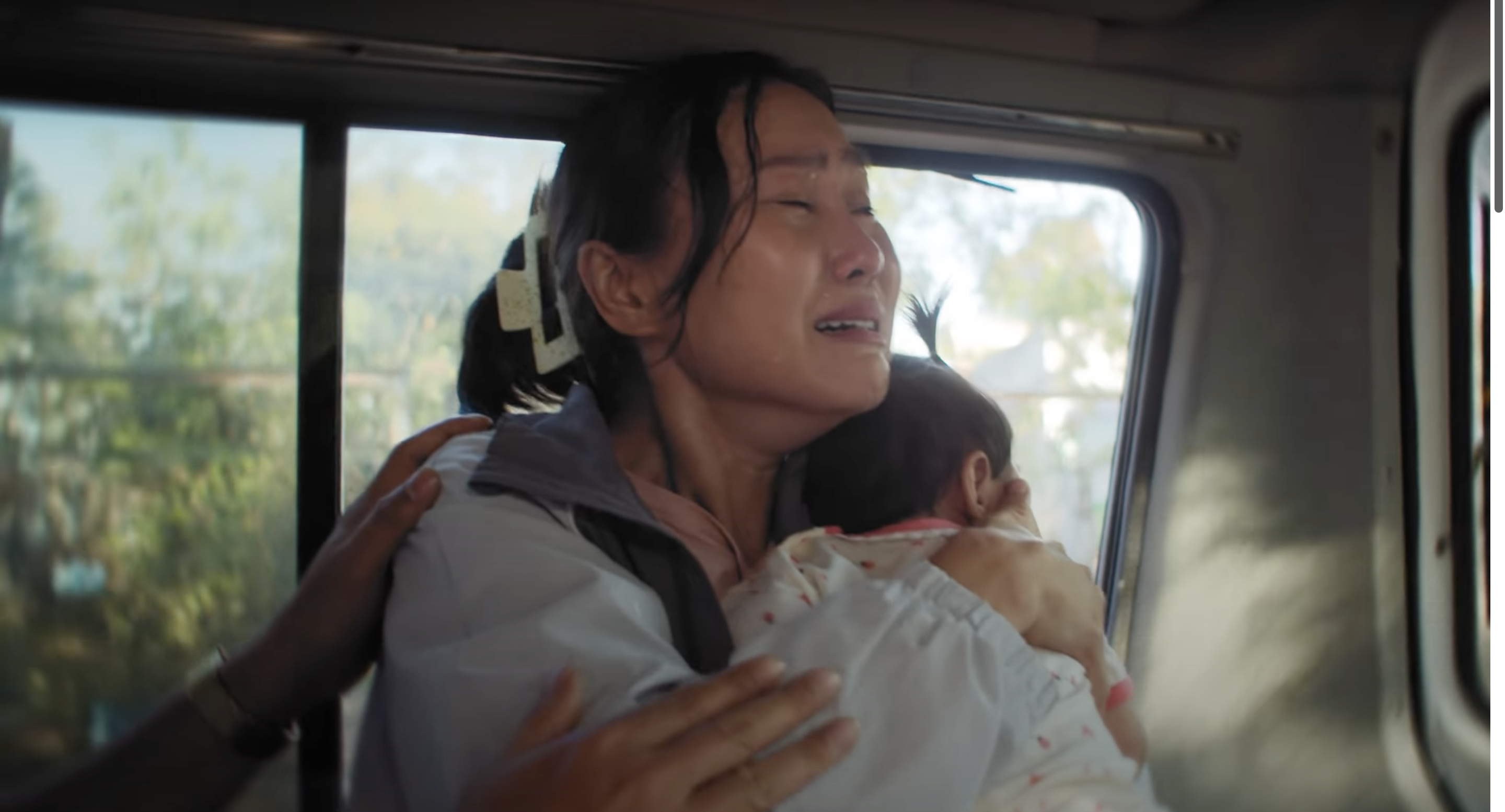
    An example is from OUCRU’s Public and Community Engagement group’s project producing a communication video targeting rural parents, aiming to convince them to vaccinate their children. The video used community health collaborators, making it emotionally resonant, and culturally relevant, thereby enhancing community attention and interest. 

    Read more about the project Vaccine Uptake Research and Engagement in Dak Lak Province

    PCST 2025 Conference was an eye-opening experience that reminded me of the importance of stepping outside our project bubble.[…] The conference has inspired me to connect more […] while remaining grounded in strong, people-centred frameworks. 

    Nguyen Hoang Yen, Senior Media Engagement OUCRU Vietnam 

    Open science and open engagement 

    The practice of open science opens new opportunities for both sides, researchers and community members. Open science, meaning the research itself should be done by the researcher and its community. The community not only receptor, but they should contribute to involve the community they serve. Open science will lead to open engagement.

    Dr. Rajesh Tandon Co-Chair, UNESCO Chair in Community Based Research and Social Responsibility in Higher Education. 

    However, “the public and community engagement in science and science communication practice is not yet widely recognised or integrated into research and academic institutions in Indonesia, while it should be a component that shapes the entire research process,” said Hanifah Nisrina, Communications and Digital Engagement Officer, OUCRU Indonesia. 

    Meanwhile, the roles of science communicators, public engagement officers, and public relations professionals remain unclear and overlapping in many countries in the Global South. There are gaps in literature and discourse including dependency on foreign (mostly Northern) science news sources, the low profile of domestic science reporting, uncritical or manipulable journalism, political restrictions, and a lack of synergy between scientists and science communicators. There is far less attention on actionable solutions or emerging opportunities. 

    With OUCRU’s vision of creating global impact through locally driven health research, I believe we are well-positioned to play a significant role in strengthening local science communication communities across Southeast Asia. 

    Soraya Weldina Ragil Dien, Public and Community Engagement OUCRU Indonesia 

    Whether by sharing our methods, building regional partnerships, or mentoring emerging science communicators, possibilities are waiting for us as a whole programme, ahead. 

  • Using effective media strategies to bridge gaps to hard-to-reach populations: case studies in Vietnam and Indonesia 

    Using effective media strategies to bridge gaps to hard-to-reach populations: case studies in Vietnam and Indonesia 

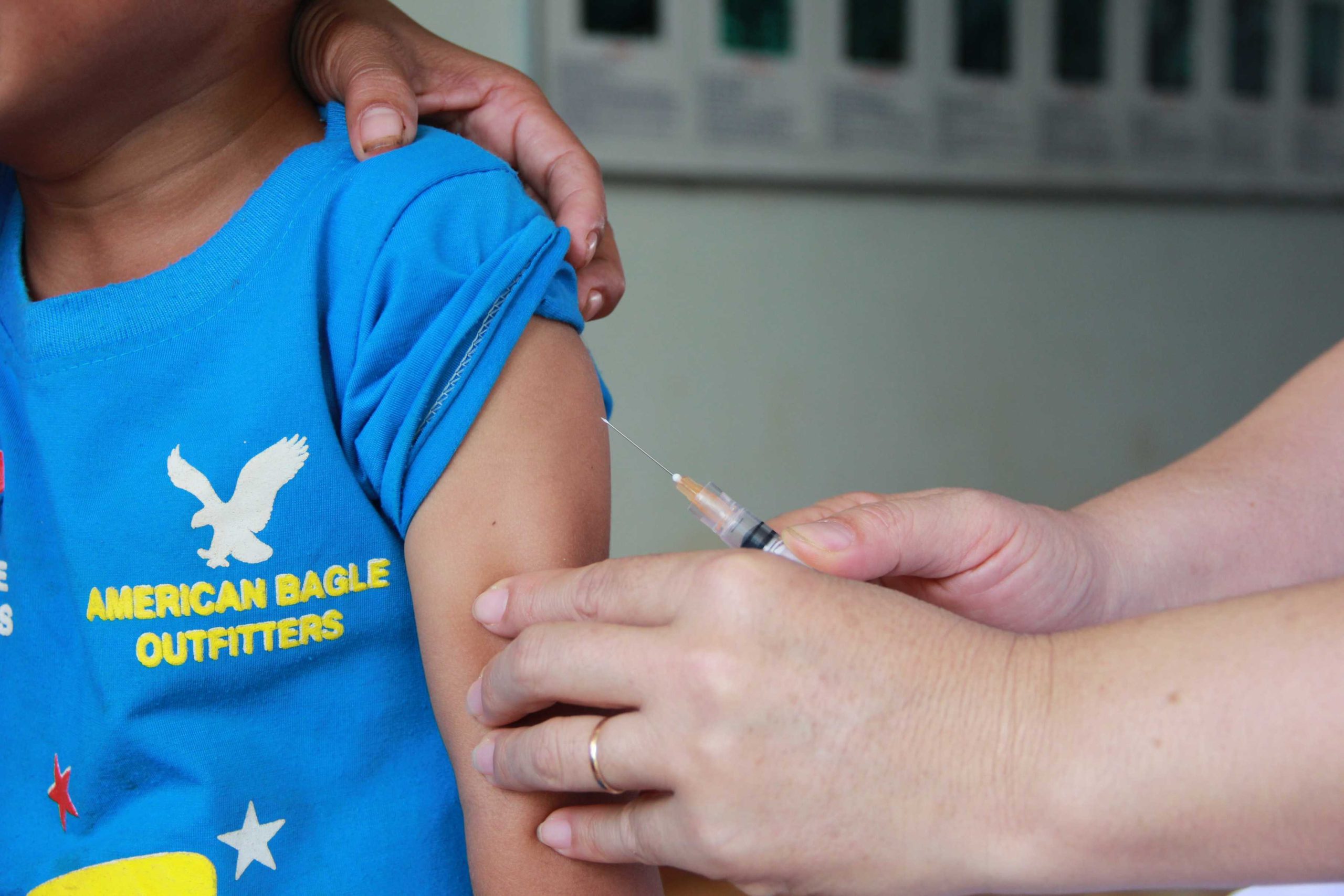
    Tailour a culturally relevant message to reach the ethnic minority communities to improve vaccine communications and vaccine uptake. 

    Vaccine refusal, delay or hesitation is a growing concern worldwide, proven through the increased occurrence of vaccine-preventable diseases in children. Reasons vary widely between parents, but they can be encompassed in four overarching categories: religious reasons, personal beliefs or philosophical reasons, safety concerns and a desire for more information from healthcare providers. 

    In Vietnam, research carried out by Dr Nguyen Thanh Ha in Dak Lak province found that most parents face structural challenges that prevent them from taking their children for vaccination, such as lack of transportation and/or a driving license, difficult routes to vaccination centres or difficulties taking work absences. 

    Another important finding of the research is that local healthcare workers and village health collaborators play an essential role in encouraging and maintaining the community’s vaccination behaviours. 

    In response to these findings, OUCRU collaborated with the Dak Lak CDC to develop a training programme to enhance the capacity of commune health collaborators and health station staff, with a particular focus on supporting their communication about the vaccines and vaccination process to communicate with the local community, who may not even speak the same language.  

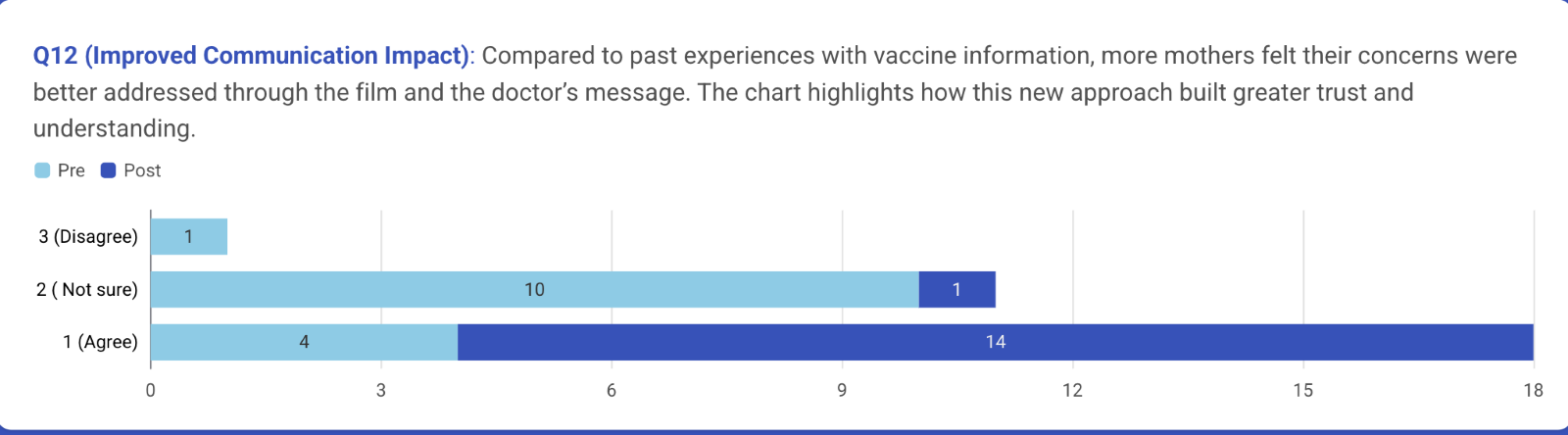
    As an expansion of this effort, OUCRU’s Public and Community Engagement Group recently produced a short movie co-created with the local community using storytelling techniques to spotlight the real stories behind vaccine decisions, revealing their concerns and challenges in real life. This movie helps village health collaborators and health station staff appear more relevant, thereby facing fewer challenges while convincing the local parent community about vaccine-related matters.  

    “I noticed that people showed more concern and became more proactive about vaccination after watching.”

    Village Health Collaborator

    “I was very touched and emotional. I saw the consequences that children might bear for life.”

    Community Member

    Featuring community members to build connections 

    Research on improving access to care for people impacted by Hepatitis C used the participatory action research method to find that many high-risk community members including drug users or men who have sex with men didn’t know where to find trustworthy hepatitis information without the fear of being discriminated against. To address this issue, community-based group who joined the project initiated several ideas, including short videos featuring Hepatitis C-affected community members to encourage the Hepatitis C high-risk population to seek useful information from trustworthy sources. 

    Communications with a niche population in a challenging context 

    Over 150 million Indonesians are at risk of malaria, which over 90% of national malaria cases remain concentrated in Papua making this country one of nine malaria-endemic countries in the Southeast Asia region. Malaria eradication efforts prioritize safe and efficient vaccination strategies, although none with high-level efficacy against malaria infection are yet available. 

    Regular deployment of Indonesian Army personnel into high-risk areas makes the development of a malaria vaccine and trial on Indonesian minimally malaria-exposed infantry soldiers in Papua Province, New Guinea is considered ideal solution to reduce the risk of malaria transmission among the soldiers visiting Papua, travellers and domestic tourist. 

    In order to quickly explain and recruit those soldiers to join the malaria trial, OUCRU Indonesia’s Public and Community Engagement team developed animated explainer video and successfully got the approval from the Indonesian army. 

    The video served not only as an example of collaboration among all stakeholders but also as a powerful tool in research, showing the effect of clear communications and community engagement to support trial research. 

    Success in those community engagement stories requires more than just information dissemination – it demands a deep understanding of community needs, cultural sensitivities and the creative use of the right media methods and channels. When these elements come together effectively, they can be significantly impactful in supporting research and improving public and community health science acceptance. 

    Reference of OUCRU Study:  
    Implementation of a Randomized, Placebo-Controlled Trial of Live Attenuated Malaria Sporozoite Vaccines in an Indonesian Military Study Population in: The American Journal of Tropical Medicine and Hygiene Volume 110 Issue 5 (2024)Â