

WHO released its latest Global Antimicrobial Resistance and Use Surveillance (GLASS) Report last week, with new findings on antimicrobial resistance (AMR) around the world. The 2025 report draws on data from 104 countries and presents the most complete and up-to-date global picture of AMR to date.

GLASS is a global system for tracking how pathogens respond to antibiotics and how countries are strengthening their surveillance of resistance. 

Here are the highlights from the 2025 GLASS report: 

1. Global surveillance is improving 
104 countries reported AMR data in 2023, up from just 25 in 2016. But data remain largely missing from the Americas, Western Pacific, and parts of Africa.
2. Resistance remains widespread  
Around one in six bacterial infections worldwide are resistant to antibiotics, with the highest rates in South-East Asia and the Eastern Mediterranean regions.
3. Critical gram-negative bacteria are growing more resistant
Common Gram-negative bacteria like E. coli, K. pneumoniae, and Acinetobacter spp. are becoming harder to treat, even with the strongest antibiotics like carbapenems. These pathogens often cause pneumonia, sepsis, and urinary tract infections.
4. Low- and middle-income countries bear the heaviest burden
Resistance is highest where health systems and diagnostic capacity are weakest. This creates a vicious cycle: limited testing allows resistance to spread, while rising resistance makes infections harder to treat, especially in places with already limited resources.
5. Safer antibiotic use still below target
First-line antibiotics account for only about half of global use, well short of WHO’s goal of 70% by 2030. Other types of antibiotics should ideally be reserved as a last-resort.
 

OUCRU’s Contribution to the Report

Raph Hamers and Gilbert Lazarus led a team of researchers at OUCRU Indonesia who–together with collaborators from the University of Calgary and WHO–conducted the systematic reviews featured in Chapter 4 of the 2025 GLASS report. These comprehensive reviews of the global scientific literature compared antibiotic resistance data reported in peer-reviewed studies (2018–2023) with findings from WHO’s GLASS surveillance system (2023).
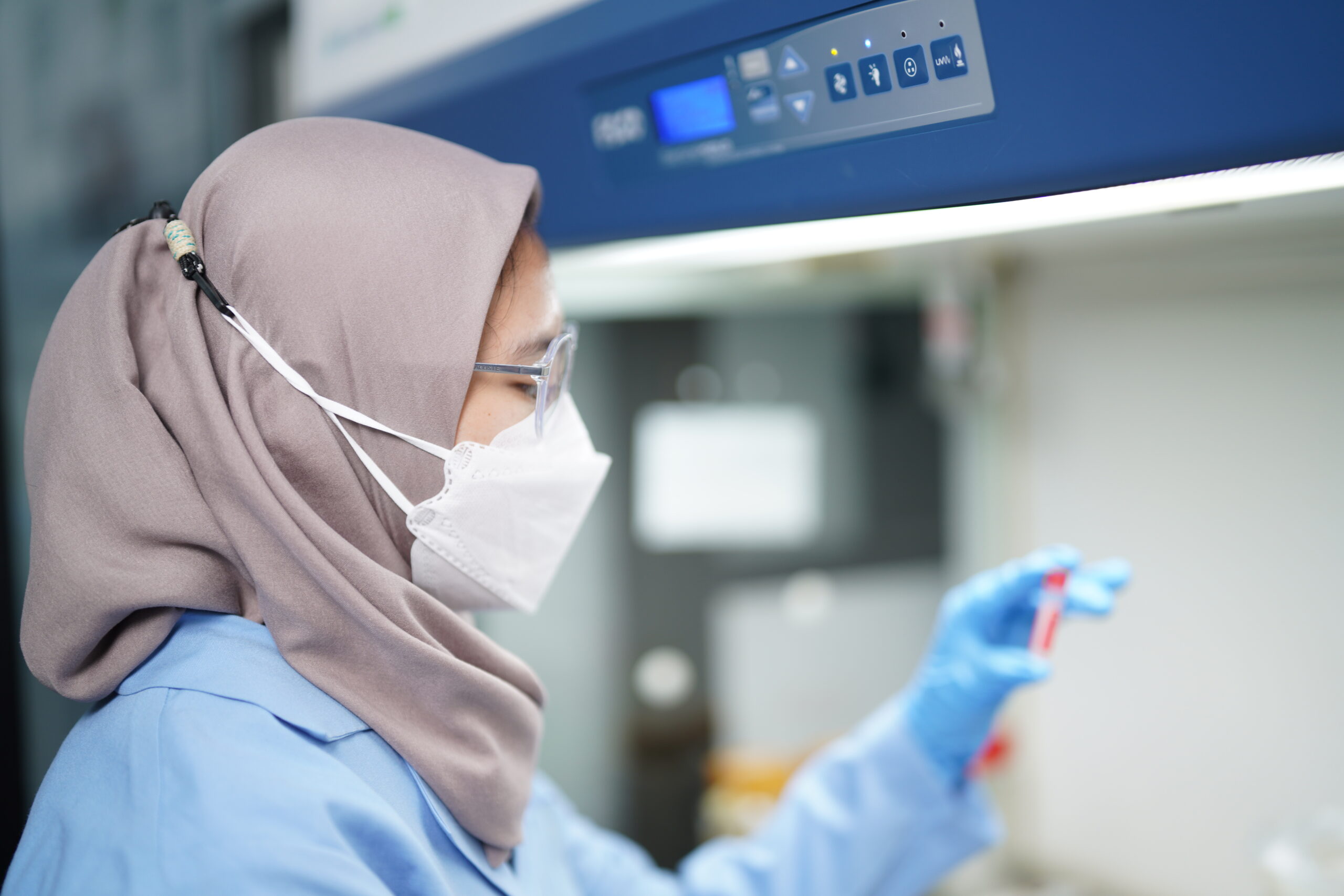
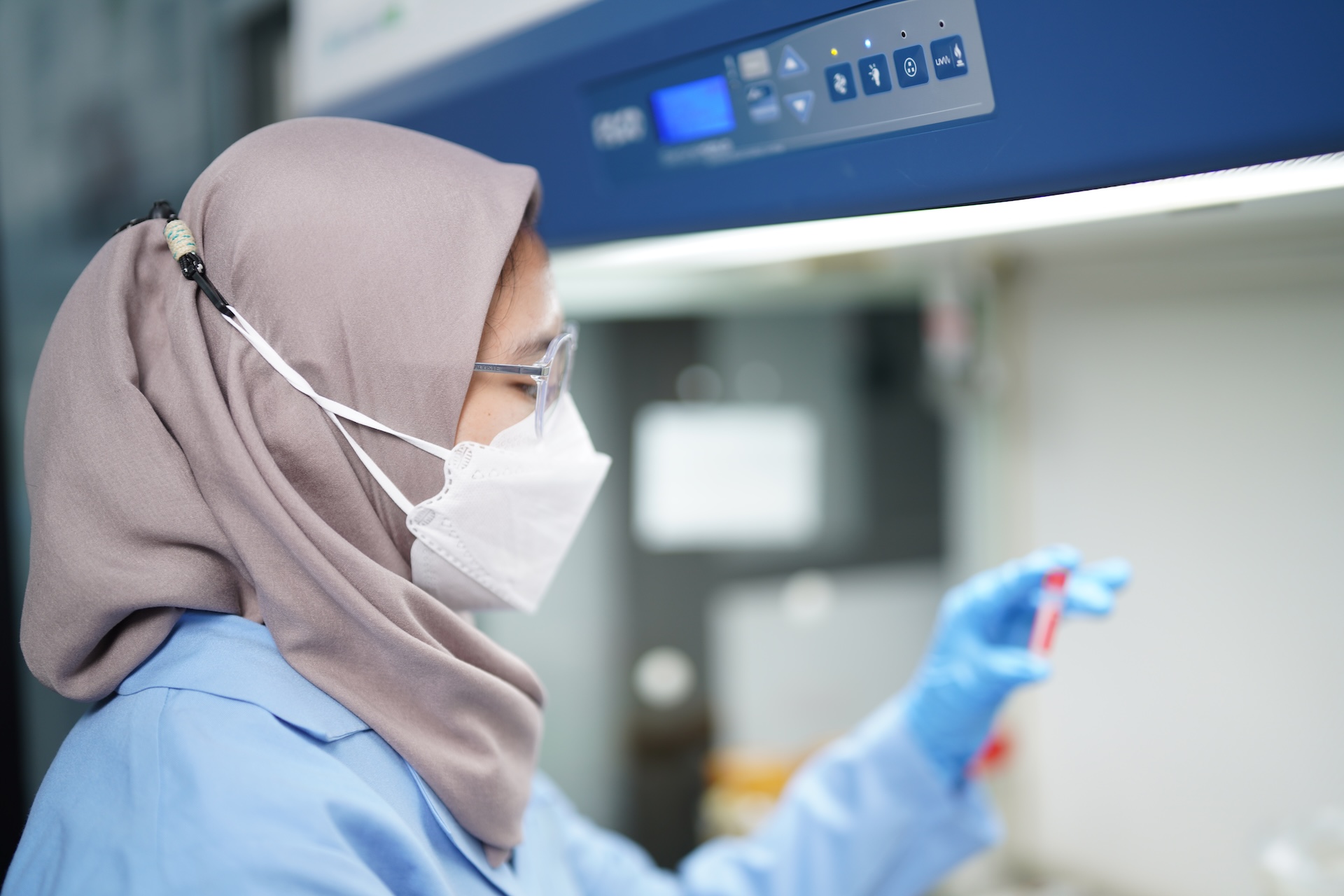
Laboratory work at OUCRU Indonesia, where researchers contribute to studies on antimicrobial resistance (illustrative image).

The analysis found that resistance levels reported in the scientific literature were often even higher than those observed in GLASS. This is largely because most published studies come from large hospitals, where the most severe and drug-resistant cases are treated. Despite these differences, the two data sources confirmed the same overall patterns of widespread and rising resistance, especially among Acinetobacter spp., Staphylococcus aureus, and Salmonella spp

“While GLASS shows the ‘macro’ picture of antimicrobial resistance at national and global levels, the systematic reviews add value by increasing geographical coverage and data granularity, thus identifying regional hotspots that may not appear in the national averages,” explained Gilbert Lazarus, physician-researcher at OUCRU Indonesia. 

“Contributing to this important WHO report is part of OUCRU’s commitment to advancing evidence-based research on antimicrobial resistance,” said Raph, Head of the Clinical Infectious Diseases Research Programme at OUCRU Indonesia. “We are proud to work alongside WHO and partners to help strengthen the global evidence base needed for better policy and action.” 

OUCRU Indonesia has an active research portfolio on antimicrobial resistance, such as ACORN, NASPA, the PRYSMA trial, and many other projects.


WHO baru saja menerbitkan Global Antimicrobial Resistance and Use Surveillance (GLASS) Report edisi terbaru. Laporan 2025 ini memberikan gambaran paling lengkap dan terkini tentang situasi resistensi antimikroba (AMR) di seluruh dunia, berdasarkan data dari 104 negara.

GLASS adalah sistem global yang memantau bagaimana kuman bereaksi terhadap antibiotik dan bagaimana negara-negara memperkuat kemampuannya dalam mengawasi AMR.

Berikut poin-poin terpenting dari laporan GLASS 2025:

1. Pengawasan global semakin kuat
Jumlah negara yang melaporkan data AMR meningkat dari 25 pada 2016 menjadi 104 pada 2023. Meski begitu, data dari kawasan Amerika, Pasifik Barat, dan sebagian Afrika masih terbatas.
2. Resistensi kian meluas
Sekitar satu dari enam infeksi bakteri di dunia kebal terhadap antibiotik. Tingkat resistensi tertinggi tercatat di Asia Tenggara dan Mediterania Timur.
3. Bakteri gram-negatif kritis kian sulit diobati
Bakteri umum seperti E. coli, K. pneumoniae, dan Acinetobacter spp. semakin kebal, bahkan terhadap antibiotik terkuat seperti karbapenem. Kuman-kuman ini sering menyebabkan pneumonia, sepsis, dan infeksi saluran kemih.
4. Negara berpendapatan rendah-menengah menanggung beban terberat
Resistensi tertinggi muncul di wilayah dengan sistem kesehatan dan kapasitas diagnostik yang lemah. Kondisi ini berujung pada suatu lingkaran setan: kurangnya pemeriksaan mempercepat penyebaran resistensi dan resistensi yang meningkat membuat infeksi semakin sulit ditangani.
5. Penggunaan antibiotik lini pertama masih jauh dari target
Antibiotik lini pertama hanya mencakup sekitar separuh dari penggunaan global. Target WHO pada 2030 adalah 70 persen. Antibiotik lainnya seharusnya digunakan sebagai pilihan terakhir.
 

Kontribusi OUCRU dalam Laporannya

Raph Hamers dan Gilbert Lazarus memimpin tim OUCRU Indonesia dan melibatkan peneliti-peneliti dari University of Calgary dan WHO untuk menyusun tinjauan sistematis dalam Bab 4 GLASS 2025. Tinjauan ini membandingkan data resistensi dari publikasi ilmiah selama tahun 2018–2023 dengan data pengawasan GLASS tahun 2023.

Kegiatan laboratorium di OUCRU Indonesia di mana para peneliti meneliti resistensi antimikroba (foto ilustrasi).

Hasil analisis menunjukkan bahwa tingkat resistensi yang dilaporkan dalam publikasi ilmiah sering kali lebih tinggi daripada data GLASS. Hal ini wajar karena sebagian besar studi ilmiah tentang AMR dilakukan di rumah sakit-rumah sakit besar yang biasanya menangani kasus AMR yang paling berat dan paling kebal obat. Terlepas dari perbedaan tersebut, kedua sumber data menunjukkan pola yang sama tentang tingginya resistensi, terutama pada Acinetobacter spp., Staphylococcus aureus, dan Salmonella spp.

“GLASS memberikan gambaran makro di tingkat nasional dan global, sedangkan tinjauan sistematis ini memperluas cakupan wilayah serta memberikan data yang lebih detail, sehingga hotspots regional yang tidak tampak dalam rata-rata nasional bisa terlihat,” ujar Gilbert Lazarus, dokter peneliti di OUCRU Indonesia.“

“Kontribusi terhadap laporan WHO ini adalah bagian dari komitmen OUCRU untuk memperkuat penelitian berbasis bukti terkait resistensi antimikroba,” kata Raph, Kepala Program Riset Penyakit Infeksi Klinis di OUCRU Indonesia. “Kami bangga bekerja bersama WHO dan para mitra untuk memperkuat bukti yang diperlukan bagi pengambilan kebijakan yang lebih baik.”

OUCRU Indonesia memiliki portofolio riset AMR yang aktif, termasuk ACORN, NASPA, uji klinis PRYSMA, dan berbagai studi lainnya.