In a major achievement, the Faculty of Medicine Universitas Indonesia (FMUI) and OUCRU Indonesia have completed a phase 2 clinical trial for two new malaria vaccines developed by Sanaria Inc. This is the first malaria vaccine trial ever conducted in Indonesia and the first in the Asia-Pacific region in over 30 years.
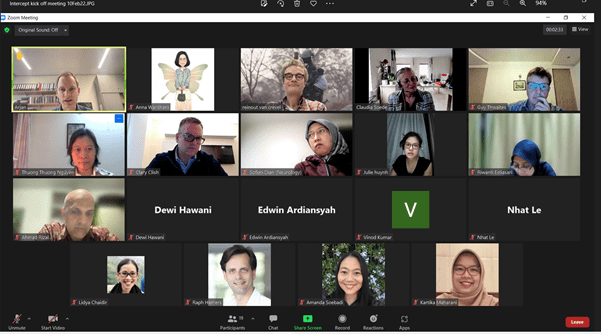
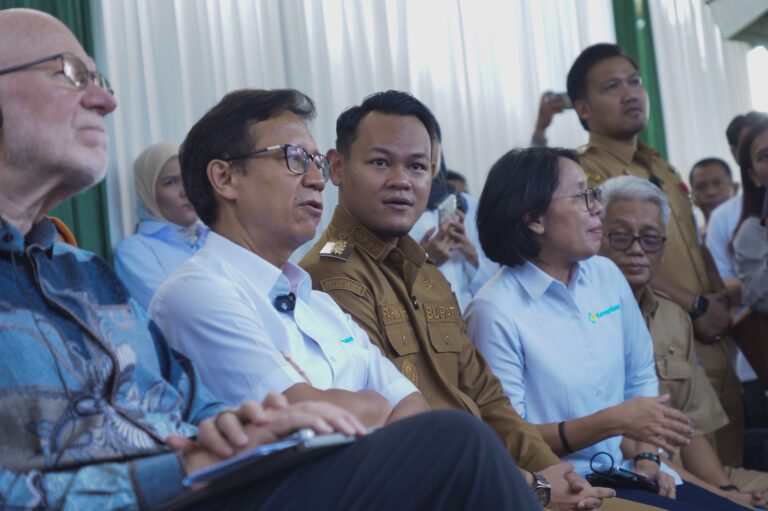
This trial’s completion was officially announced during the Scientific Collaborators Meeting held on 17 July 2024, open to the public via Zoom. From left to right: Director of OUCRU Indonesia, Prof. J. Kevin Baird; Principal Investigator of the clinical trial, Prof. Erni J. Nelwan; Site Medical Supervisor, Dr. Krisin Chand; and Chief Medical Officer of Sanaria, Dr. Thomas L. Richie.
Groundbreaking Research in Malaria

The trial included 345 Indonesian soldier volunteers from Battalion 132 in Bangkinang, Riau Province, Indonesia. These soldiers received either one of the new malaria vaccines or a placebo before traveling to Keerom District in Papua Province, an area where malaria is endemic. The goal was to see how well the vaccines protected people who had never had malaria before.

Prof. Erni J. Nelwan from FMUI, the Principal Investigator of this trial, said, “This study is groundbreaking because it involved a malaria-naive population traveling to an endemic region. By vaccinating soldiers who had never been exposed to malaria, we were able to truly test the effectiveness of these vaccines in a real-world setting.”

Second Lieutenant Kennedi Siregar from Battalion 132 also noted the importance of this study, both for the public and, more specifically, the Indonesian Army. “Our soldiers are frequently deployed in remote areas across the country, especially in malaria-endemic areas. Malaria is a challenge for us. Being involved in this study has helped us understand this disease better; we now know better how to diagnose and treat it properly.”

General Andika Perkasa, then Chief of Staff of the Indonesian Army (right), visited the Eijkman Institute for Molecular Biology in 2021 to mark the start of a partnership for Indonesia’s first malaria vaccine trial. From left to right: Prof. Amin Soebandrio, Director of Eijkman Institute for Molecular Biology (EIMB); Prof. Herawati Sudoyo, Deputy Director of EIMB; Dr. Rintis Noviyanti, EIMB scientist; Dr. Safarina G. Malik; EIMB scientist; and General Andika Perkasa.

The soldiers were vaccinated between May and September 2022 and then deployed to Keerom District. During their time there, the research team treated over 700 malaria cases and continued to monitor the soldiers for six months after their return, treating another 300 cases.

The New Malaria Vaccines Tested

The two vaccines tested were Sanaria® PfSPZ and Sanaria® PfSPZ-CVac. Both used live malaria parasites from the West African strain that were weakened by different methods. The Sanaria® PfSPZ vaccine used parasites weakened by radiation, while the Sanaria® PfSPZ-CVac vaccine used parasites weakened by chloroquine that was given orally to study participants.

The Sanaria® PfSPZ vaccine was found to be safe and well-tolerated, similar to a saline placebo. The Sanaria® PfSPZ-CVac vaccine also showed good safety and minor side effects. Both vaccines offered protection against malaria caused by the Plasmodium falciparum parasite found in Papua, which is different from the strain that made up the vaccine.

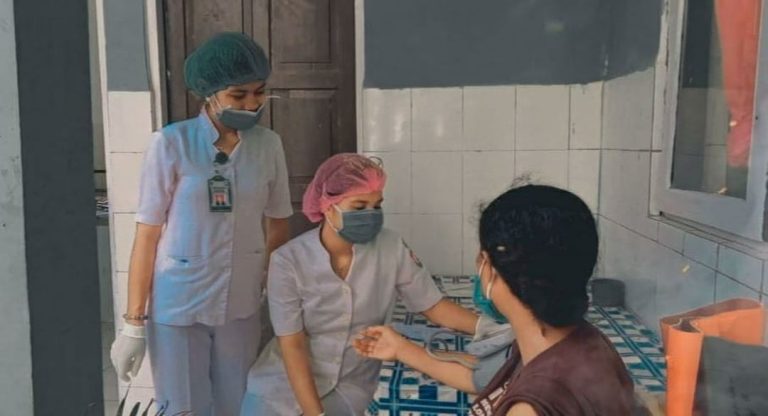
A blood test done by the study team as part of routine monitoring of study participants in Papua, Indonesia.

Partnerships are Key to the Trial’s Success

The trial was made possible through a partnership between the Faculty of Medicine Universitas Indonesia, OUCRU Indonesia, the Indonesia Army Health Center, and the Eijkman Molecular Biology Research Center of the National Research and Innovation Agency.

The malaria vaccine trial study team during the Scientific Collaborators Meeting on July 17, represented by (from left to right): Dr. dr. Soroy Lardo, Research Monitor; Prof. J. Kevin Baird, Director of OUCRU Indonesia; dr. Minerva Theodora Simatupang from the Malaria Working Group of the MoH; dr. Helen Dewi Prameswari, Head of the Malaria Working Group of the MoH; Dr. Rintis Noviyanti, scientist at the National Research and Innovation Agency; Prof. Erni J. Nelwan, Principal Investigator; Dr. Thomas L. Richie, Chief Medical Officer of Sanaria; Dr. dr. Sony Endro Cahyo from the Indonesia Army Health Center; dr. Krisin Chand, Site Medical Supervisor; and Dr. Narain Punjabi, Research Monitor.

Director of OUCRU Indonesia, Prof. J. Kevin Baird, emphasized the importance of partnerships with local institutions in finding global solutions for infectious diseases, including malaria. “Malaria is a significant problem both globally and in Indonesia. Our work at OUCRU Indonesia focuses on collaborating with local partners to find effective solutions against infectious diseases that can be adopted around the world. The success of this trial is a testament to the power of these partnerships and a crucial step toward eliminating malaria,” he said.

Dean of FMUI, Prof. Ari Fahrial Syam, also highlighted the collaborative effort behind the trial, saying “The phase 2 clinical trial of the malaria vaccine is crucial research in vaccine development. Hopefully, the clinical trial can continue so that the existence of this vaccine can truly benefit efforts to eradicate malaria in Indonesia and the world. FMUI continues to support various clinical trials of OUCRU Indonesia, continuing the cooperation that has been ongoing for the past 13 years.”

The Next Steps

The Chief Medical Officer of Sanaria, Thomas L. Richie, expressed his excitement about the results and shared Sanaria’s plan to create an improved vaccine. “We are thrilled with the trial’s promising results, especially the vaccines’ ability to protect against a different malaria strain than the one used to create them. This cross-strain efficacy is crucial for global malaria eradication, as there are many malaria species around the world. Building on these findings, we are developing a next-generation vaccine called PfSPZ-LARC2, hopefully showing even better results,” he explained.

The detailed results of this study, funded by the Congressionally Directed Medical Research Program (USA) and led by Prof. Erni J. Nelwan from FMUI, will be published after peer review later this year. This trial marks a significant advancement in the fight against malaria, demonstrating the potential of innovative vaccines to combat this deadly disease on a global scale.

Sebagai suatu kesuksesan besar, Fakultas Kedokteran Universitas Indonesia (FK UI) dan OUCRU Indonesia telah menyelesaikan uji klinis fase 2 untuk dua vaksin malaria baru yang diproduksi Sanaria Inc. Riset ini merupakan uji coba vaksin malaria pertama yang pernah dilakukan di Indonesia dan yang pertama di kawasan Asia Pasifik dalam lebih dari 30 tahun.

Penyelesaian uji klinis ini diumumkan secara resmi saat ‘Scientific Collaborators Meeting’ yang diadakan pada 17 Juli 2024, terbuka untuk umum melalui Zoom. Dari kiri ke kanan: Direktur OUCRU Indonesia, Prof. J. Kevin Baird; Principal Investigator, Prof. Erni J. Nelwan; Site Medical Supervisor, Dr. Krisin Chand; dan Chief Medical Officer Sanaria, Dr. Thomas L. Richie.

Terobosan dalam Riset Malaria

Uji klinis ini melibatkan 345 sukarelawan TNI dari Batalyon 132 di Bangkinang, Riau, Indonesia. Mereka mendapatkan injeksi salah satu jenis vaksin atau suntikan plasebo sebelum berangkat tugas ke Kabupaten Keerom, Papua, daerah endemis malaria. Tujuannya adalah melihat seberapa baik vaksin bisa melindungi orang-orang yang belum pernah terkena malaria sebelumnya.

Prof. Erni J. Nelwan dari FK UI, selaku Principal Investigator studi ini, mengatakan, “Penelitian ini unik karena melibatkan populasi yang belum pernah terkena malaria yang kemudian bepergian ke daerah endemik malaria. Dengan memvaksin para tentara yang belum pernah terinfeksi sebelum mereka bepergian ke daerah berisiko tinggi, kami bisa menguji efektivitas vaksin ini dalam kondisi nyata.”

Letnan Dua Kennedi Siregar dari Peleton Kesehatan Batalion 132 Bangkinang turut menekankan pentingnya studi ini bagi masyarakat secara umum dan TNI secara khusus. “Tugas kami sering membawa kami ke daerah-daerah terpencil di seluruh Indonesia, terutama daerah yang rawan malaria. Malaria merupakan tantangan bagi kami. Keterlibatan dalam studi ini membuat kami lebih memahami penyakitnya. Sekarang, kami lebih memahami cara mendiagnosis dan mengobatinya dengan benar,” jelasnya.

Jenderal (Purn) Andika Perkasa, Kepala Staf TNI AD pada masanya (kanan), mengunjungi Lembaga Biologi Molekuler Eijkman (LMBE) pada 2021 untuk menandai awal kerja sama untuk uji klinis vaksin malaria. Dari kiri ke kanan: Prof. Amin Soebandrio, Direktur LBME; Prof. Herawati Sudoyo, Deputi Direktur LBME; Dr. Rintis Noviyanti, peneliti LBME; Dr. Safarina G. Malik, peneliti LBME; dan Jenderal Andika Perkasa.

Para tentara divaksinasi dari Mei sampai September 2022 sebelum bertugas ke Kabupaten Keerom. Selama berada di sana, tim peneliti menangani lebih dari 700 kasus malaria. Mereka melanjutkan pemantauan selama enam bulan setelah para tentara kembali dan menangani 300 kasus tambahan.

Dua Vaksin Malaria Baru yang Diuji Coba

Kedua vaksin yang diuji coba adalah Sanaria® PfSPZ dan Sanaria® PfSPZ-CVac. Keduanya terbuat dari parasit malaria hidup, khususnya jenis Afrika Barat, yang dilemahkan dengan cara berbeda. Parasit di dalam Vaksin Sanaria® PfSPZ dilemahkan menggunakan radiasi, sedangkan parasit di dalam Vaksin Sanaria® PfSPZ-CVac dilemahkan dengan obat klorokuin yang diberikan secara oral kepada partisipan studi.

Hasil uji cobanya menunjukkan bahwa vaksin Sanaria® PfSPZ aman dan dapat ditoleransi dengan baik, sama seperti plasebo. Vaksin Sanaria® PfSPZ-CVac juga terbukti aman dengan efek samping ringan. Kedua vaksin memberikan perlindungan terhadap malaria yang disebabkan parasit Plasmodium falciparum yang ditemukan di Papua, meskipun vaksinnya terbuat dari jenis malaria yang berbeda.

Pengambilan sampel darah oleh Tim Studi sebagai bagian dari monitoring rutin partisan studi selama di Papua.

Kerja Sama Merupakan Kunci Keberhasilan Uji Coba Ini

Uji klinis ini merupakan buah kerja sama antara FK UI, OUCRU Indonesia, Pusat Kesehatan TNI AD (PUSKESAD), dan Pusat Riset Biologi Molekuler Eijkman dari Badan Riset dan Inovasi Nasional (PRBM BRIN).

Tim studi uji coba vaksin malaria saat ‘Scientific Collaborators Meeting’ pada 17 Juli yang diwakili oleh (dari kiri ke kanan): Dr. dr. Soroy Lardo, Research Monitor; Prof. J. Kevin Baird, Direktur OUCRU Indonesia; dr. Minerva Theodora Simatupang dari Kelompok Kerja Malaria Kemenkes RI; dr. Helen Dewi Prameswari, Ketua Kelompok Kerja Malaria Kemenkes RI; Dr. Rintis Noviyanti, peneliti PRBM BRIN; Prof. Erni J. Nelwan, Principal Investigator; Dr. Thomas L. Richie, Chief Medical Officer Sanaria; dr. Sony Endro Cahyo, Dirbinlitbang PUSKESAD; dr. Krisin Chand, Site Medical Supervisor; dan Dr. Narain Punjabi, Research Monitor.

Direktur OUCRU Indonesia, Prof. J. Kevin Baird, menekankan pentingnya kolaborasi dengan berbagai institusi lokal dalam mencari solusi global bagi penyakit menular, termasuk malaria. “Malaria adalah masalah besar di dunia dan Indonesia. Pekerjaan kami di OUCRU Indonesia mengutamakan penjalinan kerja sama dengan mitra lokal untuk menemukan solusi efektif bagi penyakit menular yang dapat diterapkan di seluruh dunia. Keberhasilan uji coba ini membuktikan kekuatan kemitraan tersebut dan merupakan langkah penting menuju eliminasi malaria,” terangnya.

Dekan FK UI, Prof. Ari Fahrial Syam, turut menyoroti kerja sama yang memungkinkan terselesaikannya riset ini. Ia mengatakan, “Uji klinik fase 2 tentang vaksin malaria merupakan riset penting dalam pengembangan vaksin. Mudah-mudahan uji klinik bisa berlanjut sehingga keberadaan vaksin ini benar-benar bermanfaat dalam upaya memberantas malaria di Indonesia dan dunia. FK UI terus mendukung berbagai uji klinik the Oxford University Clinical Research Unit (OUCRU) melanjutkan kerja sama yang telah berlangsung sejak 13 tahun yang lalu.”

Rencana ke Depan

Chief Medical Officer Sanaria, Thomas L. Richie, mengungkapkan kegembiraannya atas hasil uji klinik ini dan menerangkan rencana Sanaria untuk menciptakan vaksin yang lebih baik lagi. “Kami sangat senang dengan hasil uji cobanya yang menjanjikan, terutama kemampuan vaksin untuk melindungi dari jenis malaria yang berbeda dari yang dipakai untuk membuatnya. Efikasi lintasjenis ini sangat penting untuk eliminasi malaria global karena ada banyak spesies malaria di seluruh dunia. Berdasarkan temuan ini, kami sedang mengembangkan vaksin generasi berikutnya bernama PfSPZ-LARC2 yang diharapkan menunjukkan hasil yang lebih baik lagi,” jelasnya.

Hasil studi yang lebih rinci akan dipublikasikan pada akhir tahun setelah melalui peer-review. Penelitian yang didanai oleh Congressionally Directed Medical Research Program (AS) dan dipimpin oleh Prof. Erni J. Nelwan dari FK UI ini merupakan langkah penting dalam perjuangan melawan malaria.