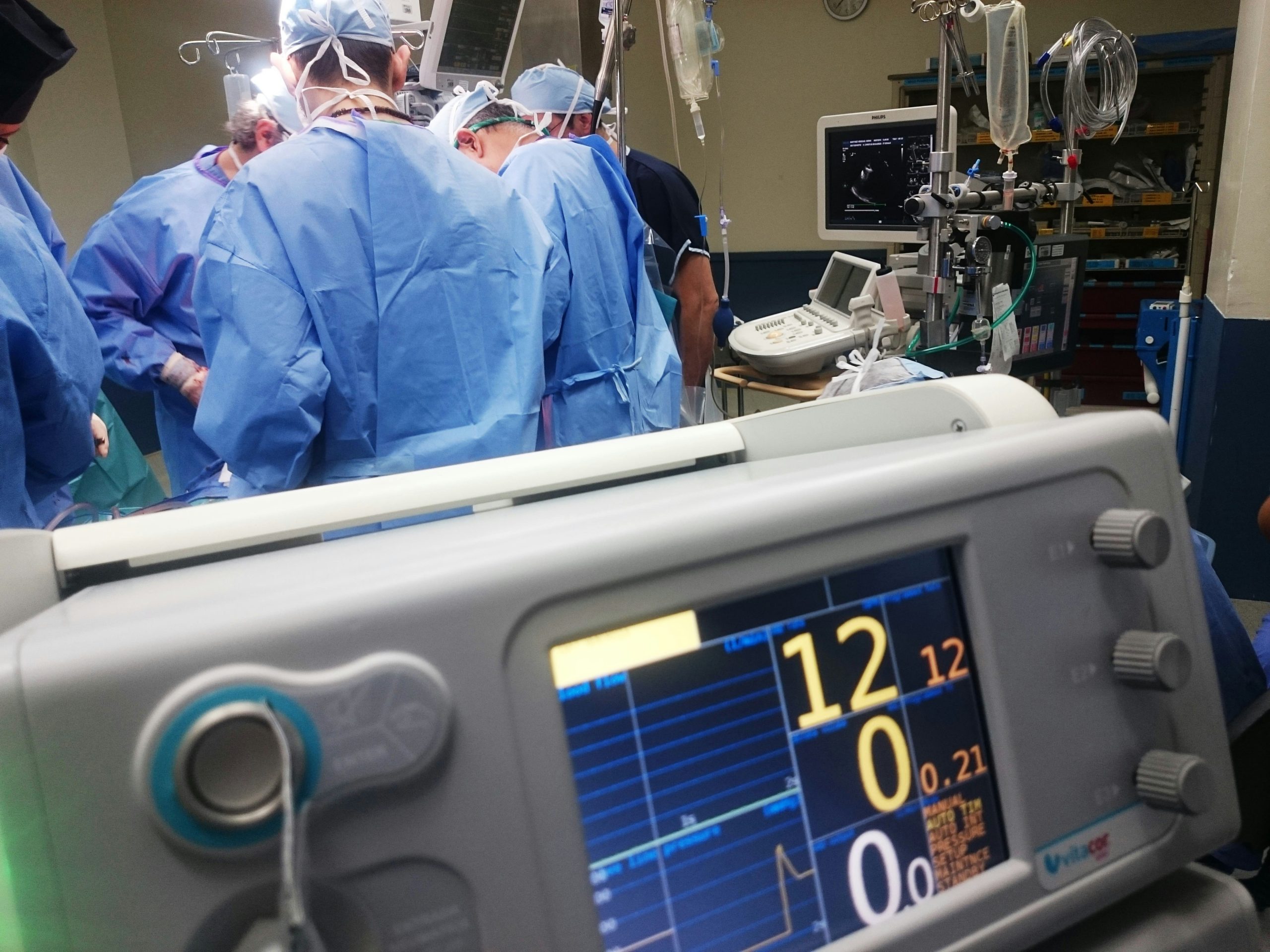
The conference will focus on integrating rehabilitation practices within multidisciplinary ICU teams, a critical aspect of patient care that significantly improves outcomes. This is also a platform for clinicians and researchers to discuss, share, and advance practices related to early mobilization and rehabilitation in critical care settings.
Keynote speakers include Professor Sue Berney (University of Melbourne), Professor Dale M. Needham (Johns Hopkins University), and Professor Gregory Reychler (University of Louvain), bringing invaluable insights from their extensive research and clinical experience in ICU rehabilitation.Â
Participants can look forward to engaging, in-depth workshops on both days of the conference. These include hands-on sessions on respiratory and tracheostomy care, rehabilitation and ventilation weaning.Â
Early Bird Registration Until: June 18, 2024Â Register HereÂ
For further information regarding the conference program, speakers, and registration details, please visit VNPTA website.
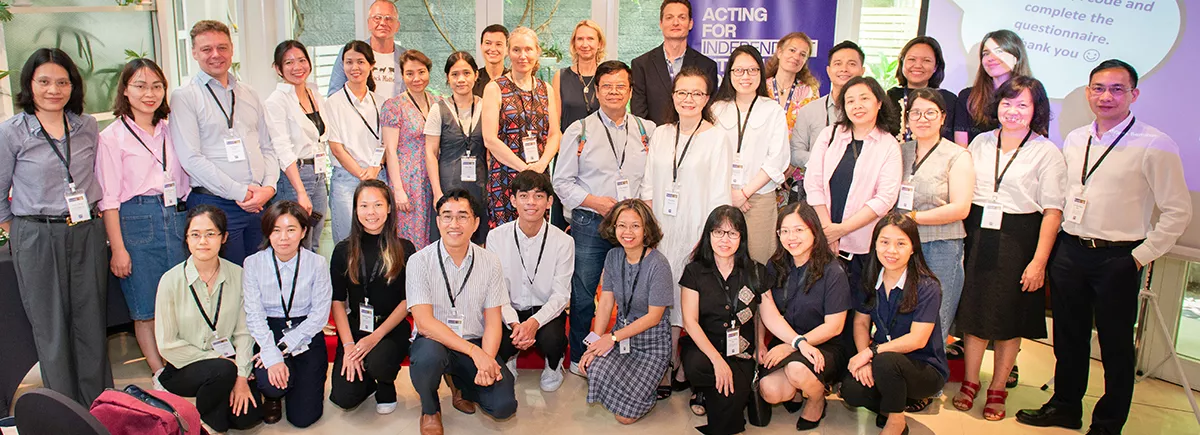
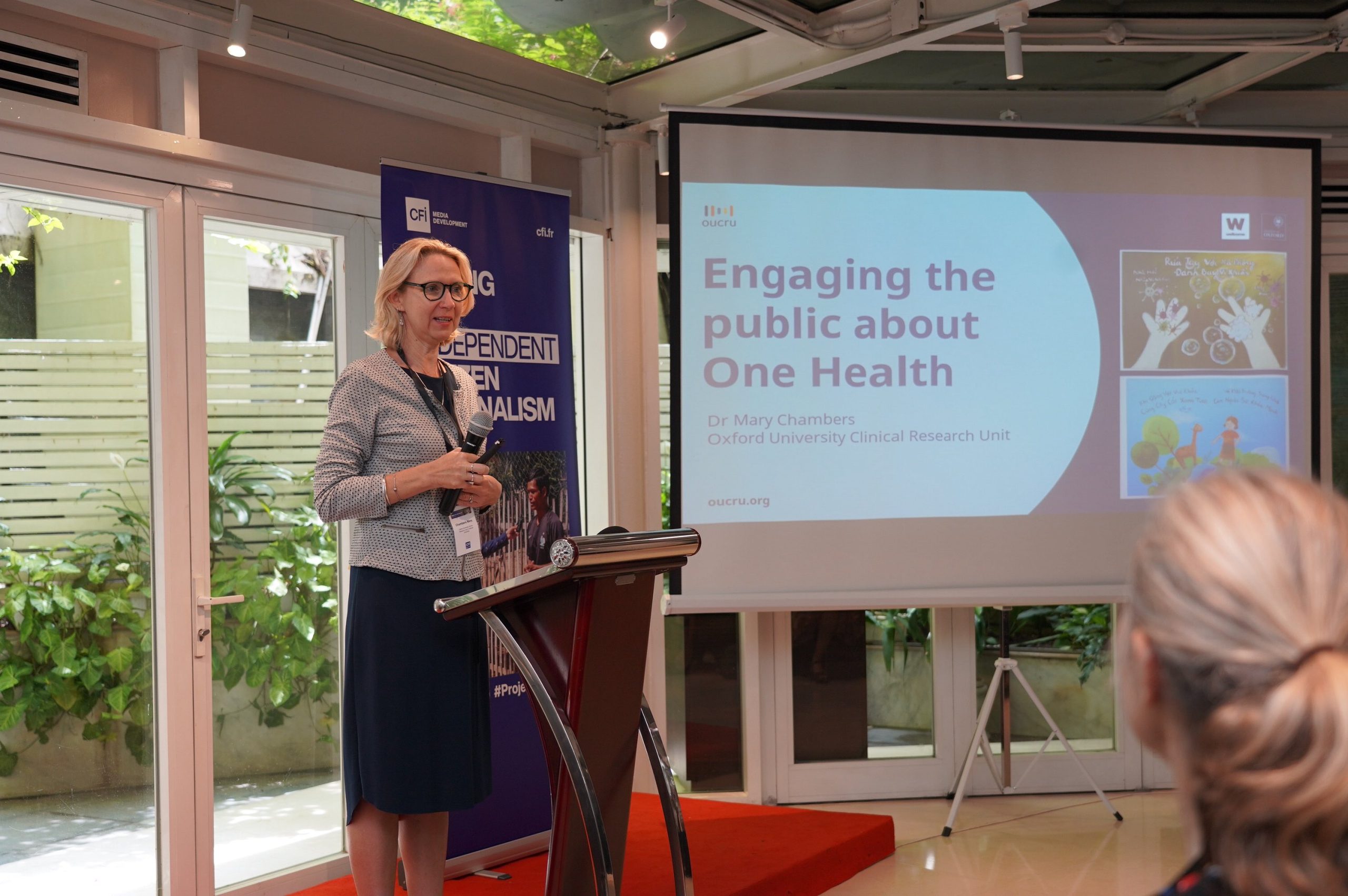
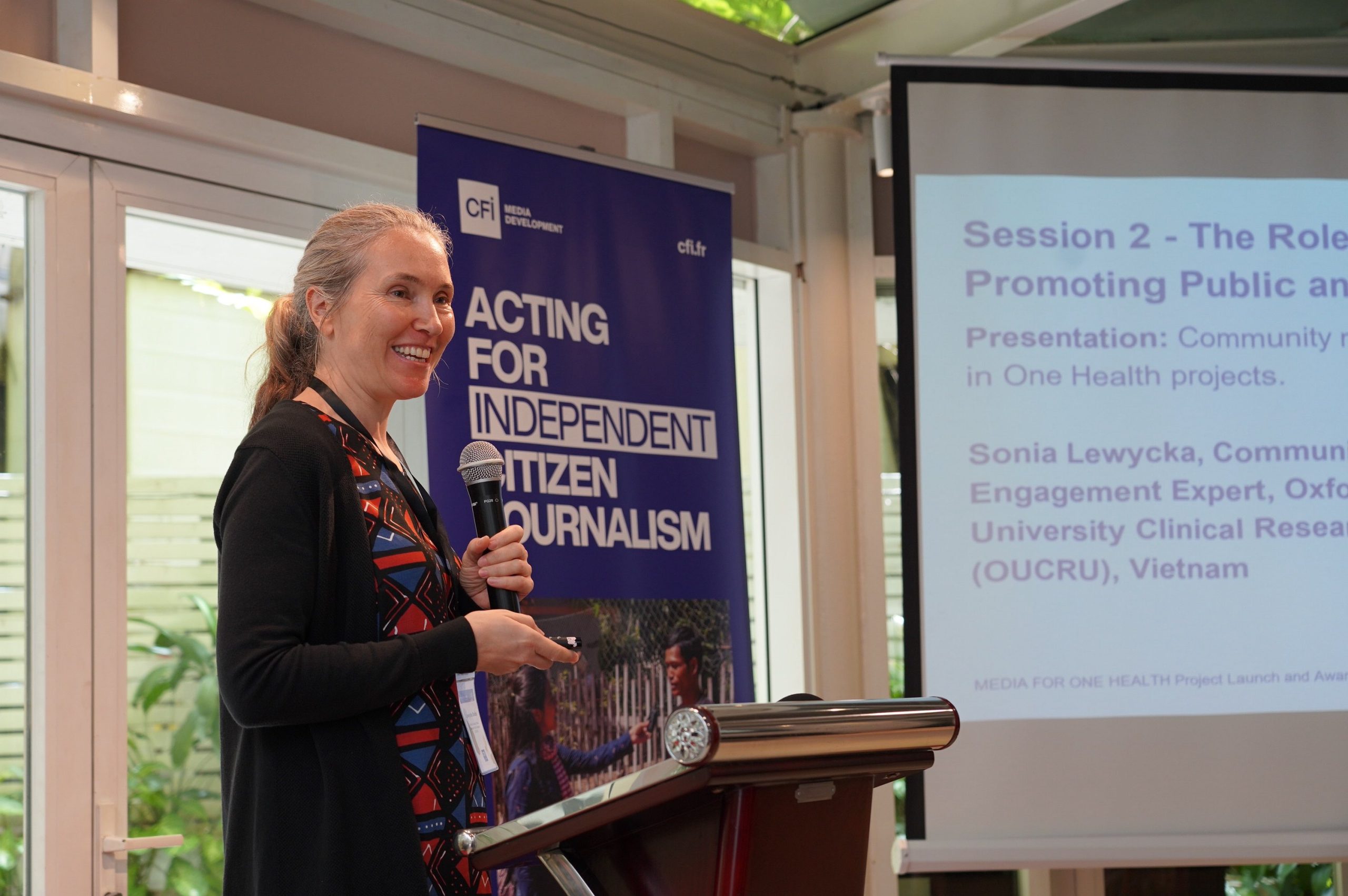
On 20 May in Hanoi, Dr Mary Chambers and Associate Professor Sonia Lewycka presented on One Health activities at OUCRU, highlighting the essential role of public engagement and communication with various communities in raising awareness as well as how to integrate One Health approach and climate change into infectious diseases research.
This event was part of the Media for One Health project, funded by the French Ministry for Europe and Foreign Affairs and implemented by Canal France International (CFI) in collaboration with the French Agricultural Research Centre for International Development (CIRAD).
The launch event welcomed 45 representatives from political bodies, media, international organisations, civil society, and the scientific community, including 12 journalists selected for this project.
These 12 journalists will be trained in techniques for addressing global health issues, including data mapping and use, investigative and interviewing techniques, fact-checking methods, combating fake news and misinformation, and social media management for global health issues.
The One Health concept emphasises the importance of coordinated and sustainable development among humans, animals, and the environment to achieve comprehensive planetary health. It recognises that human activities, whether direct or indirect, impact the environment and animal health, which in turn affects human health. “One Health” encourages collaboration among experts in human health, veterinary medicine, geology, and the environment to work together for the overall health of the Earth.
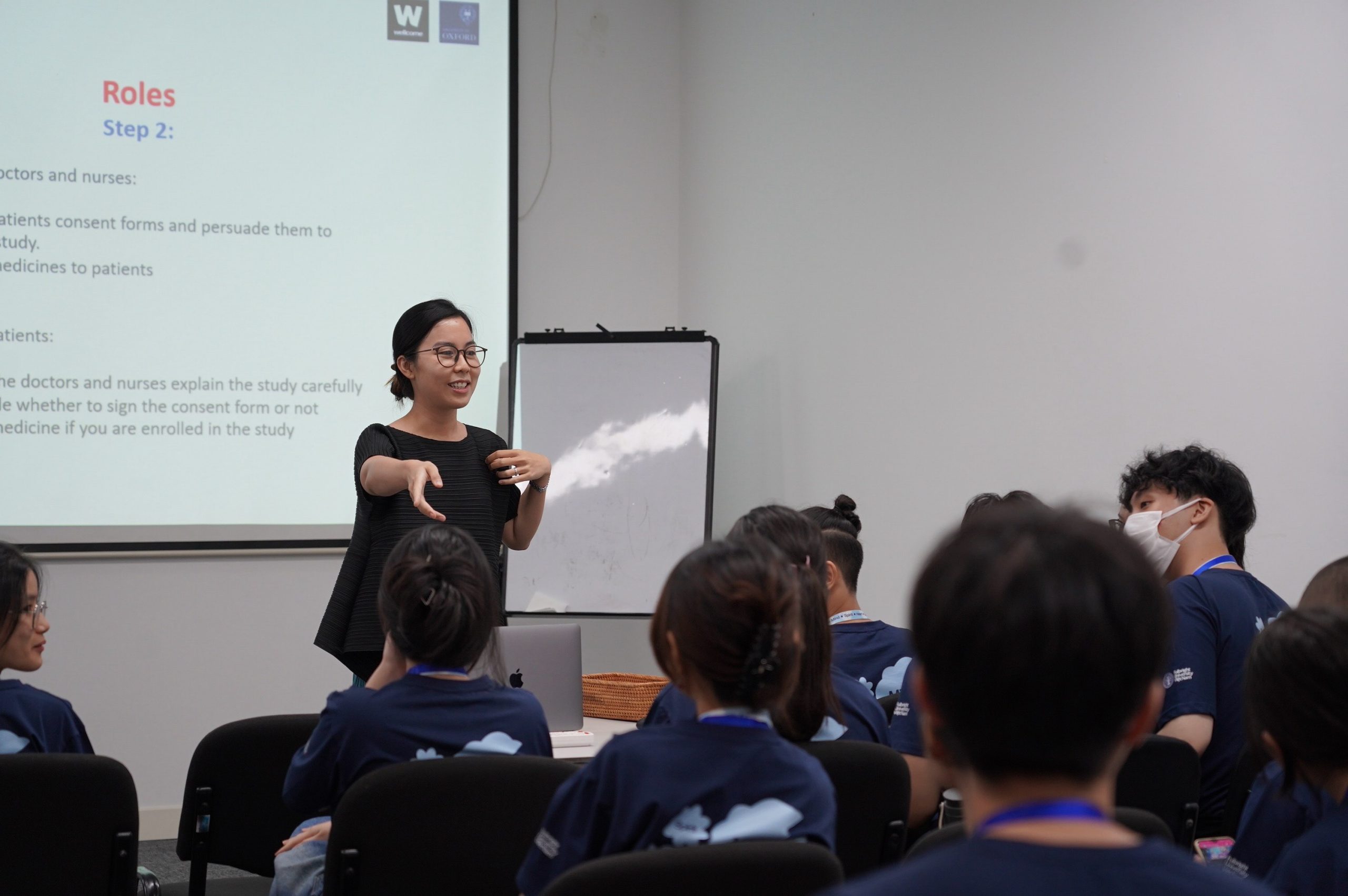
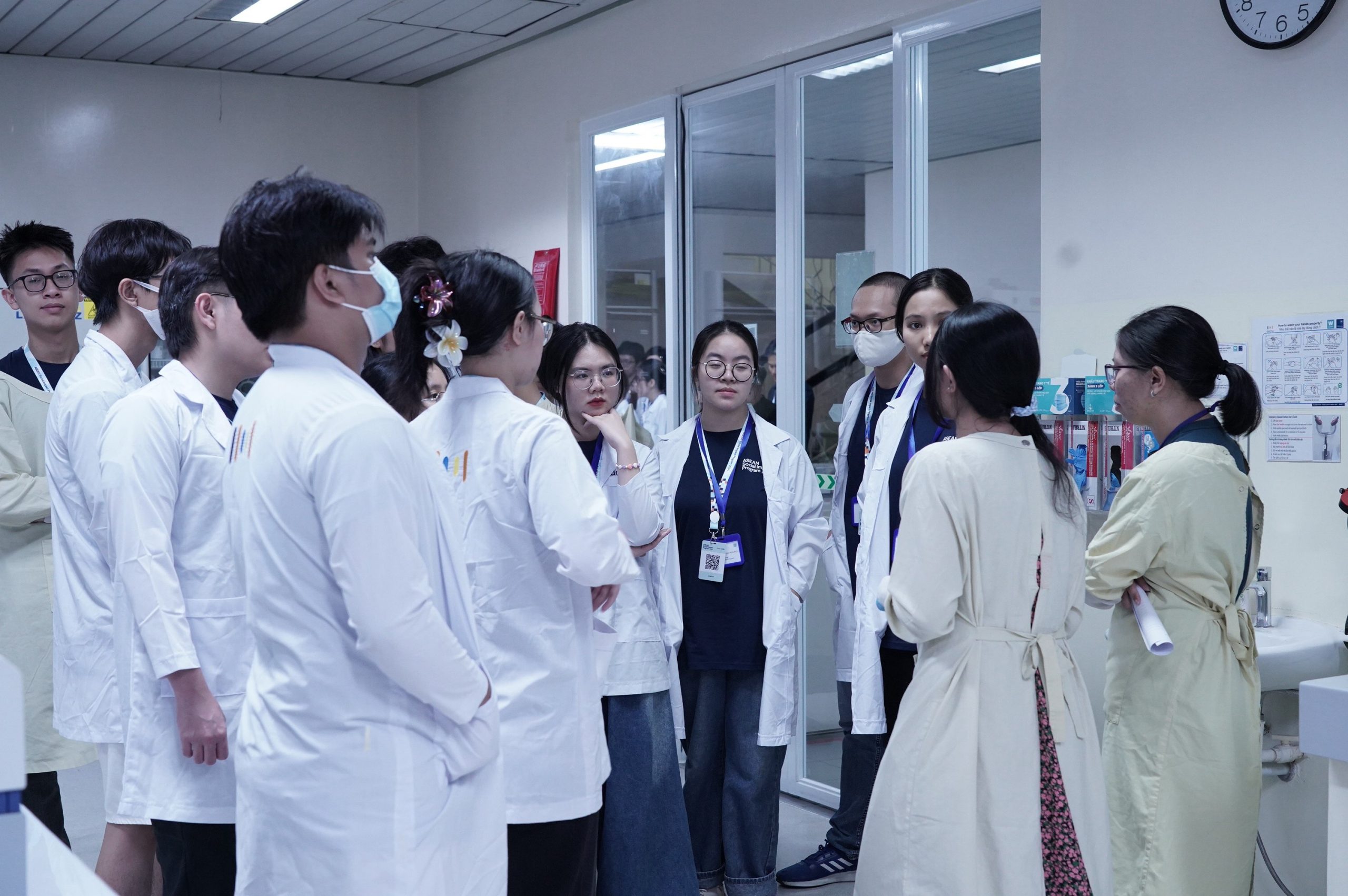
On 31st May, the Public and Community Engagement Group at OUCRU re-launched the Science Visit project. This event saw 25 enthusiastic students from Vietnam, Brunei, Singapore, the Phillipines, and Cambodia. This student group is a part of the ASEAN Social Impact Program (ASIP), visit OUCRU. They joined a lab tour and participated in several group games centered around the clinical trials process.
These engaging activities broadened the students’ perspectives and understanding of research in Vietnam, specifically clinical trials. The lab facilities and dynamic working environment at OUCRU also left a strong impression.
Funded by USAID under the partnership with Fulbright University Vietnam, ASEAN Social Impact Program is an annual initiative that aims to equip young changemakers with necessary knowledge, skills, and resources to tackle social issues in line with the United Nation’s Sustainable Development Goals. In 2024, the program will mainly focus on the theme of “Good Health & Wellbeingâ€.
The Science Visit project, initiated in 2017, is an initiative of OUCRU’s Public and Community Engagement Group. Its aim is to inspire and engage school students in OUCRU’s scientific work, fostering a lifelong appreciation for research. During these visits, students are given a glimpse into real scientific labs and participate in engaging activities that provide insight into the work and lives of biomedical scientists.
The Science Visit also offers opportunities for OUCRU researchers to enhance their science communication skills by discussing their work with students through participatory methods.
Since 2017, we have engaged more than 160 young people, including college and secondary students, and 16 OUCRU researchers. After a brief hiatus due to the COVID-19 pandemic, the Science Visit has resumed, welcoming eager young individuals to immerse themselves in a science-focused environment.
If you wish to nominate your school or club to participate in a Science Visit, please contact the Public and Community Engagement Group at publicengagement@oucru.org.
At OUCRU, we believe that science can excite and inspire children, contribute to their understanding of the world, and present opportunities for life skill development. The better children understand and appreciate science, the better-informed decisions they can make throughout their lives.
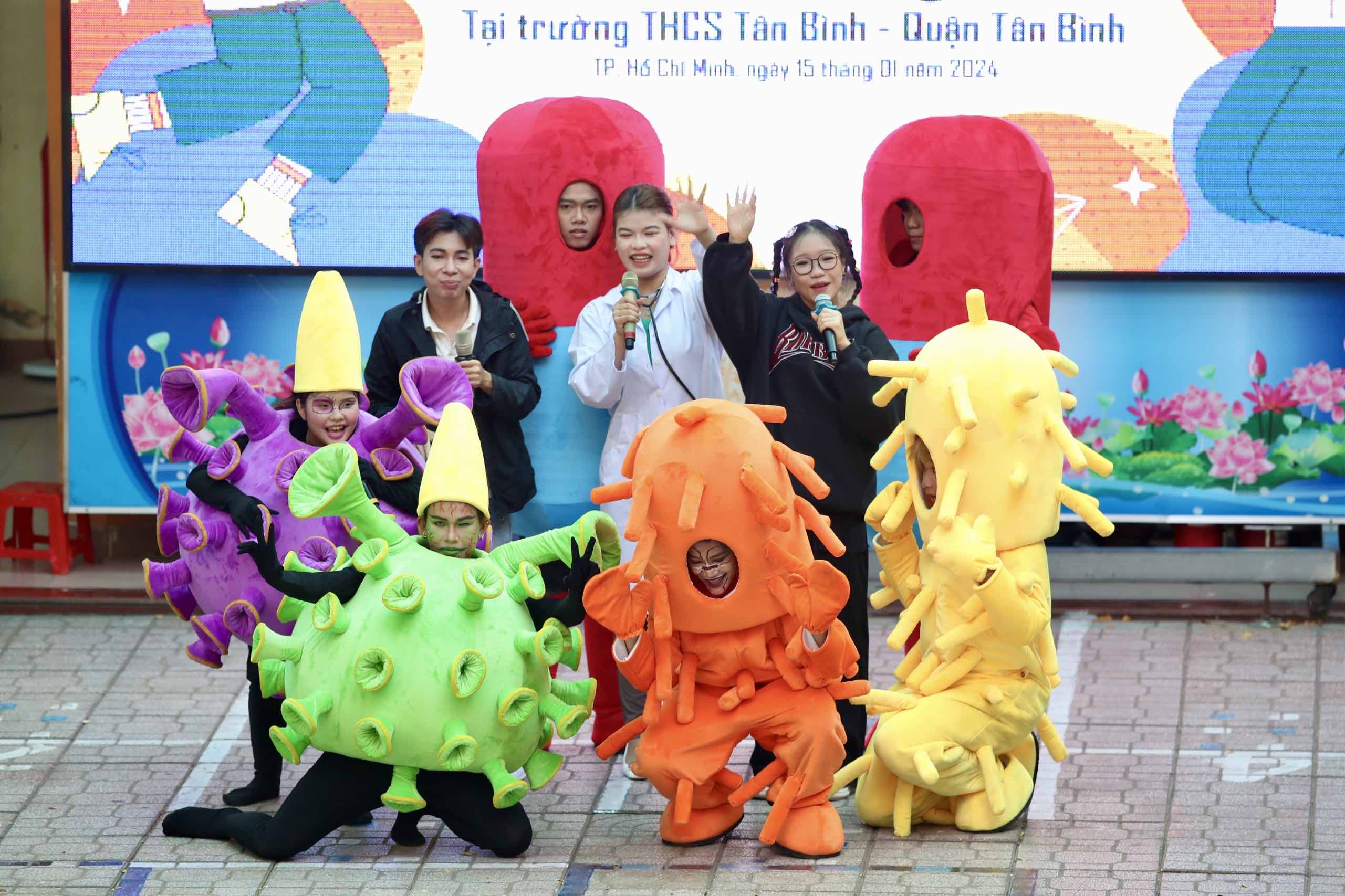
To make science more approachable and engaging, OUCRU’s Public and Community Engagement group conducts a range of activities using several appealing, up-to-date formats to transform national programme’s science books, simplify complex concepts such as AMR, vaccinations, and climate change via comics, cartoon, plays, and other rich-media formats. Those media outputs can be also served as educational materials for schools as our contribution to address the shortcomings of scientific educational materials in Vietnam.
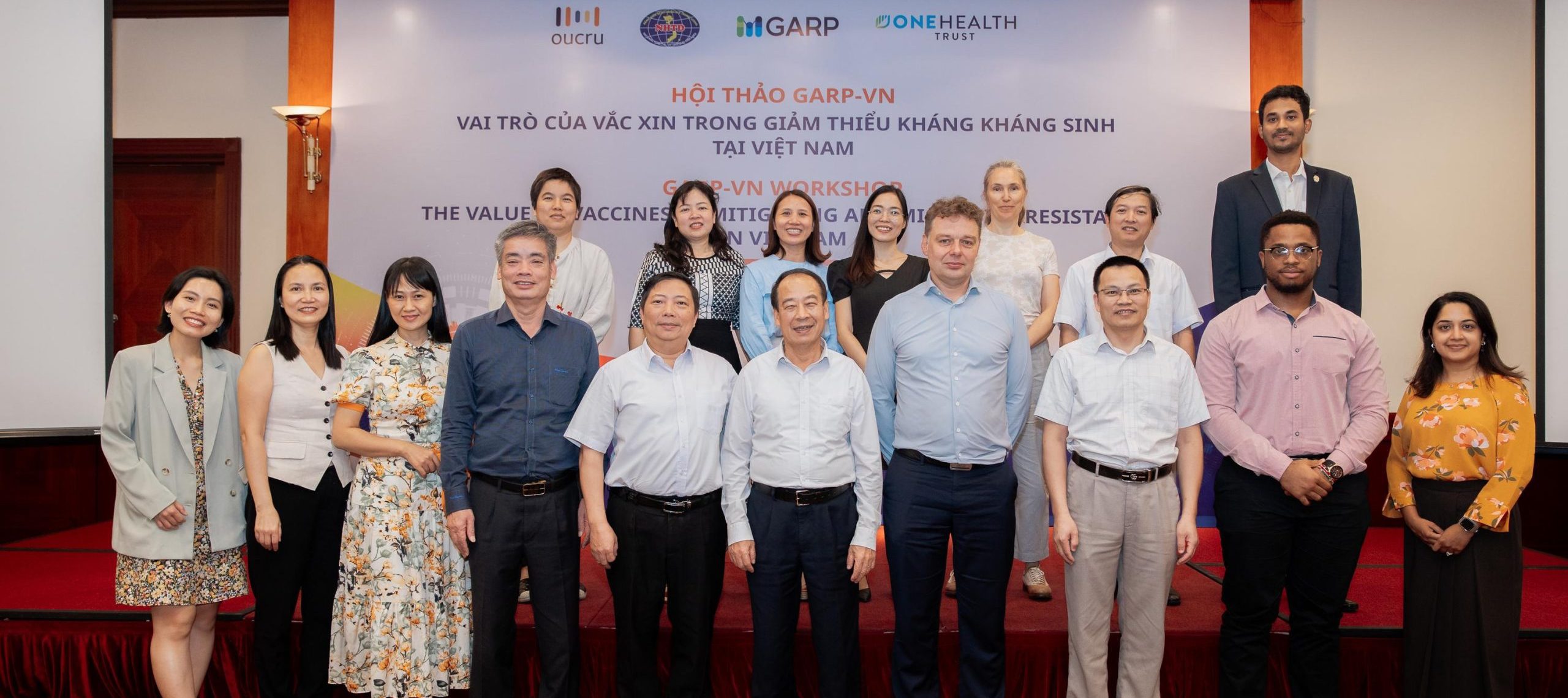
The event brought together a wide array of experts and stakeholders to discuss the inclusion of vaccines as a tool to mitigate antimicrobial resistance (AMR) in the implementation of Vietnam’s National Strategy on AMR, and to discuss recommendations for a policy brief based on review of the current evidence.
The workshop was part of the collaboration between OUCRU and the Global Antibiotic Resistance Partnership (GARP), initiated by the One Health Trust in 2009, whose primary aim is to address the escalating threat of AMR, particularly in low- and middle-income countries, through effective policy and strategy formulation.Â
The policy brief introduced during this workshop underscored the strategic importance of vaccines in the fight against AMR. The brief is the culmination of a year-long collaborative effort between OUCRU, NHTD and GARP, aimed at providing a comprehensive analysis and robust recommendations for enhancing Vietnam’s Immunisation Programme. The overarching goal is to mitigate AMR in Vietnam and include vaccines in the implementation of Vietnam’s National Strategy on AMR as an effective tool to combat AMR.
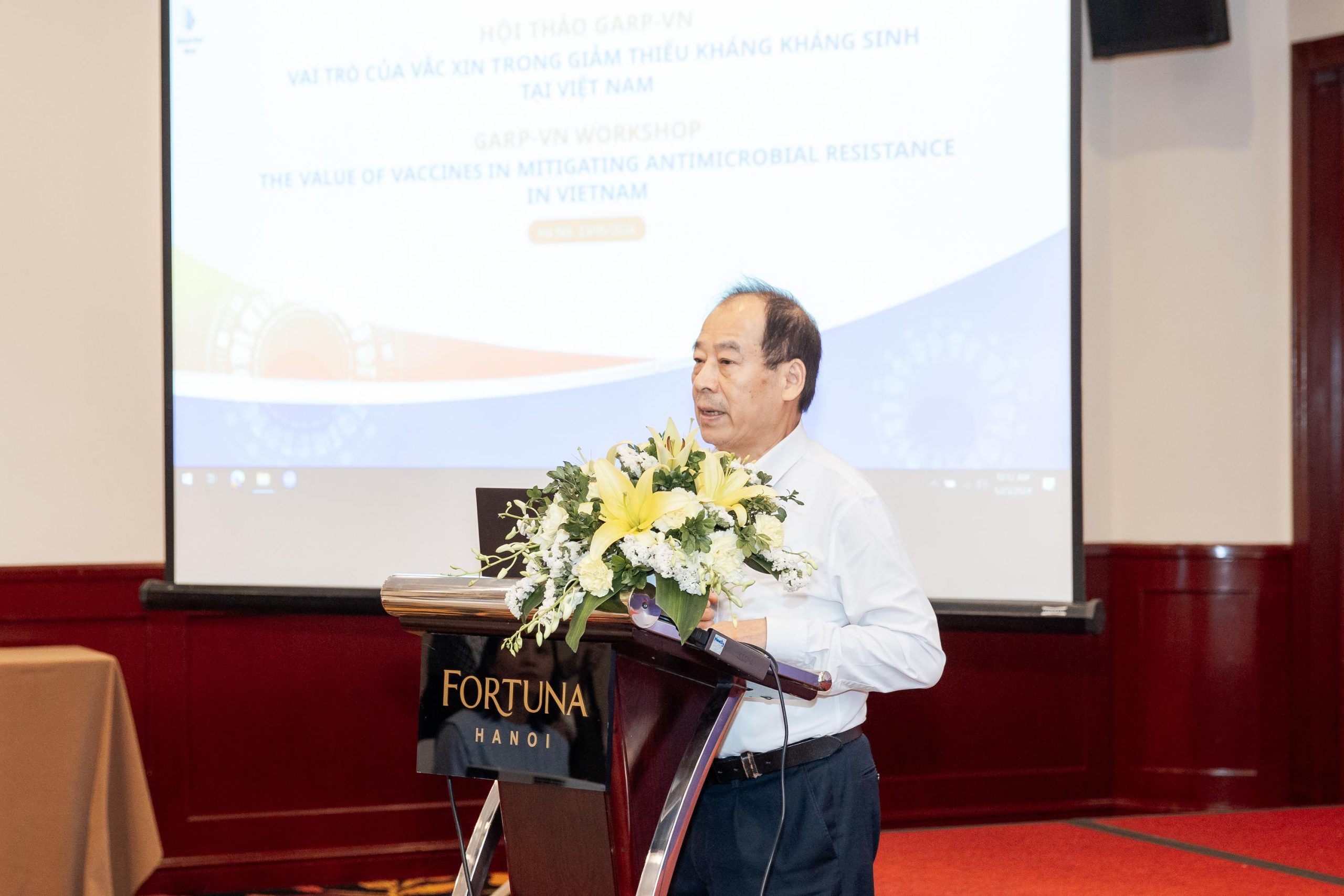
Associate Professor Dr Tran Dac Phu, former Director of the Department of Preventive Medicine and current Chairman of the Ministry of Health’s National Immunisation Technical Advisory Group
During his opening speech, Associate Professor Dr Tran Dac Phu, former Director of the Department of Preventive Medicine and current Chairman of the Ministry of Health’s National Immunisation Technical Advisory Group (NITAG), highlighted the critical role of vaccines in preventing infectious diseases and safeguarding human health. He also introduced NITAG Vietnam and discussed how vaccines contribute to reducing antibiotic resistance.
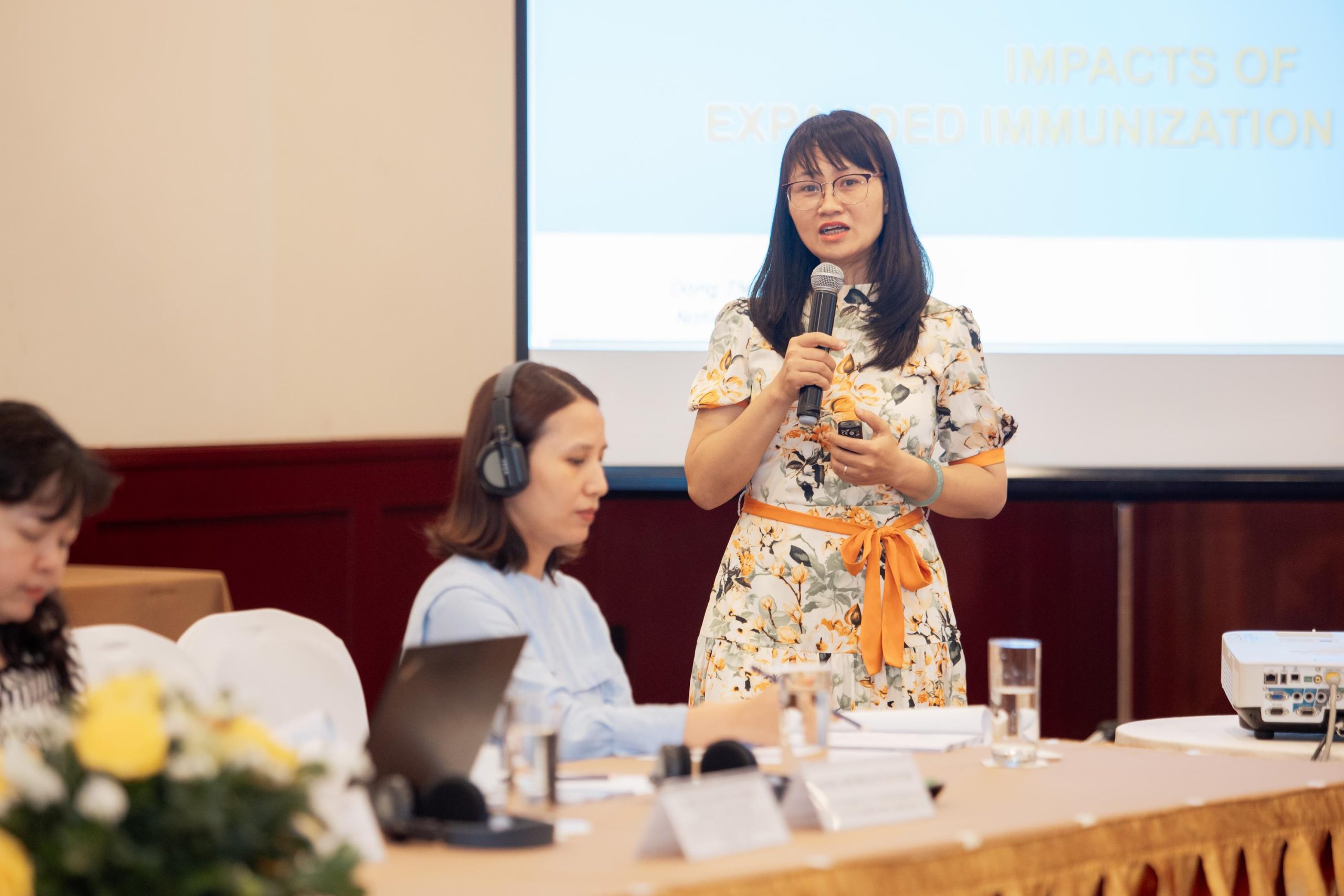
Dr Dang Thi Thanh Huyen, Deputy Head of the National Office of the Expanded Immunisation Programme
Dr Dang Thi Thanh Huyen, Deputy Head of the National Office of the Expanded Immunisation Programme at the Central Institute of Hygiene and Epidemiology, noted, “The Expanded Immunisation Program in Vietnam has achieved remarkable results. However, the COVID-19 pandemic has led to a dramatic decline in the vaccination rates for some vaccines, reaching record lows. This decline has contributed to the resurgence of infectious diseases like measles and diphtheria, which had previously been well-controlled by our vaccination efforts.”
The gathering also served as a platform for generating actionable recommendations for the implementation of both existing and future vaccines within the Expanded Program on Immunisation (EPI) in Vietnam. This initiative is expected to significantly bolster the country’s capabilities in preventing infectious diseases and combating antimicrobial resistance.
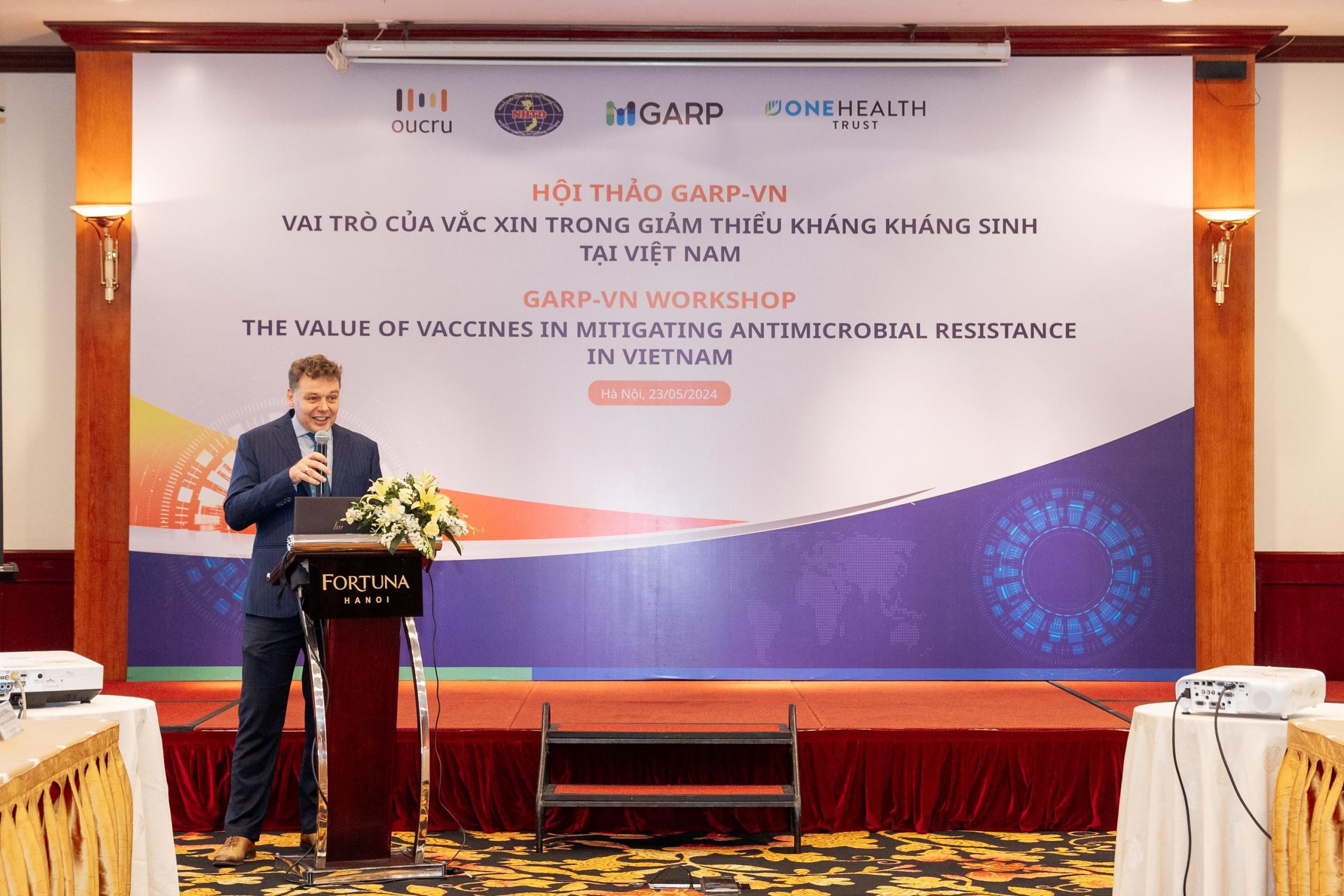
Professor Rogier van Doorn, Director of OUCRU Hanoi, giving his opening speech at the workshop
Professor Rogier van Doorn, Director of OUCRU Hanoi, emphasised the unit’s commitment to combating infectious diseases through research and evidence-based approaches.
Our partnership with NHTD and other national health bodies in Vietnam has been instrumental in advancing public health initiatives that cater specifically to the needs of the Vietnamese population.
Professor Rogier van Doorn, Director of OUCRU Hanoi
Four policy recommendations presented during the workshop will undergo further revisions, including consultations with experts. Once finalised, this document will be distributed to policymakers and shared broadly with relevant stakeholders to enhance implementation of Vietnam’s National Strategy on AMR.
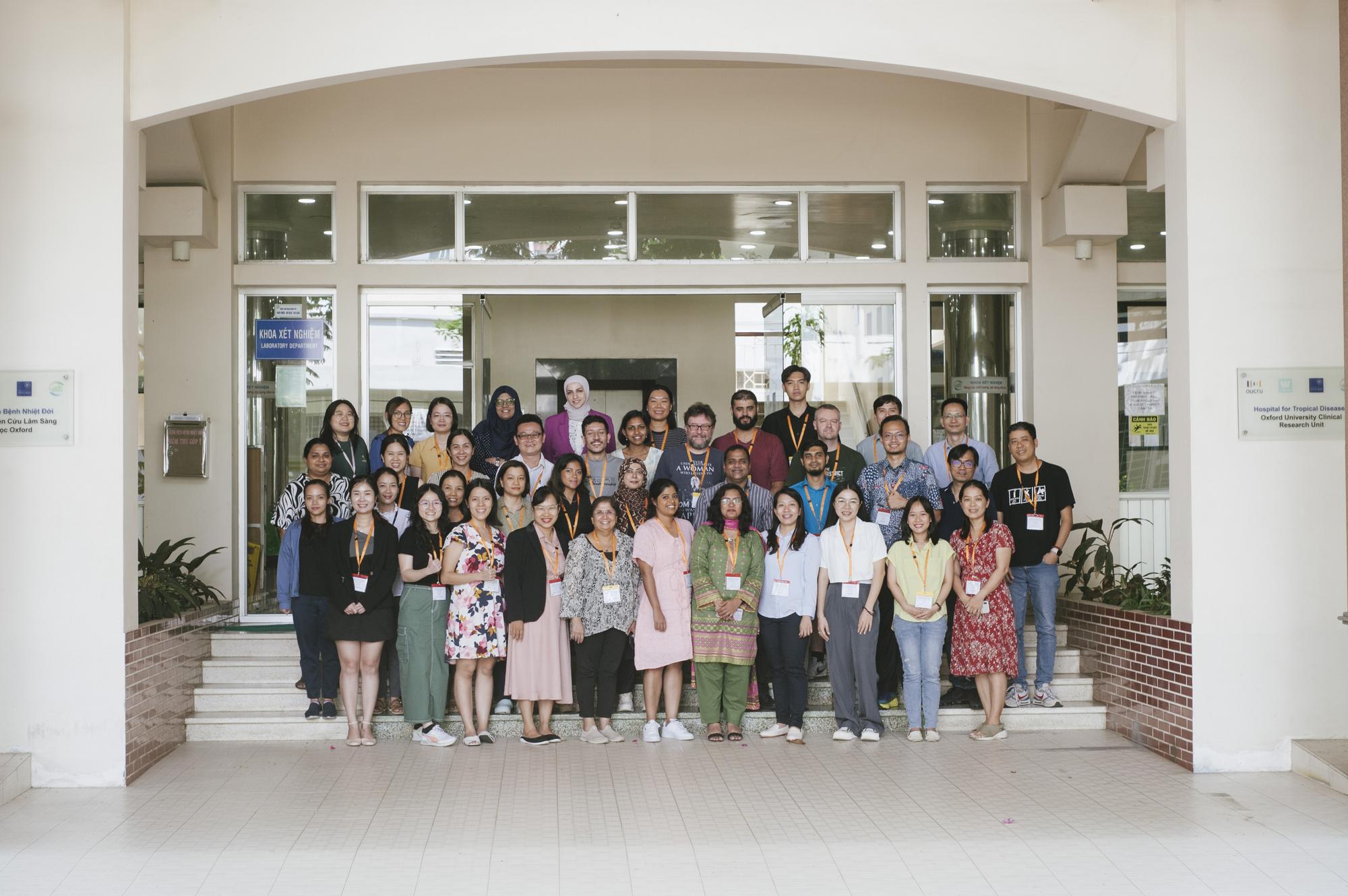
Organisers and participants of the course at OUCRU office in Ho Chi Minh City
Viruses represent a significant public health burden worldwide. In Asia, they are responsible for numerous deaths annually due to diseases such as influenza, dengue fever, hand, foot and mouth disease, chikungunya, and viral hepatitis. There is a critical need for rapid detection, surveillance, and management of viral diseases, which have been made possible by advancements in technological and scientific research. Recently, next-generation sequencing (NGS) technologies have become essential tools in the identification and classification of viruses, detection of drug-resistance mutations, and overall treatment and surveillance of viral diseases.
The Viral Genomics and Bioinformatics course provided training in how to handle and interpret the vast data generated by NGS, including the use of command line tools for viral genome analysis, quality control of sequences, reference mapping, de novo assembly, and creating phylogenetic trees to track virus evolution.
“This course is a crucial step towards empowering researchers and clinicians in Asia with the advanced skills needed to tackle viral diseases, which continue to pose significant public health challenges in the region.”
Associate Professor Le Van Tan
Designed primarily for scientists and healthcare professionals based in Asia, the course aimed to build expertise in the analysis and interpretation of viral genome sequences obtained through NGS technologies. The curriculum covered a broad spectrum of topics including metagenomics, viral pathogen detection, and the construction of phylogenetic trees.
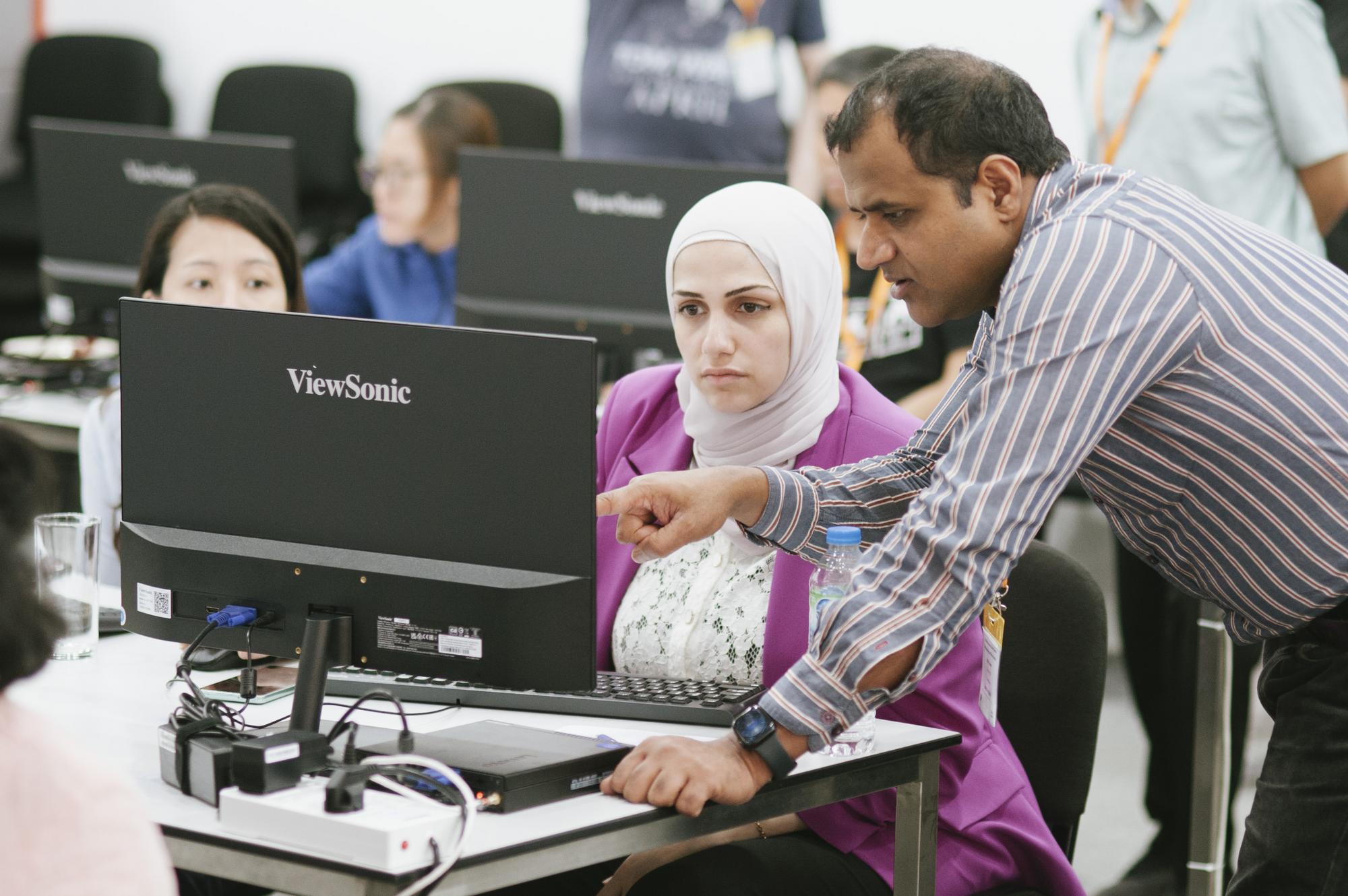
Dr Sreenu Vattipallyprovides hands-on training for the course
One of the course organisers, Dr Sreenu Vattipally said: “Apart from knowledge exchange, this course brought virologists from various countries together, fostering collaborations, networking opportunities, and generating innovative ideas to tackle viral infectious diseases, which are a major health burden in Asian countries.”
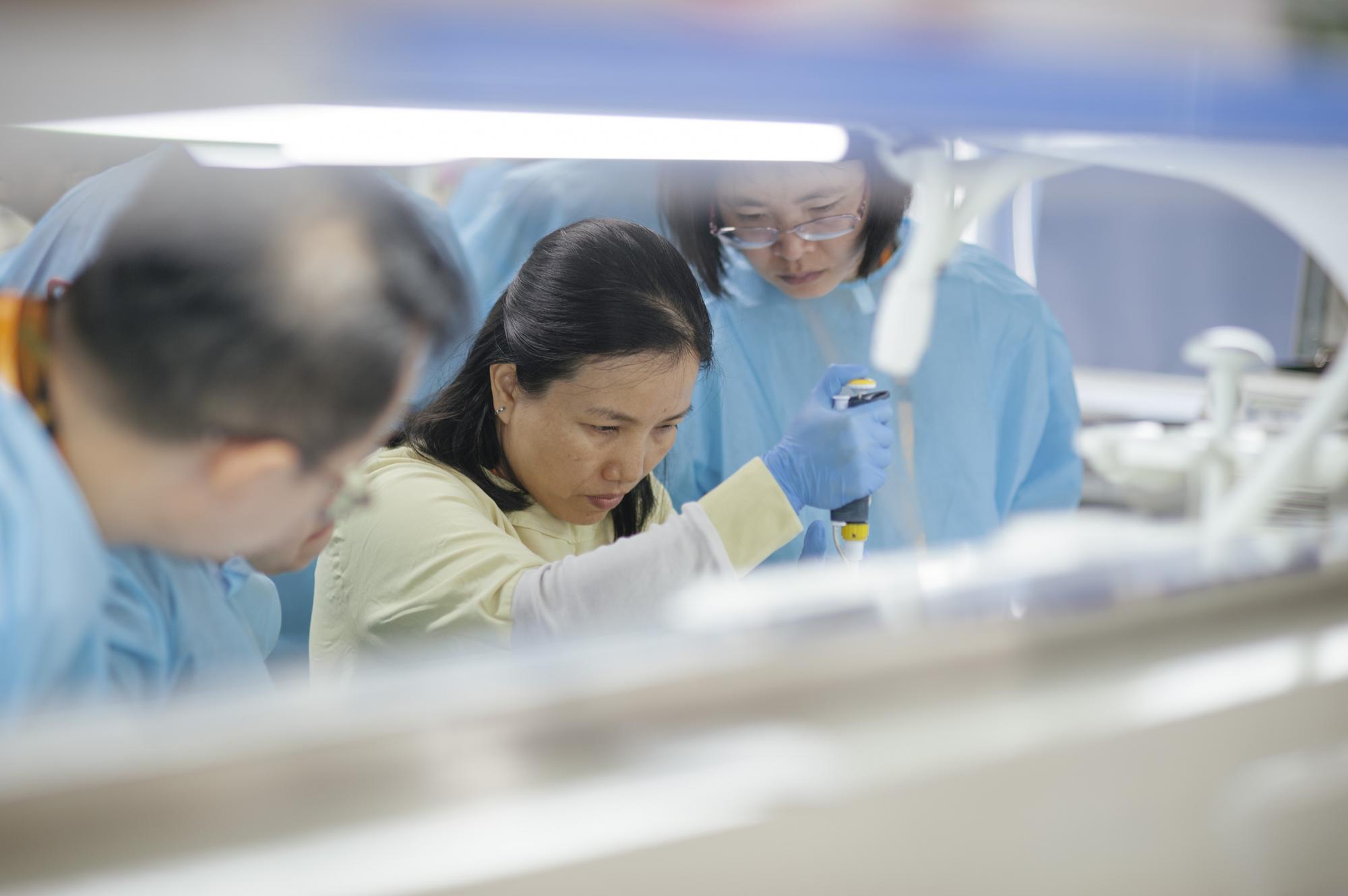
Throughout the week, participants engaged in hands-on training sessions, which included practical computational exercises, case studies, and seminars. These activities were designed to provide the attendees with real-world applications of bioinformatics tools and techniques for viral genomics research.
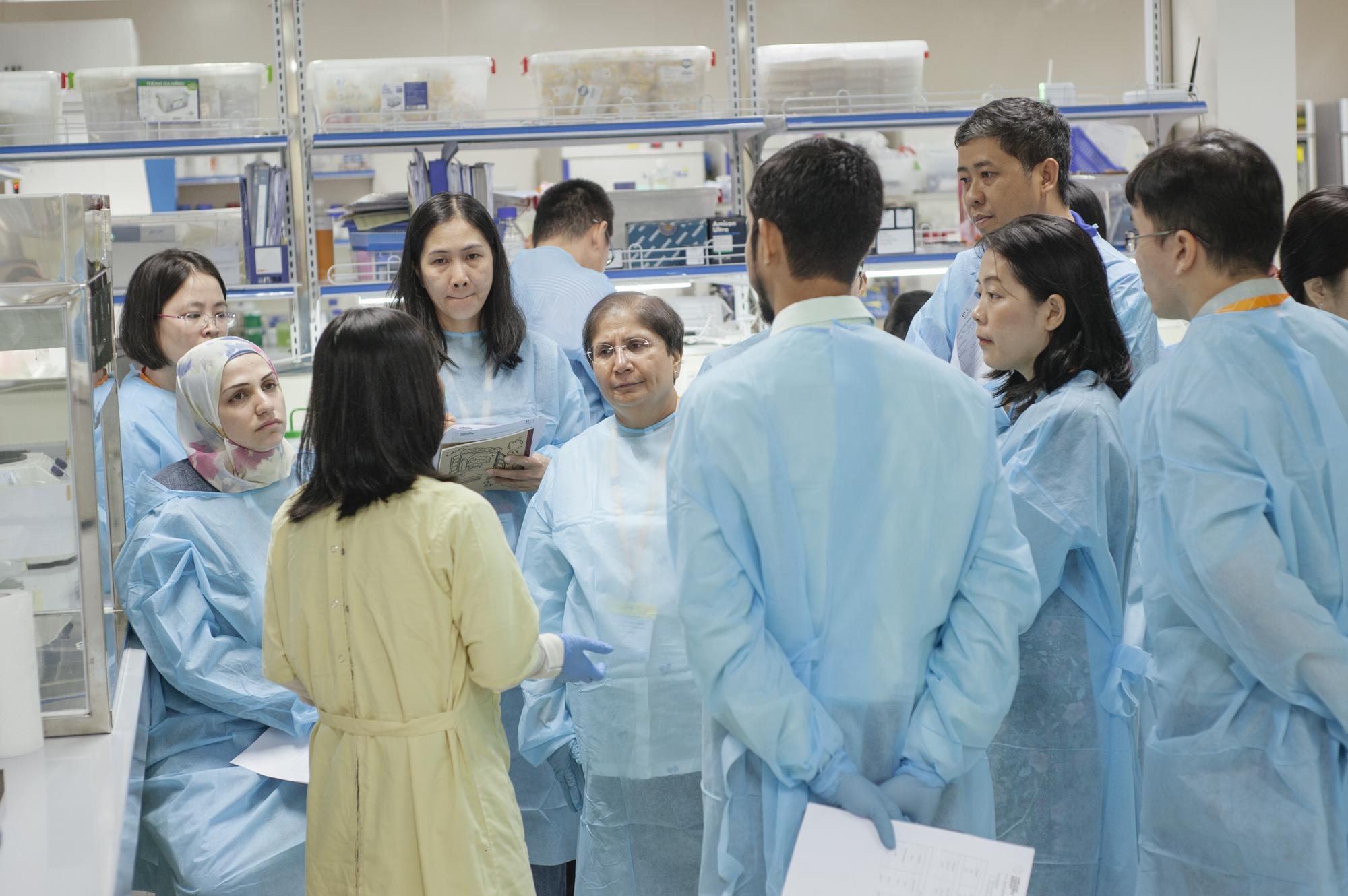
The participants joined hands-on training in the lab
“The course helped me understand and use each step, each command, each method and tools to assemble reading fragments into a complete genome sequence of the virus. I was also able to use new tools to build and visualise phylogenetic trees. I think my biggest achievement after this course is that I have learned to analyse sequencing data myself.â€
“The facilities provided to us for the course by OUCRU were excellent and the local organisers and trainers were extremely helpful, enabling us to run a successful course,†Martin Aslett, Wellcome Connecting Science Learning and Training Informatics Manager commented.
The event not only served as a platform for learning and exchange of cutting-edge scientific knowledge but also fostered networking among participants from various Asian countries, enhancing regional collaborations in viral research and contributing to global efforts in understanding and combating infectious diseases through scientific research and capacity building.