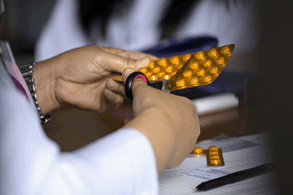
The antimicrobial stewardship research programme has an overarching aim of optimising antimicrobial use in patients and helping to control the development and spread of multidrug-resistant organisms in healthcare facilities and beyond in Vietnam and Asia.
The objectives include:
Understand the individual and environmental factors determining the prescribing practices of healthcare professionals and those driving the inappropriate use of antimicrobial drugs in patients to inform the design of interventions for antimicrobial stewardship
Unravel the relationships between antimicrobial use and the development and spread of multidrug-resistant organisms in the interactions with other individual and environmental factors to define the impact pathways for effective implementation in antimicrobial stewardship
Develop context-specific tools and behaviour change and stewardship interventions to support the effective implementation of antimicrobial stewardship programmes in healthcare facilities
Evaluate the feasibility, impact and cost-effectiveness of different intervention strategies in healthcare facilities in improving antimicrobial use and controlling the development and spread of multidrug-resistant organisms and provide evidence for sustainable implementation and scale-up in local settings
Identify contextual and structural barriers and challenges to the success of antimicrobial stewardship programmes at different levels and make recommendations for policy and actions to promote a supportive environment for implementation
Antimicrobial Stewardship Projects
These initiatives form a vital part of our concerted effort to counteract AMR, preserve the effectiveness of antimicrobial drugs, and ensure the best outcomes for patients.