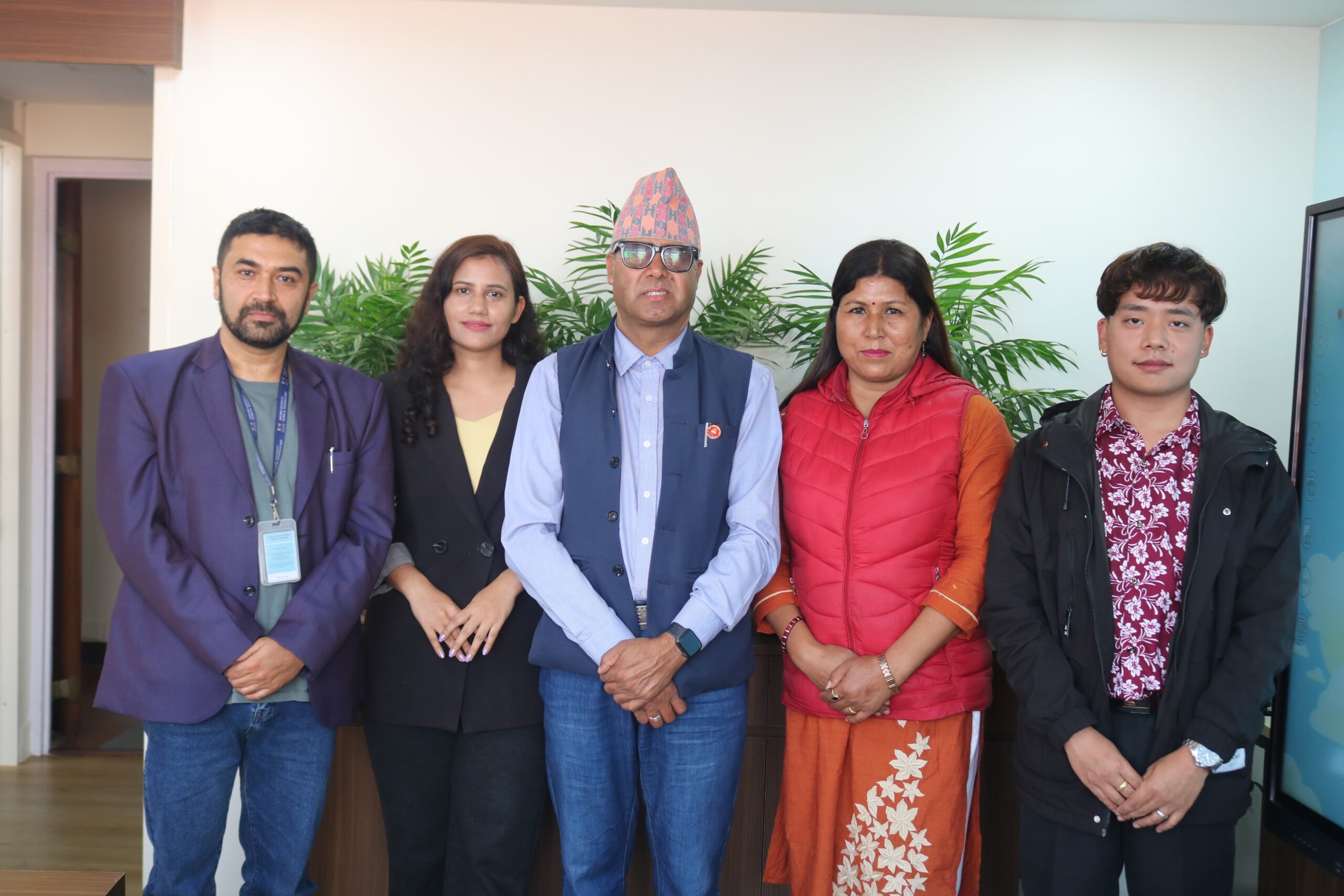
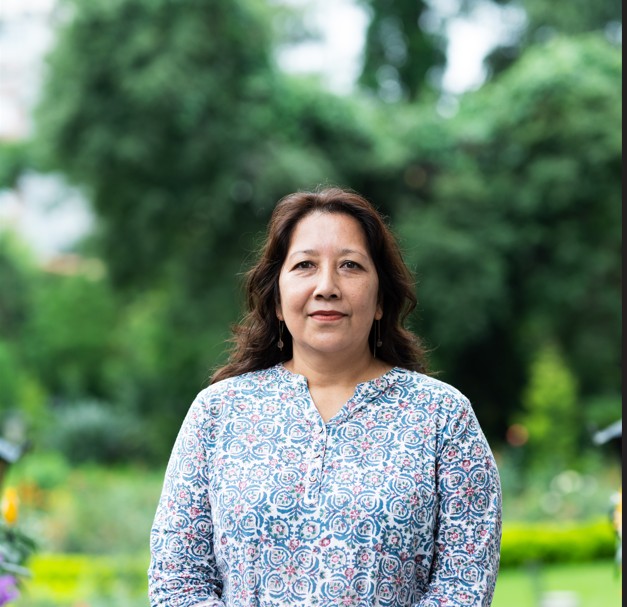
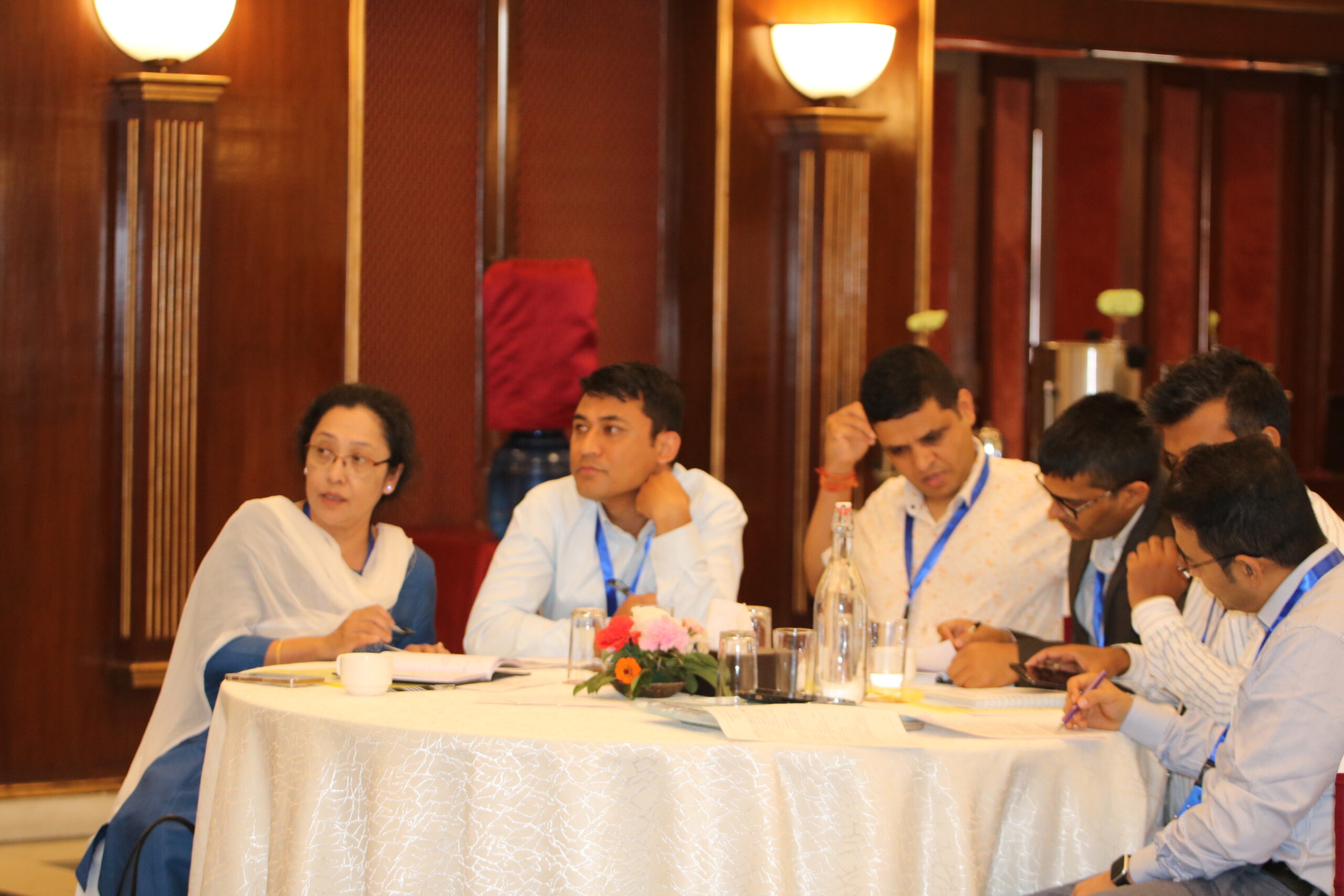
The CAB is composed of five members from diverse professional and community backgrounds. These include humanitarian professional Bhakta Chandan Barahi, community leader Pramod Kumar Poudel, clinical pharmacist and academic Usha Giri, experienced educator Surendra Kumar Ghimire, and Female Community Health Volunteer Shruti Udas Maharjan. Together, they bring expertise from public health, education, social development, and grassroots community work, offering valuable perspectives to inform research activities.
A key role of the CAB is to review research-related materials such as participant information sheets, consent forms, and recruitment tools. Their feedback helps ensure that these documents are clear, culturally sensitive, and accessible before they proceed for ethical review.
In addition to document review, the CAB also advises on community engagement strategies. By providing insights into local contexts and community expectations, the board supports researchers in building trust, promoting transparency, and encouraging meaningful participation in research studies.
By acting as a bridge between researchers and the community, the CAB contributes to enhancing the relevance, integrity, and impact of research conducted at OUCRU Nepal. This initiative reflects OUCRU Nepal’s ongoing commitment to embedding community voices at the heart of its research and ensuring that scientific work is both ethically robust and socially meaningful.
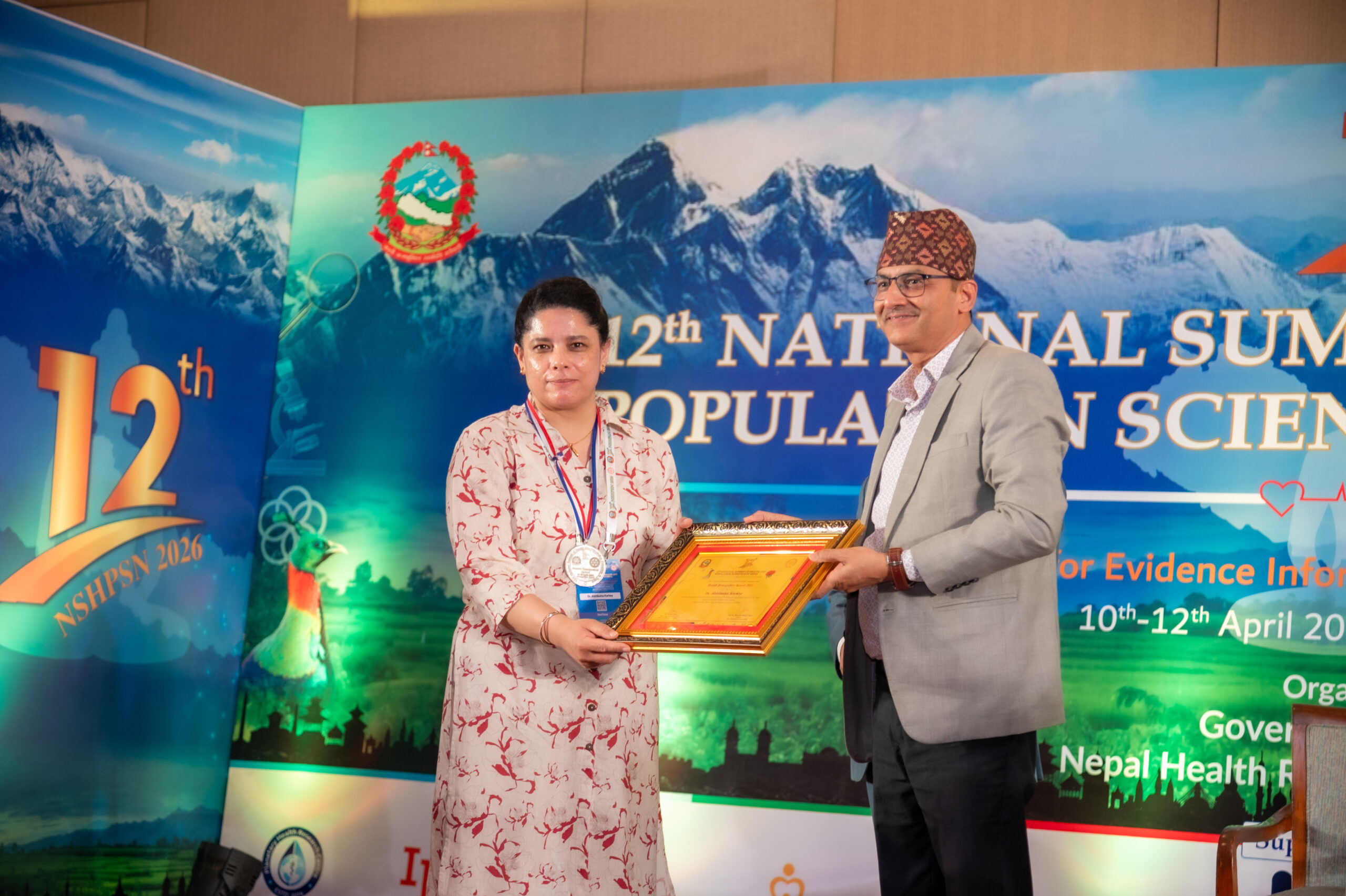
Associate Professor Abhilasha Karkey, Director of the Oxford University Clinical Research Unit Nepal (OUCRU Nepal), has been honored with the Health Research Award at the 12th National Summit of Health and Population Scientists in Nepal, organized by the Nepal Health Research Council (https://nhrc.gov.np/). 
The summit, held from 10–12 April 2026 at The Soaltee Kathmandu, brought together researchers, policymakers, academicians, health professionals, and development partners from across the country to share research findings and engage in dialogue on key health and population priorities. 
The Health Research Award is a prestigious national recognition presented to an individual who has demonstrated sustained scientific excellence and made significant contributions to clinical care, public health, and strengthening of Nepal’s health system. This year’s selection process received 40 applications, reflecting strong national competition. Dr Karkey was selected for her outstanding research leadership, impactful publications, and long-term contributions to health research and practice in Nepal and the South Asian region.
Dr Karkey’s work has been instrumental in advancing evidence-based public health and clinical practice. Her research in typhoid molecular epidemiology has helped identify transmission patterns and geographic hotspots, generating critical evidence that informed typhoid conjugate vaccine introduction and policy decisions. In parallel, her work on antimicrobial resistance (AMR), including contributions aligned with national efforts supported by the Fleming Fund, has focused on strengthening the quality and reliability of surveillance data, an essential foundation for effective public health action.
Collectively, this body of work has provided, and continues to provide, a robust, locally generated evidence to inform health policy and decision making in Nepal.
Under her leadership, OUCRU Nepal has made significant contributions to high-quality clinical research, interdisciplinary collaboration, and the generation of policy-relevant evidence. Her work continues to support national and regional efforts to improve infectious disease control, strengthen health systems, and build sustainable research capacity.
The NHRC-hosted summit featured plenary sessions, parallel scientific presentations, panel discussions, and poster exhibitions, covering a wide range of topics including public health, digital health, epidemiology, and health systems strengthening. The event served as an important platform for knowledge exchange, collaboration, and the promotion of evidence-based policymaking in Nepal. 
This recognition marks a proud moment for OUCRU Nepal, reaffirming the institution’s commitment to research excellence and its contribution to improving health outcomes. The award reflects not only Dr Karkey’s individual achievements but also the collaborative efforts of research teams and partners working across clinical and public health domains. 
OUCRU Nepal warmly congratulates Dr Abhilasha Karkey on this well-deserved honor and remains committed to supporting impactful research that improves health outcomes in Nepal and beyond. 
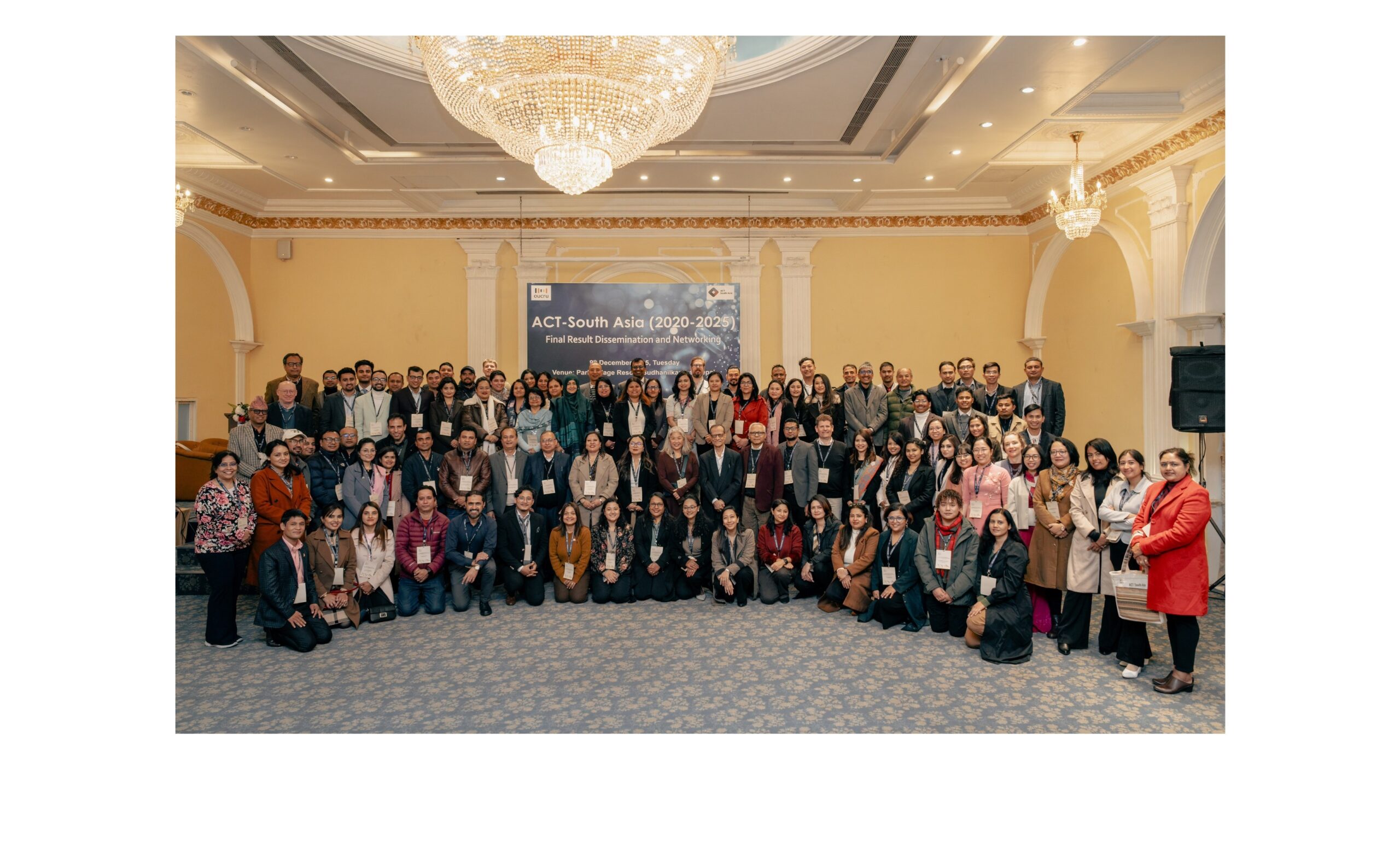
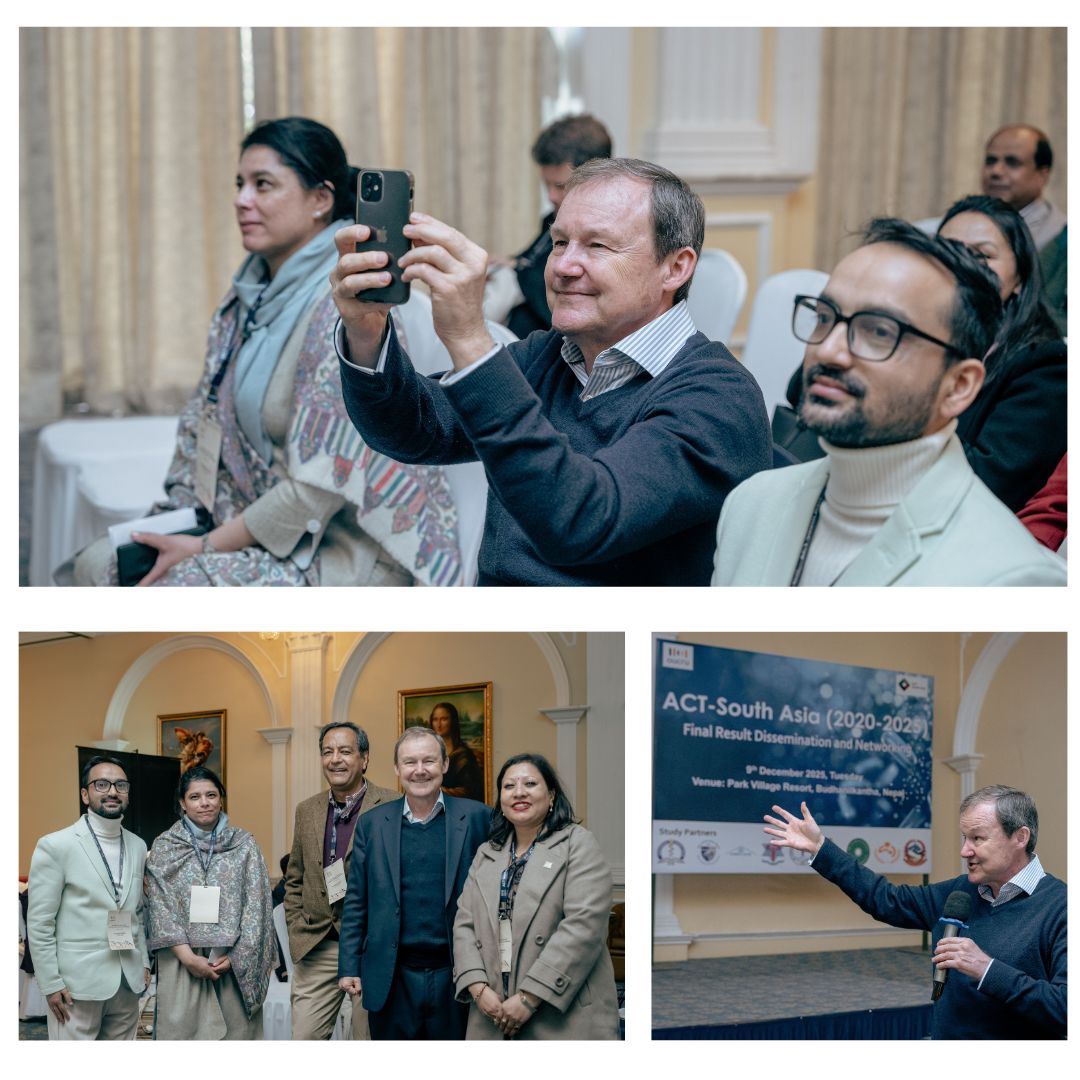
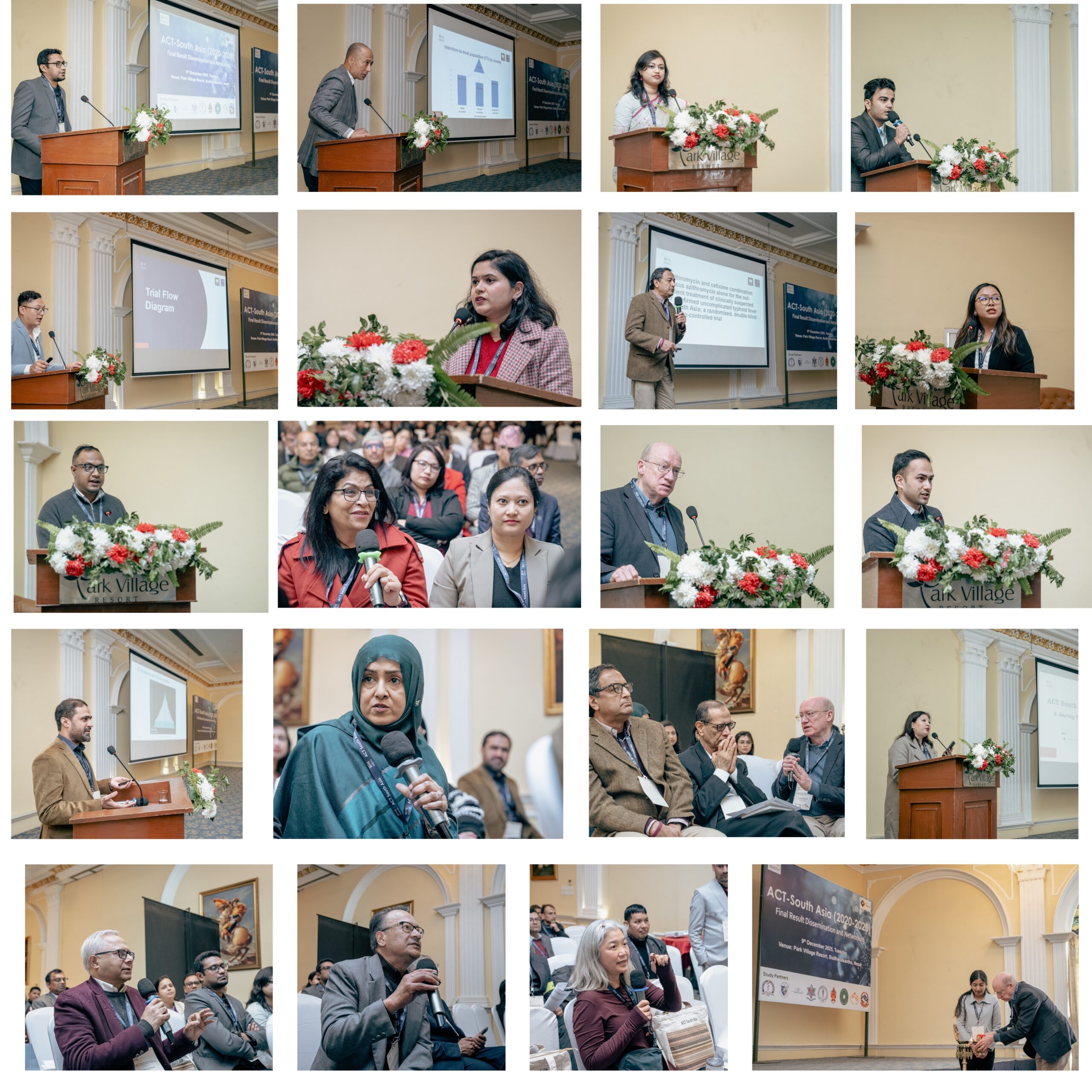
 The Oxford University Clinical Research Unit Nepal (OUCRU Nepal) hosted the ACT South Asia Final Results Dissemination and Regional Networking Meeting at Park Village Resort, Budhanilkantha. (ACT stands for Azithromycin vs combination of cefixime and azithromycin in uncomplicated typhoid fever treatment). ACT South Asia was a randomized controlled trial (RCT). The event marked the conclusion of the five-year ACT South Asia Study (2020-2025), the world’s largest clinical trial on typhoid fever treatment, assessing oral combination therapy versus monotherapy.Â
The ACT South Asia study was a major collaborative effort supported by the UK Research and Innovation (UKRI/MRC). We are very grateful to our funders, who are the Global Challenges Research Fund, UK aid, National Institute for Health Research, Medical Research Council and Wellcome trust. Â
The dissemination meeting brought together clinicians, researchers, laboratory scientists, field teams, data specialists, community partners, government health authorities, and collaborators from across South Asia, as well as international partners from further afield, to reflect on the findings of the RCT and the five years of scientific progress and strong regional collaboration. Â
The meeting was honored by the presence and support of His Excellency, the British Ambassador to Nepal, Mr. Rob Fenn, underscoring the United Kingdom’s commitment to strengthening research partnerships and health innovation in the region.
Celebrating Five Years of Collaboration and Scientific RigorÂ
Despite unprecedented challenges, including the COVID-19 pandemic, dengue outbreaks, political instability, logistical bottlenecks, and resource constraints, the study completed enrolment and follow-up across all participating countries. Speakers highlighted how perseverance, adaptability, and cross-border teamwork were central to the trial’s success.
The opening session, “ACT South Asia, the Story So Far,†traced the study’s journey from concept development and grant application through regional expansion, implementation, and key operational milestones. Presentations offered insights into the ethical, logistical, scientific, and community-level coordination required to conduct a large, multi-country randomized controlled trial during a period of global disruption.
Site-specific sessions enabled investigators from Nepal, Pakistan, and Bangladesh to share experiences, challenges, and lessons learned. Discussions underscored the importance of public engagement, the complexities of fever diagnosis in low-resource settings, and the value of strengthening regional laboratory and disease surveillance capacity.
Highlight included overall findings of the RCT, diagnostics, economic insights, and health economics.Â
The meeting also featured a series of thematic presentations showcasing the broader scientific contributions of the ACT South Asia initiative:
Study findings were presented at the meeting; however, detailed results will be shared publicly following paper publication
Diagnostics: Comparative evaluations of blood culture, serology, and RT-PCR for typhoid diagnosis, including discussions on sensitivity limitations and the future potential of antigen-based diagnostics.
Gut Microbiome and Metagenomics: Insights into antibiotic-associated changes in gut microbiota, the emergence and resolution of antibiotic-resistant genes during recovery, and the role of metagenomics in understanding infection dynamics.
Health Economics: Analyses exploring the economic dimensions of typhoid treatment and implications for healthcare systems in the region.
Together, these sessions highlighted how ACT South Asia contributed not only clinical evidence but also methodological and analytical approaches that can inform future infectious disease research in South Asia.
Acknowledgements and Closing ReflectionsÂ
The closing session featured reflections and expressions of appreciation from principal investigators across Nepal, Bangladesh, and Pakistan. Speakers acknowledged the exceptional commitment of study staff, clinicians, community partners, and logistical teams who sustained the project through multiple challenges.
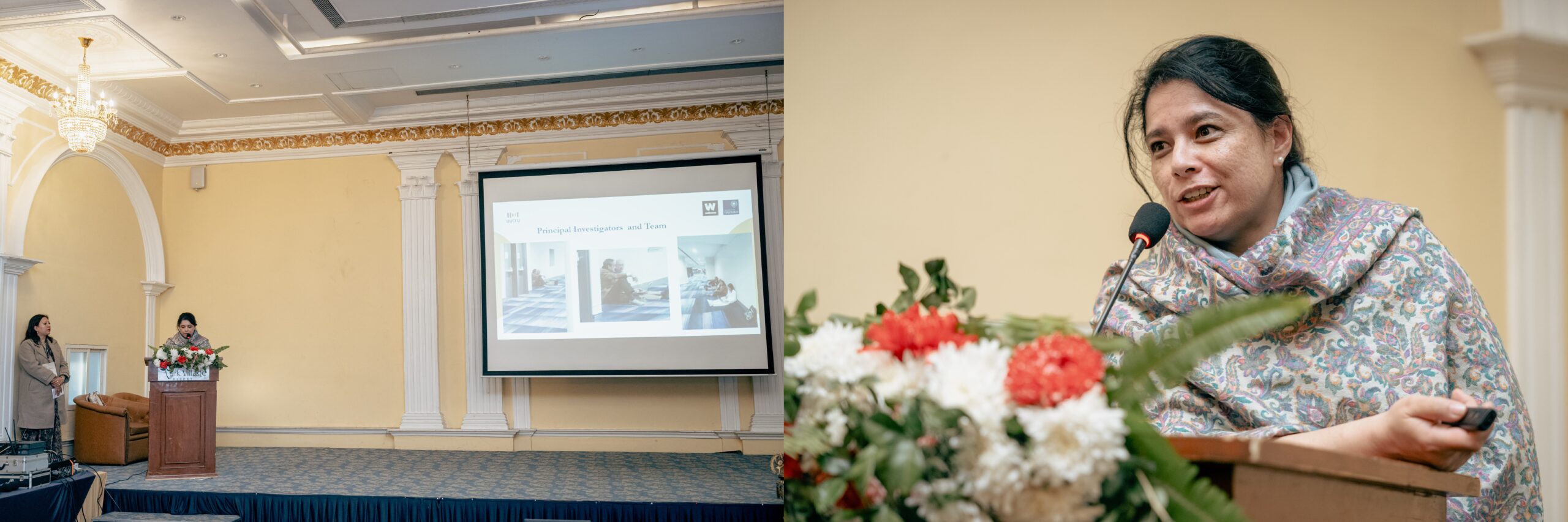
OUCRU Nepal Country Director Dr. Abhilasha Karkey delivered the closing remarks, emphasizing the importance of translating strong evidence/ research findings into policy and practice, and the continued need for collaborative research to address drug-resistant infections in the region.
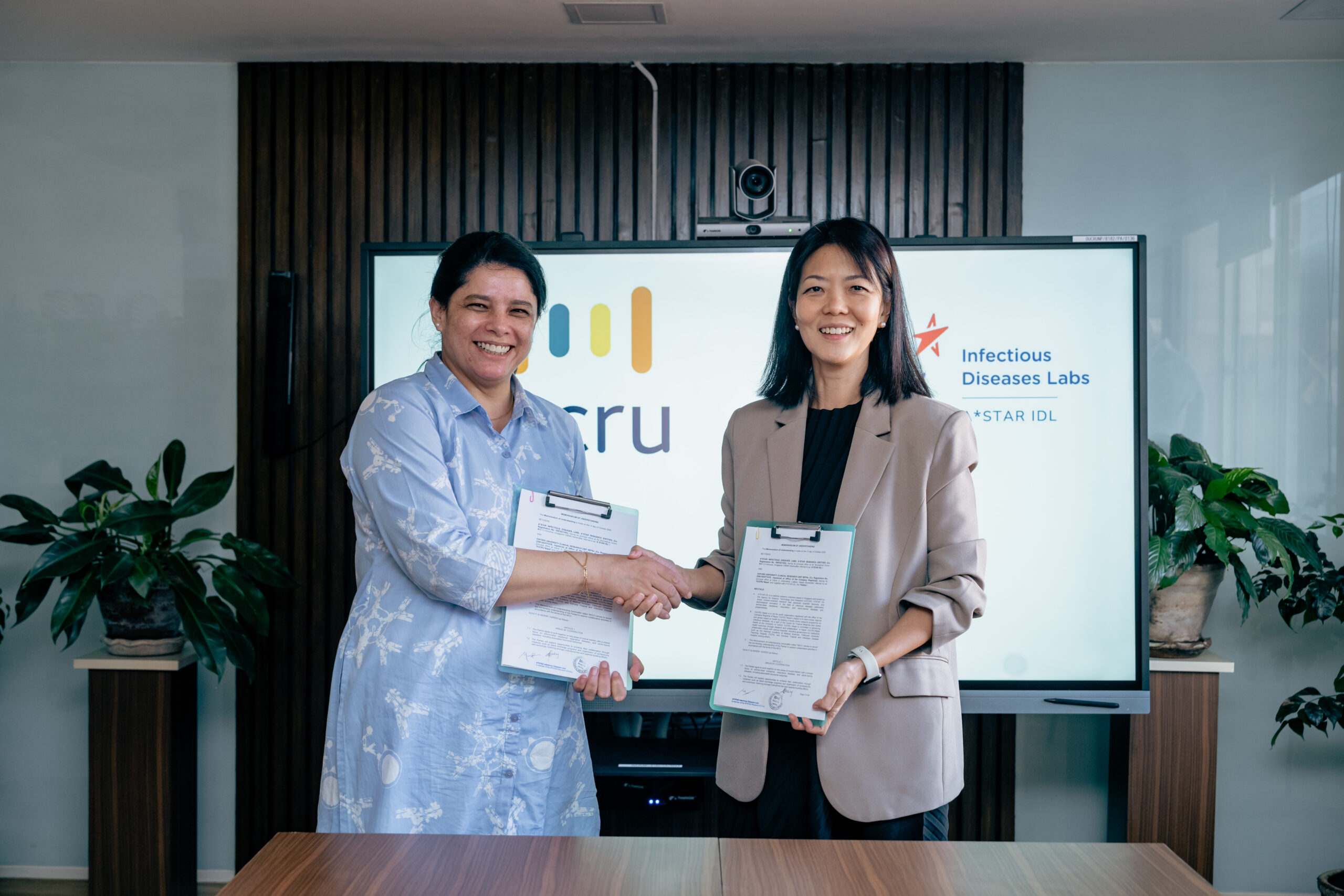
The Oxford University Clinical Research Unit Nepal (OUCRU Nepal) has officially signed a Memorandum of Understanding (MoU) with the A*STAR INFECTIOUS DISEASES LABS (A*STAR IDL), A*STAR RESEARCH ENTITIES , Singapore, to establish a collaborative partnership aimed at advancing research in infectious diseases. This strategic collaboration focuses on mutual interest with a shared focus on antimicrobial resistance, respiratory diseases, and vector-borne diseases, including associated neuroviral outcomes.
The MoU highlights a joint commitment to strengthen collaboration through initiatives such as talent exchange programs and organization of symposiums and workshops, fostering stronger institutional ties and capacity-building efforts across both organizations.
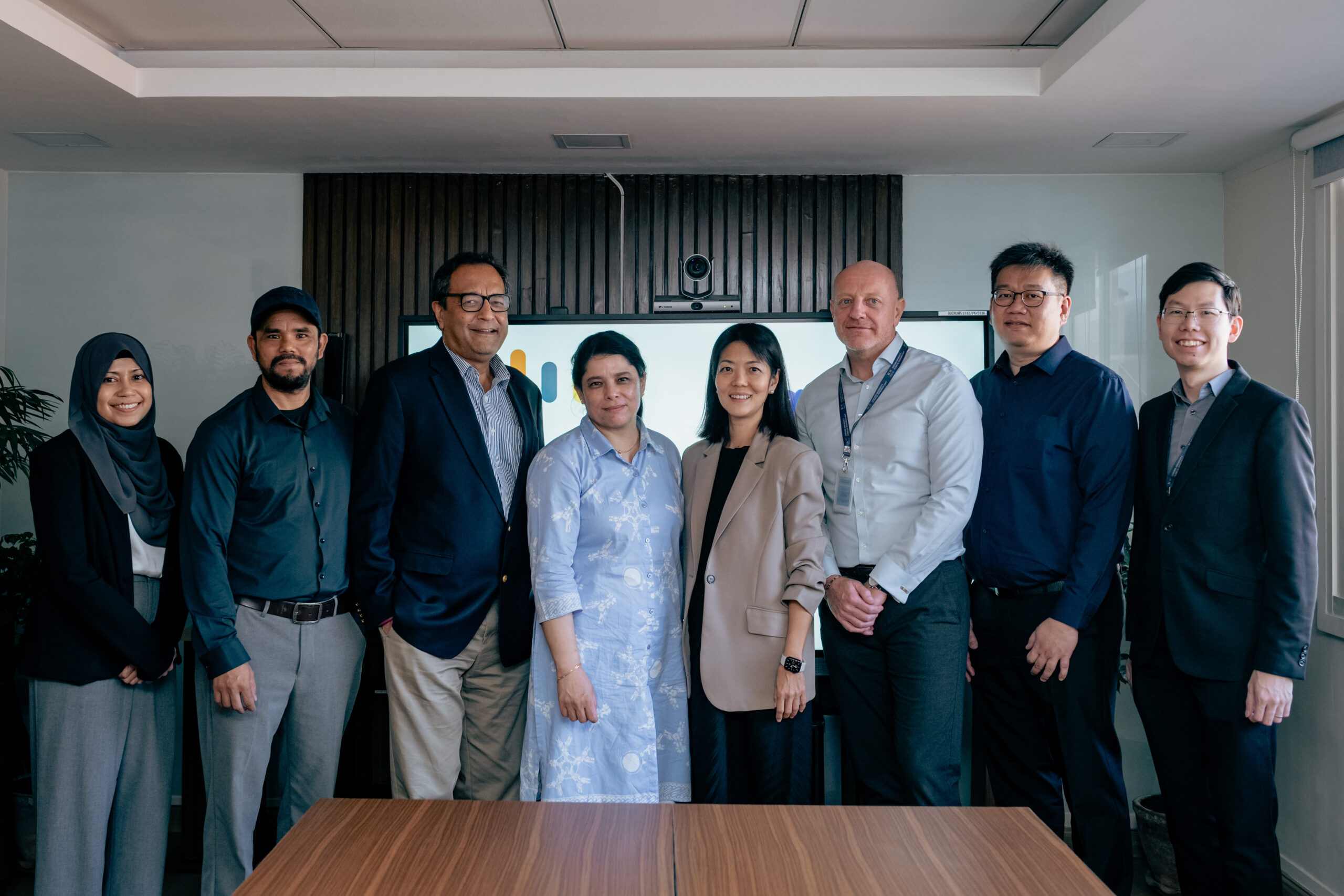
To mark the beginning of this collaboration, OUCRU Nepal was honored to host a delegation from A*STAR IDL. The visiting team included:
Prof Lisa Ng – Executive Director
Prof Stephen Baker – Senior Principal Investigator, Antimicrobial Resistance
Dr Matthew Tay – Principal Investigator, Respiratory Diseases
Dr Fok Moon Lum – Principal Investigator, Vector-borne Diseases
Ms Naqiah Amrun – Assistant Director, Strategy
Dr Abhilasha Karkey, Country Director of OUCRU Nepal, expressed enthusiasm about the agreement: “We are delighted to formalize our partnership with A* STAR IDL. This collaboration provides a valuable platform for sharing knowledge, expertise, and resources in our collective effort to tackle pressing infectious disease challenges.â€
This MoU marks the commencement of a long-term partnership, with both institutions committed to contributing resources, including funding, technical expertise, personnel, and equipment, to support a wide range of collaborative activities.
Launched by ISARIC in collaboration with Universidad de La Sabana, Colombia, and INALDE Business School, Colombia, the programme is designed to equip emerging scientists with the skills and support needed to lead impactful research and drive positive change within their institutions and communities.Â
About Dr. Sabina Dongol
Dr. Dongol is the head of OUCRU Nepal laboratories and is a highly accomplished researcher with a DPhil from the University of Oxford and has extensive expertise in medical microbiology and laboratory management. Her research focuses on enteric fever, and in particular, looking at improving diagnostics for acute febrile illnesses — an area critical to enhancing public health outcomes.
Her leadership and technical knowledge are instrumental in the success of clinical trials and research projects at OUCRU-Nepal. She is also an active member of the American Society of Tropical Medicine and Hygiene (ASTMH), engaging in global collaboration and scientific exchange.
Typhoid fever remains a significant global health challenge despite being entirely preventable. Each year, it is responsible for over 100,000 deaths worldwide, with the highest burden concentrated in low- and middle-income countries where access to clean water, sanitation, and hygiene infrastructure is limited. While effective vaccines, particularly typhoid conjugate vaccines (TCVs), are now available and recommended for use in high-burden areas, the continued transmission of the typhoid fever underscores the urgent need for comprehensive public health interventions. These include expanding vaccination coverage, improving water and sanitation systems, and strengthening disease surveillance to move toward the elimination of enteric fever. 
What the Study Highlighted
The Seminar, led by experts from the UK, Pakistan, India, and Nepal, estimates that over 9 million people were infected in 2021. South Asia alone accounts for 60% of the global cases. Typhoid usually starts with a gradual fever, headache, and fatigue. In children, symptoms can include high fever, vomiting, and stomach pain. If not treated, the disease can lead to serious complications like intestinal perforation and encephalopathy.   
The Antibiotic Crisis   
Doctors once relied on antibiotics like ciprofloxacin (a fluoroquinolone family) to treat typhoid. However, in South Asia there is widespread resistance to fluoroquinolones. In parts of Pakistan, scientists have identified “super strains†that resist nearly all common antibiotics, known as extensively drug-resistant (XDR) typhoid. Some patients now need last-resort antibiotics like meropenem, which are very expensive and often beyond the reach of poor patients  
Vaccines Offer Hope — But Not a Complete Solution   
New typhoid conjugate vaccines (TCVs) have shown up to 83% effectiveness for at least 5 years after a single dose. Countries like Nepal, Pakistan, Kenya, and Malawi have included TCVs in their national vaccination programs, protecting millions of children. However, there is still no vaccine for paratyphoid fever, a related illness caused by a different strain of Salmonella.   
Why Prevention Still Matters   
While vaccines are a strong tool, experts emphasize that access to clean water and sanitation is crucial to eliminating typhoid.  Until every community has safe drinking water and proper waste management, typhoid will keep returning. 
A Disease We Can Eliminate   
Since humans are the only known reservoir of the bacteria, scientists believe that eliminating typhoid is achievable. However, this will require a global effort combining public health infrastructure, sanitation improvements, and widespread vaccination. 
“Studies conducted at OUCRU Nepal have played a pivotal role in shaping both prevention and treatment guidelines for enteric fever. Research published by the team contributed to changes in global prevention strategies and informed treatment protocol. Building on this body of work, OUCRU Nepal made a significant contribution to the recent Lancet Seminar on enteric fever.†said Dr Buddha Basnyat, Chairman of OUCRU Nepal, one of the leading organizations in typhoid research. Â
“As part of ongoing efforts toward the eventual elimination of typhoid, we are now focusing on identifying and treating chronic carriers—individuals who continue to harbor thebacteria in their gall bladders even after recovery,†added Dr. Abhilasha Karkey, Director of OUCRU Nepal. “These carriers act as a hidden reservoir for transmission within communities. Screening and management of such carriers, alongside vaccination and improved sanitation, represent the next crucial step toward interrupting the cycle of infection. 
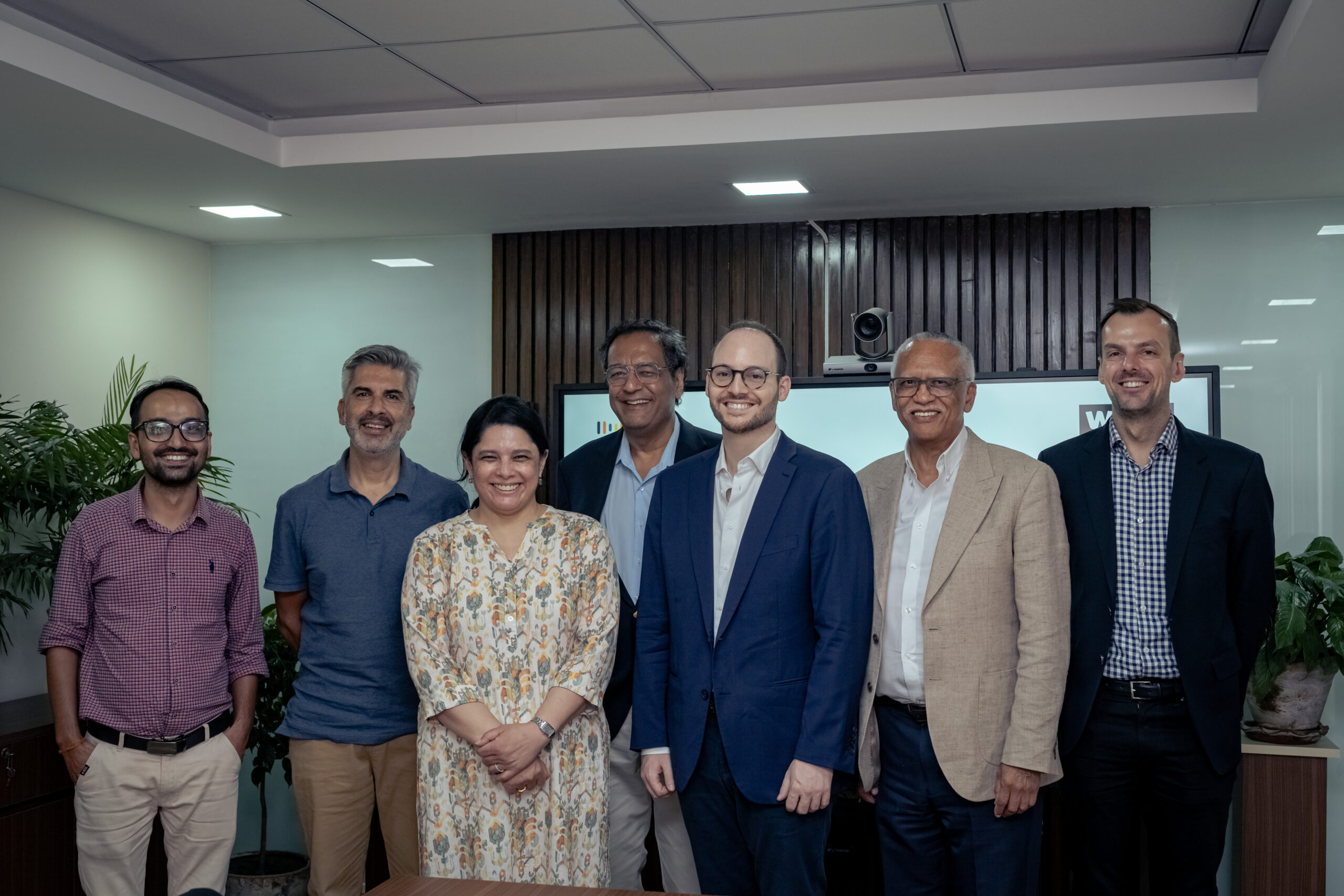
OUCRU Nepal was honored to host a high-level delegation from the Wellcome Trust, including Jimmy Volmink (Executive Director of Equity), Stephen Gray (Research Ecosystems Lead for South and Southeast Asia), and Steven Hoffman (Chief Strategy Officer).
The visit provided an opportunity for the delegation to gain a deeper understanding of OUCRU Nepal’s research programmes, laboratory capacity, and clinical partnerships through direct engagement with our teams and site visits. They toured our microbiology laboratory and visited several partner hospitals, reflecting the strong and trusted collaborations we maintain with local health institutions.
The delegation also met with Nepal’s Minister of Health and Population, Hon. Mr Pradip Paudel, to discuss the importance of investing in health research and translating evidence into policy to strengthen national health systems.
From tackling antimicrobial resistance to addressing emerging infectious diseases, OUCRU Nepal’s research responds to the urgent health challenges faced in Nepal and across the region. The visit highlighted how our collaborative, context-specific approach is advancing equitable solutions for global health.
We are grateful for the time, insights, and continued support of our colleagues at the Wellcome Trust. Their engagement reinforces the value of partnerships in driving impactful research and fostering innovation in global health.
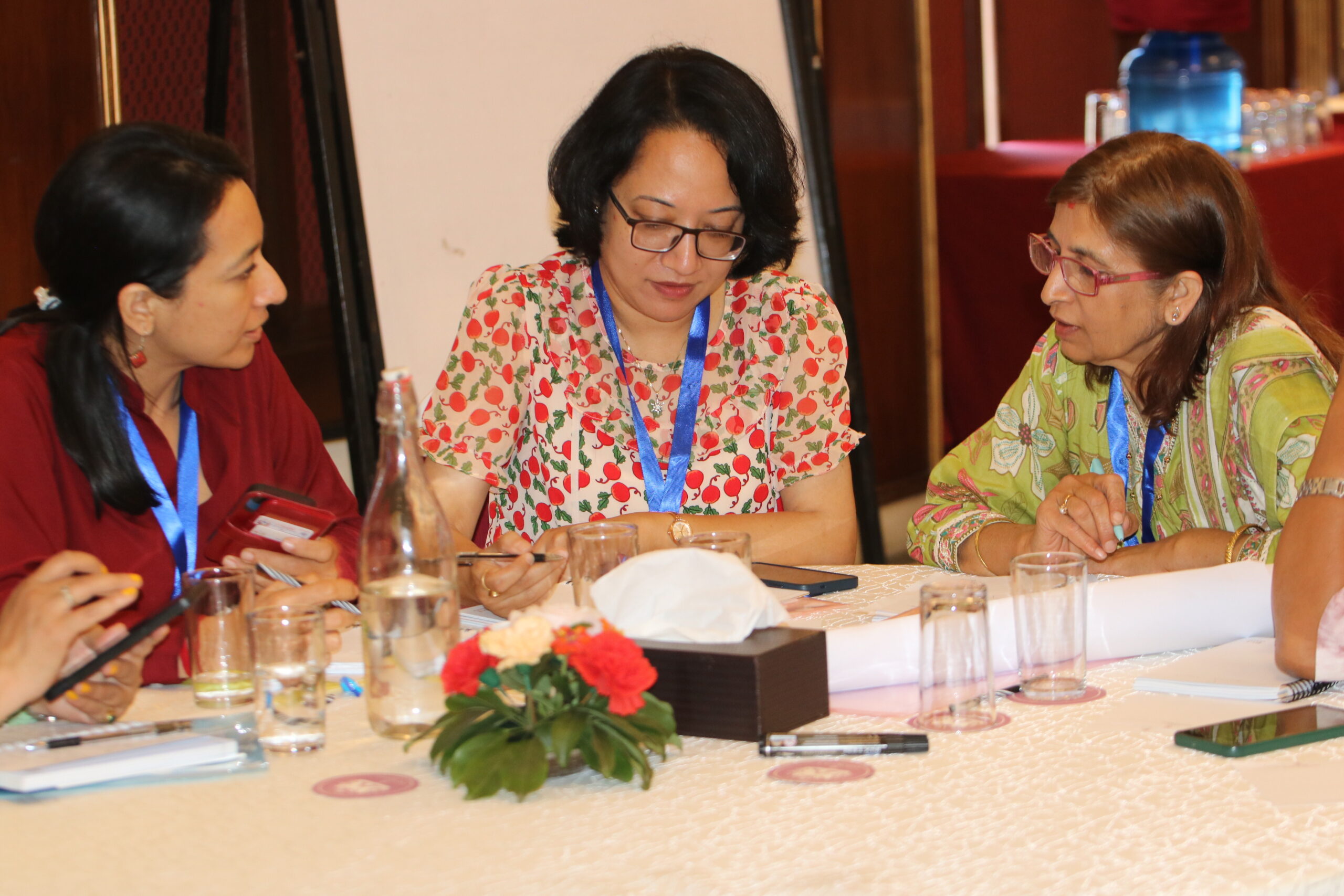
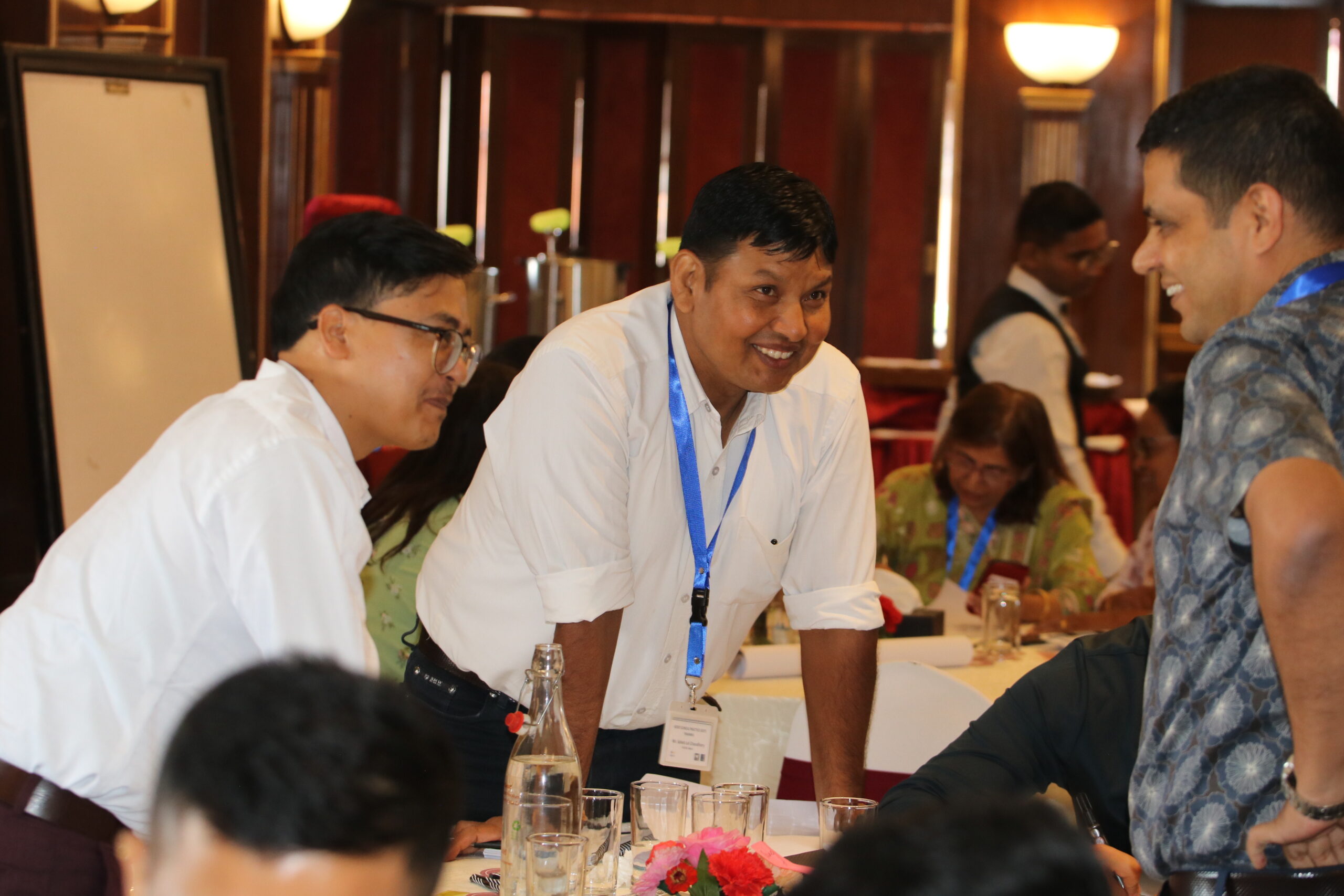
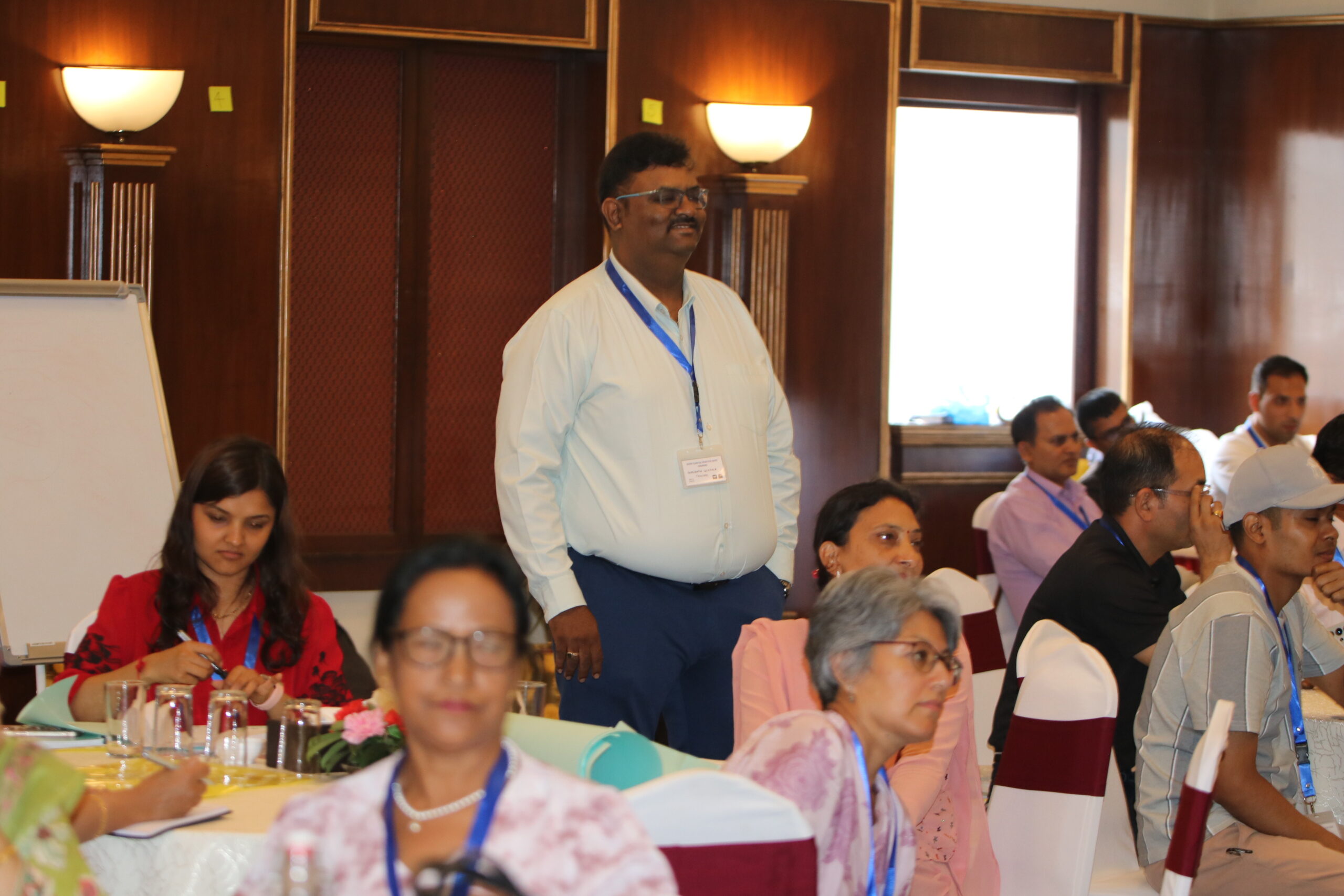
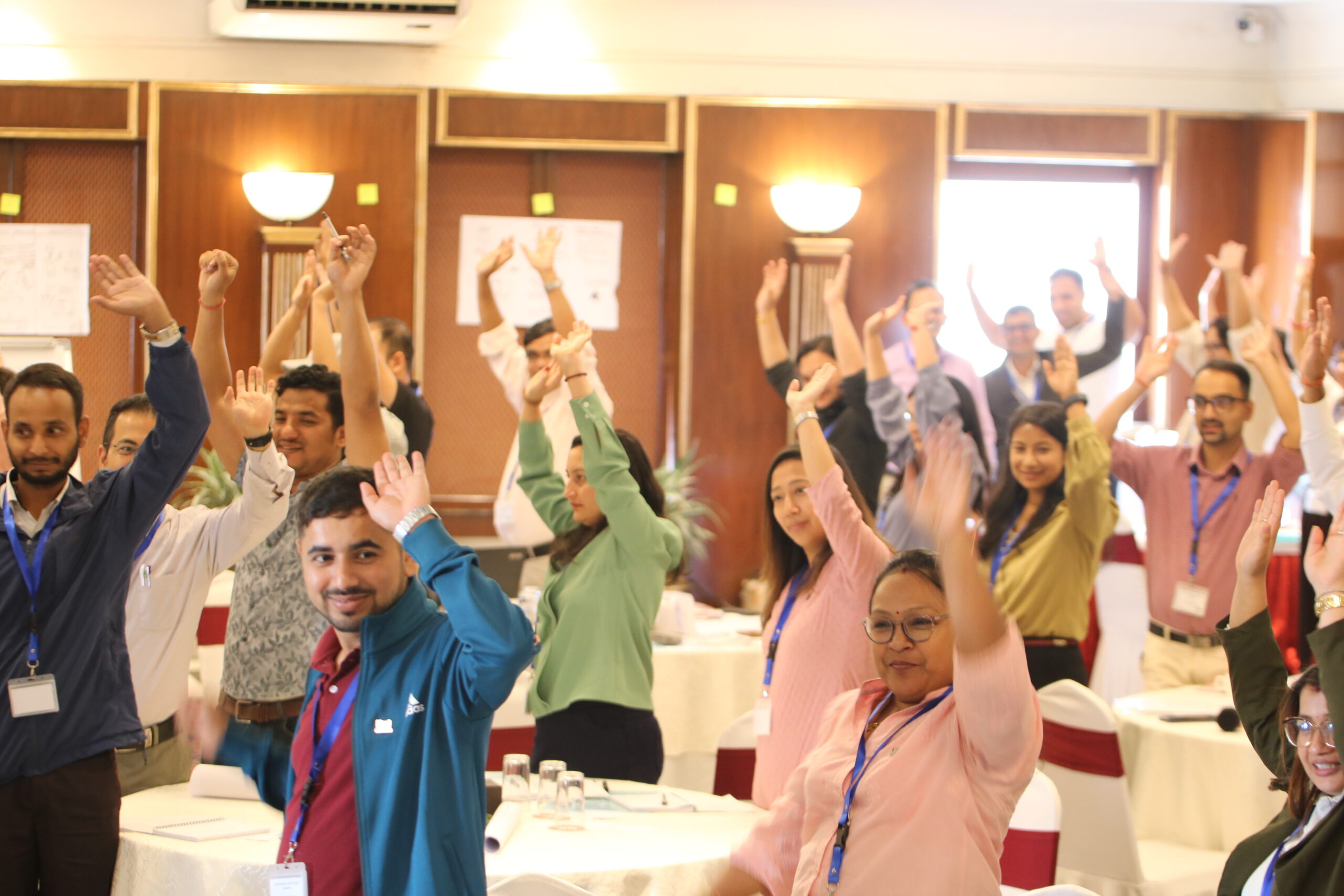
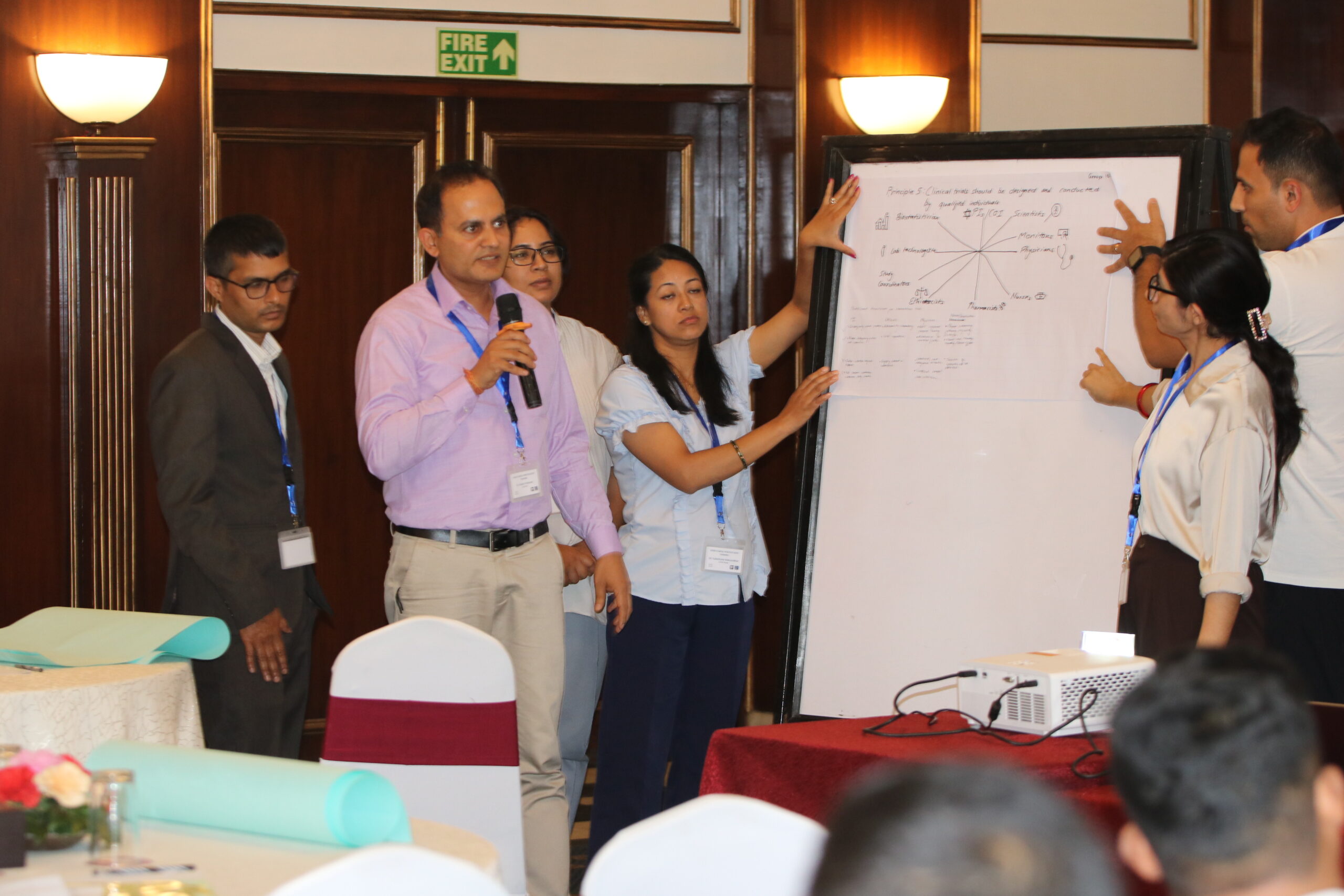
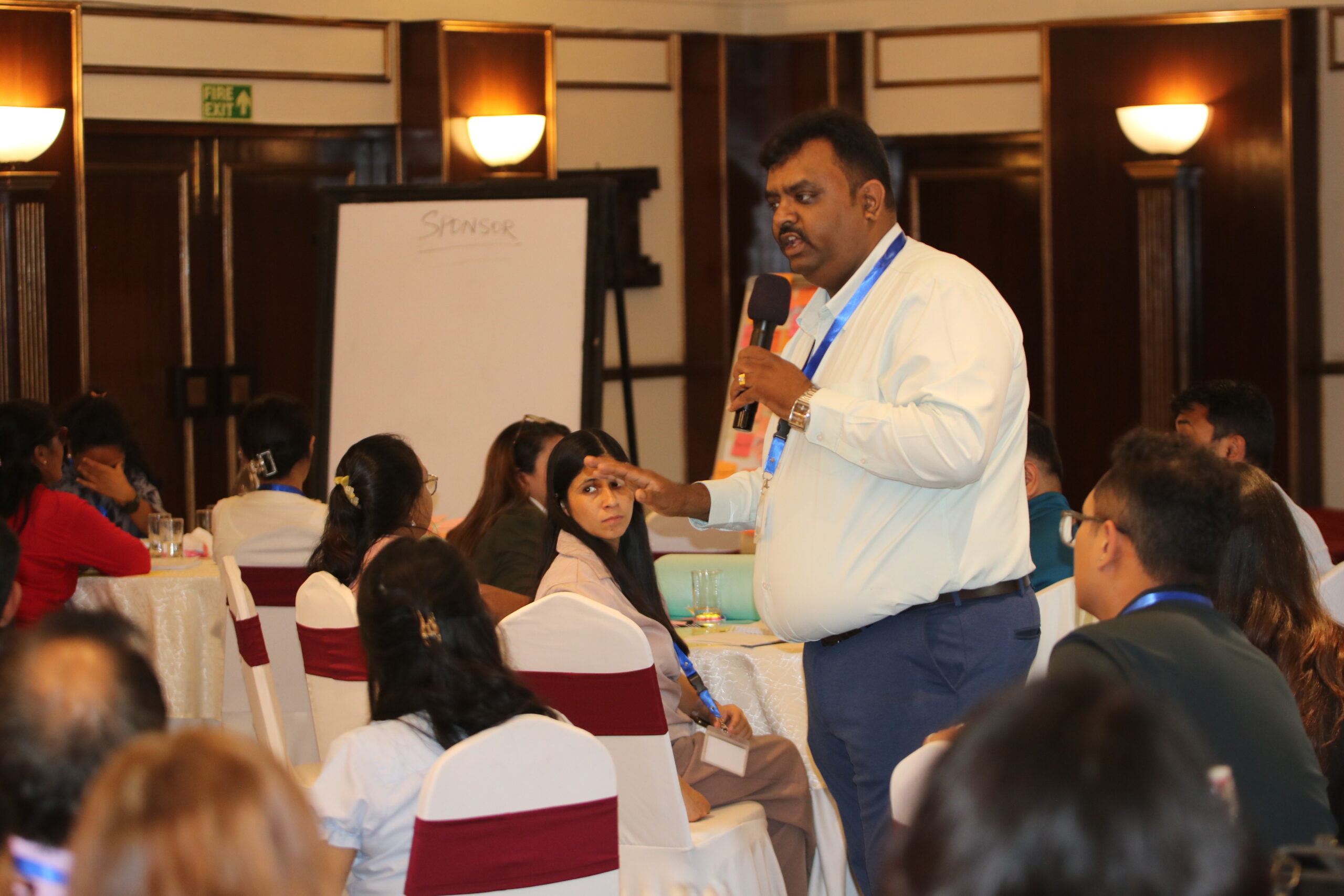
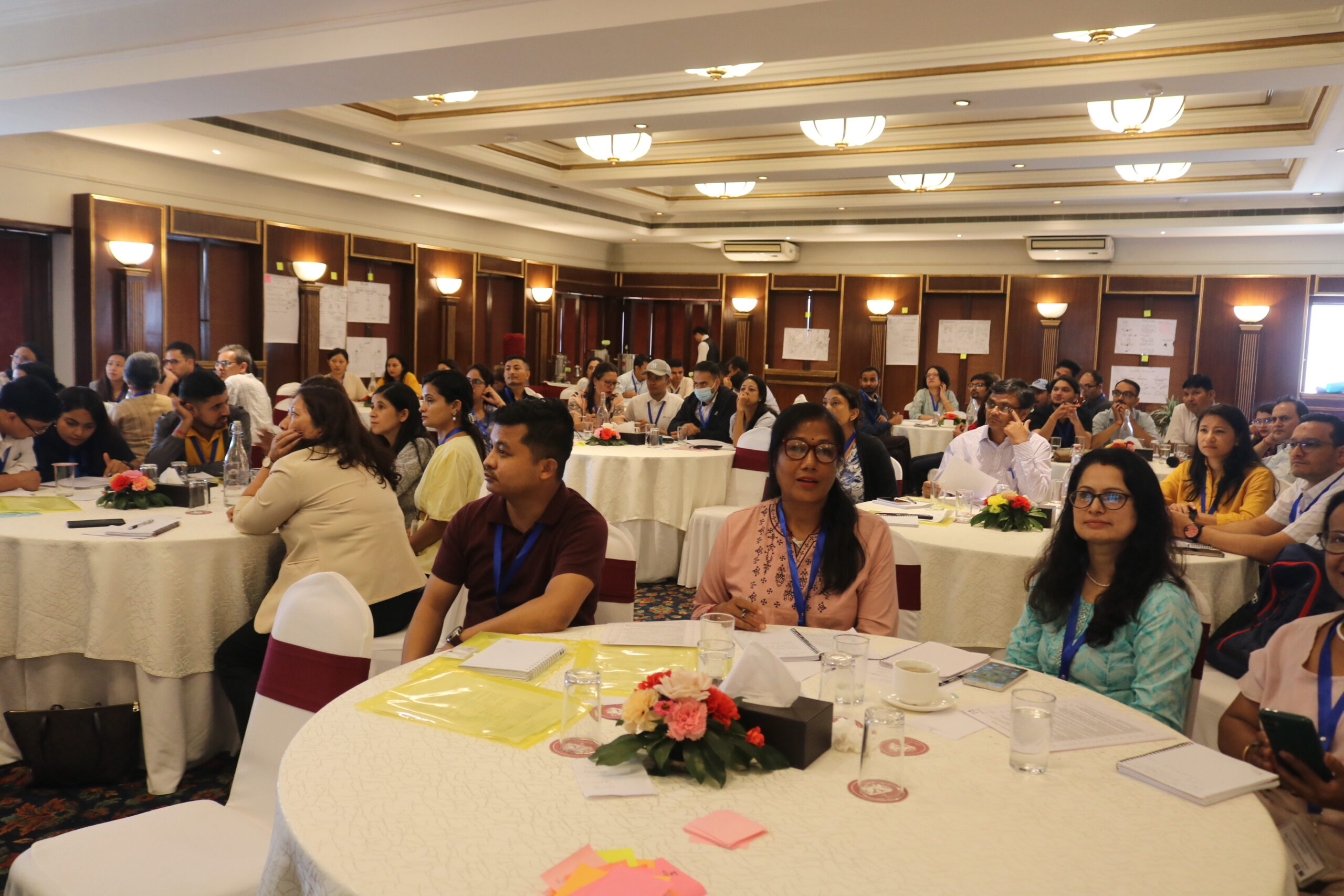
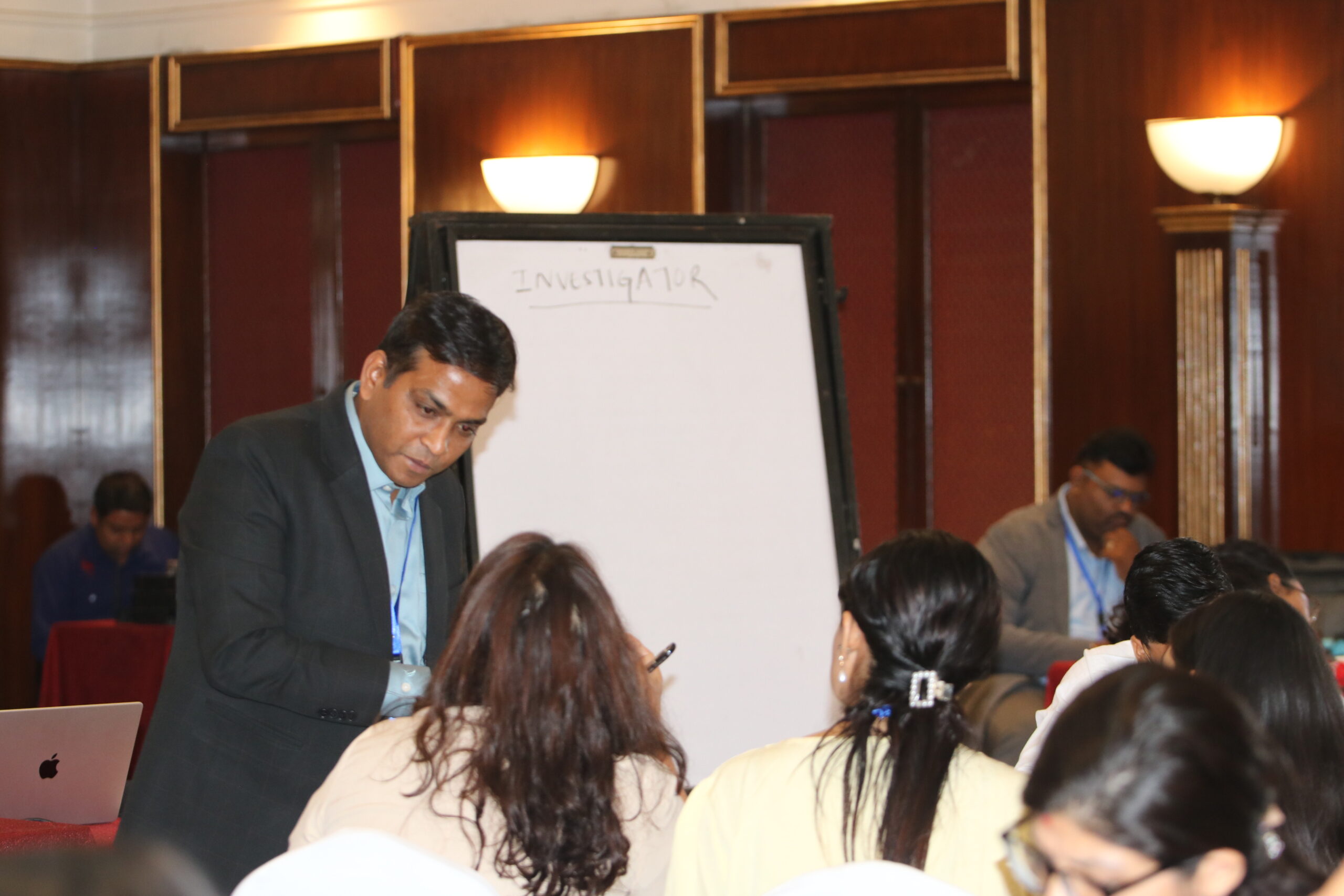
Kathmandu, September 4, 2025 — OUCRU Nepal hosted a three-day training workshop on the revised ICH GCP E6(R3) guidelines at the Malla Hotel, Kathmandu, from August 18–20, 2025. This was the first on-site training conducted in Nepal following the amendment of ICH GCP E6(R3). The event brought together a wide range of stakeholders committed to enhancing the quality and ethics of clinical research in Nepal and the region.
What’s New in ICH GCP E6(R3)?
ICH GCP E6(R3) is the third revision of the international guideline on Good Clinical Practice, updating E6(R2) to reflect modern trial methods and technologies. It emphasizes participant protection, inclusivity, and data reliability, while introducing flexibility for innovative trial designs such as decentralized and digital trials. The revision promotes a proportionate, risk-based approach to oversight, clearer sponsor–investigator responsibilities, stronger data governance, and simplified documentation—making GCP more adaptable to today’s diverse and evolving clinical research landscape.
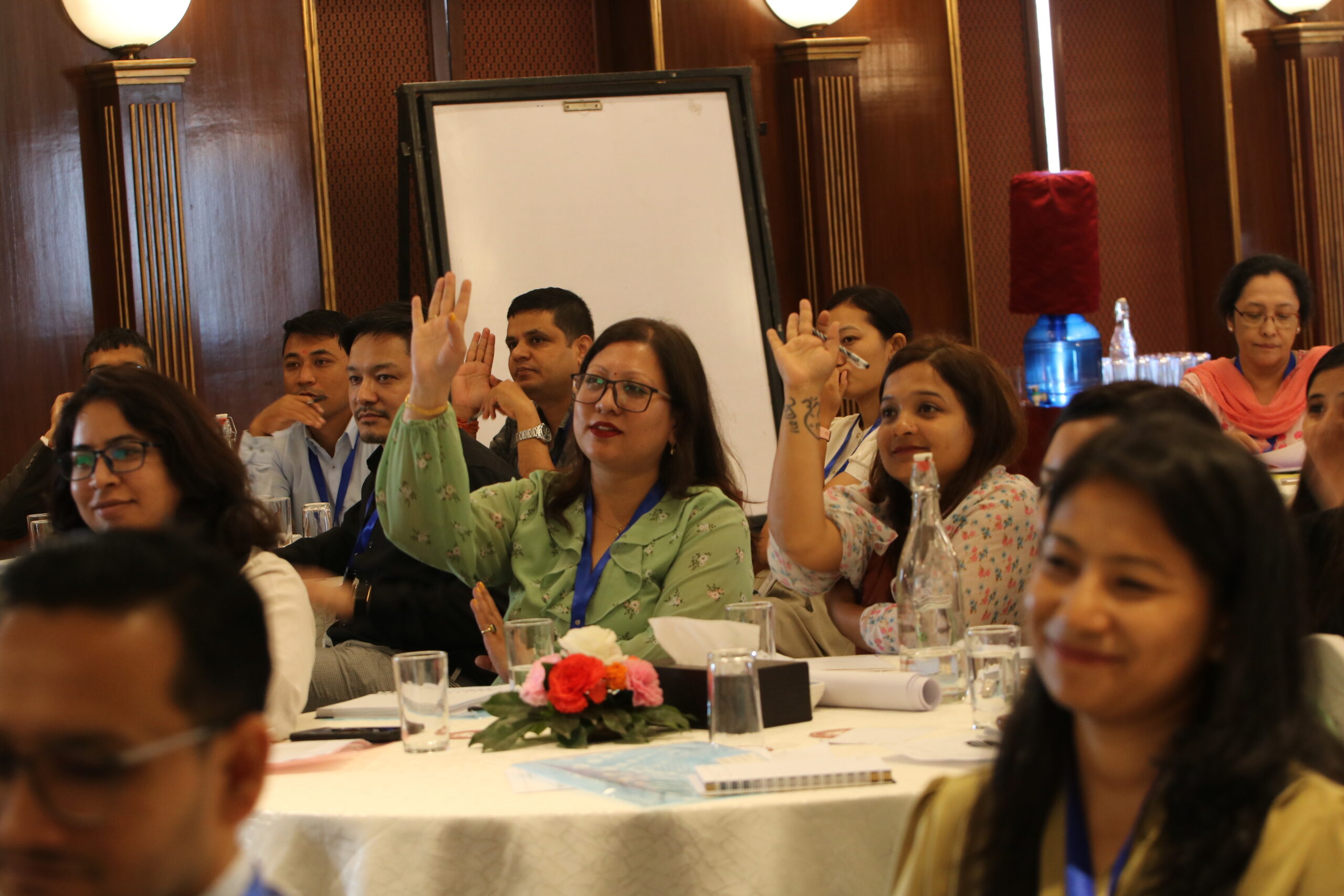
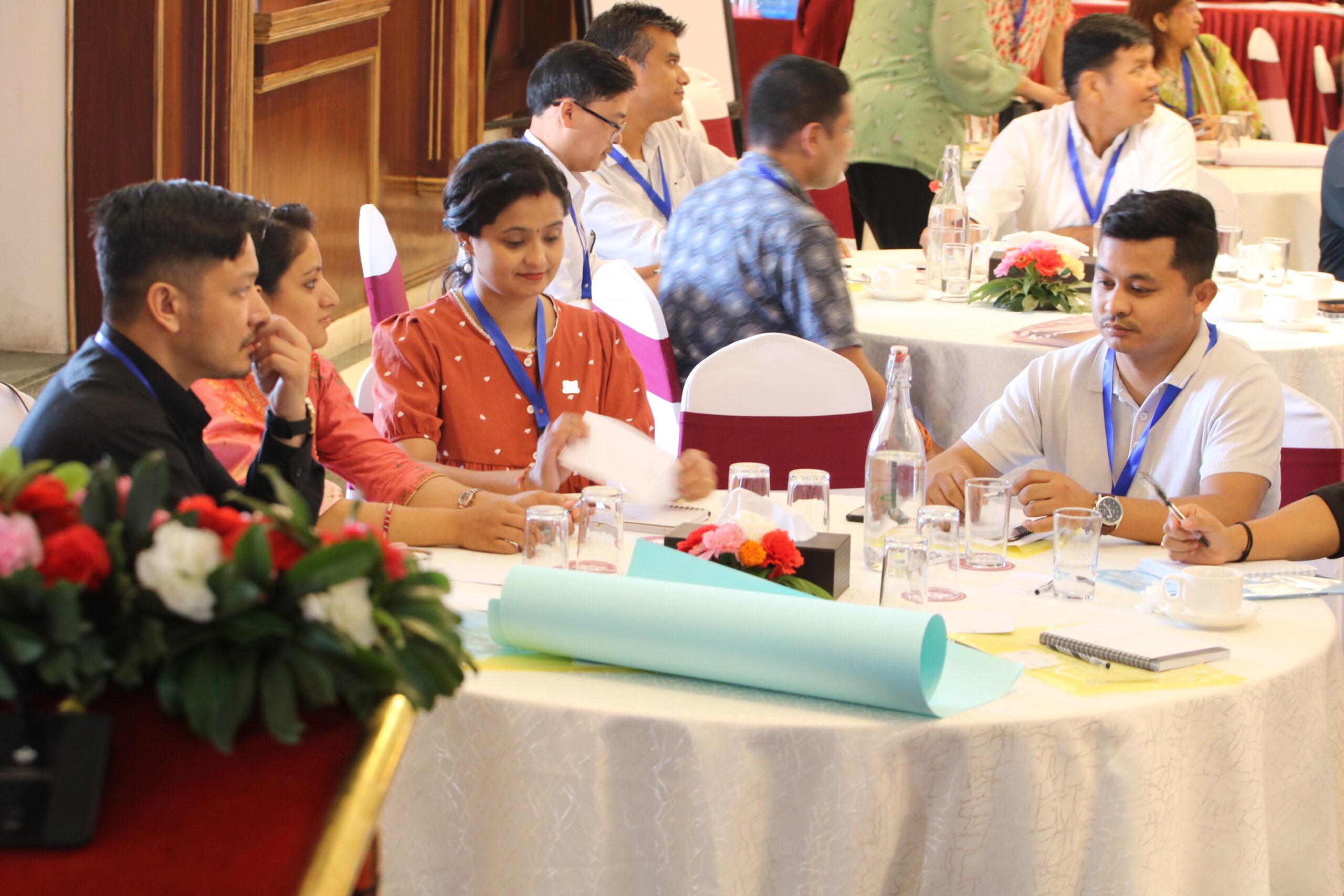
The training was facilitated by the Pro Clin Institute of Medical Research, India, and focused on the latest updates to the ICH GCP guidelines. It brought together participants from OUCRU Nepal, collaborating hospitals, the NHRC Ethics Review Board, Institutional Review Committees, and the Department of Drug Administration.
During the first two days, the training provided a detailed overview of ICH GCP to more than 60 participants, highlighting the differences between the E6 (R3) and E6 (R2) guidelines. These sessions involved clinical team members from various collaborating hospitals, CTU members, IRBs, and investigators in interactive training and group discussions. The training concluded with a final day session with investigators from various collaborating hospitals, which focused on the roles and responsibilities of Principal Investigators, including group activities and a case study, along with a focused discussion addressing practical challenges with investigators.
For OUCRU Nepal and its collaborators, the updated guideline enables more flexible and efficient trial designs, reduces administrative burden, and ensures high data quality. For Institutional Review Boards (IRBs), E6(R3) offers clearer guidance on evaluating modern trials while safeguarding participant rights, inclusivity, and data governance.
This training marks a significant step in OUCRU Nepal’s ongoing efforts to align with international standards and promote ethical, inclusive, and innovative clinical research. The workshop represents a key milestone in aligning regional research efforts with global standards.
Prof. Buddha Basnyat has received the NHRC Lifetime Achievement Award for Health Research in Nepal. The Nepal Health Research Council (NHRC) conferred its prestigious Lifetime Achievement Award for Health Research upon Prof. Buddha Basnyat, Chairperson of the Oxford University Clinical Research Unit Nepal (OUCRU Nepal) at the 11th National Summit of Health and Population Scientists this week. This honour recognises his exceptional contributions to medical research and public health over a career spanning more than five decades.
Prof. Basnyat, a distinguished physician and clinical researcher based in Kathmandu, has dedicated his life’s work to advancing the understanding of infectious diseases and high-altitude medicine. His contributions have shaped clinical practice and public health policy in Nepal and across other resource-limited and mountainous regions worldwide.
In 2003, following a visit to Nepal by Prof. Sir Jeremy Farrar at Prof. Basnyat’s invitation, the two co-founded OUCRU Nepal. Prof Basnyat was the Director of OUCRU Nepal until 2022 —building on his longstanding research on infectious diseases in the country. He also serves as Medical Director of both the Travel and Mountain Medicine Centre and the Himalayan Rescue Association, where he has addressed complex medical challenges related to altitude illness, including acute mountain sickness and high-altitude oedemas, while championing rigorous, evidence-based clinical research.
His landmark randomized controlled trials on typhoid vaccines and treatments have significantly influenced public health strategies in South Asia—reducing mortality and informing World Health Organization (WHO) recommendations. He also identified scrub typhus as a major cause of febrile illness in Nepal, previously misdiagnosed as typhoid, leading to nationwide changes in diagnostic and treatment protocols. In the field of antimicrobial resistance (AMR), his research has contributed directly to Nepal’s National Antibiotic Guidelines, promoting evidence-based, rational drug use in low-resource settings.
As a world authority on high-altitude medicine, Prof. Basnyat’s work with the Himalayan Rescue Association and Everest ER has helped refine prevention and treatment strategies for climbers and high-altitude communities in Nepal.
Beyond his scientific achievements, Prof. Basnyat is a committed mentor who has played a pivotal role in developing the next generation of Nepalese clinician-scientists and fostering a vibrant, sustainable research community within the country. He also serves as the Honorary Consul of Canada to Nepal, reflecting his deep commitment to international collaboration and diplomacy.
This Lifetime Achievement Award not only celebrates Prof. Basnyat’s extraordinary career, but also highlights Nepal’s growing role in global health research. His tireless dedication to science, mentorship, and local capacity building has cemented his legacy as a leading figure in Nepal’s health sector and a lasting inspiration for future generations of medical researchers.