Author: Hanifah Nisrina

  • Climate Change and Health are Gendered: How Women Workers in Jakarta Adapted in Climate Change  

    Climate Change and Health are Gendered: How Women Workers in Jakarta Adapted in Climate Change  

    Climate change is increasingly affecting health in urban Indonesia. The World Health Organization (2022) suggests that climate-related burdens extend beyond physical health. Mental health challenges, including eco anxiety, post-disaster trauma, and chronic stress, are also rising, affecting an estimated 10 to 20 percent of exposed populations. In some vulnerable settings, these pressures are associated with increased risks of self-harm and suicide.

    Yet the impacts of climate change are not evenly distributed. In Jakarta, where extreme heat, poor air quality, and complex urban systems intersect, women workers often face compounded challenges. Women workers often face disproportionate climate and health risks, navigating daily trade-offs due to long commuting times, formal and informal employment conditions, caregiving responsibilities, and limited participation in decision-making.

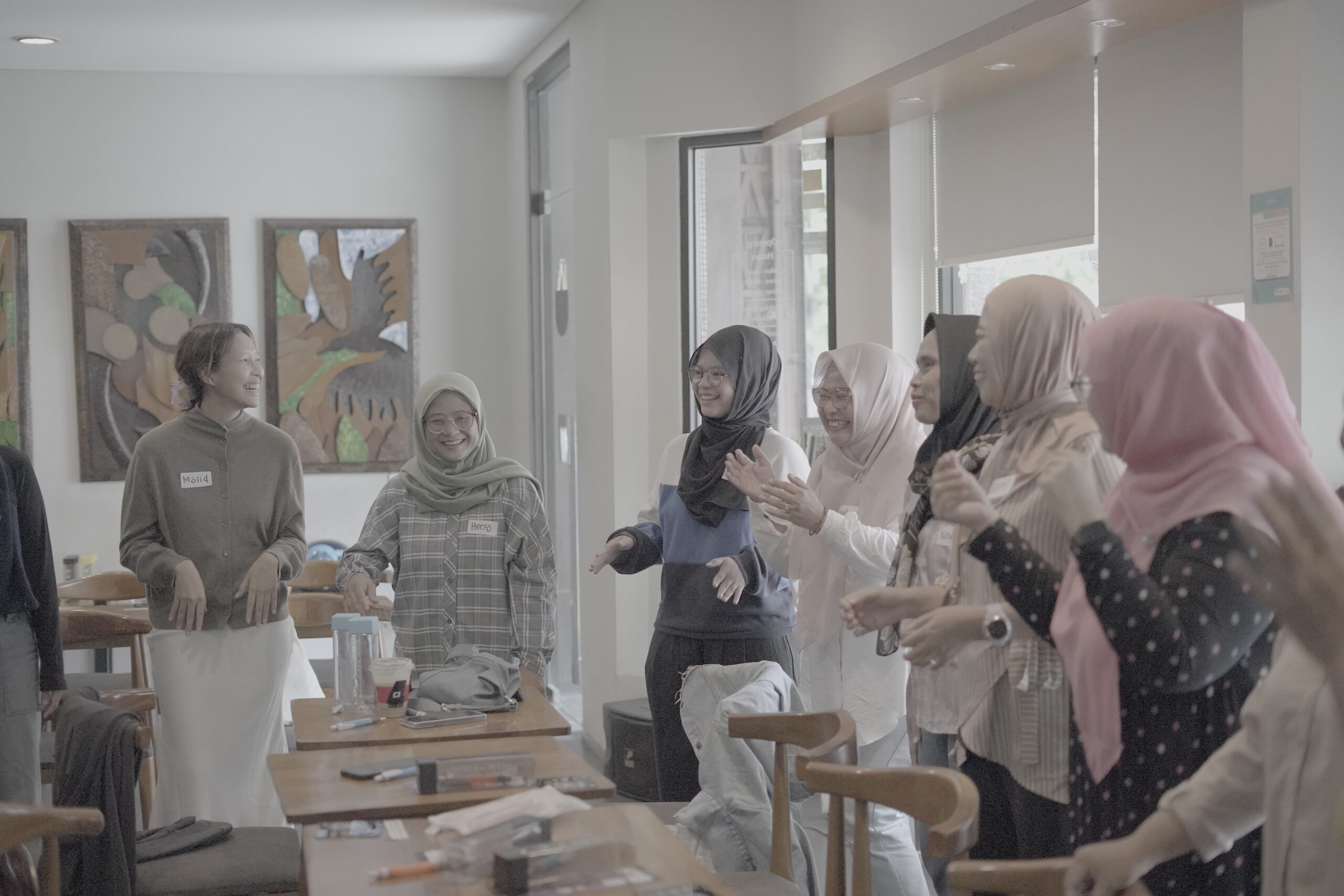
    To better understand these realities, OUCRU Indonesia initiated an engagement project with 57 women workers from the Greater Jakarta area, including DKI Jakarta and surrounding municipalities, to centre their experiences in climate-health dialogues.
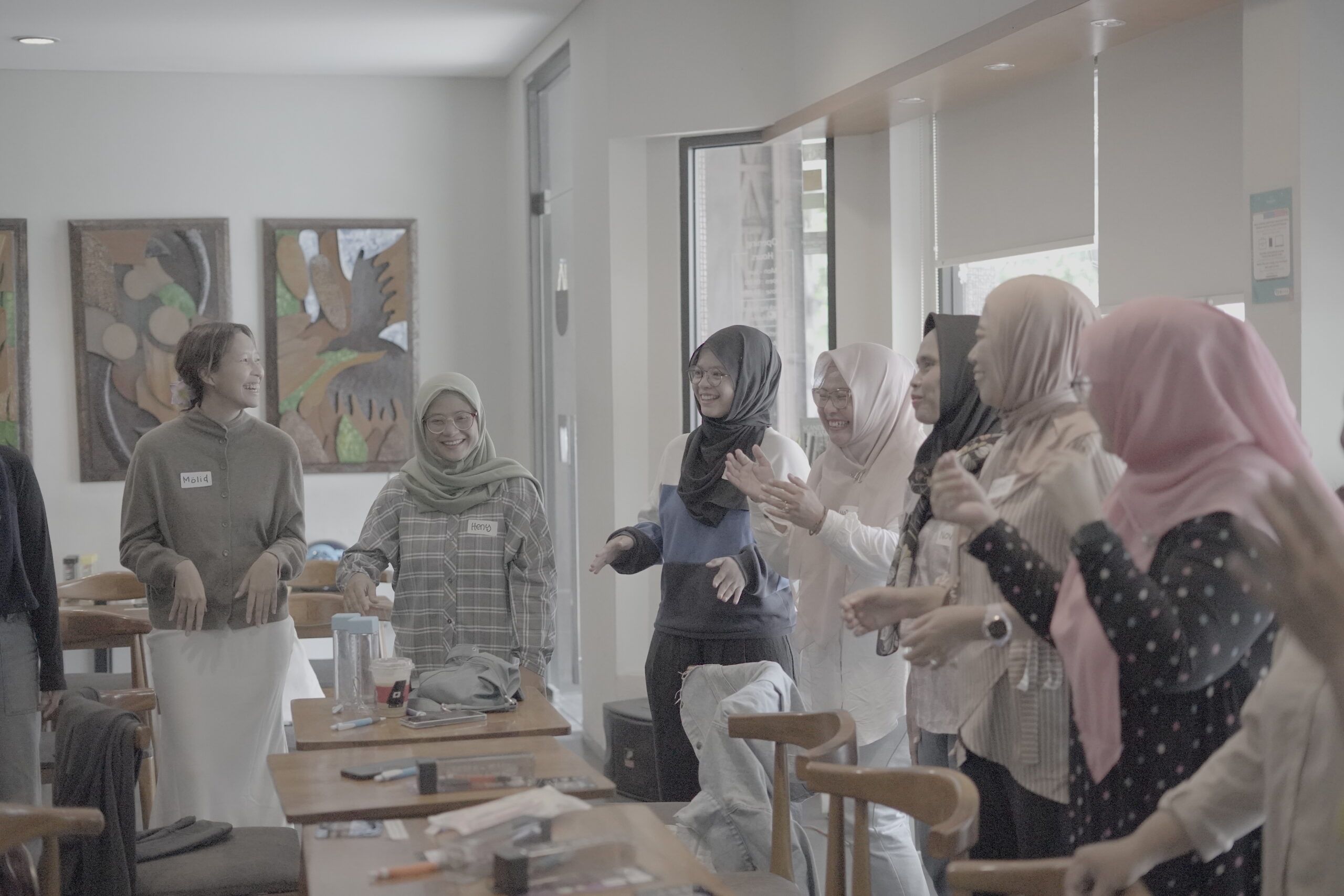
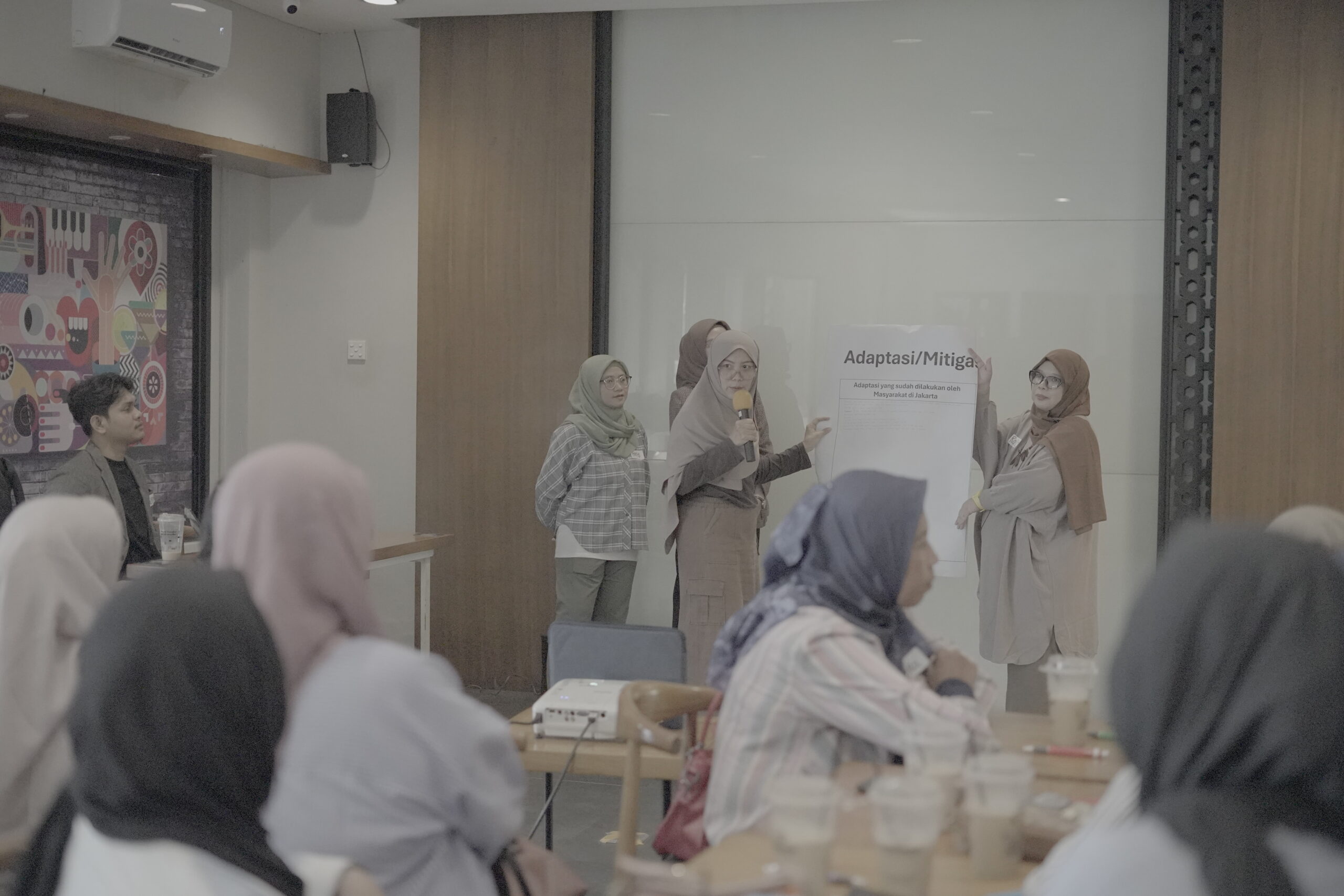
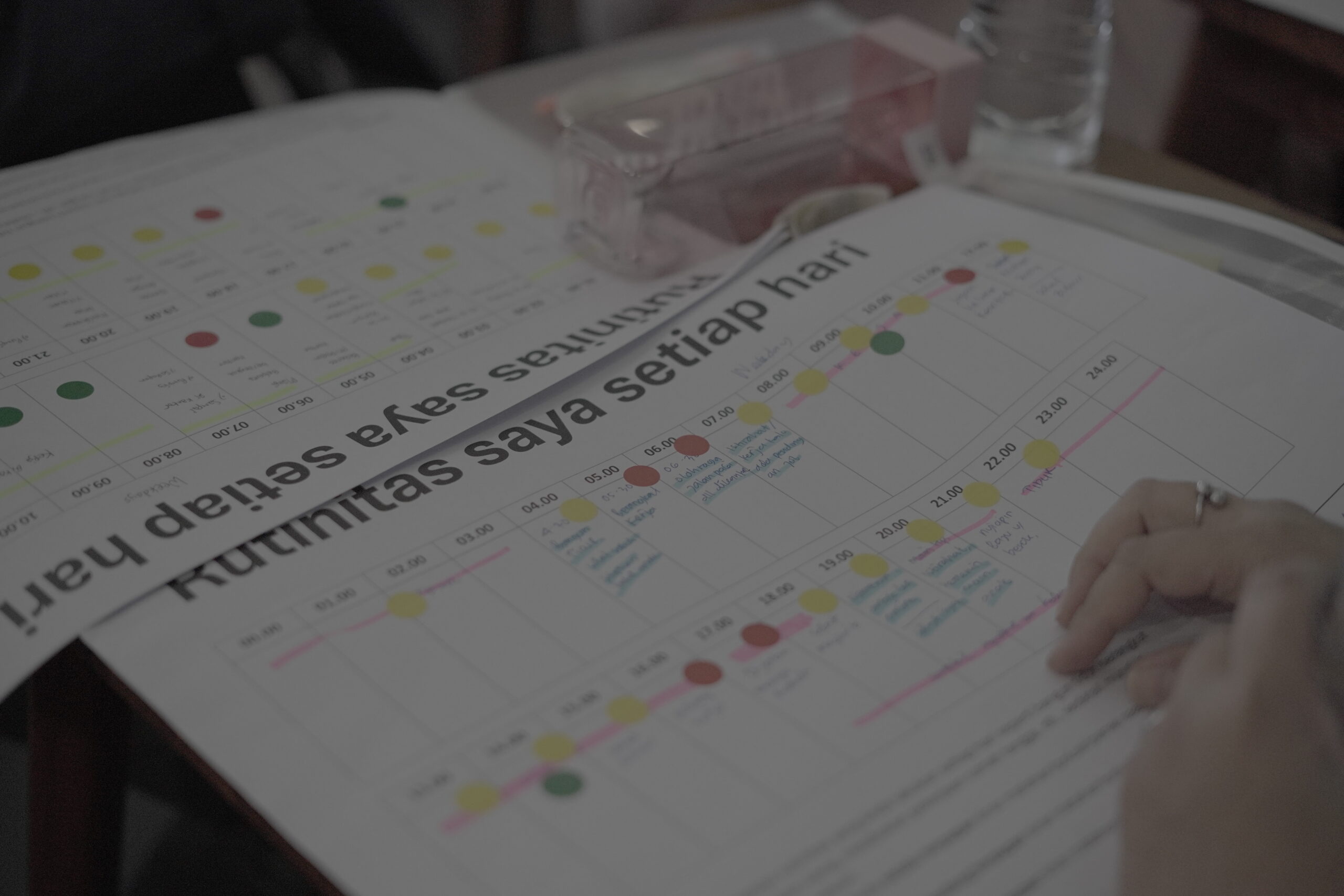
    These women, all residing and working in their communities for at least 5 years, reported frequent exposure to air pollution and urban heat during daily routines—such as commuting, street vending, or informal labour in high-risk environments. Over four months, women from both formal and informal sectors came together in a series of discussions—sharing stories, challenges, and the decisions they navigate daily.

    Women shared how extreme heat affects productivity and well-being, how poor air quality leads to respiratory concerns, and how flooding disrupts commuting, income, and family responsibilities. These experiences highlighted that climate-health risks are closely tied to broader issues such as working conditions, access to healthcare, and gender roles.

    Key adaptation and mitigation recommended by the women workers

    1. Strengthening the personal health protection’s knowledge and practice
    1. Integration of a preventive mental health program into the health strategies
    1. Improving public transportation and controlling private vehicles
    1. Enhancing the integrated waste management and environmental cleanliness system
    1. Expanding urban greening initiatives
    1. Strengthening multi-sectoral collaboration and policy framework

    These discussions highlighted that climate-health risks are closely linked to broader social and economic factors. Women described balancing health protection with financial responsibilities, illustrating how adaptation strategies must consider real-life constraints and priorities.

    Women workers revealed that climate adaptation is not always straightforward. The urgency of balancing immediate economic needs with long-term health considerations shows that effective climate strategies must reflect real-world constraints and lived realities.

    This engagement project marks OUCRU Indonesia’s first engagement focused specifically on women workers and climate-health challenges in Jakarta. The initiative provides insight into how climate change affects health in everyday life. Findings highlight the importance of community-centred approaches and inclusive participation in shaping ethical, climate-health strategies. By co-designing solutions with women workers, the project contributes to more equitable, practical, and locally relevant climate-health responses in urban Indonesia.

    Insights from this work will contribute to ethical and inclusive climate-health strategies that reflect the needs of urban communities most affected by climate change. This project is part of OUCRU Indonesia’s broader commitment to community-centred research and strengthening partnerships that support equitable and sustainable health solutions.

    Watch the video for more information:

    Similar work across other OUCRU sites has shown comparable insights. However, engagement projects that reflect women are still few, and further research is needed to better understand how climate and health challenges affect different communities.
    Find out the full report

  • OUCRU Indonesia Welcome Students to Explore Biomedical Research and Science Careers    

    OUCRU Indonesia Welcome Students to Explore Biomedical Research and Science Careers    

    Ten junior and senior high school students in Jakarta explored careers in biomedical research.

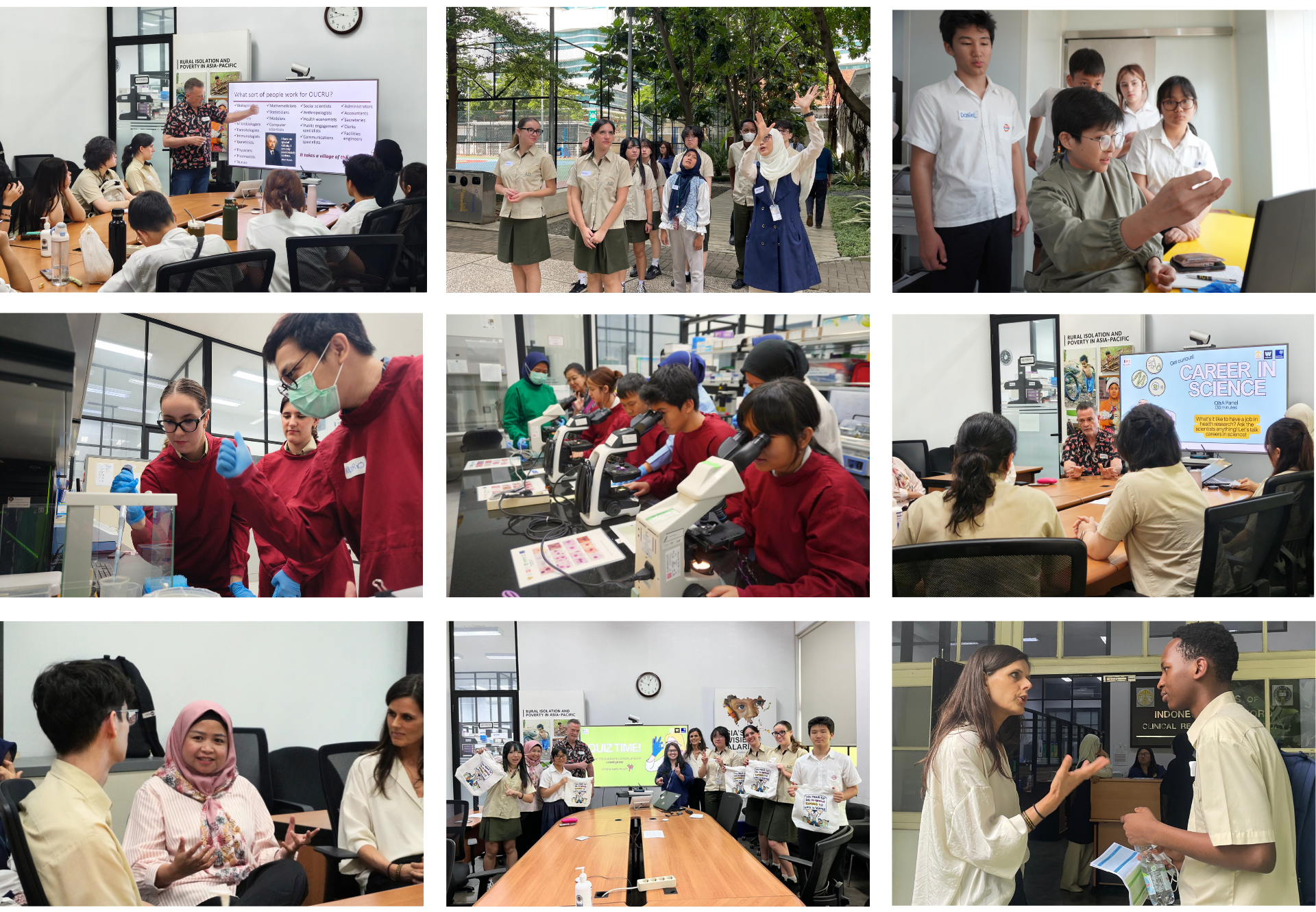
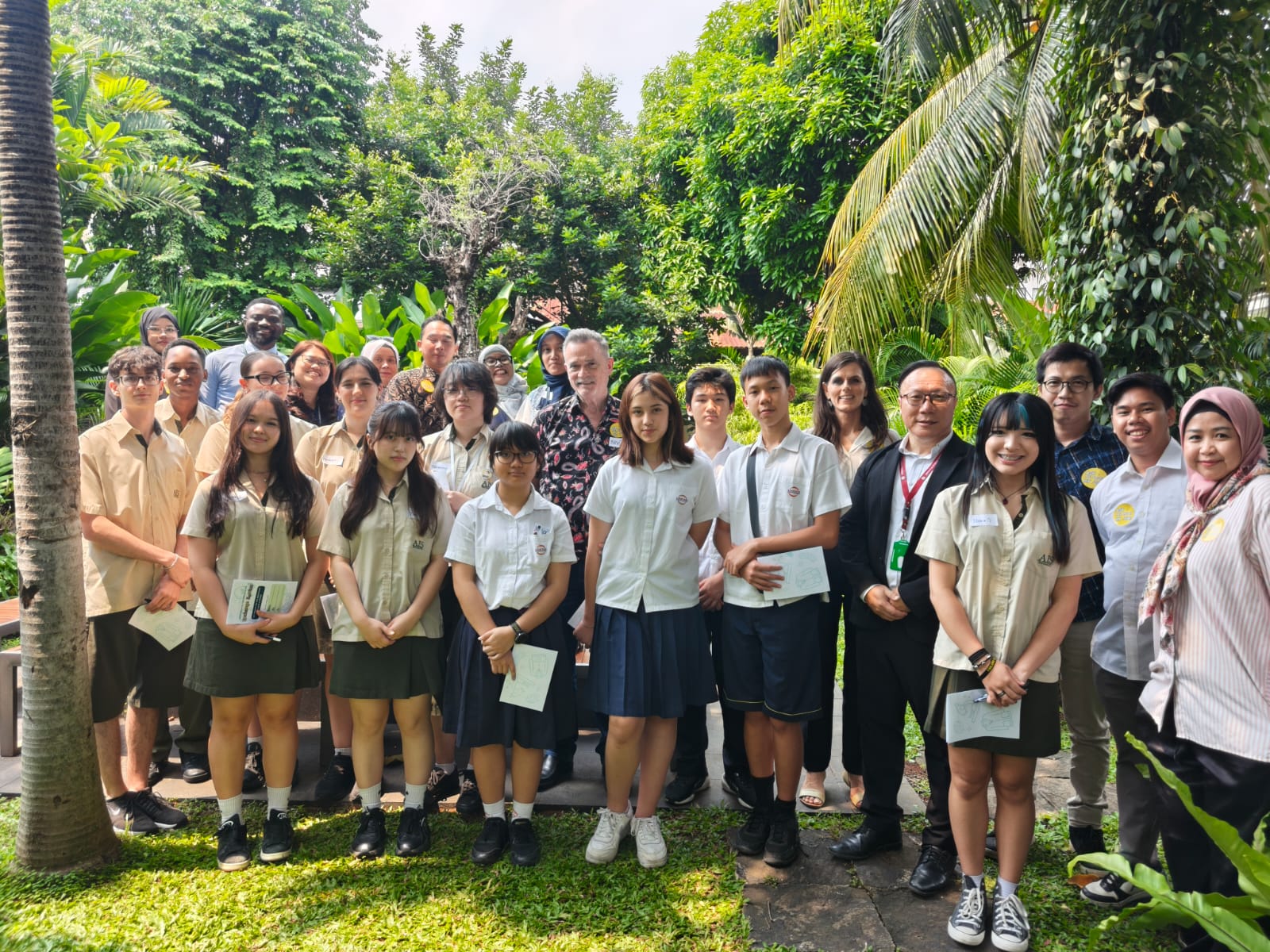
    On 15 April 2026, OUCRU hosted its first student visit programme, welcoming groups of students from Australian Independent School (AIS) and Sinarmas World Academy (SWA) for a day of discovery, conversation, and hands-on learning.

    Designed as part of Public and Community Engagement efforts, the visit aims to open research environment for youth learners by offering a closer look at biomedical research practice in the laboratories, engaging with scientists, and exploring future opportunities in science.

    Experiencing Research First-Hand

    The visit began with an overview of OUCRU Indonesia by Prof. Kevin Baird, Interim Director of the OUCRU Programme. During the session, students were introduced to OUCRU’s journey as biomedical research unit in conducting clinical trials of diagnostics, drugs, and vaccines for infectious diseases. This session highlighted how OUCRU’s research contributes to improving public health and addressing infectious diseases through collaboration between laboratories, hospitals, and communities.
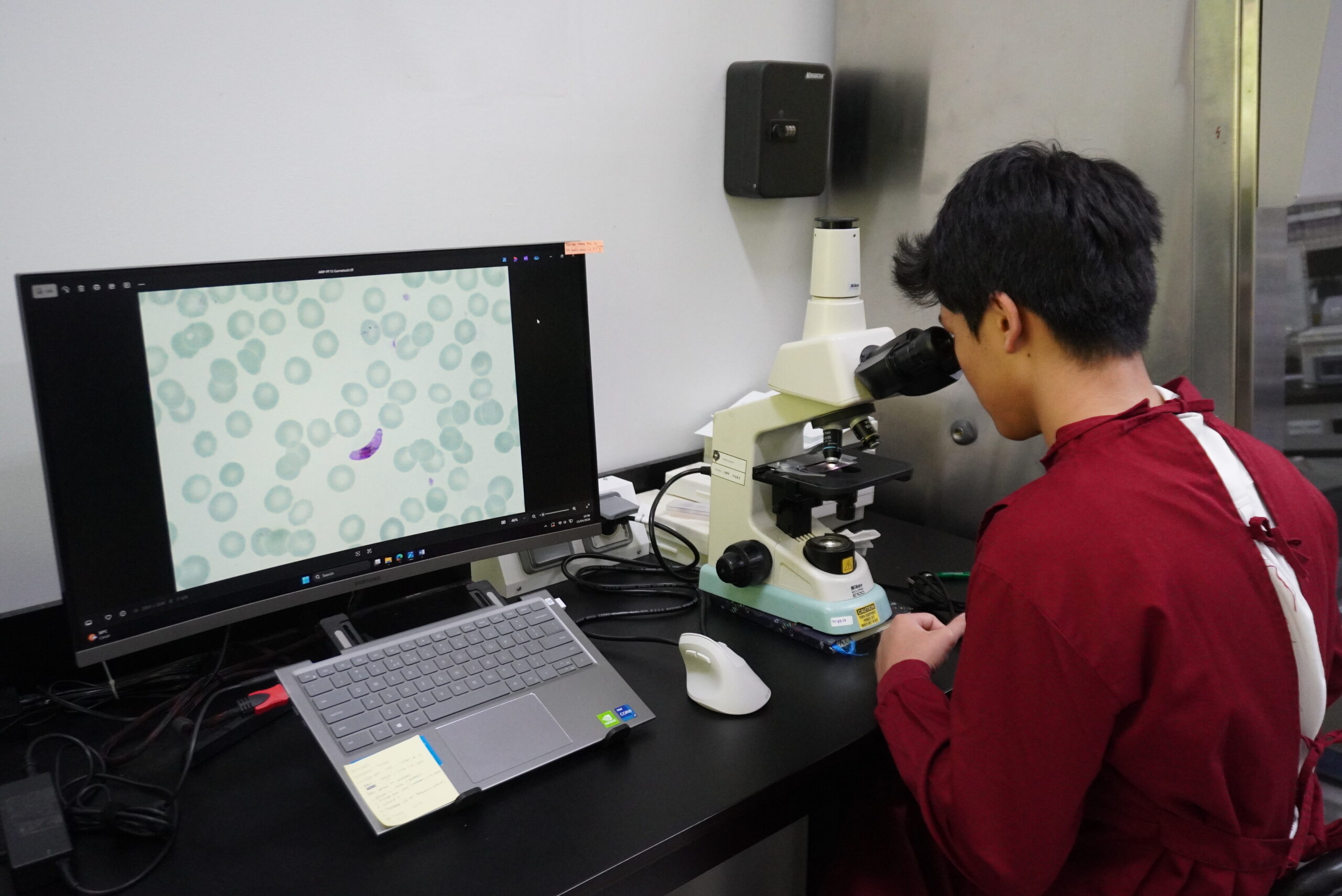
    Alongside the OUCRU introduction, students had the opportunity to explore the OUCRU office and laboratories at the Universities of Indonesia & Oxford Clinical Research Laboratory (IOCRL) and Cluster for Infectious Diseases Indonesian Medical Education and Research Institute (IMERI). Students learned hands-on practice of basic laboratory skills in diagnosing infectious diseases, as well as how samples are processed and studied through genomic analysis and sequencing. These experiences helped students see theories they learn in the classroom are applied directly in real-world scientific research.

    New Perspectives in Science

    As part of their experience, students also participate in a “Careers in Science” panel discussion featuring OUCRU Indonesia research professionals from diverse backgrounds. Covering the world of research, the panel session was moderated by Hanifah Nisrina, Communication and Digital Engagement Officer, and featured Prof. Kevin Baird (Malariologist), Dr Marlous Grijsen (Senior Scientist and Dermatologist), and Suwarti (Infectious Diseases Scientist). Speakers shared their professional journeys into biomedical research and highlighted that there is no single pathway into science. The session also emphasised the importance of youth involvement and the growing need for future talent in biomedical research.

    To further encourage interaction with researchers and research support at OUCRU, students participated in an exchange session, “Ask Me About My Job” to explore a wide range of roles behind health research and understand the collaborative nature of scientific work.

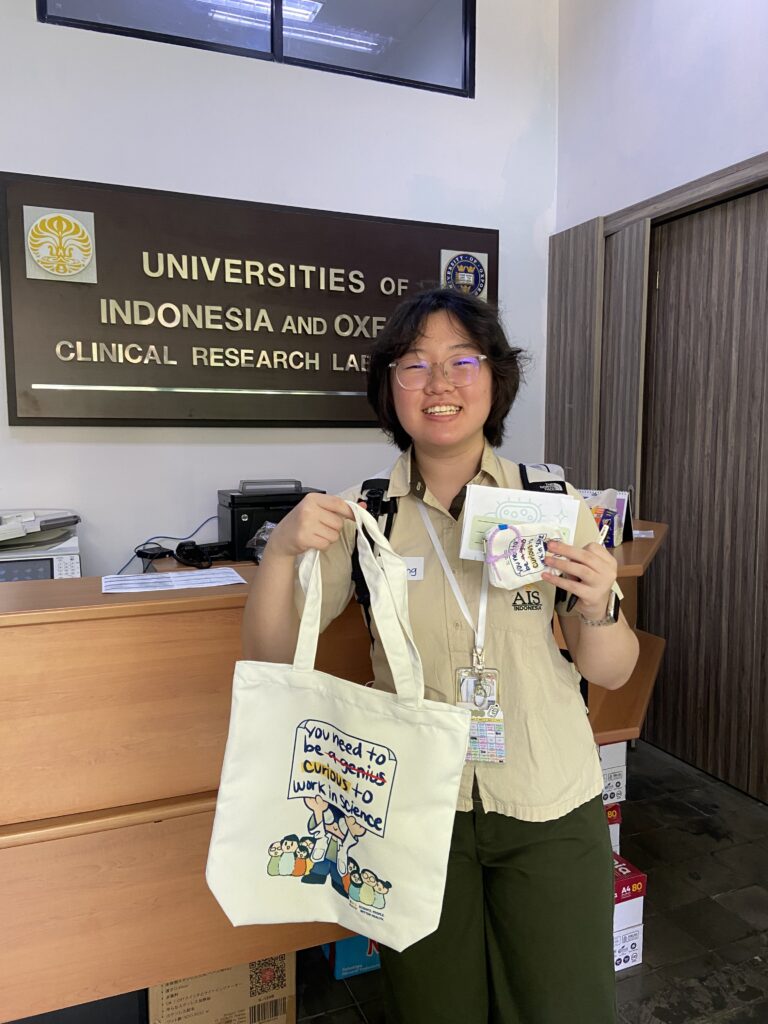
    Students reflected that experiencing this makes science feel more tangible and achievable. One student shared that the visit revealed “a lot more depth” to research than expected, while another noted that seeing the work firsthand made a career in science feel possible.

    “I loved this experience! This is my first visit to a lab and I’m excited to work in research. I think I would want to be like you (science communicator) one day”

    – Nayeong, 12th Grade student from AIS

    Supporting Future Scientific Talent

    As OUCRU’s first student visit programme, this event marked an important step in strengthening engagement between research institutions, educators, and young learners. By opening its laboratories to students, OUCRU aims to nurture curiosity, build scientific understanding, and inspire future careers in research.

    OUCRU Indonesia’s first Student Visit illustrated student engagement with biomedical research environments. Students visited laboratories through guided demonstrations of infectious disease diagnostics and genomic workflows, as well as explored career pathways in health research.

    “We really appreciate this activity, and we hope to visit OUCRU again with more students.” — Mr. Wei, Teacher at SWA

  • 2025 PCE Highlights: Strengthening Community-Centred Health Engagement Research 

    2025 PCE Highlights: Strengthening Community-Centred Health Engagement Research 

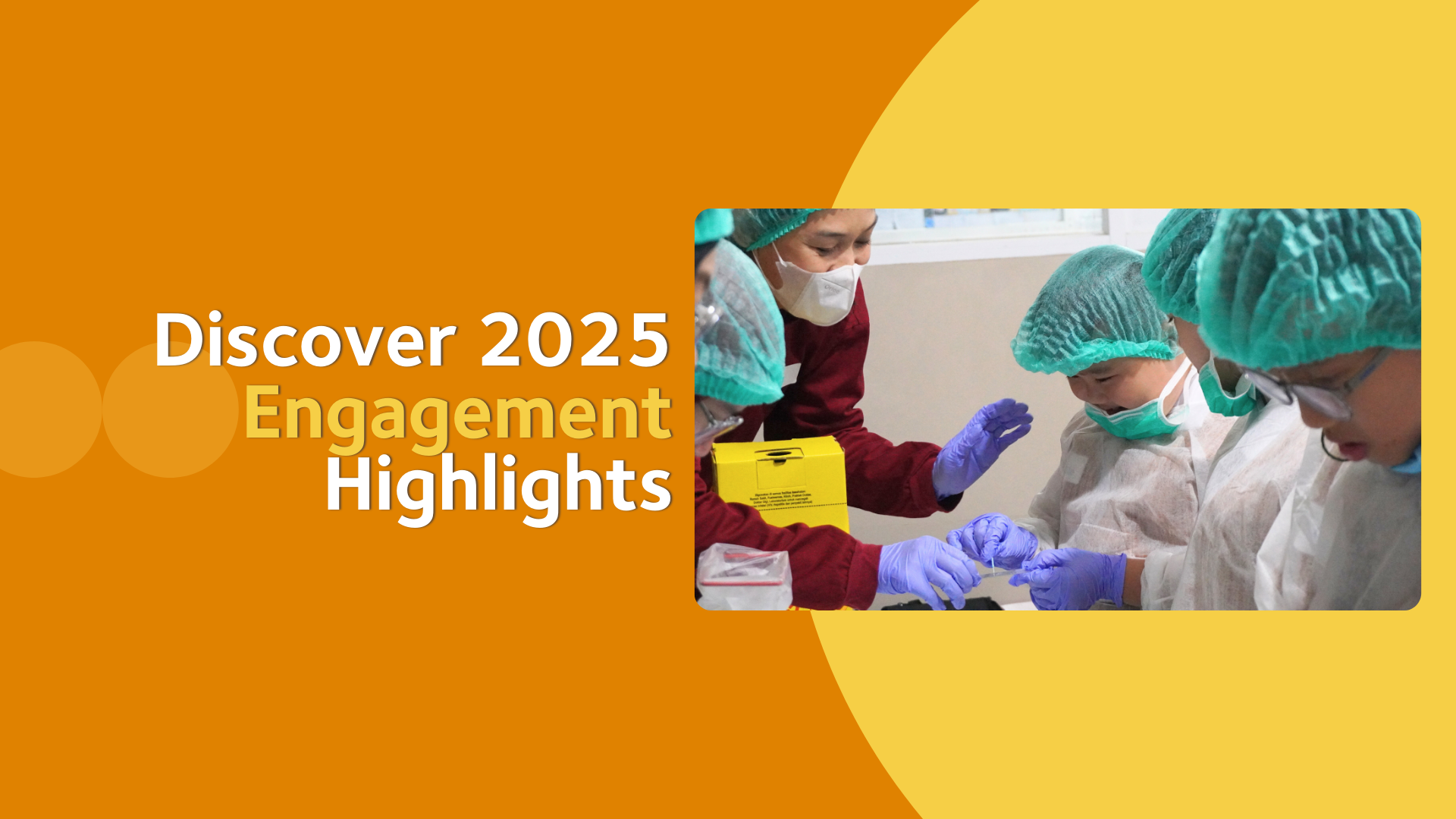
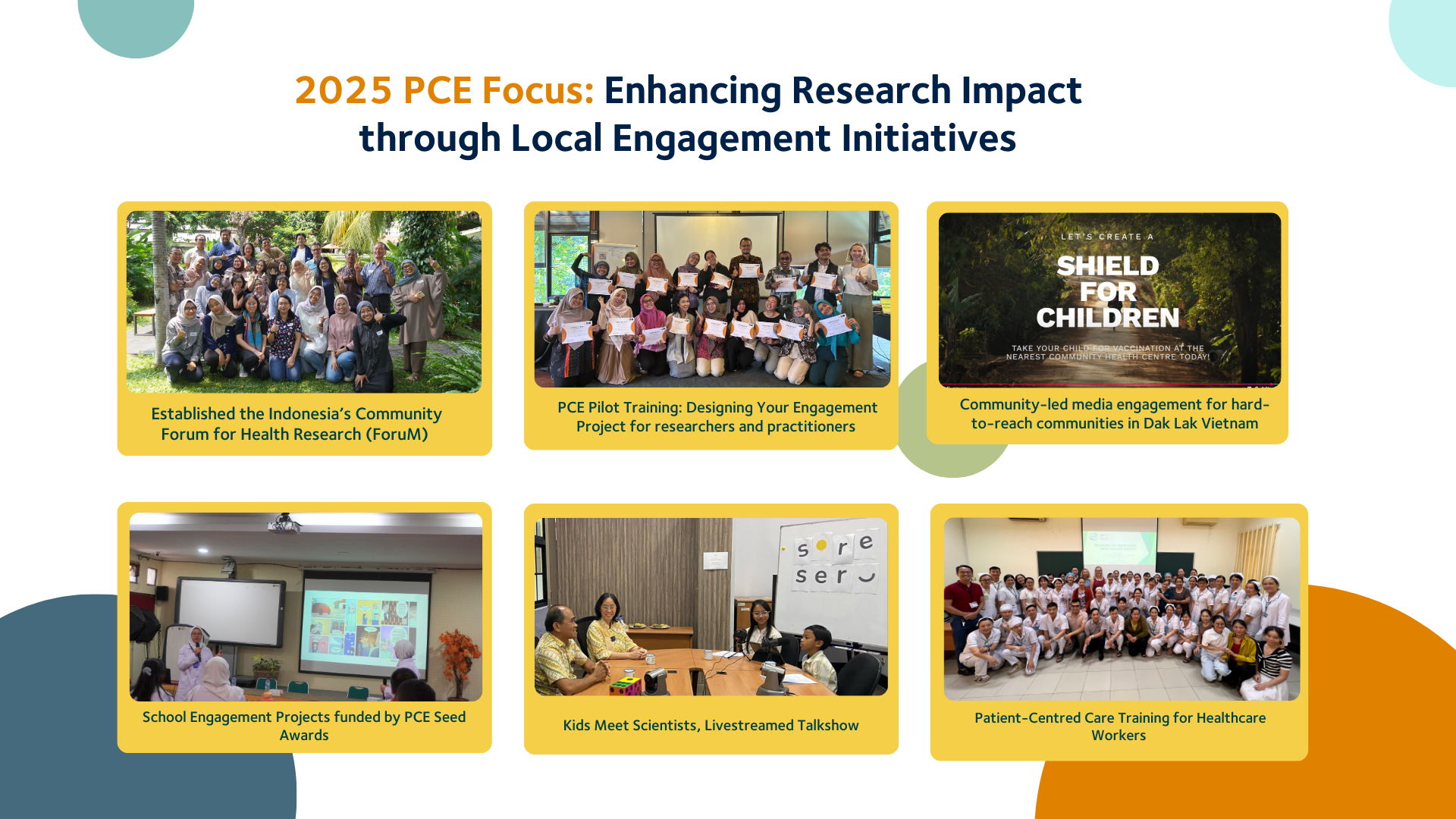
    As 2025 draws closer, Public and Community Engagement (PCE) continued to strengthen meaningful connections between OUCRU research and the local communities across Indonesia, Vietnam, and Nepal. Across all sites, our work is guided by a shared goal: health research creates lasting impact when communities are actively involved in shaping it.

    Let’s take a look at the milestones we have achieved from the year. 

    Creating Spaces for Engagement  

    Community Advisory Group – Shaping Public Voices in Health Research 

    Community voices play a vital role in shaping relevant health research at OUCRU. Since their establishment, community groups continue to contribute to setting research priorities. Through various groups, community participants are able to share their experiences in their own voices and contribute their suggestions and feedback to OUCRU ‘s research. In 2025, the HCMC-based Health Research Advisory Board (HRAB) held three meetings bringing community members and researchers together. At the same time, the disease-specific Tuberculosis Meningitis Community Advisory Board (TBM-CAB) met with researchers to discuss issues of extended treatment regimes barriers to follow up.  

    Community voices played a vital role in shaping relevant health research. Since its establishment at OUCRU, advisory boards have continued to guide research priorities, enabling participants to share their lived experiences in their own voices and contribute suggestions and feedback to OUCRU’s research.

    In Indonesia, OUCRU has recently established a Community Forum for Health Research (ForuM), to serve as a vital platform to bring diverse communities together to contribute to OUCRU’s health research processes. The forum aims to strengthen dialogue around community priorities and reinforce the importance of research agendas that respond to local health needs. Through these exchanges, community feedback is translated into research that is more relevant, impactful, inclusive, and culturally sensitive, ensuring that OUCRU’s work addresses real community needs. 

    The Public and Community Engagement Training: Designing An Engagement Projects 

    In line with our strategy to encourage good engagement practice in the region, OUCRU held a 3-day engagement training for biomedical researchers from multiple Indonesian and Malay institutes. The aim was to introduce the benefits of engagement and equip researchers with practical skills to design appropriate engagement projects. The training supported 20 participants from 10 institutes to integrate engagement into research planning, implementation, and dissemination. 

    From Research into Community Action 

    Malaria Burden in Southeast Asia: Research Findings and Community Impact  

    In April 2025, World Malaria Day was marked, and OUCRU, MORU, and The Global Health Network hosted a regional webinar exploring the often-overlooked burden of malaria in Southeast Asia. Our researchers shared insights on drug development, surveillance of drug-resistant malaria, treatment trials, and the importance of including pregnant women in research. Central to the discussion was the role of community engagement, showcasing how researchers work with hard-to-reach communities, elevate community voices, and use creative approaches to build trust, raise awareness, and strengthen the real impact of malaria research inside the community. 

    Bridging Hard-to-Reach Research Through Media Engagement

    In Dak Lak province in Vietnam, research led by Dr Nguyen Thanh Ha revealed that vaccine hesitancy is often driven by structural barriers rather than refusal alone. In response, OUCRU worked with local health authorities to develop a training programme to strengthen healthcare workers’ communication skills. Led by Senior Media Engagement Coordinator Ms Nguyen Yen, and funded by IMPRINT UK, OUCRU worked with the village heath workers and community members to co-created a short film to help engage under-served communities. Using local community actors and storytelling the film reflects real concerns behind vaccination decisions, and aims to build trust and improving dialogue.  The film translated complex public health messages into accessible narratives, amplifying lived experiences, and building trust with often excluded audience audiences. The film was screened in underserved districts, shared online and on provincial television.   
    Watch the film:

    Putting Community at the Centre of Health Systems 

    In 2025, OUCRU’s Public and Community Engagement (PCE) work in Vietnam continued to strengthen health systems by placing people at the heart of care and research. Central to this approach is patient-centred care, which prioritises individual needs, values, and informed decision-making, and recognises patients as active partners in their care. OUCRU partnered with Medisetter, Vietnam’s largest multichannel doctor network,to build the training on interpersonal skills for healthcare workers. 

    Investing Research Engagement for the Next Generation 

    The PCE Seed Awards continue to be a driving force for engagement at OUCRU, supporting young and early-career researchers to design and deliver community-centred engagement projects. Now in its tenth year, the programme continues to provide funding and mentorship that encourage creative approaches to connecting research with real-world health concerns. 

    In 2025, Seed Awards funded four projects, with a focus on youth engagement. The awards supported initiatives including the youth antimicrobial stewardship in partnership with PAPRA, —an interprofessional network of practitioners, academics, and community members across Indonesia working together to prevent and control antimicrobial resistance (AMR). 

    Other projects focused on sharing findings from a Hand, Foot and Mouth Disease (HFMD) study to help families better prevent infection and manage care at home, as well as A Day in the Lab, targeted to young children and youth. These projects demonstrates how seed awards can catalyse meaningful engagement, inspire new ideas, and strengthen connections between researchers, communities, and young audiences. 

    Explore Seed Awards Projects: https://www.oucru.org/project/seed-awards/

    In Indonesia, digital engagement initiatives were used to help brings science closer to the next generation of Indonesian children through an online, interactive space to meet researchers, ask questions, and explore the human side of health research. Following on from the Seed Award project ‘A Day in the Lab’, we extended our reach through digital platforms. The Kids Meet Scientist talk show successfully brought researchers and children together to spark curiosity and break down barriers between science and society. The show aimed to inspire young audiences from diverse backgrounds to see themselves as part of the future of research. 

    Watch the interactive discussion:

    https://www.instagram.com/reel/DPvy92dk4aU/

    Looking Ahead to 2026 

    As we move into 2026, we remain committed to involving communities and stakeholders in our research, with the aims of strengthening meaningful dialogue between communities and research professionals. 

  • Youth Peer Educator Combat AMR: Indonesian Youth Action in Antimicrobial Resistance’s Stewardship

    Youth Peer Educator Combat AMR: Indonesian Youth Action in Antimicrobial Resistance’s Stewardship

    Misconceptions about antibiotic use have long been passed down through generations in Indonesia — from believing that antibiotics can treat all illnesses, to using them without prescriptions. These behaviours contribute to the growing global health threat of antimicrobial resistance (AMR). Recognising the urgent need for targeted education among young people, PAPRA Indonesia with BRIN (National Research and Innovation Agency), Dr. Cipto Mangunkusumo National Central Public Hospital (RSCM), initiated an innovative public engagement project to raise awareness on antimicrobial resistance (AMR) and responsible use of antibiotics. This project is funded by the OUCRU Public and Community Engagement Seed Awards 2024.

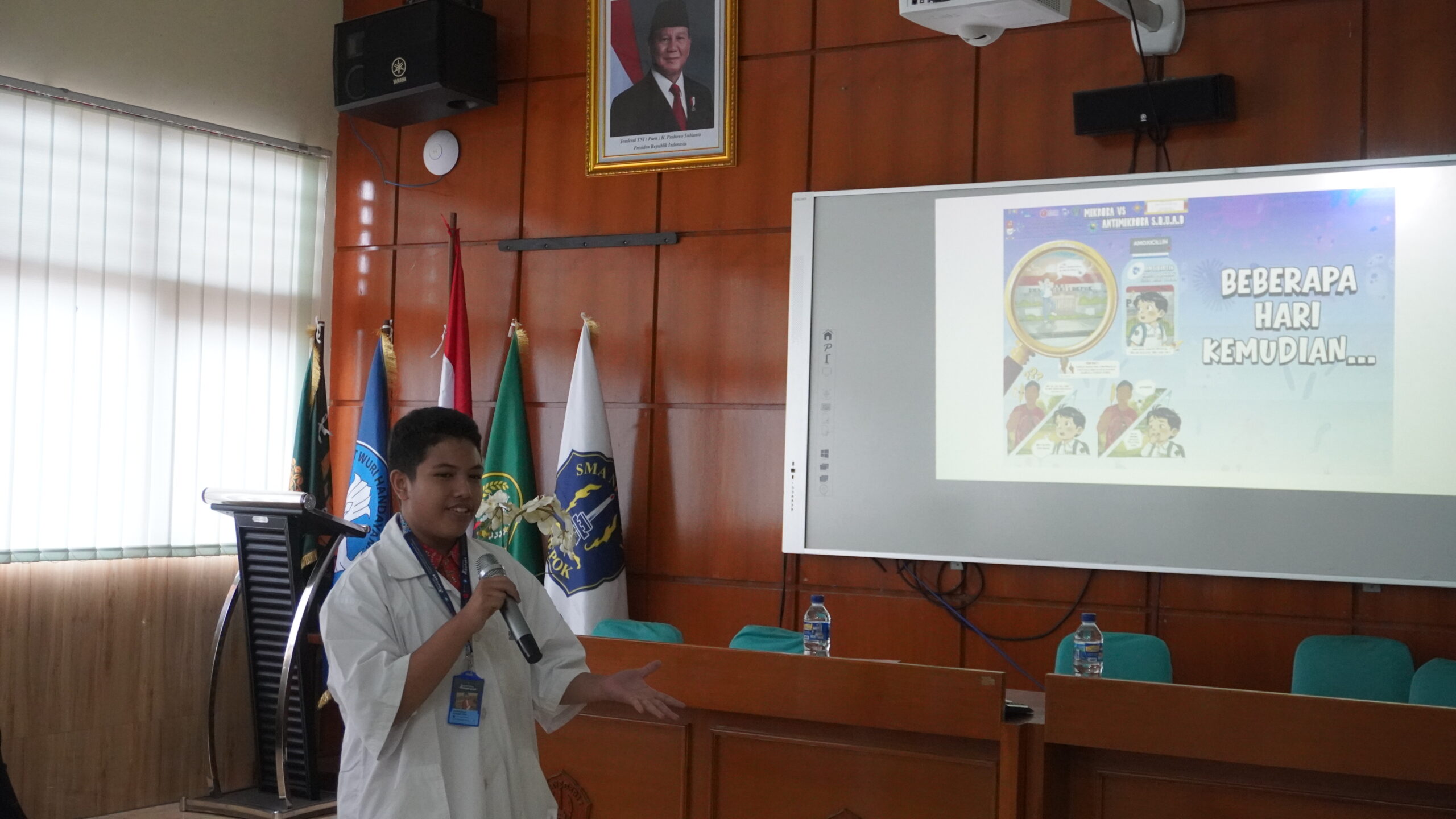
    The initiative, Youth Peer Educators Combat AMR, focuses on empowering school-aged youth through creative educational tools and peer-led learning. This project aims to develop educational material using a short video (1-3 minutes) and comic book (10 pages) as learning materials written in Bahasa Indonesia. These resources will be distributed to schools and social media platforms.  

    Empowering Students by Building Capacity in Creative Media Production

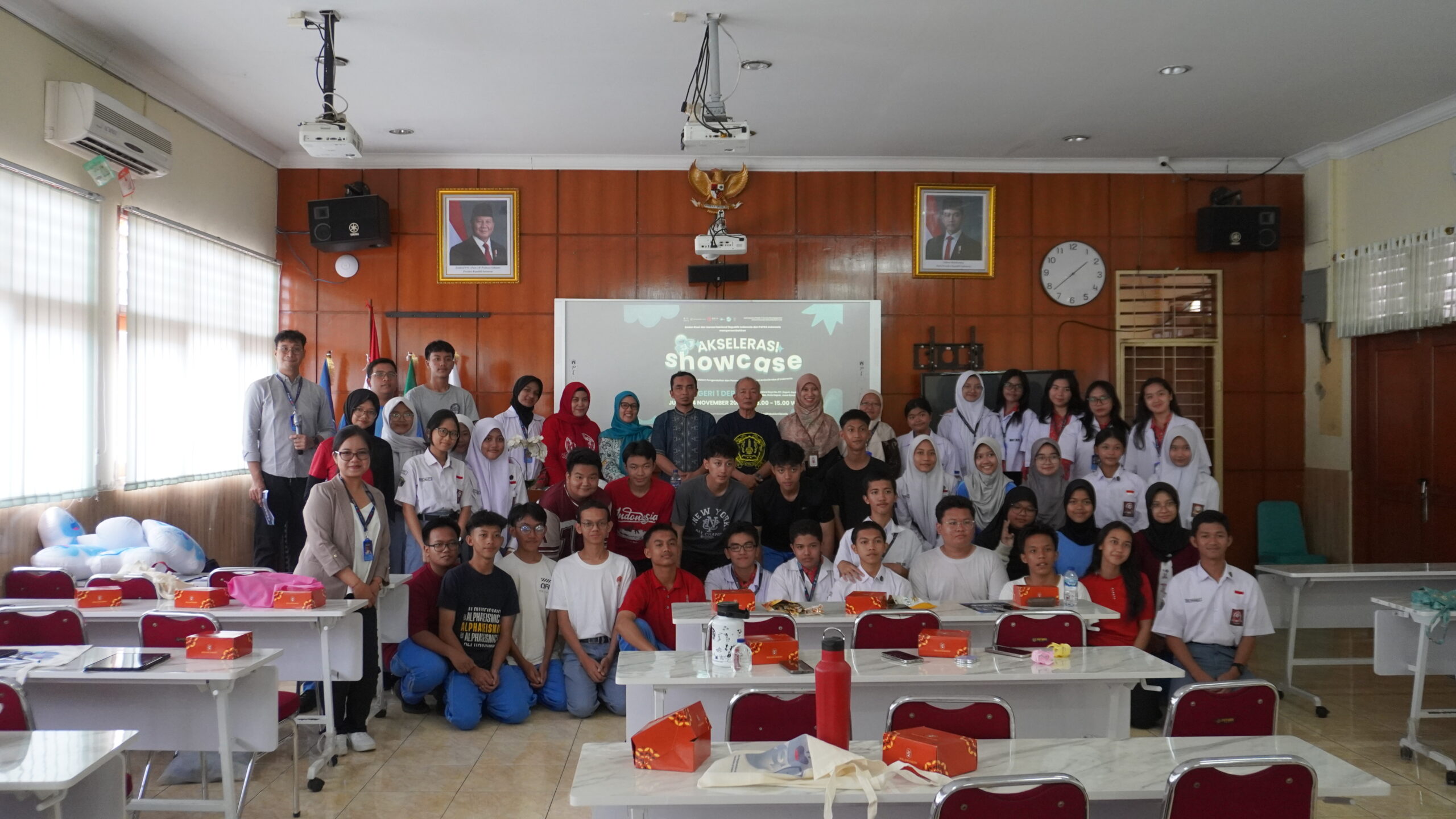
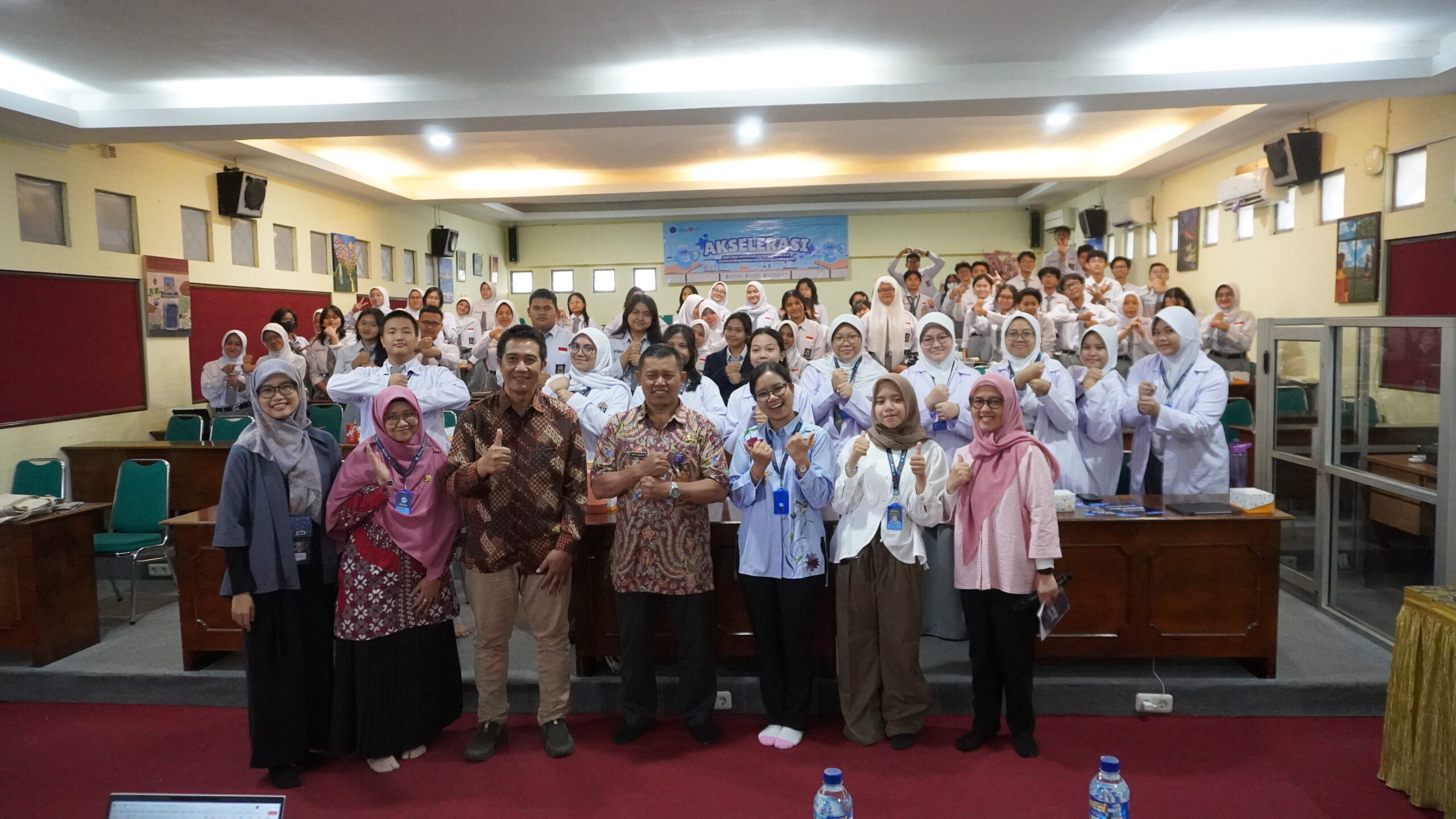
    From 22 August 2025 to 24 November, PAPRA conducts weekly capacity building workshops on basic education on antibiotics, AMR, video and comic creation with in 2 School in Jakarta (SMAN 1 Depok and SMAN 8 Jakarta). Over approximately three months, PAPRA teams in collaboration with two schools, facilitate interactive learning sessions on antimicrobial resistance (AMR).

    The engagement aimed to strengthen students’ understanding of AMR and the responsible use of antibiotics through games, discussions, and visual storytelling. There were in total 20 students and 2 schoolteachers involved in the whole activity. In 13-14 November 2025, PAPRA conducts Engagement to showcase the final students’ comic and video creation. 

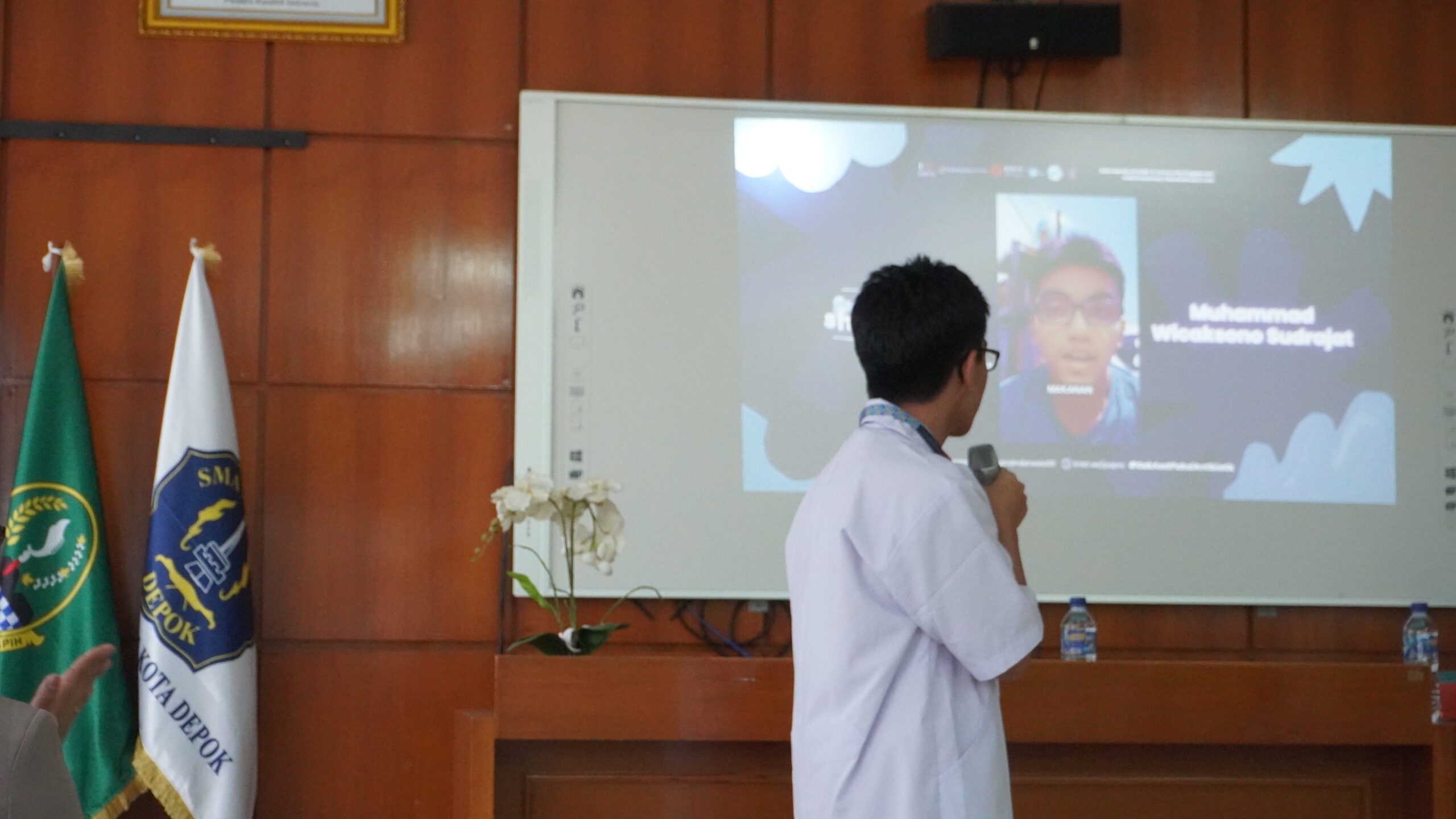
    At the final showcase of SMAN 8 Jakarta, students present the creative projects they developed over three months. Students share the comics and videos they produced on antibiotic use and AMR.

    Students themselves recognised the dedication that went into the creative work showcased on the final day. Peer student Jorell Rafi Arsyad Pambudi expressed his admiration after watching his classmates present,

    “I saw my friends presenting today on antibiotics and resistance. I was amazed to learn they had been preparing for nearly three months. They gave their full effort—creating comics, educational videos, and even performing a drama that was really engaging.”

    I am really grateful for this opportunity, and it is such a wonderful experience that we could cultivate all information and education, and we can talk about AMR …I hope everyone can feel the benefit from it and they can be more aware about AMR ..” 

    – Jovani Lenisha Karin (AKSELERASI squad from SMAN 8 Jakarta)

    After this activity, I gained many new insights about AMR. Personally, I rarely heard the term AMR around me, but after joining this activity, I learned a lot about AMR itself. I was also happy to see my friends excited about creating their works like videos and comics. They presented the results of their 3-month activities..”

     (Intan, one of the peer student audiences during final showcase in SMAN 8 Jakarta) 

    The project’s final activities brought together students, teachers, and peer educators in a vibrant showcase of what young people can achieve when given space, support, and creative tools.

    At SMAN 1 Depok, schoolteacher Budi Ekowati Puspita Ningrum, S.P. reflected on the journey,


    “Despite the students’ busy schedules, I watched them during school meetings. They showed great enthusiasm in every capacity-building workshop, enjoyed the refreshments, and—most importantly—completed their work successfully. I am extremely proud of them.”

    Teachers across partner schools echoed this sense of shared purpose. Hidayatun Nikmah, S.Pd. from SMAN 8 Jakarta expressed her hopes for the wider impact of the collaboration.


    “Thank you for this partnership. I hope we can continue spreading the message about AMR and responsible antibiotic use so more people can benefit.”

    Their reflections show the energy, commitment, and creativity that young people bring to learning when they have meaningful opportunities to express themselves. By equipping them with accessible and accurate knowledge, the project helps break long-standing patterns of antibiotic misuse. With this understanding, students are better prepared to make informed decisions about their health — an important step towards addressing the growing public health challenge of AMR in Indonesia.

    Discover Creative Work on AMR

    Find out more about the video and comics made by youth:

    About the Programme Team

    Akselerasi team: 

    • Principal investigator: apt. Fitria Nur Hidayah, S.Farm. 
    • Co-PI: apt. Luh Rai Maduretno Asvinigita, M.M. 
    • Researchers: Dr. apt. Dea Anita Ariani Kurniasih, M.Farm., Bunga Astria Paramashanti S.Gz., MPH, PhD 
    • Research assistant: apt. Ris Heskiel Najogi Sitinjak, M.Sc. 
    • Secretary: Rezky Gustin Syuhada, S.Kep., Ners 
    • Facilitators: I Gusti Ngurah Agung Aditya Pramana, S.M., M.M., Nailah Khairunnisa

    Akselerasi squad (SMAN 1 Depok): 

    • Supervisor: Budi Ekowati Puspita Ningrum, S.P. 
    • Students: Bilqis Bidhaya, Catherine Jovanka Pasaribu, Maria Chrystien Aritonang, Ratu Fara Jihan, Zaferullah Faidzil Alfa, Taqi Muhammad Javani, Ratu Clara Lamtiurma Sihombing, Muhammad Wicaksono. S, Maritza Aulia Fauziaddinza, Tatianisa Chasya Malika 

    Akselerasi team (SMAN 8 Jakarta): 

    • Supervisor: Hidayatun Nikmah, S.Pd. 
    • Students: Almeera Cetta Wibowo, Elza Raeesa Shakila, Ashfar Salman Hakim, Fatya Afifah, Jovani Lenisha Karin Sihombing, Kadek Hira Padmarani, Mahda Mahdiyah, Nayla Dinda Salsabila, Shafira Azalia, Veraya Putri Alivia Darma 

    Speaker during showcase:

    • SMAN 1 Depok : dr. Ardiana Kusumaningrum, Sp.MK(K) 
    • SMAN 8 Jakarta: drh. Gunawan Budi Utomo 

    About the organiser 
    PAPRA is an interprofessional group initiated by practitioners, academics, and communities across several regions in Indonesia who committed to taking collective, concrete action to control and prevent antimicrobial resistance (AMR). Contact PAPRA PCE Seed Awads. 

    About PCE Seed Awards
    Seed Awards exist to help OUCRU researchers to lead and conduct engagement projects. Since its launch in September 2015, a total of $233,395 USD has been awarded to fund 41 projects. In 2015 the Public and Community Engagement team surveyed OUCRU researchers and found that researchers were increasingly aware of the need to incorporate public and community engagement (PCE) in their work, but many were uncertain about what to do and how to do it. The Seed Award grants provide a mechanism for funding engagement work led by researchers who are not eligible for international funding. They also provide support for researchers to realise their ideas for public engagement.

  • Empowering Ethical and Inclusive Research: OUCRU Piloting the Engagement Project Design Training

    Empowering Ethical and Inclusive Research: OUCRU Piloting the Engagement Project Design Training

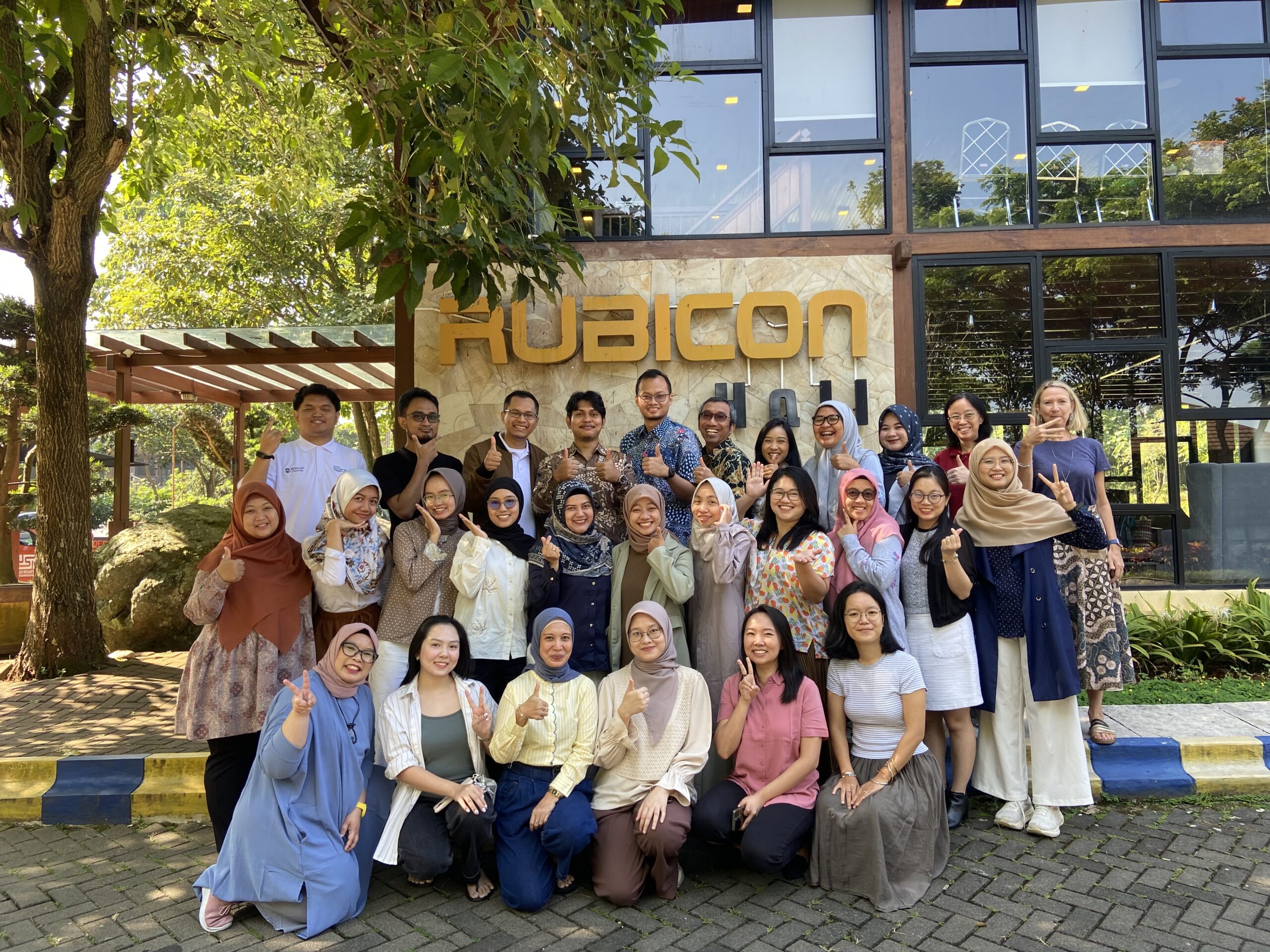
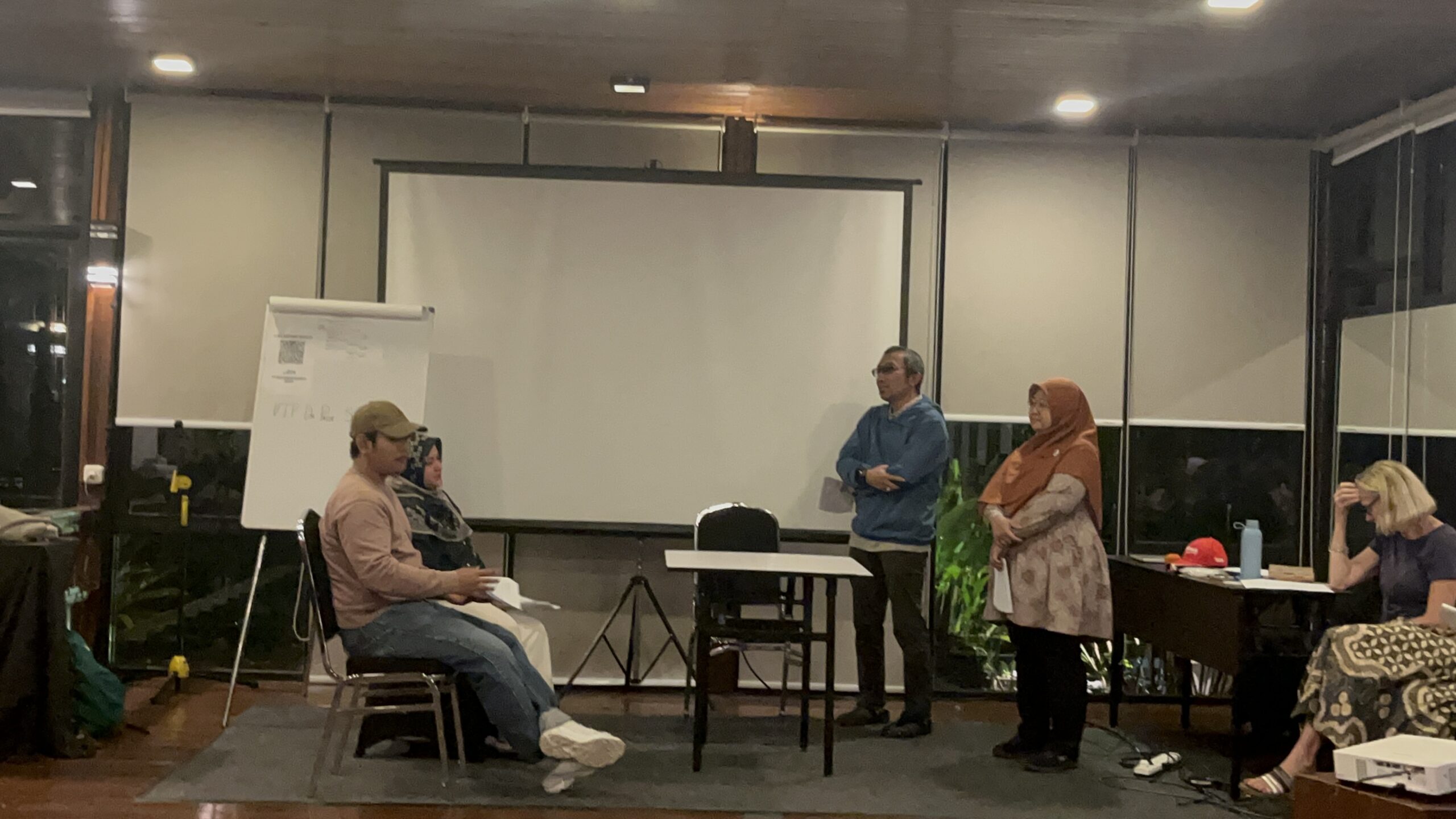
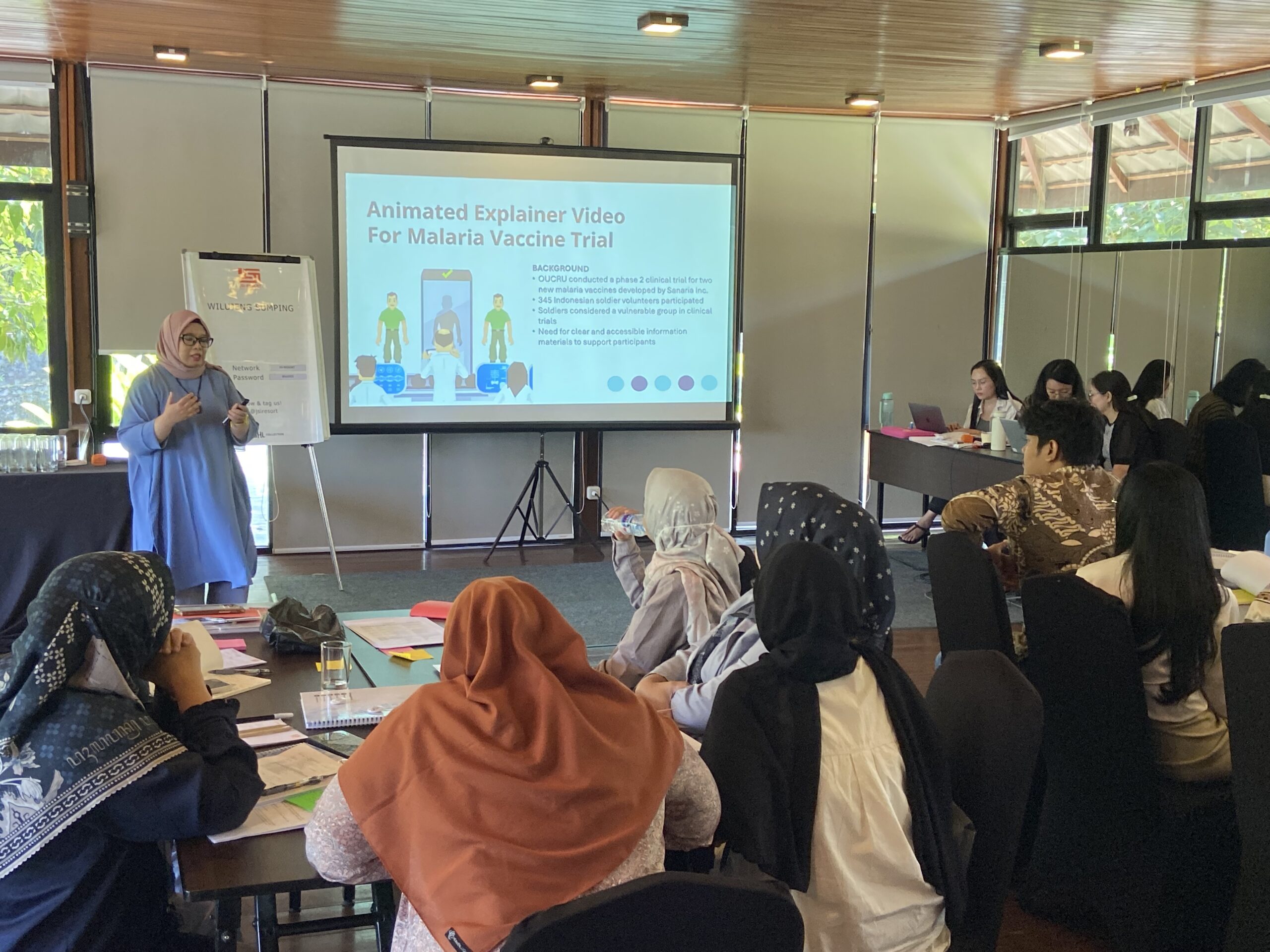
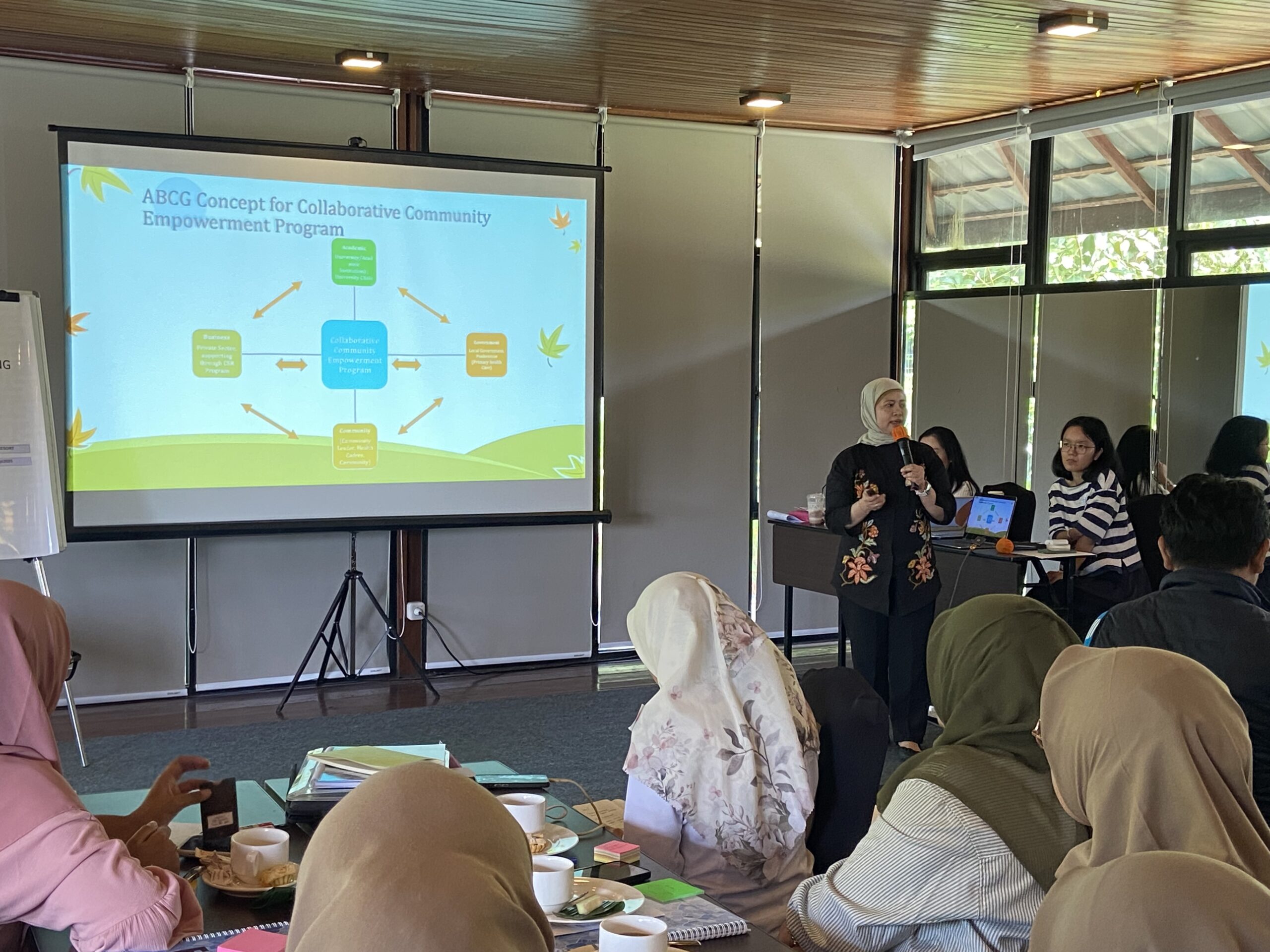
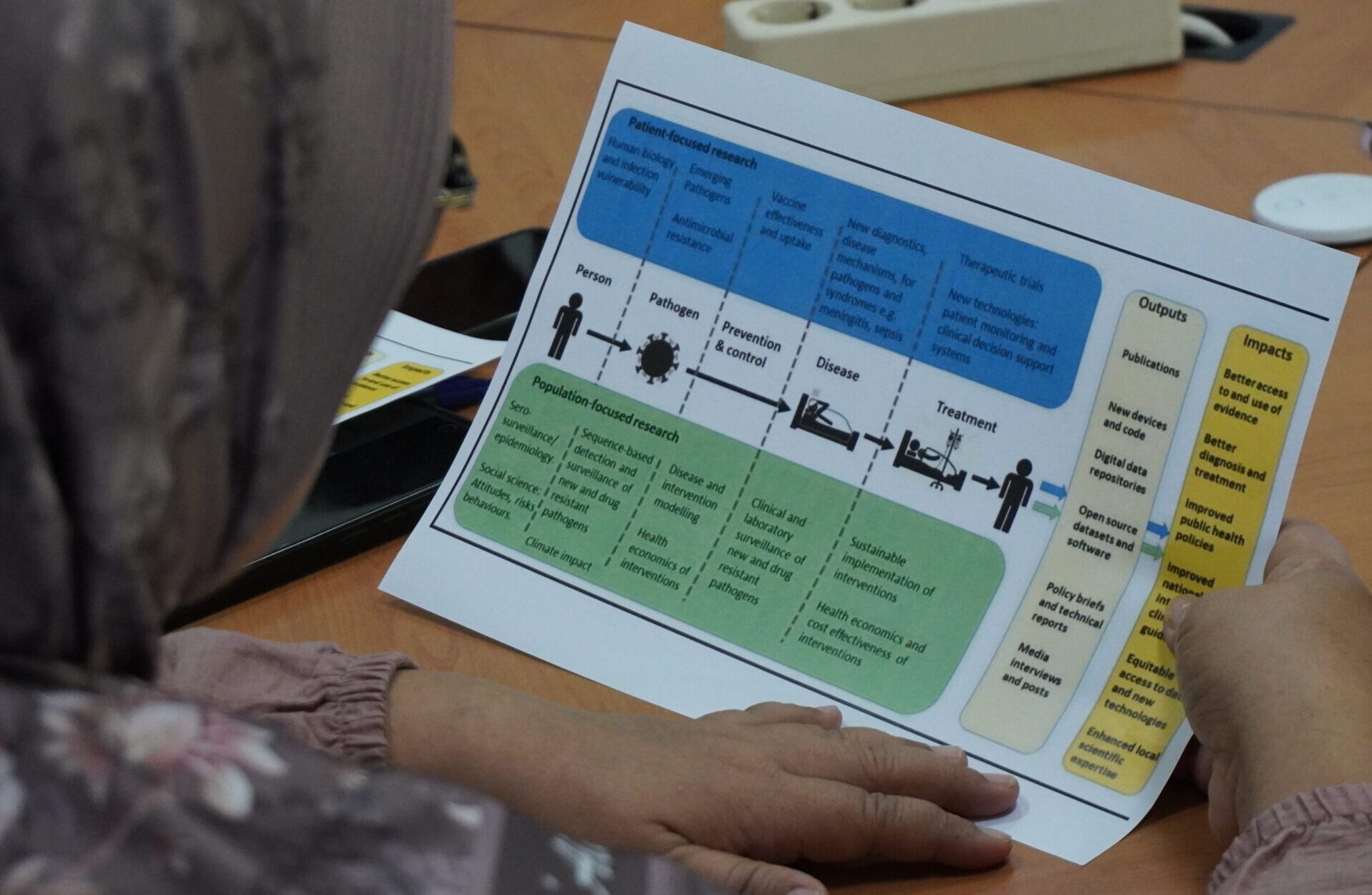
    PCE Workshop Participants and Trainers

    In 23 to 25 September 2025, Public and Community Engagement (PCE) Departement OUCRU Indonesia conducted its first Designing Engagement Project Training in Bogor, Indonesia. This initiative aims to develop essential skills, strategies, and practical tools to foster inclusive, ethical, and impactful community engagement for researchers and practitioners. By the end of training, participants were equipped with frameworks to integrate meaningful engagement into their research, ensuring responsiveness to societal needs and maximising impact.

    Essential Skills for Community-engaged Health Research

    Community engagement in health research is increasingly recognised as essential for ethical, inclusive, and impactful science. Yet many researchers still face challenges in putting engagement into practice, particularly when planning, implementing, and evaluating activities that are effective and relevant to local contexts.

    To address this gap, OUCRU Indonesia’s Public and Community Engagement (PCE) Group developed this pilot training as a hands-on learning platform that combines foundational engagement approaches with practical knowledge of the project cycle. 

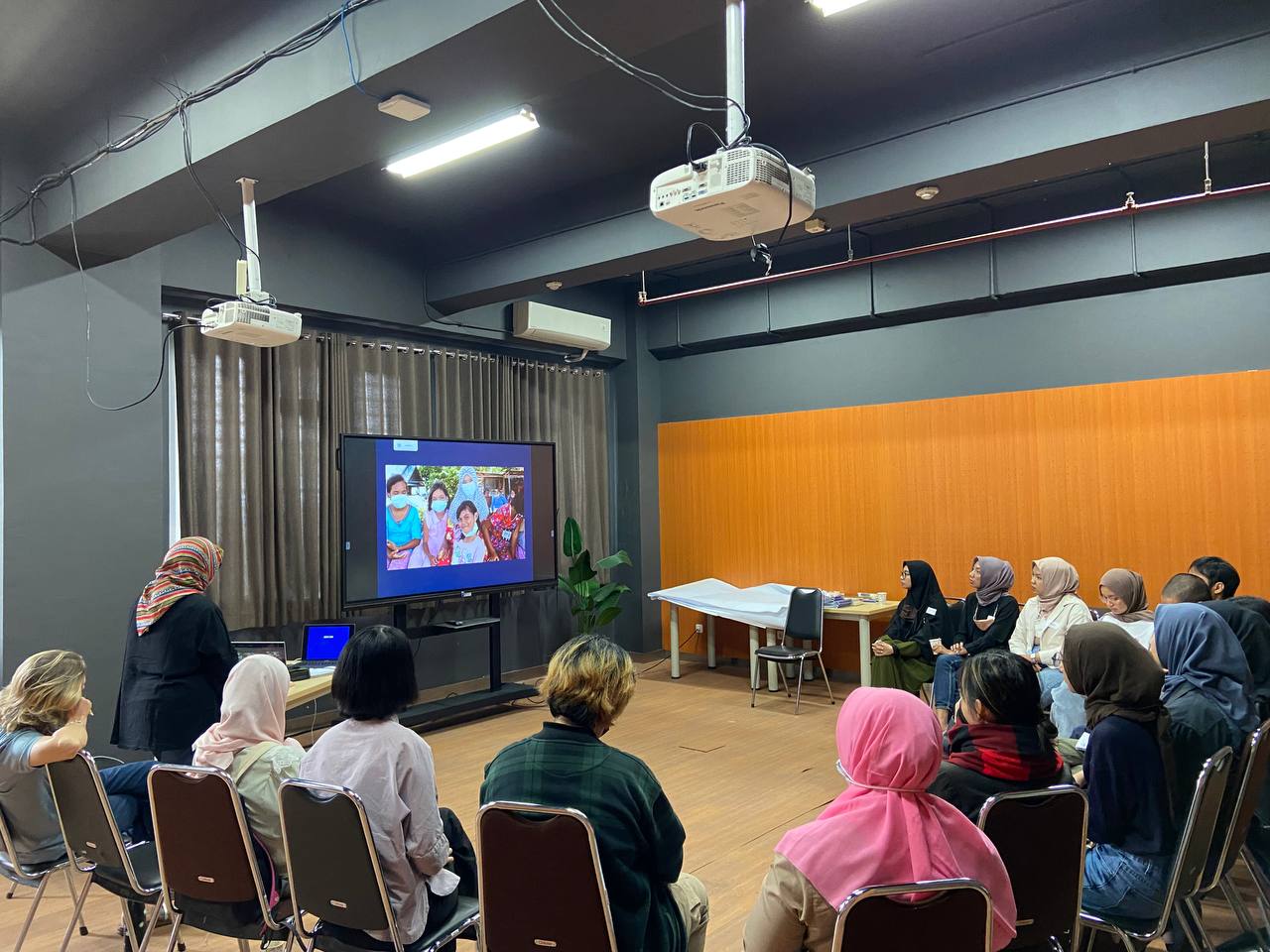
    Over three days, training brought together 20 participants from 10 institutions, including research support staff, field officers, and early-career researchers. Designed as a structured and practical learning experience, the training introduced participants to the essential principles, tools, and frameworks for engaging communities throughout the research process. 

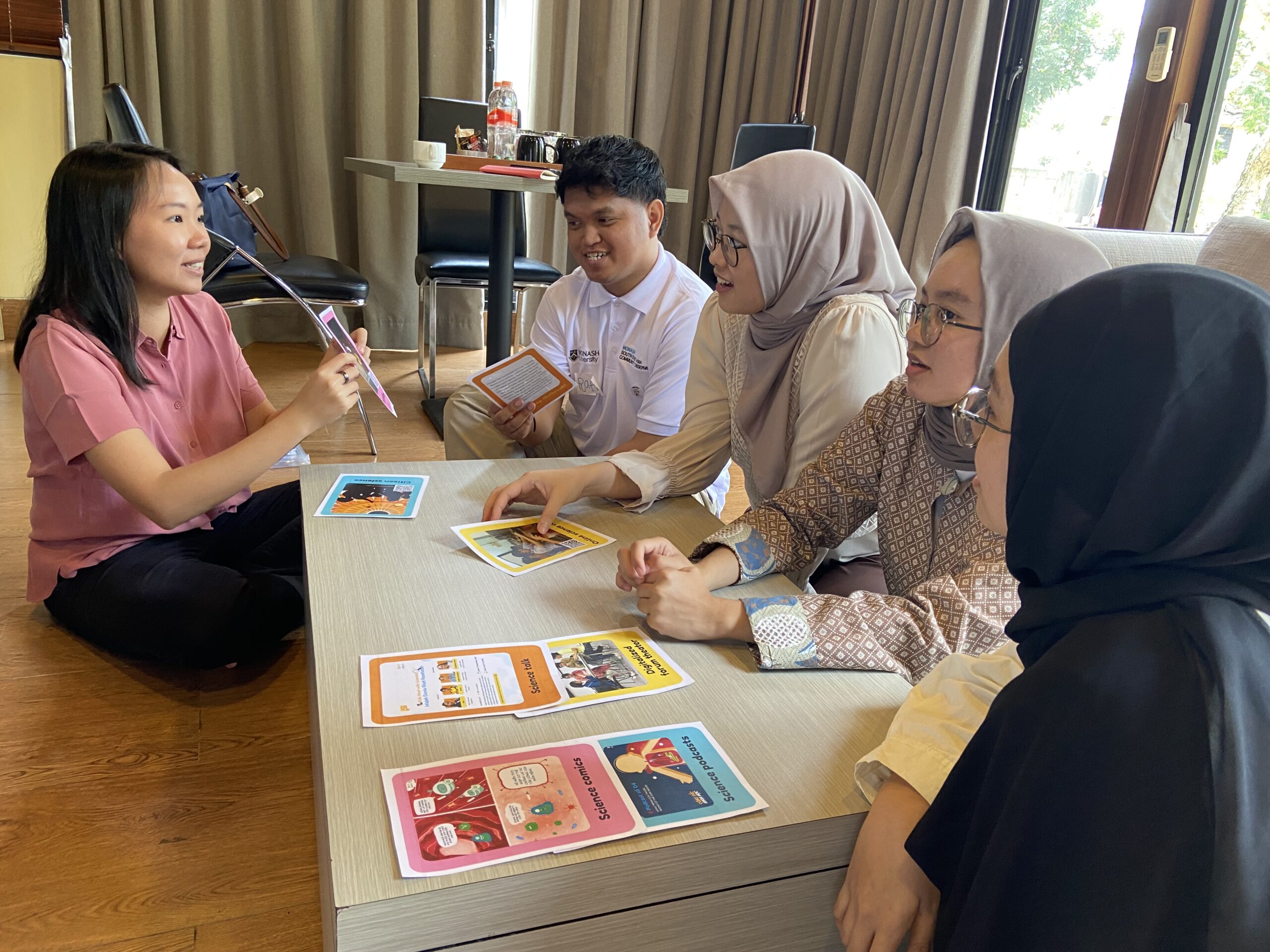
    Using a participatory approach, the training features interactive games, group discussions, and individual projects. The workshop used interactive and participatory methods, combining games, group discussions, and project design exercises to strengthen participants’ confidence and creativity. 

    It is structured into three key sections: project identification (including the ethical foundations of community engagement and the engagement spectrum), project design (focusing on developing the logical framework and aligning engagement approaches with specific audiences), and project evaluation. Throughout the training, participants also explored some engagement approaches such as community advisory boards, participatory visual methods, and digital engagement.  

    Participants reflections

    Participant reflects the training impact was made the improvement and significant change in learning outcomes.
    Importantly, 84% of participants expressed their intention to apply their learning within six months, including through establishing community advisory groups, developing stakeholder engagement plans, and integrating engagement components into ongoing research projects. By the end of the workshop, participants had developed their own engagement plans, with guidance and individual feedback from facilitators. 

    … this training changes my perspective [I now see] that research or engagement project can be beneficial for both. The participants can voluntarily join not only for money reason. I also just realize that I also can improve the relationship with stakeholders who support the project by providing a clearer, simple communication. 

    PCE Workshop Participant

    Since its establishment OUCRU Public and Community Engagement Department continues to champion approaches that make research not only scientifically rigorous but also relevant, respectful, and beneficial to the communities we serve. 

    For collaboration or partnership on PCE Training, contact The Training Team:  Ragil Dien rdien@oucru.org or Văn Thá»§y Quí Hương huongvtq@oucru.org 

  • Bridging the community voices: OUCRU Indonesia held the Kick-Off Meeting Community Forum for Health Research (ForuM)

    Bridging the community voices: OUCRU Indonesia held the Kick-Off Meeting Community Forum for Health Research (ForuM)

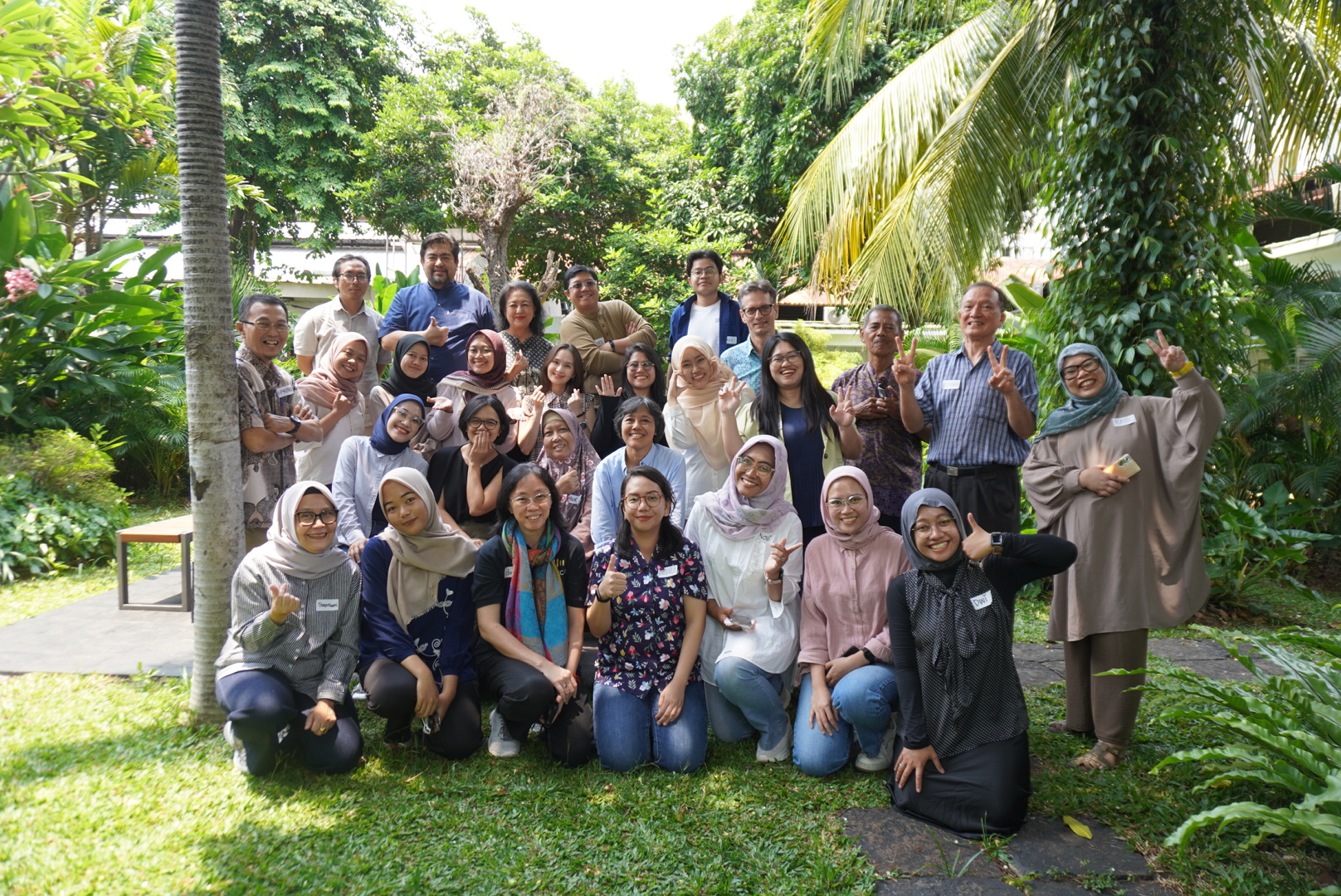
    In September, OUCRU Indonesia held the kick-off meeting of the Community Forum for Health Research (ForuM), a new initiative designed to ensure communities are actively involved in shaping health research. The Forum brings together researchers and members of the public to share perspectives, strengthen trust, and support research that responds to community needs in Indonesia.

    Through an open selection, 15 community members aged 19 to 67 were selected from more than 100 applicants. They represent diverse groups, including private sector workers, students, retirees, homemakers, journalists, and NGO workers. Their role is to provide feedback on research plans, recruitment approaches, consent materials, cultural considerations, and the communication of study results.

    The meeting was opened by Dr Iqbal Elyazar, Deputy Director of OUCRU Indonesia, and Dr Raph Hamers, Head of the Infectious Diseases Group. Both highlighted how OUCRU Indonesia history as a leading infectious diseases research unit as well as its commitment to inclusive research, evidence-based work that strengthens health through community dialogue.

    Commitment to Inclusive Research

    “ForuM helps build stronger connections between researchers and communities, making health research in Indonesia more impactful for everyone.” – Iqbal Elyazar 

    “ForuM is about bringing the community’s voice into health research. Their perspectives, experiences, and feedback will help ensure that our work at OUCRU is not only scientifically rigorous, but also inclusive, relevant, and responsive to community needs,” – Raph Hamers 

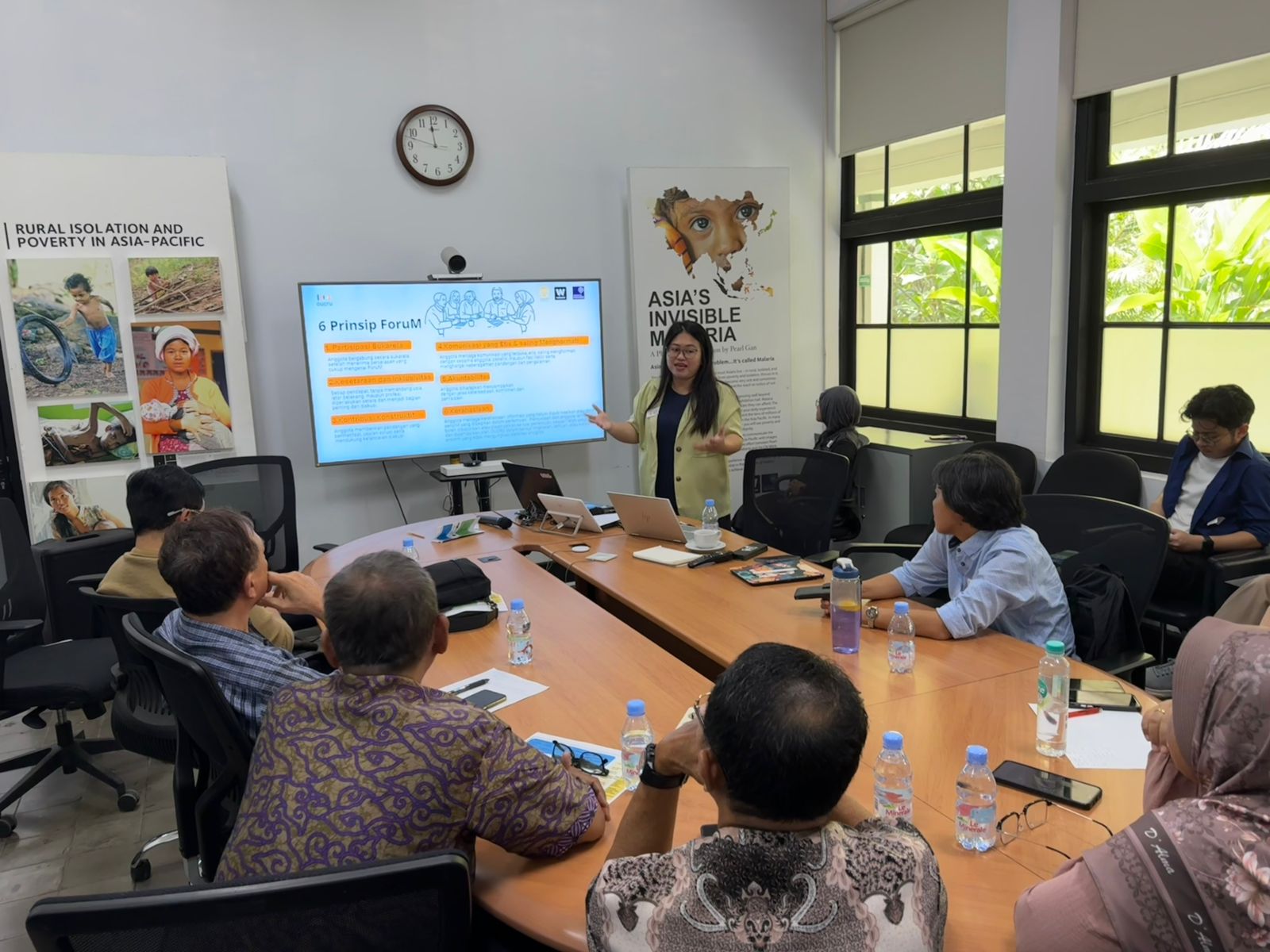
    During the session, the team introduced the ForuM’s guiding principles, facilitated by Eva Simarmata, OUCRU ForuM Coordinator. These principles form the foundation of the ForuM and guide all participants, including ForuM members and OUCRU researchers, to collaborate and engage in discussion:  

    1. Voluntary Participation
    2. Equality in Expressing Opinions
    3. Constructive and Solution-Oriented Contributions
    4. Ethical and Respectful Communication
    5. Accountability
    6. Data Sensitivity

    Members also joined a laboratory tour led by Dr Decy, Head of Laboratory, where they learned how research is conducted from the laboratory to the community, and vice versa. Members expressed great enthusiasm and curiosity about how research comes to life at OUCRU. The members actively engaged in discussions, reflecting their shared interest in bridging science and society. 

    The Forum will meet regularly throughout the year. Through ongoing dialogue, it aims to strengthen ethical and culturally appropriate research, support accessible dissemination of research findings to the community, and promote accessible sharing of research findings.

    By placing communities at the centre, OUCRU Indonesia reaffirms its commitment to making research with communities by integrating local knowledge, cultural insights, and lived experiences. 

    More info about FORUM: https://www.oucru.org/project/community-advisory-boards-at-oucru

  • Using photos to express community perspectives: how photovoice reflects the daily health risk of climate change

    Using photos to express community perspectives: how photovoice reflects the daily health risk of climate change

    Collaborators:

    • Medical Science Division, University of Oxford (Study Sponsor) 
    • Wellcome through Dalberg (Presentation Sponsor) 
    • Faculty of Art and Design, Bandung Institute of Technology (Local Collaborator) 

    Interested in collaborating on public and community engagement in health research?

    Reach us at PCE_Indonesia@oucru.org to explore partnership and other opportunities.

    Indonesia, located on the Pacific Ring of Fire, is highly vulnerable to natural disasters such as earthquakes, tsunamis, and others. Many Indonesians see these events as unavoidable natural facts, which shape how they understand climate change: outside of human control. This misconception can prevent communities from being aware and acknowledging how human actions—like pollution and deforestation—contribute to environmental changes and how those changes can impact human health.

    In 2024, a project across Indonesia, Vietnam, and Nepal aims to explore how communities perceive and experience the links between climate change and health. The project team quickly learned that such complex topics can be challenging for the community to communicate through words, regardless of their experience and struggle.


    Photovoice project visualising climate and health impacts in Indonesia

    Photovoice as a creative tool to explore the experience of climate change and its effects on health

    In 2024, a project across Indonesia, Vietnam, and Nepal aims to explore how communities perceive and experience the links between climate change and health. The project team quickly learned that such complex topics can be challenging for the community to communicate through words, regardless of their experience and struggle.

    Participatory Visual Method Workshop for Climate Change and Health

    Participatory Visual Methods (PVM) workshop for art students at Bandung Institute of Technology

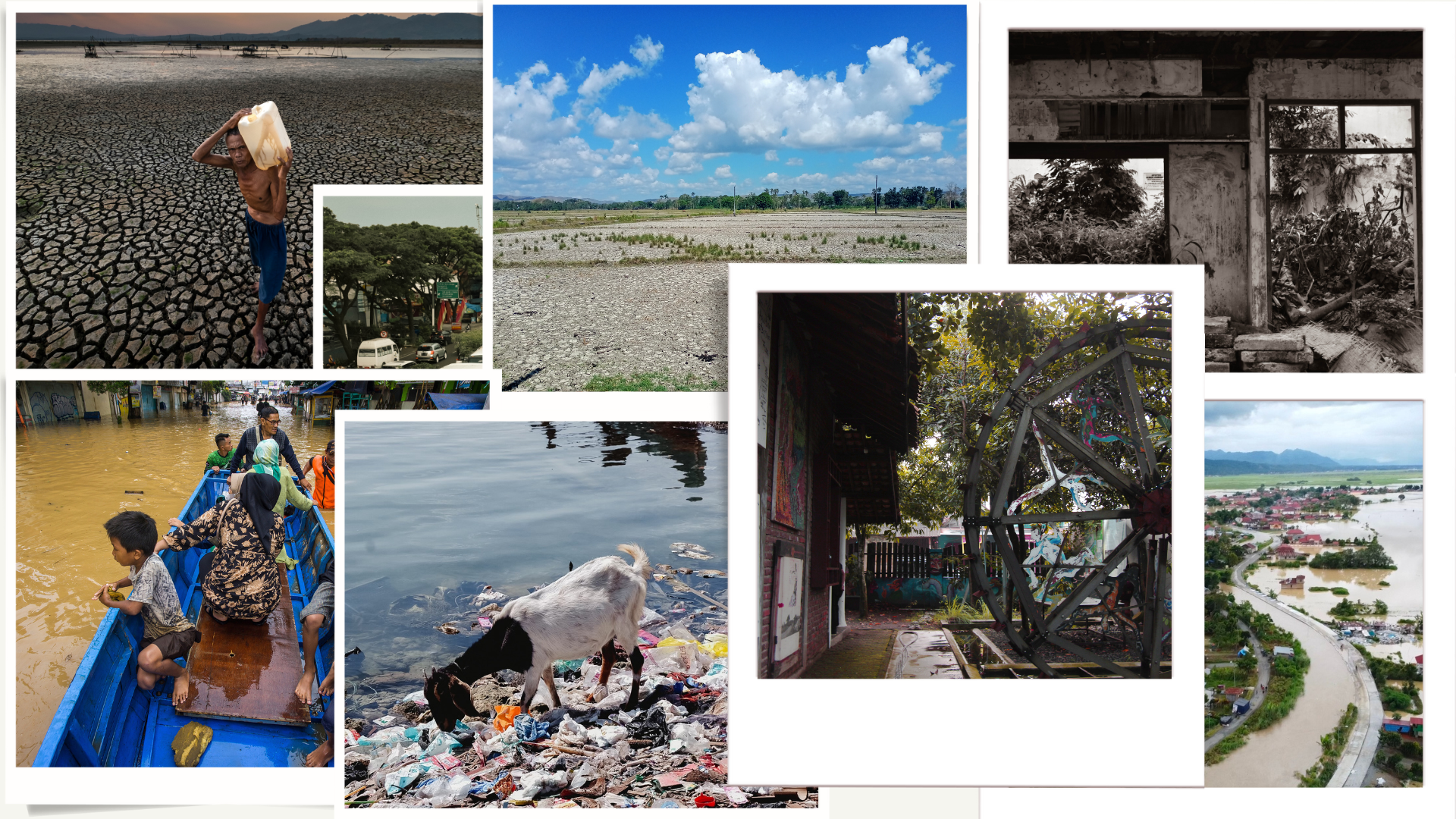
    Over six months, we worked with 45 students and community members across Indonesia and gathered more than 70 visual stories—hundreds of photographs—that reveal their real-life experiences, showing how they see their world changes. Through those everyday photos, issues often invisible in official reports—like worsening air and water quality, rising food insecurity, and the spread of disease, were exposed. Heat stress, difficulties in finding safe food and clean water, and illness spreading are among the aspects that community members reveal about how climate change impacts their health. It makes the issue real and relatable—it’s not just a distant problem, it’s happening to real people in their daily lives.

    https://www.instagram.com/p/C1Ea1n1Pbag/?utm_source=ig_web_copy_link&igsh=MWFpcnV2dHF4OGdpeQ==

    Those visual stories are more than just everyday images – they are expressions of concern, confusion, and fear, but also resilience and hope.

    The photovoice method has proven to be a powerful tool in raising awareness and helping both communities and scientists understand climate change in a deeper, more personal way. By giving people a voice through images, we can better understand their experiences and find new ways to support them in facing climate change.

    The project’s poster, presented at the Public and Communication Science Technology Conference (PCST) 2025
    Access the photobook compilation, capturing the Indonesian lived reality facing climate change here.

  • Who held the microphone during the health crisis? A case study from Indonesia

    Who held the microphone during the health crisis? A case study from Indonesia

    When COVID-19 struck, it required not just medical interventions but also exposed how communication strategies during health crises like the pandemic could significantly affect the public’s attention and trust.
    As the world’s fourth most populous country, with more than 17,000 islands and over 700 local languages and distinct cultural traditions, having proactive communication leading to more effective responses in future health crises becomes a real challenge in Indonesia.
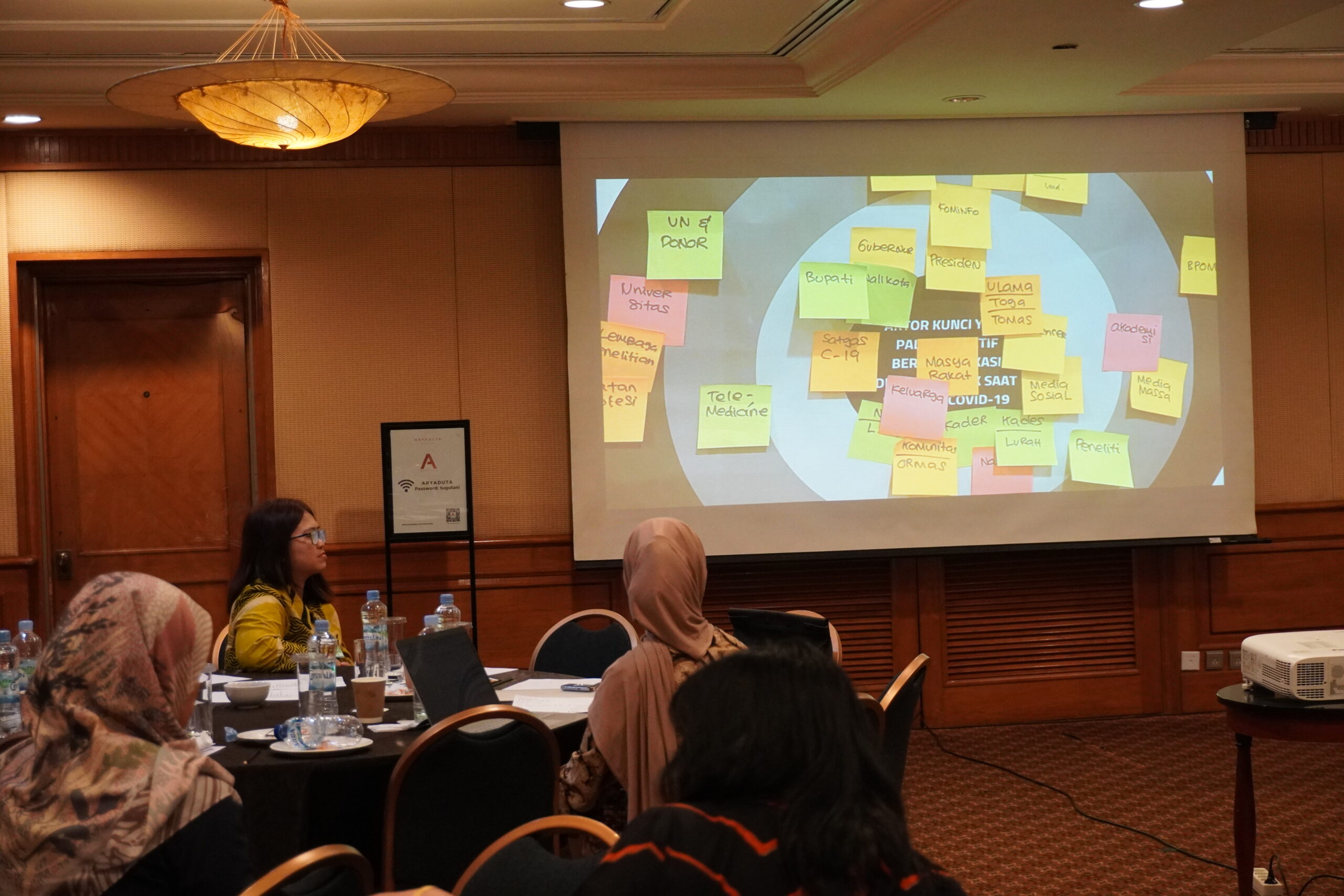
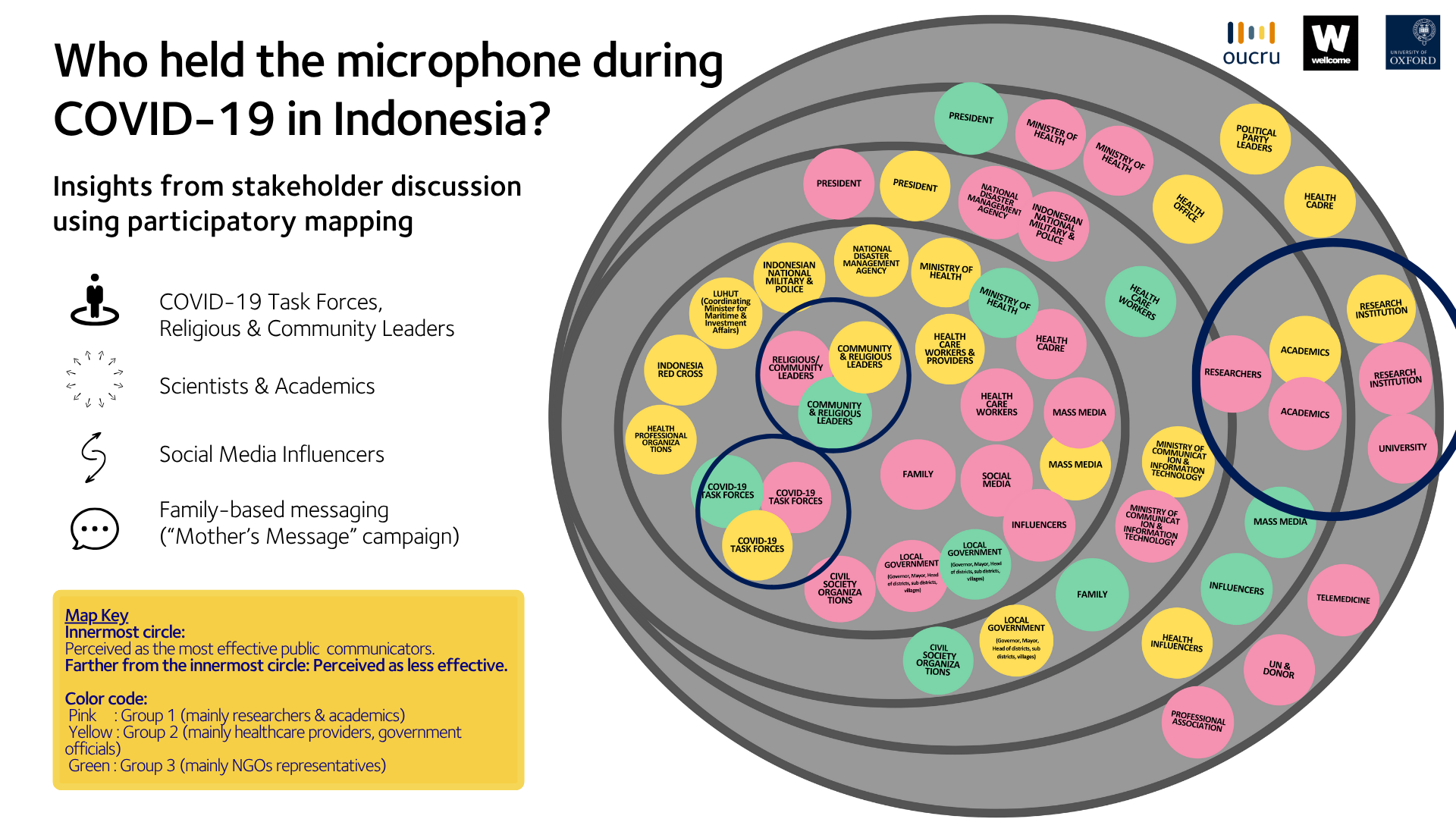
    To address this challenge, the Oxford University Clinical Research Unit (OUCRU) Indonesia gathered 30 stakeholders, including government officials, researchers, healthcare providers, public health professionals (such as WHO and NGO representatives), and former COVID-19 volunteers in Jakarta. Using the participatory mapping method, the project team empowered participants to visualise the complex communication landscape by placing key factors based on their perceived effectiveness and finally revealed nuanced understandings of who truly held influence during the pandemic.

    Public health professionals and community leaders discussing trusted voices in health communication as part of OUCRU Indonesia’s engagement project.

    The findings of this activity highlight the value of participatory approaches in identifying context-specific communication dynamics. The project team then can conclude that effective communication is not solely dependent on the accuracy of information, but also on the credibility, relatability, and accessibility of the messenger.

    The findings of this study have important implications for the design of future outbreak communication strategies, both in Indonesia and in similar settings.

    • Engage trusted local figures, such as religious and community leaders, from the outset of any public health response. 
    • Involve influencers constructively, recognising their potential to either support or undermine public understanding. 
    • Support scientific experts in becoming more visible and relatable, through media training and cross-sector collaboration. 

    As a part of SEACOVARIANTS project, aims to develop and apply a multidisciplinary research platform for rapid assessment of the biological significance of SARS-CoV-2 variants, thereby supporting local policymakers with evidence-based decision-making, these findings reinforce the need to build bridges between scientific expertise, cultural understanding, and public trust for future health crises responses, particularly in low- and middle-income country (LMIC) settings.

    Interested in collaborating on public and community engagement in health research? Contact PCE_Indonesia@oucru.org to explore partnership opportunities.

  • Shifting Public Perceptions Using Visual Storytelling: Community engagement to challenge leprosy-related stigma 

    Shifting Public Perceptions Using Visual Storytelling: Community engagement to challenge leprosy-related stigma 

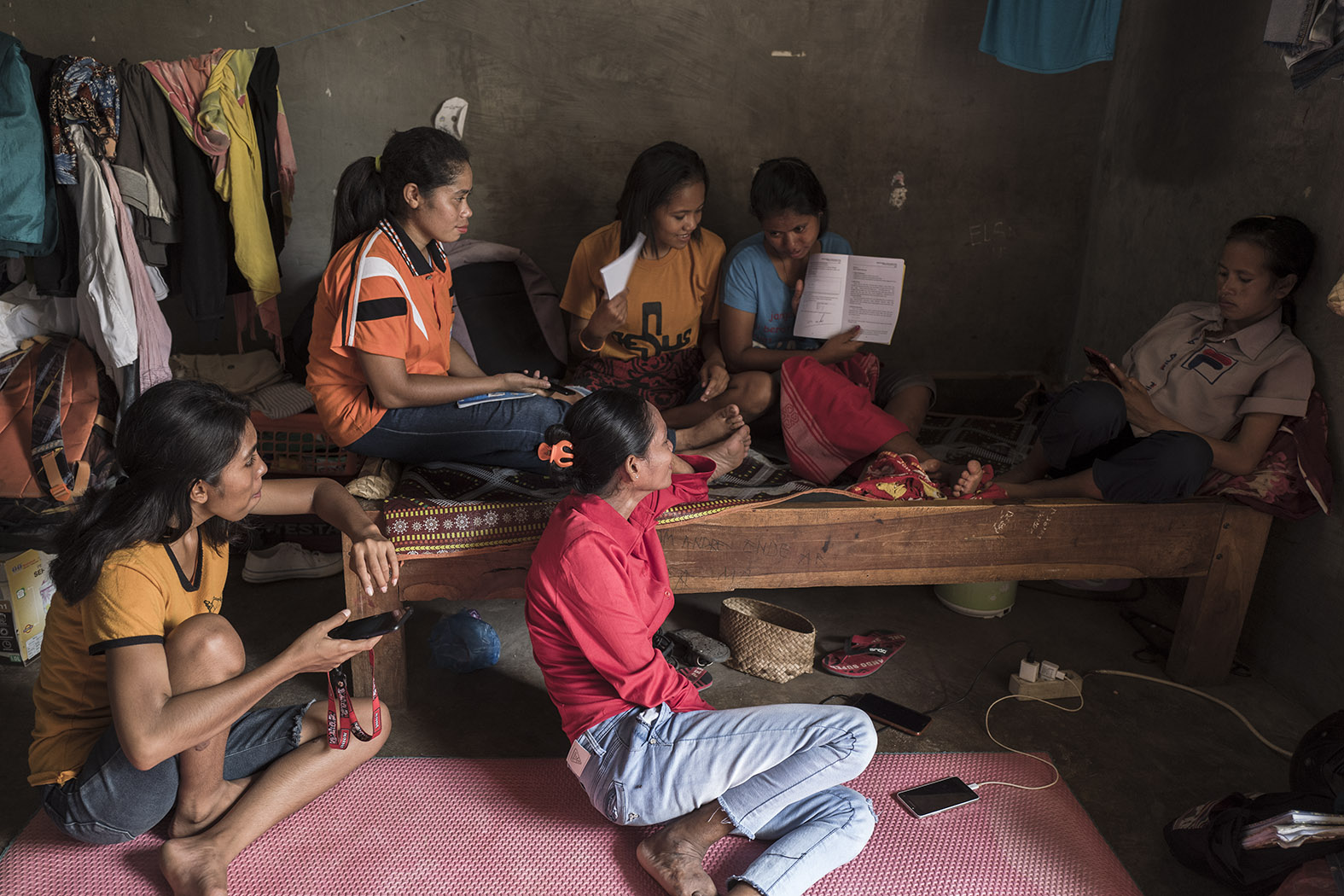
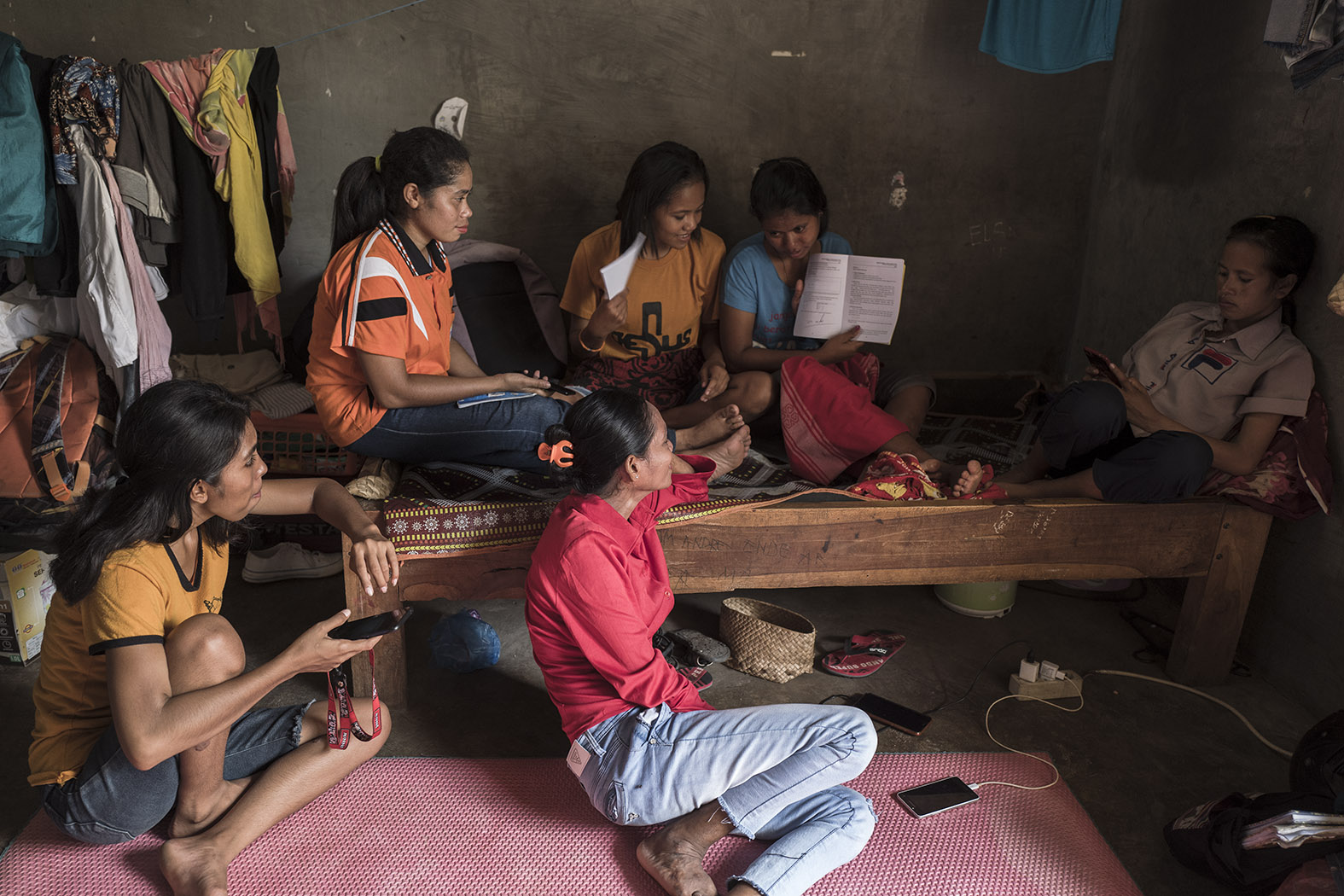
    “People affected by leprosy often face challenges in pursuing education or employment. a informatics student, shares a small student flat with her friends. Despite her illness, she remains determined to complete her degree. After graduation, she hopes to build her career, work in an office setting and become financially independent” 

    An estimated three to four million people across the world live with the long-term effects of leprosy. In Indonesia alone, more than 17,000 people are newly diagnosed with leprosy each year, ranking third globally after India and Brazil. Although effective treatment is available, leprosy continues to persist, particularly in low-resource areas where access to care is constrained. 

    In many endemic regions in Indonesia, stigma remains deeply ingrained. Misconceptions and cultural beliefs associate leprosy with sin, shame or misfortune. These perceptions have changed very little since the earliest references to people with leprosy as outcasts. 

    Visual narrative as engagement tool to address sensitive topics

    On the Island of Sumba in Eastern Indonesia, Oxford University Clinical Research Unit (OUCRU) Indonesia, responding to this challenge through research and community engagement to explore the local burden of leprosy and observed how a lack of knowledge led to fear and stigma towards affected people. 

    In partnership with this community and a photographer, Yoppy Pieter, we used a visual storytelling approach to spotlight the positive aspects of people lives affected by leprosy. This project aimed: 

    • to explore how we approach this sensitive topic differently in our community and public engagement program addressing knowledge gaps contributed to stigma. 
    • to enable leprosy affected people frame their own lives by through visual storytelling across various media. 
    • to shape public perceptions of leprosy, challenge social stigma, and promote greater inclusivity. 

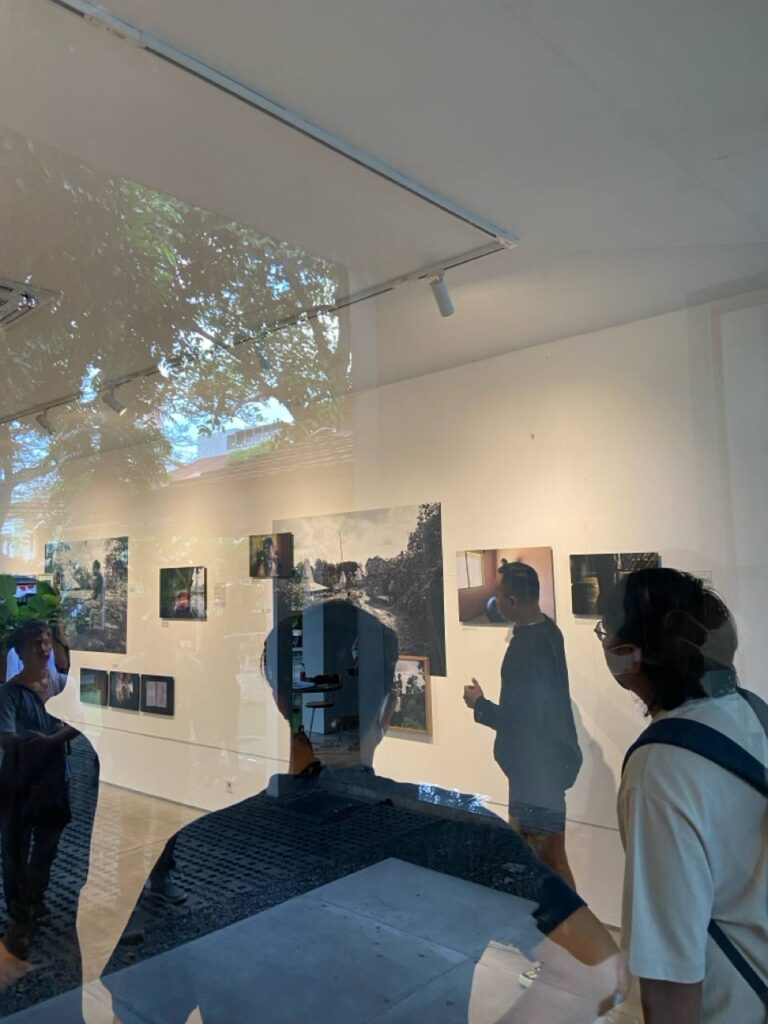
    Engagement through visual exhibition partnering with community, to bridge the communities to interact, share with the goal of mutual benefit. 

    • Informed consent and ethical participation. Participants selected pseudonyms, approved the use of their images, and contributed their own written reflections. We used inclusive naming for participants as people living with leprosy rather than patients, in order to centre the person beyond the condition. 
    • Co-curated in-person exhibitions in Jakarta and Malang, attended by over 700 visitors. Several photographs were printed on transparent fabric, representing the often-unseen weight of stigma and reflected the strength of those whose stories were told. Online exhibition available www.invisibleburdenofleprosy.com to extend the access to audiences beyond the region accross the world. 
    • Promotional awareness co-created with the leprosy scientist and non-scientist disseminated on digital media platforms, during significant public health moments, including World Leprosy Day and World Neglected Tropical Diseases Day, to reach more diverse audiences who may not engage with the topic. 

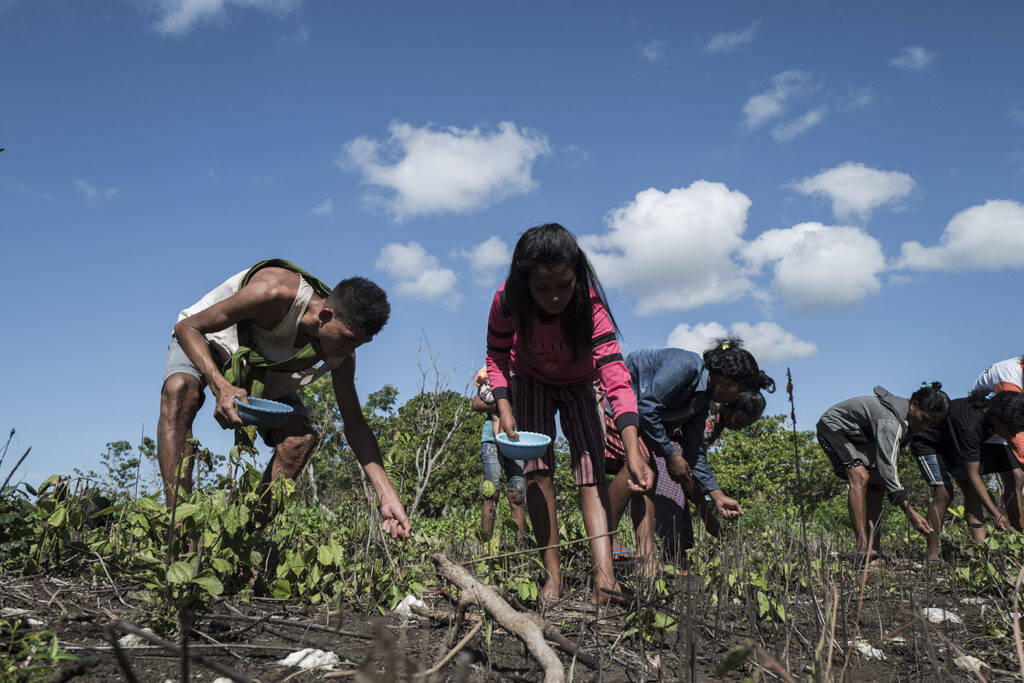
    “People with leprosy develop physical disabilities, often feelings of seclusion and separation as effect of the disease. Yet, he continues to contribute to his community by helping with rice cultivation in the fields. His portrait reflects a deep sense of resilience, social connection and solidarity” 

    Impact of framing positive narrative: shifting public perception

    Visitors found the photo stories powerful, moving, and informative, evoking a strong sense of humanity and hope. In particular, many shared they had never encountered people with leprosy before. Nevertheless, the stories felt intimate and alive.


    Reflections from visitors show that our different approach has succeeded

    ‘The photo is bold and full of hope, beauty behind sorrow and with all her limitations, she was still motivated to continue her education.’


    ‘The photo captured her resilience, strength of character and fighting spirit.’


    ‘The photo was both moving and unsettling, conveying a deep sense of humanity and optimism.’

    This embedded engagement research project shows that visual storytelling is a powerful participatory method for fostering meaningful dialogue with communities. By centring the voices of affected individuals, it helps challenge stigma and promote social inclusion. Ethical, image-based engagement complements medical interventions and strengthens inclusive health communication strategies in culturally sensitive contexts like Indonesia.

    For more information poster can be accessed below: 

    Image credit: The poster presented at the Public and Communication Science Technology Conference (PCST) 2025

    Interested in collaborating on public and community engagement in health research? Contact PCE_Indonesia@oucru.org to explore partnership opportunities.