12 December 2024 – The world’s largest study on the use of hydroxychloroquine (HCQ) and chloroquine (CQ) to prevent COVID-19 has published results showing moderate protection against the virus. The trial involved over 4,600 participants and found a 15% reduction in symptomatic COVID-19 among those who took the medications compared to those who took a placebo.

Published in PLOS Medicine, the study, called COPCOV, also showed that both drugs reduced other respiratory illnesses and helped people miss fewer days at work due to sickness. Hydroxychloroquine and chloroquine were also found to be safe and well tolerated by participants.
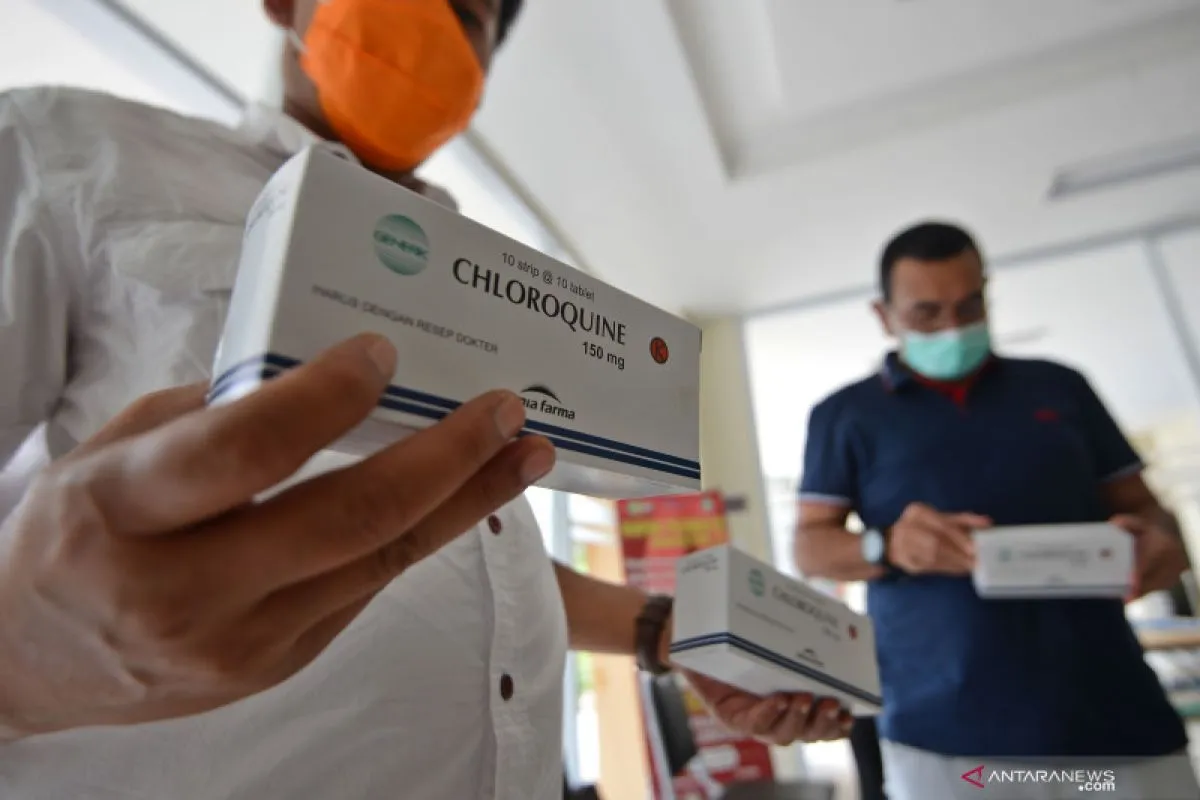
Chloroquine is used in hospitals in Indonesia as part of treatment of Covid-19. Photo Credit: Aditya Pradana Putra, ANTARA.

OUCRU Indonesia and OUCRU Nepal took part as collaborators in this study, with OUCRU Indonesia managing the trial in Indonesia and OUCRU Nepal overseeing the trial in Nepal, working closely with local partners in both countries. The overall study was led by the Mahidol Oxford Tropical Medicine Research Unit and conducted across 26 sites in 11 countries, including Benin, Côte d’Ivoire, Kenya, Mali, Niger, Pakistan, Thailand, the UK, and Zambia.

A Challenging Journey 

The COPCOV study began in 2020 but faced many challenges at the beginning. Early in the pandemic, there was a false claim that hydroxychloroquine was dangerous, which caused public distrust. As a result, regulatory authorities withdrew their support for the drug and revoked emergency authorizations for its use. This led to many trials, which were looking into its potential for treating COVID-19, being paused or stopped altogether.

Then it became clear later that these drugs did not help severely ill COVID patients. However, their potential to prevent infection was still unknown, keeping the controversy alive.

Despite these setbacks, the COPCOV study resumed and completed its recruitment across 26 sites in 11 countries, involving a total of 4,652 participants by March 2022.

Moderate Prevention against COVID-19 and Other Respiratory Illnesses 

The study showed that hydroxychloroquine and chloroquine offered moderate protection against COVID-19. After taking either medication daily for 3 months, participants had a 15% lower risk of developing symptomatic COVID-19 compared to those who took a placebo. Although this level of protection was not as strong as that provided by vaccines, it would have been valuable earlier in the pandemic when vaccines were not yet available.

The study also found that hydroxychloroquine and chloroquine helped reduce the number of respiratory illnesses and days people missed from work because of being sick. On average, participants taking these medications missed 337 days of work per 1,000 people over 3 months, while those taking a placebo missed 441 days. This means the medications helped reduce work absences by about 104 days. This benefit could have been useful in managing outbreaks during the early pandemic phase.

Looking Ahead 

Though hydroxychloroquine and chloroquine are unlikely to be used widely now given the availability of vaccines, the findings of the COPCOV study contribute valuable insights into the role these drugs could have played during earlier stages of the pandemic. “These drugs will also remain part of our potential toolkit in addressing new health threats,” explained Prof. Raph Hamers, a co-investigator of the study and Head of Clinical Infectious Diseases Research Programme at OUCRU Indonesia.

Prof. Hamers also stressed how this study highlights the crucial role of high-quality trials in tackling health challenges. “Completing this study was hard in the midst of a pandemic. Good intelligence through high-quality clinical research is essential to fight future epidemics. These drugs will remain part of our potential toolkit in addressing new health threats,” he added.

The study was funded by Wellcome’s COVID-19 Therapeutics Accelerator and involved collaboration across multiple global research institutions. Despite the challenges posed by the pandemic, the COPCOV study has provided valuable insights into early COVID-19 prevention strategies and reinforced the importance of rigorous clinical research in the face of global health crises.

12 Desember 2024 – Uji klinis baru menunjukkan bahwa klorokuin dan hidroksiklorokuin memberikan perlindungan moderat terhadap virus Covid-19. Para partisipan riset yang meminum klorokuin (CQ) atau hidroksiklorokuin (HCQ) punya risiko terinfeksi Covid-19 bergejala 15% lebih rendah dibandingkan kelompok plasebo. Melibatkan lebih dari 4.600 sukarelawan, uji klinis ini merupakan studi terbesar di dunia tentang manfaat kedua obat dalam mencegah Covid-19.

Dipublikasikan di PLOS Medicine, riset bernama COPCOV ini juga menunjukkan bahwa kedua obat bisa menekan risiko penyakit pernapasan lain dan mengurangi absensi kerja akibat sakit. Selain itu, hidroksiklorokuin dan klorokuin terbukti aman serta dapat ditoleransi dengan baik oleh para peserta uji klinis.

Klorokuin digunakan di berbagai RS di Indonesia sebagai bagian dari pengobatan Covid-19. Foto oleh Aditya Pradana Putra, ANTARA.

OUCRU Indonesia dan OUCRU Nepal turut berperan dalam studi ini. OUCRU Indonesia bertanggung jawab atas pelaksanaan uji klinis COPCOV di Indonesia, sedangkan OUCRU Nepal memimpin risetnya di Nepal. Keduanya bekerja sama erat dengan berbagai mitra lokal di masing-masing negara. Studi ini dipimpin oleh Mahidol Oxford Tropical Medicine Research Unit dan dilaksanakan di 26 lokasi di sebelas (11) negara, termasuk Benin, Pantai Gading, Kenya, Mali, Niger, Pakistan, Thailand, Inggris, dan Zambia.

Perjalanan Penuh Tantangan

Studi COPCOV sudah dimulai sejak tahun 2020, tetapi menghadapi banyak kendala pada awal pelaksanaannya. Pada awal pandemi, beredar klaim keliru tentang bahaya hidroksiklorokuin yang memicu ketakutan publik. Akibatnya, berbagai otoritas kesehatan menarik dukungan terhadap obat ini dan mencabut izin guna daruratnya. Berbagai uji klinis serupa terpaksa dihentikan atau ditunda.

Belakangan, diketahui bahwa obat ini tidak efektif untuk pasien COVID-19 yang sudah dalam kondisi parah. Namun, potensi hidroksiklorokuin dan klorokuin dalam mencegah infeksi masih belum jelas, sehingga perdebatan terus berlangsung.

Meski menghadapi berbagai hambatan, studi COPCOV akhirnya berhasil diselesaikan. Pada Maret 2022, studi ini berhasil merekrut 4.652 sukarelawan di 26 lokasi di sebelas (11) negara.

Perlindungan Moderat terhadap COVID-19 dan Penyakit Pernapasan Lain

Hasil studinya menunjukkan bahwa hidroksiklorokuin dan klorokuin memberikan perlindungan moderat terhadap COVID-19. Setelah mengonsumsi salah satu obat ini setiap hari selama tiga (3) bulan, para peserta studi memiliki risiko sakit COVID-19 bergejala 15% lebih rendah dibandingkan dengan kelompok plasebo. Meskipun tingkat perlindungannya tidak sekuat vaksin, efek ini bermanfaat saat awal pandemi, ketika vaksin belum tersedia.

Studi ini juga mengungkap bahwa klorokuin dan hidroksiklorokuin bisa mencegah penyakit pernapasan lainnya dan mengurangi absensi kerja. Secara rata-rata, para peserta yang meminum salah satu obatnya kehilangan 337 hari kerja per seribu (1.000) orang selama tiga (3) bulan, sementara kelompok plasebo kehilangan 441 hari. Dengan kata lain, obat ini membantu mengurangi absensi kerja hingga 104 hari. Efek ini bisa sangat bermanfaat dalam mengatasi pandemi, terutama saat awal pandemi.

Melihat Ke Depan 

Saat ini, hidroksiklorokuin dan klorokuin mungkin sudah jarang digunakan sejak munculnya vaksin. Namun, temuan dari studi COPCOV memberikan wawasan penting tentang peran kedua obat ini saat awal pandemi. “Obat-obat ini tetap menjadi bagian dari alat potensial kita saat menghadapi ancaman kesehatan baru,” kata Assoc. Prof. Raph Hamers, salah satu peneliti dalam studi ini sekaligus Kepala Program Riset Klinis Penyakit Menular OUCRU Indonesia.

Raph juga menekankan pentingnya penelitian berkualitas tinggi dalam menghadapi tantangan kesehatan global. “Menyelesaikan studi ini sangat menantang di tengah pandemi. Penelitian klinis yang baik sangat penting untuk memberikan dasar intelijen dalam menghadapi epidemi di masa depan,” tambahnya.

Studi ini didanai oleh COVID-19 Therapeutics Accelerator dari Wellcome dan diadakan atas kerja sama dengan berbagai institusi penelitian global. Terlepas dari tantangan pandemi, studi COPCOV telah memberikan wawasan penting tentang strategi pencegahan pada awal pandemi serta memperkuat pentingnya penelitian klinis yang menyeluruh dalam menghadapi krisis kesehatan global.